”In the desert, we’re all thirsty for adventure” “Wanderlust and desert dust.”




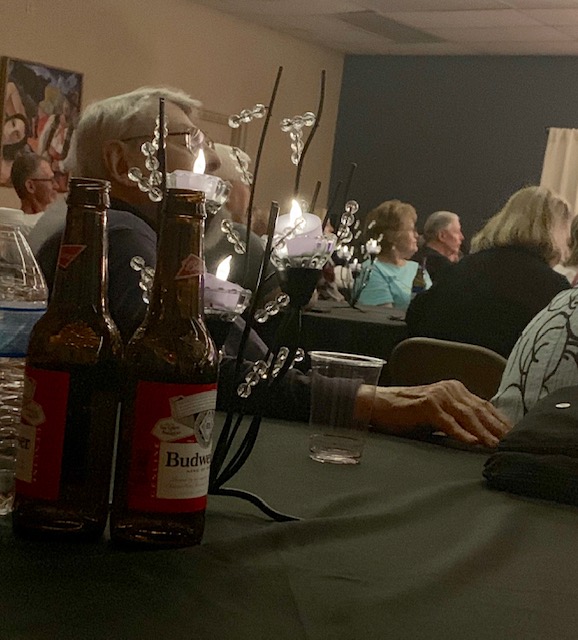
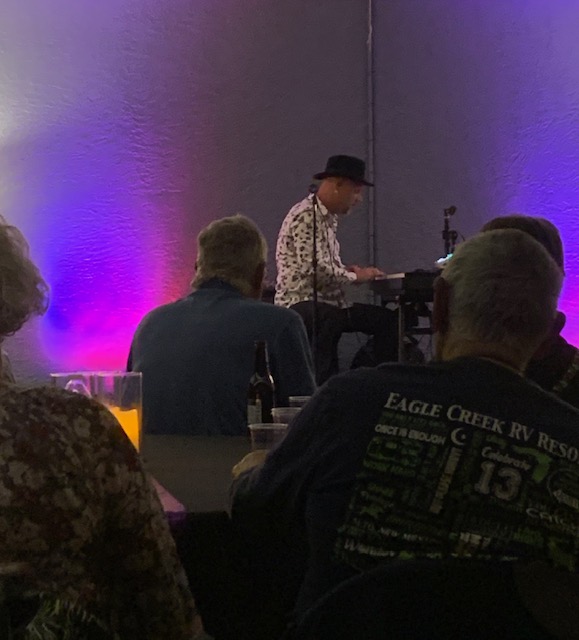
Everyone had a great time and the ivory keys were smokin.

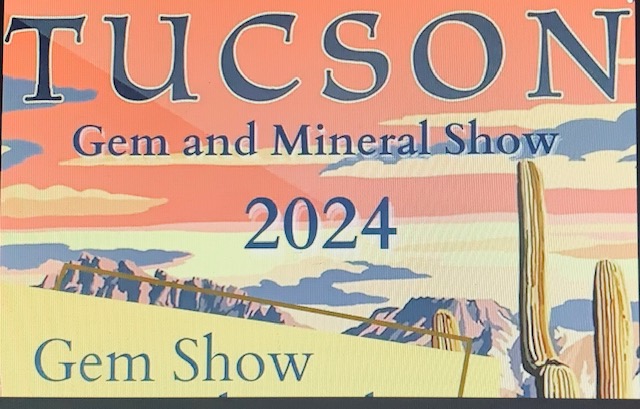
The Tucson Gem and Mineral Society proudly presents the 69th Tucson Gem and Mineral Show from January 25- February 11, 2024
“Pegmatites – Crystals Big and Beautiful!”
The Tucson Gem and Mineral Show is the world’s largest gem and mineral show, and it has been held annually in Tucson, Arizona since 1955. The show is produced by the Tucson Gem and Mineral Society, and it is held in February.
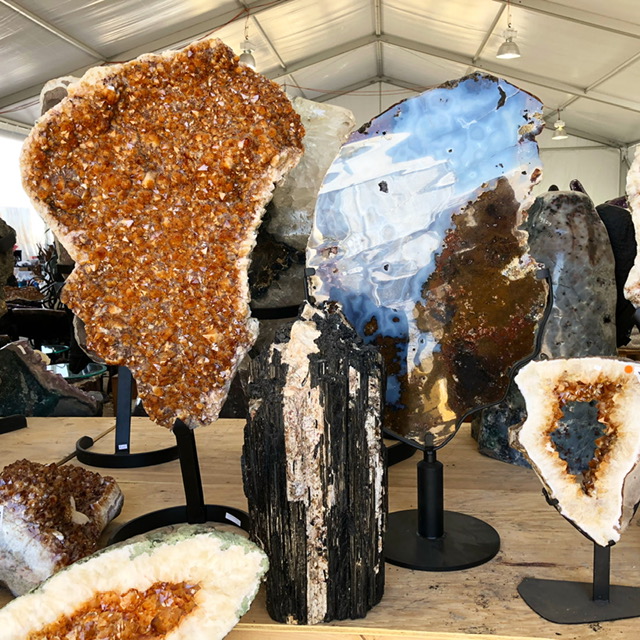
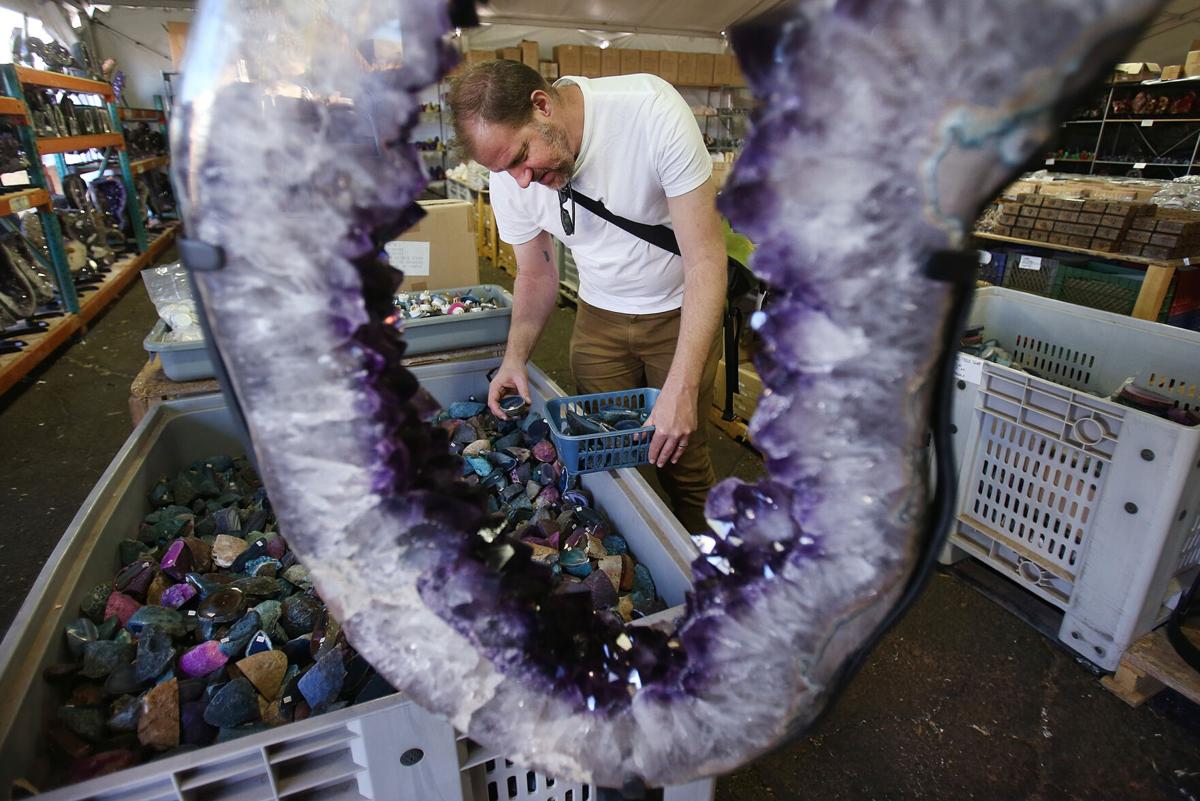
These gems are huge.
The first Tucson Gem and Mineral Show was held in a small elementary school in 1955. The show was a success, it kept growing and growing, it’s now in the convention center and in large tents all around Tucson. The Show is now one of the most popular tourist attractions in Tucson. The show attracts over 50,000 visitors each year, from all over the world and it features over 2,000 dealers from around the world. The show has a huge variety of gems, minerals, fossils, jewelry, and other items.


We went to the 22nd street exhibit that is in this huge, huge tent.
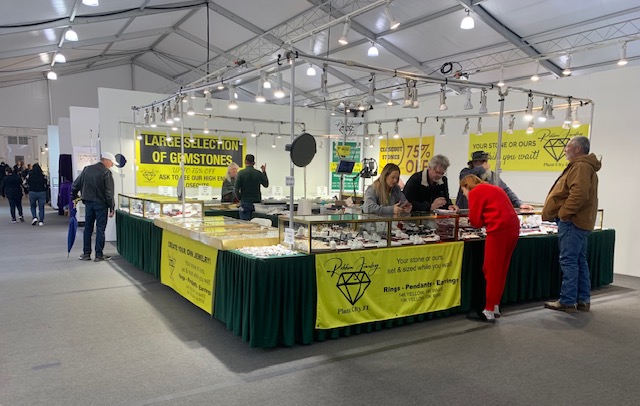
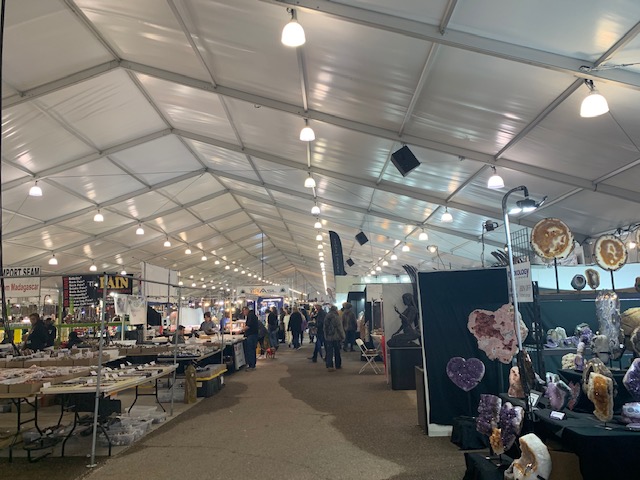
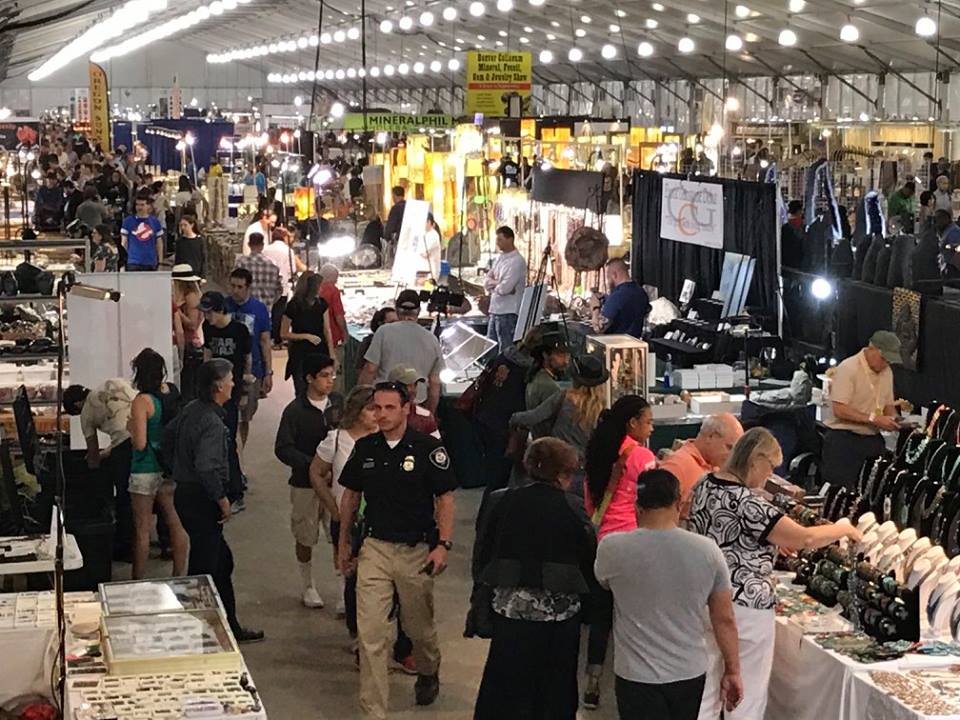
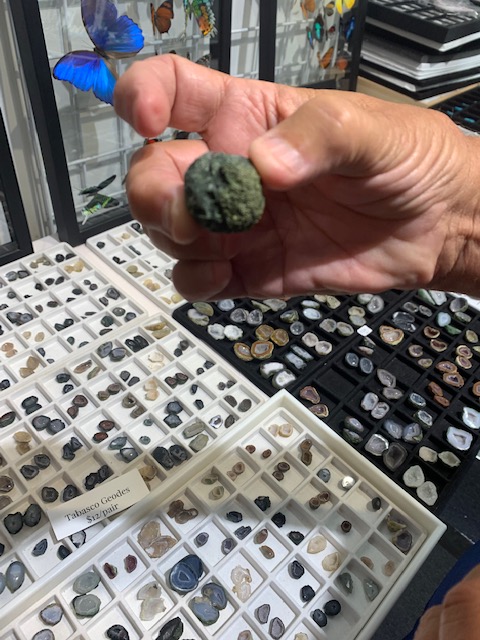

Lapidary Dave is showing us what Lapidary is. It’s the art of cutting a stone, gem or mineral seeing what it looks like on the inside and then polishing the item. It takes different kinds of machinery and tools to look like the end result. Lapidary has its roots in prehistory, as early humans began fashioning tools and weapons from stone. In time, these techniques were also used for items of personal decorations. Stone carving has evolved as an art in many cultures throughout the world.
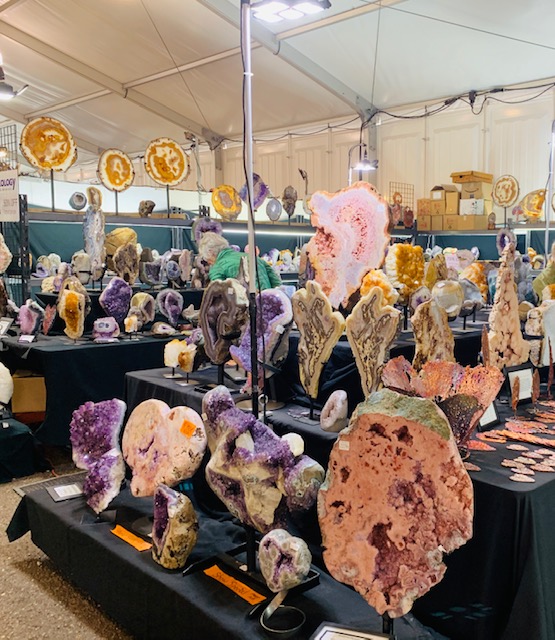

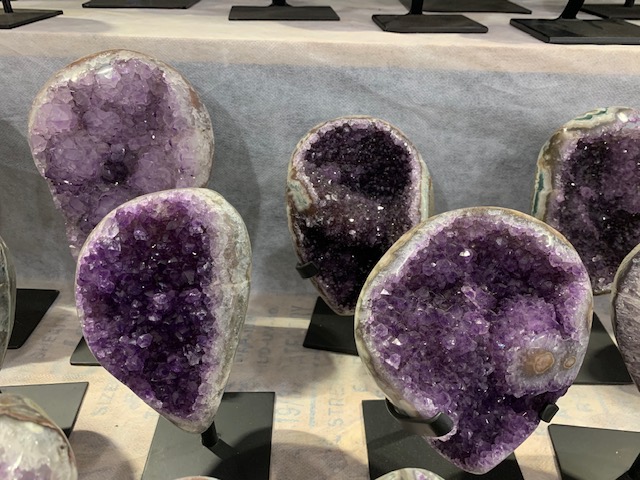
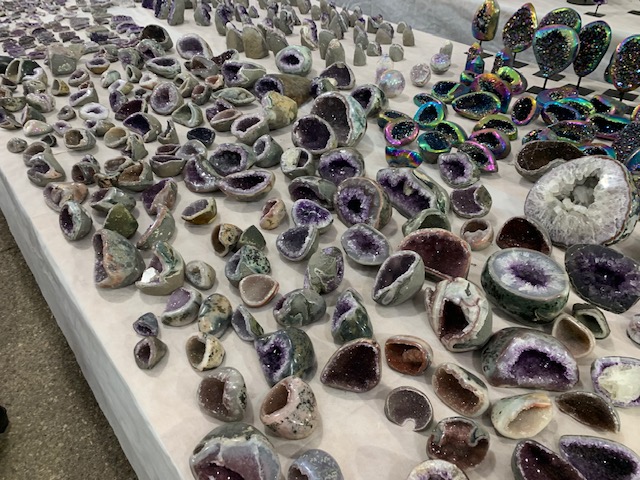

The apple-green gemstone is called an Australian Chrysoprase and it had it’s first debut at the 2024 show. It’s a rare and highly prized.
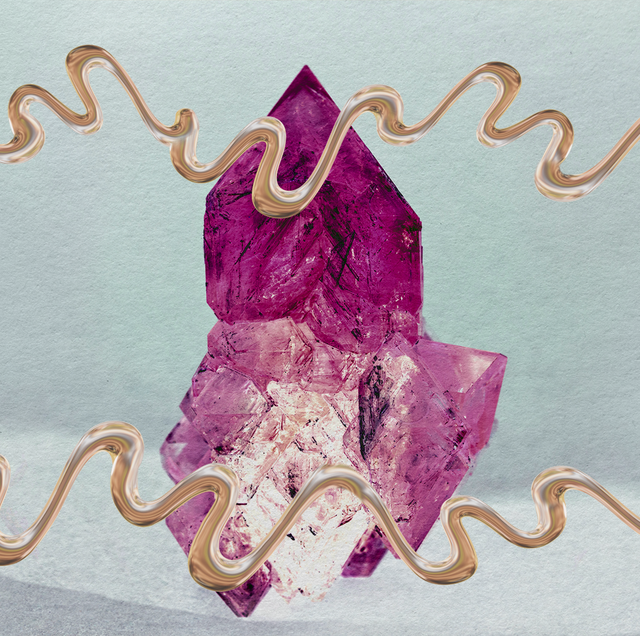
Gemstones according to history and archaeology tell us that gemstones have been appreciated for their spiritual powers and their beauty since they were first taken from riverbeds and sandy shores.
Ancient Egyptians, Greeks and Romans decorated themselves in protective good luck charms, pendants and bracelets made of stones and gems not only for their magical powers but even for the journey into the afterlife.
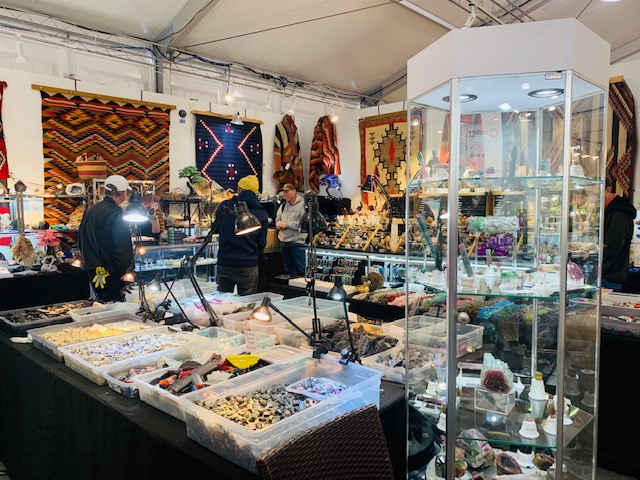
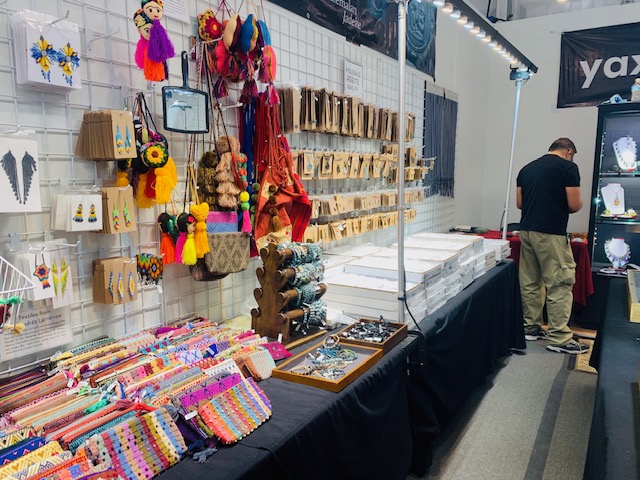

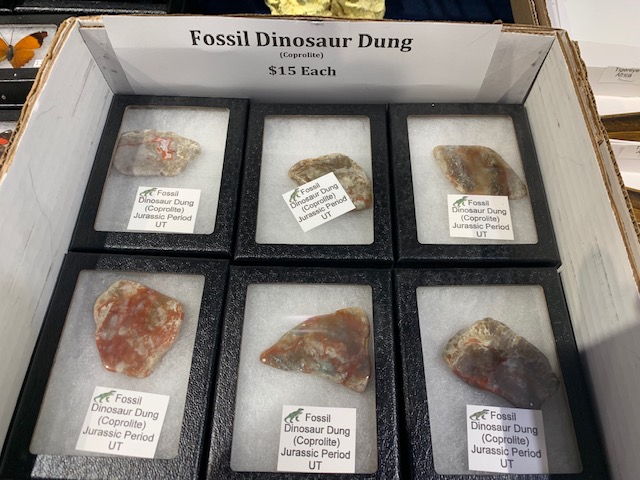



With the arrival of the industrial age and modern medicine you would think it would be over for healing crystals but I hear they are probably more popular now than at any time in history. I even have some from our trip to Sedona a few years back. If they help along the way I can’t say.
I guess people instead of taking pills or seeing a doctor they turn to gemstones for physical and emotional healing. People say that a gemstone’s spiritual meaning is the emotional and physical benefits that it can bring into your life.

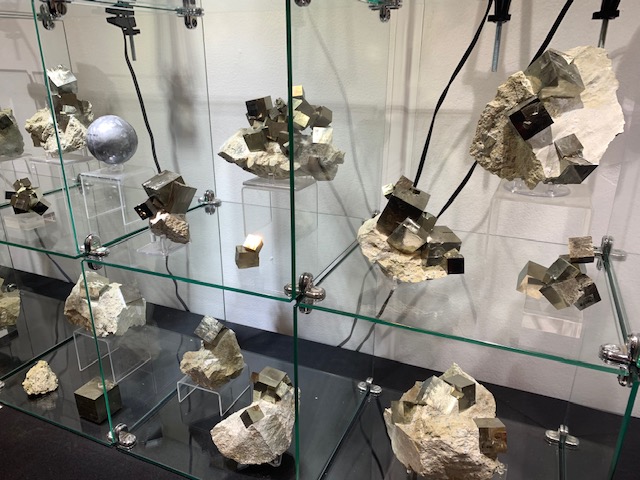
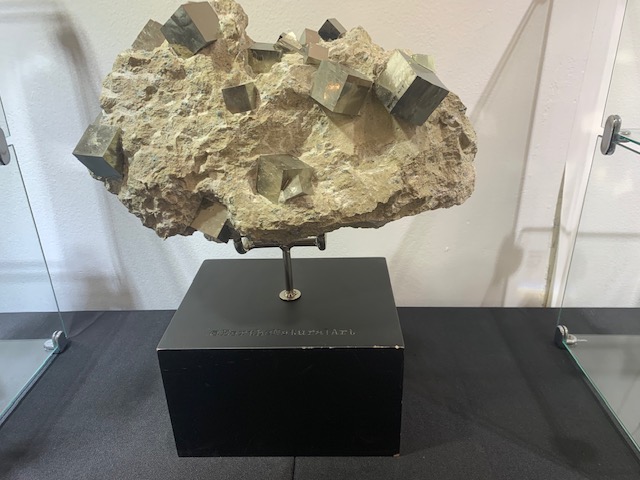

We think these Pyrite crystals are so unusual because they are all square without being cut that way. It’s cubed pyrite crystals are formed through a process called cubic crystal growth, which occurs when the mineral is in a liquid or aqueous solution and is in a state of supersaturation. The process is driven by the natural tendency of the mineral to form symmetrical shapes and the presence of sulfur and iron ions. The temperature and pressure conditions, as well as the presence of impurities, also play a role in the formation of cubed pyrite crystals. These crystals can be found in a variety of environments and are often associated with other minerals. I know, I know, what the heck are they talking about? However they are definitely a neat looking crystal.

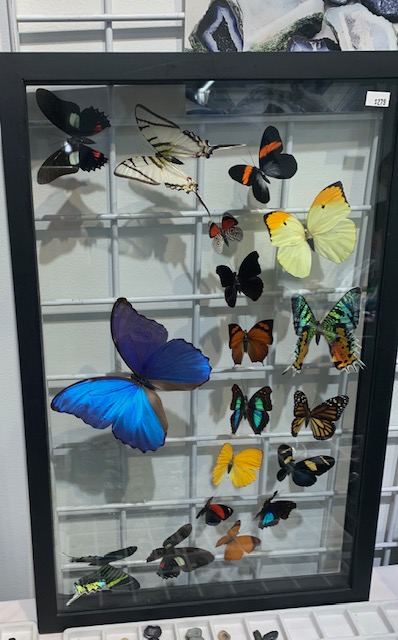
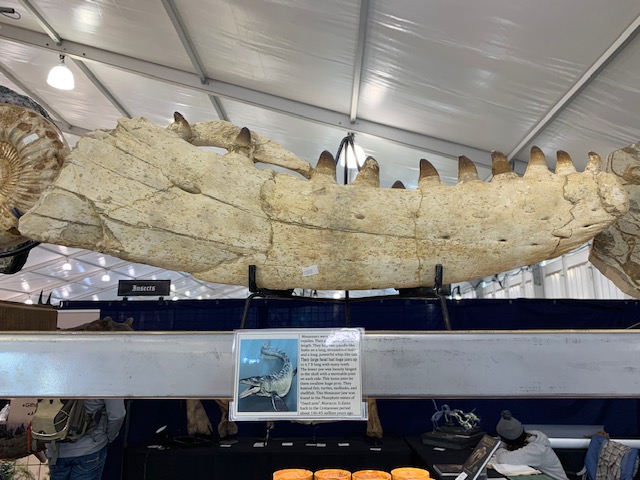

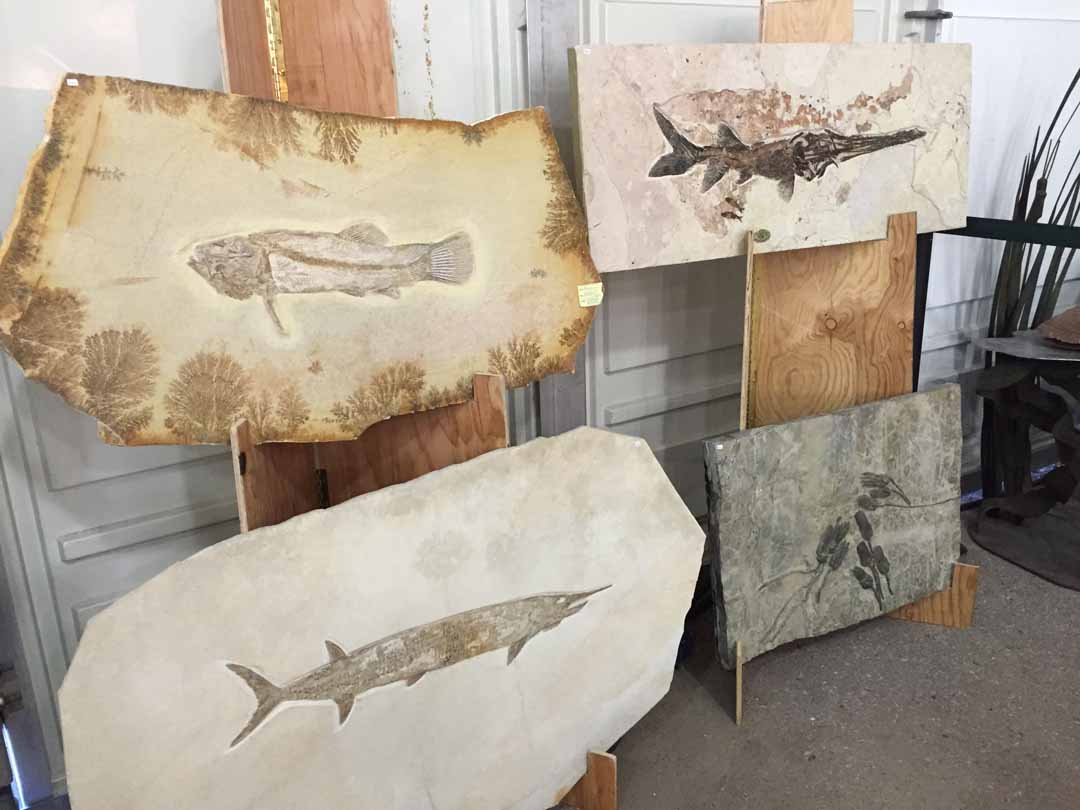
Some unusal items they had at the show.
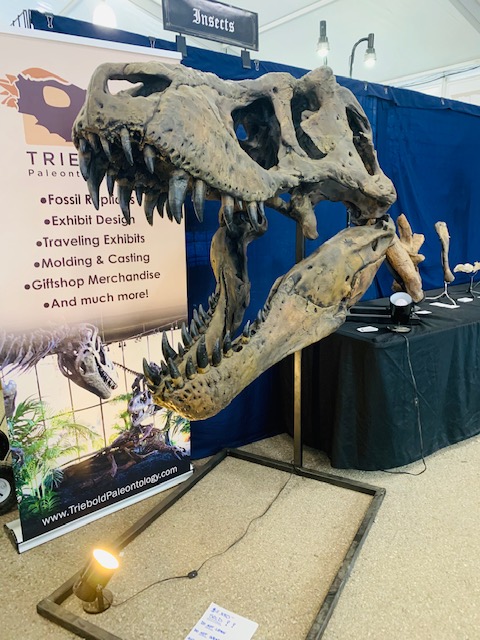
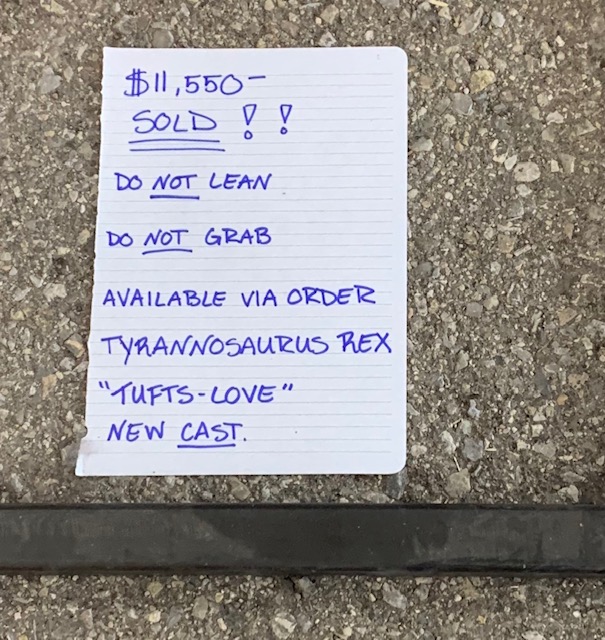
Figures it was sold as we wanted to purchase it for inside the RV. 😂
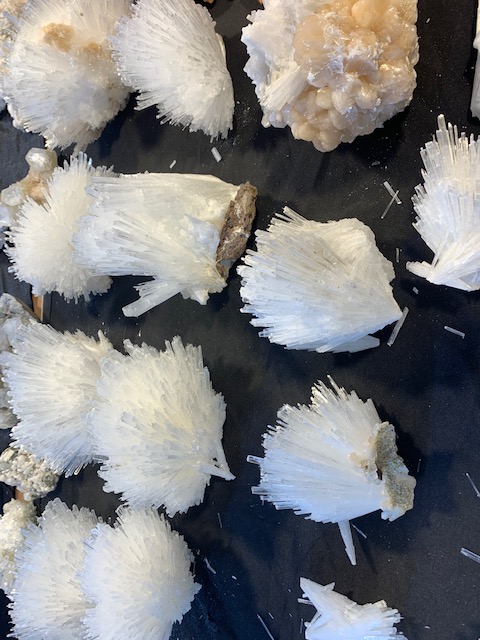
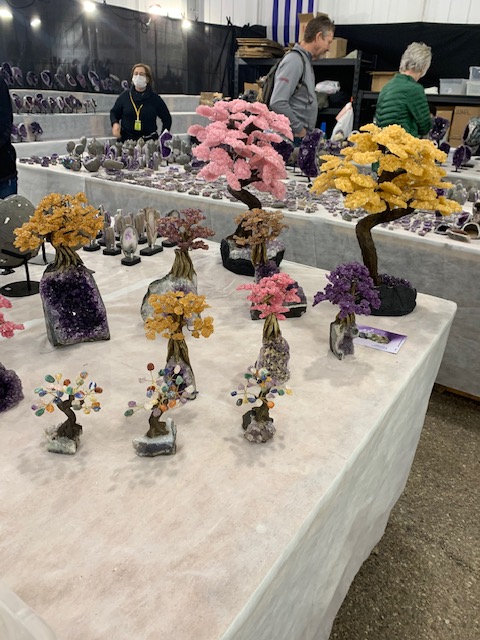


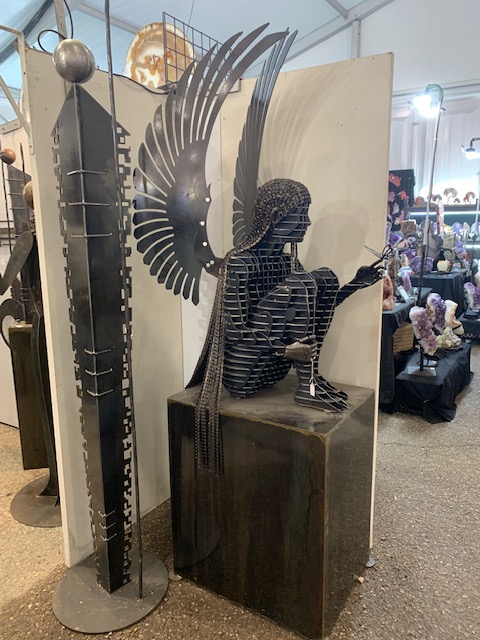

Some more items at the show. It was a very insterting show we learned things and had a good time.

*****************************************************************************
From
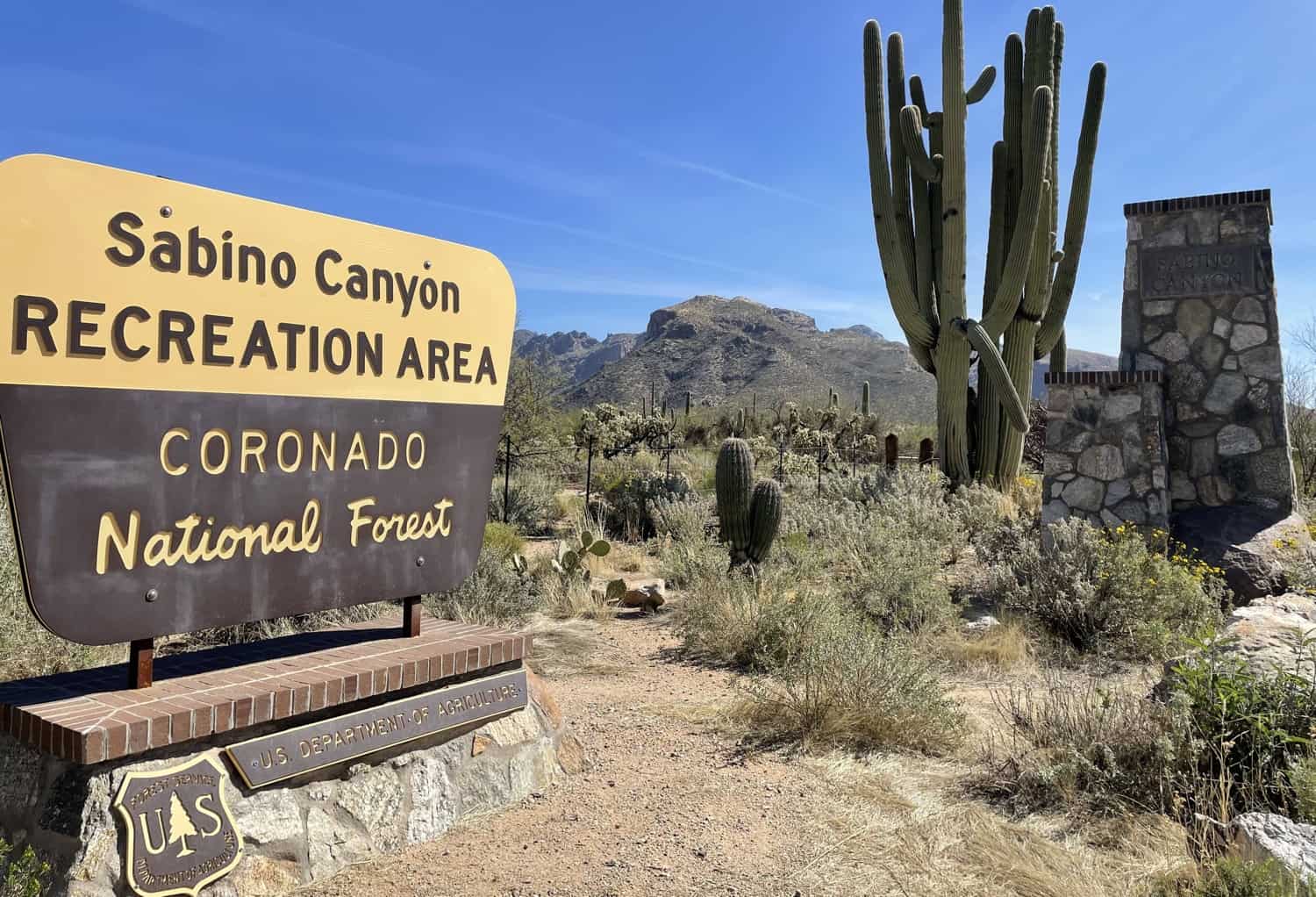
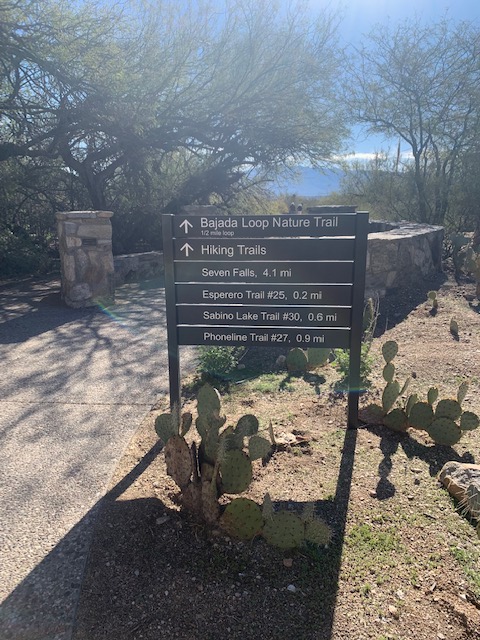
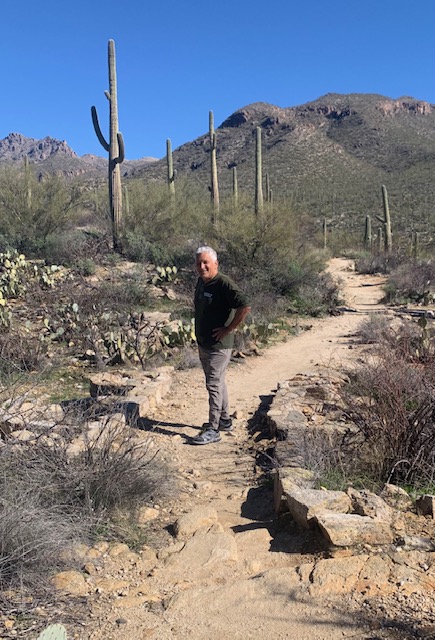
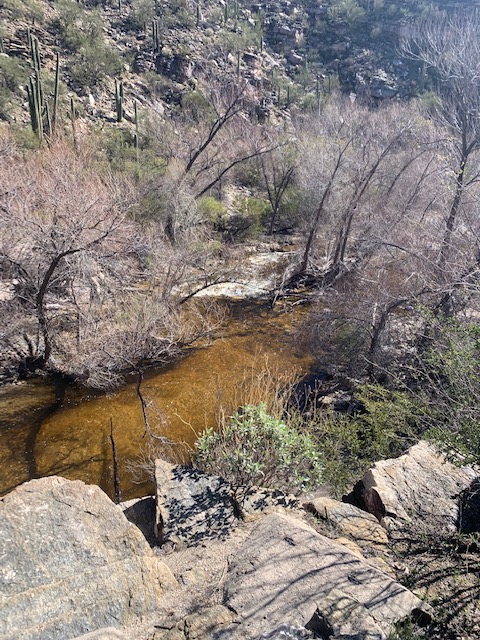
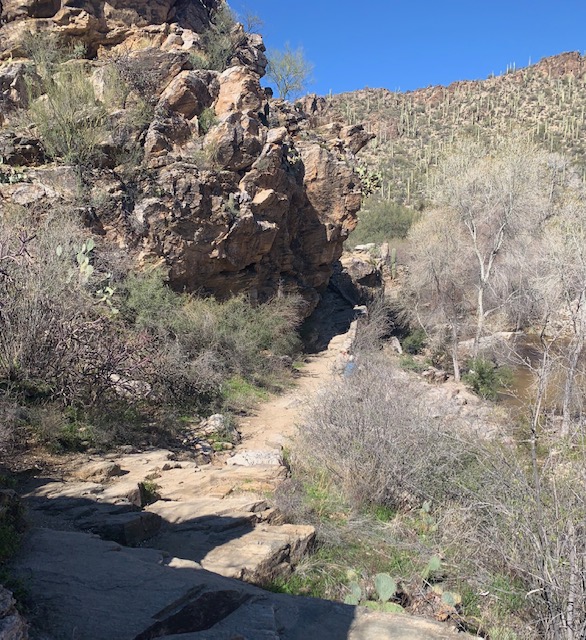
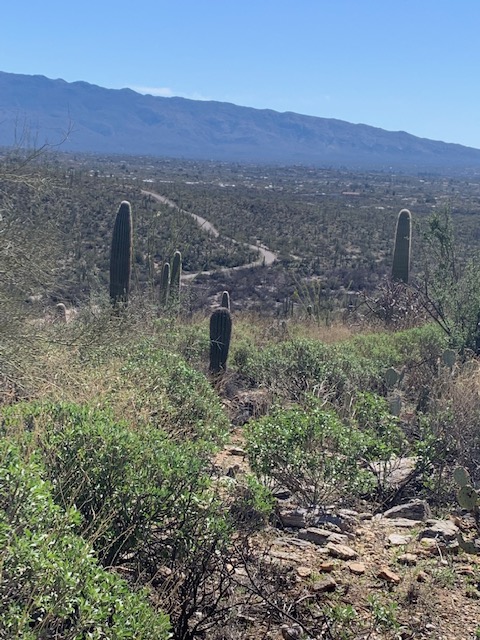
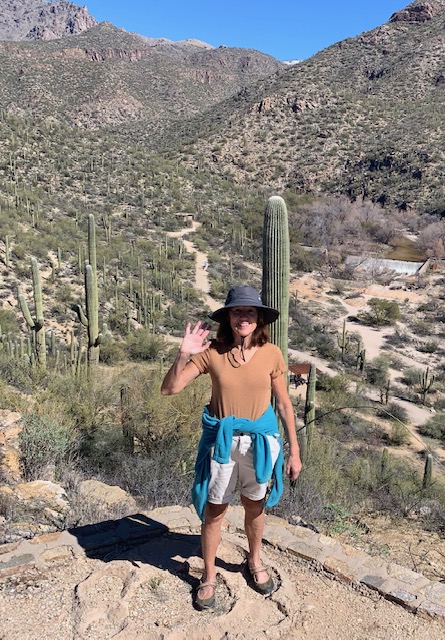
It rained a full day so that’s a good time to go to the canyon, when the water is flowing. We’ve been there a few times, once when it was completely dry and again after it snowed in the mountains. We went to check it out and hike.
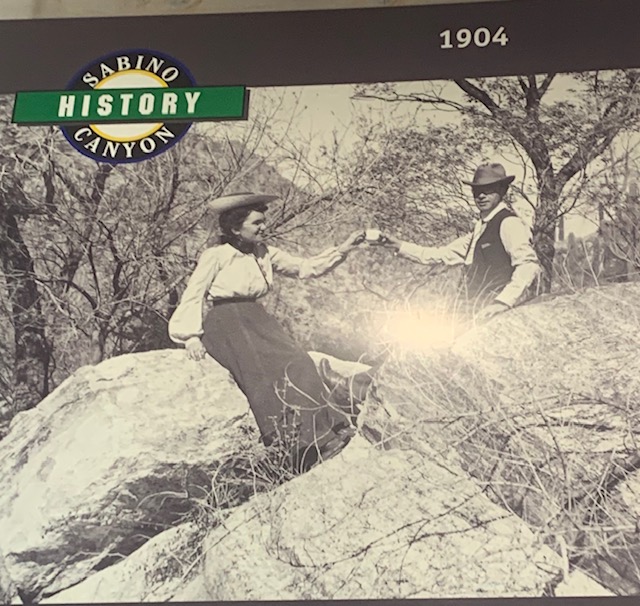
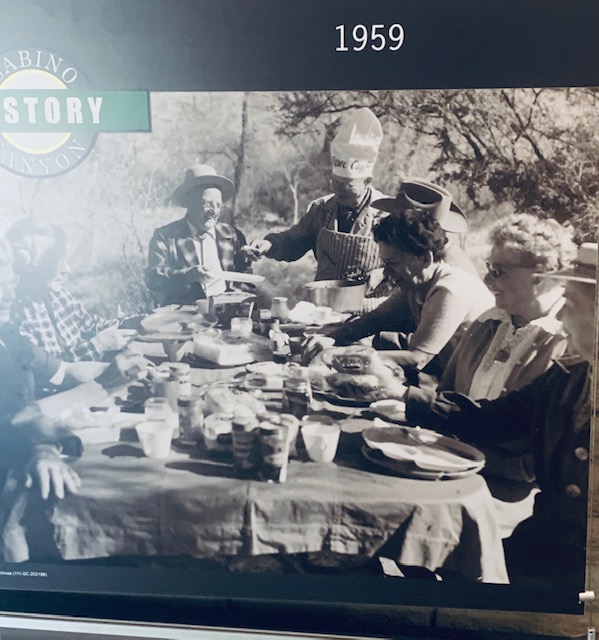
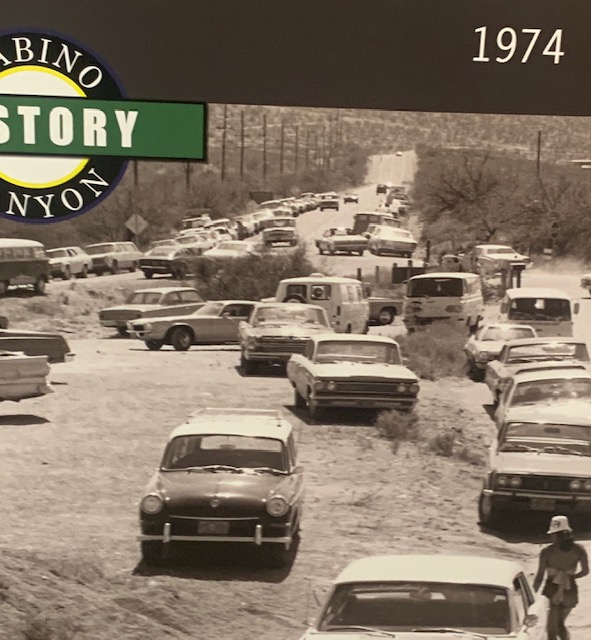
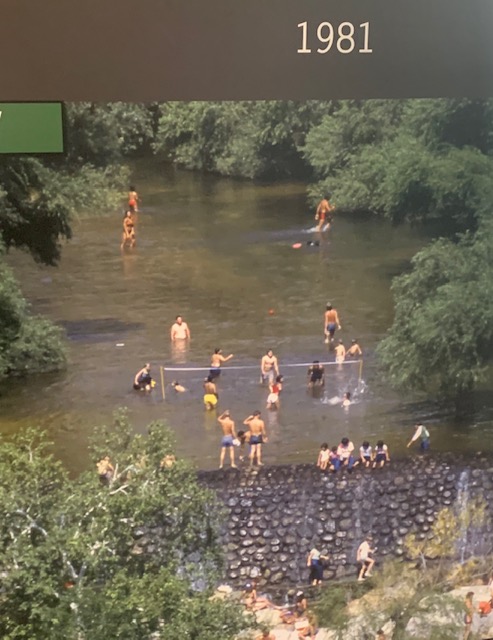
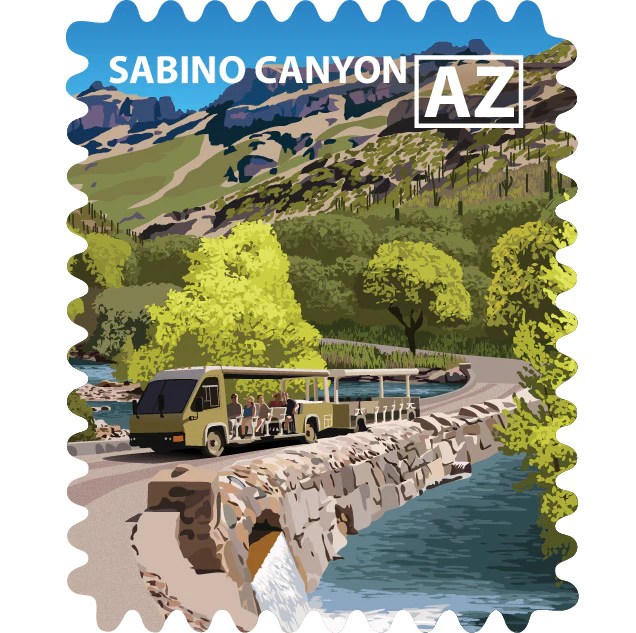
Times have changed in Sabino Canyon. It’s been a long time since you could drive a vehicle in Sabino canyon, they have shuttle you can use now if you choose and the driver tells you about the history of the canyon.
In Tucson’s early days, people took picnics to Sabino Canyon. In 1887, there was a big earthquake in Mexico, 150 miles away from Sabino Canyon. Many of the huge boulders you see in the canyon fell from the canyon walls or were moved in that quake. In 1890, the Forest Preservation Act was passed by the United States Congress and in 1905 when the Forest Service was created, Sabino Canyon came under its care.
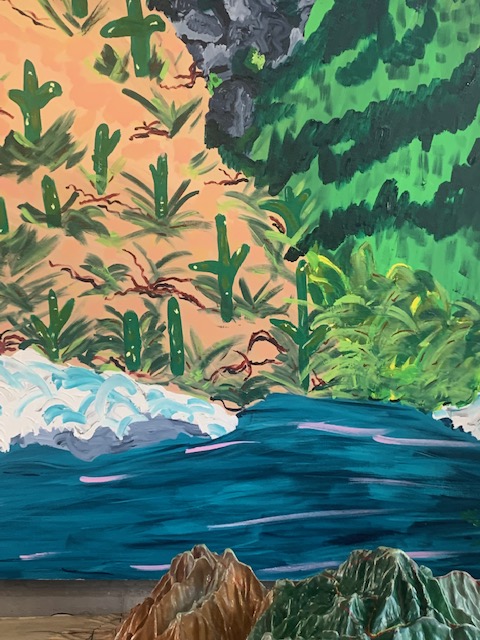
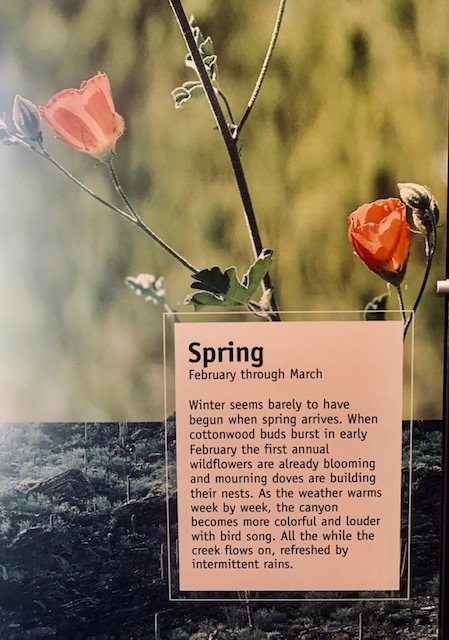
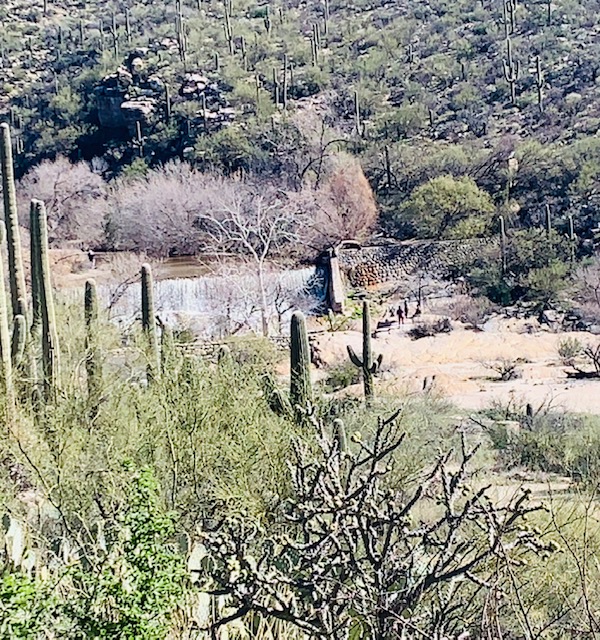
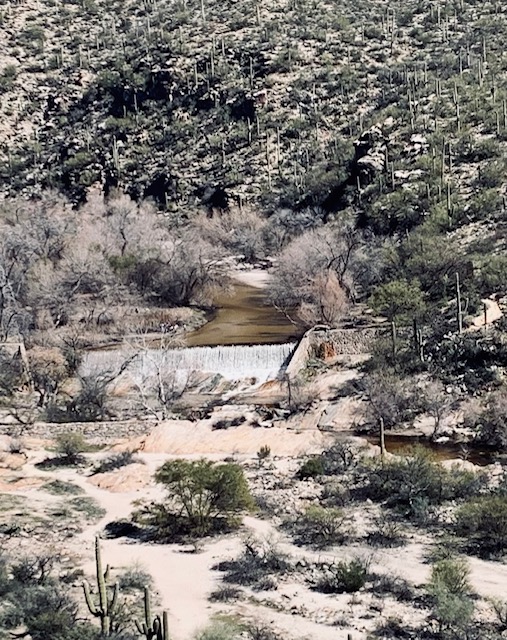
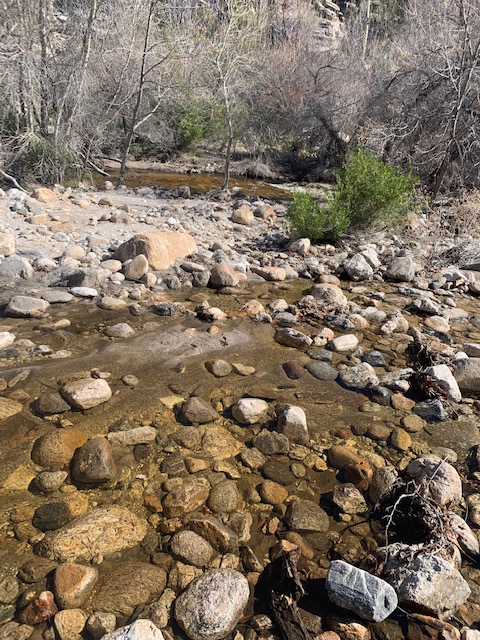
You can see the dam flowing because of the rain.
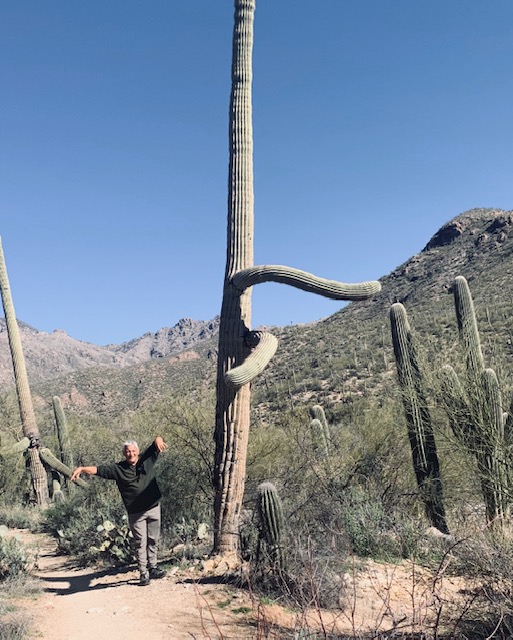
The Scarecrow : Pardon me, this way is a very nice way. Dorothy : Who said that? The Scarecrow : [points other way] It’s pleasant down that way, too. Dorothy : That’s funny. Wasn’t he pointing the other way? The Scarecrow : [points both ways] Of course, some people do go both ways.
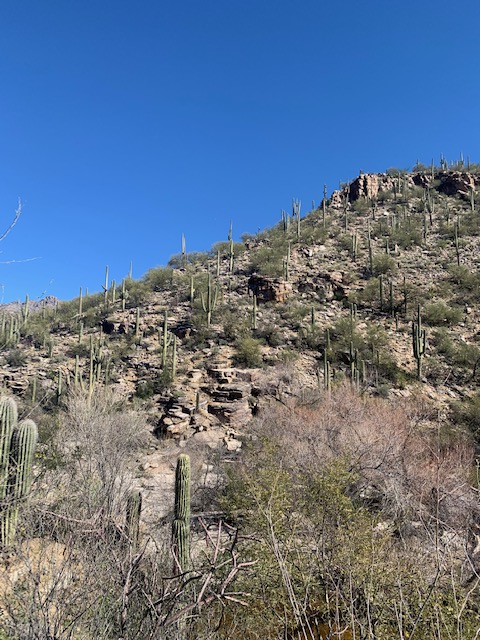

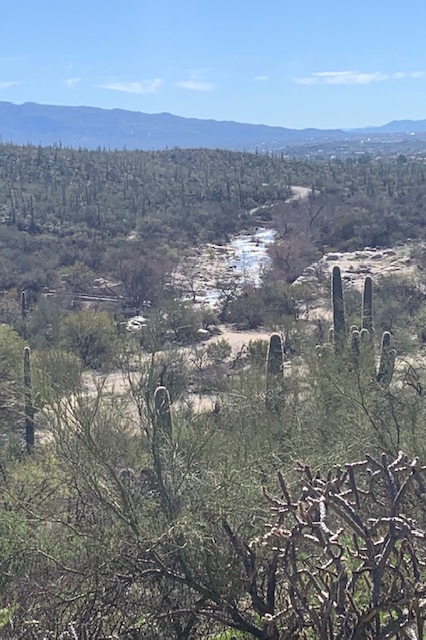
“Over every mountain there is a path, although it may not be seen from the valley”. – Theodore Roethke
On Tuesday February 13, In Fry’s parking lot, there sat the Wienermobile!

We were excited to see the Wiener.
There are presently 6 “Wienermobiles” traveling around in the Untited States. They are used to promote and advertise their products in the United States. The first Wienermobile was created by Oscar Mayer’s nephew, Carl G. Mayer, in 1936.
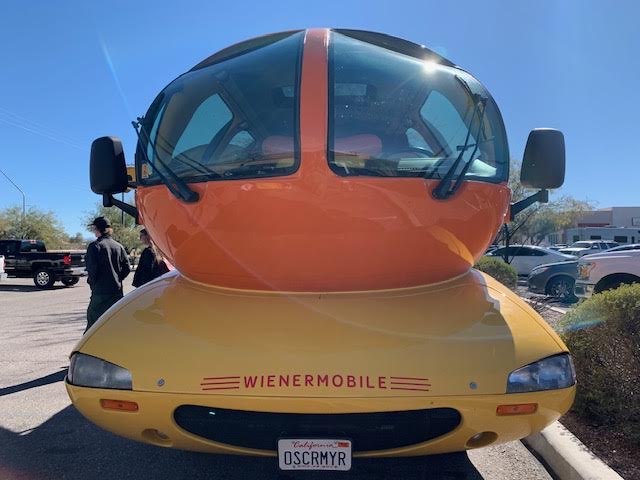
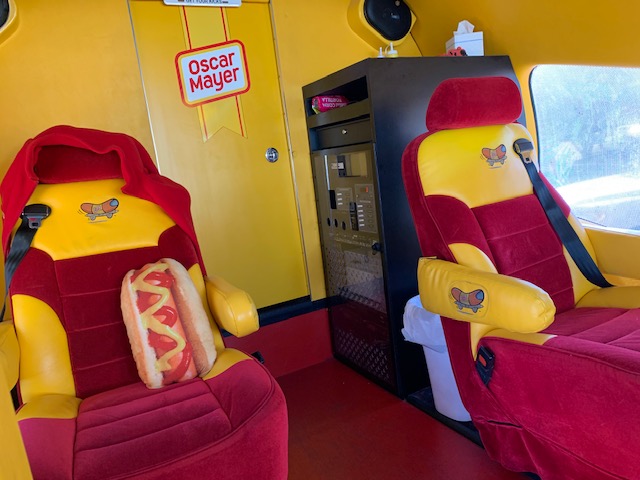

It’s new space age design.

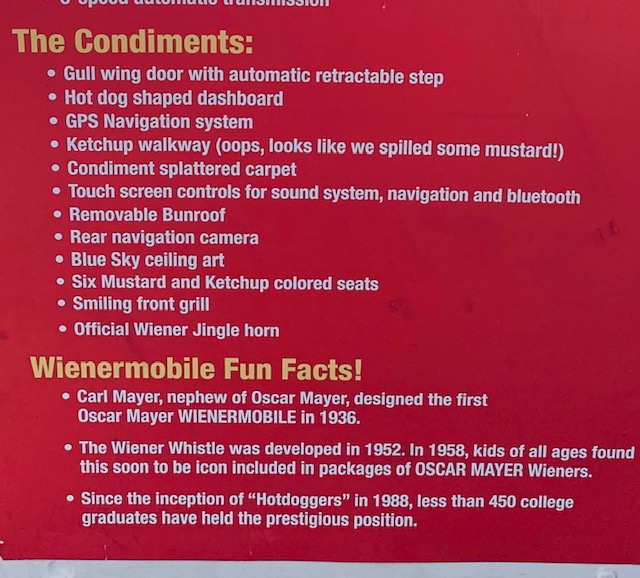
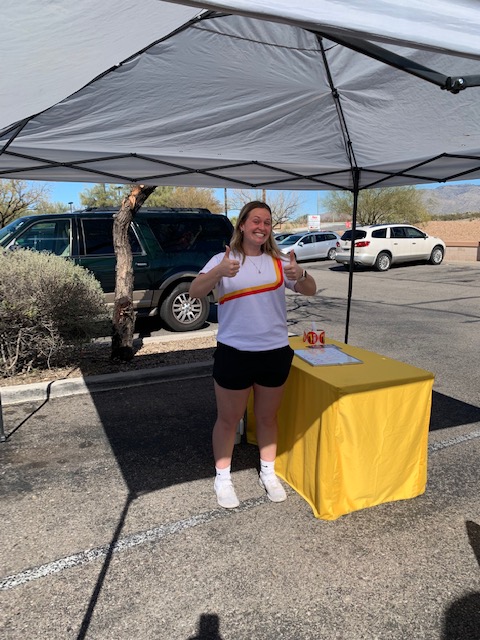
The driver of a Wienermobile is called The Hotdogger. The Hotdogger’s job is to “meat” and greet people around the country. The duties of a Hotdogger are sharing photos and videos on social media, answering questions about the brand and the vehicle.

Only college seniors who are about to graduate are eligible to be Hotdoggers, Oh darn it all, sounds like a great job. Applicants should be graduating with communication skills. A Hotdogger’s assignment is for only one year. Recruiting for each year’s new Hotdoggers quad involves current Hotdoggers and Oscar Mayer recruiters visiting college campuses across the country. In 2018, 7,000 people applied to be Hotdoggers. As each Wienermobile carries three Hotdoggers, only 24 Hotdoggers are selected each year.
We talked to the Hotdogger we saw and she mentioned that Oscar Meyer treated them very well as to where they ate, their accomodations as well as spending money.
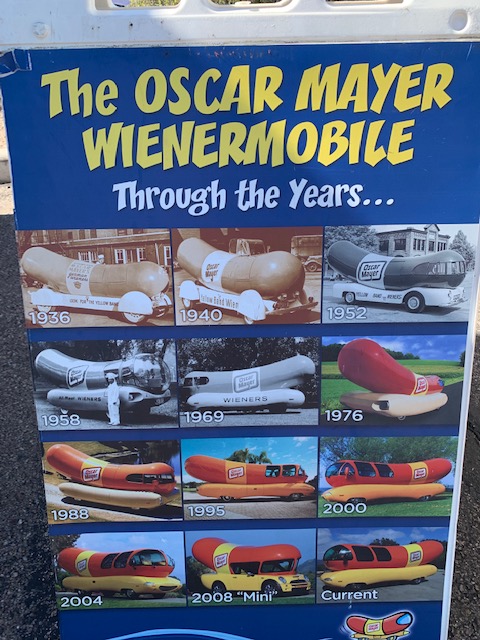

I think the 1952 has a lot of class.
Remember The song (Oscar Mayer Weiner by Richard D. Trentlage) that aired in 1963?
🎵Oh, I wish I was an Oscar Mayer wiener. That is what I’d truly like to be.
‘Cause if I were an Oscar Mayer wiener, Everyone would be in love with me.🎶
I don’t know about you but I’m hungry for a hotdog.

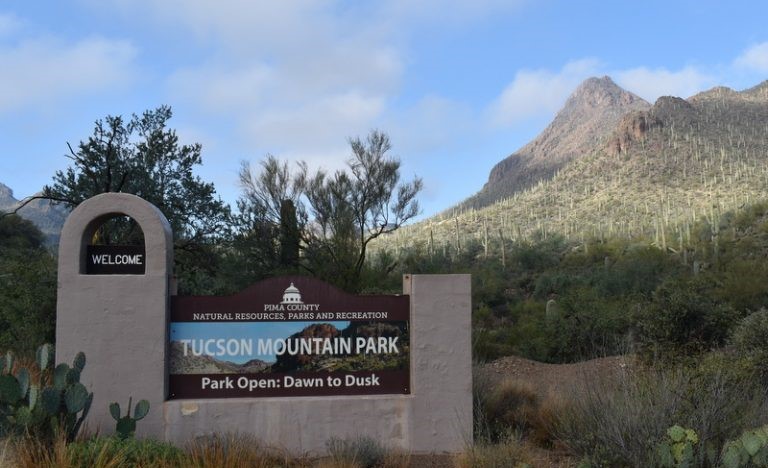
Tucson Mountain Park was established in April 1929. The Pima County Parks Commission, with C. B. Brown as its chairman, was established to oversee the park. At approximately 20,000 acres, the park is one of the largest natural resource areas owned and managed by a local government in the U.S. The park has approximately 62 miles of non-motorized shared-use trials.
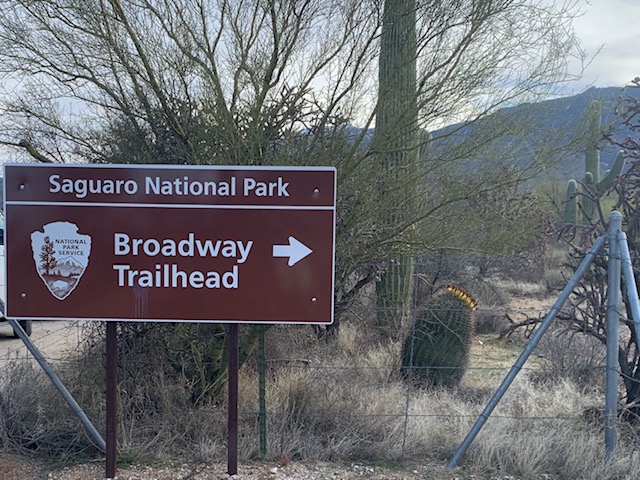
Around the area of Tucson Mountain Park there is Gates Pass and Kinney Roads that are very senic with many pull offs for picnics and taking pictures. Also Saguaro National Park (West District), Old Tucson, and the Sonoran Desert Museum are amongst Mountian Park.
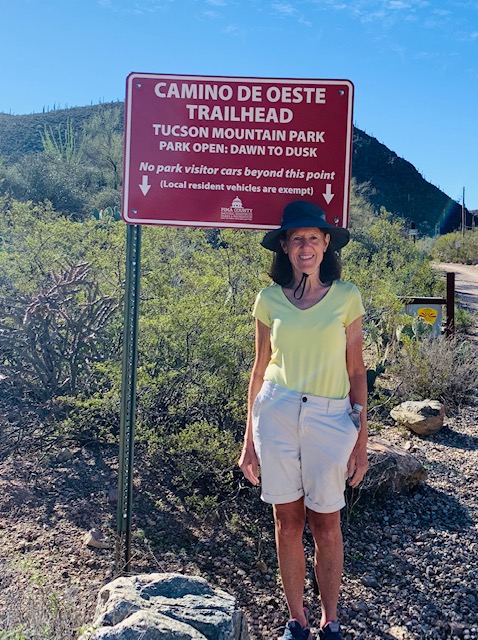
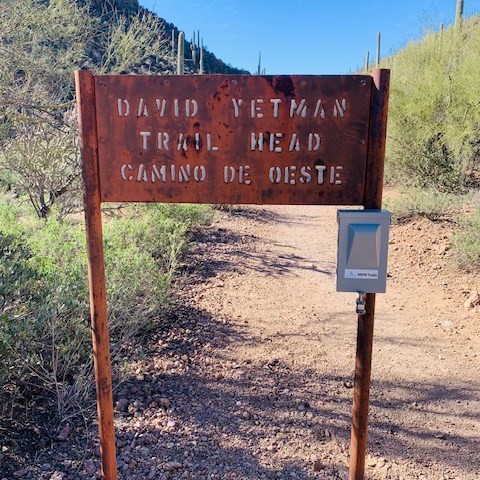
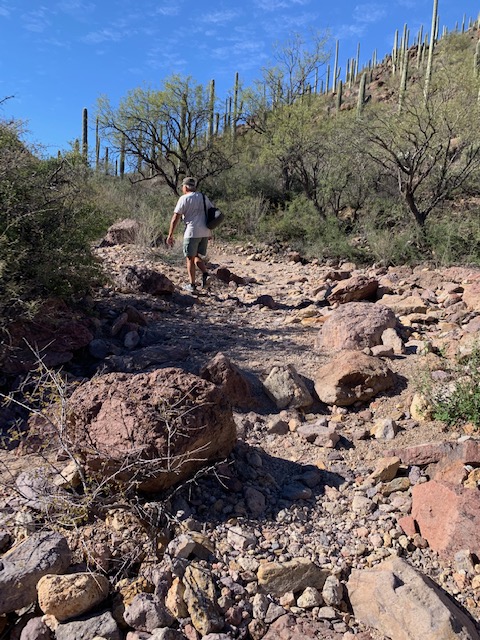
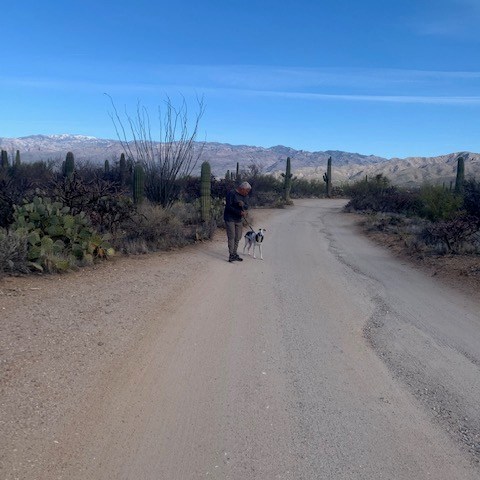
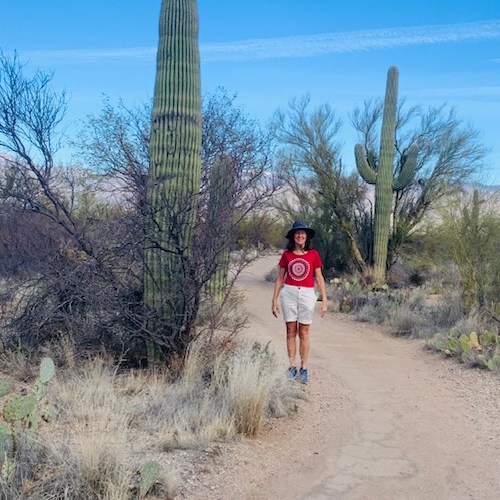
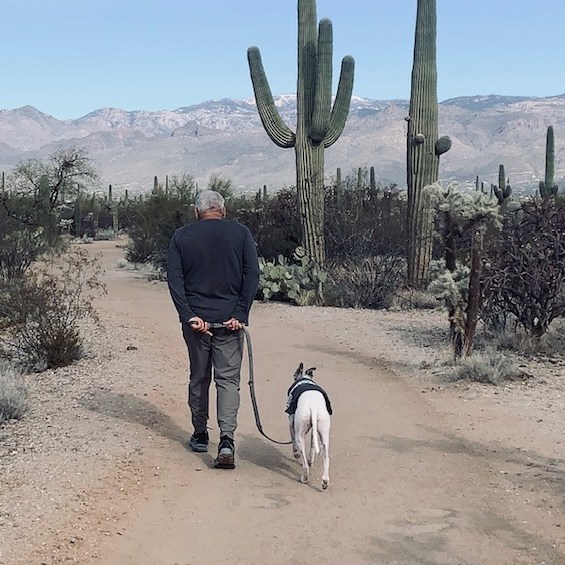
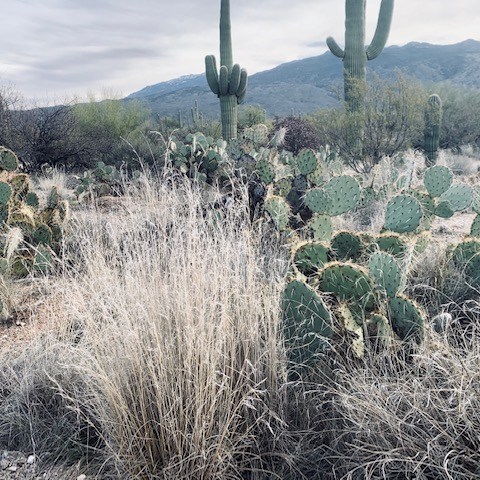
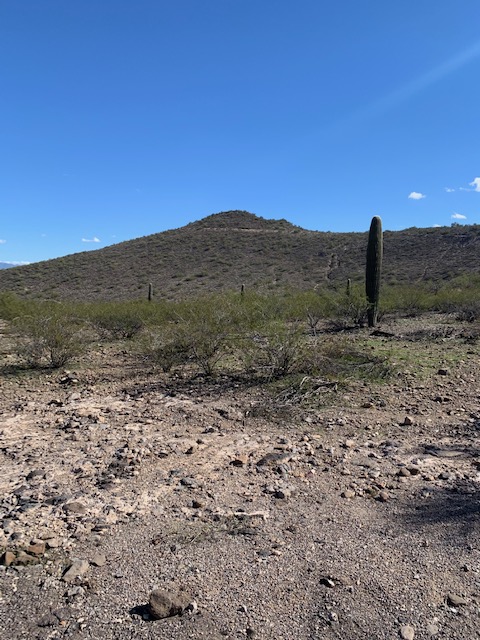
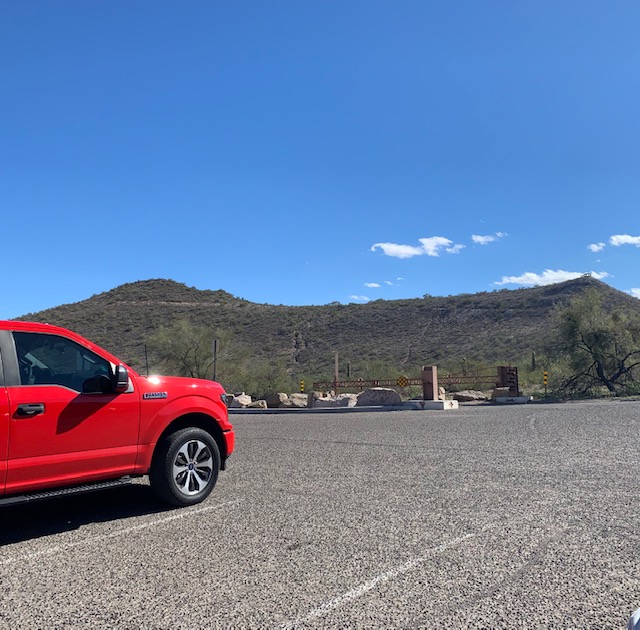
From the Camino de Osete Trailhead we took the Yetman Trail, the trail takes you into desert hills with plenty of cacti. There are other interescting trails along the way which are sometimes marked. The trail takes you to the “Stone House” which is what we came to see.
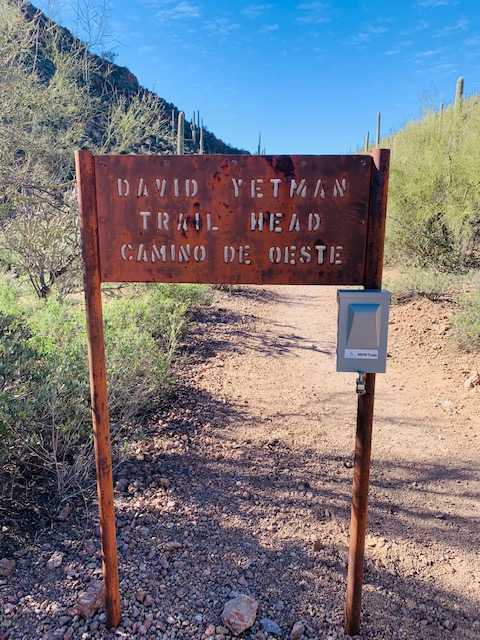
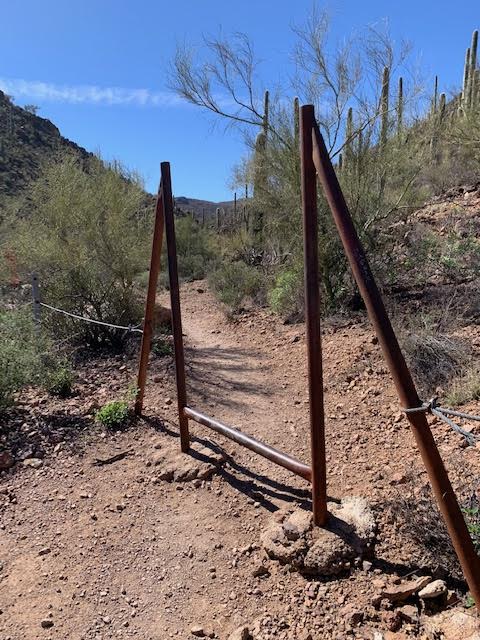
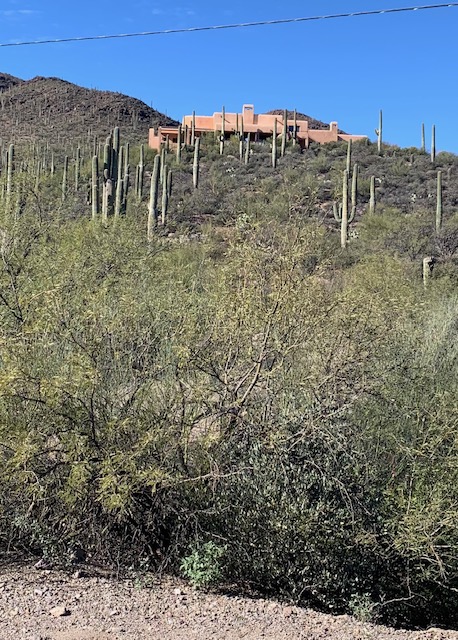
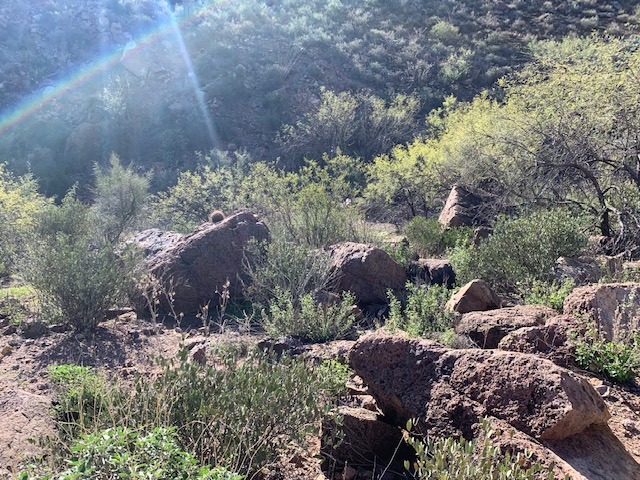


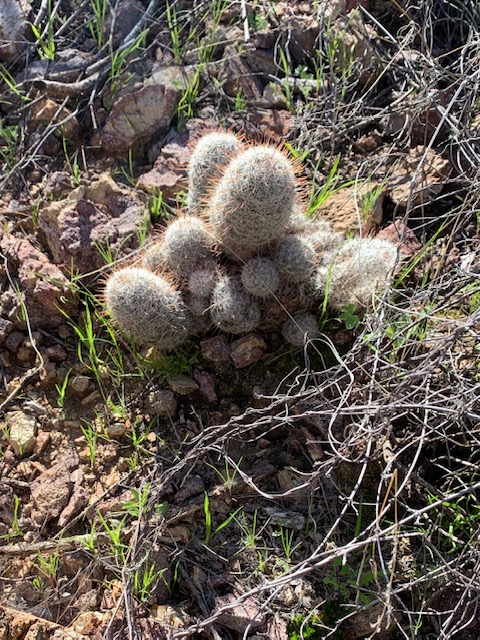
“If seeds waited for perfect conditions to grow, there would be no plants in the desert.”
– Matshona Dhliwayo

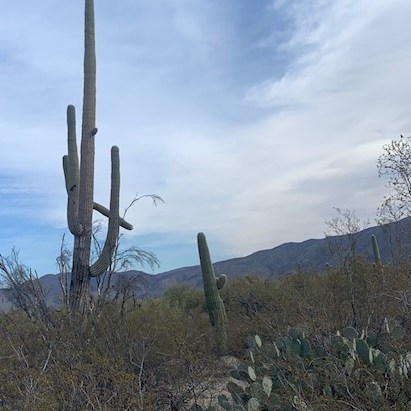
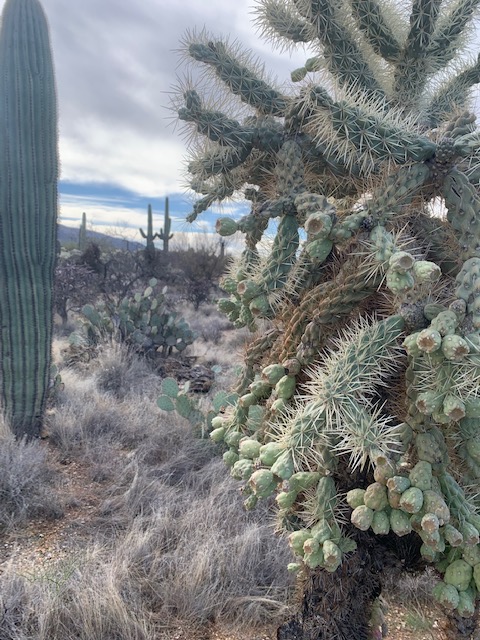
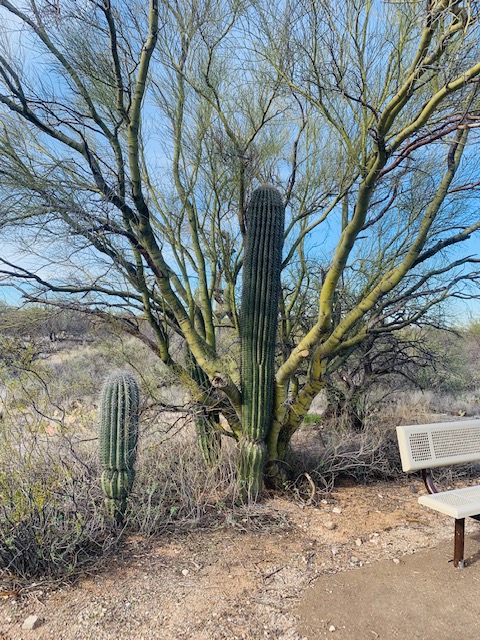
Doesn’t it look like the cactus has arms and he is pointing to his arm saying “This is where the bee stung me!” Ouch ! ! !
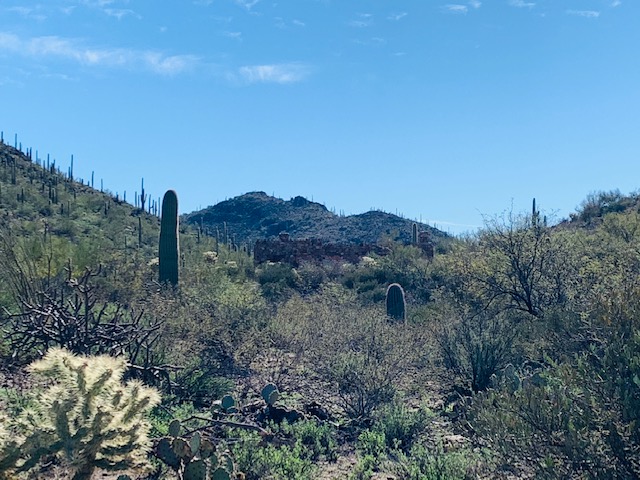
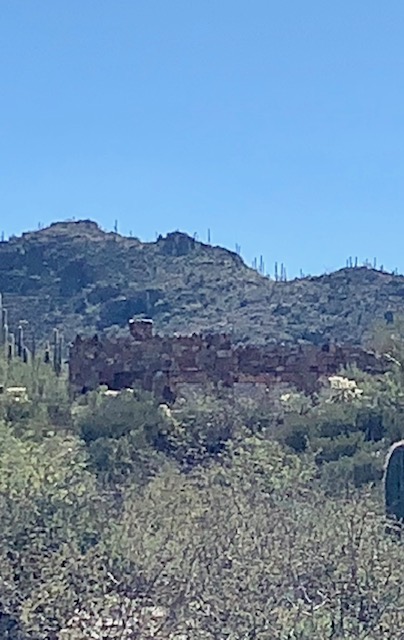
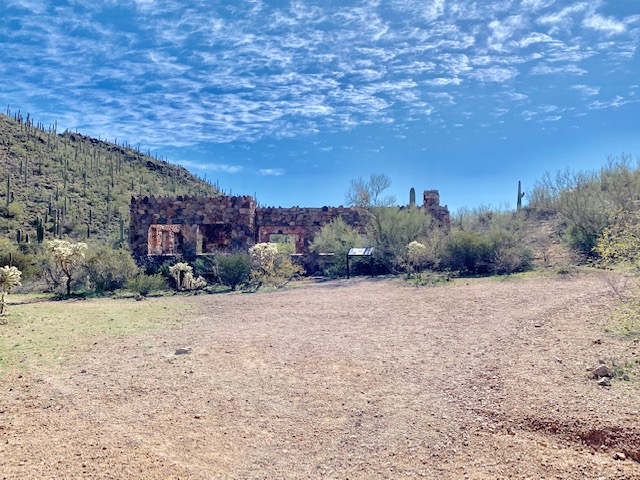
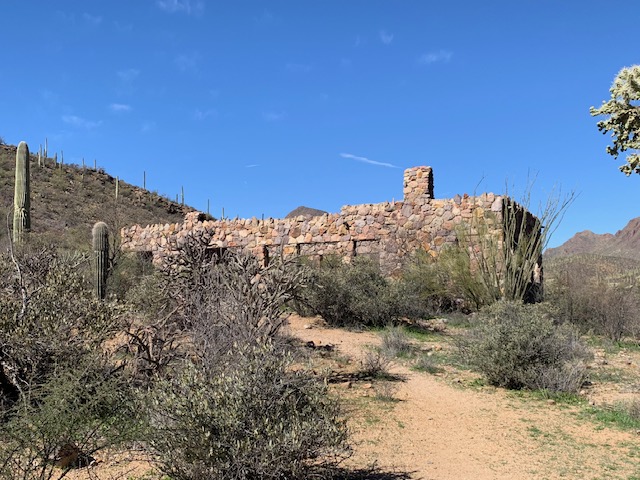
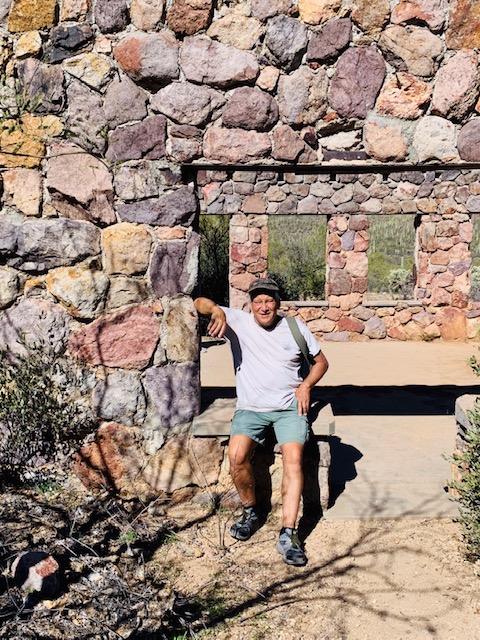
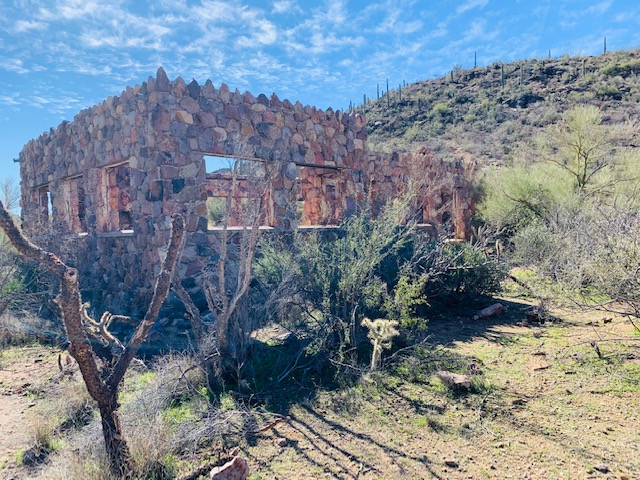
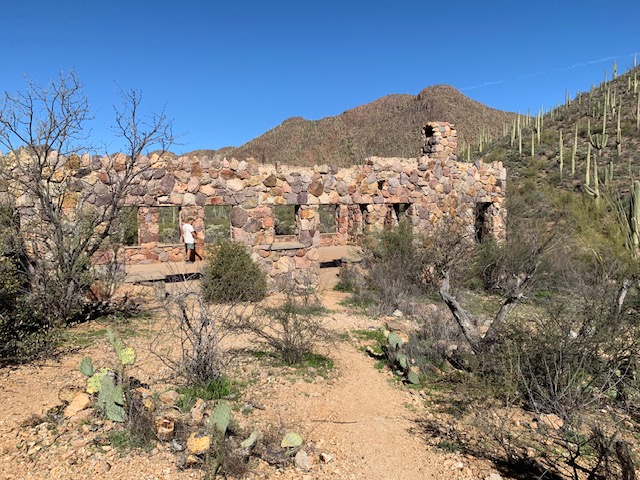
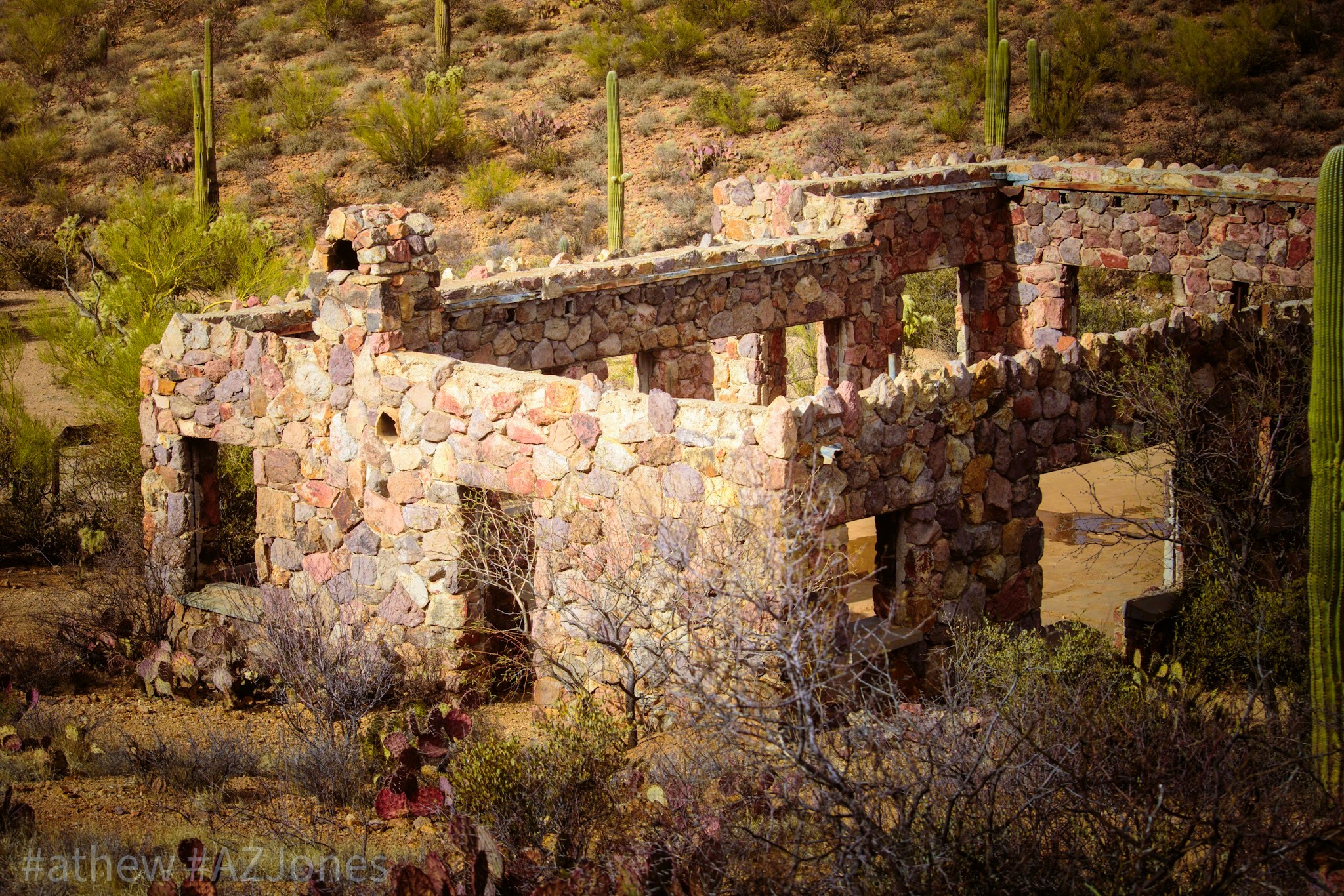
In this remote valley is the remaining stone walls of this 1930s ranch house built here. The Bowen Homestead, also called the Bowen Stone House, was constructed at this hidden and out of the way location in the early 1930s by Sherry and Ruby Bowen. At the time, Sherry was the city editor at the Arizona Daily Star. They decided to move out West for Ruby’s health, as she had heart problems. They started a homestead in the Sonoran Desert Mountain Park and eventually expanding their land to some 2,000 acres.
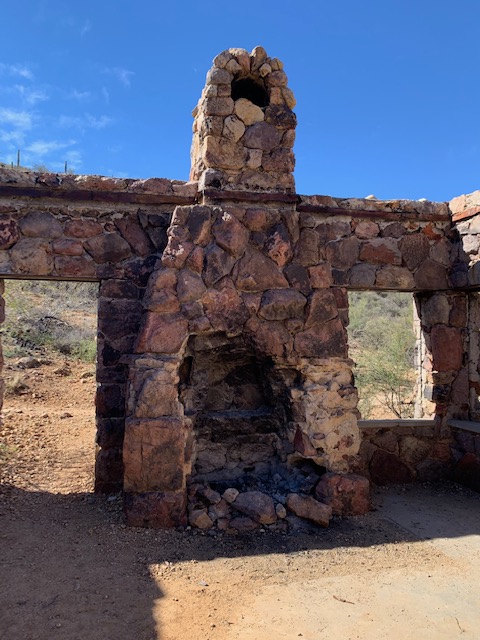
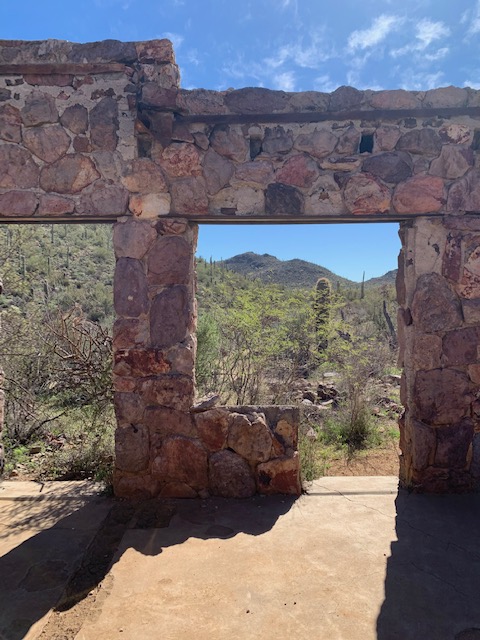
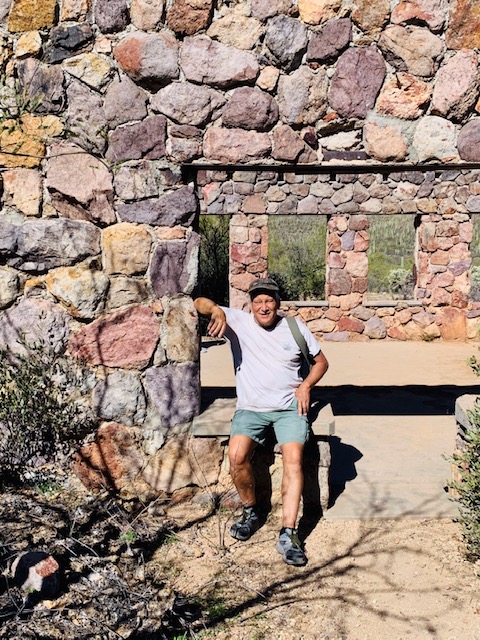
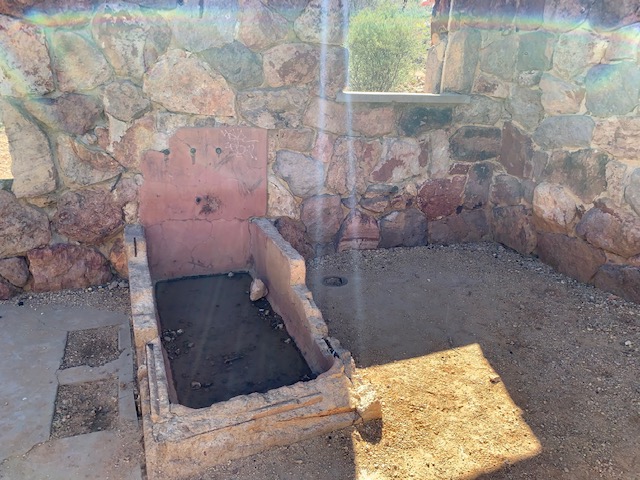
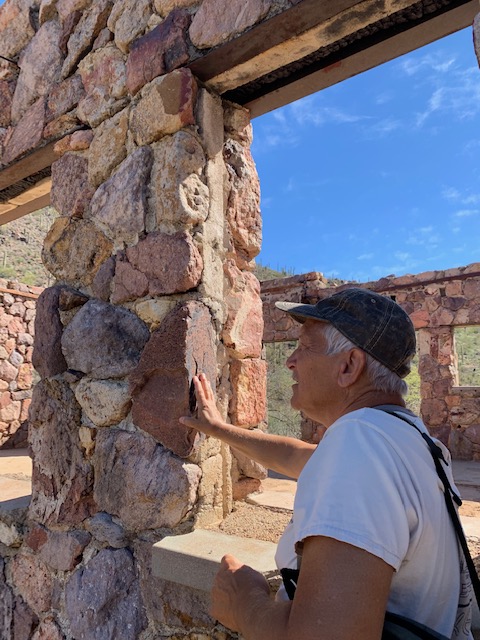
The above picture is what is left of the bathroom, their bathtub.
What is left of the stone ranch house is only the foundation walls. But they have withstood the desert winds, heat, and storms for more than eight decades. You can see traces of old fireplaces, and the empty frames of what were once huge picture windows where the Bowens would have looked out at the cacti and mesquite trees that cover this rough landscape, also looking at the wild horses, deer, sheep, and other animals that came to nibble in their valley. It provides a look ito the family’s somewhat rugged existence during the Great Depression and World War II.

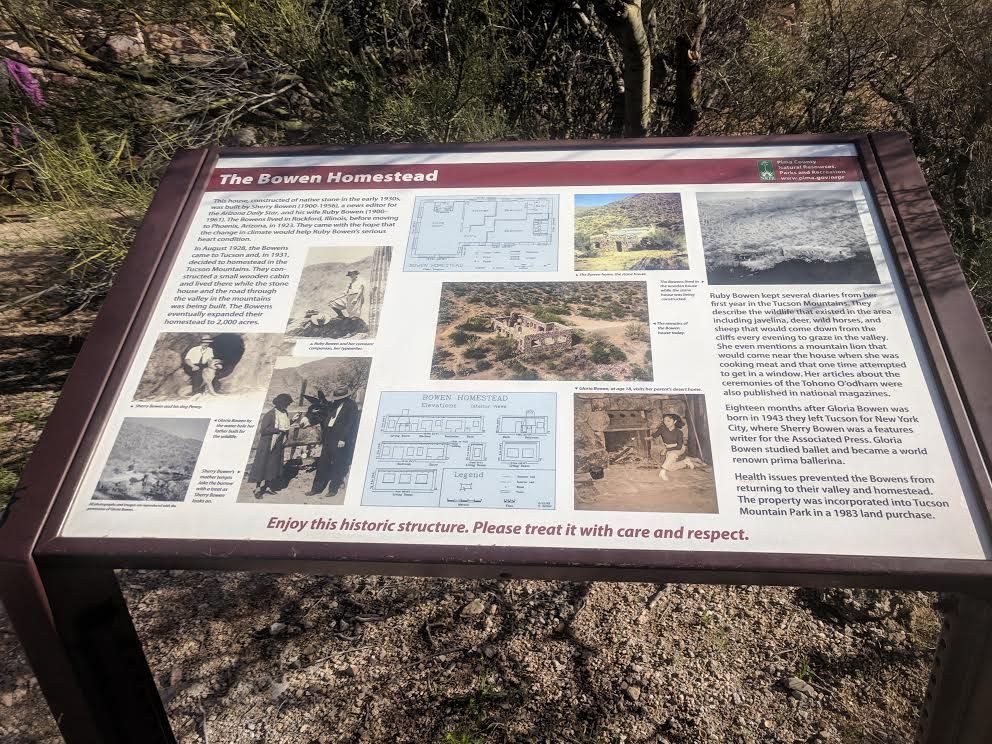
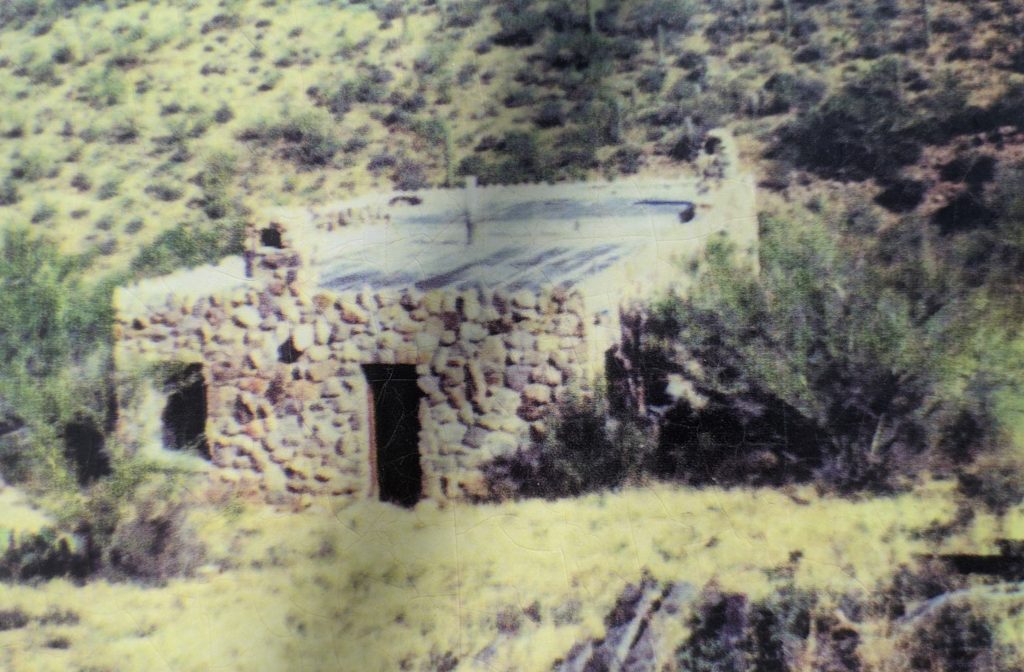
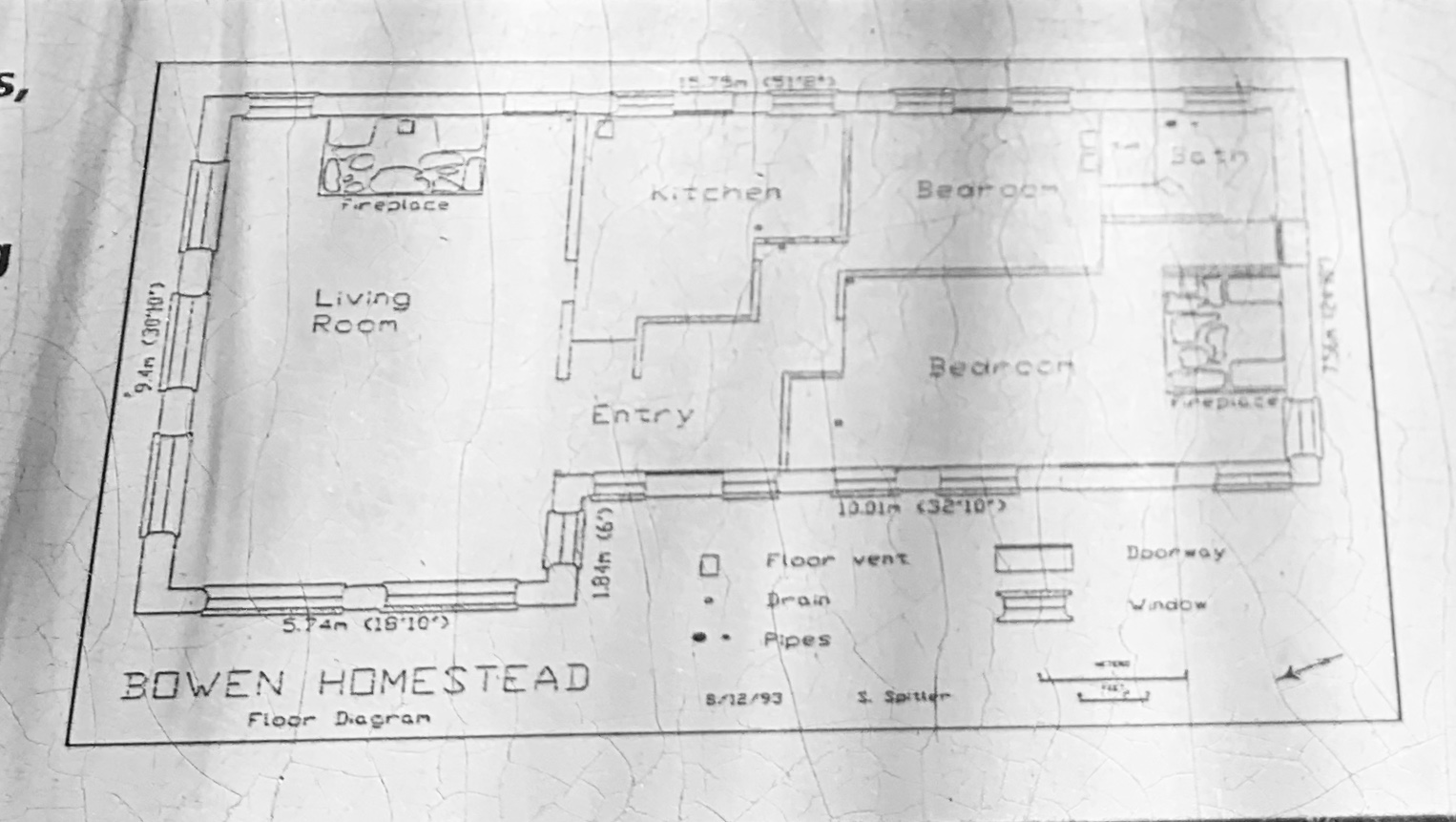
The only photo taken of the house when they left with the walls and ceiling still remaining.
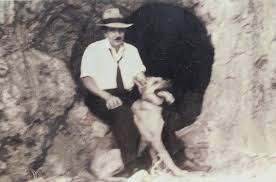
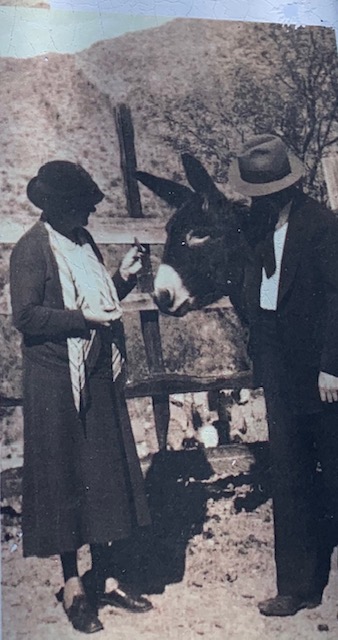
Mr. Sherry Bowen and his dog Penny. Their trusty mule.
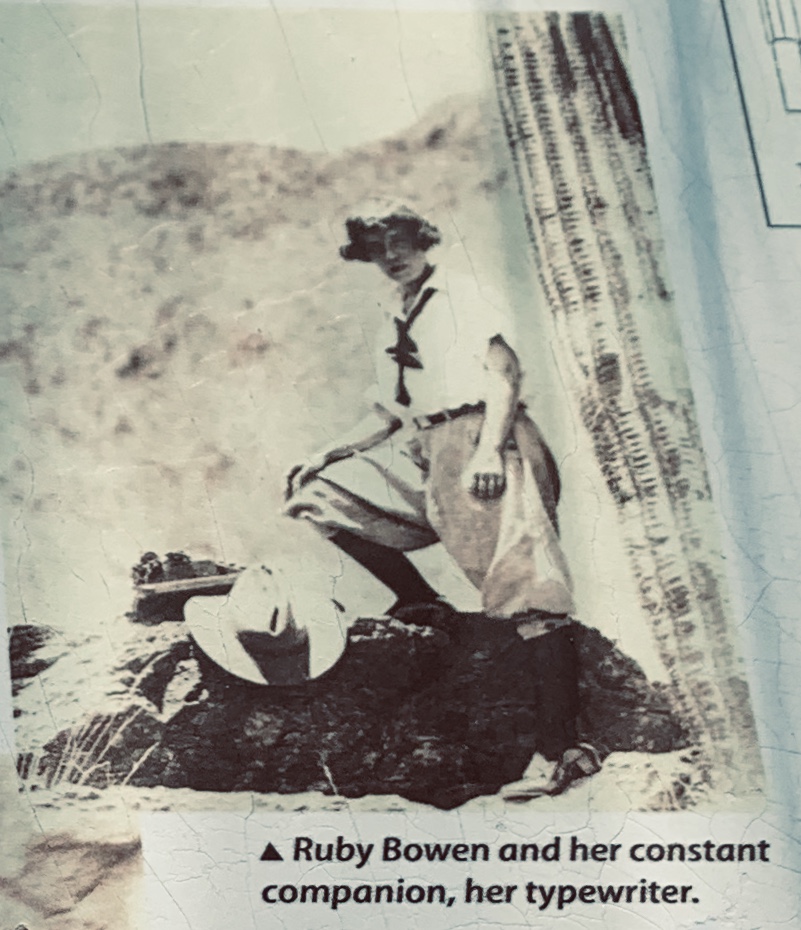
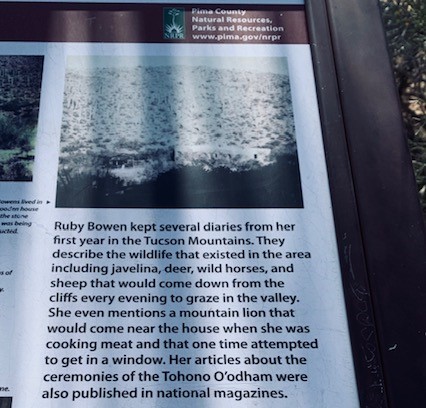
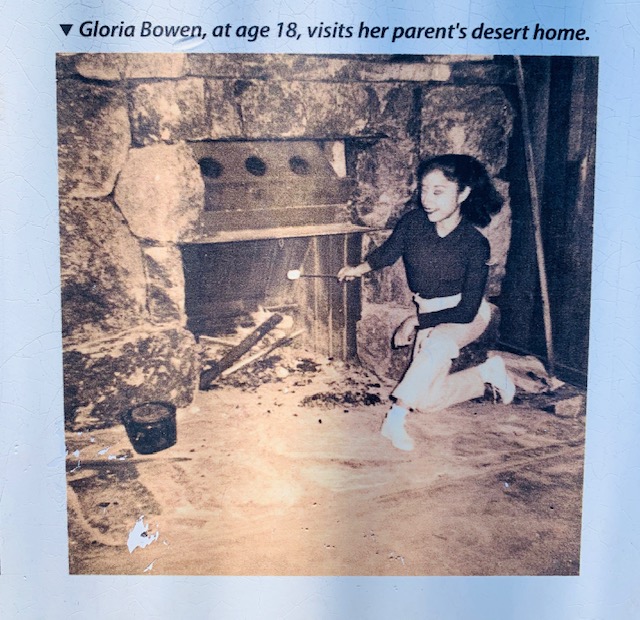
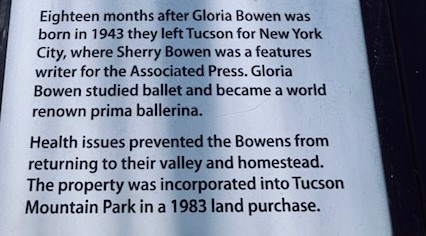
A neat place to find out in the middle of knowwhere and imagine how they lived.

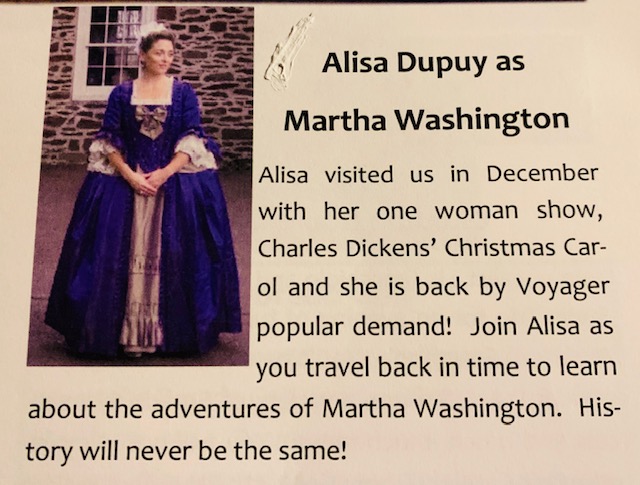
February 22nd George Washington’s birthday, and Martha Washington came all the way over to Tucson to put on a show for us. We were so glad she did.

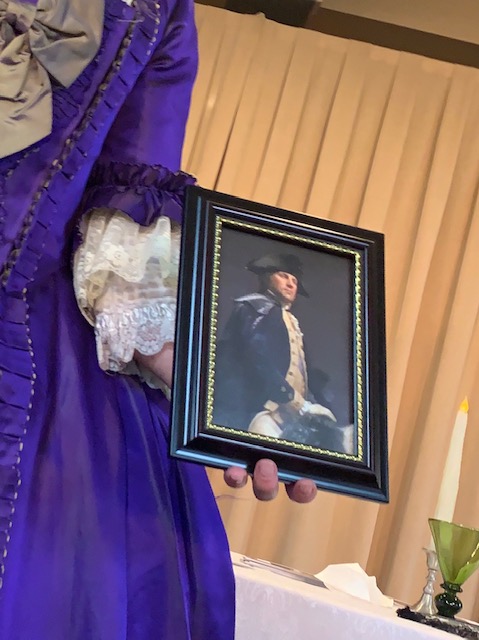
Martha first talked of how the women dressed in the 18th century with corsets or ‘stays’ as they were called, A conical shape that pushed the bust right up to the top of the dress. The back of the corset was cut high to keep the back as straight as possible. Strips of whalebone (Mary, you were right) were used to give the structure to the corsets/stays and it had some flexibility to it while keeping a rigid look. The production of stays was a male industry because of the heavy work involved with cutting and inserting the boning into hand-stitched channels. How uncomfortable was that. Martha passed around a ‘stay’, which wouldn’t be pleasant to wear, and padding they wore underneath their dresses. She also mentioned the additional layers of clothing that had to be put on. It had to take a good amount of time just to get dressed.


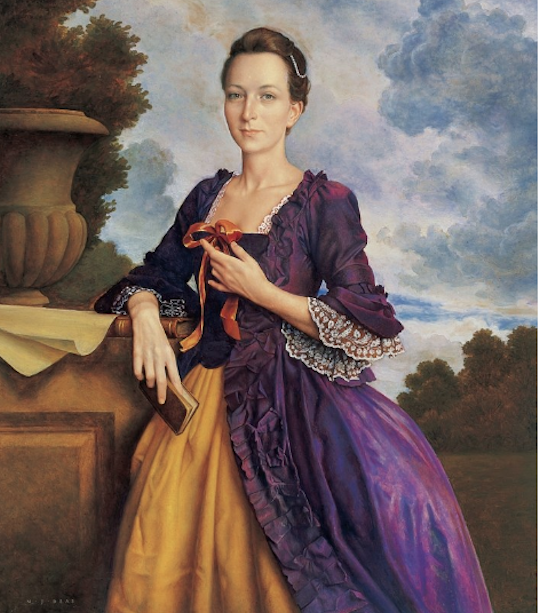
Martha then spoke about her life before George, with George and after George. She mentioned that George was a handsome gent and Martha was very pretty. She talked about George being 6’2″ and she was 5ft tall. George had bad teeth all his life and he was always in pain because of it. He didn’t have wooden teeth as everyone thinks. Aware of his failing dental health, George kept several of his pulled teeth and in the 18th century buying human teeth or using animal teeth was used for making dentures.. Despite all his attempts to save his remaining teeth, Washington was down to just one tooth at the time of his inauguration as the first President of the United States. Martha mentioned that his one front tooth held on his dentures. The poor guy had ill fitting dentures which he was very self-aware of the impact that ill-fitting dentures had on his appearance. The dentures made him less wiling and able to speak.
Alisa was excellent at being Martha and listening to her she made you forget that she really wasn’t the real Martha Washington.




















 ROADS OF DISCOVERY