

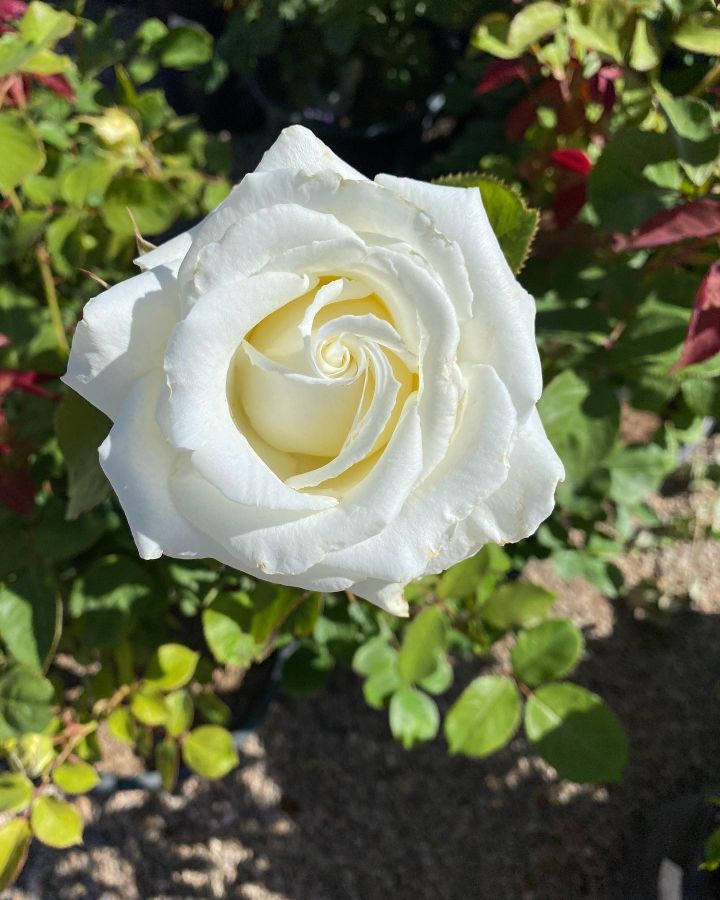
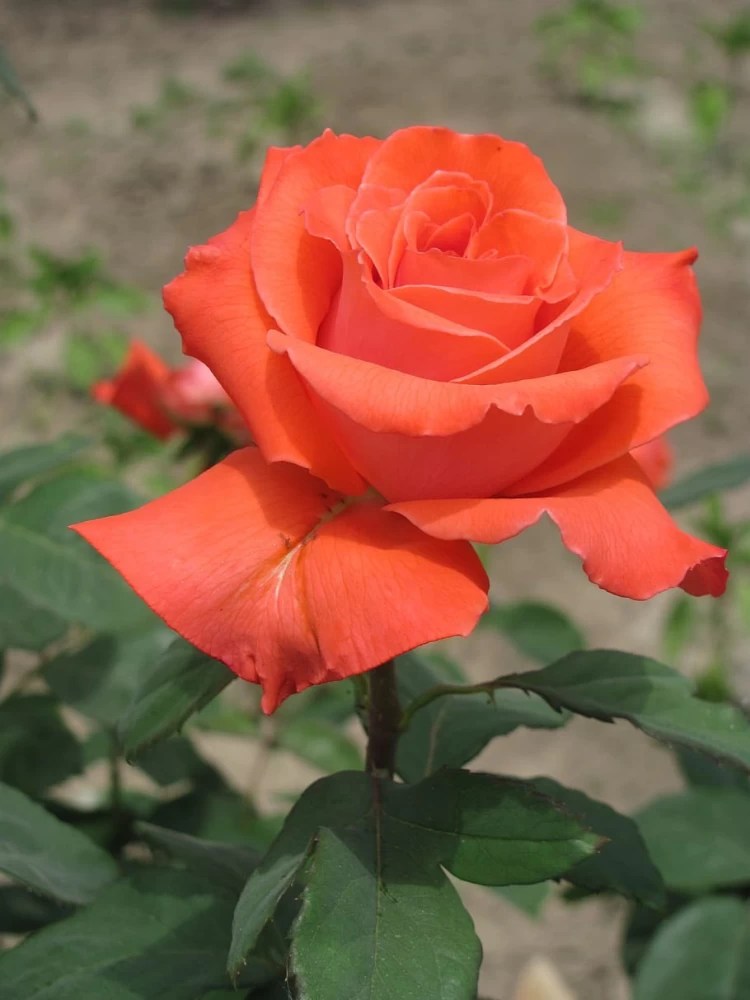
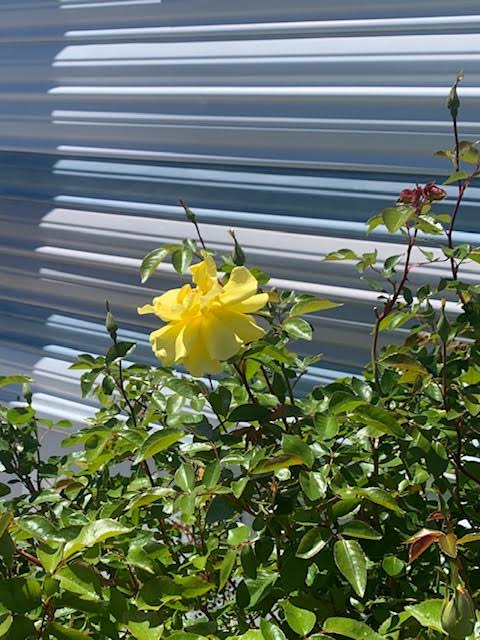
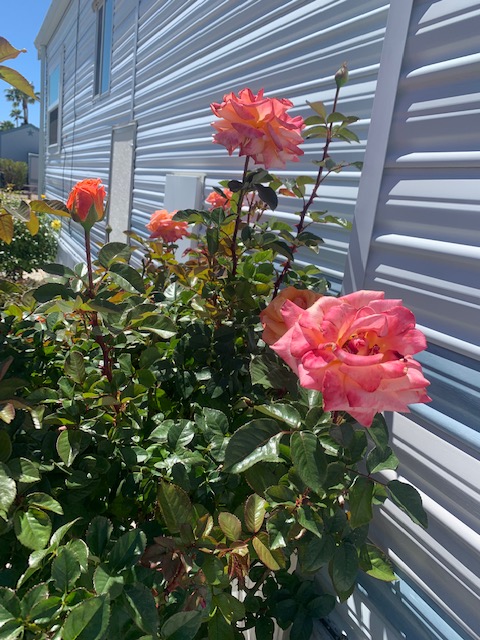
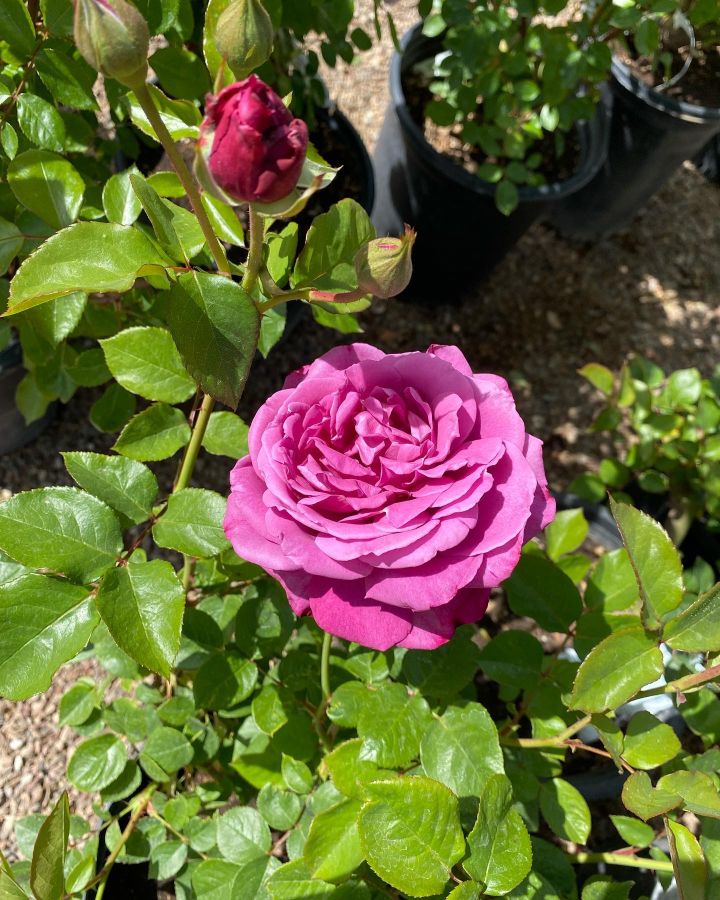
The roses are blooming all around Voyager, boy do they smell nice.
Voyager has a flute circle in the park. A group of people who play the flute, teach the flute and plan events.
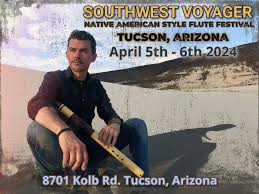

Each year they have famous flutist’s play at Voyager.
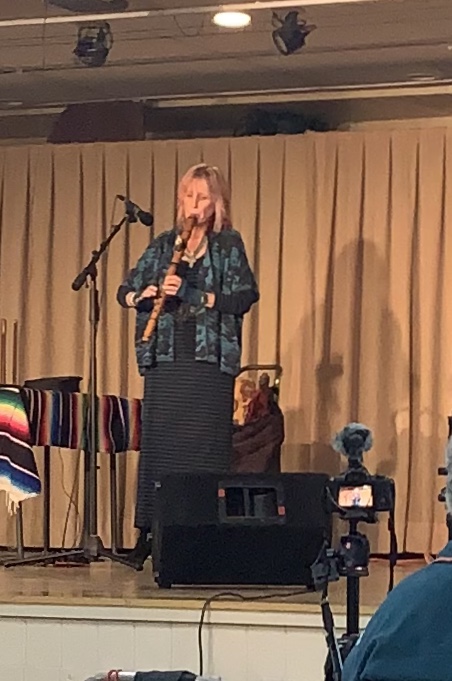

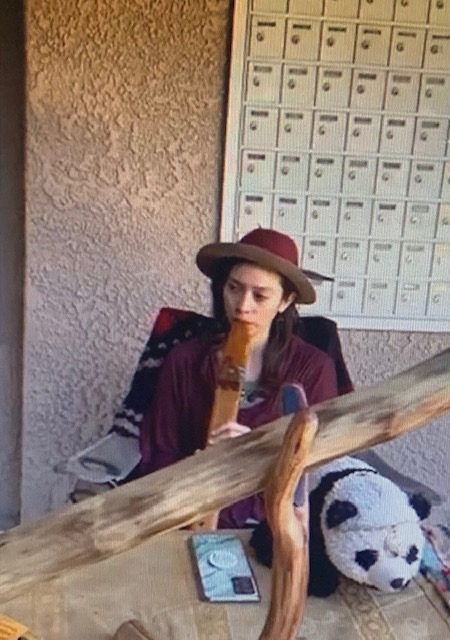

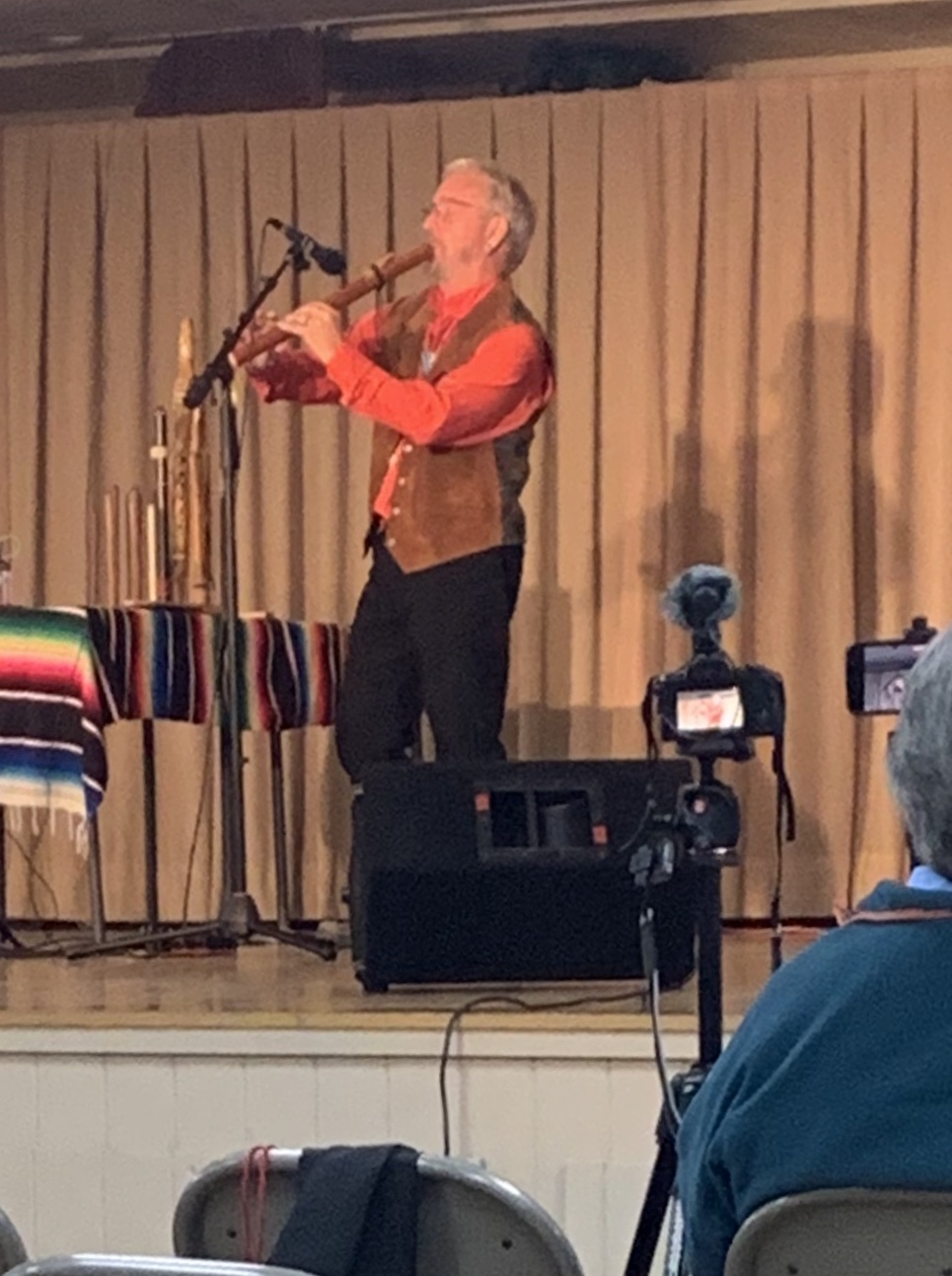
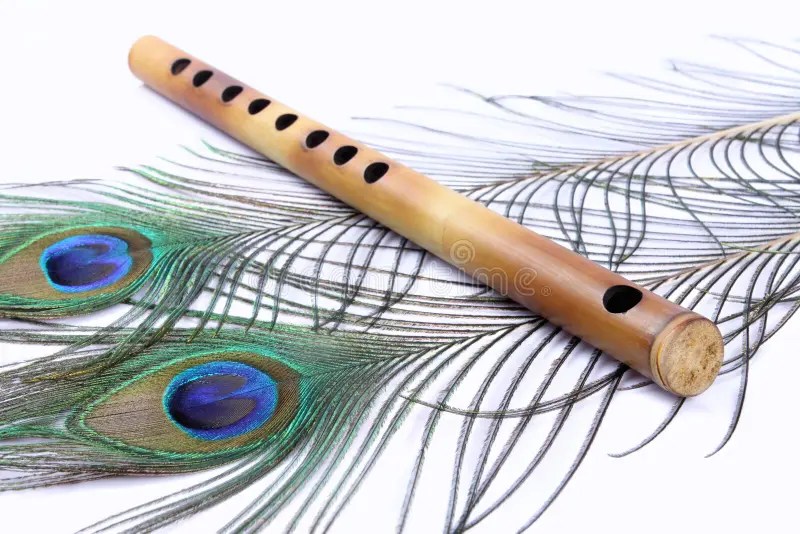
I went again this year, I like listening to the flute players. The sounds it makes can be both soothing and inspiring, or like this last guy in the picture upbeat and lively.


We went for a walk across the street to the desert.
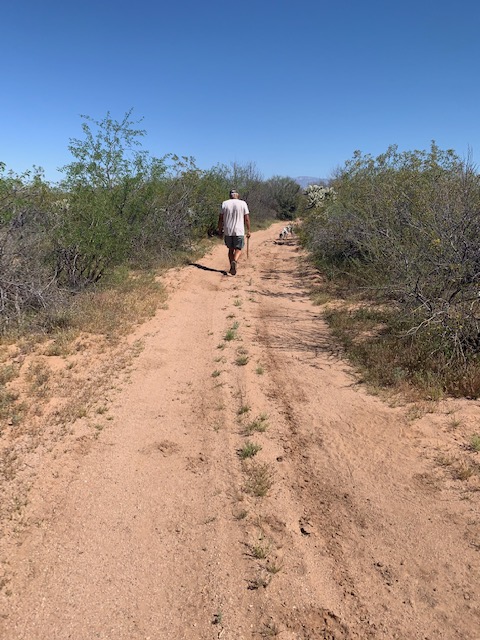
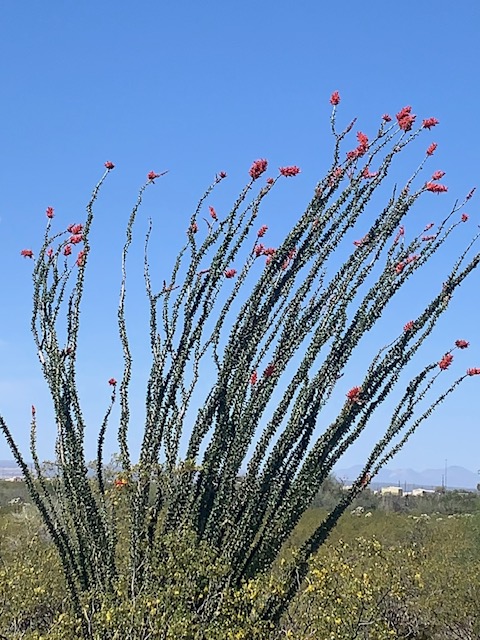
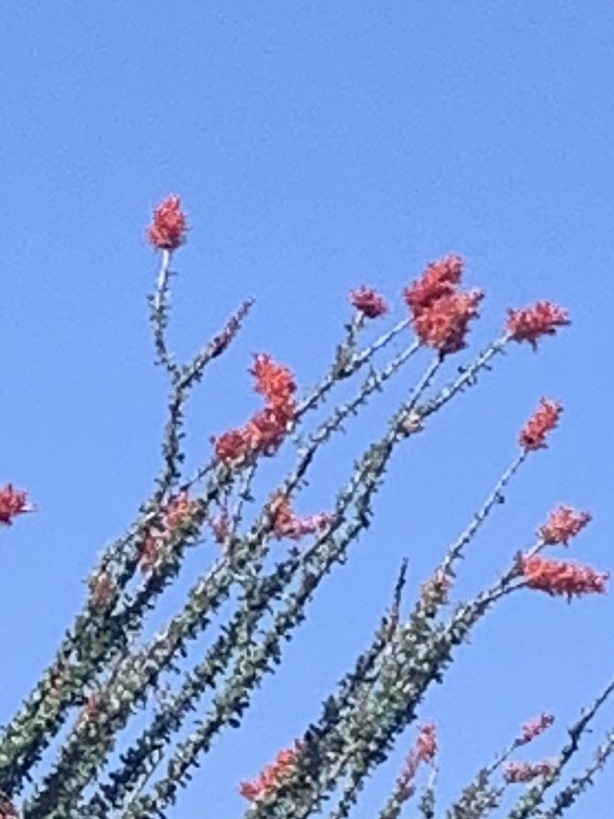
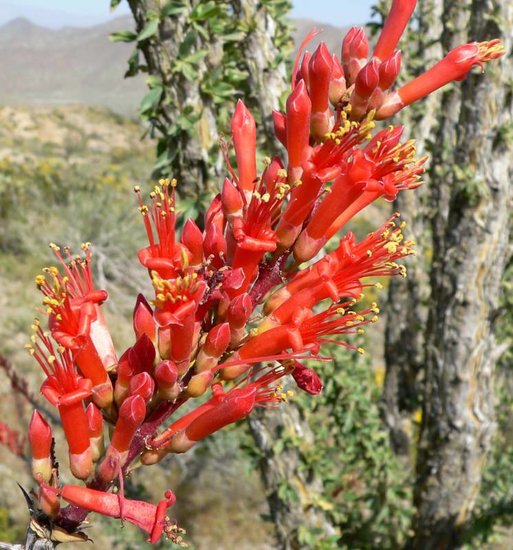

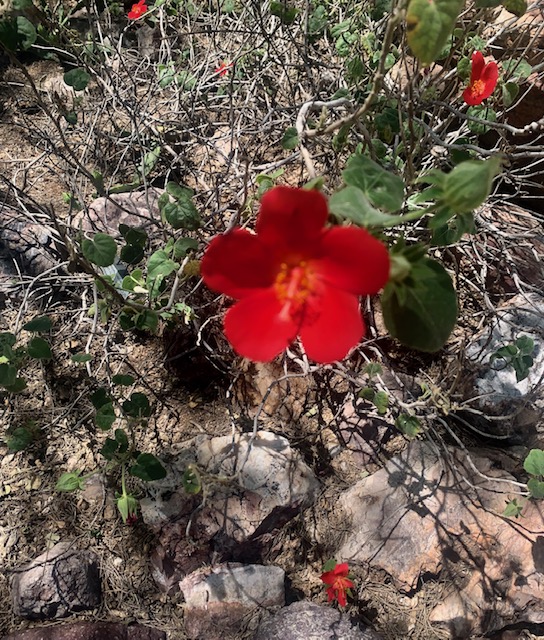
Checking out the Ocotillo (Fouquieria splendens) above. The color is so vibrant and pretty.
Walking on a trail and suprise!
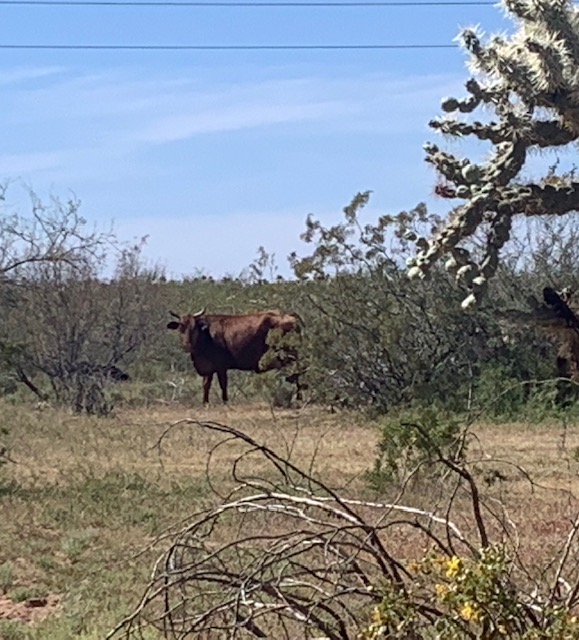

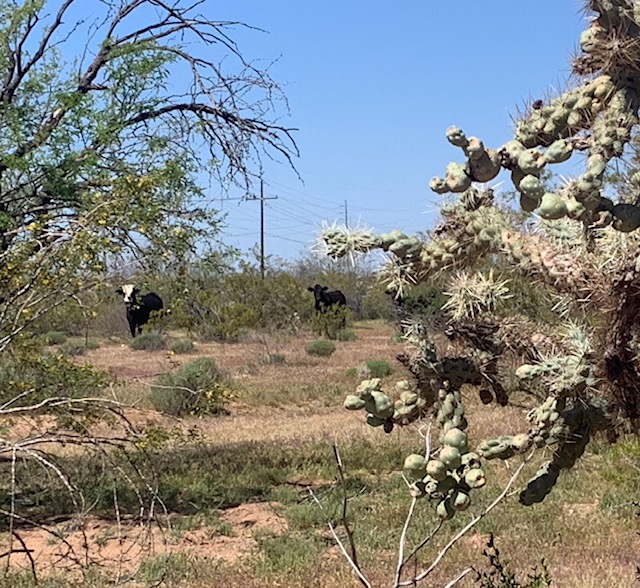
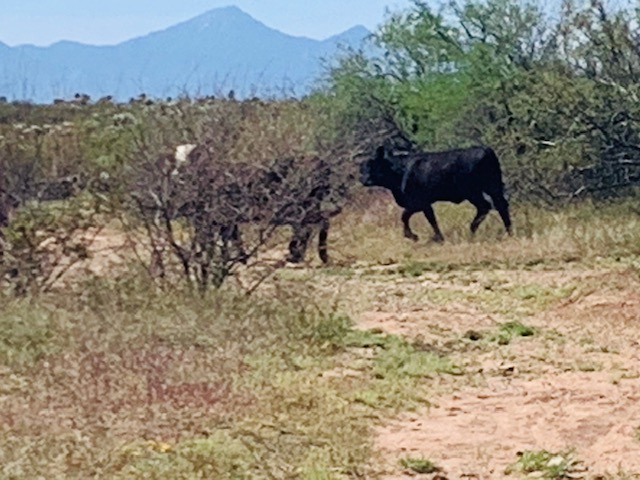
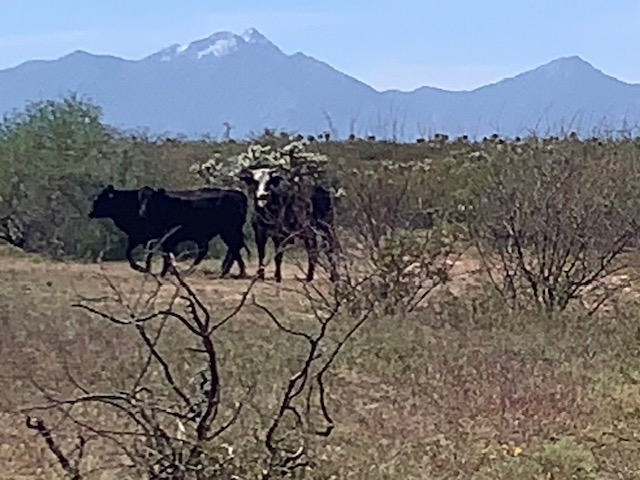
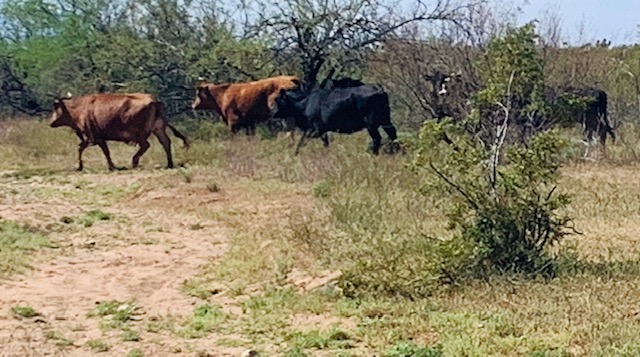
And suddenly there was a bunch of them checking us out. We figured we best get out of there. The cattle are wild and we didn’t want to press our luck. We’ve walked all different paths here, how neat to see the herd of cattle roamng about.

We took another hike to Saguaro National Park West to hike a different trail to see Petroglyphs in a different area.
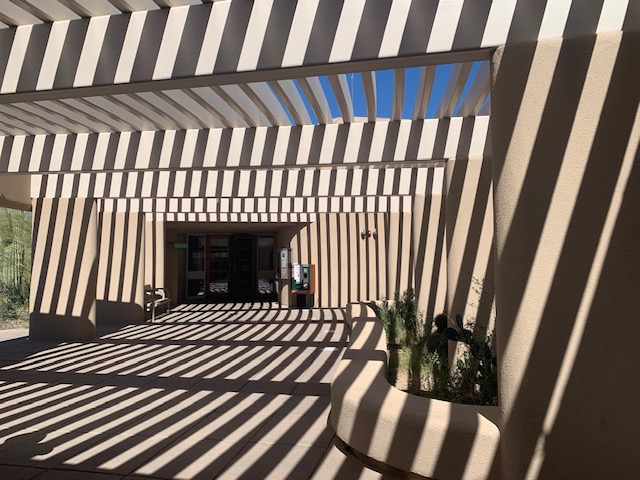
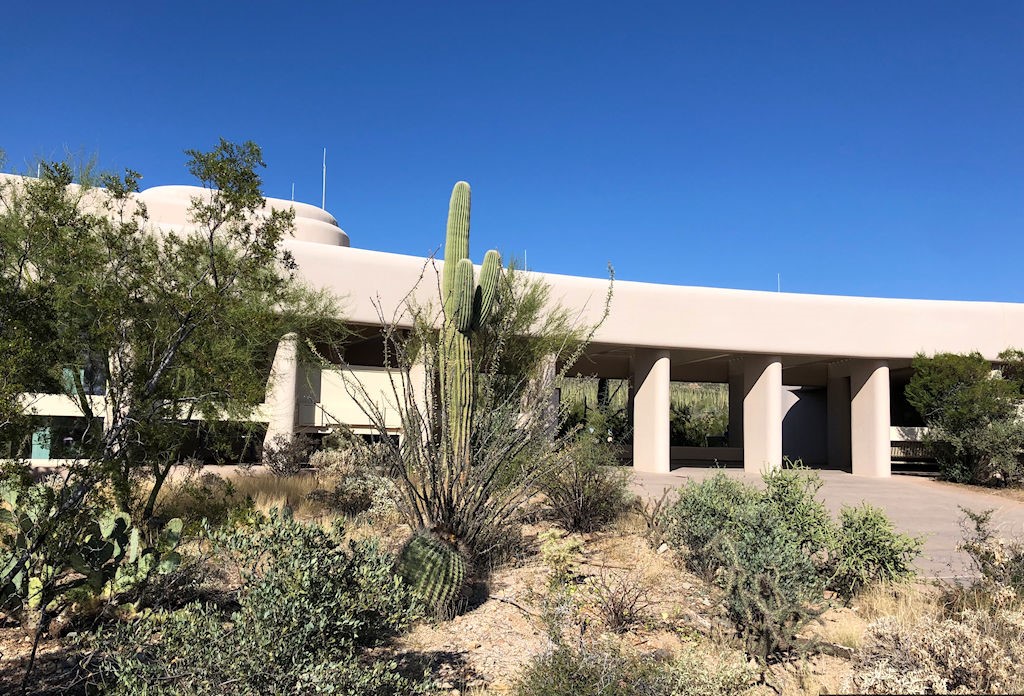
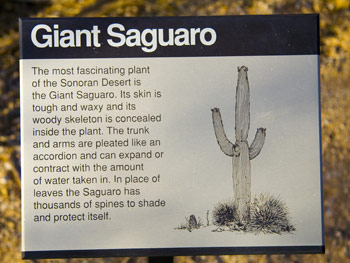

At Red Hills visiting center
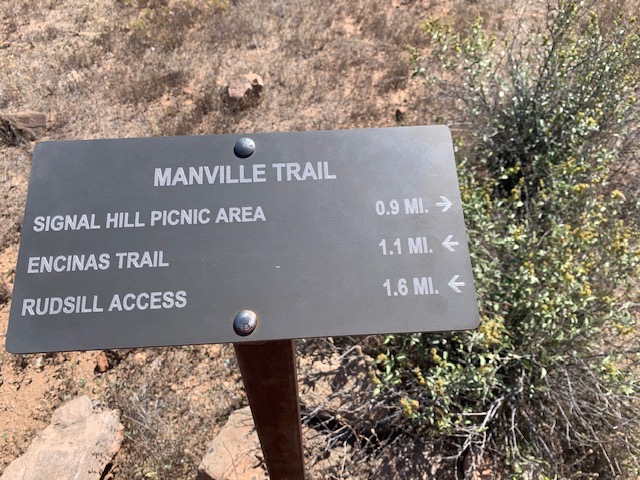
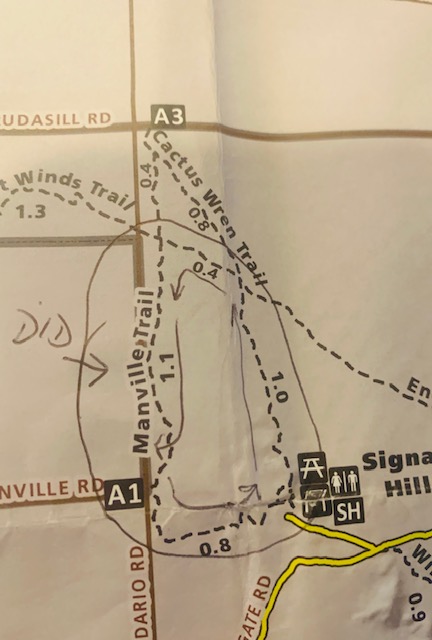
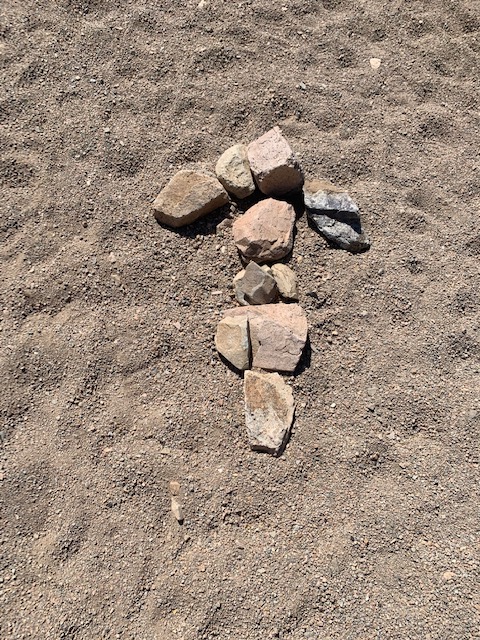
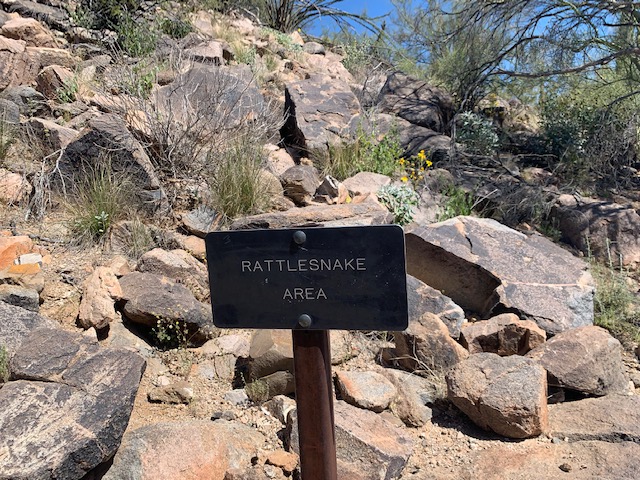
We started hiking down the Manville Trail to Signal Hill, then to Encinas Trail and back on to Manville trail. A good trail lots to see.

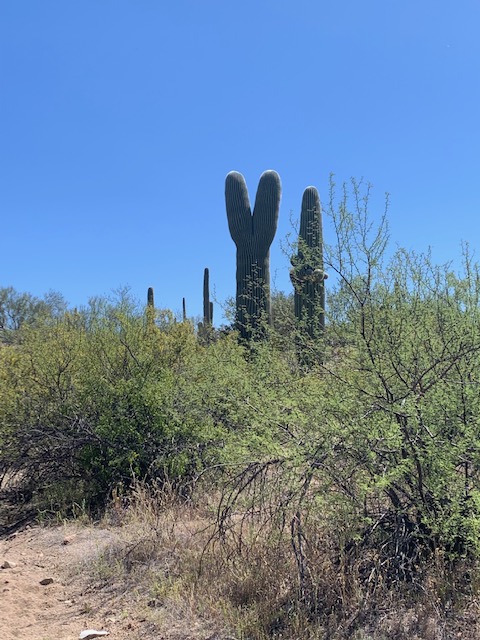
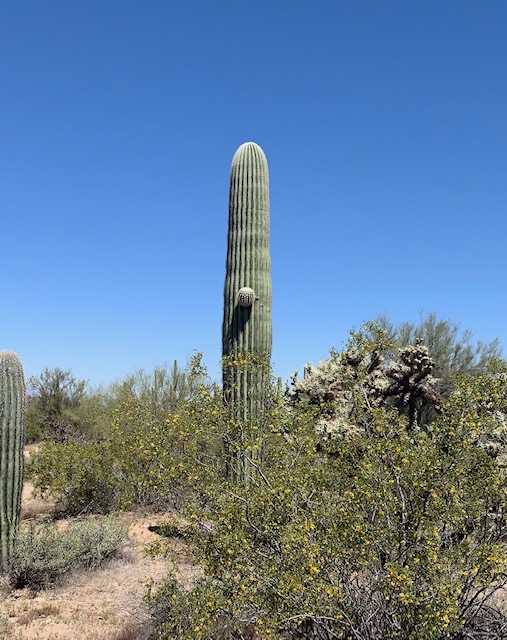

The first picture is Dave hiking on the trail and then a Saguaro is giving us the peace sign. The one next to him is rather nosey.

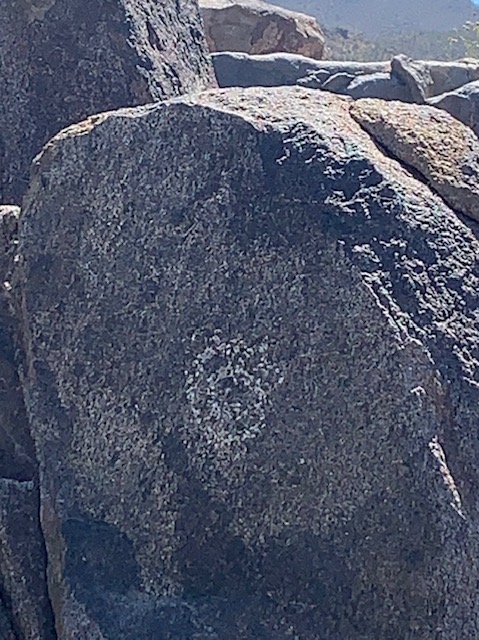
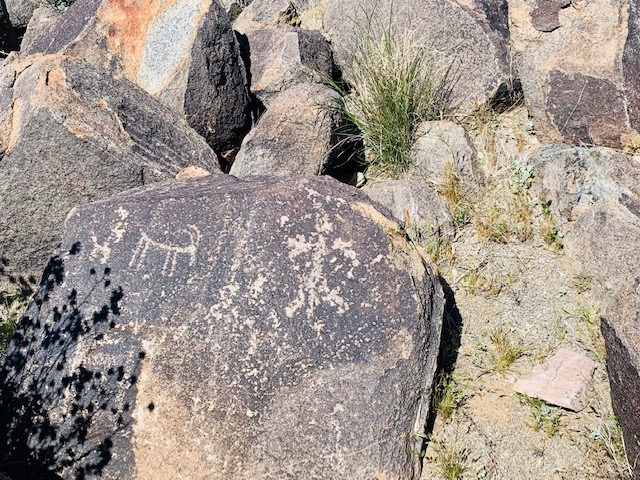
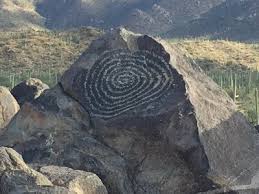
We’re on Signal Hill where the Petroglyphs are.

Etched in Stone
Rock art is found throughout the world. These images afford us rare opportunities to look into the past and provide us with insight into the lives of ancient peoples. The southwestern United States is rich in this art.
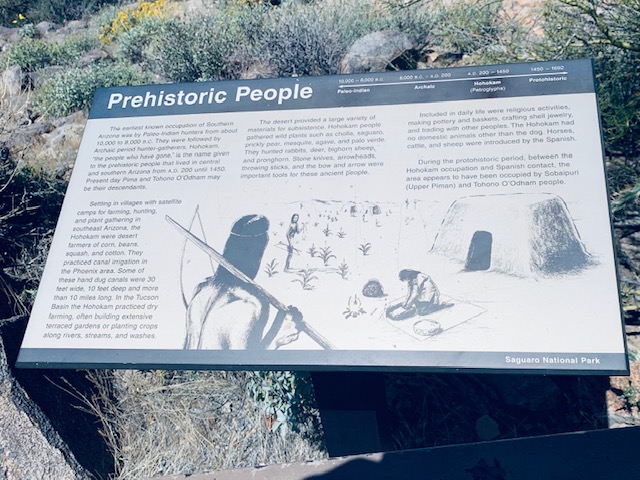
Prehistoric occupation of Saguaro National Park spans the Archaic and Hohokam periods.The Hohokam were farmers, gatherers and hunters who lived in the river valleys and deserts of southern Arizona from about A.D. 300 to 1450. Most of the rock art in the park appears to be from the Hohokam Period.


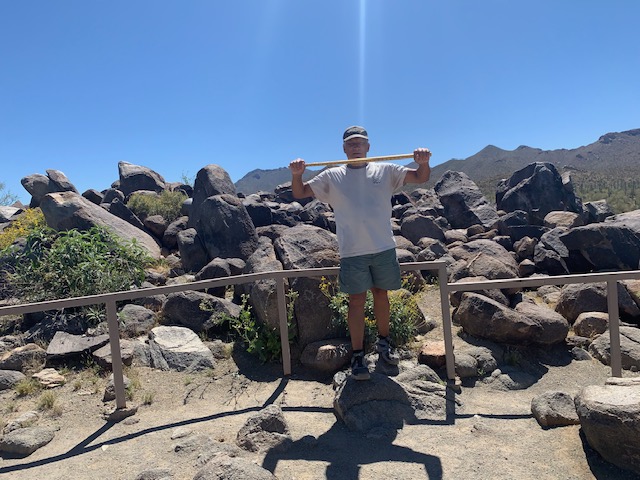
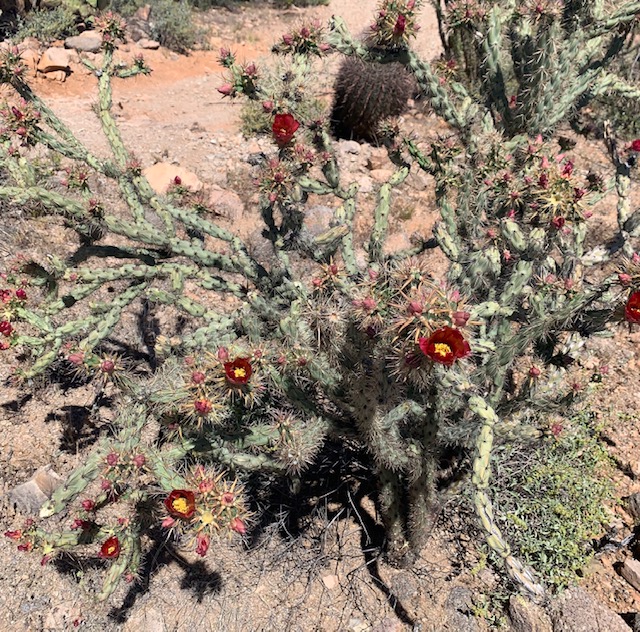
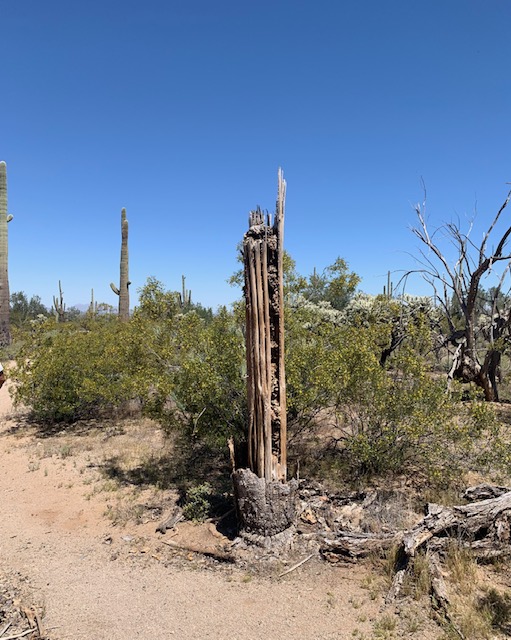
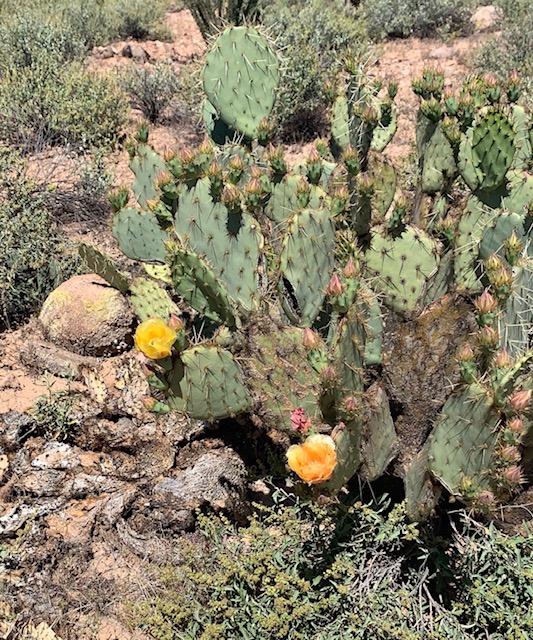
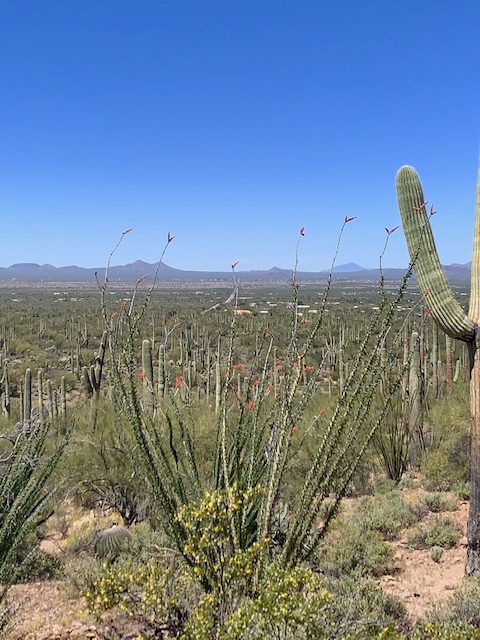
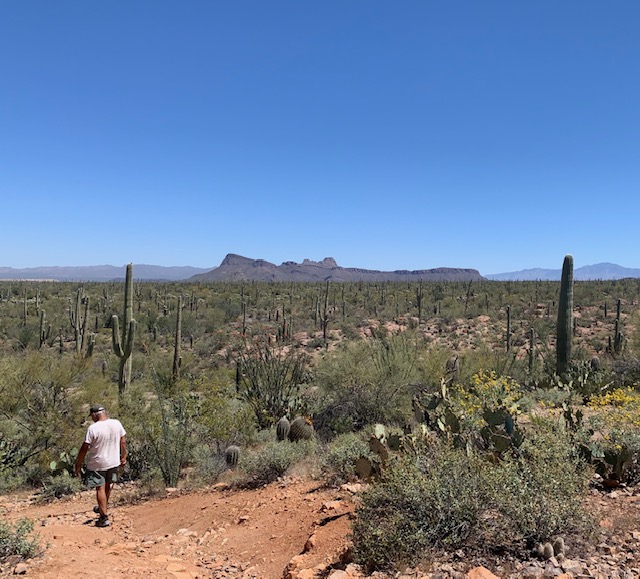
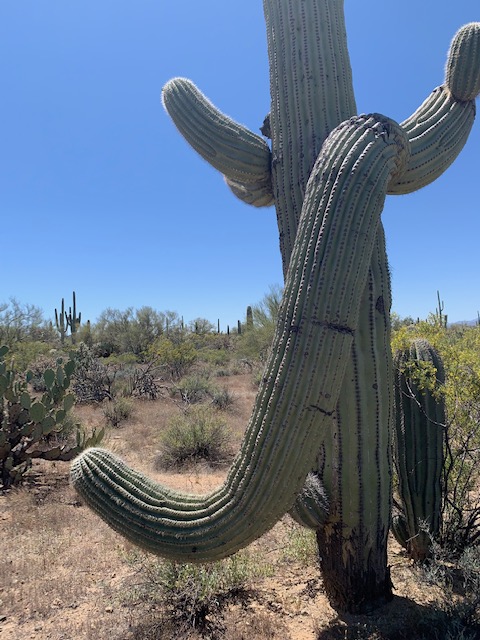

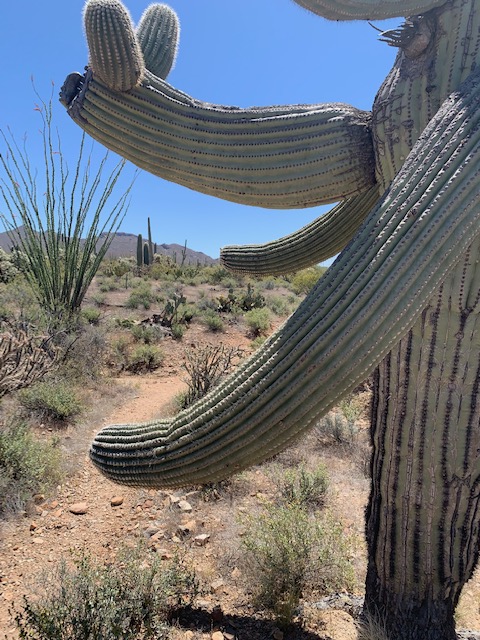

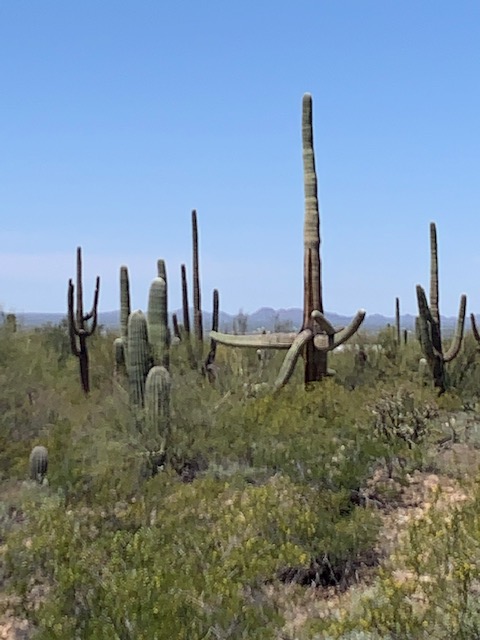

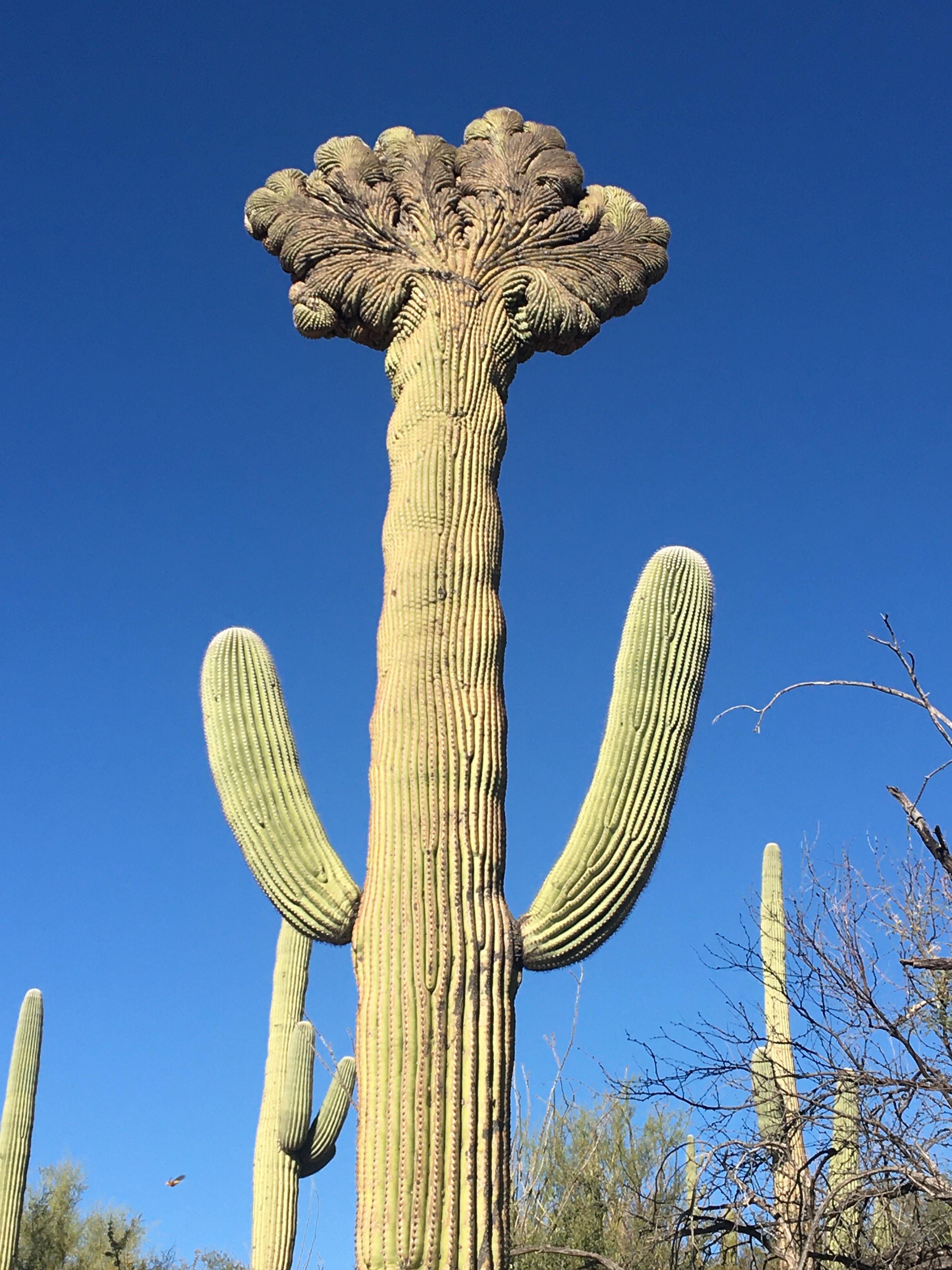
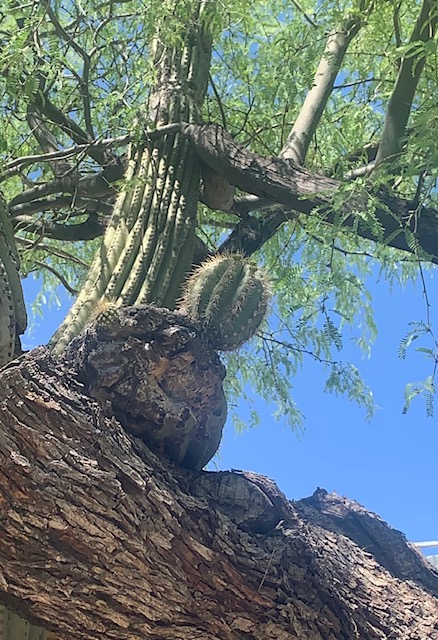
We also saw Cristate or “crested” saguaros. The growing tip of a saguaro’s main stem or arms form cells in the growing stem and begin to divide outward, rather than in the circular pattern of a normal cactus. This is an unusual mutationform in the cells is which result in the growth of a large fan-shaped crest that looks like broccoli.

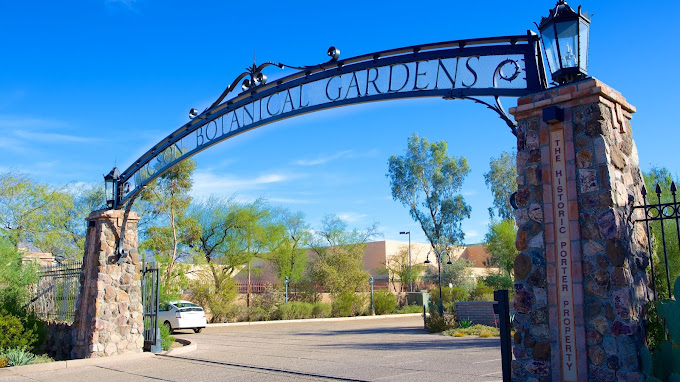
How about a visit to the Tucson Botanical Gardens! On Tuesday April 23rd, that’s what we did.

On Tuesday morning we went to the Tucson Botanical Gardens, and found it to be an amazing 5.5-acre area in busy midtown Tucson. It has impressive collection of plants spread across a variety of 20 themed gardens, including a rose garden, zen garden, herb garden, shade garden, and cactus and succulent garden, etc.
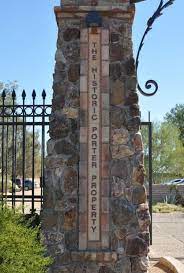
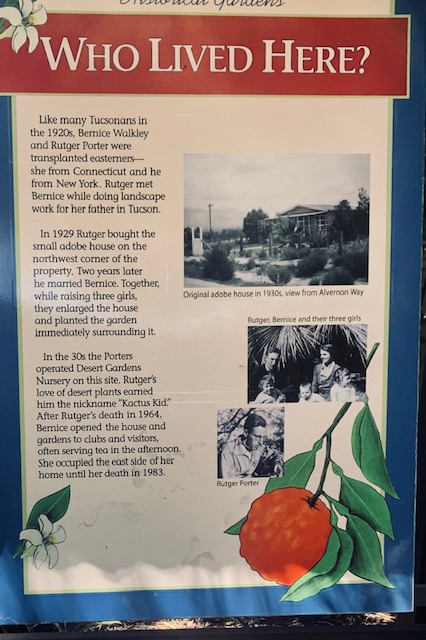
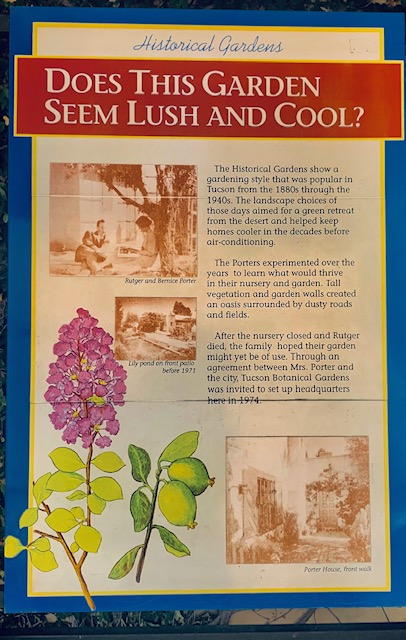
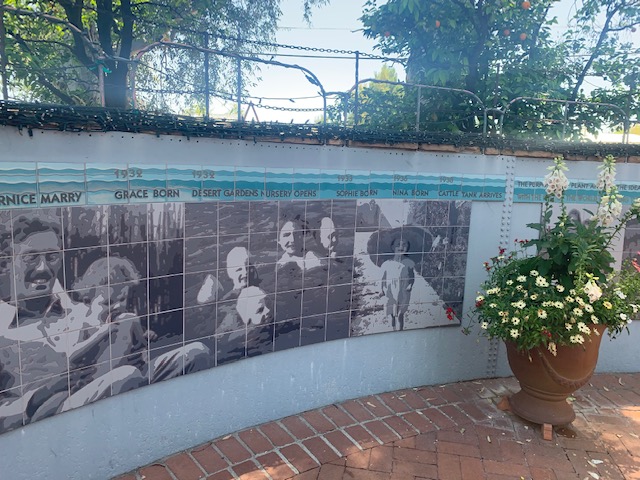
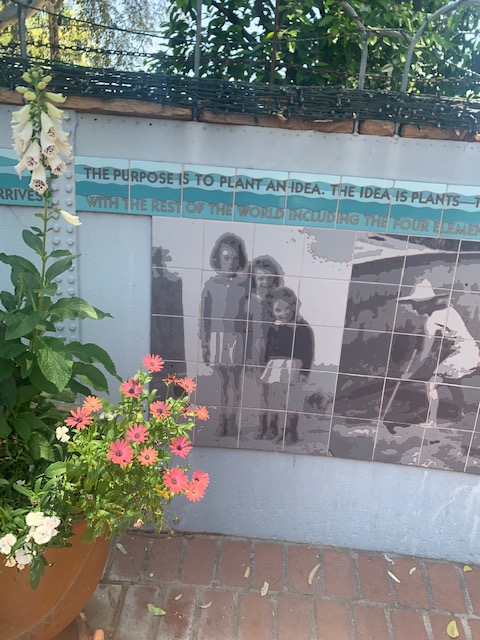
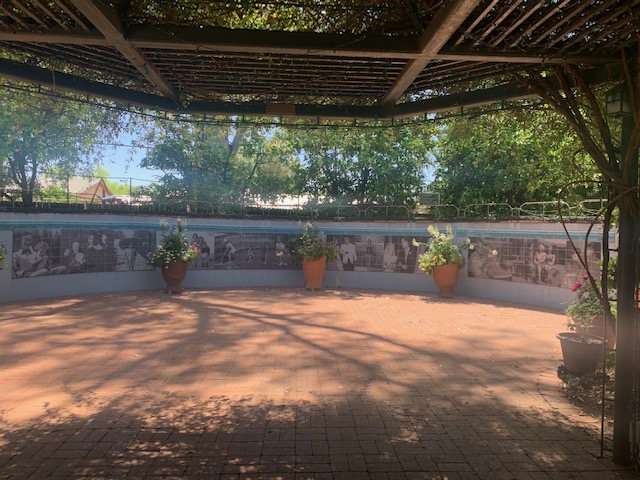
Tucson Botanical Garden began as Rutger and Bernice Porter’s family home (built in the 1920s) and their business, Desert Gardens Nursery. When Rutger Porter died in 1964, Bernice donated the property to the City of Tucson, but she continued to live in the house. Bernice passed away in 1983, and the city deeded the property to Tucson Botanical Garden.

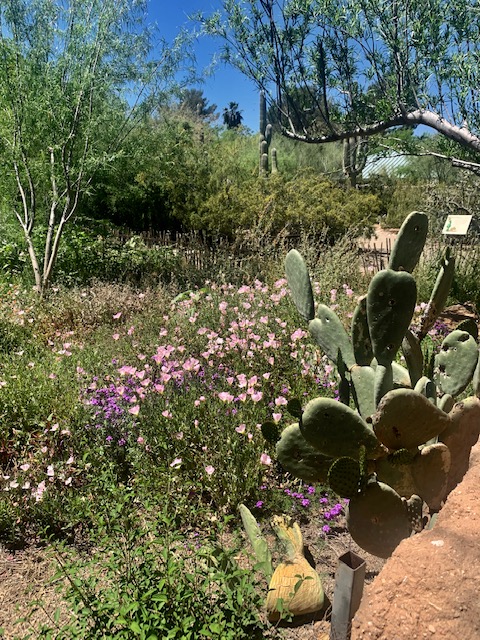
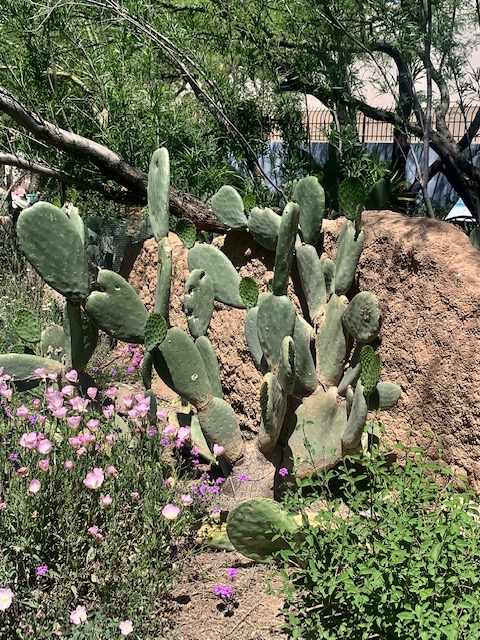
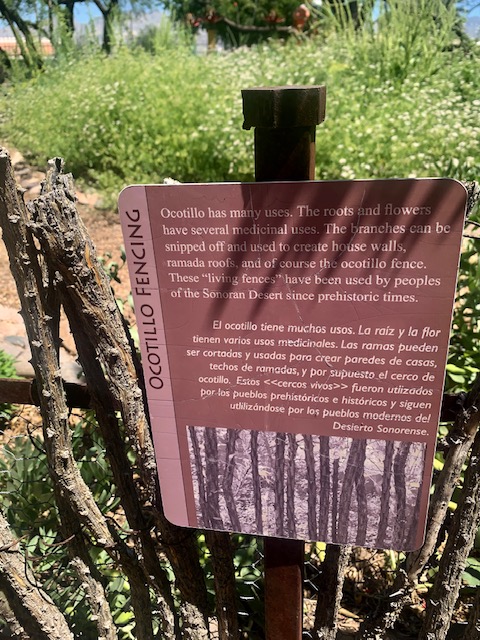

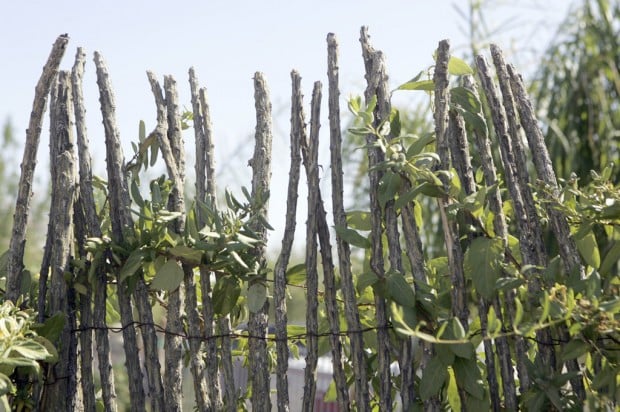
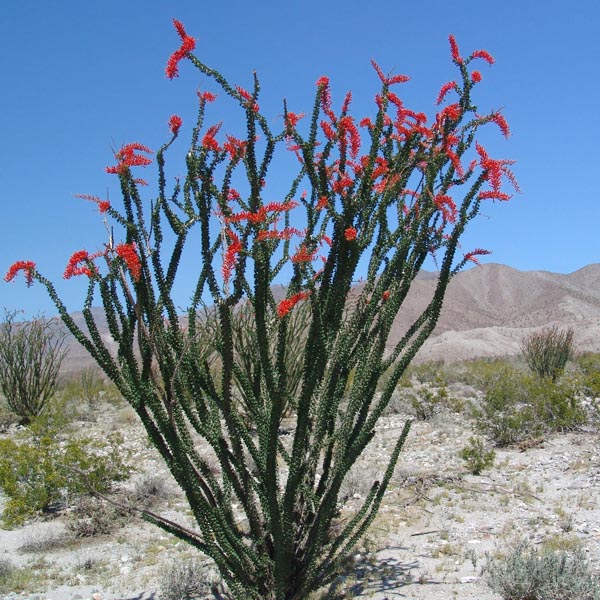
The Ocotillo is Dave’s favorite cactus cause of the way it looks, the color and it’s sharp spikes.
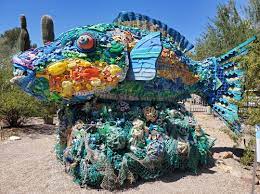
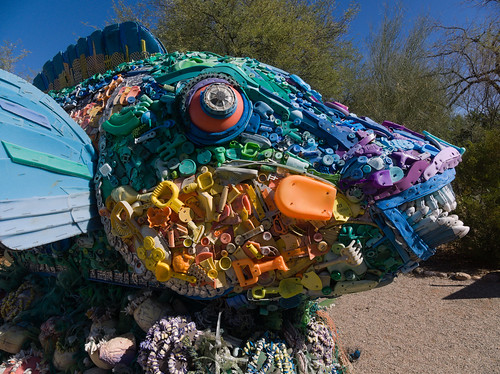
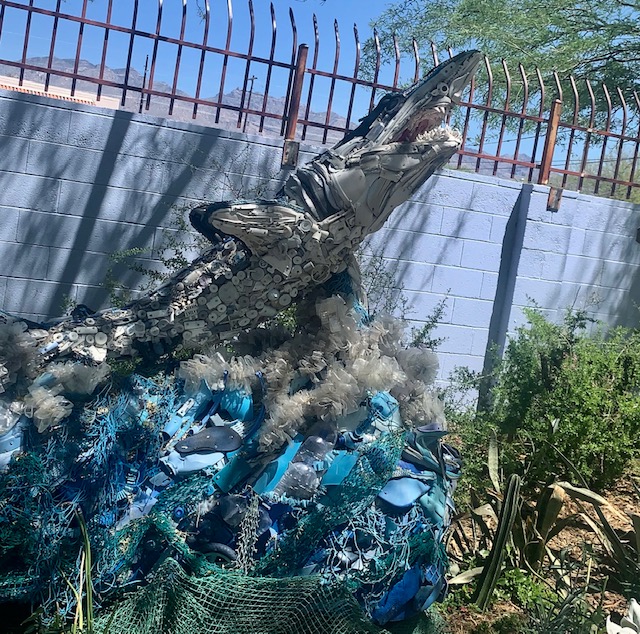
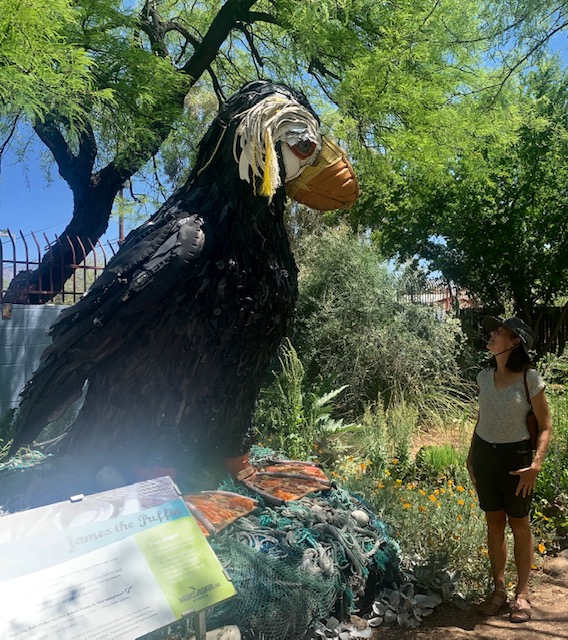
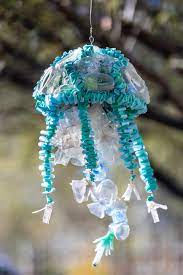
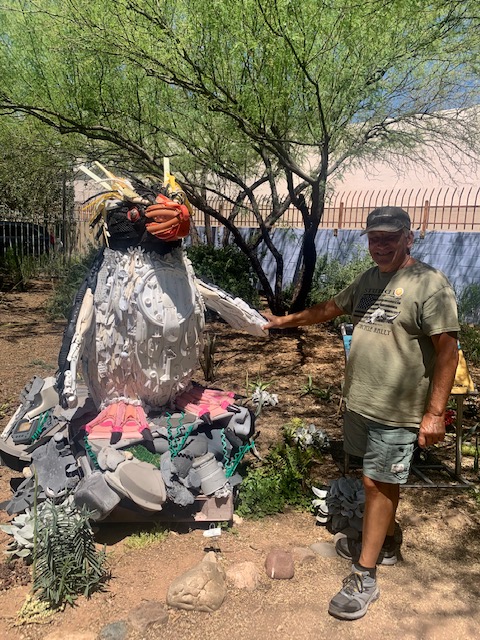
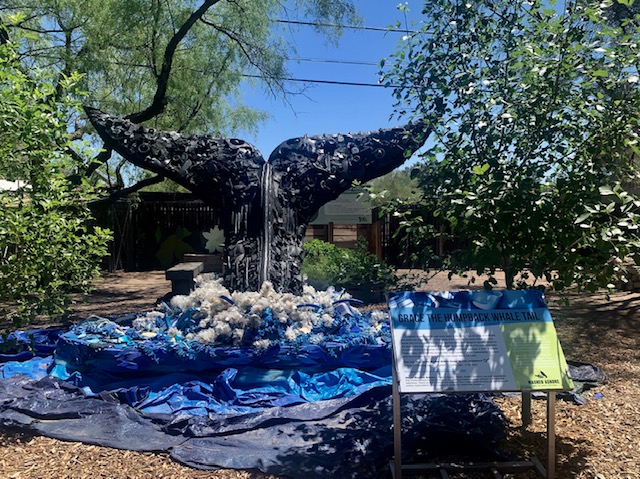
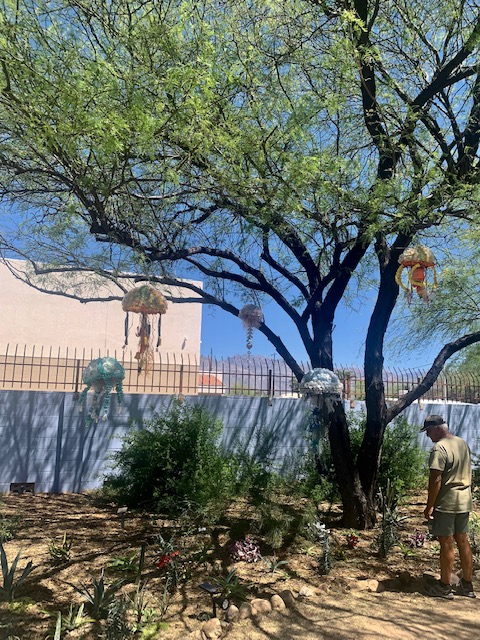
I know we’ve all seen these very neat but shocking sculptures. Each sculpture illustrates the tragedy of plastic pollution and aims to encourage conversations about how individuals can reduce the amount of single-use plastics in their lives to help improve water quality. The Washed Ashore artists have intentionally placed familiar items like buckets and shovels at children’s eye level to convey the importance of keeping beaches clean.
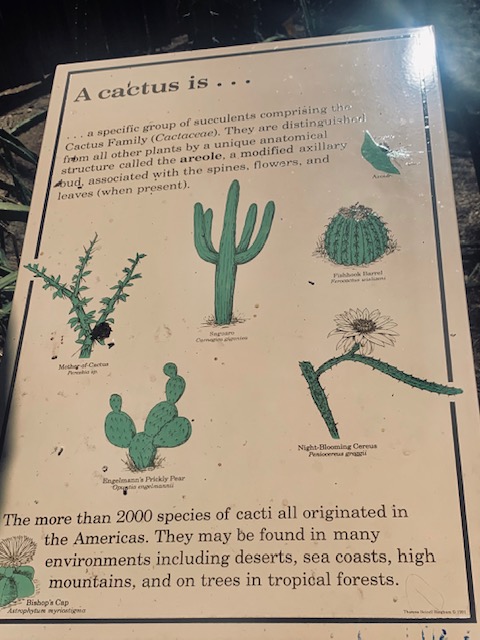
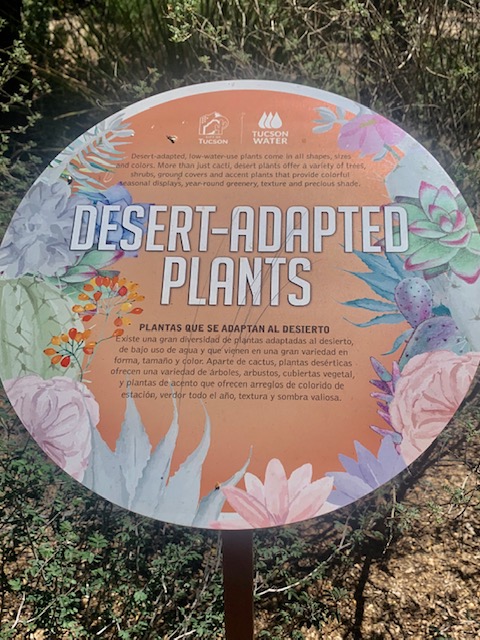
What Defines a Botanic Garden? A botanical garden is not merely a collection of plants but a meticulously curated space dedicated to studying, displaying, and conserving plant species. These gardens serve multiple purposes to Research, Conservation and Education.
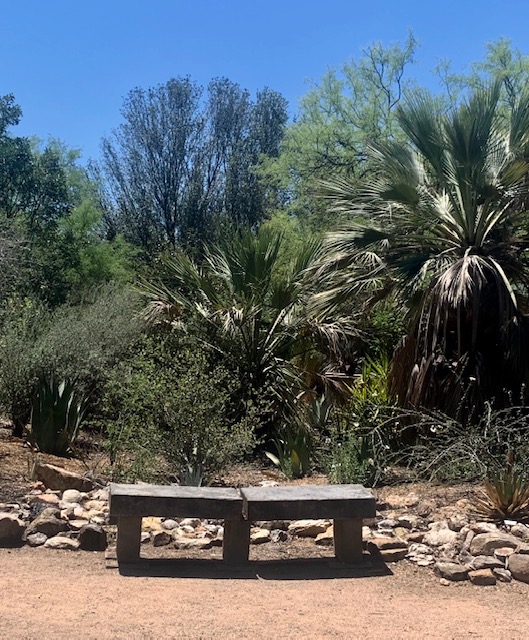
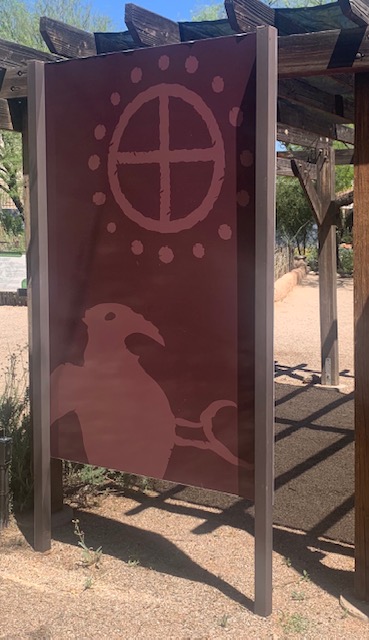
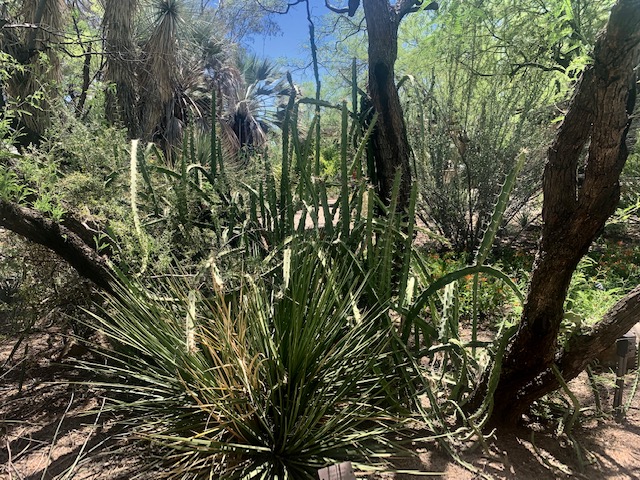
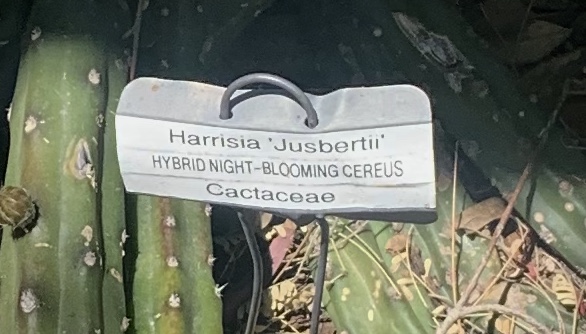
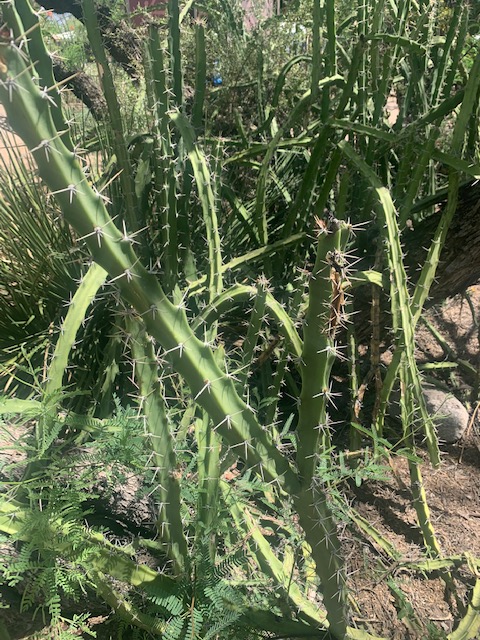
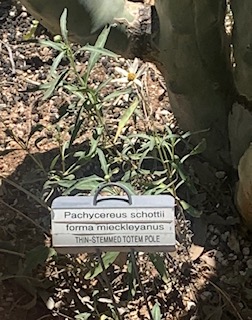
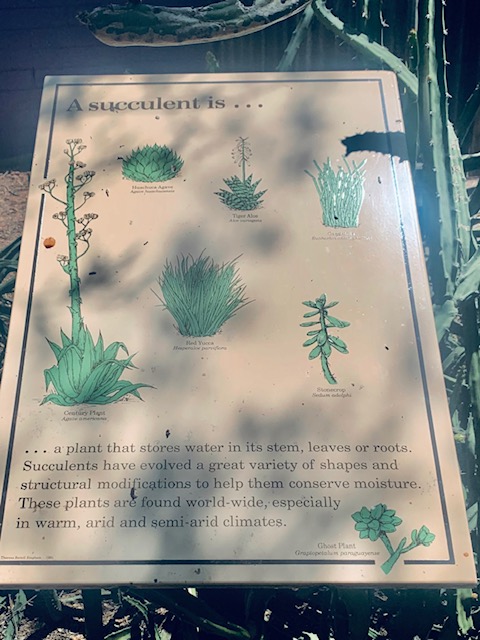
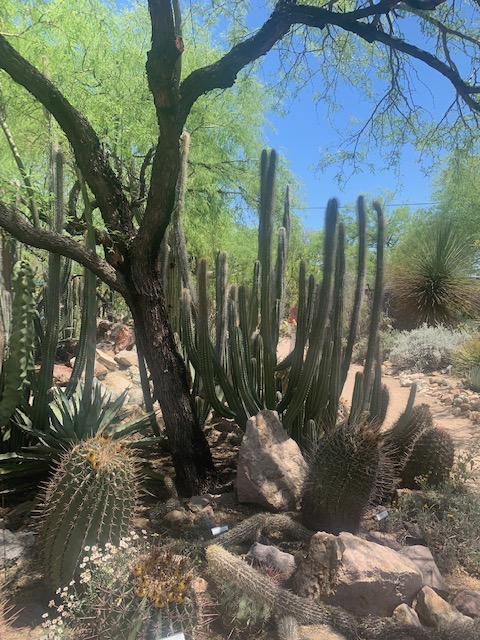
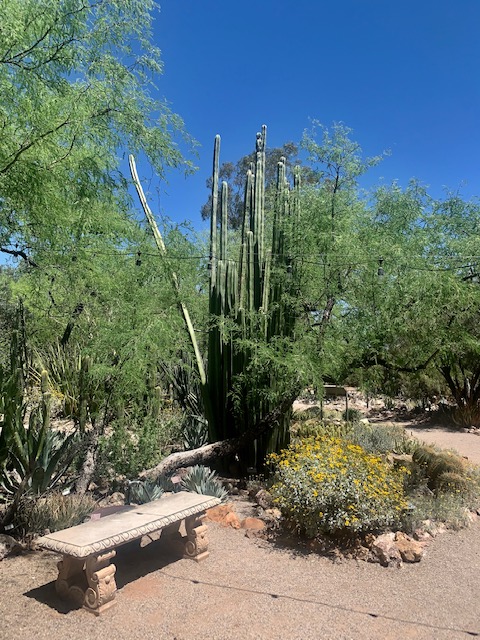
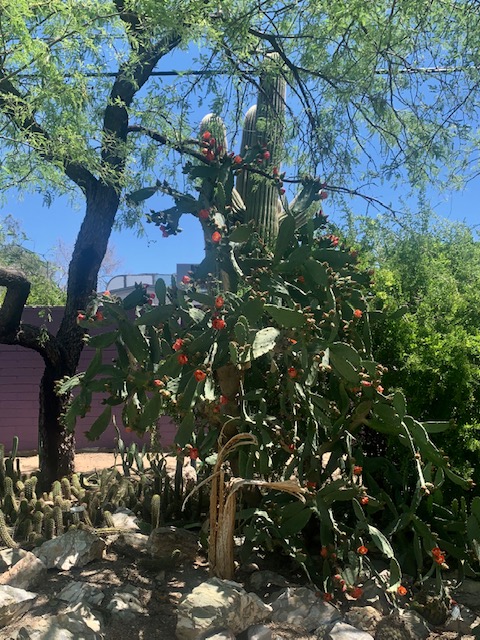
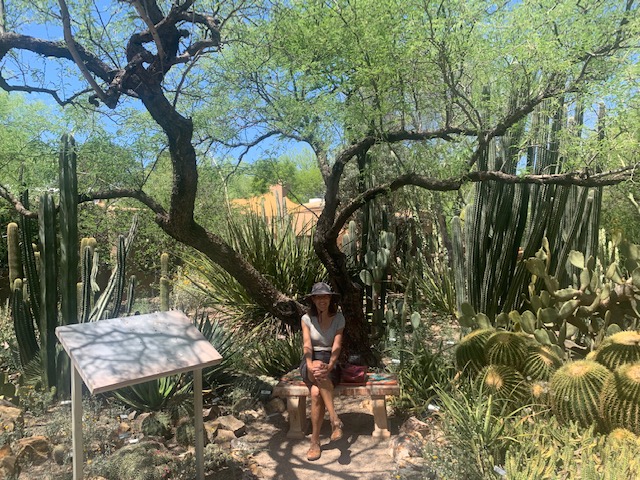
Strolling through the many different cacti.
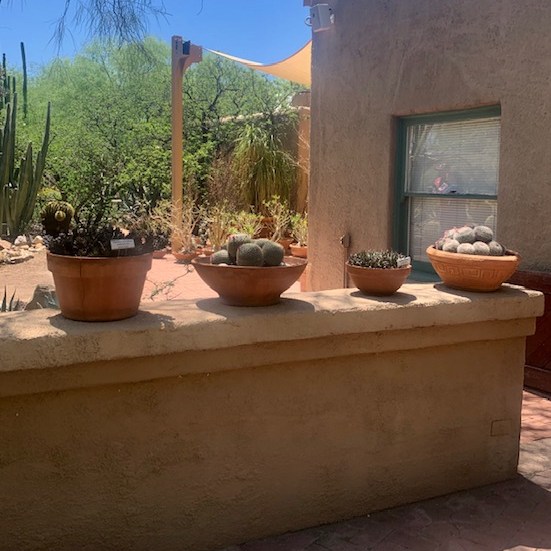
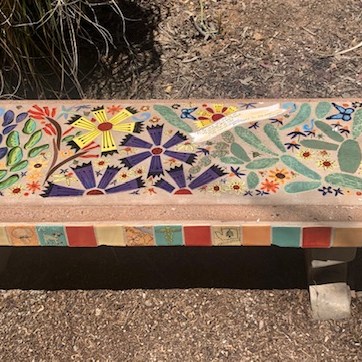
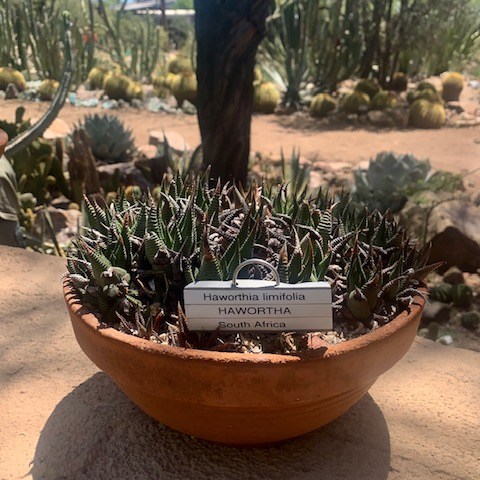
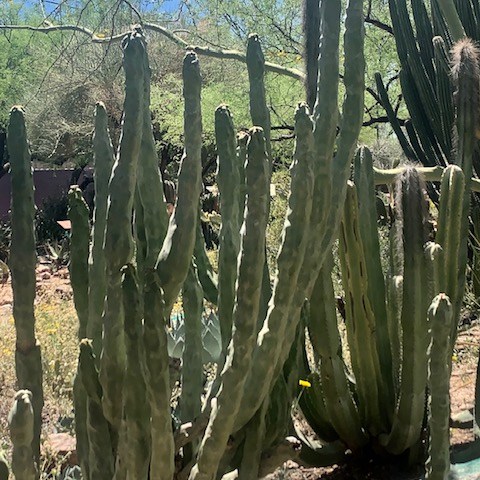
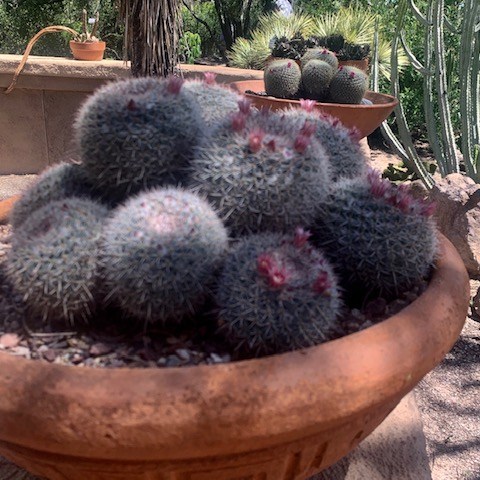
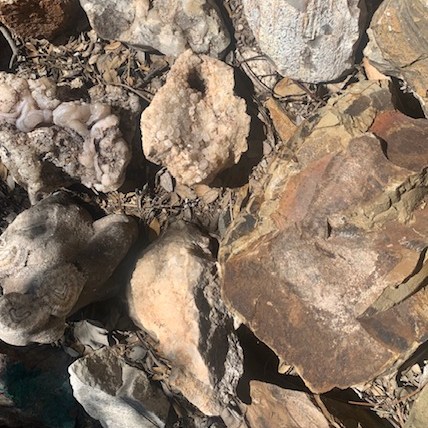
In this area they had cacti in pots, a kind of a look and touch section.
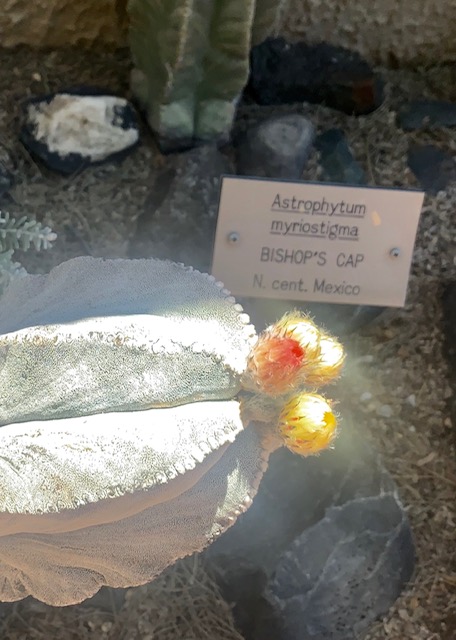
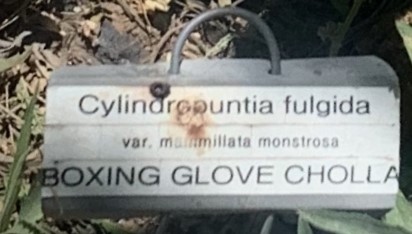
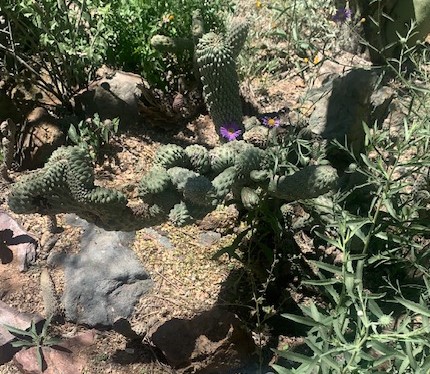
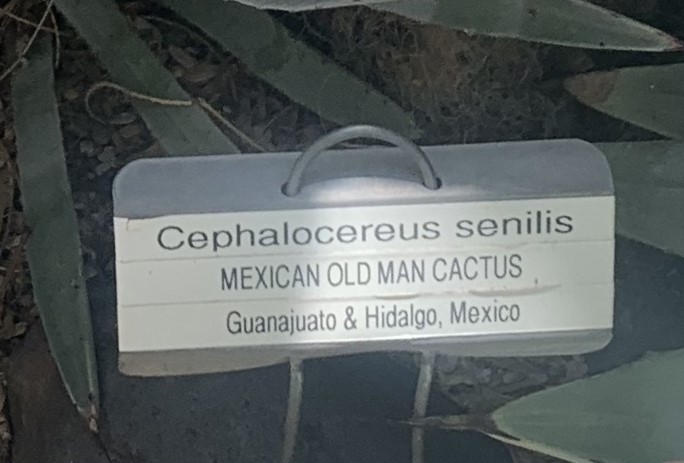

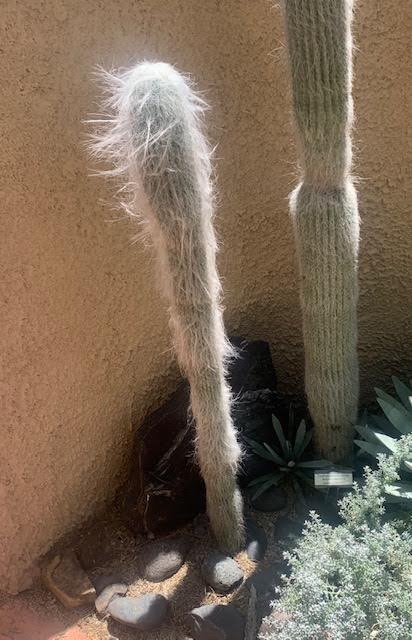
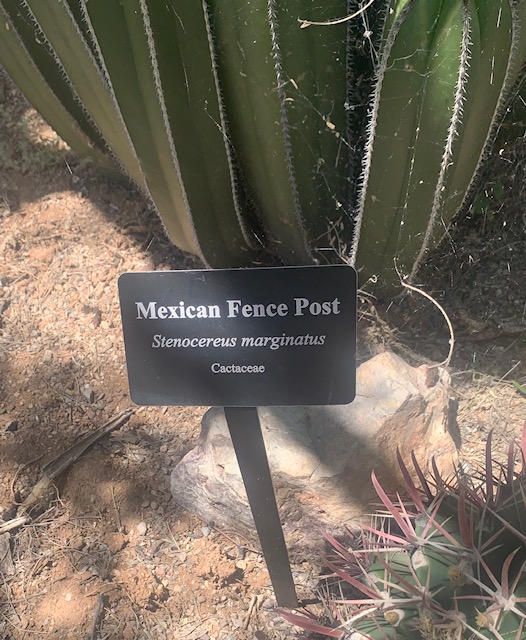
It’s fun how the cacti are named like the Bishop Cap cactus, Boxing Glove Cholla cactus and the Mexican Old Man Cactus each resembeling their names.

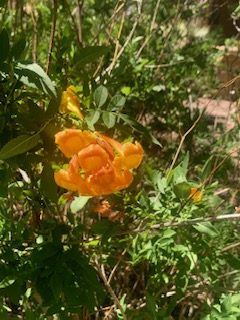
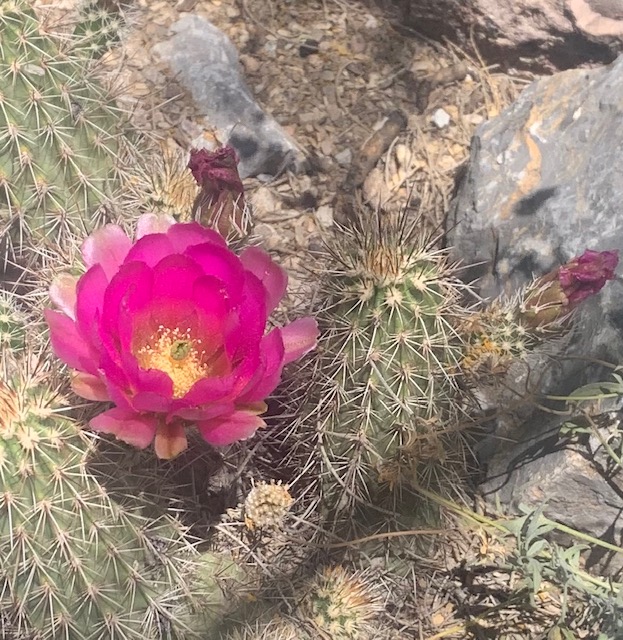


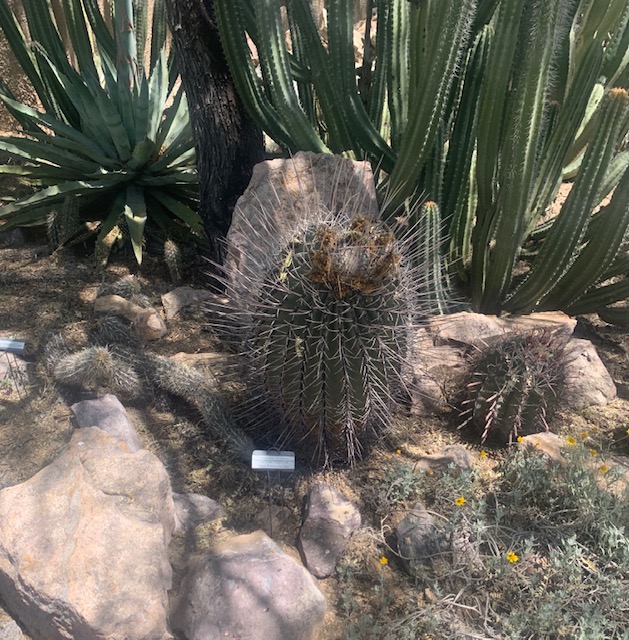
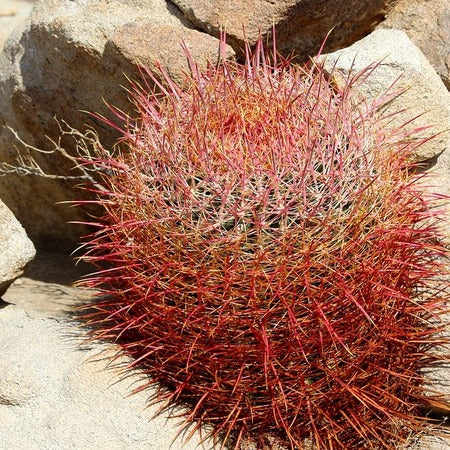
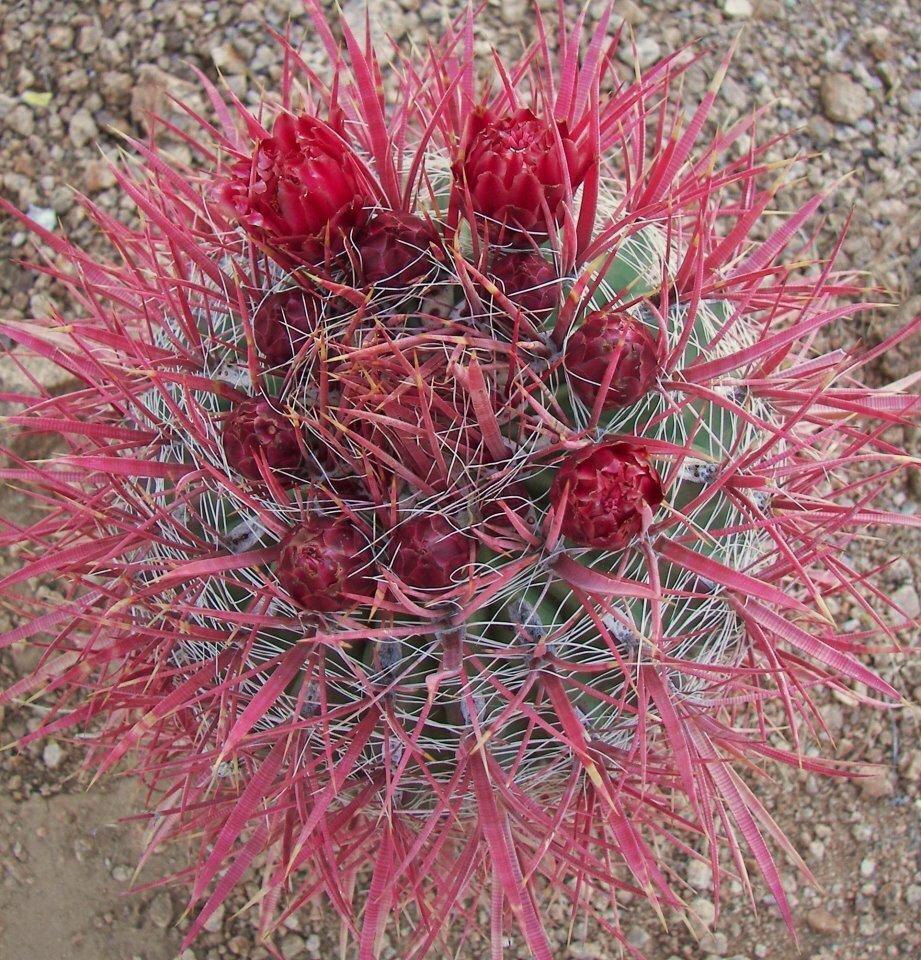

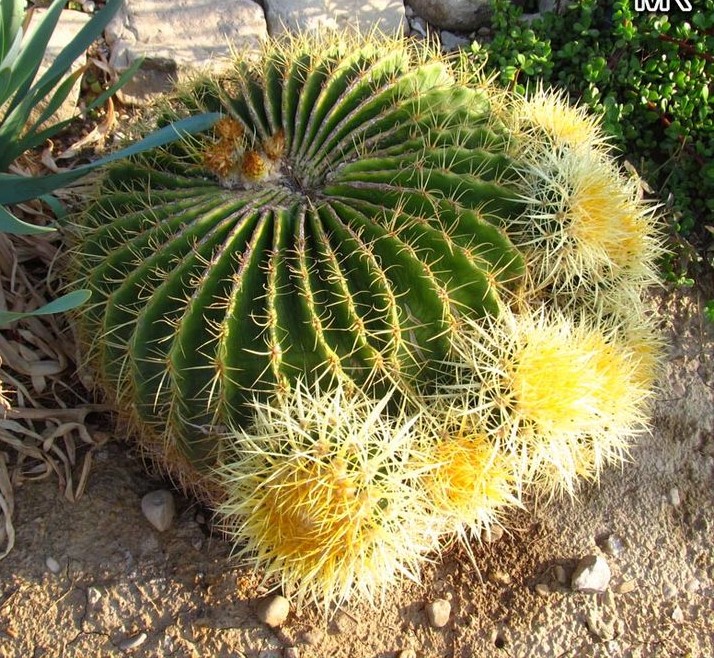
We knew that Barrel Cacti look like a barrel. We didn’t realize that there is different types. Each type has its own unique characteristics, but they all share that classic barrel-like shape. The first picture is a Hatpin cactus, then a Red cactus, followed by a Fire cactus, and then a Fish hook cactus, the spines are curved at the ends to look like a fish hook. Last is a Golden cactus. When they bloom they all have beautiful flowers.

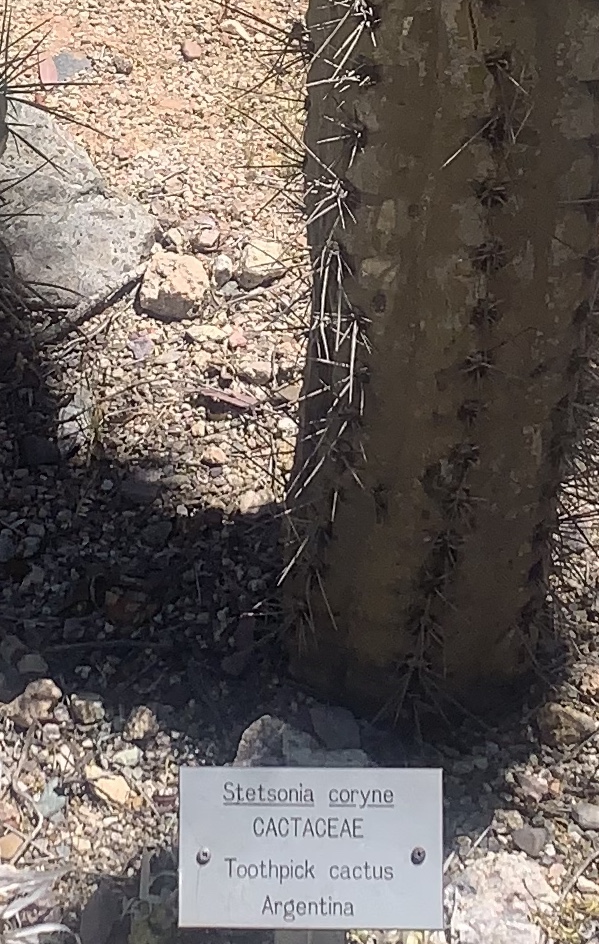
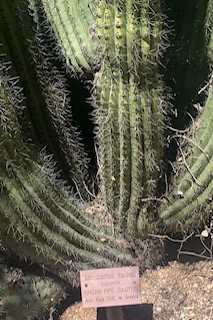
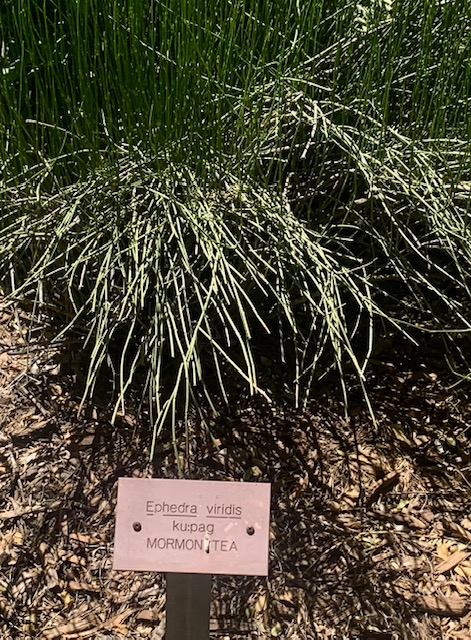

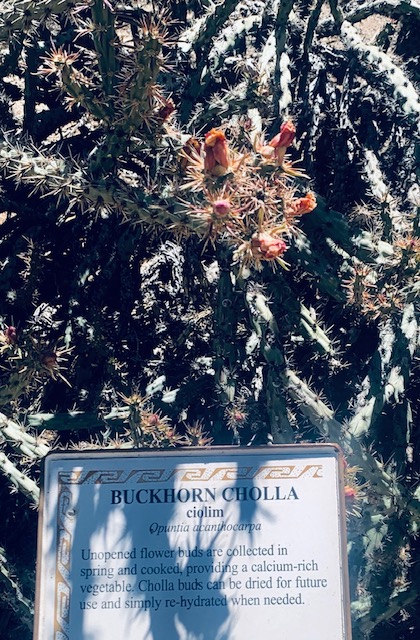
Moseying once again thru various cacti.
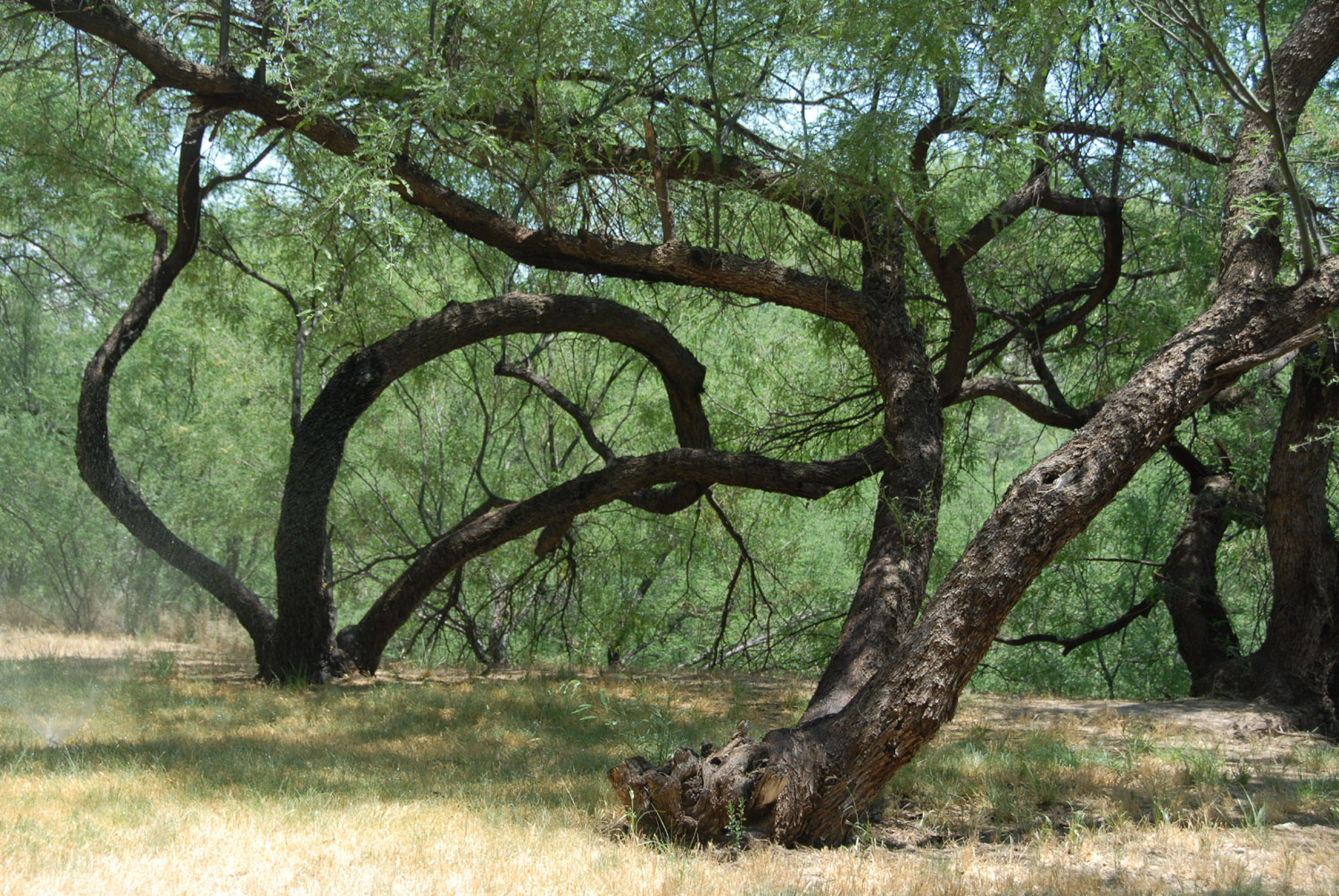
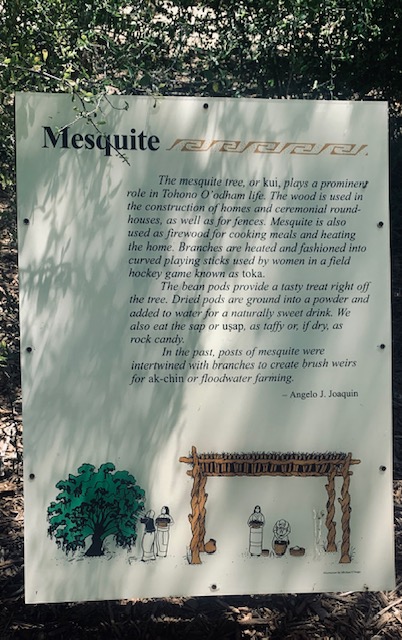
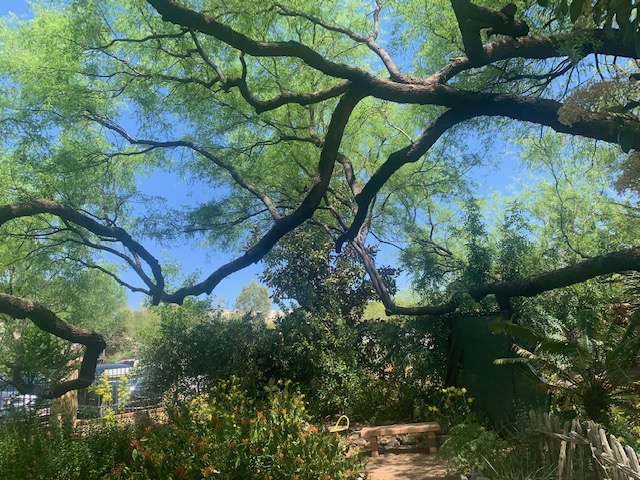
There is a lot of Mesquite trees in the deserts.


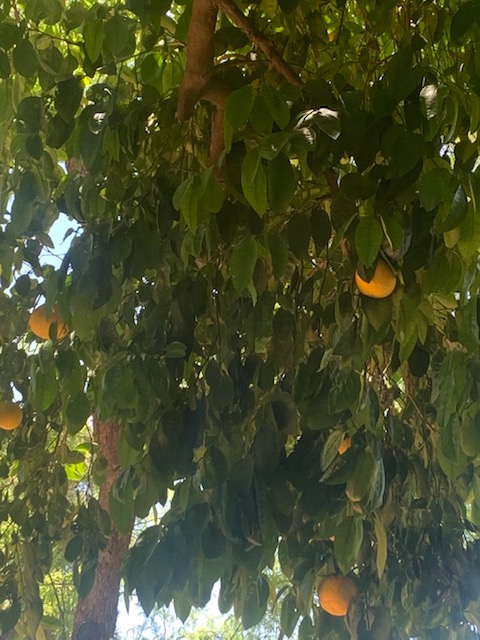
I love Grapefruit, I don’t know about you but I’m glad they came into being.

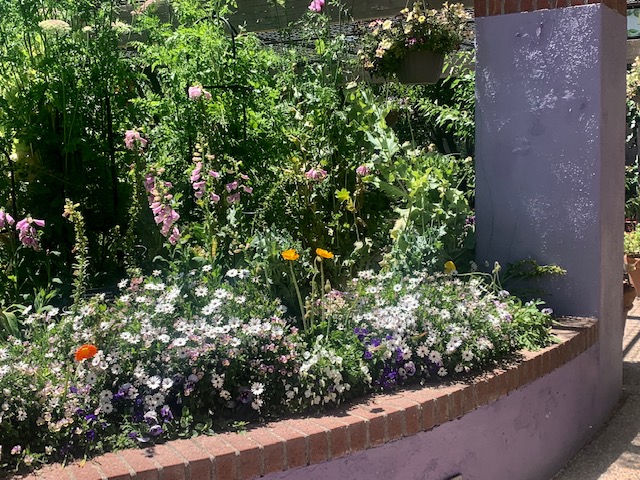
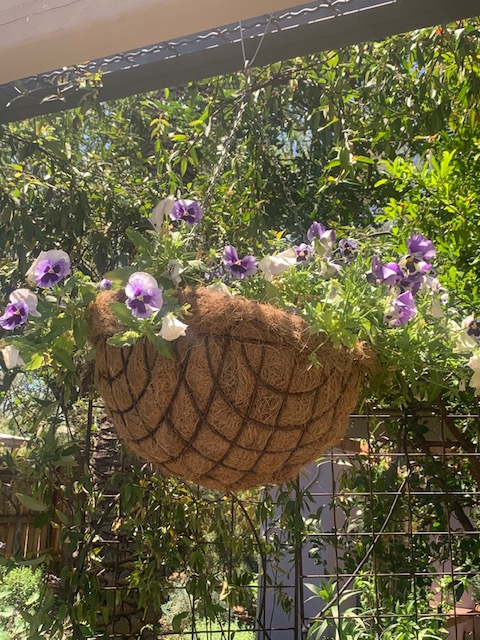
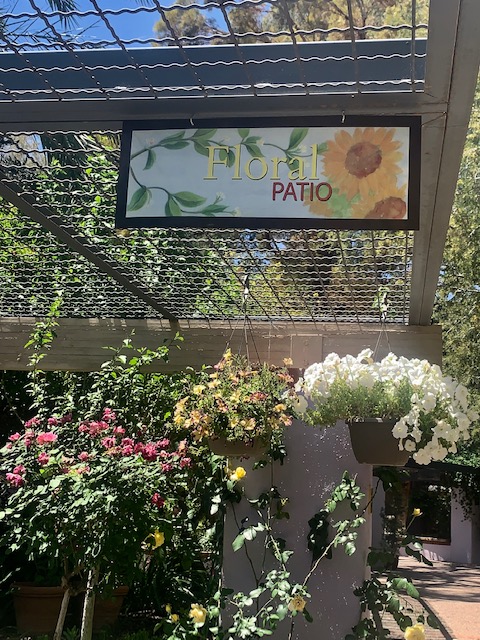


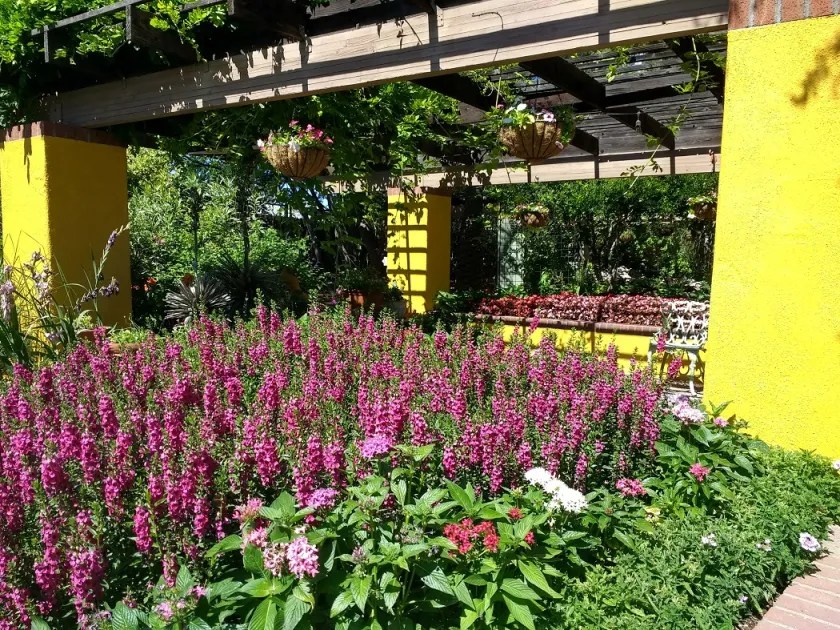
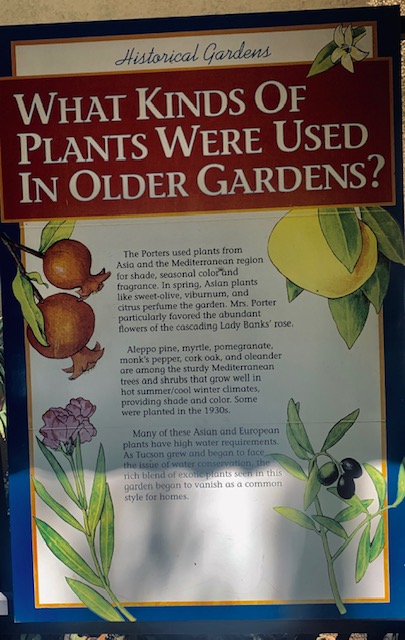
The Floral Patio is a really nice spot with all the beautiful flowers and their wonderful smells.

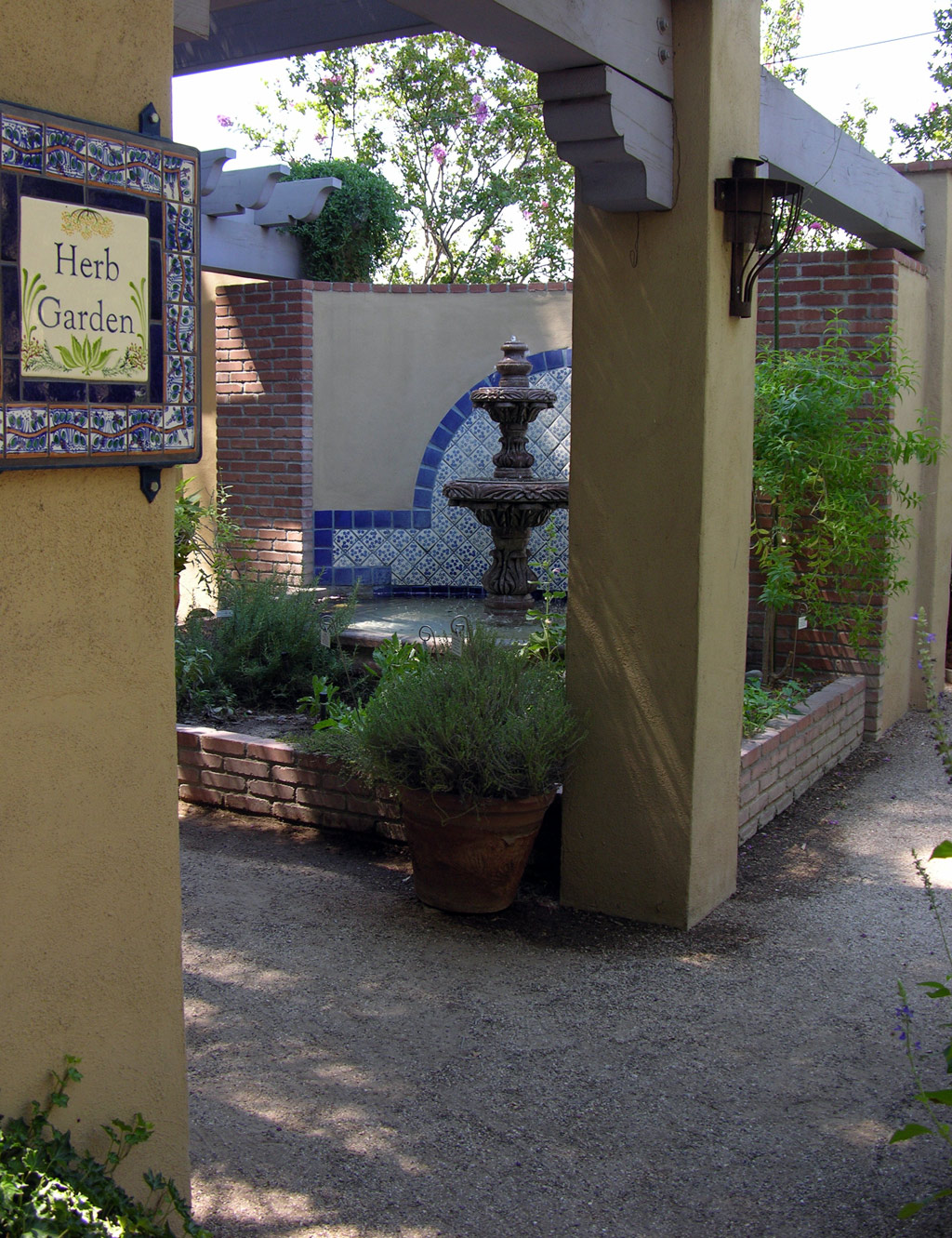
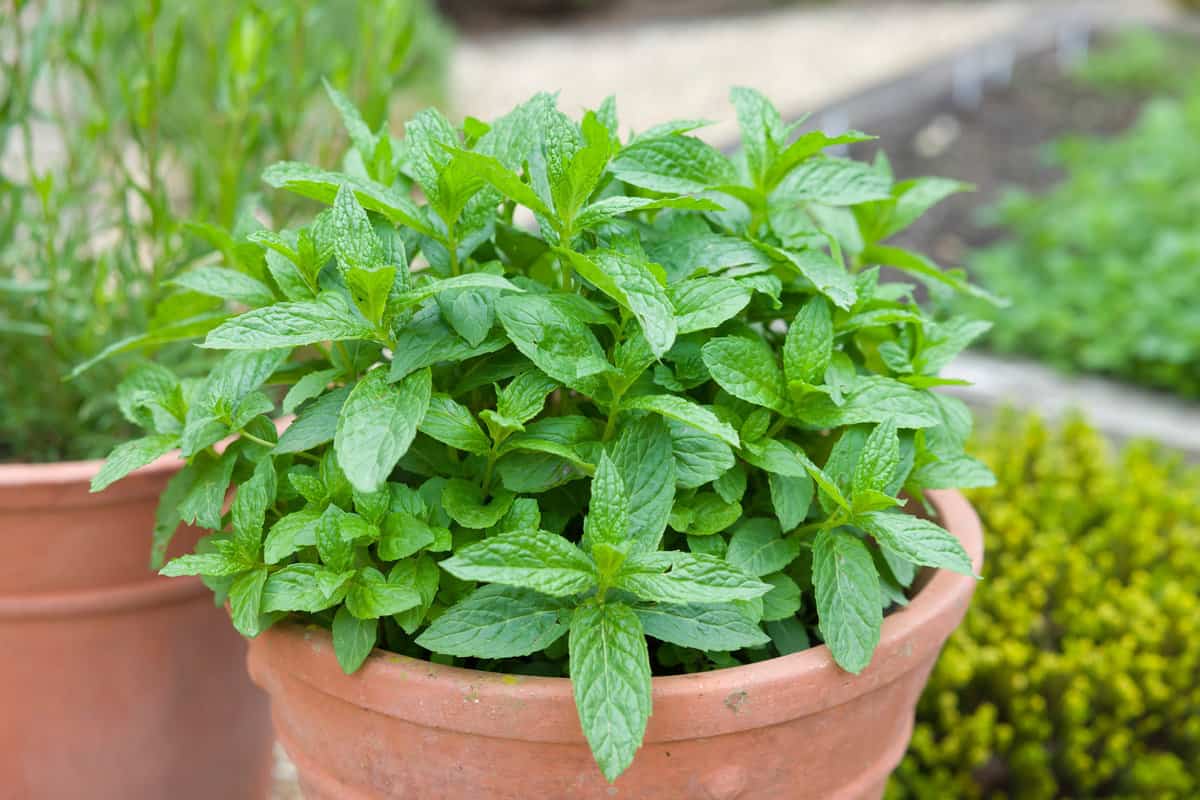
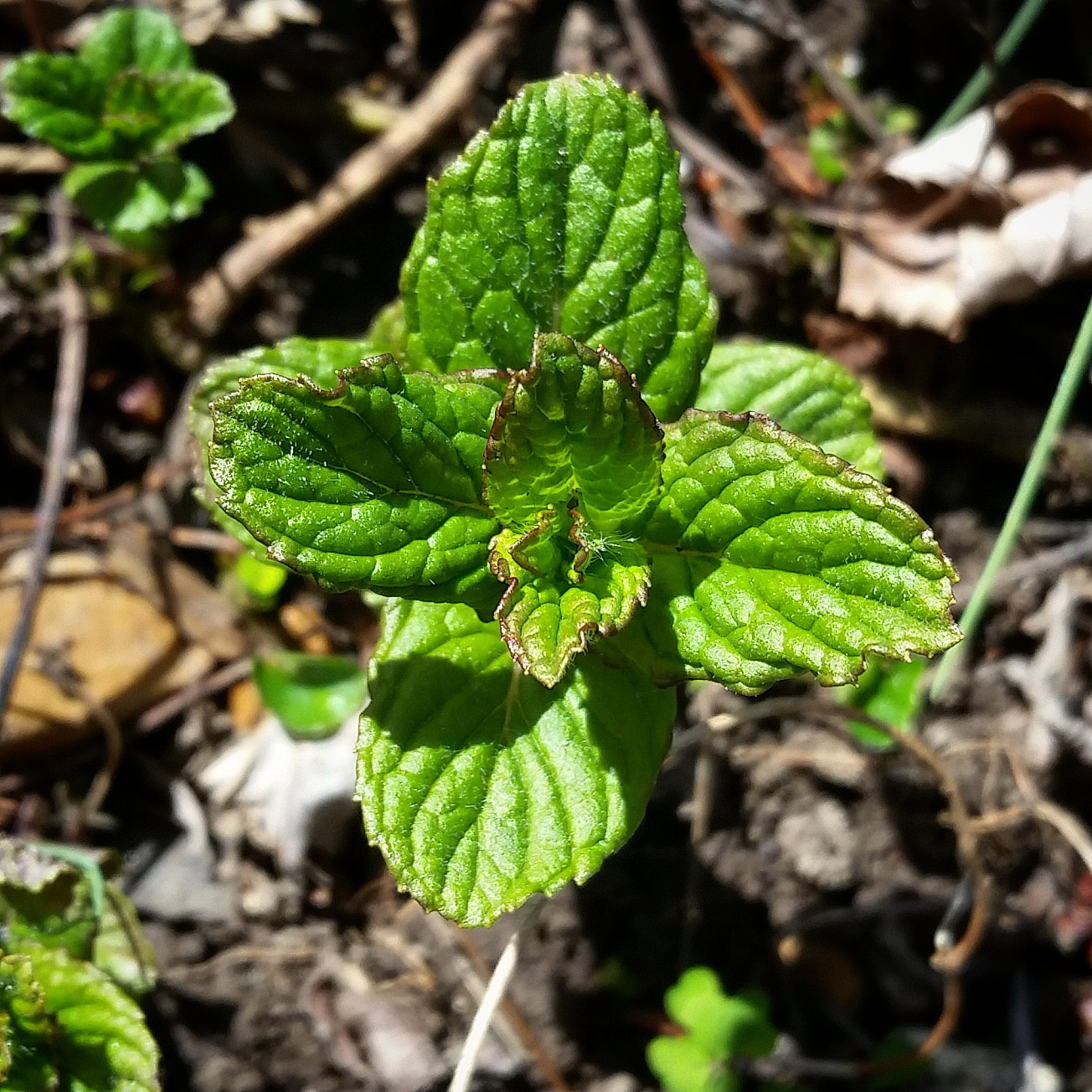
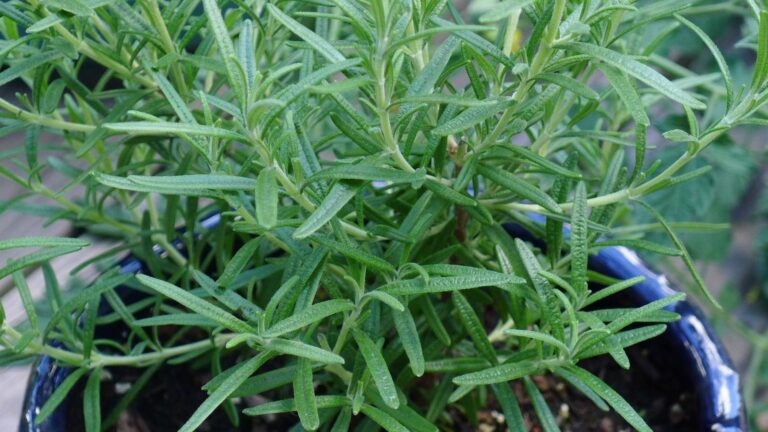
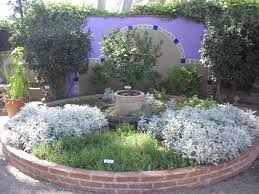
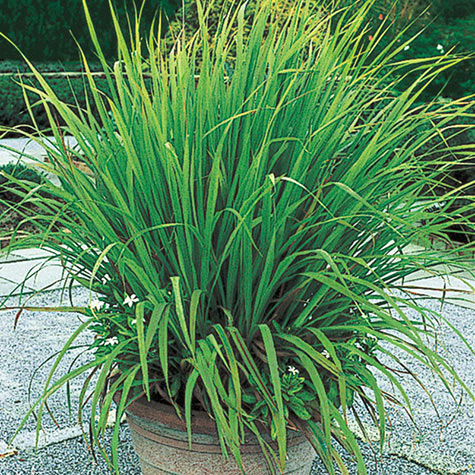

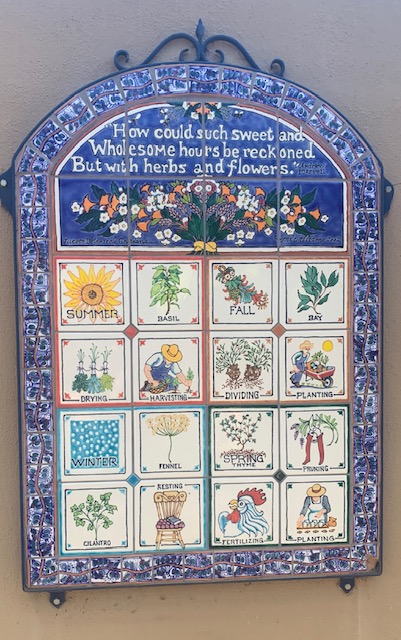
The Herb Garden was very nice too. With all kinds of herbs different herbs. These are some of the ones I use, First herb is peppermint, spearmint, rosemary and lemon grass, Plus lots more that I shpuld use.
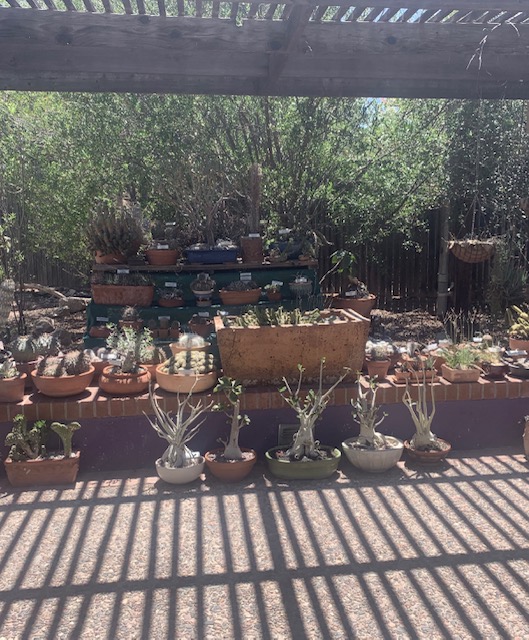

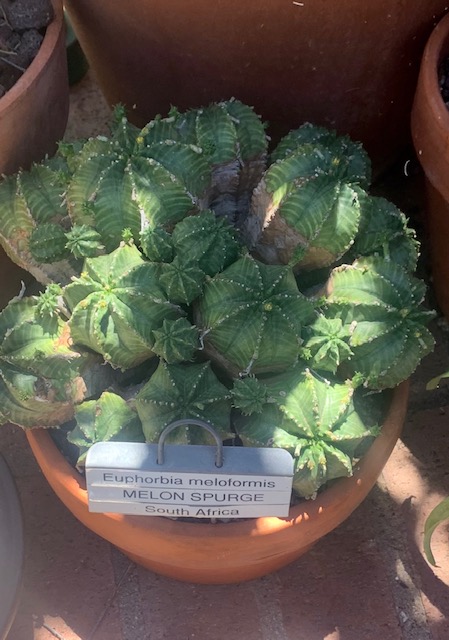
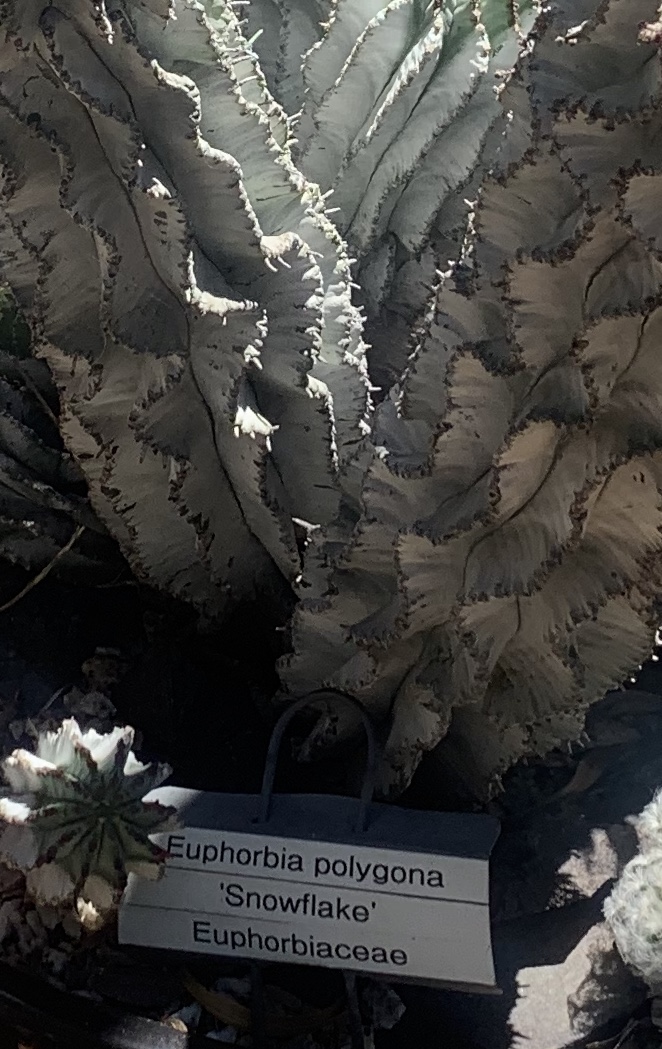
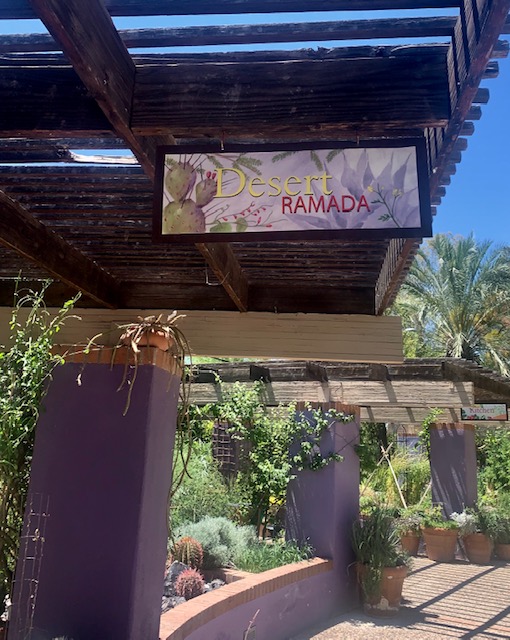
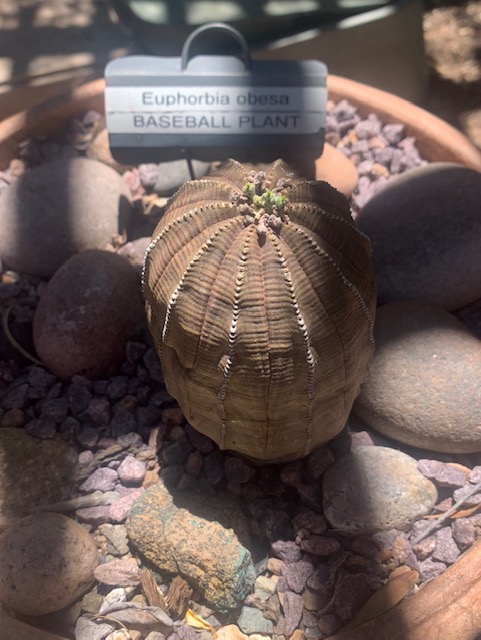

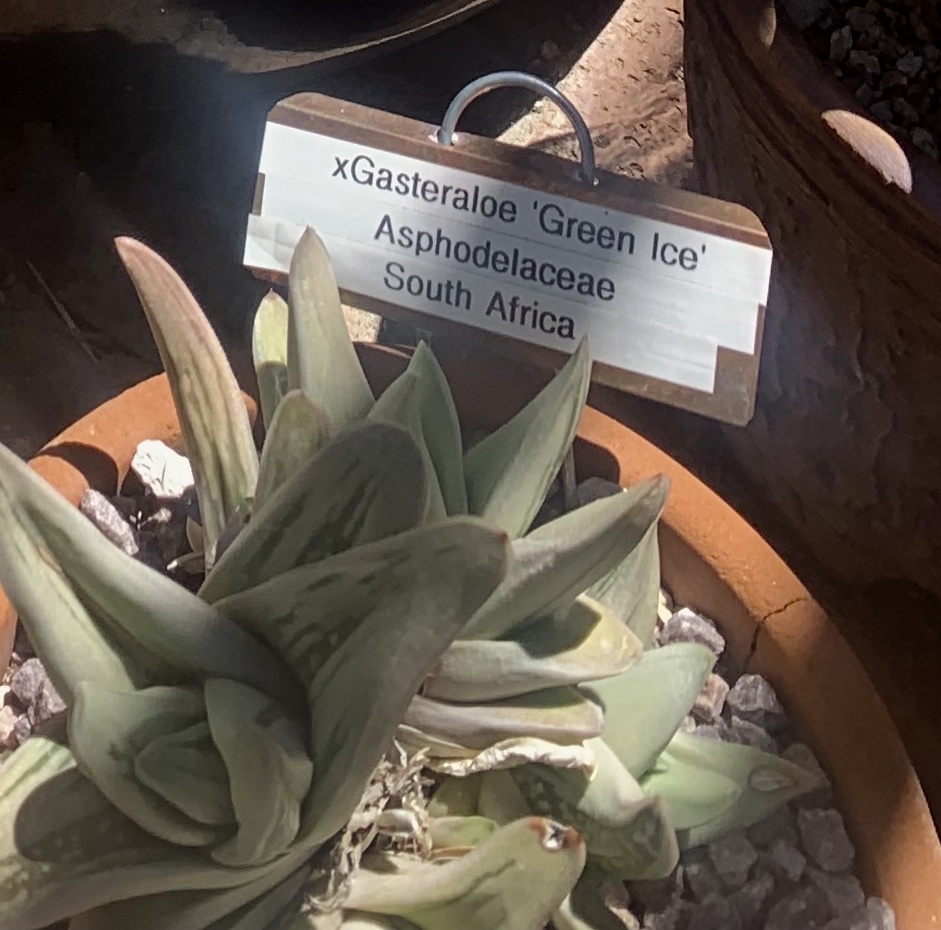
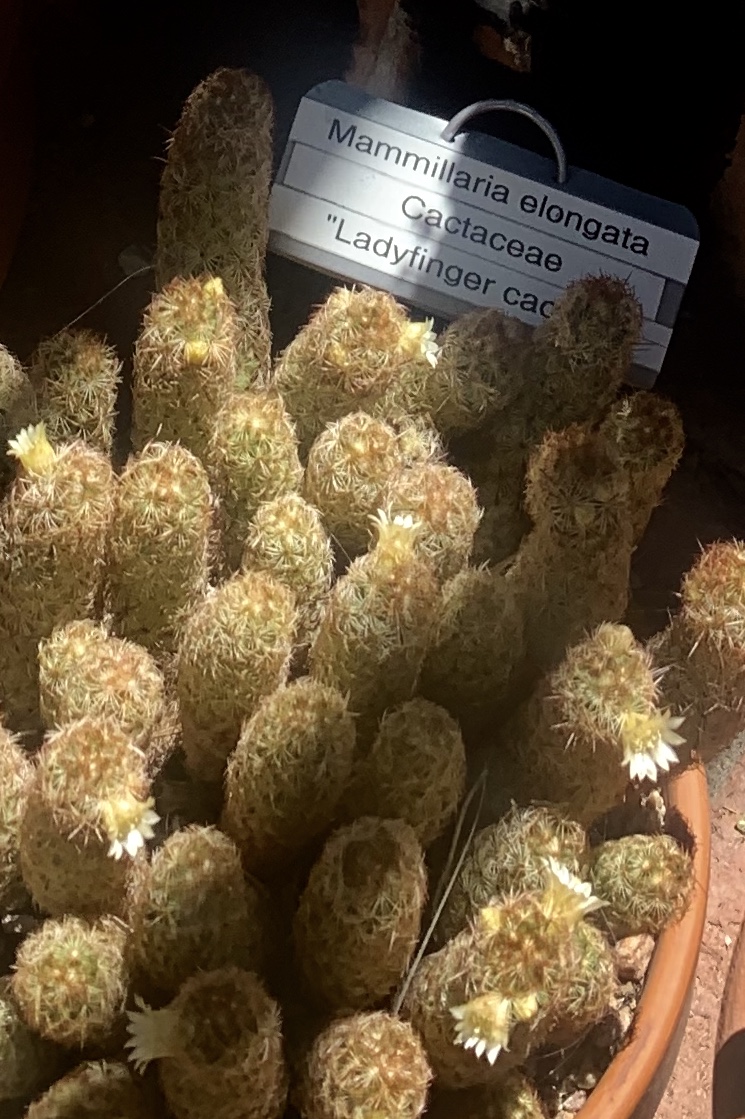
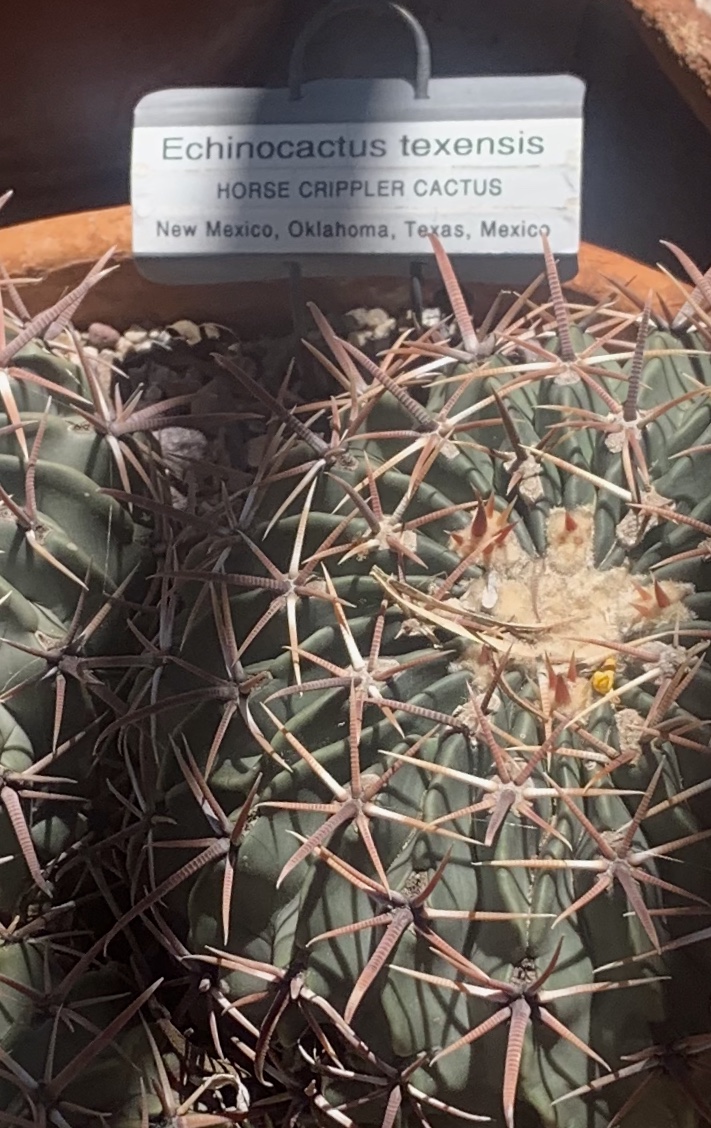
We liked the names of these plants in the Desert Ramada. Like the Melon Spurge, Snowflake, Baseball, Live stones, like the green ones, Green ice, Lady Finger and the Horse Clipper Cactus, I wouldn’t want to be the horse that stepped on it.
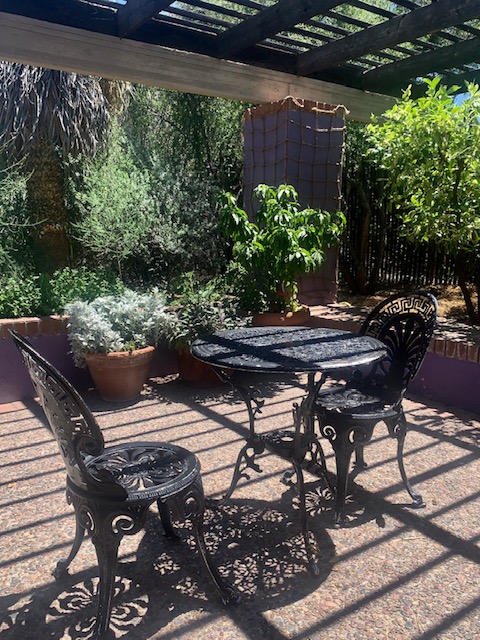
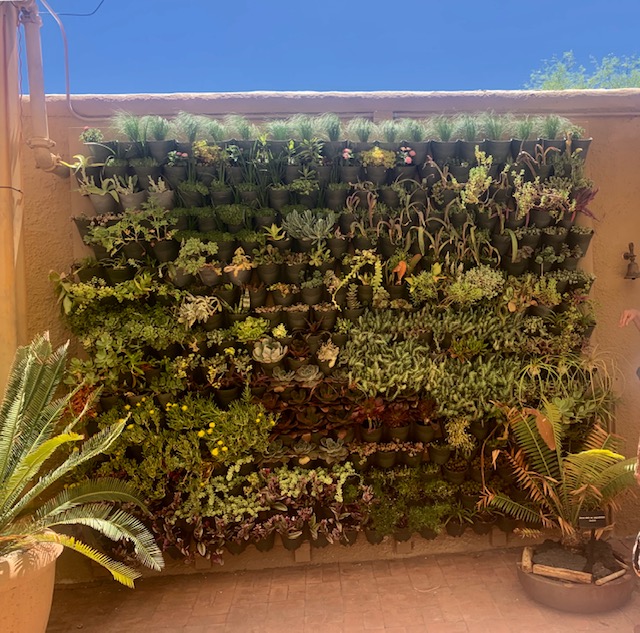


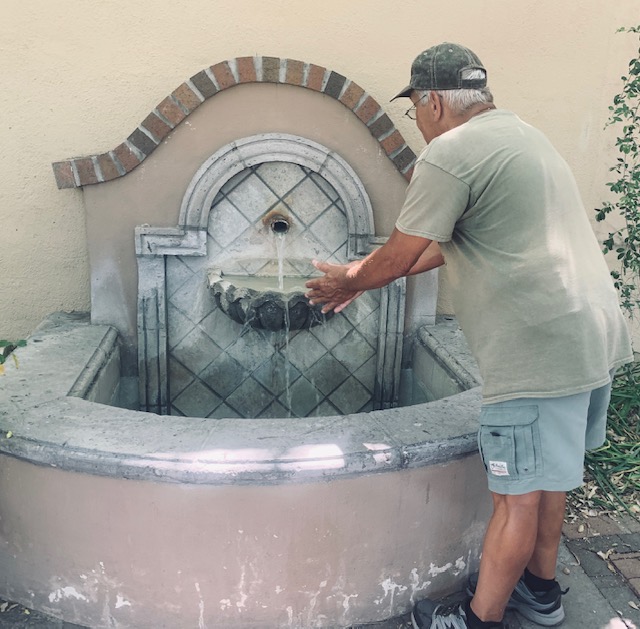
The Kitchen Courtyard had a nice sitting area, as most of them did.
Tranquil Oasis in the Heart of the City
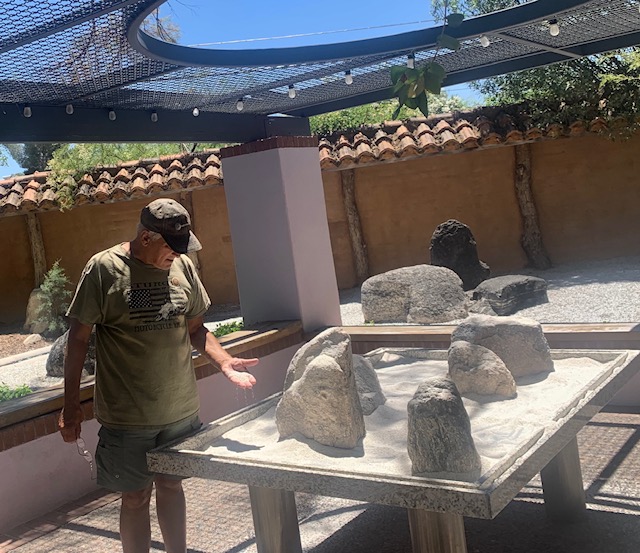
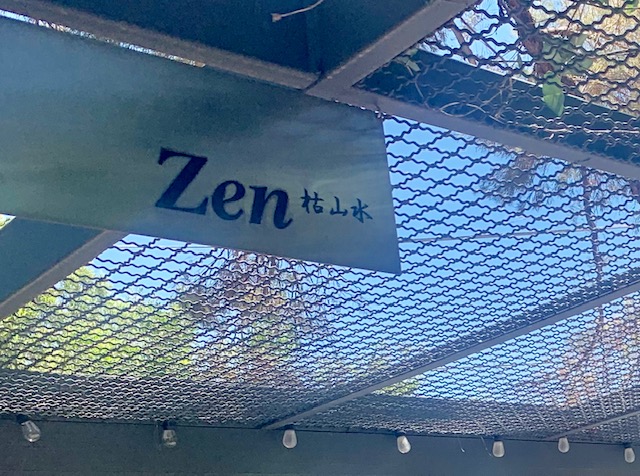


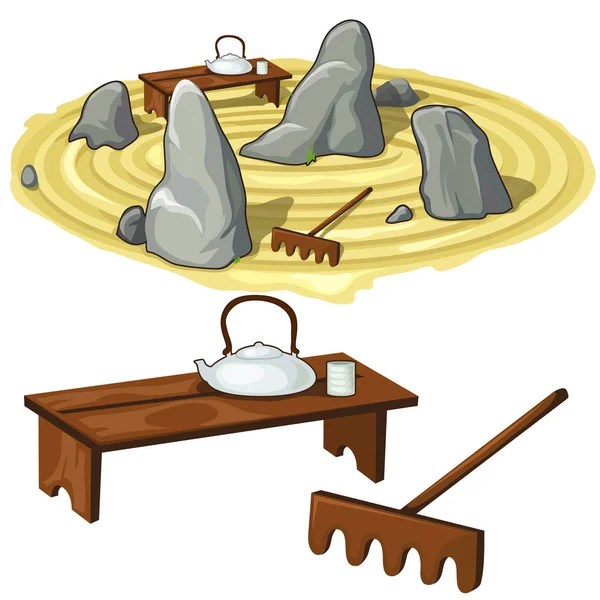
Dave is sifting the sand in the Zen Rock Garde. It is a special place is given to every plant, rock and the sand in an effort to create harmony, tranquility and balance. Zen gardens are designed to create sense of balance and harmony.
Uncluttered spaces help unclutter the mind, invoking a kind of meditative state
The act of raking and sifting the sand and creating patterns is a meditative practice that can help promote mindfulness and inner peace. In addition, the color and texture of the sand can affect the atmosphere of the garden, creating different moods and emotions.

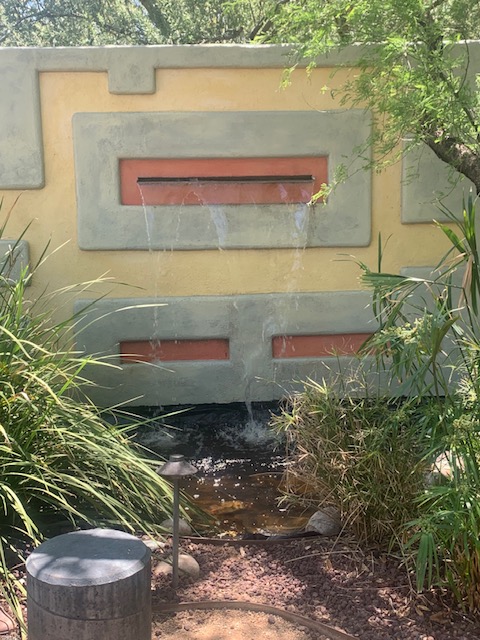
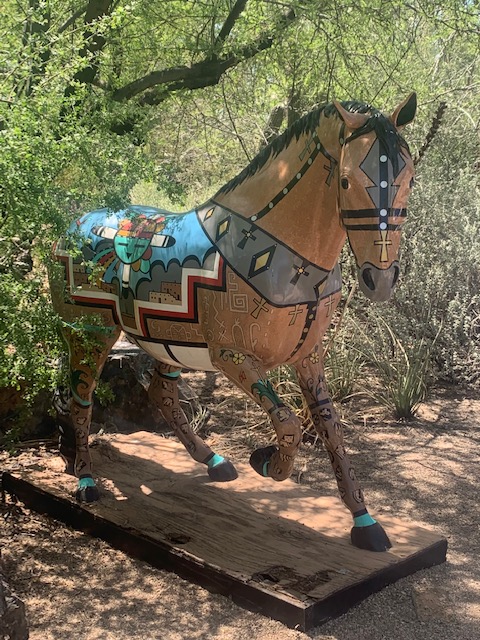
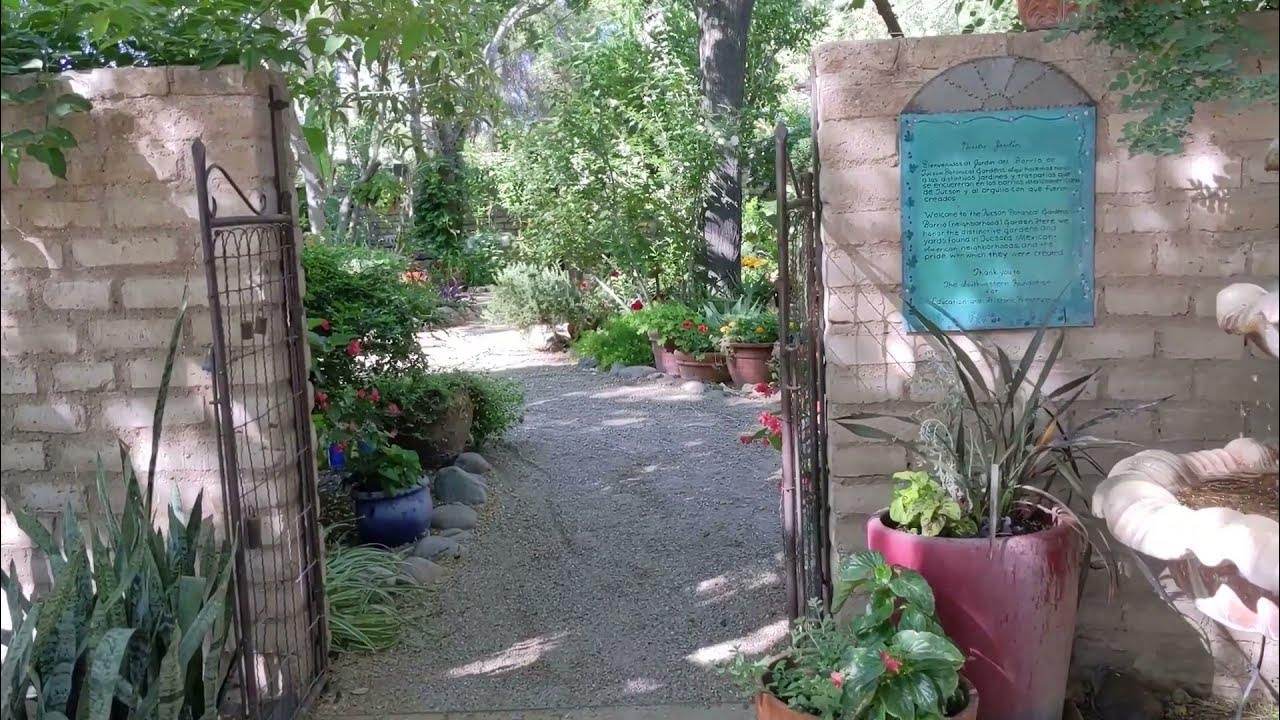
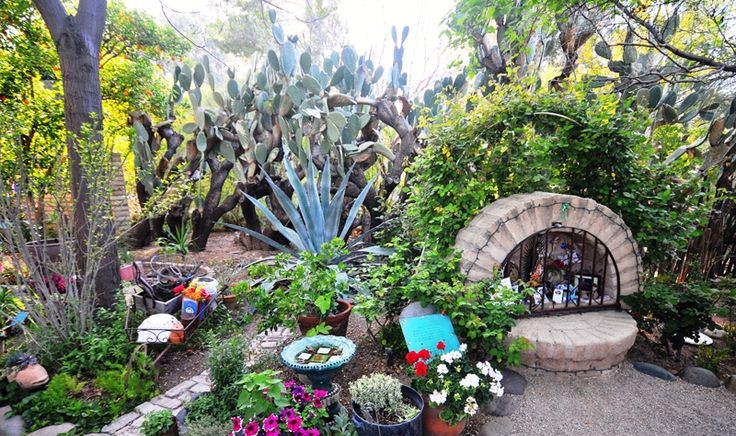

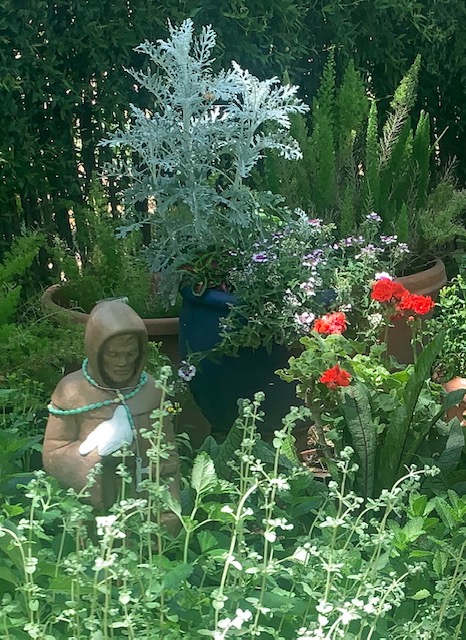
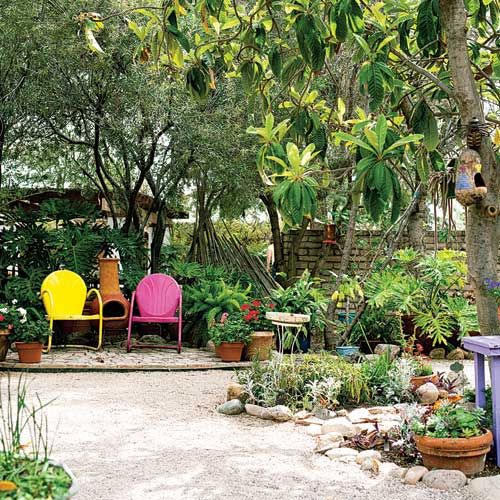
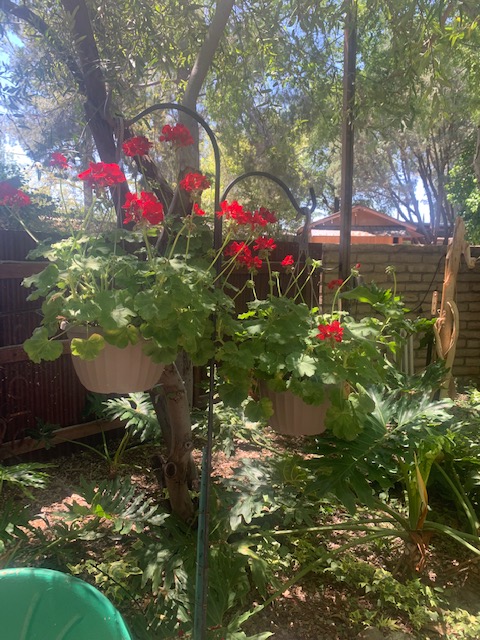
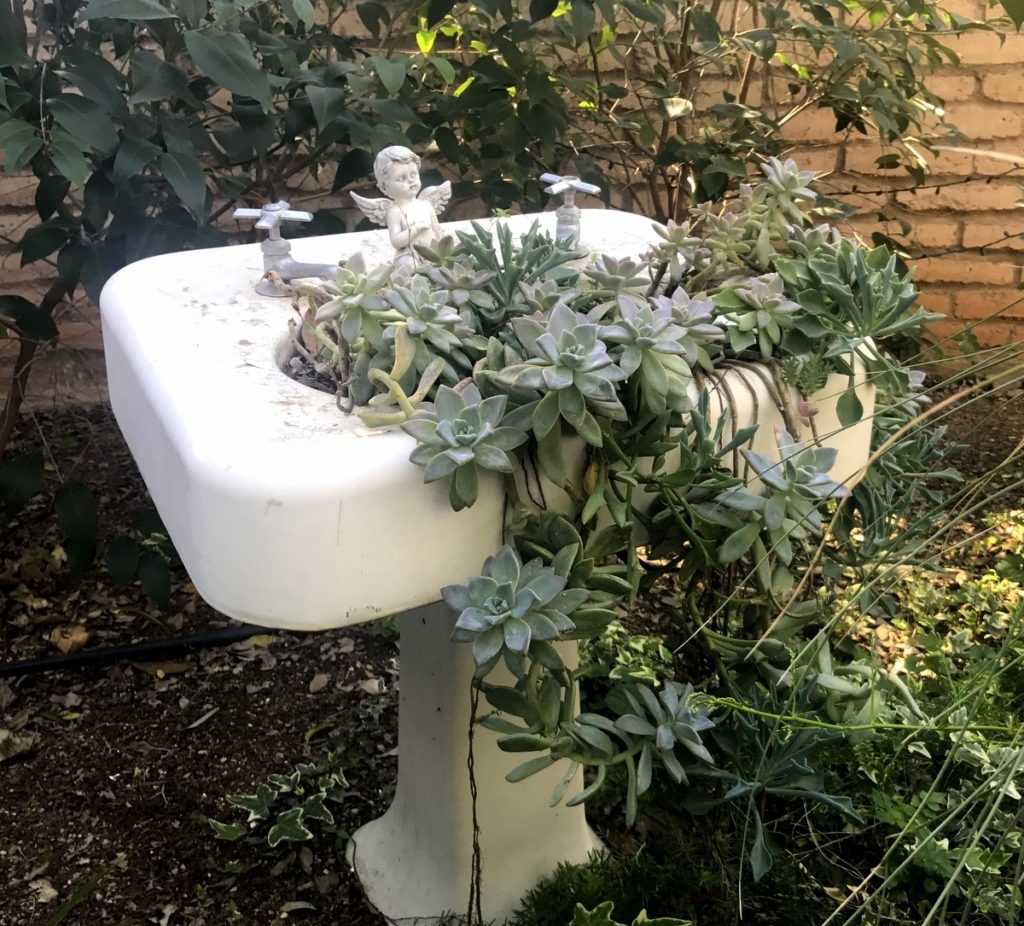
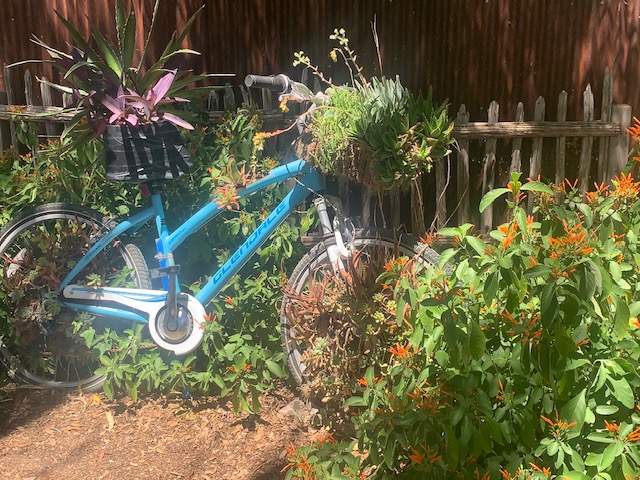
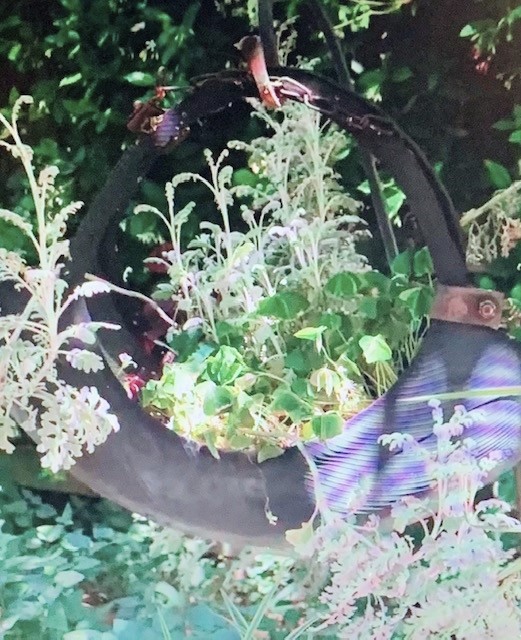
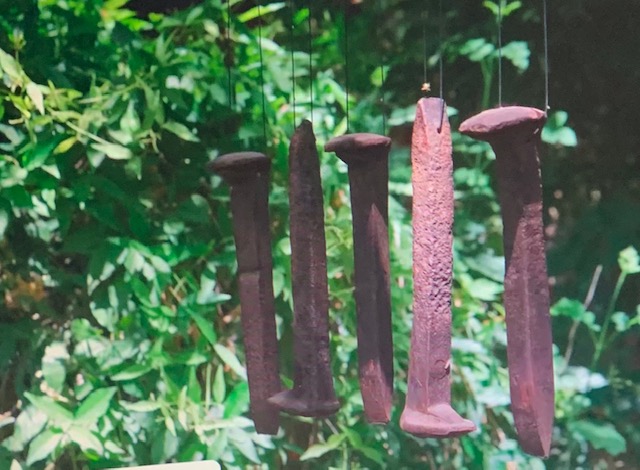
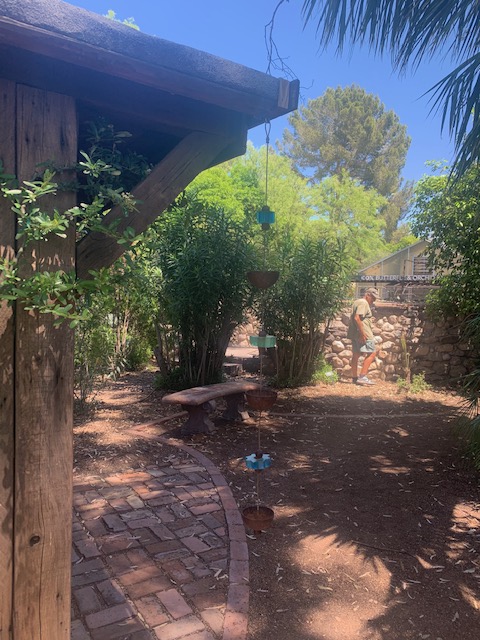
I really enjoyed the The Barrio garden, it is where the landscape reflects a traditional sense of place where family and heritage guide the growing of plants that nurture both body and spirit. Often hidden behind sheltering walls, these gardens remain an integral part of Tucson’s Hispanic cultures. Hispanics recycle family momentos like the bikes, tire swings and spikes, things that a family member used as well as recycle items like chairs, bathtubs, sinks, pots, etc. to put in their Barrio Gardens. Do you have any handed down things like silverware or lots of keys in a drawer, how about making some wind chimes.



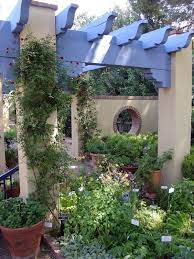
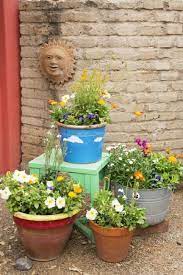


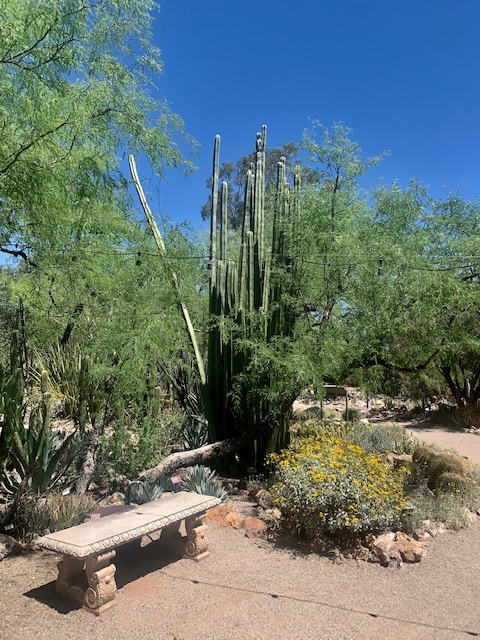
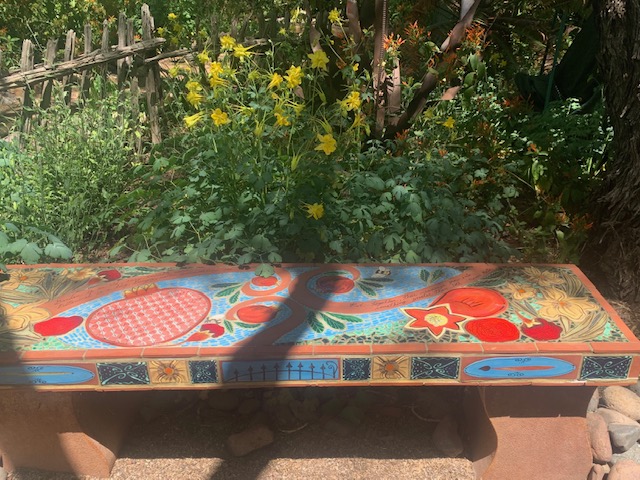

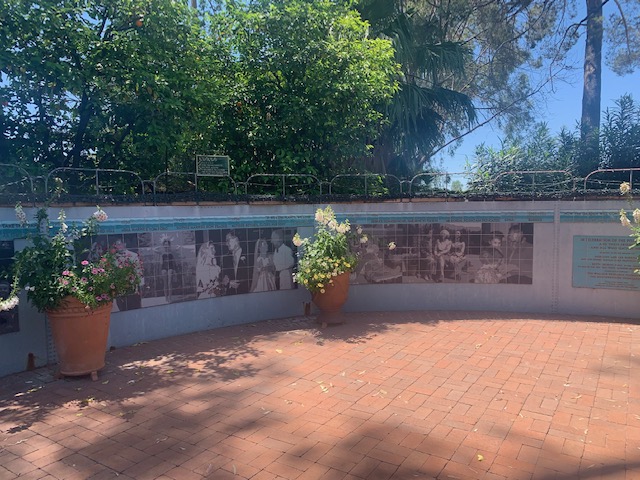
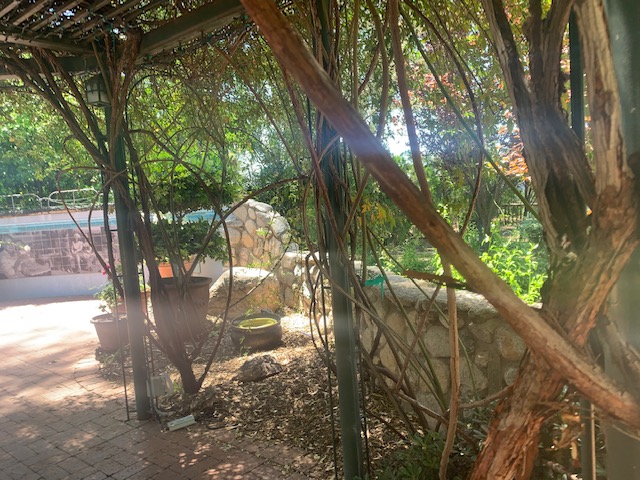
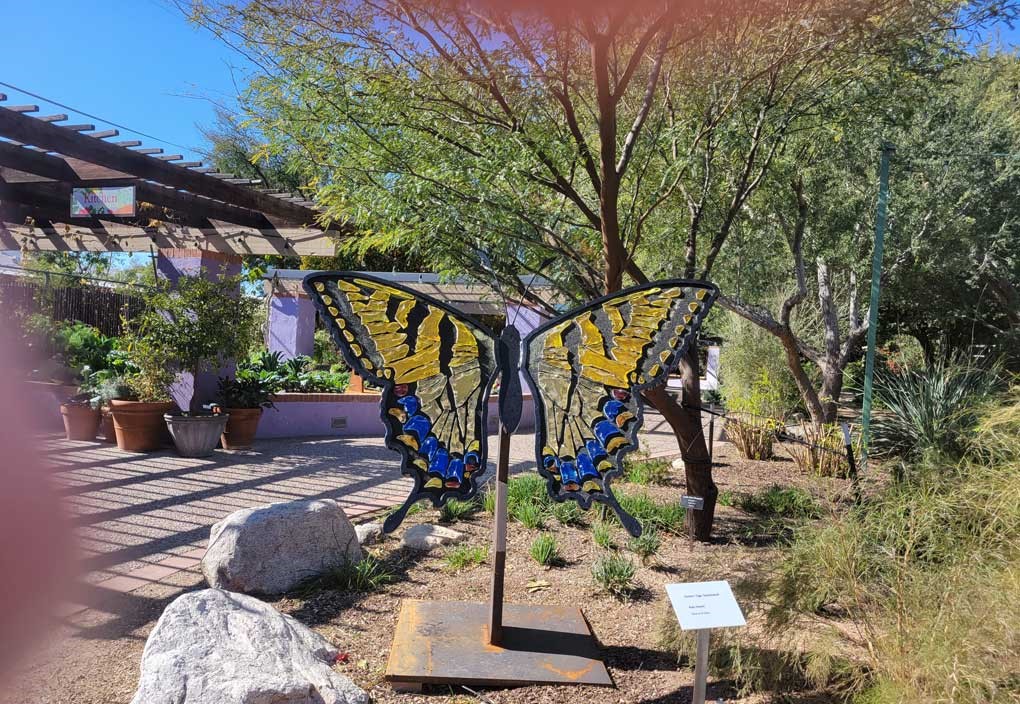
It seems every where you look there’s a picture to take.

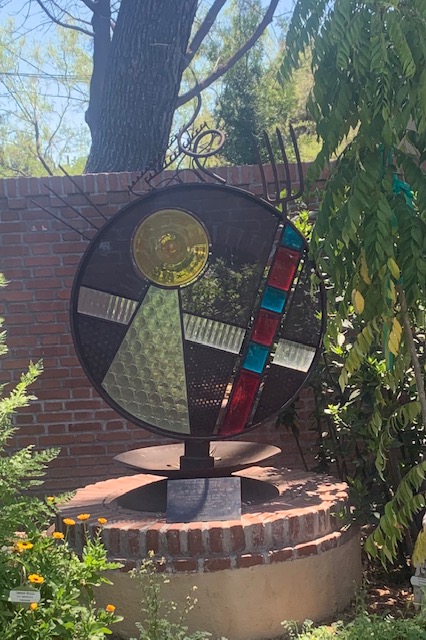
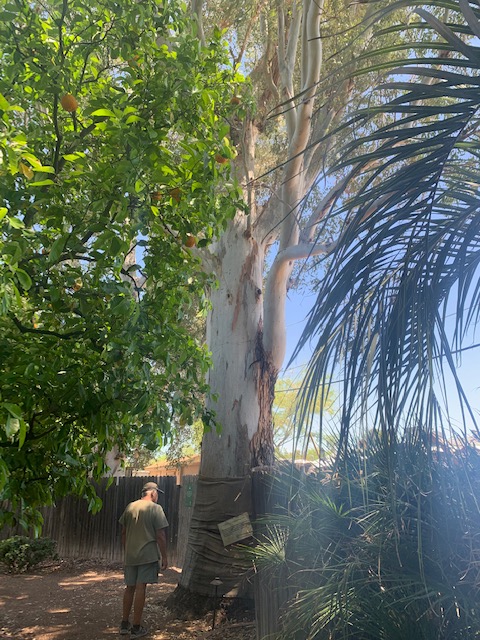
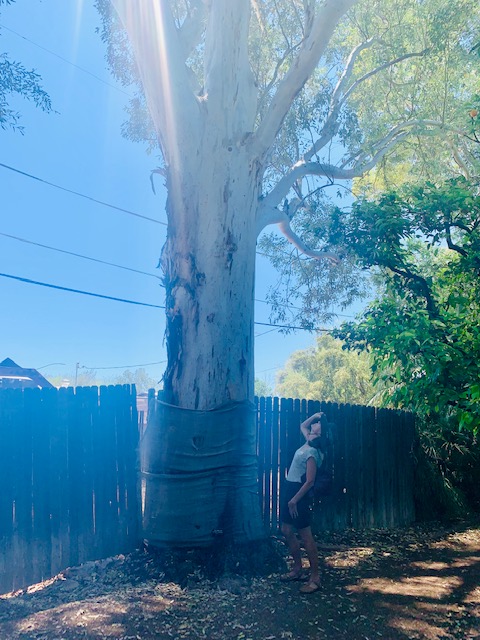
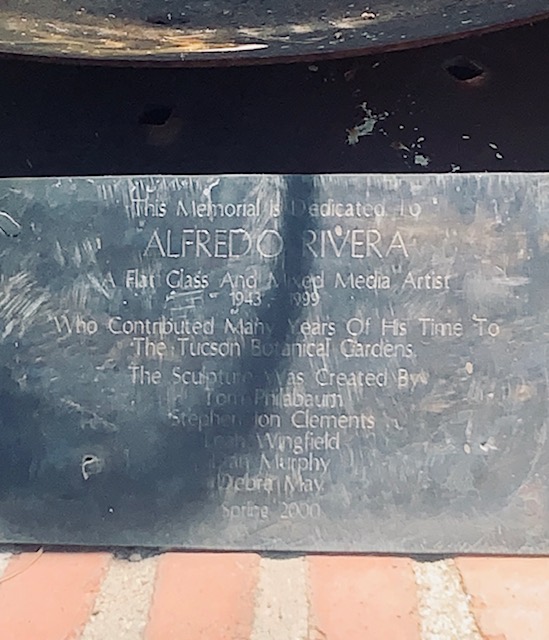


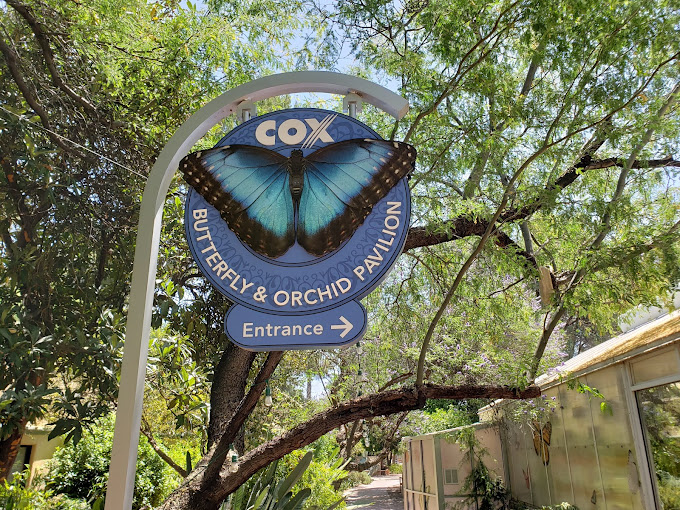

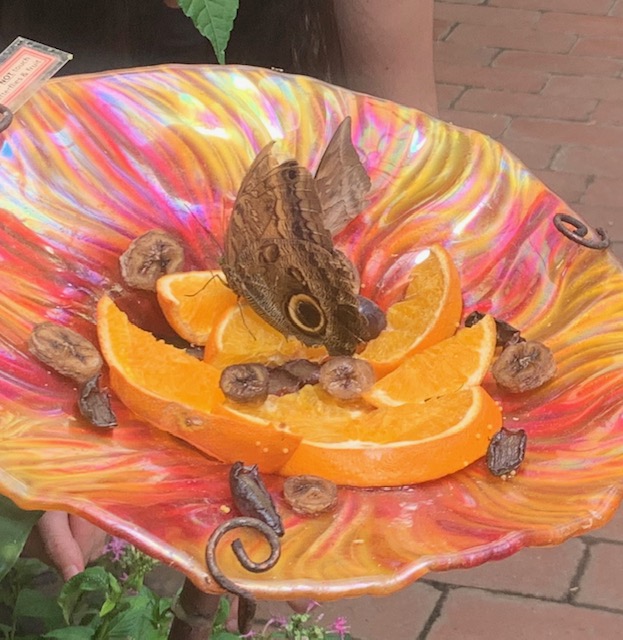
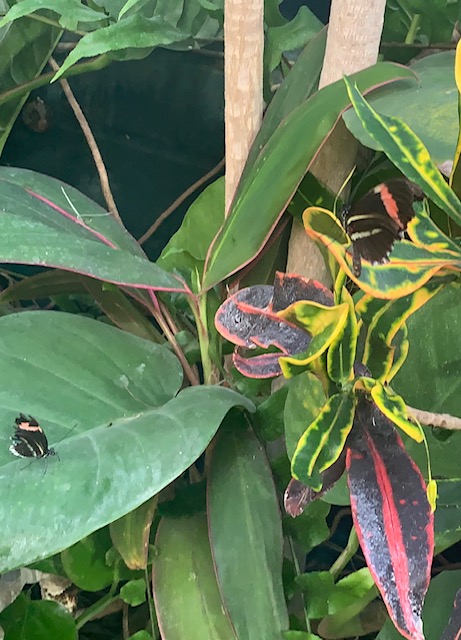
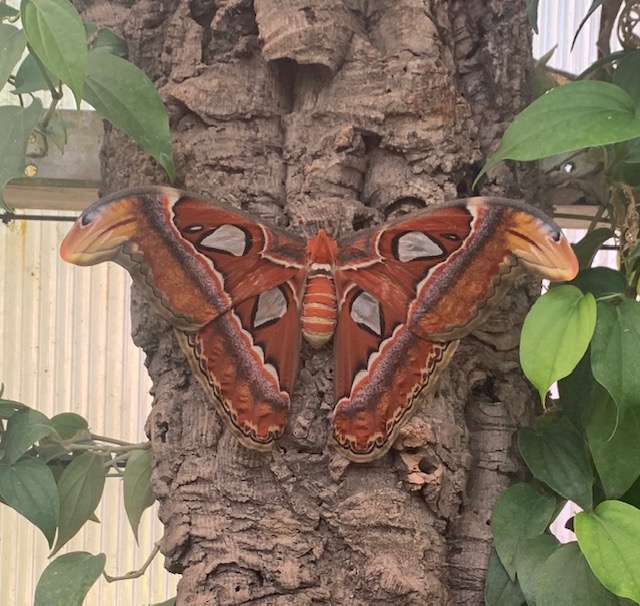
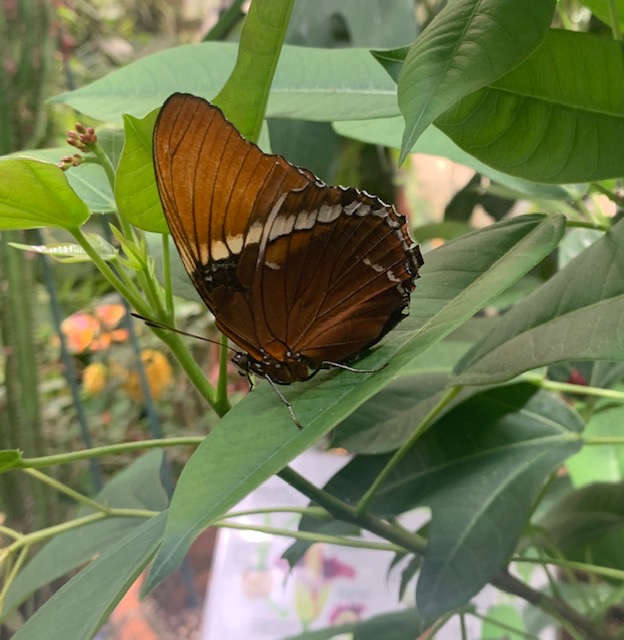

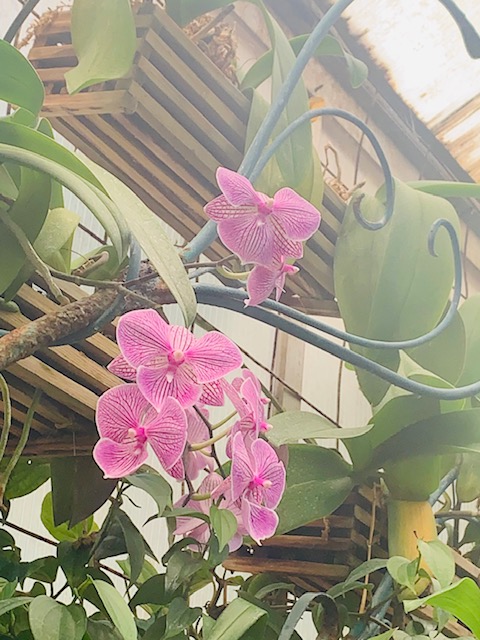

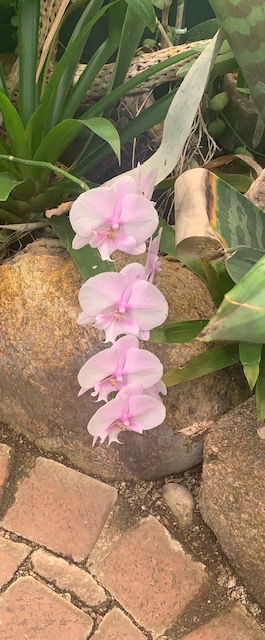


They have a Butterfly & Orchid Pavilion too! All kinds of beautiful butterflies and orchids. The big muti-colored moth that’s brown with other colors is called an Atlas Moth, she lives in the forests in Asia, her wingspan is 9 inches across. She is a big & beautiful moth.

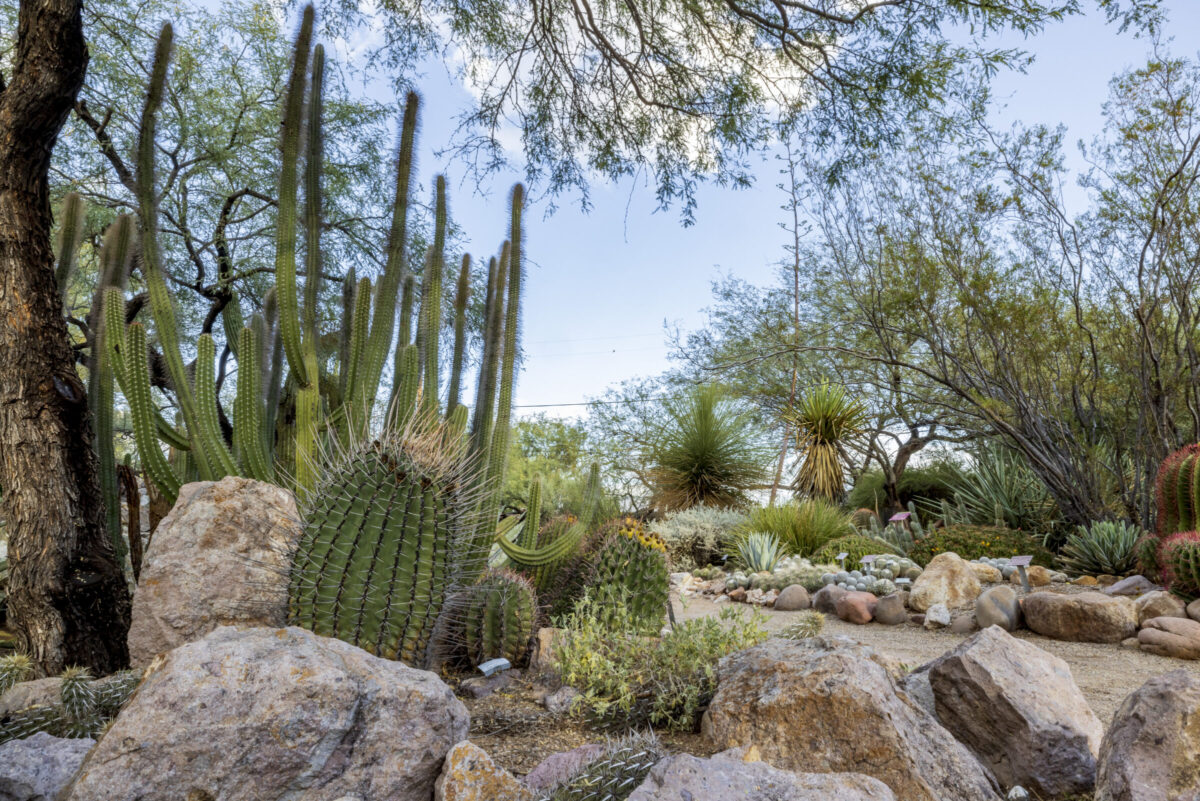
We both enjoyed the botanical gardens, with all the different types of flowers, cacti etc.
My mom loved gardening with her different flower beds all around our house. Her fondness for gardening didn’t get past down to me. A lot planning and work go into gardening, my bestie Mary has beautiful gardens surrouning her house, also my friend Cindy.

Plants do not grow merely to satisfy ambitions or to fulfill good intentions. They thrive because someone expended effort on them.
~ Liberty Hyde Bailey




Dave found a new place in Tucson to get Chicken Fingers, Raising Cane it isn’t in NY yet but it is going to be soon. I have to admit I like it too.

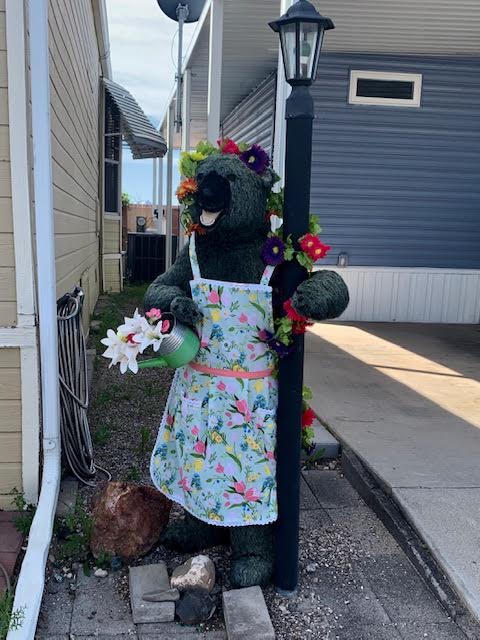
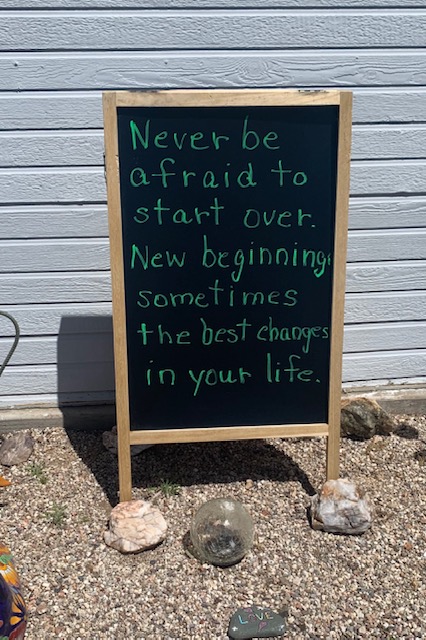
April was a great month, good weather for hiking in lots of scenic places and also visiting awesome places and taking part in activities here.
 ROADS OF DISCOVERY