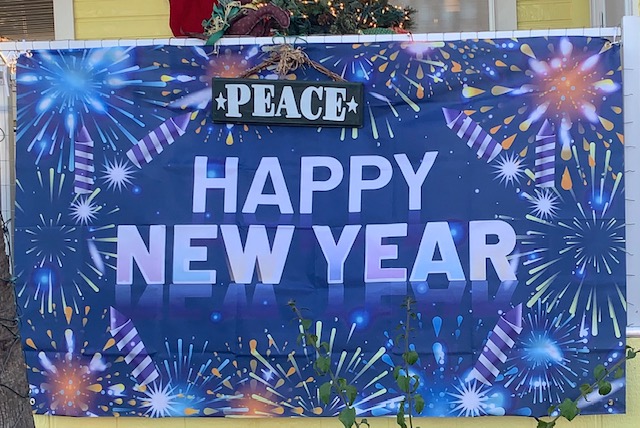
Feliz Año Nuevo!

“There are far, far better things ahead than any we leave behind.”
― C.S. Lewis
May this new year bring you joy, succes, cherished moments and most of all a year filled with good health.
2024 was a difficult chapter for some of our dear friends and family having health issues. These people are fighters who made it through the roughest part of their journey. They and their spouses are an inspiration to me and Dave and everyone who knows them.
They keep on fighting and never give up hope and know they gotta keep laughing cause laughter is the best medicine. 🙏✝️ Keep the Faith and Stay Strong 😊💗

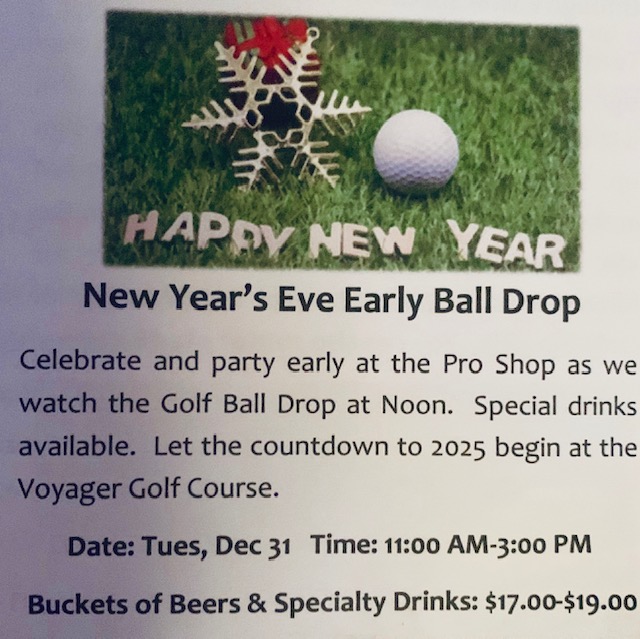
Voyager had a golf ball drop that we were planning on attending but unfortunately I read the write-up wrong and thought “The Golf Ball Drop” was going to happen close to 3pm.
We never attended a golf ball drop but this one of the ways it’s done. Participants enter the contest by purchasing a golf ball with a number on it. Then, at a designated time, you drop a large number of golf balls onto a golf course from a helicopter, crane, or cherry picker. The owner of the ball closest to the hole wins a prize.

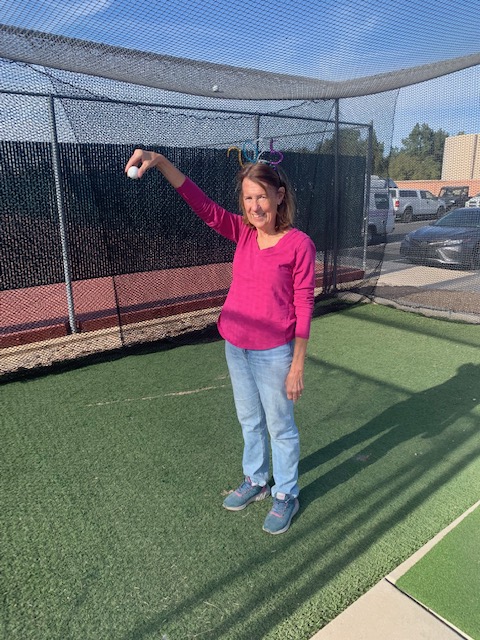

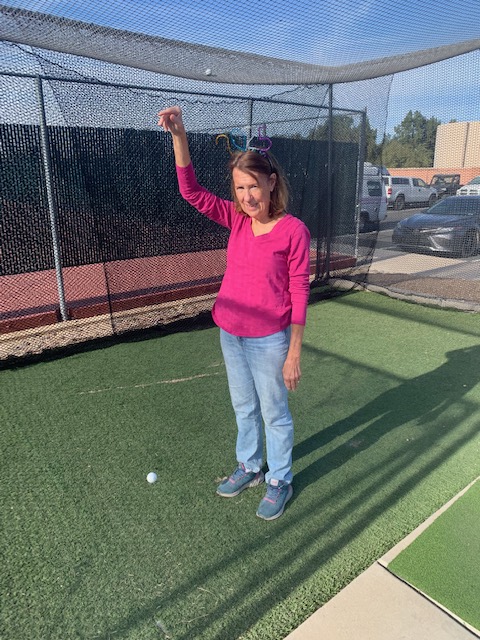
So we did our own Golf Ball Drop on New Year’s Eve 2024. Maybe next year we’ll show up at the right time.


“May your troubles be less and your blessings be more, and nothing but happiness come through your door, and occasionally wine and chocolates.” — Irish Proverb
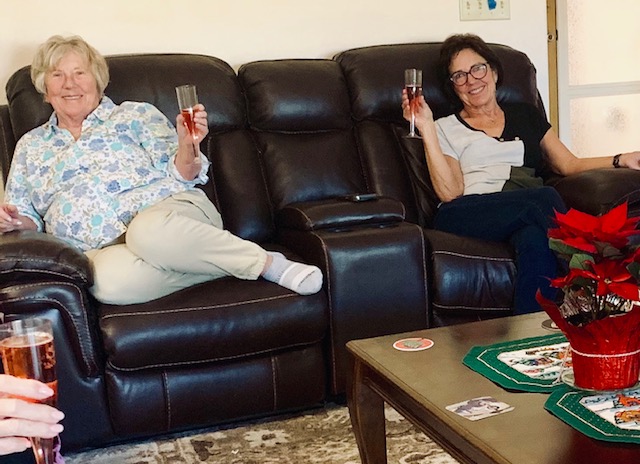
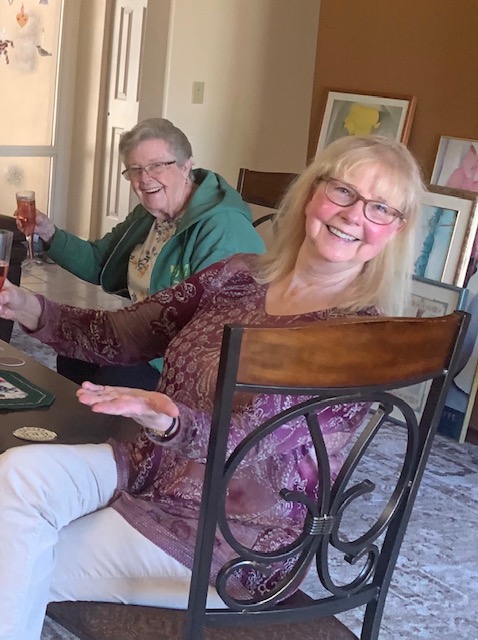
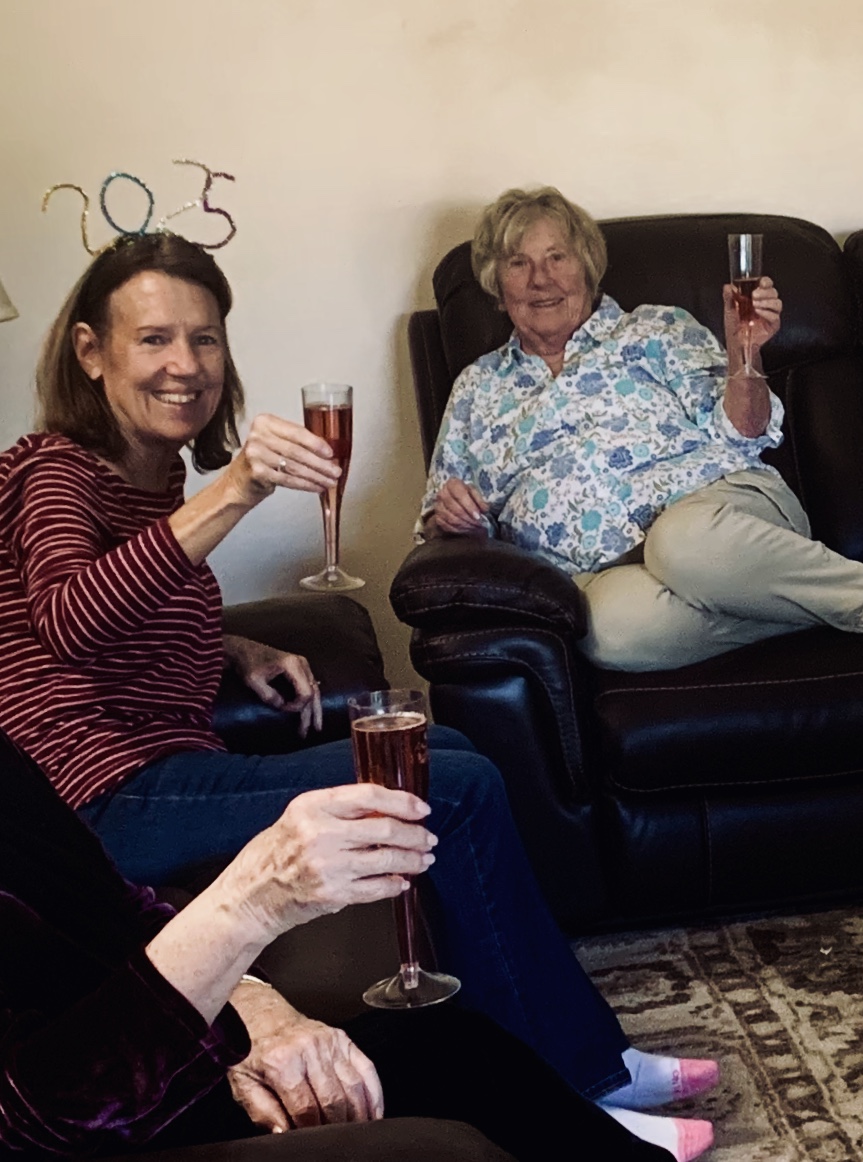
I went to a New Years Day party at my friend Alicia’s new house in the Cove, part of Voyager rv park. It was a good time with friends from Voyager.
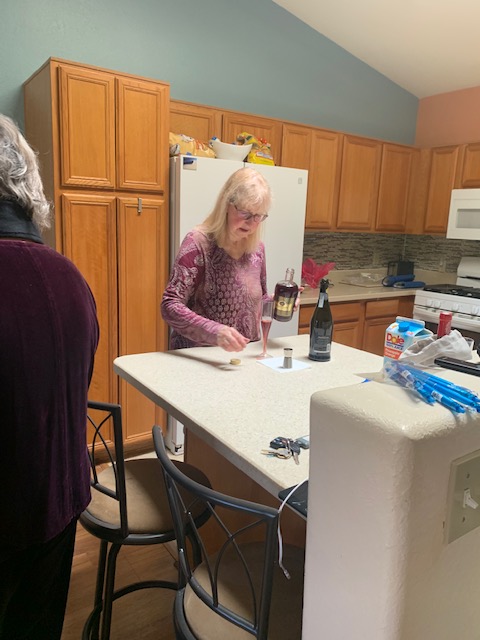
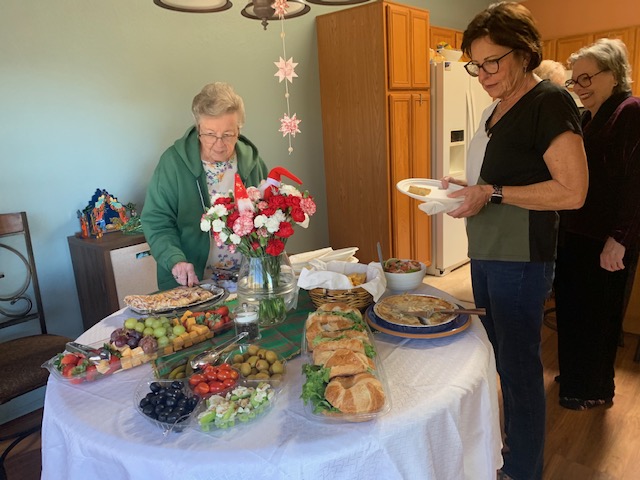

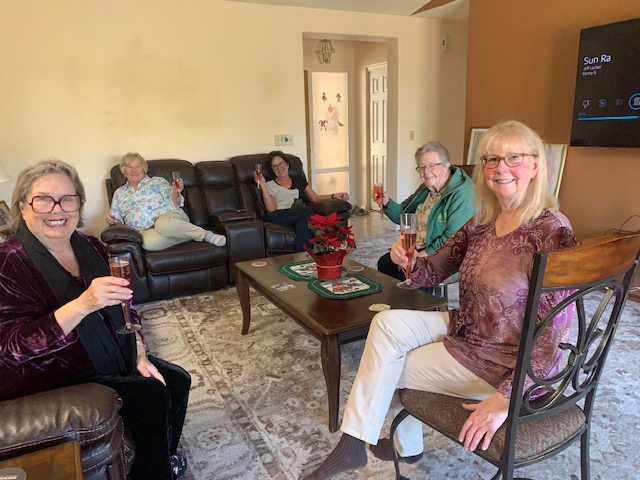
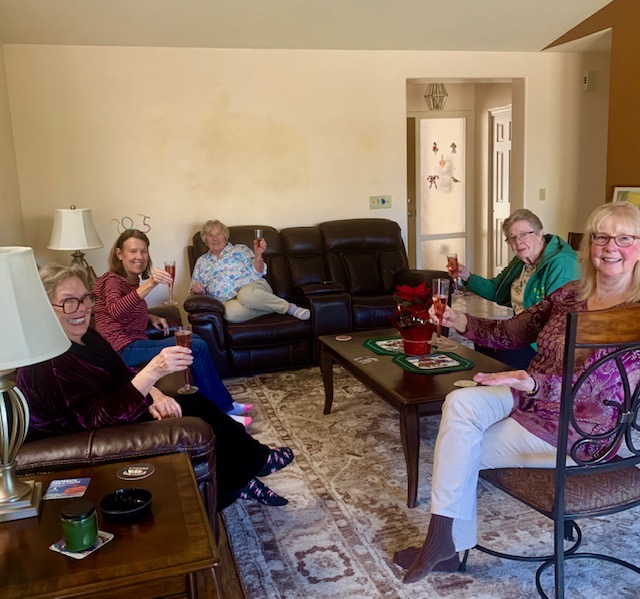



“Happy birthday to me, I’m aging like fine wine!”
“Today, we’re celebrating ME! Here’s to another fabulous year”
“Blessed for the journey, grateful for the lessons. Happy Birthday to me!”
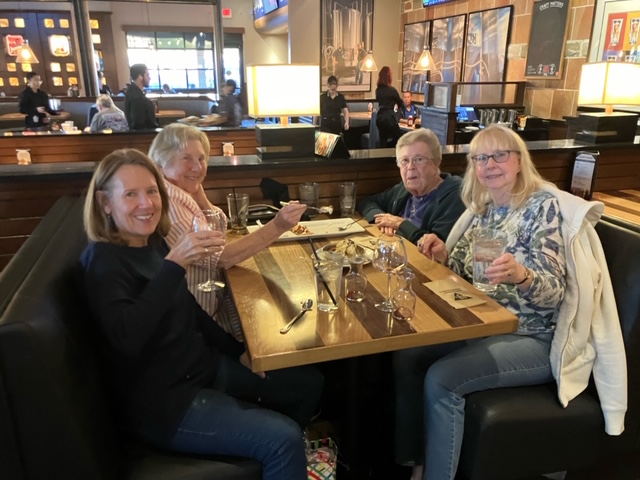


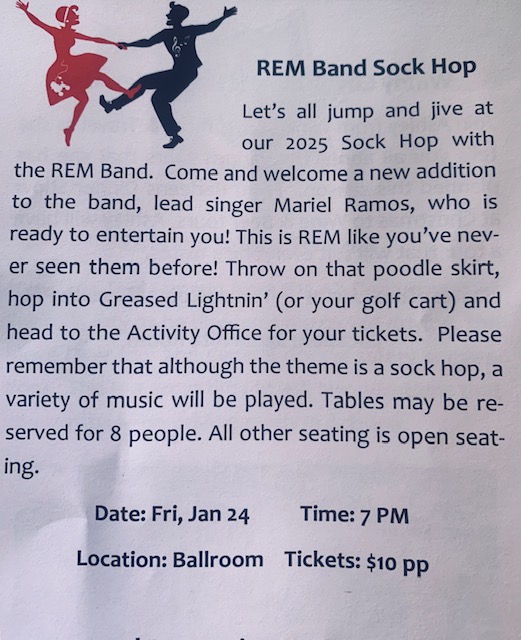
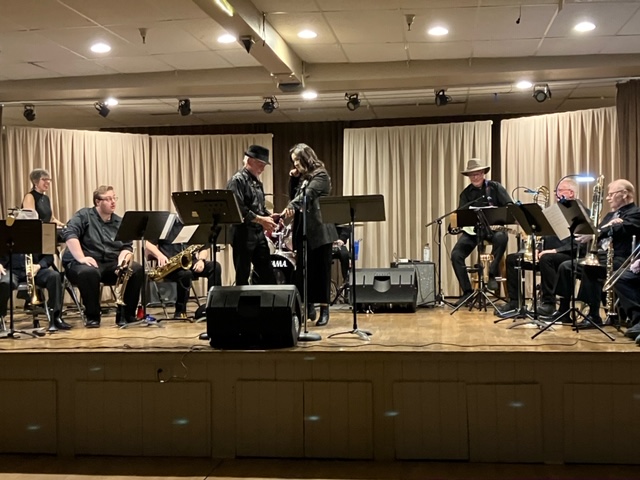
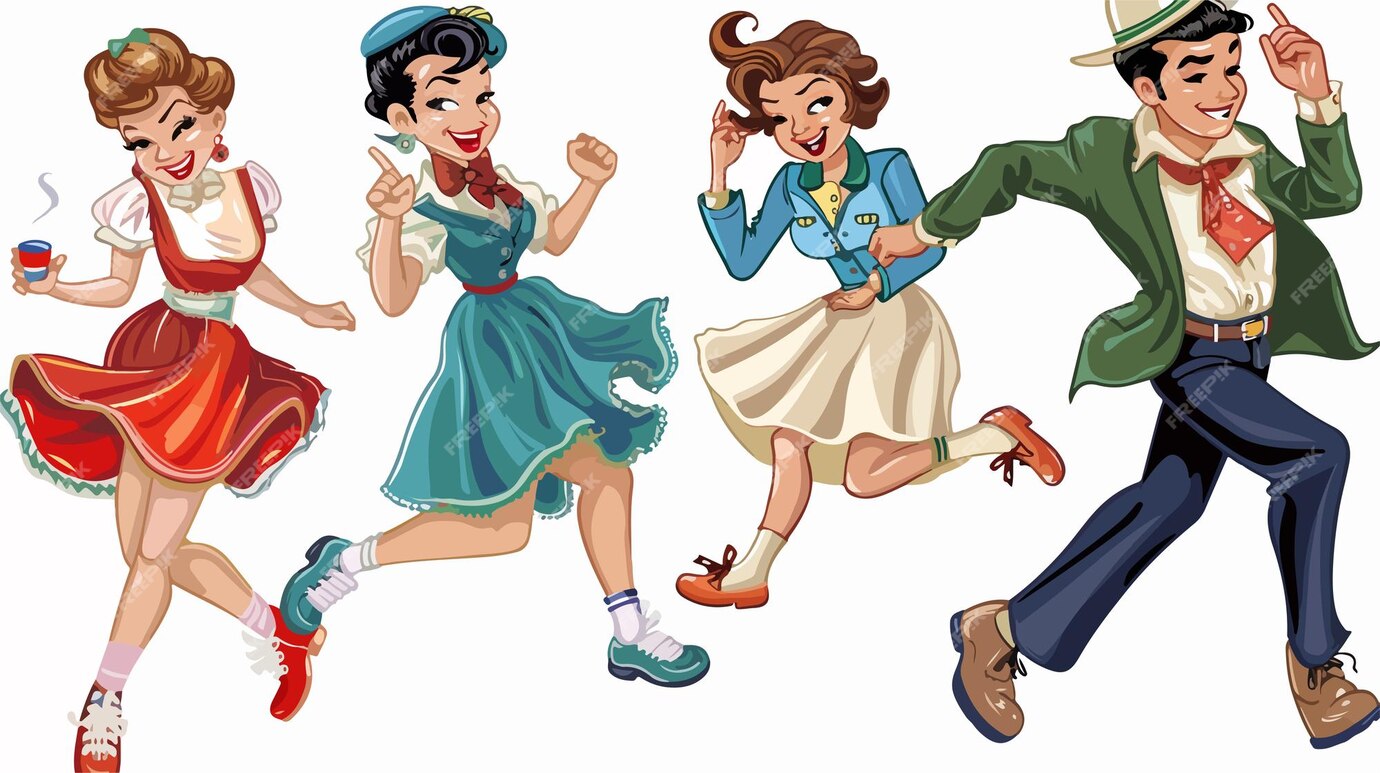
Me and 3 of my friends went to the sock hop. It was a rockin and a rollin good time.
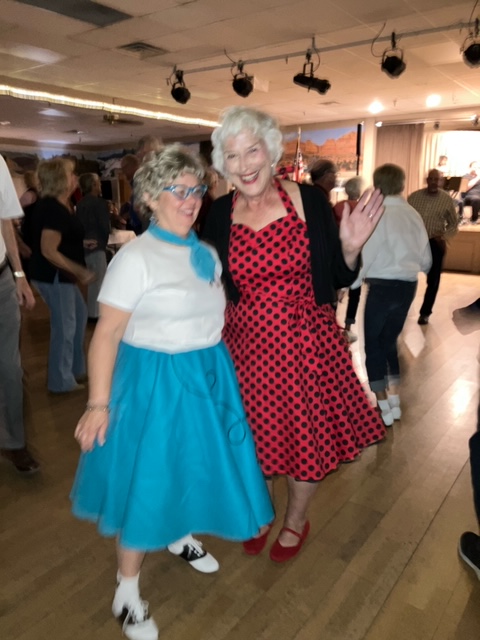
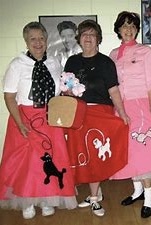
Did you know that the 1950s American high school gymnasium phenomenon of a “hop” is short for “sock hop”, so named because kids were required to take off their shoes before hopping around to music so as not to scratch up and ruin the gymnasium floor. I didn’t but sock hops were a bit before my time.
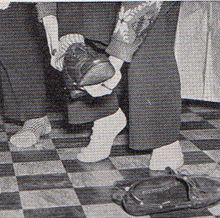
“Well, I know that you’re in love with him ’cause I saw you dancing in the gym. You both kicked off your shoes, and I dig those rhythm & blues. song American Pie

The band played Elvis, Chubby Checkers, Buddy Holly, The Everly Brother’s . . . . .

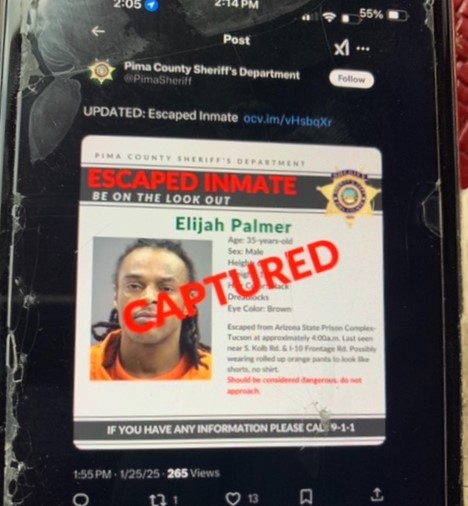
ALERT: for January 25th a Prisoner escaped from UPDATE (1/25): ASPC- Arizona Prison Complex in Tucson, prison staff responsed immediately and implemented escape protocols and alerted local law enforcement to locate Elijah Palmer. He is an inmate that was sentenced out of Pima County for the unlawful use of transportation on August 06, 2024. He is at the Whetstone Unit at the Arizona State Prison.
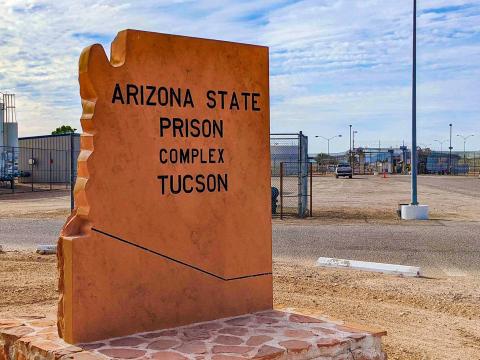
The Arizona State Prison is a minimum security prison across the street in the dessert about about 3 miles from Voyager.
Elijah Palmer escaped from the prison at 4:00 am. He hid in the desert until approximately 9:00 am. Our friend Alicia when taking her morning walk saw a suspicious man with no shirt on and orange pants rolled up into shorts heading her way. She called the security in the park and the park was shut down and the enternace gates were closed. At 10:00 am Dave & I were walking Cooper, we saw sherrif cars go through out the park and up in the sky was a hellicopter flying all around Voyager. Our first thought was it must have been an illegal immigrant being chased but we were informed a prisoner had escaped from accross the street.
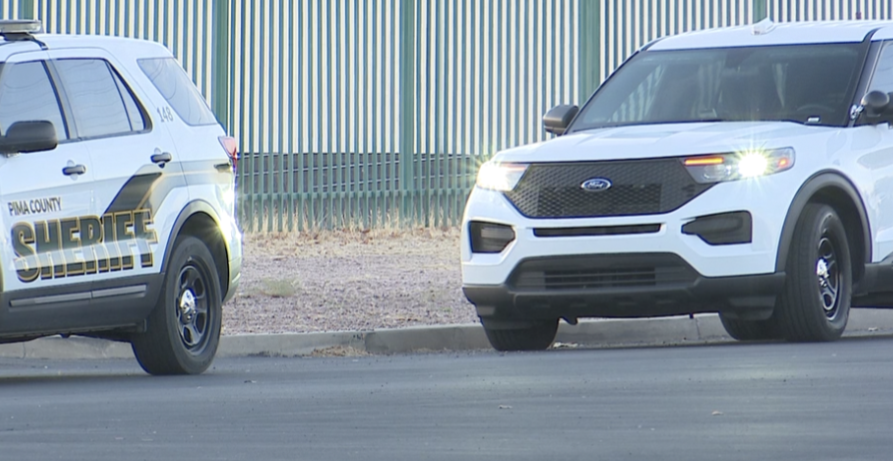
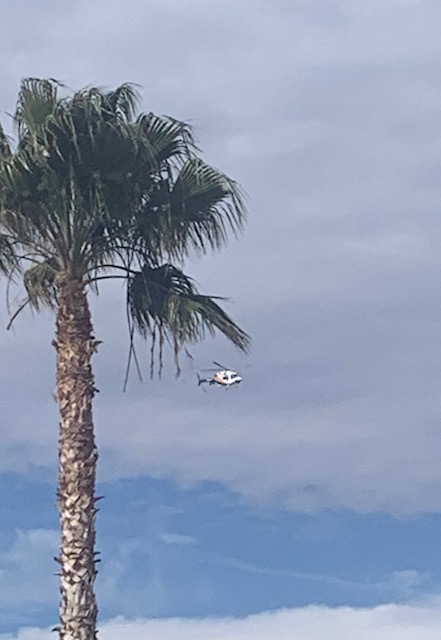
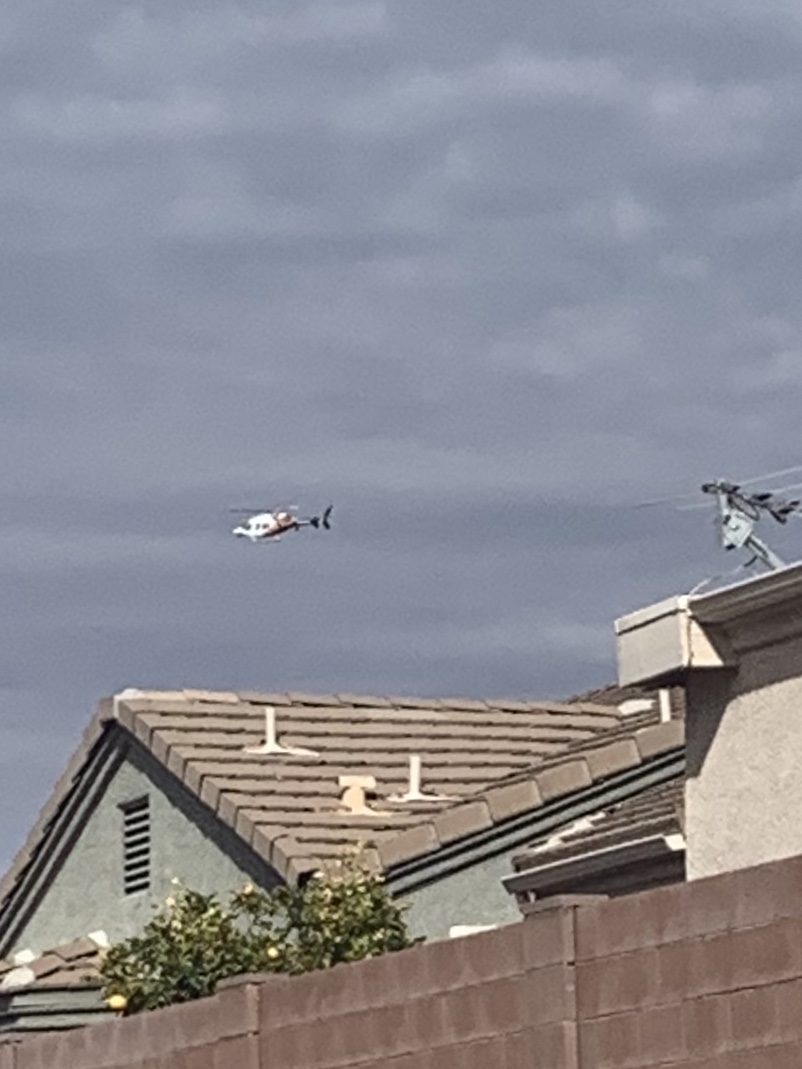
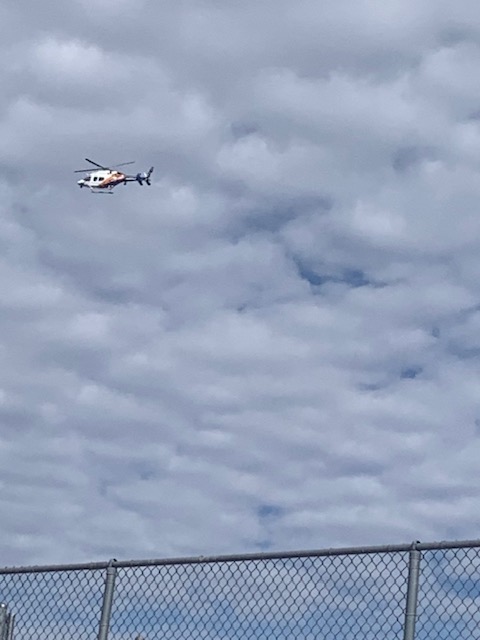
We heard that he took a broom and started sweeping an area near the resturant, then he was seen at the golf club house getting a drink of water.
Palmer, has been in prison since August 6, 2024 and his projected release date was May 12, 2025. The question is why would he try to escape when he had only had four months left? Now he will have to be be in jail for a lot longer.
Just before 2 p.m., the Pima County Sheriff’s Department posted on social media that he had been captured.
That was the excitement that morning at Voyager RV Resort. Prior to this prison escape there hasn’t been one for 29 years.

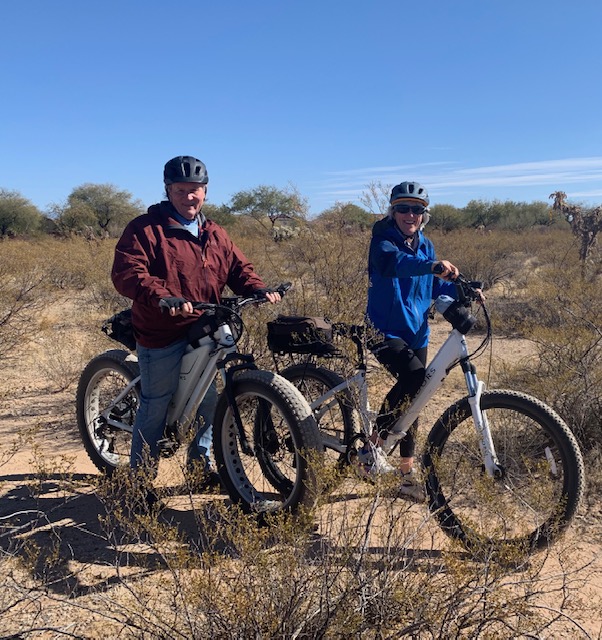
The best news on January 25th, our friends from Georgia, Skip & Nancy came to visit us here at Voyager.

Actually they didn’t ride their bikes here they came with their camper and their lovable dog Bubah.


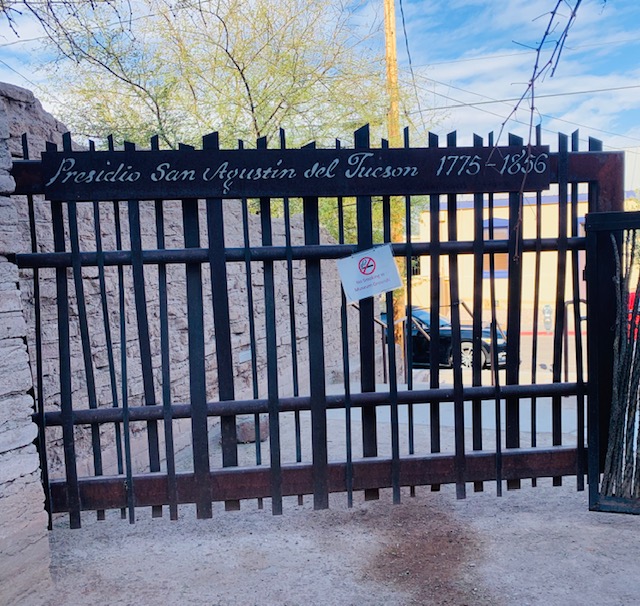
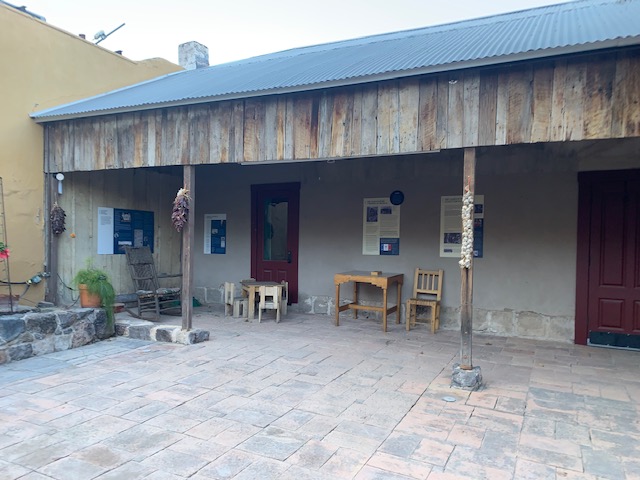
We visited the Presidio San Agustin Del Tucson with Skip & Nancy. The Presidio San Agustín del Tucson Museum is a reconstruction of the original Tucson Presidio that was a Spanish fort built in 1775. It was definitely an interesting place located behind large adobe walls.
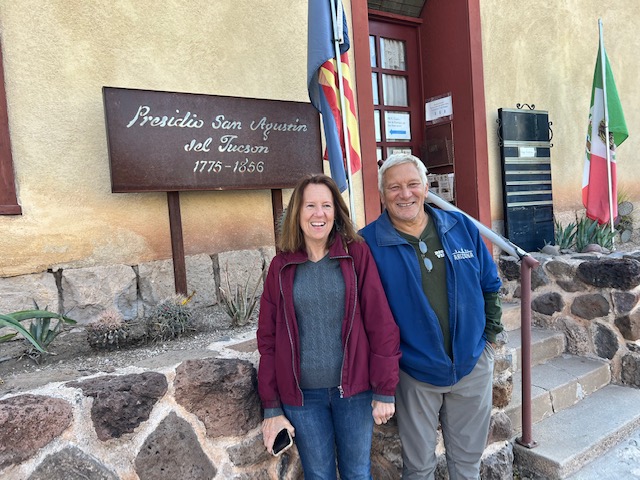
The main entrance has gift a shop where you purchase your tickets. There were also some displays and artifacts of Tucson’s history. This area is located in a house where an original Sonoran Row Home was built inthe 1870s.

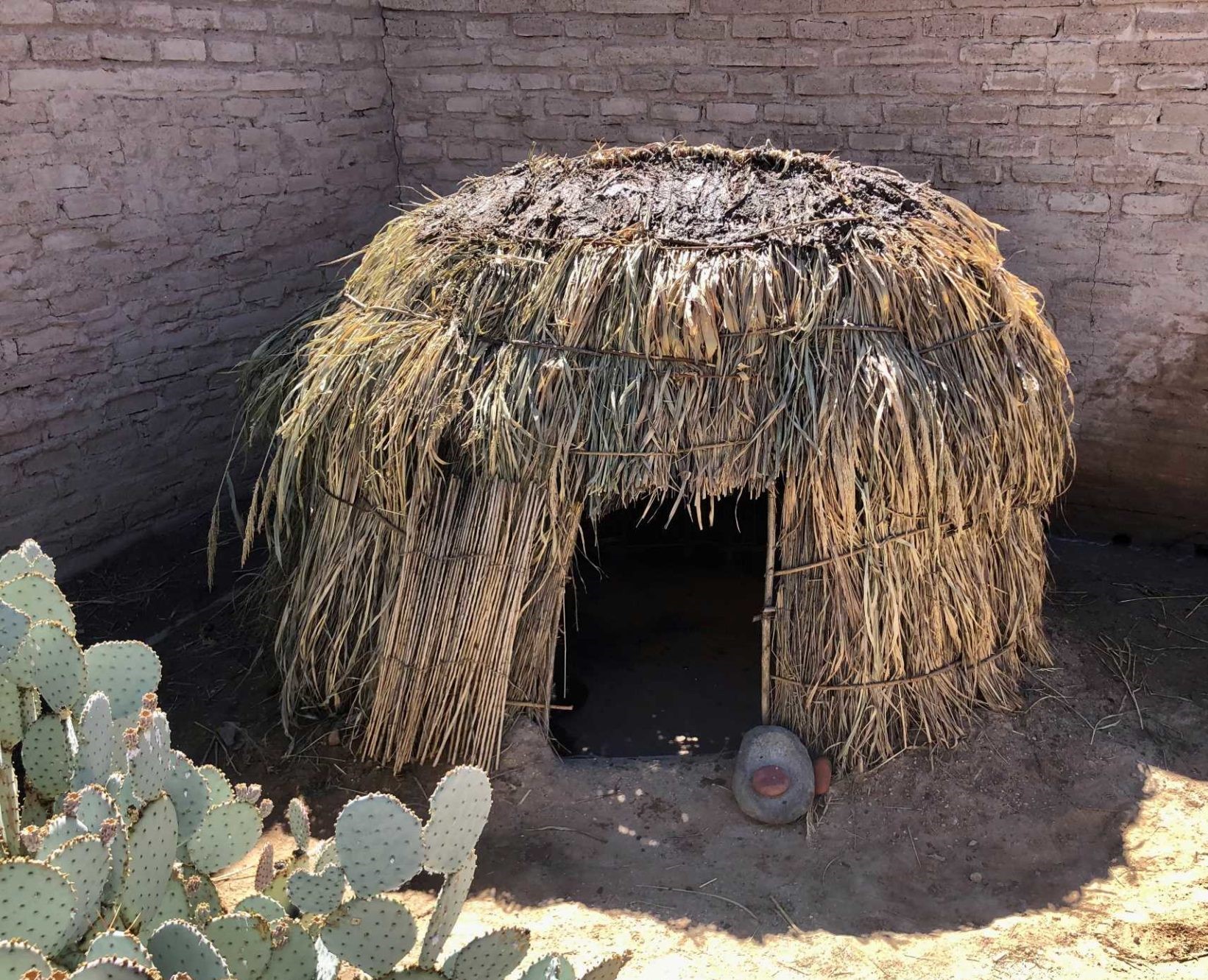
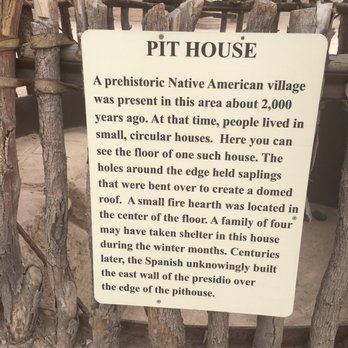
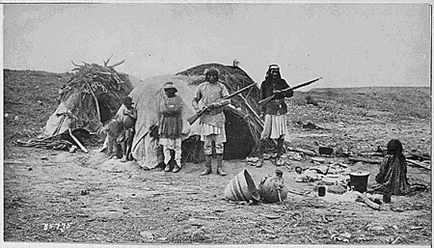

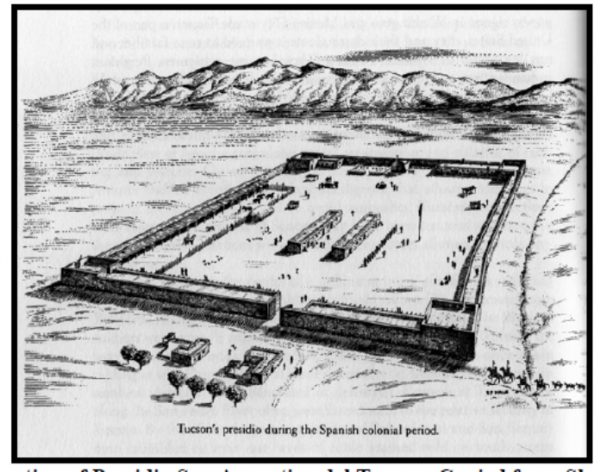
A company of Spanish soldiers started the construction of the fort started in 1755. At first it consisted of a scattering of buildings, some inside a high wooden fence and adobe walls. It was complete in May 1783. The fort measured about 670 ft. The main gate, the presidial chapel, the commandant’s house all were in the center and the interior walls were lined with homes, stables, and warehouses. The massive adobe walls that required constant maintenance, especially when attacks by Native Americans were anticipated. The fort remained intact until the American arrival in 1856, when Arizona became part of the United States. Afterward, it was dismantled, with the last standing portion torn down in 1918.
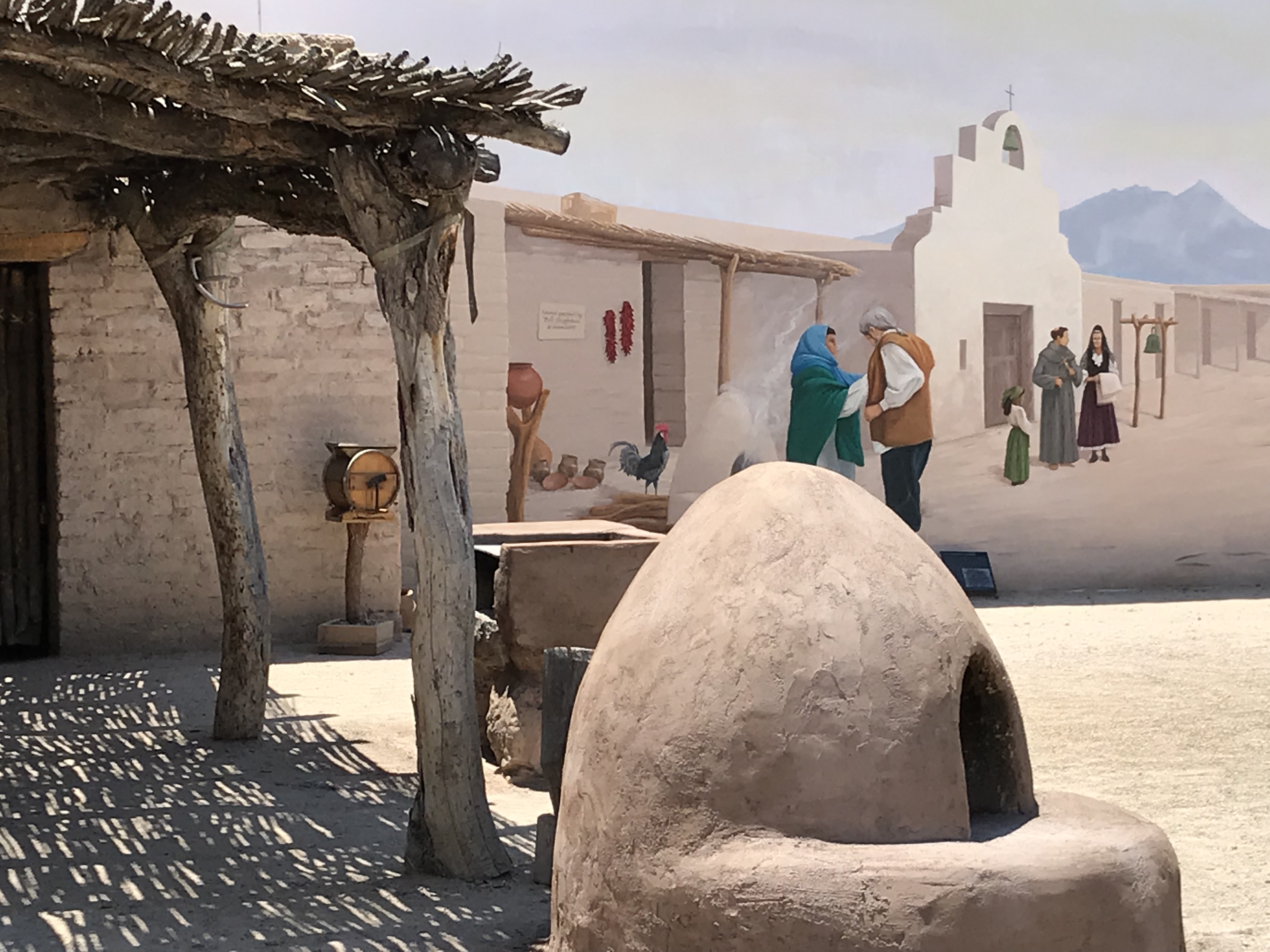

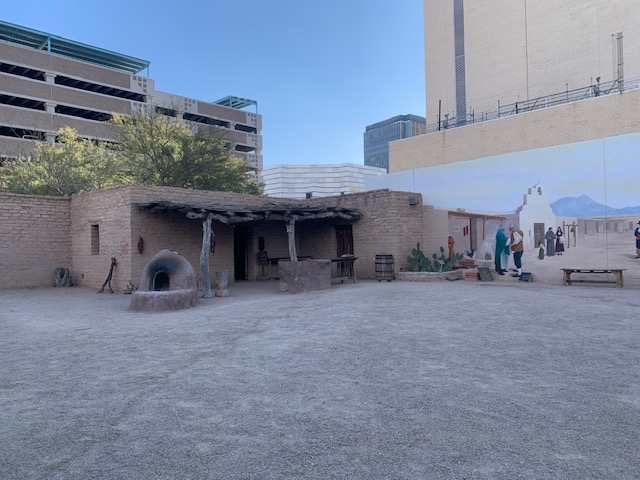
The Presidio Courtyard is made to look like the Presidio San Agustín during its height of occupation.
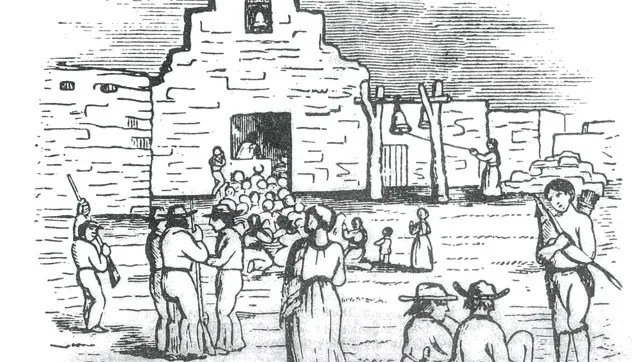

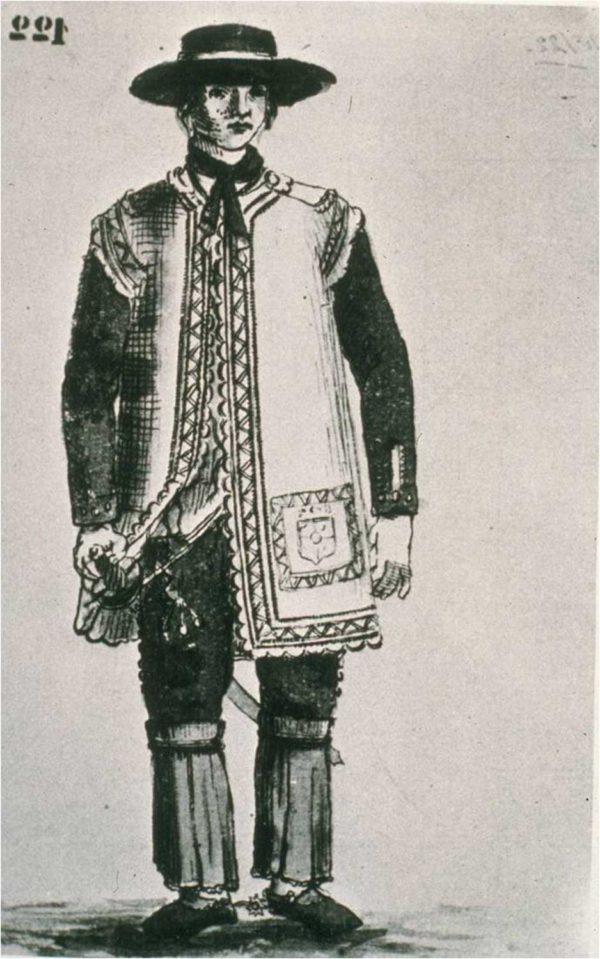
The soldiers had various duties such as guarding the fort and patrolling the area, guarding cattle and the horses herds and some were sent to serve in other places. Soldiers were often sick and sometimes ended up in the post hospital. They also were drilled practicing with steel-tipped lances. Some were given escopetas (muskets) and learned to load, fire, and care for the valuable firearms. The soldiers at the fort melted down lead cannonballs to make musket balls. They carried their weapons during patrols outside the fort, frequently battling Apache warriors.


On the left is a representation of the living quarters of a soldier with a family, while the space on the right reflects a barracks for bachelor soldiers. The soldiers staying in the barracks hung their uniforms on pegs on the wall and also stored their weapons here. They also ate at a communal table. On one of the barracks beds is a cuera. It is made from seven layers of deerskin and was worn as protection from arrows.
Soldiers served for 10 years, some would re-inlist because they had a place to live. During the period between the 1790s and 1820s, between 100 and 106 soldiers were stationed at the fortress. As soldiers retired, many stayed on in the community with their families, working as farmers in fields on the Santa Cruz River floodplain.
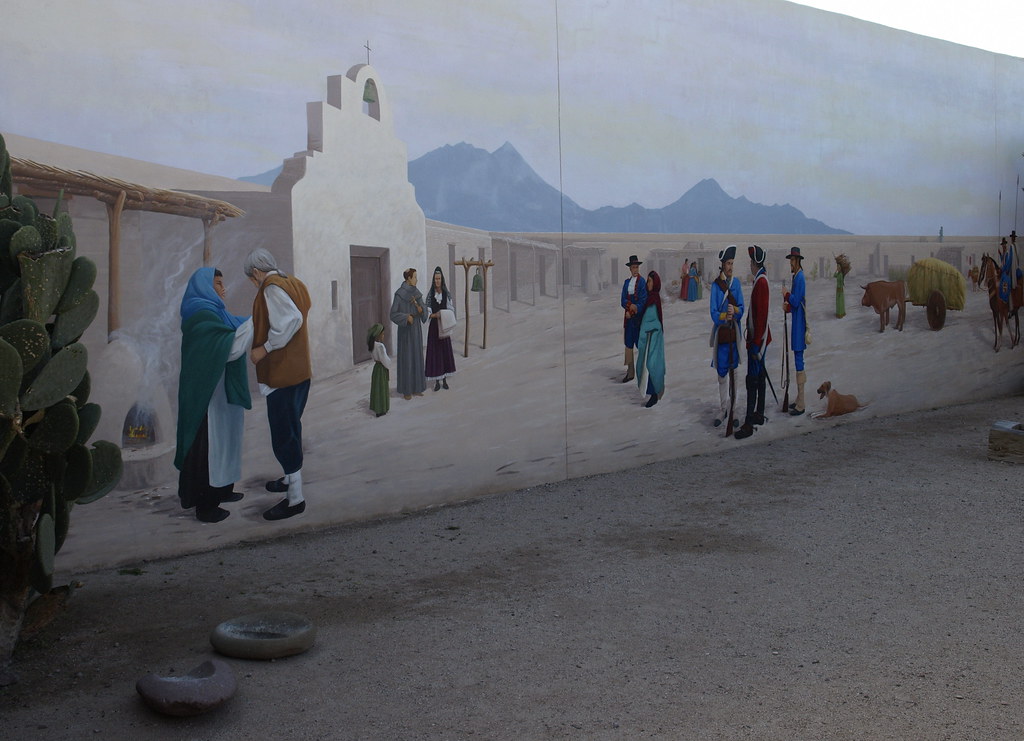
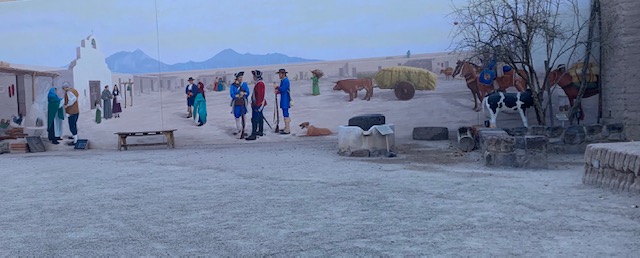
The mural was painted by Tucson artist Bill Singleton and his sons.
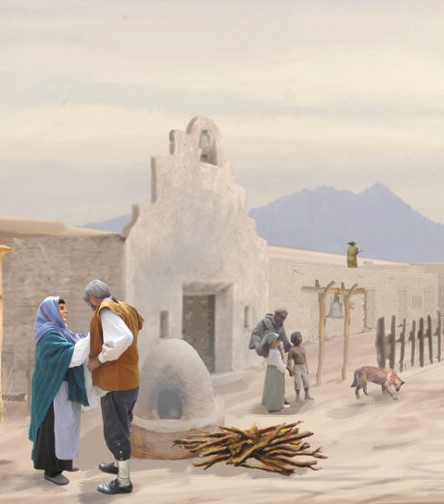


This Presidio Courtyard murial was painted to look like the Presidio San Agustín during its height of occupation.

In 1821, Spain accepted Mexico’s Independence after an eleven year conflict. For residents of the Tucson Presidio life did not change much. The Mexican Army did not arrive for a few years and when it did the Spanish flag was taken down and the Mexican flag was put up.
The Presidio remained in use as a protective fort until the Americans entered Tucson in March 1856. By then, residents were interested in newer constructions and bricks from the Presidio were taken and used.
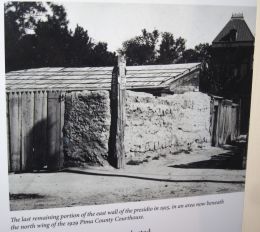
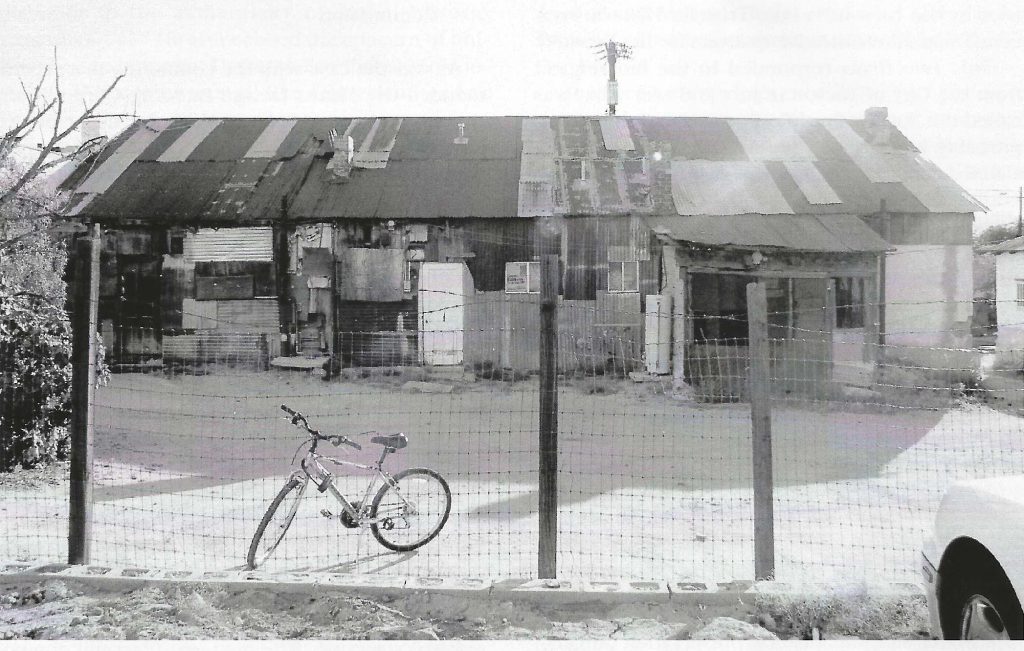
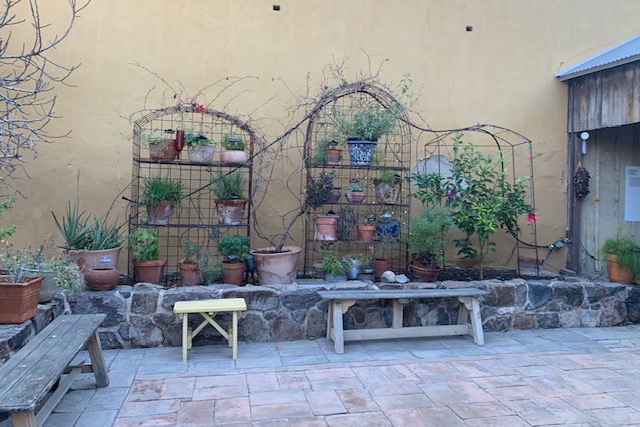
The Siqueiros-Jacome House, built between the 1860s and 1870s, is notable for the fact that the soil used to create its adobe bricks was extracted from a large pit located in the house’s backyard; essentially, the house’s very foundation was “mined” from the land directly behind it.
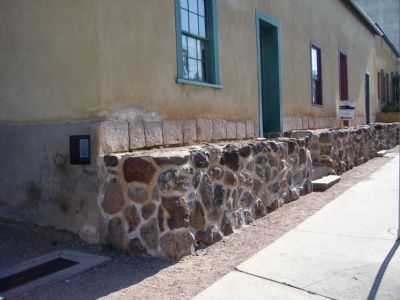
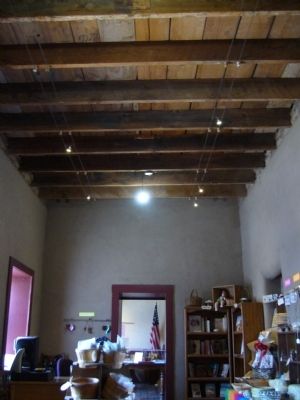
How the Siqueiros-Jacome house – Gift shop looks today.
We found the museum impressive, with it’s layers of Tucson’s historical past and the unique stories that go along with the reconstruction. It was a good way to learn about the very beginnings of Tucson. Cause ya know you gotta preserve & appreciate history.

I heard from friends that you have to go to Boca’s Mexican Resturant on 4th street downtown. Now I know why, the food was delicious! Maria Mmazon The chef of Boca’s was featured on Top Chef, Food Network, New York Times, and Travel Channel; Tucson City of Gastronomy Certified; James Beard Award Semifinalist, not bad.
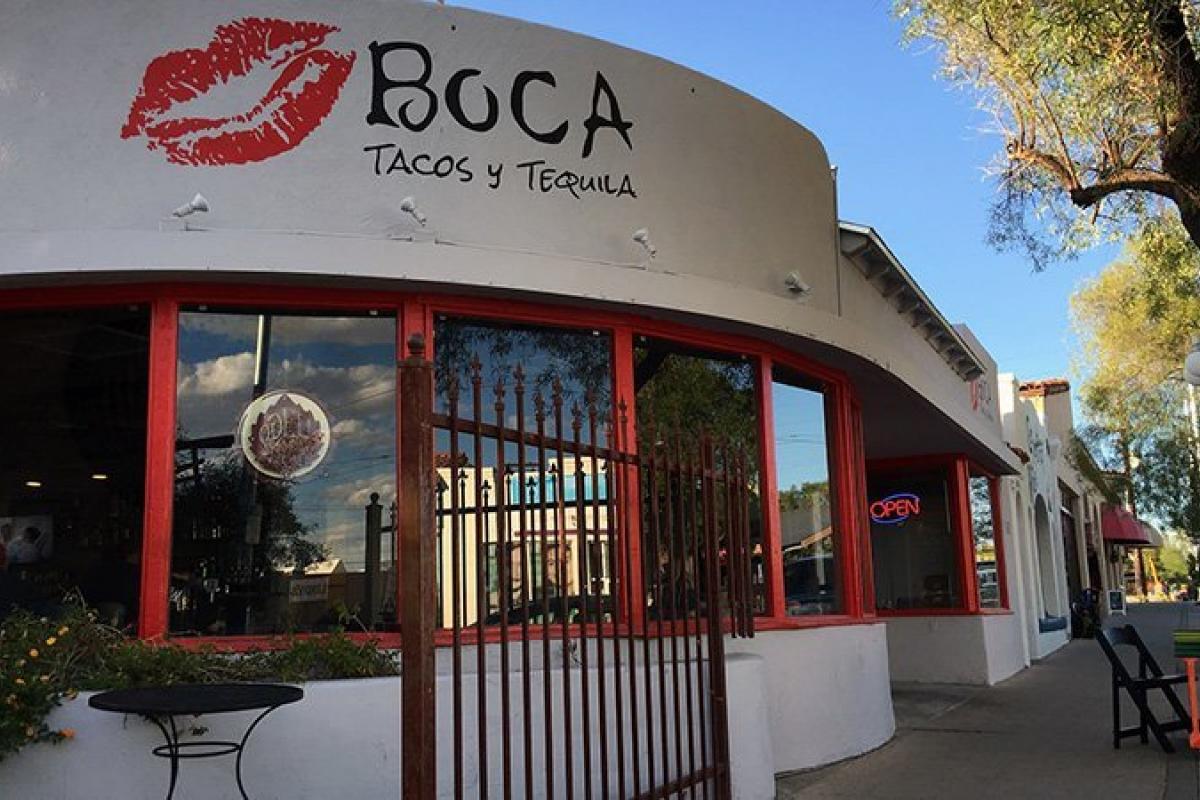

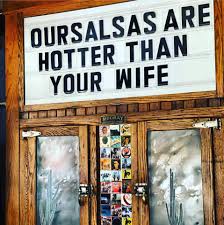
I’m glad we went there with Skip and Nancy it was La comida era excelente!

January 30th, 2025
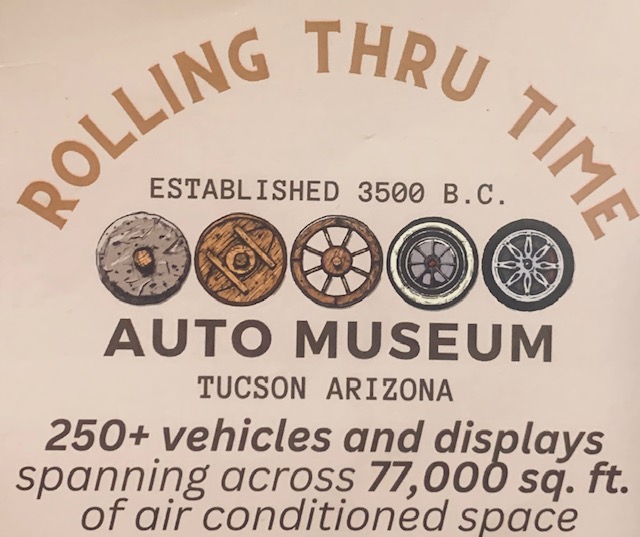
You walk through the gift shop and then into the museum with everyting from horseless carriage to a new 350 Shelby, with lots in between.
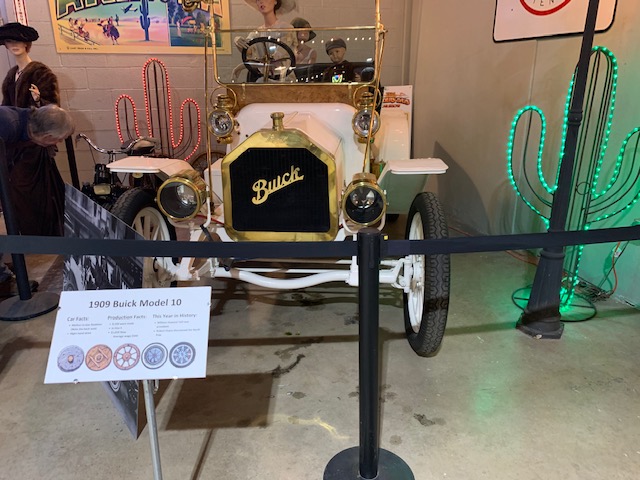
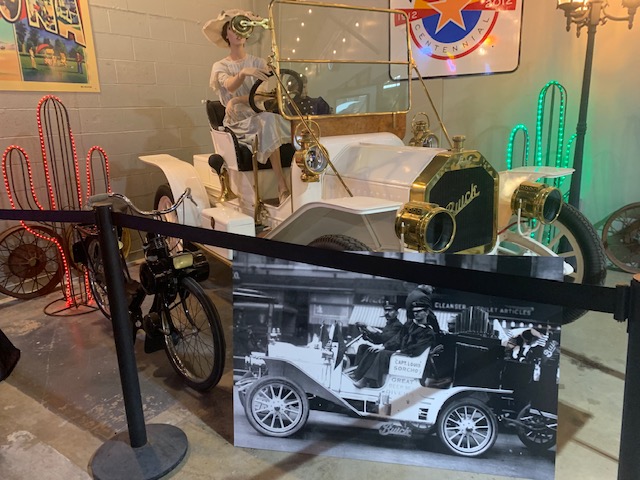
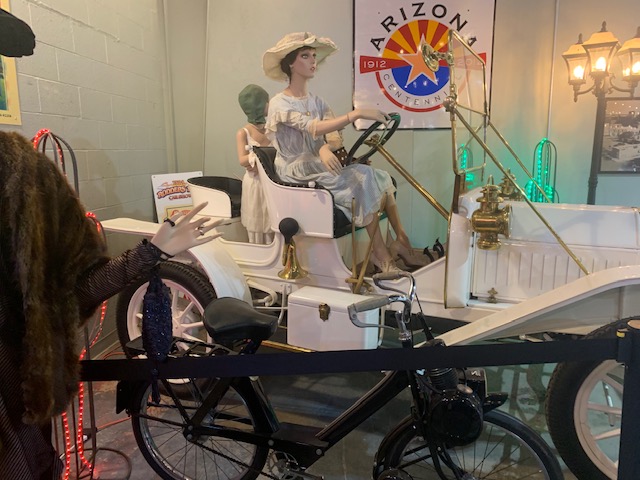
We liked the 1909 Buick Model 10 above because of the open rumble seat or “mother-in-law” seat in the back. It must have been a bumpy ride.
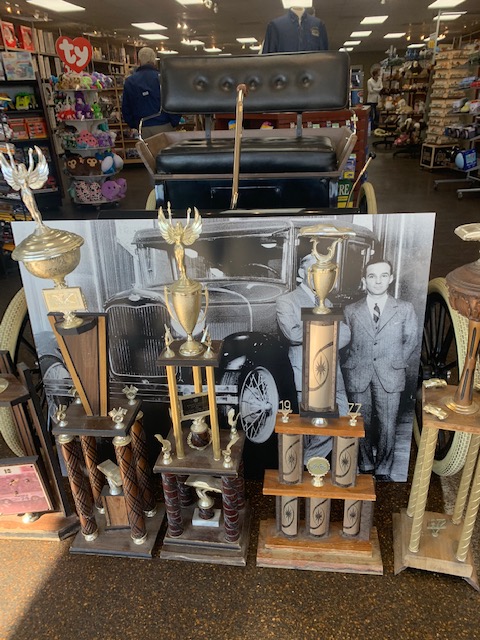
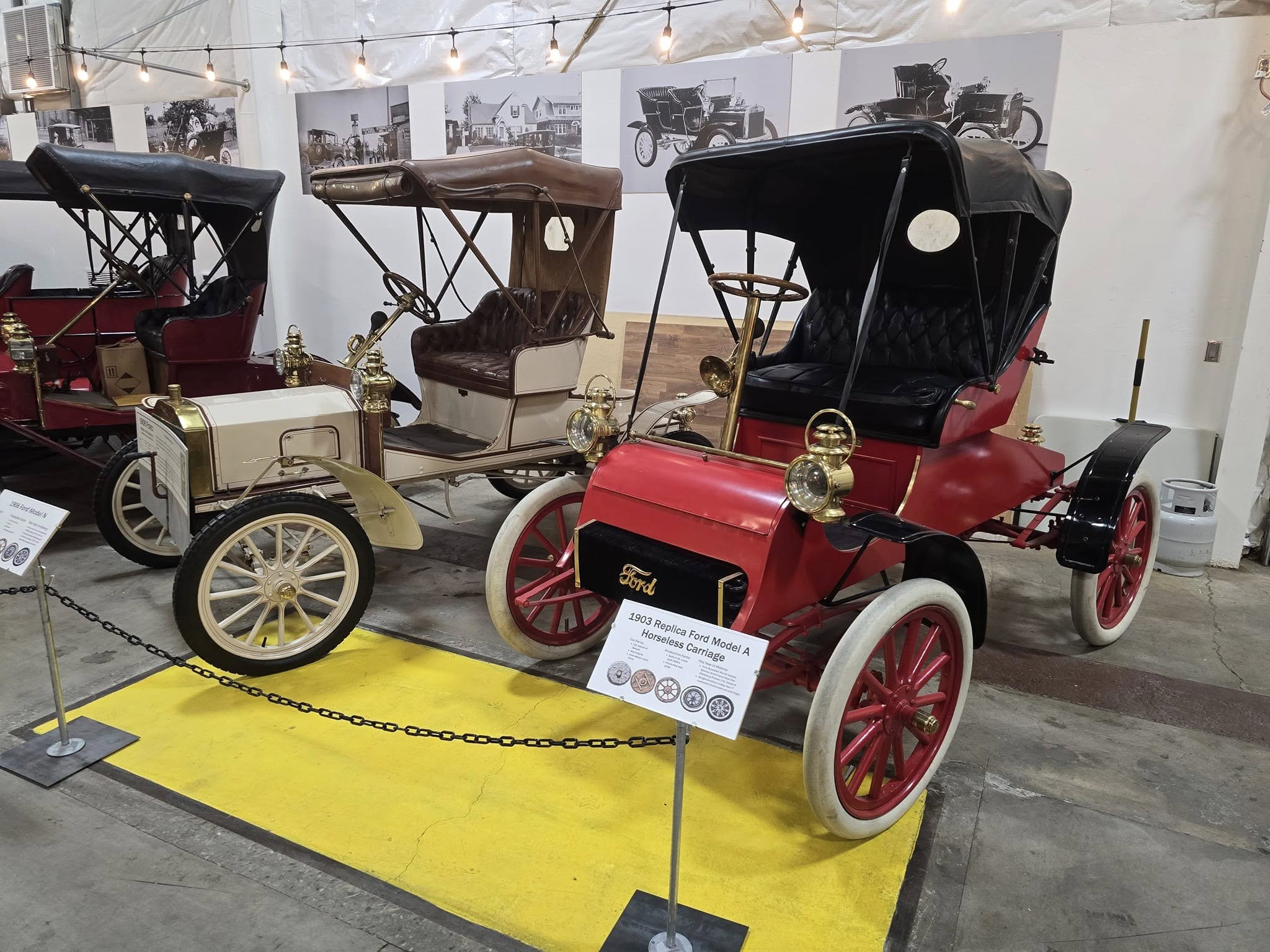
The Horseless Carriages.
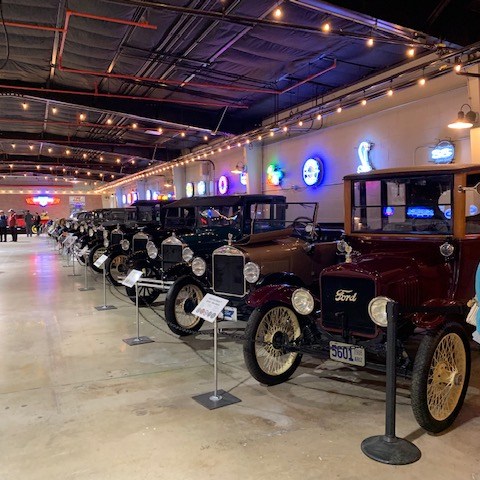
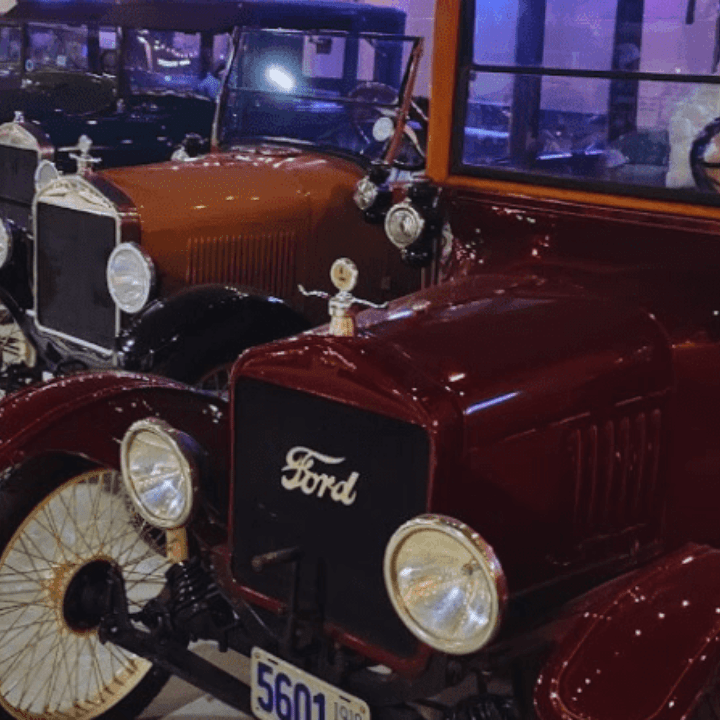


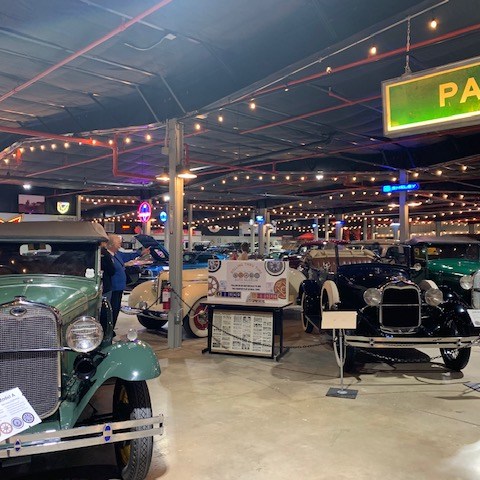
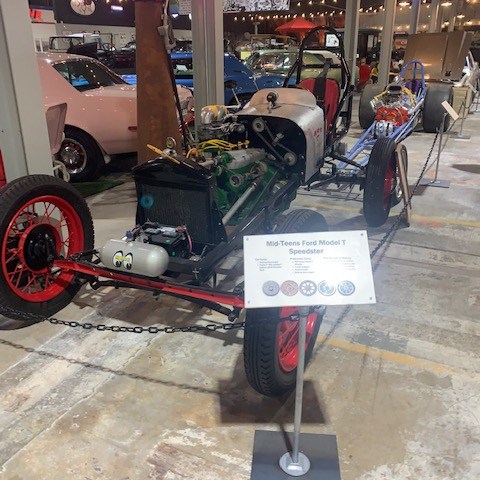
There are 48 Ford Model Ts, one of the company’s most successful vehicles that sold more than 15 million units from 1908 to 1927. The last picture is a Mid-Teens Ford Model T Speedster.
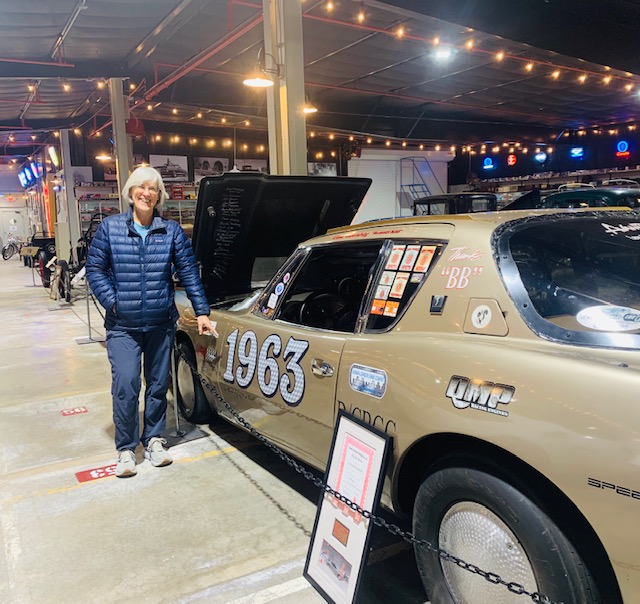
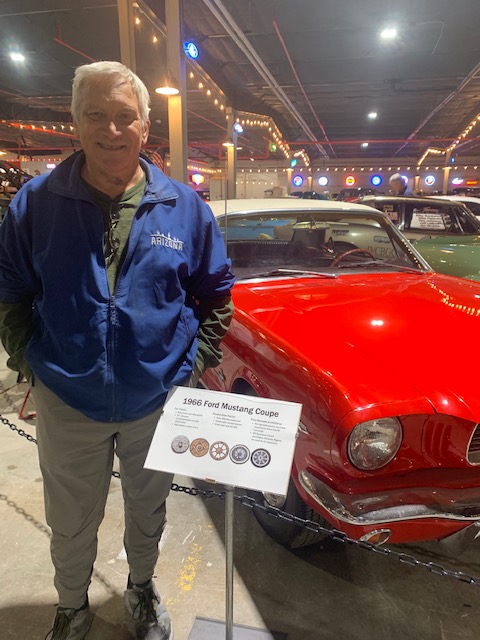
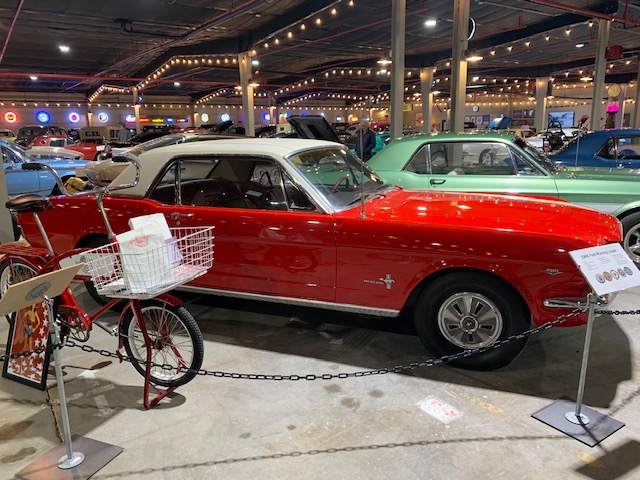
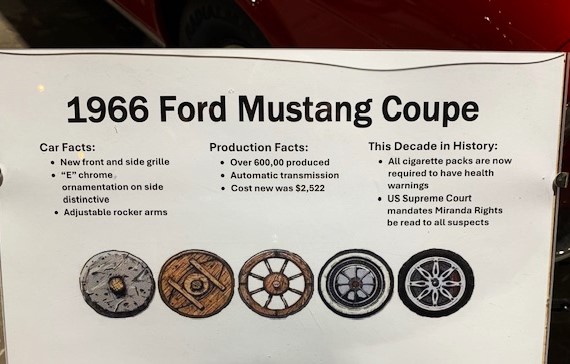
Dave is standing by a 1966 Mustang Coupe. He got one when he was a kid, a few years back, fixed it up somewhat and sold it. Could this be his old Coupe?
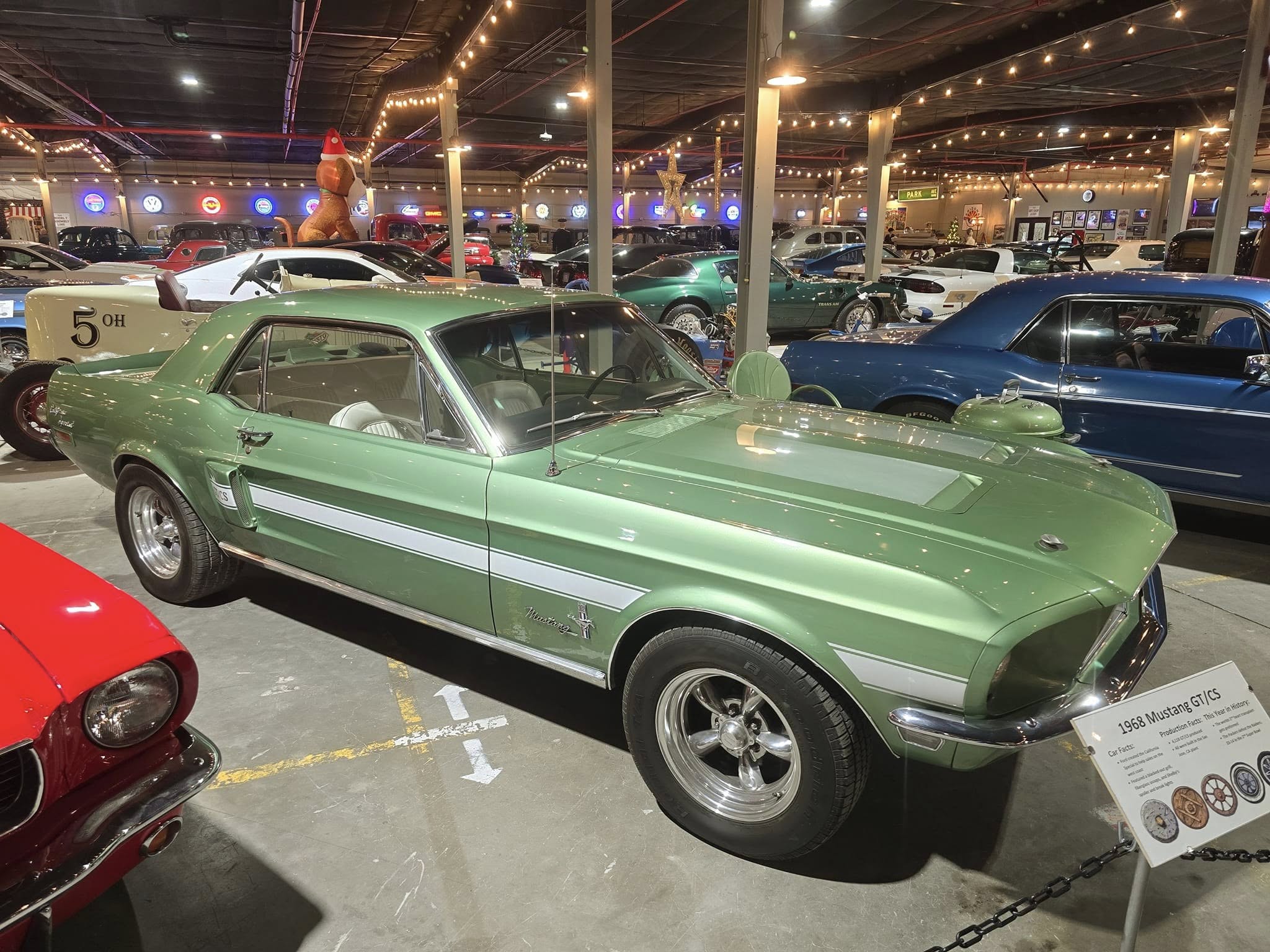
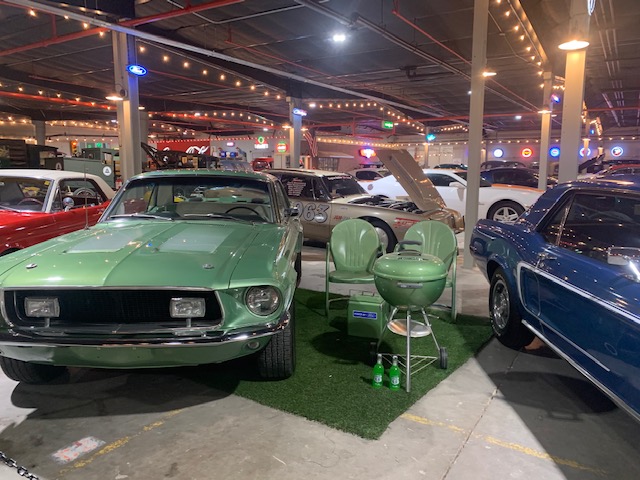
1968 Mustang GT/CS Nice car, I like the display with the chairs, gril and green drinks in the bottles.

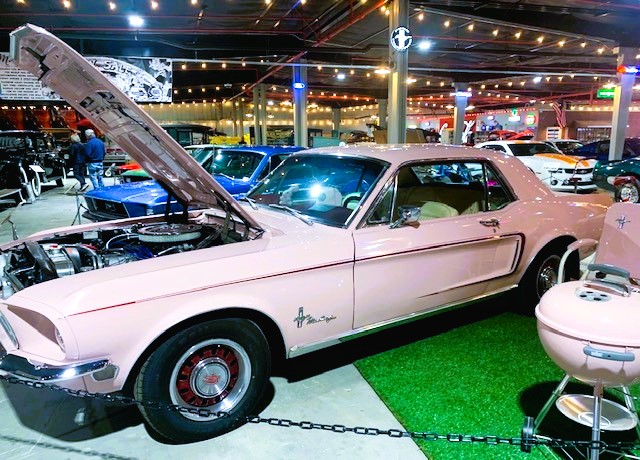
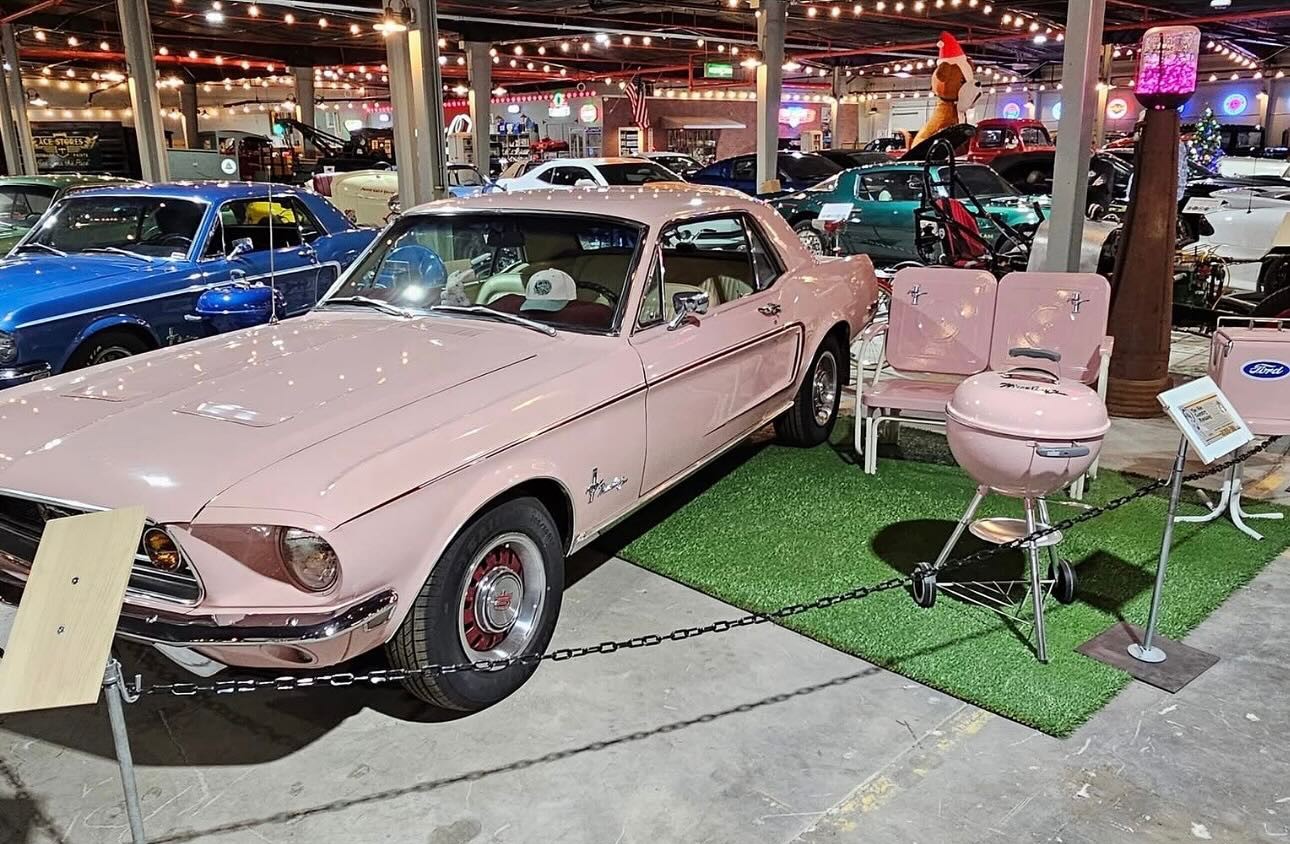
A 1967 She Country Mustang, color is Bermuda Sand.

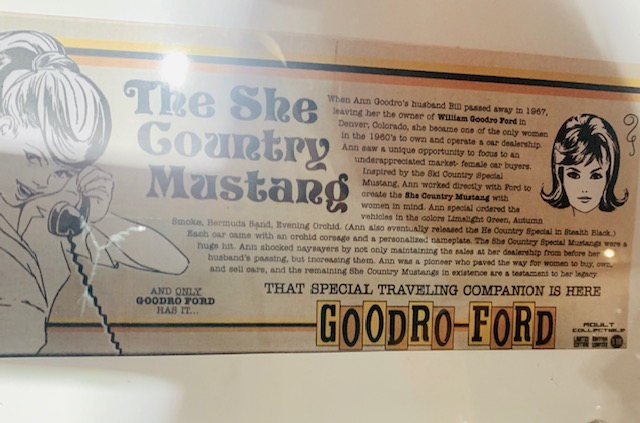
Bill Goodro Ford in Denver, Colorado was a well-known Denver dealership. After Bill Goodro passed away on May 5, 1965, his wife, Ann, took over the business. Ann Goodro marketed a She Country Mustang starting in April 1967.
The She Country Special had a decidedly feminine design flair, beginning with the vehicle’s color. Goodro ordered 48 She Country Specials for her dealership, including 12 each in the pastel colors of Limelite Green, Bermuda Sand, Evening Orchid, and Autumn Smoke. Each vehicle came with an orchid corsage and a personalized nameplate mounted on the dashboard that included the engraved name of the purchaser. Goodro took the female theme a step further by installing the first women’s waiting lounge in her dealership, which she decorated with colored lights and stuffed animals. The She Country Special was a rousing success, as it helped Goodro increase the dealership’s sales by 12 percent. Ann Goodro eventually became the first female president of the Colorado Auto Dealer’s Association in 1977.
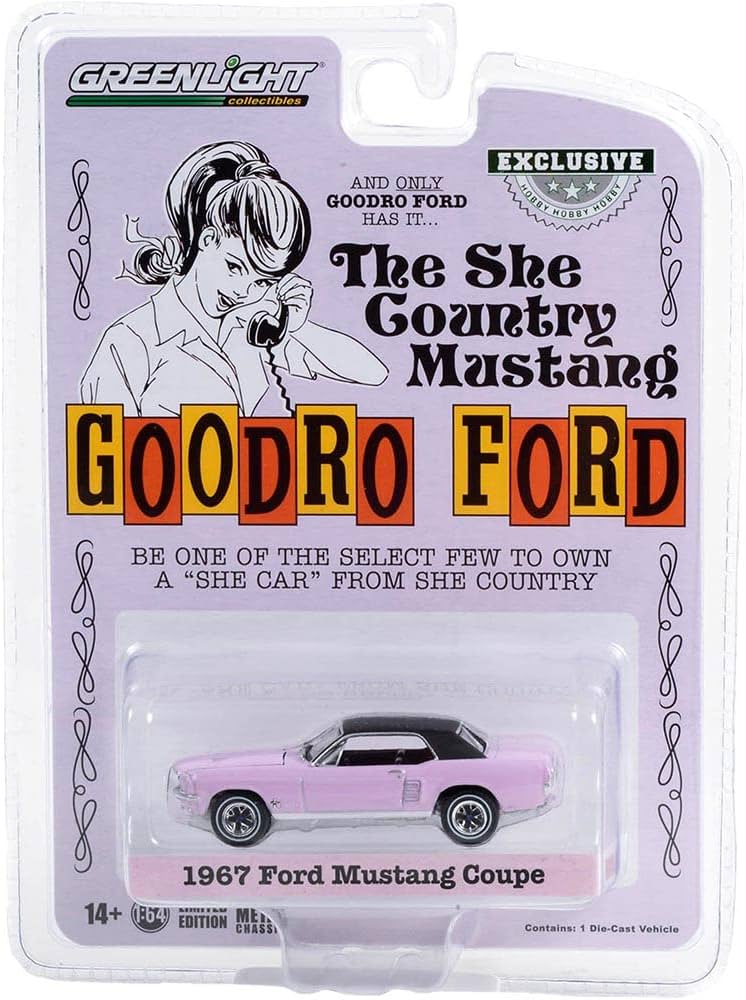
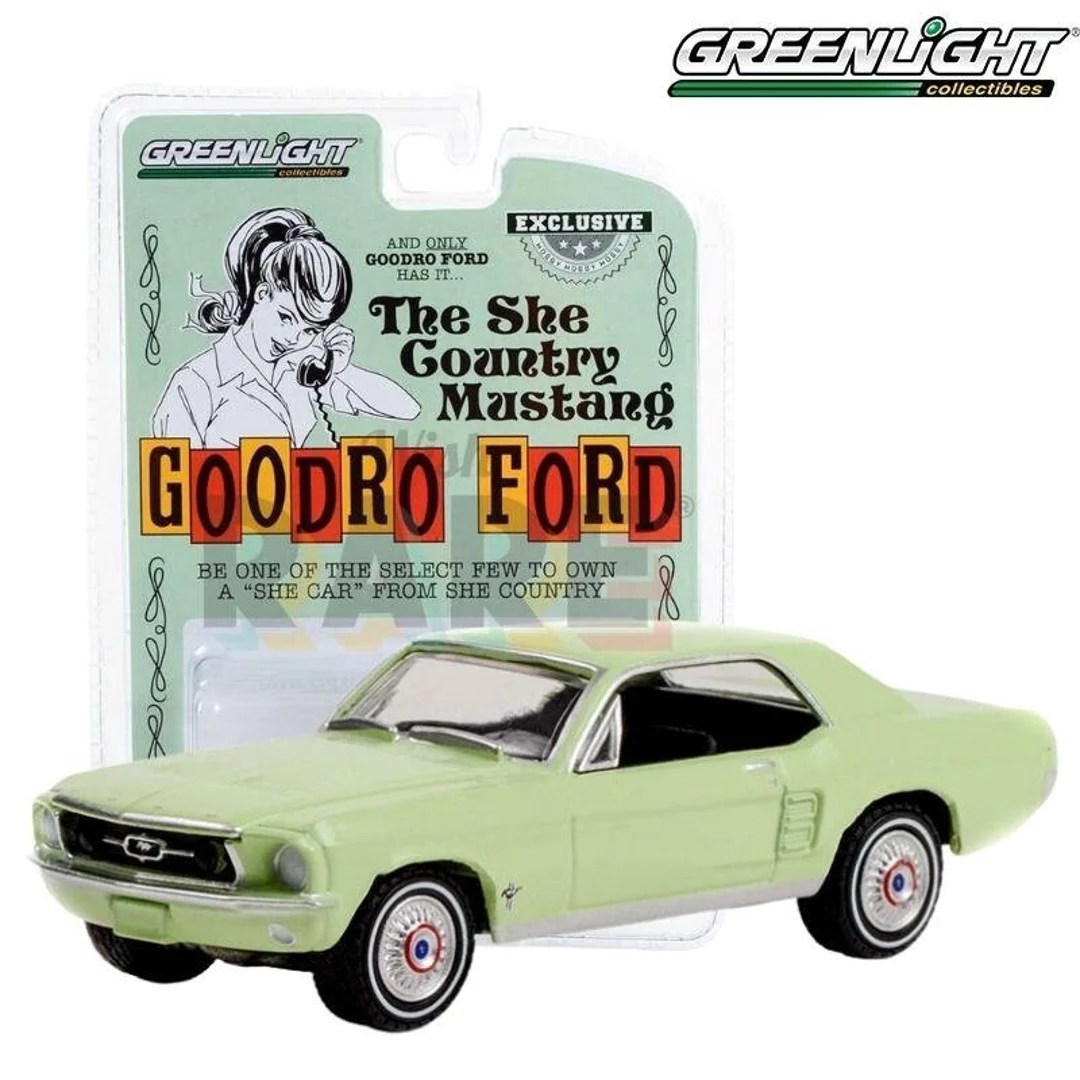
The She Mustang was so popular it is now available through GreenLight Collectibles in a die cast models with all the 4 original pastel colors. of Limelite Green, Bermuda Sand, Evening Orchid, and Autumn Smoke. I sure wish I had the real thing not a die cast model.
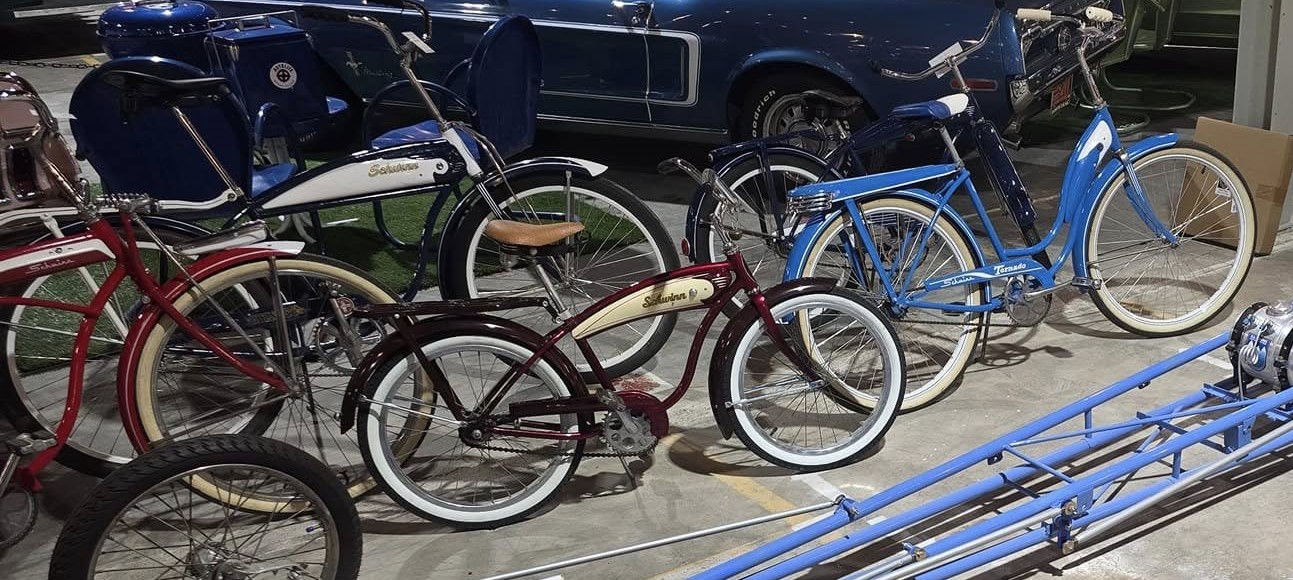
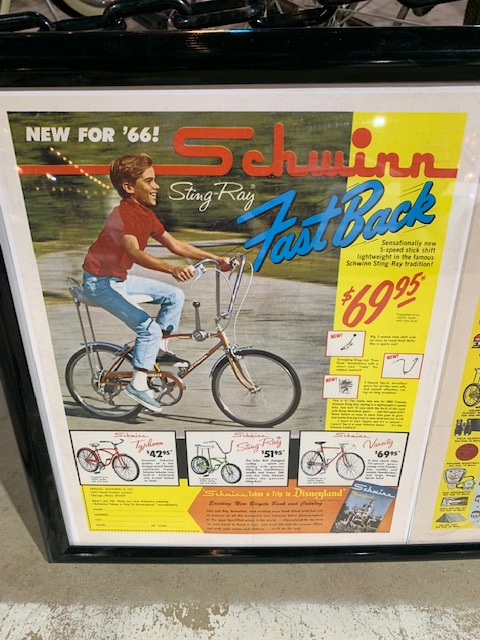

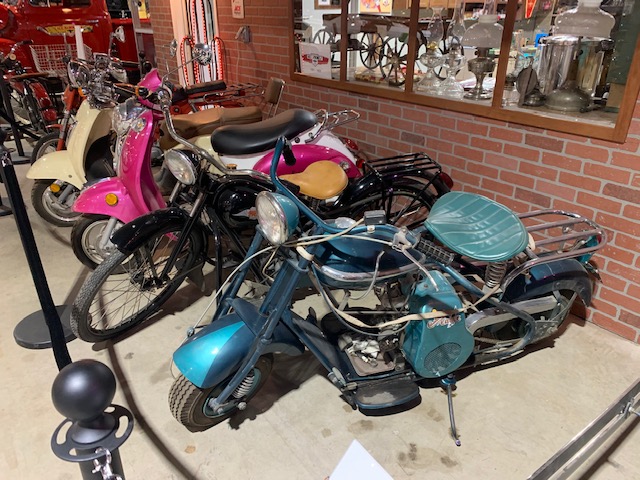
They had old bikes thru out the museum. Dave had a brand new 1966 Fast Back growing up. He was stylin. . .


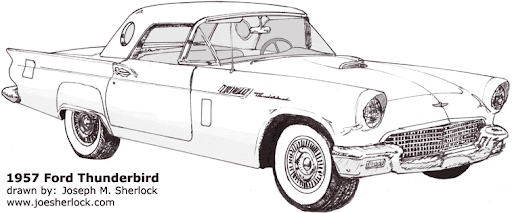
I would also take this 1957 Thunderbird off their hands.
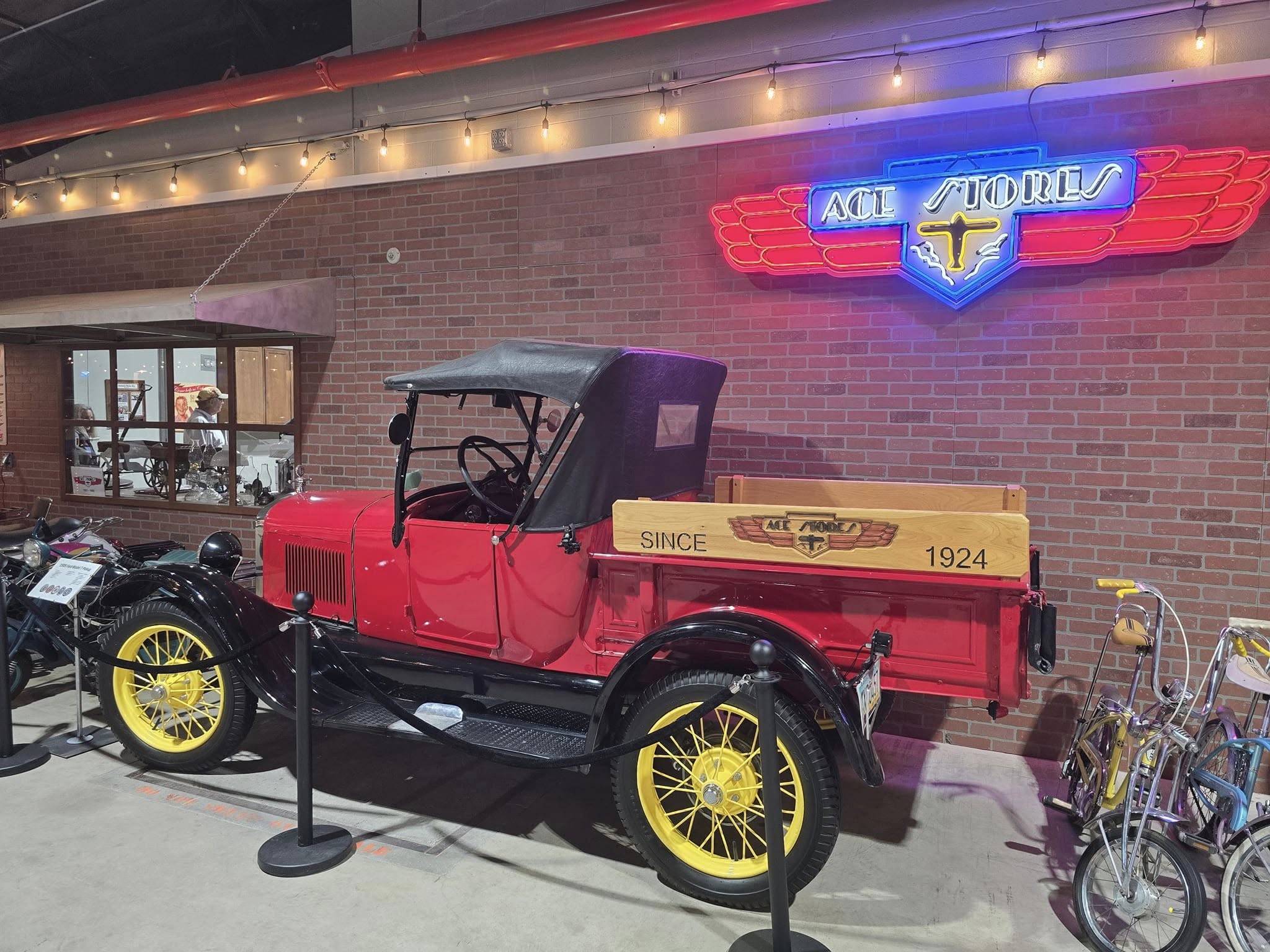
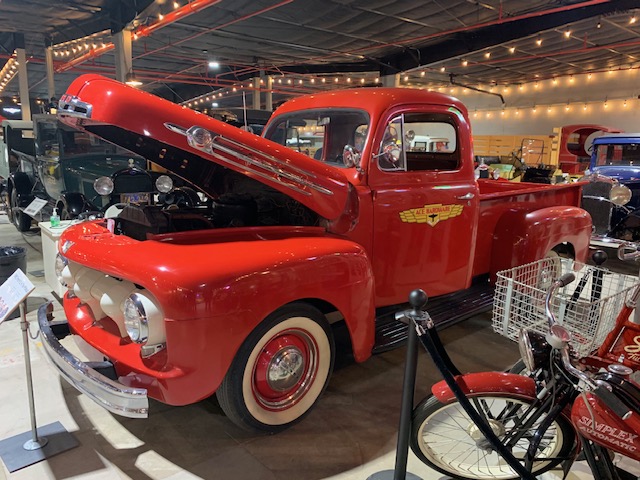
They had some Ace Hardware trucks around, here are pictures of two. Remember their Jingle “Ace is the place with the helpful hardware store?”
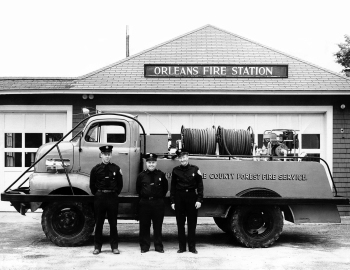
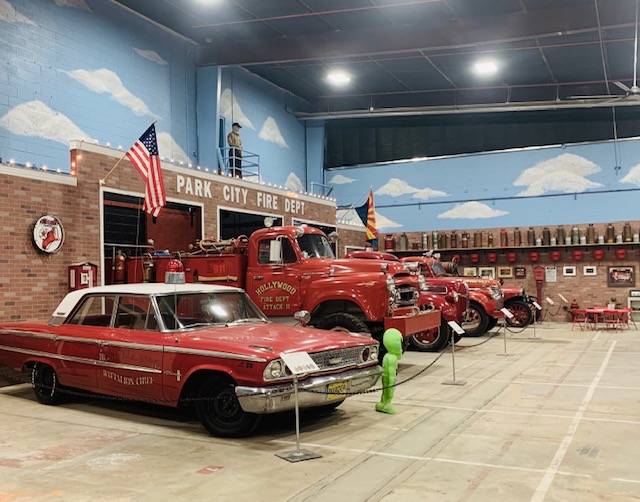
The museum had old restored.fire trucks.
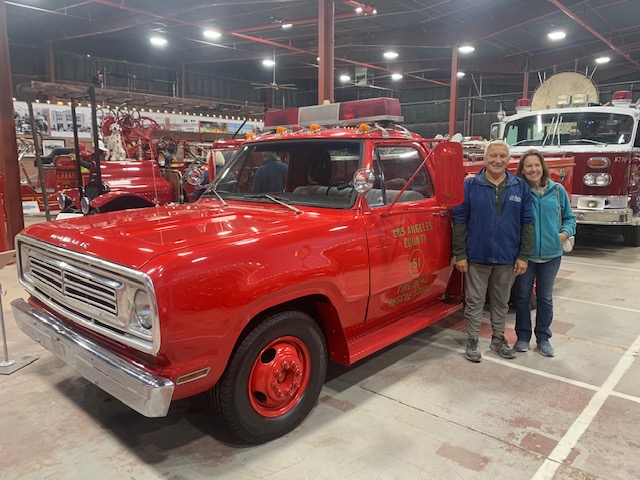

They restored this truck into a replica of the truck on the series “Emergency” in 1973.
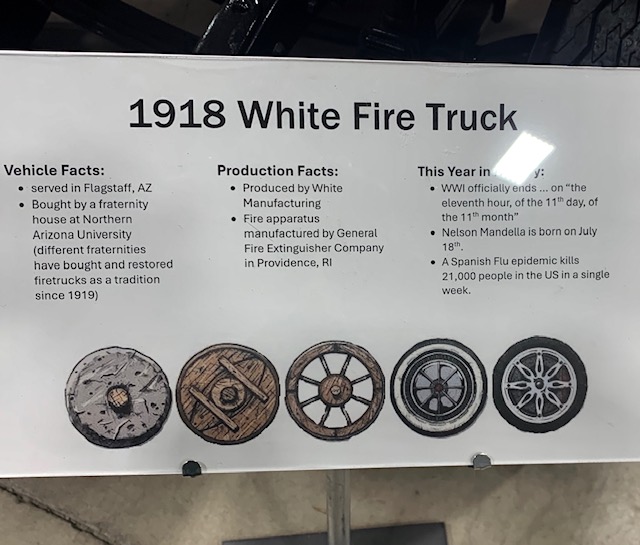
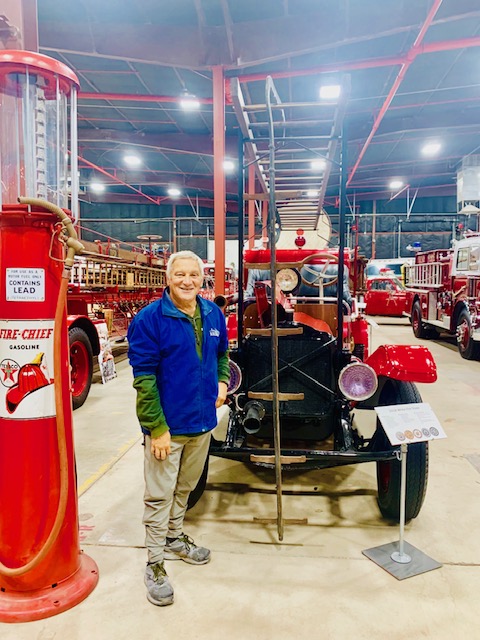
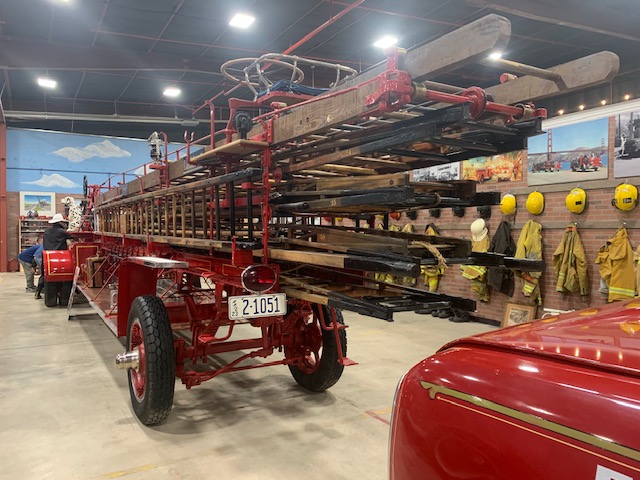

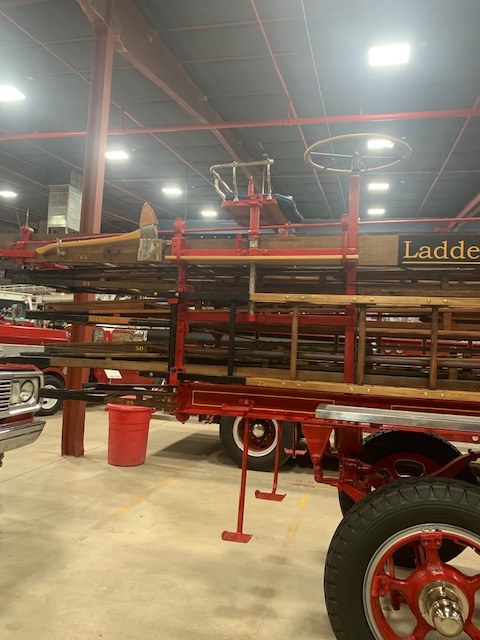
This is a long 1923 ALF tiller straight frame fire truck. It had a service ladder that was unique because its rear drive wheels could be steered by a tillerman sitting on the seat in the back. This allowed for enhanced maneuverability in tight spaces. The truck is about 40 ft. long and it took 4 or 5 firemen to work this truck. They just had this fire truck out and about, it would have been neat to see how the operate it.
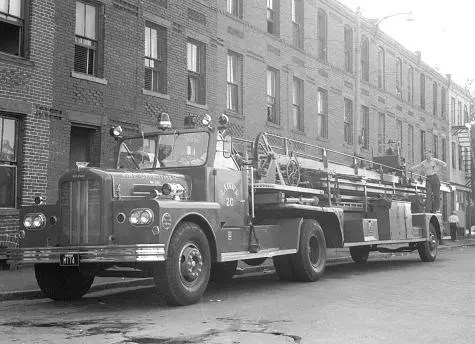
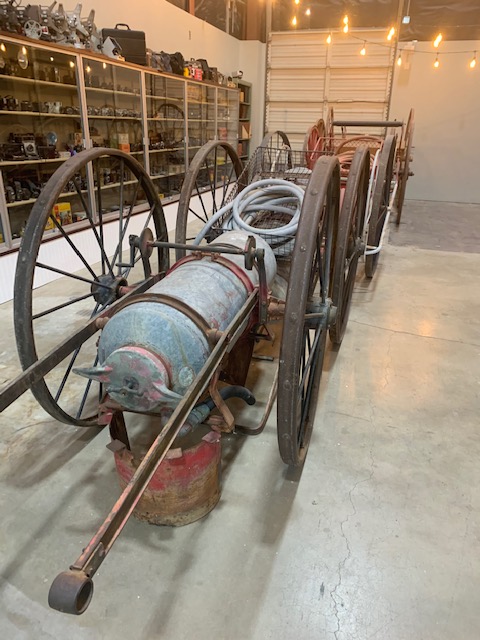
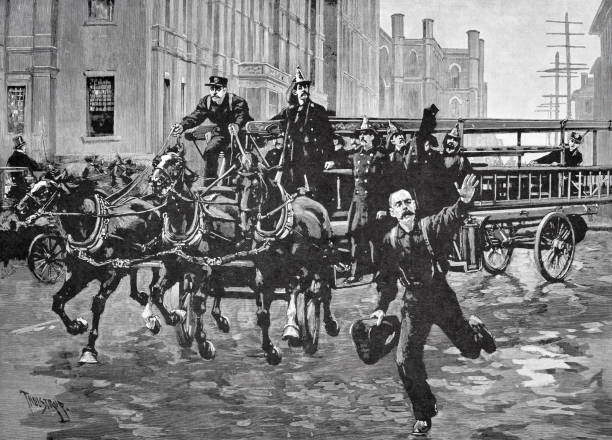
An old fire truck pulled by horses was called a horse drawn fire engine. Fire departments used horses to pull hose wagons, steam-powered pumpers, and hook-and-ladder carts.
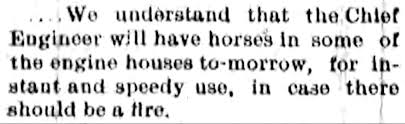
That makes me feel safe, that’s when you use your fire bucket
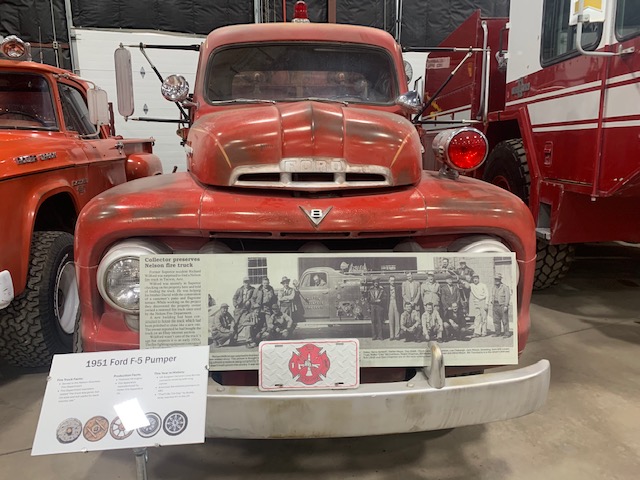
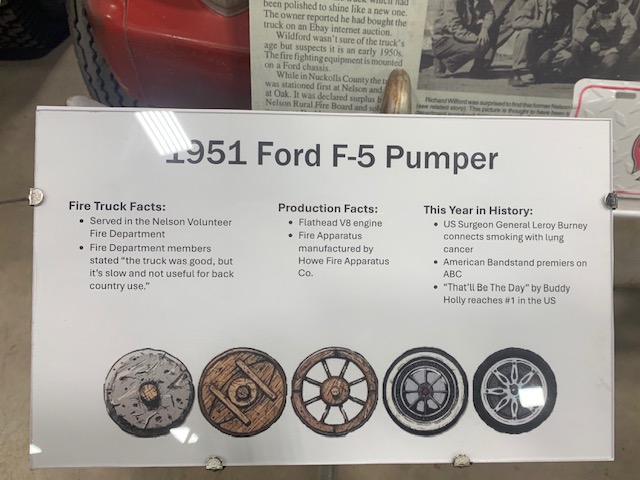
Inside the building where the fire trucks are they have a mock fire station.
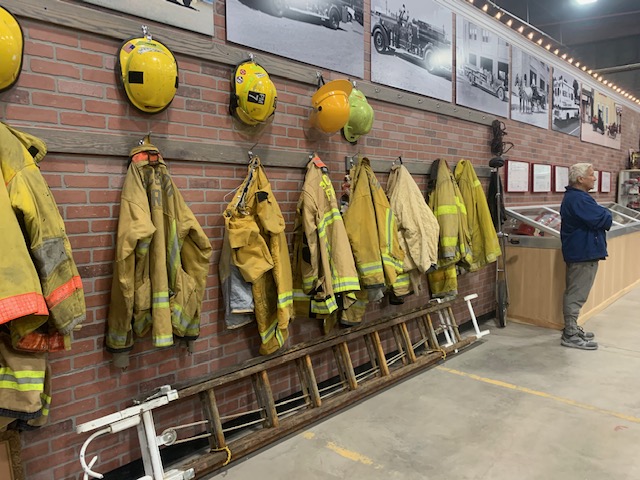
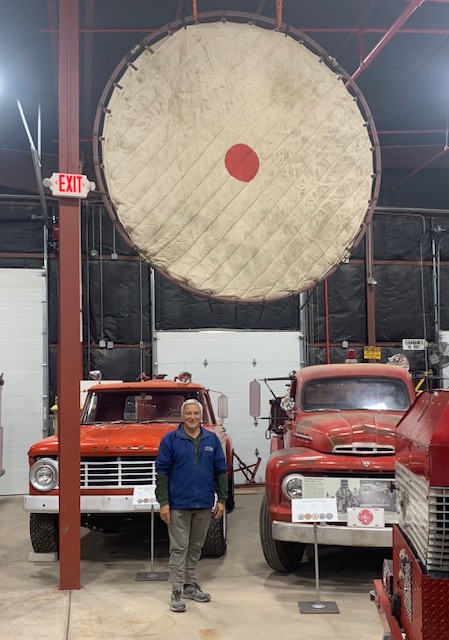
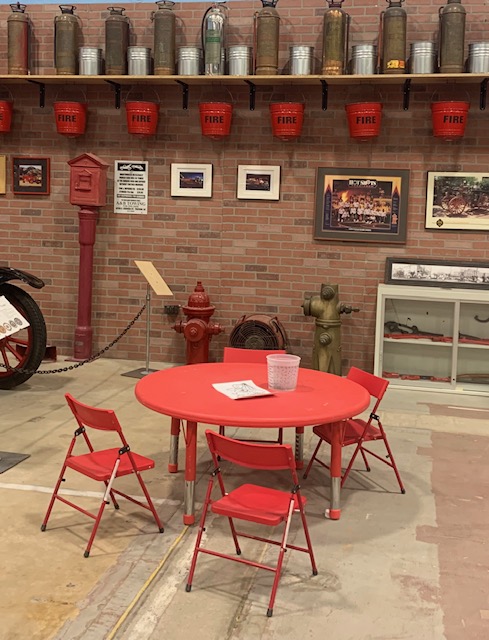
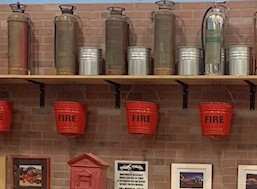
When you jump make sure you aim for the red dot. I learned at the museum that fire buckets have round bottoms, you can see from picture. The rounded bottom creates a strong, directed stream of water when it’s thrown at a fire and they can’t stand up on their own, making them less likely to be stolen.

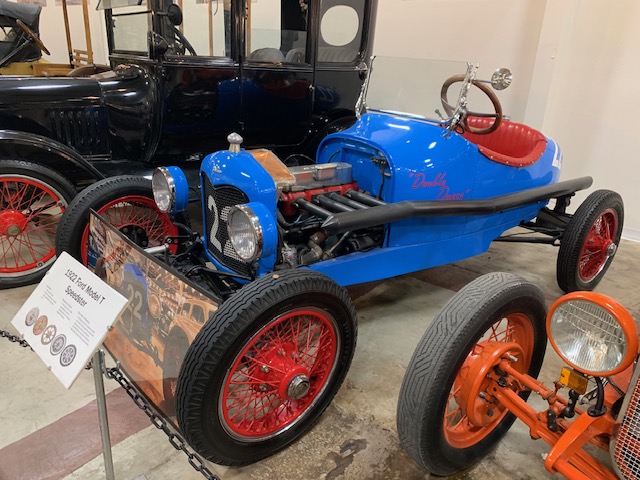
They have some early roadsters. They have a sporty apperance and perform like sports cars.
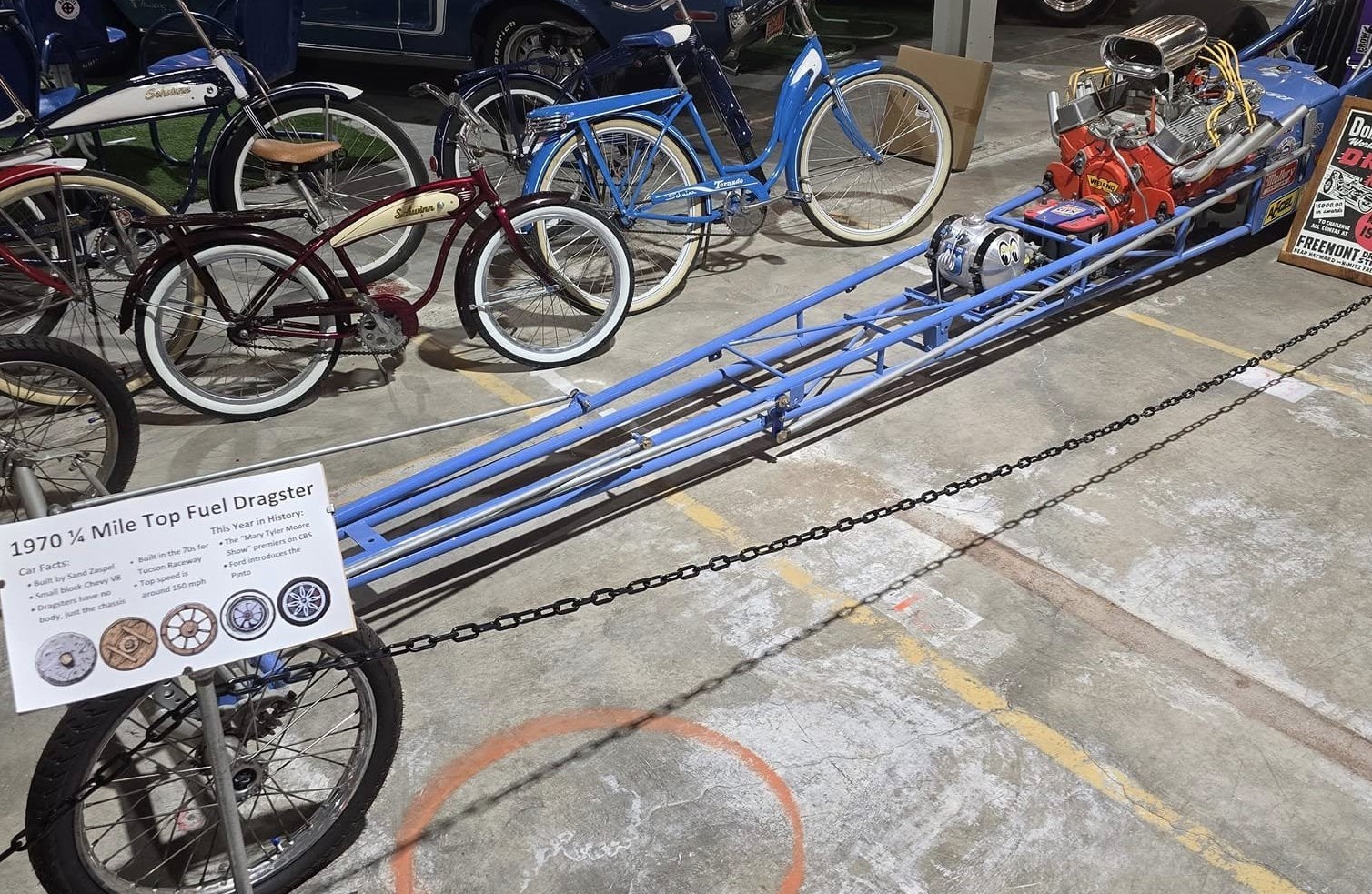


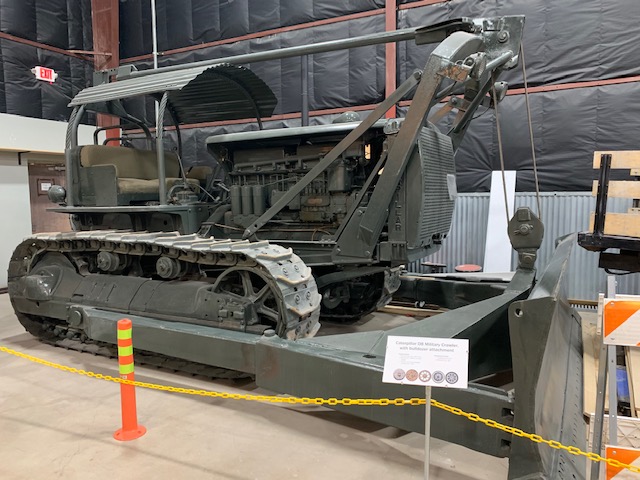
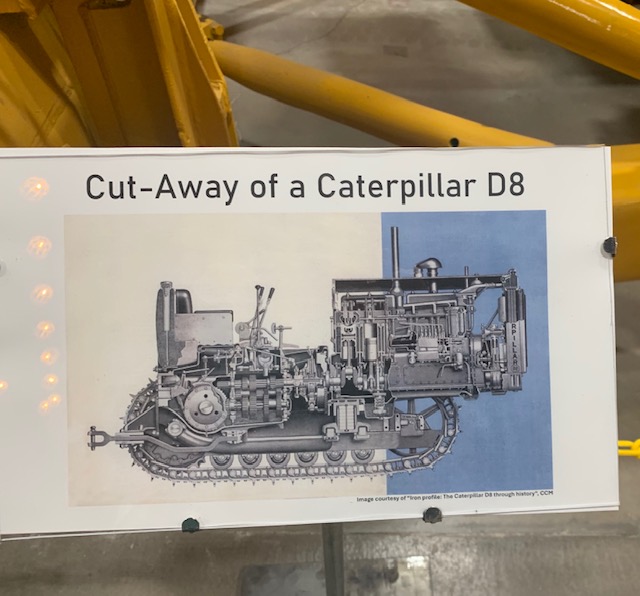
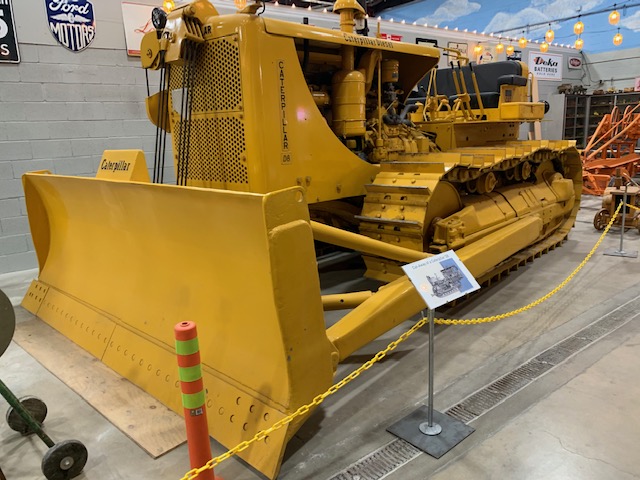
Here’s some heavy duty machinery.
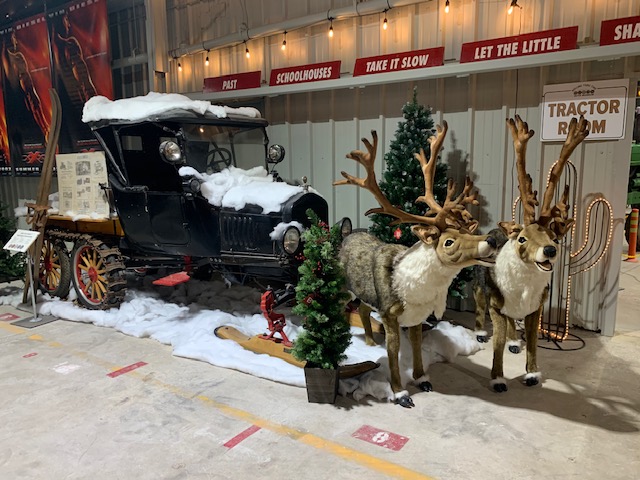
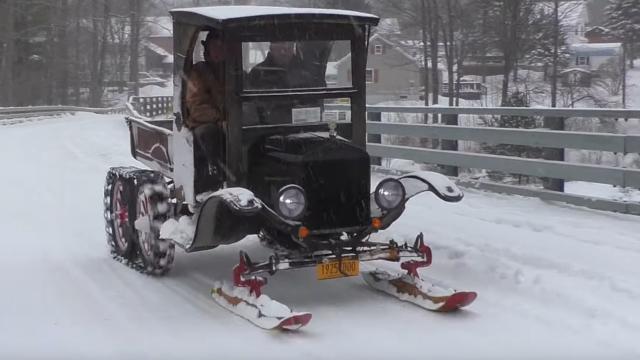
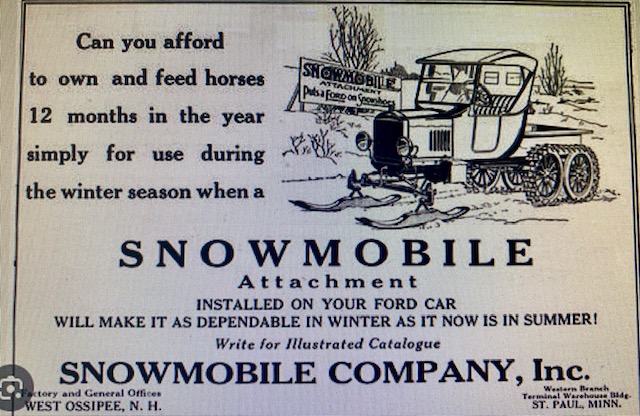
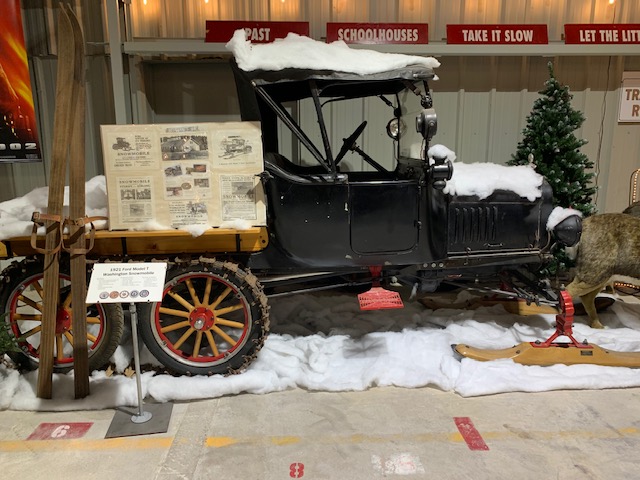
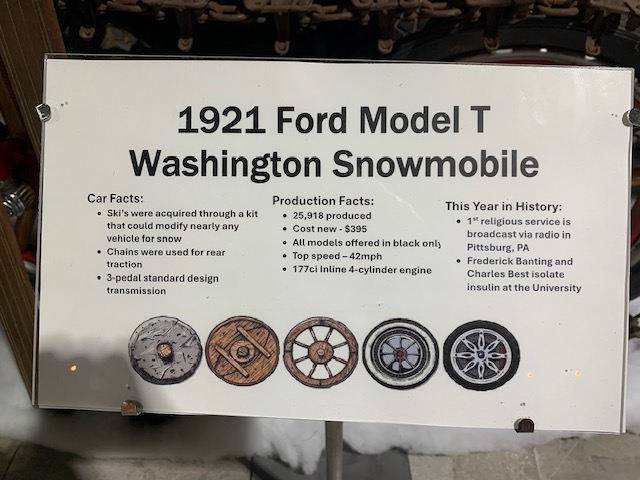
We all thought this was really neat. Wouldn’t it be fun to ride in one?

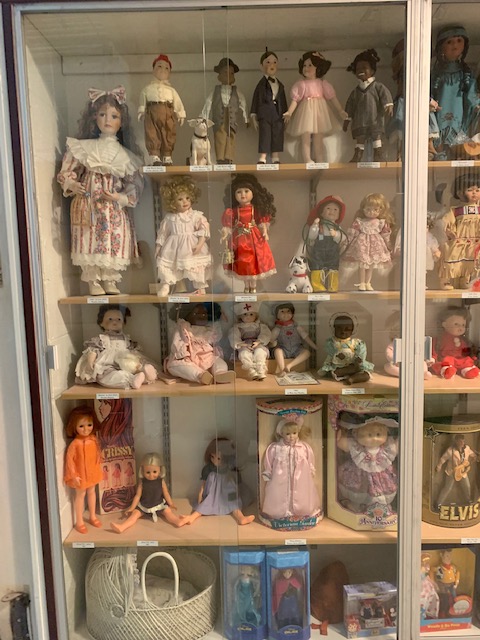
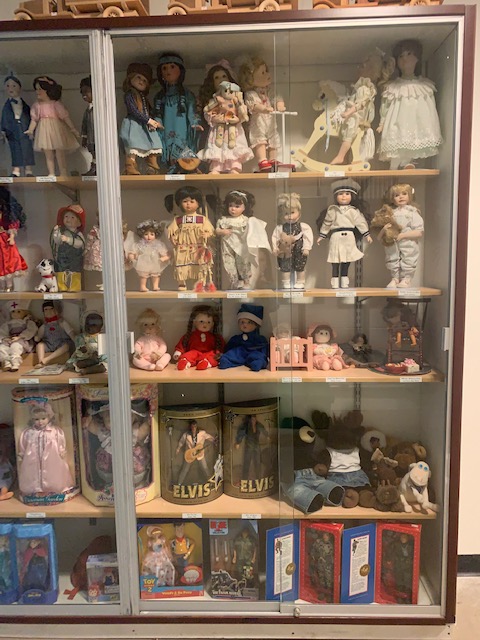

The museum also has a doll collection and a collection of old chain saws.
Joe Findysz is the owner of the museum, began collecting cars at age 14. There were volunteers in the museum that actually had their cars there. People who put a lot of time into restoring the vehicles who were proud of the work they did. The volunteers all had stories to tell and they all had an obvious affection for old cars. A great place to visit if your into classic cars.

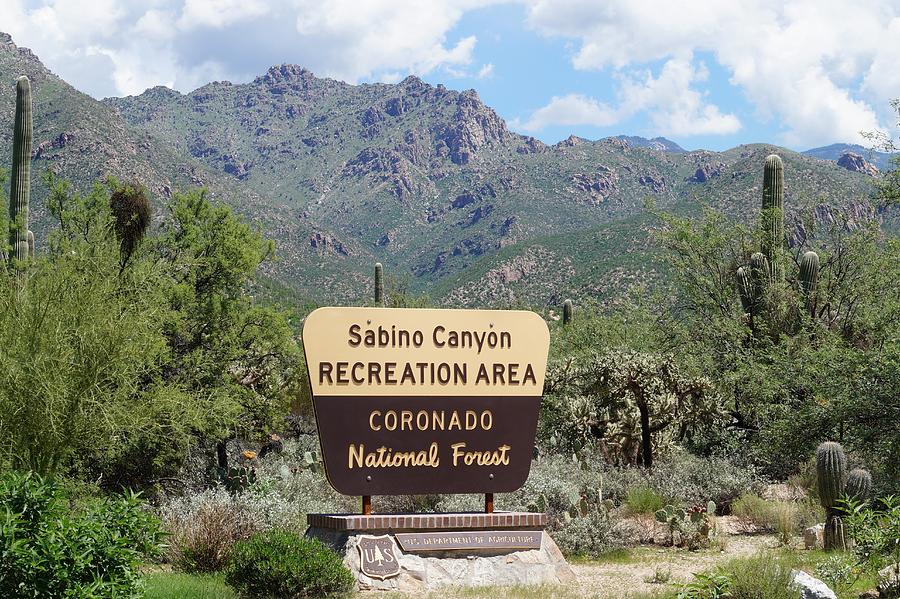
On February 3rd we took our friends to Sabino Canyon. The Canyon is always listed in the top 5 things to do in Tucson. We love Sabino Canyon and we knew our friends would too.

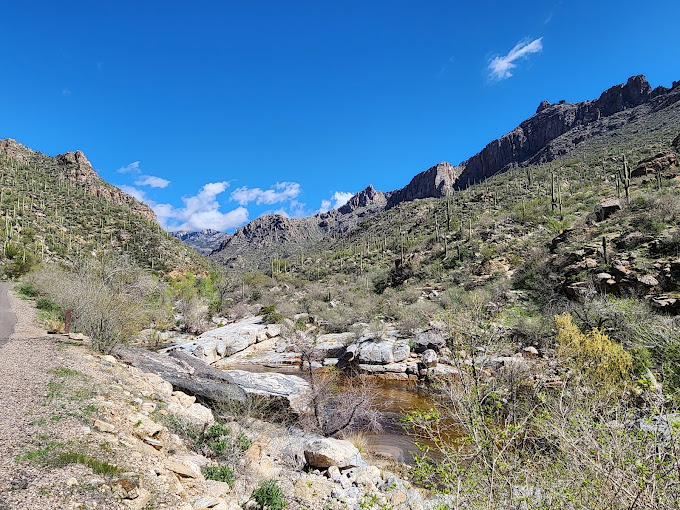
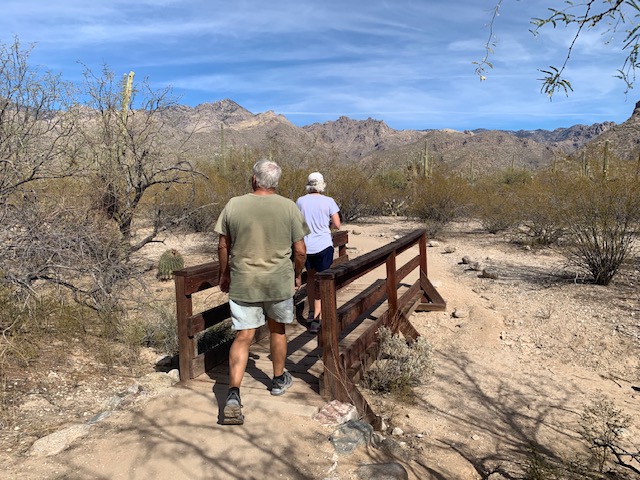
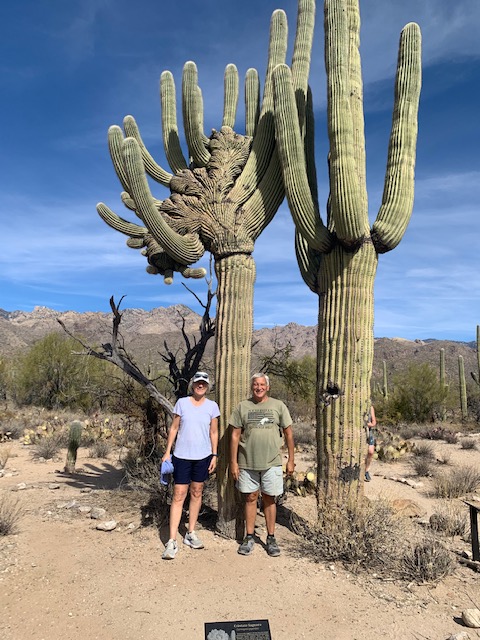
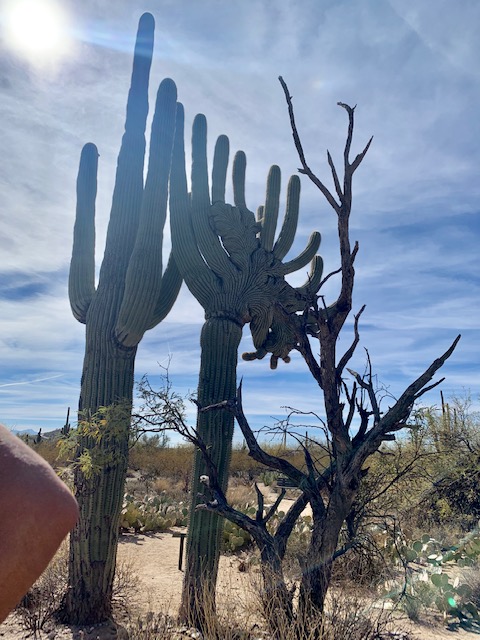
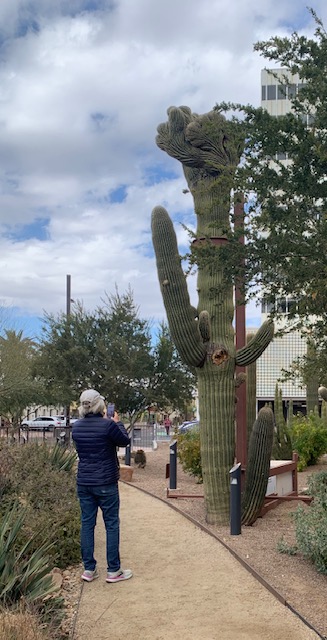
We took a trail and saw a rare Broccoli saguaro, also known as crested saguaros. They have a fan-shaped crest at the top of their main stem or arms that look like broccoli. Scientists estimated that for every 200,000 normal cacti, there is only one Broccoli Saguaro.
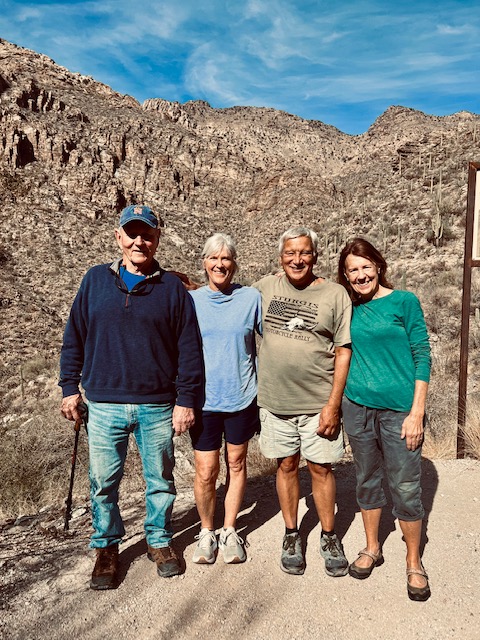

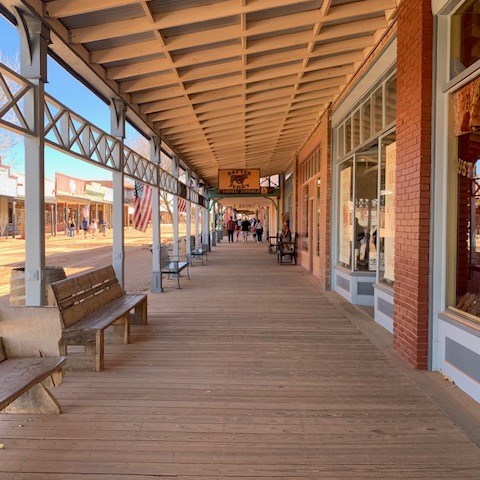
Howdy All, It’s February 4th, Dave and I have enjoyed being in Tombstone again with Skip and Nancy. We went here to see The Good Eenough Mine Tour, eat at Big Nose Kate’s Returant & Bar and see the famous “Gunfight at the O.K. Corral. It’s a fun place to visit to check out the historical landmarks and learn about the just how wild the Wild West was.
“The town was established on Goose Flats, a mesa above the Goodenough Mine. Within two years of its founding, although far distant from any other metropolitian area. Tombstone had a bowling alley, four churches, an ice house, a school, two banks, three newspapers, and an ice cream parlor, alongside 110 saloons, 14 gambling halls, and numerous dance halls and brothels. All of these businesses were situated among and atop many silver mines. The gentlemen and ladies of Tombstone attended operas presented by visiting acting troupes at the Schieffelin Hall opera house, while the miners and cowboys saw shows at the Bird Cage Theatre and brothel.”
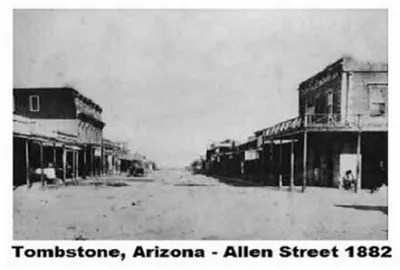
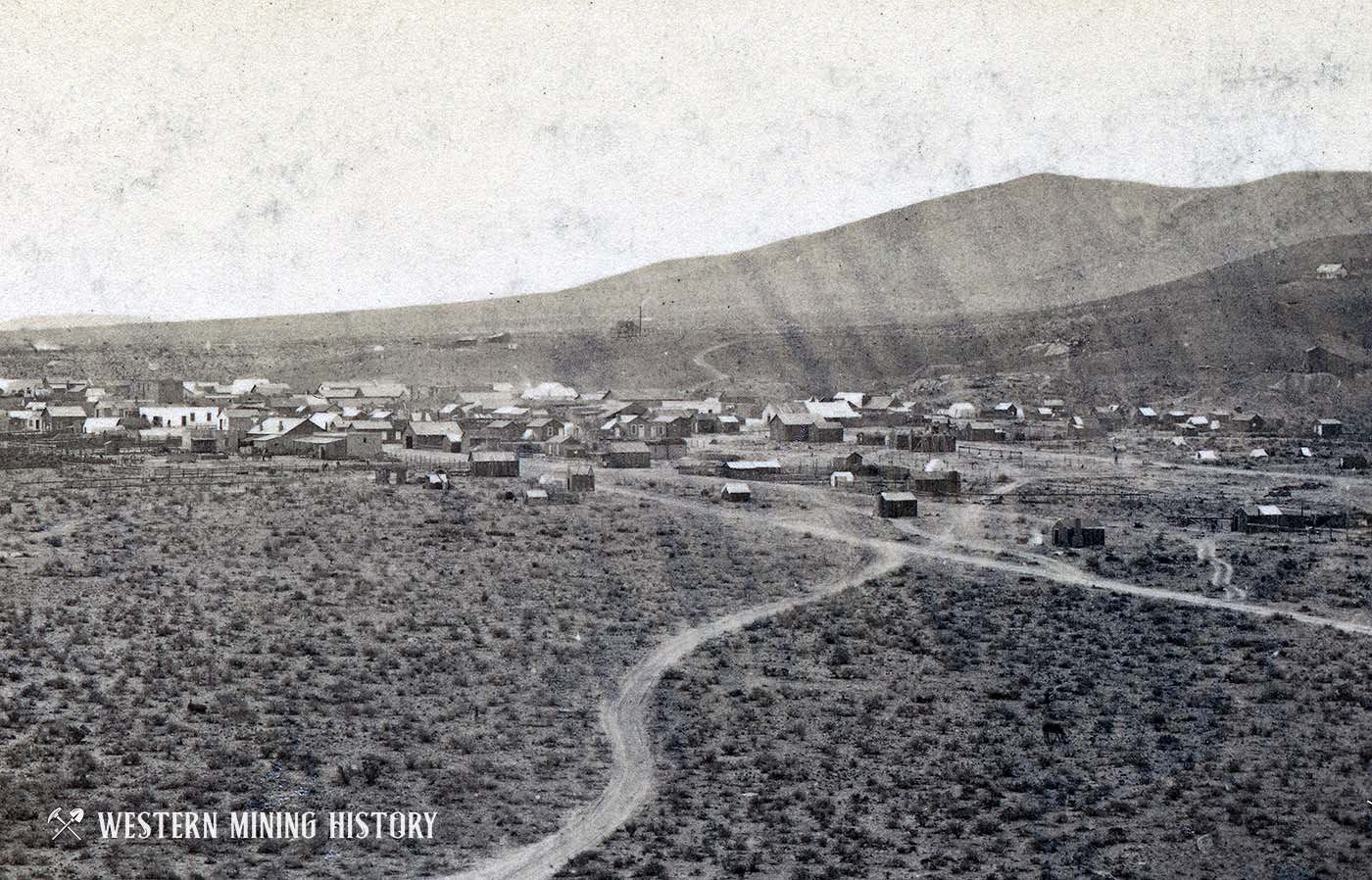
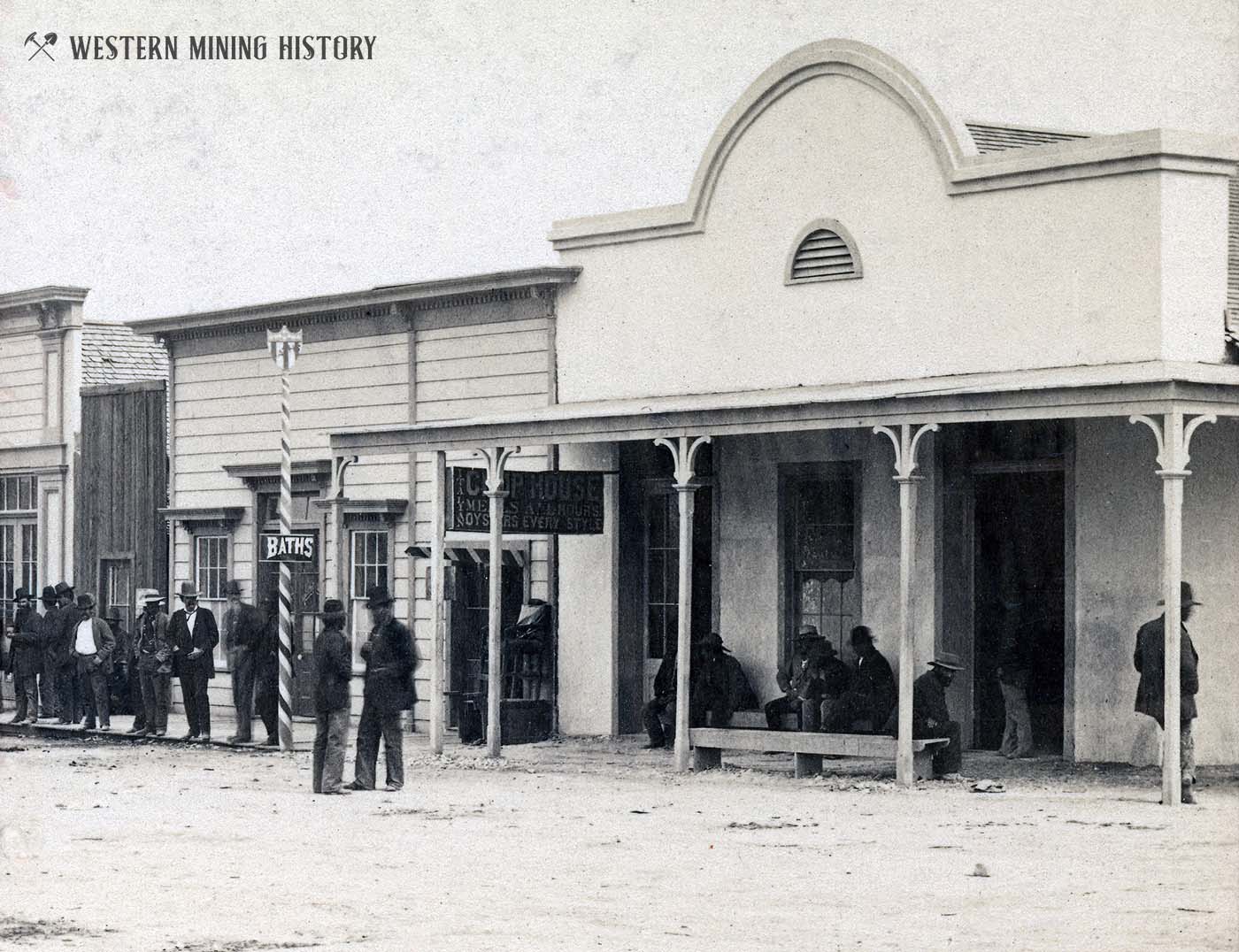
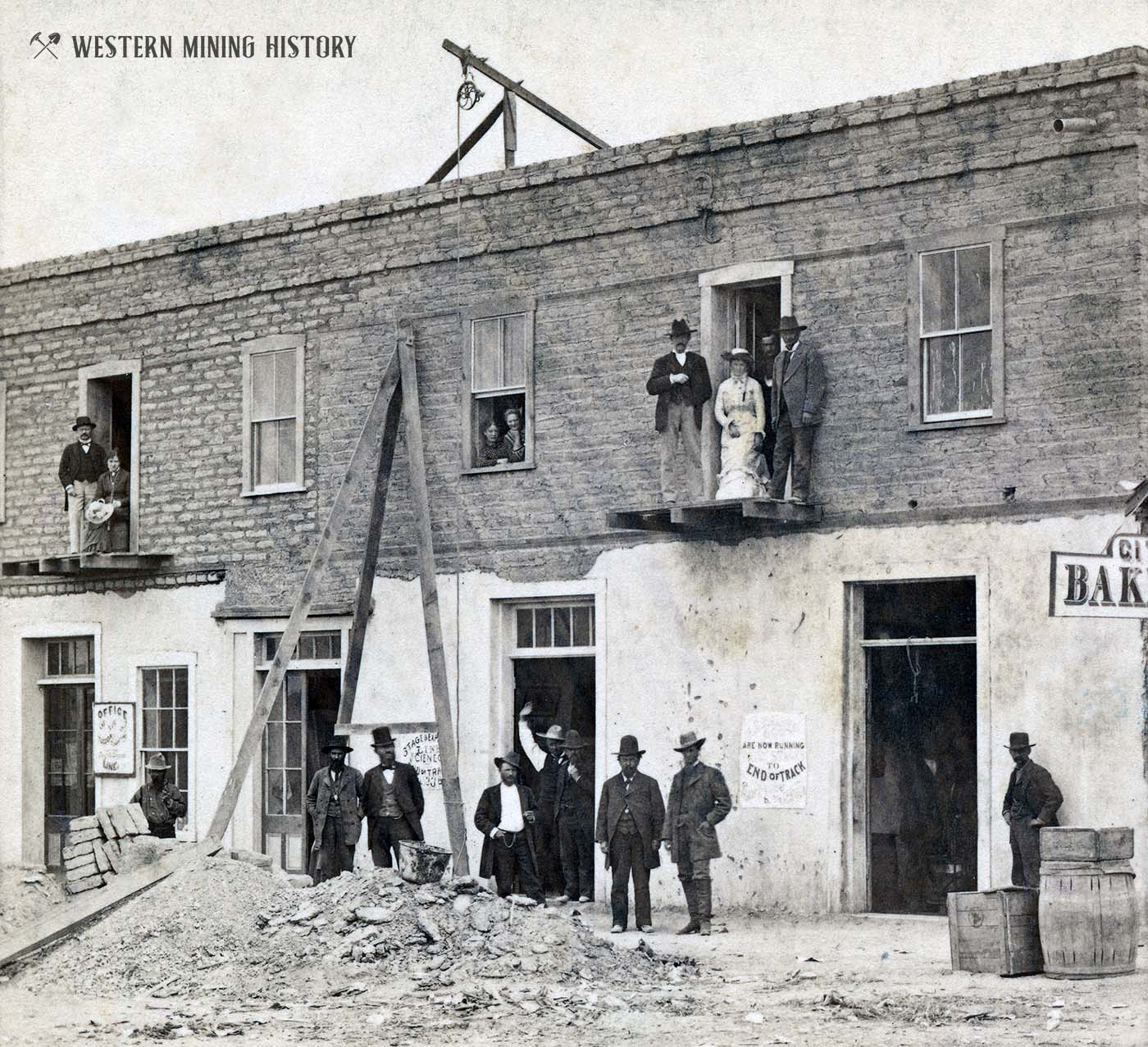
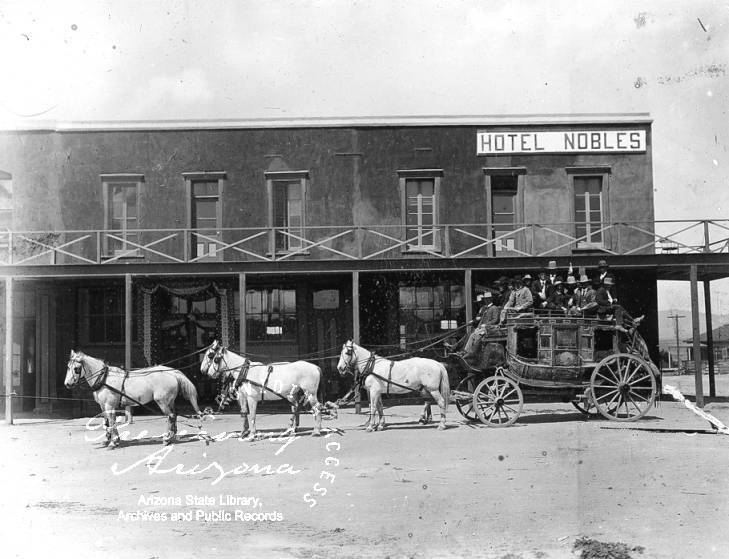
Photos of Tombstone in 1881
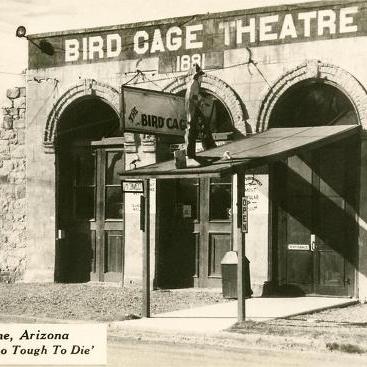
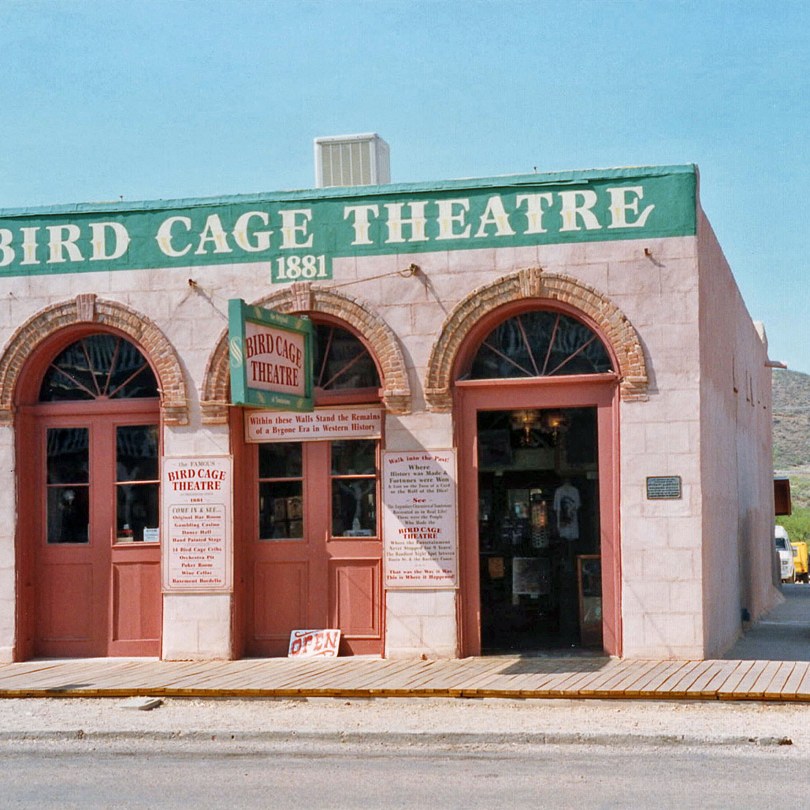
Before and after, the Bird Cage Theatre and brothel where the miners and cowboys hung out.
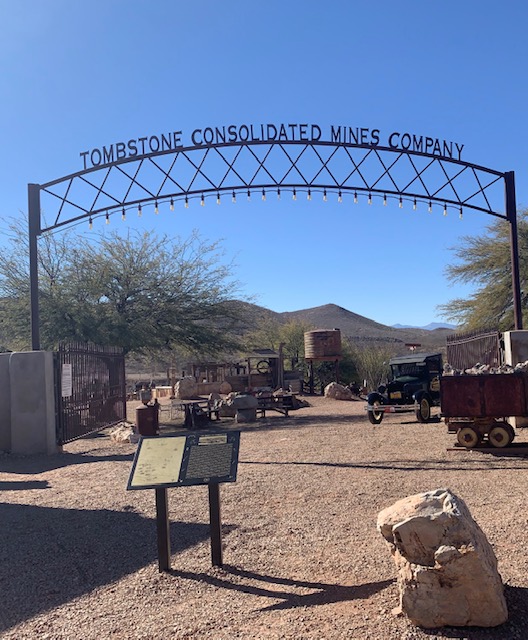
Tombstone Silver Mines.
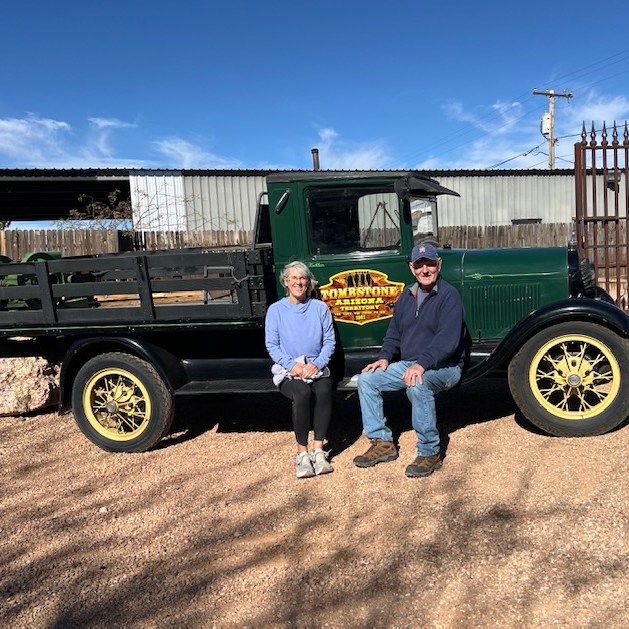
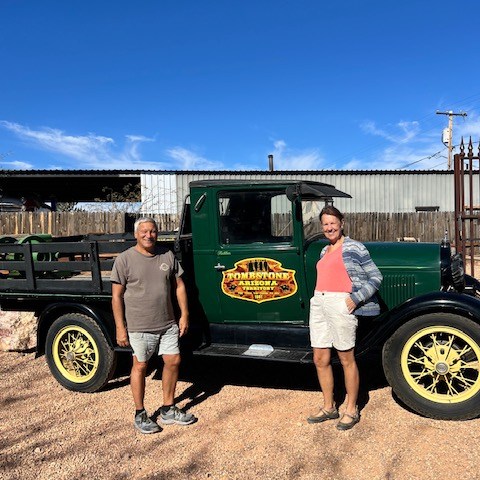
The Gunther’s and Gerber’s
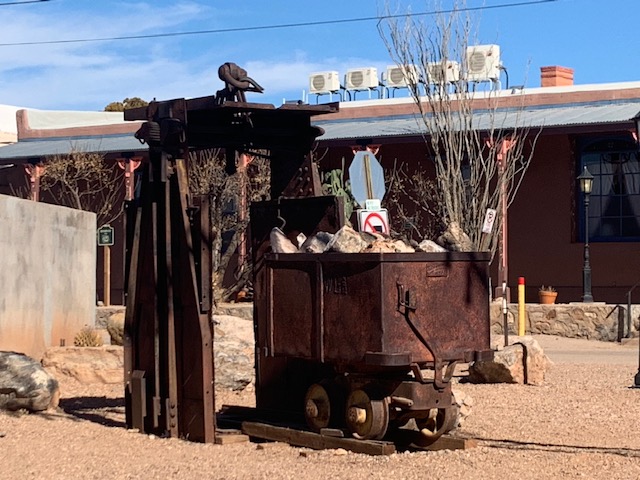
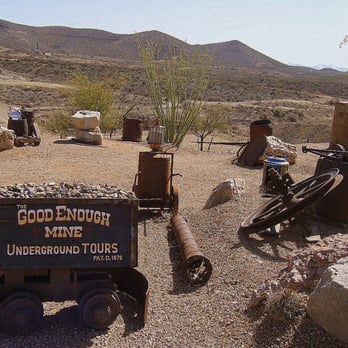
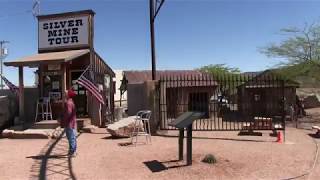
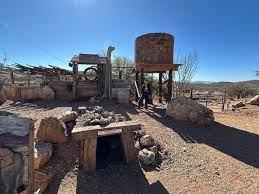
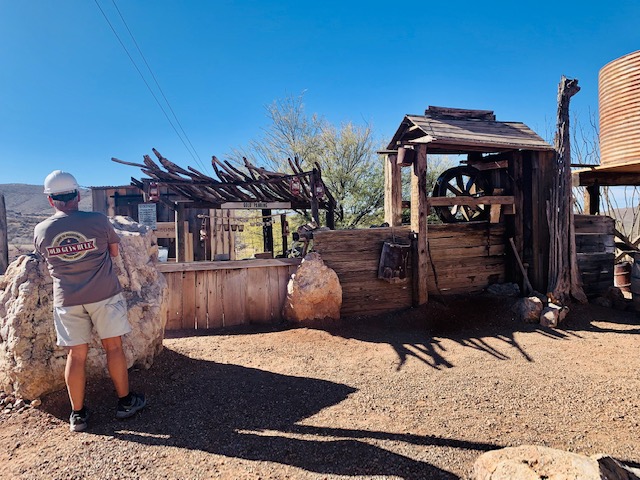
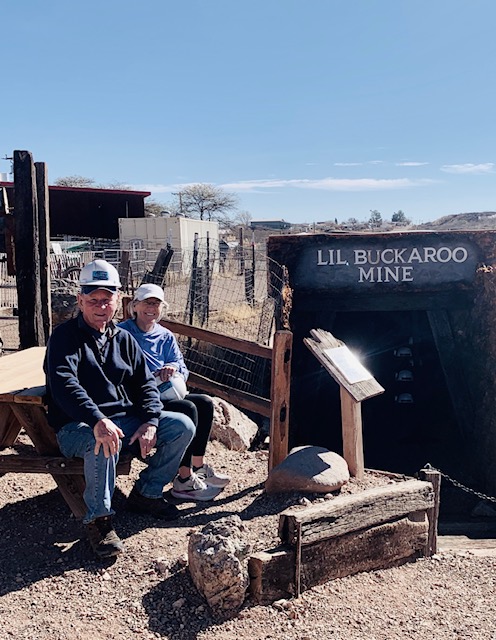
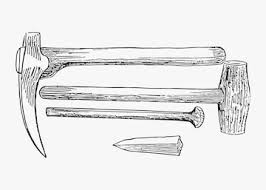
Old mining equipment around the mining areas.
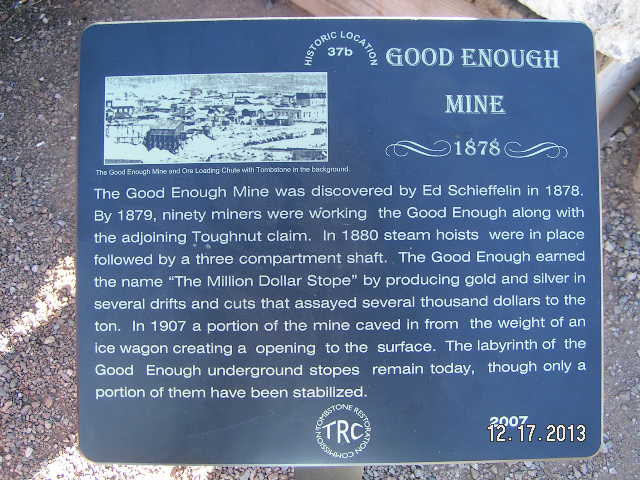

The history of mining in Tombstone began when Ed Schieffelin filed his first mining claim in 1877 he named it “Tombstone,” because he’d been told that his tombstone was all that he would find in the parched, Apache-ruled hills of southeast Arizona. A year later, when he filed his second claim, he named it “Good Enough” because the silver ore was so rich that it was good enough to satisfy him.
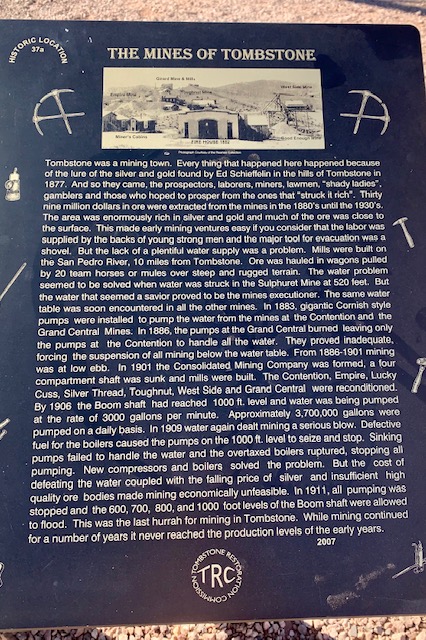

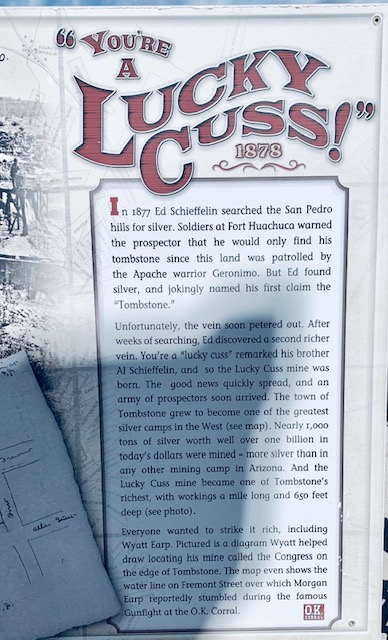
Schieffelin was determined to find more than his tombstone. He enlisted his brother Al, and a brilliant assayer named Richard Gird and set headquarters in an old cabin. Each day he combed the nearby mountains and each time the results were the same, the ore was too low grade to be profitable. Then one day he brought in some ore specimens from an area a few miles northeast of the cabin. Gird assayed them out and with a big grin said, “Ed, you are a lucky cuss.”
He named the mine the Lucky Cuss and it went on to become one of Arizona’s richest silver mines yielding 1,500 dollars silver to the ton in silver and 1,500 in gold. Tombstone’s total yield in gold and silver in today’s dollars amounted to some $1.7 billion

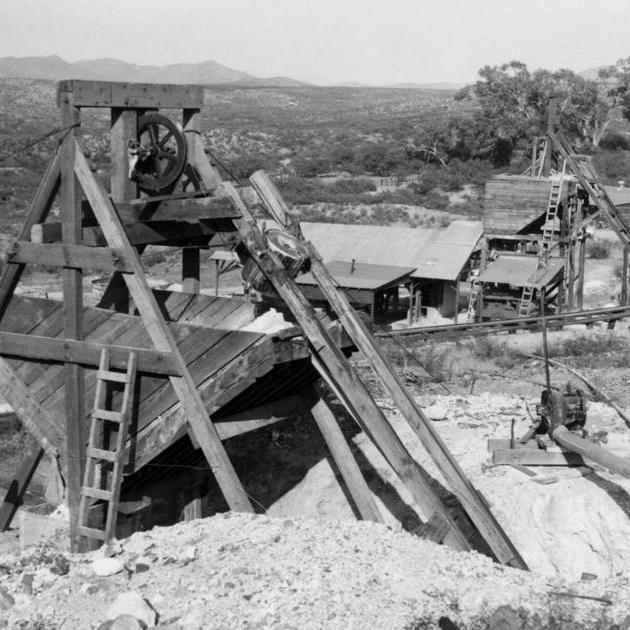

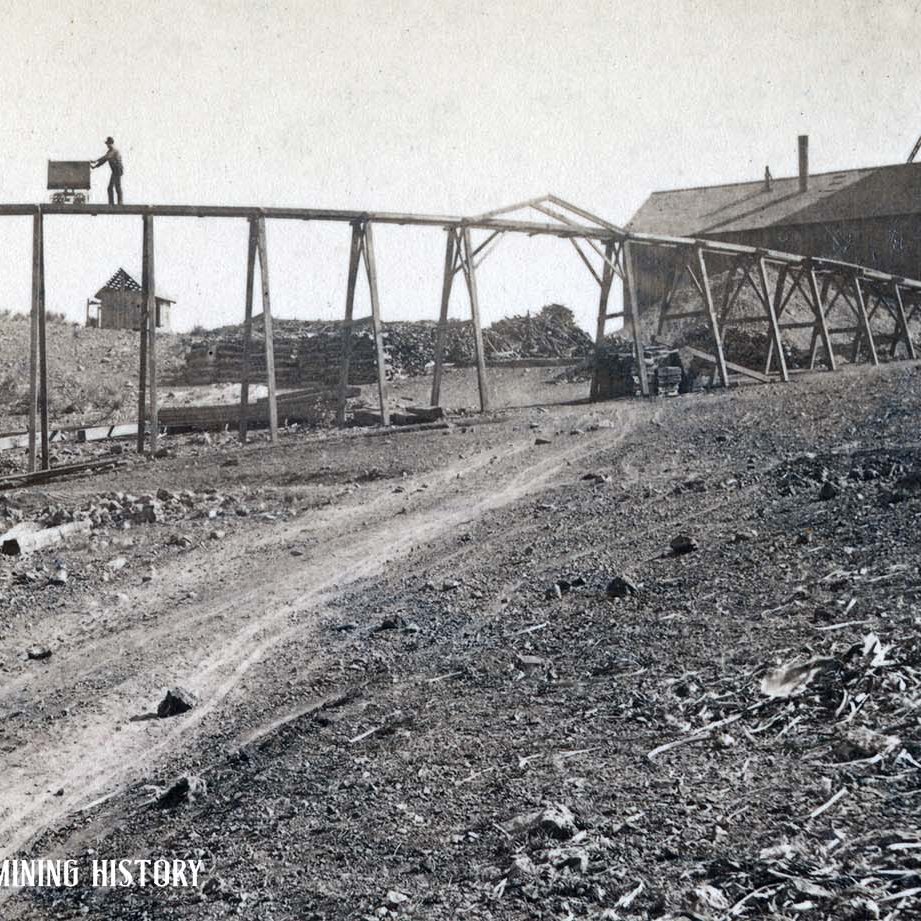
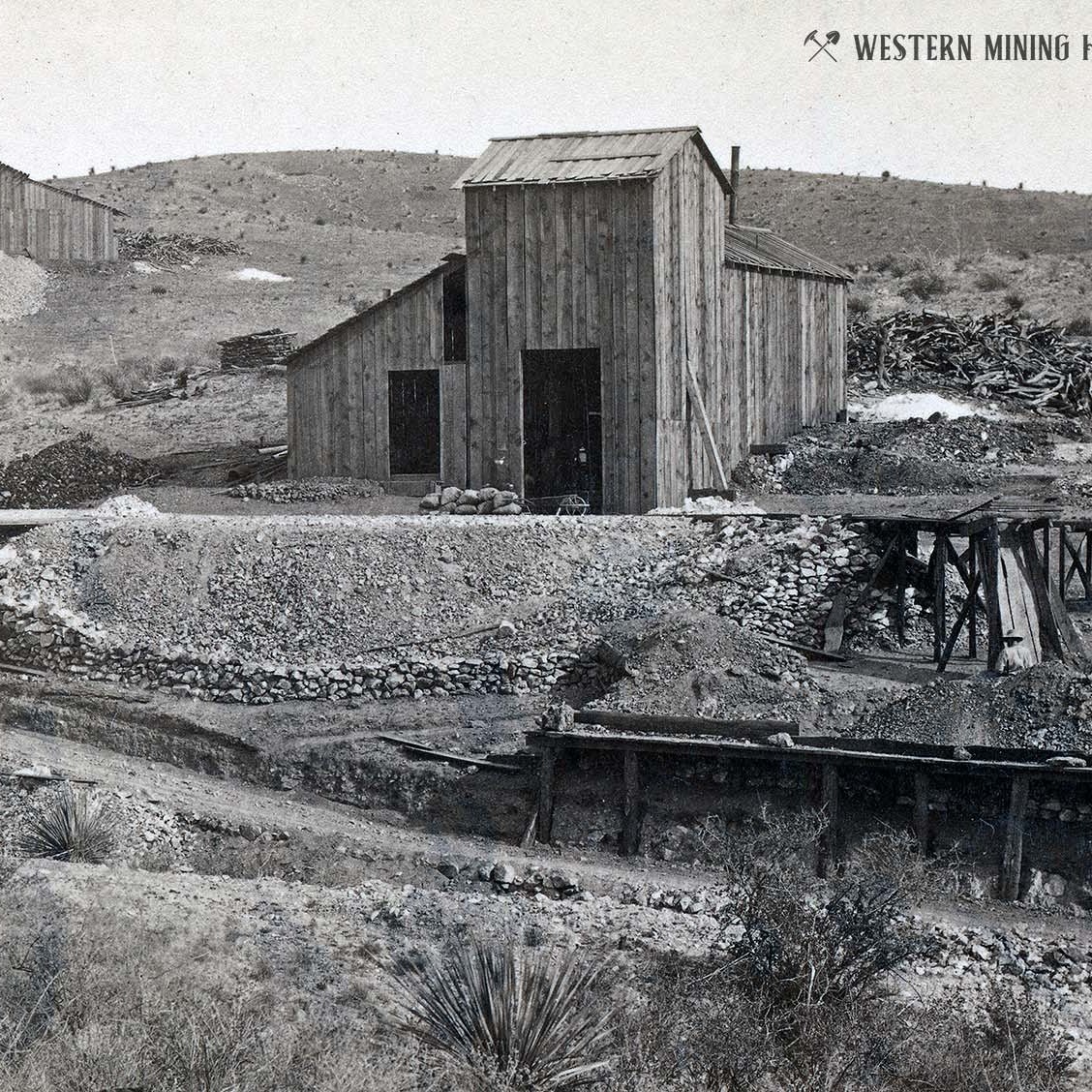
By 1880 there were over 3000 mining claims in the Tombstone district. Most of these claims were small operations that did not make a lot of headlines with their productions. However, there were several established operations with machines that produced thousands of tons in ore. Some of the notable mining operations in the district included, The Lucky Cuss Mine, The Tribute Mine, The Tough Nut Mine, The Owl’s Nest Mine and the The East Site Mine.

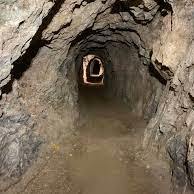
We took The Goodenough Mine tour that was led by a knowledgeable guide. He took us through the original 1879 workings of the mine, learned all about nineteenth century hard rock silver mining. Saw what the ore looked like and he told us how it was processed, we also was some pretty rocks and minerals. There were old artifacts and structures that have been in place for 130 years.

The whole mining area here in Tombstone is about 400 miles of trails starting at the surface and going about 500 ft. down, it’s like a city down there.
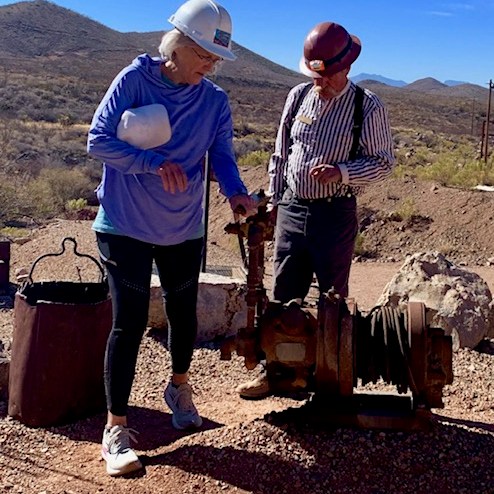

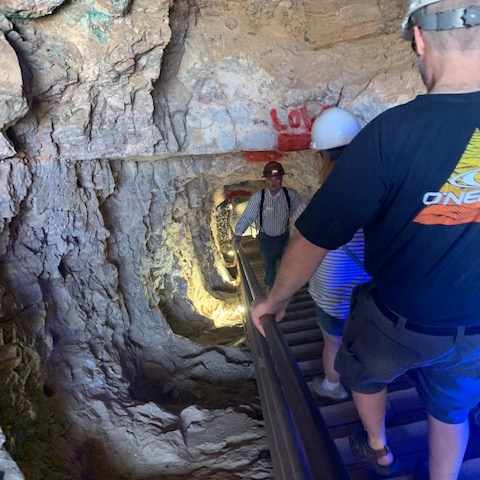
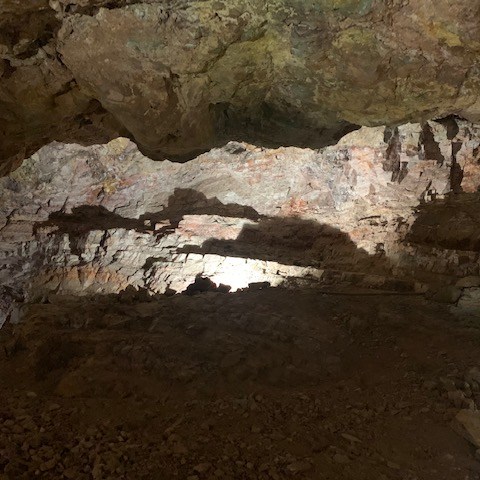
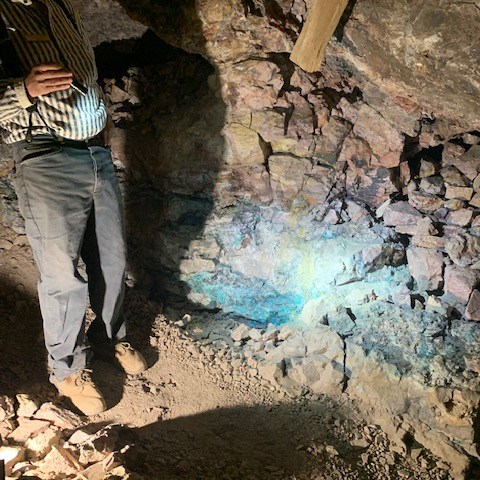

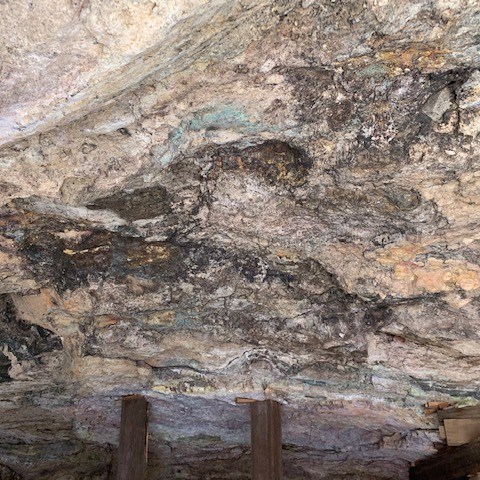
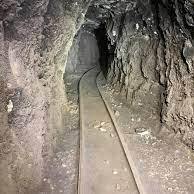
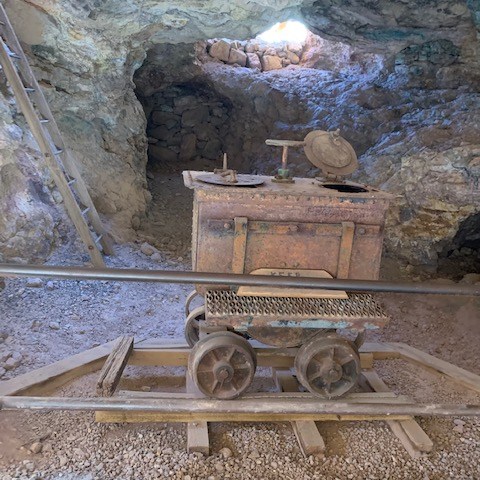
Yes you can get married in the mine. This is what the miners used when they had to relieve oneself.

Our guide told us how hard a miner’s life was. They faced many dieases and dangerous working conditions, miners died when they were only 30 years old. Early miners used a series of ladders that descended hundreds of feet into the ground. Some fell off ladders and slipped on rocks. At the end of the day, when the miners were tired, not everyone made it to the top successfully. Hoists and open cages replaced ladders, but miners sometimes fell or banged into jutting rocks. Miners suffered from mercury, lead or arsenic poisoning. Plus metals like copper, zinc and non-metallic minerals like asbestos, talc and borax. Many got sick from drinking dirty water and living too close together. Power drills and electric lights were advancements that also carried risks. Power drills created more dust, so miners who inhaled too much silica developed the chronic lung disease called silicosis. Many miners were electrocuted after electric lights were installed in underground mines. Also from bugs like hookworm and dynamite explosions.
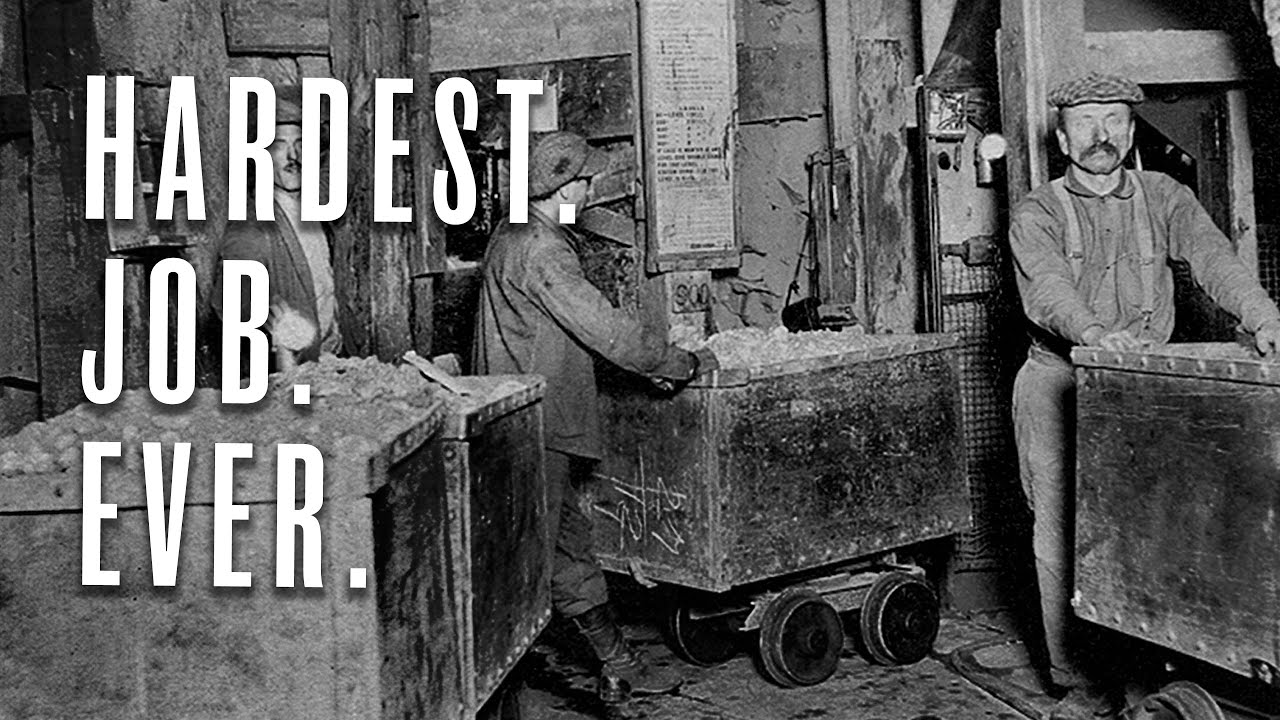
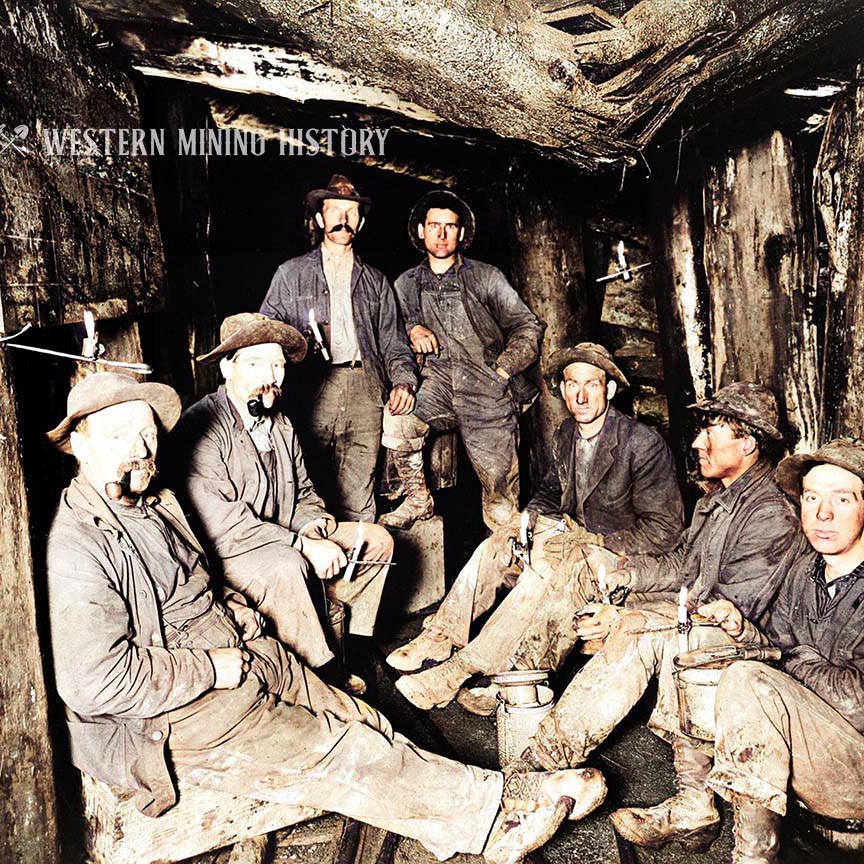

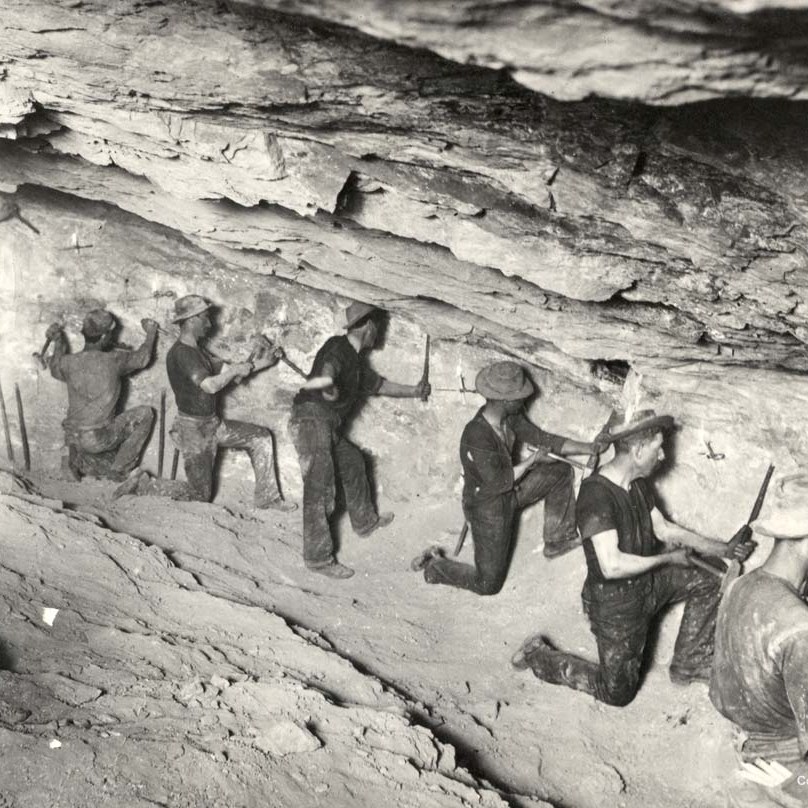
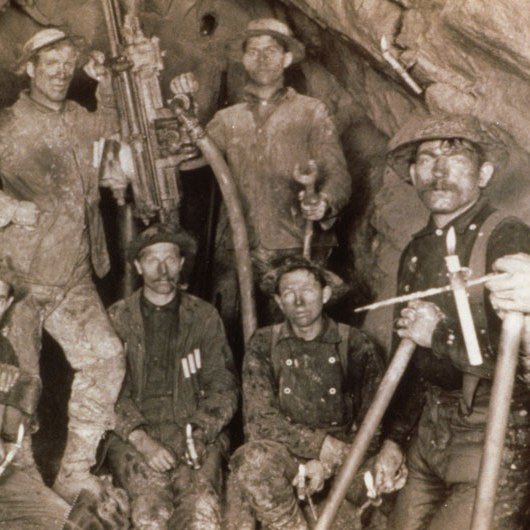
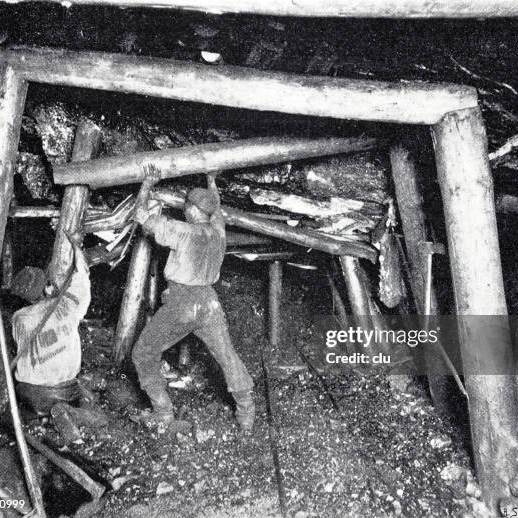
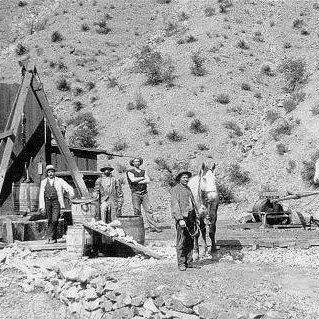
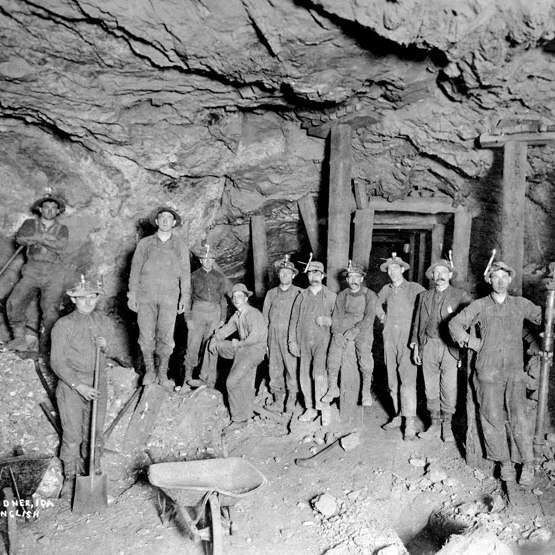
In the early 1880s, the silver mines of Tombstone produced vast riches, and the thousands of miners making four dollars a day were spending lavishly at Tombstone businesses. While many movies have been made about Tombstone, none of them have captured the frenzied scene undoubtedly unfolding every day on the streets of Arizona’s largest city at the time.
“Mining has always had this glittery Powerball mentality.You can strike it rich, even if your chances aren’t good.”
We all enjoyed the tour, it was definitely a unique and authentic adventure. I never realized and was amazed at how hard a job it was, especially working 10 hour days. As you can tell the life of a silver miner blew me away, I hope I didn’t bore you. Mining continued all over Tombstone for a couple of decades until the mid-1920s when most of the ore had been mined out. By 1930 most of the mines in the district had closed down and most of the miners left town. Mining however continued on small scale for more years. Today the town of is a small town of just about 1000 people. People still venture out into the desert in search of gold and silver using metal detectors and other simple tools.
Estimates vary widely as to how much silver was mined a Tombstone, but it is said that over 32,000,000 ounces were produced, worth over a billion dollars today.

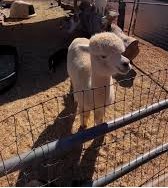
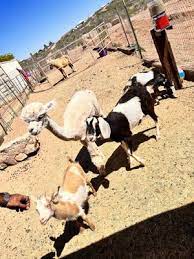
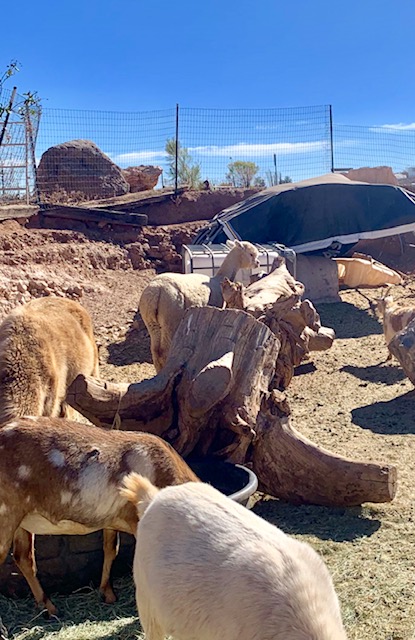

This is a Zebu cattle, also known as humped cattle. The man who owned the Zebu said it was like his dog, he petted it and said once a week it jumps this 6 foot fench and wanders around Tombstone. He said sooner or later someone will tell him where the Zebu is and he’ll bring it back.

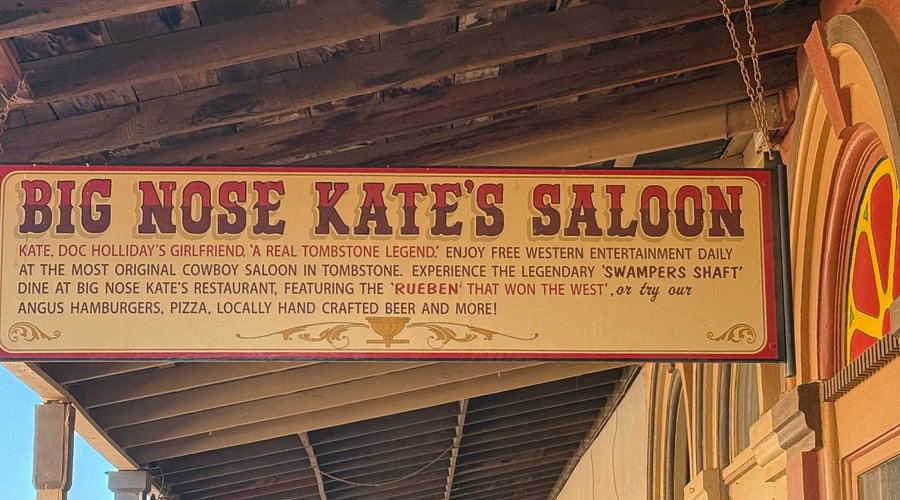
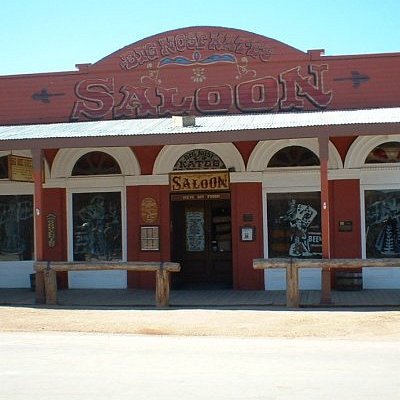
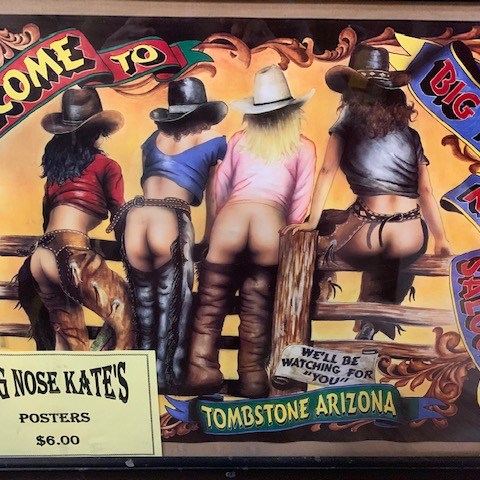
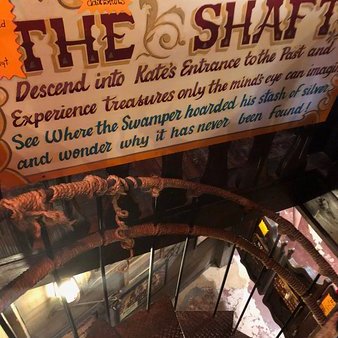
Big Nose Kate’s Saloon first got its start as The Grand Hotel opening in September 9, 1880.The Grand Hotel was declared as one of the finest hotels in the state, the hotel was luxuriously furnished, provided thick carpeting, and its walls were adorned with costly oil paintings. The hotel opened with an invitation-only ball on September 9, 1880. During its first few years, the hotel often housed some of Tombstone’s most famous residents including Wyatt and Virgil Earp, Doc Holliday, Big Nose Kate and the Clanton Gang. Sadly, The Grand Hotel did not survive the devastating Tombstone AZ fire of May 25, 1882. Today, the building is home to Big Nose Kate’s Saloon.

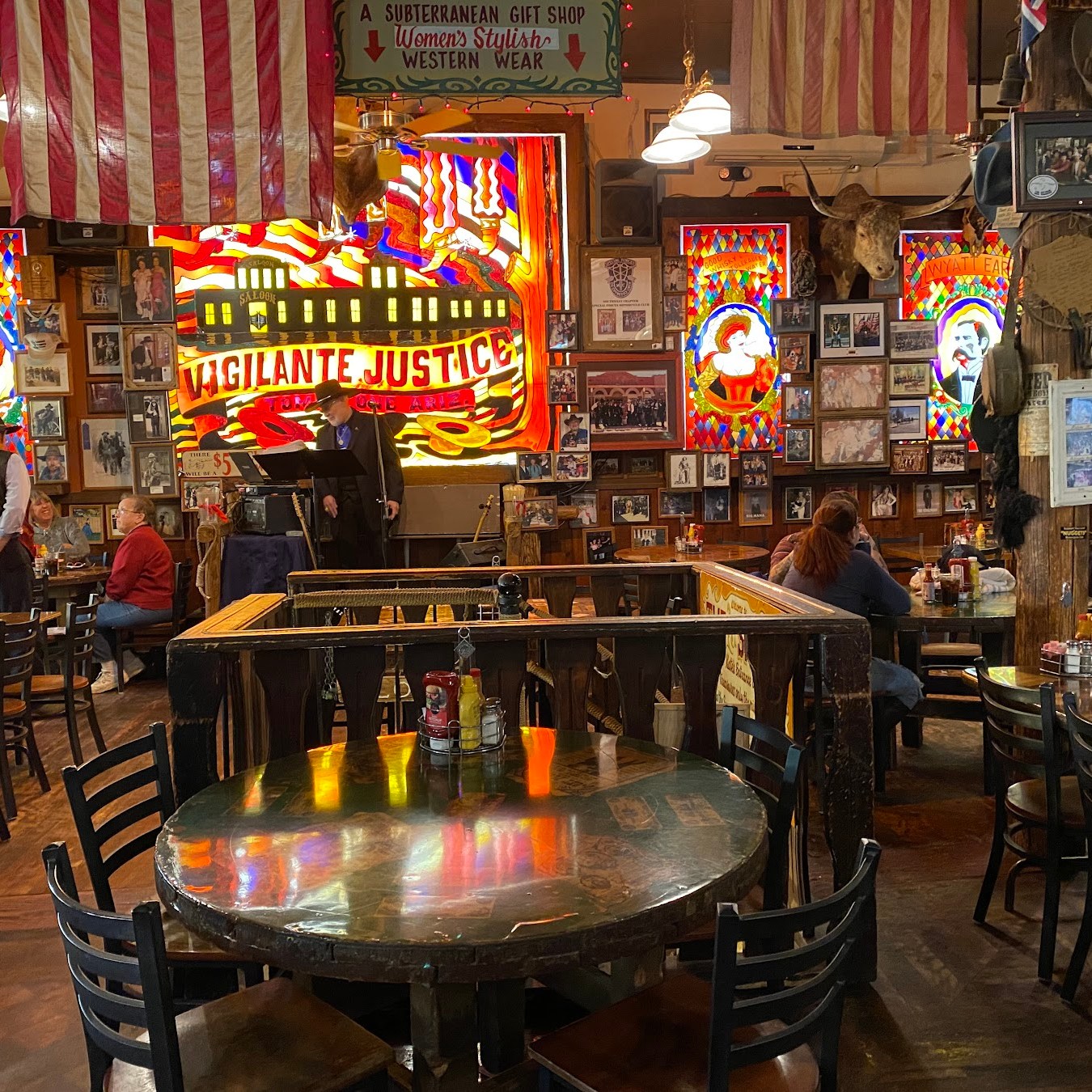

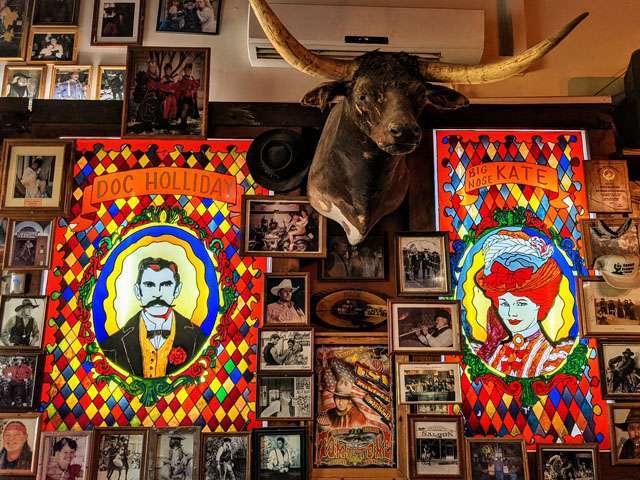
Kate and Doc Holiday
If your ever in Tombstone stop at Big Nose Kate’s for a bite to eat. They have good food and a fun atmosphere. There is always someome singing and people are having a good time.
A Faithful 30 seconds
On the cold afternoon of October 26, 1881, four men in long black coats strode purposefully down the dusty Fremont Street. Around the corner, in a narrow vacant lot behind the O.K. Corral, waited six cowboys. In a fateful thirty seconds, nearly thirty shots were fired at close range. The gunbattle between the Earps – lead by Marshal Virgil Earp, his brothers Wyatt and Morgan and their friend, Doc Holliday – and the Clanton-McLaury gang left Billy Clanton and the McLaury brothers dead and Virgil, Morgan, and Doc wounded.
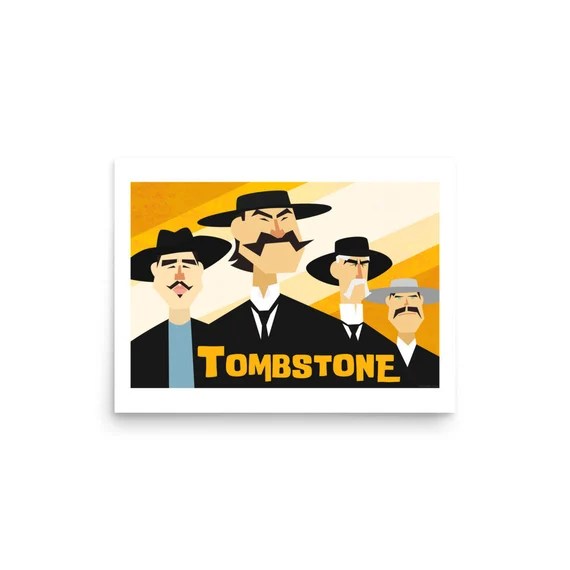
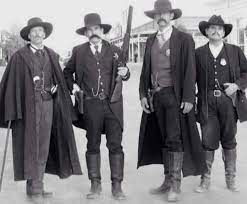
Theses guys are the real deal, Virgil, Wyatt, and Morgan Earp and Doc Holiday.
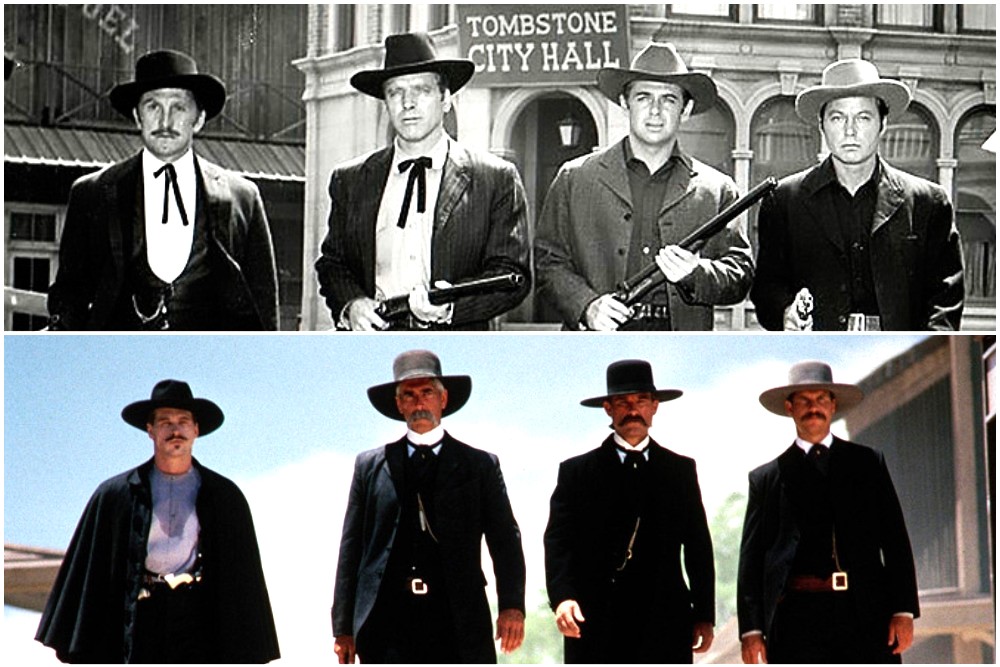
The first picture is Kirk Douglas, Burt Lancaster, John Hudson and DeForest Kelly in the 1957 movie
The second picture I’m sure you know, are Val Kilmer, Sam elliott, Kirk Russell and William Paxton in the 1993 movie.
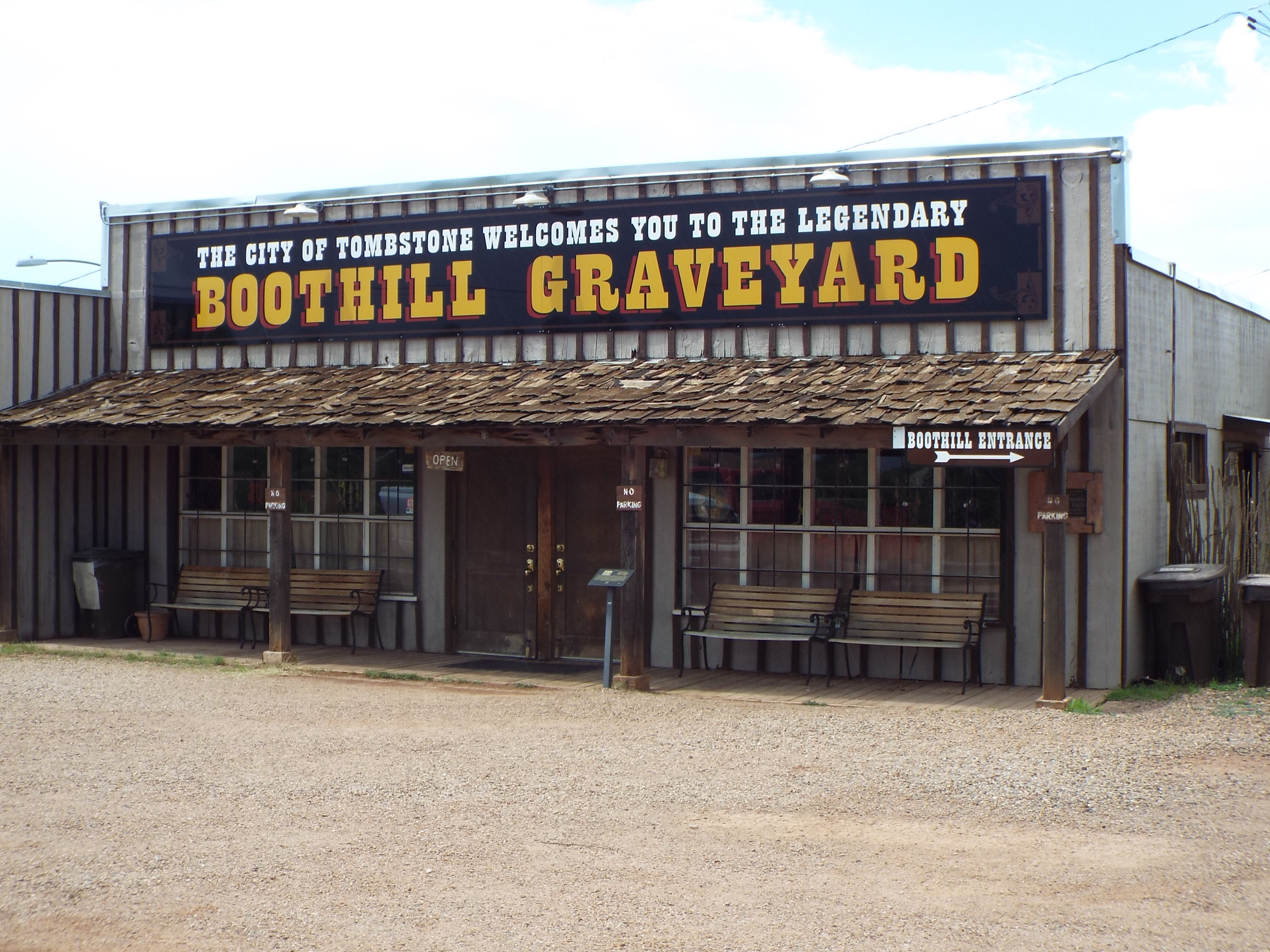
If your in Tucson you gotta go a little further to Tombstone and and see The Famous Gunflight at O.K.
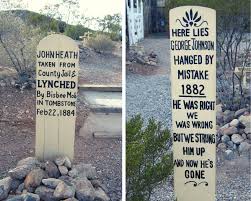
Corral. And if you have time check out Boothill Graveyard with it’s unquie grave markers.

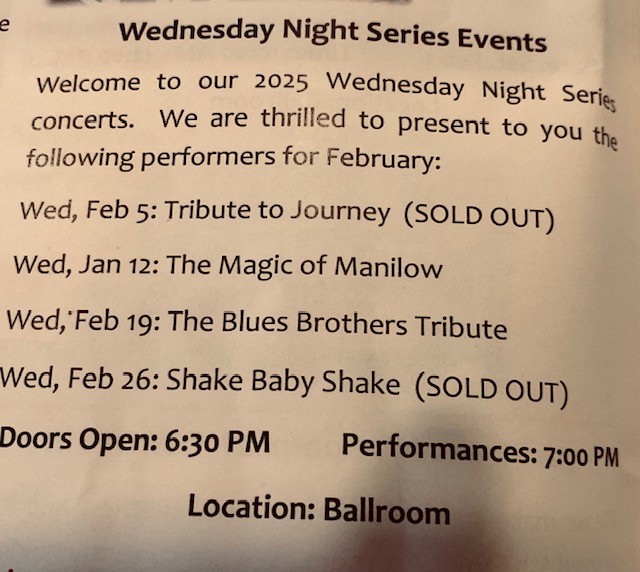
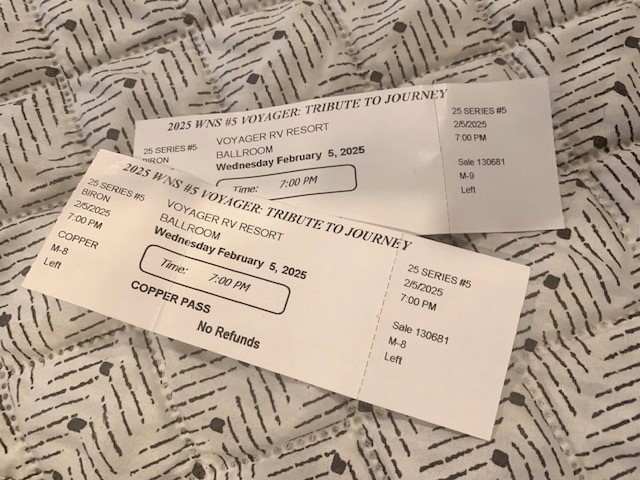
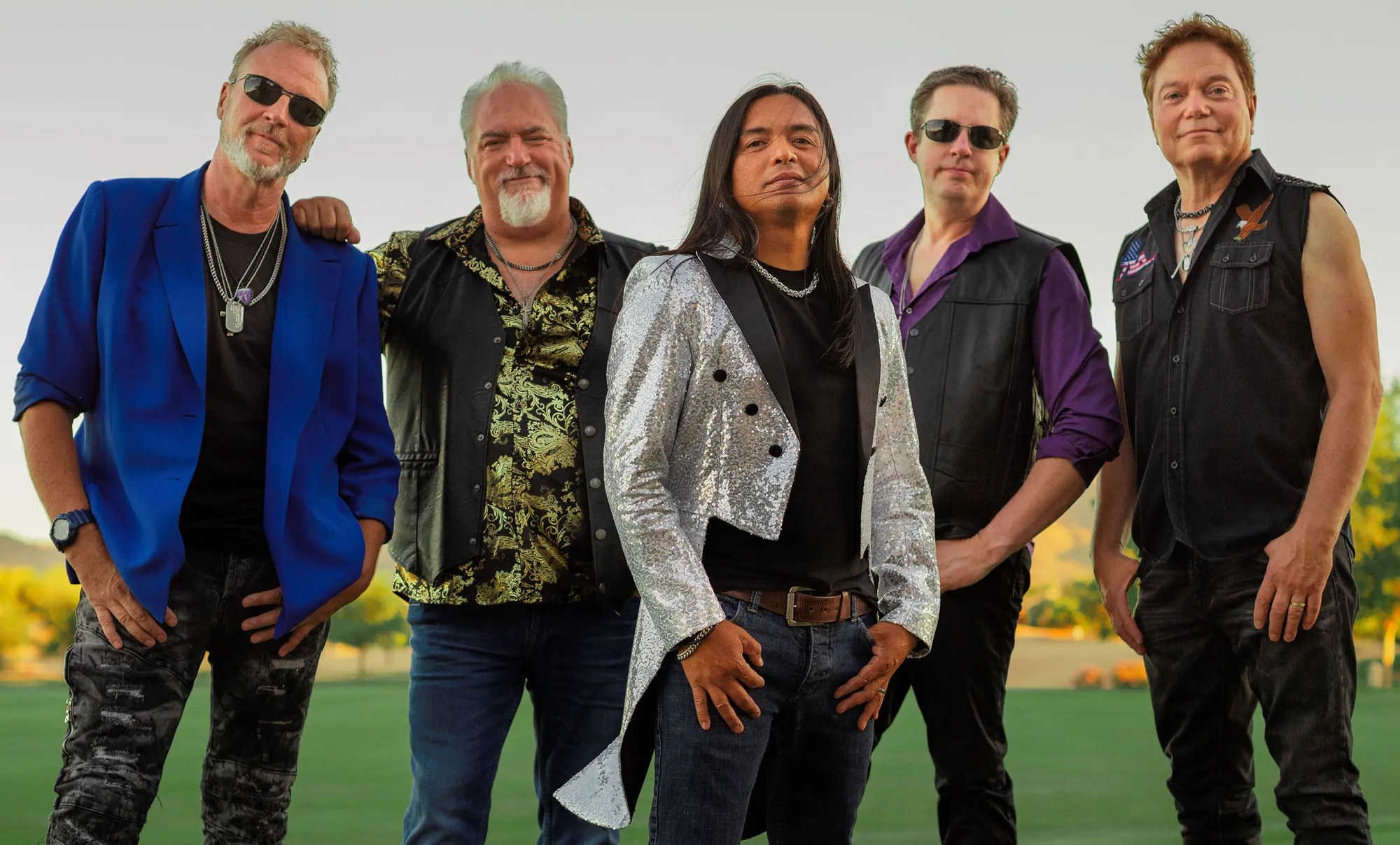
The show was fantastice! Darwin Santos was the lead singer, if you closed your eyes you would think it was Steve Perry on stage. The band was great too, featuring lots of high energy musicians and vocalists who sounded grear together. The fellow second from the left was on the keyboards and guitar, he is from Buffalo NY.


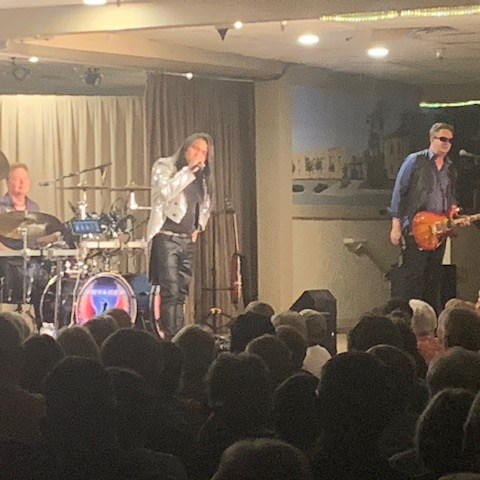

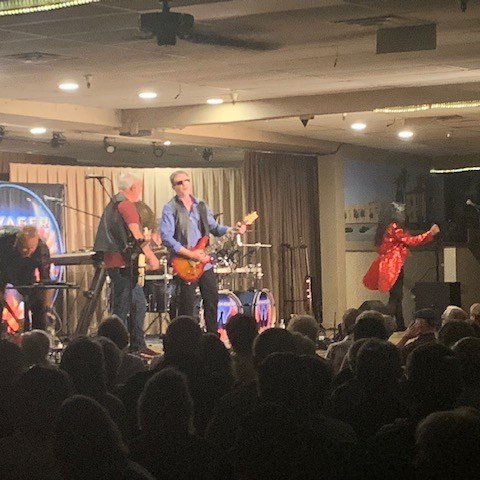
“Better than a tribute band, Voyager killed it note for note, song after song. Vocals, guitar-unbelievable! Highly recommend you see them!” – Morris F. Lots og good reviews
Voyager is an awesome Journey tribute band, they travel all over the world so if their ever in your area you gotta go see them. What’s your favorite Journey song? Is it . . . . Anyway you want it, Faithfully, Don’t Stop Believin, Send her My Love, etc. Or maybe you just don’t like Journey.
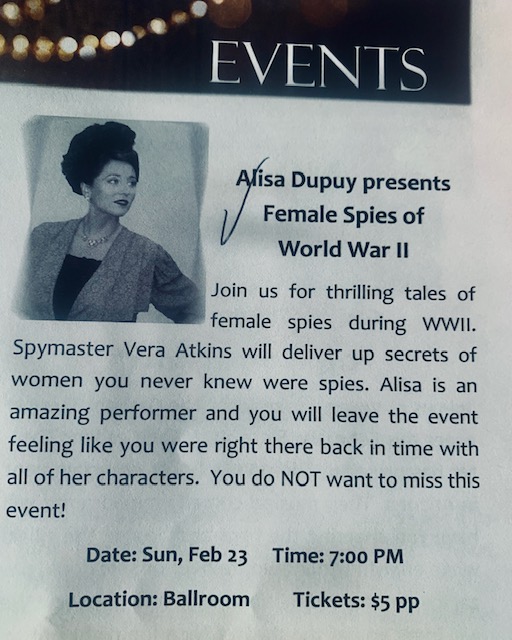
Alisa Dupuy did another fantastic show on Female spies of WWII.

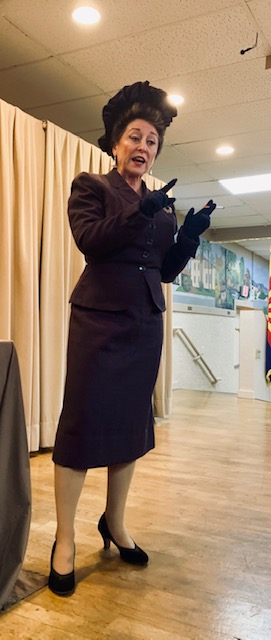
She dressed exactly like a professional lady did in the 1940s with high heels, hat and gloves. She even pretended to be smoking a cigarrette while talking.
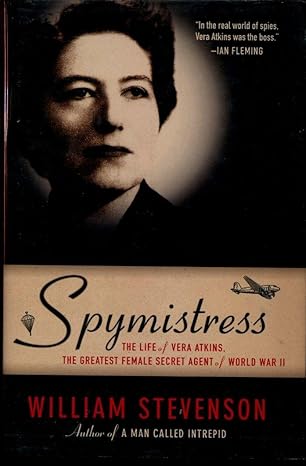
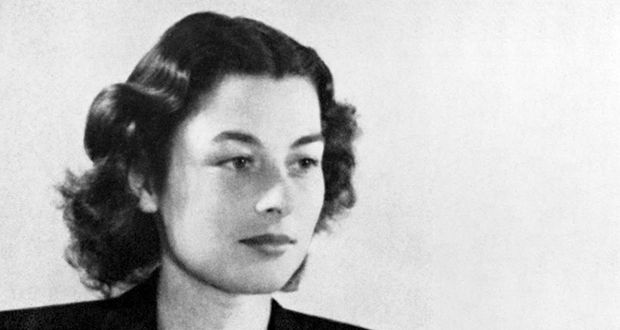
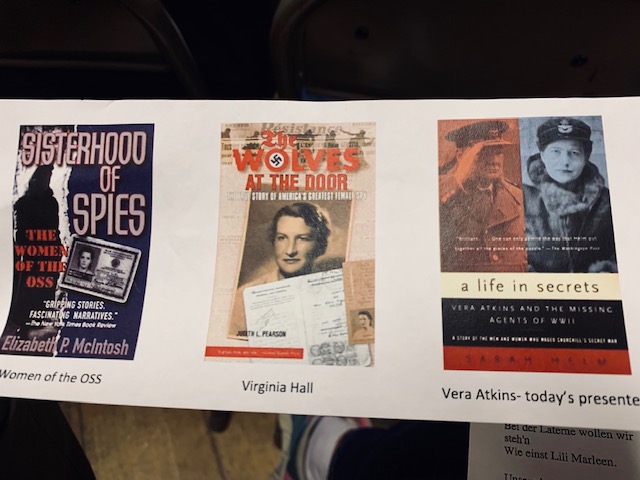
Vera Atkins was the Greatest Female Secret Agent of World War II. She is known as the Spymistress. She climbed her her way to the top in the Special Operations Executive, or SOE: Britain’s secret that was created to help build up, organize, and arm the resistance in the Nazi-occupied countries. Throughout the war she trained and mentored the agents for the SOE’s French Section, which sent more than four hundred young women and men into occupied France. But as the woman who carried out this astonishing effort was quintessentially English, Atkins was nothing of the sort. As we follow her through the devastation of postwar Germany, we learn Atkins herself covered her life in mystery so that even her closest family knew almost nothing of her past and were reported “Missing Atkins recruited,
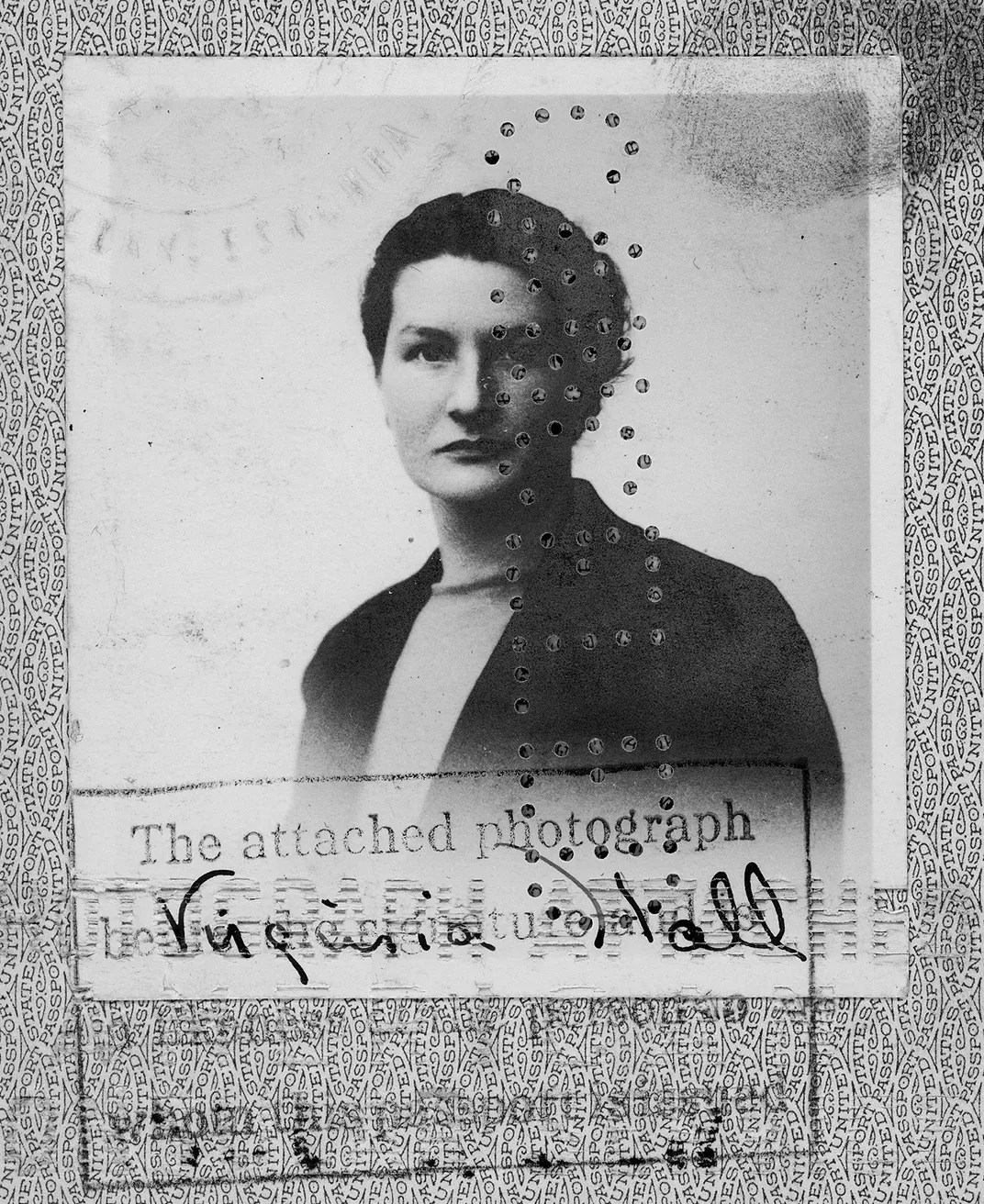

Then Vera Atkins talked about an amazing spy Virginia Hall. Vrginia was an American working for British intelligence during World War II France. She had lost a leg in a hunting accident years before. She named her prosthetic leg Cuthbert, she went by the name of Marie, Brigitte or any of a half dozen other names. Some saw her as a middle-aged newspaper reporter. To others, she was a doddering old woman. To the Nazis, she was an elusive enemy, “The Lady Who Limps.” She was so feared her that Klaus Barbie, among the most savage of Nazi leaders, ordered an urgent search for the woman he called the most dangerous of all Allied spies. She went on to become the first woman field agent sent into France before and during the occupation. She set up spy networks and safe houses, and engineered a prison escape and the explosion of Nazi supply lines. She also organized resistance groups, helped conduct sabotage operations, and reported secret intelligence back to the Allies. She was never caught, and escaped France by trekking 35 miles (56km) across the icy Pyrenees, in constant pain from Cuthbert. She was the first agent to live behind the lines in Vichy. She was one of the first women agents in the CIA and was the only civilian woman of the war to receive the Distinguished Service Cross. Virginia Hall is quite a lady with her immense personal courage and determination, and how she broke through the barriers of physical limitation and gender discrimination to become America’s greatest feared spy of World War II.
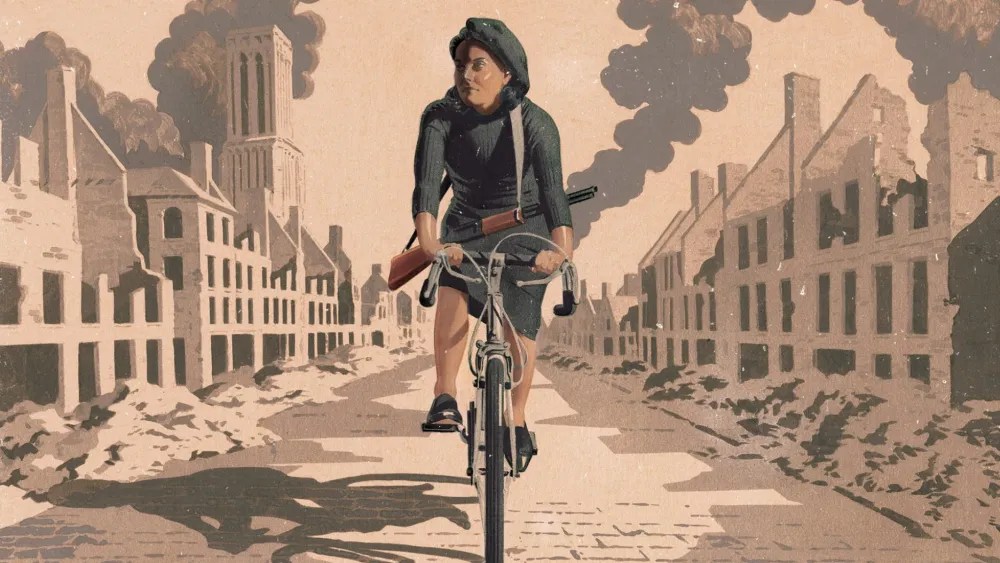
Vera Atkins talked about a few other American spies in WWII
Audrey Hepburn, as a teenager growing up in the Netherlands, the Oscar-winning actress bravely carried messages for the Dutch resistance during the Nazi occupation.
Julia Child, years before she learned to cook, she worked for the OSS during World War II. Child had wanted to join military services, but was denied because of her height – a statuesque 6’2. but she wasn’t too tall to join the OSS. She helped develop a shark repellent, so sharks would no longer accidentally trigger bombs. Ever modest Child said, “I was not a spy, only a lowly file clerk.” She received an Emblem of Meritorious Civilian for her work.
Women spies greatly helped in ending WWII, some say it would have lasted a lot longer or we wouldn’t have won the war. Either way, I never realized there were so many women spies that helped tremendously during the war with different skills and abilities. When Alisa Aupuy studied for this show she didn’t realize how many spies there were, especially American women, so she had to only pick a few to talk about. She also mentioned how these great women who were tremendous spies went back home to presume their roles as housewives, cooking and doing the laundry. Not telling any body of what you went thru during the war. If they did tell I’m thinking they would walk away thinking “what the heck is she on”

The Women Spies who Armed the Resistance, Sabotaged the Nazis, and helped win WWII

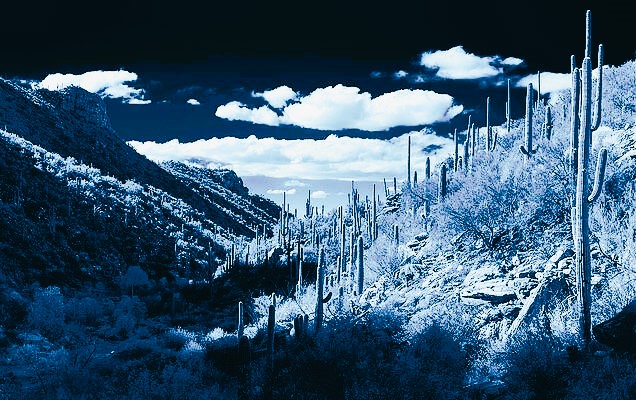
We have visited both Saguaro National Parks a few times and now it’s time to decide which is best East or West?
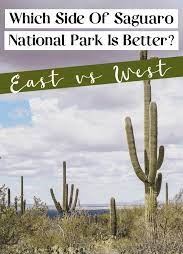
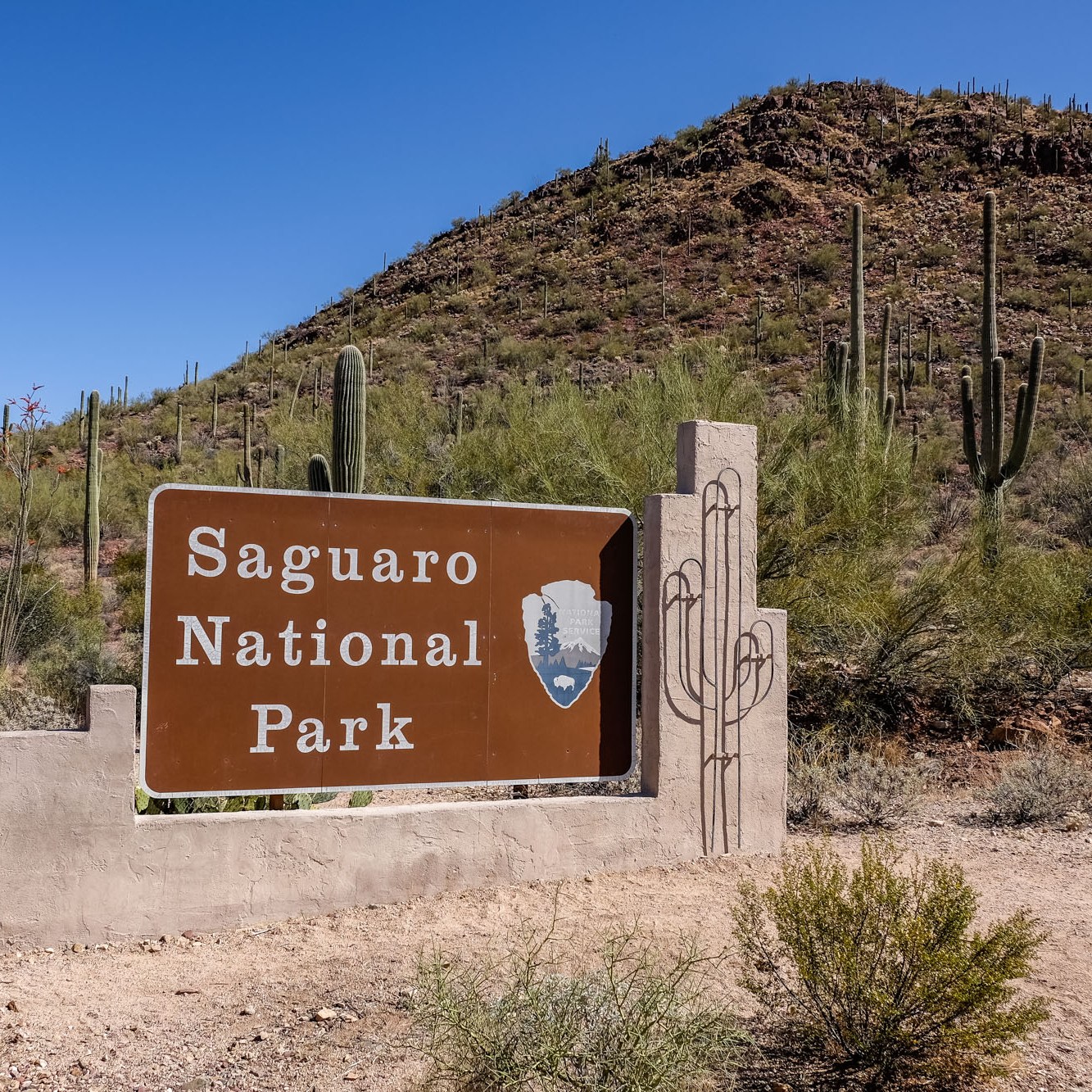
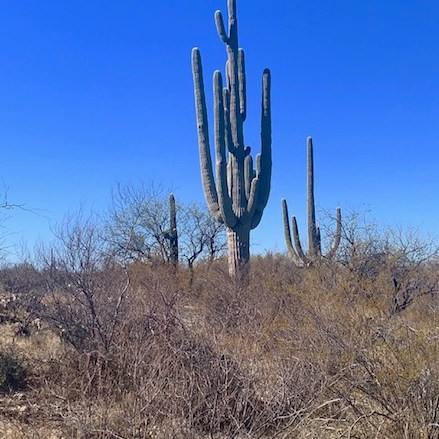
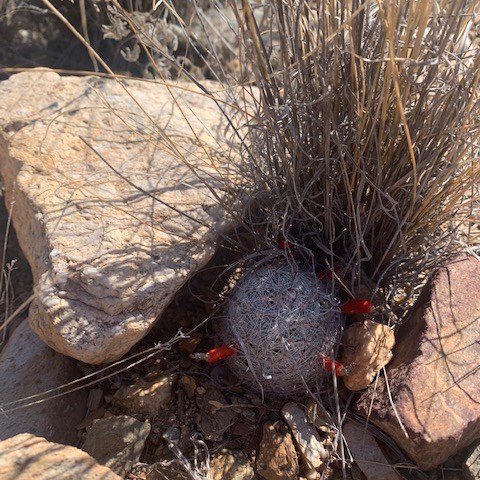
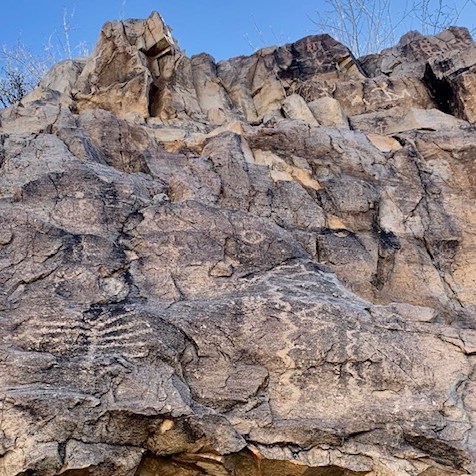

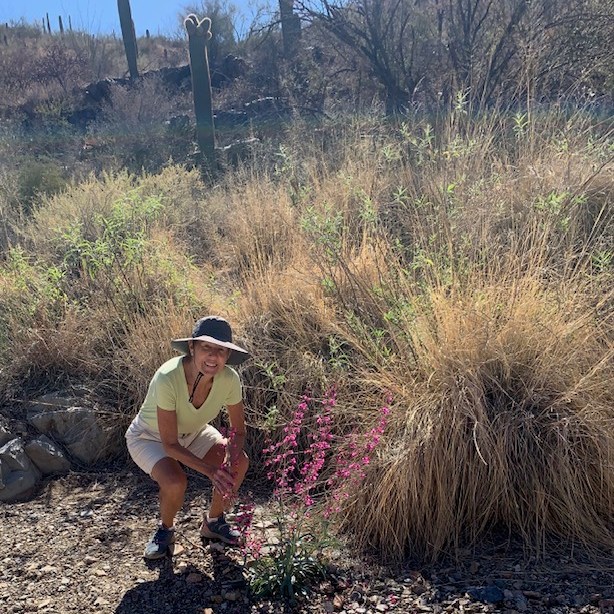

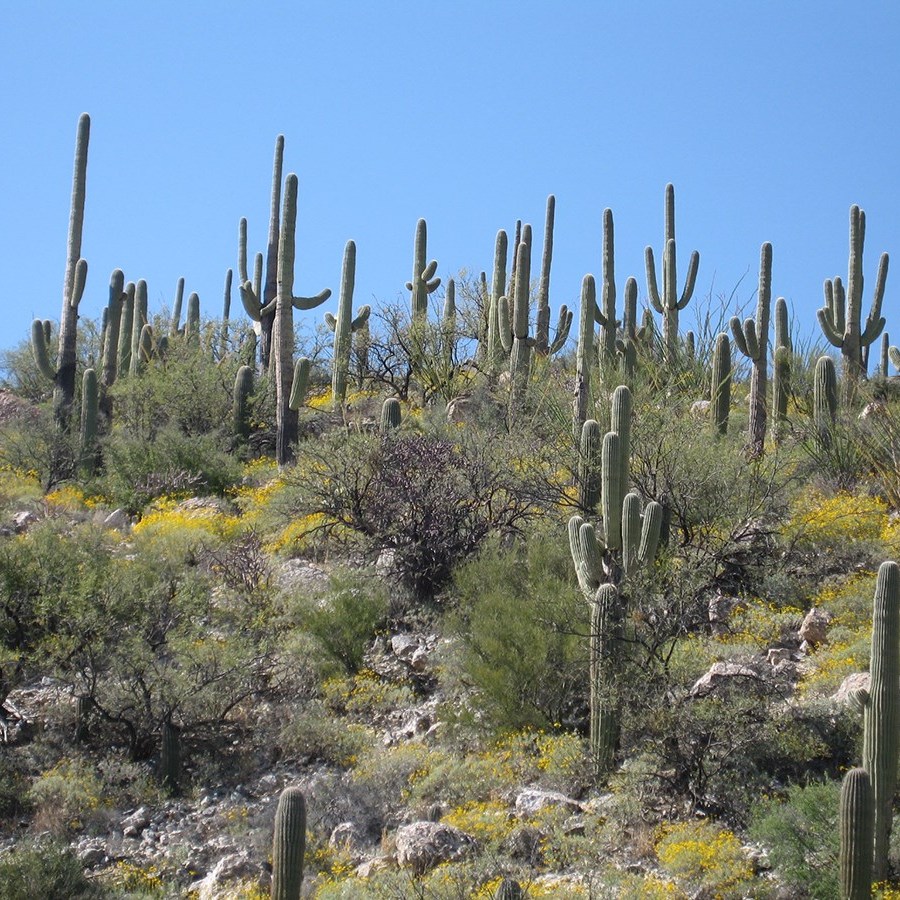
The photos above are from both parks. I believe that I prefer West, and Dave maybe East? I’m not sure, we’ll have to go back a few times and maybe decide.


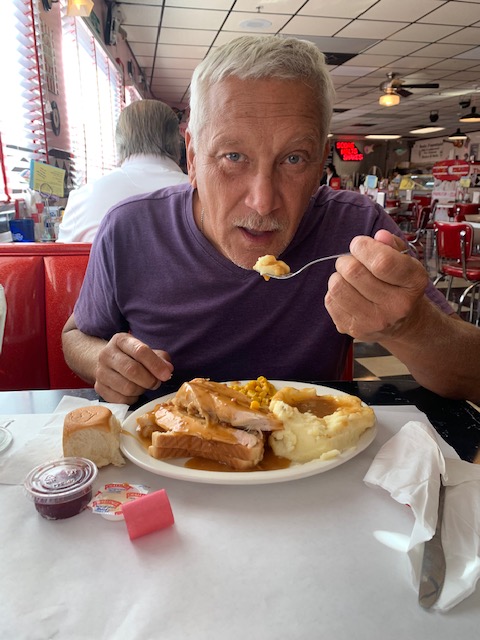
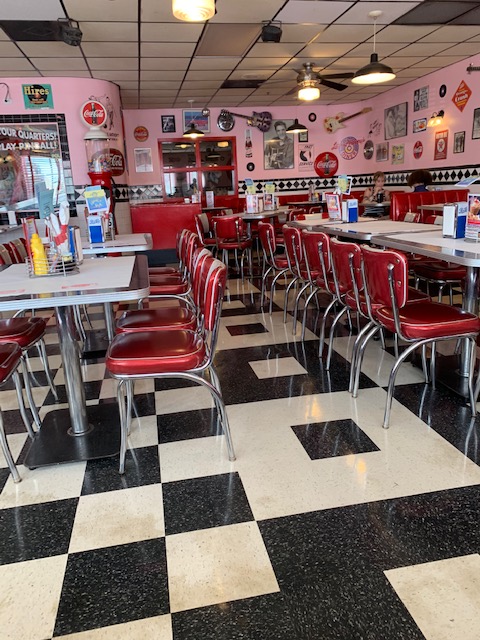
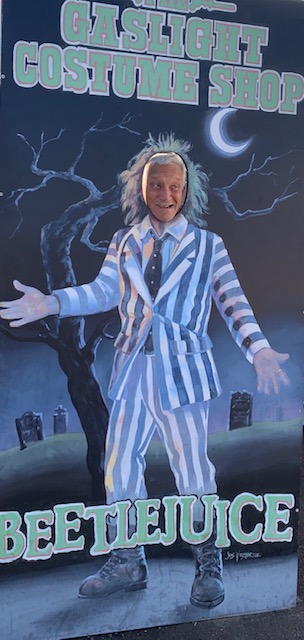
It’s the end of February, Dave & I celebrated our anniversary and it’s also an awesome guys birthday on the 27th. Can you guess who? We celebrated at Little Anthony’s a 1950’s diner in Tucson.
We would like to say “Hello” to a friend of ours, Dick Albright who we’ve known since our first voyage in Florida. He’s a great guy who been reading our blog since the beginning! Take care dear friend!
 ROADS OF DISCOVERY