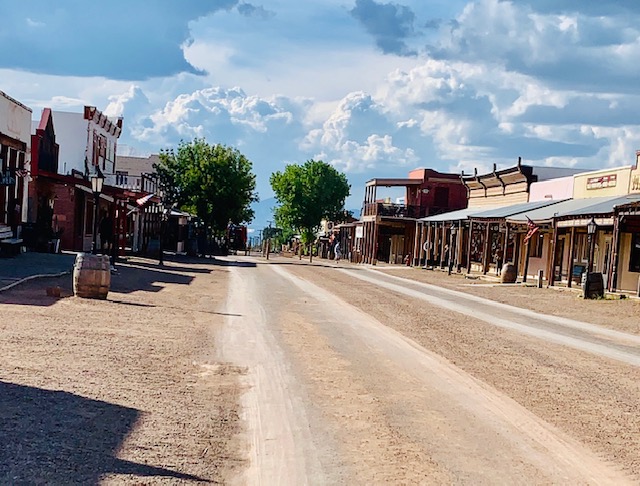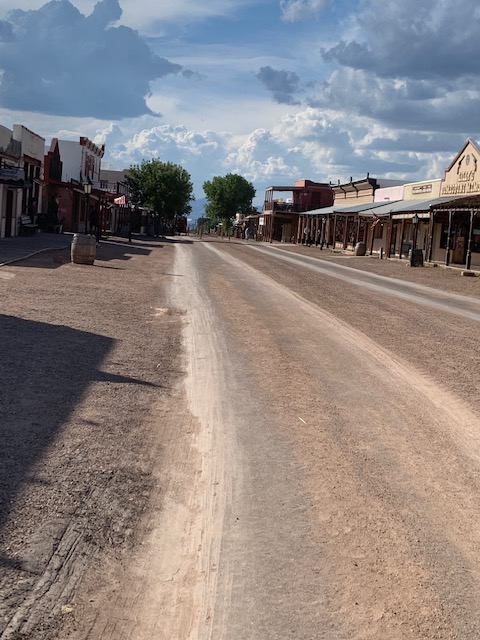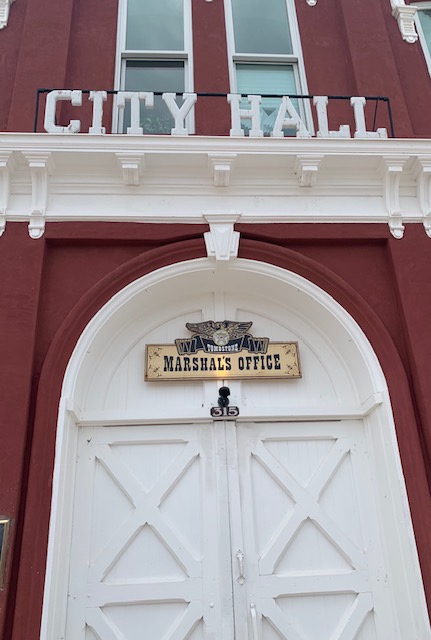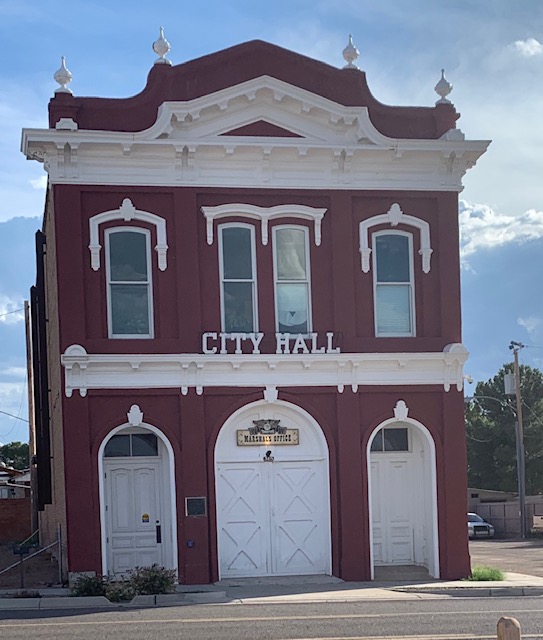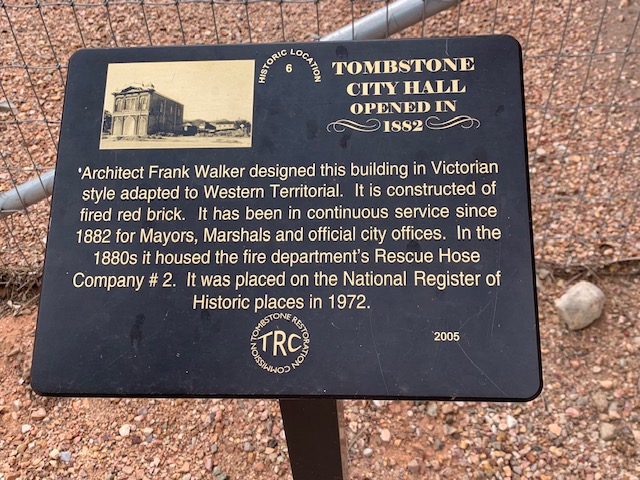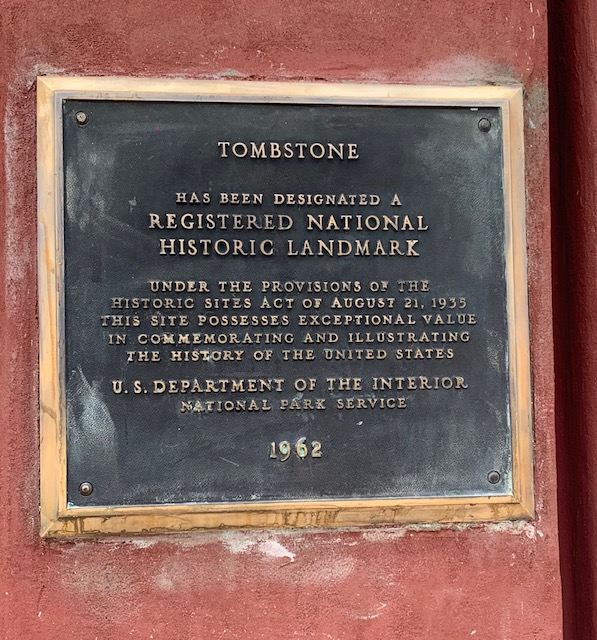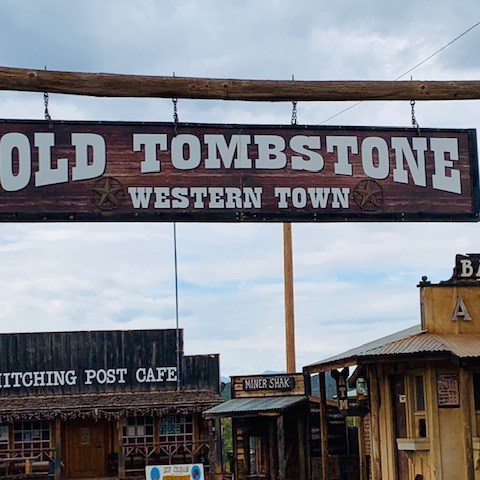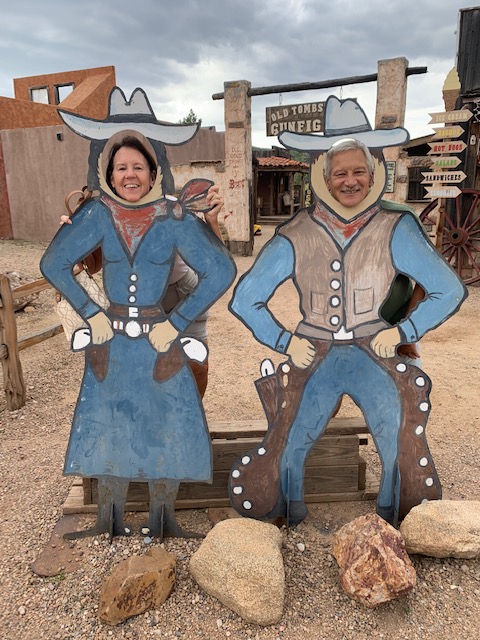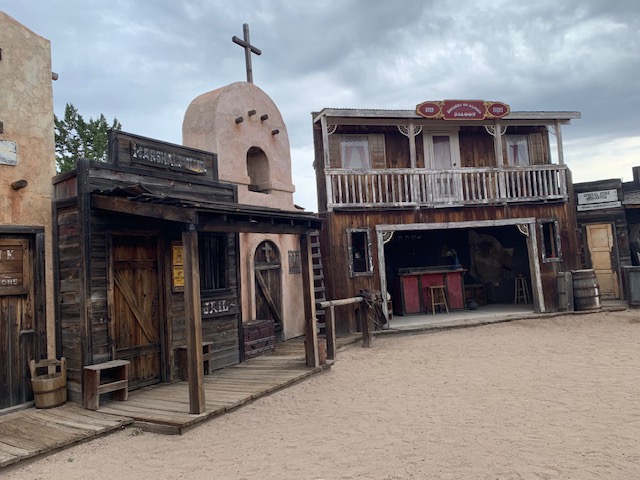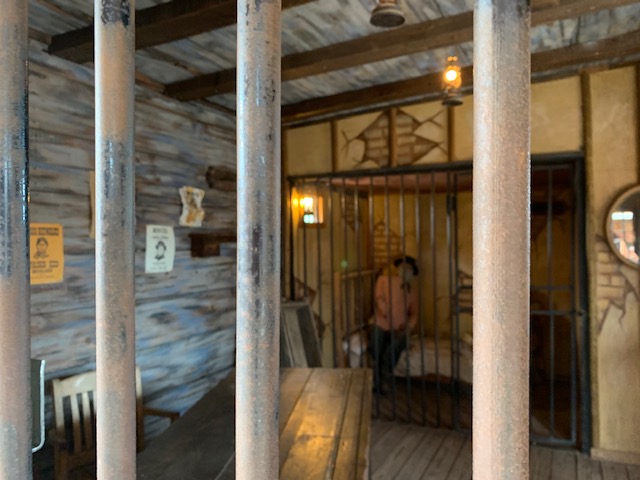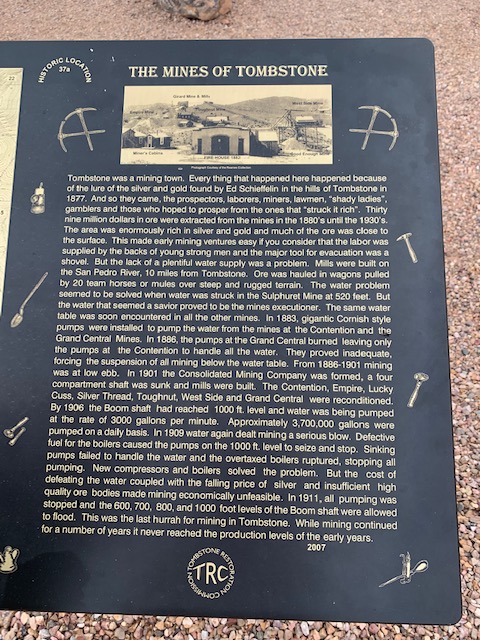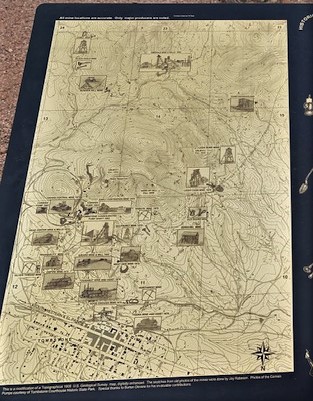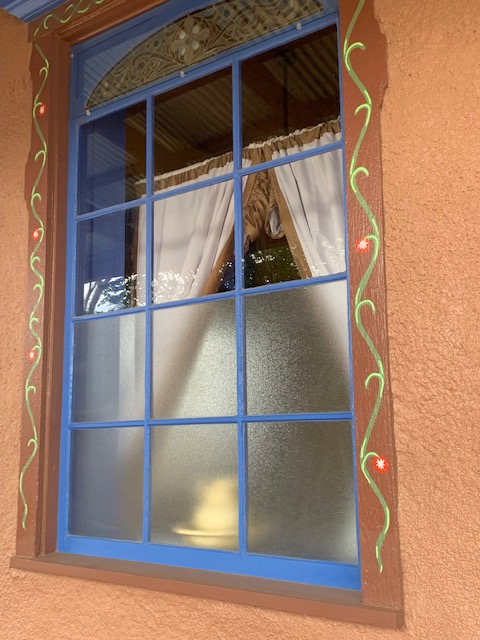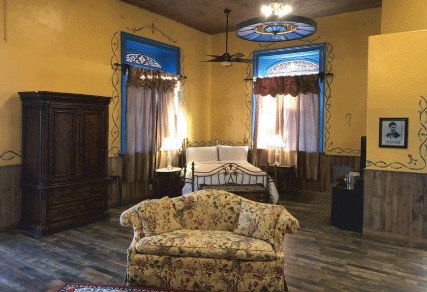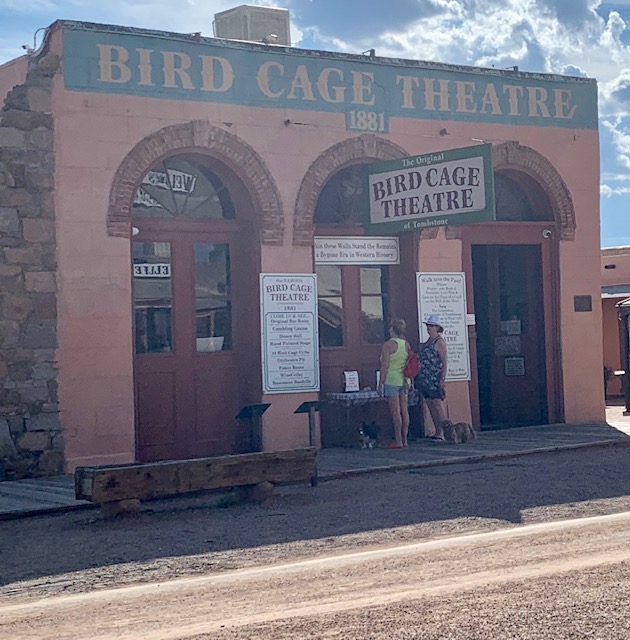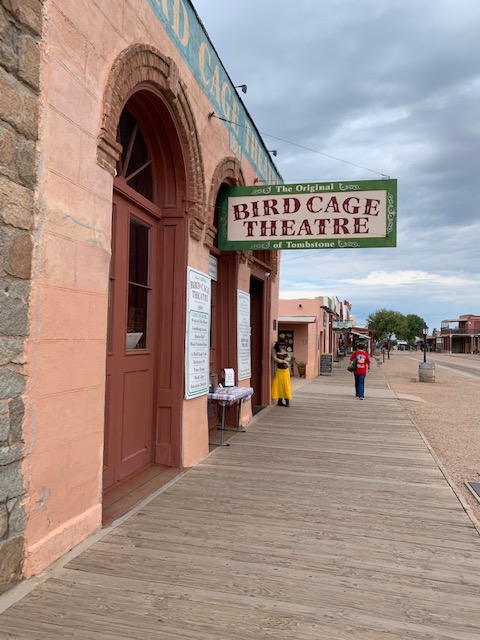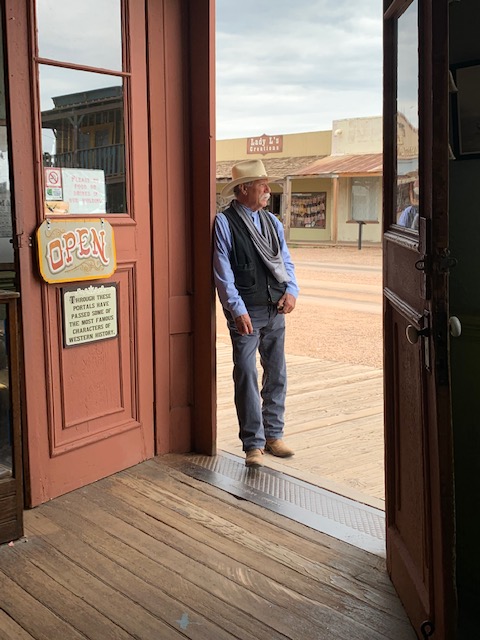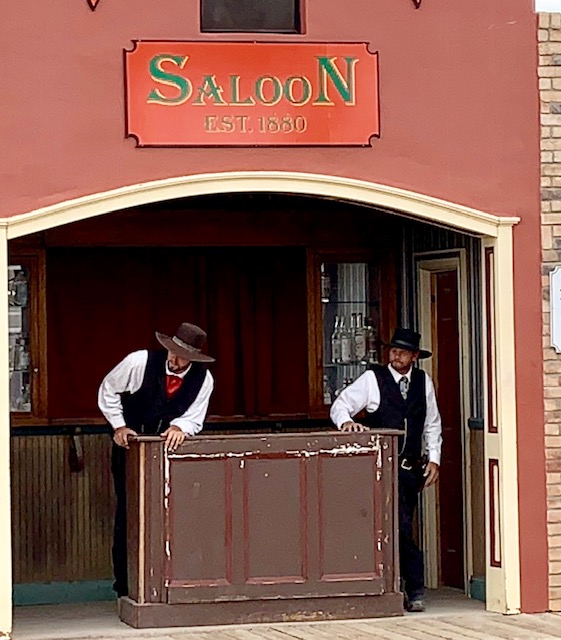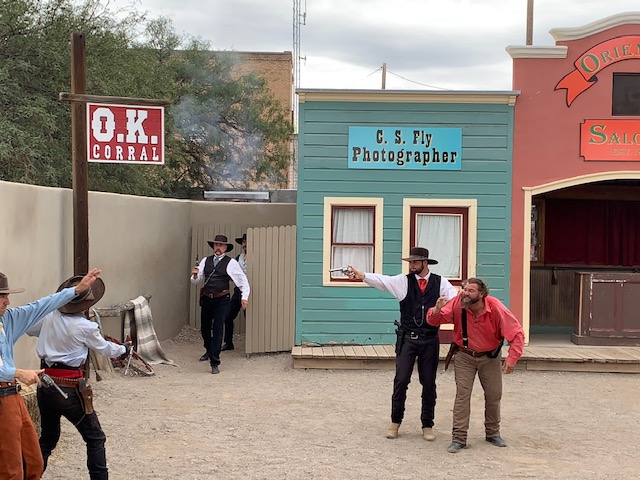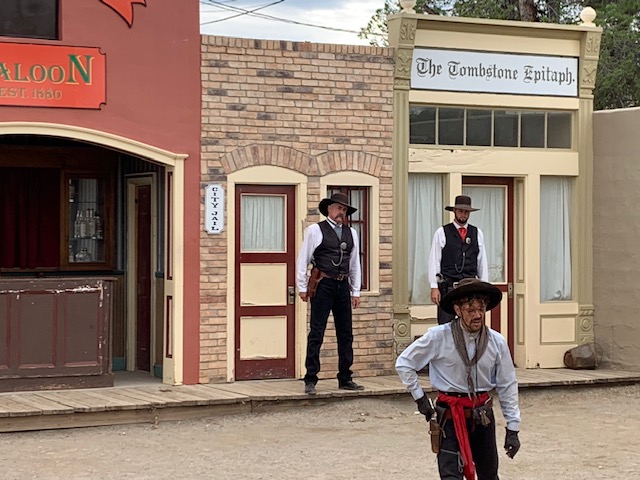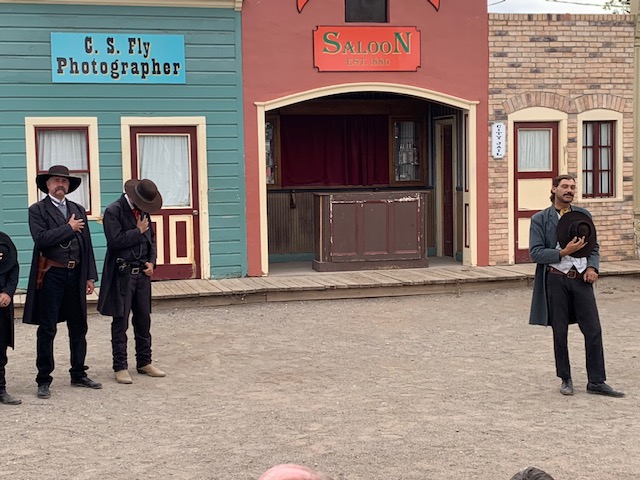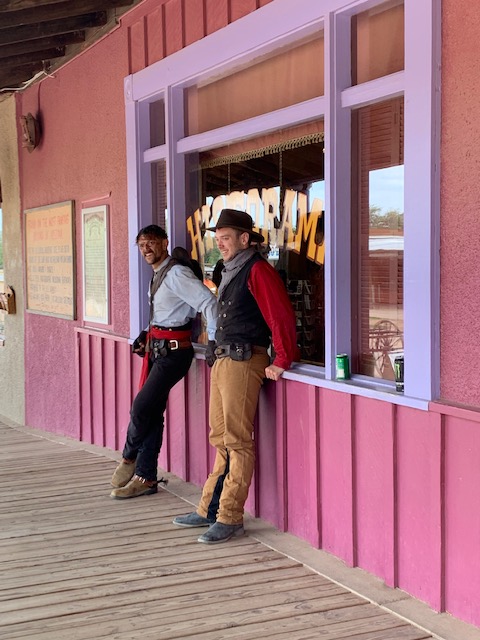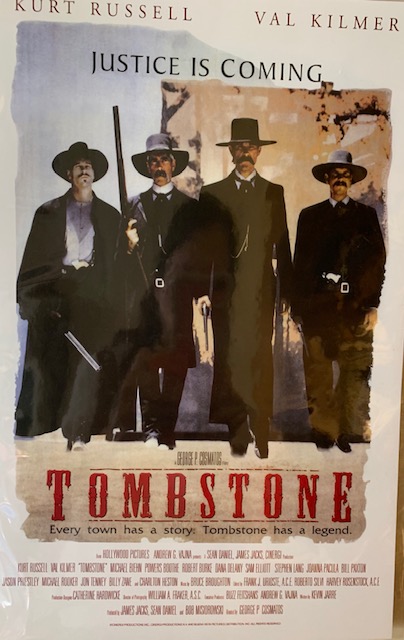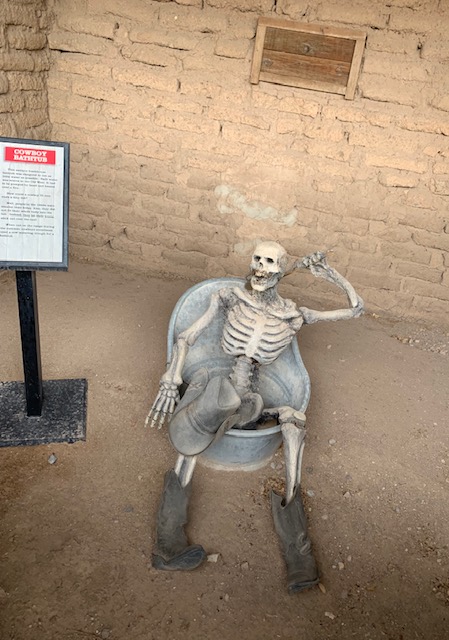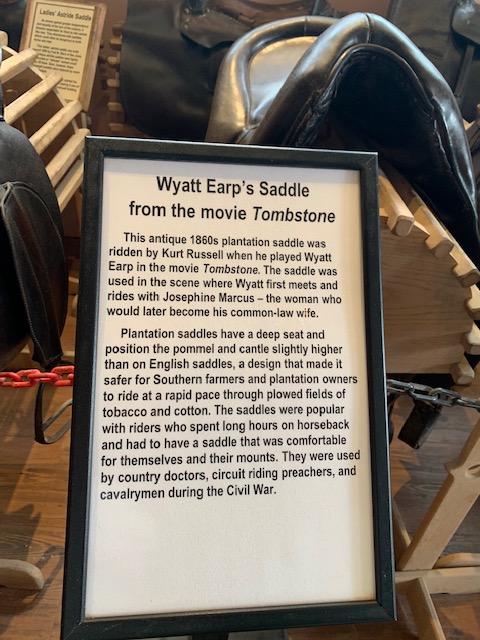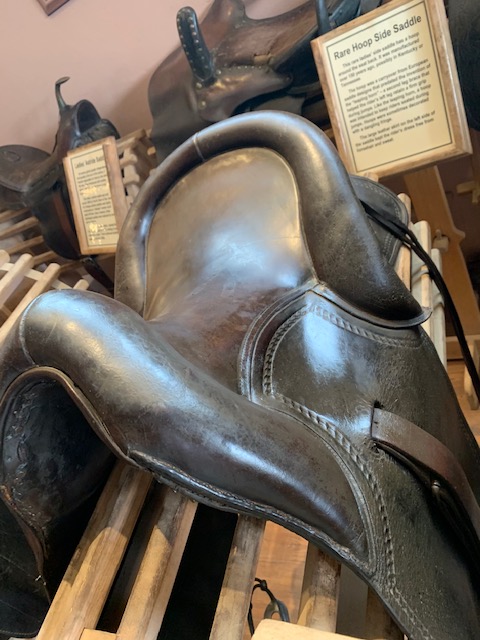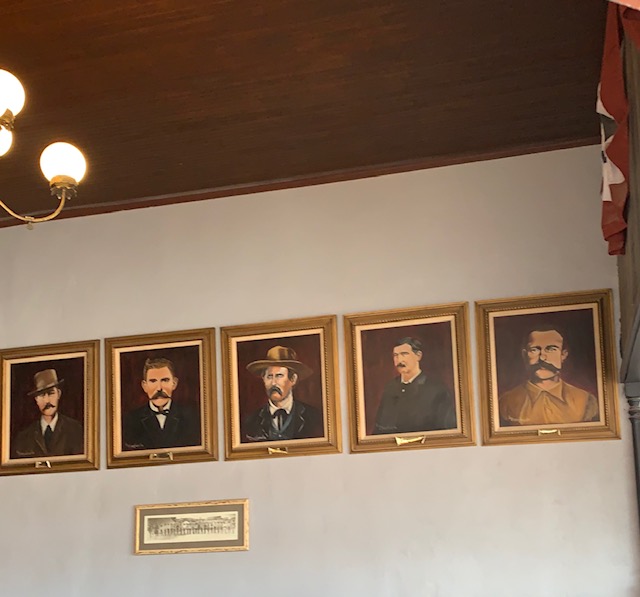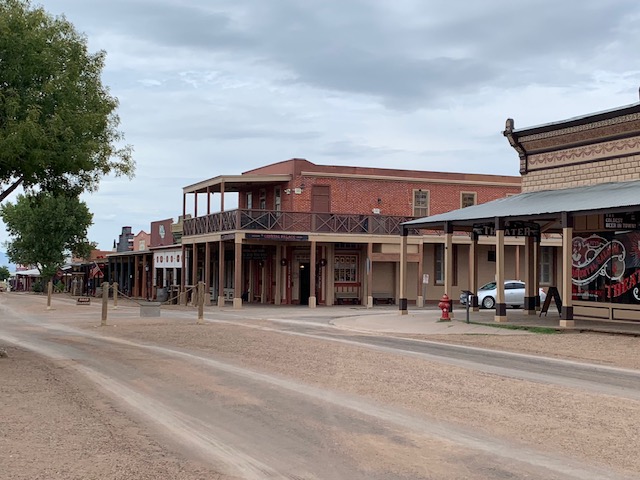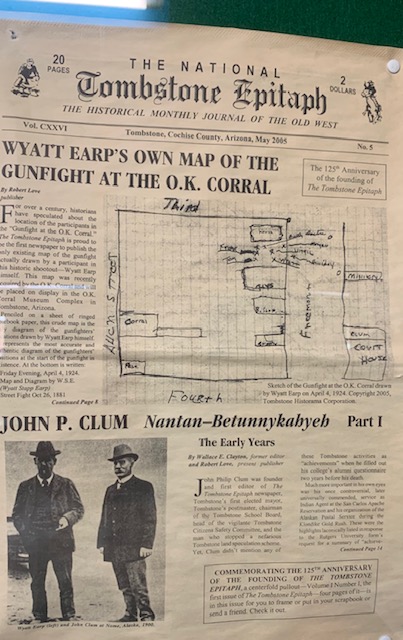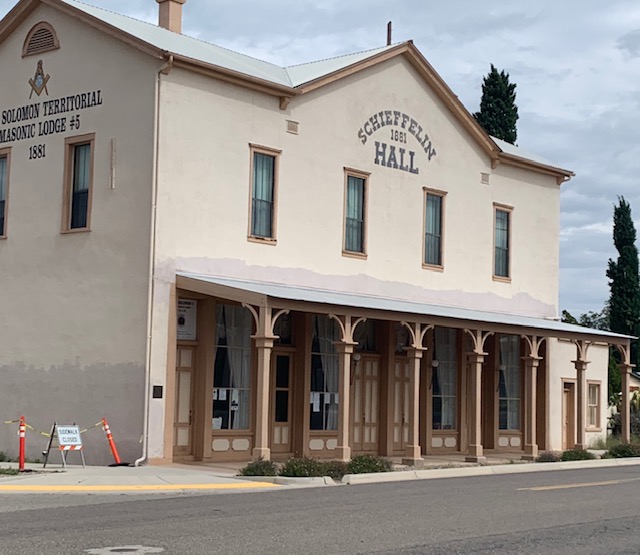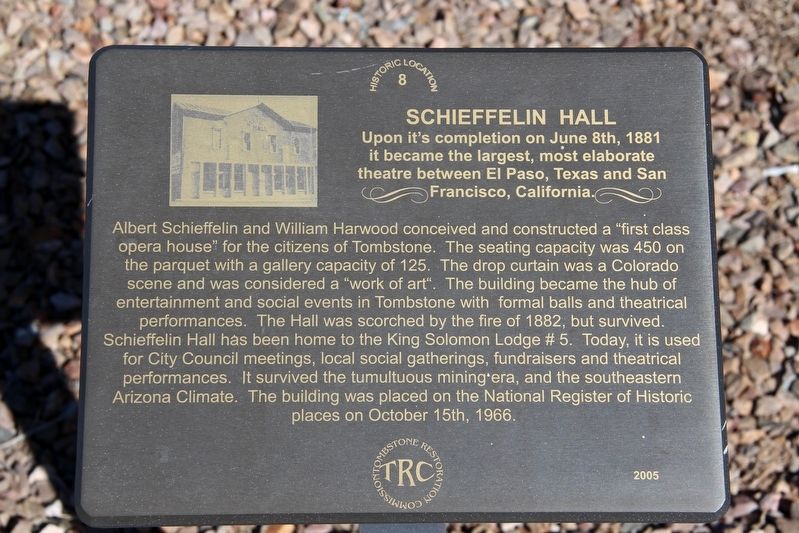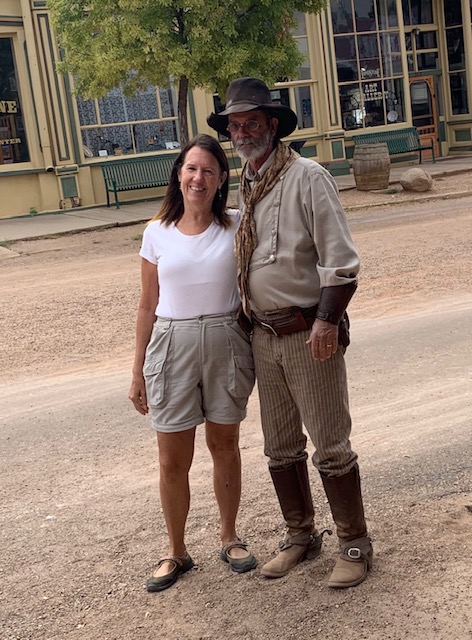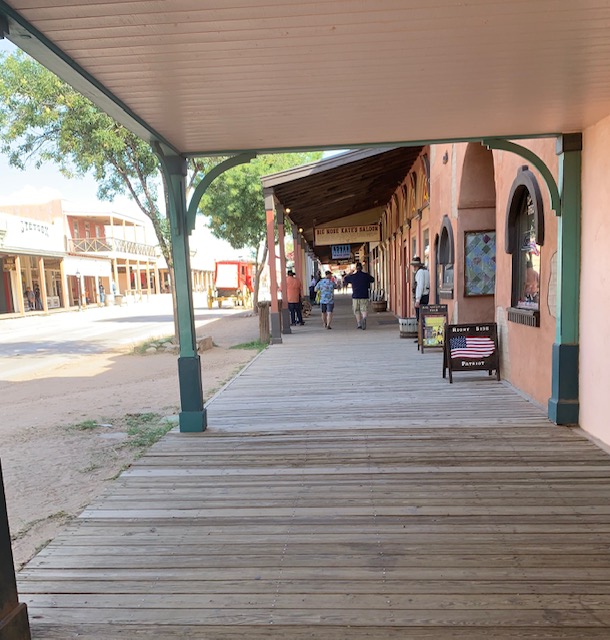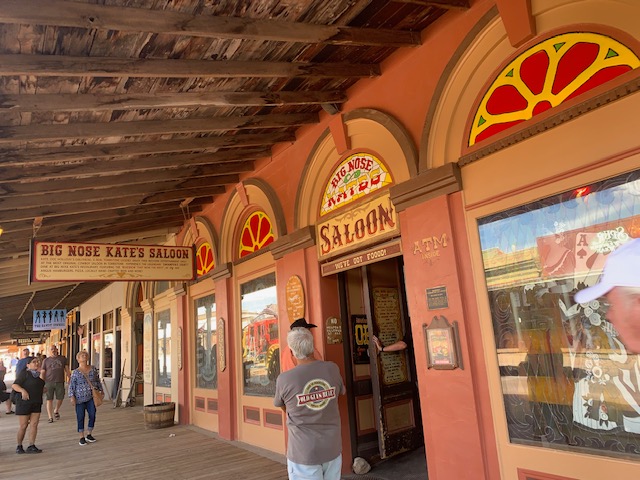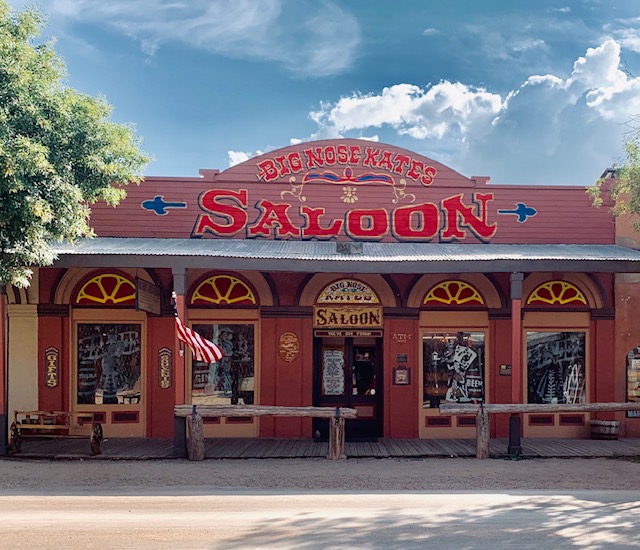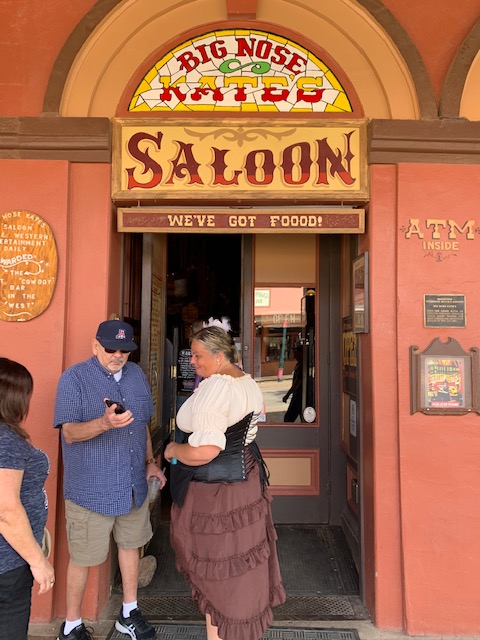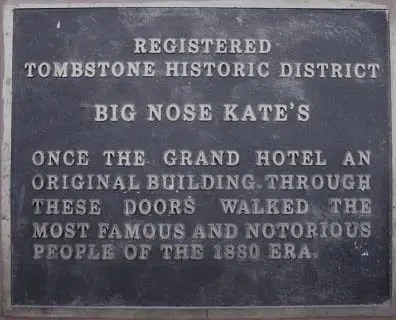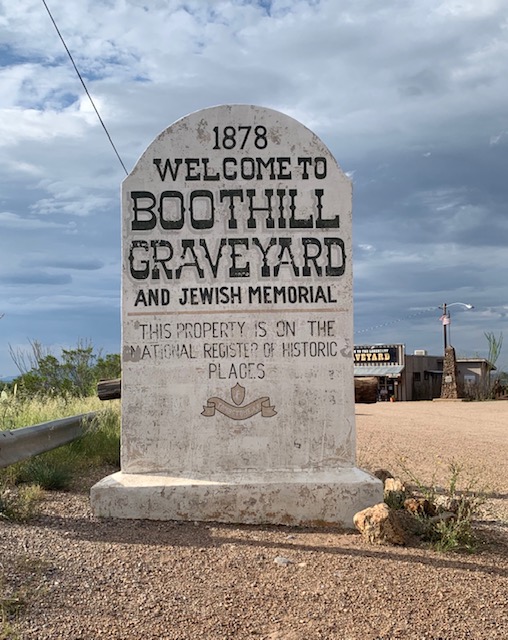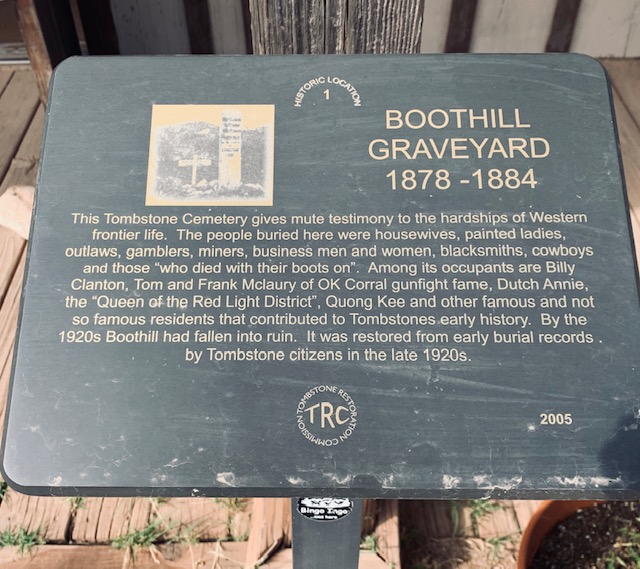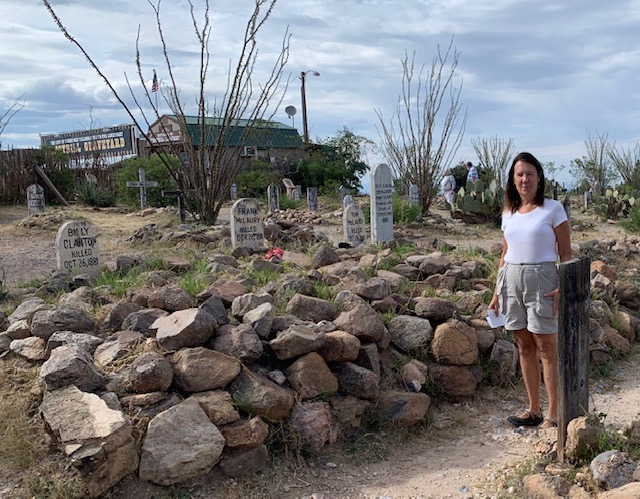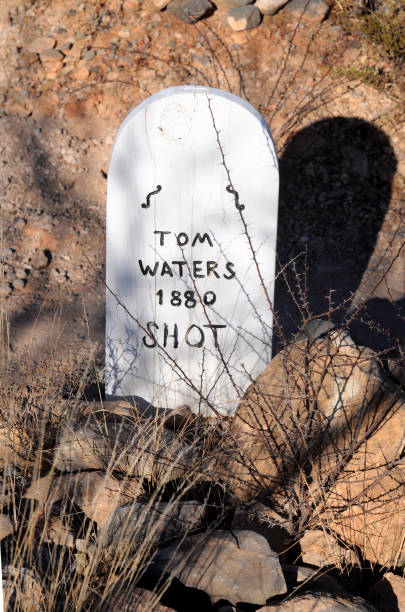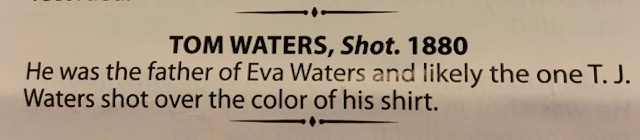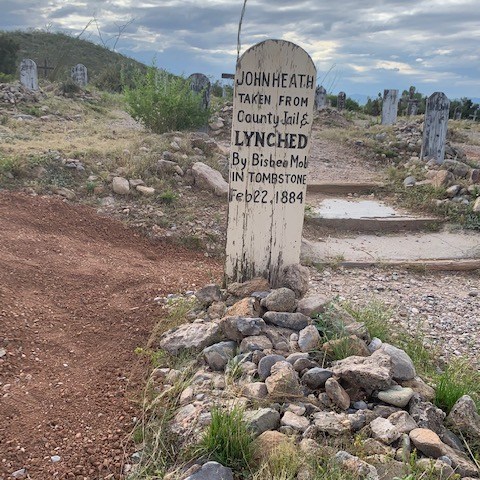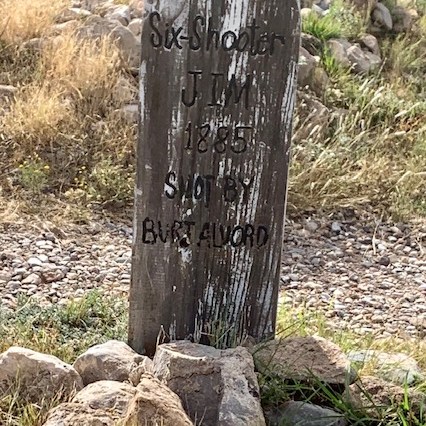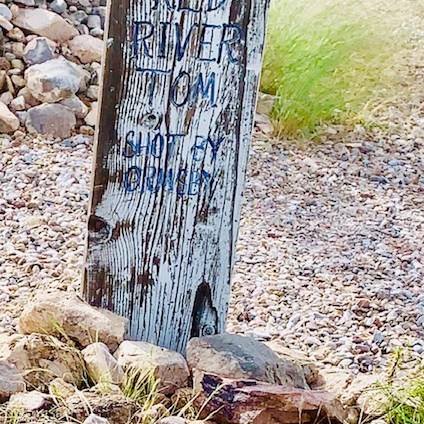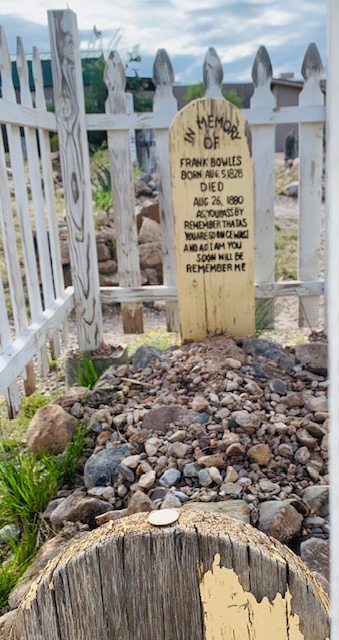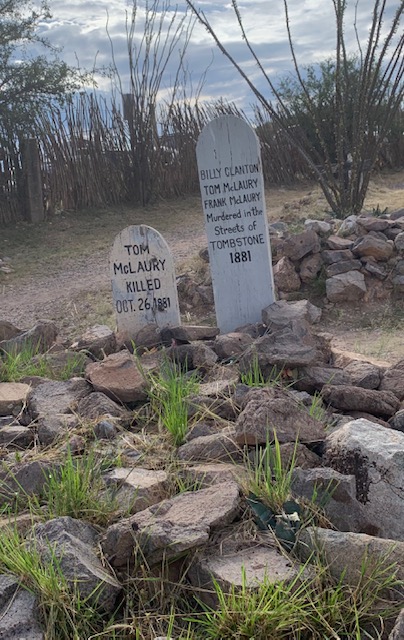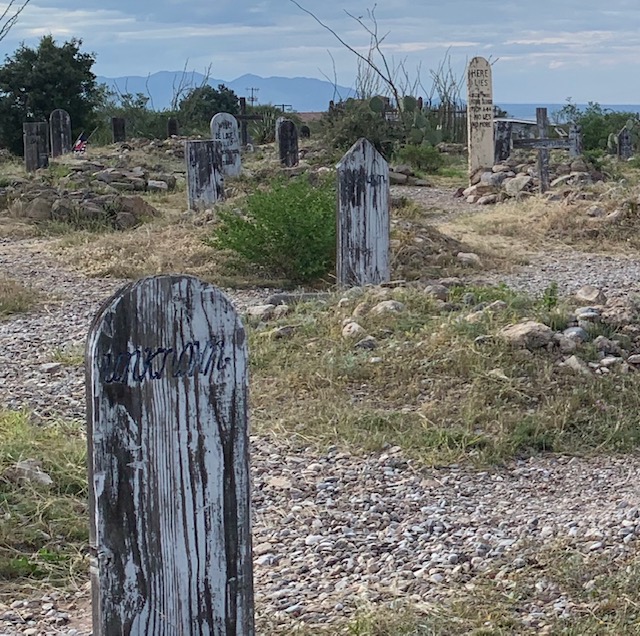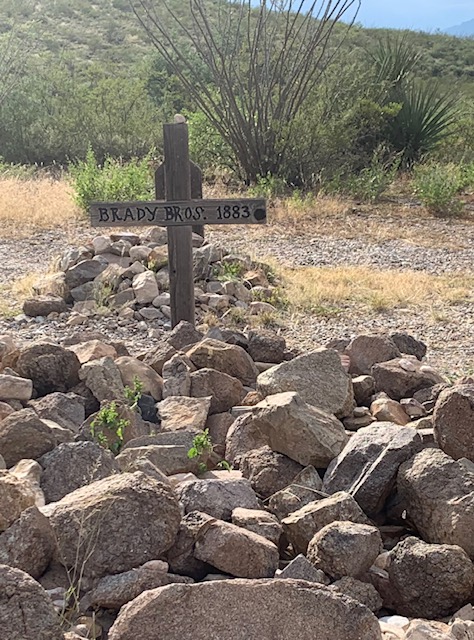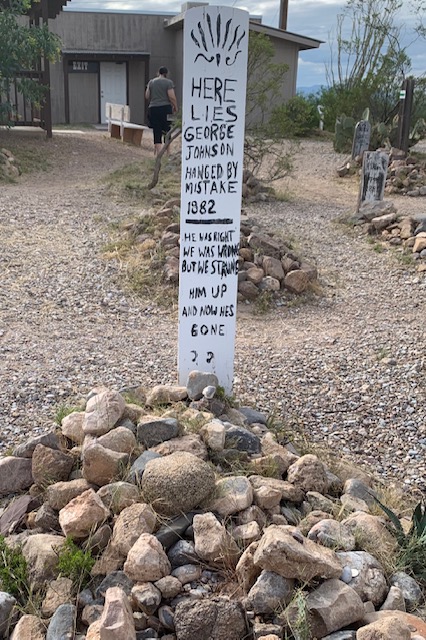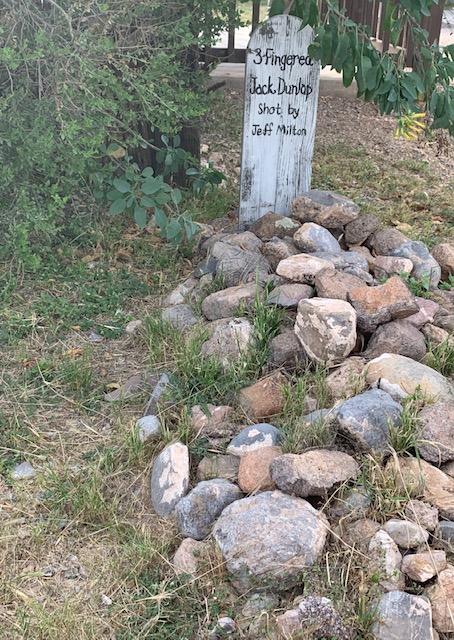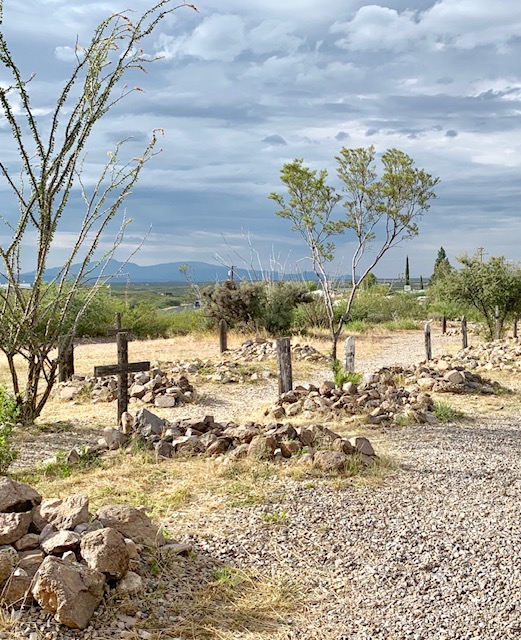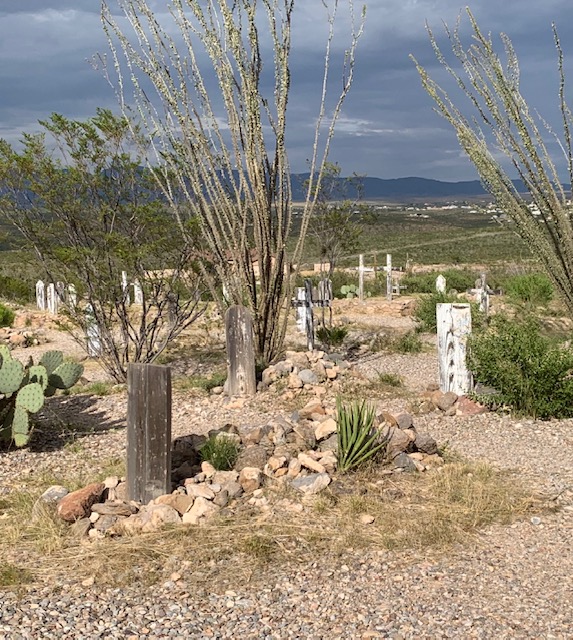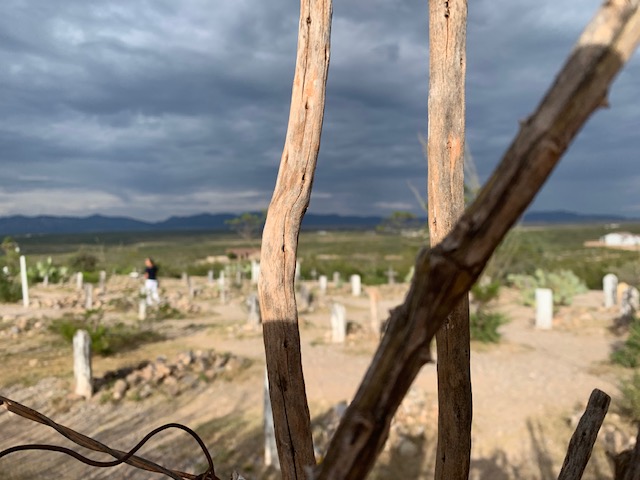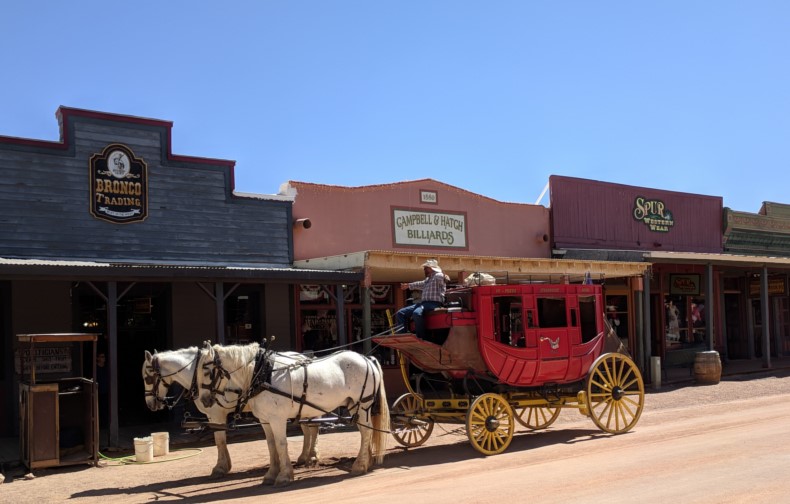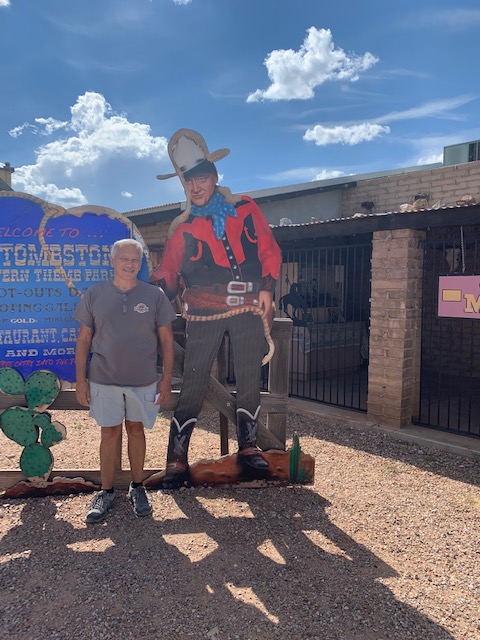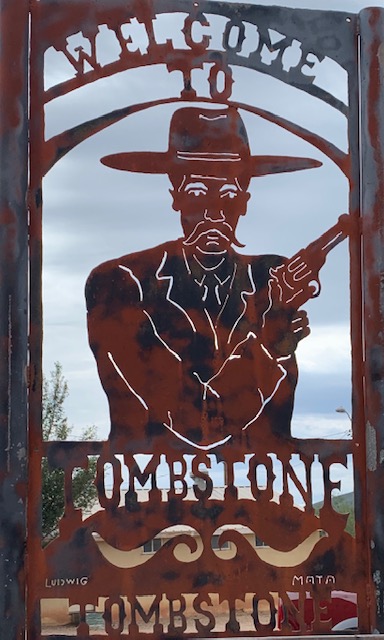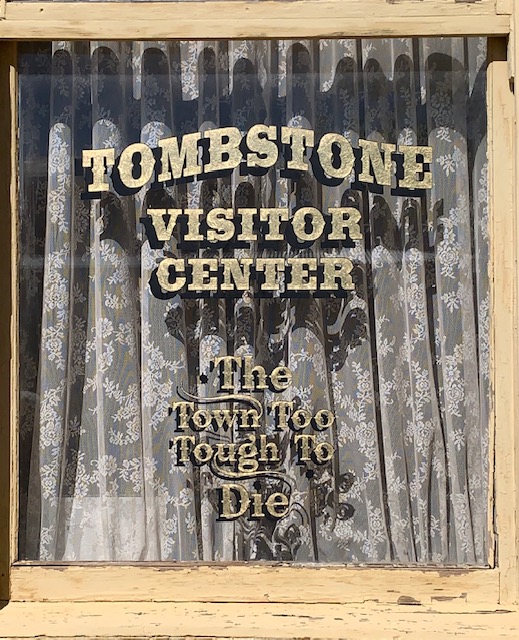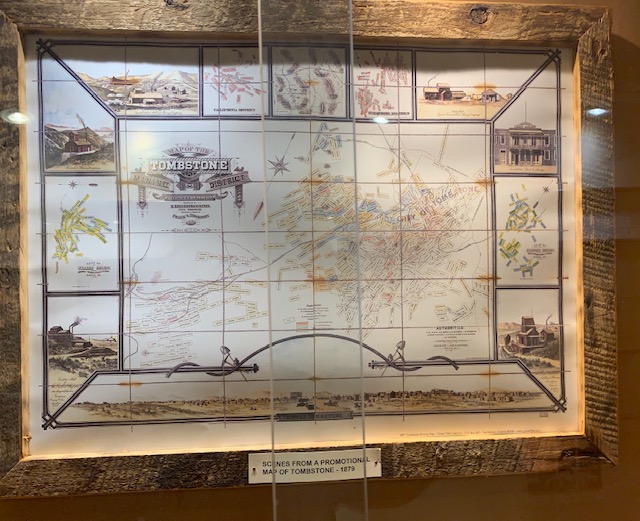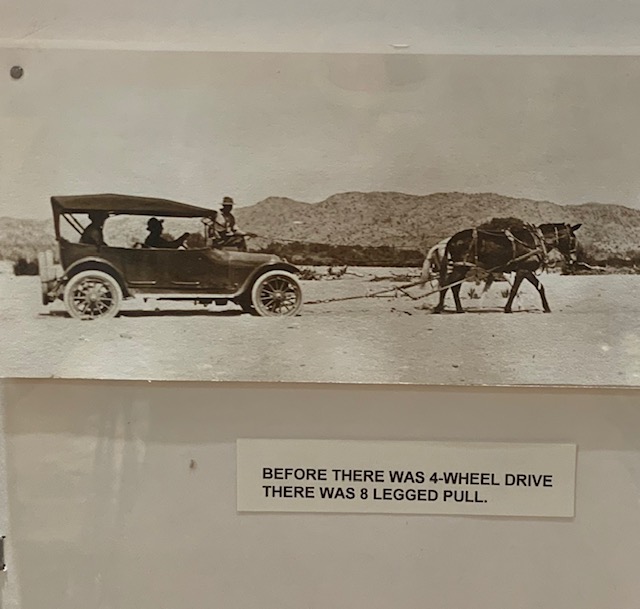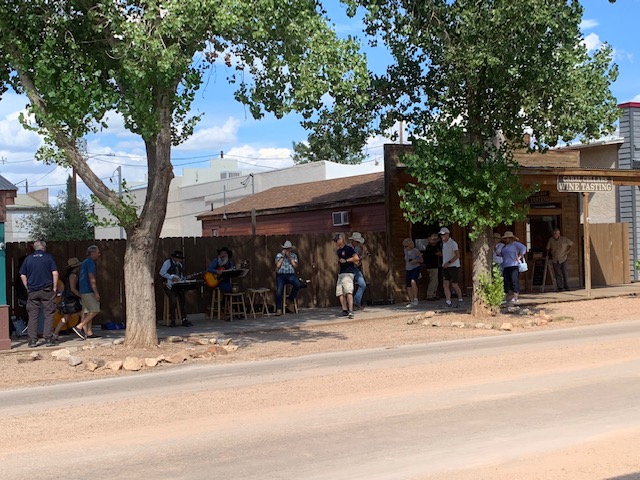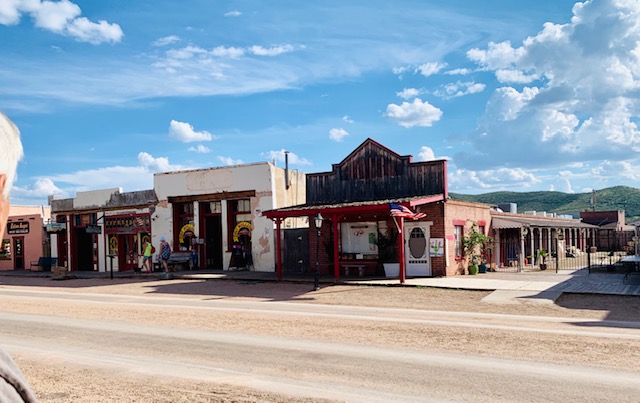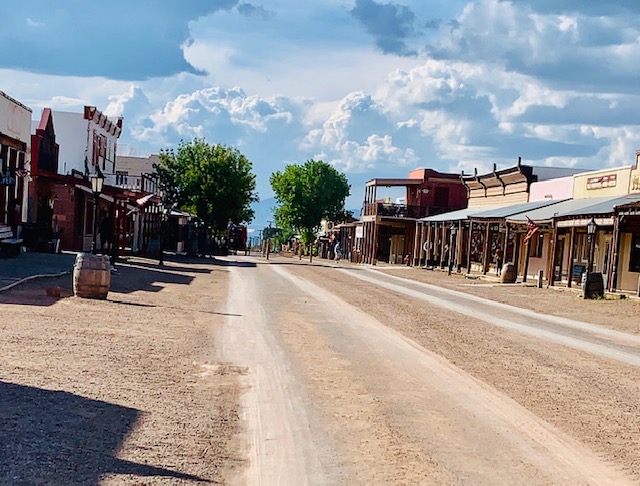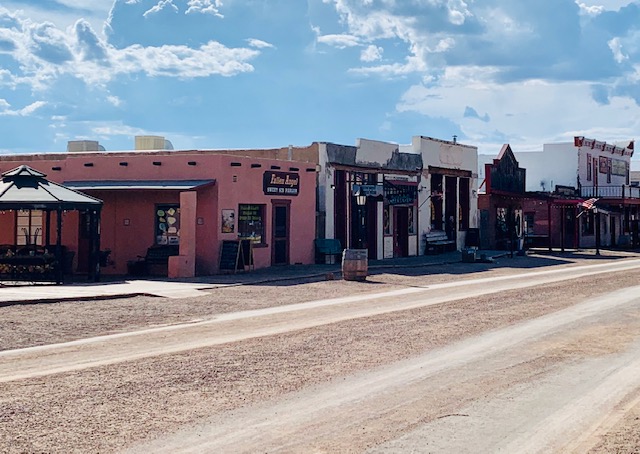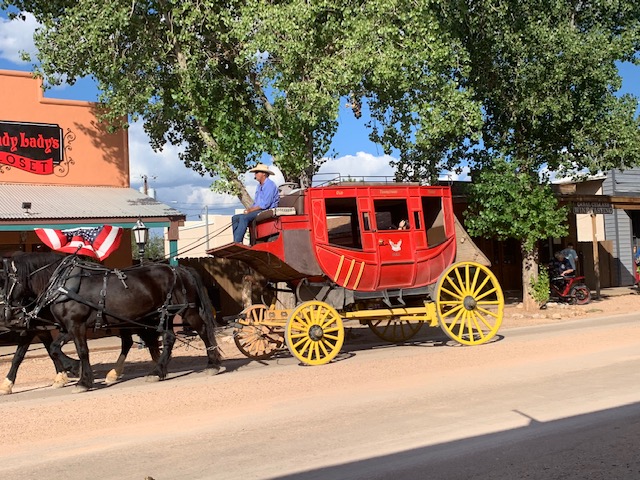
Tombstone is definitely a step back into the history of the Wild West. There’s lots to see here in this little town from a graveyard to stage coaches and even a gunfight reenactment.  So Howdy Partner, let’s take a look . . .

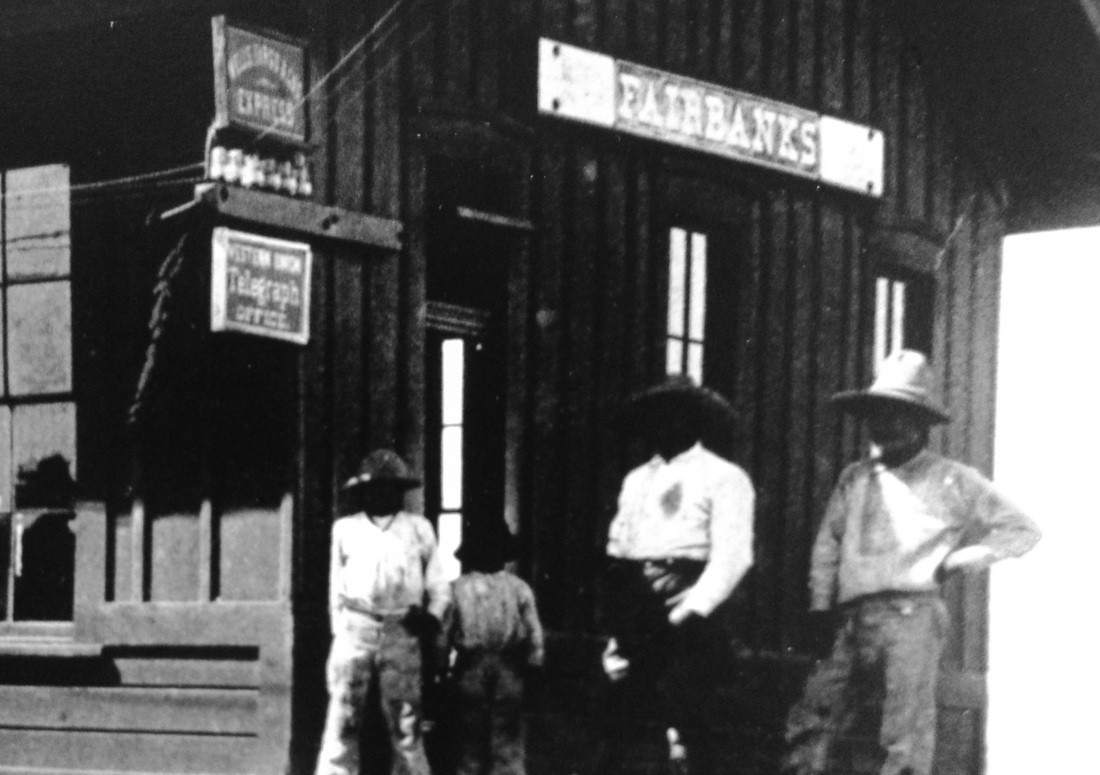
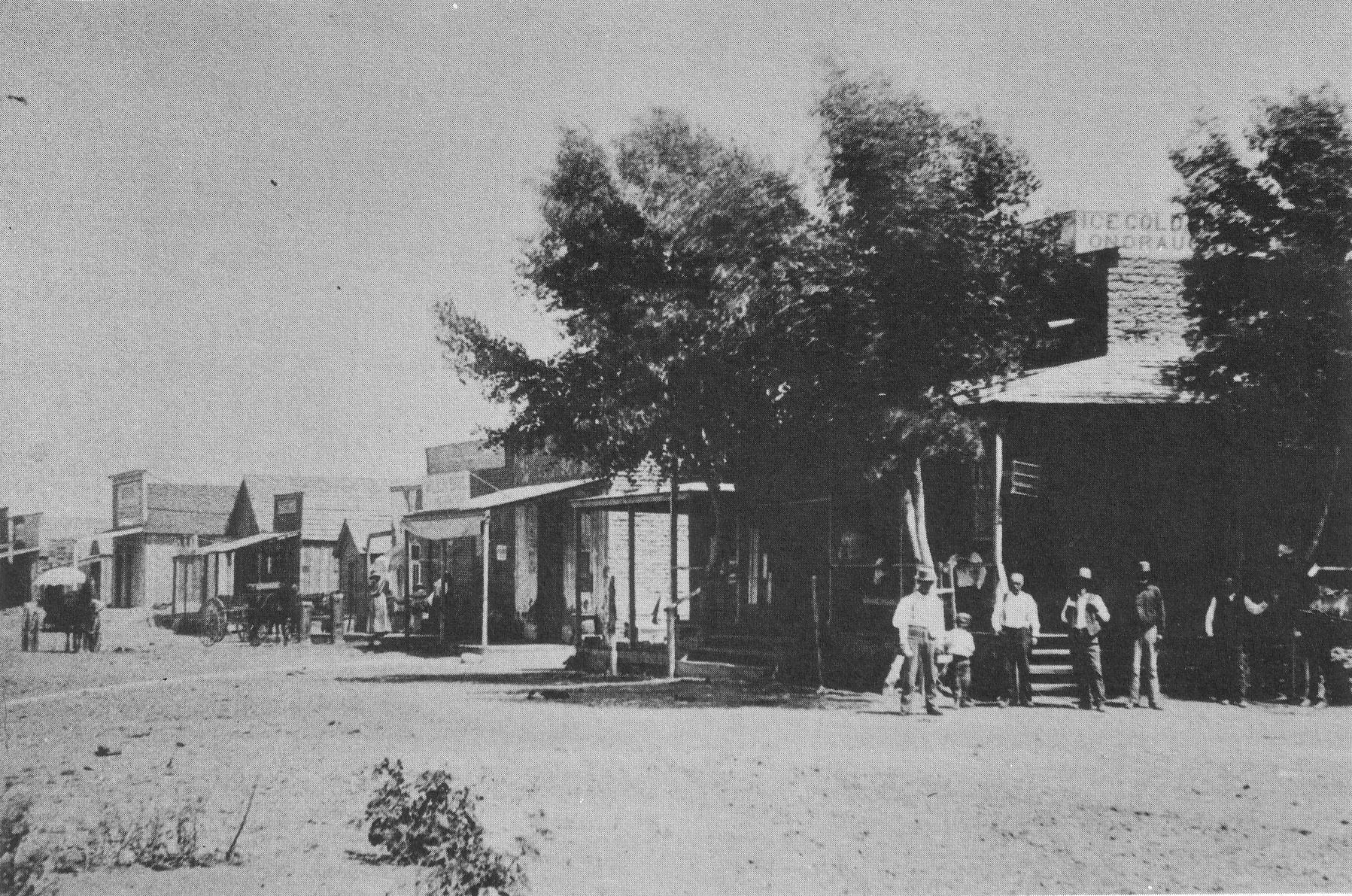
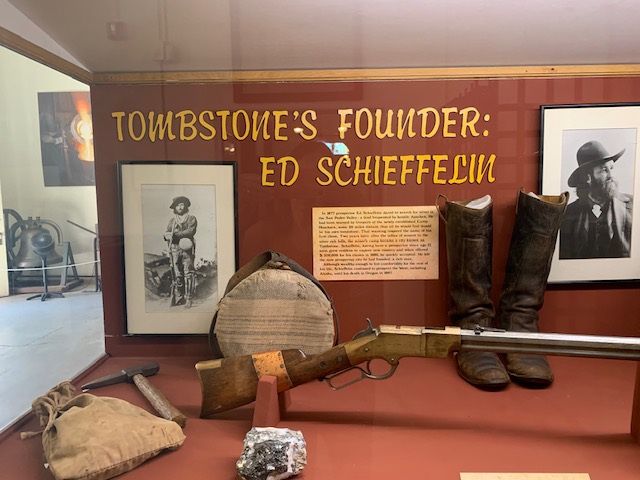
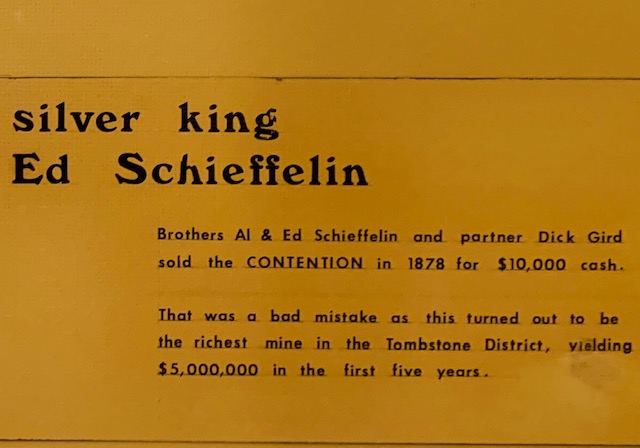
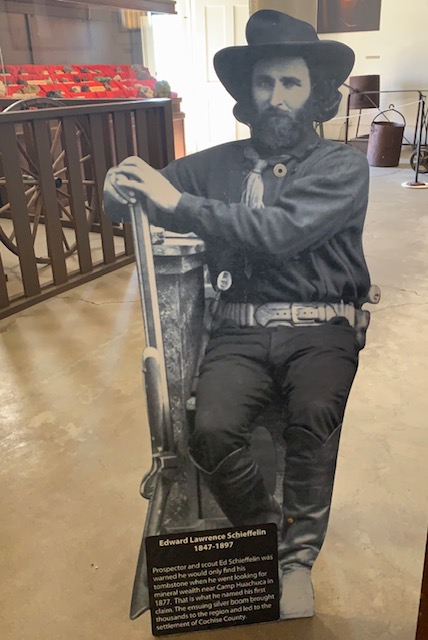
Tombstone is a historic city in Cochise County, Arizona, founded by prospector Ed Schieffelin  in 1877.  It became one of the last boomtowns in the American frontier and is still going on today by tourists like us.

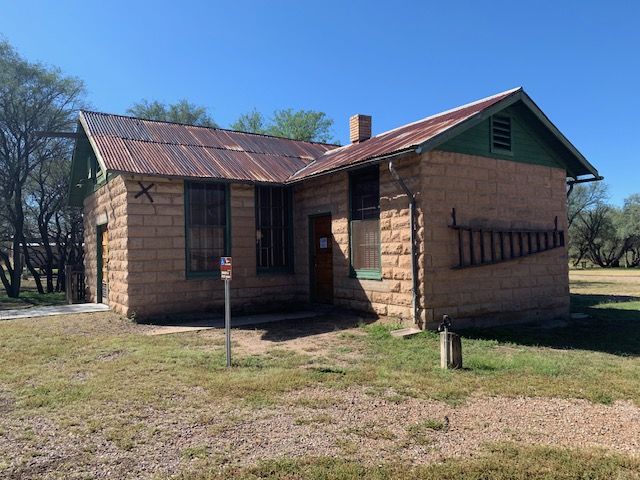
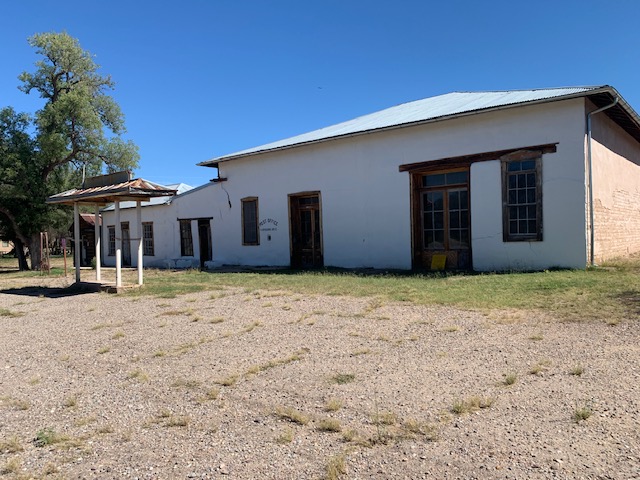
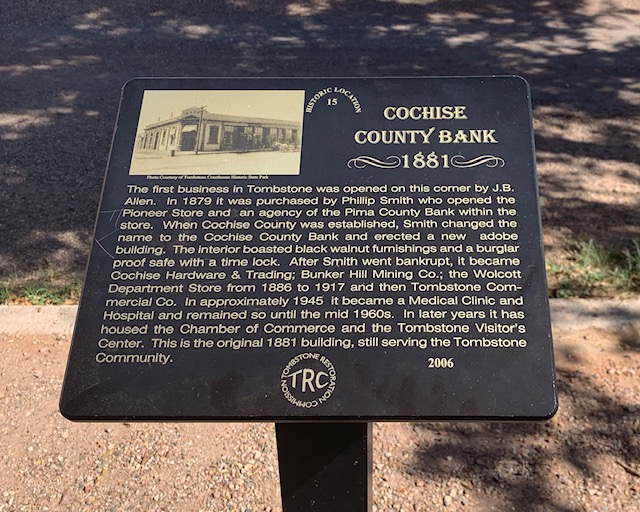
Our First stop was The Visitor Center. The first business in Tombstone was opened in building  by J.B. Allen. In 1879 it was once a store and a bank, then several other businesses. Now the Chamber of Commerce and the Tombstone Visitor’s Center.

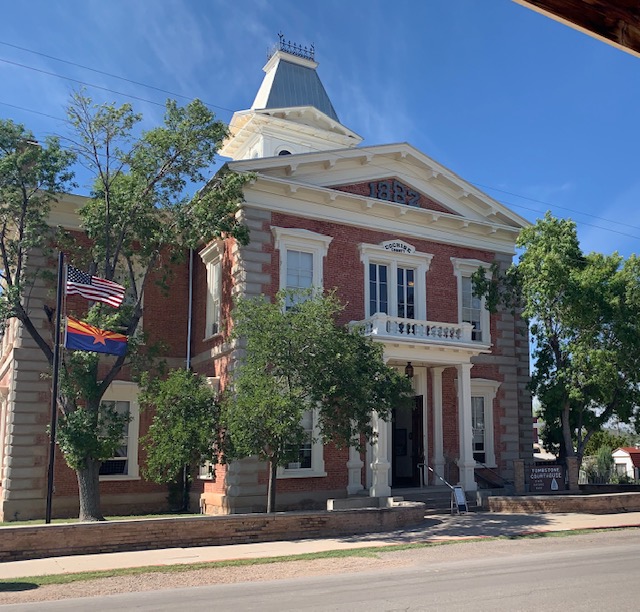
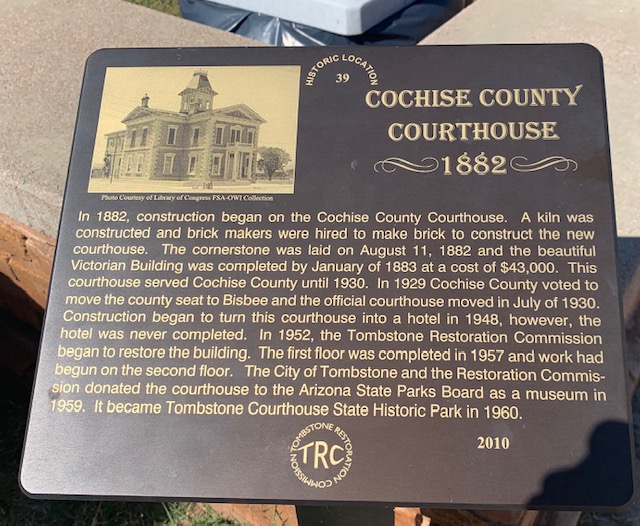
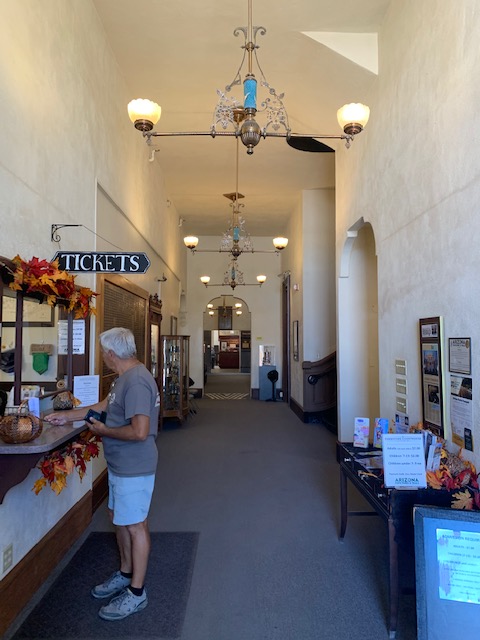
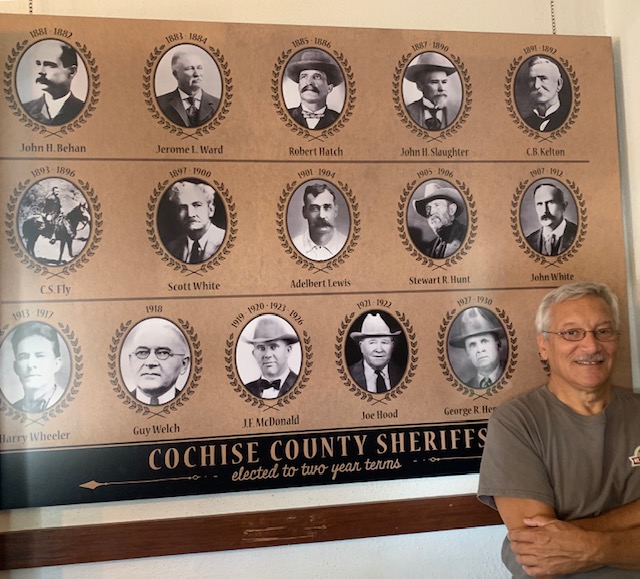
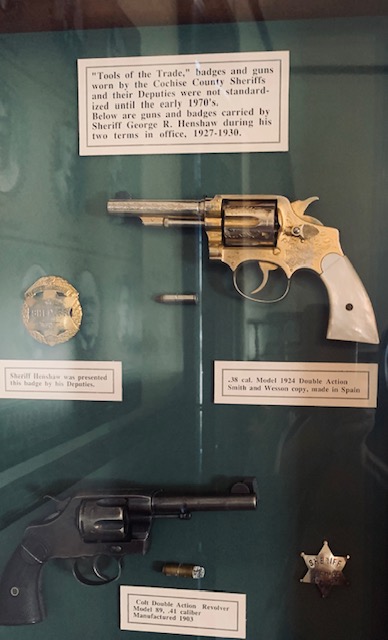
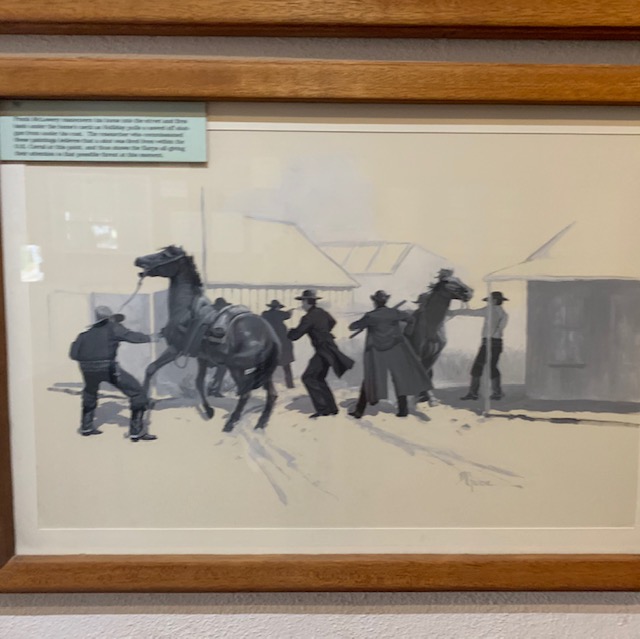
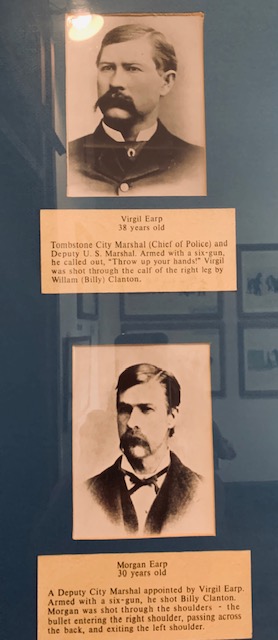
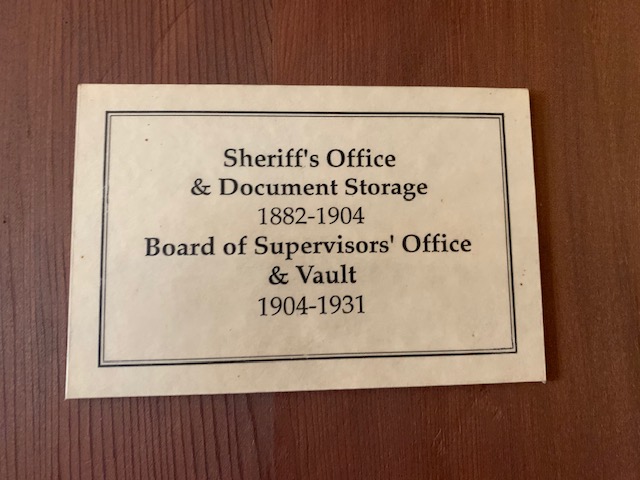
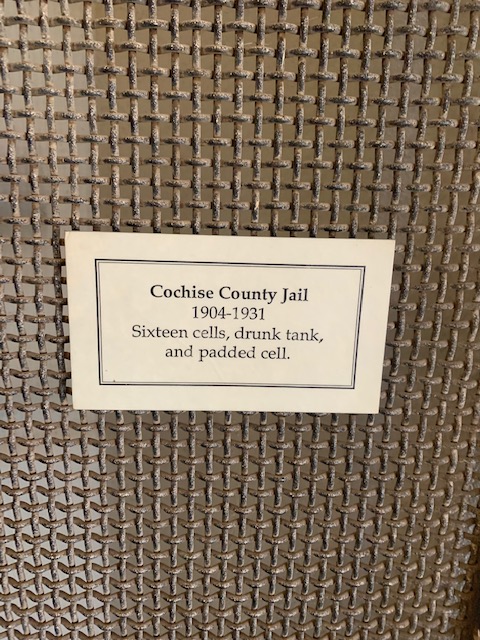
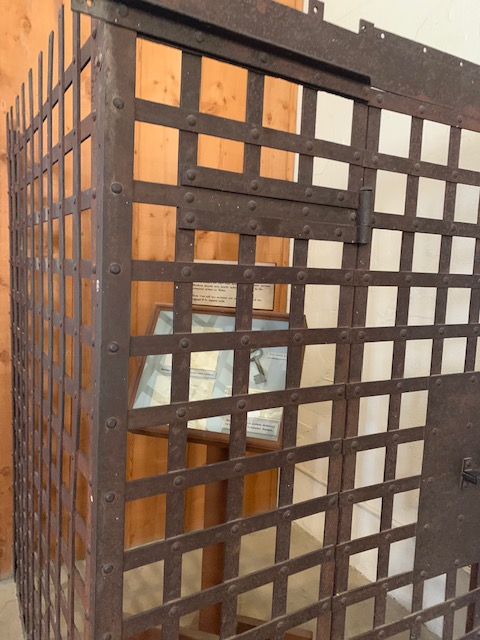
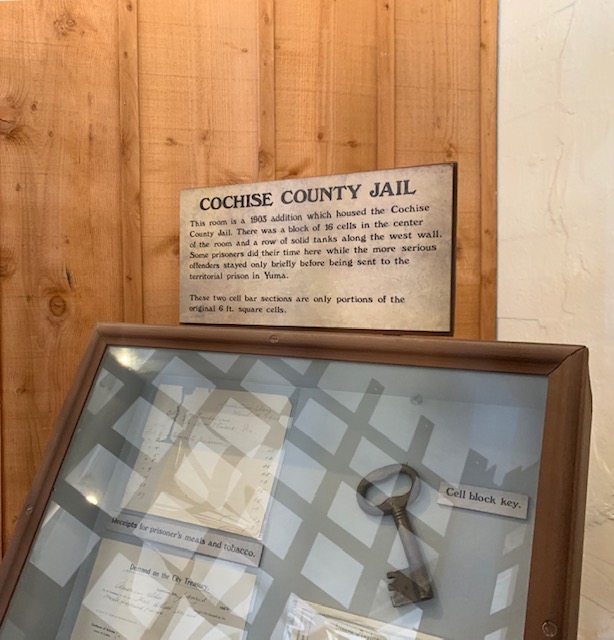
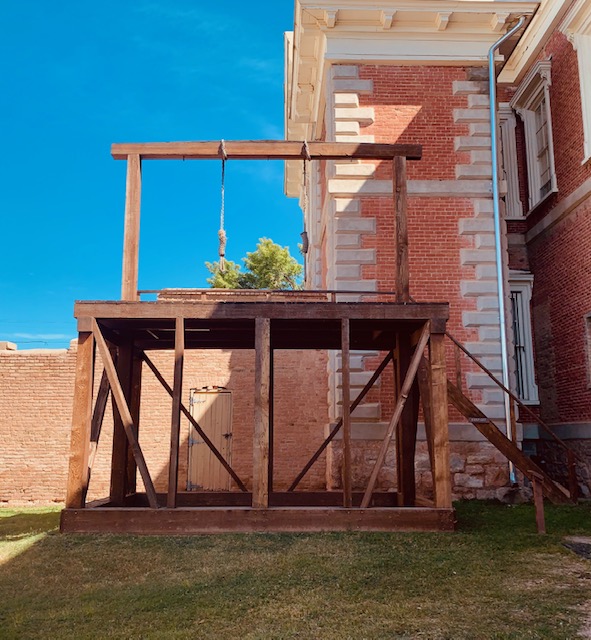
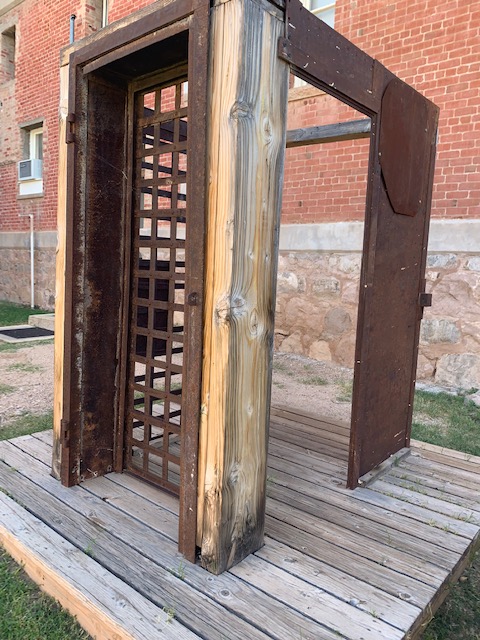
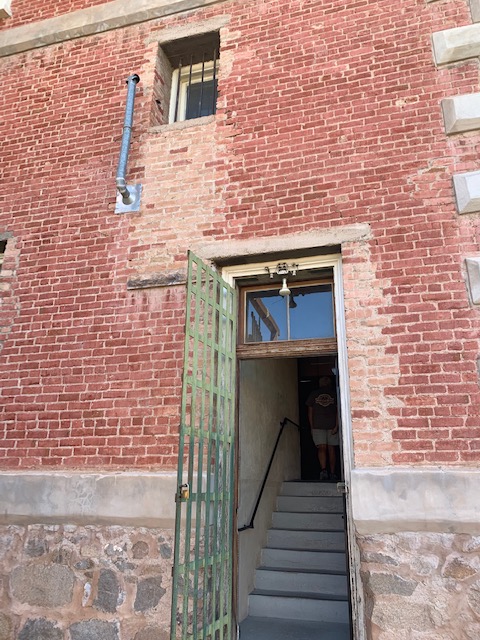
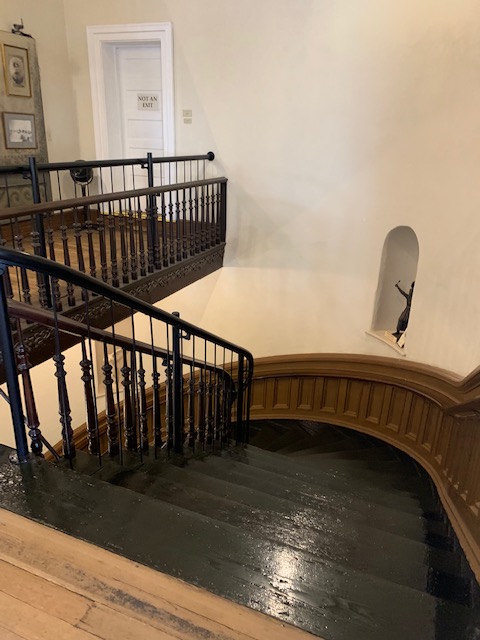
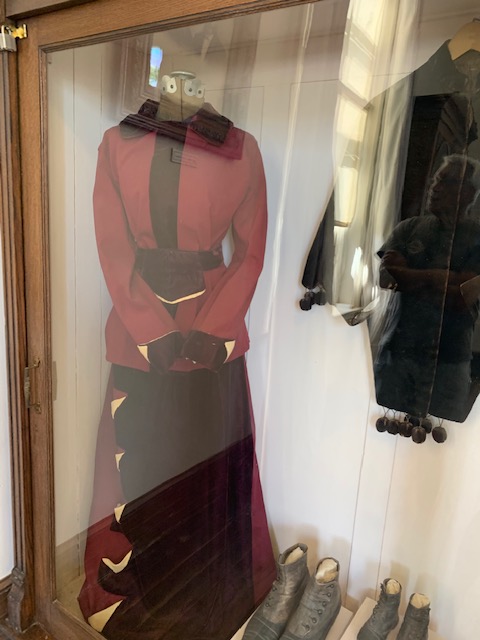
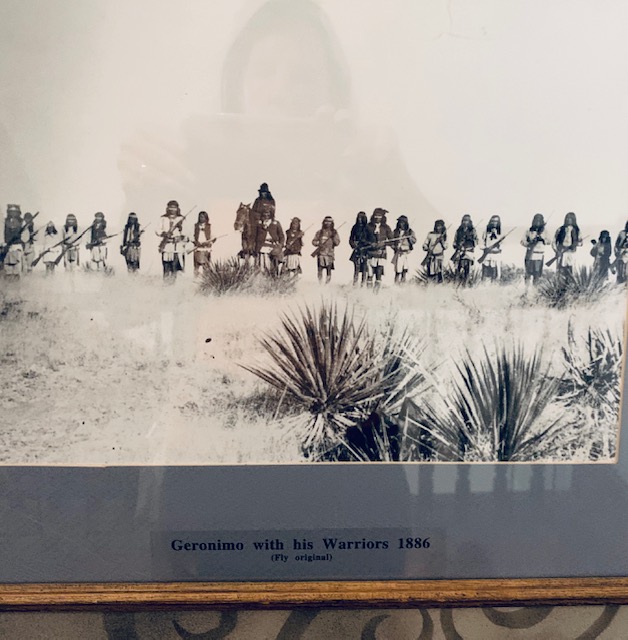
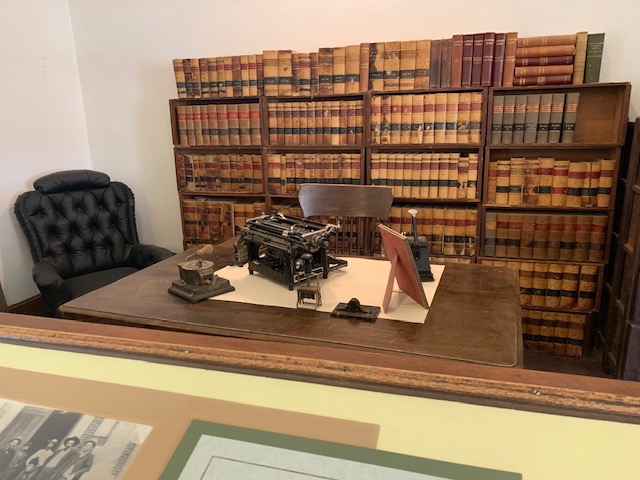
This is the original Cochise County/Tombstone Courthouse, which is now a state historic park. It was built in 1882 in the shape of a Greek cross. It is a two-story structure that once housed the offices of the Sheriff, Recorder, Treasurer, Board of Supervisors, Jail, and Courtrooms of Cochise County. Today this 12,000 sq.Ft. Courthouse is a museum that includes the following. . .

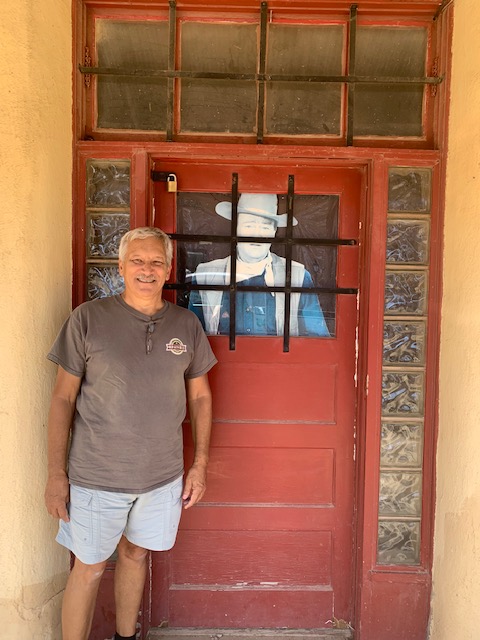
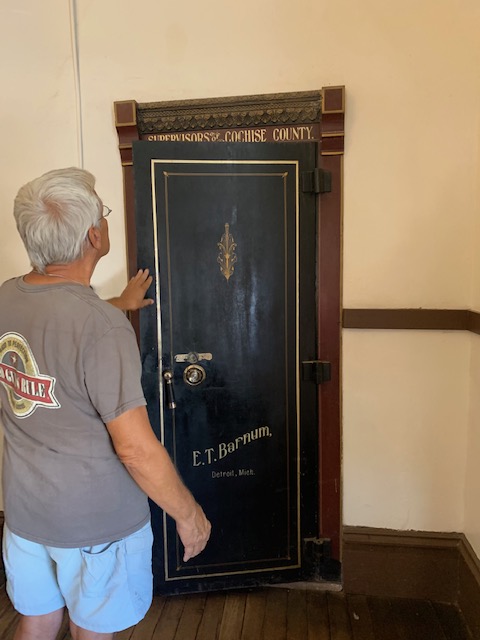
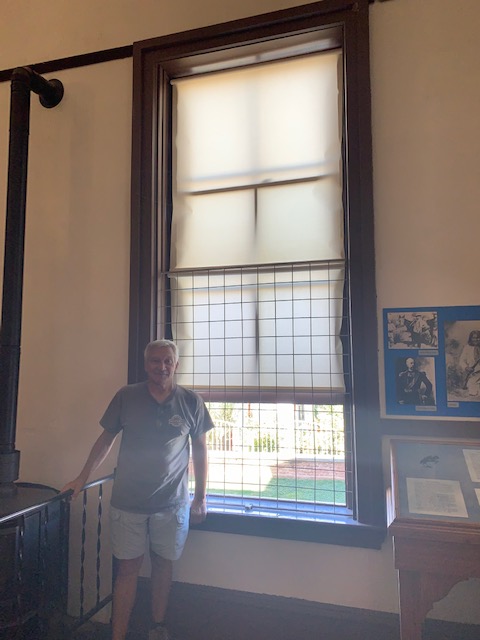
This building sure had it’s share of safes. Dave standing by a window to show how big they are.
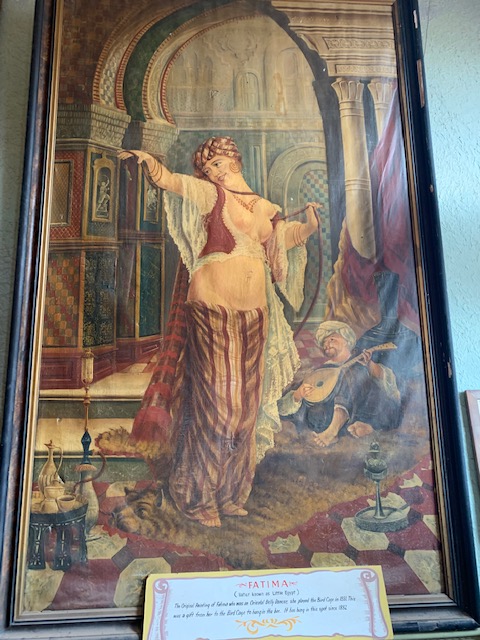
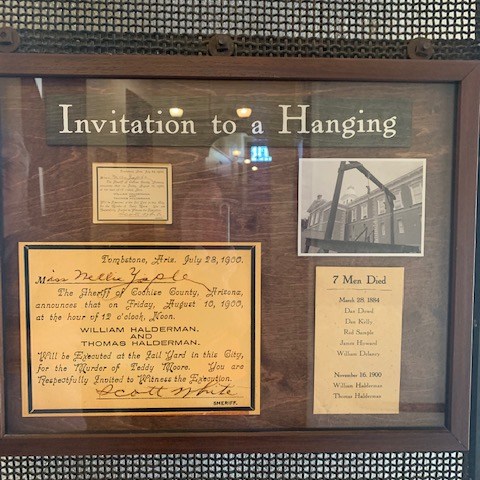
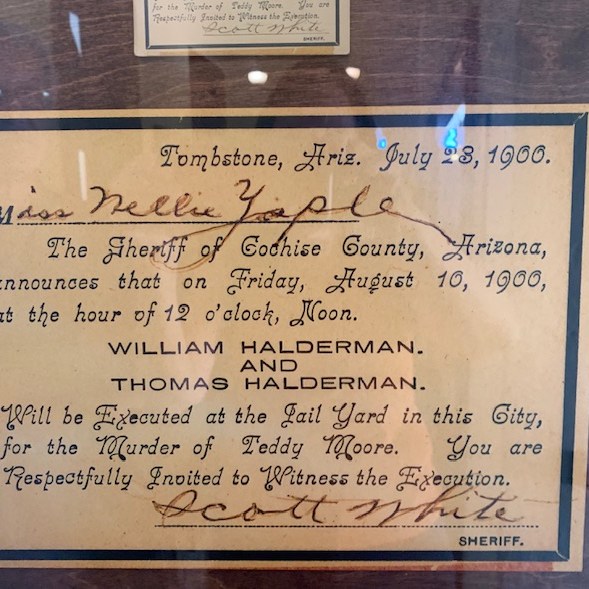
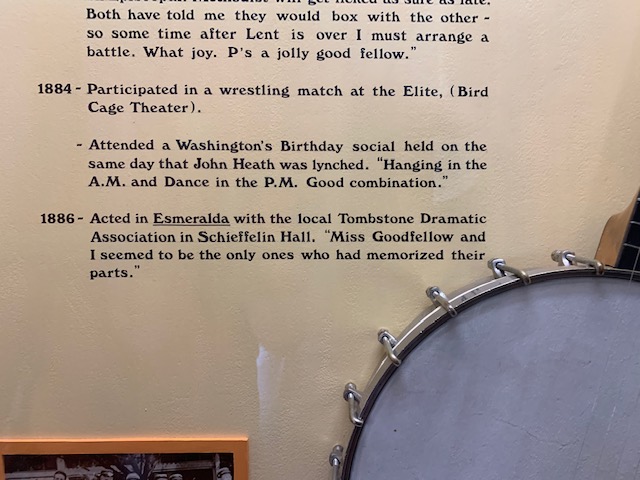
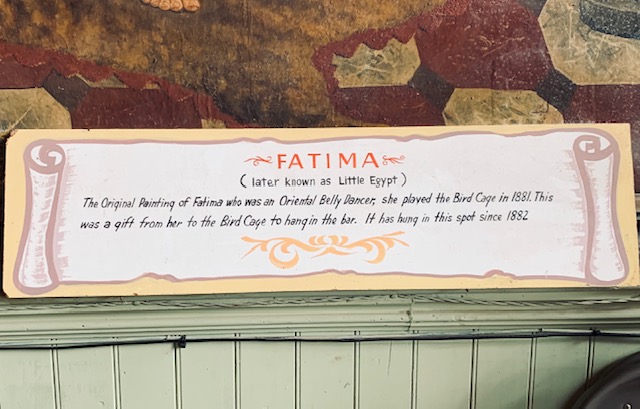
Notice that on 1884, whomever attended a Washington’s Birthday social and then went to a “hanging” and on the same night a dance. “Hey everyone let’s go watch somebody hanging around.” Scary but true.
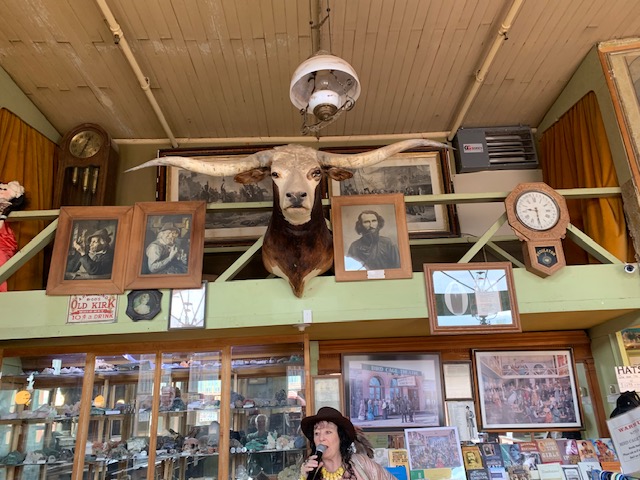
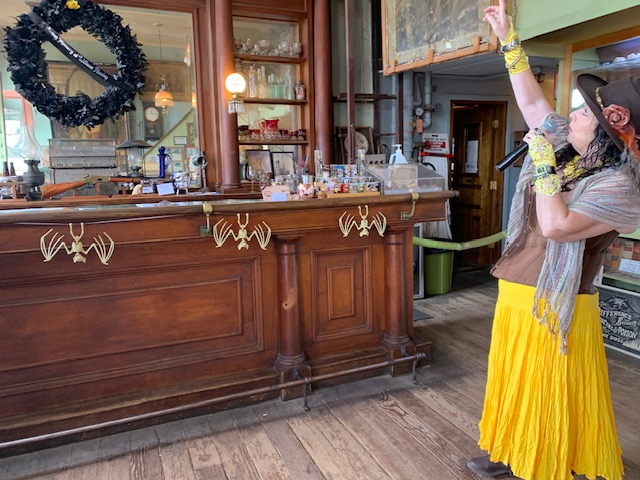
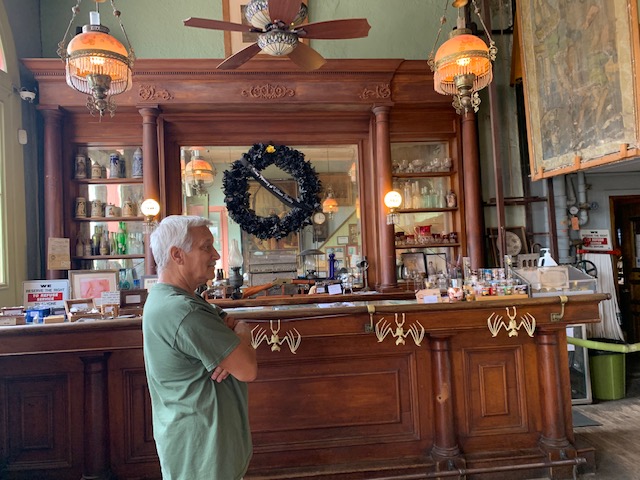
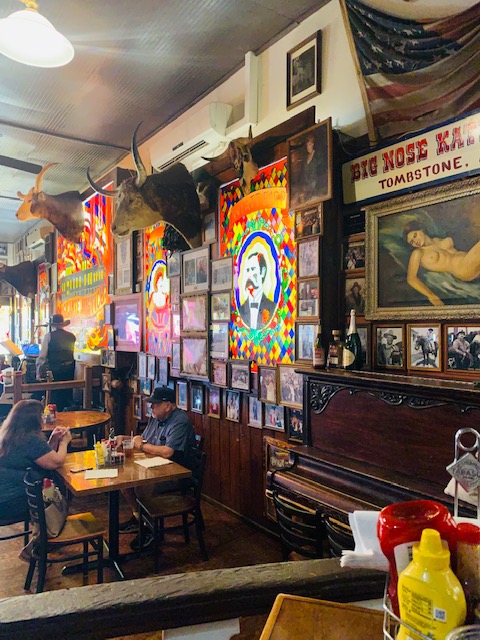
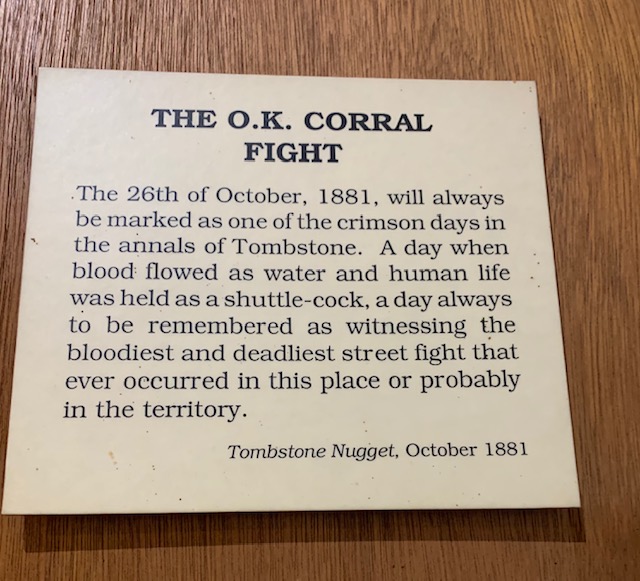
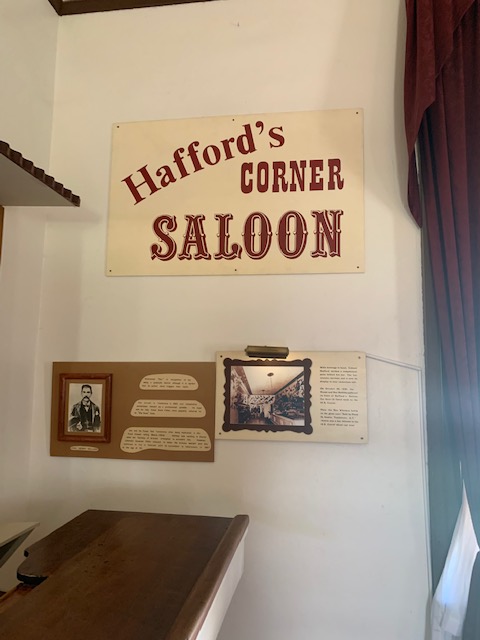
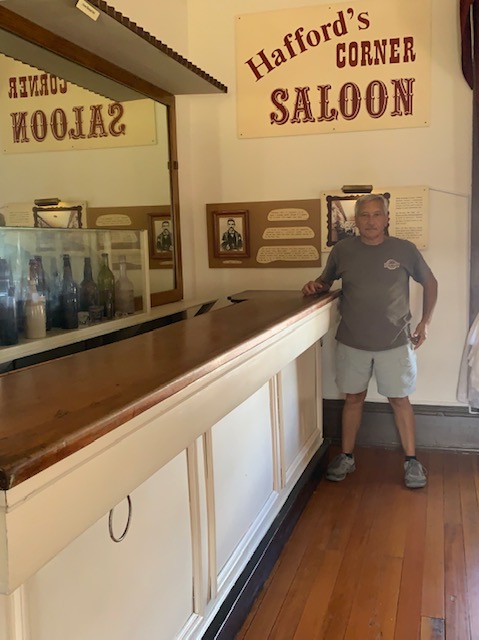
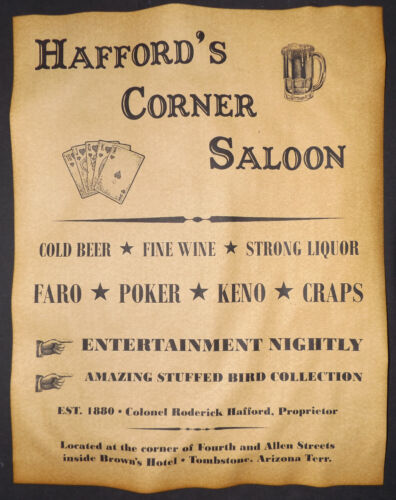
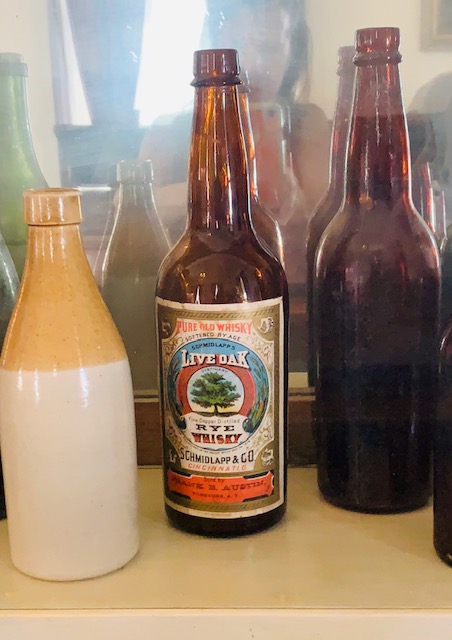
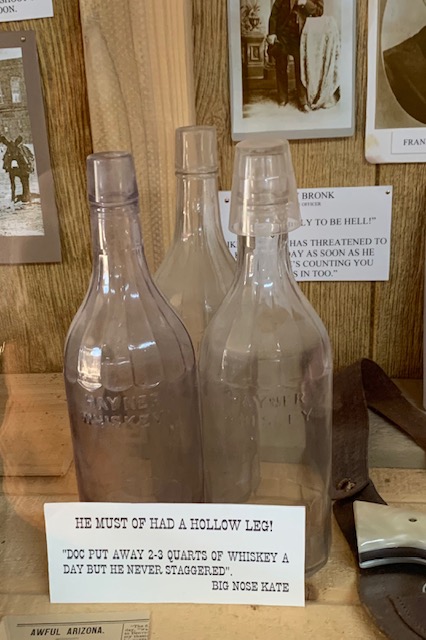
This bar was taken from Hafford’s Corner Saloon. This is the saloon where the Earps met to have a drink and make their plans prior to their famous confrontation and gunfight with the Clantons and McLaurys. The bottle of Rye Whiskey was at the bar at the time of the confrontation.

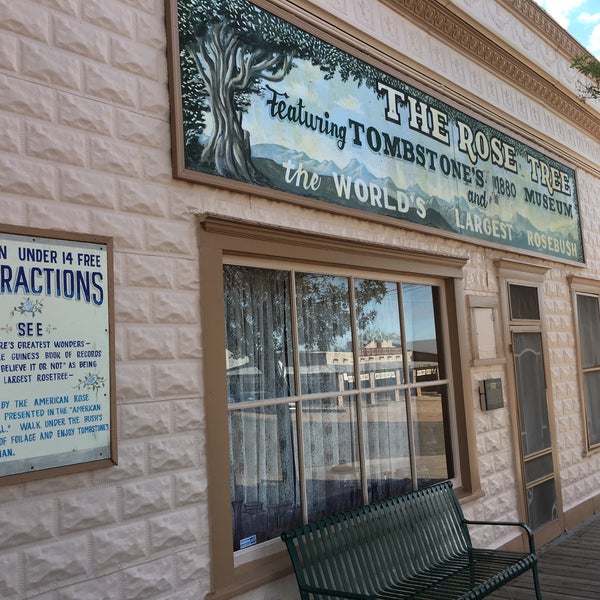
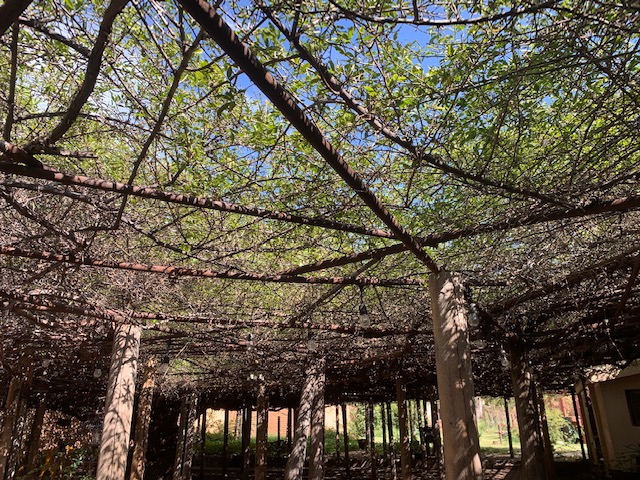
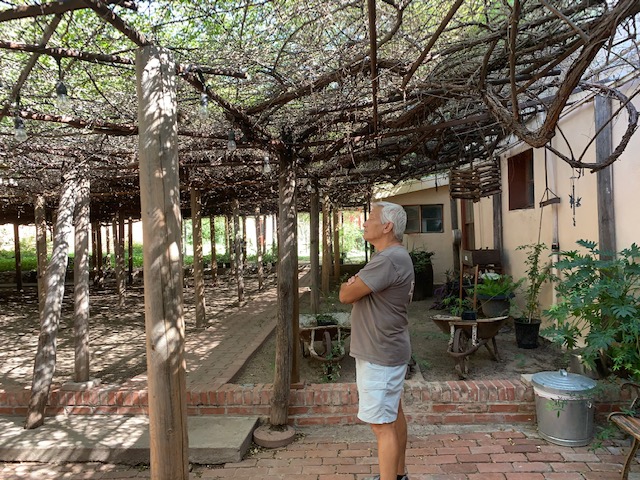
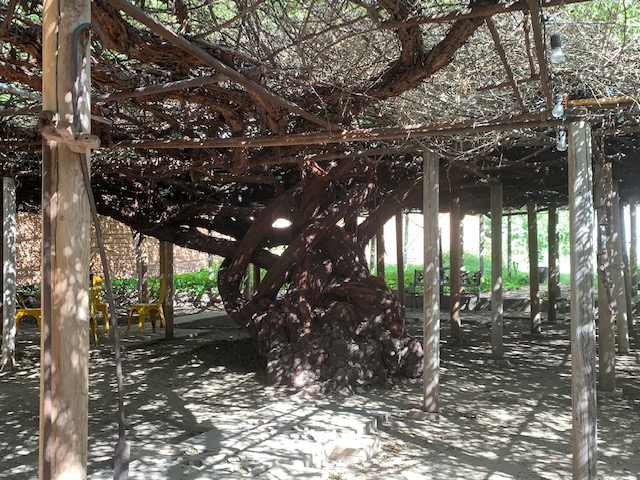
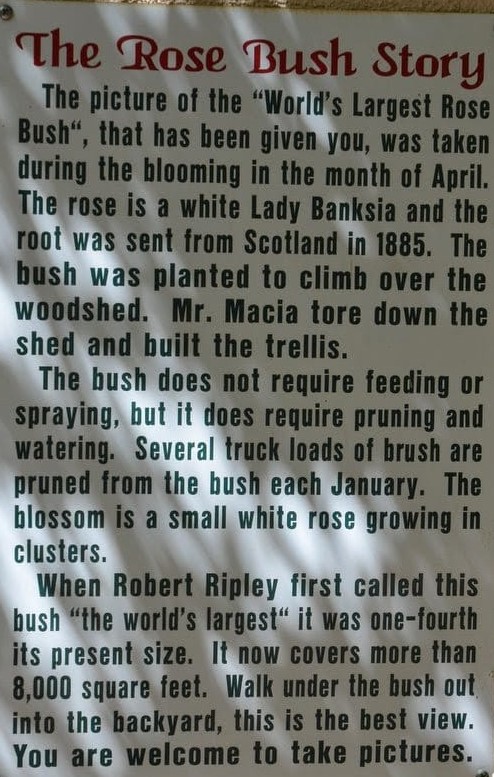
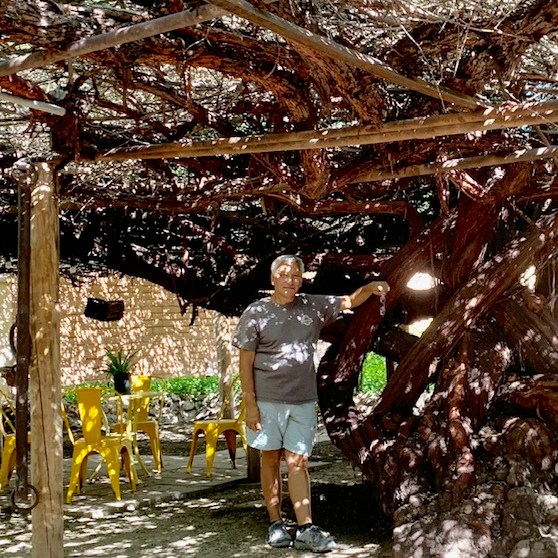
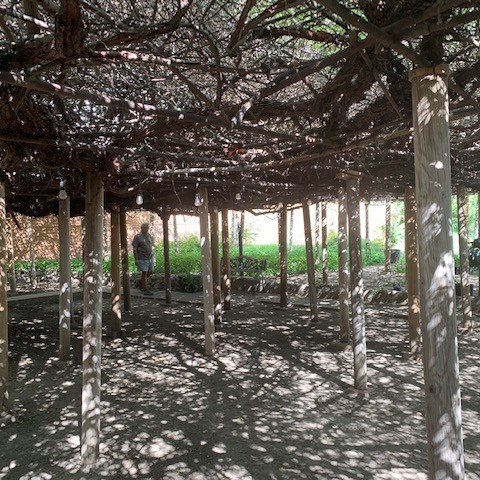
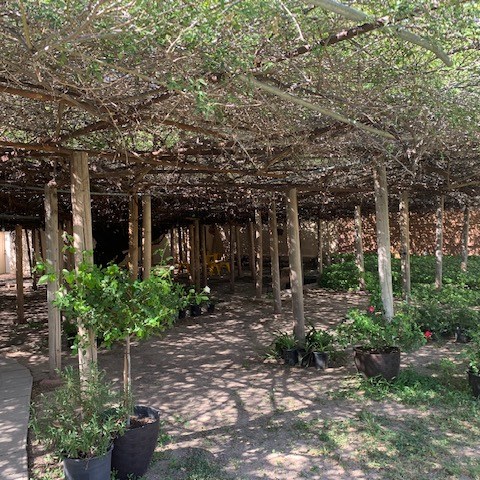
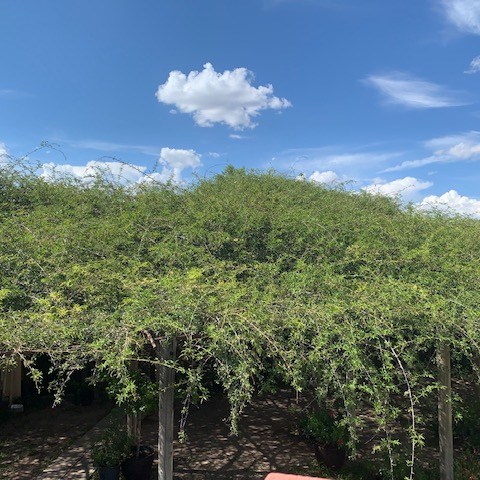
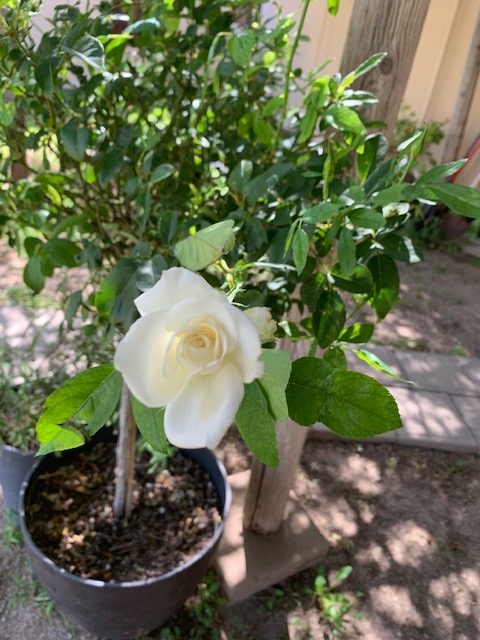
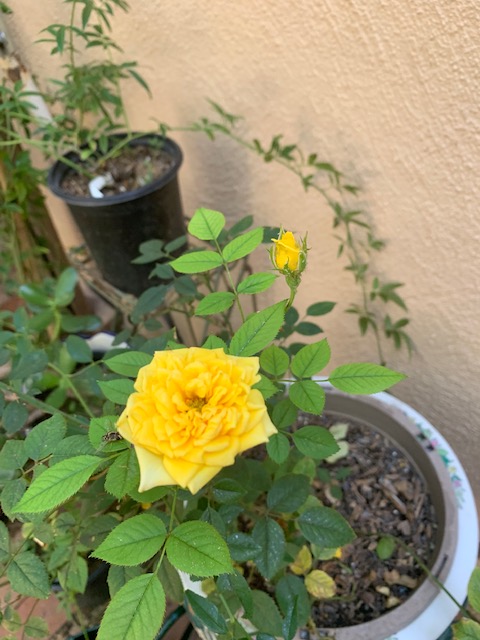
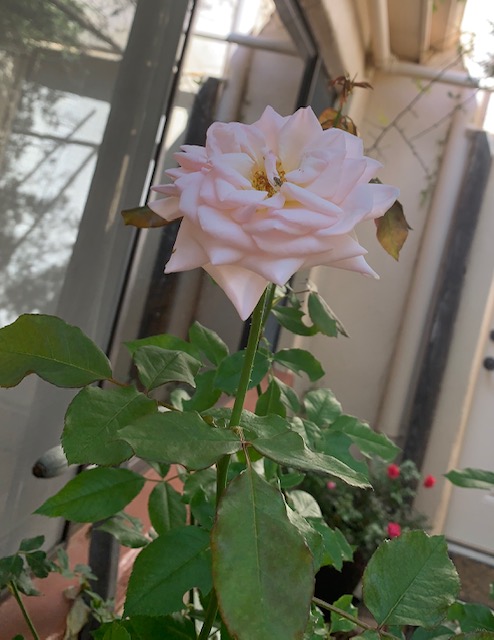
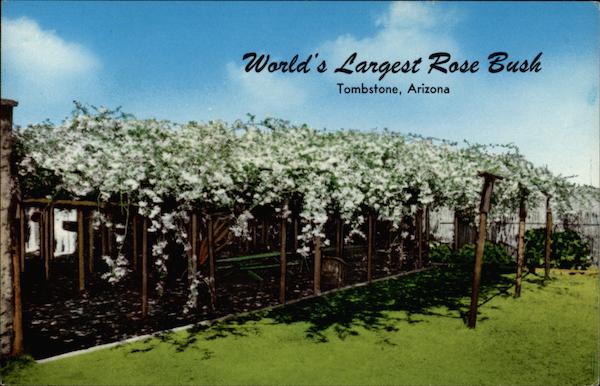
The World’s Largest Rose Bush is a white Lady Banksia that was planted in Tombstone in 1885 . The original root came from Scotland. From a single trunk, it spreads over an arbor that covers over 6,000 square feet.  It was first declared the “world’s largest” in the late 1930’s and continues to grow.  

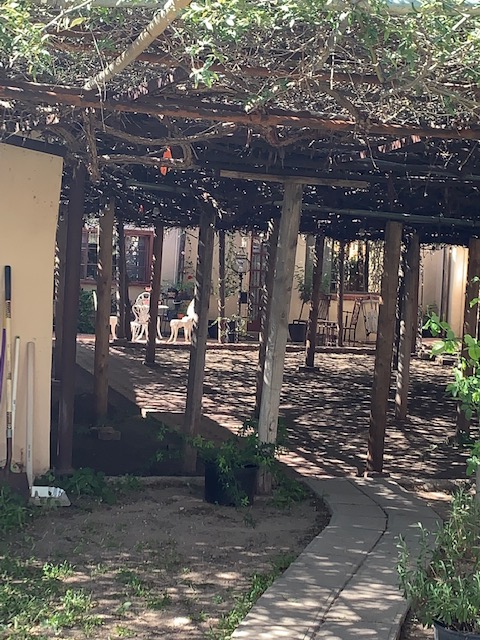
The canopy of the bush/tree now covers nearly 6,000 feet of space and is elevated from the ground by a series of wooden and steel supports. Each year, after the shed husks are cleaned out from around the base of the tree, the plant blossoms with clusters of small white roses. We didn’t get to see it when the roses were in bloom, but it was incredible and you can’t quite believe the enormous size. It must smell beautiful when it’s in bloom.

Tables and chairs are placed all around the area to sit and look at “The World’s Biggest Rosebush/tree

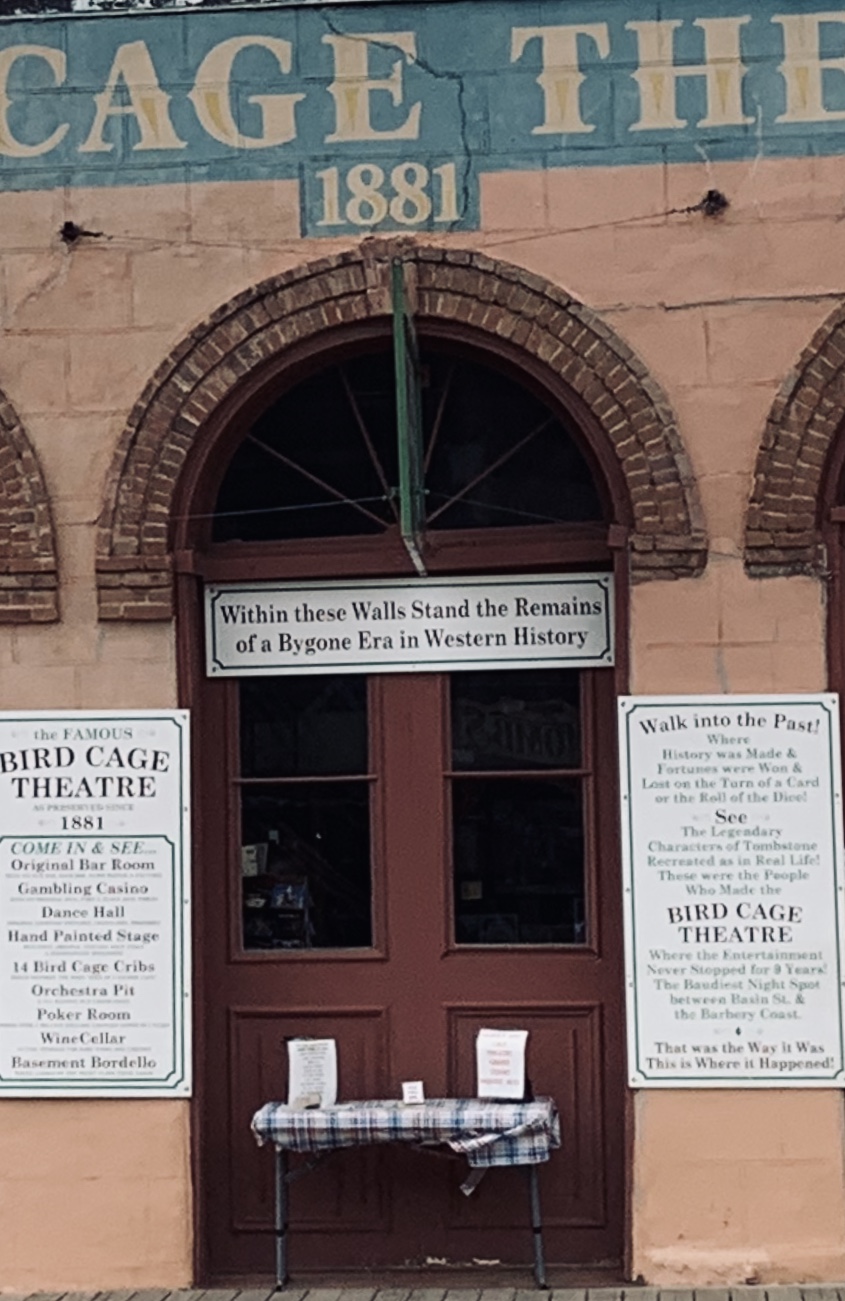
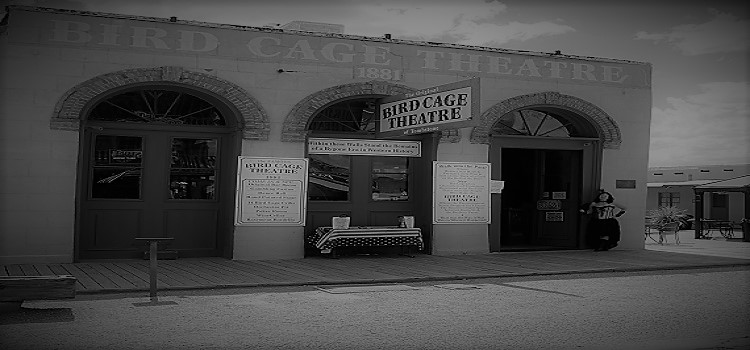
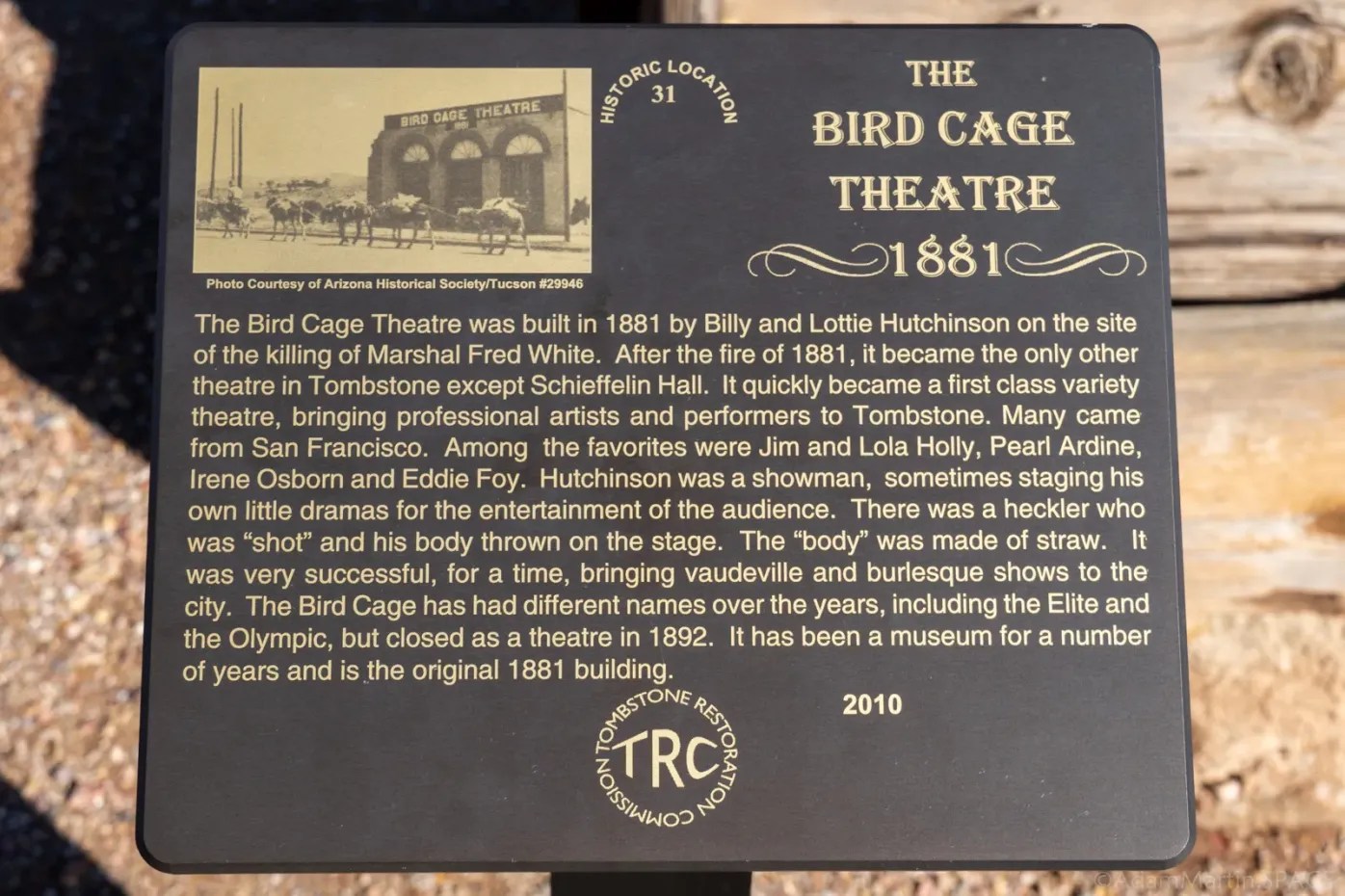
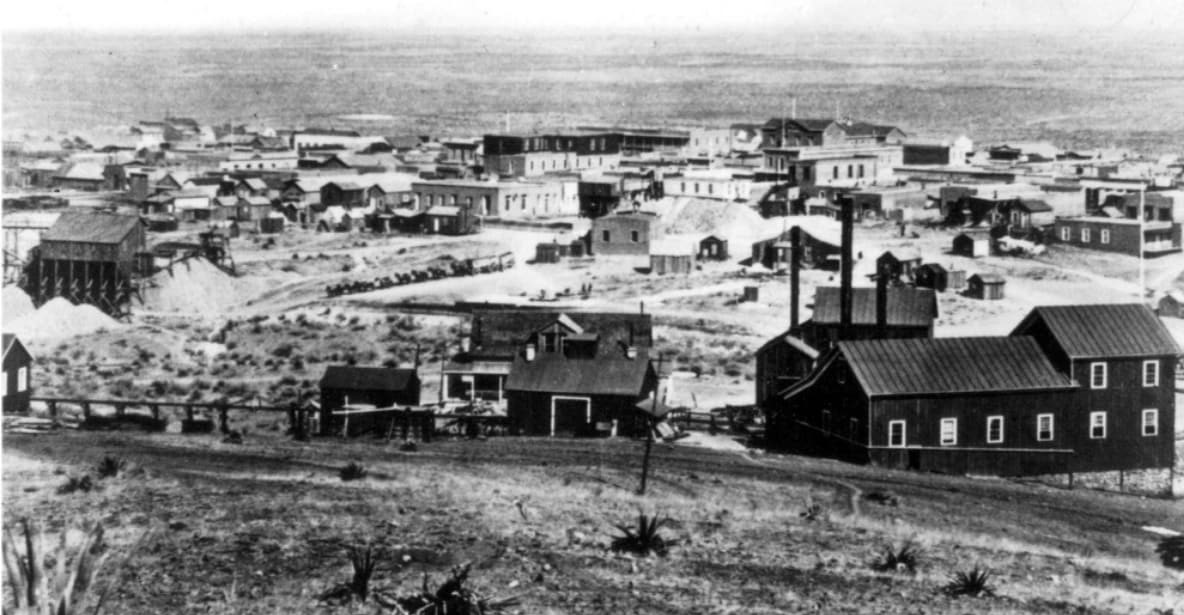
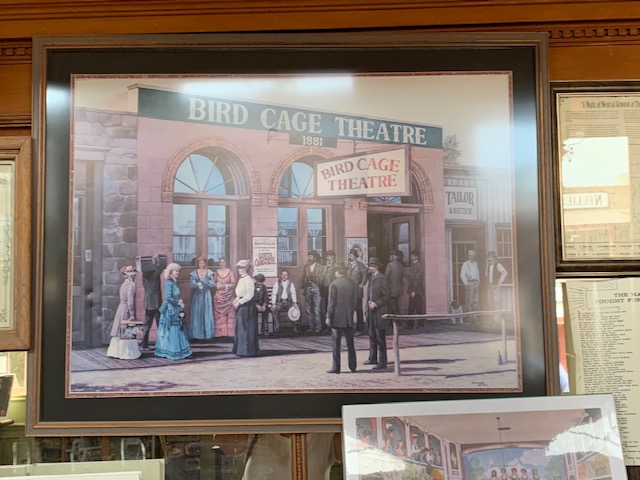
Tombstone AZ. 1881

After the Rose Tree Museum we headed to the Gunfighter Museum and stayed a couple of hours.

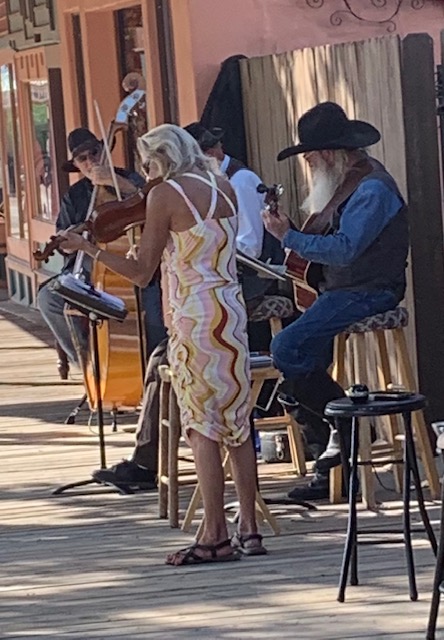
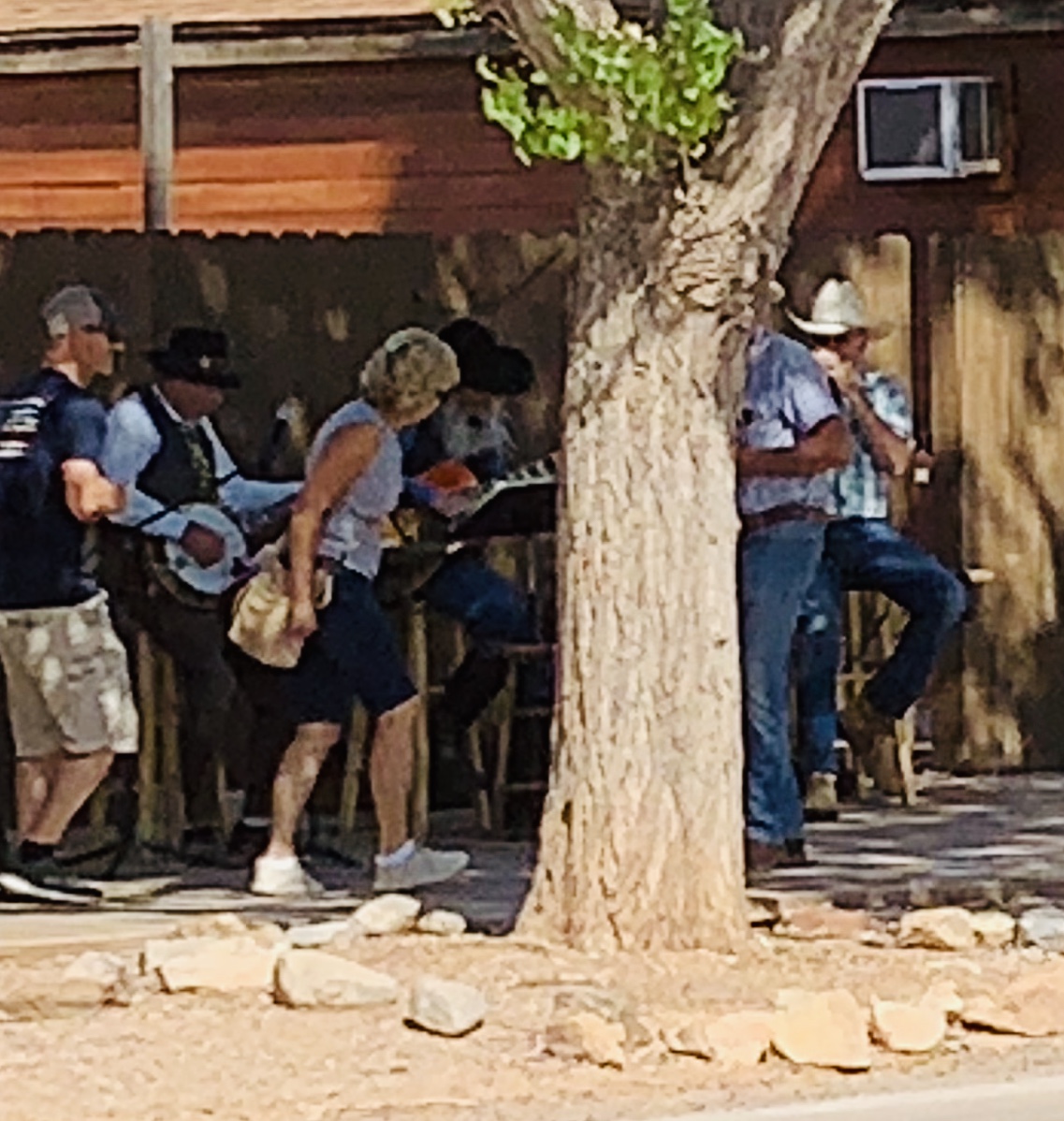
A band was playing and people were dancing in the streets of Tombstone.

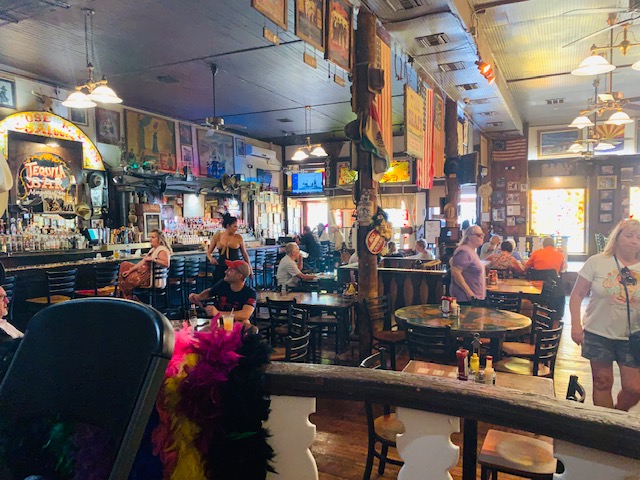
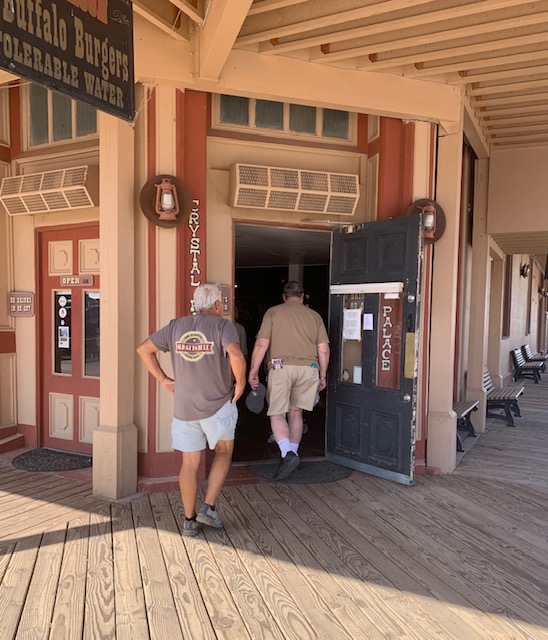
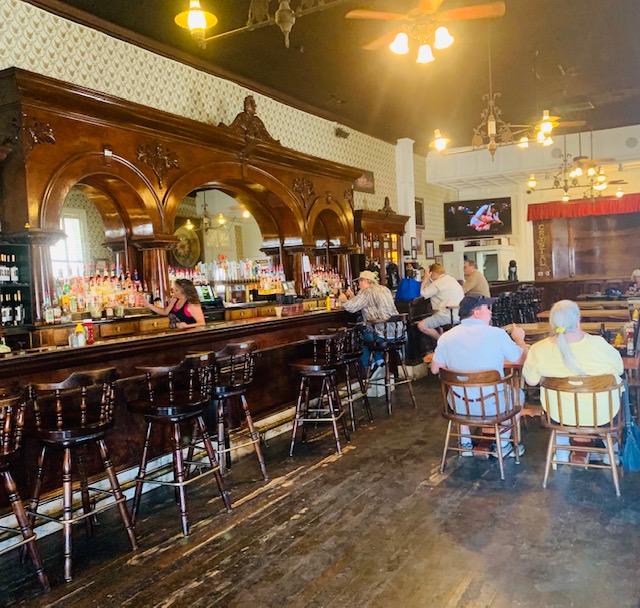
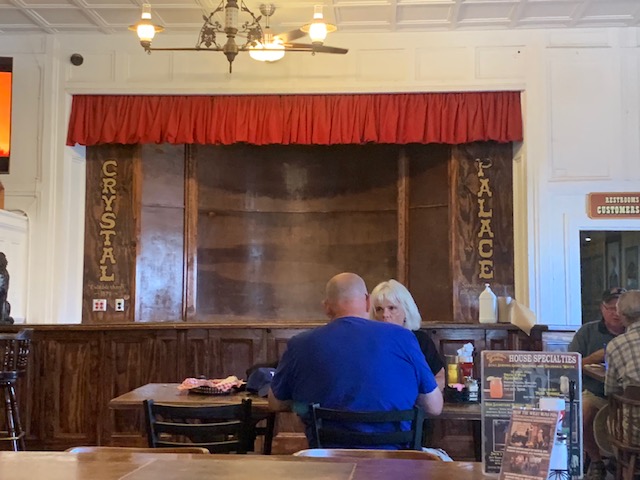
Listened to the music while walking the streets of Tombstone. Then stopped for a bit at the Crystal Palace.

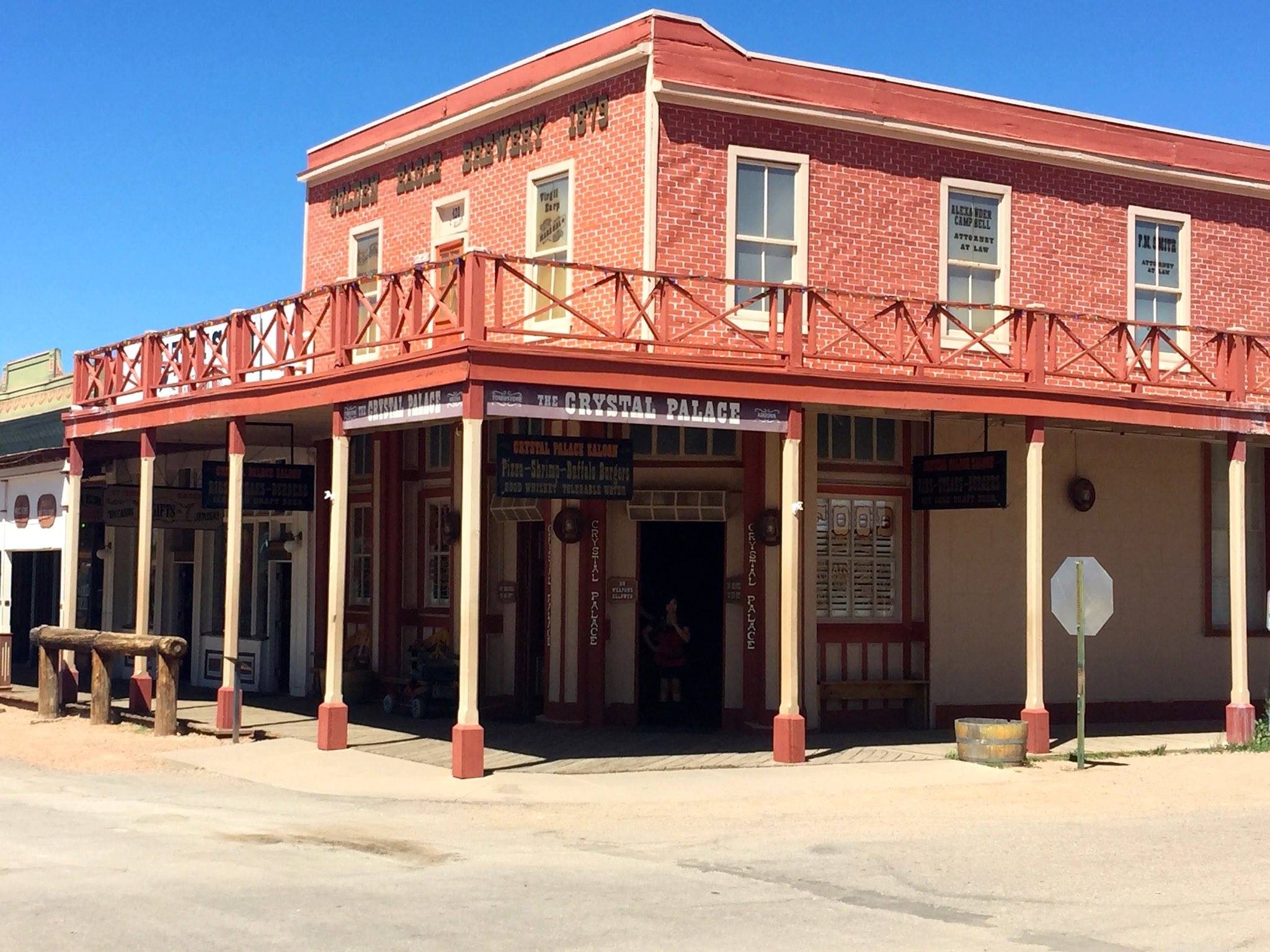
Originally known as the Golden Eagle Brewery, this was one of early Tombstone’s saloons. Named after its builder, Benjamin Wehrfritz, the Wehrfritz Building expanded by adding a second story to house the offices for such notables as U.S. Deputy Marshal Virgil Earp, attorney George W. Berry, and Dr. George E. Goodfellow.

Part of the saloon burnt down in the town fire of 1882, but was soon rebuilt in the same spot – and renamed Crystal Palace Saloon.

Time to call it a night, we’ll be back in the morning.

TOMBSTONE ARIZONA PART 1

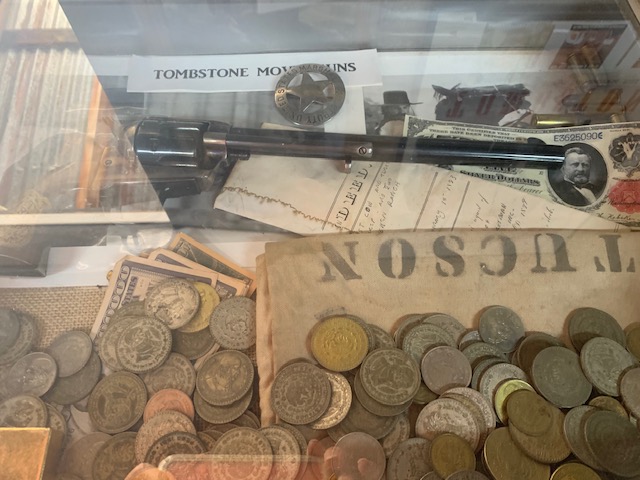
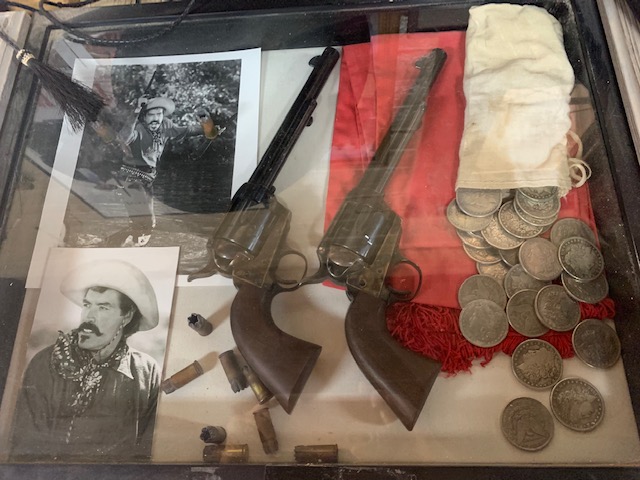
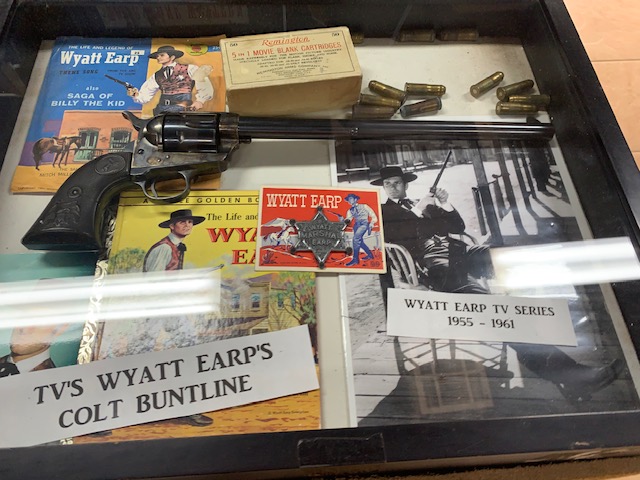
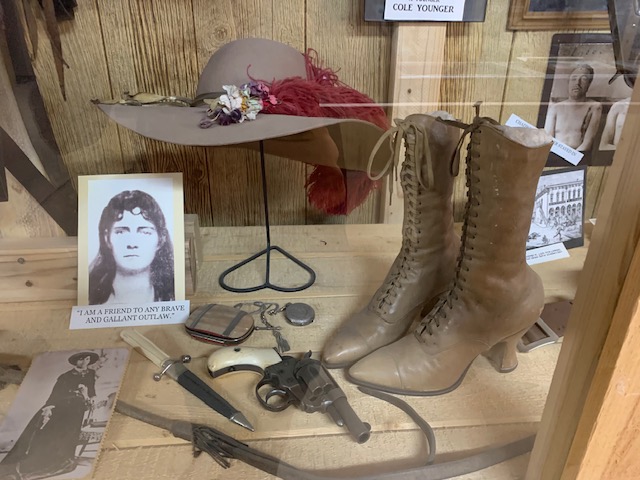
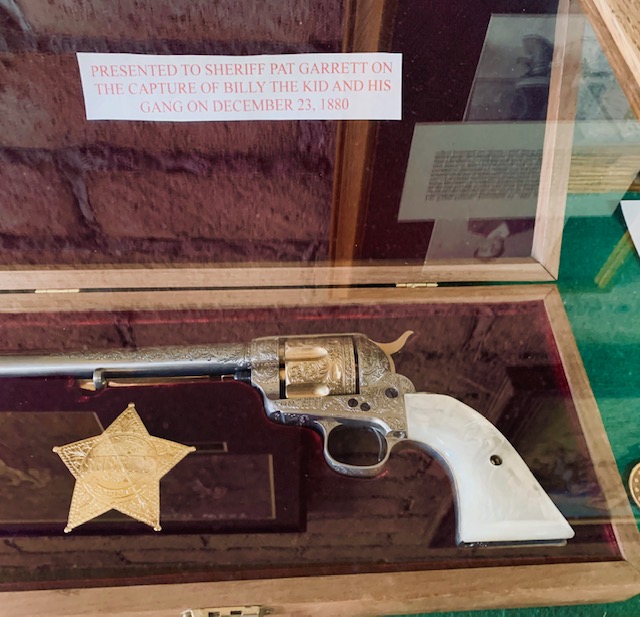
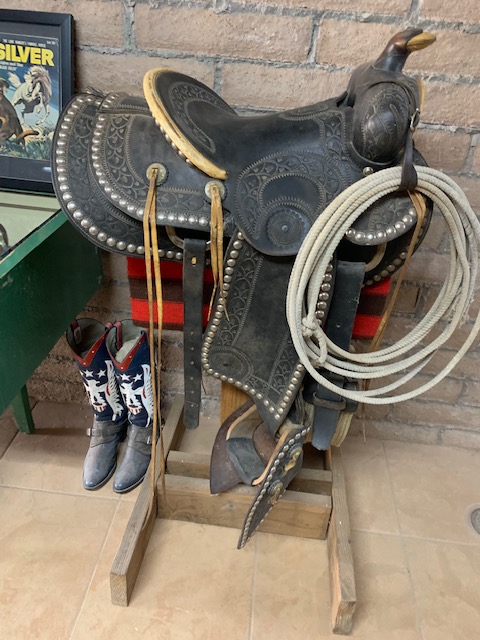
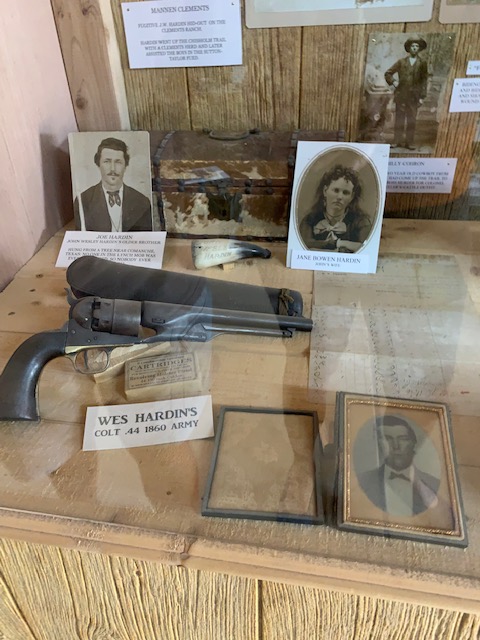
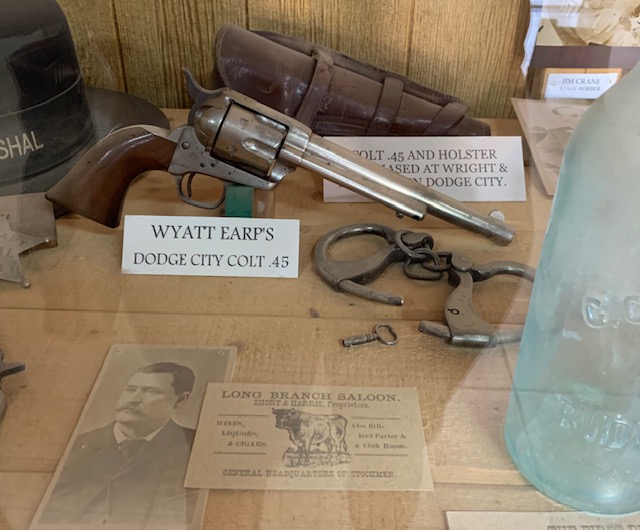
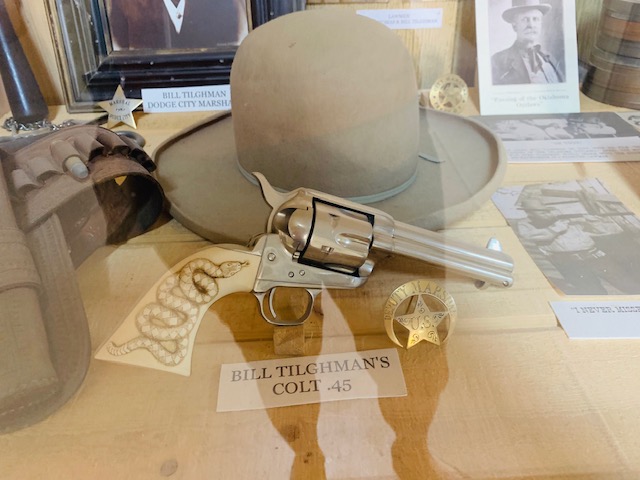
We just got back from spending three days in Tombstone, the town too tough to die. It was a really fun time. Melissa will be making a few posts on our trip there, but I wanted to post on one of the neatest places we went. “The Gunfighter Hall Of Fame”. At first glance not impressive, but we spent three hours there. The museum has over fifty display cases filled with good, the bad and the ugly of the old west. Mainly original and authentic belt rigs, and pistols, some rifles from the most famous names in old west history. Also in the museum are(movie props)mainly gun belts and pistols, worn by iconic actors from some of the most famous movies of all time. Valued at over over three million dollars, this was an amazing place to see. The owner was a great guy, we think he was a child actor once, as to own all this he has to know a lot of people in the business. Also all the movie prop guns are real not fake they will fire a live round if one is put in.
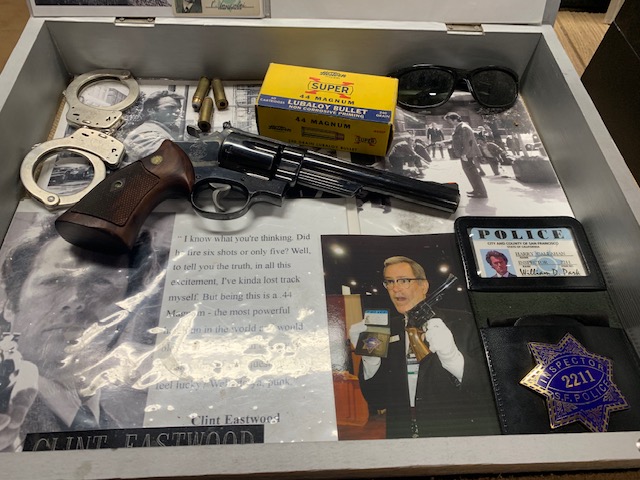
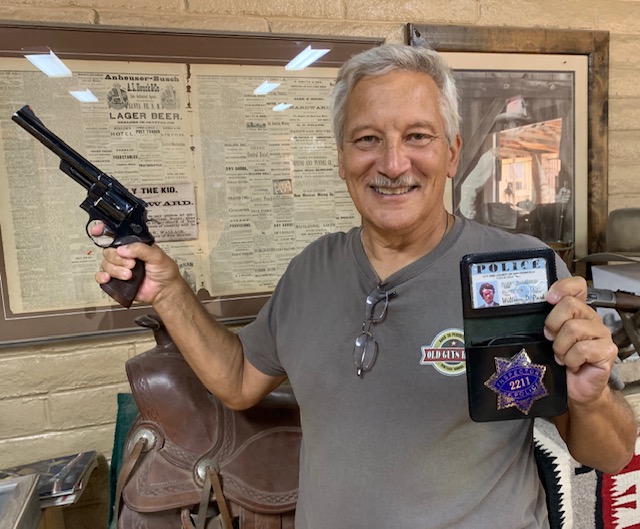
When we first walked in the owner was showing a customer, and iconic piece of movie history, I’ll give you a hint, ” Well punk , go ahead make my day”.. Yep the iconic 44 magnum from the movie Dirty Harry.

Go Ahead, make my day

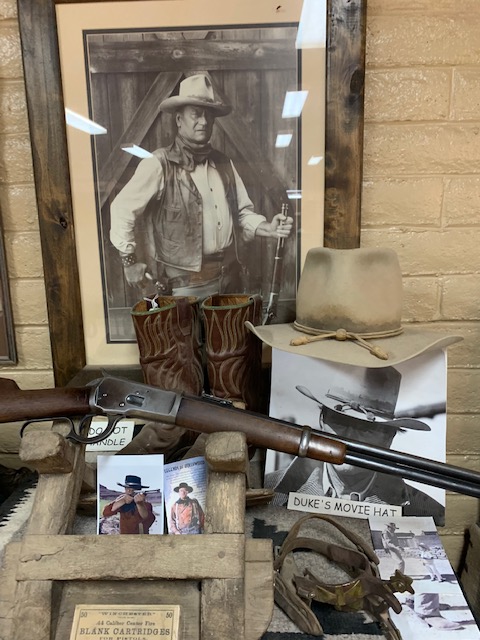
The Duke, John Wayne, below is his pistol rig he wore in many a movie along with his rifle and hat WOW.

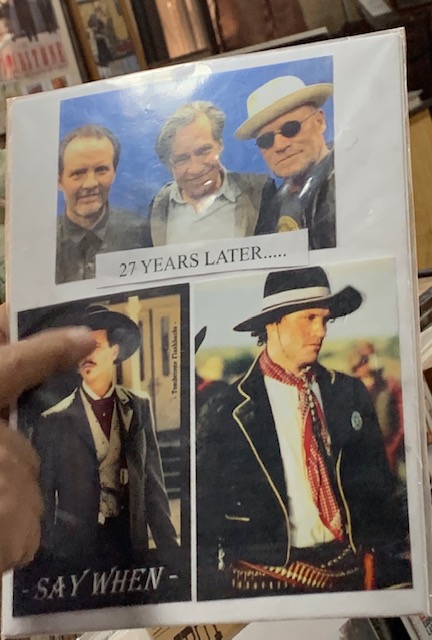
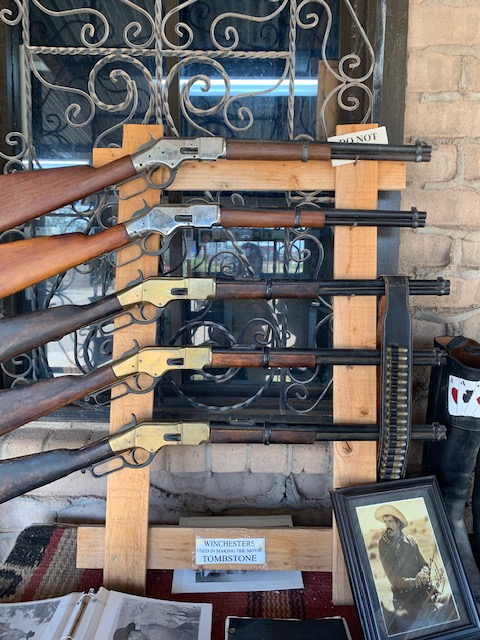
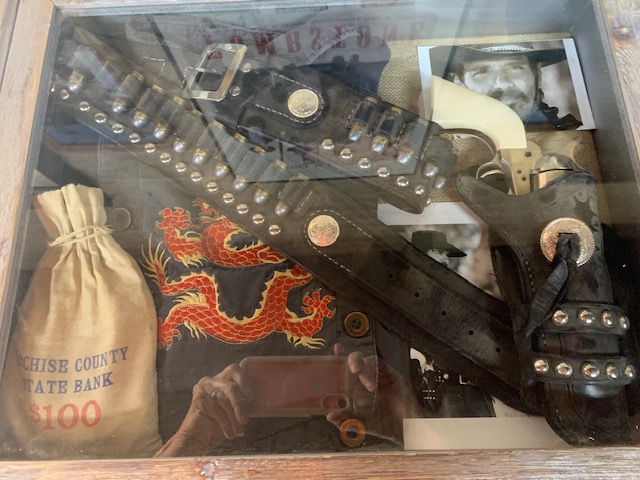
TOMBSTONE the movie, below props worn by different actors in the movie

Above from the TV show.

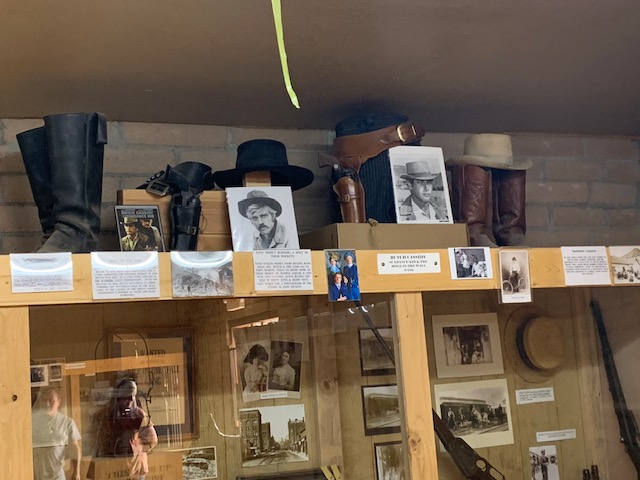
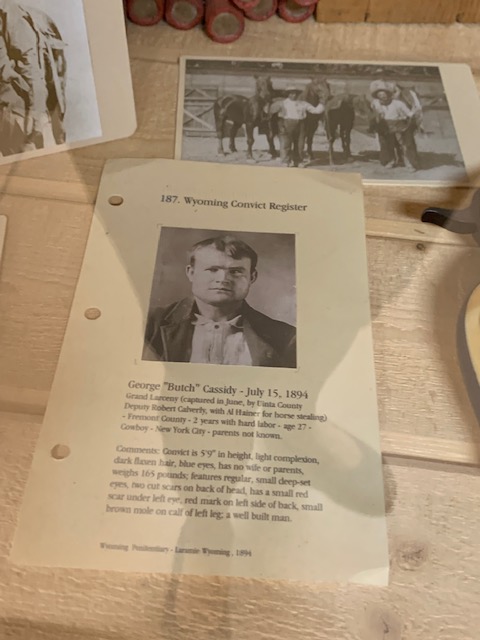
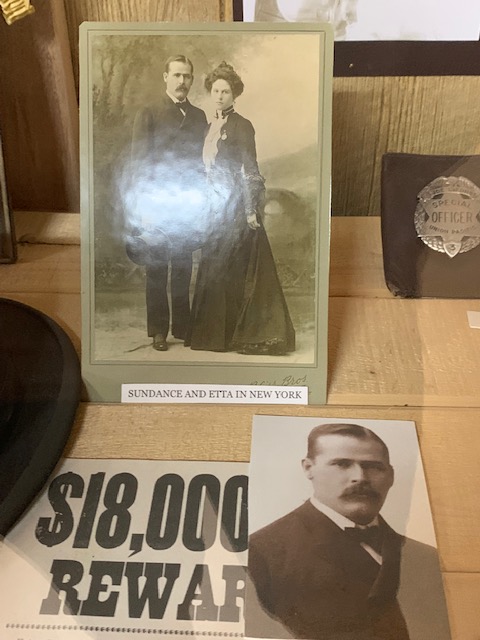
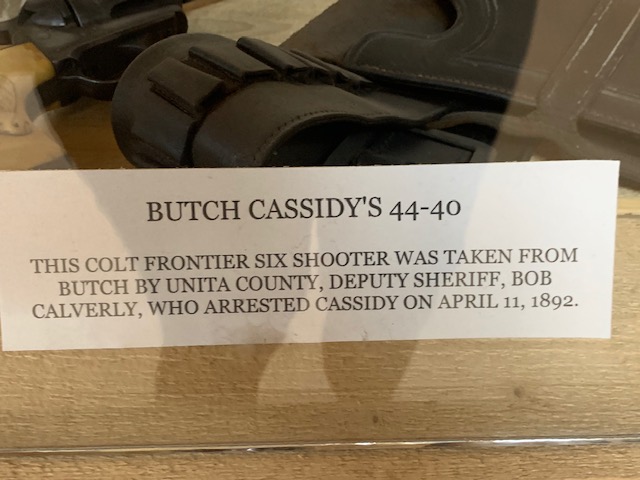
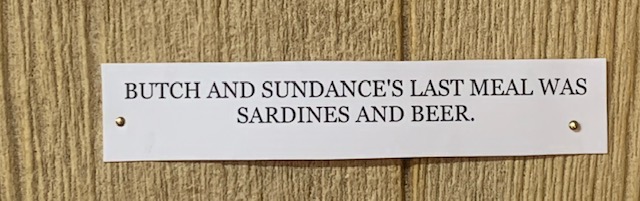
The museum also had the props from Butch Cassidy and The Sundance kid, along with the real deal stuff that was taken from them when they were captured. However we got pics of the movie prop stuff, and not a lot of the real deal stuff, still very cool.

O.K. Lets go on to the real deal stuff from real good guys and bad guys.

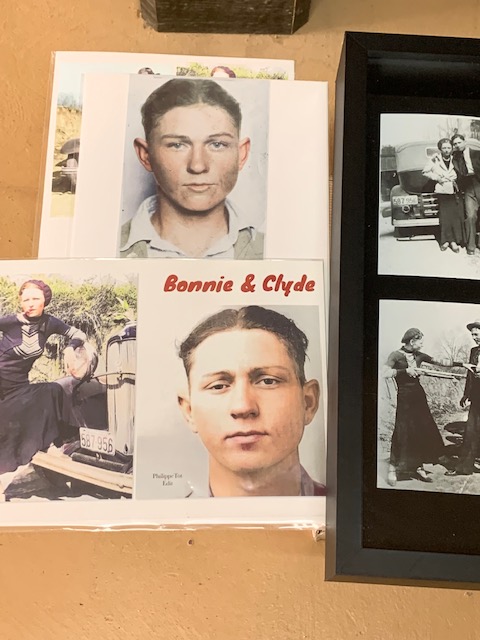
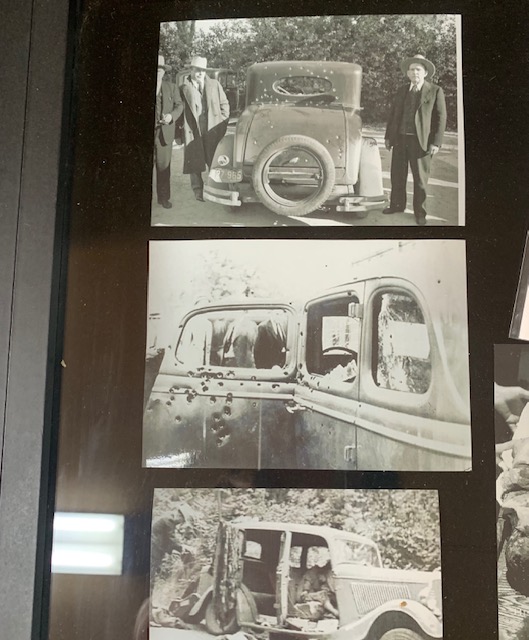
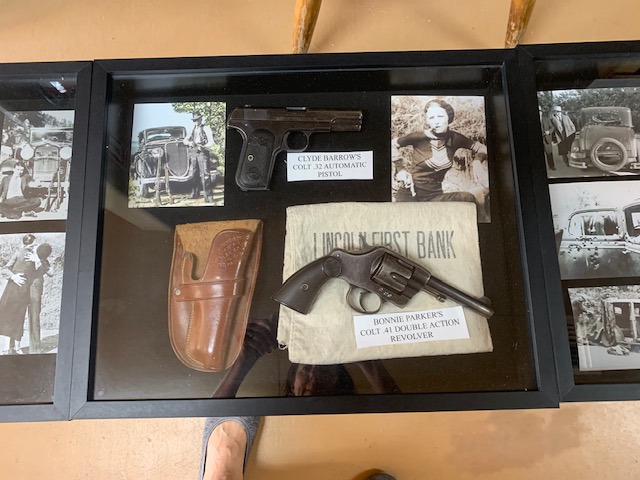
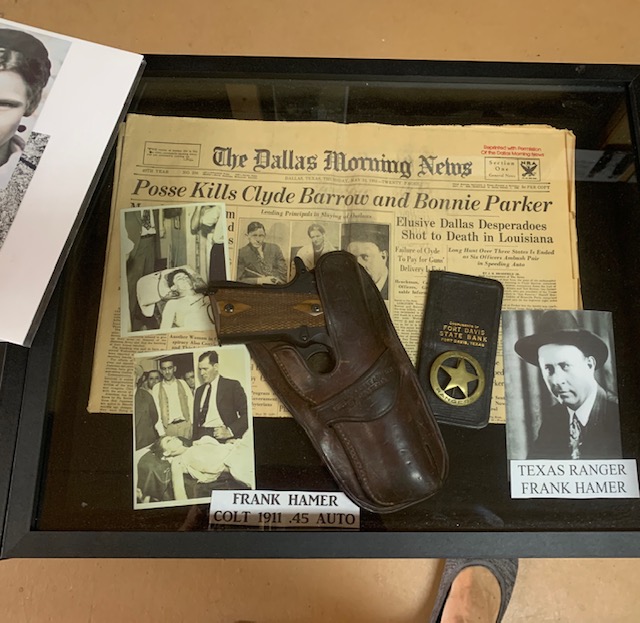
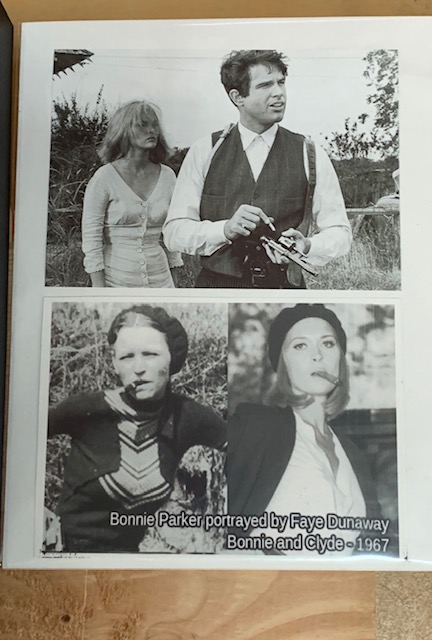
BONNIE and CLYDE

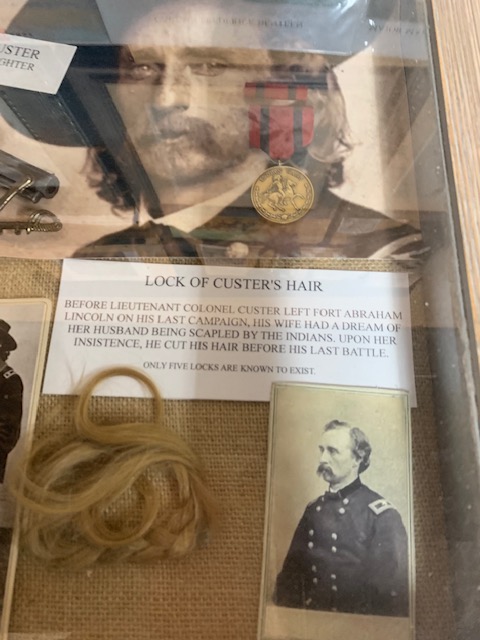
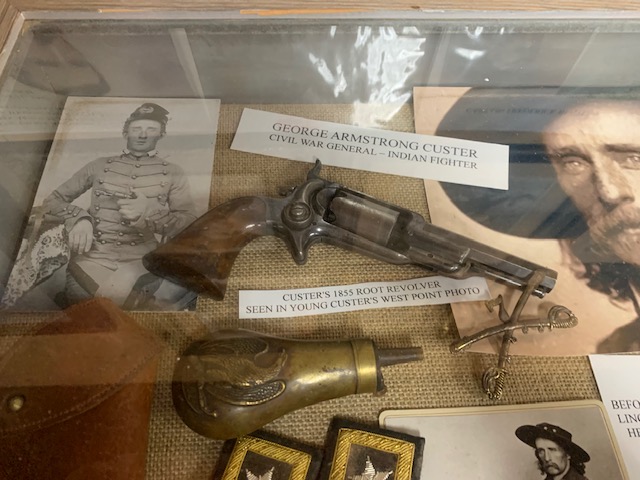
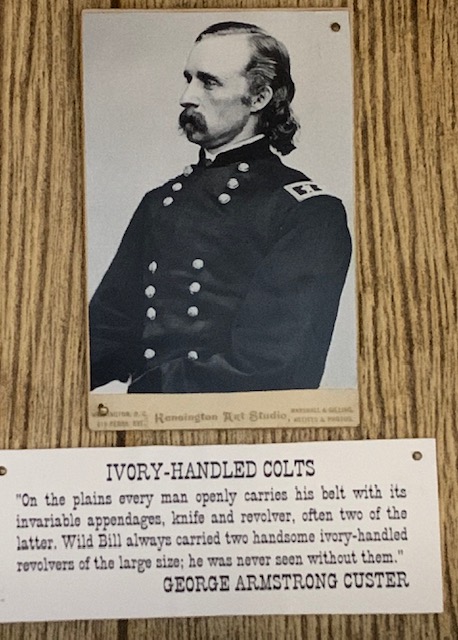
George Armstrong Custer, below

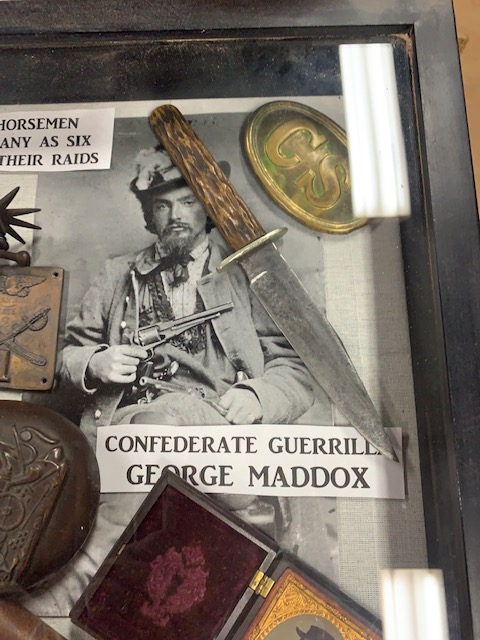
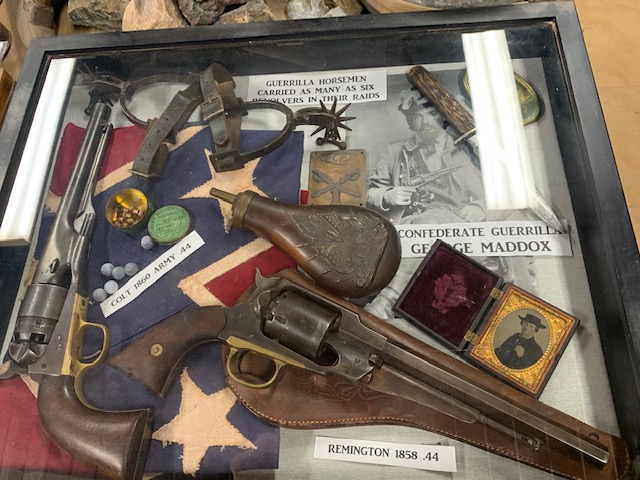
One of Bloody Bill Anderson’s Confederate raiders, who rampaged through Kansas and Missouri during the Civil war .

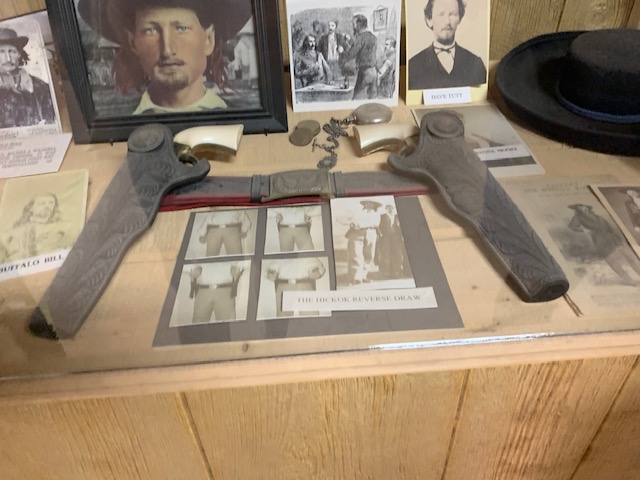
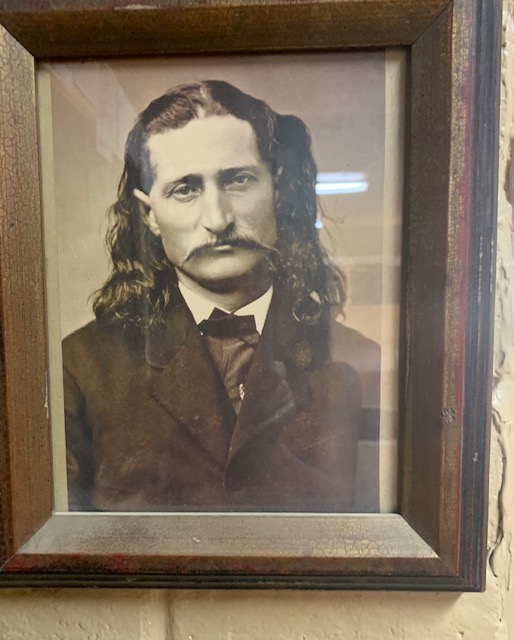
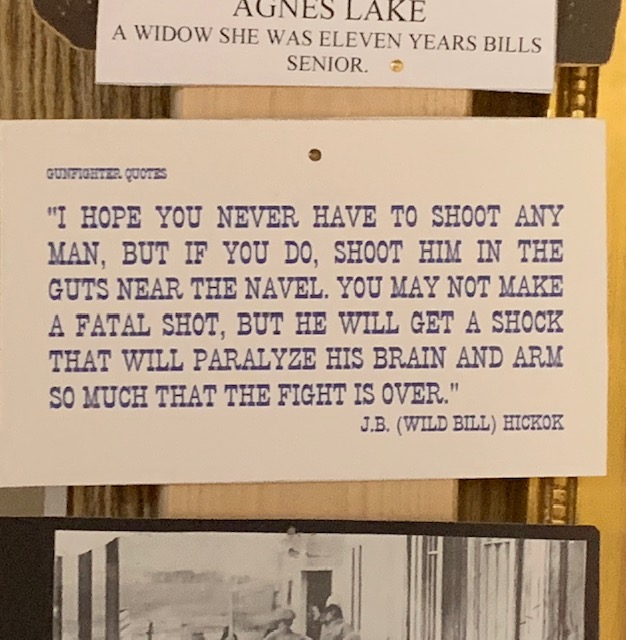
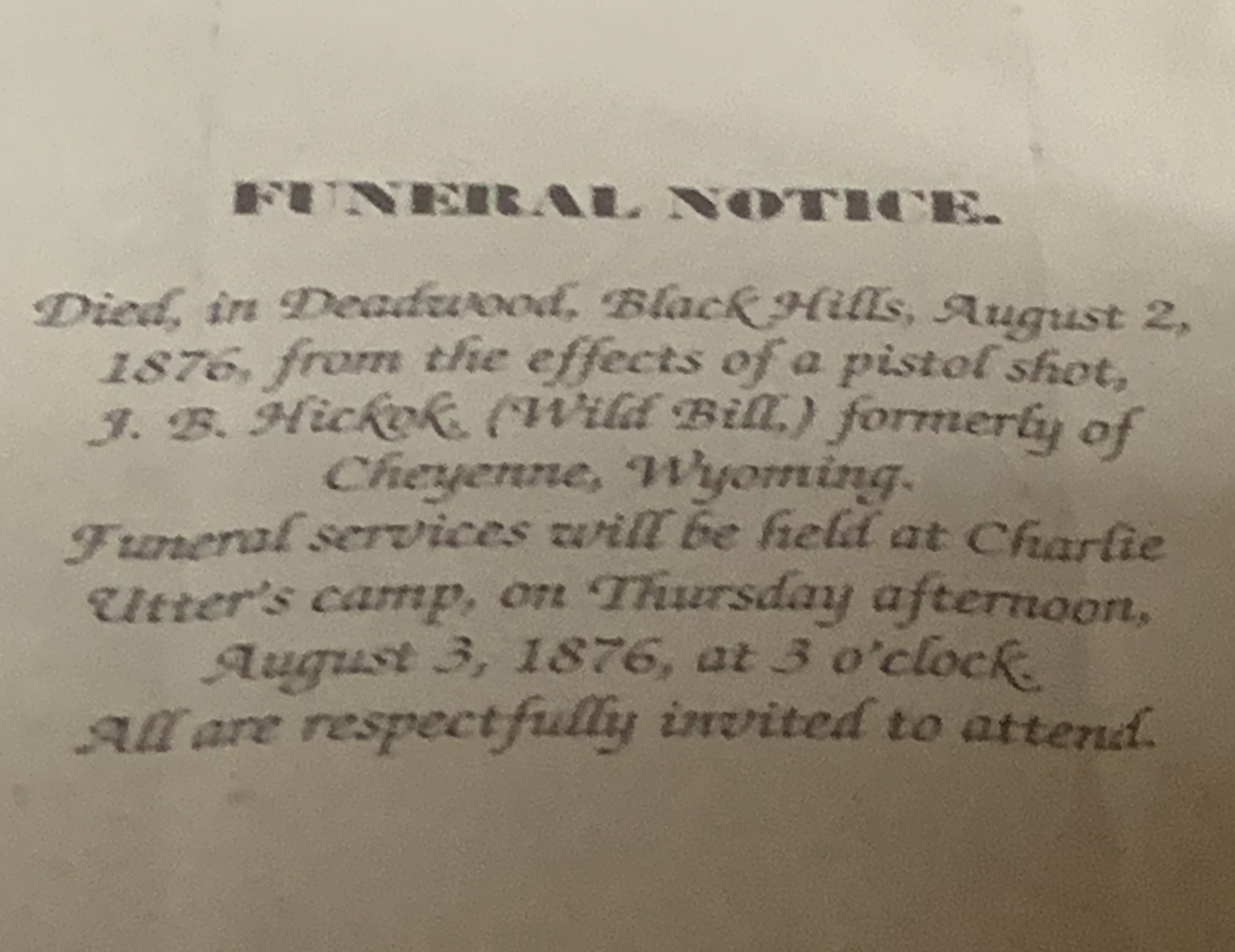
Wild Bill Hickok, below

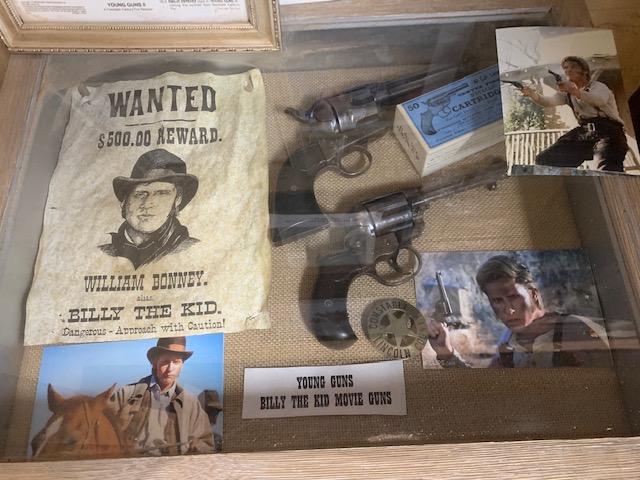
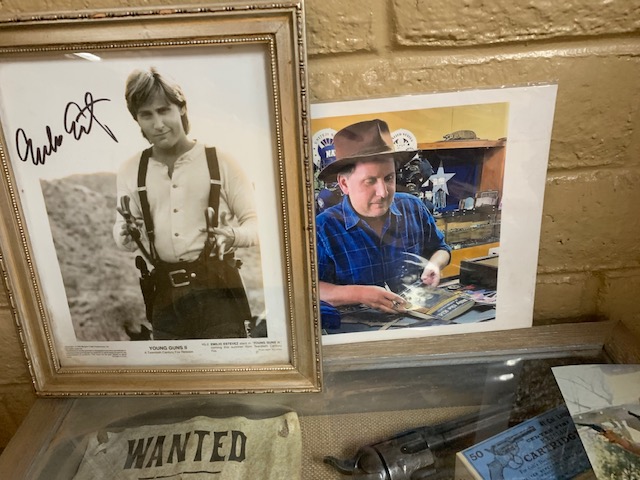
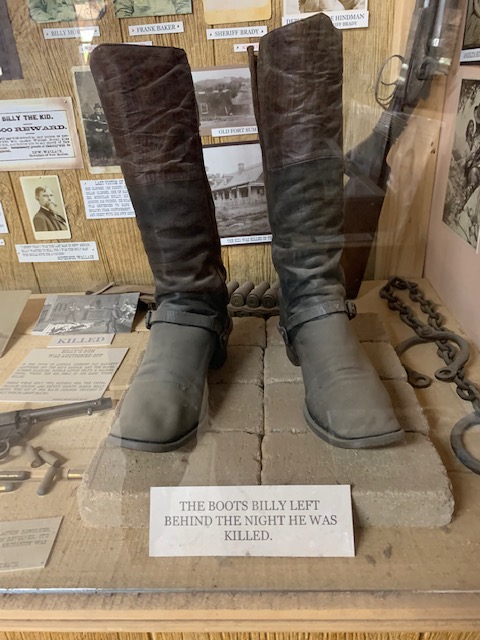
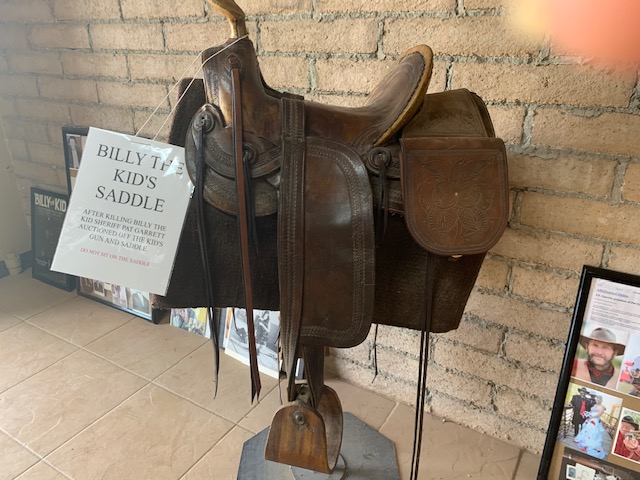
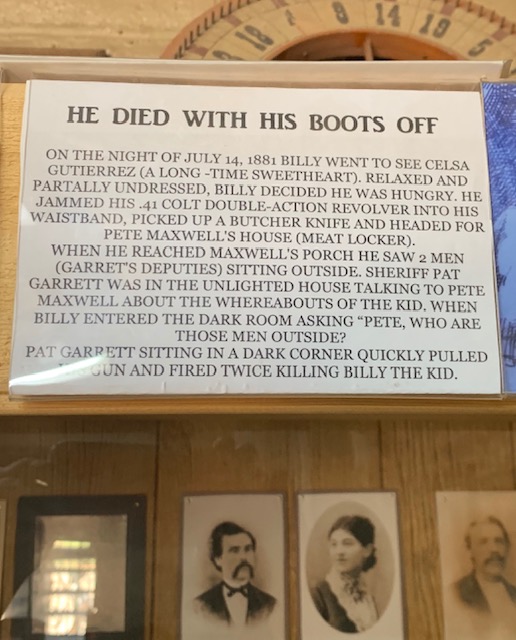
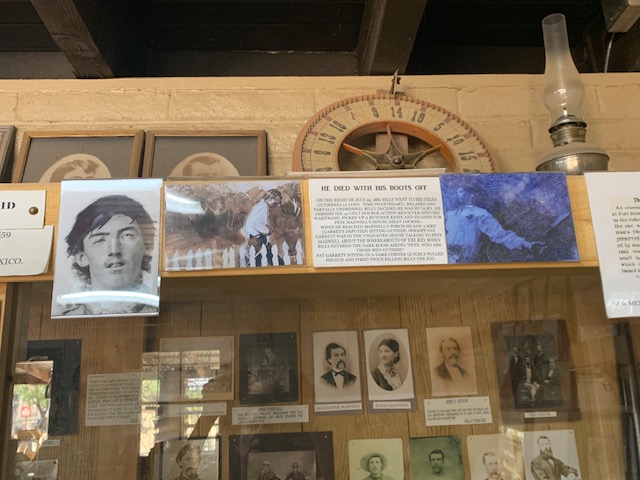
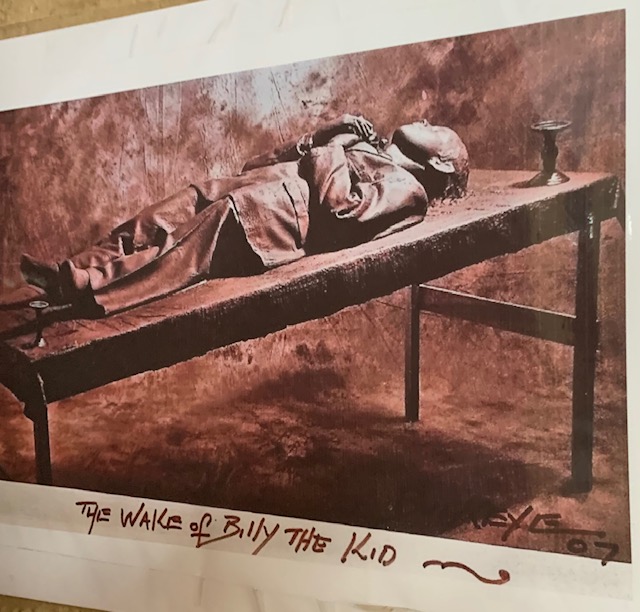
Billy The Kid, below

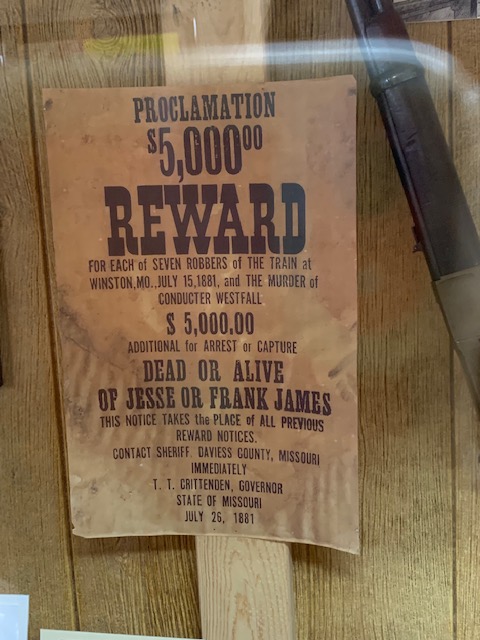
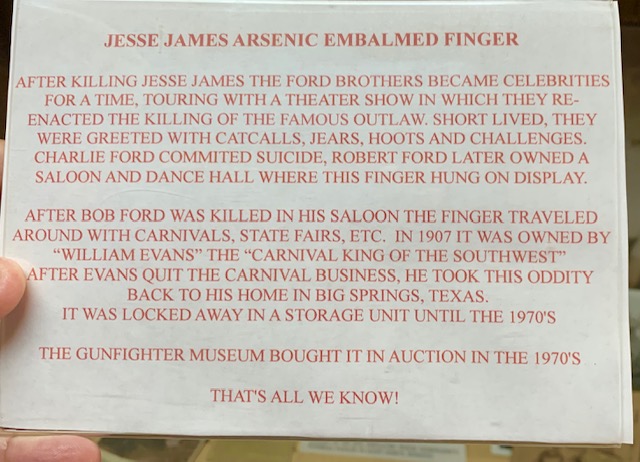
Jessie James, below

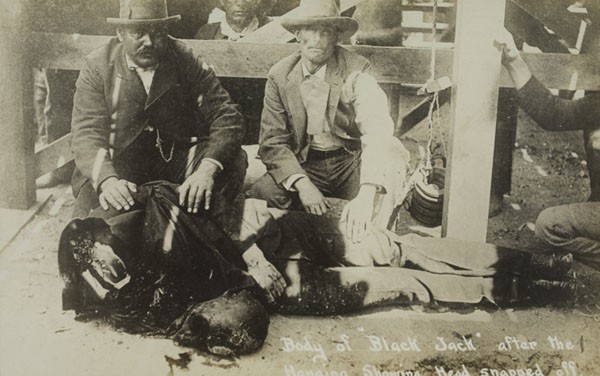
“Black Jack” Ketchum, bank robber ,captured and sent to the gallows to be hung, this display we did not get a picture but the actual hanging rope and a few other things are in the display. Due to a few factors when he was hung his head popped off.

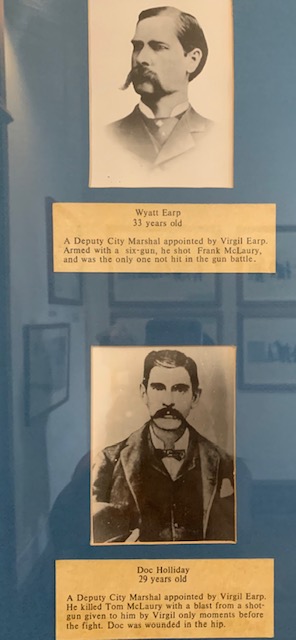
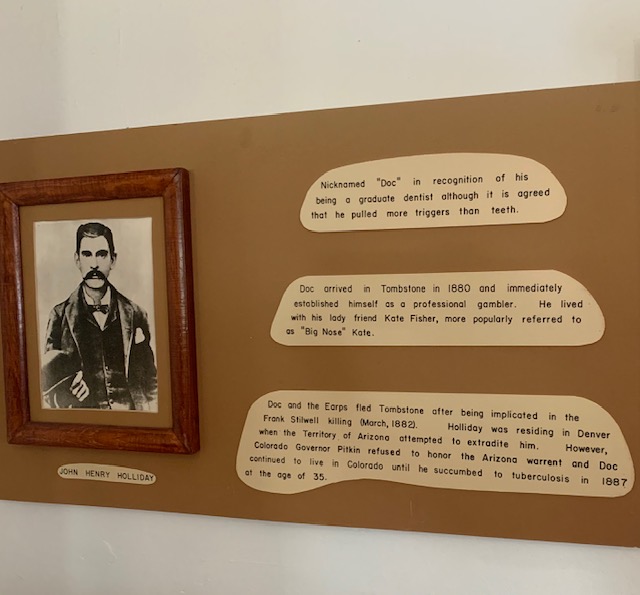
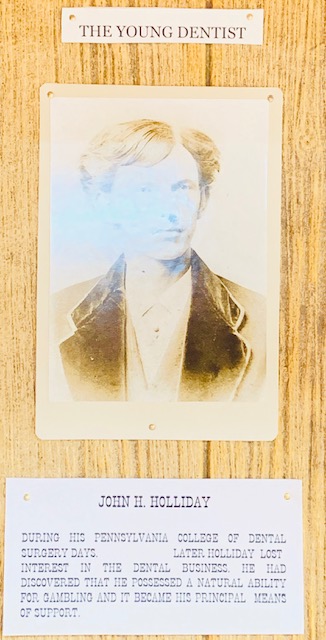
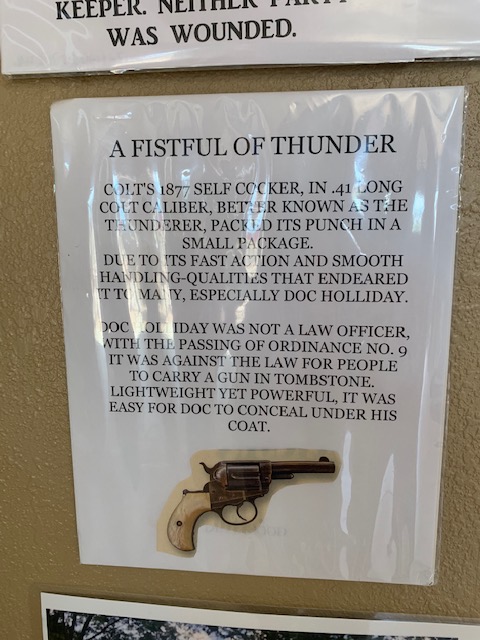
“Doc” Holliday”, Larger than life and short lived, he studied to be a dentist, thus the nickname Doc. Then became a gambler, smoked and drank all the time, after the gunfight at the OK Corral, he went to Colorado for his health, which by this time he was dying of tuberculosis.

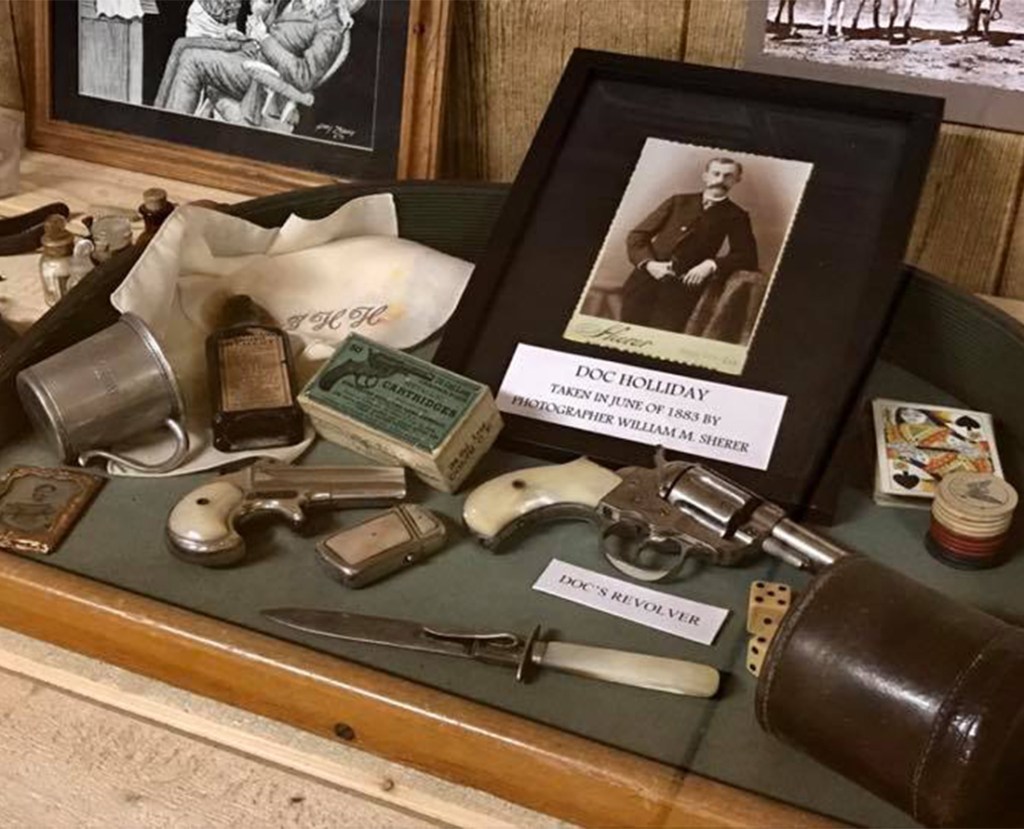
The above is all the worldly remains of Doc Holiday. When he died the owner of the sanitarium collected his personal effects and kept them as payment. This all stayed in the family until 1964 when it went to auction and the Gunfighter Hall of fame bought it. Displayed here for almost 60 years.

There were many more displays, Bat Masterson’s cane and guns, other outlaws and good guys. Way too much too see all at one time. What a great time

BENSON ARIZONA

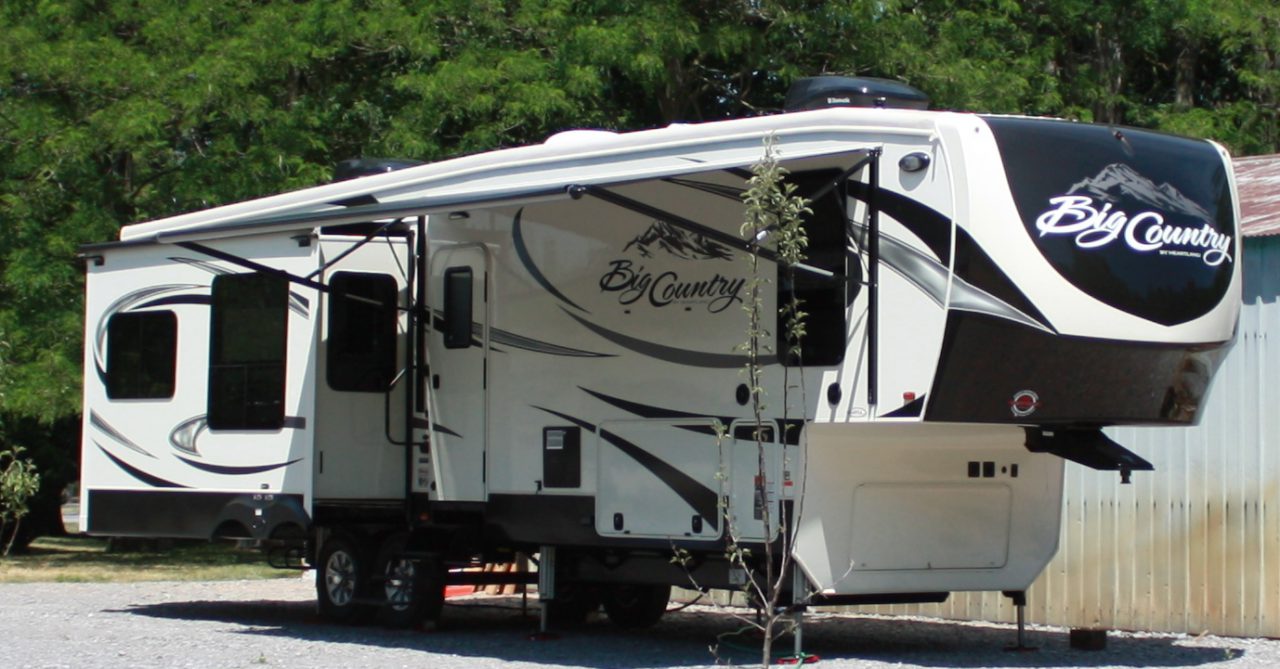
We are now at Butterfield Rv Resort here in Benson Arizona. We traveled 164 miles, from Deming New Mexico to here. Had a little rain when we left, but cleared up nice, for a good drive in. Benson is in the south eastern part of the state, we will be in this area at different parks, until the end of the year. Our spot is below.

Spring Canyon State Park

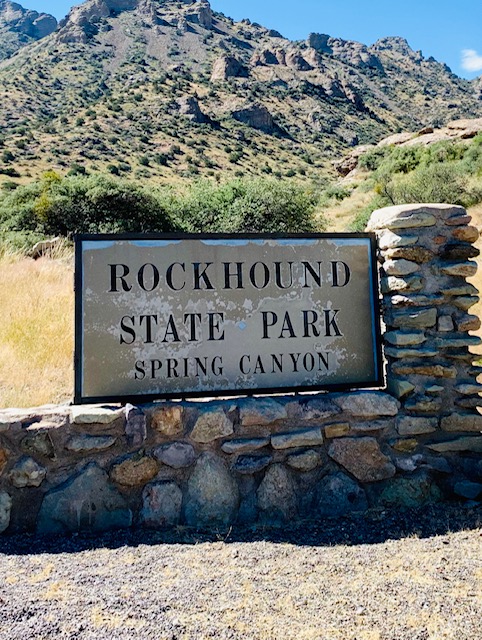
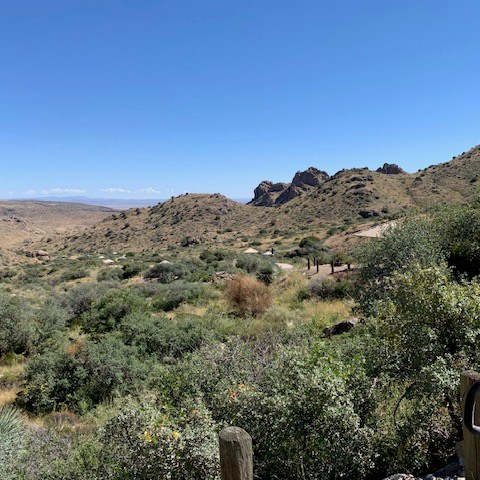
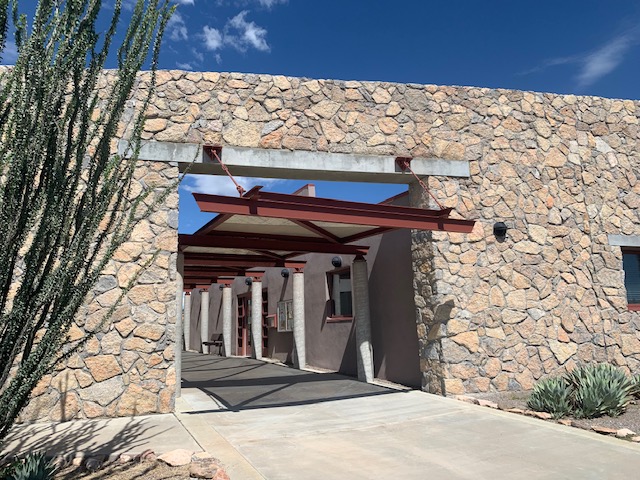
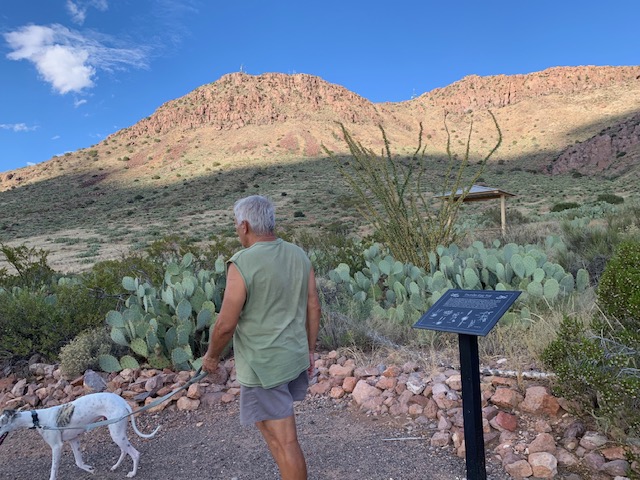
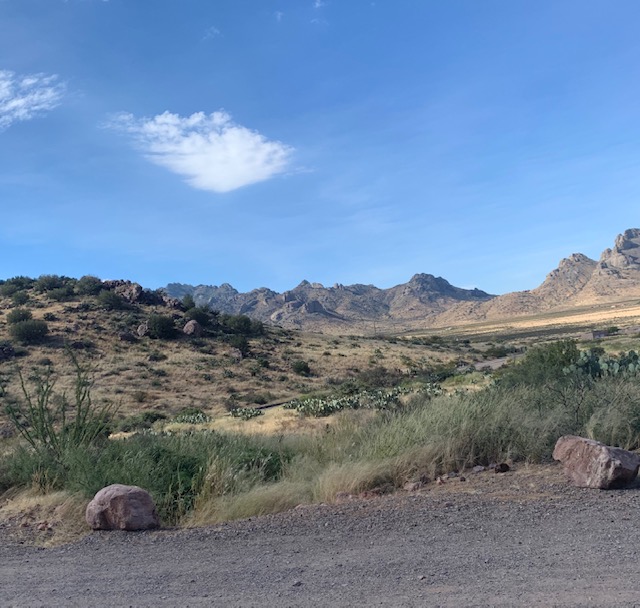
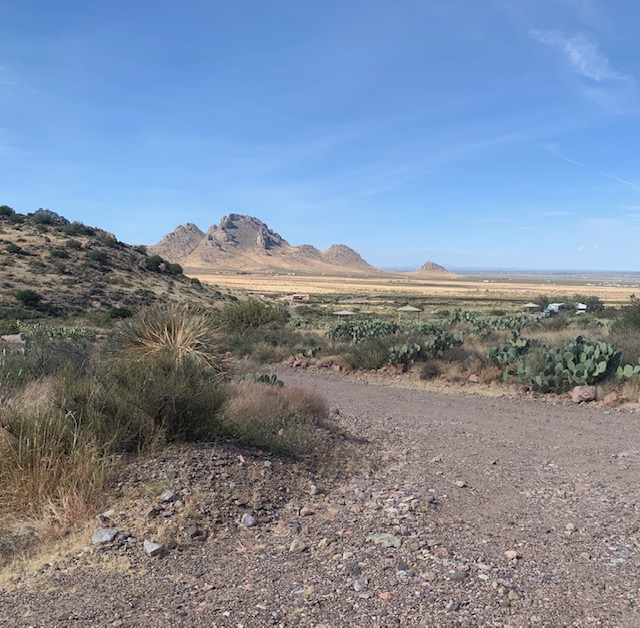
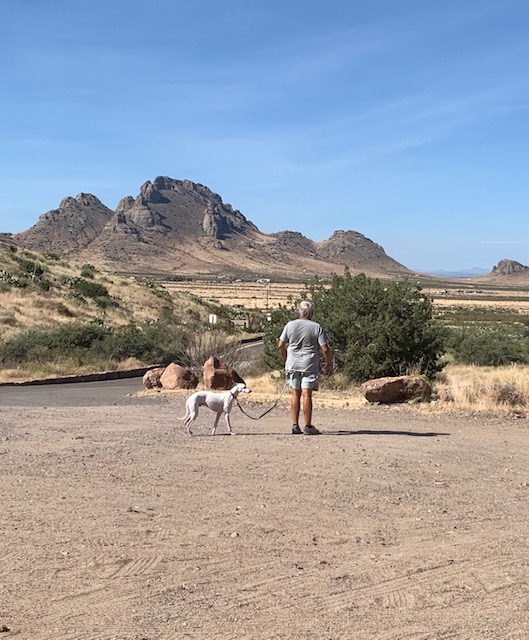
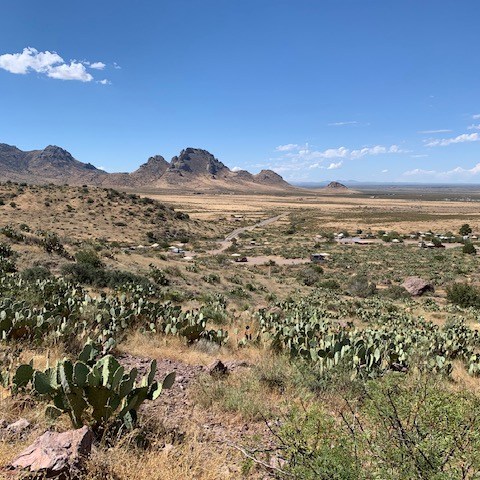
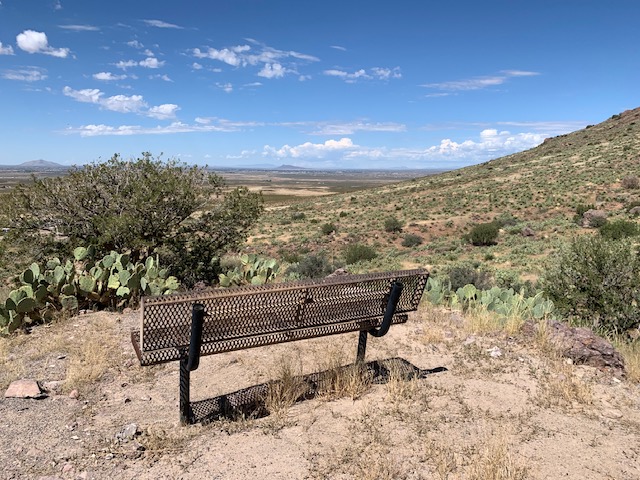
Spring Canyon State Park a sister park of Rockhound State Park, is wedged between Rockhound State Park and Florida Mountains. Its unique and out of the way location, makes it even more scenic as you look at the  views of mountains, desert and basins. It’s a day-use park so we drove out to check it out.

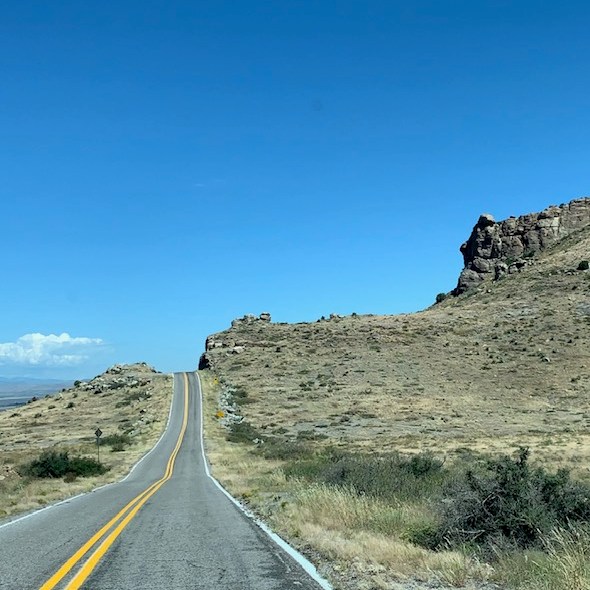
It was fun going up and down the hills to Spring Canyon State Park and back . . . go faster, go faster.

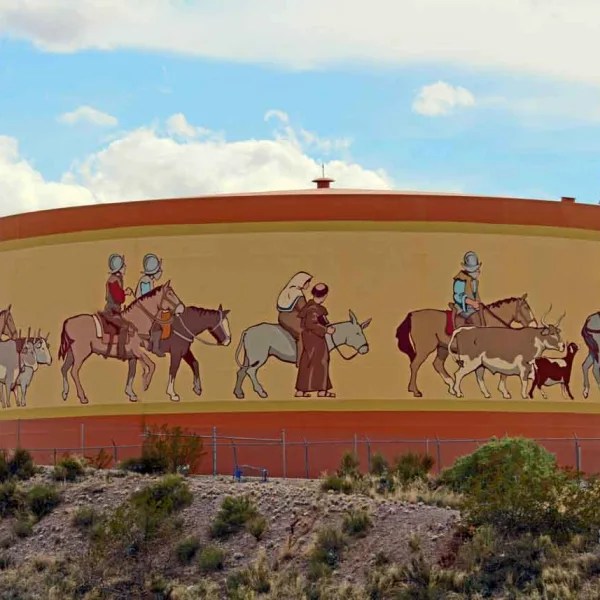
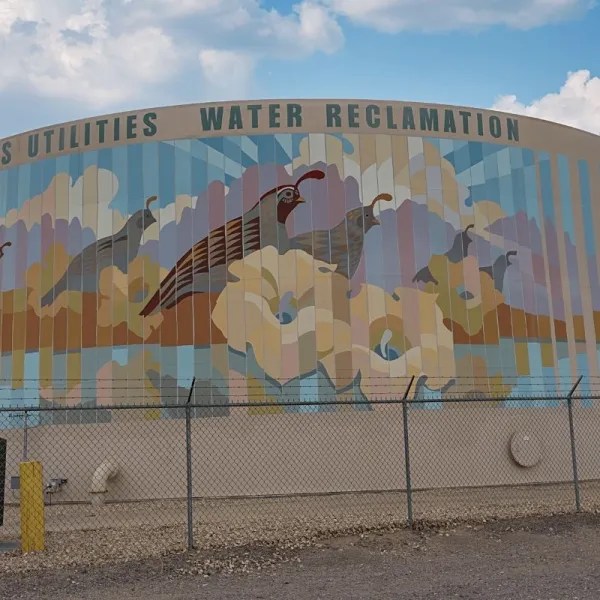
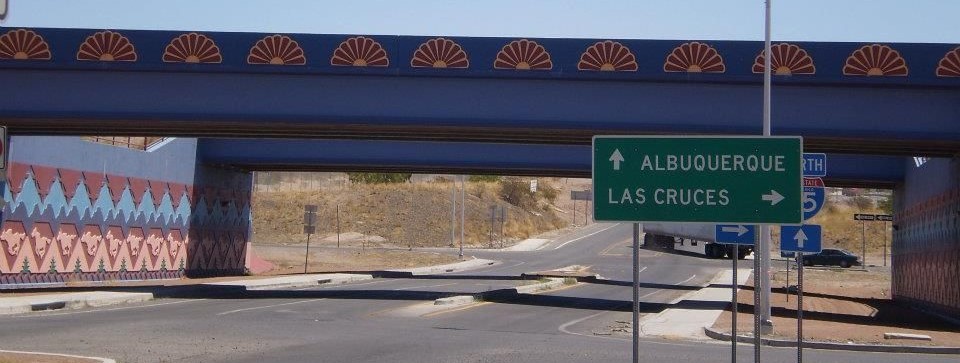
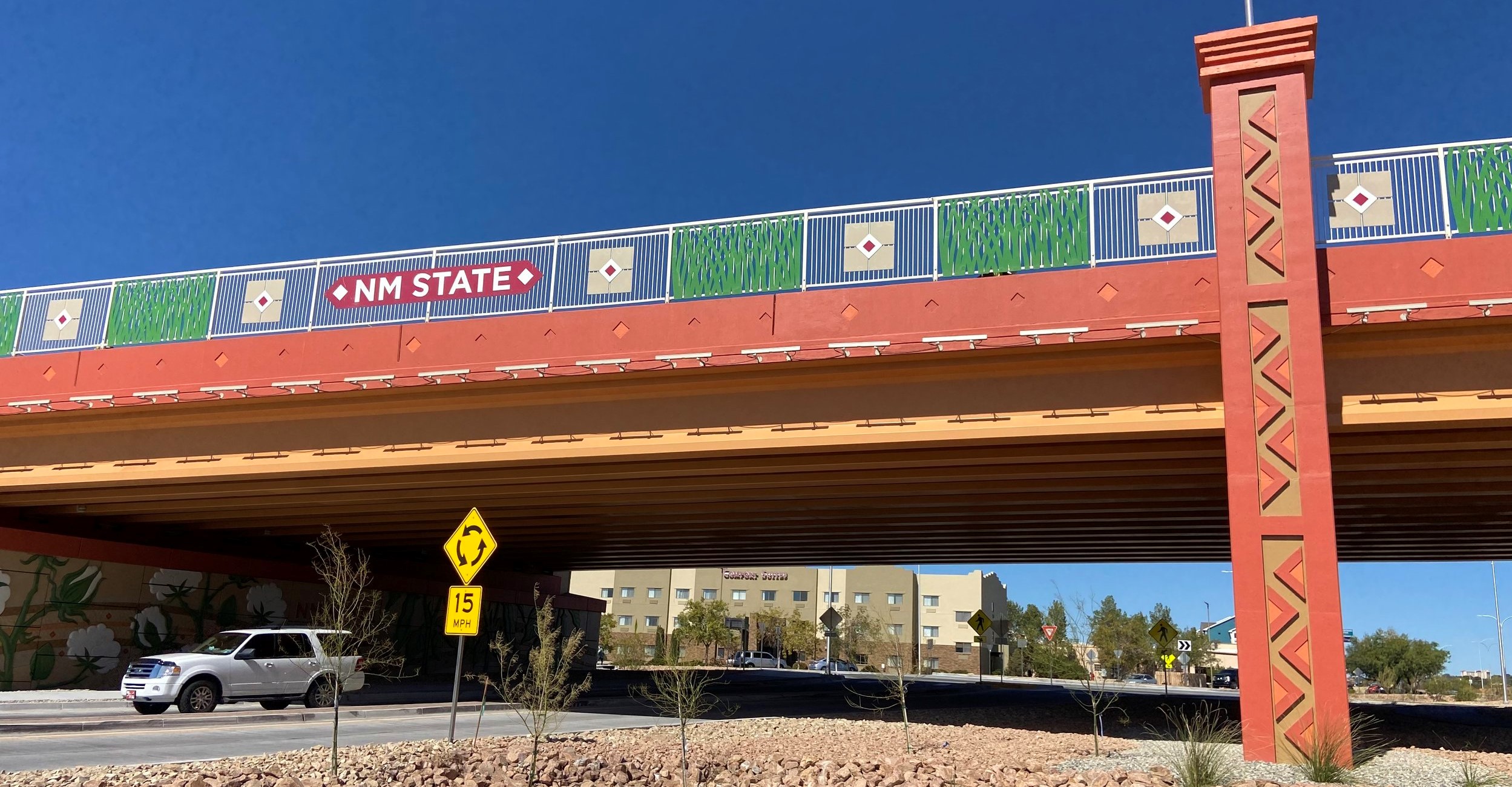
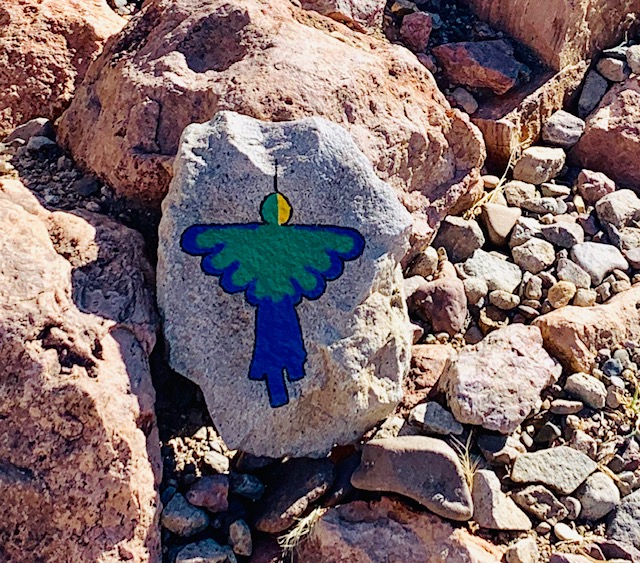
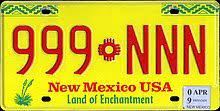
The places we’ve stayed and visited in NM have been wonderful with great scenery! The people are all so nice and it overflows into New Mexico’s colorful heritage.   It’s amazing the imaginative and lively murals they have on buildings, walls, water tanks and bridges, etc. all through NM.   It’s like the license plate says “The Land of Enchantment.” 

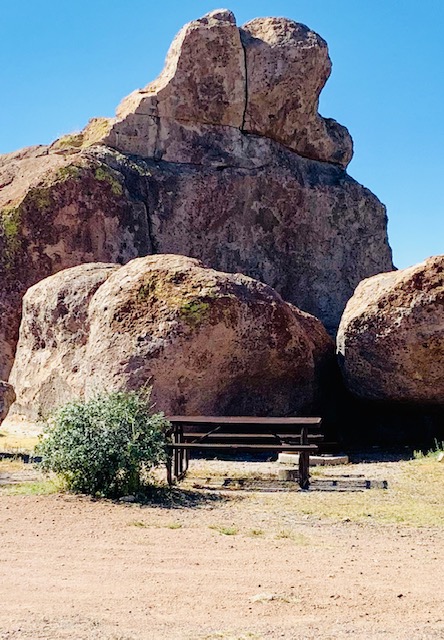
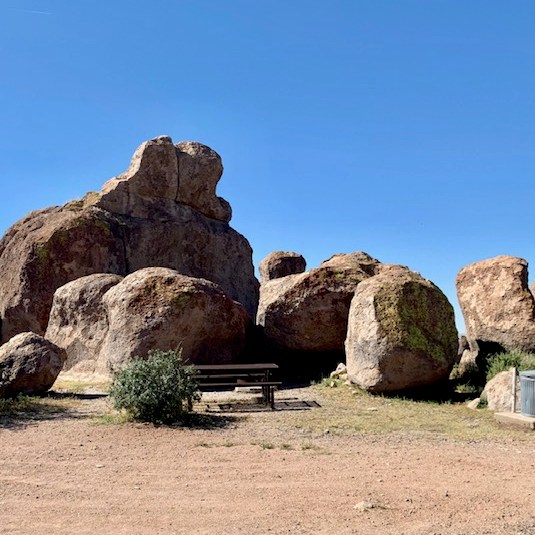
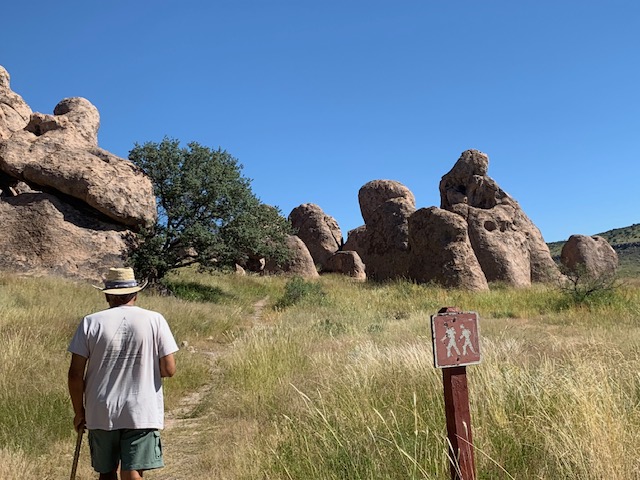
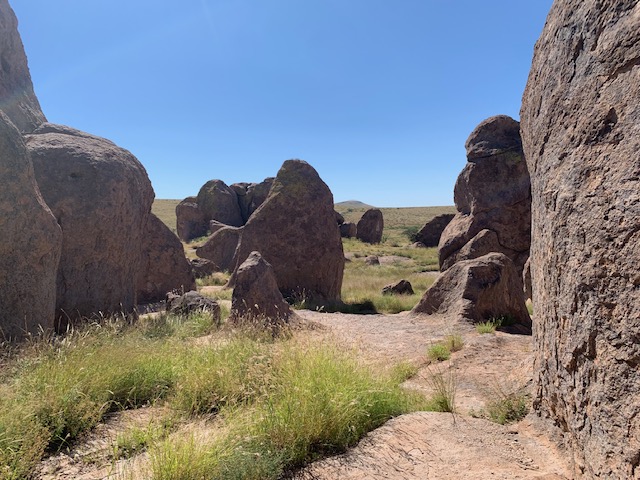
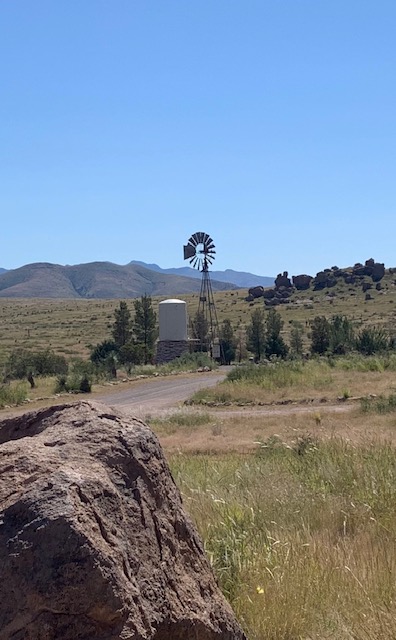
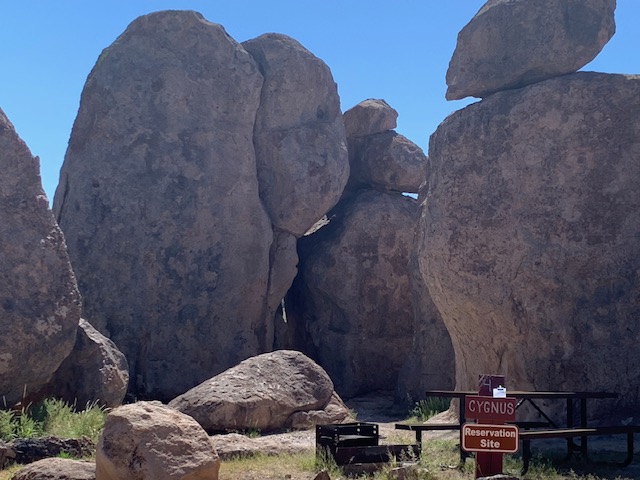
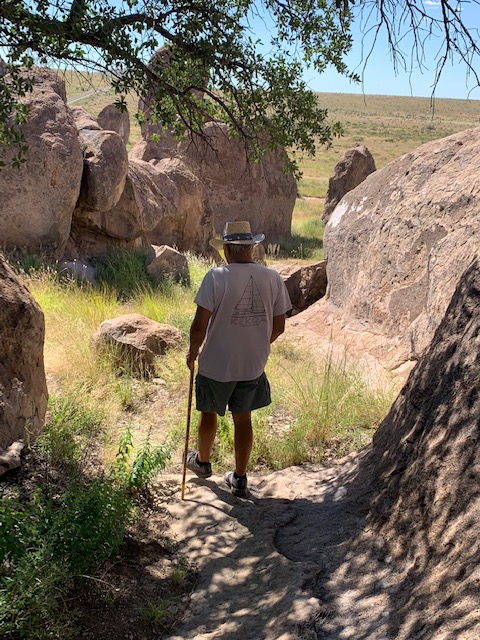
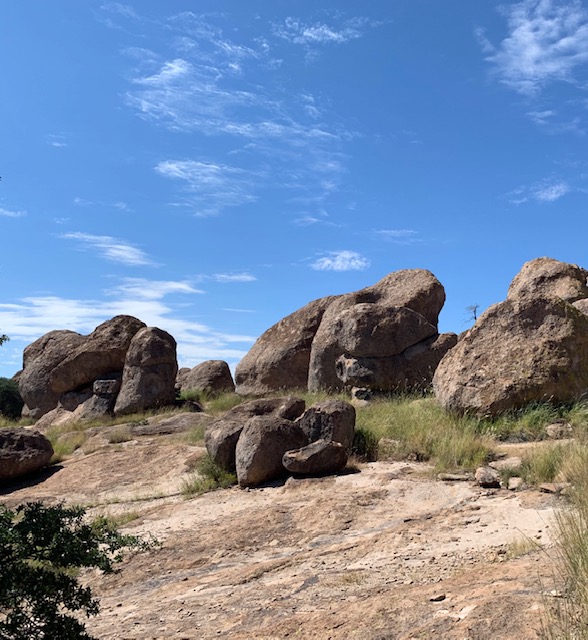
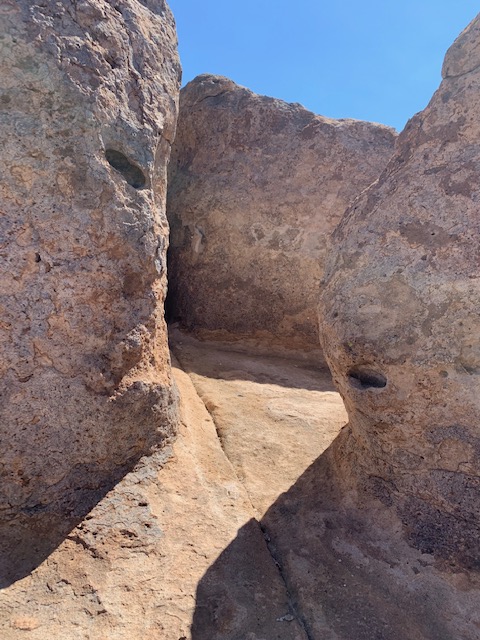
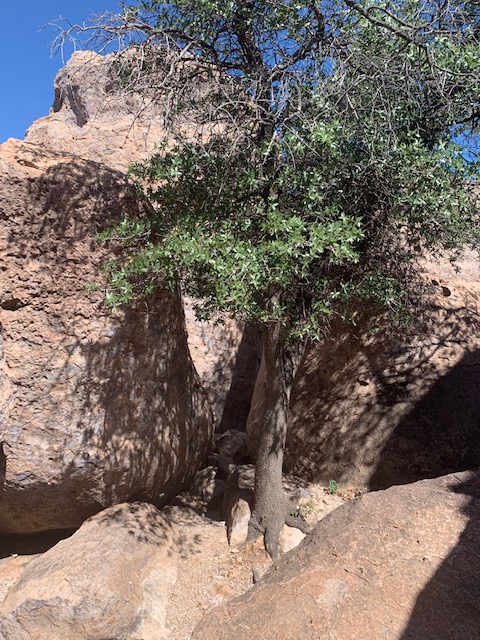
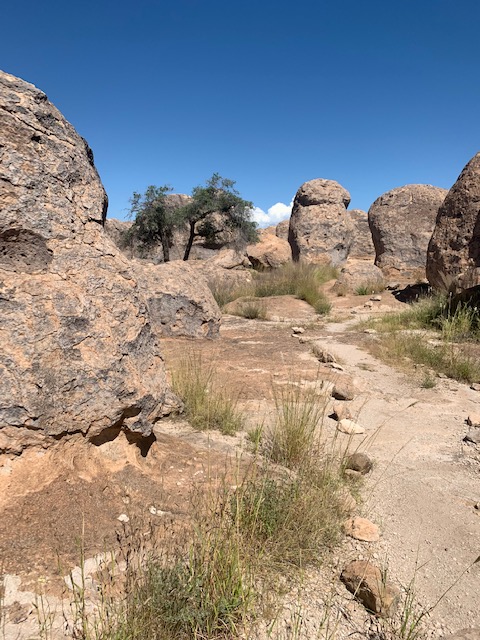
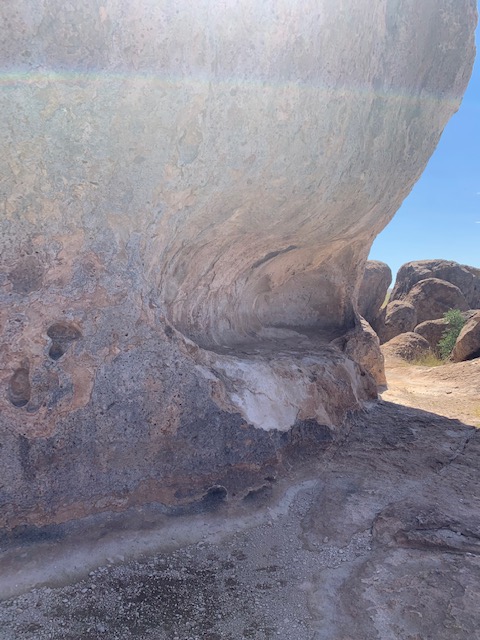
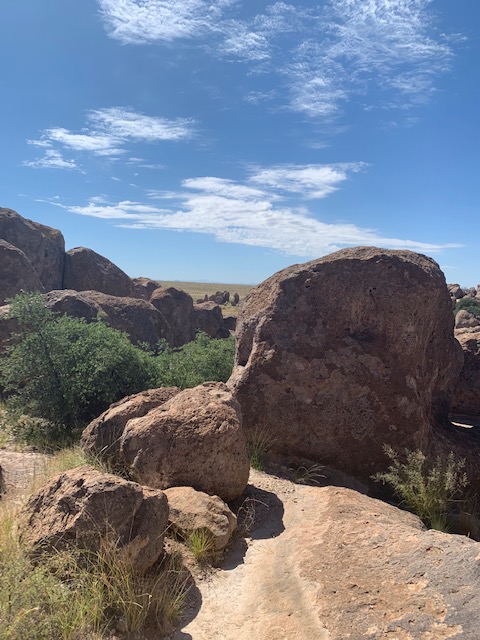
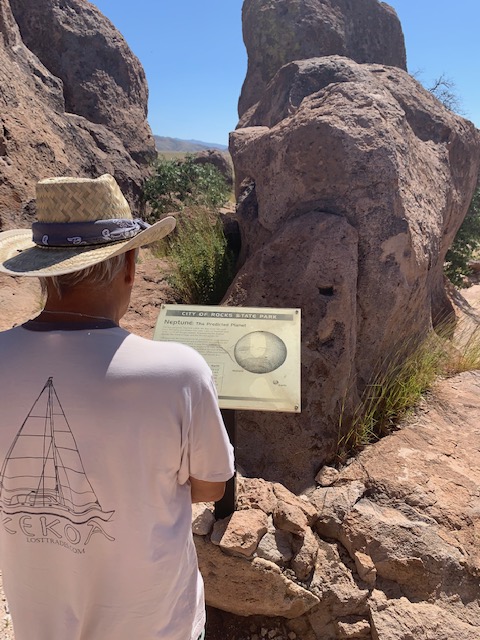
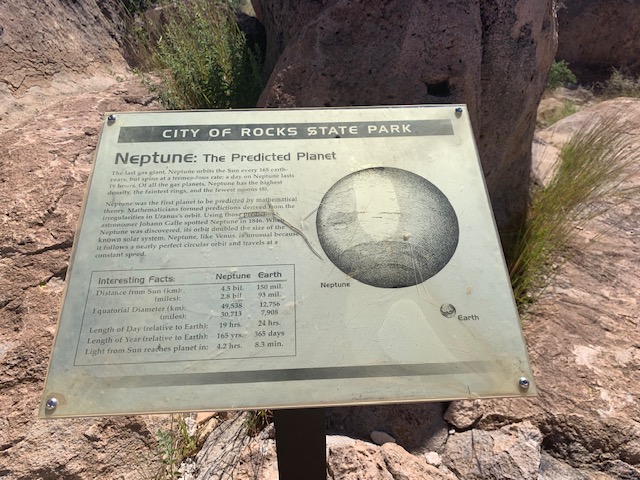
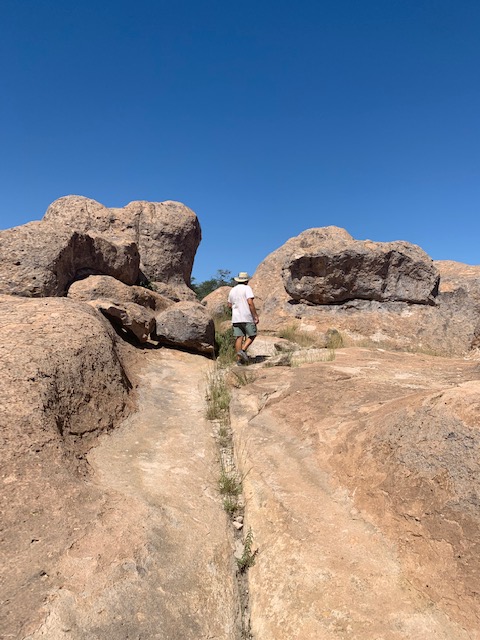
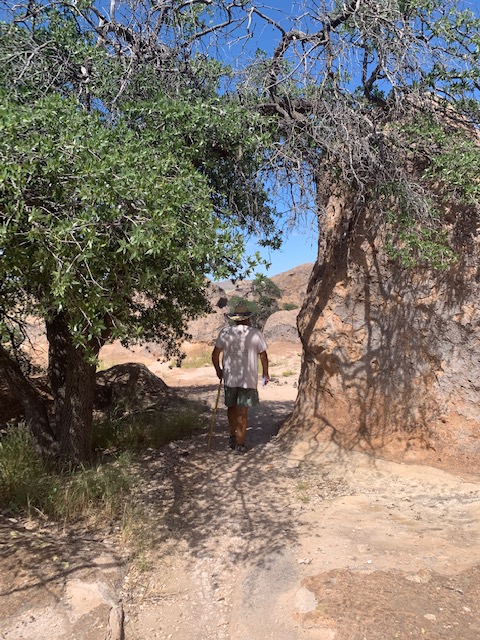
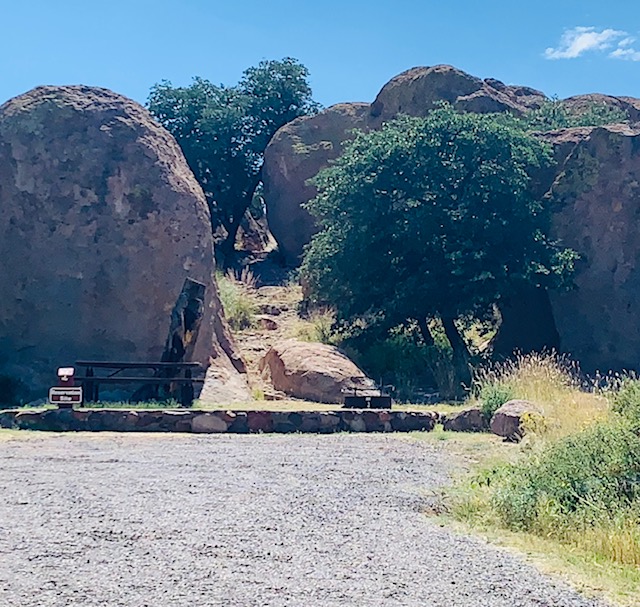
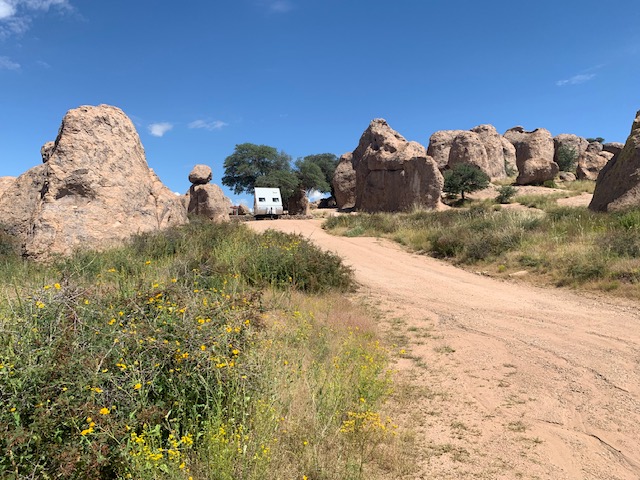
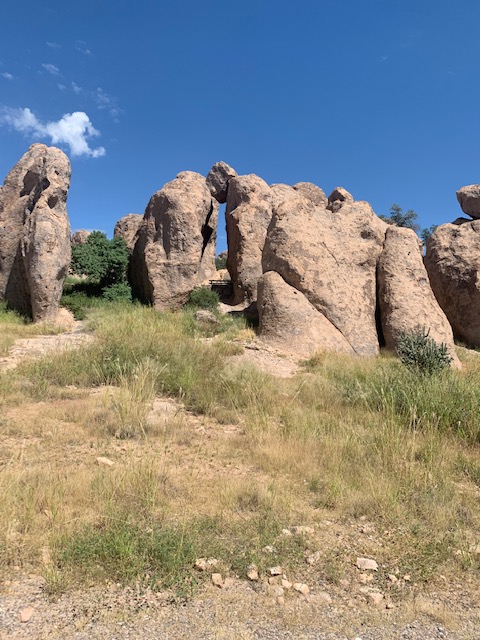
Not a cluster, town or settlement  but a “City of Rocks.”

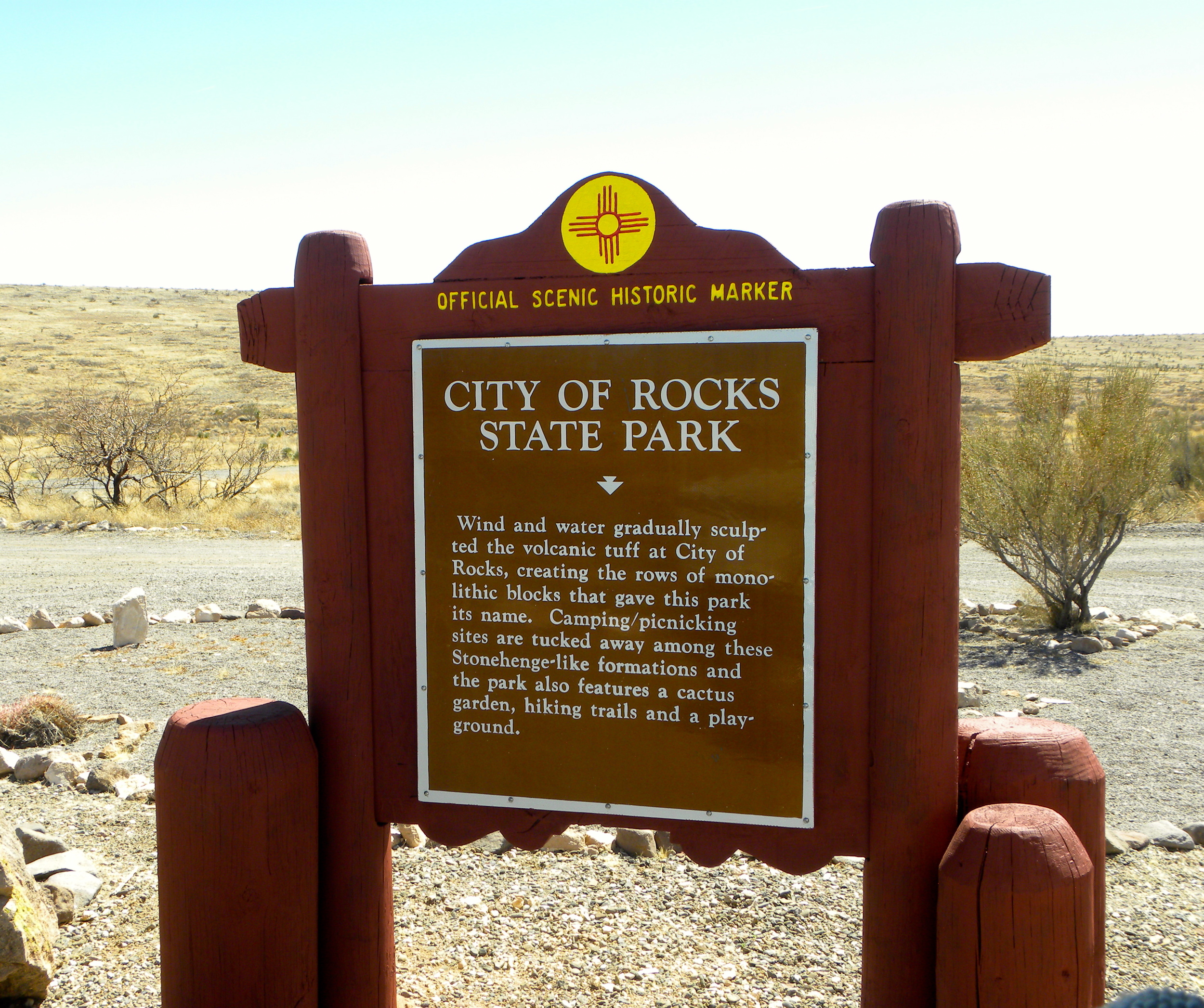
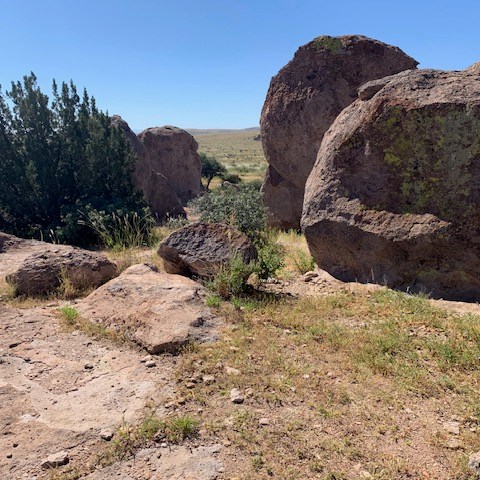
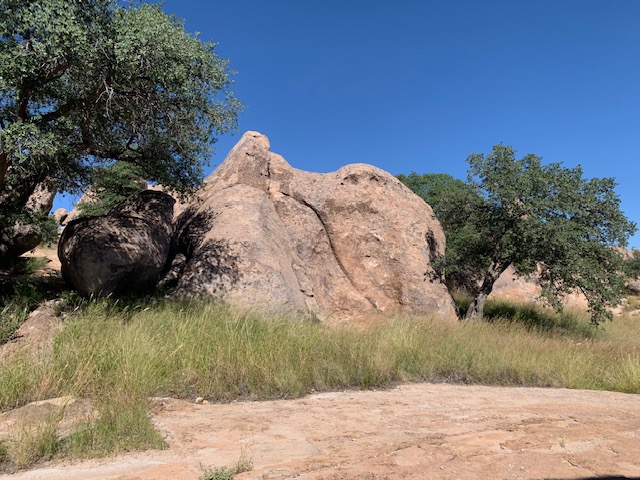
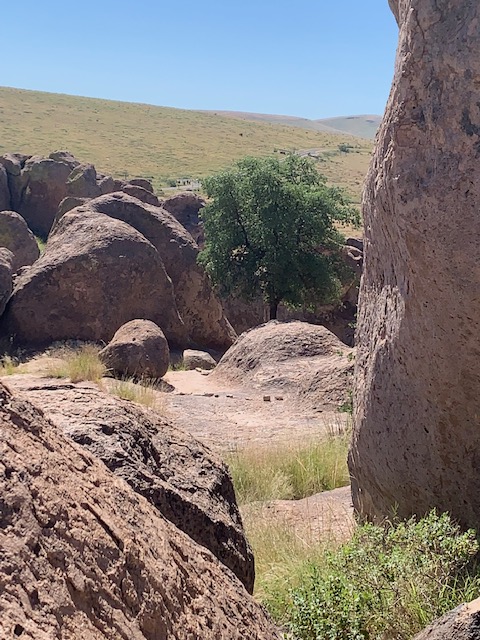
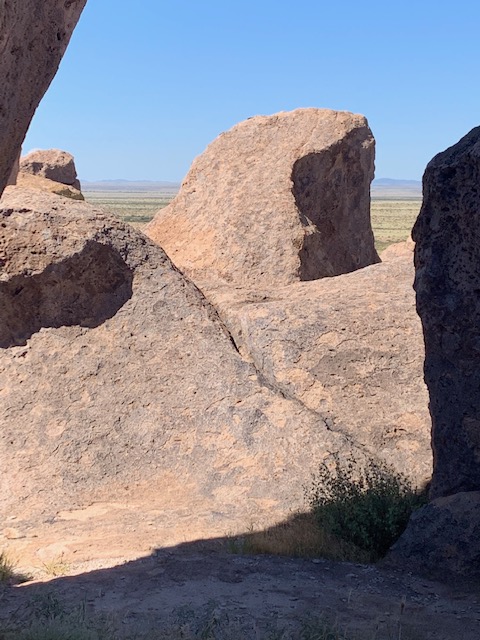
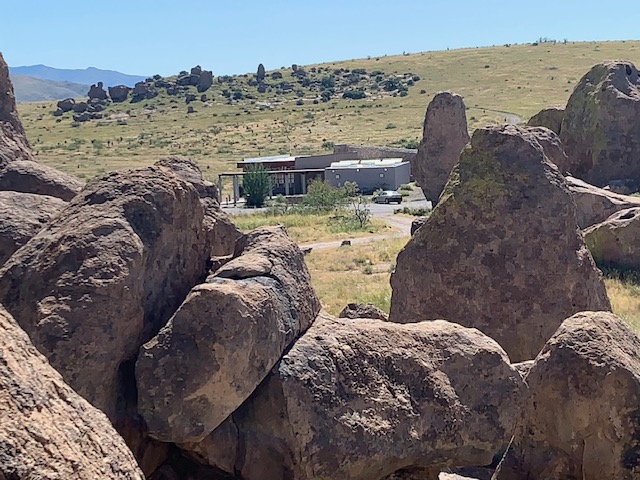
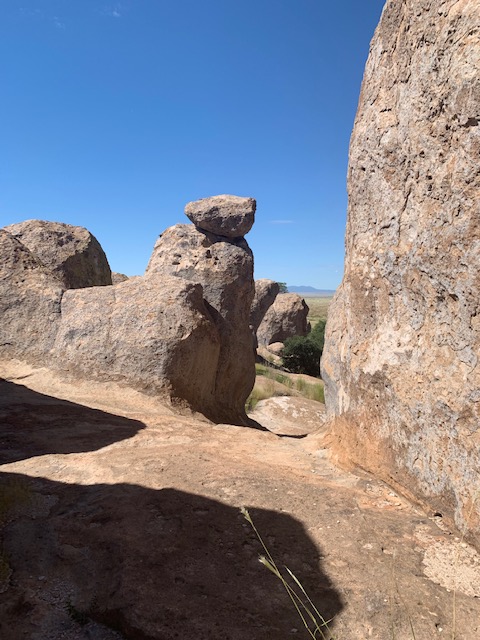
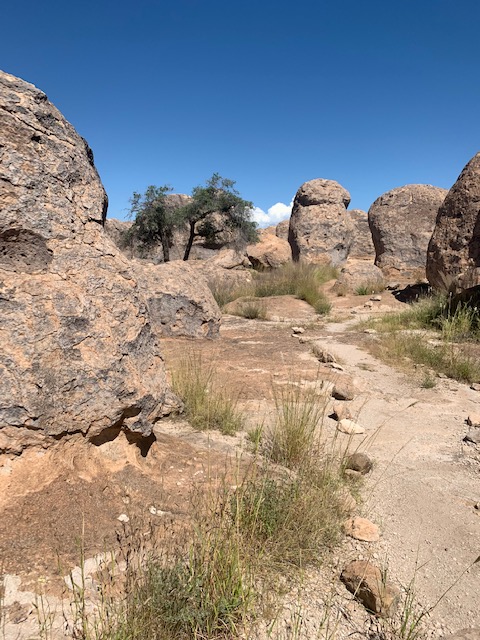
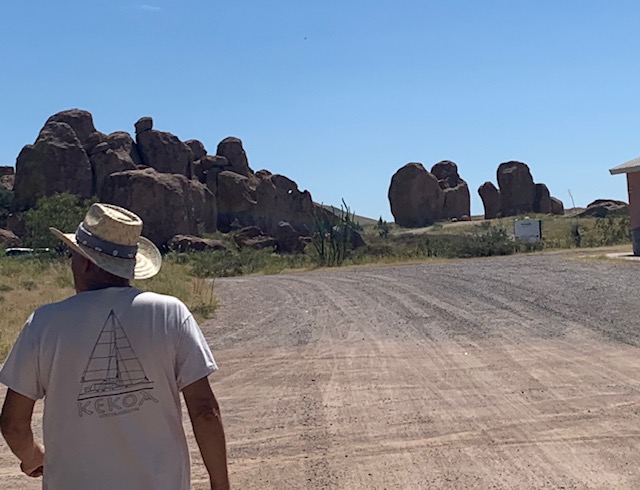
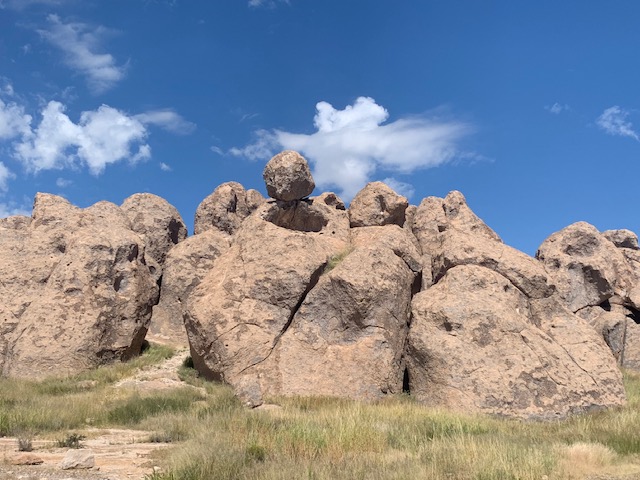
City of Rocks gets its name from the incredible volcanic rock formations found here.

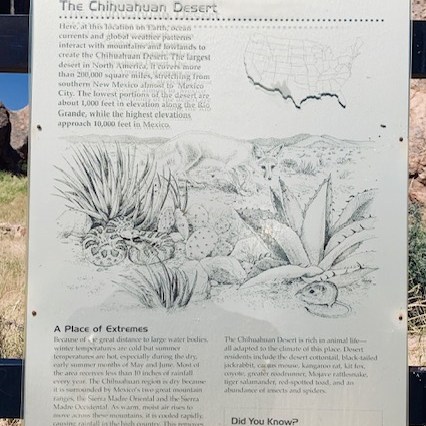
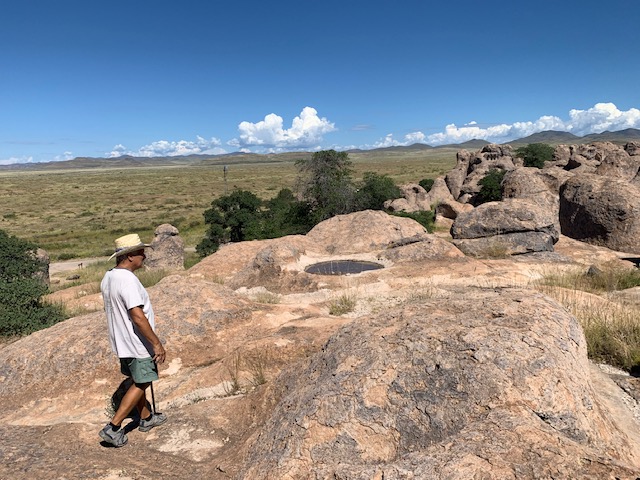
The park has a square mile area in the Chihuahuan desert of southwestern New Mexico at an elevation of 5,200 feet.

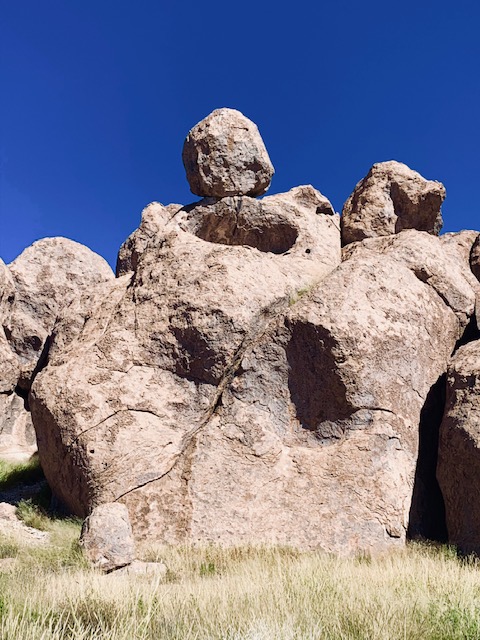
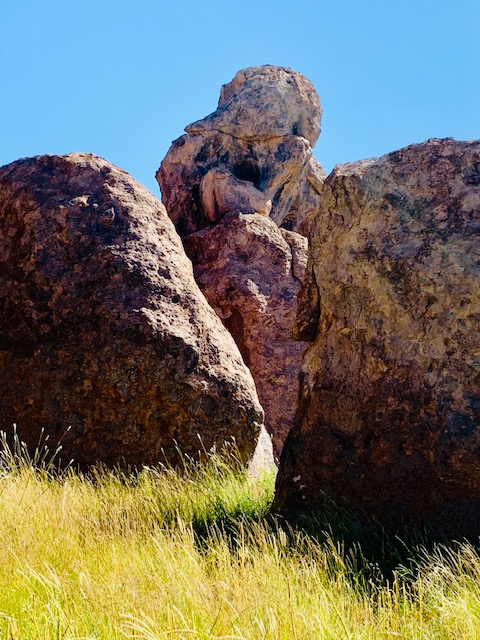
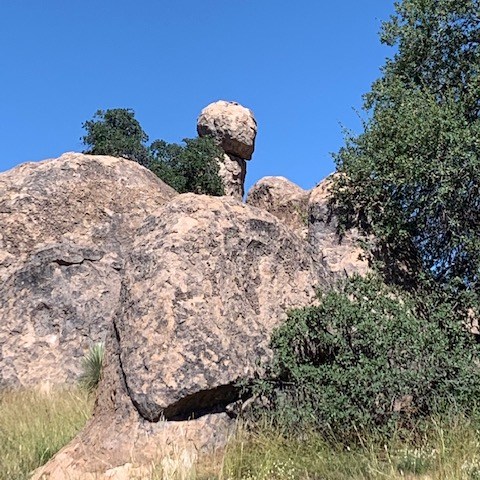
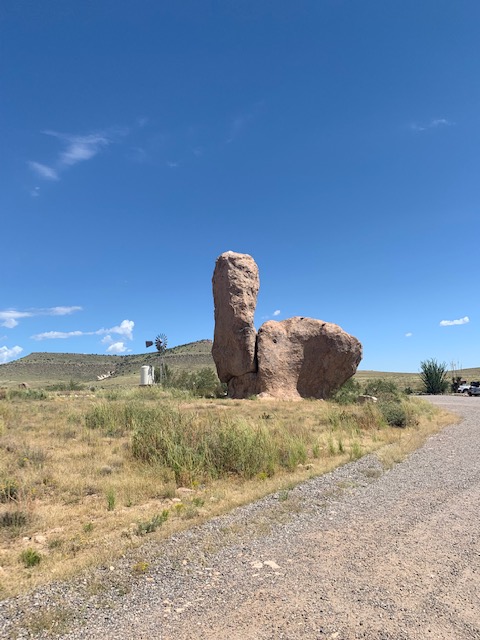
I thought these looked like faces staring at us.

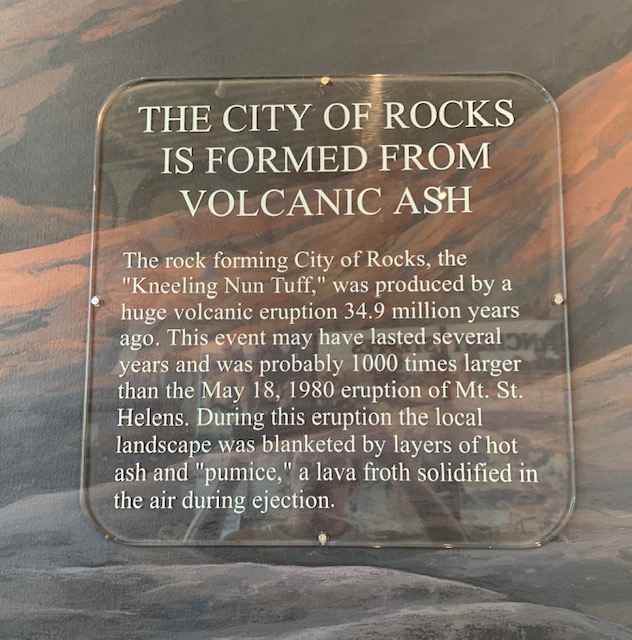
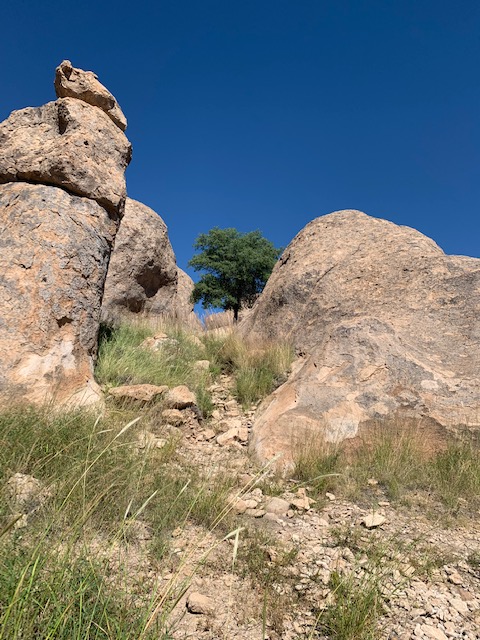
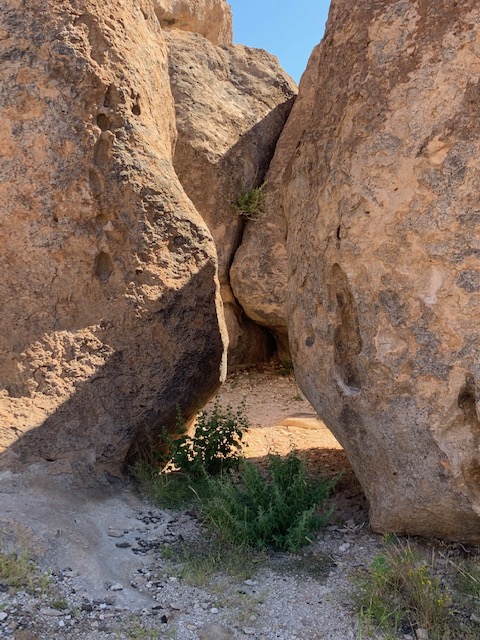
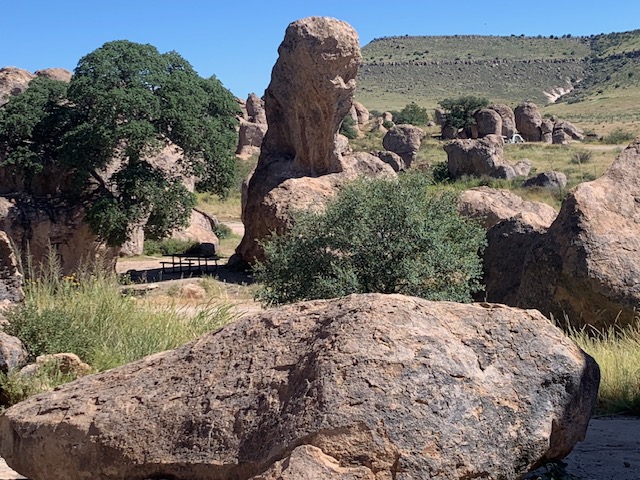
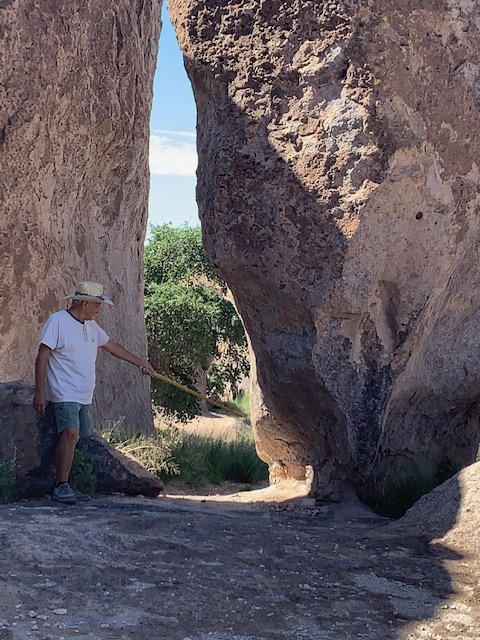
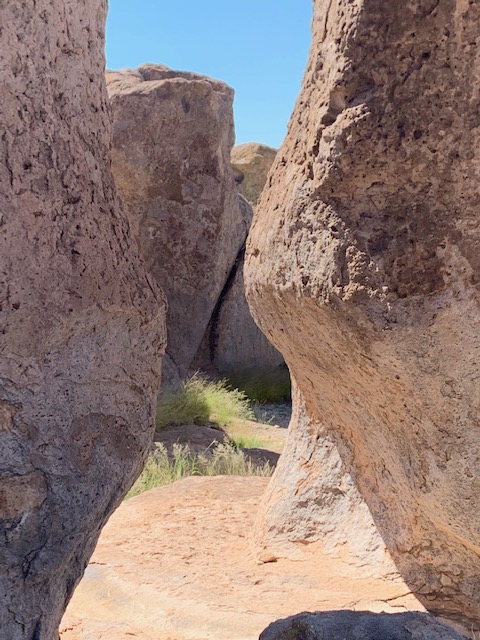
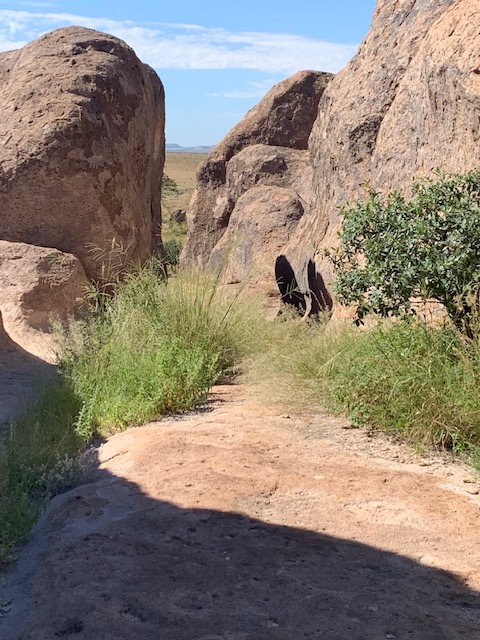
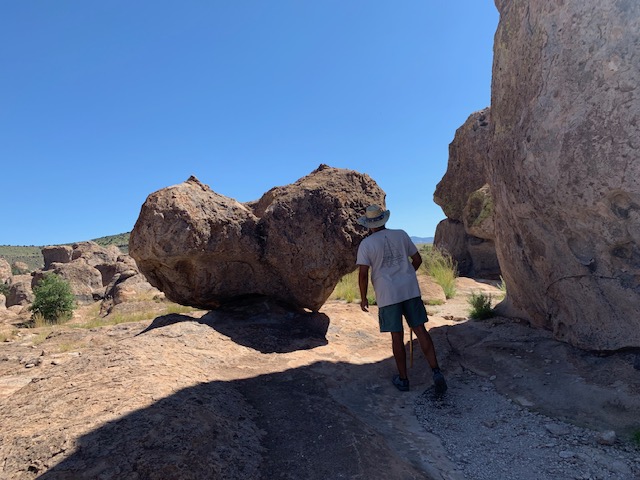
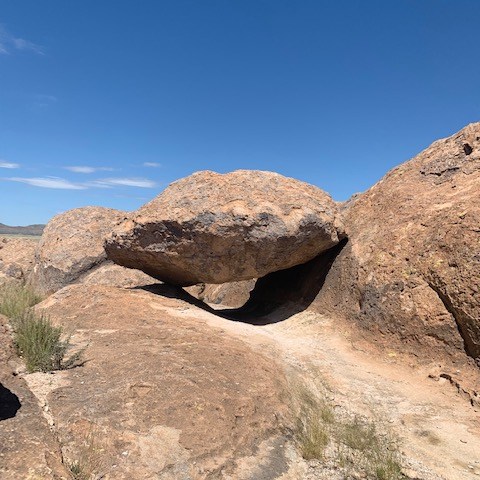
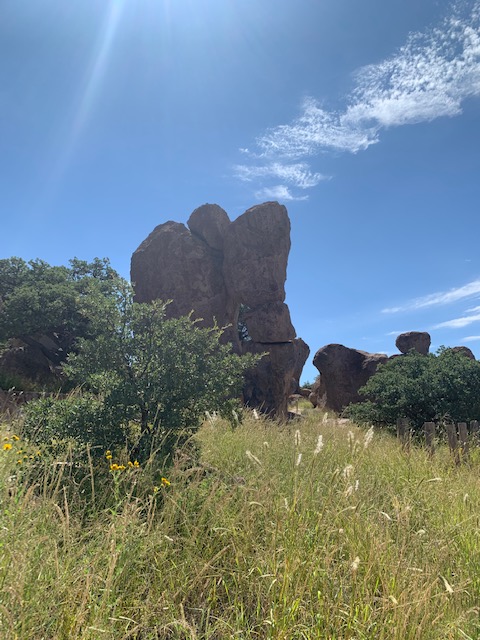
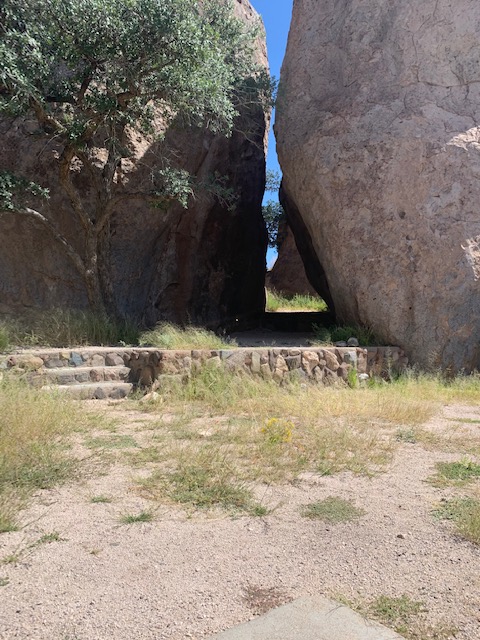
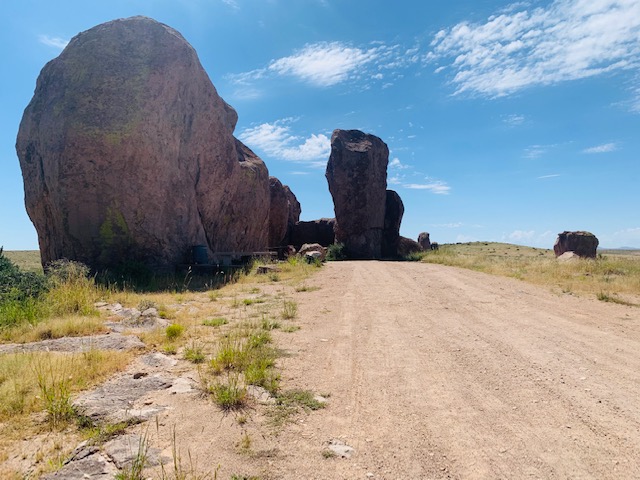
The park has really neat  geologic formation made up of large, sculptured rock columns, or peaks, rising as high as 40 feet and separated by paths.   These rocks were formed about 34.9 million years ago when a very large volcano erupted. Then, erosion over millions of years slowly formed the sculptured columns we see today, creating this incredible “City of Rocks.”      

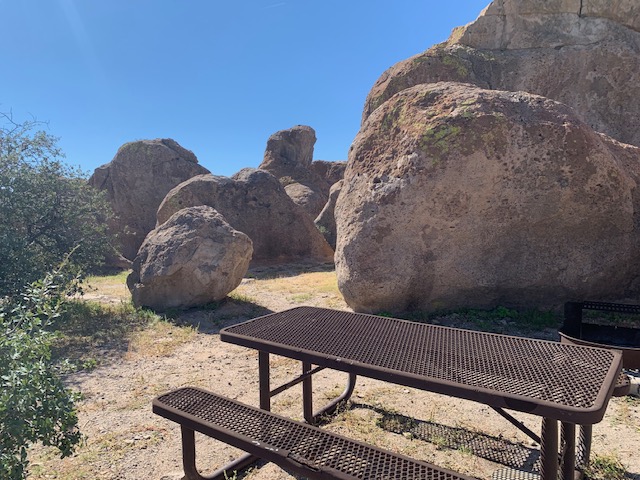
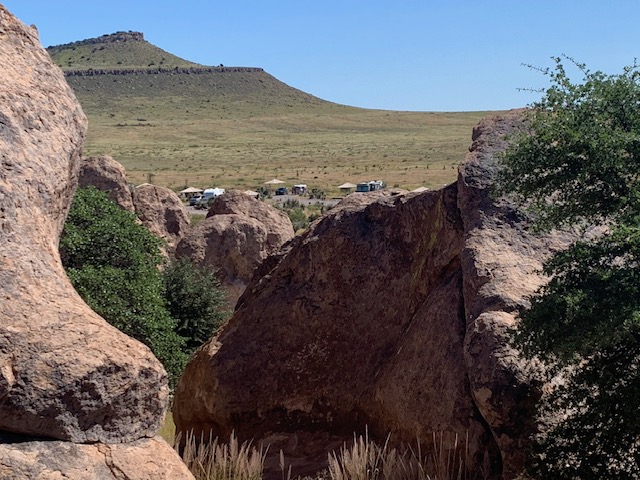
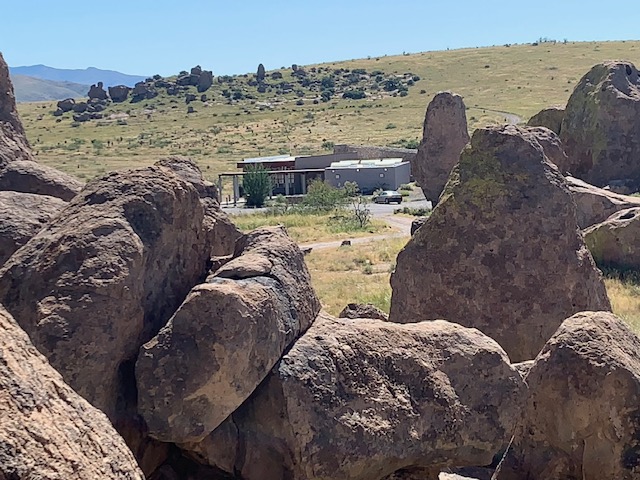
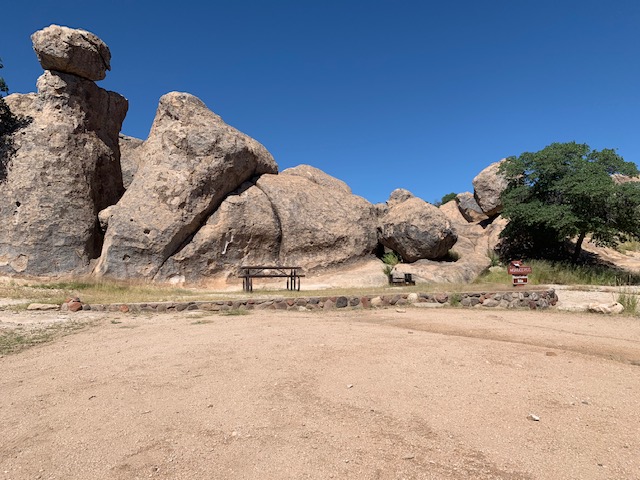
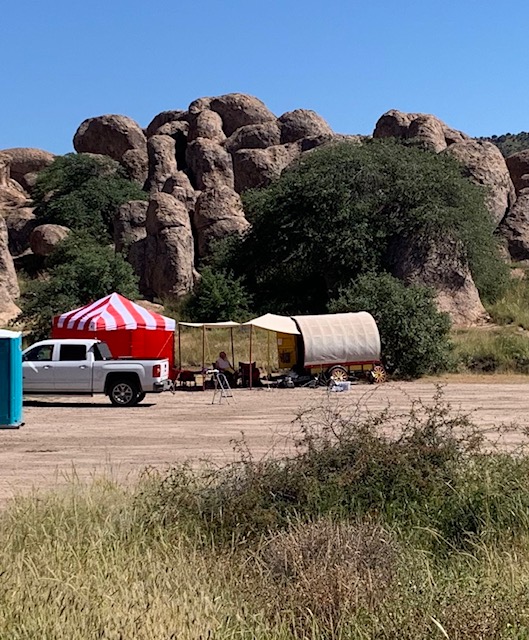
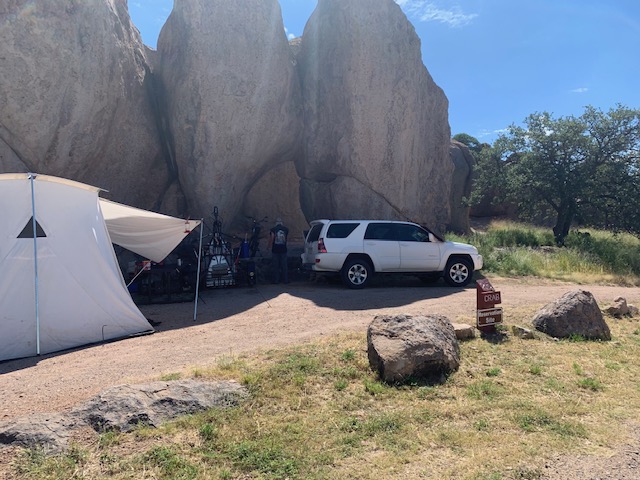
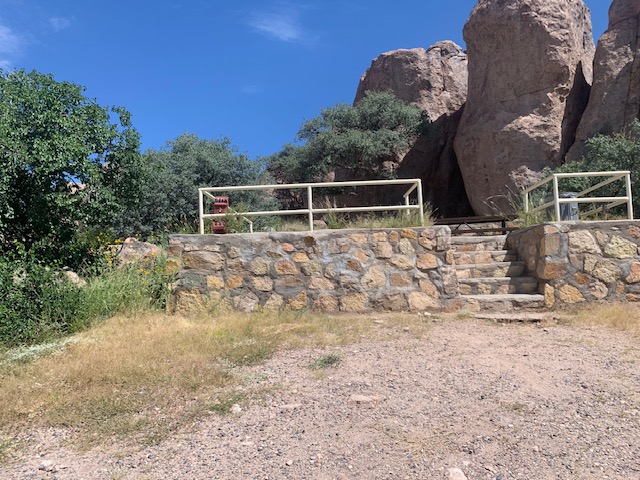
The last picture is of where the RV park is, unless you want to boondock, which this is a great place to do it, in between the rocks.

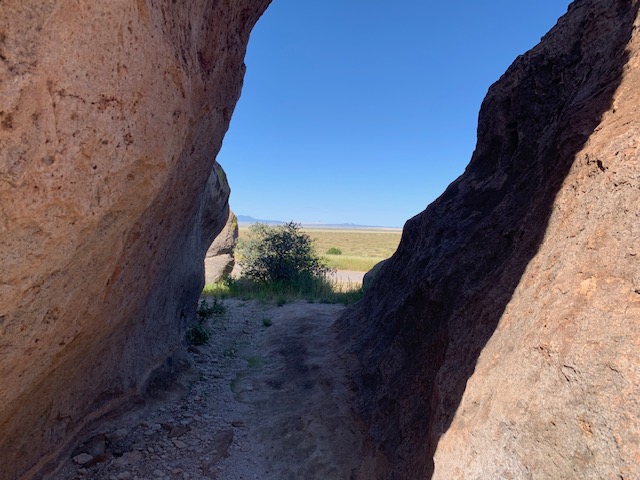
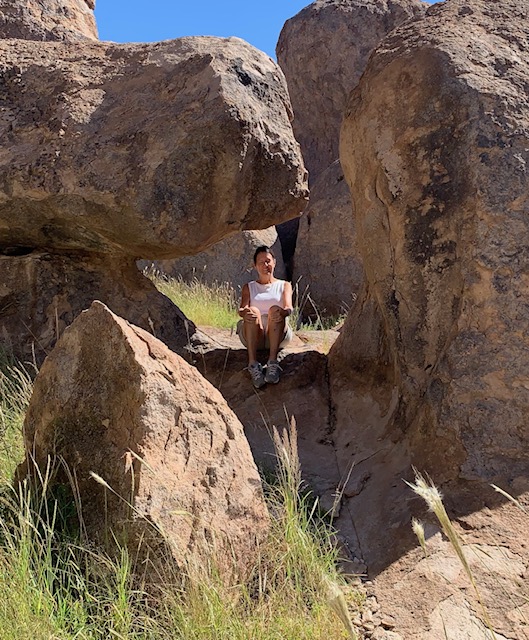
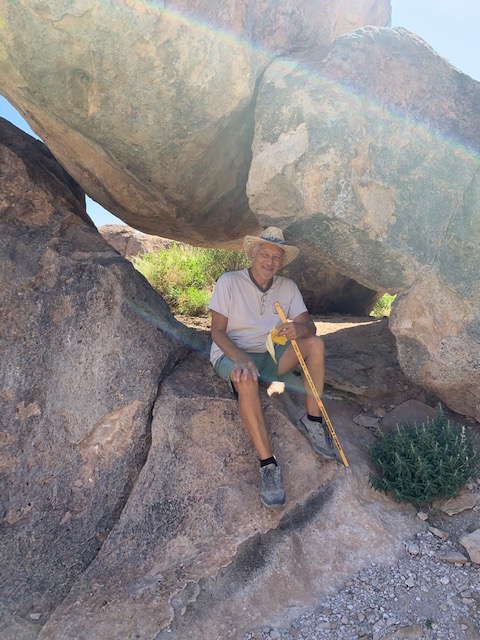
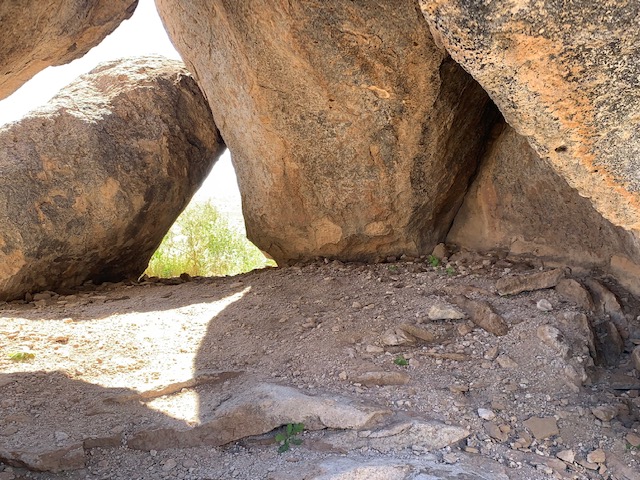
The rock formations at the park are so unique that they are only known to exist in six other places in the world.  Some  visitors say they  see e the rock formations as a small city, complete with houses, chimneys, courtyards, and streets.  I  don’t see that, but what I did see was some rock formations that look like they could be modern art sculptures.  It’s a  great place to hike in and out of the rocks, in the nooks and crannies and also a very neat place to boondock right next to the cave or rock of your choice.

We are on the jagged west slope of the Little Florida Mountains, enjoying our stay at . . .

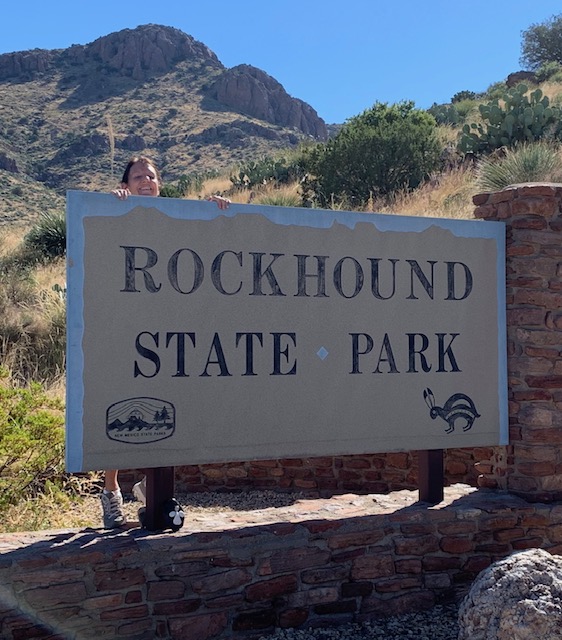
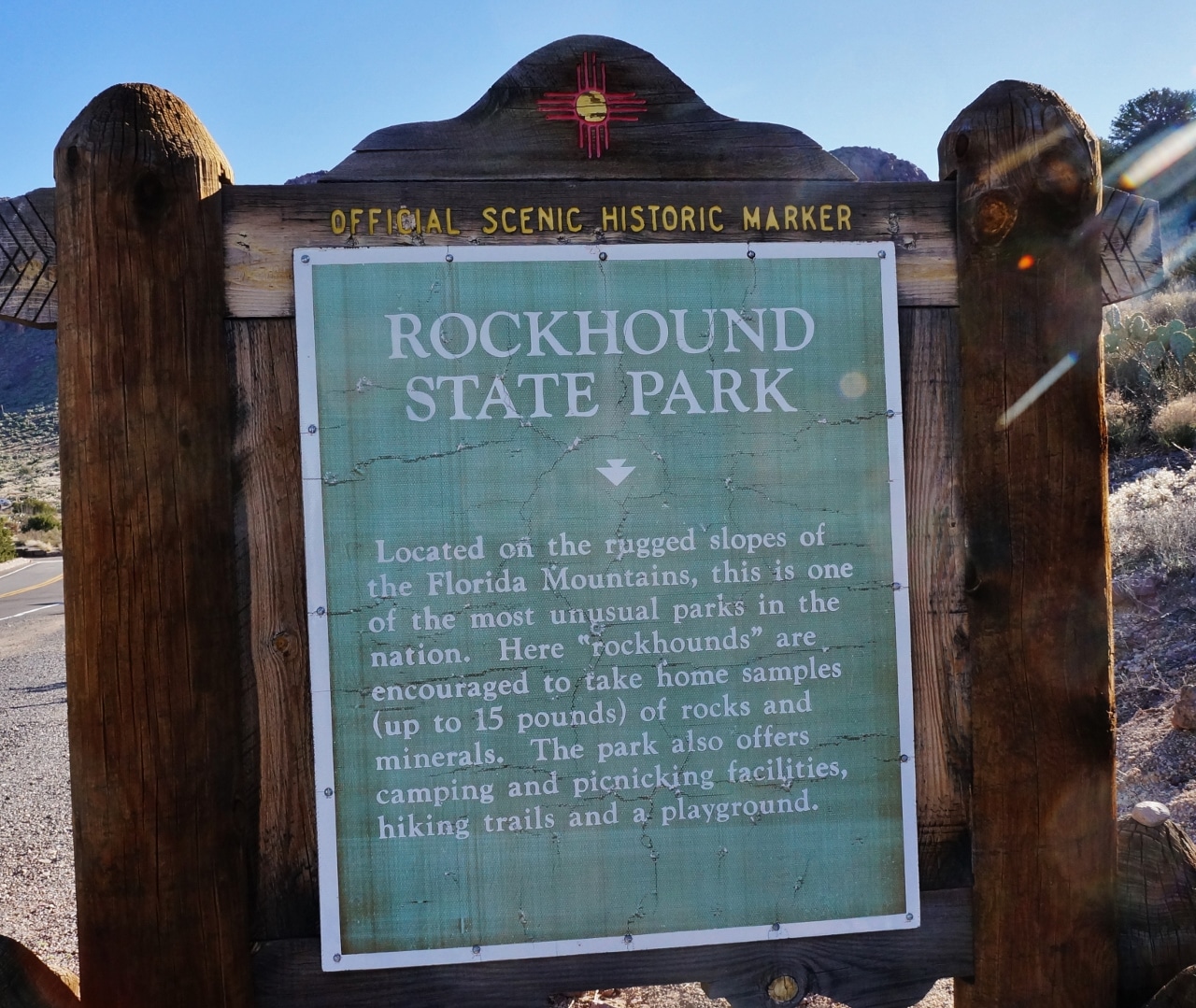
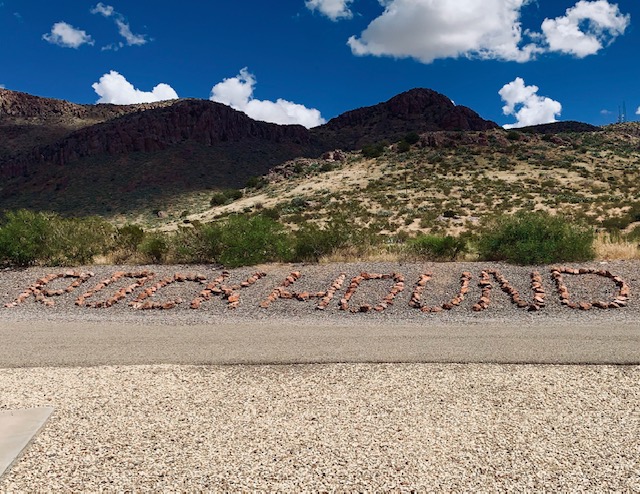
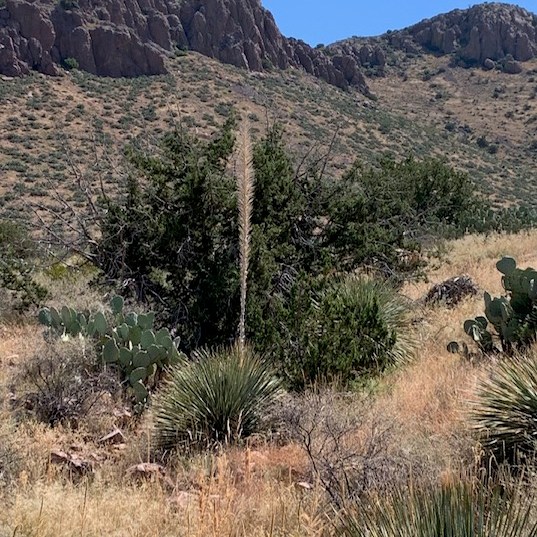
Why it’s called “Little Florida Mountains”  when we’re in New Mexico, who knows?  Rockhound State Park is a favorite place  for “rockhounds” because of the abundant  colored stones  and quartz crystals found there. And the Hiking trails have great views of the surrounding landscape.

Scattered throughout the park are rock and mineral examples of volcanic origin. These gems range from varieties of jasper, silica minerals, quartz crystals, chalcedony, Agate, and common opal, all very pretty rocks. Visitors are allowed to take up to 15 pounds of the rock for their personal collections.  All the rocks in this area are volcanic rocks that are between 22 and 38 million years old.

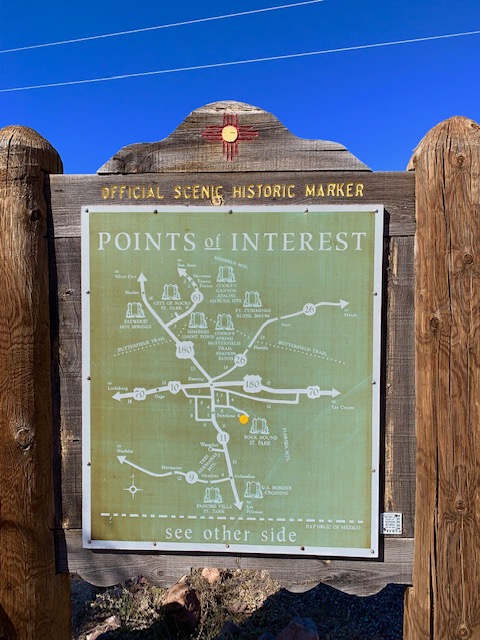
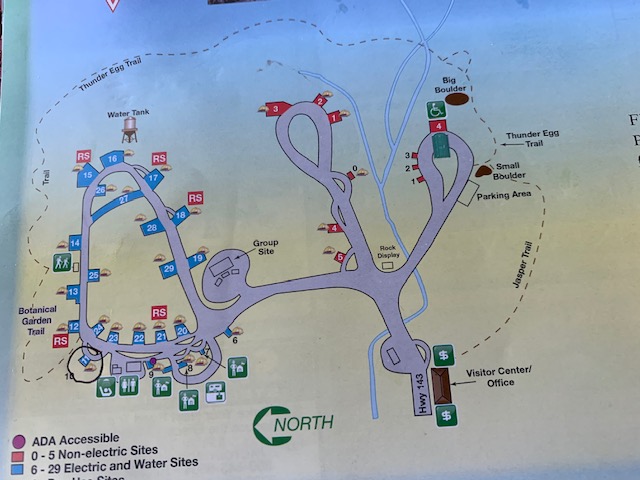
We are at site 11 on the map

Different walks around the park

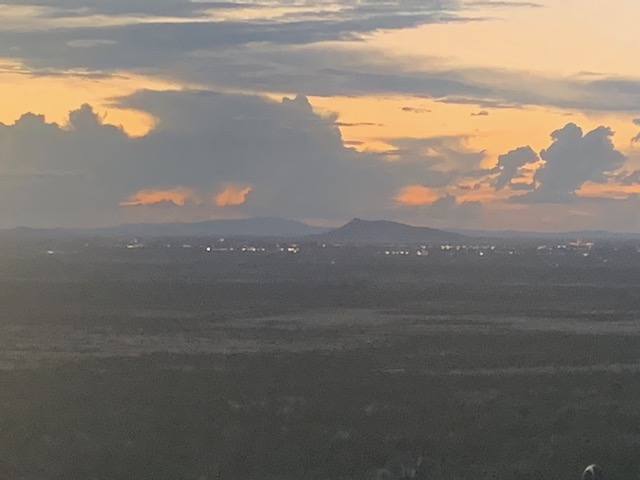
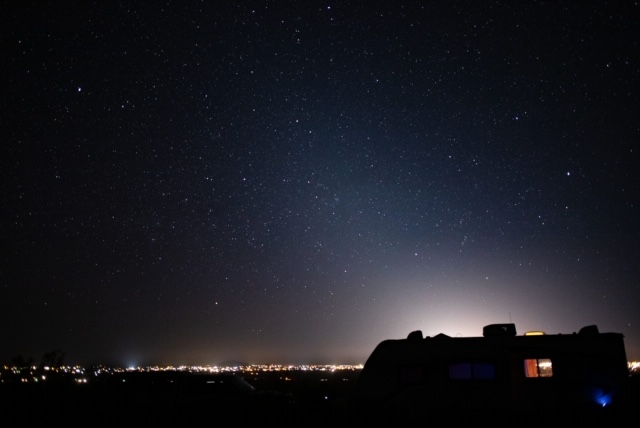
When the sun goes down we get to see the city of Deming, NM all lite up from a distance.

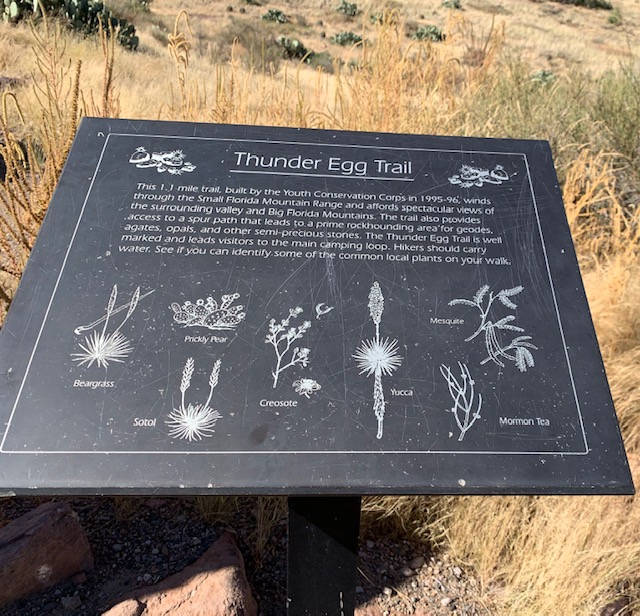
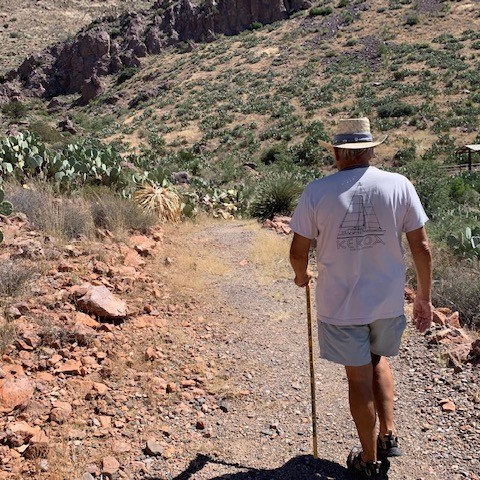
We’ve taken this trail a couple of times, you enter/exit the trail right next to our RV it takes you up the hill all around the campground and exits/enters at the parking lot. This is were we’ve gotten some rocks also.
If you look to the upper right hand side you can see the campground.

Here we have Pacman And a glove

And . . . Mickey Mouse

Despite the name of the park it’s not particularly easy to get good rock, crystal or quartz samples. The park has been here for awhile and all the valuable rocks have been scooped up. Collectors will need a large hammer, several chisels and a spade, along with a good bit of time spent on the hillside to get a valuable rock. We don’t have any of the above tools, but it’s still fun to look.  And we always seem to find a colorful fun shaped rock.

DEMING NEW MEXICO

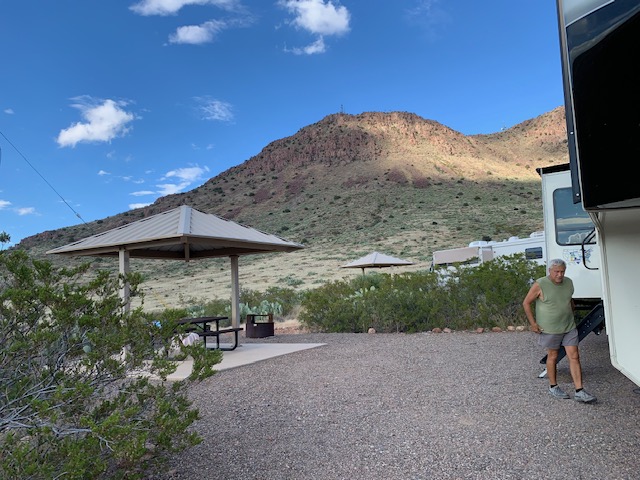
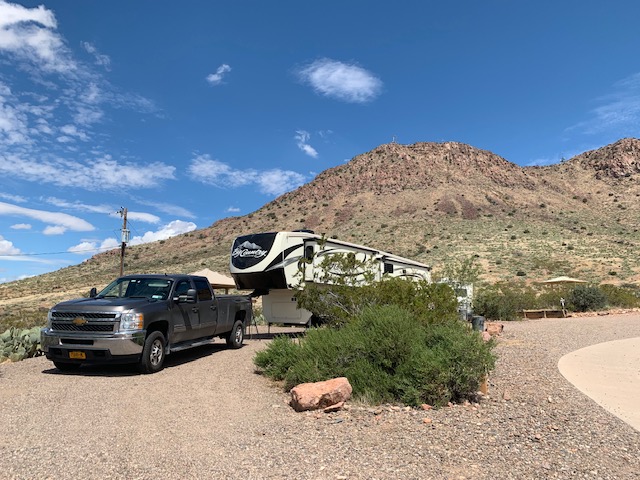
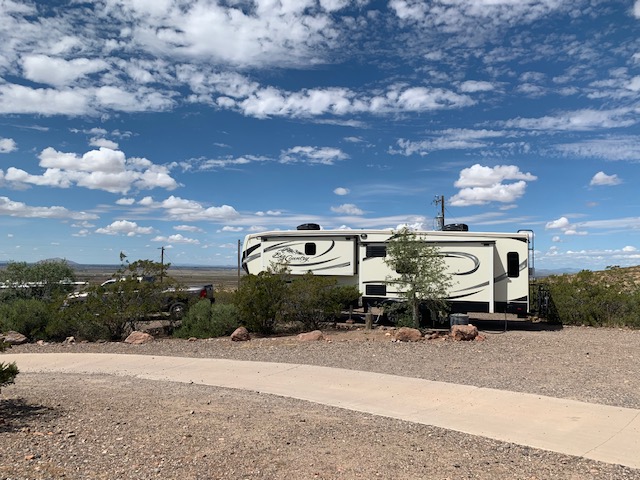
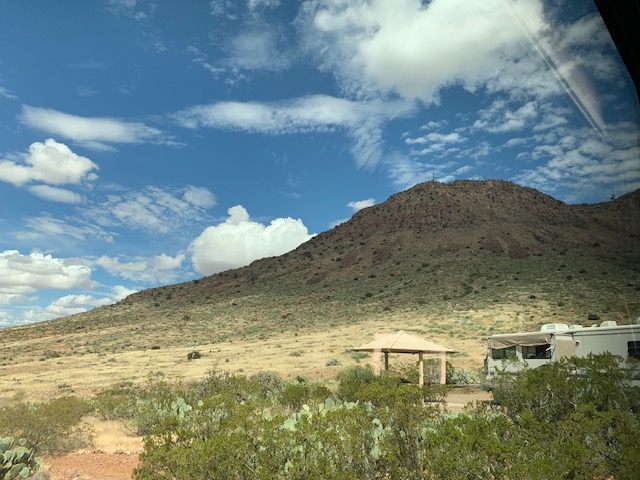
We are now at Rockhound State park about 15 miles outside of Deming New Mexico, we got here yesterday early afternoon. Drove 92 miles west from Las Cruces. This is our fourth New Mexico state park, and by far the most remote, the last ten miles or so were driving on the road with nothing but desert all over. We are right along side the western edge of the Little Florida Mountains. Be here till next Monday when we will be getting into Arizona, Finally. Our spot photo’s below.

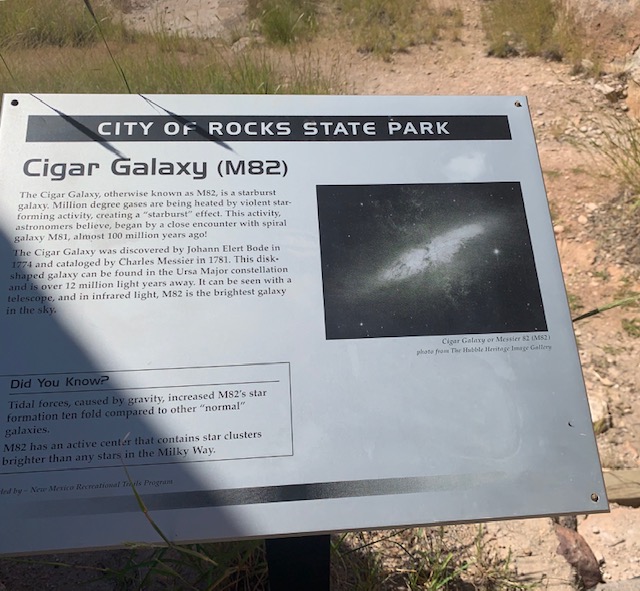
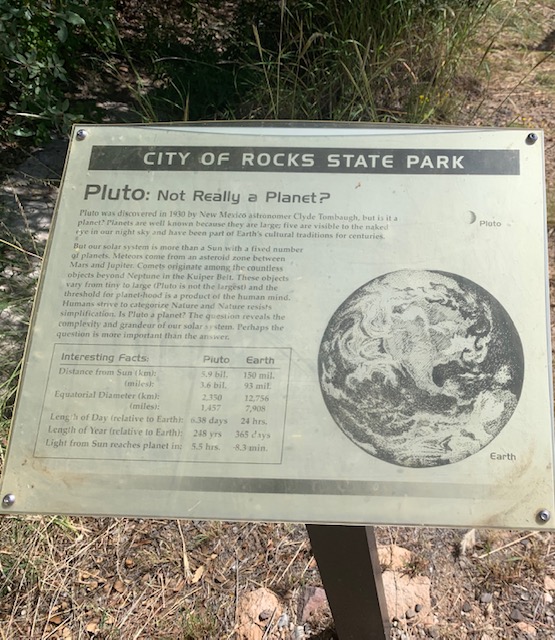
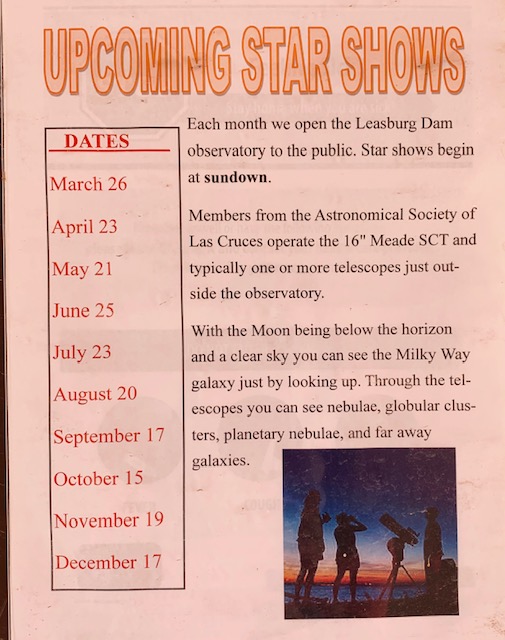
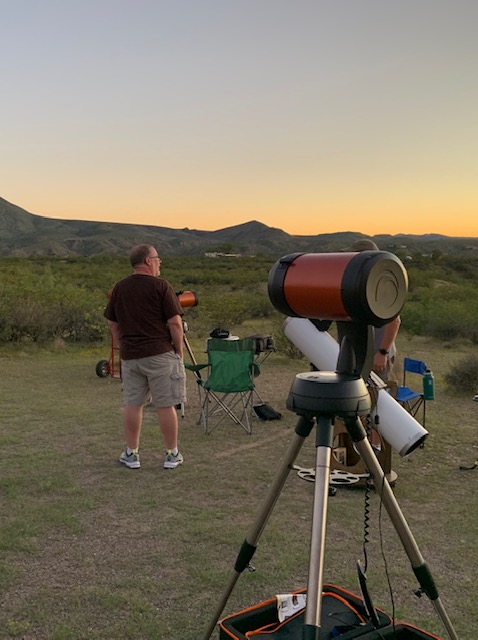
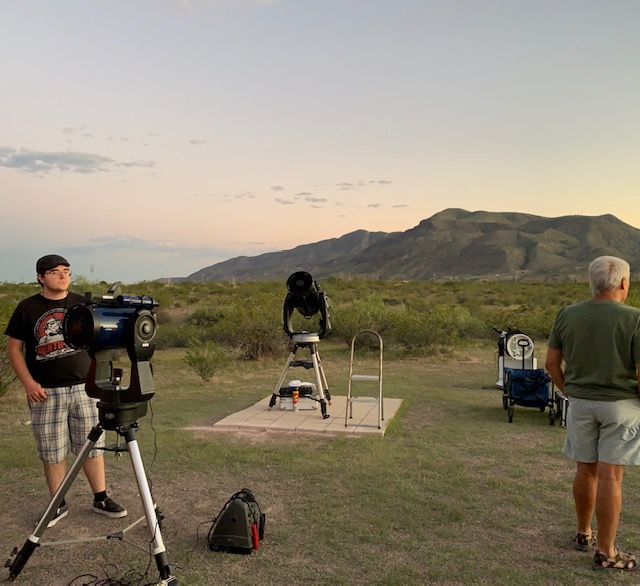
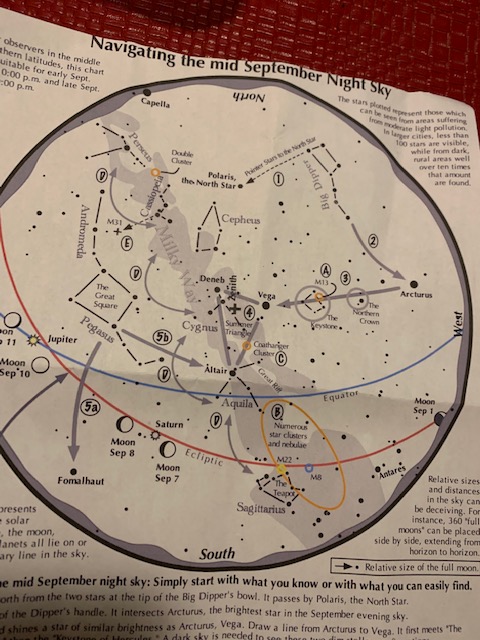
We had a date with the Stars on September 17th!

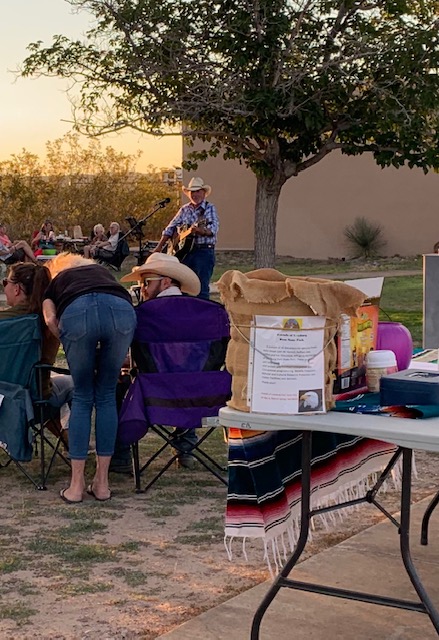
The Park also had local talent before the star show began.

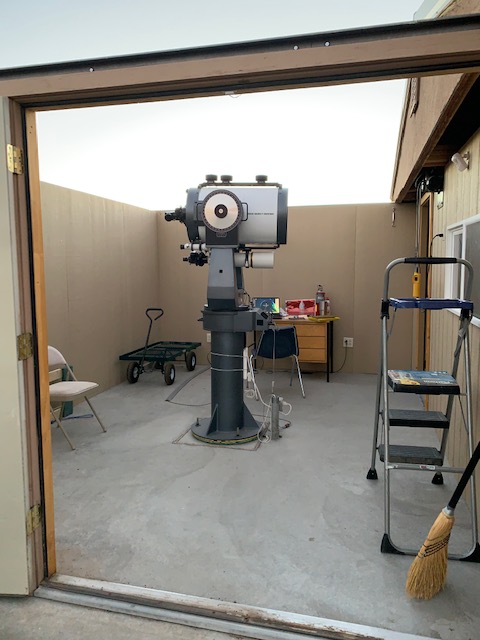
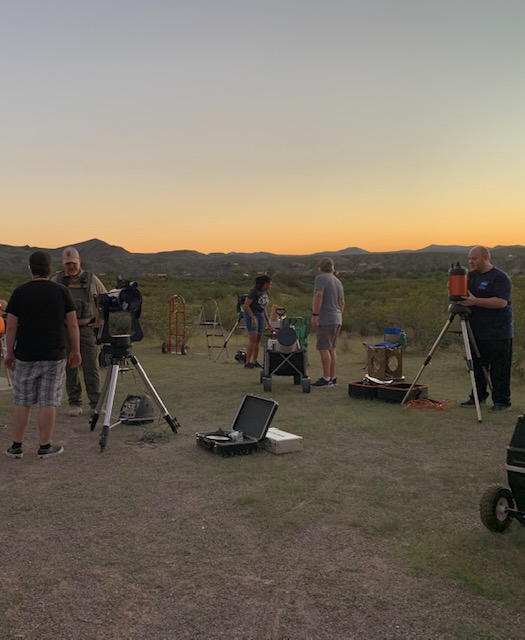
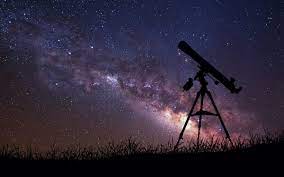
The club got there and set up their telescopes and we got to see an incredible show! We got to look through the huge telescope inside the building, plus the club members we so nice as they let us look into their telescopes and see astounding objects like, Saturn with it’s rings, Jupiter shining bright and it’s many moons. The milky way with all it’s glory, star nebulaes, etc. They also pointed out to us different constellations. It was truly an incredible star filled night!

We went back to Dripping Springs

To see about a famous hermit. From the Visitor Center we went the other direction to #3

The Cueva Trail

Now let me tell you a bit about the famous hermit.

We’re on our way to check it out

We’re here at the cave.

Over the years Hermit’s Peak and it’s sole resident, Juan Maria d’Agostini, have become an important part of the local culture when he came to the area in the 1860s. He was described as a short and thin man with a brown eyes and a gaunt face. He wore a long dark cape and leaned on a walking staff. The local residents had never seen anyone so striking and mysterious. They called him “El Ermitano”, the Hermit.

Born in northern Italy in 1801, Giovanni Maria de Agostini came from a wealthy Italian  family. He studied Latin, French, and theology before taking the vow of Saint Anthony the Abbot. He then dedicated himself to a Monastic life of poverty, austerity and virtue. After traveling around in Europe he set out for South America, landing in Caracas, Venezuela in 1839. In South and Central America he traveled from Venezuela to Peru, Brazil, Argentina, Chile, Bolivia, Panama, Guatemala, and Mexico. In 1861 he journeyed to North America and arrived in New York City. Except for voyages which required boats, his only mode of transportation was by foot. From New York he walked up to Canada, and then down to Kansas.

He found his way to Las Vegas, New Mexico accompanying a wagon train from Council Grove, Kansas along the Santa Fe Trail in 1863. When offered a ride on one of the wagons he said that he preferred to walk, and asked only for some cornmeal mush to nourish himself. By this time he went by the name Juan Maria d’Agostini. But to the religious settlers of early Las Vegas he was simply “the Hermit”. Due to his appearance and wise demeanor he was perceived of as a holy man, a healer and a miracle worker. He claimed to be none of these things. Nonetheless, throngs of locals collected wherever he resided, seeking counsel, healing and miracles.

Giovanni decided to abandon his cave on Hermit’s Peak in 1867. He joined a southbound wagon train, traveling on foot to San Antonio, Texas and Juarez, Mexico and then to Mesilla, New Mexico. He became friends with the Barela family, visiting them regularly. Again, his healing ability attracted lots of attention from the locals.

He decided to walk across the desert to settle in a remote cave at the base of the Organ Mountains, his friends in Mesilla tried to talk him out of it, but he ignored them. He settled in this cave where he would spend the last few years of his life. He gathered herbs and flowers from the leafy spring-fed landscape outside of the cave, crafting potions and bandages for the followers and admirers that hiked to the cave to seek treatment for a variety of ailments.

His friends in Mesilla were worried about him being alone in the cave so Giovanni created a way to communicate with them weekly. He told them “I shall make a fire in front of my cave every Friday evening while I shall be alive. If the fire fails to appear, it will be because I have been killed.”

One Friday night in the spring of 1869 the light didn’t appear. His friends became worried, gathering a posse to check on him. He was dead on the floor of the cave, with a knife protruding from his back, when they arrived. No one could think of a motive to attack him and they couldn’t think of any enemies he had. Robbery definitely wasn’t the motive, because Giovanni’s silver cross, silver rosary, and other silver items were found on his body. The murderer was never caught. Though a priest in Mesilla was indicted for the murder, he was never tried. Giovanni’s death remains one of New Mexico’s most infamous unsolved murders.

The Legacy continues, In South America he was known as Monge João Maria. In North America he was known as Ermitaño Don Juan Agostini.

Over 10,000 people celebrate annual events founded by Agostini at Cerro Campestre and Santo Cerro do Botucaraí in Brazil, a national park protects the pilgrimage route to Gruta do Monge, “Monk’s Grotto,” and the Trilha da Pedra Santa, “Trail of the Holy Rock,” near Sorocaba, Brazil, is climbed annually by thousands of people paying respect to the memory of the “Monk of Ipanema.” As many as 15,000 people participate in a yearly festival started by Giovanni at Cerro Monje, “Monk’s Hill” in Argentina. In northern New Mexico, there are locals around Las Vegas who make twice-yearly pilgrimages to the top of Hermit’s Peak.

Certainly an unique man who lived a remarkable life. It was a little spiritual being where The Hermit lived and thinking a bit about his travels and how he inspired people throughout his life and left a lasting impression upon his death.

The second picture shows a tiny bit of the cave opening

A class was taking a field trip to see the hermit.

Statue of Giovanni Maria de Agostini, in São Paulo, Brazil.

New Mexico Farm and Ranch Heritage Museum

The New Mexico Farm and Ranch Heritage Museum is a 47-acre interactive museum in Las Cruces, New Mexico. We met a fellow RVer in our travels and he said to stop there, we would enjoy it, and we did.

The Farm and Ranch Heritage Museum is a good experience for anyone who want to learn more about the region’s rich agricultural history that dates back an impressive 3,000 years.

Volunteer Dave was demonstrating how to make hooks from a steel rod. It was interesting to learn how it was done and at the end we got to keep the hook.

Dave’s grandparents in Pennsylvania had a huge farm, his mother grew up on the farm, she was one of twelve children. Dave remembers going there when he was little and seeing all this kind of farming equipment all over the farm. His poor mom even got caught in a a thresher when she was little, Oouuch!

What’s an old farm without an old pickup truck on the property somewhere?

Some of what’s inside the building

The White Sands Missile Test Center Museum located in the White Sands Missile Range near here, has been closed, so we were glad we got to see the section of this museum that told about the happenings when WWII broke out.

I’m glad they came over to our side.

They definitely had a lot of information about The Missile Range and I even left a lot out.

What a store looked like in the 1900s

The Kitchen

The museum offers a learning environment for both young and old and there are examples and explanations of dairy farming in the area, as well as demonstrations of local farming and cooking techniques such as cows being milked by hand. They even have rodeos at different times. We didn’t get a chance to see those things but I’m glad we saw what we did.