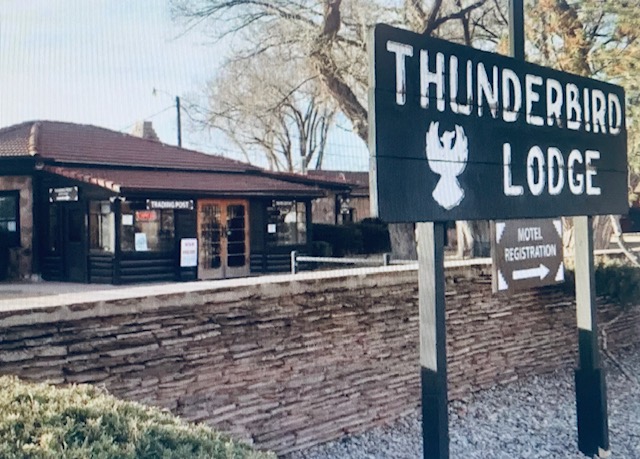
We left Thunderbird Lodge and were on our way to Ganado, AZ.
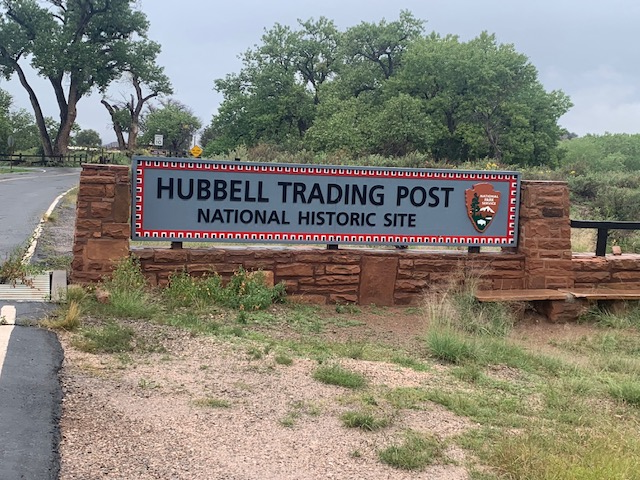
We went to check out a Trading Post there. I knew they existed long ago but I didn’t think there were any still standing and even open. A trading post, trading station, or trading house, also known as a factory in European and colonial contexts, is an establishment or settlement where goods and services could be traded.
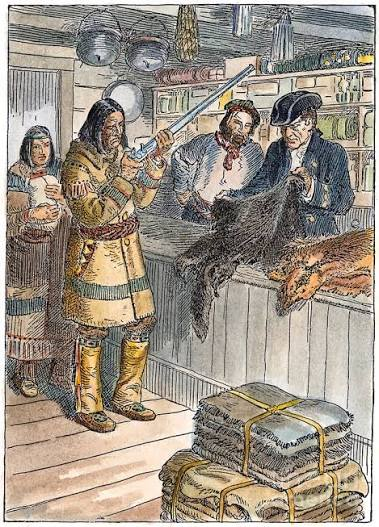
The Hubbell Trading Post National Historic Site and is the oldest continuously operating trading post in the Navajo Nation. It’s been operating since 1878, and it has been northeastern Arizona’s center of commerce and cultural exchange. You can still walk through the original trading post, browse authentic Navajo rugs and crafts.
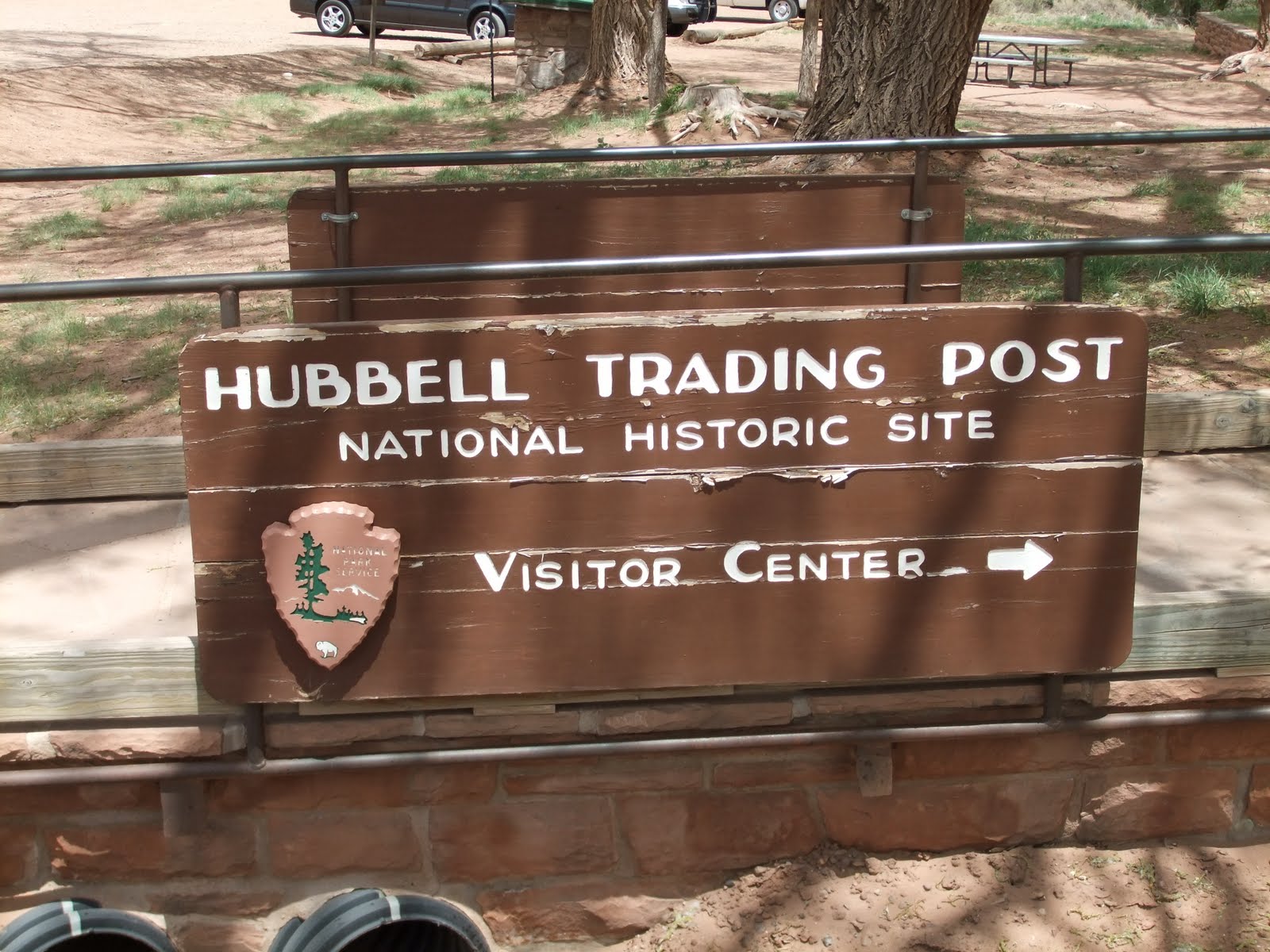
We went to the visitor center to find out more about it.
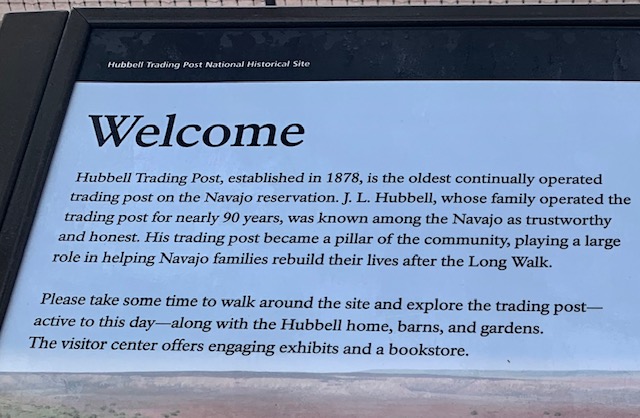
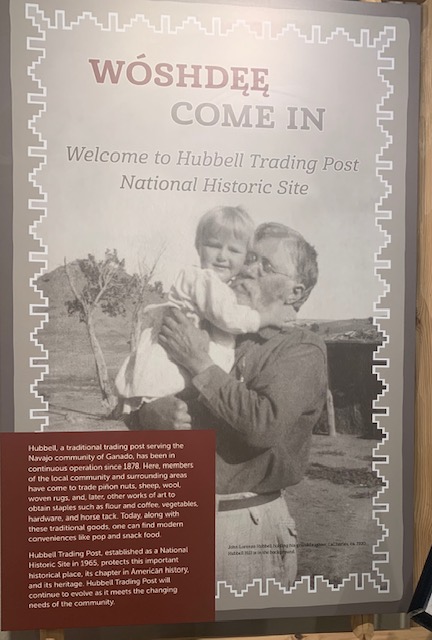
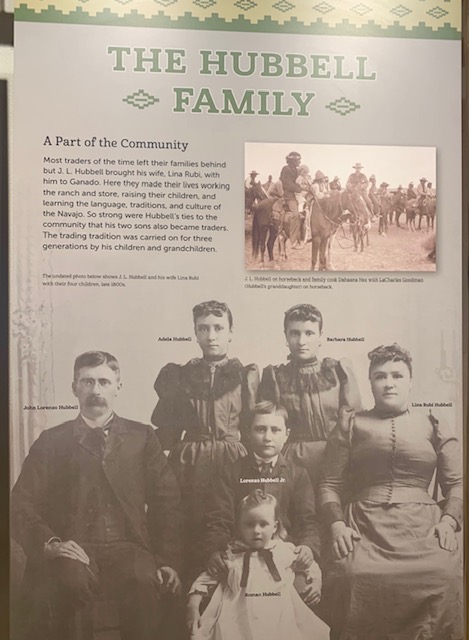
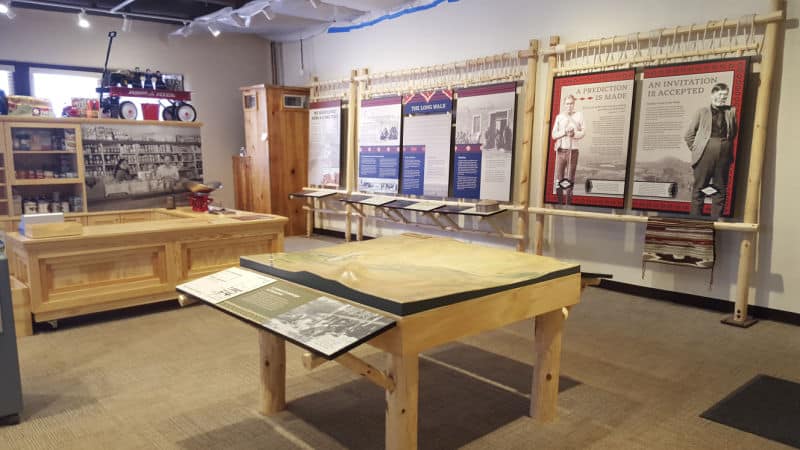
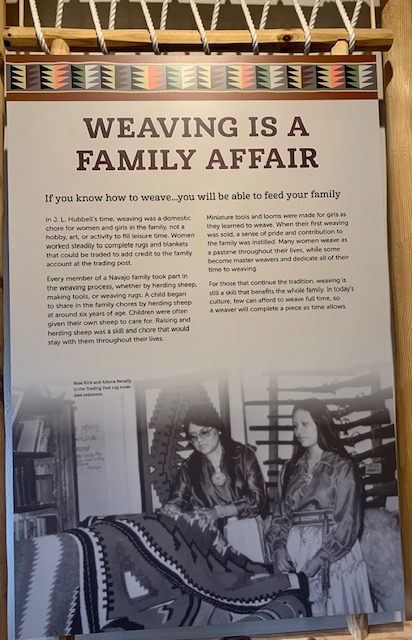
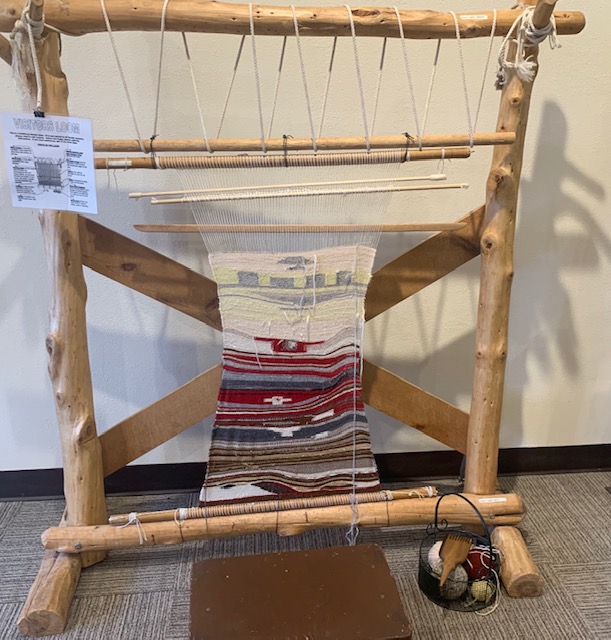
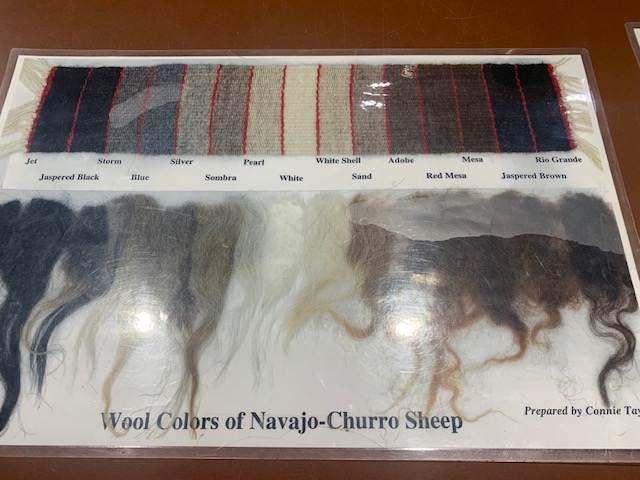
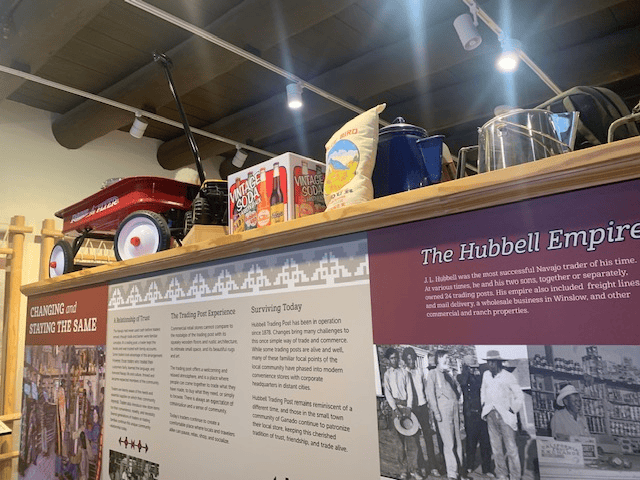
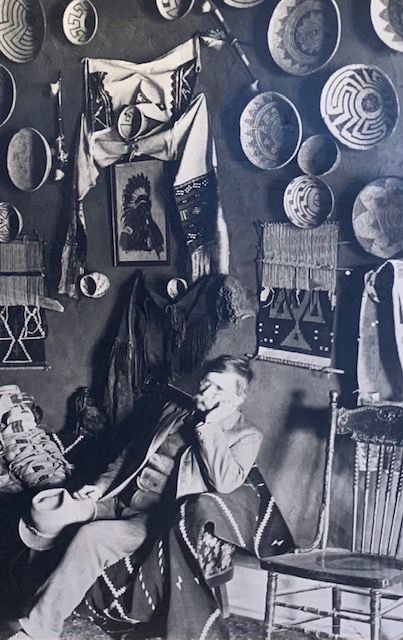
In the 1860s when the U.S. government’s forced the relocation of about 9,000 Navajos, and when they returned to Arizona in 1868, they no longer had their crops and livestock, so trading for goods, already a key component of the Navajo economy, became even more vital.
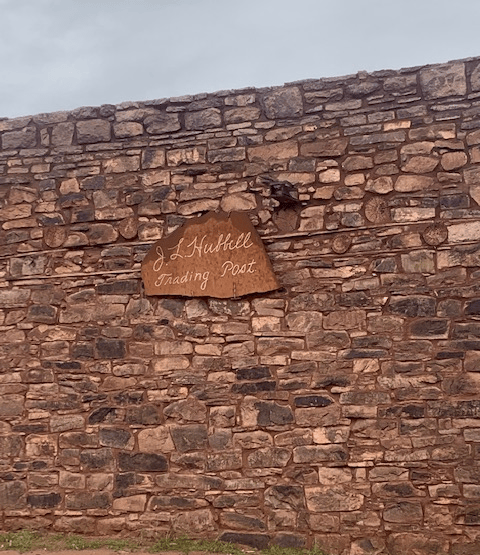
John Lorenzo Hubbell opened the Hubbell Trading Post in 1878. As a link between the Navajo Nation and the rest of the U.S., Hubbell supplied Navajos with many of the items to which they were introduced during their time in New Mexico, such as flour, sugar, canned goods and tobacco. Hubbell was 23 when he bought the property. He later married a Spanish woman named Lina Rubi, and they raised four children in the house they built at the site. Hubbell eventually created 30 trading posts in Arizona, New Mexico and California, and his descendants operated the original post until it was sold to the National Park Service in 1967. It’s now part of Hubbell Trading Post National Historic Site. The site includes nearby Hubbell Hill, where most of the original Hubbell family is buried.
Everyone came from far and near to this incredible place. The Hubbell family was accepted and loved by everyone. They even learned to speak the Indian’s language.
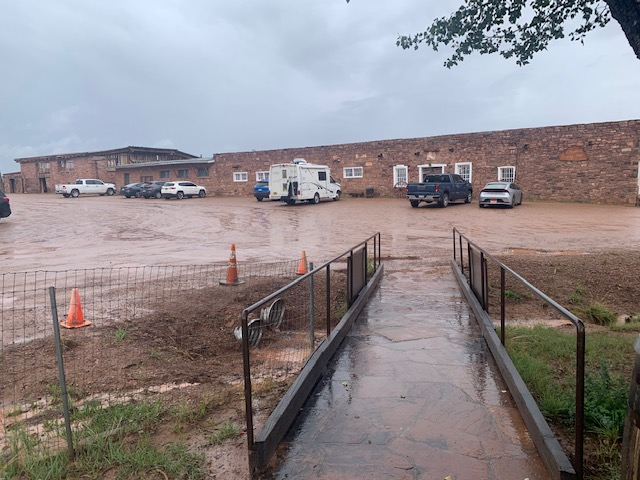
We left the visitor and headed to the Trading Post.
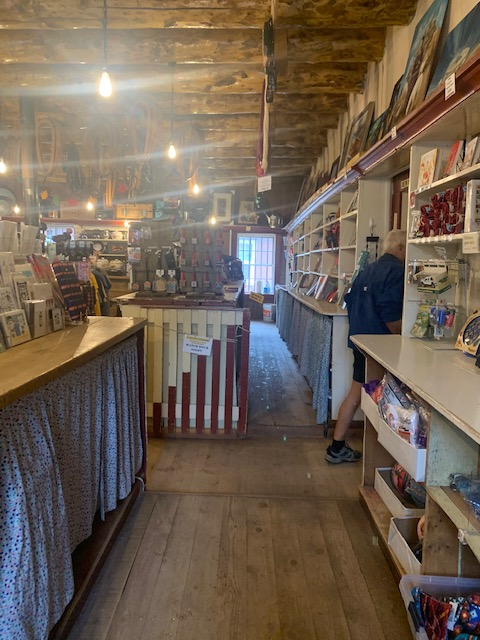
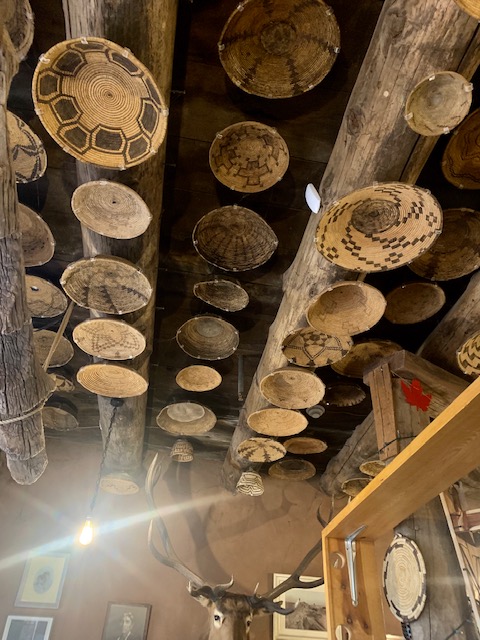
Check out the ceiling with all the baskets on it.
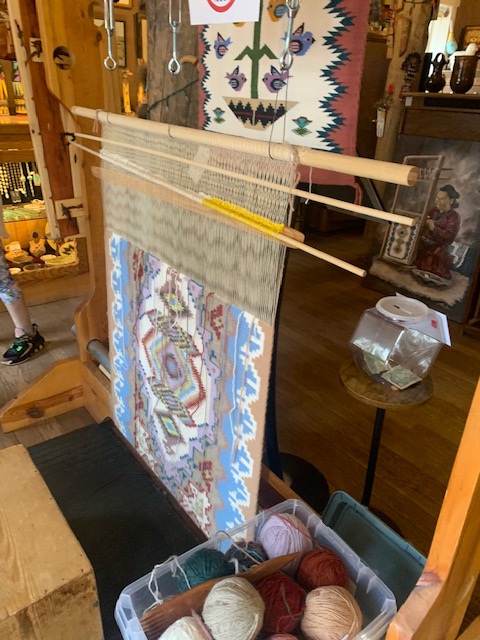
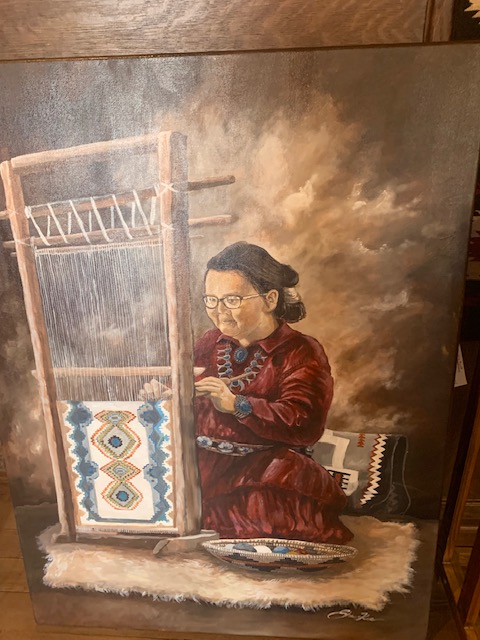
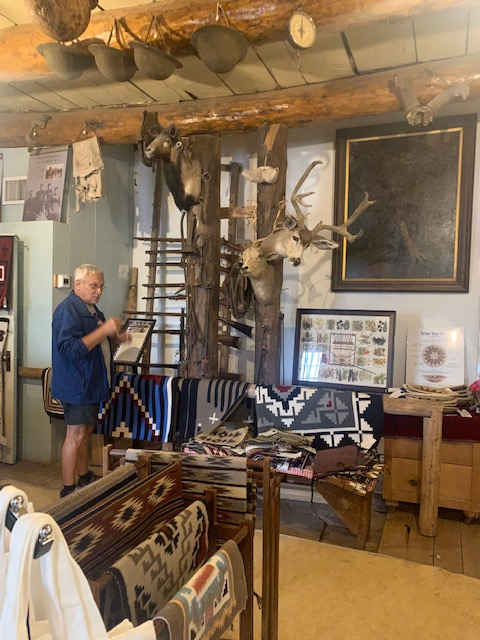
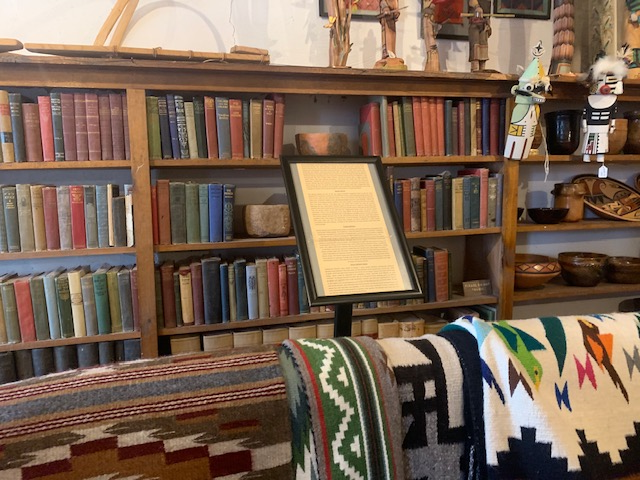
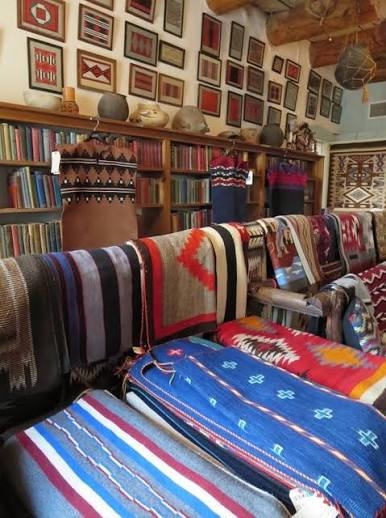
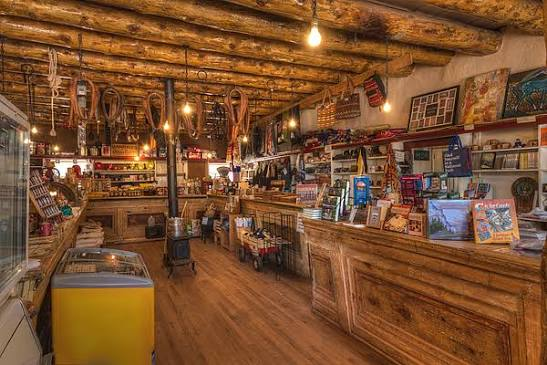
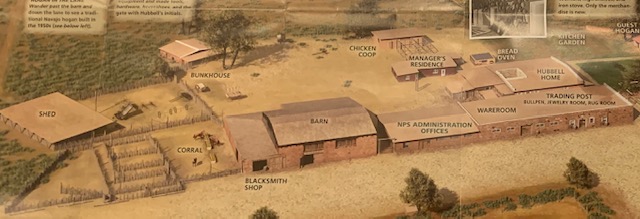
The Hubbell Trading Post had unbelievable items, both common and uncommon. It was another great stop, but unfortunately, we didn’t get to see and explore the historic homestead and barn, etc. because it was still raining, and the grounds of the Trading Post were all drenched from the continuous rain. If were ever this way again I know we’ll stop back.


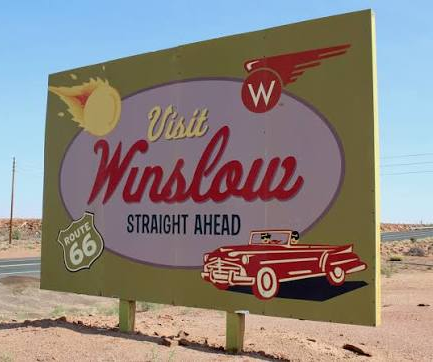
After we left there we traveled to Winslow Arizona.
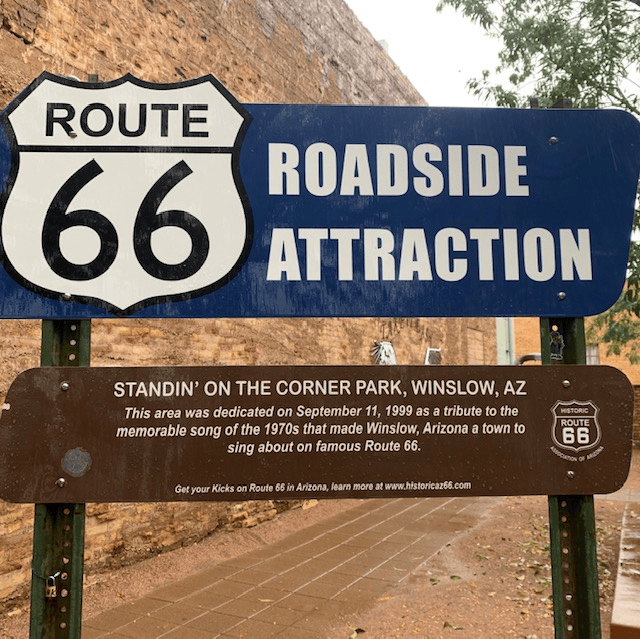
We were cruising on down Route 66 and came upon the famous landmark at East 2nd Street and North Kinsley Avenue in downtown Winslow, Arizona.
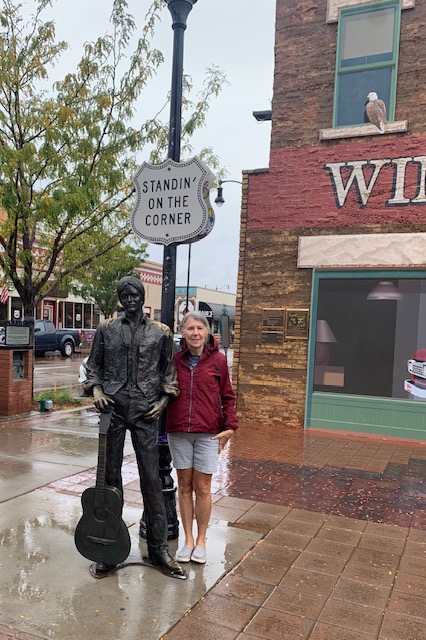
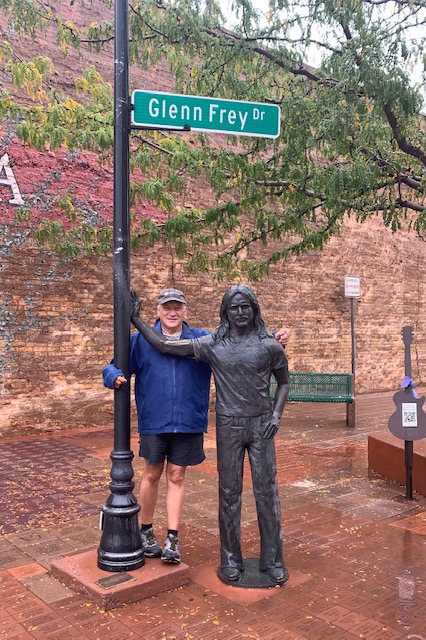
And the next thing we knew, were 🎶 “Standin on the Corner in Winslow, AZ.”🎤
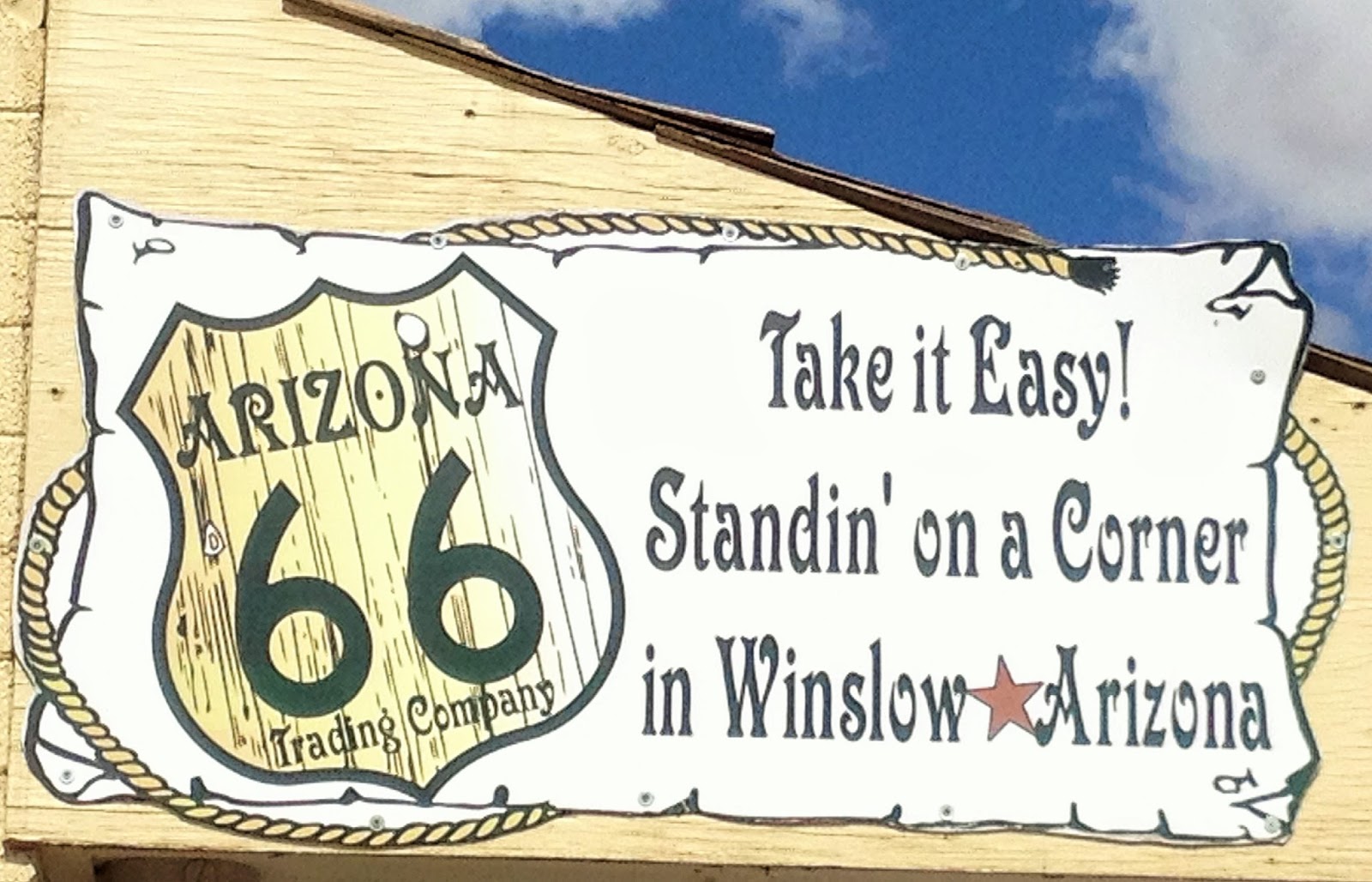
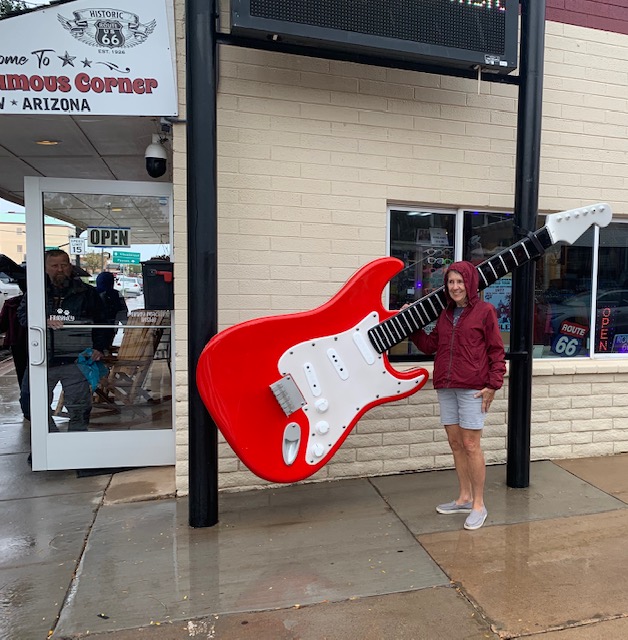
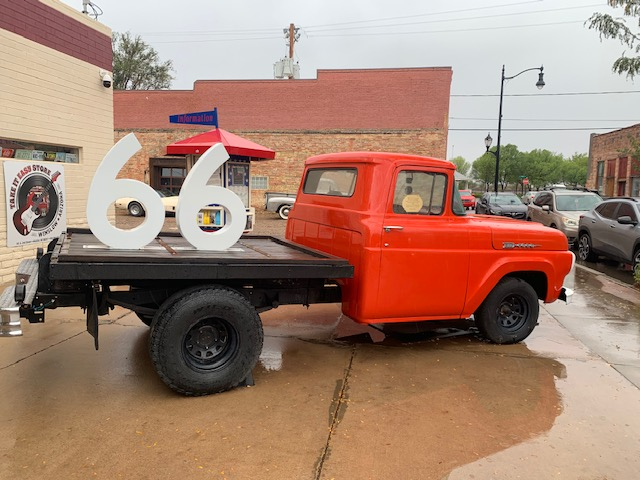

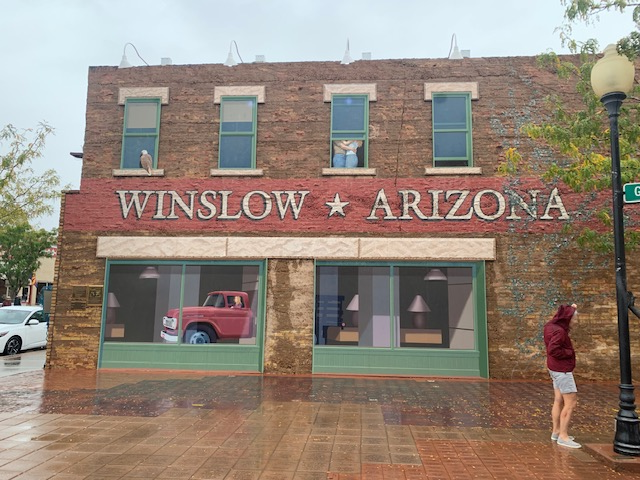
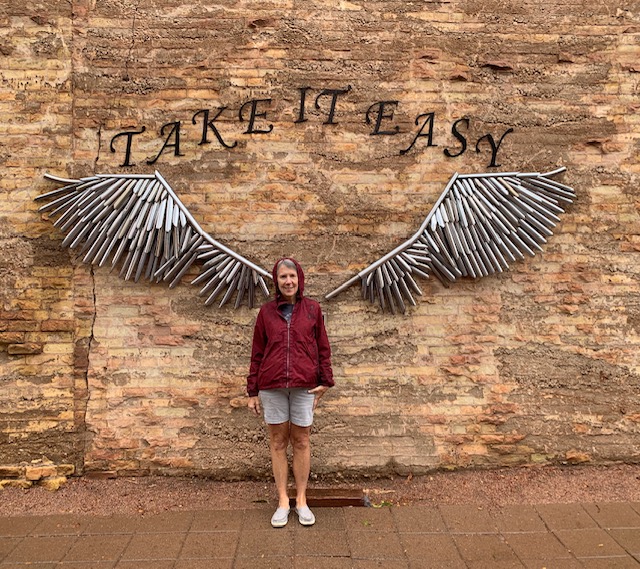
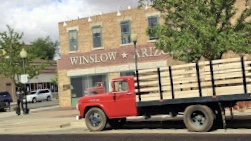
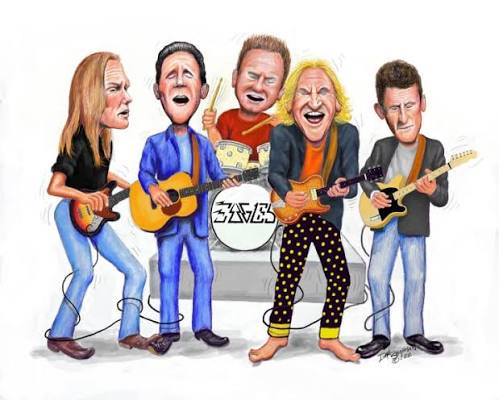
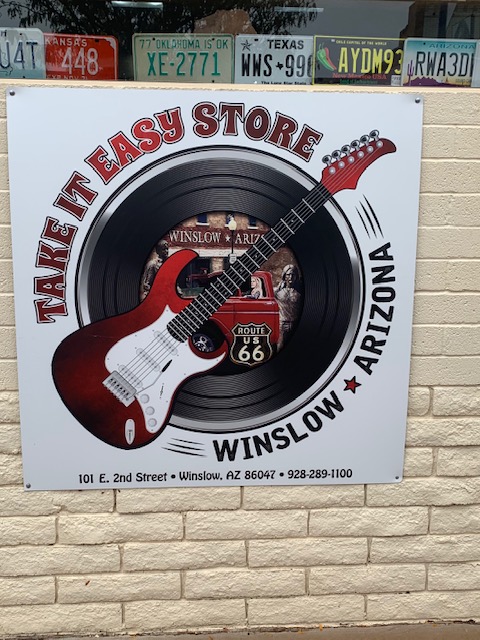
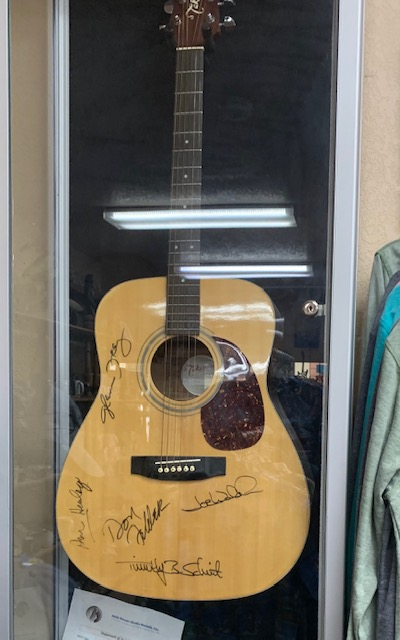
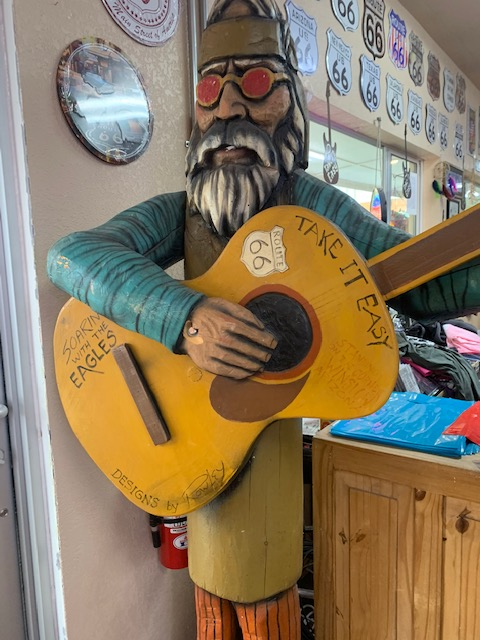
This cool hippy dude is a huge Eagles fan, he never leaves this corner.

The pictures above are not on just one corner in Winslow, they were taken on all four corners in Winslow. We had good timing as we were just finished taking our pictures a whole load of people just got off a bus to get theirs taken. After that people riding motorcycles, etc. were here. Definitely a busy corner all hours of the day and night. One of the stores on the corner play Eagles music constantly. Another fun place to stop. If your ever passing through Winslow, you know what ya gotta do!
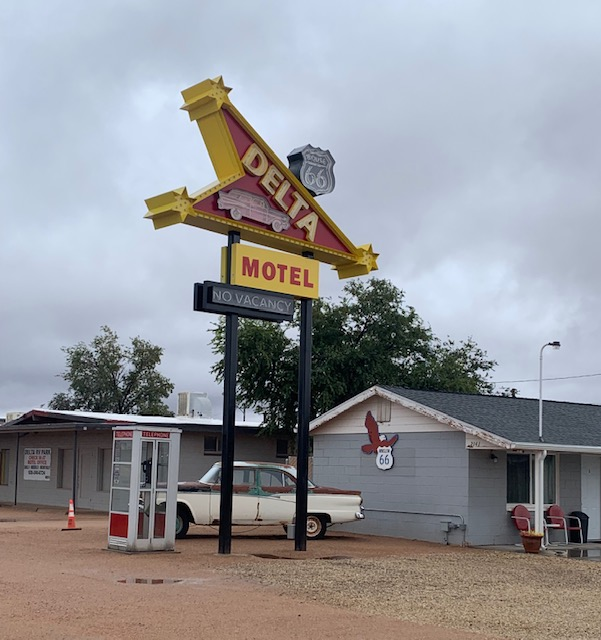
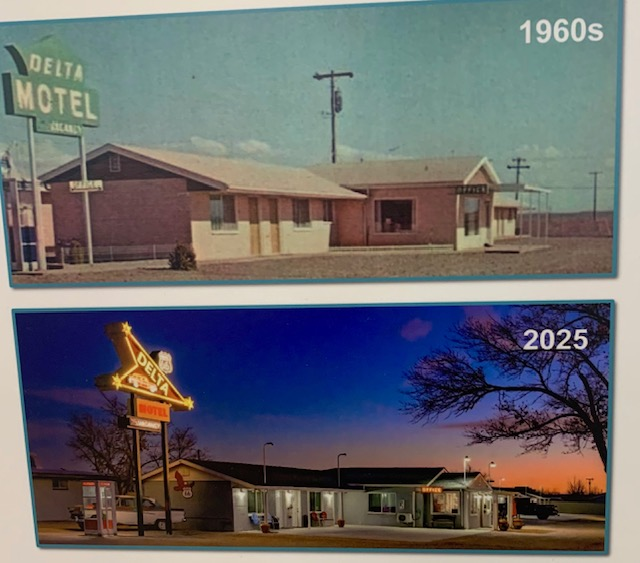
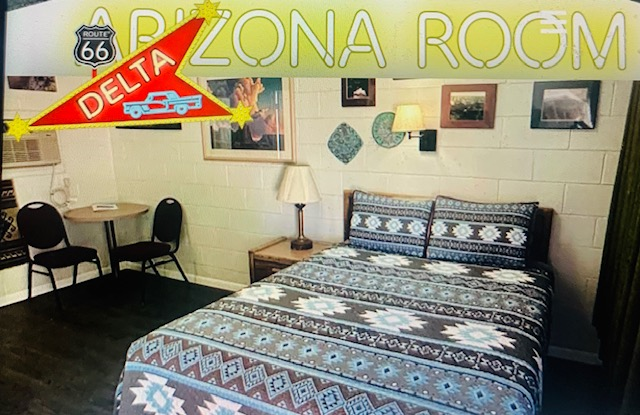
After all that excitement we went back to our motel room. We stayed at a remodeled motel from the 1960’s. We had The Arizona room. We stayed here till October 1st.
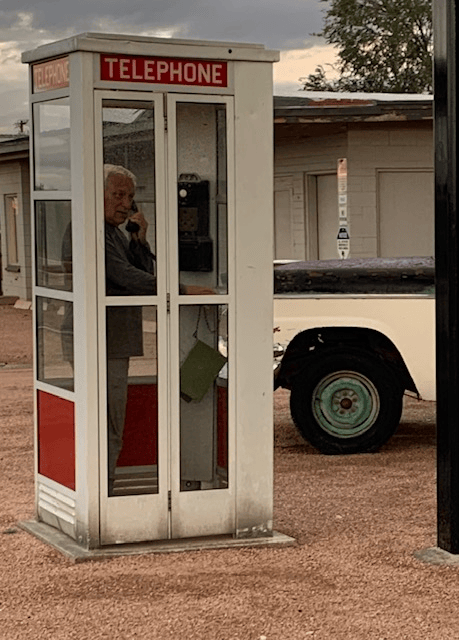
Dave is making a phone call from the telephone booth, I wonder if he has enough quarters?!
Can you remember the last time you used a phone booth? I do, it was in New York City during the end our honeymoon. Good thing I had lots and lots of quarters. 😄
When we got up the next morning it was still sprinkling so off we went off to the visitor center here in Winslow.
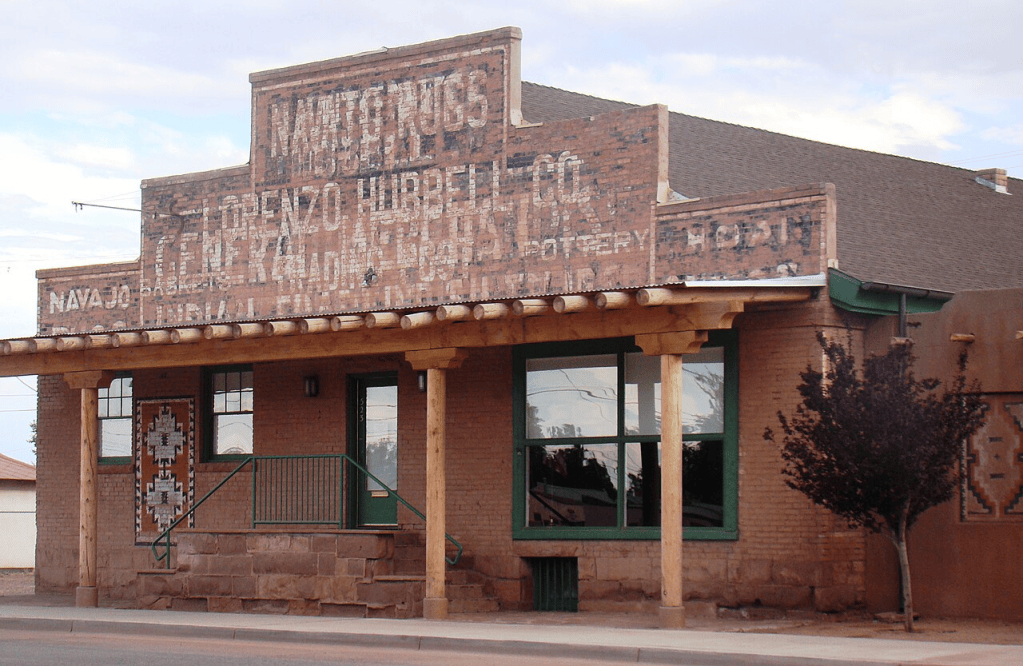
The historic brick structure located in Winslow, was built in 1917 and purchased by Lorenzo Hubbell Jr. in 1924 to serve as a wholesale warehouse and distribution point for the Hubbell company’s trading post network in Arizona. It came another trading post, owned by the son of whom we were just at yesterday.
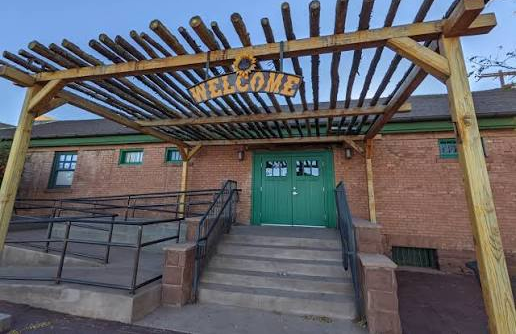
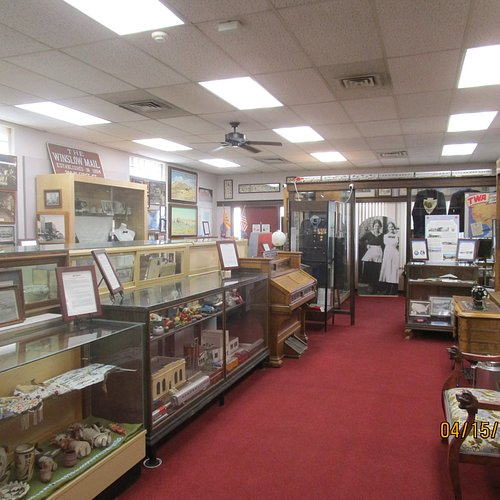
It has been acquired and restored, and now the historic trading post building was repurposed to house the Winslow Visitor Center & Hubbell Trading Post, offering local tourism information alongside preserved architectural features, artifacts, and exhibits from the past. The building also houses the chamber of commerce.
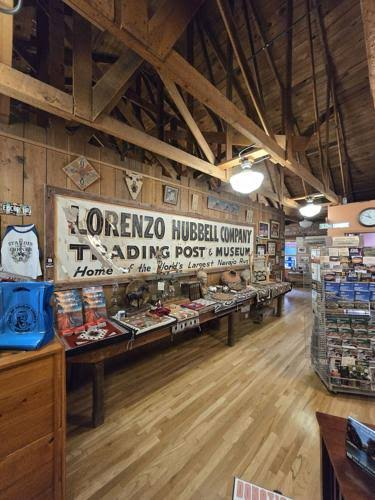
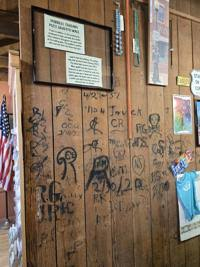
An old original sign in the first photo and the second is of a neat wall marked with names and dates left by trading post employees decades ago. Staff once used coal and ash from heating stoves to sign and date their work areas, leaving behind inscriptions from February 1920 through 1967. More markings were found later in the basement. The graffiti was never allowed in public spaces, making these behind-the-scenes signatures a quiet record of those who worked there.
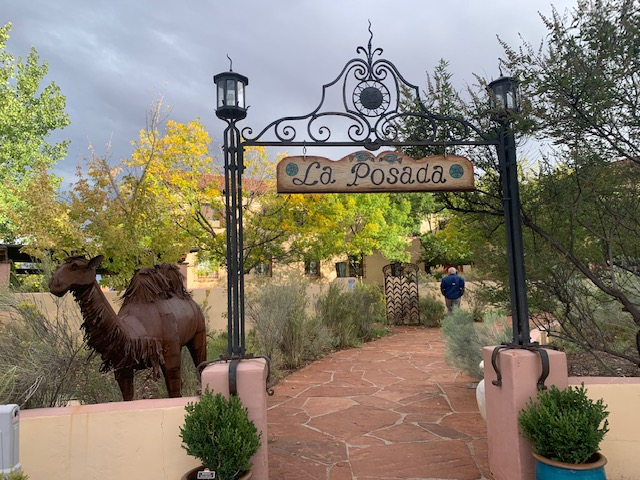
We were glad we to stopped in to see the place, especially since it was a great spot to visit in the rain. A gentleman there told us to check out La Posada down the street, mentioning it opened in 1927 with “Fred Harvey Standards.” Dave and I were curious about what those standards meant. We learned that Fred Harvey’s hotel and restaurant standards greatly improved travel in the American West by offering clean and classy hospitality instead of rough frontier stops. He mentioned that all high quality establishments still use his standards today.

Fred Harvey’s food and kitchen standards offered fresh ingredients for the food, fine tableware, a Teletype Pre-Ordering, a train brakemen telegraphed passenger menu selections ahead to the kitchen so meals were prepared and ready the moment travelers stepped off the train. A staff member struck a brass gong outside the entrance upon train arrival to guide passengers straight to their seats.
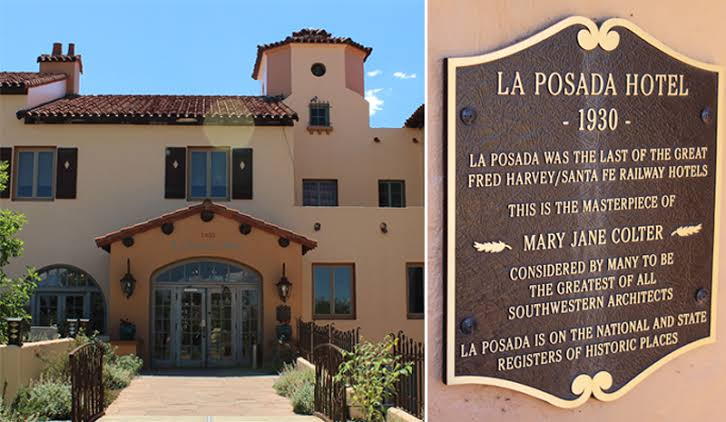
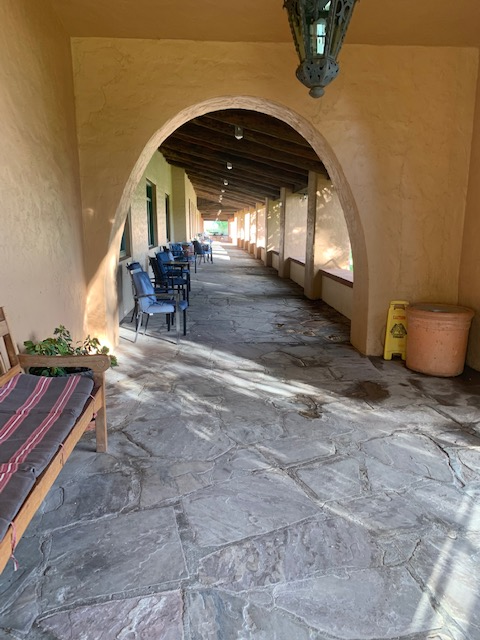
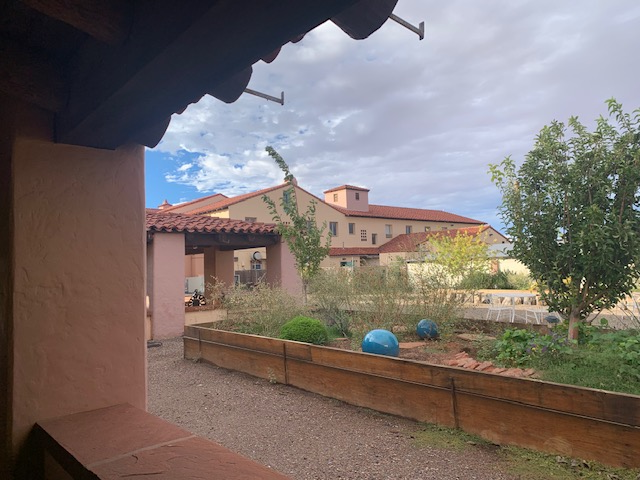
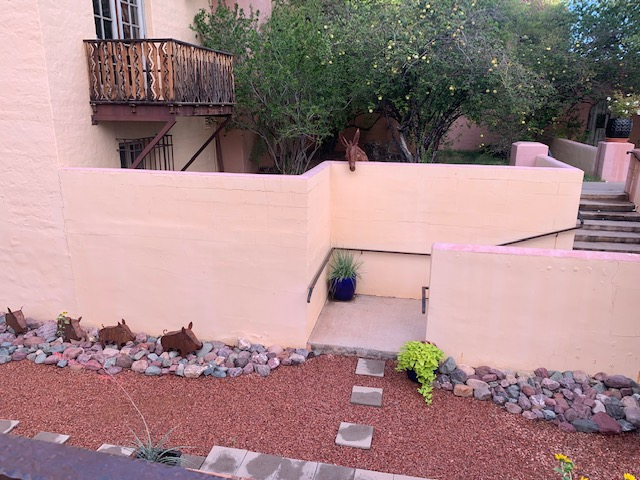
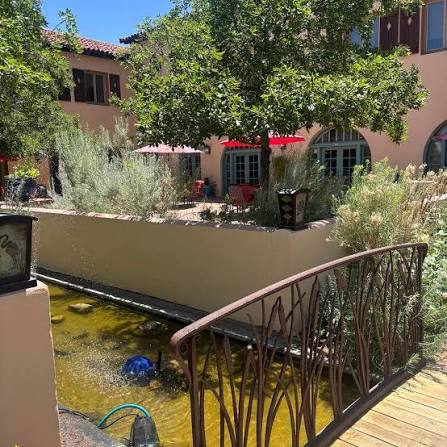
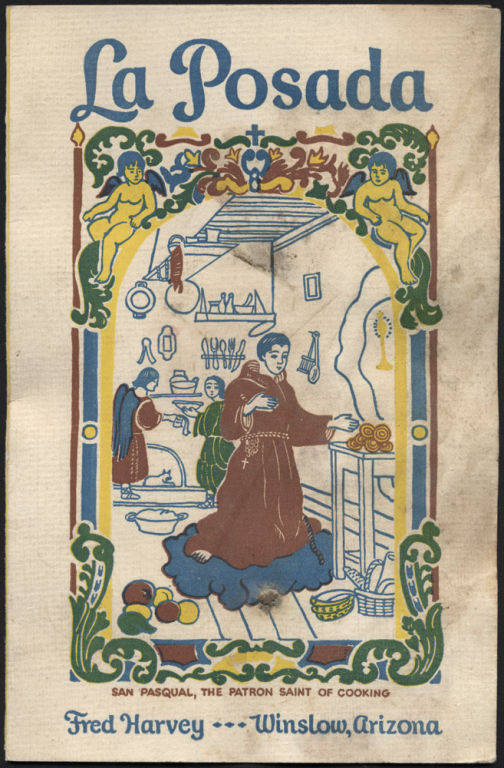
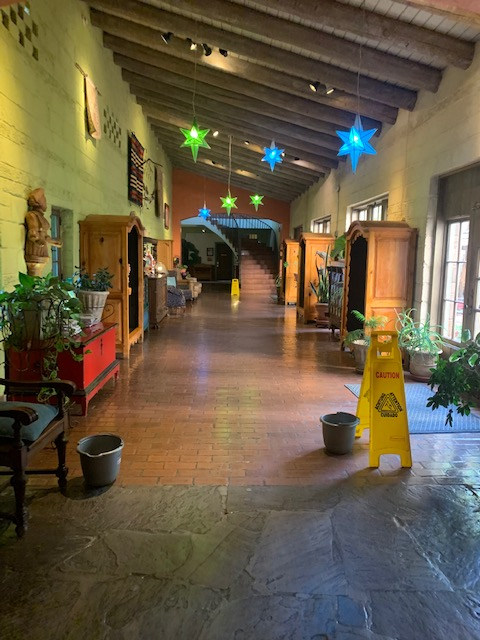
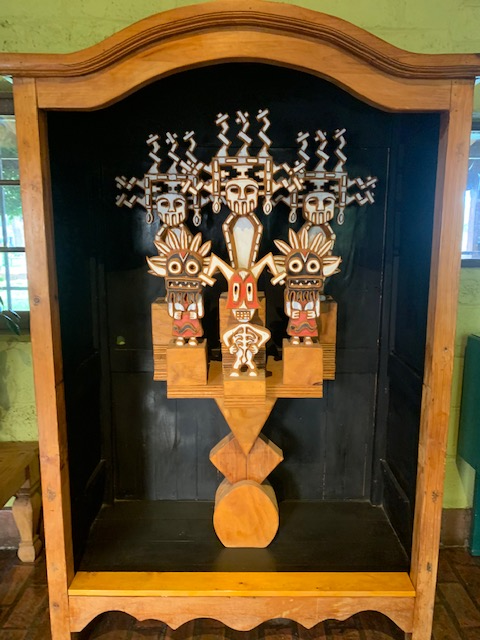
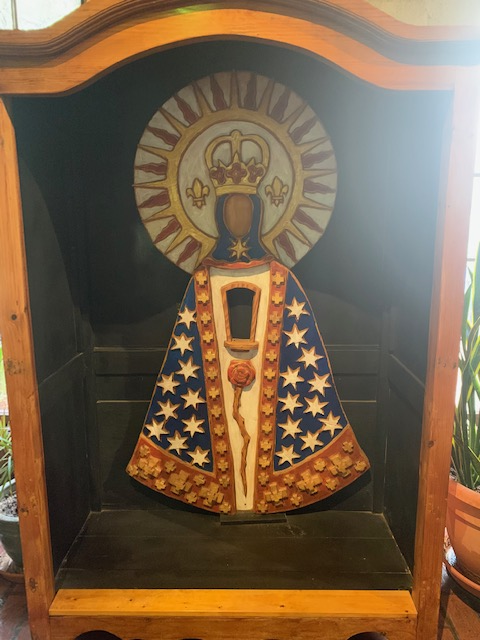
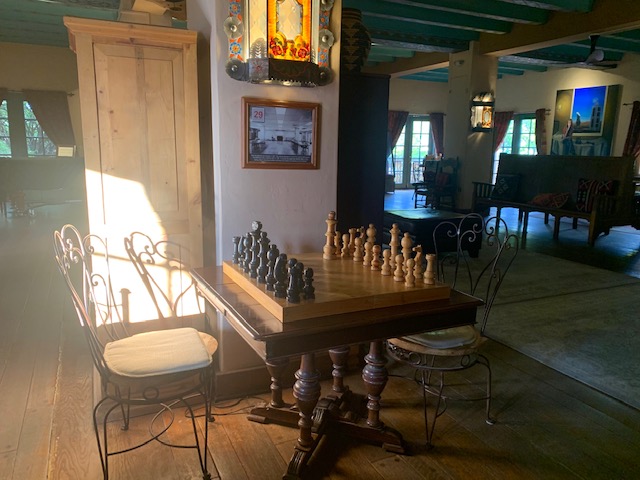
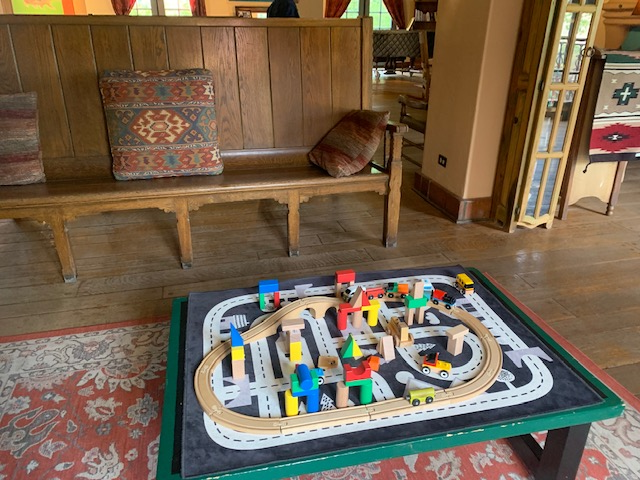
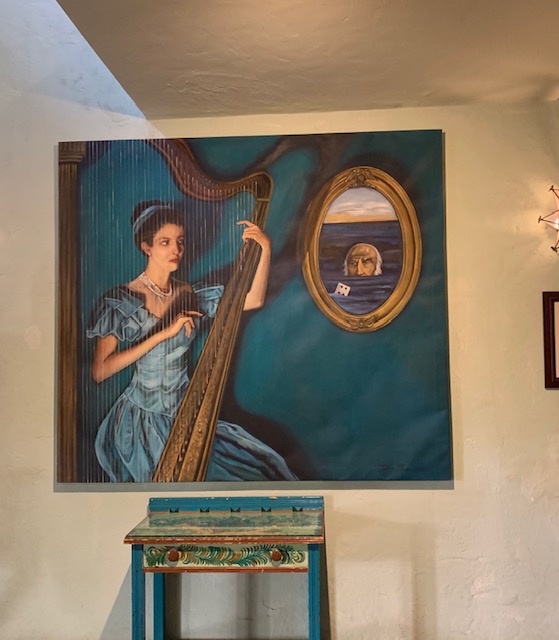
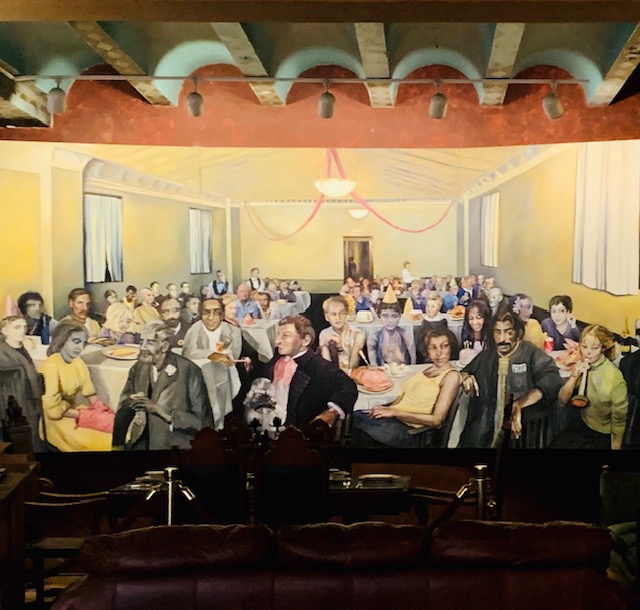
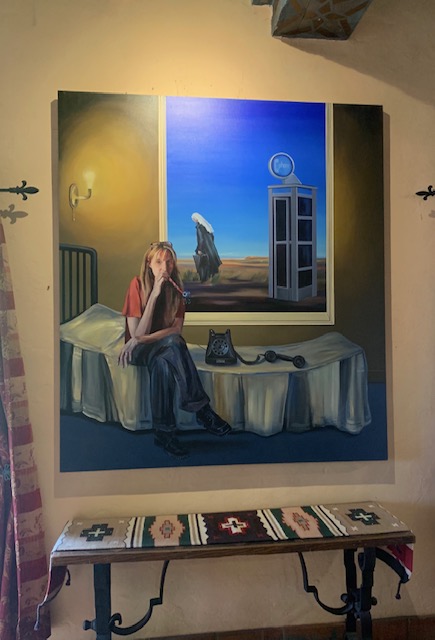
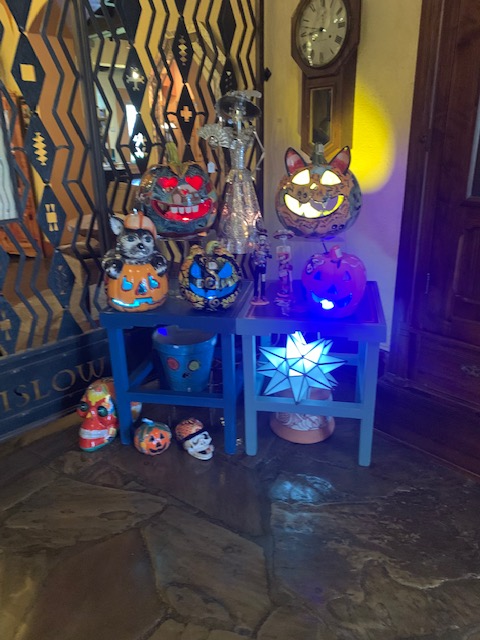
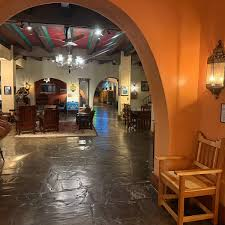
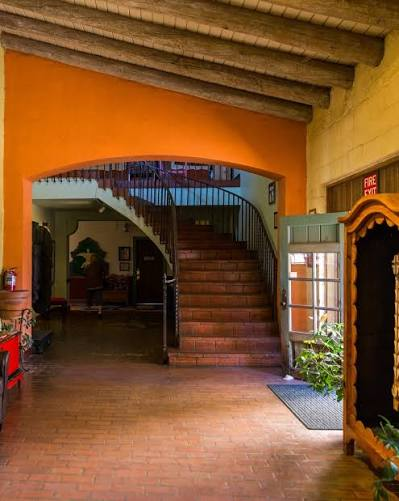
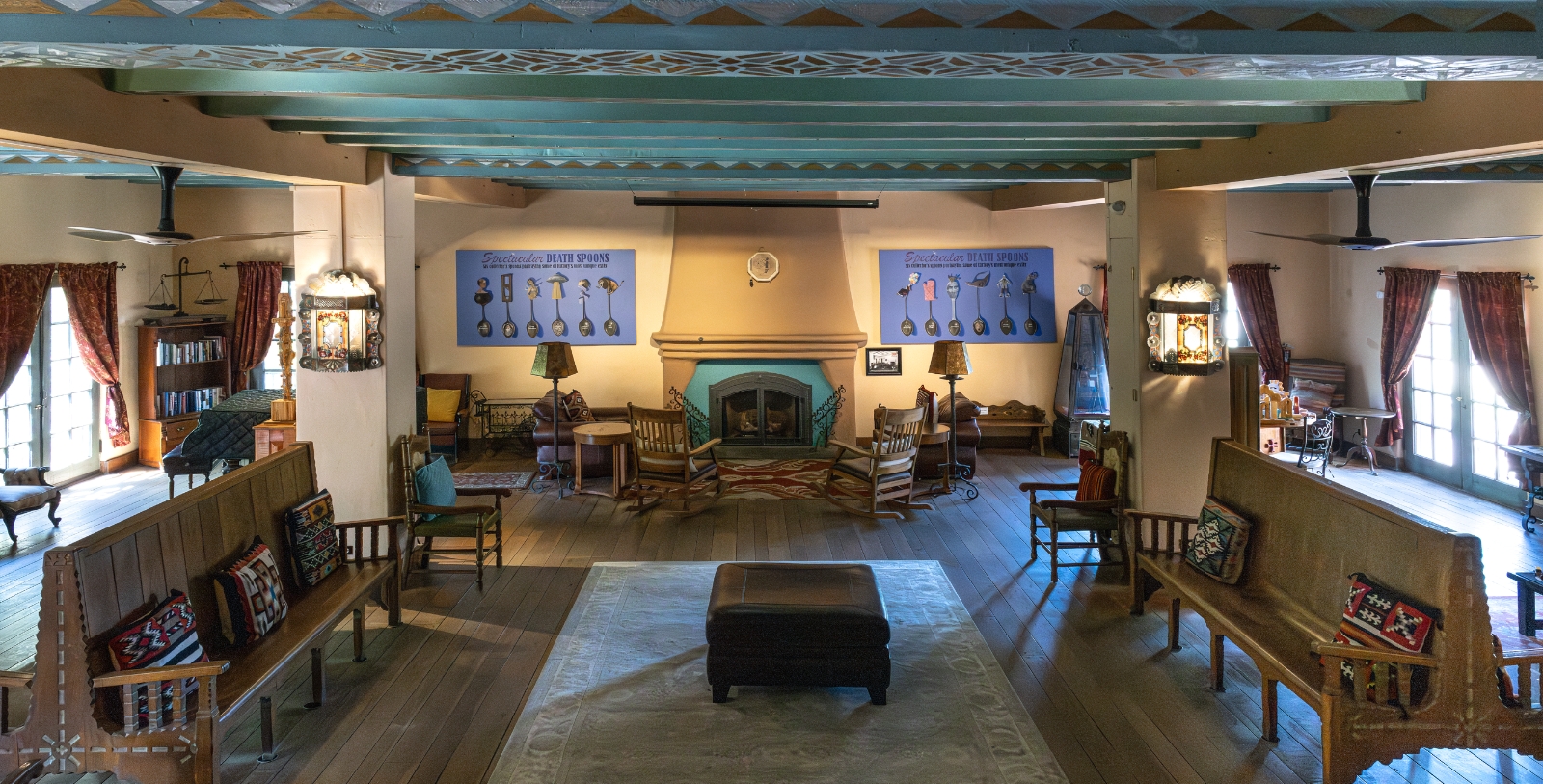
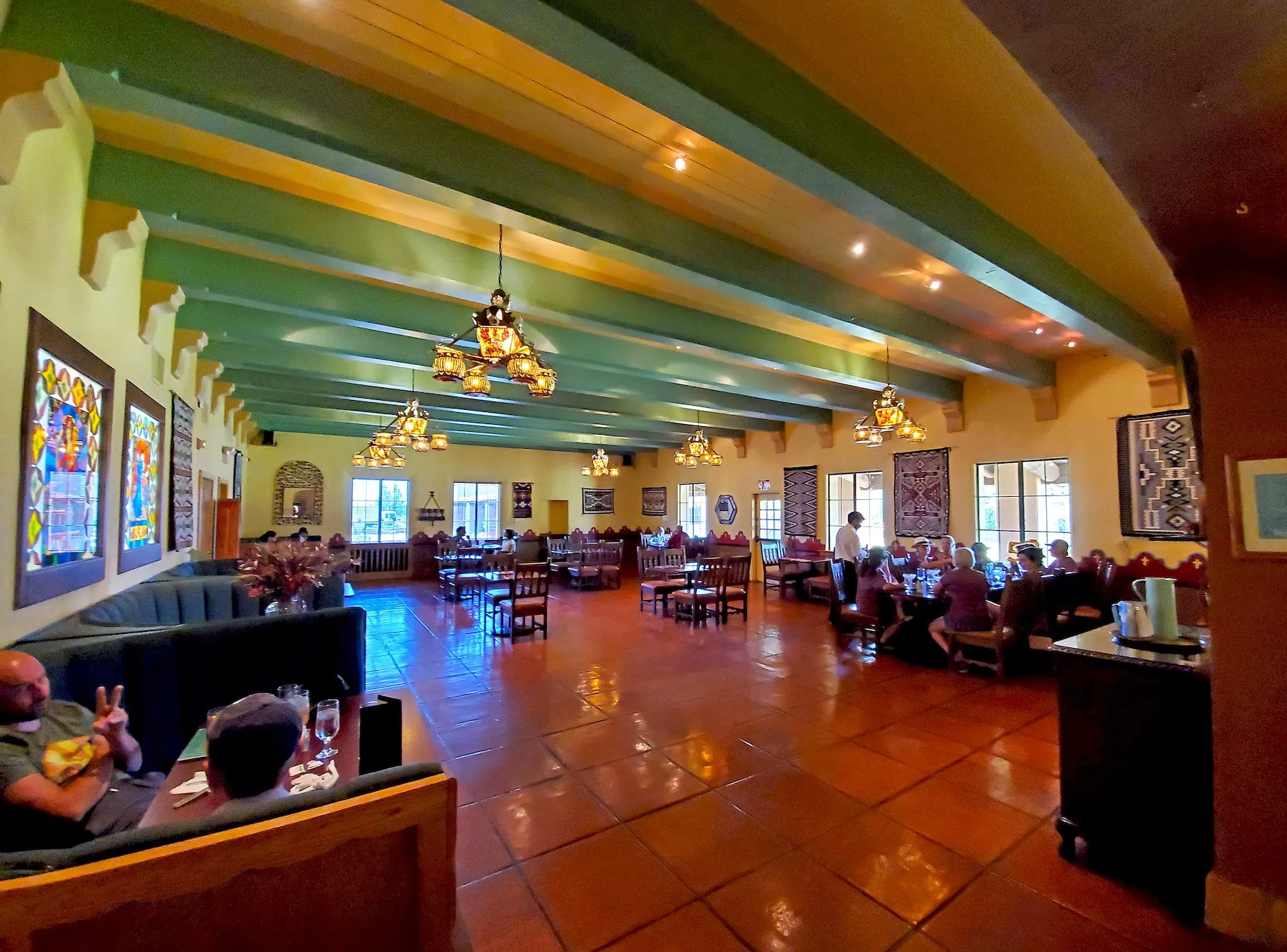
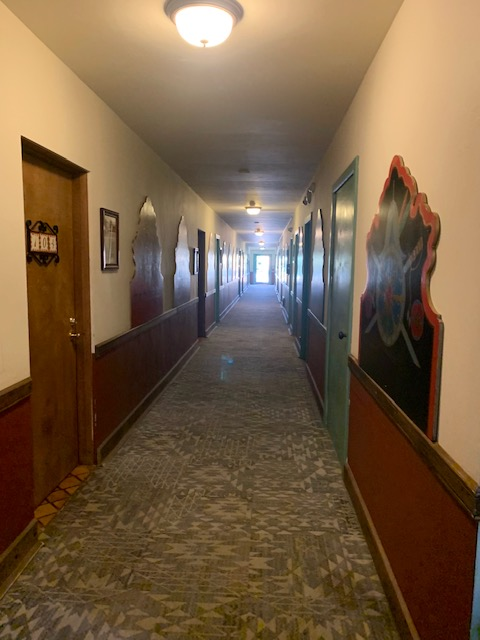
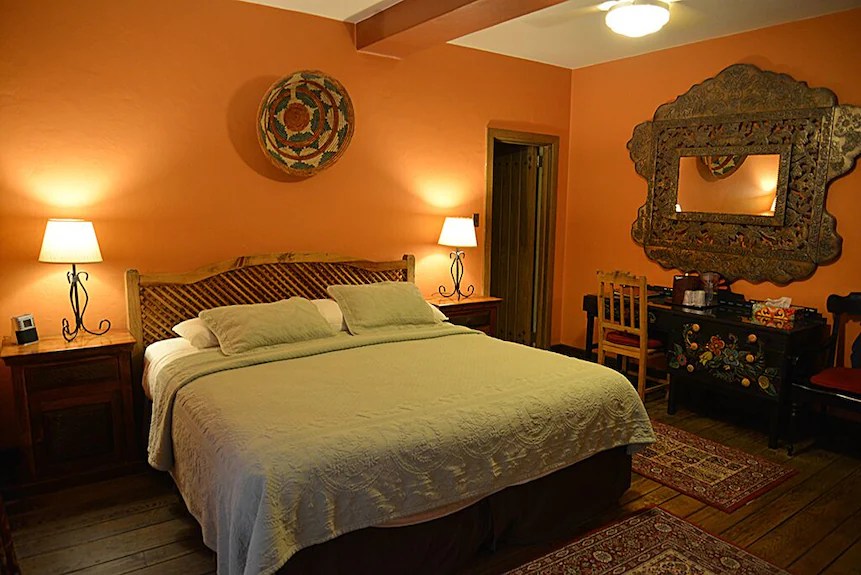
La Posada features 54 rooms, mostly named after famous guests and notable figures, including Albert Einstein, Amelia Earhart, John Wayne, President Franklin D. Roosevelt and Howard Hughes. Recently, celebrities like Diane Keaton, Jackson Browne, Emilio Estevez, and James Turrell have visited, although some say it’s due to a lack of publicity they want their staying there to be private.
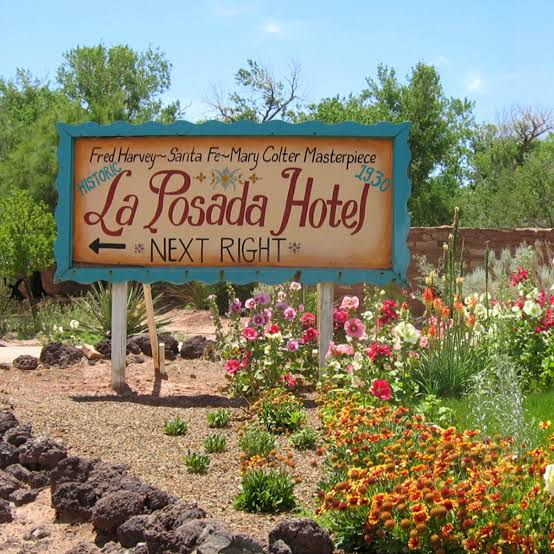
It features an outdoor heated pool, a hot tub and three restaurants to choose from.
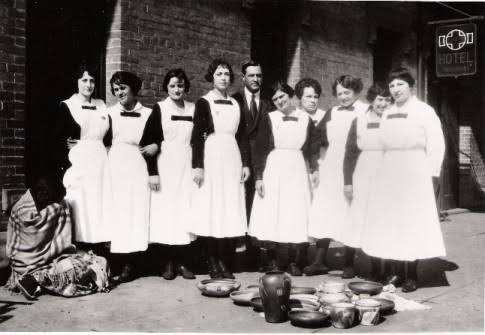
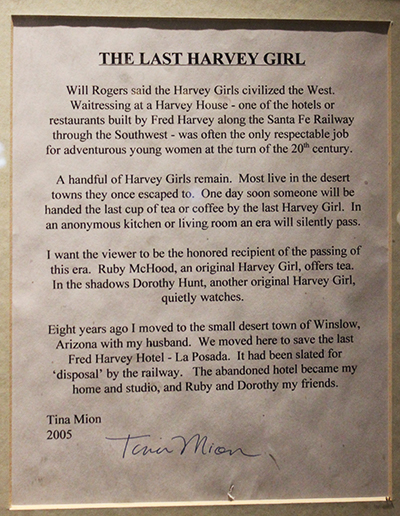
Fed Harvey replaced all the male waiters at the hotel because he found them unruly and misbehaving. He replaced them with the Harvey Girls. They wore matching black shirtwaist dresses, starched white aprons, and white caps with hair neatly pinned. Employees lived in supervised dormitories with strict curfews enforced by a head matron; rules prohibited heavy makeup, bad language, and breaking a year-long employment contract.
.Architecture and Cleanliness Standards
It was known for being extremely clean with high standards of sanitation in kitchens, dining rooms, and guest rooms—something rare on the 19th-century frontier. The architecture featured prominent architects like Mary Colter, who designed famous trackside hotels (like El Tovar and La Posada) that combined luxury with Southwestern and Native American styles. Additionally, authentic Native American art, crafts, and culture were showcased throughout the hotels.
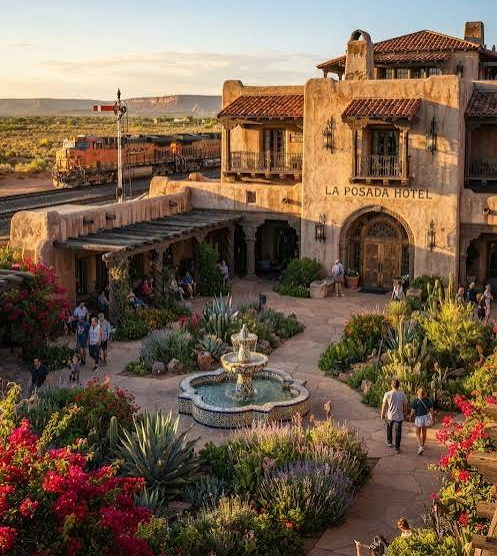
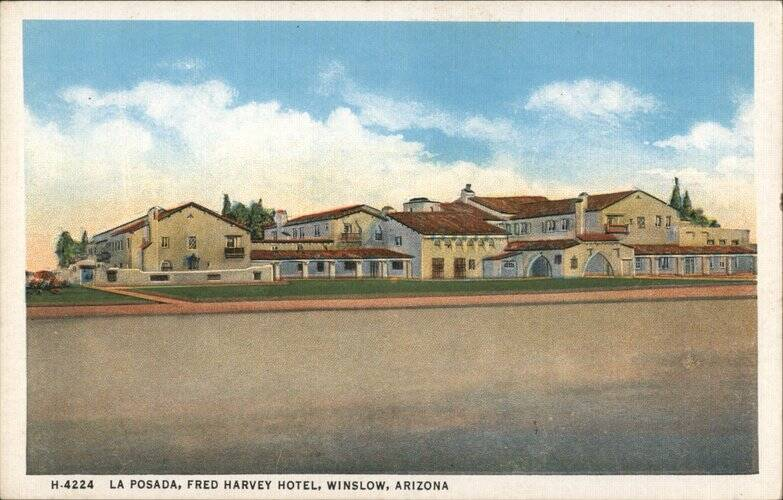
La Posada was conceived as the finest hotel in the Southwest, the crown jewel of the Fred Harvey Company’s hospitality empire along the Santa Fe Railway. Designed by the famed Mary Jane Colter, she considered it her personal masterpiece. It opened in 1930, the hotel operated for just 27 years before closing. The original historic property closed in 1957 because of a severe decline in rail travel. It thrived during the golden age of train travel. However, the rise of the personal automobile and interstate highway travel caused it to close. Its museum-quality contents were auctioned, and its interior was gutted for offices, and it narrowly escaped demolition multiple times over the next 40 years.
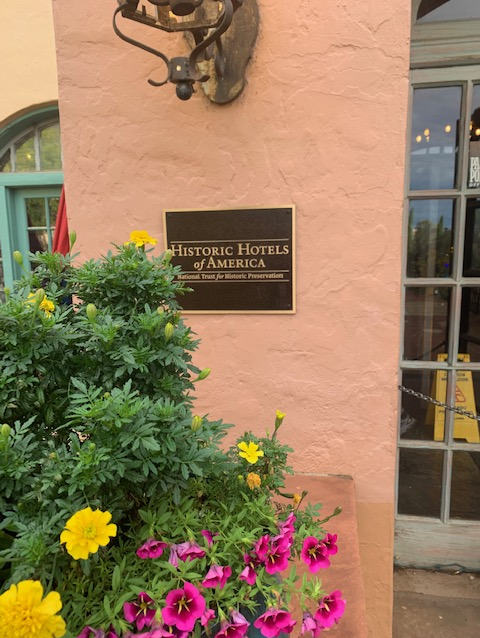
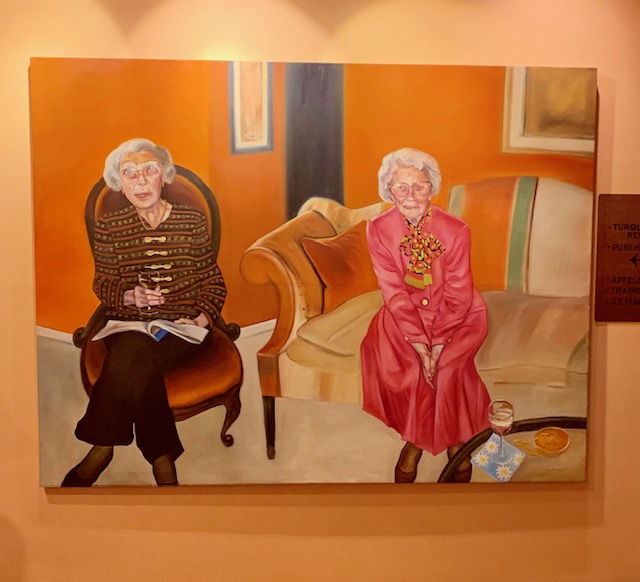
Facing its final threat, the hotel was placed on the National Trust for Historic Preservation’s endangered list, where it captured the attention of Allan Affeldt. After three years of complex negotiations, Affeldt and his partners purchased the property in 1997 and began the monumental task of restoration. They have since transformed La Posada from a ruin into a vibrant “living museum” that showcases history, architecture, and the art of Allan’s wife, renowned painter Tina Mion.
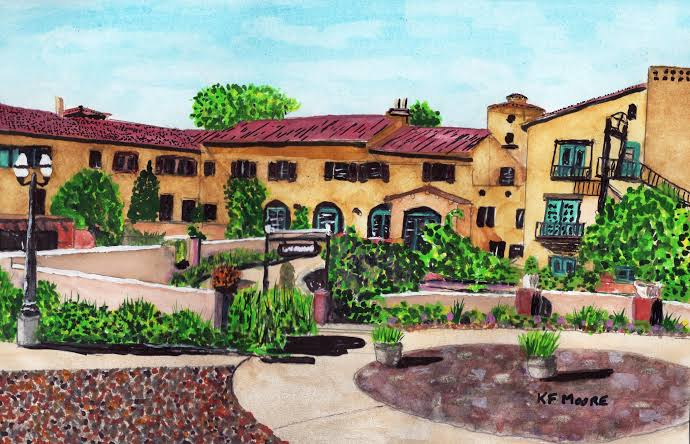
It’s an incredible hotel, and I love Tina Mion’s oil paintings. Next time I’m in Winslow I’ll be staying in their corner.
Being is was still sprinkling and dreary we headed back to the Arizona room and watched TV.