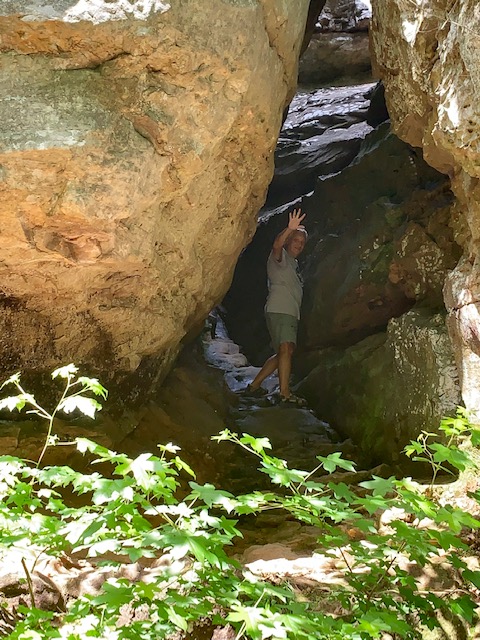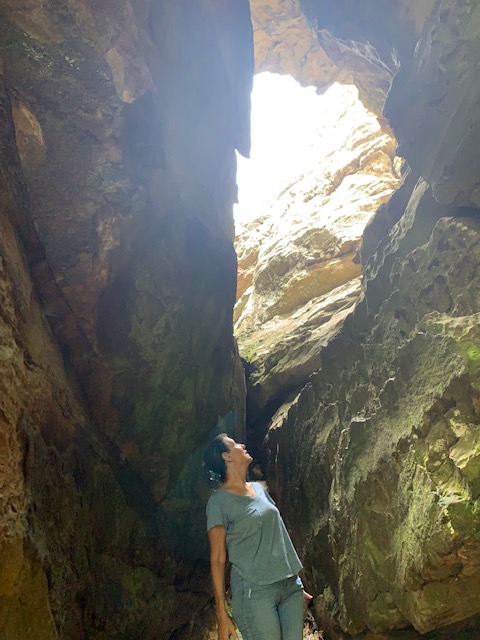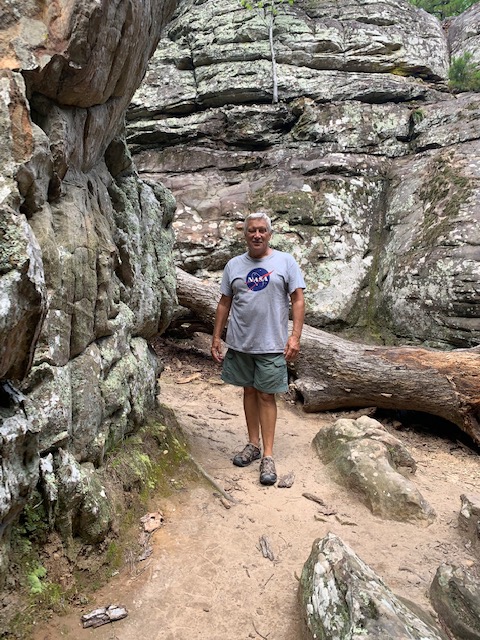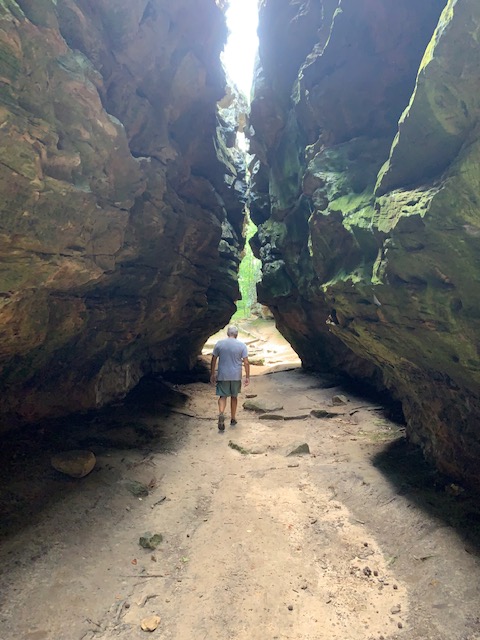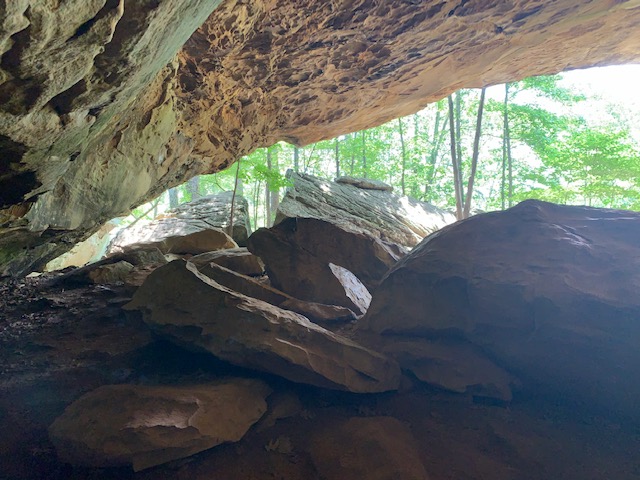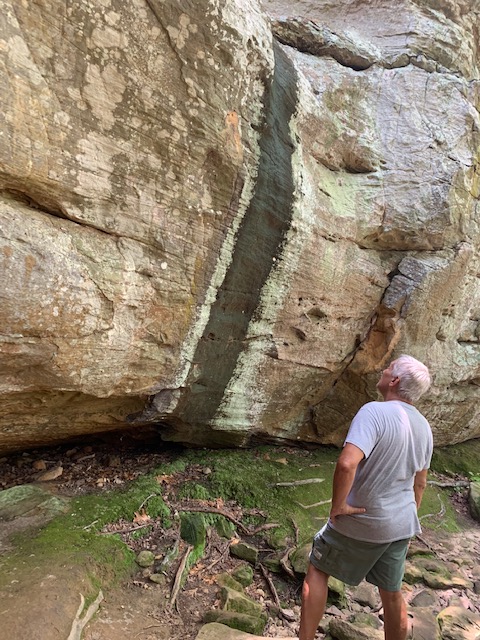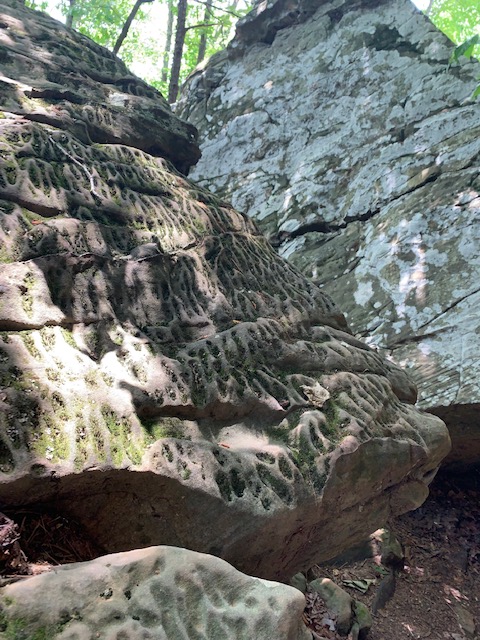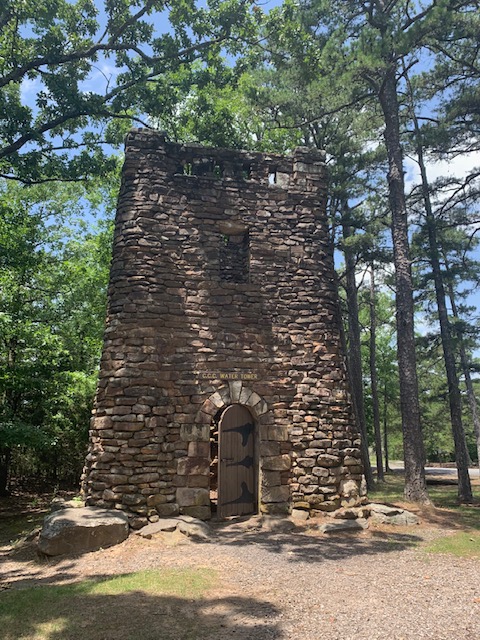
PEA RIDGE NATIONAL MILITARY PARK

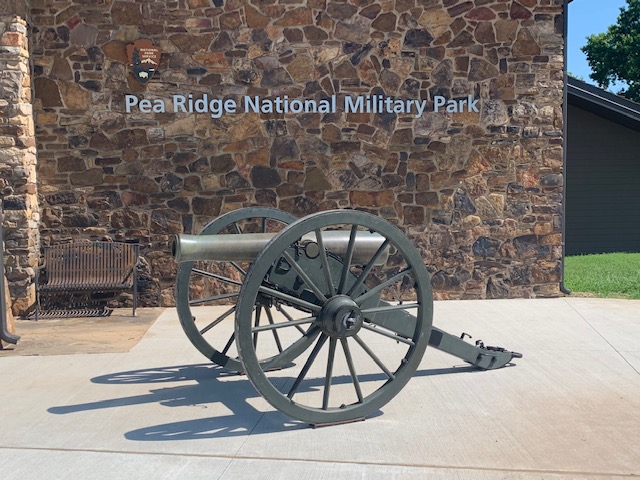
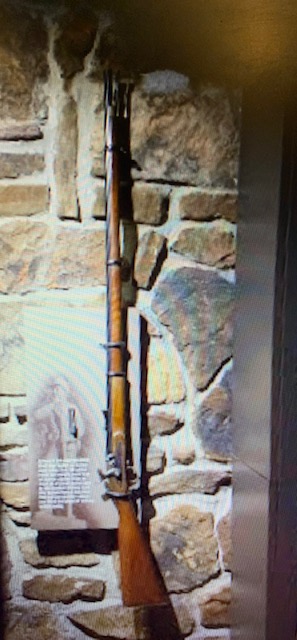
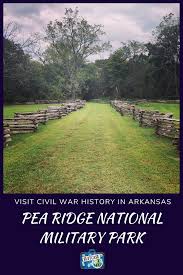
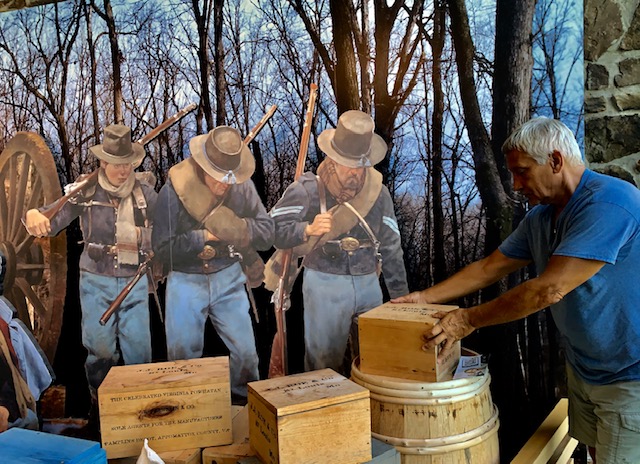
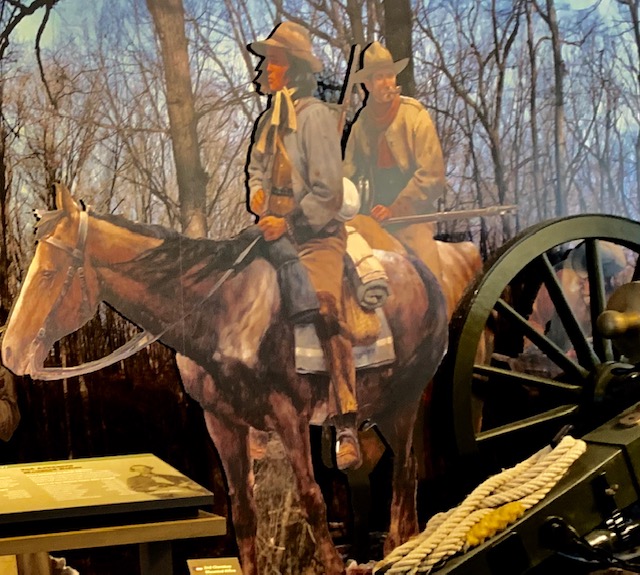
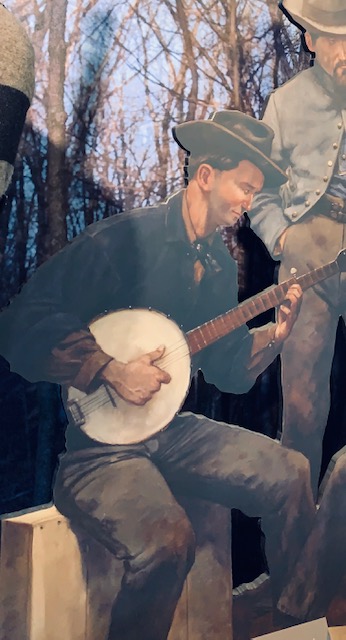
Yesterday we went to the Pea Ridge National Military Park. This civil war battle occurred early in the war , March 7 and 8 1862, in the freezing cold of northwestern Arkansas. This was a really cool place to visit , I had little knowledge of this battle before.

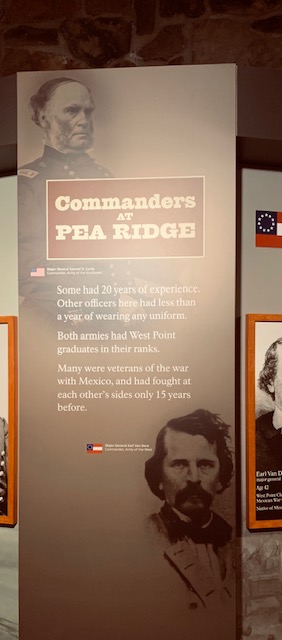
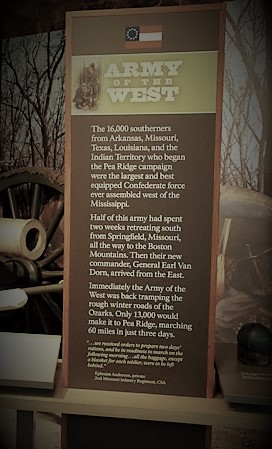
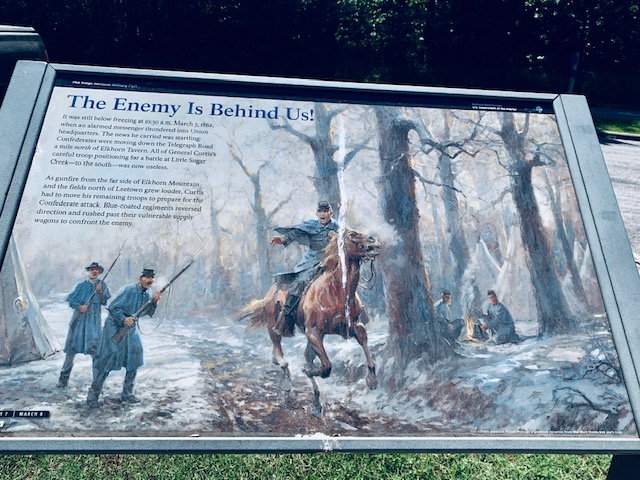
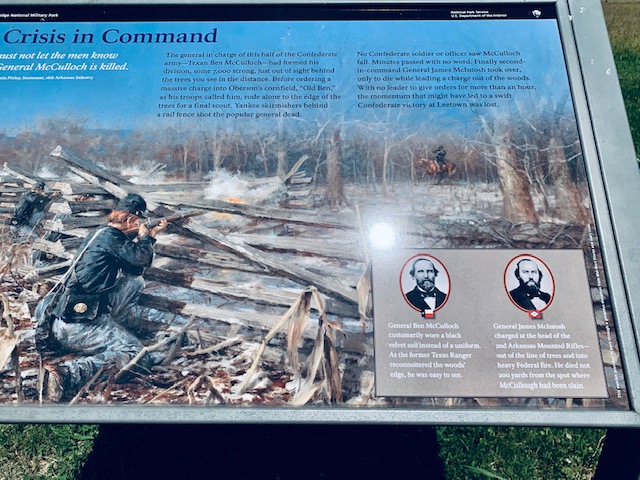
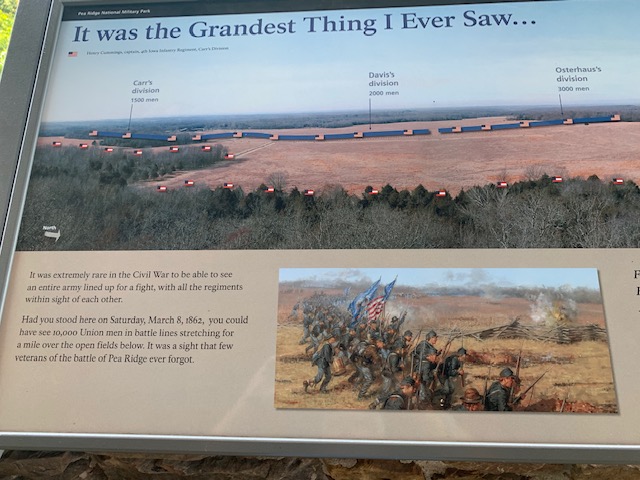
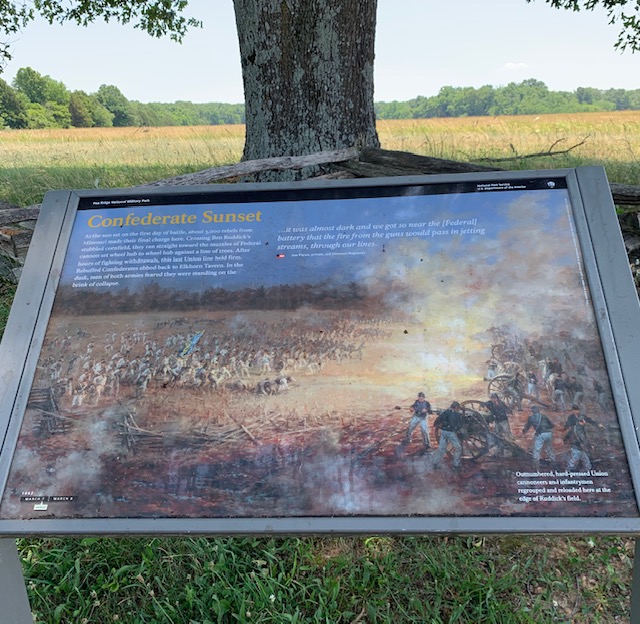
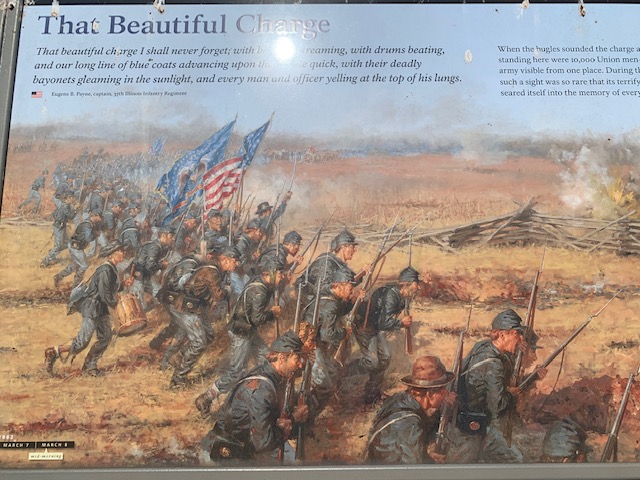
Missouri was not to fall into Confederate hands so the union under General Curtis and his 11,000 man army had been driving them deeper and deeper until they fell behind the Boston Mountains in northwest Arkansas. There the confederates formed up and now were under the command of General Earl Van Dorn, who’s army now consisted of 16,000 men. He decided to strike and capture St. Louis. There were few roads to move an army and the union knew this they set up a defense at Little sugar creek , just below the pea ridge plateau, his main army was atop this area, waiting. Van Dorn found this out and managed to move around the entire union army on the night of March 6th, it was no easy feat, in the cold and snow. However in doing so to gain speed he left behind his wagons of food, clothing and most importantly ammunition, this would come back to haunt him. Half his army fell behind so he split his forces and ordered General McCullochs to take command of that half and attack from the west while he made his way east. On the morning of March 7th the union was completely surprised they were under attack from the rear. As McCullochs was moving his troops he was shot dead, by union troops approaching, also shot dead was Brig. Gen Mcintosh. Without any command structure this half of the army had no idea what to do and were useless in the first days fight. Van Dorn’s troops on the other hand hit hard, the union held out as best they could but had to retreat back. A few stubborn German speaking brigades of union infantry had had enough and decided to hold there ground. They stopped the advance of the main body of confederates for awhile but they too had to fall back. As nightfall came Van Dorn had taken the Famous Elkhorn tavern and the crucial two roads Telegraph road, and Huntsville road. Believing he had victory in his grasp as he had cut off the supply route to the union, he felt confident the morning would bring swift victory. Not to be on the morning of March 8th General Curtiss counterattack, he amassed 23 cannon to bombard the tavern area, for tow hours the cannonade battered the confederates, then came the long one mile charge of 10,000 union soldiers, this broke the back of the weary confederates. Having little ammunition left, as there were no ammunition wagons around, he had to break off the attach and retreat. His men would never trust Van Dorn again. The union lost about 1,100 men and the confederates lost over 2,000 men in battle. The confederates would never again try to invade the Missouri state again.

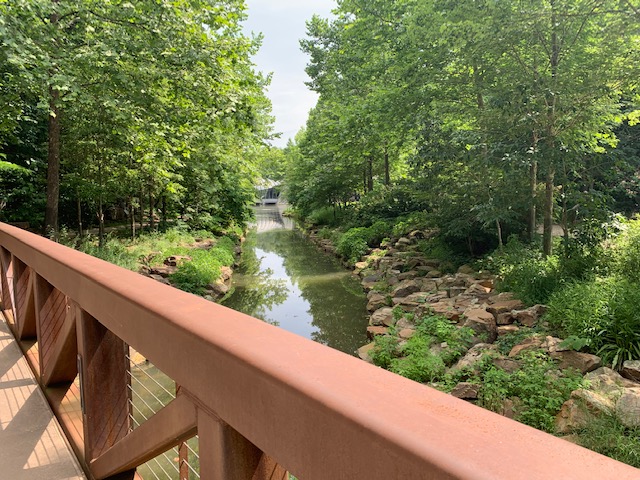
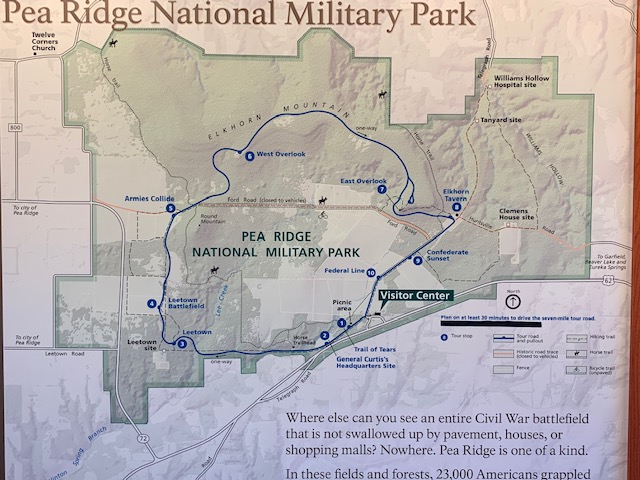
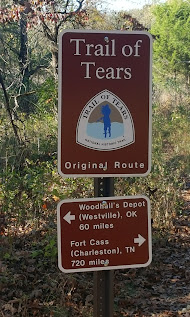
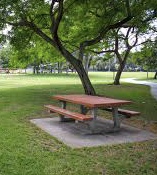
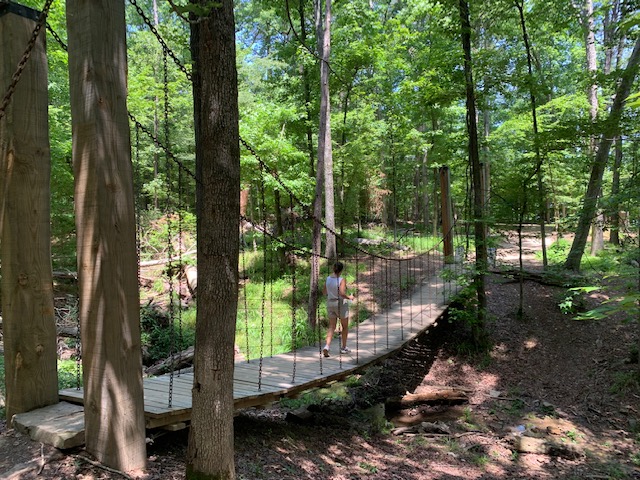
Stop 1: Above, Trail of Tears, A trail dedicated to all American Indians.

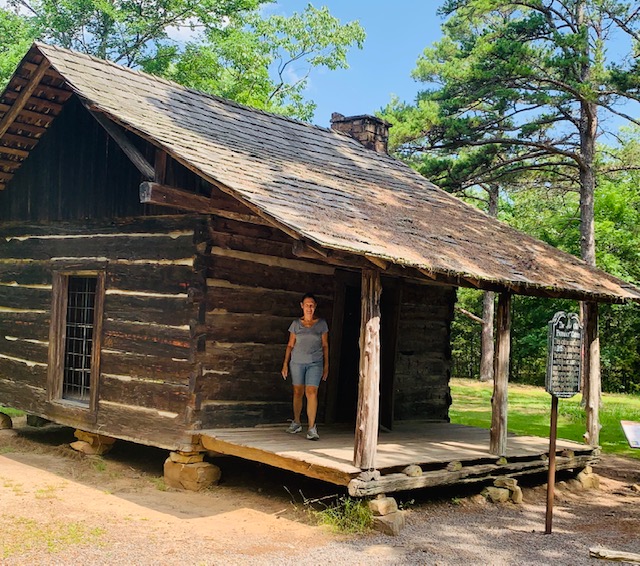
Stop 2: Above Pratt’s Store/General Curtis’ Headquarters, here he set up his defense line below at the Little Sugar creek  At this site stood Lewis Pratt’s general store. Besides the store, it is believed that there were several other buildings on the site.

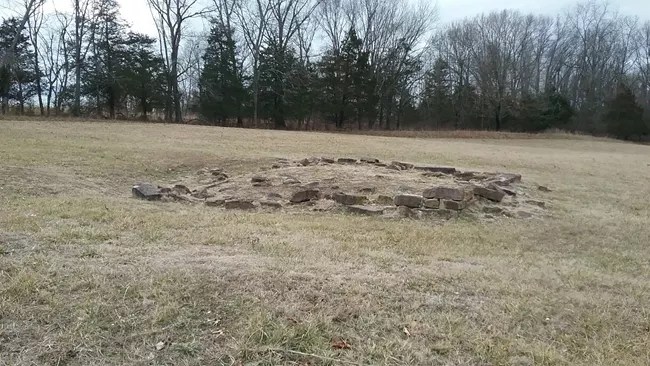
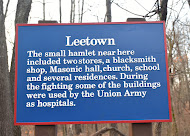
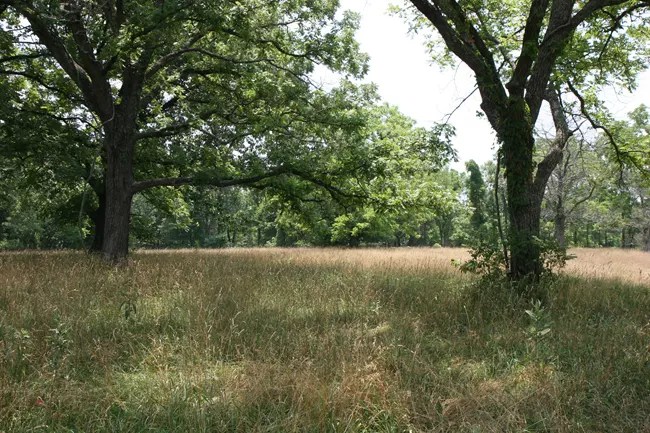
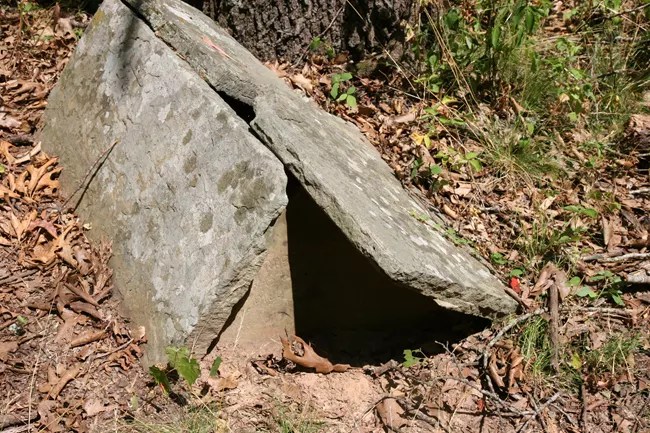
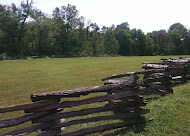
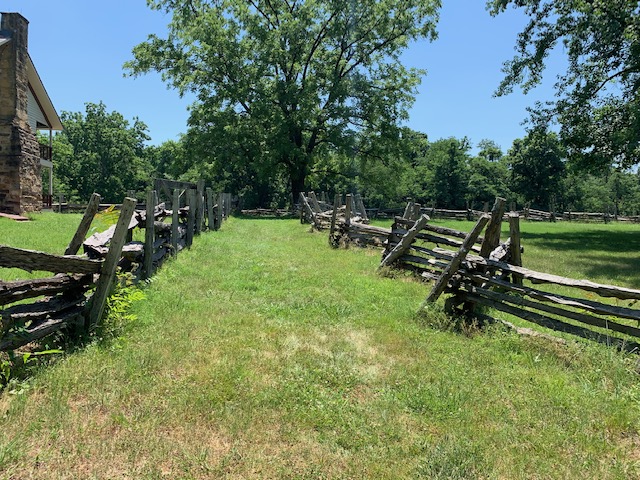
Stop 3: Above, LeeTown, Founded in the 1840s by John W. Lee, a farmer from Kentucky . Leetown was one of the earliest settlements in Northwest Arkansas. The town sat in the middle of a broad, wooded plateau bordered by Pea Vine Ridge to the north and the Little Sugar Creek to the south. It is historically significant for its role as a field hospital or the U.S. Army during the Battle of Pea Ridge. Most buildings and structures were used as field hospitals. Nothing remains of the once thriving community of Leetown except for this open field and the grave of Robert Braden. He was born in 1864 and died here in 1866.

Stop 4: Above,Leetown Battlefield-Day 1, this is where the confederates came out of the woods behind Lee town, they surprised the union as they were facing the other way. However they were able to shoot dead two Confederate Generals, which caused the attack to stall

Stop 5, Above, the armies clash here a little behind Leetown in an open field, fighting back and forth , the confederates work there way around to the Elkhorn Tavern and capture it from the Union cutting off there supply route. Union cannon stop the advance and the days fighting is over.

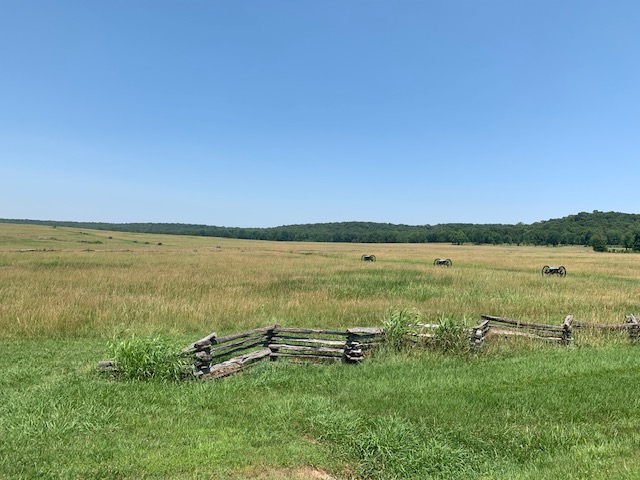
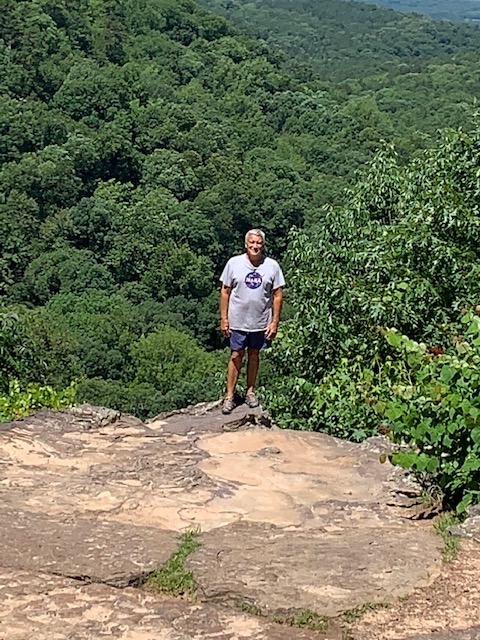
Stop 6 and 7 Above are overlooks, stop 7 had the best view of the battlefield. My picture shows the field today in pristine condition still. Behind me is the Elkhorn Tavern and Historic Telegraph Road, which the Confederates captured. Below this hill in the woods was the confederate army waiting for morning to come . From here it is where General Van Dorin claimed victory was his in the morning. The plaque picture is what he faced in the morning, a reinforced union line of over 10,000 men and cannon. They opened fire on the morning of March 8, cannon fire lasted two hours. The confederates being out of ammunition had to end the fighting and withdraw.

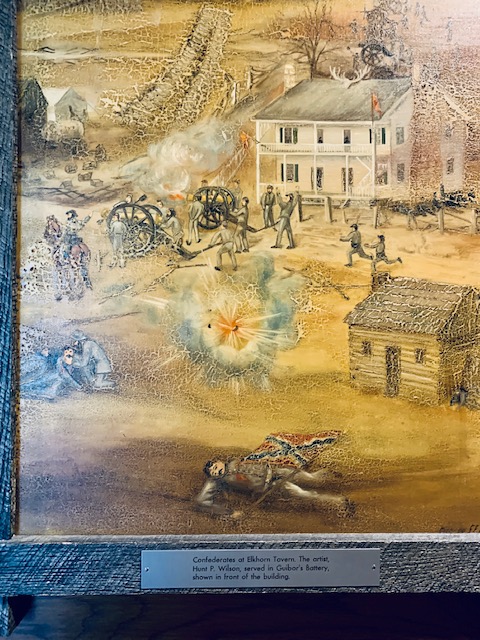
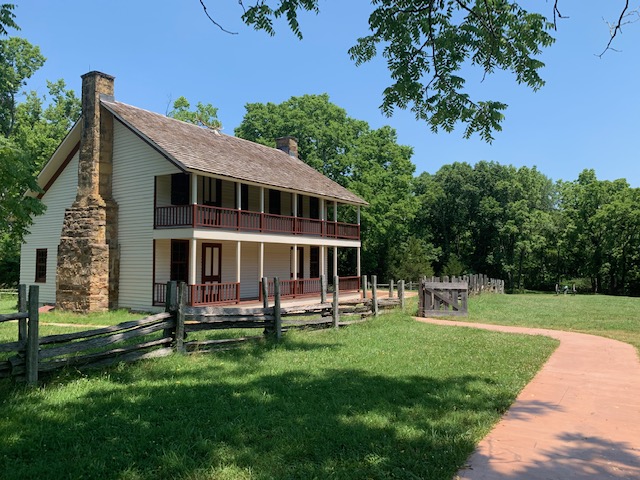
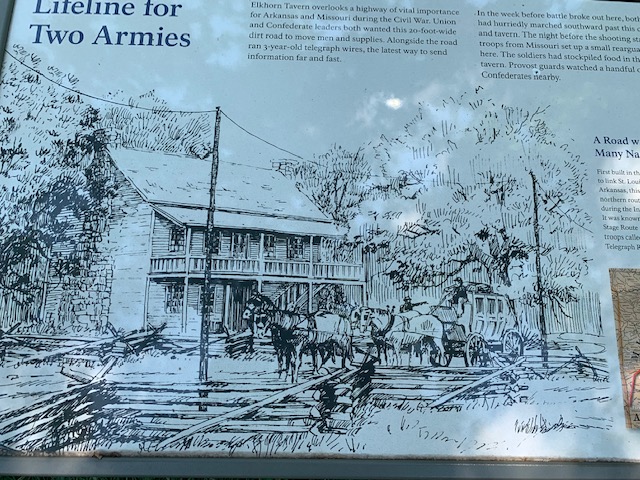
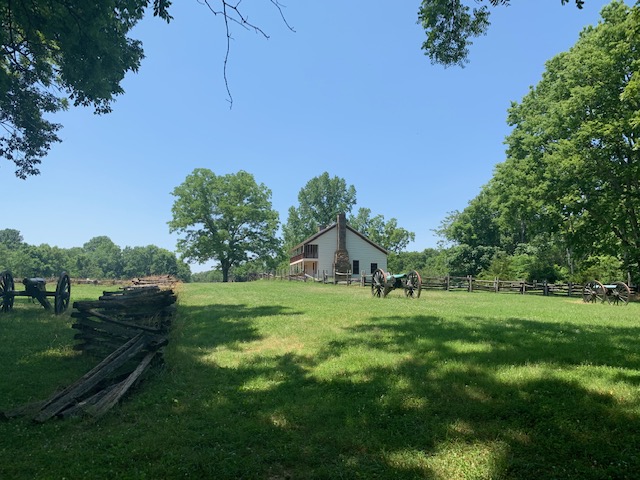
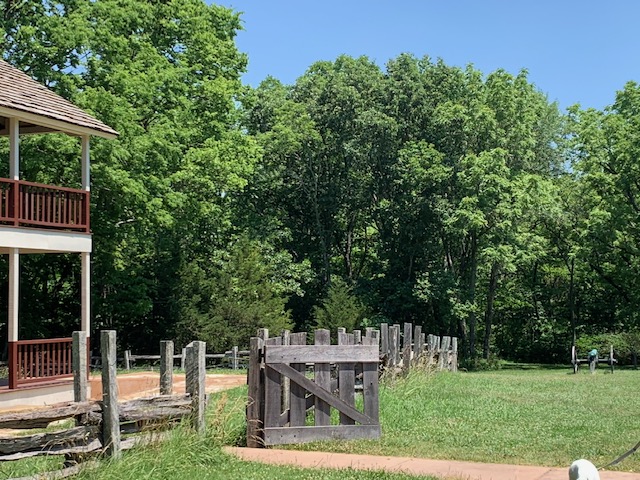
Stop 8 Above Elkhorn Tavern Above, Built in 1836 as a one story home and stage coach stop on the pea ridge plateau along the Telegraph road. Was described as a place of “Abundant good cheer” until the war came. Built to a two story in the 1850’s, and during the Pea Ridge battle used as a supply depot for the union then captured by the confederates. The house was burned to the ground by Confederate guerrillas in 1863, with the present building being a historic replica. In my pictures I am standing in the historic Telegraph road, looking at the Tavern and out away from it all covered in grass now long ago lost to history.

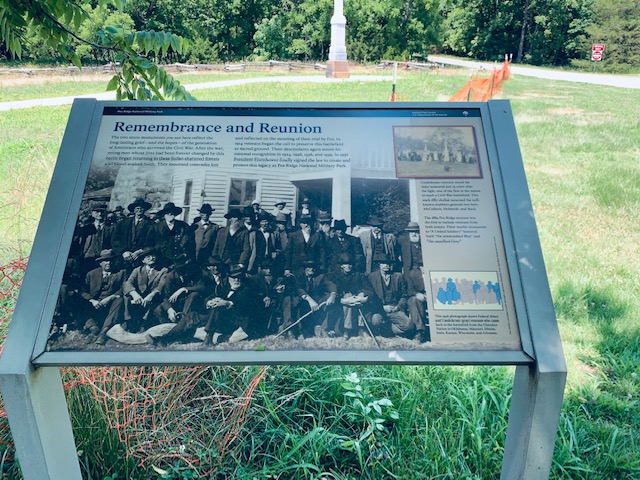
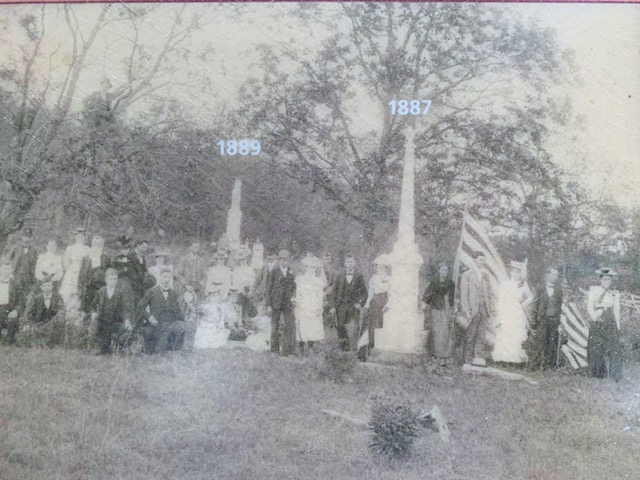
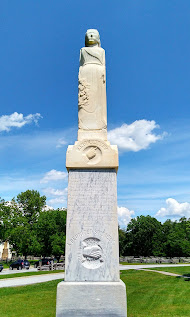
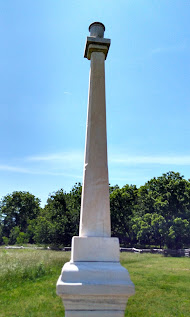
There are only two monuments here, they were erected in the late 1880’s. A 25th reunion was held here when the monuments went up, after that memories fade, and bodies grow tired. In 1956 President Eisenhower signed into law the creation of Pea Ridge as a National Military park.

BENTONVILLE ARKANSAS

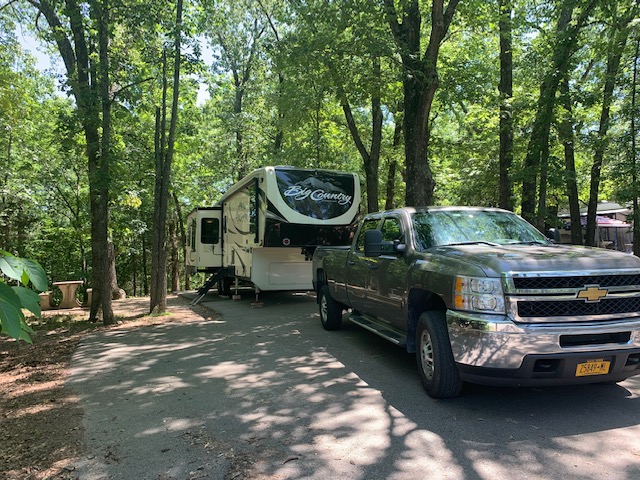
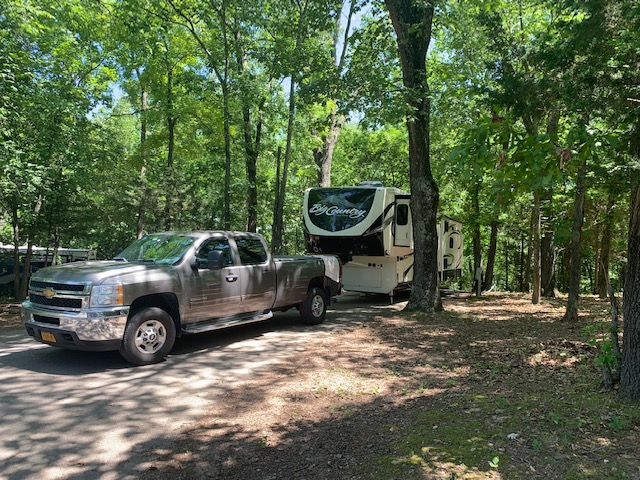
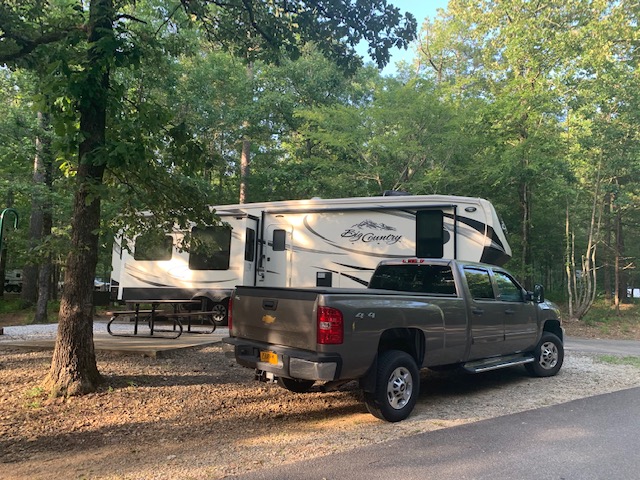
We are now at Praire Creek Corps of Engineers park, near Bentonville in the extreme northwest top of Arkansas. We got here yesterday after driving 131 miles from Russellville. We are also gaining elevation as it was almost all uphill. The campground sits along the ridge which goes to the lakes, so it is very hilly here. The best part is that with my senior pass discount it cost $13:00 a night, thats with electric and water, along with access to the beach and marina. Be here till Friday visiting a few places. Pictures of our spot below.

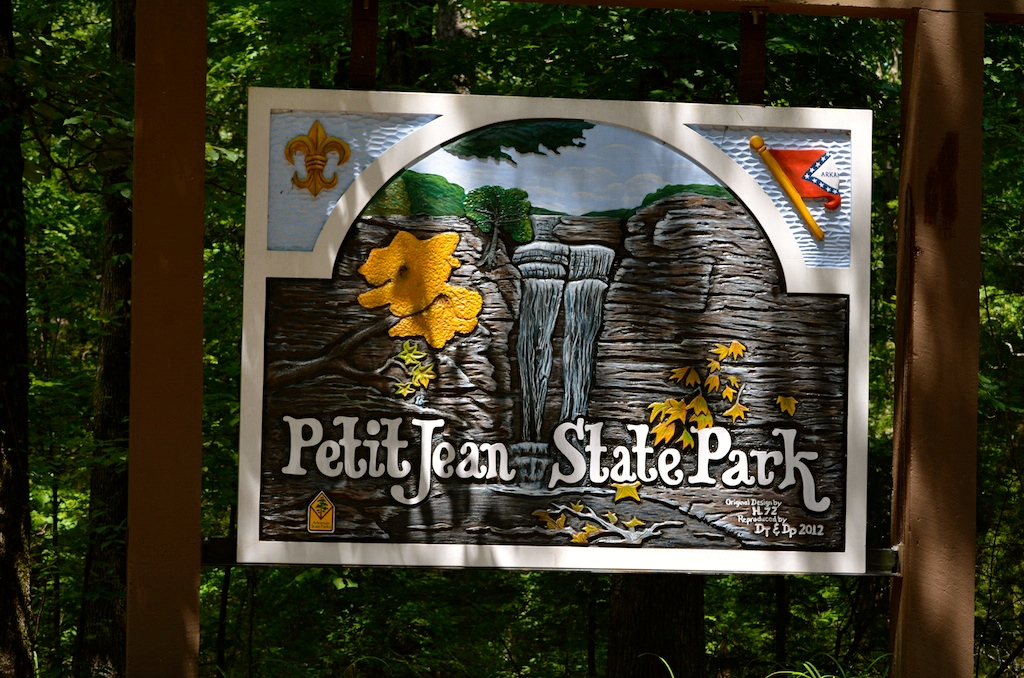
PETIT JEAN STATE PARK

The last two days we visited this park. The park sits on top of a small flat mountain top. Glad we did not have to get the fiver up there, very curvy steep roads, although they have a campground, and we did see lots of big rigs.

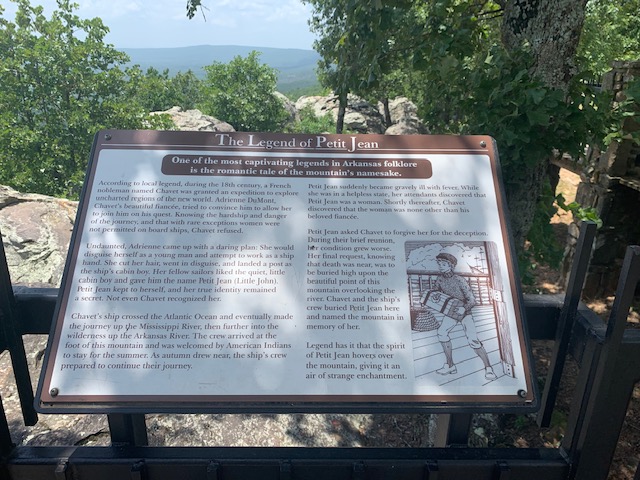
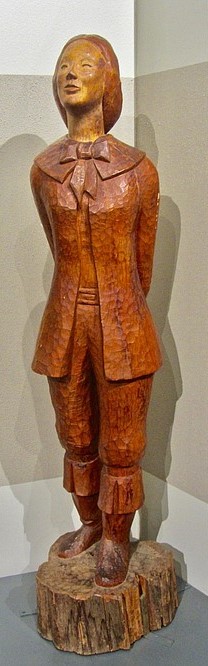
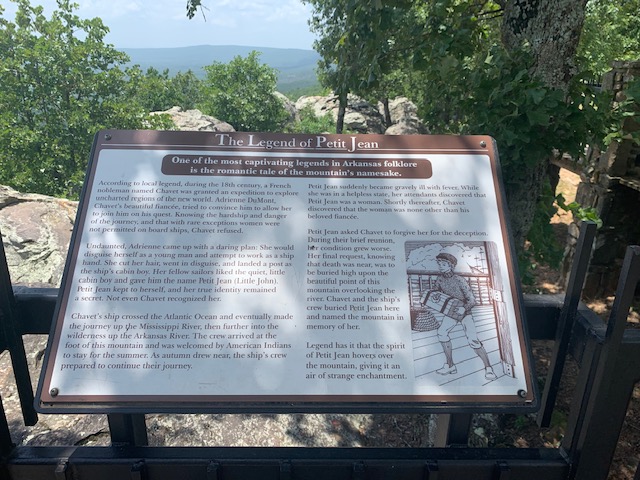
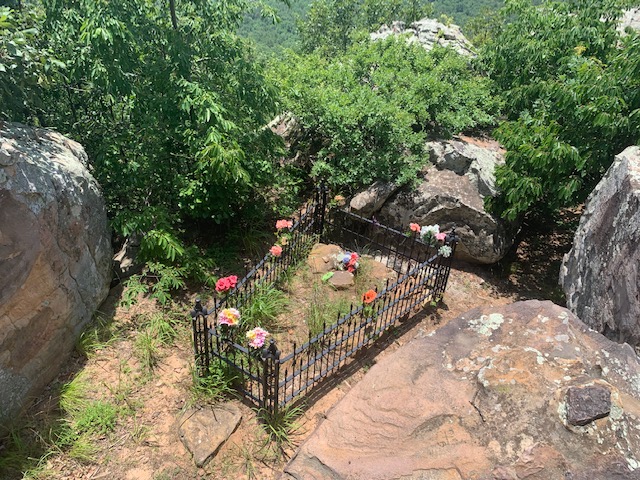
Petit Jean mountain as it is called got it’s name from a tragic event. A young French girl, wanted to go with here fiancé to the new world, he said it was to dangerous. So she cut her hair and dressed up as a boy, and boarded ship. They sailed the Arkansas river and stopped at this area, became friendly with the Indians. When fall came they were about to set sail again, when Petit Jean (Means Little John) as they called HIM, got sick, gravely sick. they soon found out he was a she and summoned her fiancé. She asked his forgiveness, and soon died. She was buried atop the mountain she so loved.

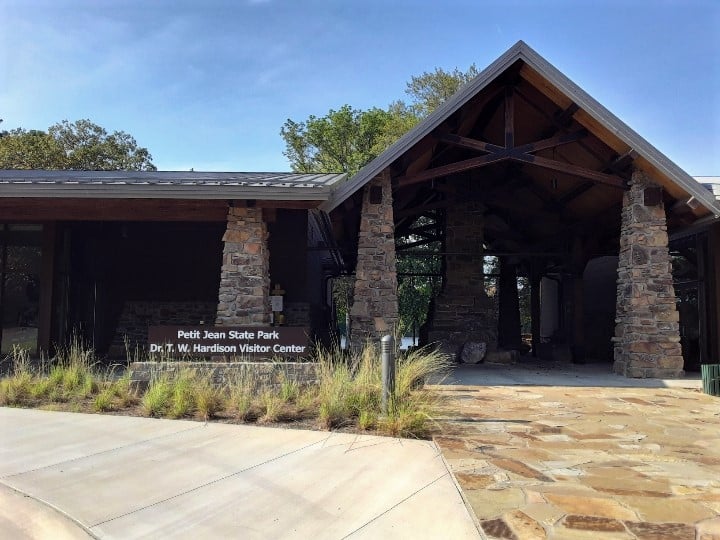
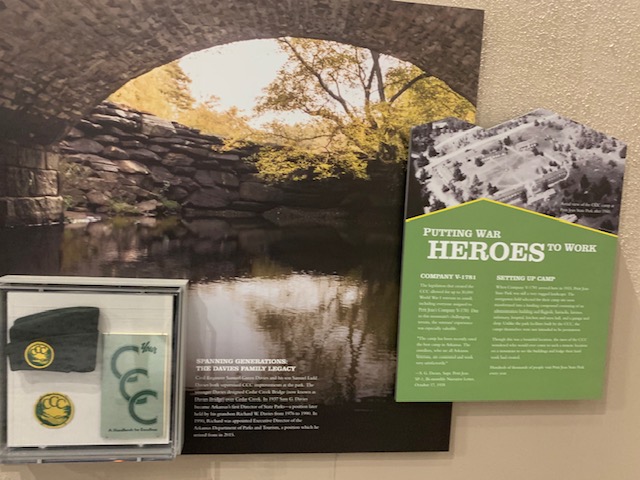
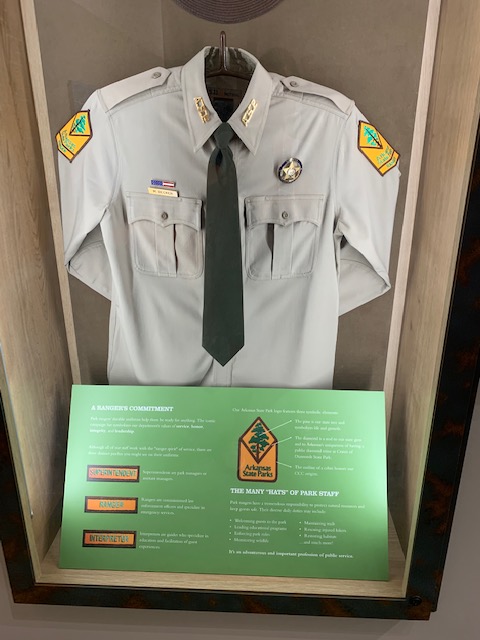
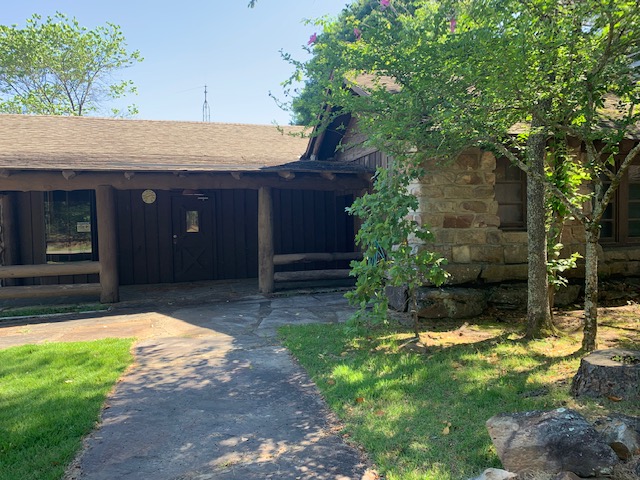
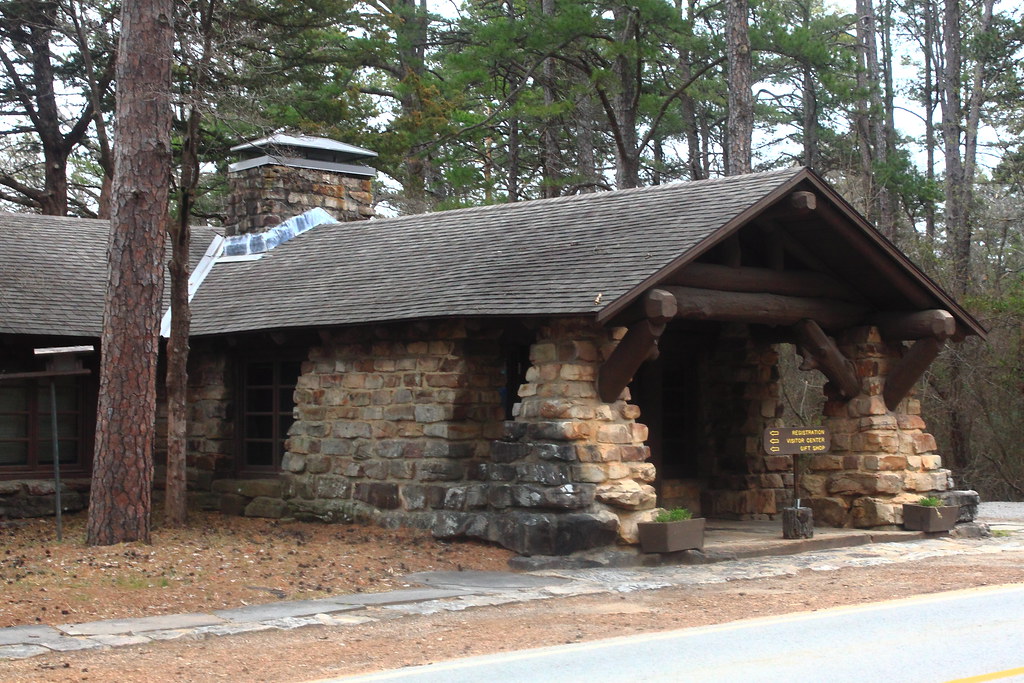
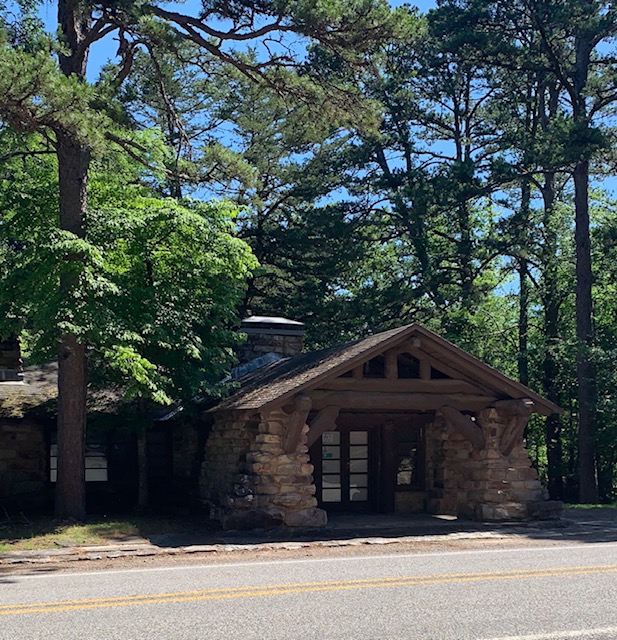
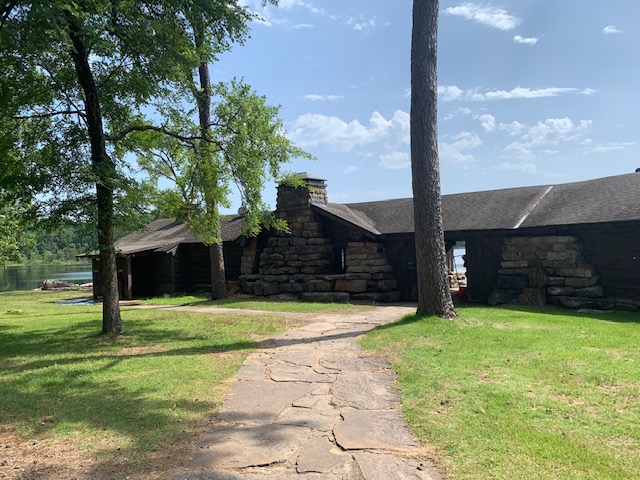
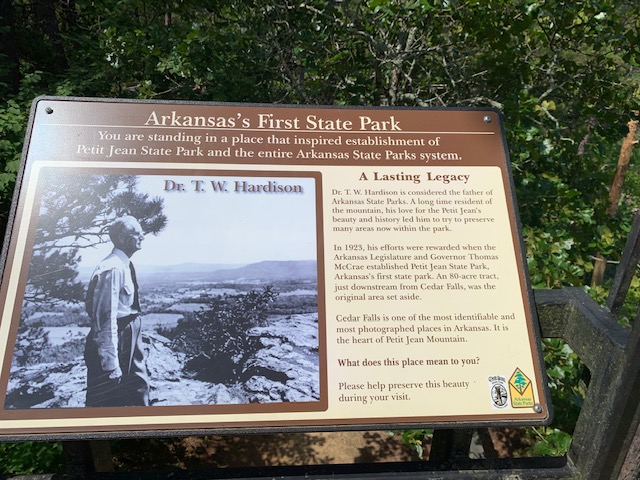
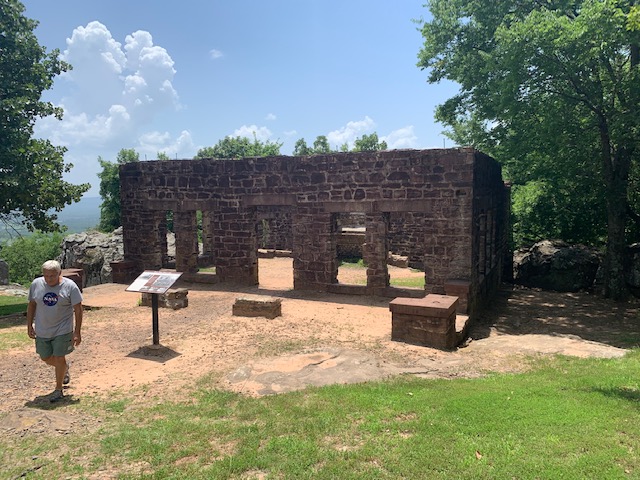
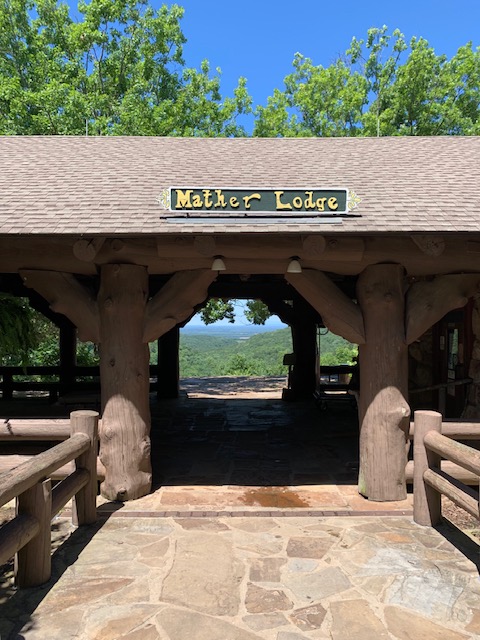
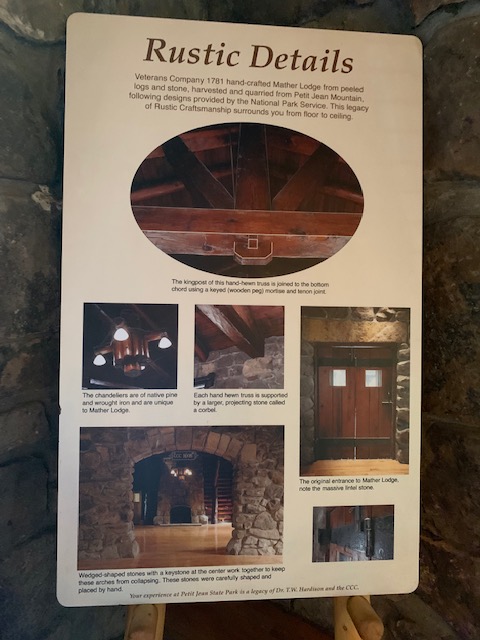
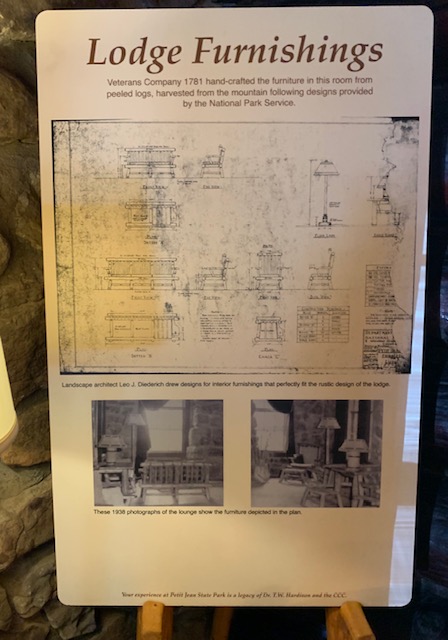
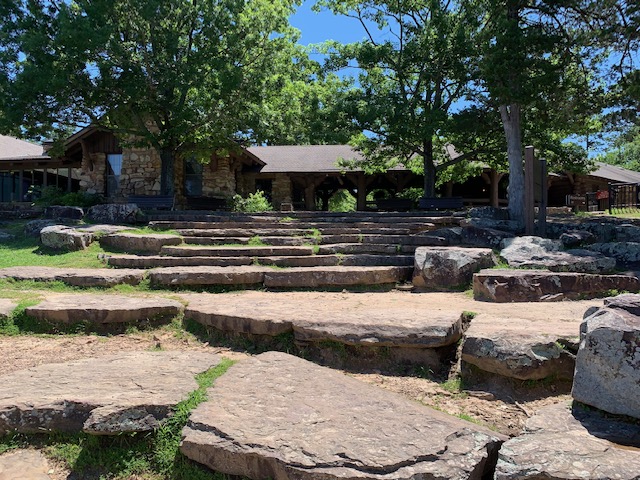
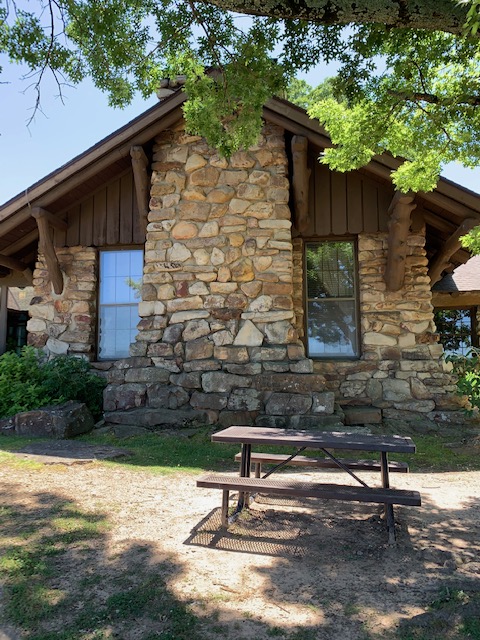
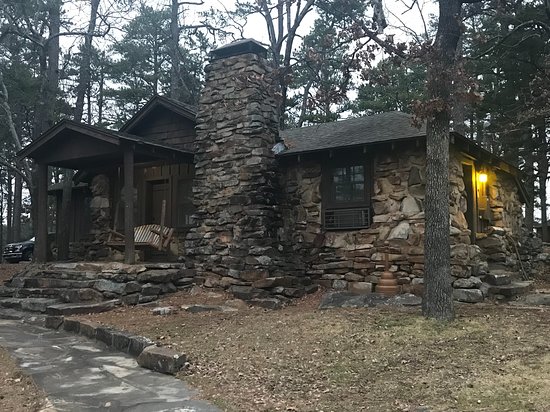
Petit Jean is Arkansas’s first state park. The land was set aside as a park in 1923, with little improvement, until the CCC arrived, Company 1781-V (Arkansas veterans) during mid-July 1933. The CCC-WW1 Veterans built the lodge overlooking Cedar Creek Canyon that was named in honor of the late National Park Service director Stephen T. Mather, who had encouraged the state to establish Petit Jean State Park in 1923. Natural stone and log cabins were built, a visitor center, Mather lodge, a water tower, and other pavilions, along with hiking trails and bridges. These structures remain the focal point of Petit Jean State Park.  They are the ones who made the park what it is today. The 200 men that worked here for almost 8 years during the depression, turned a wilderness into a state park.  And so it is named Petit Jean State park in honor of Little John.

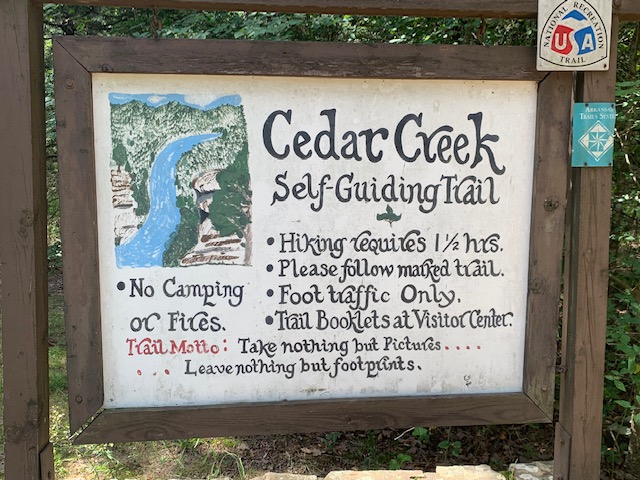
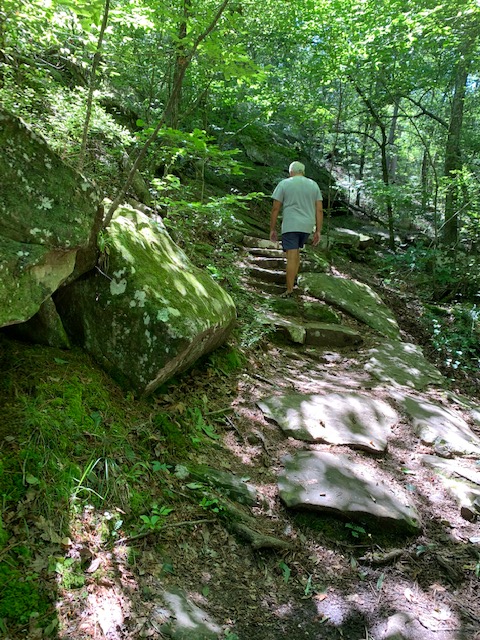
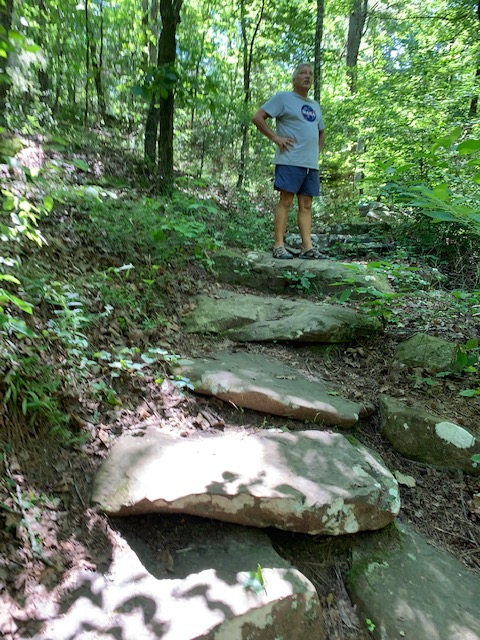
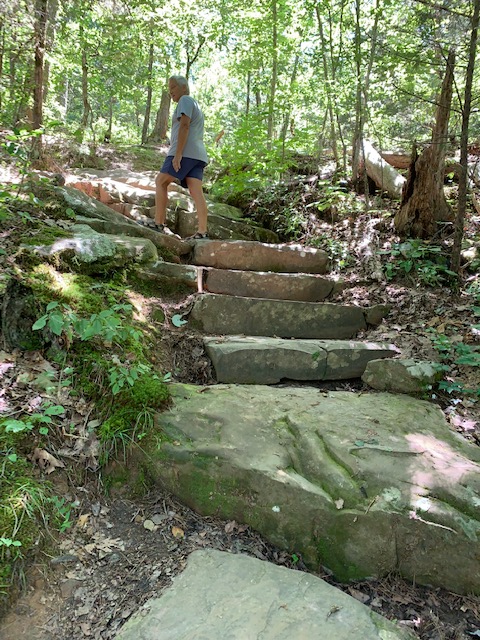
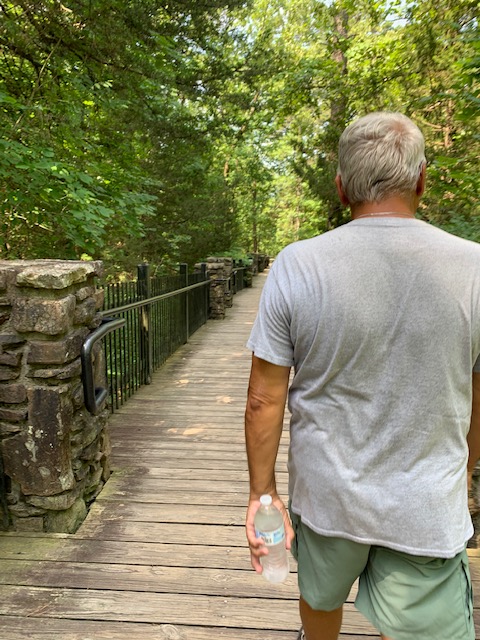
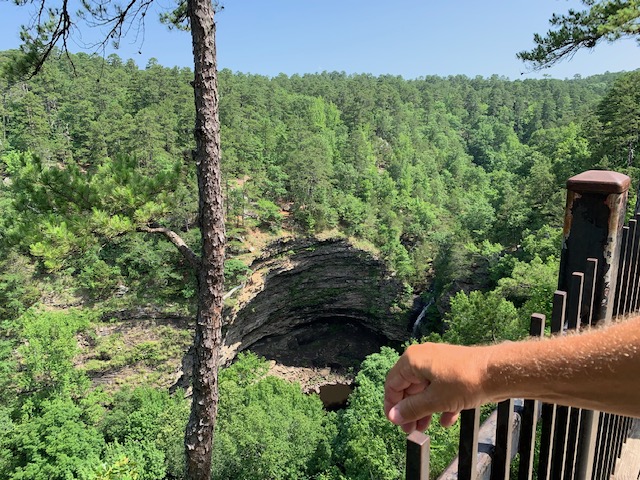
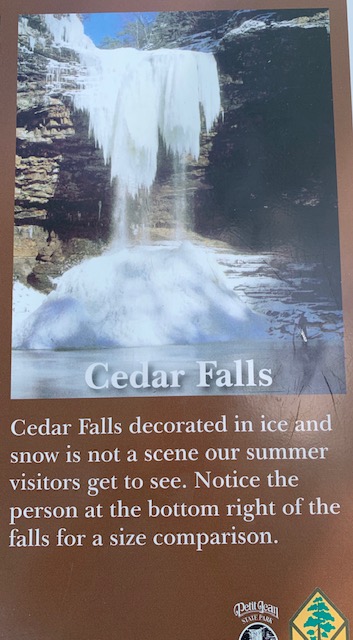
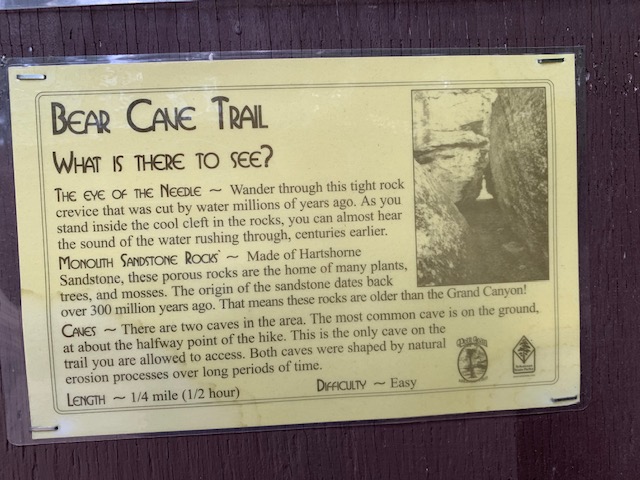
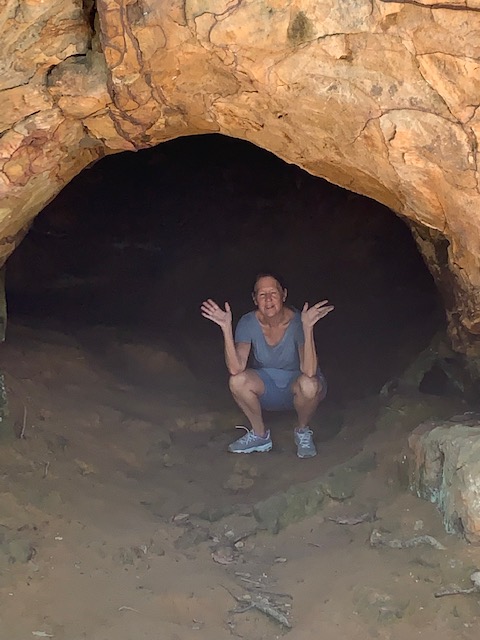
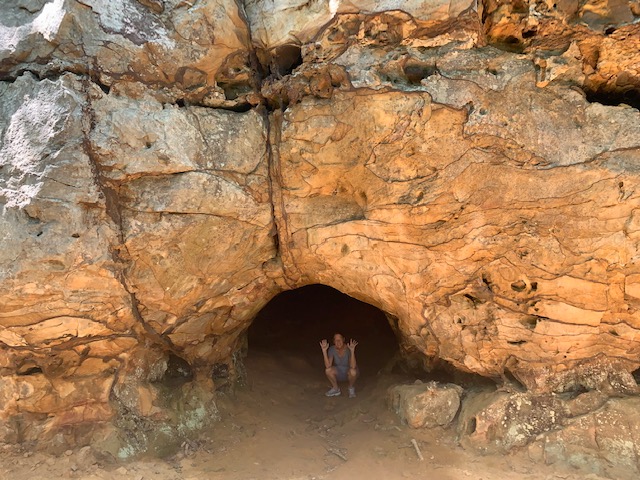
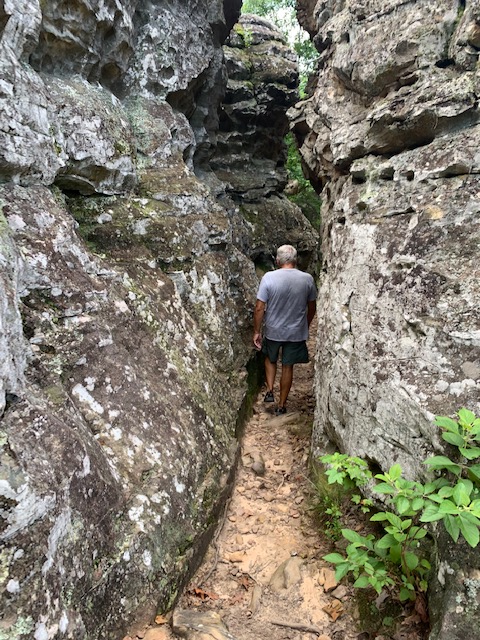
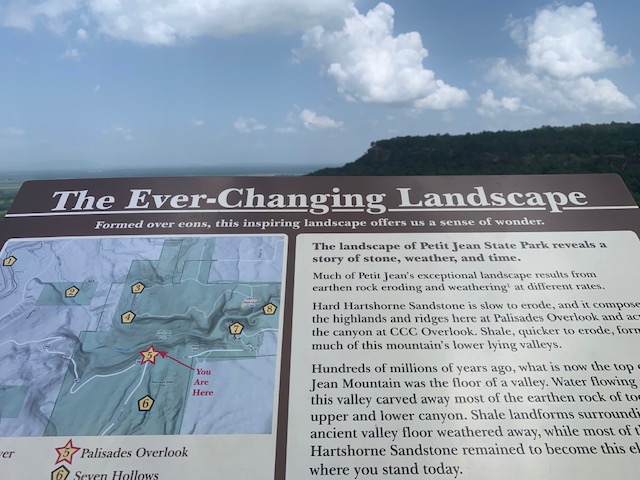
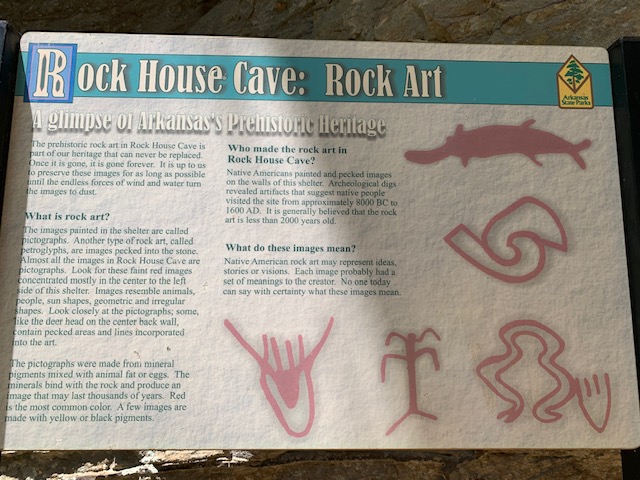
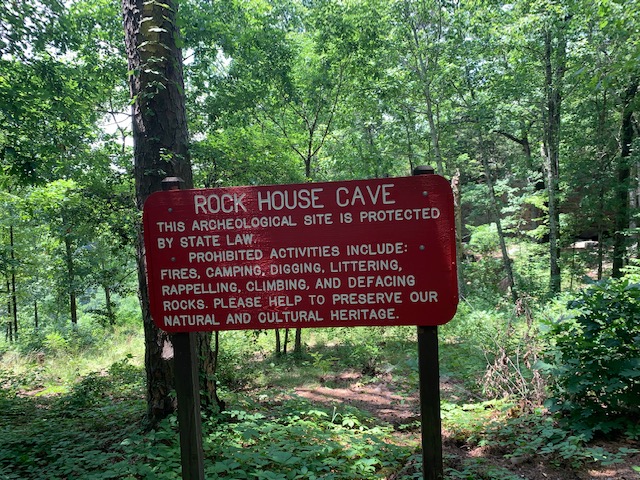
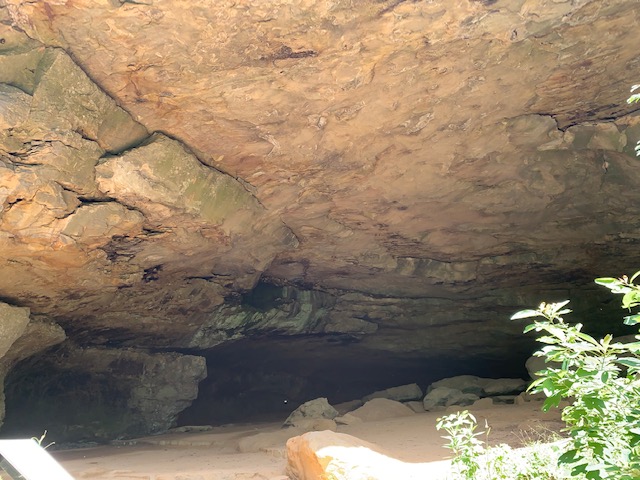
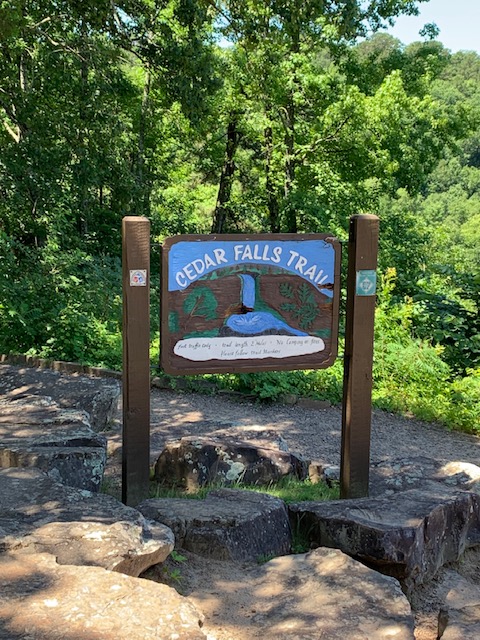
It continues to be very hot here, with the humidity it’s been 100 degrees again, so rather than takings a long trail, we did a bunch of short hikes. We ventured to places like, visitor center, pioneer cabin, bear cave, rock house cave, palisades, and cedar falls overlook. The cedar falls trail to the bottom of the falls is something we did want to do, but it being a long downhill hike (which means you have to come back up) along with the fact the falls was really not running good, we opted to not do it with concerns of the heat.

New visitor center that opened in June 8, 2012

Old visitor center built by The CCC got to small for the needs of the park

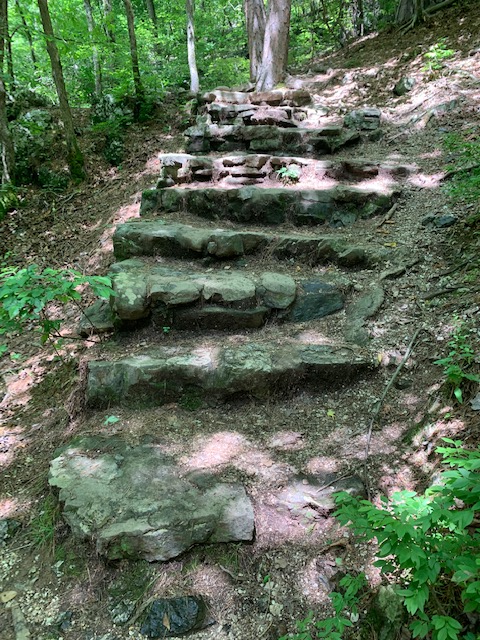
The CCC built all these trails and placed these rocks

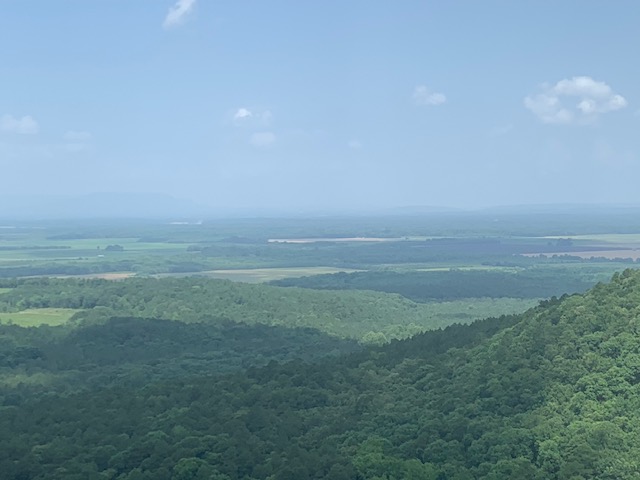
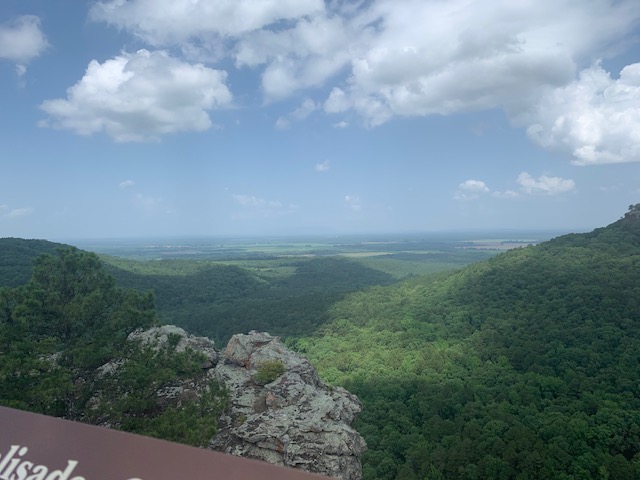
Palisades Overlook

The picture on the bottom left, if you look really, really close you’ll see he building on the bottom right.

Mountain side where Petit Jean is buried.

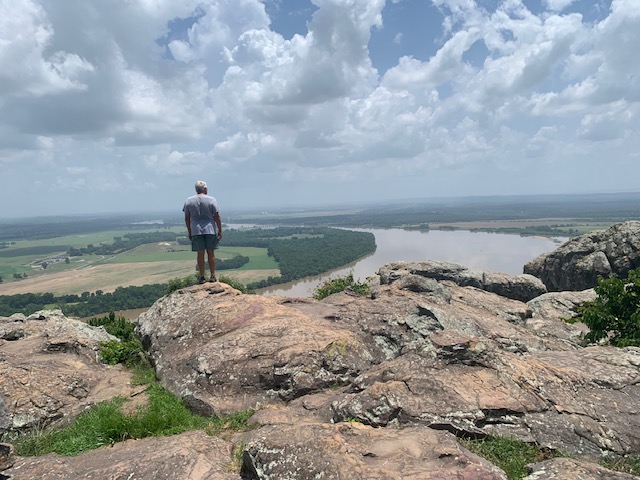
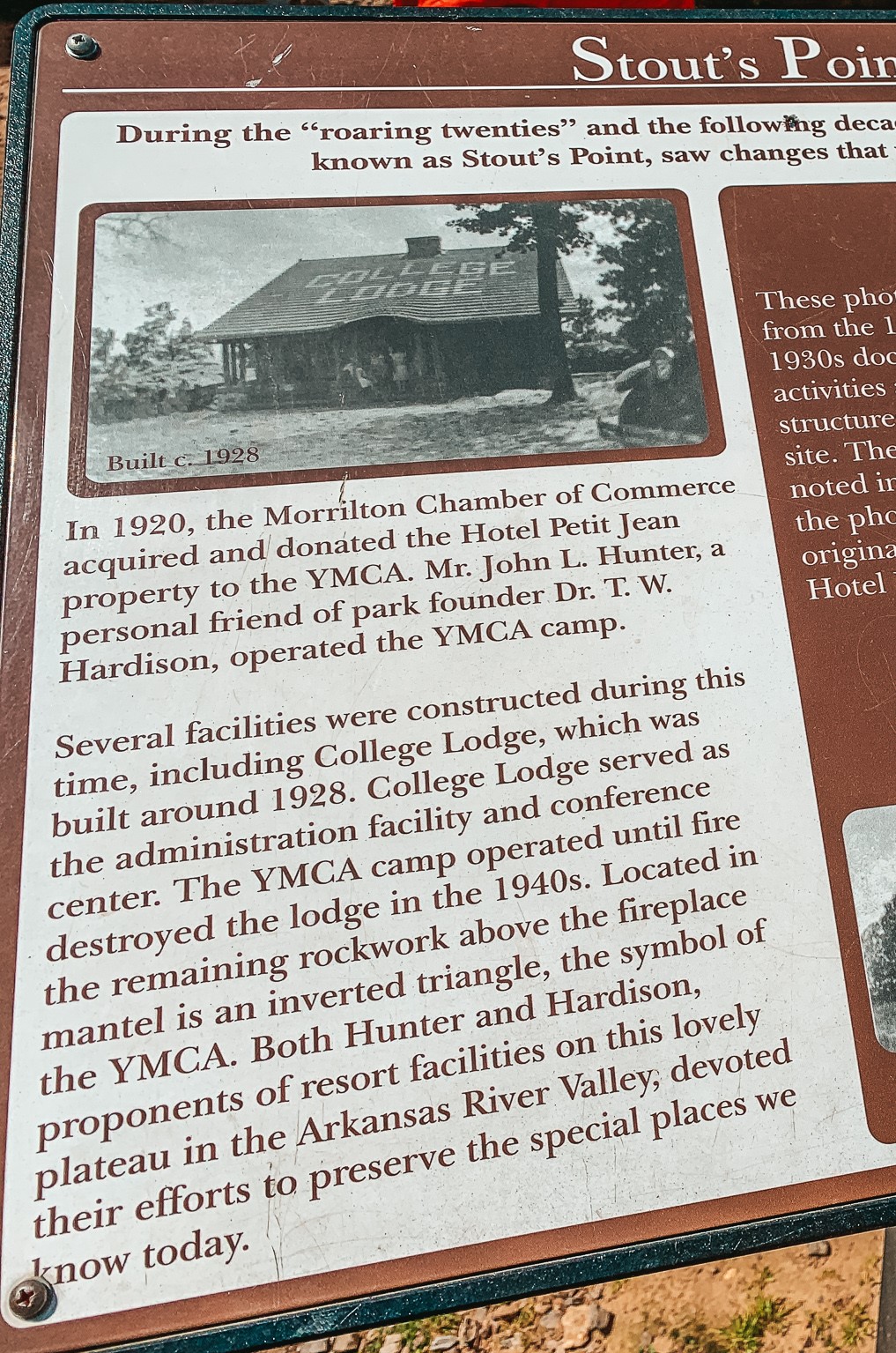
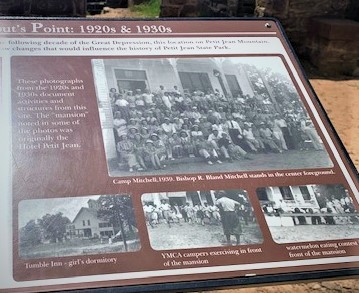
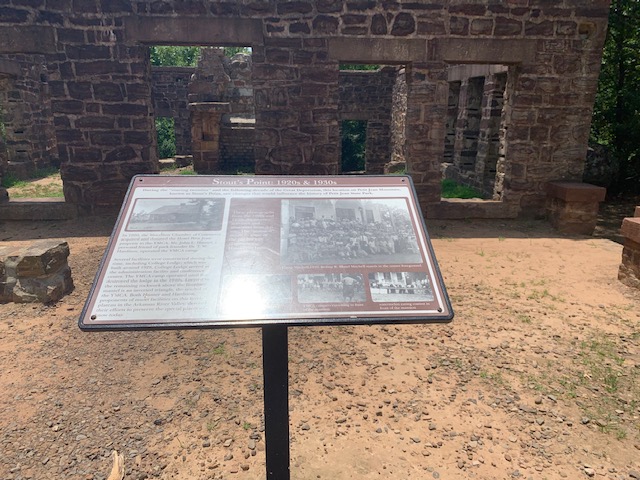
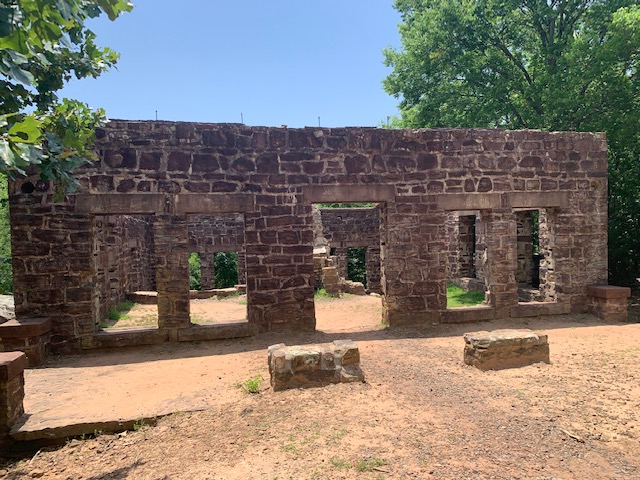
Stout’s Point Overlook

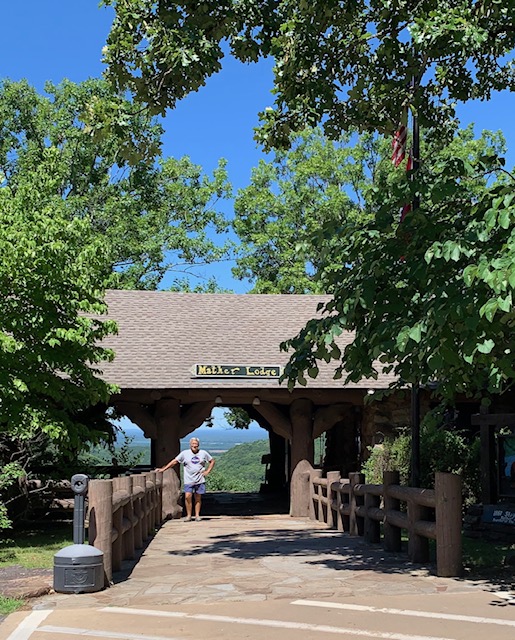
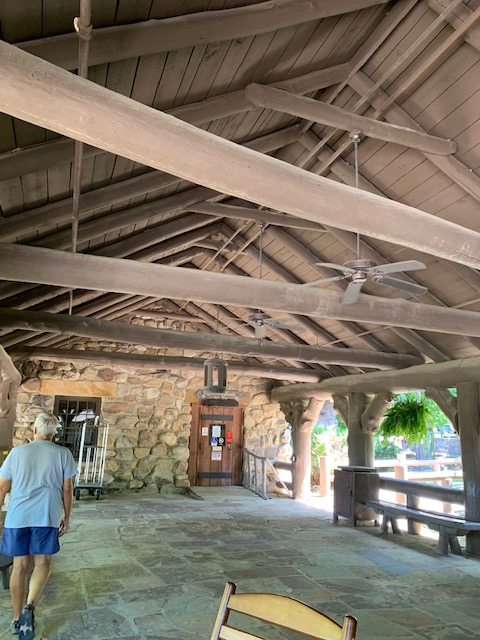
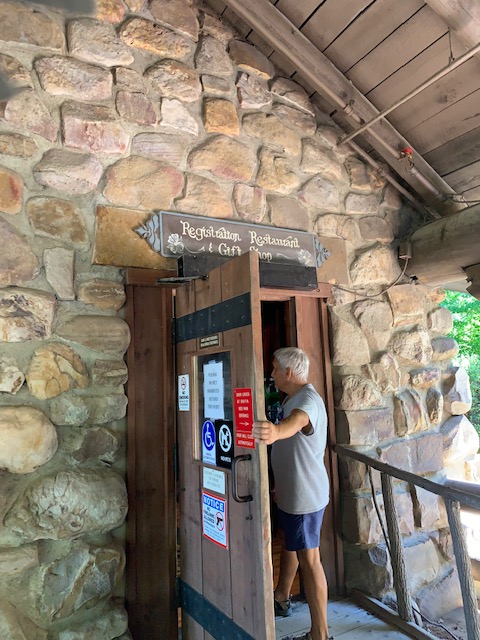
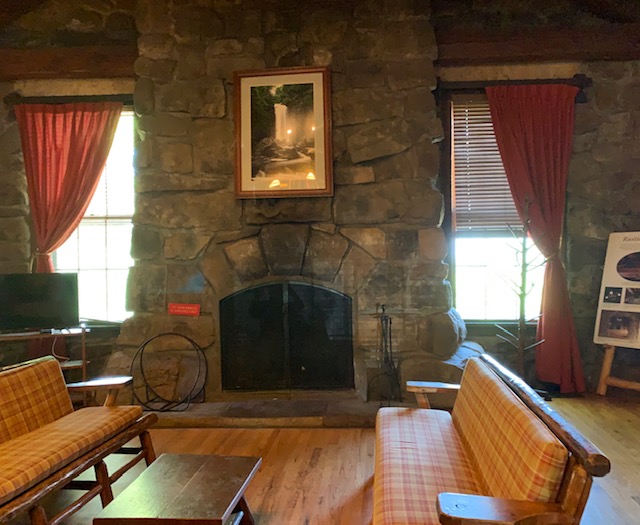
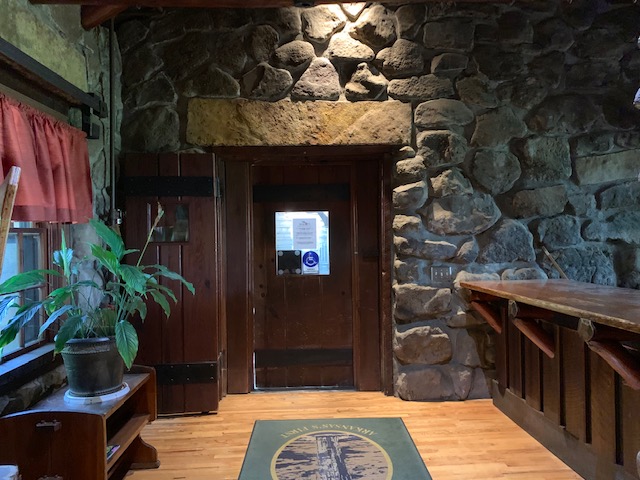
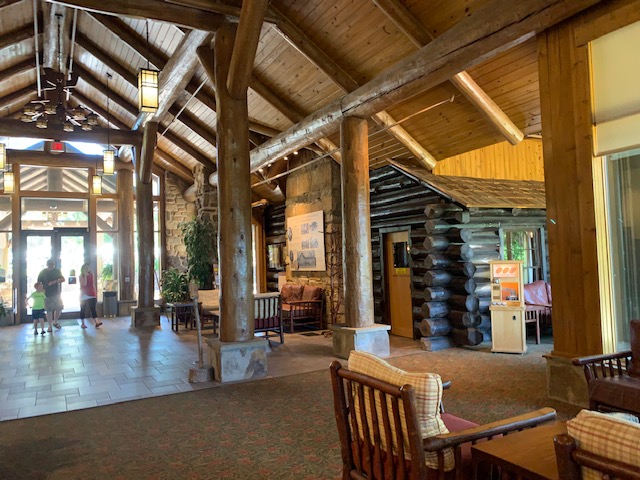
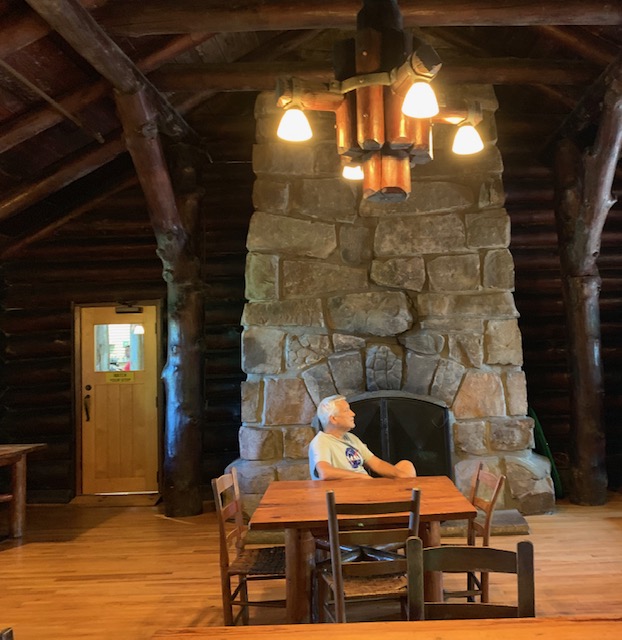
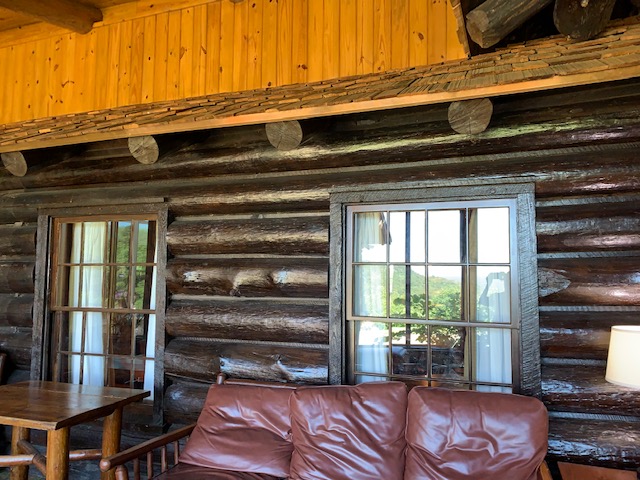
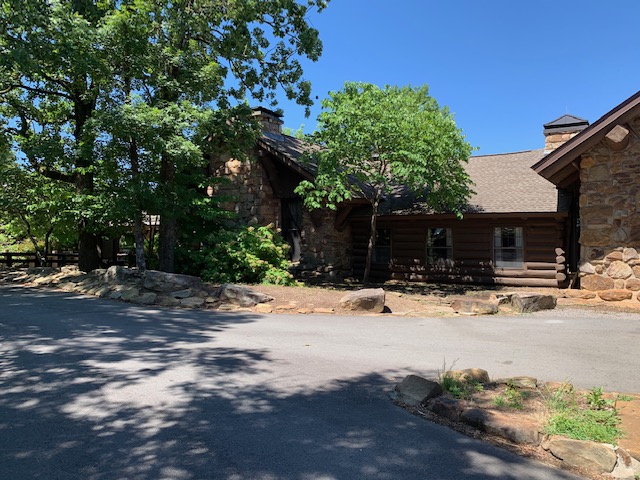
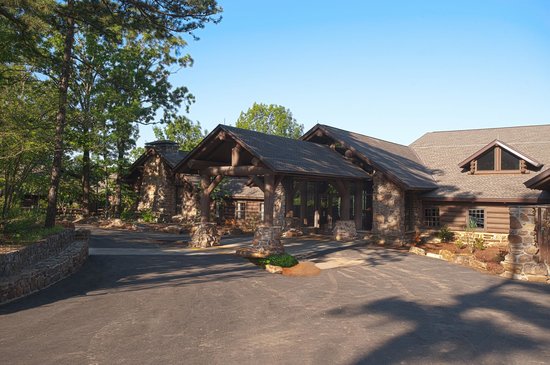
Our second day at Petit Jean we visited Mather Lodge and surroundings. One of Arkansas’s historic treasures, Mather Lodge holds the distinction of being the only lodge built in Arkansas by the Civilian Conservation Corps. Very impressive place.

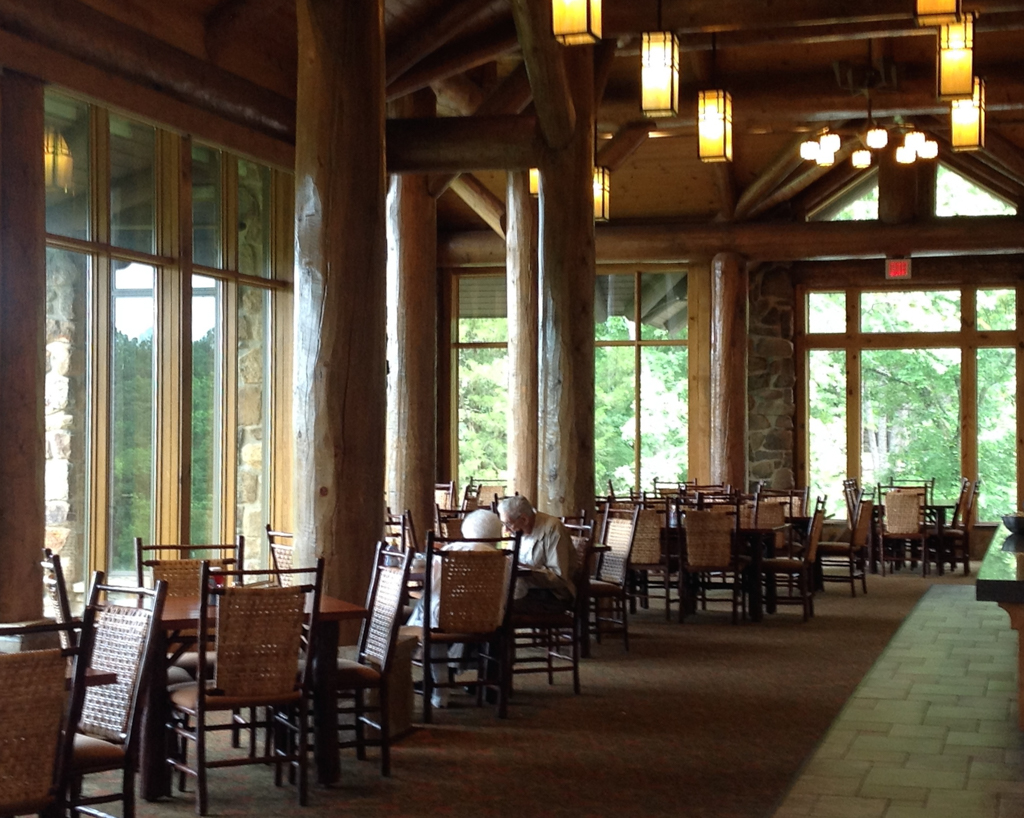
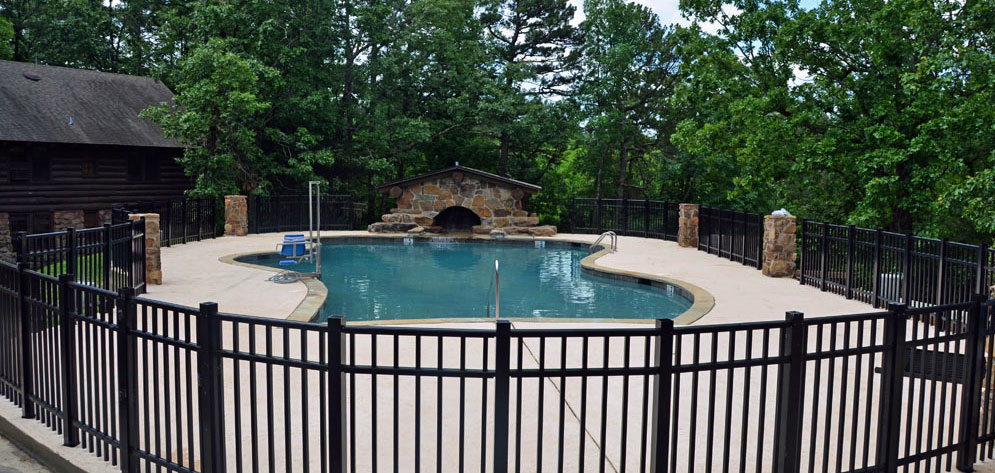
The lodge has 24 quest room, various sittings rooms, a restaurant and a pool.

View in back of the Lodge

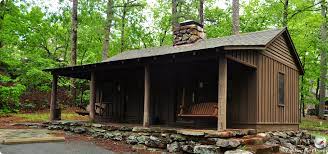
The park also has 33 cabins that can be rented .  Ten of them are rustic-style designs built by the Civilian Conservation Corps and 23 new cabins.

We had a great time exploring around the park and it’s many trails. When The CCC were doing all their hard work they often wondered “who would come here?” Us and thousands of others 😊

RUSSELLVILLE AR

Where, well here of course. We drove 193 miles today from Crater of Diamonds state park, and are a little west of Little rock. Staying here a few nights at the Ivyscove rv resort. We could not get into Jean Petit State park as we wanted to ,so here we are. The state park is why we are here known for its couple waterfalls and trails, OH boy in the heat, but alas they have two public pools and maybe we can go in the falls. Park here is just OK, but cheap enough, picture below of our site

DIAMOND HUNTING

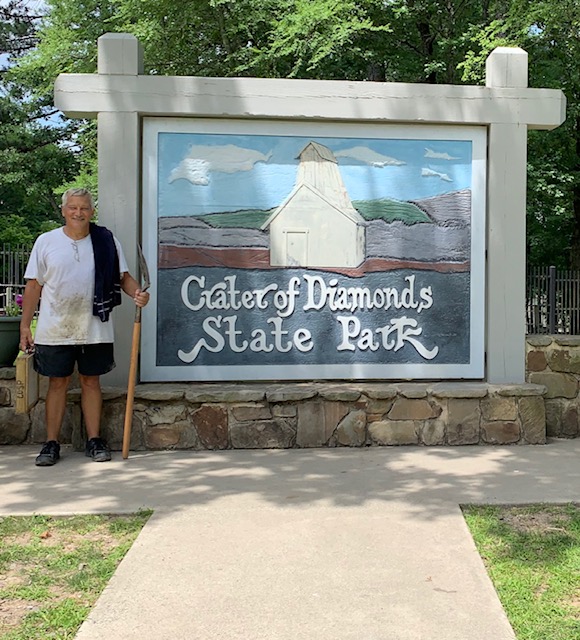
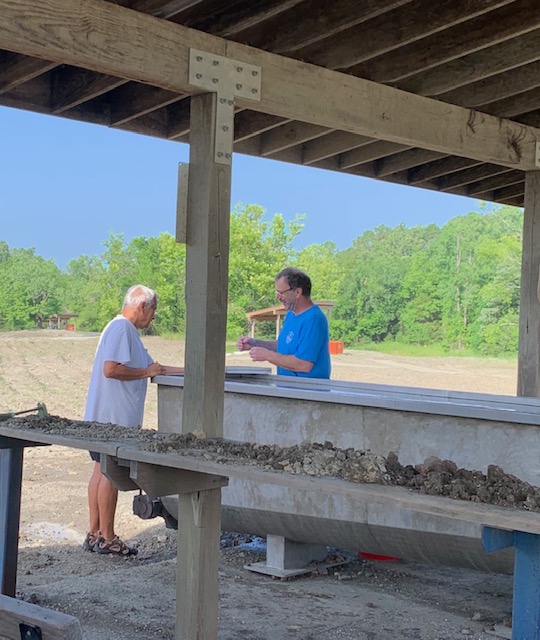
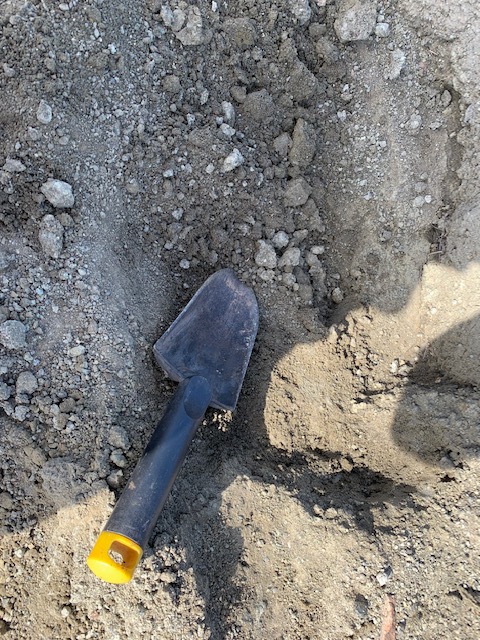
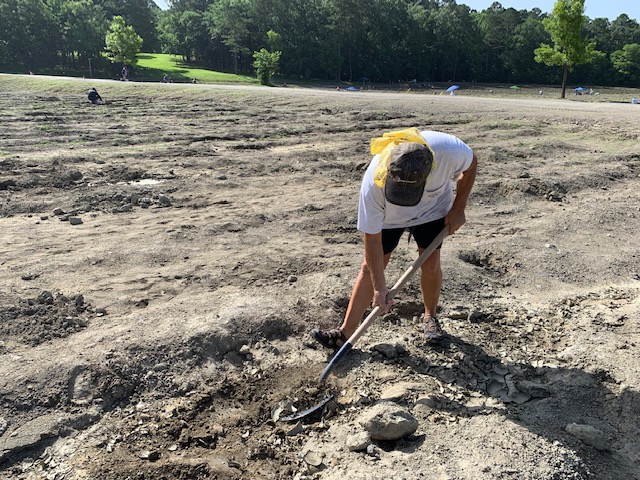
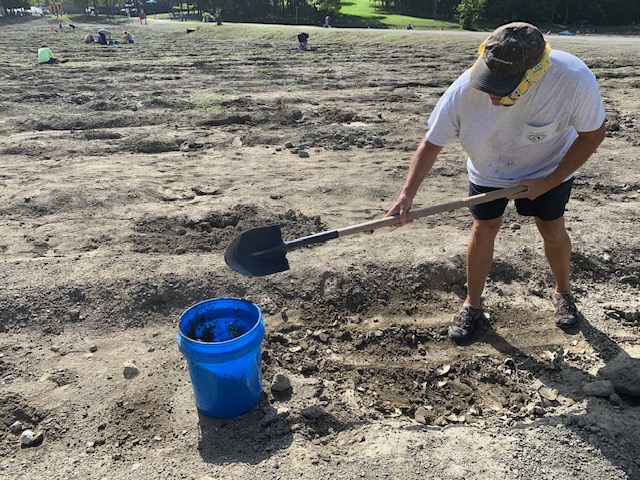
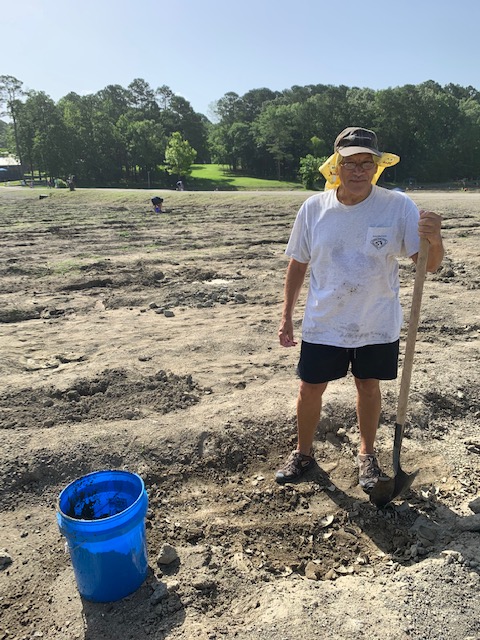
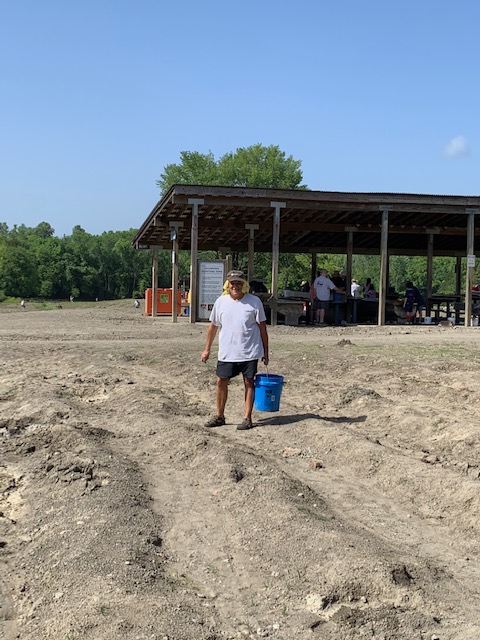
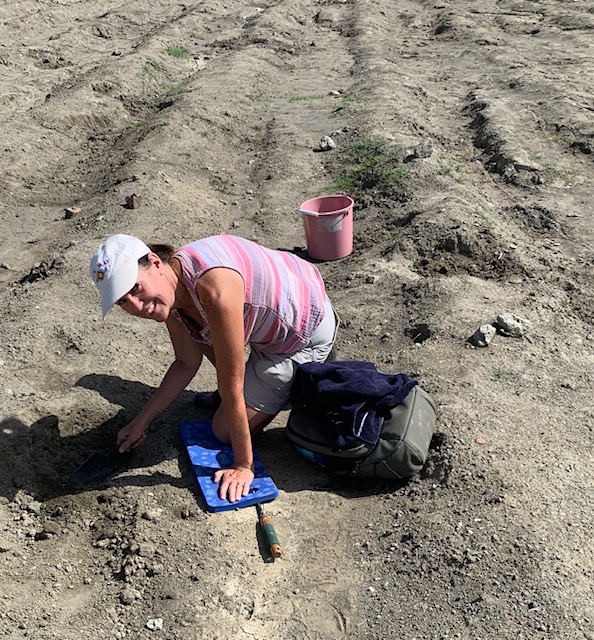
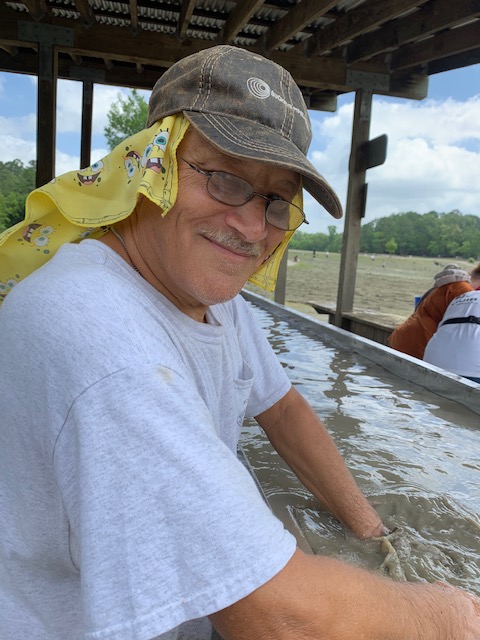
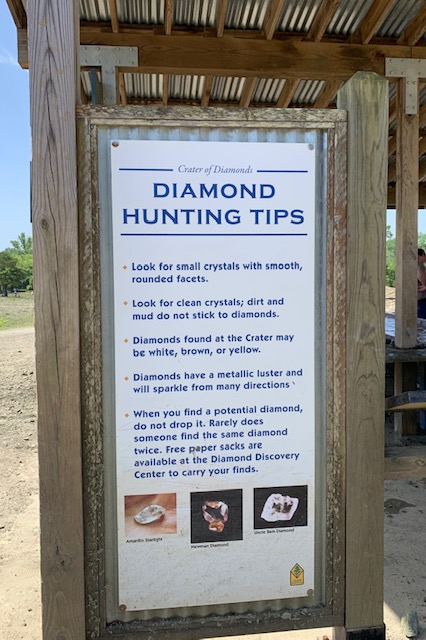
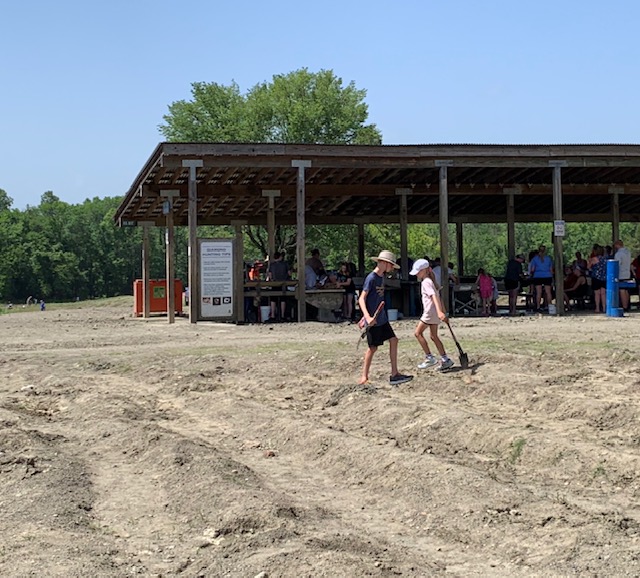
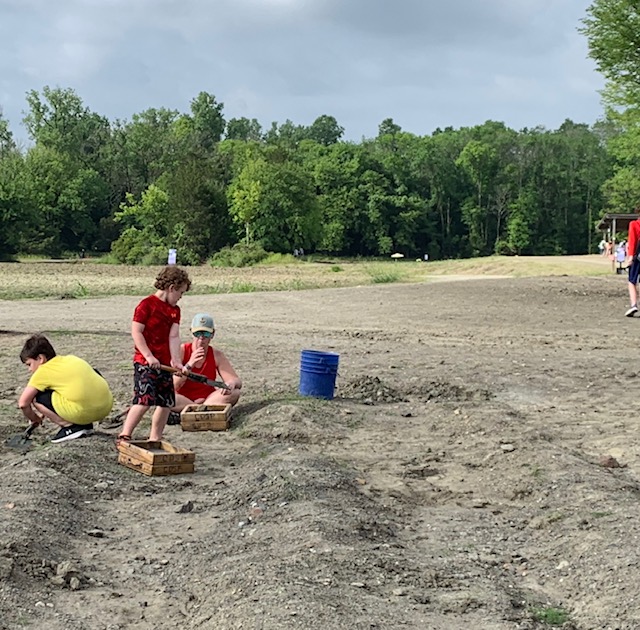
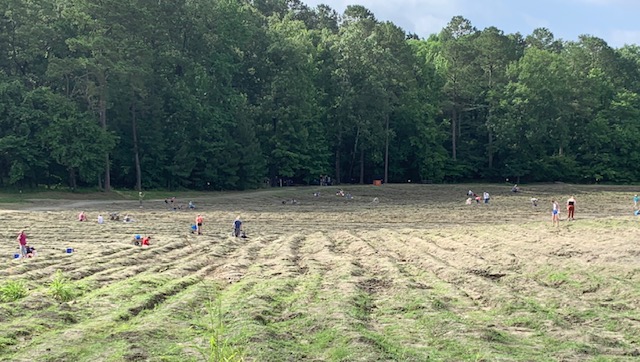
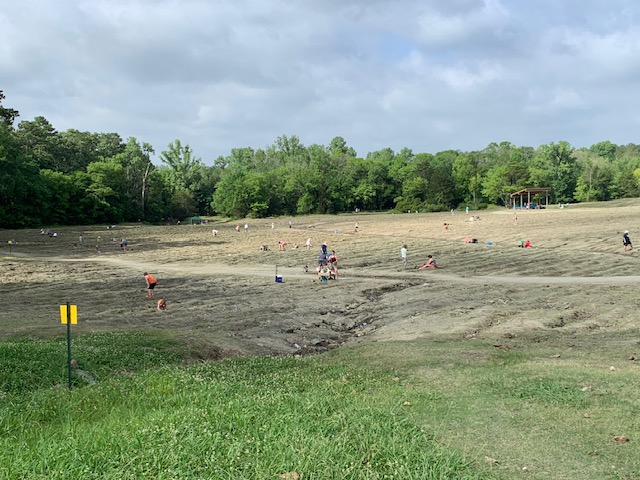
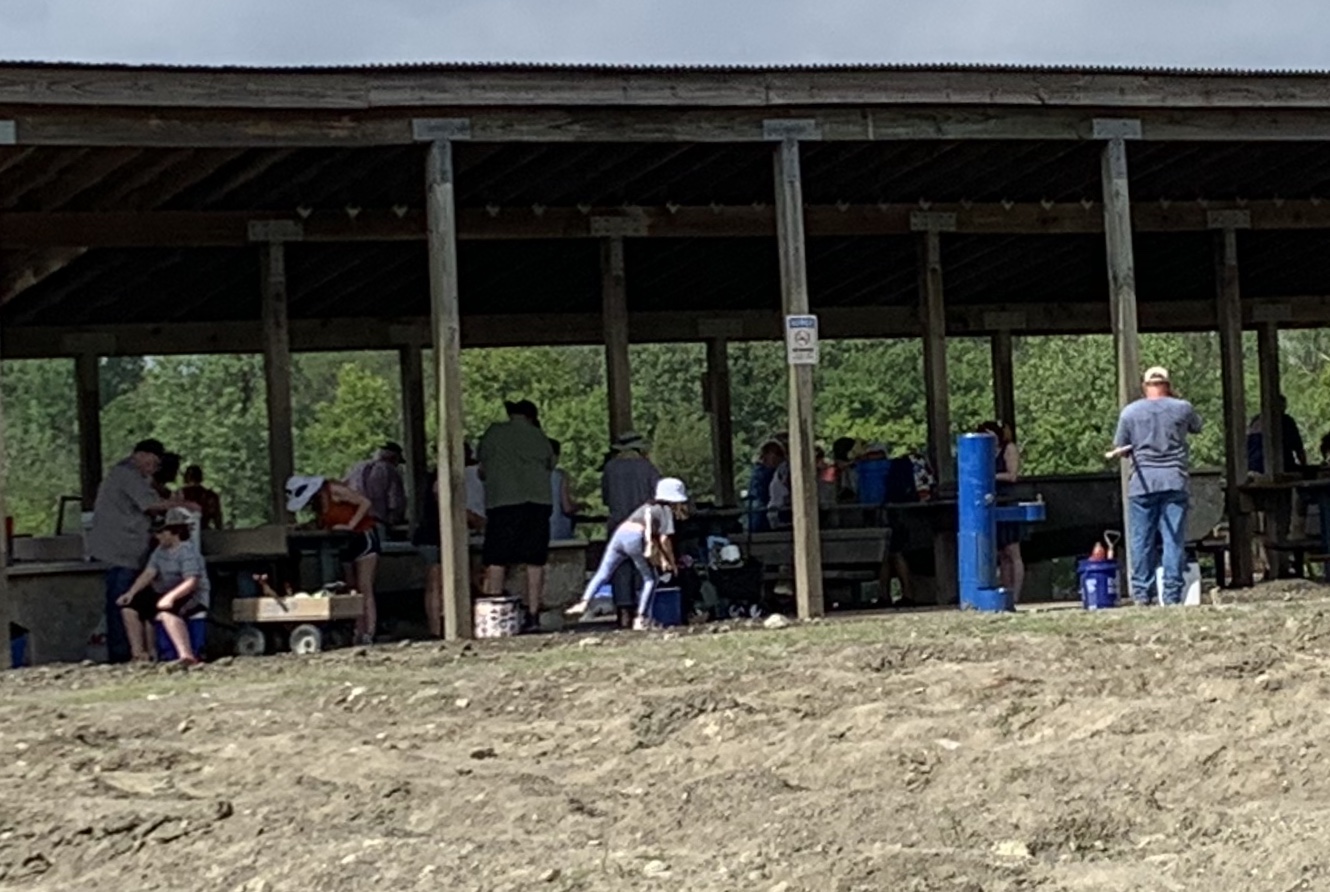
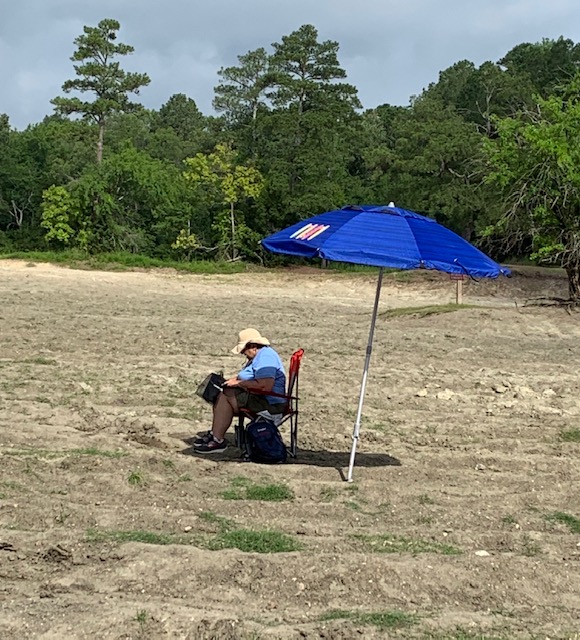
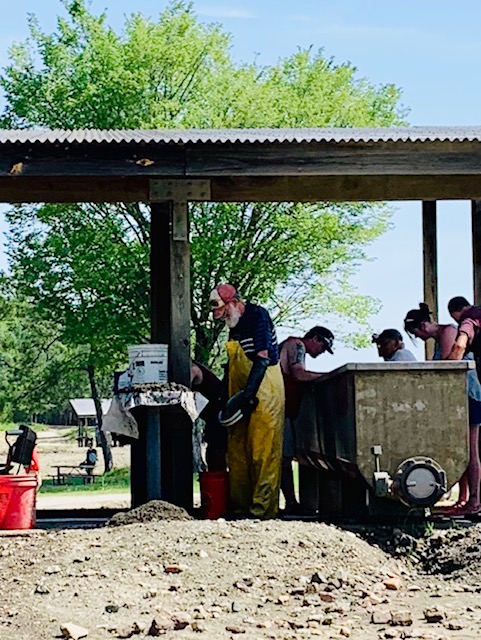
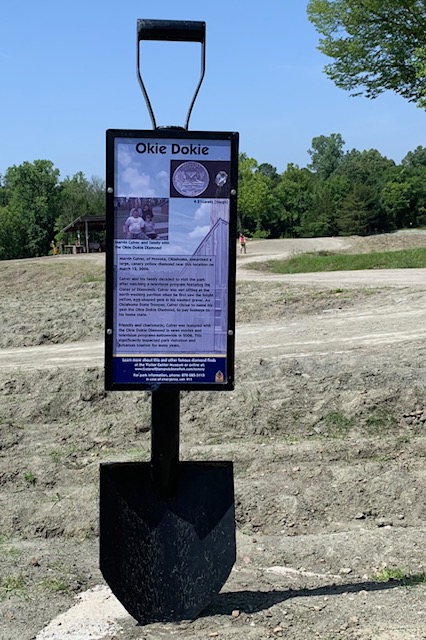
Diamonds are forever Baby, OH that was a movie, but hay, were here hunting for diamonds, in the only place you can in the northern hemisphere. The last three days we went out to the fiends in search of the luster laying beneath our feet, unfortunately our feet never went over and luster. The first day we got there about 8:30 and hunted till around noon, I went back later in the day from 1 till about 3:30. The second day got there at 8 am and left about 11:30, I went back from about 12:30 till 2:30. The second day there were five diamonds found in the field. The third day got there at about 8 till 11:30, and then treated ourselves to the splash pool to cool off in the early afternoon. Thus ended our long awaited hunt for diamonds. That is not to say we did not find anything of interest, we did. But first how do you hunt for diamonds. The picture below shows me in my attire, you have to be ready to get dirty, I mean dirty, and wet. Then you need a shovel, spade, rake, hoe whatever to dig with ,and some screen sifters.

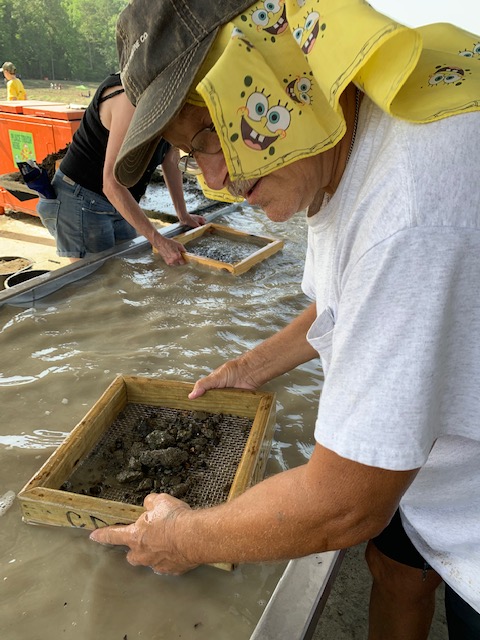
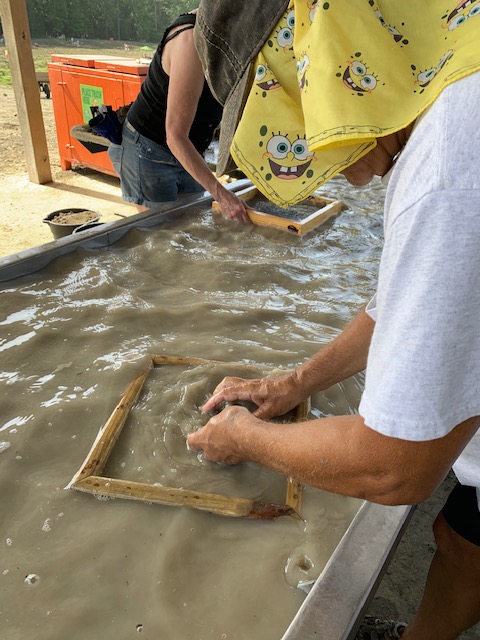
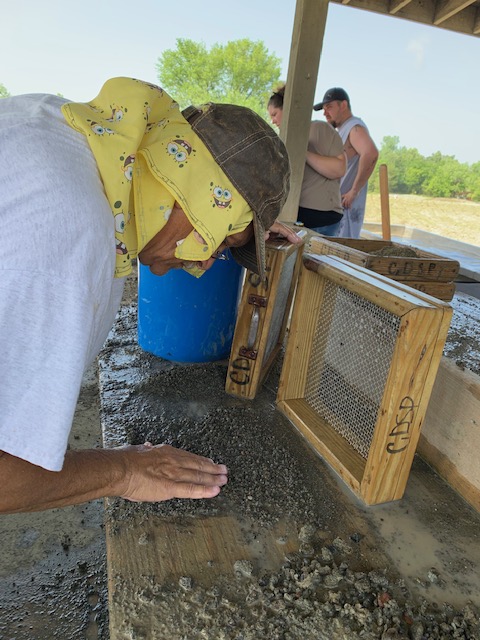
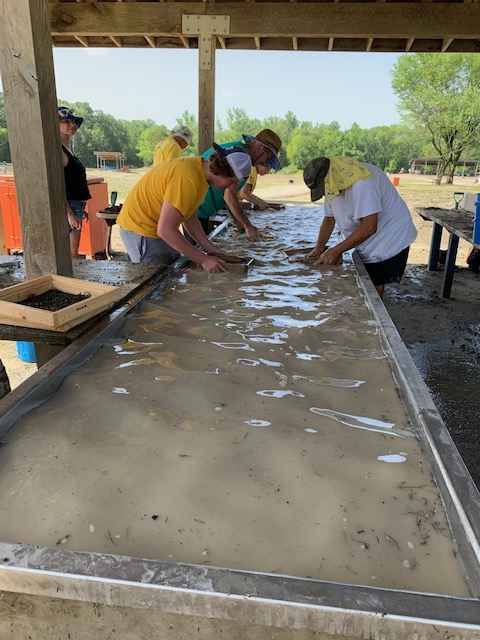
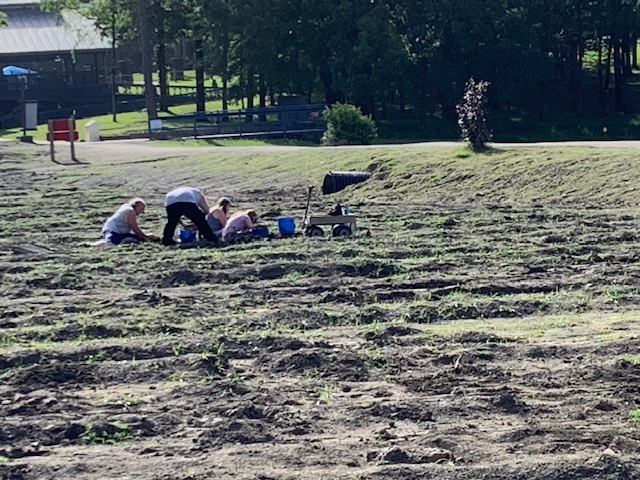
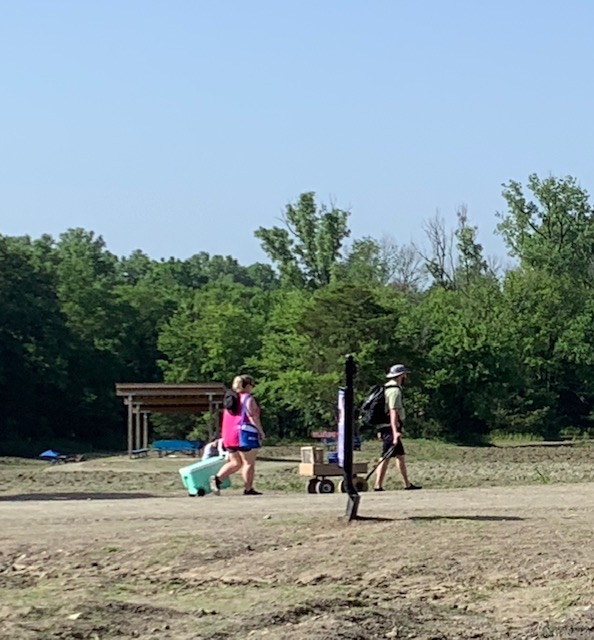
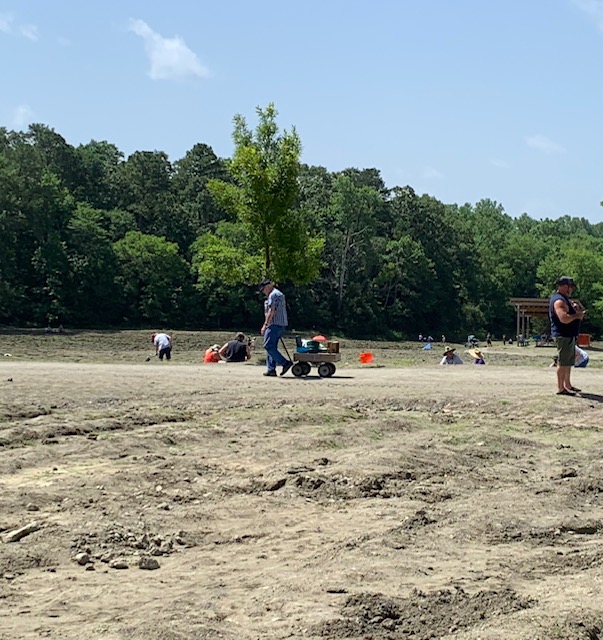
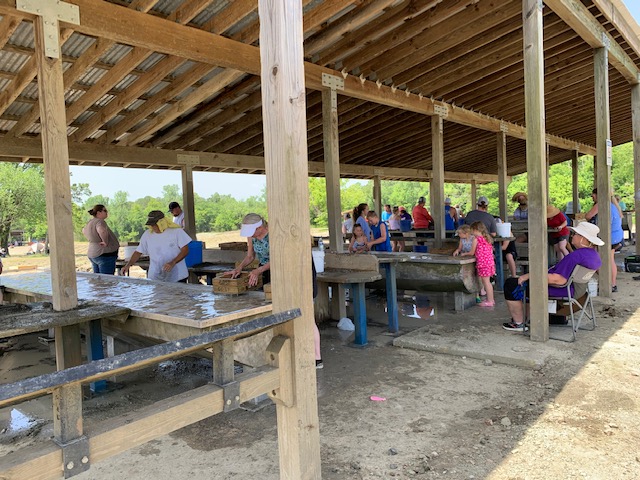
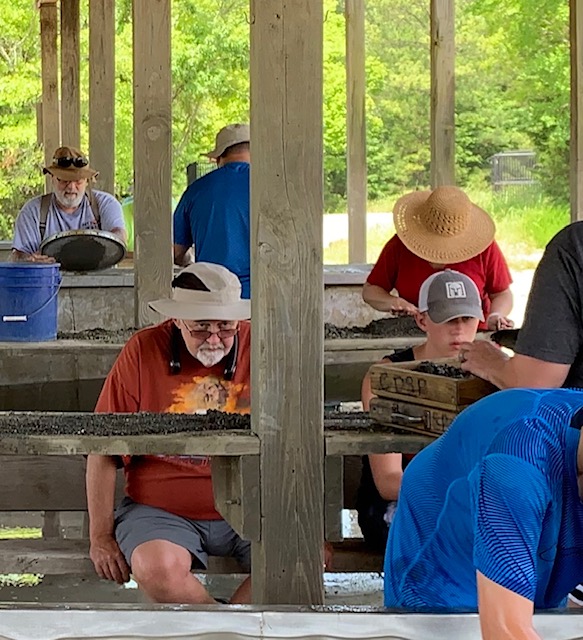
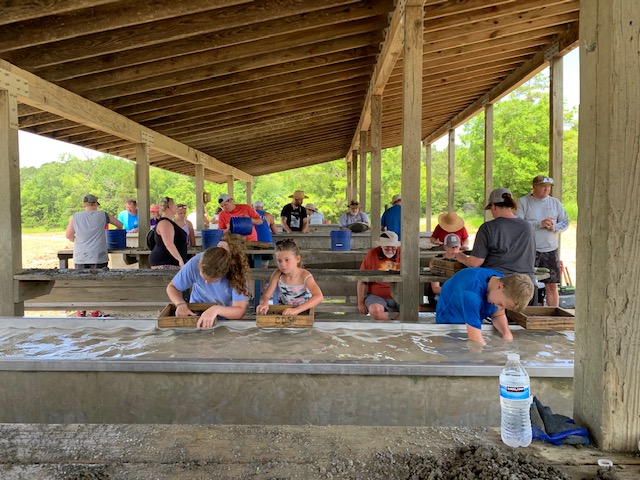
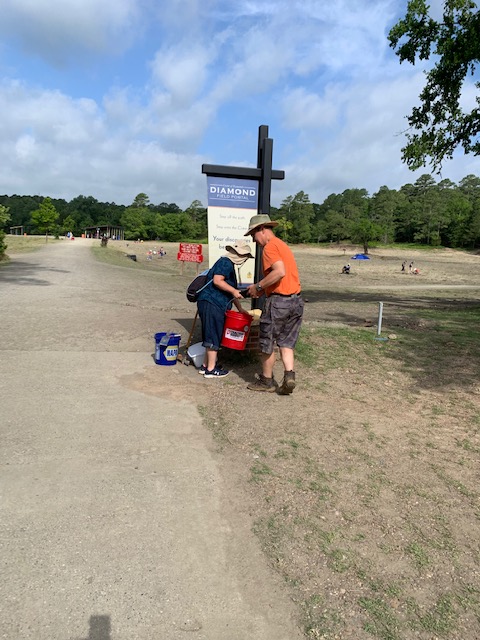
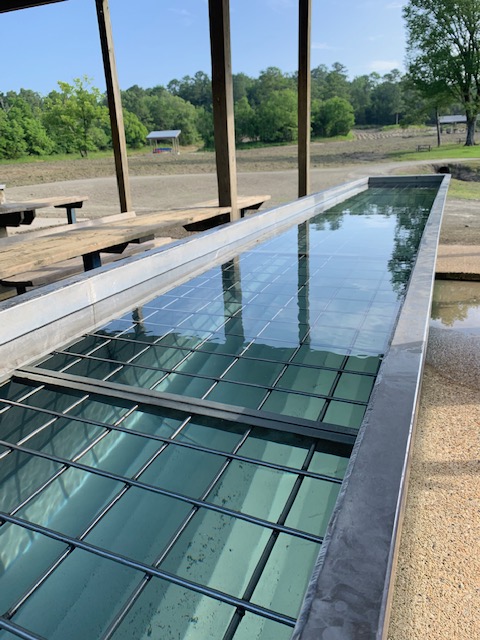
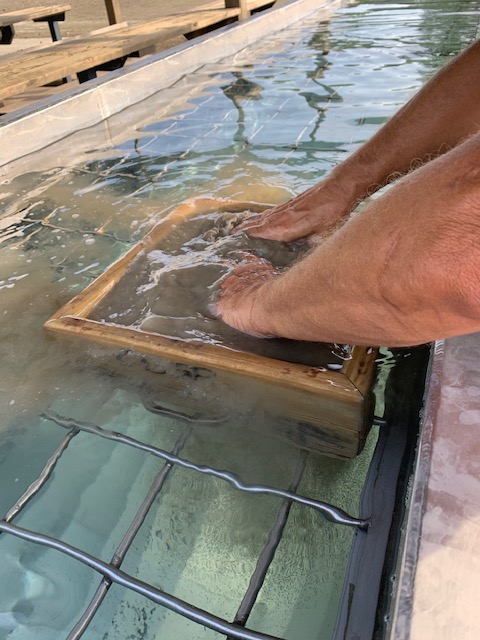
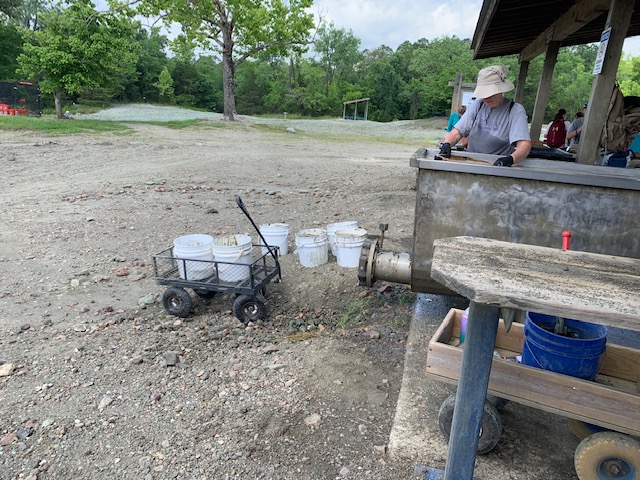
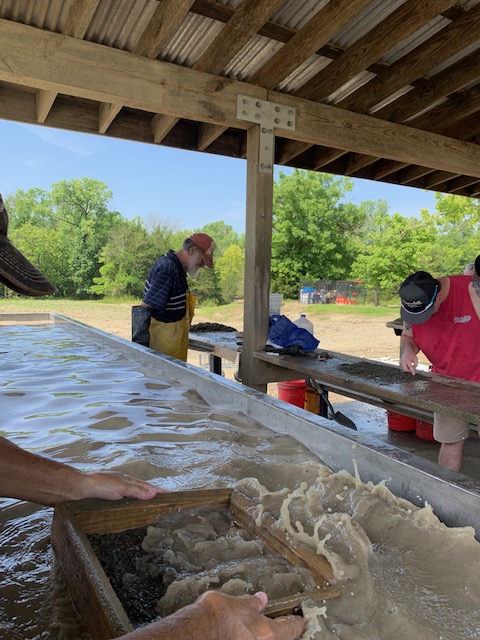
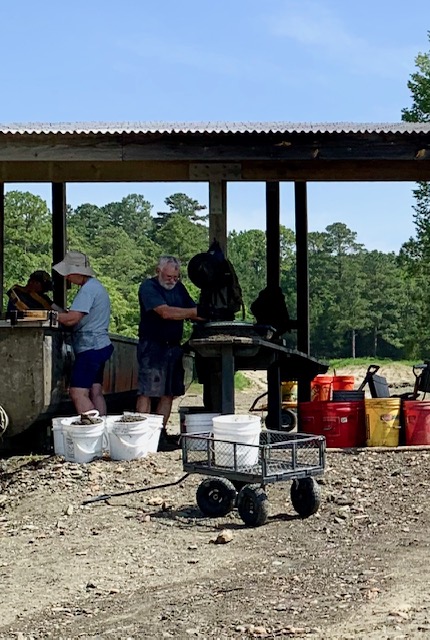
The three days here, were unusually hot and I mean hot, over 110 heat index every day, it is not usually this hot now. After you gat all set up you can watch a video about how to find diamonds or like we did learn on the fly. So out we went. There are a number of ways to look, one is to surface hunt and just look around, some people do find diamonds this way. You can use a small trowel and just scratch at the surface or you can dry sift or wet sift with the screen sets you have. One screen has bigger holes for the dirt to go through and the other has very tiny holes for small stuff to collect. We were told dry sifting was not to good as they had just gotten a lot of rain before we got there, so below a few inches the dirt was wet. We did however see people doing this but we went with the wet sifting. Wet sifting is done by bringing your dirt over to the two areas where they have the water troughs. How do you do that ,by buckets of course. Some people have wagons they bring many buckets over at a time, or like us, we had one 5 gallon bucket ,and one , one gallon bucket. It really does not matter where you get your dirt it’s all a matter of luck, but we wanted to stay no more than a few hundred feet form the troughs. So that what we did, with your buckets of dirt, you put some in the screen with the large holes, and put that over the screen with the small holes, put it in the water, and dissolve all the dirt, that leaves the big stuff on top and the smalls on the bottom screen. Take out the large screen look it over for anything of interest then throw it out, bring up the small screen and quickly flop it over, and look. Diamonds are heavy and as you slooch your screen they will fall to the bottom ,so when you flop it over there it will be staring you in the face, but no such luck. That’s what we did for hours at a time.

WHAT DID WE FIND

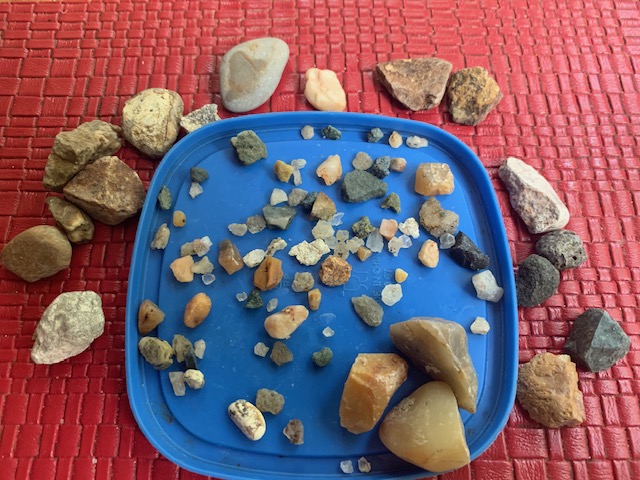
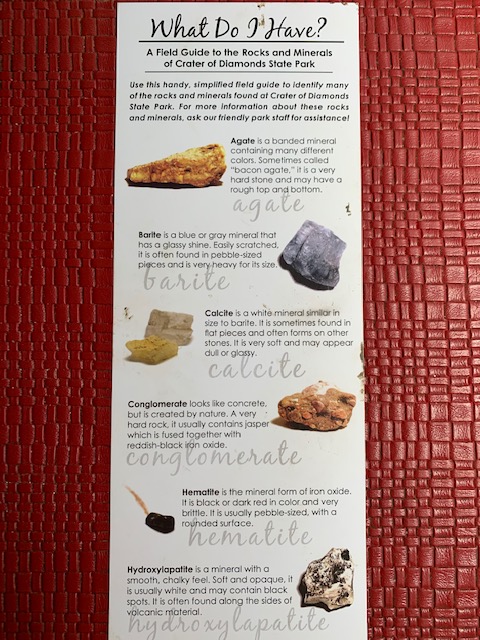
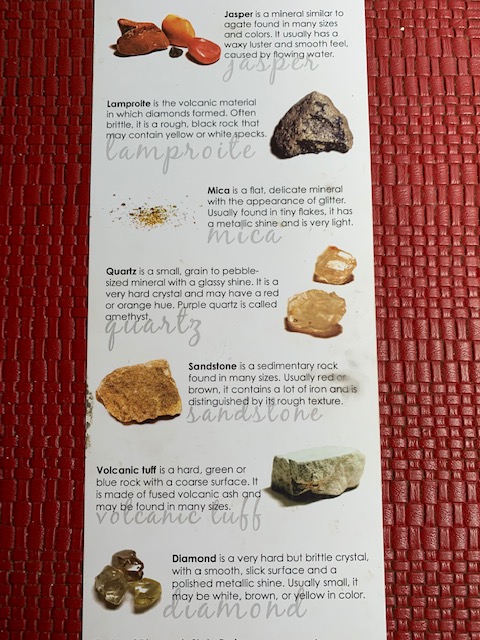
In the picture below is some of the rocks we found. On the outside of the container lid, we have Agate, Conglomerate, Volcanic tuff, Lamproite. Inside the lid on the lower left, is the semi-precious Jasper, we found lots of that in all colors and sizes, they make all kinds of jewelry out of that as when its cut open it has a very cool looking inside when polished. Some Hematite, calcite which is used in Tums and baking powder, and Quartz, they are the very tiny, pin head size clear looking ones, we also found two one inch pieces which are very cool also.

We had a very cool, exciting time doing this, although it was really hot and a lot of hard work. Knowing now what I know, coming back I would do things a little different, and this time find the big one.

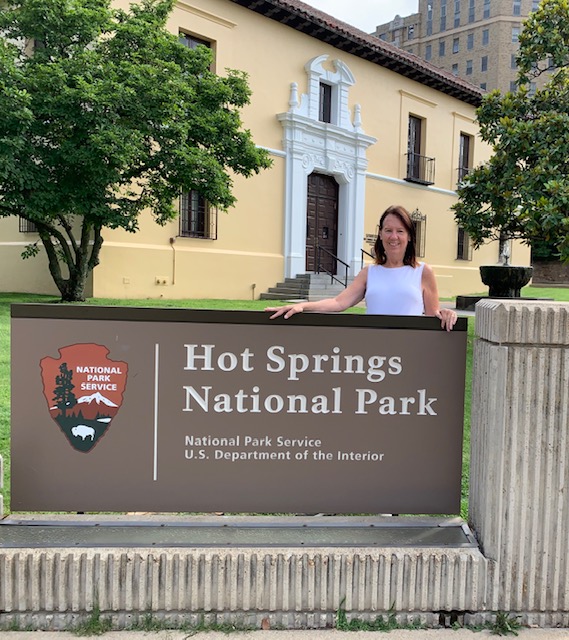
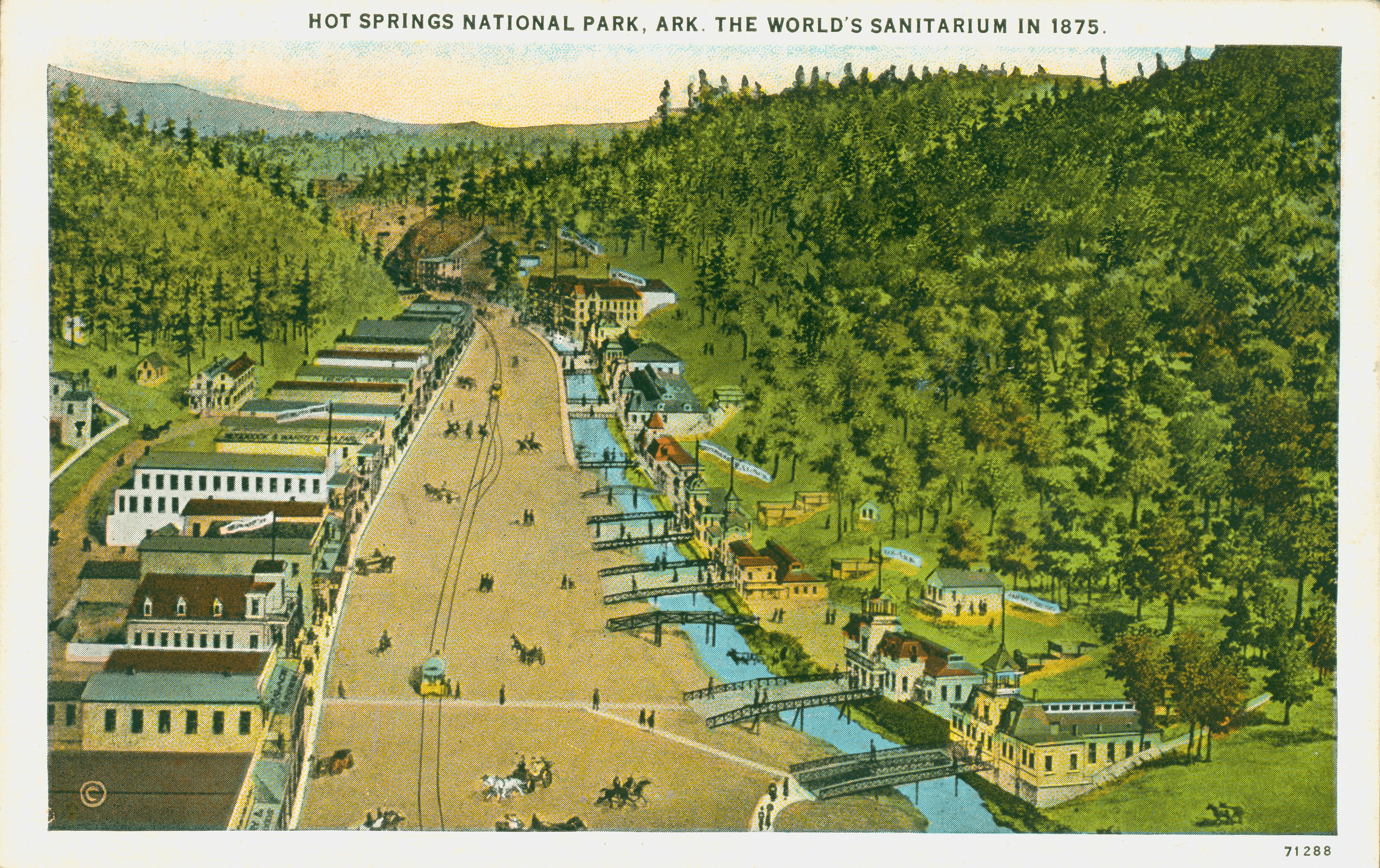
Hot Springs, Arkansas, gets its name from the naturally thermal spring waters found here. Flowing out of the ground at an average temperature of 143 °F, the hot springs produce almost one million gallons of water each day.
People have been visiting this area for a very long time. Native Americans called this area “the Valley of the Vapors,” and it was said to have been a neutral territory where all tribes could enjoy its healing waters in peace. Spanish and French settlers claimed the area in the mid-1500s.

The hot springs were such a coveted natural wonder that in 1832, President Andrew Jackson designed Hot Springs as the first federal reservation. Hot Springs Reservation was essentially America’s first national park, predating Yellowstone National Park by 40 years.

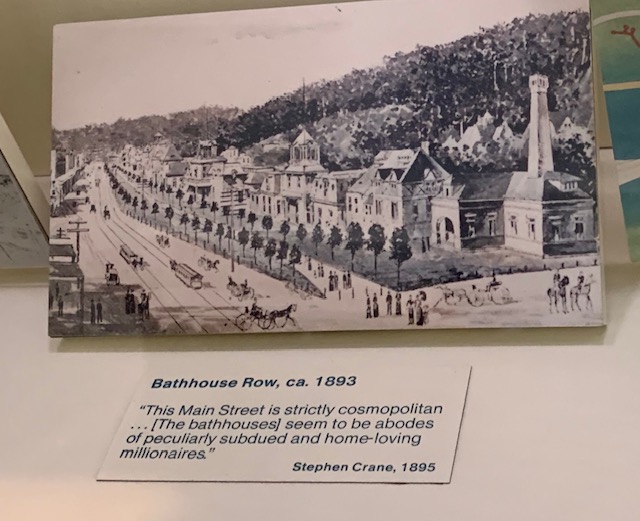
In just a decade, the area changed from a rough frontier town to an elegant spa city centered on a row of attractive Victorian-style bathhouses, the last ones completed in 1888. When Congress established the National Park Service, Hot Springs Reservation became Hot Springs National Park in 1921.

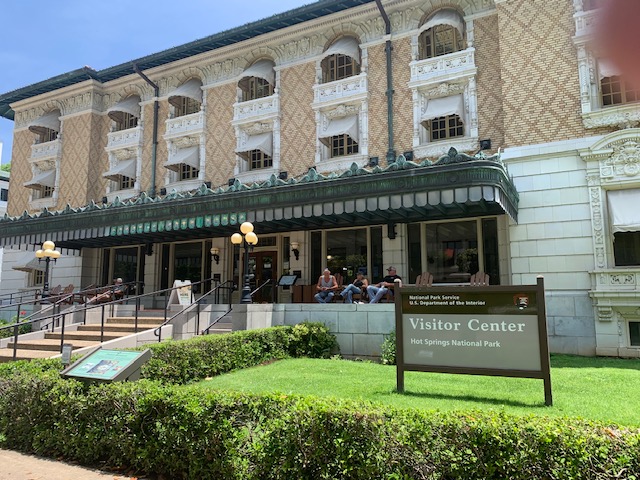
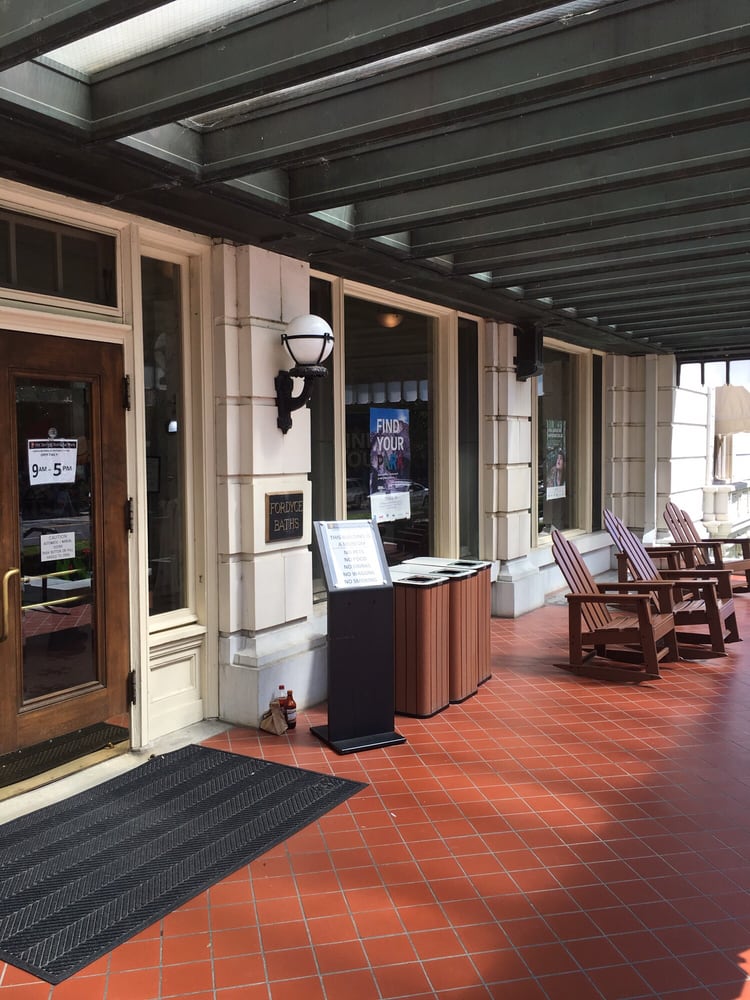
Today, you can still soak in the thermal waters on historic Bathhouse Row. The hot springs are also pumped into several downtown hotels and spas. The water is even available at public fountains. The restored Fordyce Bathhouse now serves as a visitor center.

The History of Bathhouse Row

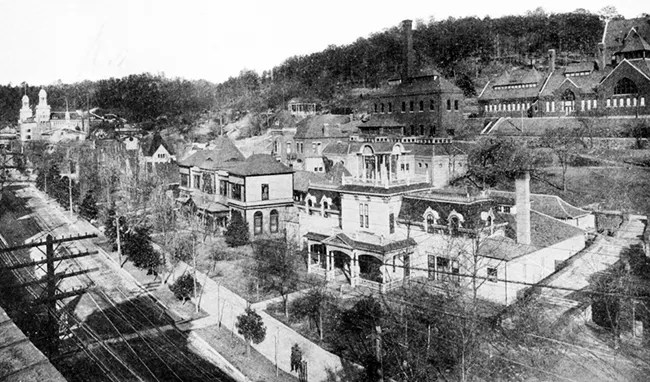
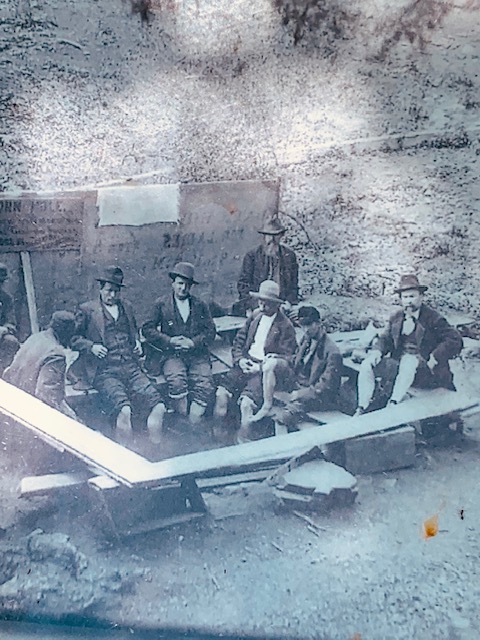
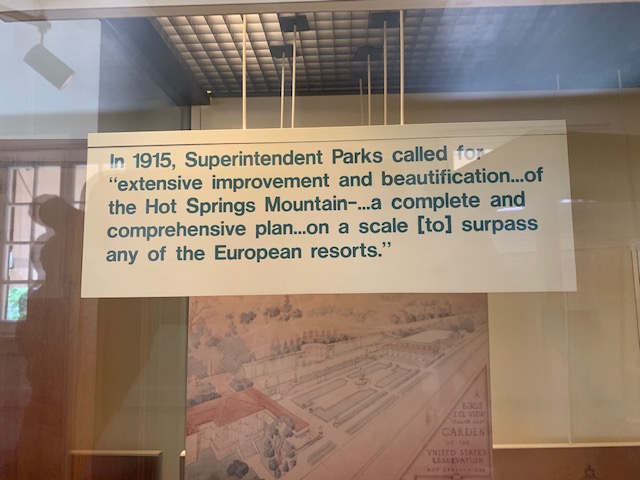
The first bathhouses were crude structures of canvas and lumber, little more than tents perched over individual springs or reservoirs carved out of the rock. Later, businessmen built wooden structures, but they frequently burned, collapsed because of shoddy construction, or rotted due to continued exposure to high temperatures and humidity. As the bathhouses continued to grow in popularity, the park’s superintendent deemed that more resilient and fireproof structures were needed. Starting in 1896, many of the wooden bathhouses were replaced with the bathhouses that we see today made of masonry and steel.

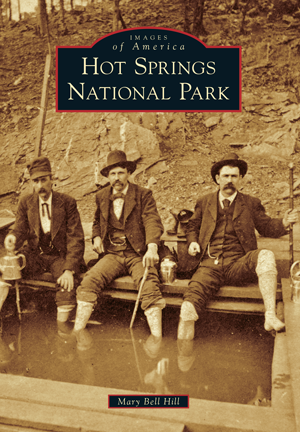
I like the crude bathhouses of the early the 1800s,take your shoes & socks off and sit a spell.

Victorian bathhouses built between 1880 and 1888 were larger and more luxurious than could have been dreamed of ten years earlier. The poorly placed wooden troughs carrying the thermal water down the mountainside were replaced with underground pipes. Roads and paths were improved for the convenience of visitors who wished to enjoy the scenery.

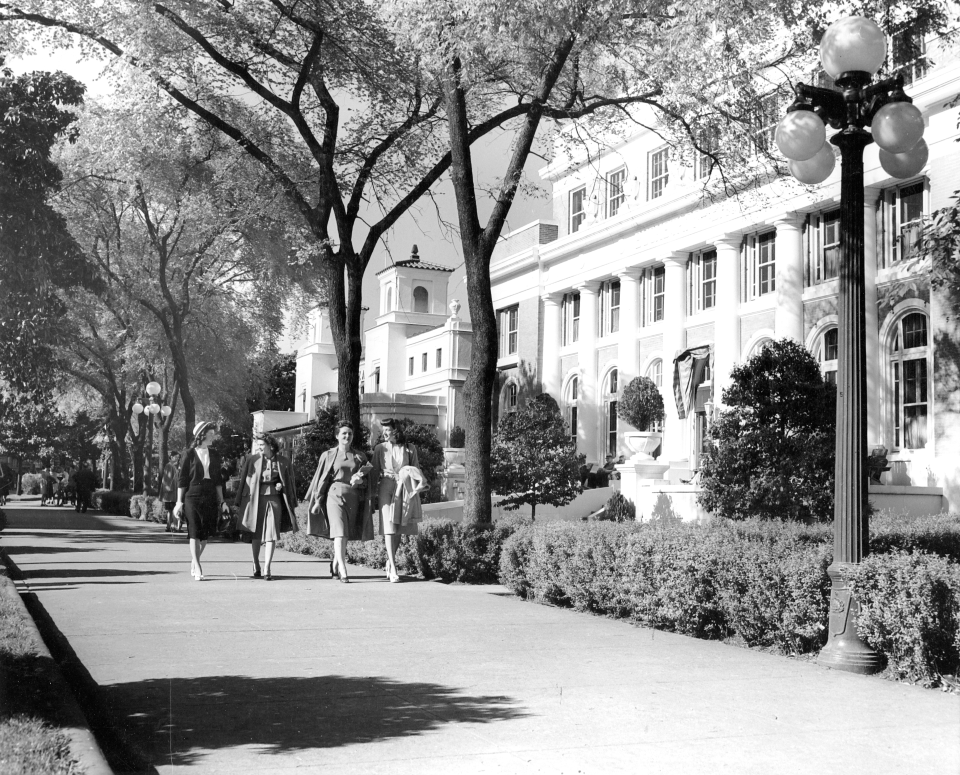
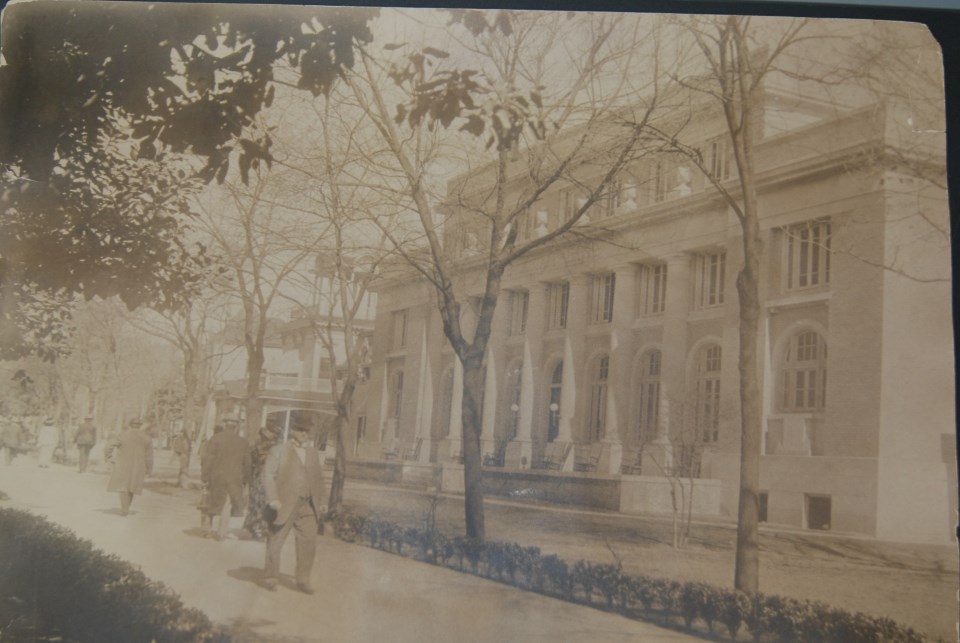
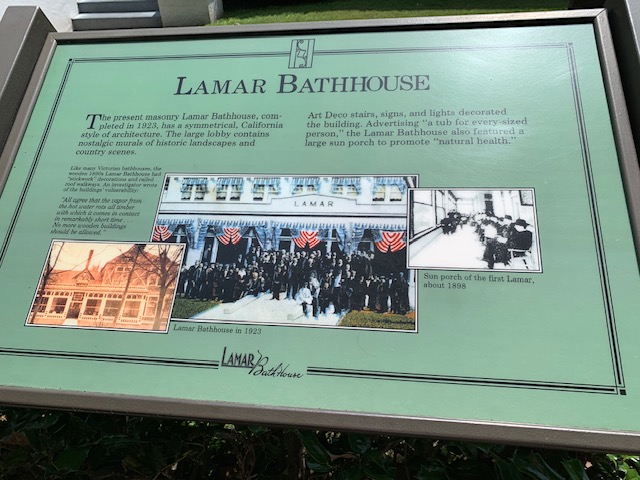
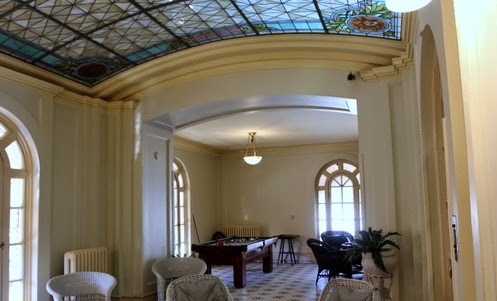
By 1901 all of the springs had been walled up and covered to protect them. Between 1912 and 1923 the wooden Victorian bathhouses built in the 1880s were gradually replaced with fire-resistant brick and stucco bathhouses, several of which featured marble walls, billiard rooms, gymnasiums, and stained glass windows. The final transformation of Bathhouse Row was completed when the Lamar Bathhouse opened its doors for business in 1923. The bathhouses, all of which are still standing today, ushered in a new age of spa luxury.

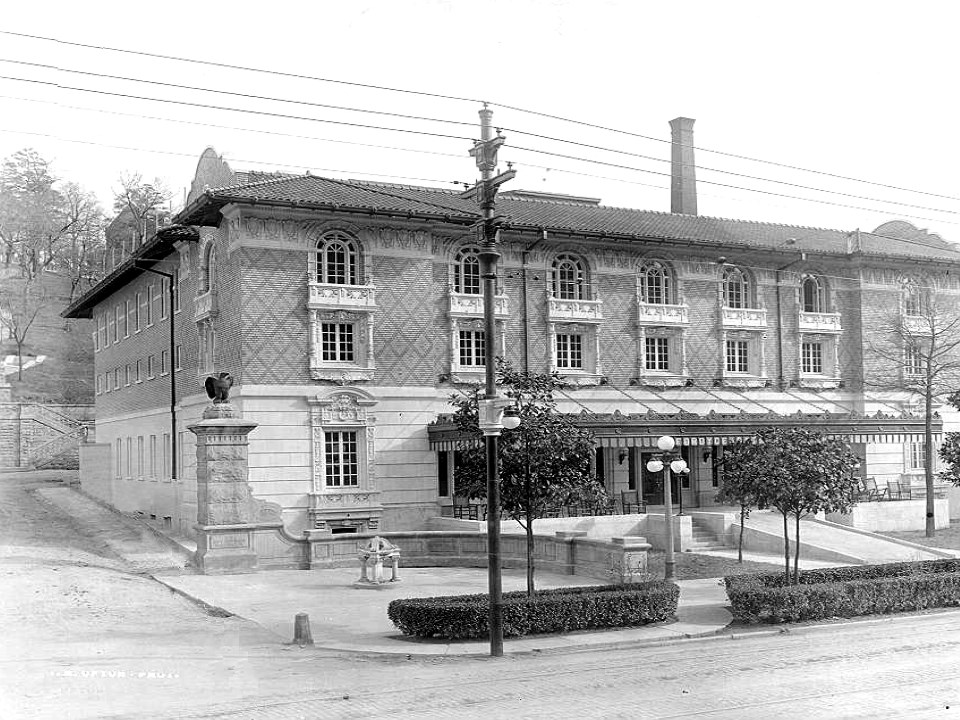
Bathhouse Row 1940s

Bathhouse Row and its surroundings were placed on the National Register of Historic Places on November 13, 1974. The desire to revitalize Bathhouse Row also led citi­zens to campaign for adaptive uses of the vacant buildings. The strongest concern was to save the most elegant bathhouse, the Fordyce, which was consequently adapted for use as the Hot Springs National Park visitor center and museum. At this point in time most of the bathhouses have been renovated and adapted for modern use.

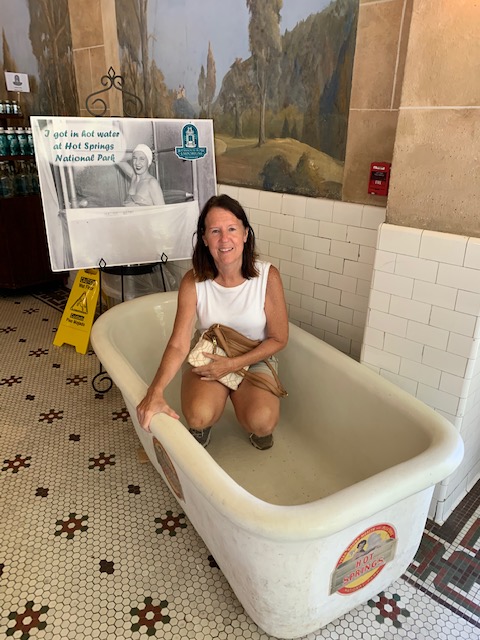
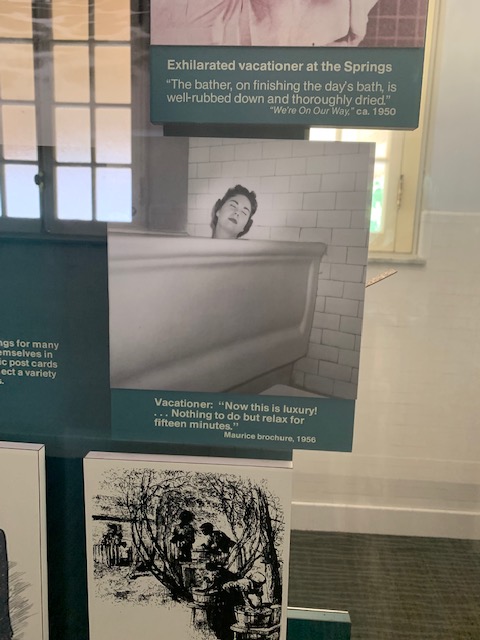
 “Fully submerge yourself in the thermal water and let your worries melt away.”

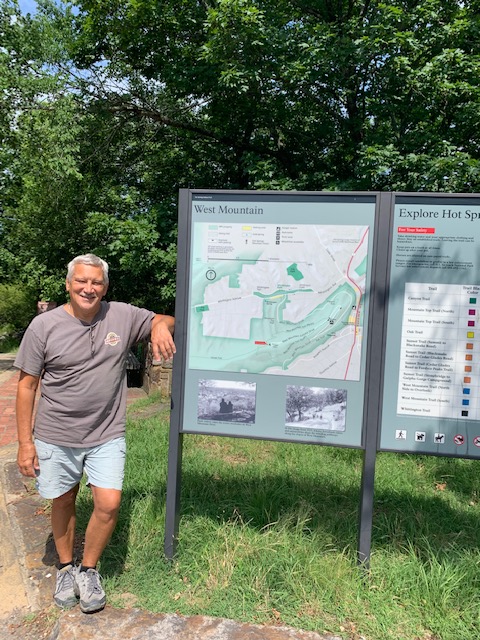
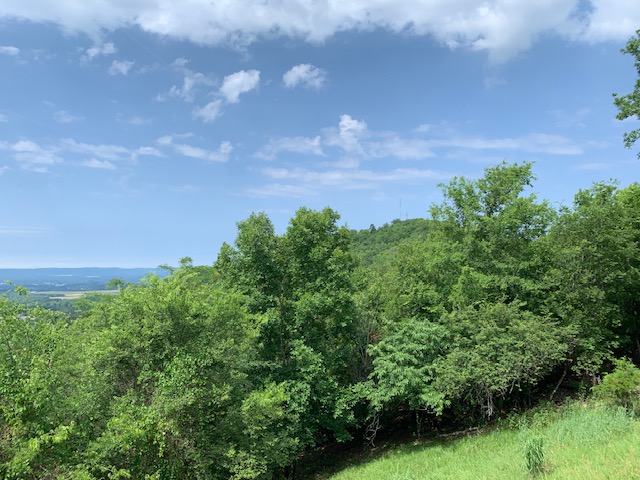
We took The Hot Springs Trolley before checking out Bathhouse Row.  We went thru the mountains for views of the National Park and the Quachita Valley. He pointed out  many of the historical sites and took us through old neighborhoods with fancy homes built in the 1800s and 1900s.

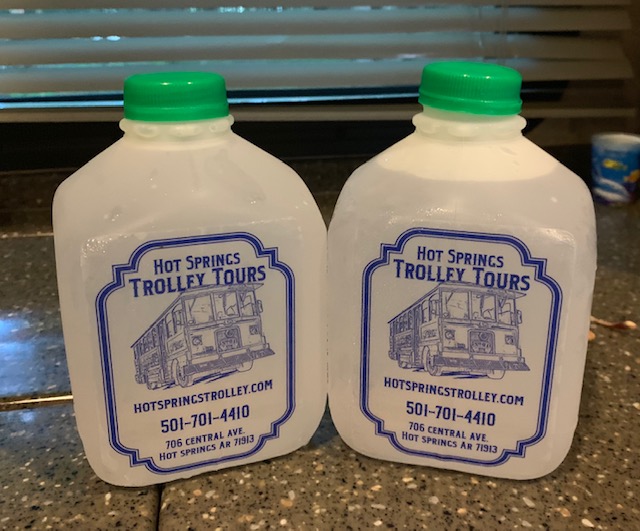
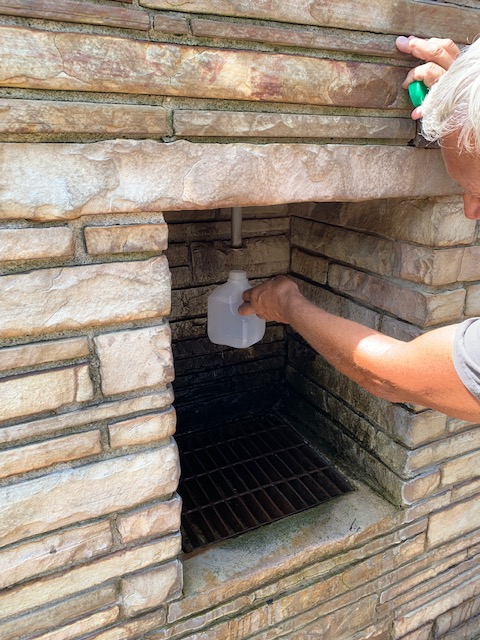
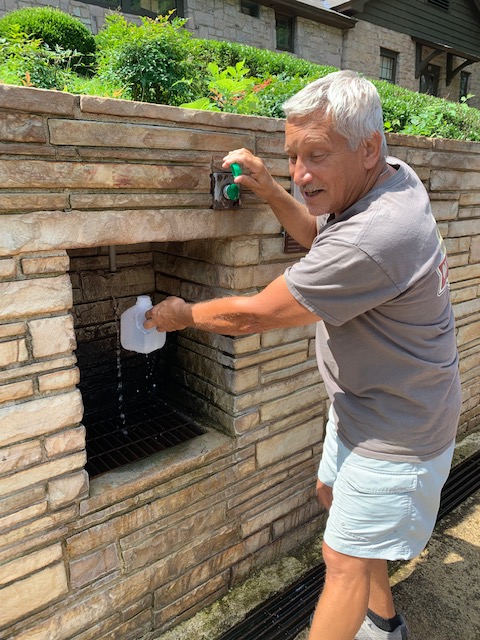
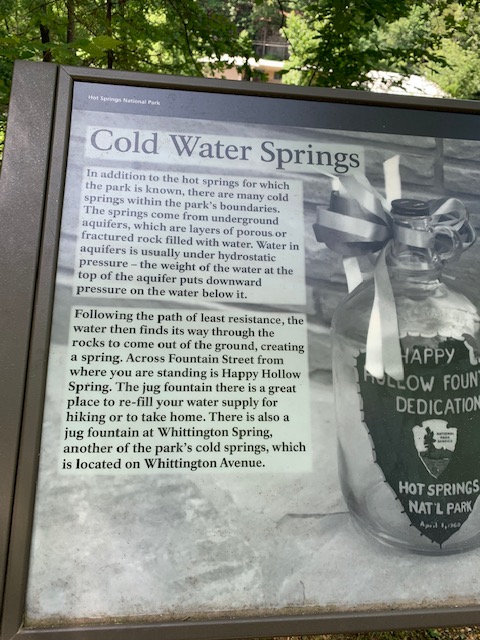
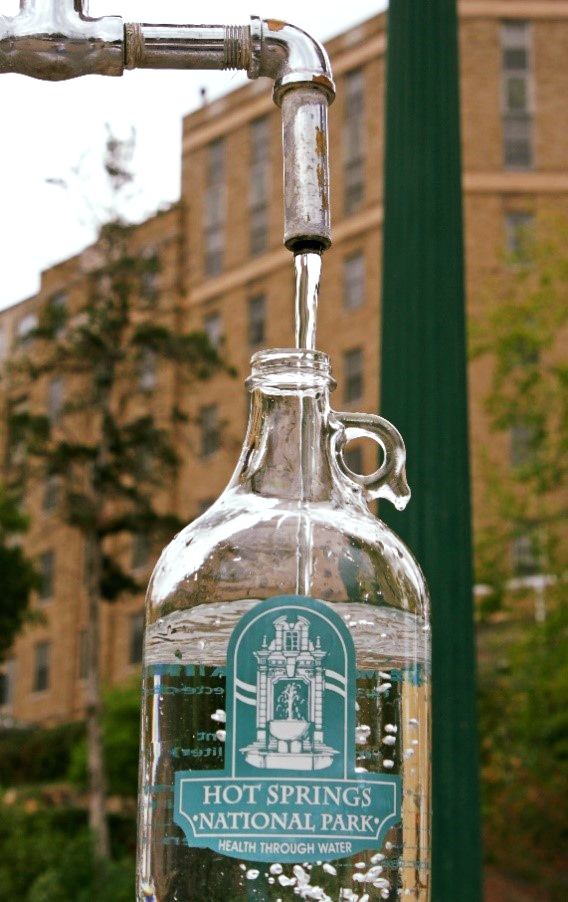
Hot Springs AR. has lots of hot springs but they also have many cold springs where you can get fresh spring water. The driver stopped and we filled up our jugs. It was a great tour.

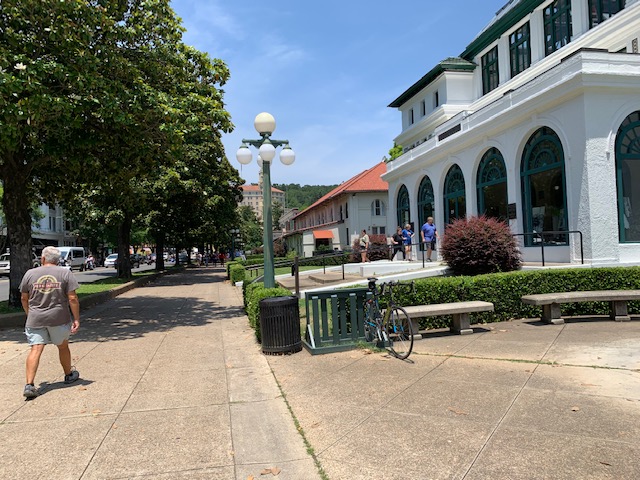
A look down Bathhouse Row

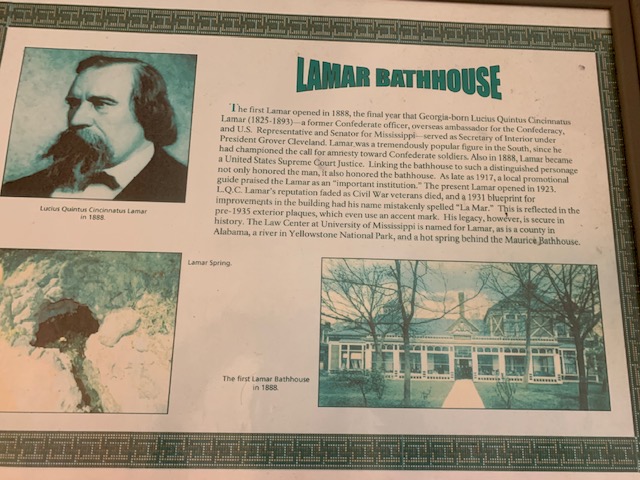
The Lamar Bathhouse was a unique bathhouse back in the day because it offered tubs with a variety of lengths so people of different heights could enjoy the tubs.

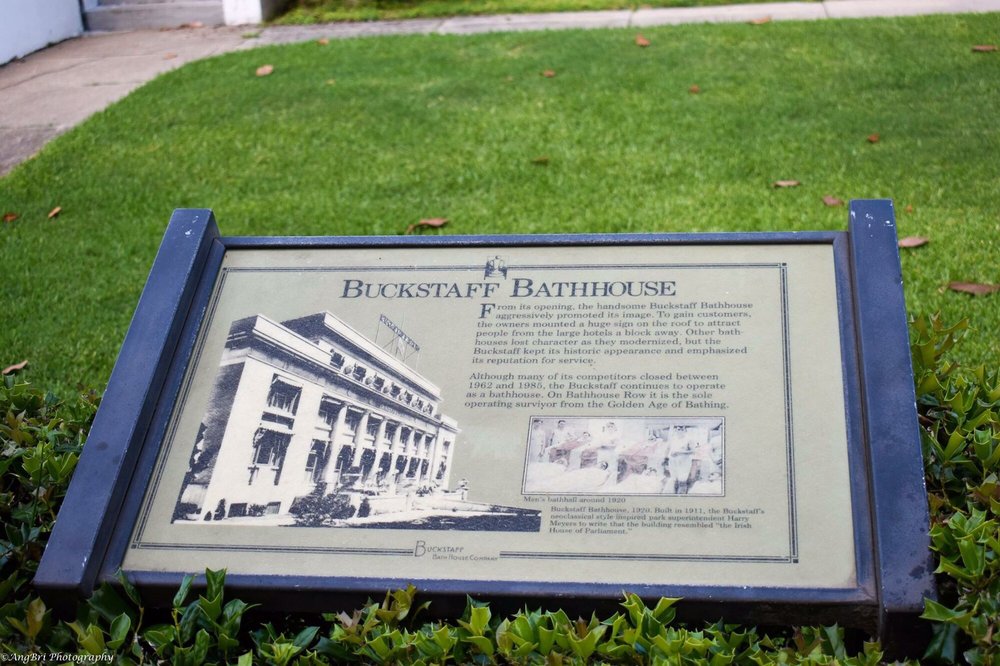
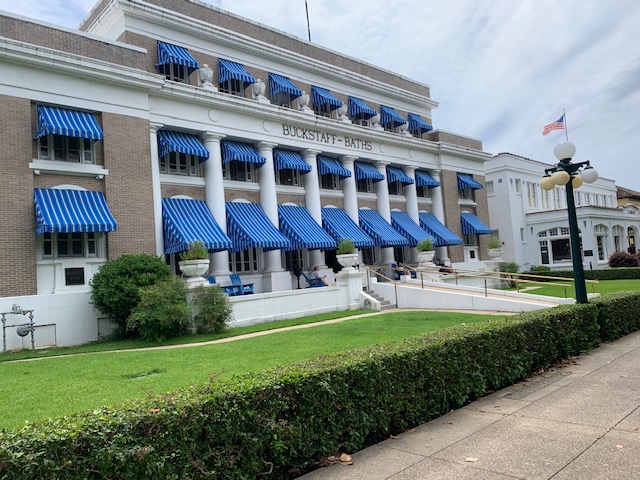
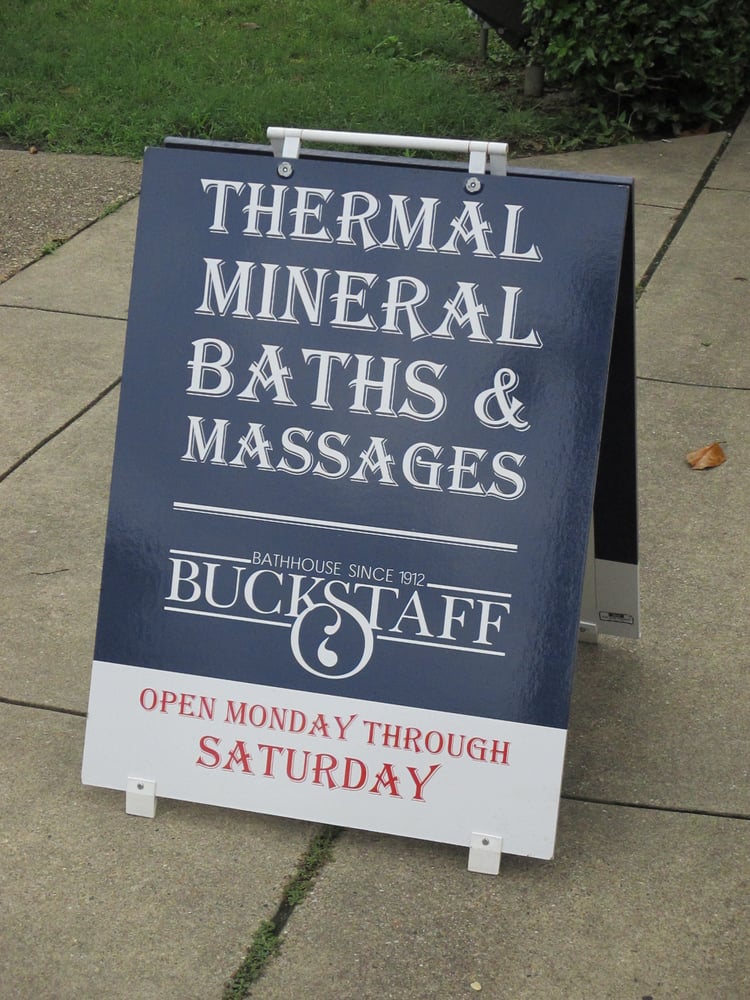
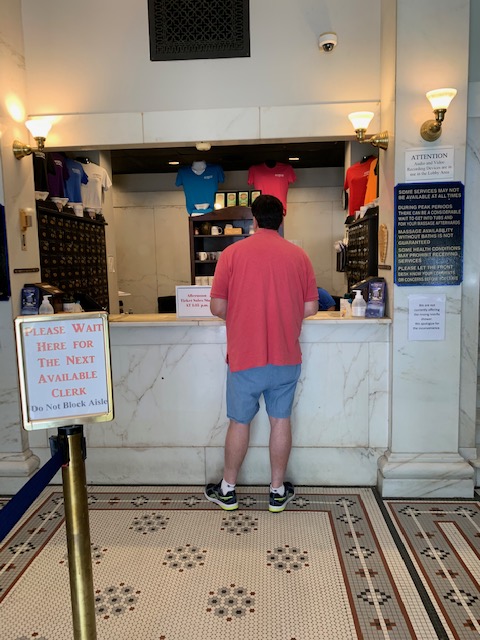
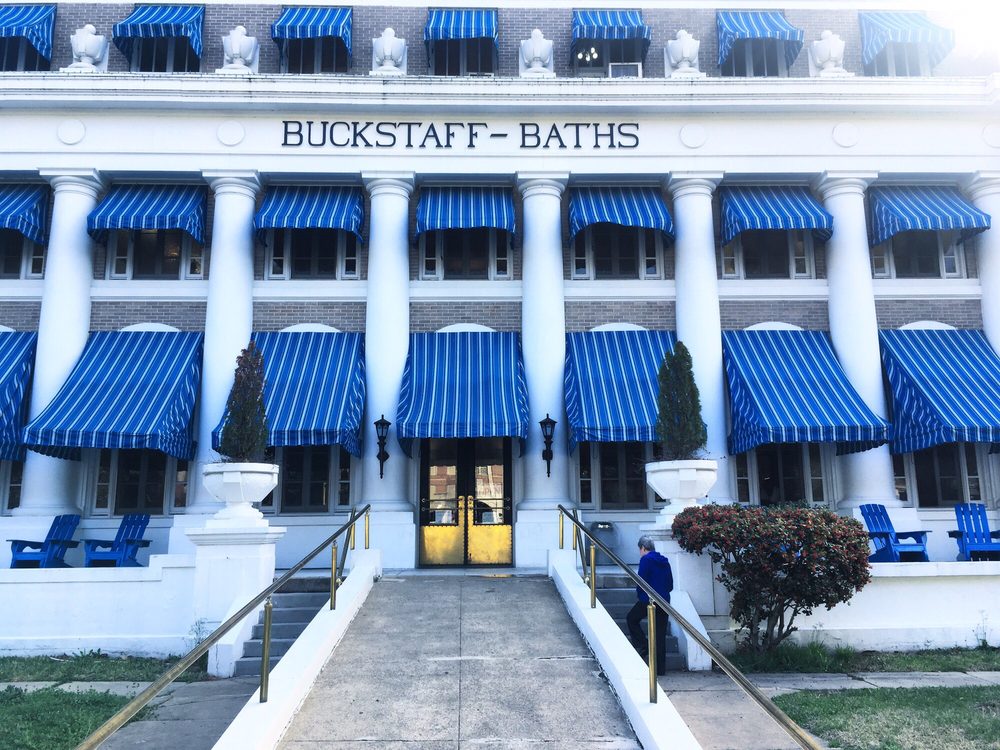
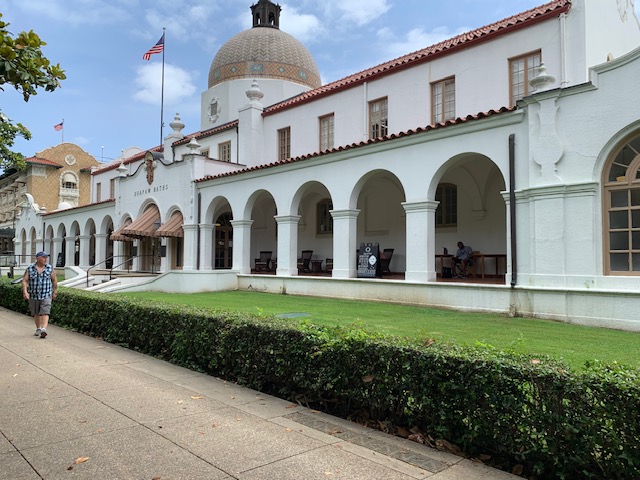
The Buckstaff is the only bathhouse that offers a traditional bathing experience and has been in continuous operation since opening its doors in 1912.

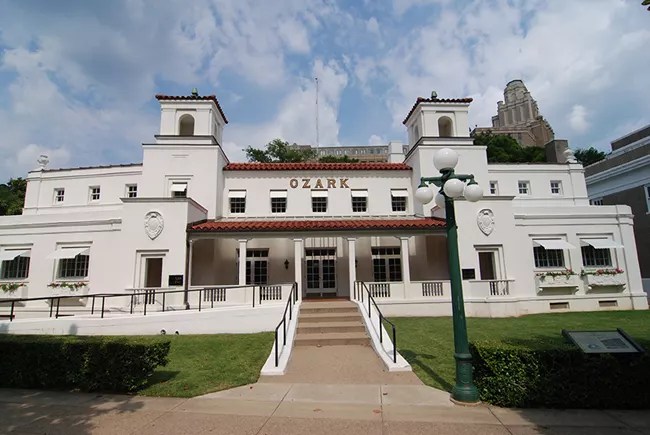
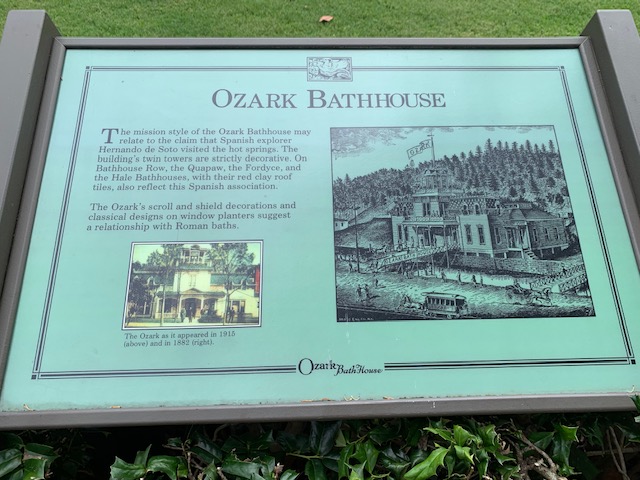
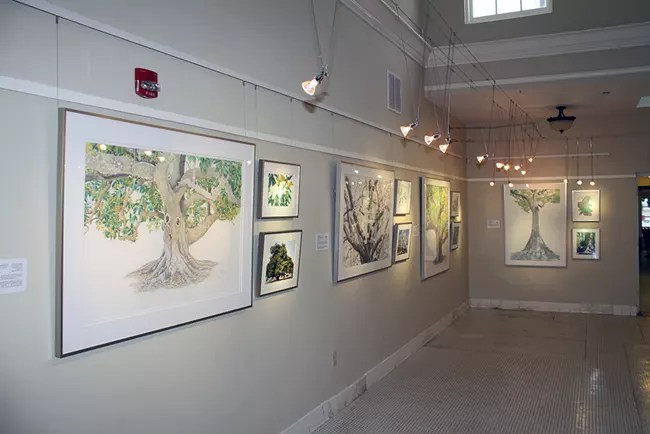
Today, the Ozark houses the Hot Springs National Park Cultural Center. The Center features gallery spaces for displaying artwork from the park’s Artist-in-Residence Program and other temporary exhibitions..

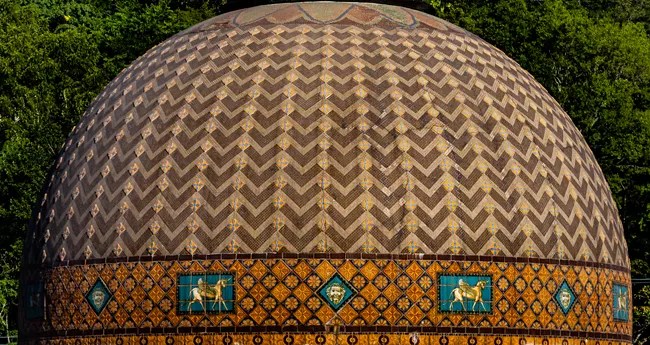
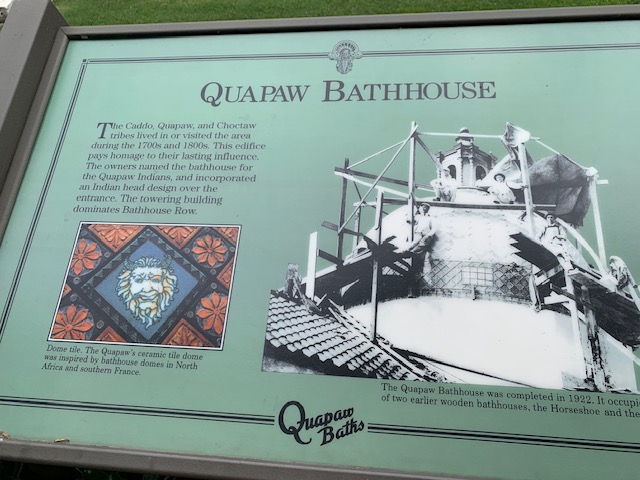
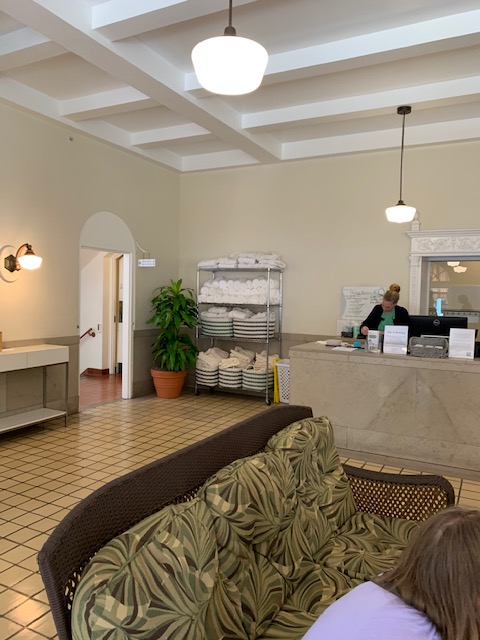
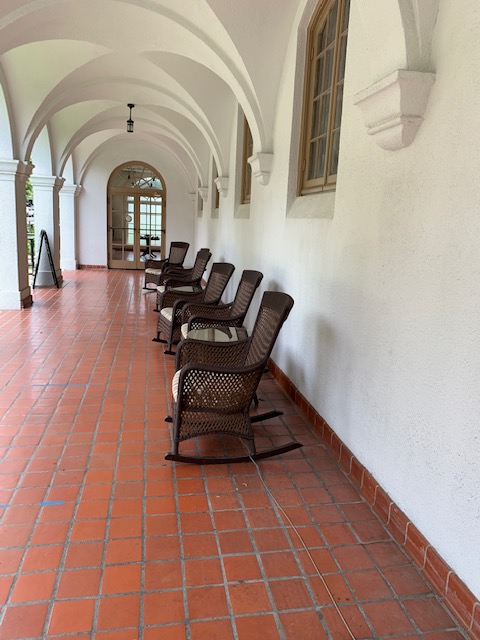
The Quapaw Bathhouse is one of two locations where visitors can soak in the thermal springs. Quapaw offers private baths, public pools, and modern day spa services

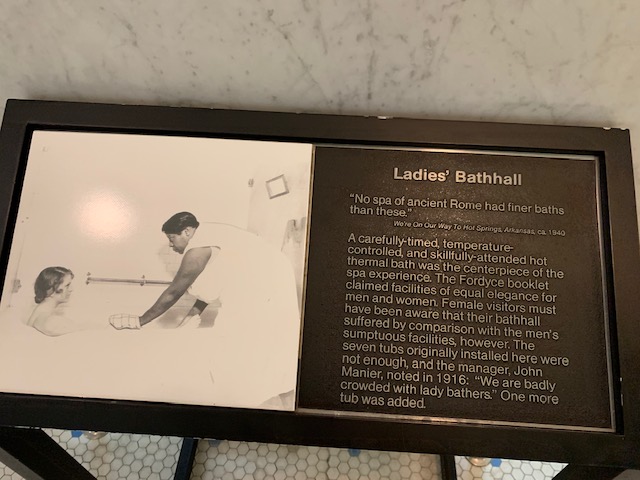
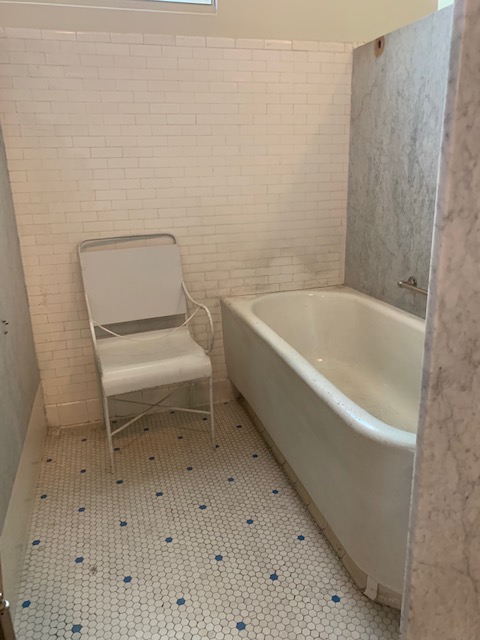
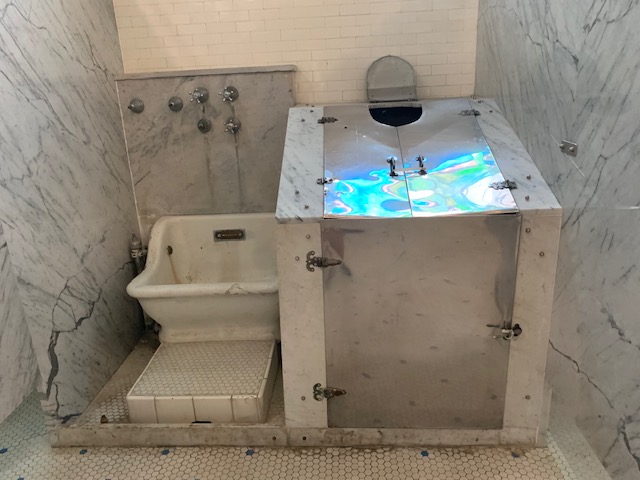
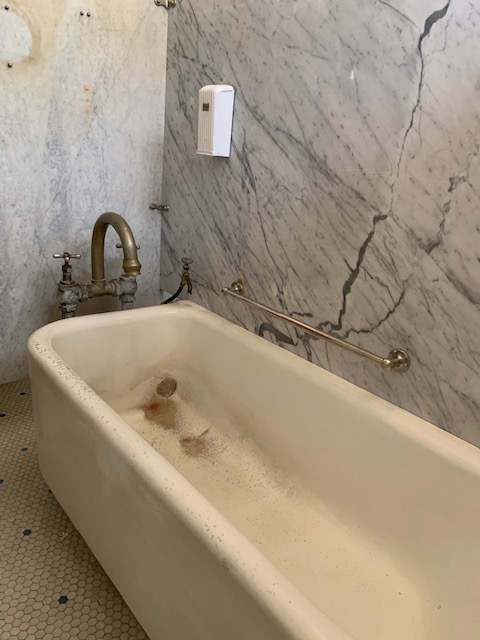
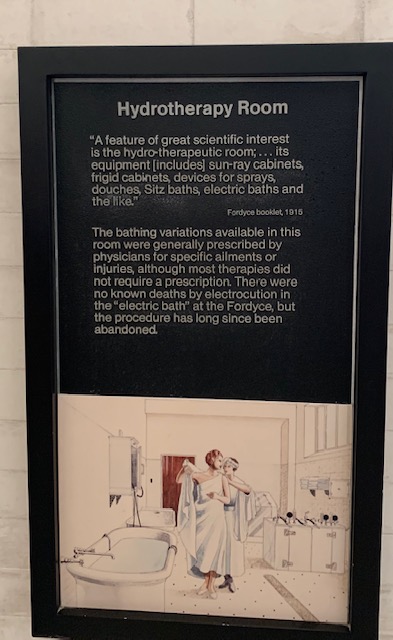
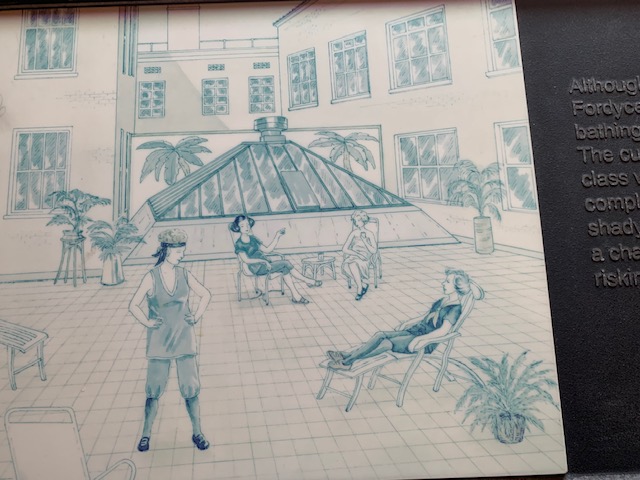
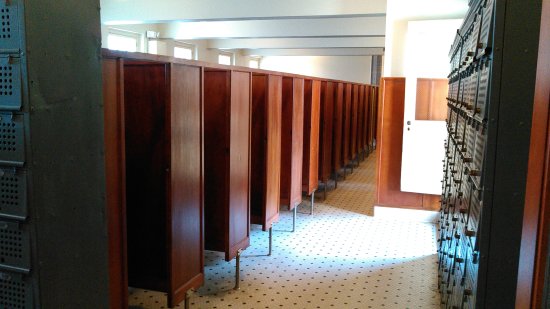
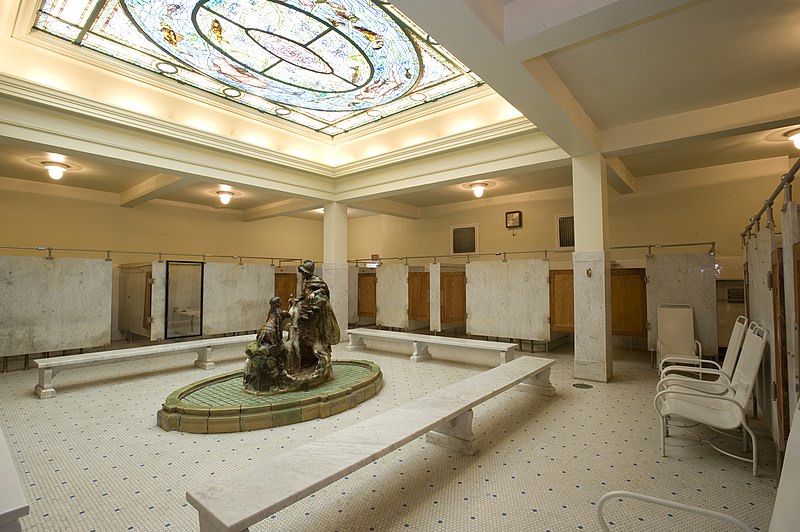
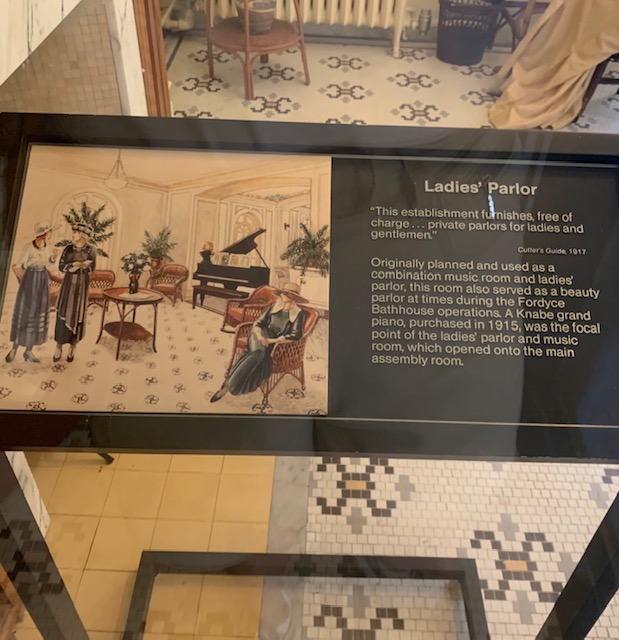
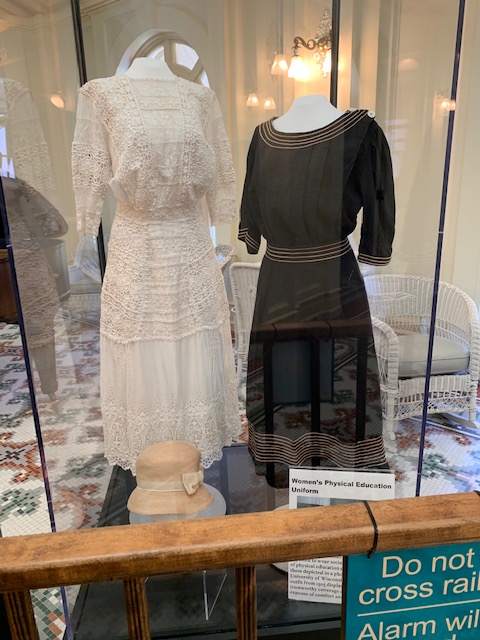
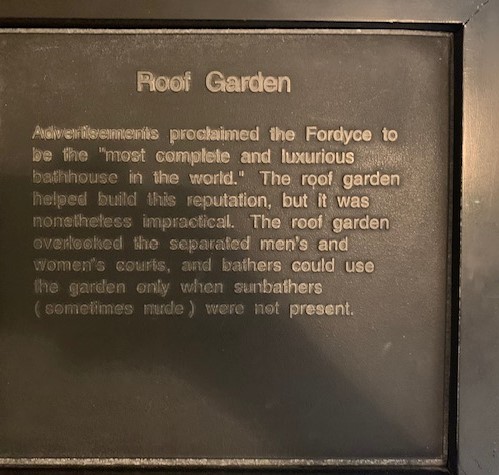
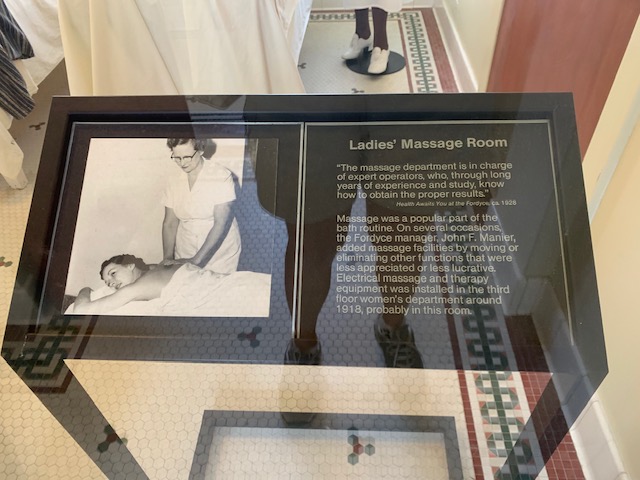
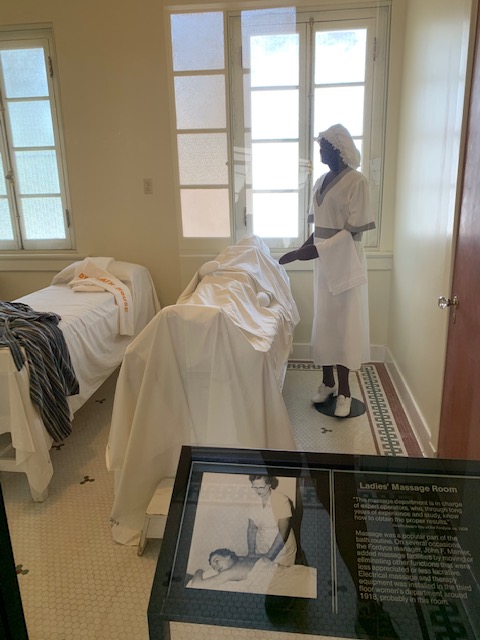
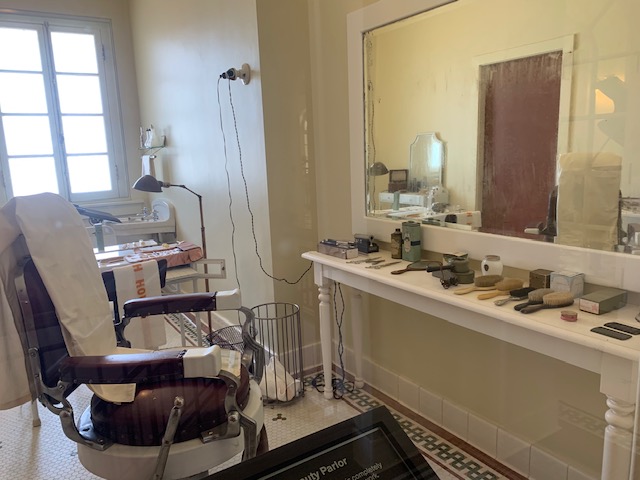
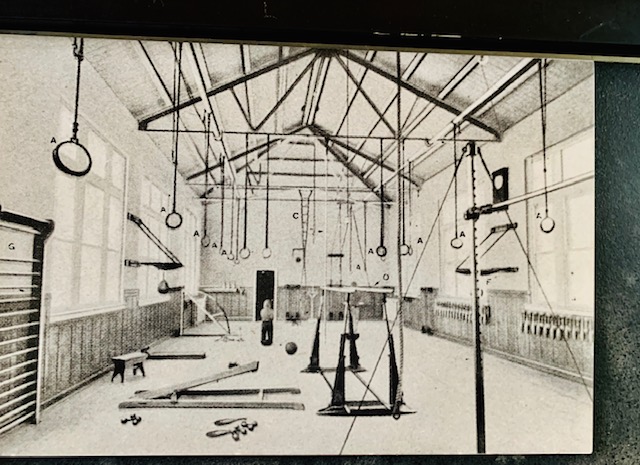
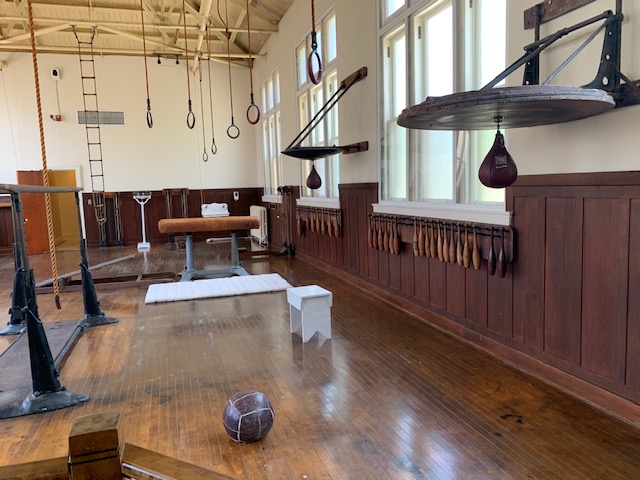
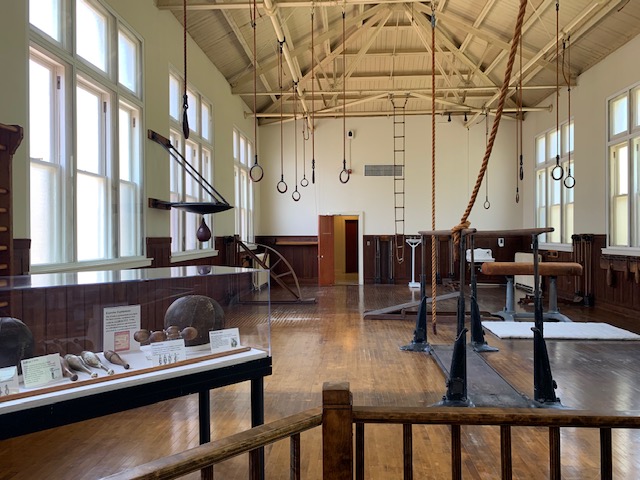
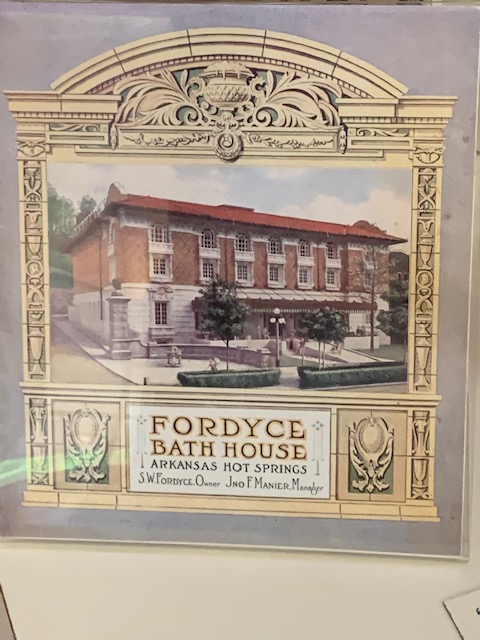
The Fordyce opened March 1, 1915. The building eventually cost over $212,000 to build, equip, and furnish. Totaling approximately 28,000 square feet, the Fordyce is the largest bathhouse on the Row. It has three main floors, two courtyards, and a basement under most of the building. The Fordyce became the first bathhouse on the Row to go out of business when it suspended operations on June 30, 1962, but it was extensively restored by 1989 and is now enjoying a renaissance as a historically furnished museum.

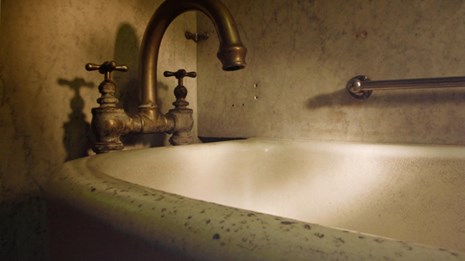
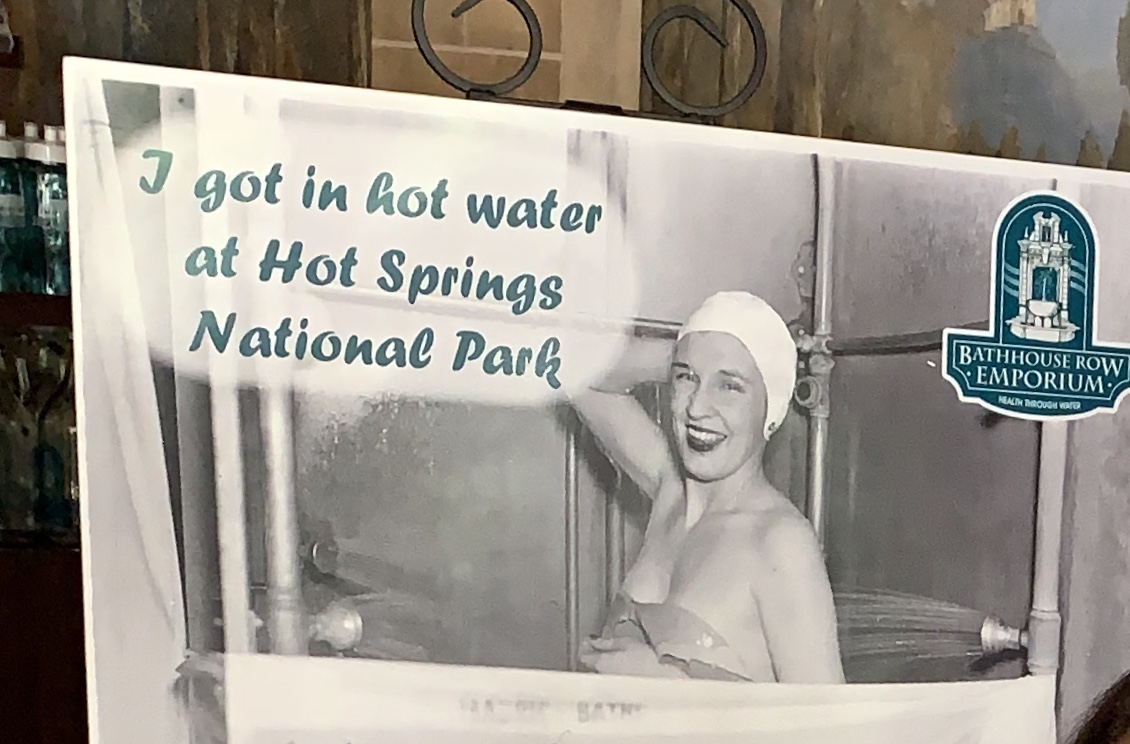
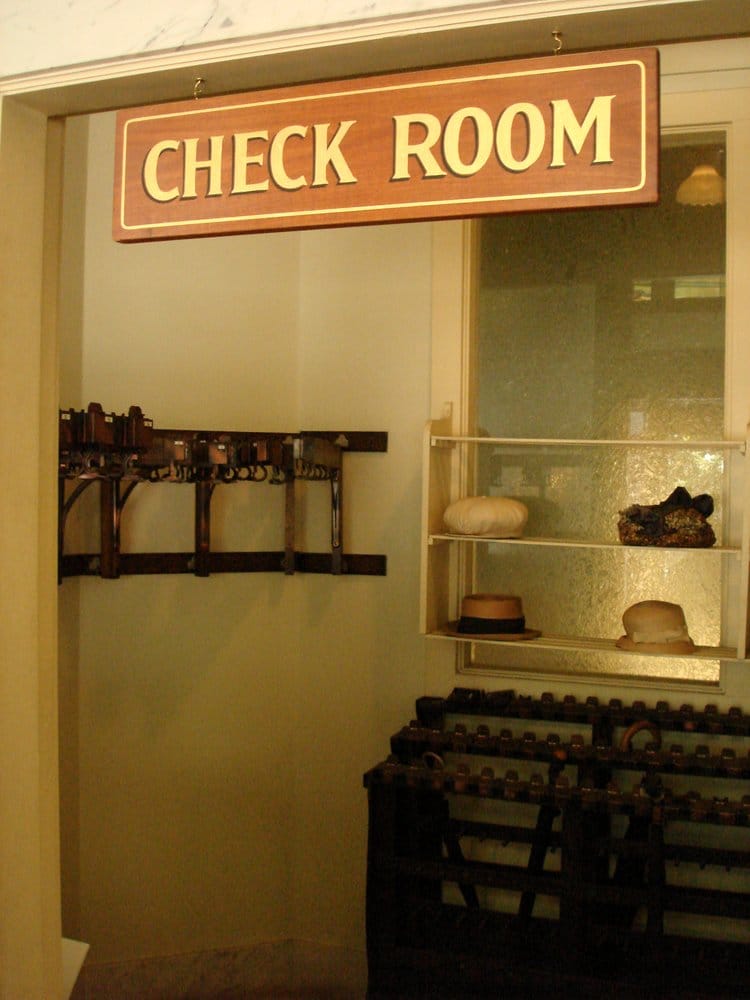
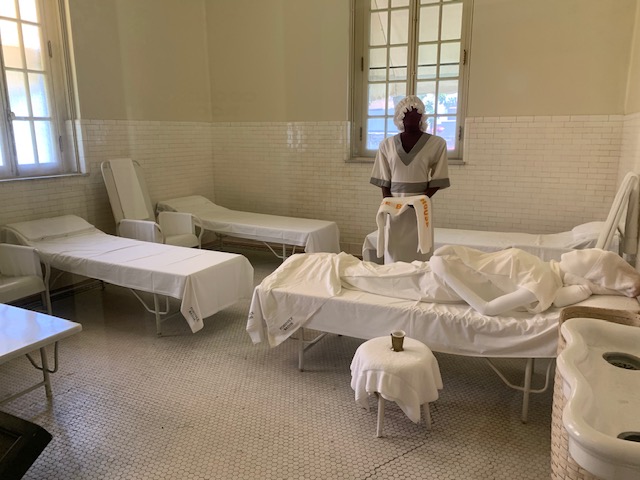
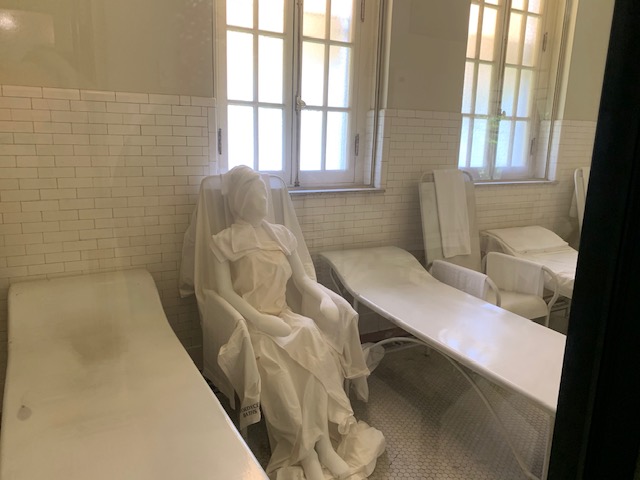
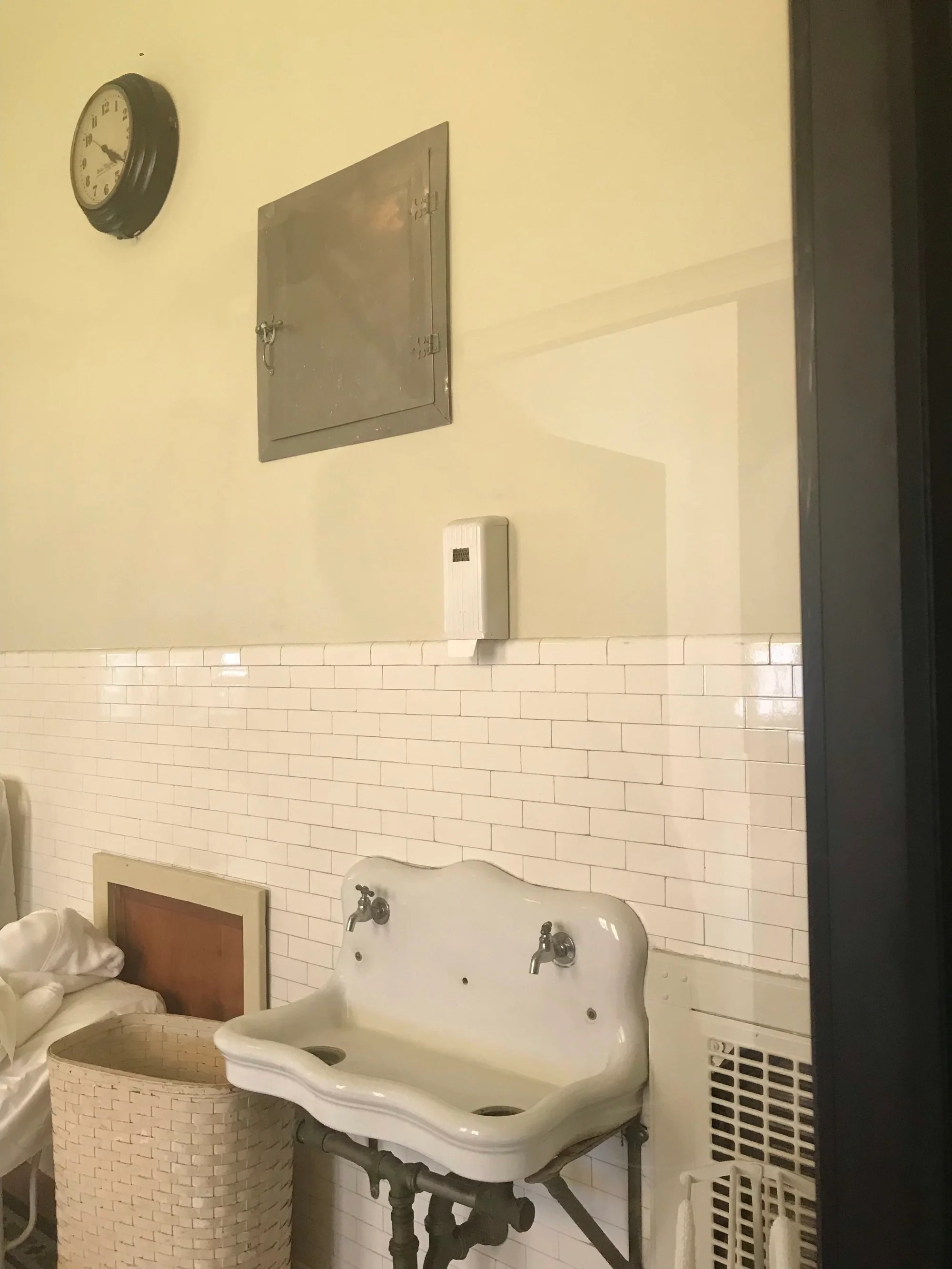
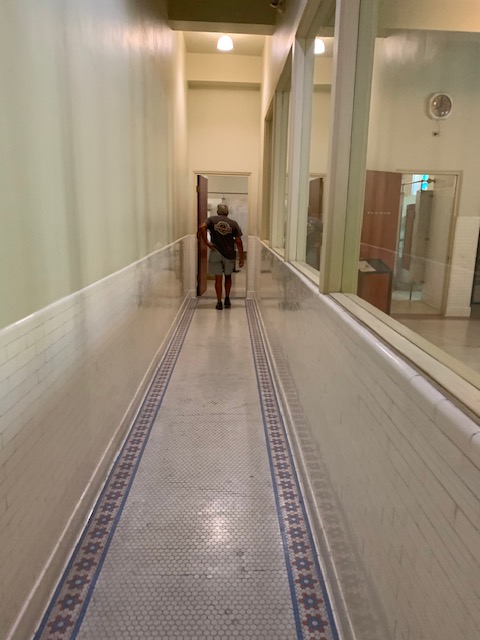
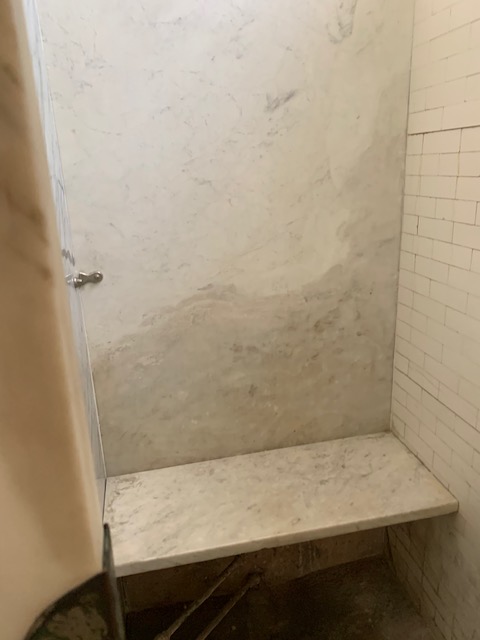
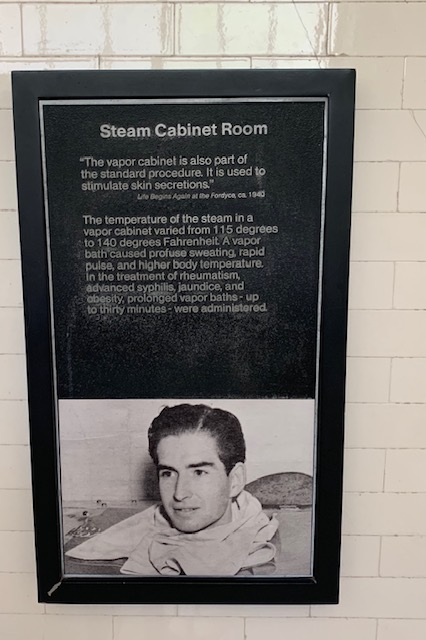
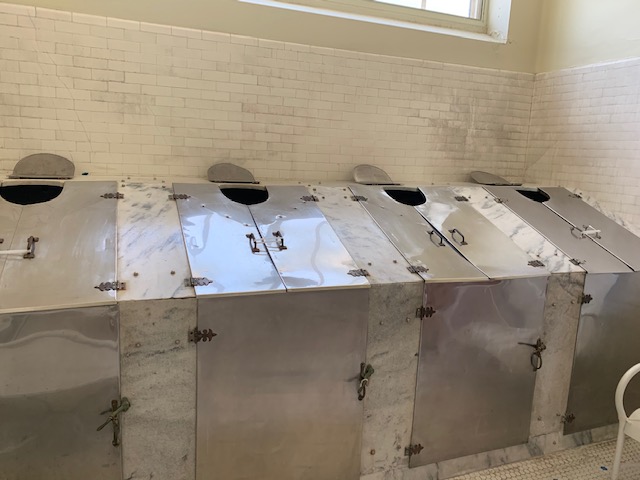
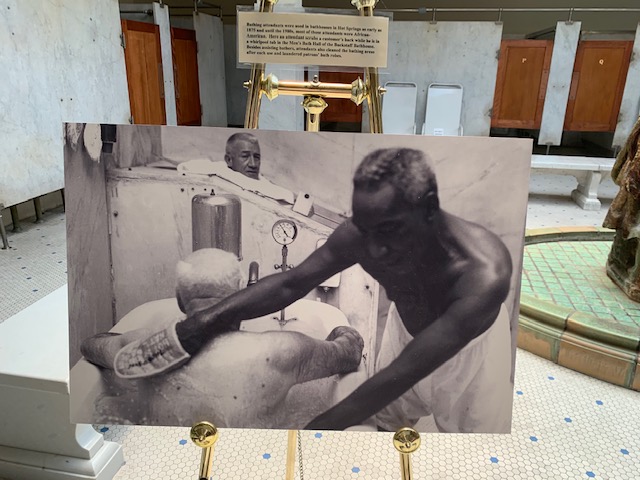
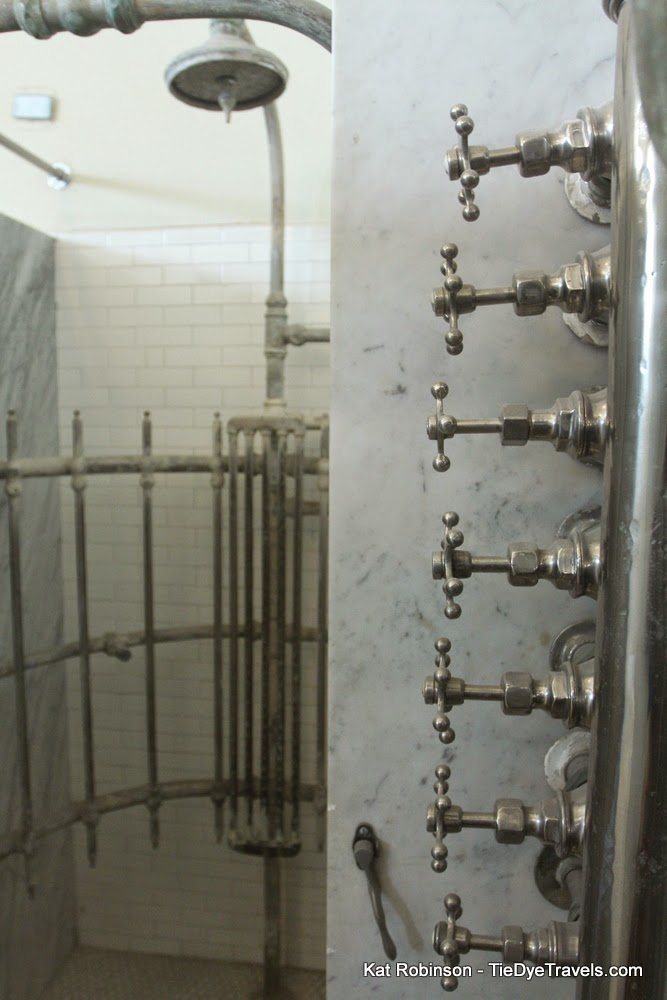
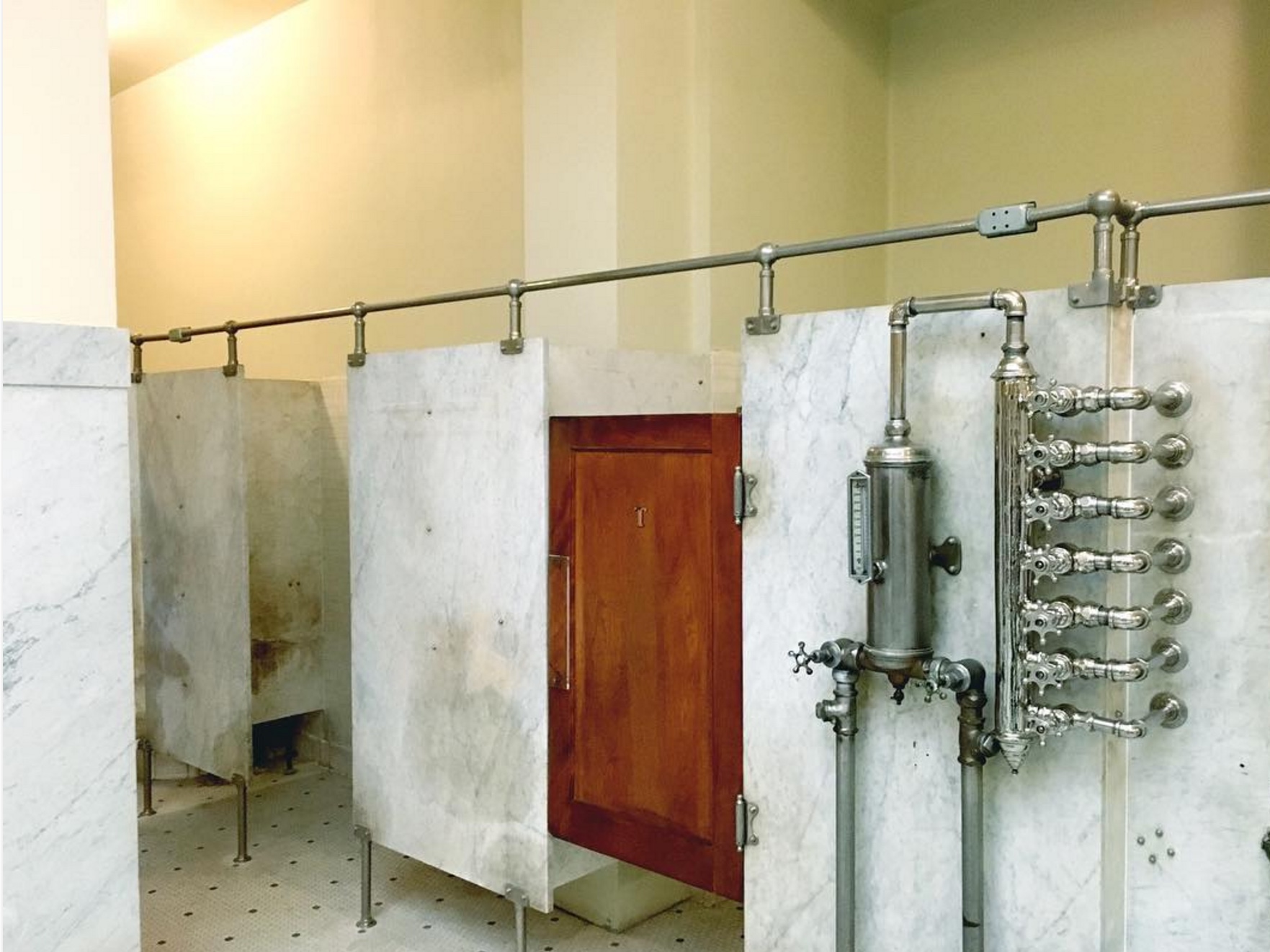
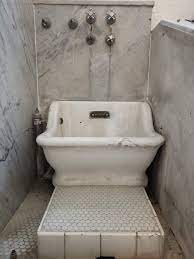
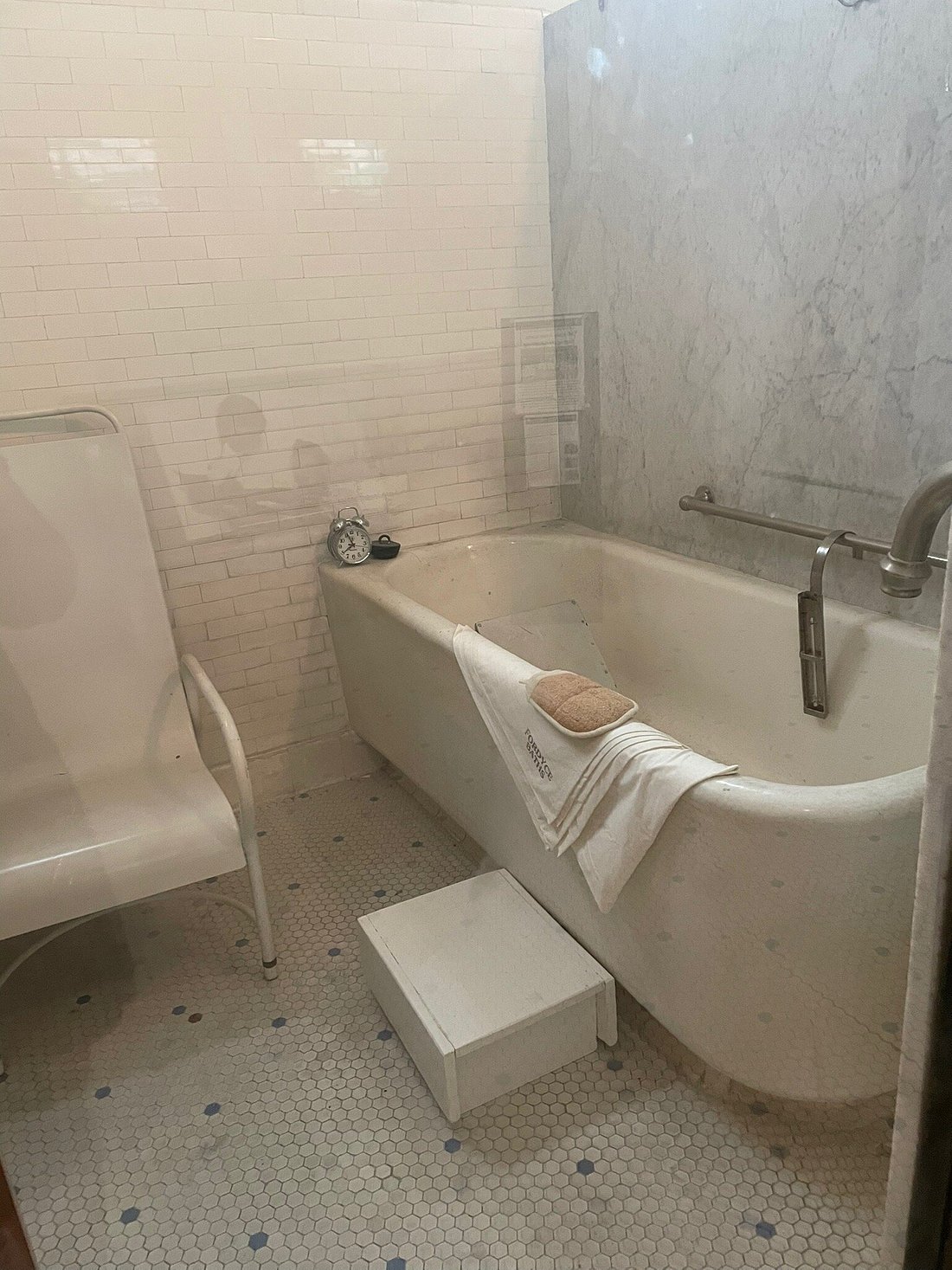
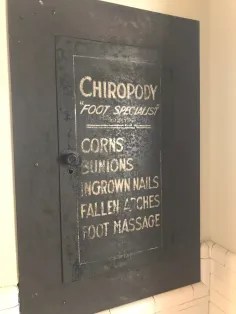
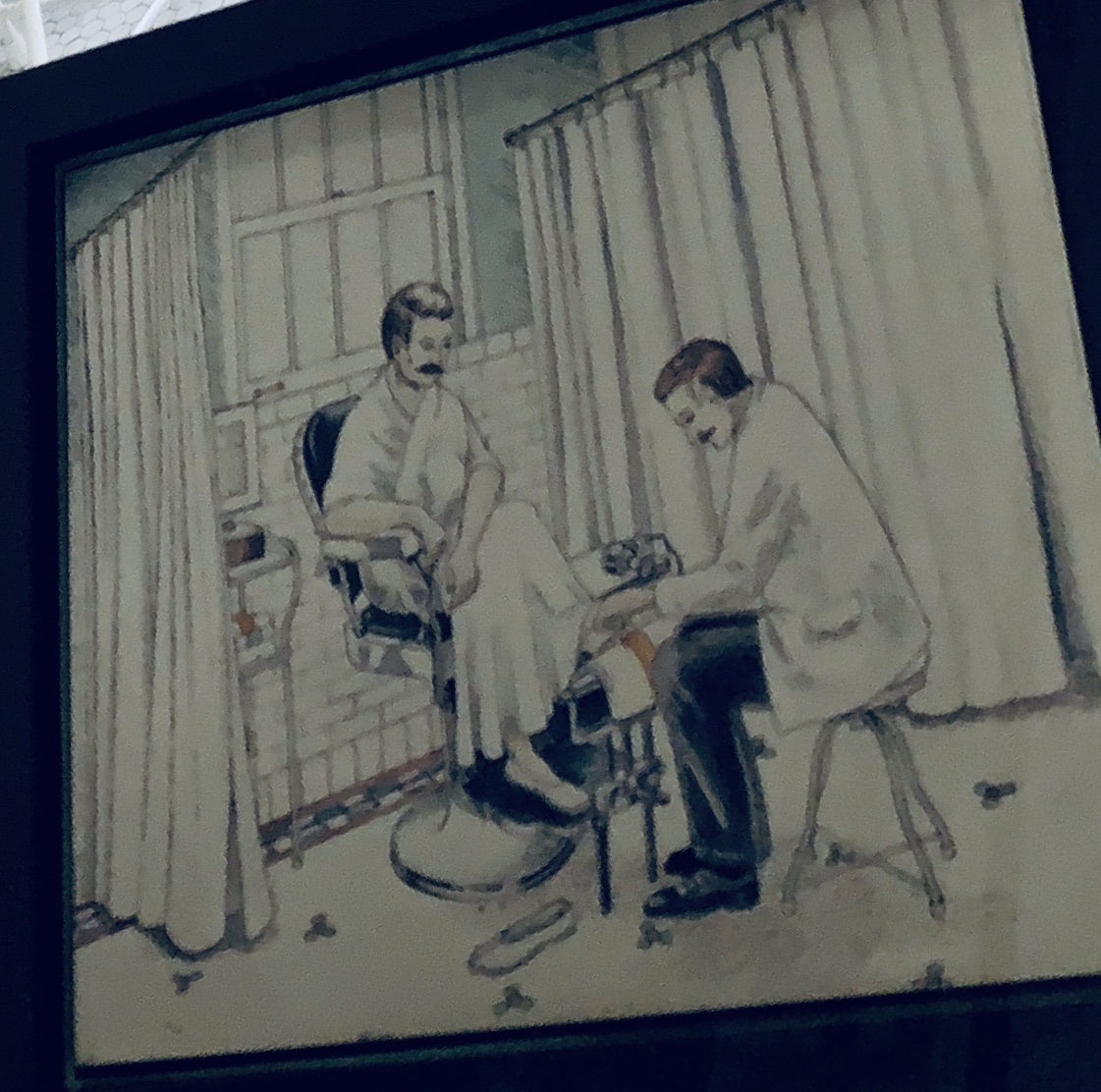
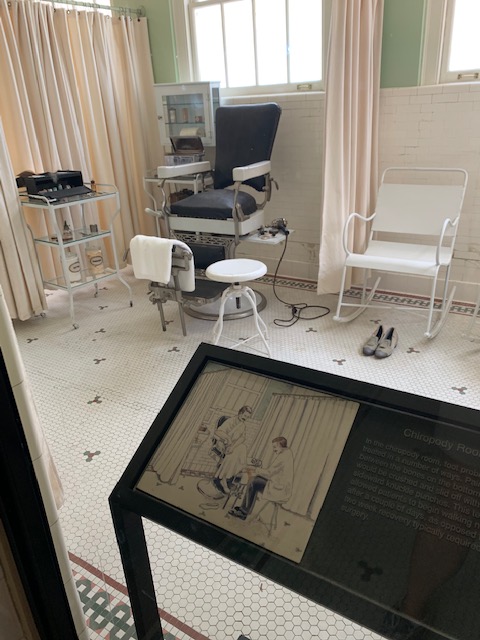
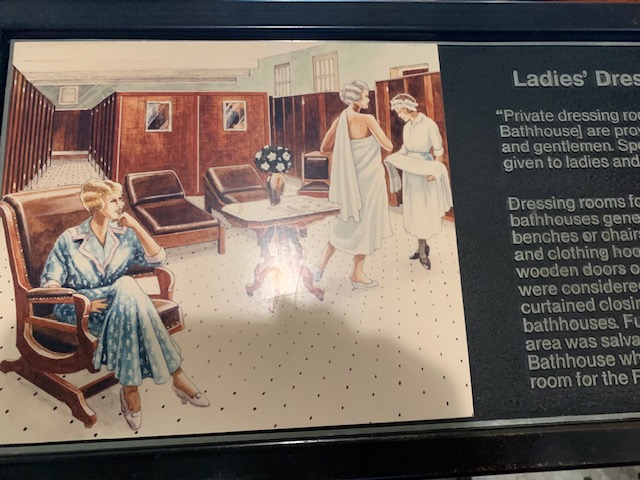
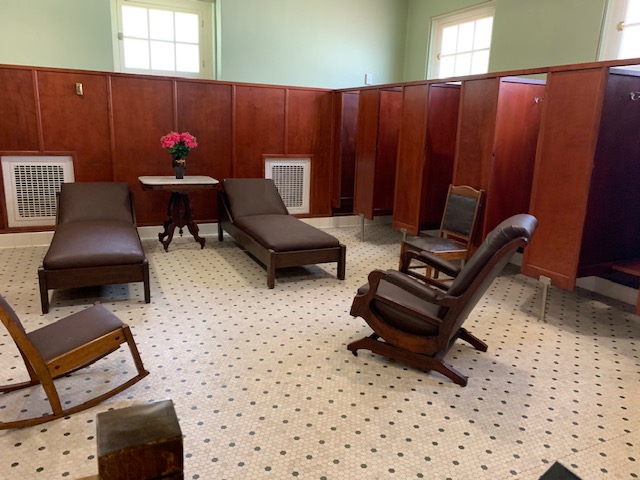
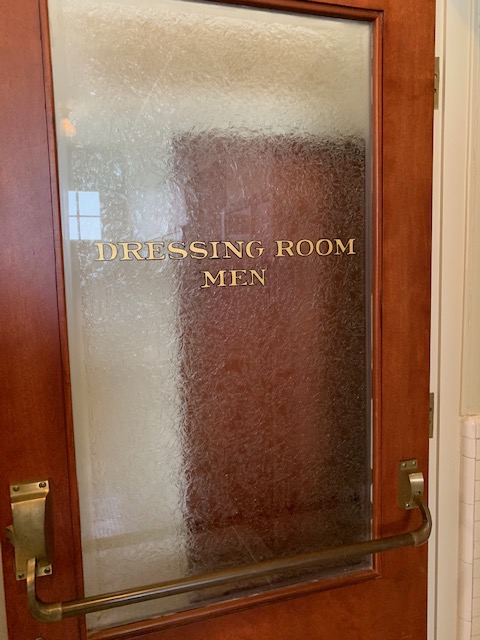
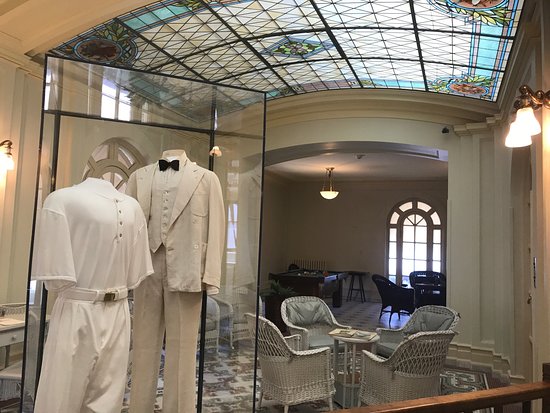
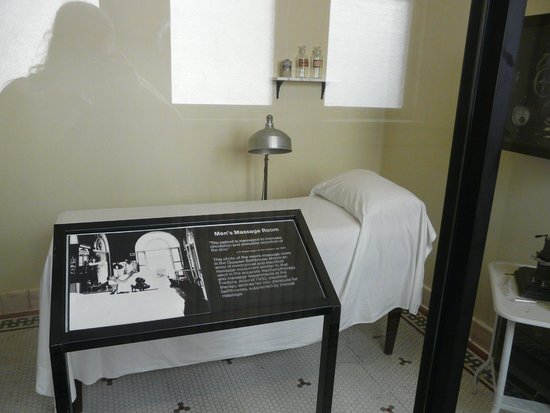
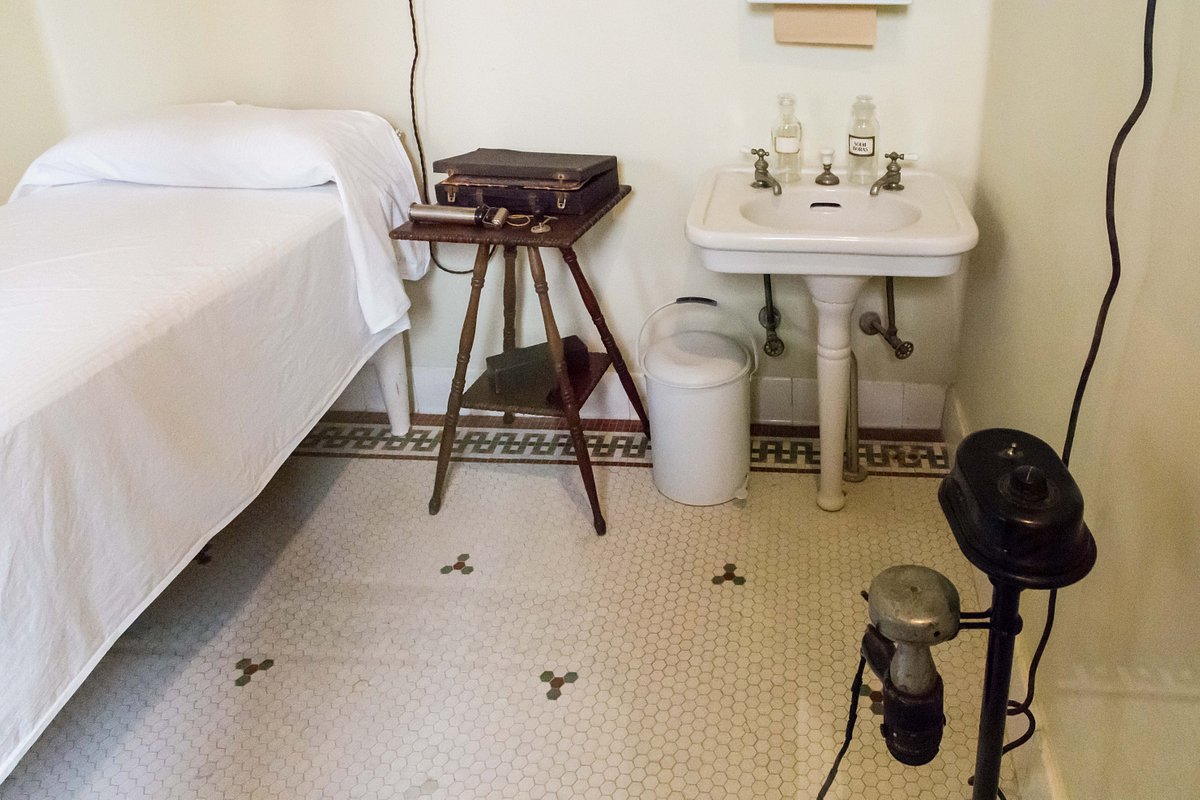
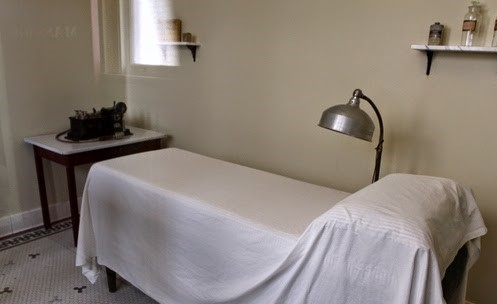
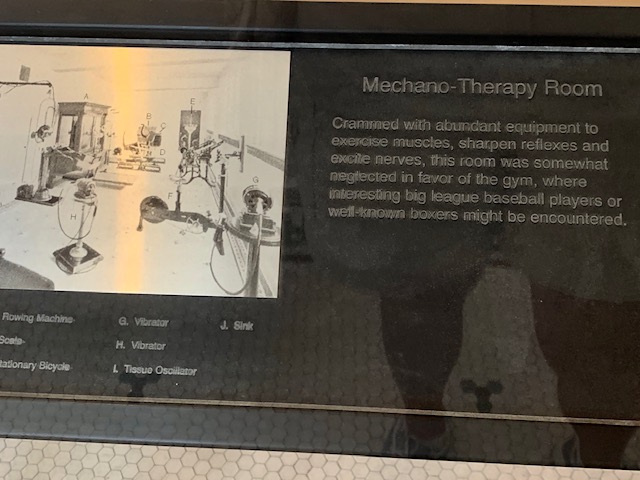
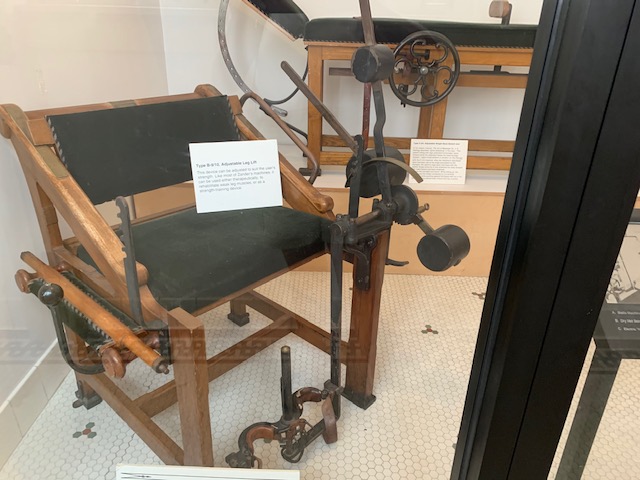
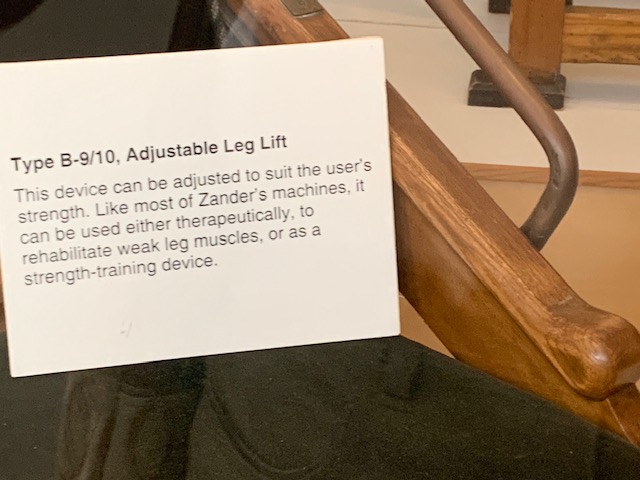
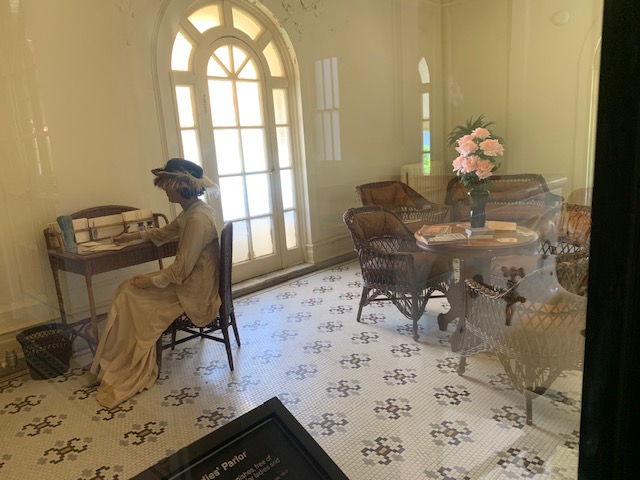
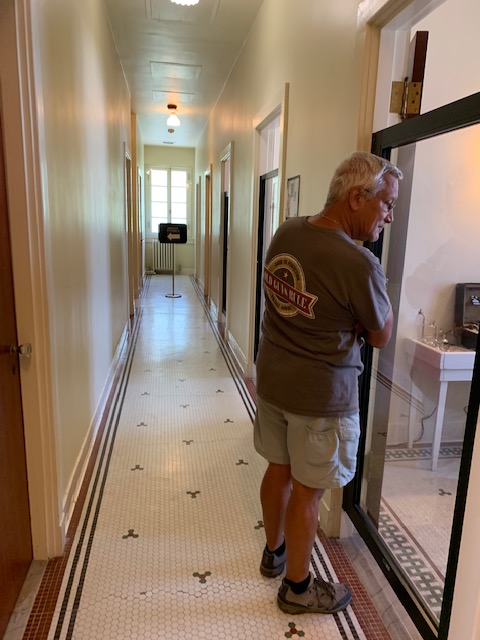
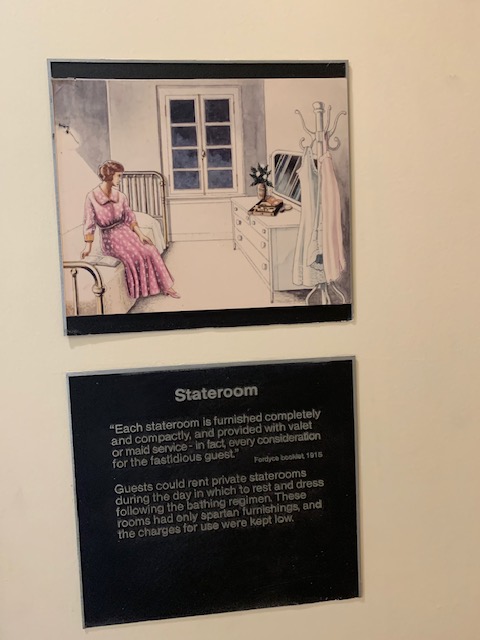
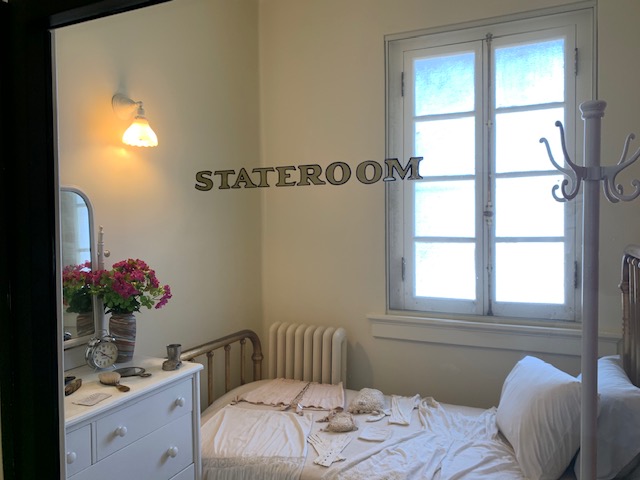
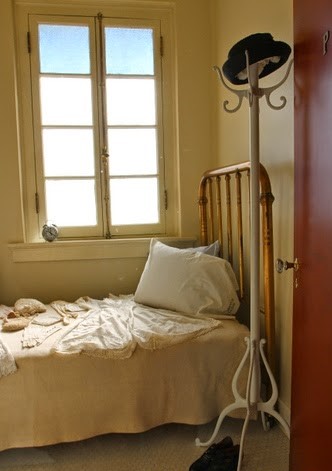
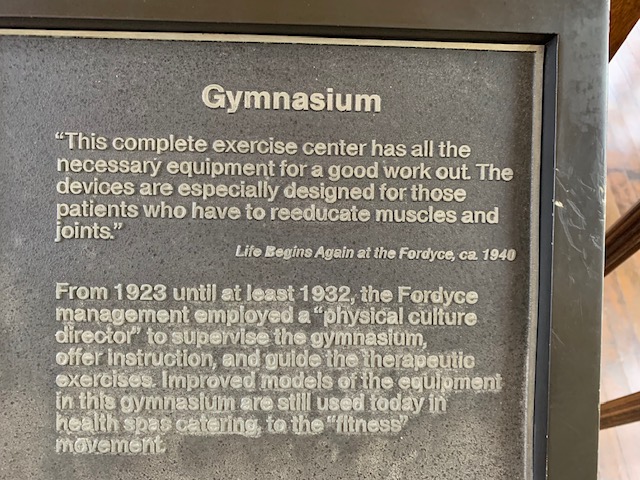
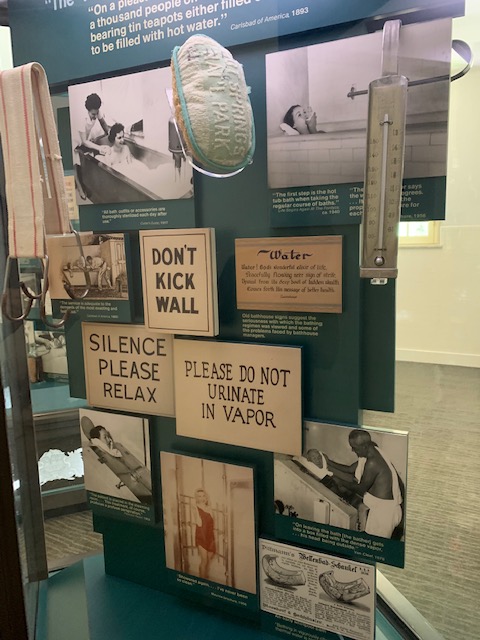
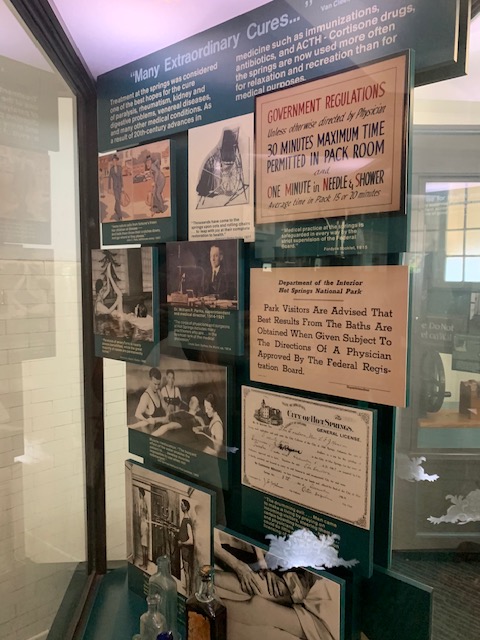
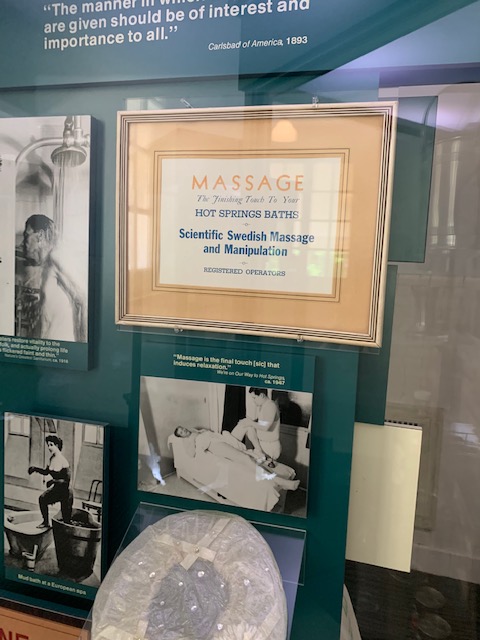
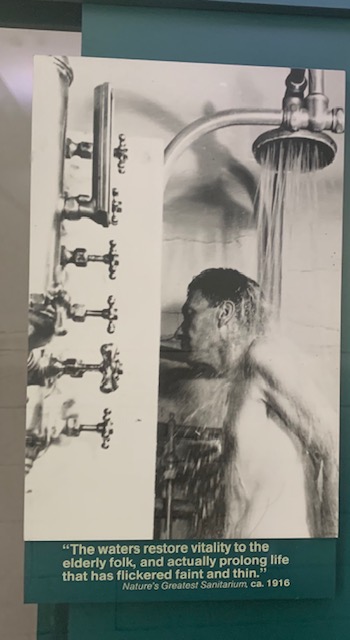
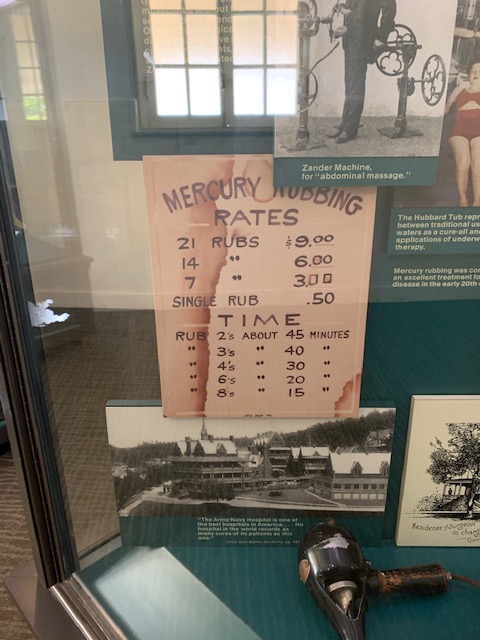
It was really a fun and educational experience seeing what the bathhouses looked like and how they operated. Here is what was inside a bath house in the early 1900s.

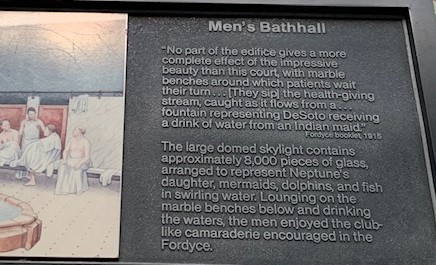
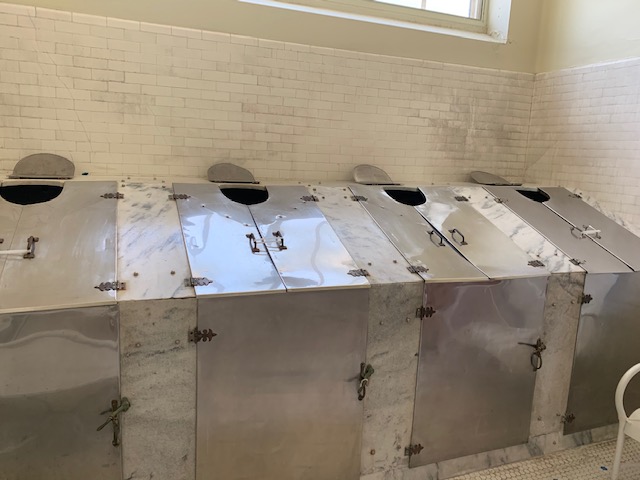
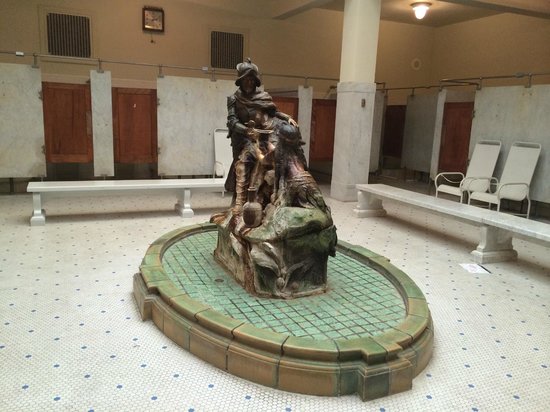
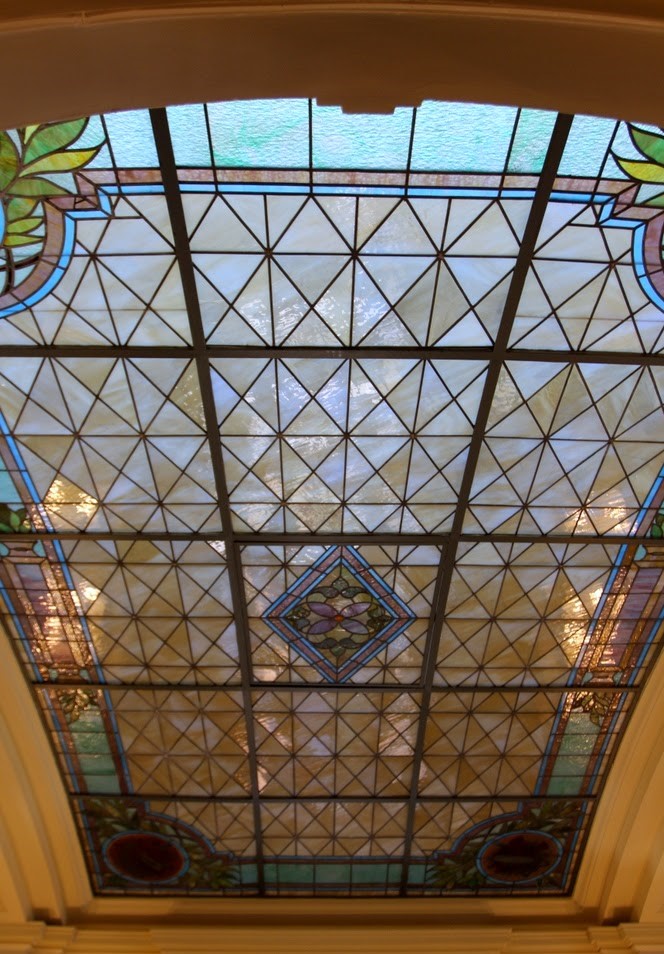
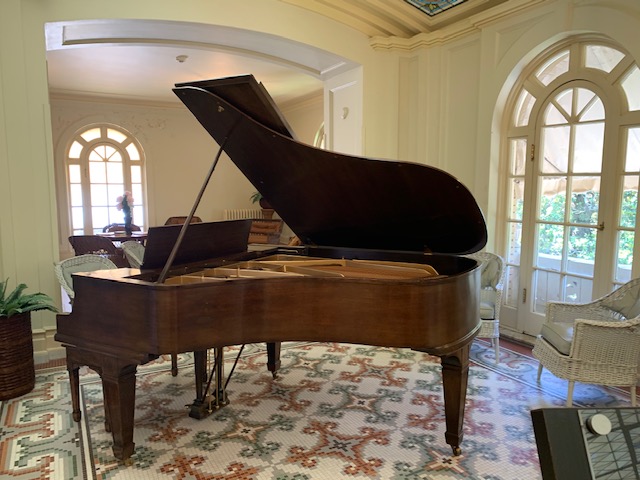
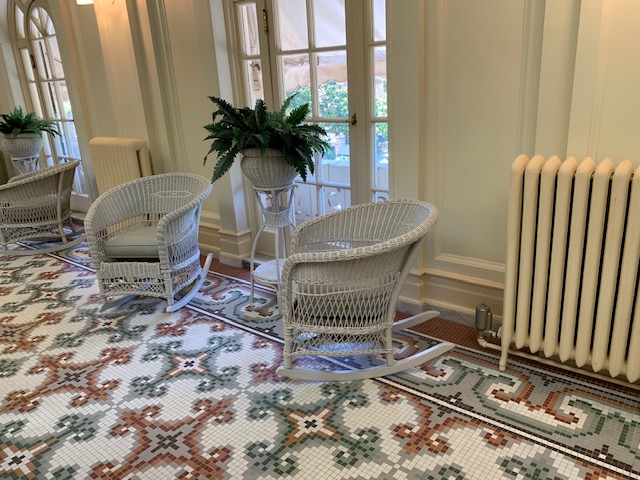
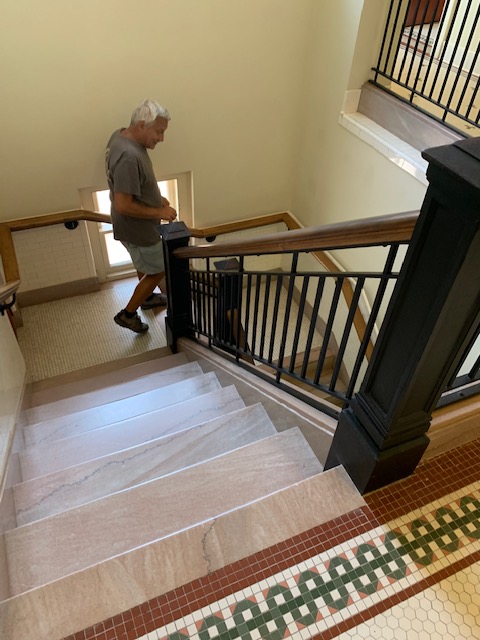
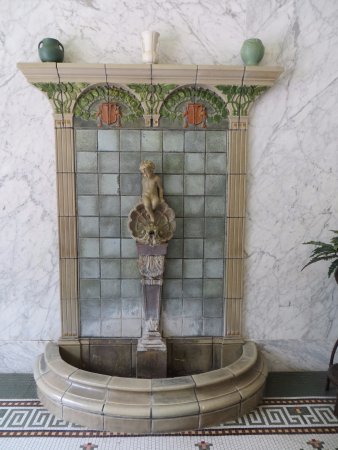
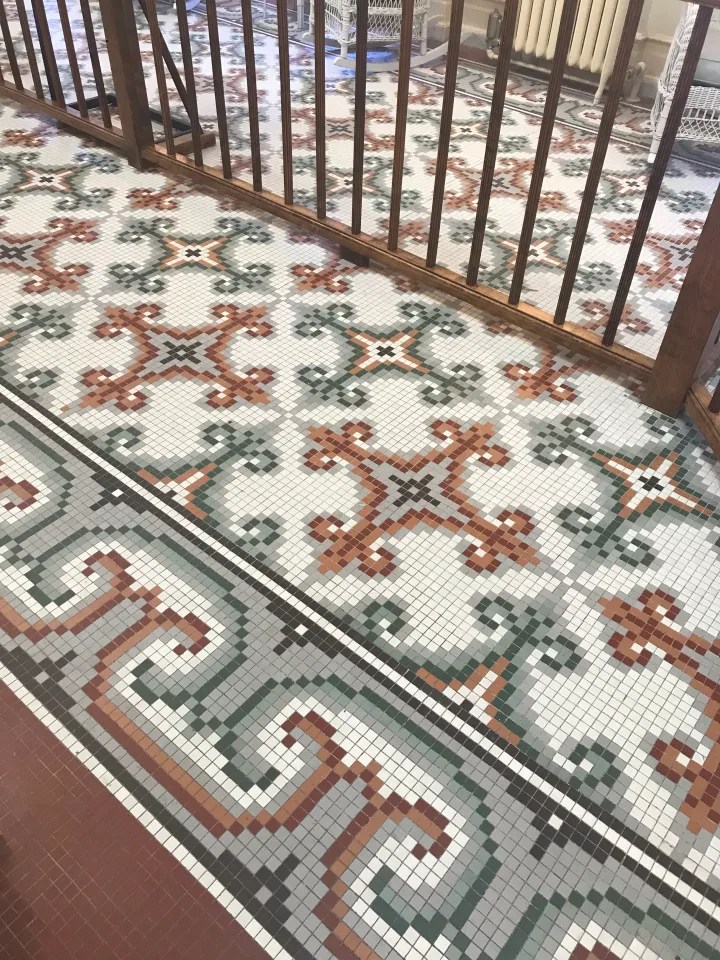
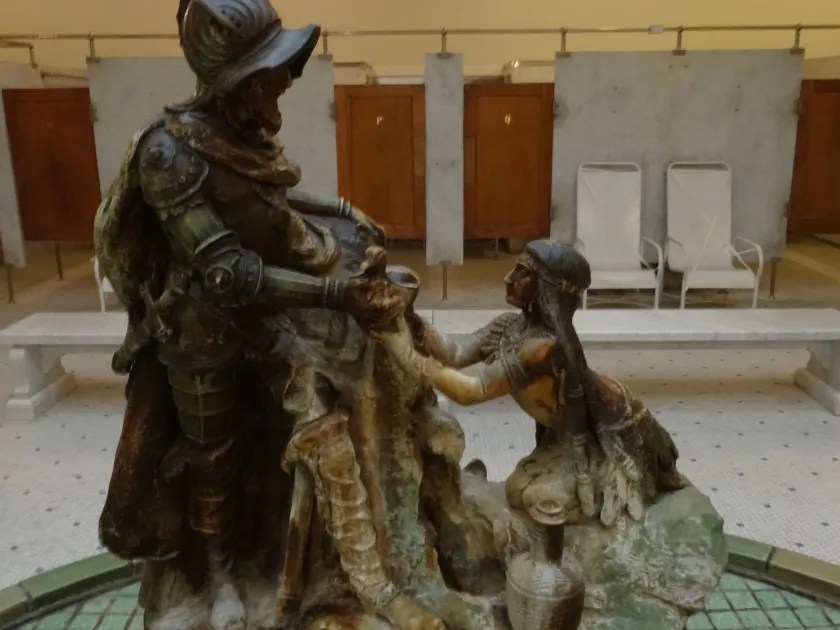
This bathhouse was really something to see.  It was huge with its marble and stained glass to the marble portions of the bath halls and the stained glass ceiling in the Men’s Bath Hall and statue. Lots of rooms with a lot going on.  

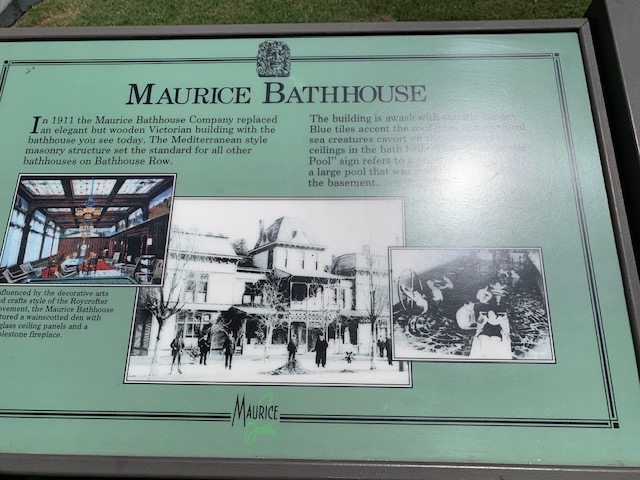
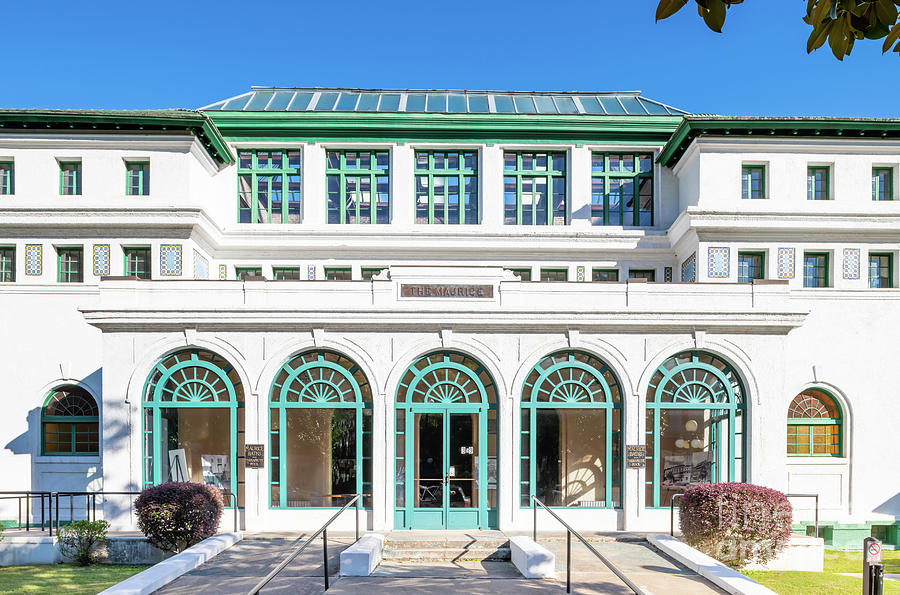
The Maurice in it’s day was compared to The Fordyce because it was just as stunning and as big. Today it remains vacant in hopes that it will re-open someday.

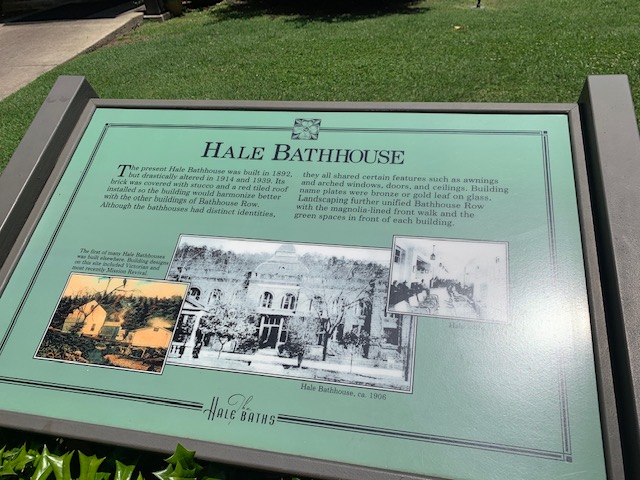
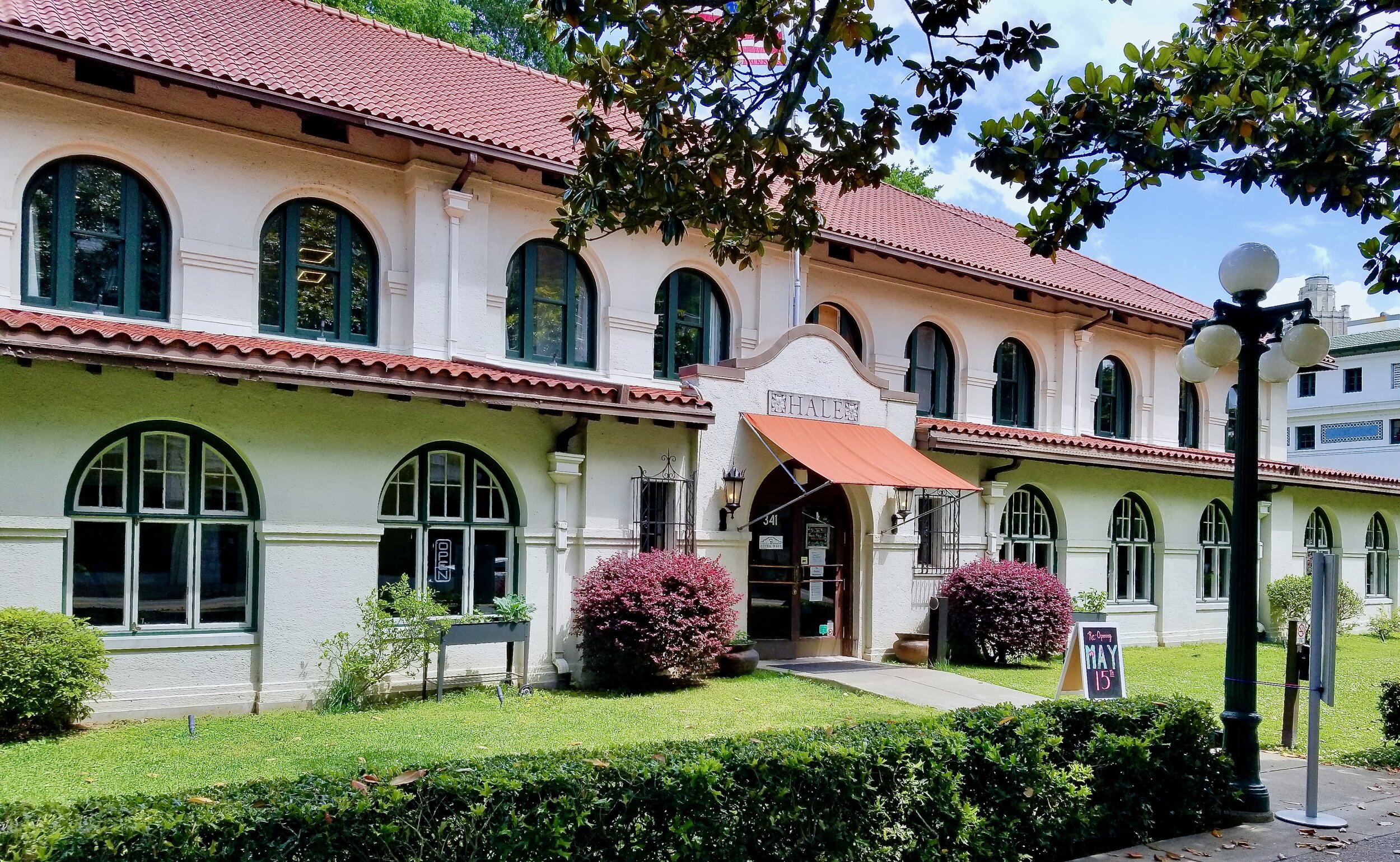
The Hotel Hale has been revived as a luxury hotel and the interior has been remodeled to include a mix of modern and mid-century modern styles. Guests can stay overnight in historic rooms and experience the thermal springs. If I ever come back to Hot Springs this is where I’m staying.

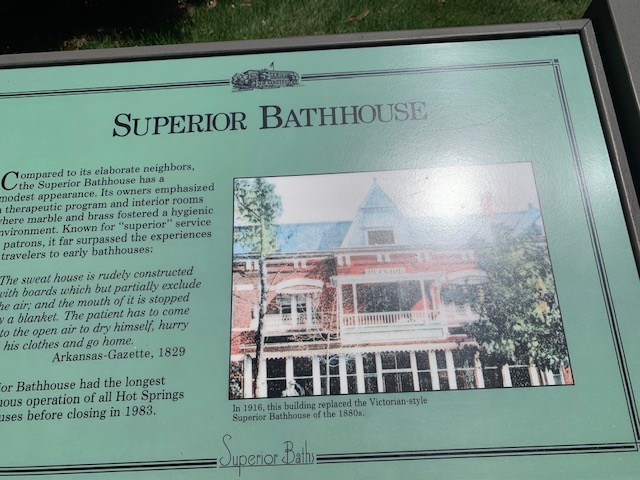
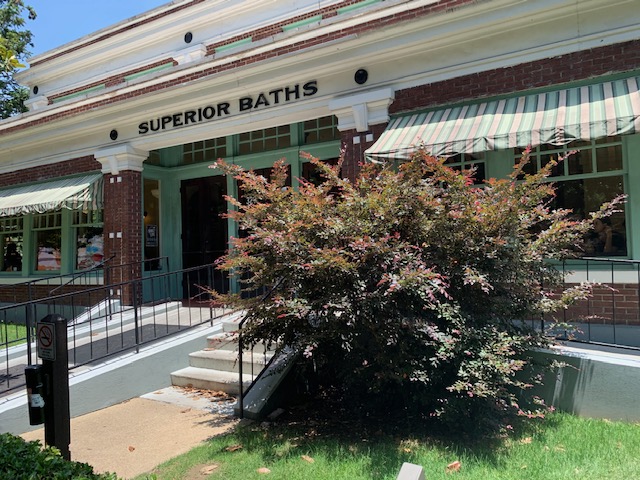
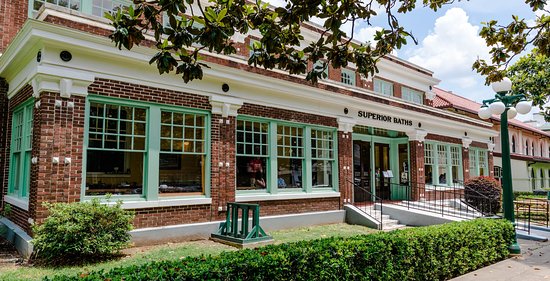
The Superior Bathhouse is now home to the only brewery in a United States National Park, and the only brewery in the world to utilize thermal spring water to make their beer. And we didn’t stop here? Like I said if I’m ever here again it’s the Hale Bathhouse and The Superior Bathhouse for me!

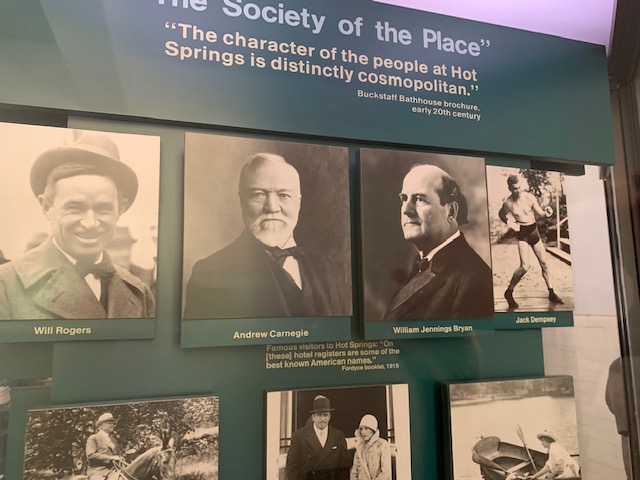
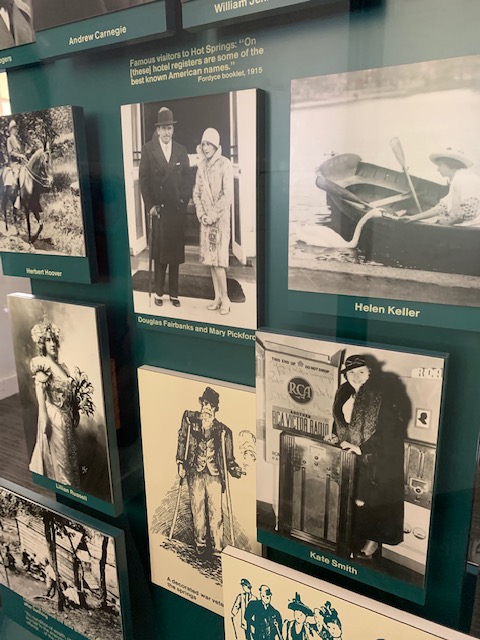
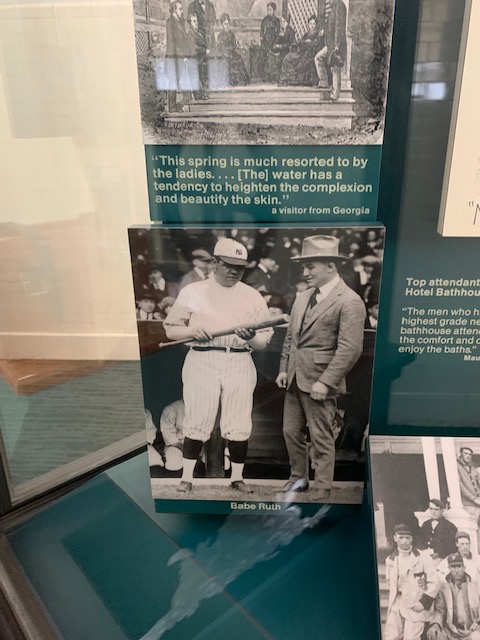
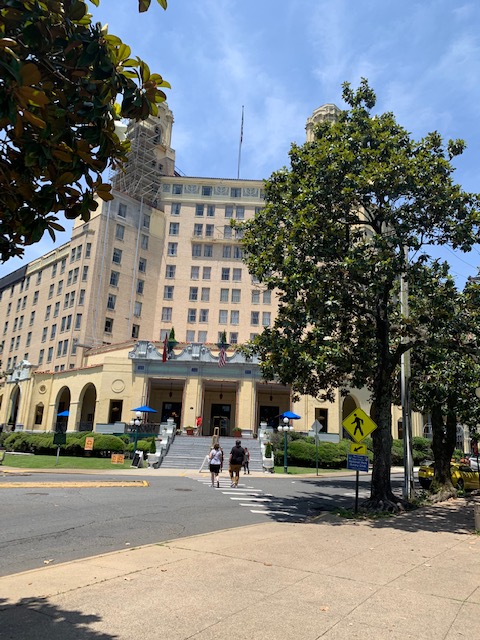
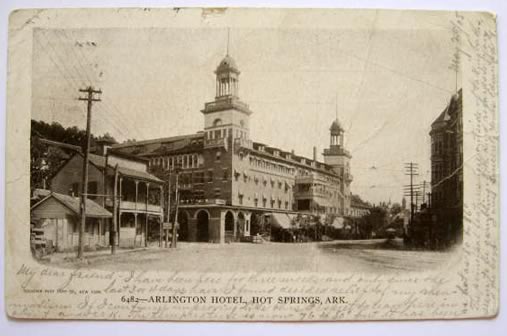
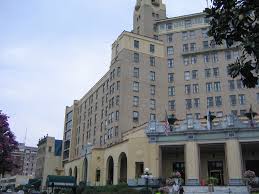
The historic Arlington Resort Hotel & Spa is the largest hotel in Arkansas with almost 500 rooms and suites.  They have their own  Thermal Bathhouse, where you can bathe in the famous mineral waters of the ‘hot springs’.  The Arlington has hosted hundreds of grand balls and social events since 1875. Politicians, dignitaries, actors, gangsters and entertainment and sports legends, like Babe Ruth bathed in their bath house.

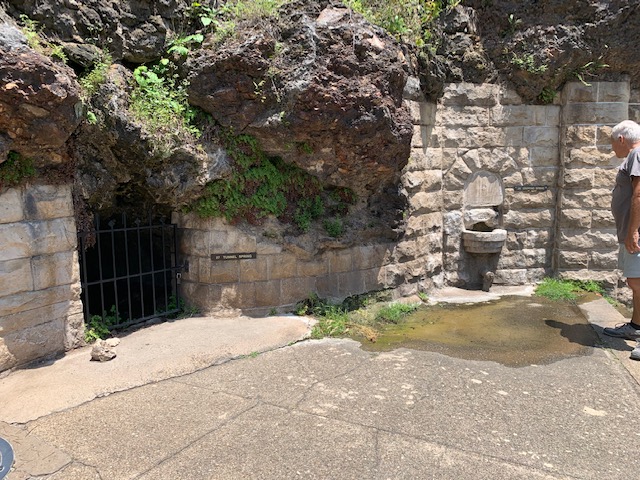
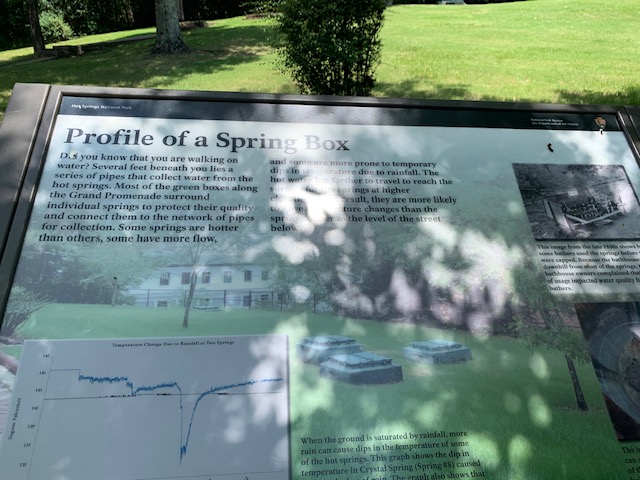
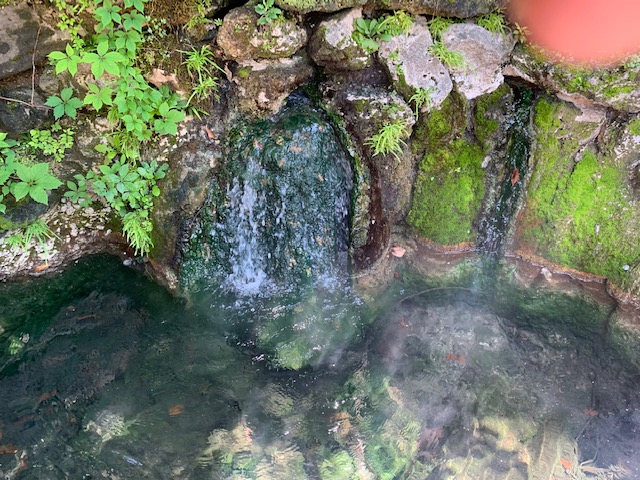
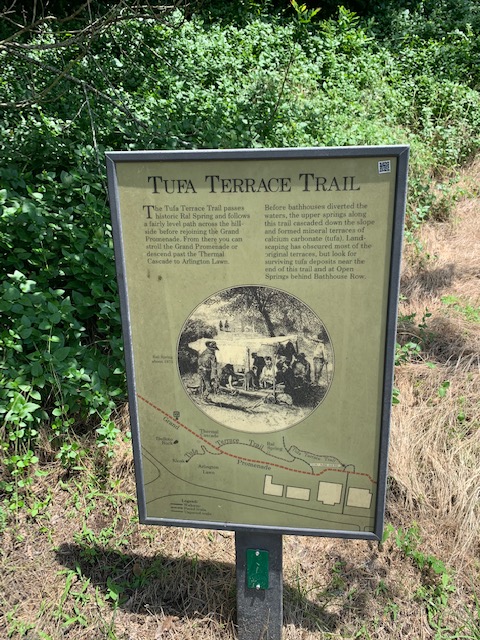
We wondered to the back of The Bathhouses where the hot springs are located. As you can see they don’t call them “Hot Springs” for nothing.

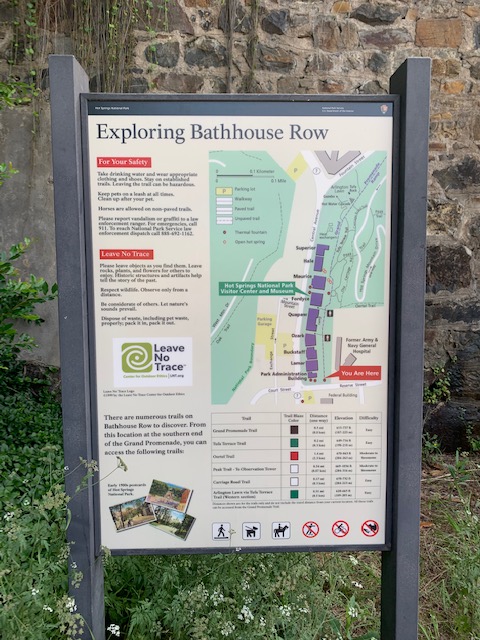
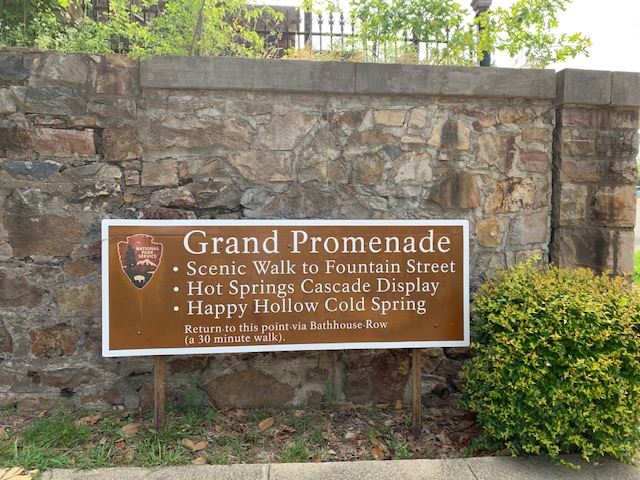
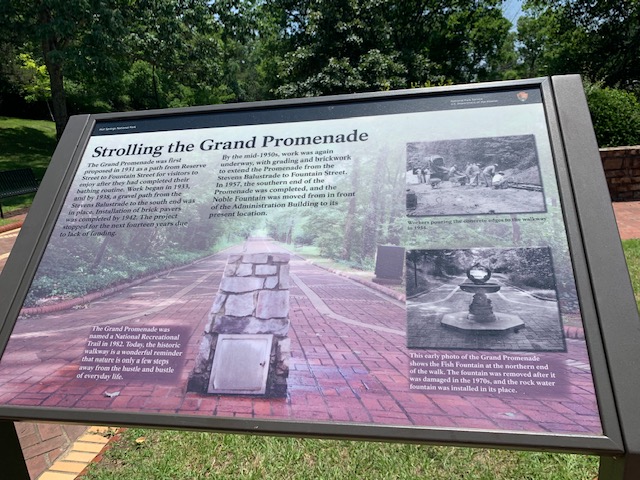
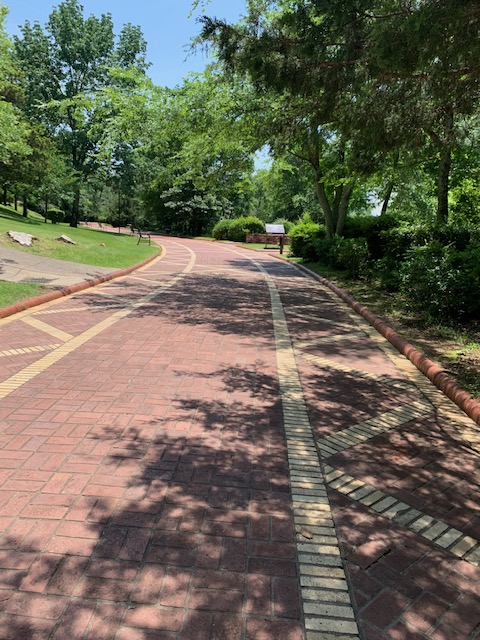
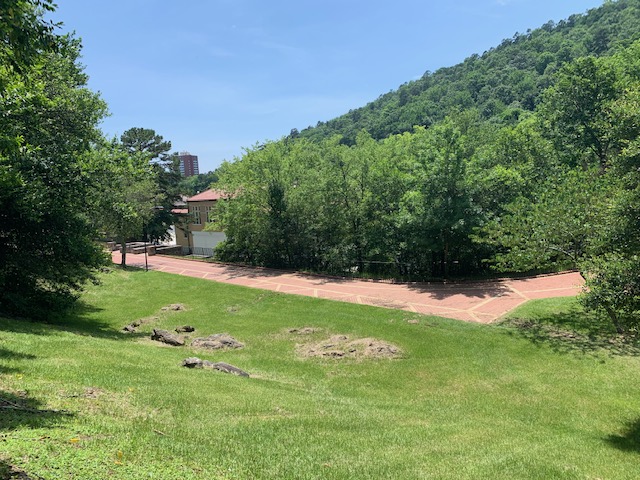
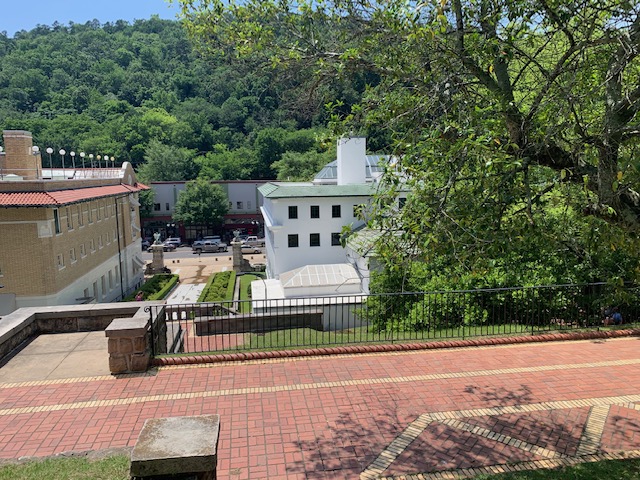
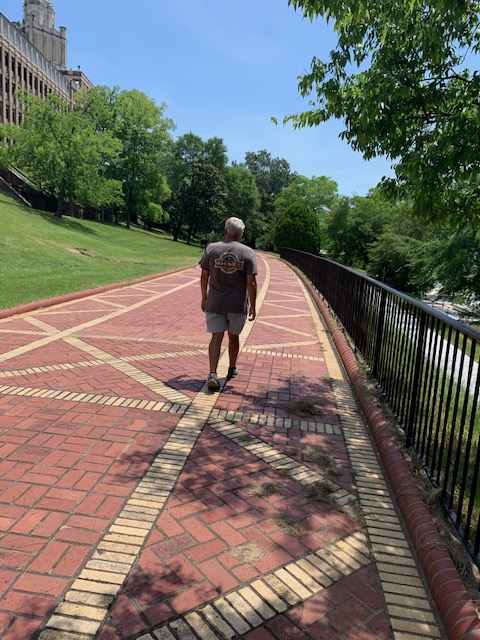
The Grand Promenade is a National Recreation Trail that runs parallel to bathhouse row, behind the bathhouses. It’s about a half mile long and made entirely out of brick.

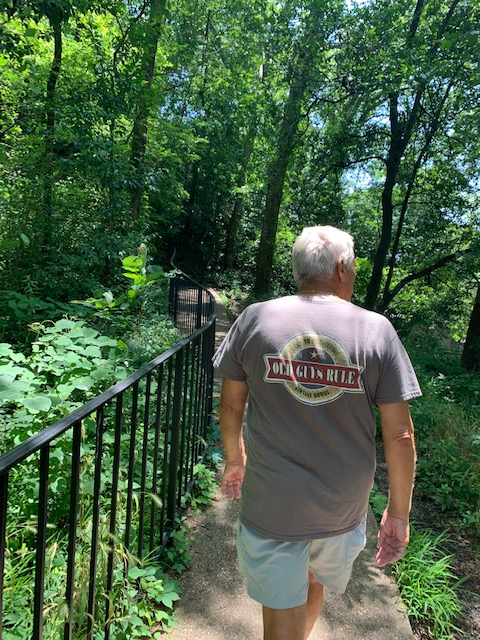
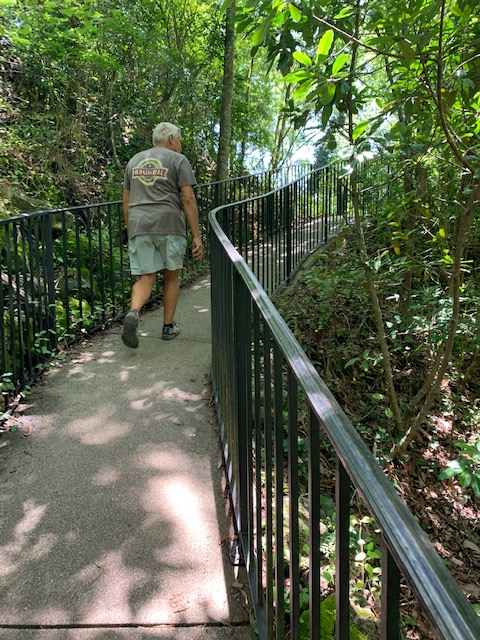
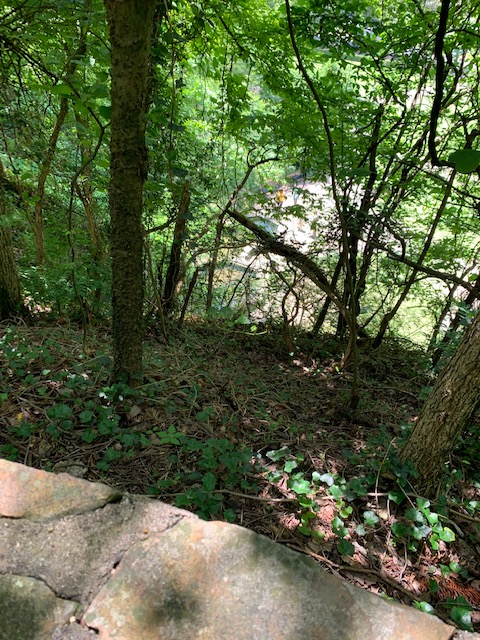
It was a really nice walk up the hill and behind the bathhouses. At different areas you can see the hot springs.

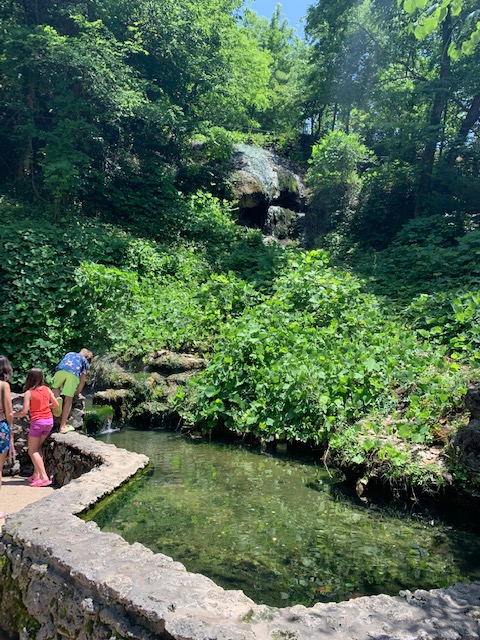
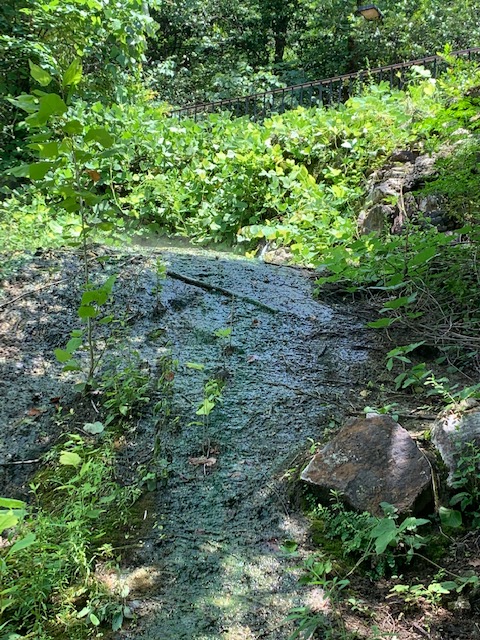
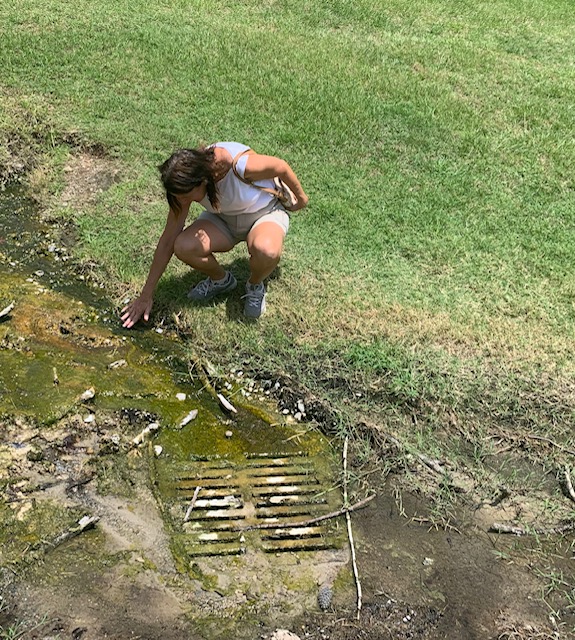
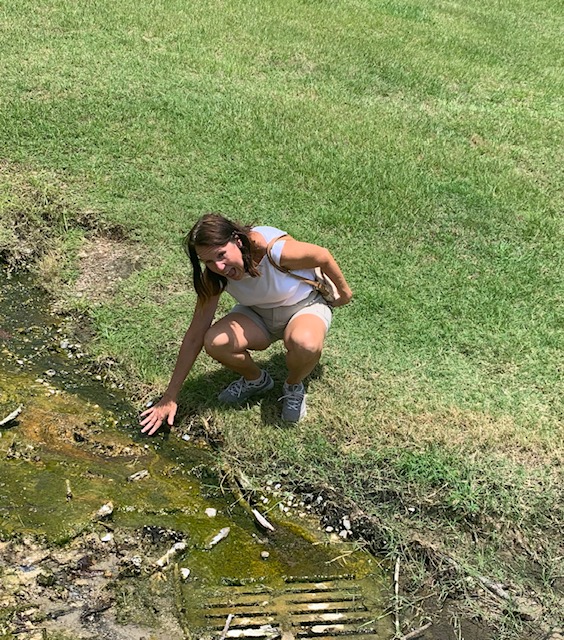
Yes, this small spring along side the trail was HOT!

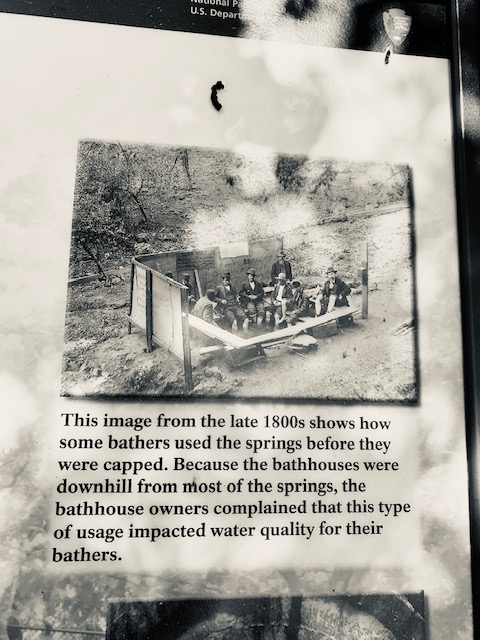
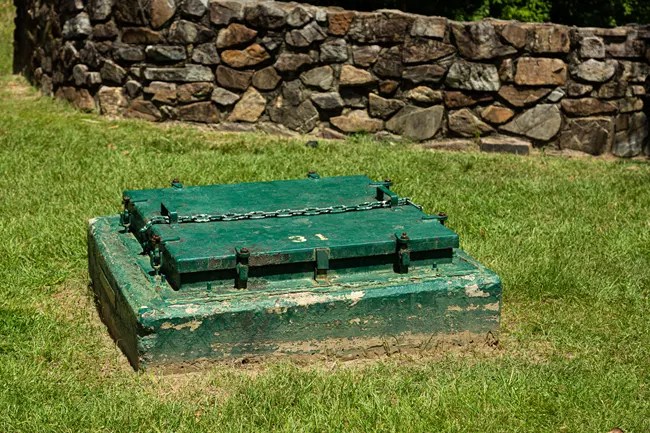
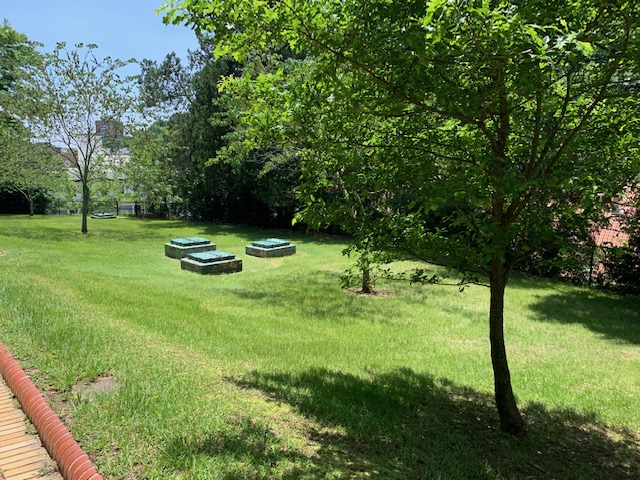
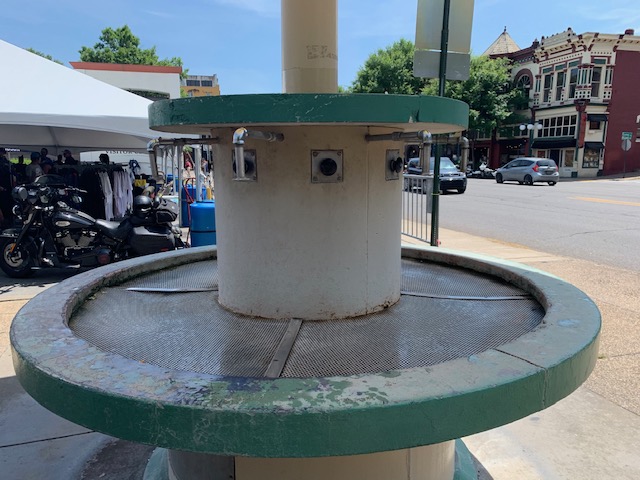
So now the Hot springs are covered up and are painted green and you can no longer soak your feet in front of everyone and relax.

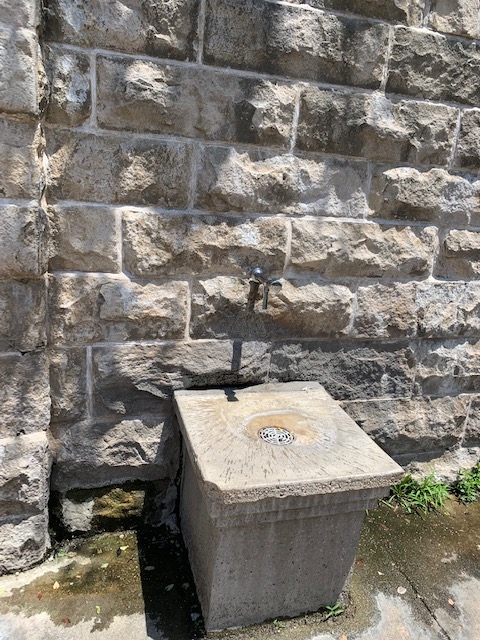
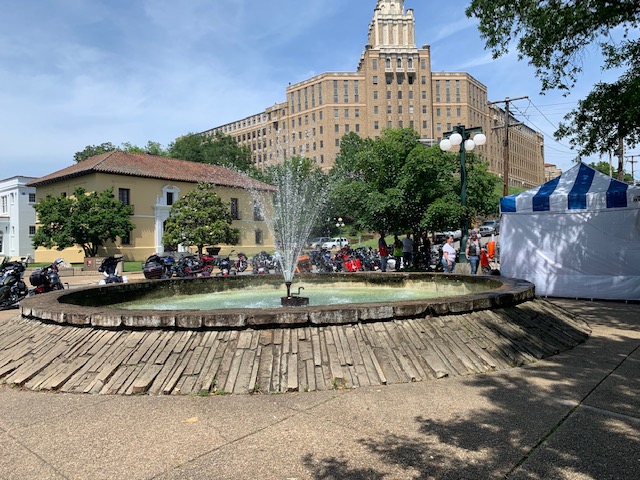
Hot Springs, AR has many cold springs too! They have many faucets and fountains and encourage you to fill up your containers for free. Actually you see people all day going to different places and filling up with DELICIOUS Hot Springs Cold Water.

CRATER OF DIAMONDS STATE PARK AR

We, left Lake Catherine state park this morning about 10;30 or so and got here a little after 1 pm. drove 131 miles today , not much but somehow we took the long way. The GPS was all screwed up.
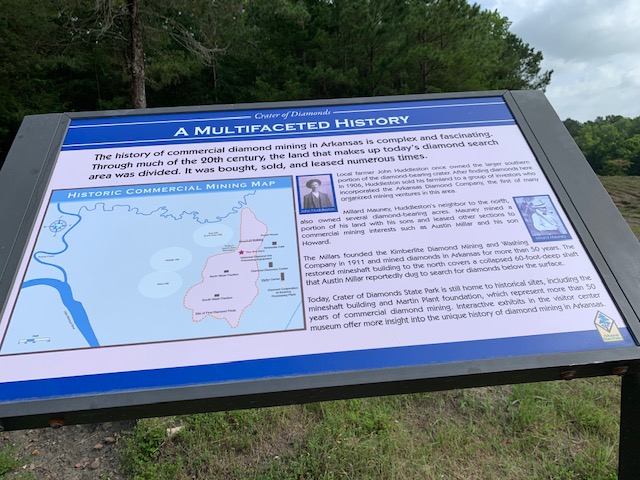
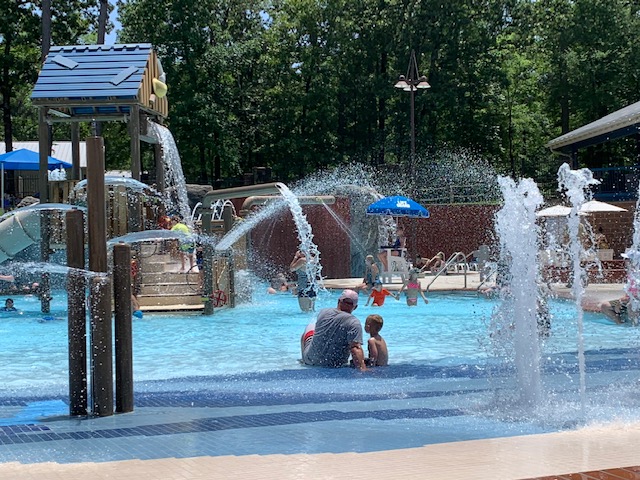
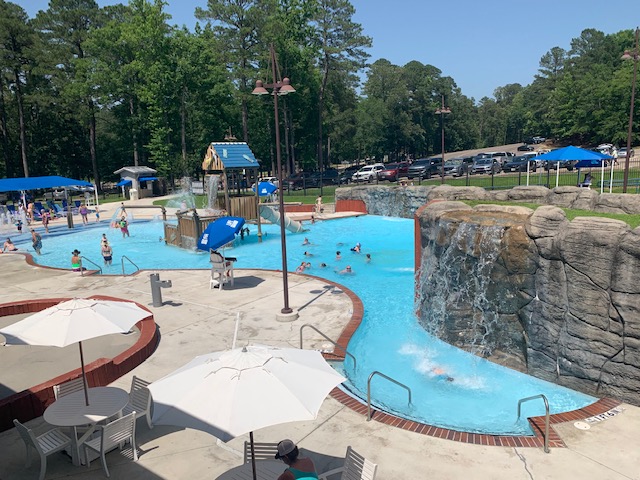
SO, Why are we here, well to dig for diamonds of course. This is the only place in the world where you can dig your self a diamond and keep it. They also have other semi precious stones here, which is what we will probably find. We have tickets for three days of digging, but that plan has gone out the window. WHY, well this week it is very hot, temps at 95 or higher and heat index of 110 and higher. So our plan is to go to the site early before 9, and dig around until maybe noon. Then go to the splash pool and enjoy that for an hour or so, and if feeling like it head back to the field for an hour or so. That’s the plan, but our bodies will tell us what to do ,and lately it hurts and i’m tired. HaHa.

40 acres of field

Should be very refreshing
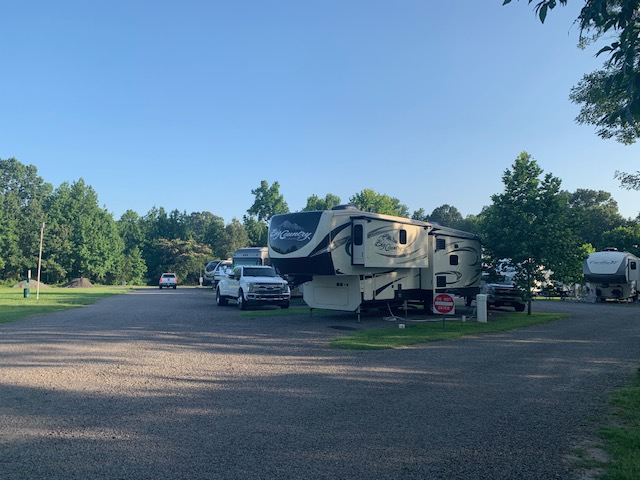
Our spot at the park

LAKE CATHERINE STATE PARK

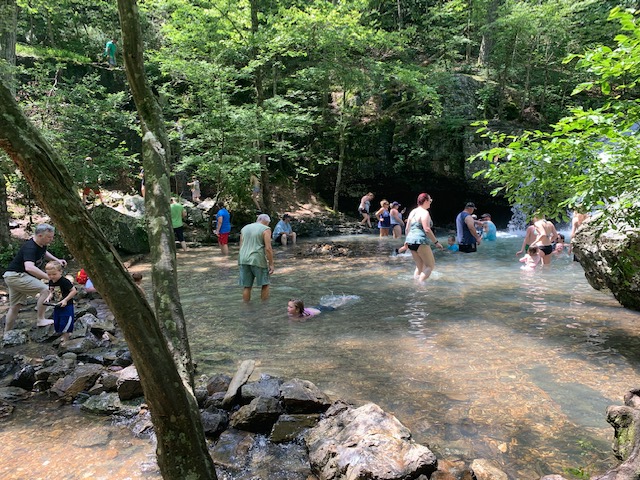
Besides going to Hot Springs I chose this park to stay at for it’s very popular waterfalls. Not a very high one, but the creek that feeds it is very meandering through the woods and has a series of slight falls along it. So in the 110 degree heat today we took the hike to it. It was very nice and filled with people. One thing we did not know was you can go in it by the falls, we were not prepared for that.

So it’s off to grandma’s house we go.

HOT SPRINGS ARKANSAS

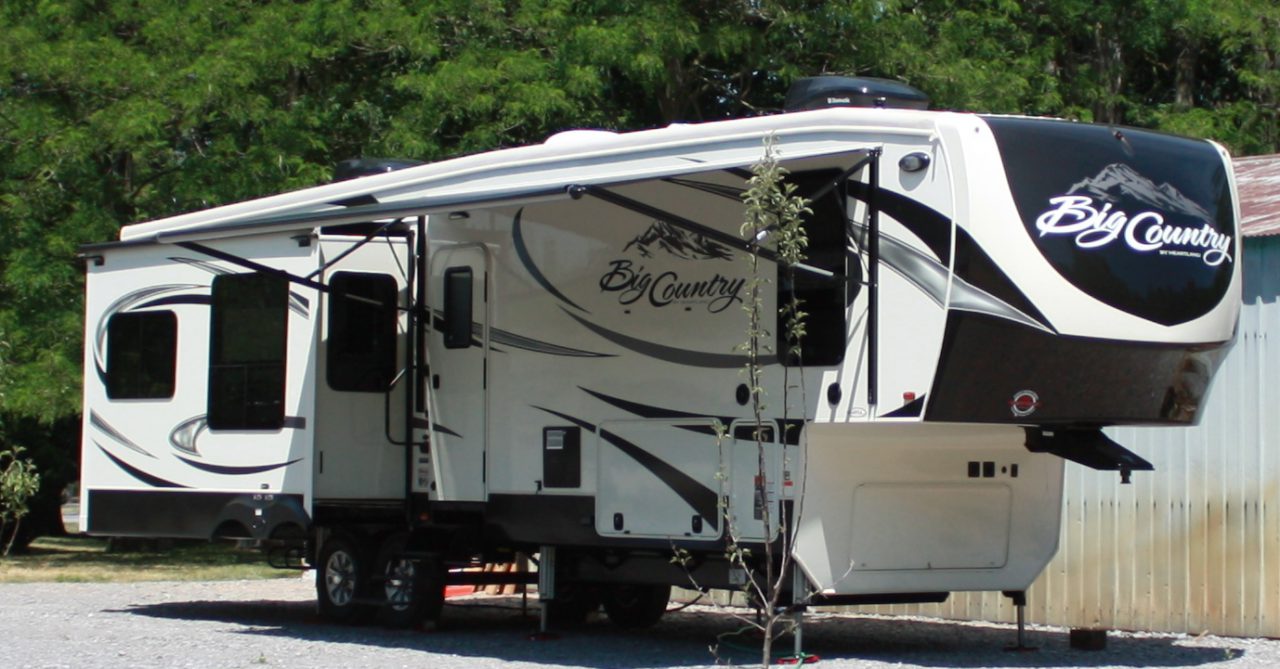
Well sort of, we are at Lake Catherine state park about 15 miles east of Hot Springs. Friday we left Parker’s Crossroads ,and drove 310 miles, to the state park. It was not fun driving through, Memphis and Little rock. We will be visiting Hot Springs National park while here, the park is right in the city, well historic district. The smallest national park there is. The picture below is of our spot, first time I had to back in a spot for well over a year. Melissa said I did good, that’s all that matters

Mammoth Cave in Kentucky is the world’s longest cave system, with more than 400 miles explored, and one of the oldest tour attractions in North America.

June 6 – 7 2022

The caves were formed by the dissolution of limestone by water, a continuing process; their natural temperature is 54 °F with a relative humidity of a high 87 percent. They contain underground lakes and rivers and unique geologic formations, including stalactites and stalagmites, to which descriptive names, such as Pillars of Hercules or Frozen Niagara, have been given. There is also parts of the Green River valley and the rolling hills of south central Kentucky to check out. So even though it’s what’s beneath the surface that’s the main attraction, there are also miles of trails in the area ready to be explored when visiting Mammoth Cave.

Mammoth Cave is Unique

When most people picture a cave, they see dripping stalactites, growing stalagmites, and slick water-covered surfaces everywhere, you will see these formations, like Frozen Niagara, but not many. Mammoth Cave is different because the cave system is roofed by sandstone and shale, acting as a gigantic umbrella diverting water away from the cave, keeping the subterranean rooms and tunnels dry while preserving what they contain. So whatever was left behind from previous explorations going back 5,000 years when Native Americans sought refuge here – is forever frozen in time.
The park was established in 1941 and became a World Heritage Site in 1981. Although these events took place in the 20th century, the cave has been in use for thousands of years. Leading anthropologists estimate that Native Americans discovered the cave as long as 4000 years ago.

The History Tour – The first tour we took. starts at the main entrance of the cave, you take 440 steps down into the cave itself to explore several major features.  Included are stops at Mammoth Dome, Bottomless Pit, Fat Man’s Misery (squeezing in tight spaces required), Tall Man’s Misery (crouching required), and saltpeter mines ands different huge areas of the cave.

The cave enterance

Going down the stairs into The Rotunda which is 70ft high and seems to keep going forever.

We kept going further down going past The Bottomless Pit.

   Fat Mans Misery & Tall Man’s Misery – We had to duck low or walk sideways to get through some of the sections of the cave.

This writing was done with the flame from candles and is all pre-1940s, when they declared Mammoth Cave as a national park.

We learned all kinds of history while touring this cave system, from the different geological formations to how humans used the cave. Our tour guide Eric told us stories of slaves who led guided tours during the 1800s, extracting part of the rocks to make gunpowder during times of war, and how all they had was candlelight to guide them underground, a mid-19th century stone built hut used for treating tuberculosis. A few years back there was also a restaurant inside called “The Snowball.”

On August 30, 1922, as part of the American Legion Convention in Louisville, Kentucky, a monument was placed inside Mammoth Cave to honor the fallen of the Great War. Inside the monument, 35 states each placed a list of the fallen soldiers from their respective states. In 1929, a second monument was placed by the America War Mothers to also honor the fallen of the Great War.

There is in a huge concert hall in Mammoth Cave

Imagine hearing music reverberating through caves or echoing across mountains. That has to sound incredible!

Our next tour -The Great Onyx Cave Lantern Tour, is in a remote area of the cave system on Flint Ridge and one that is not known to be connected to Mammoth Cave yet.  Our guide Ranger Rick, told us by next year  it would be connected .  We took a 20 minute bus ride to get there. This cave has all the cave formations and such.

Cave Entrance

The story of this cave is a bit lengthy so I’ll try to be brief. It was rediscovered in 1797 after being forgotten for a long while.  Mammoth Cave passed through a series of owners each of whom had his own vision for what to do with and in the cave.  From the early days, the residents of central and southern Kentucky used the caves for a wide variety of purposes. They provided shelter from storms, preserved their milk, canned food and even served as hiding places for moonshiners and their stills. But as the turn of the last century approached, it was becoming obvious that Mammoth Cave was a huge commercial success  so residents wanted to use the caves to draw tourists.

Since a family controlled most of the land on the ridge where Mammoth Cave was located, the exploration began to focus on neighboring Flint Ridge, which was separated from the Mammoth Cave The locals desperately wanted to get into the cave business and to start promoting their own caves as competition for well-known Mammoth Cave.  Eventually Edmund Turner  bought  “The Great Onyx Cave.” In 1915 he named the place, helped to build the entrance and developed the trails. He later passed it to his daughter Lucy Cox.

Great Onyx was opened to the public in 1916 as a direct competitor to Mammoth Cave. During this time,  Great Onyx Cave became one of the most successful of the caves on Flint Ridge.  There was even a successful  “ Great Onyx Hotel at the cave, which offered overnight accommodations and delicious meals.   The Great Onyx Cave is in pristine condition, preserved by virtue of it being privately owned for so long, by its not seeing the volume of visitors who’vepassed  through the caves at Mammoth over the past 200 years.  Lucy Cox finally sold to the National Park Service and became a part of the National Park in January 1961.

This cave has no artificial lights so our guides gave some of us lanterns to use, there were  40 of us and ten lanterns.  Dave was lucky?, he got to carry one. Seeing the cave by lantern makes you  feel like you are in one of the original tours and seeing it just as they did.   The only person allowed to have a flash light is the ranger who uses it to point out things for us to see.

old picture of Great Onyx Cave

Down in we go. … It takes a bit for your  eyes a to adjust to the steps going down into the darkness, but the lantern light is enough.

Our guide told us people came from all over in the 1800s to see The Virgin Mary fossil in the picture above.

At one point on the tour our guide took all the lanterns and walked away, this is what we saw.

Trails we took above Mammoth Cave

We enjoyed these trails.

I found Mammoth Cave to be amazing, how can anything that big be under ground? I also found it to be kind of eerie, damp but also very alluring. I asked Dave what he thought and he said it was G R E A T! If your ever in Kentucky don’t hesitate to go.