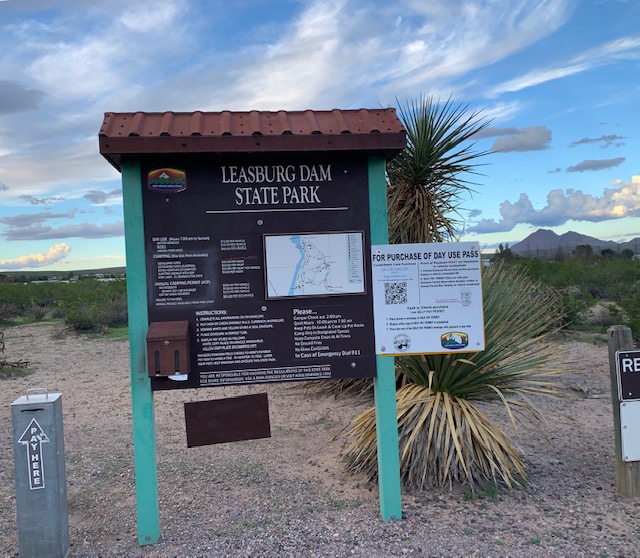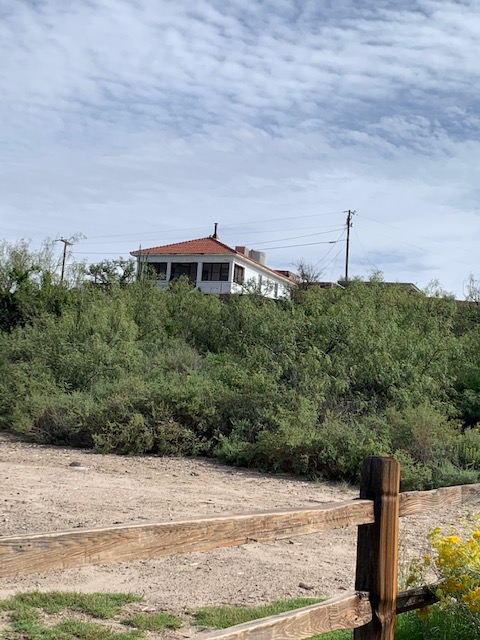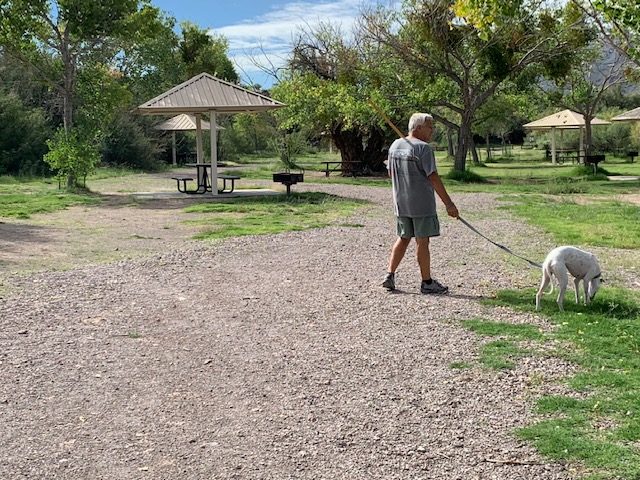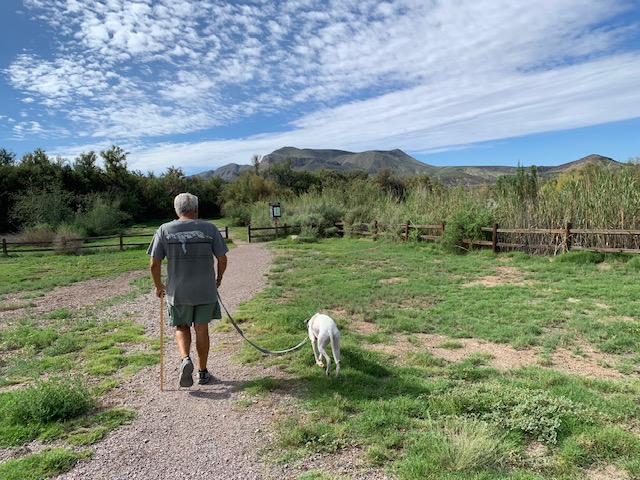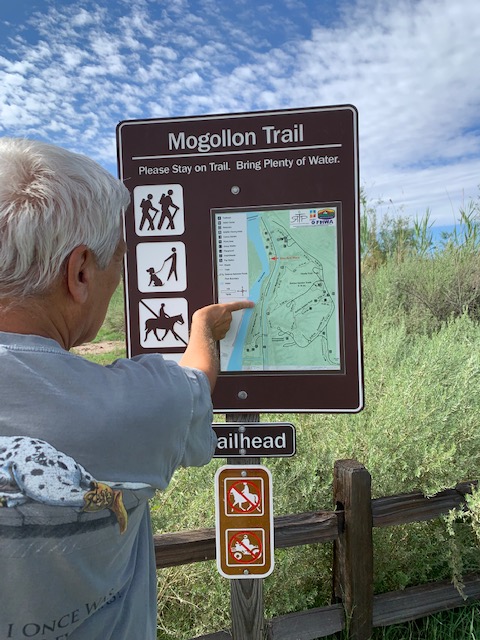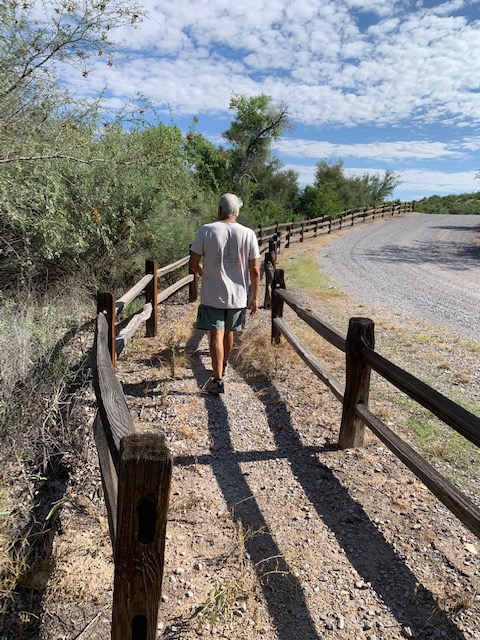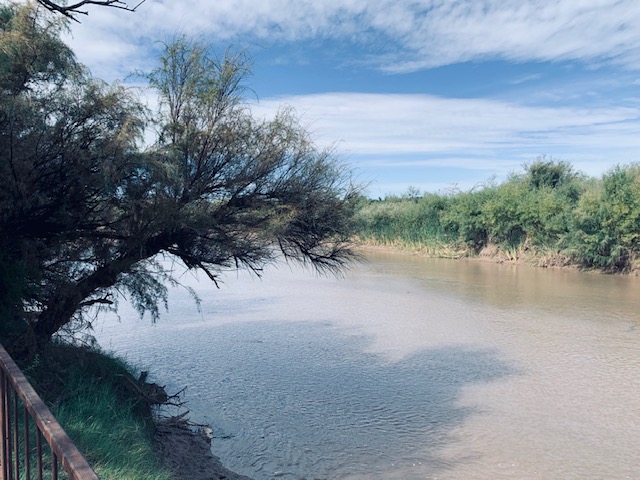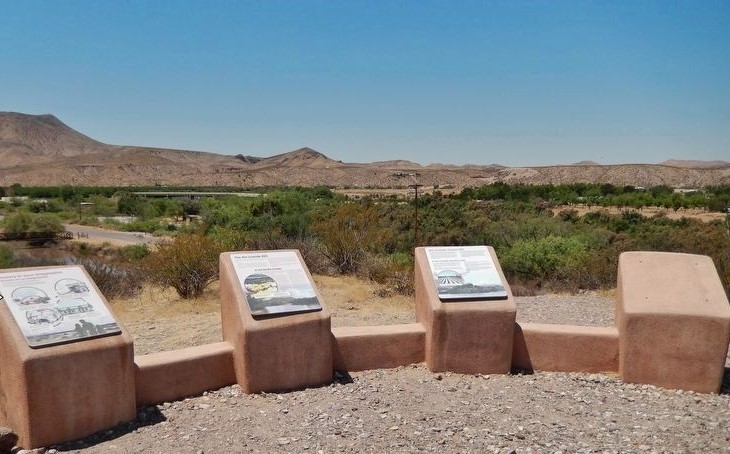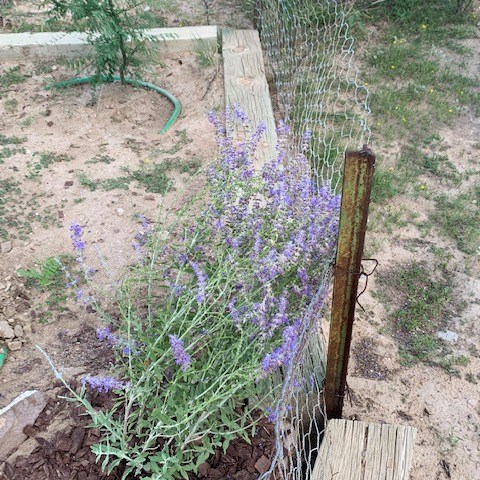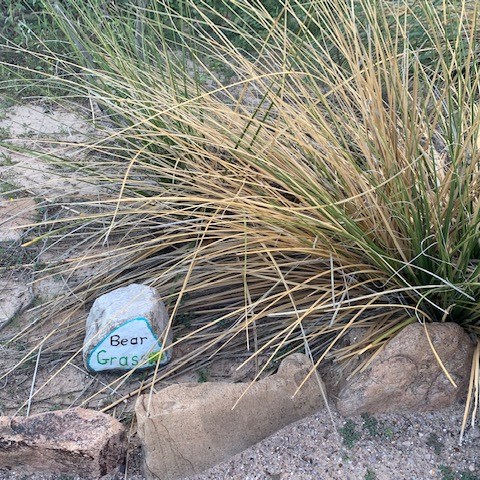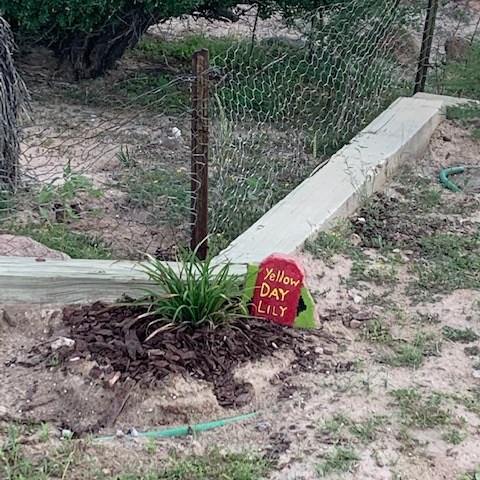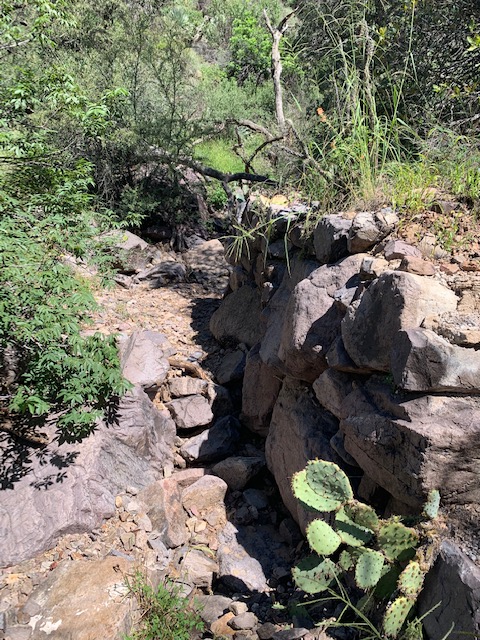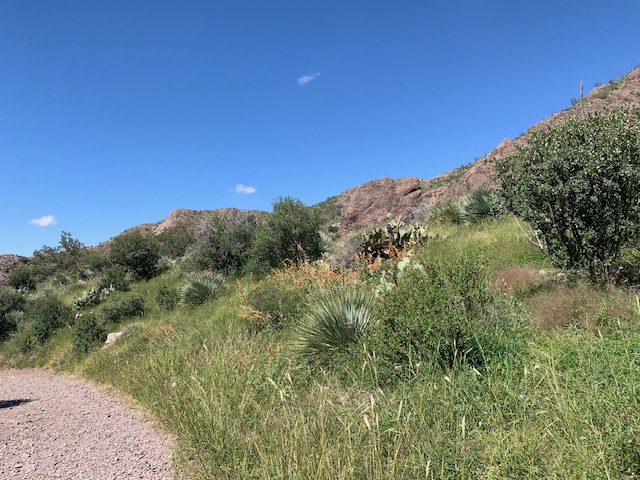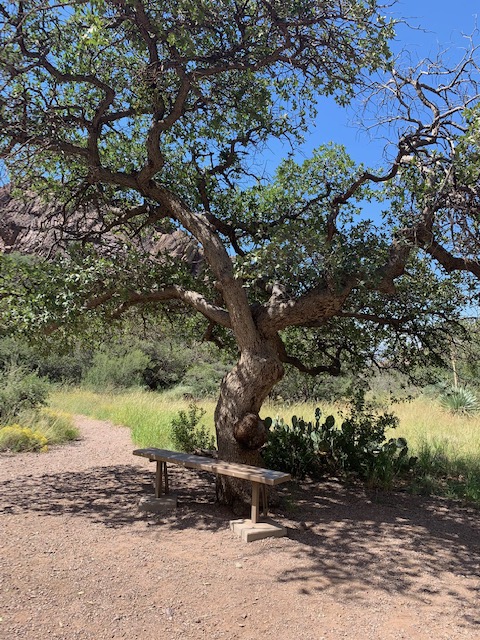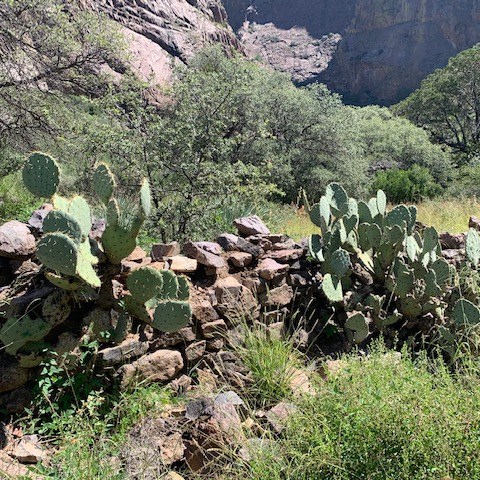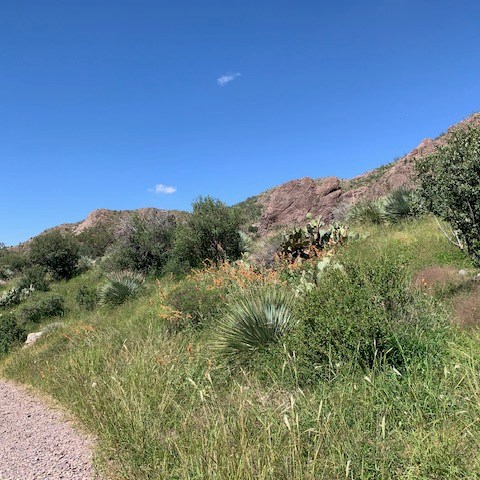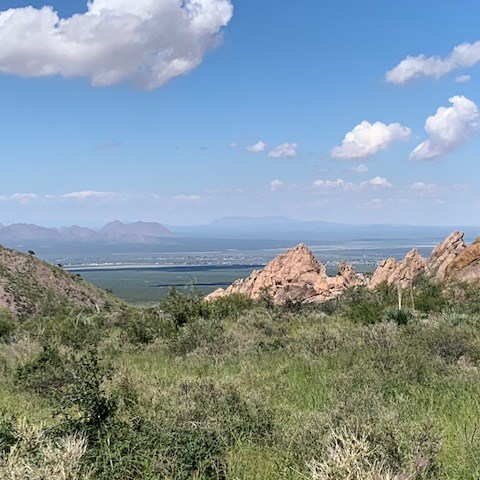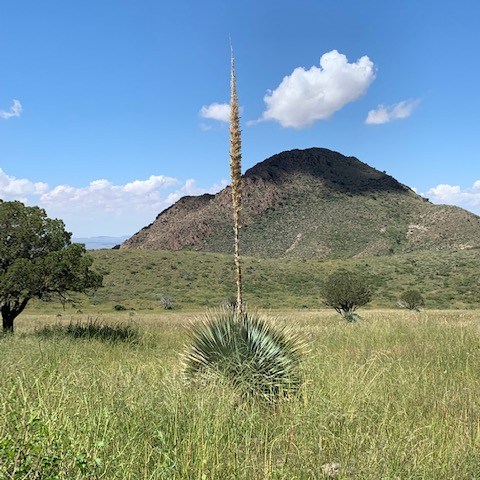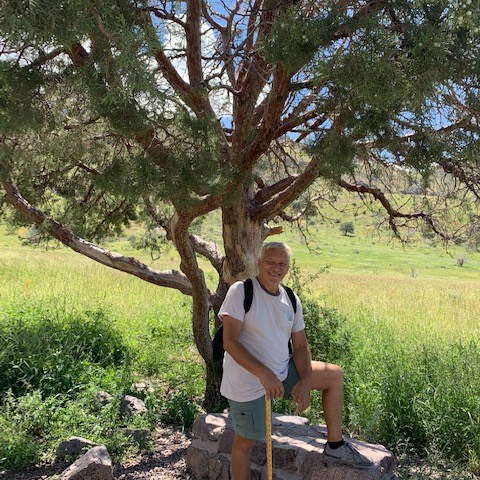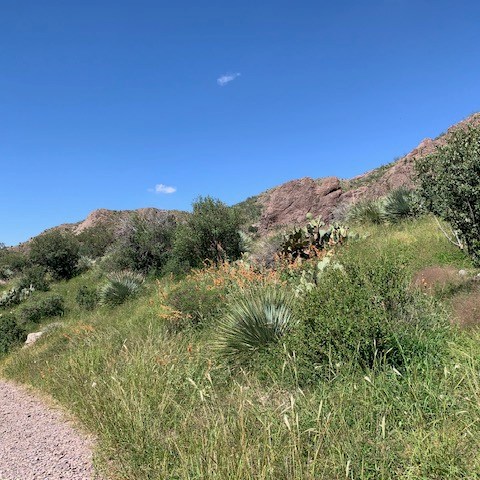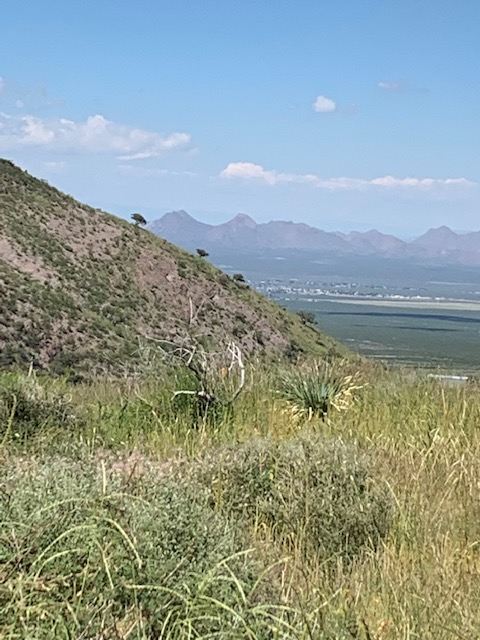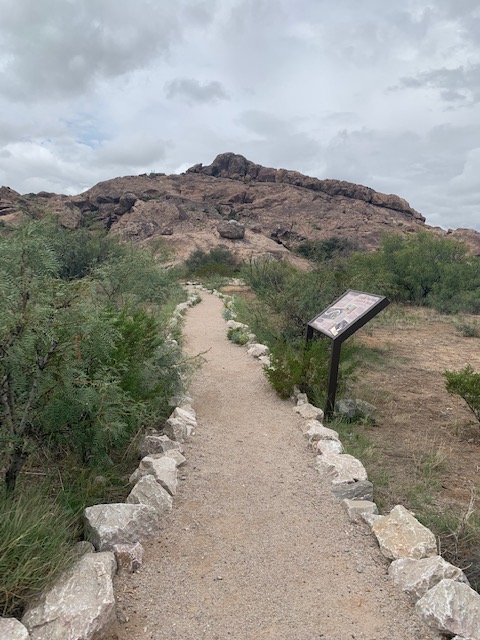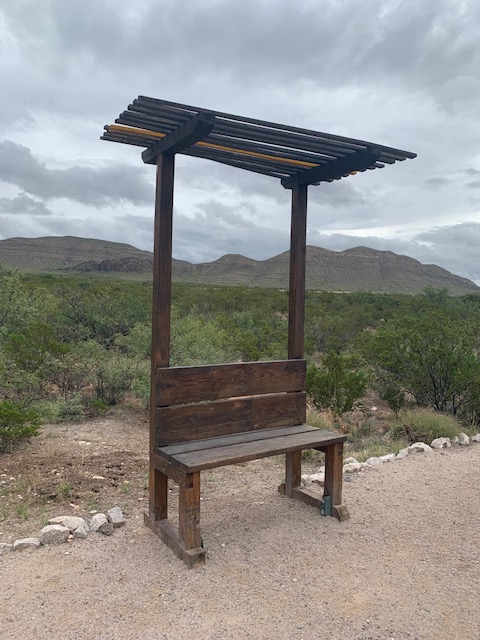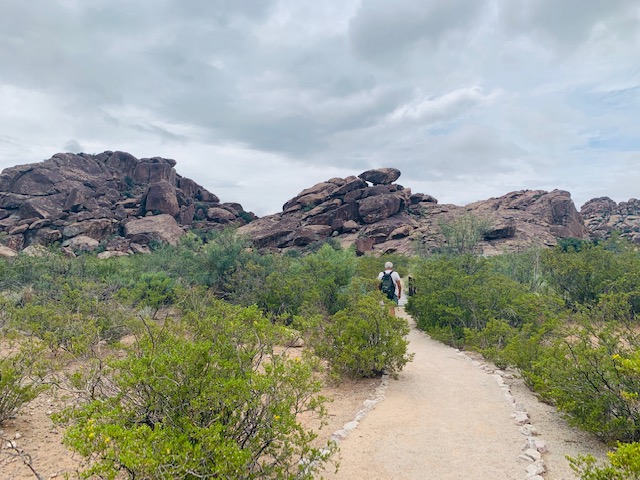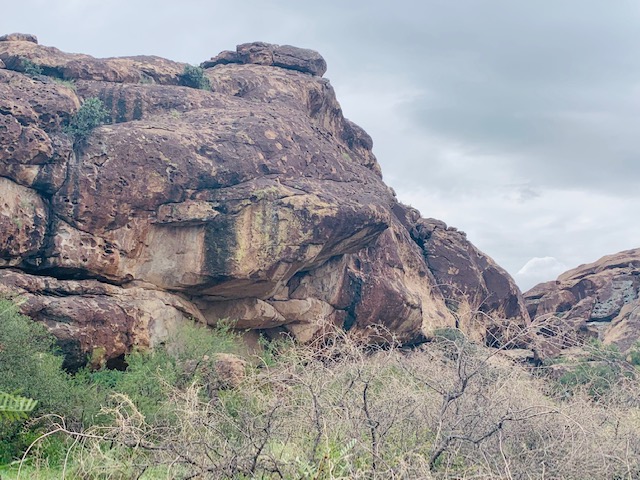
We are enjoying our stay at Leasburg Dam State Park . . .

located on the Rio Grande in New Mexico

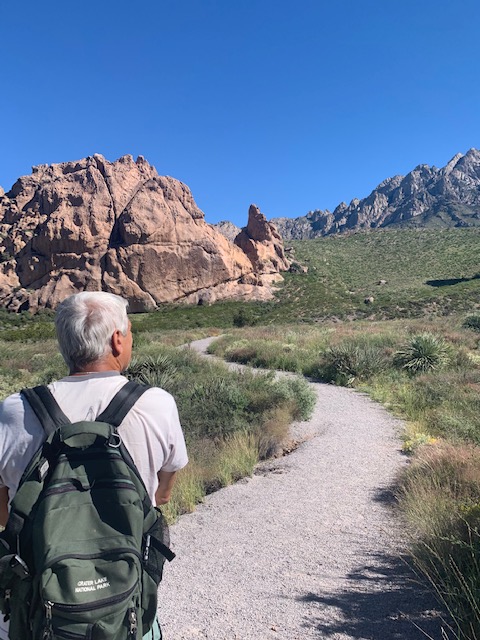
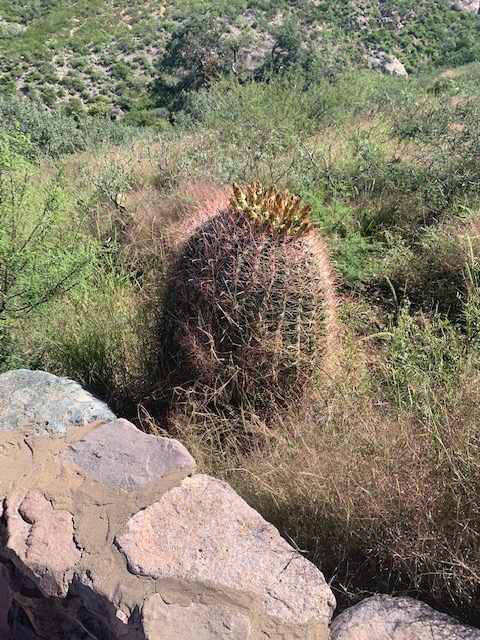
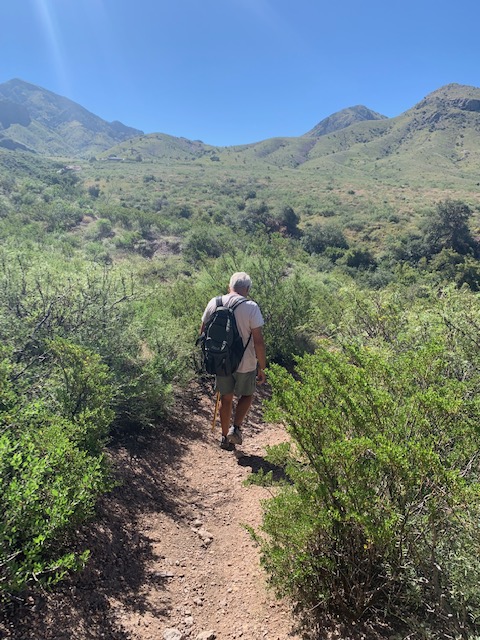
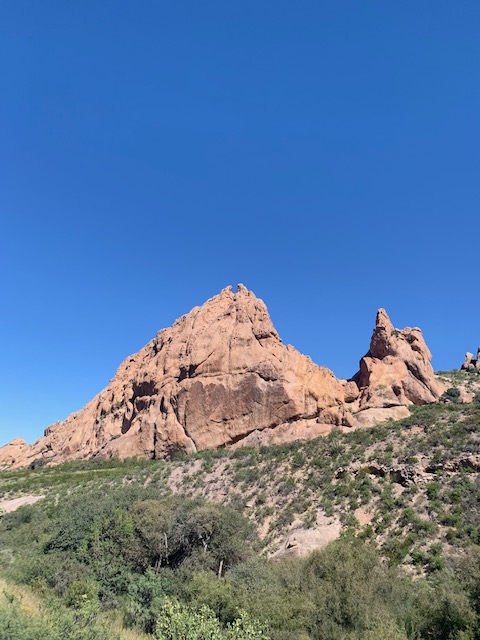
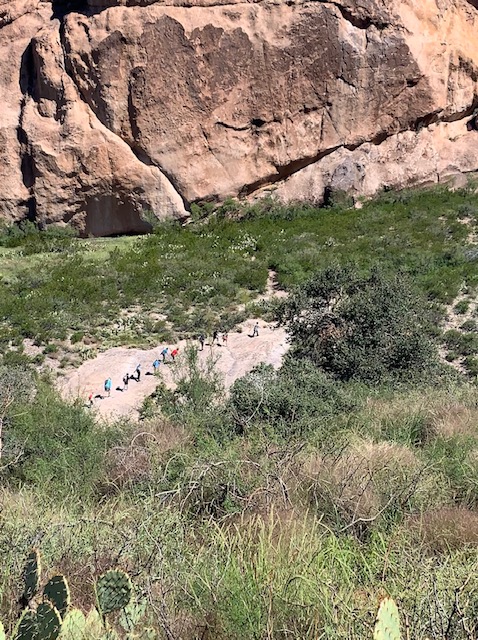
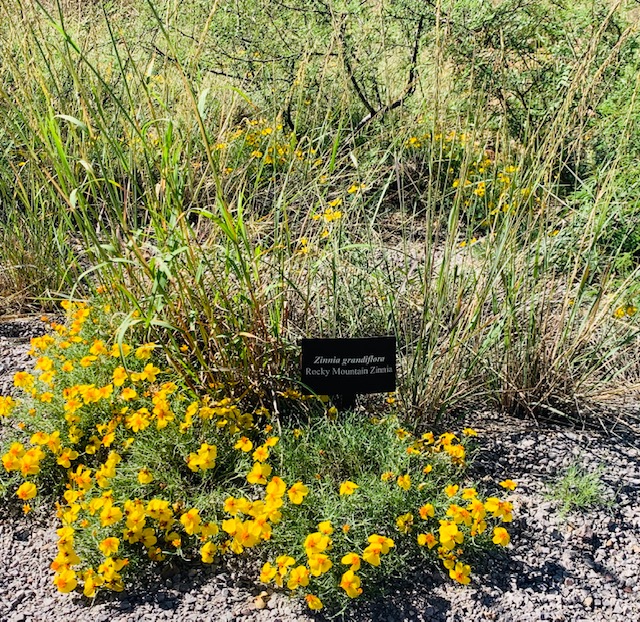
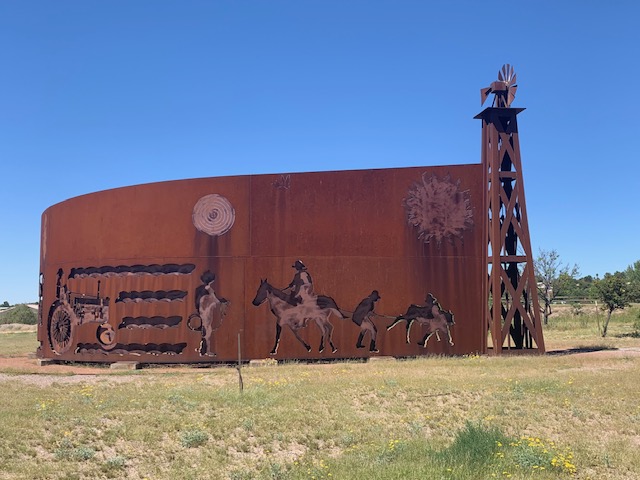
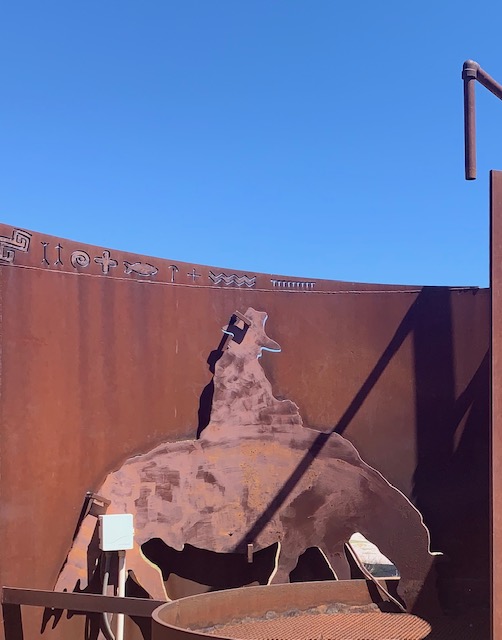
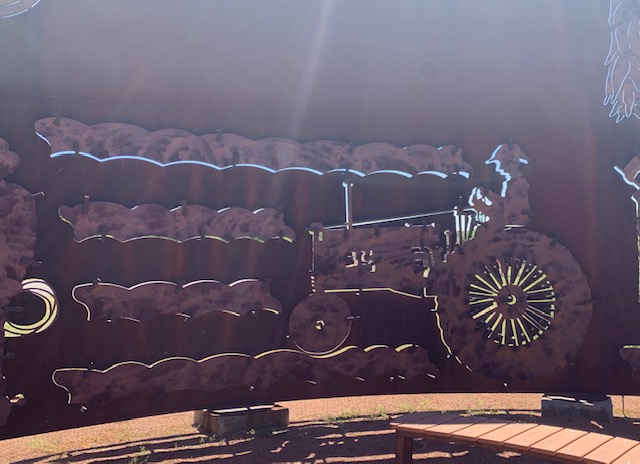
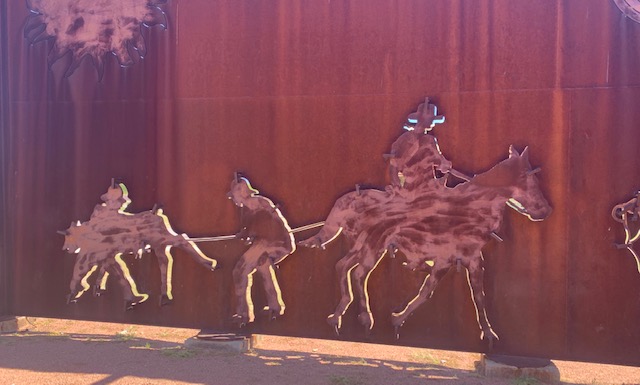
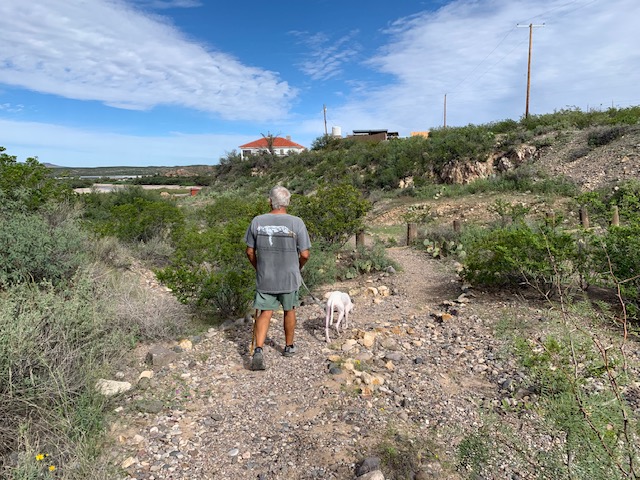
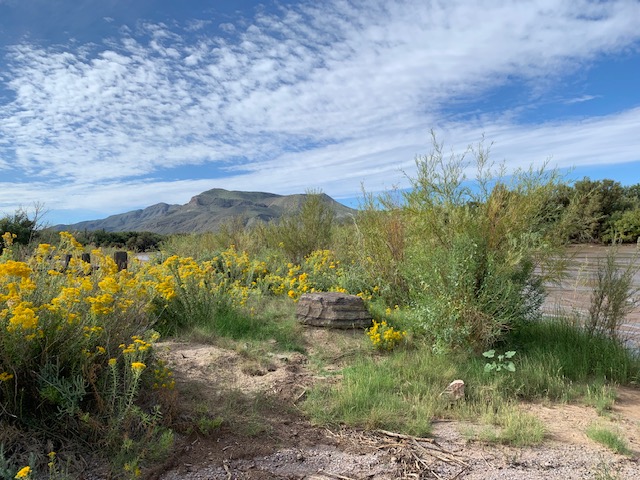
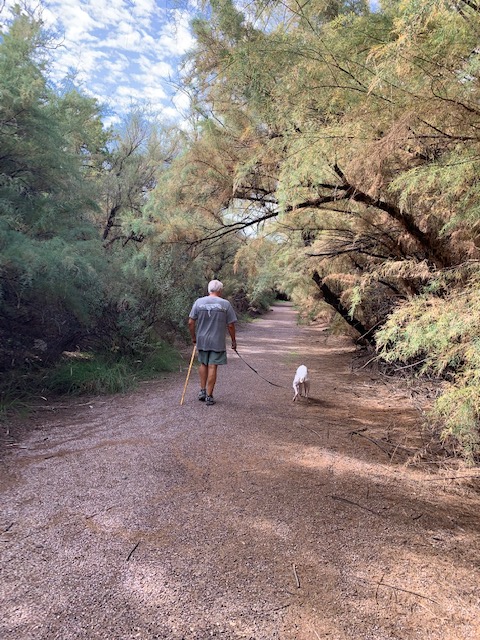
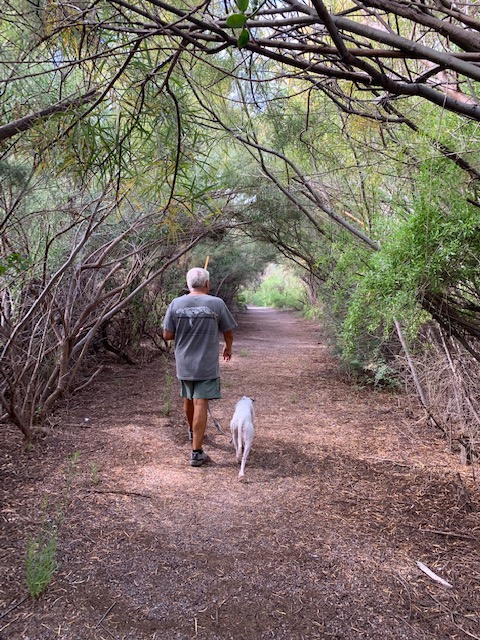
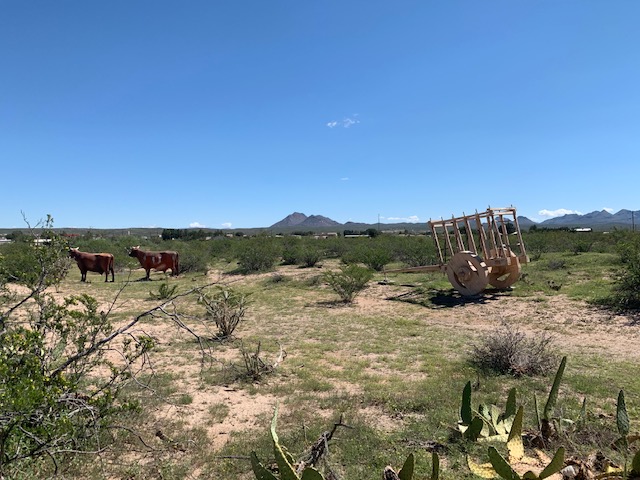
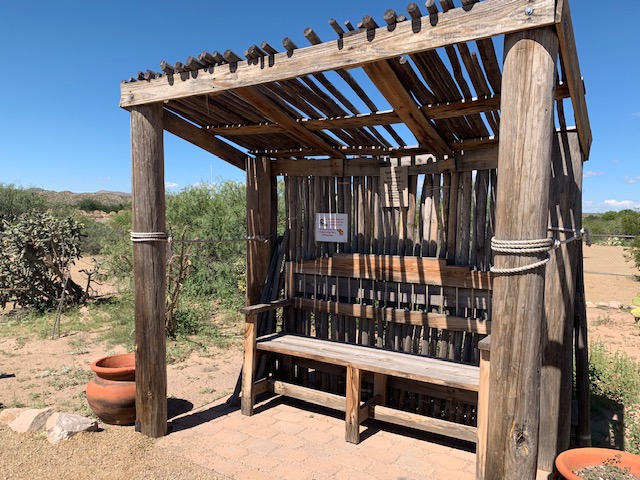
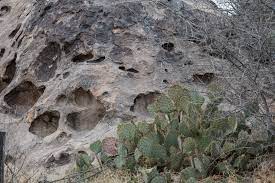
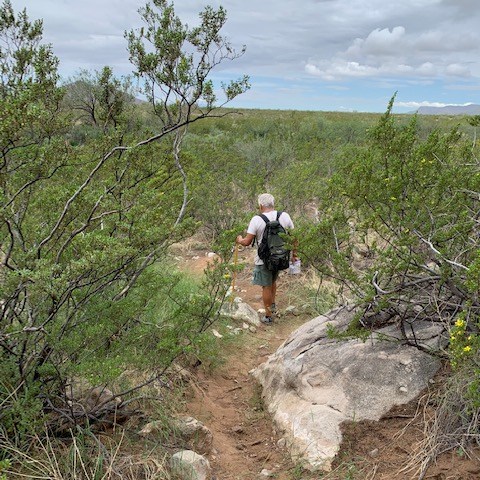
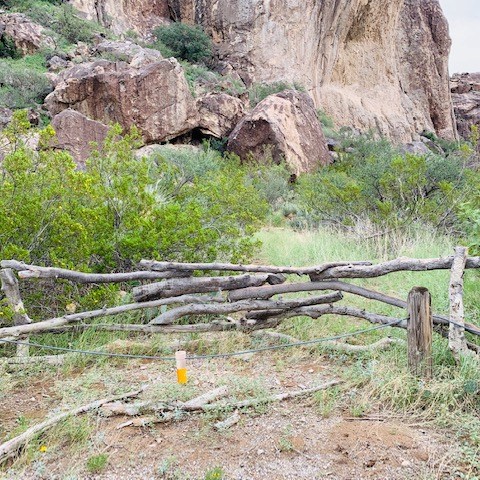
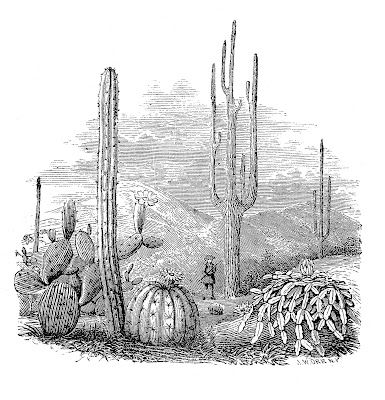
It’s been a peaceful and relaxing stay, hiking the trails, admiring the different plants, especially the cactus and just chillin.

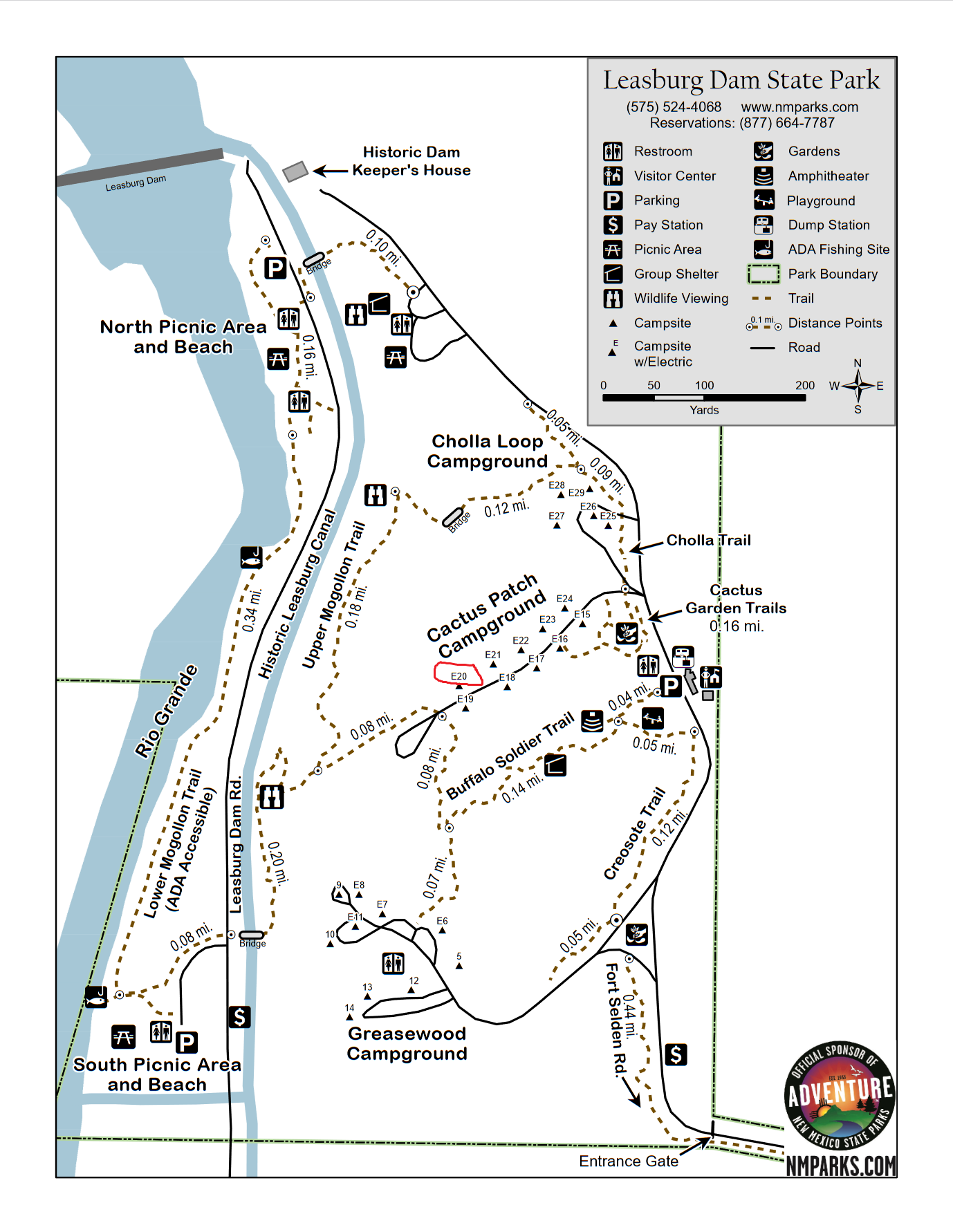
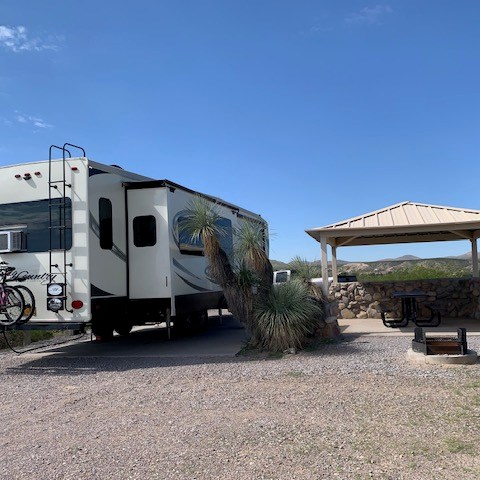
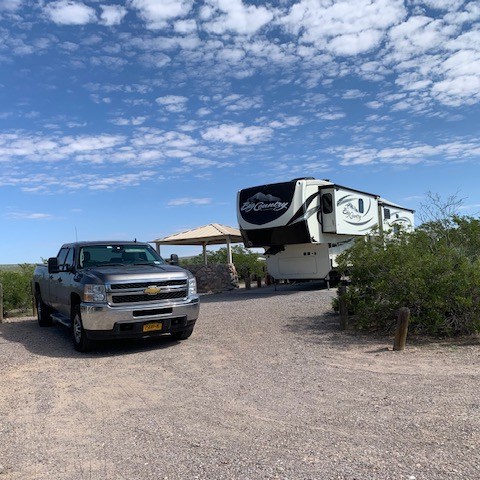
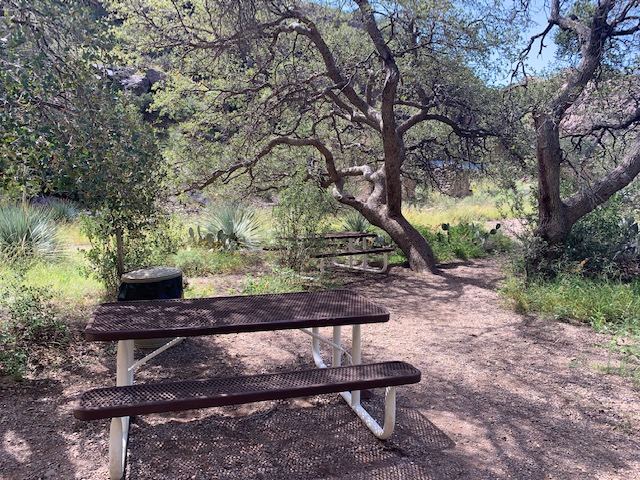
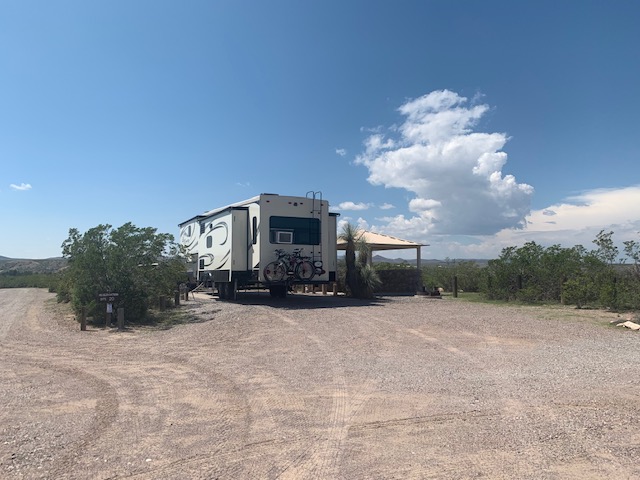
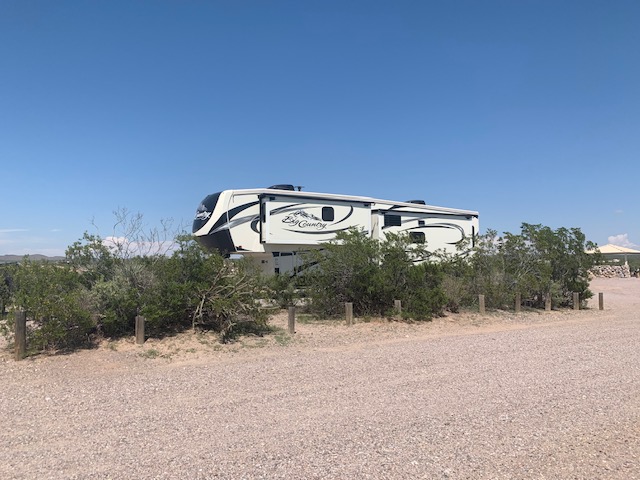
We are at site 20 in Cactus Patch

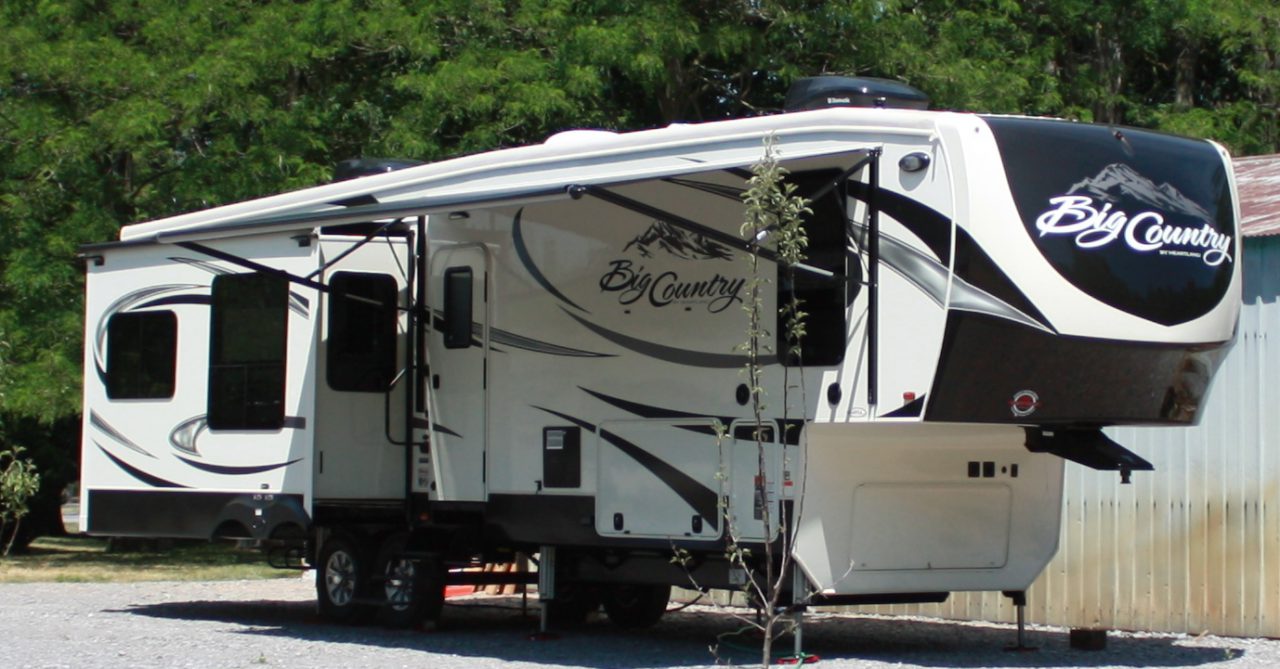
A huge space at the end, with a concrete pad that the Fiver fits on!

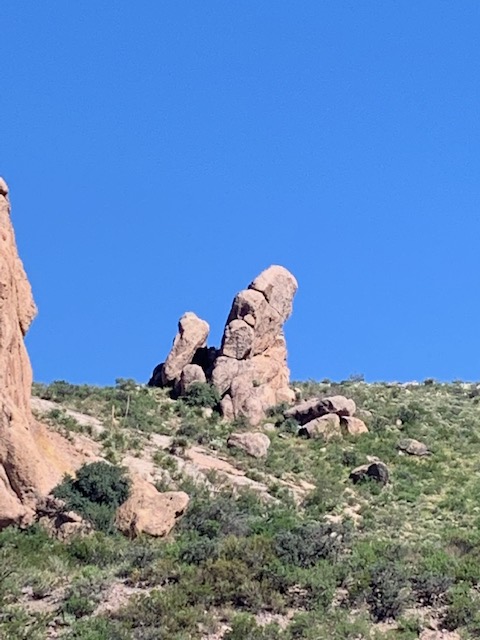
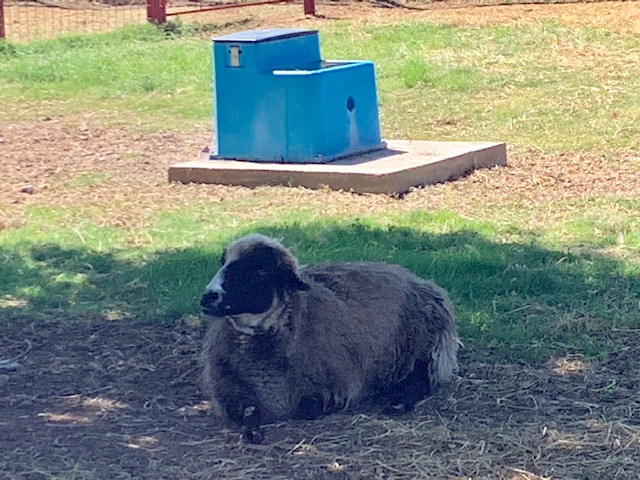
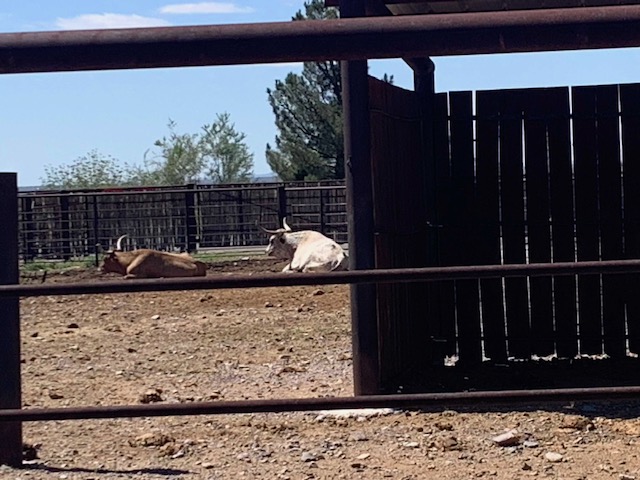
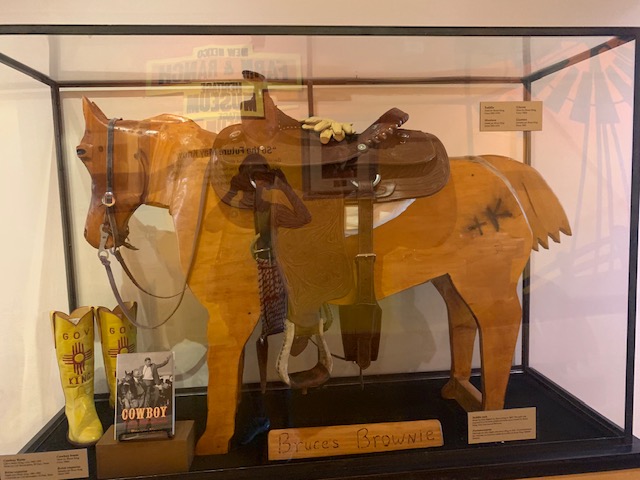
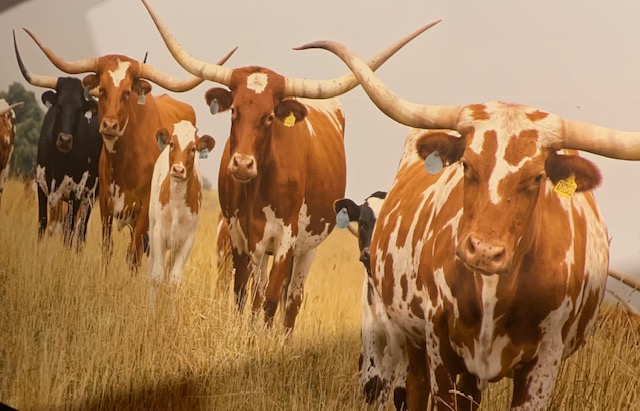
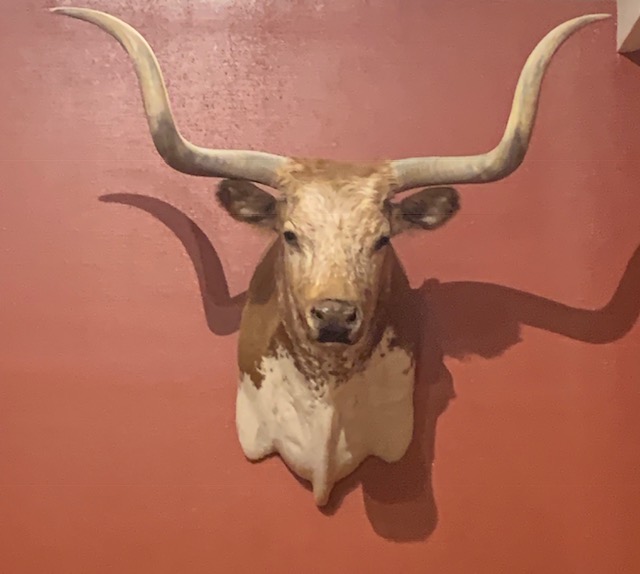
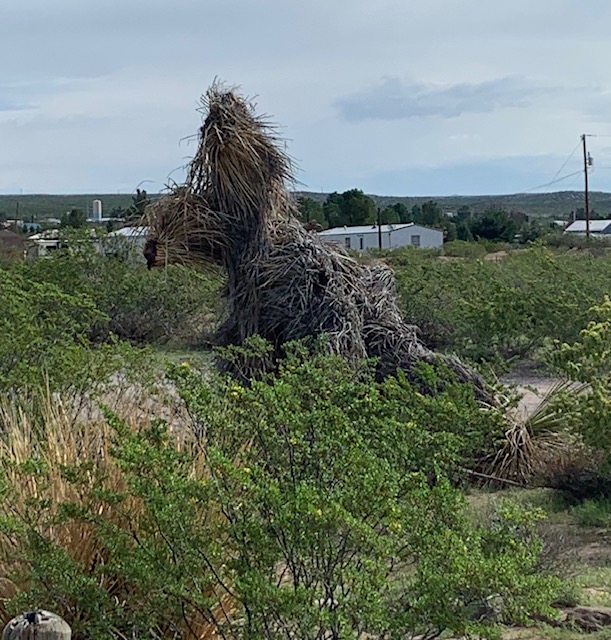
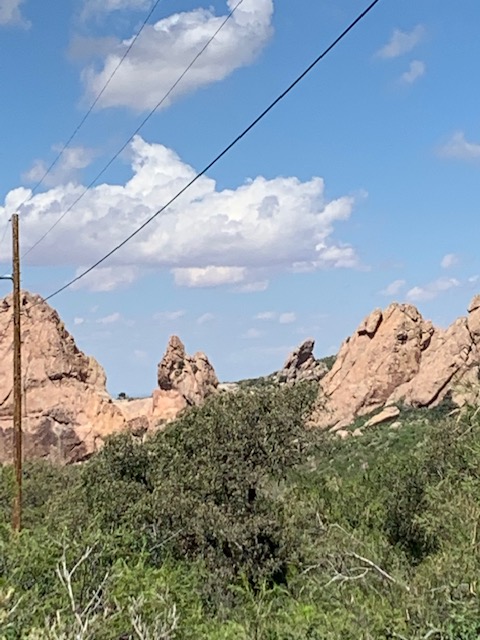
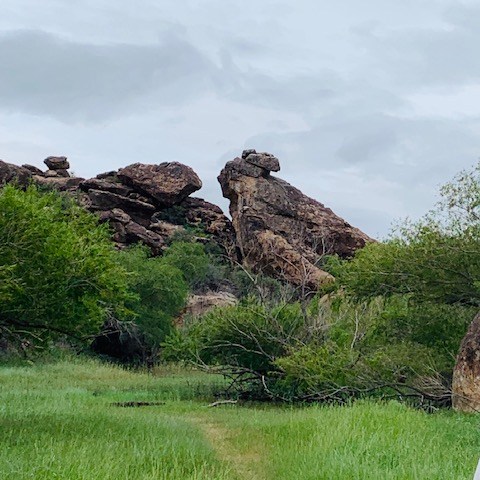
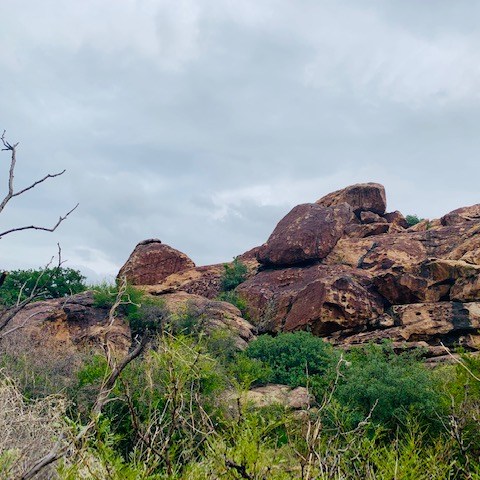
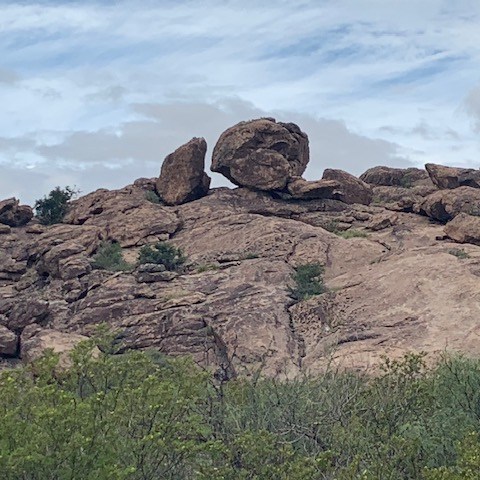
Now you gotta admit that looks like a friendly animal.

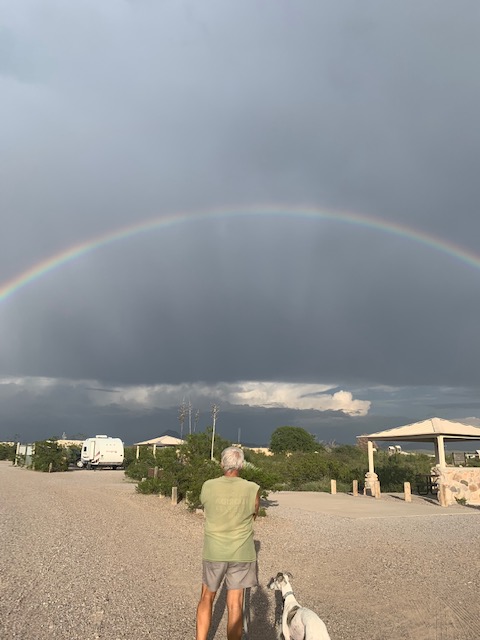
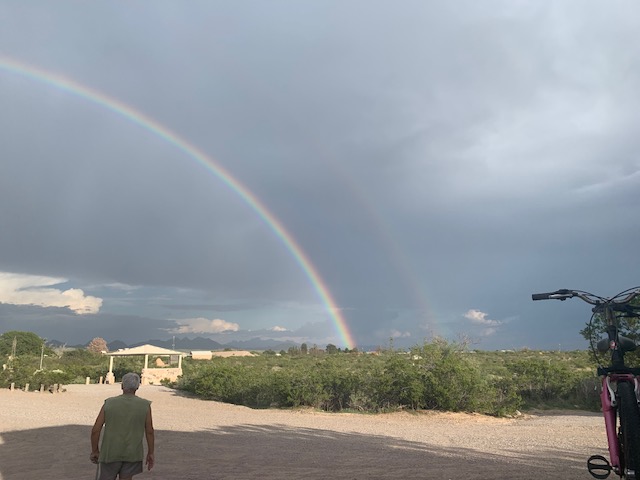
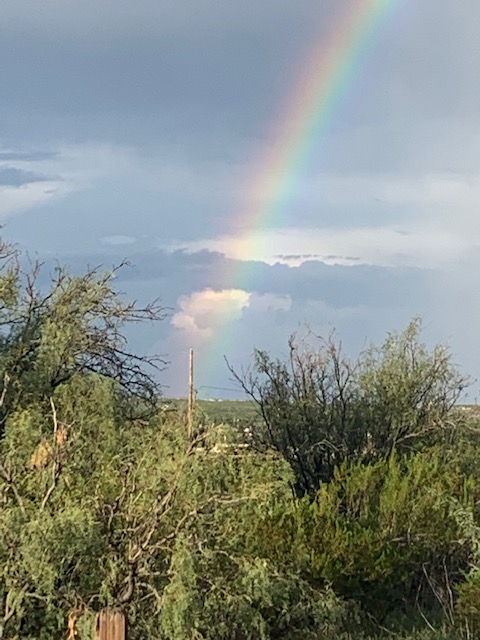
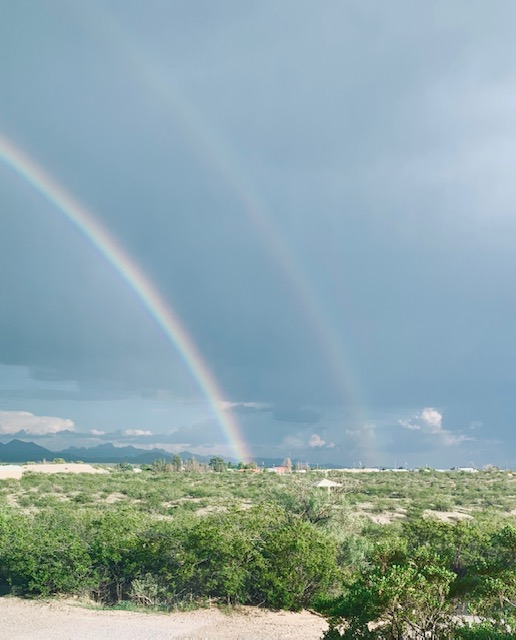
Our first night we got treated with a double rainbow

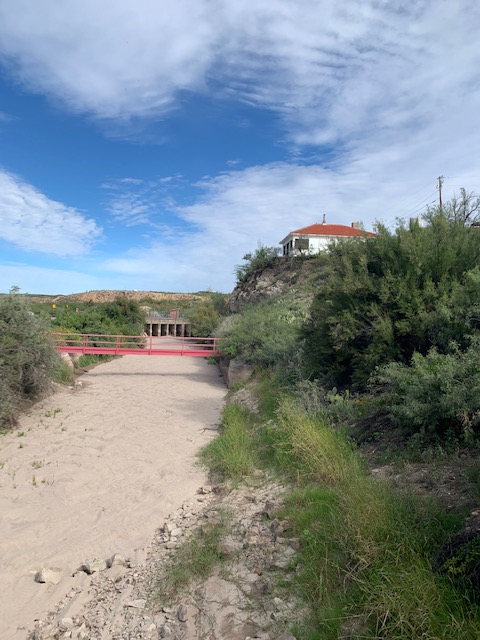
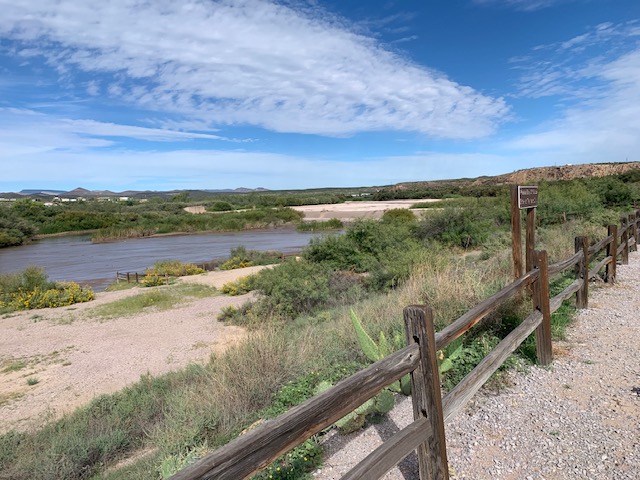
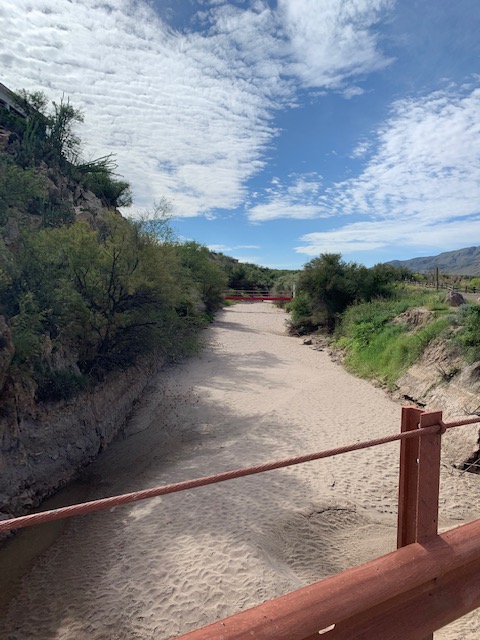
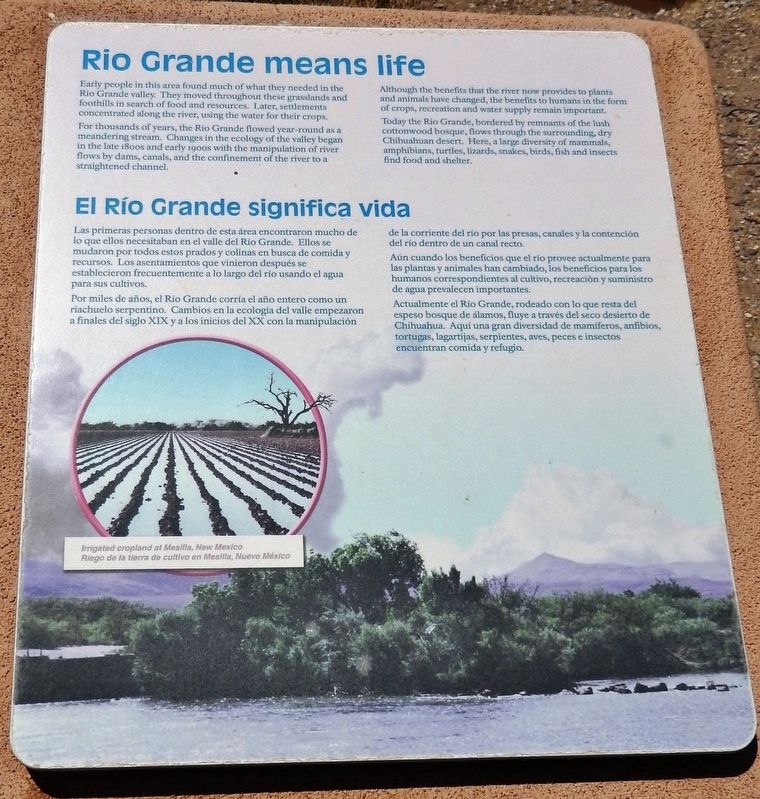
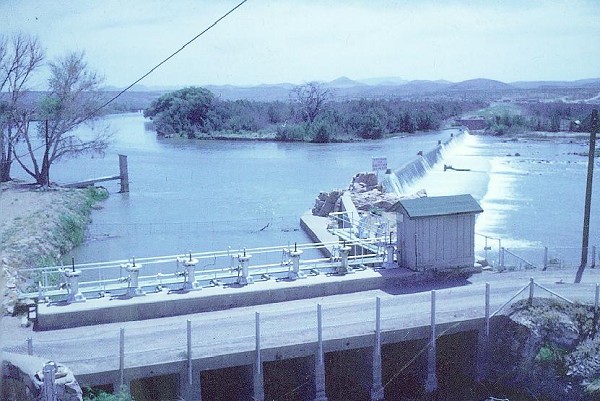
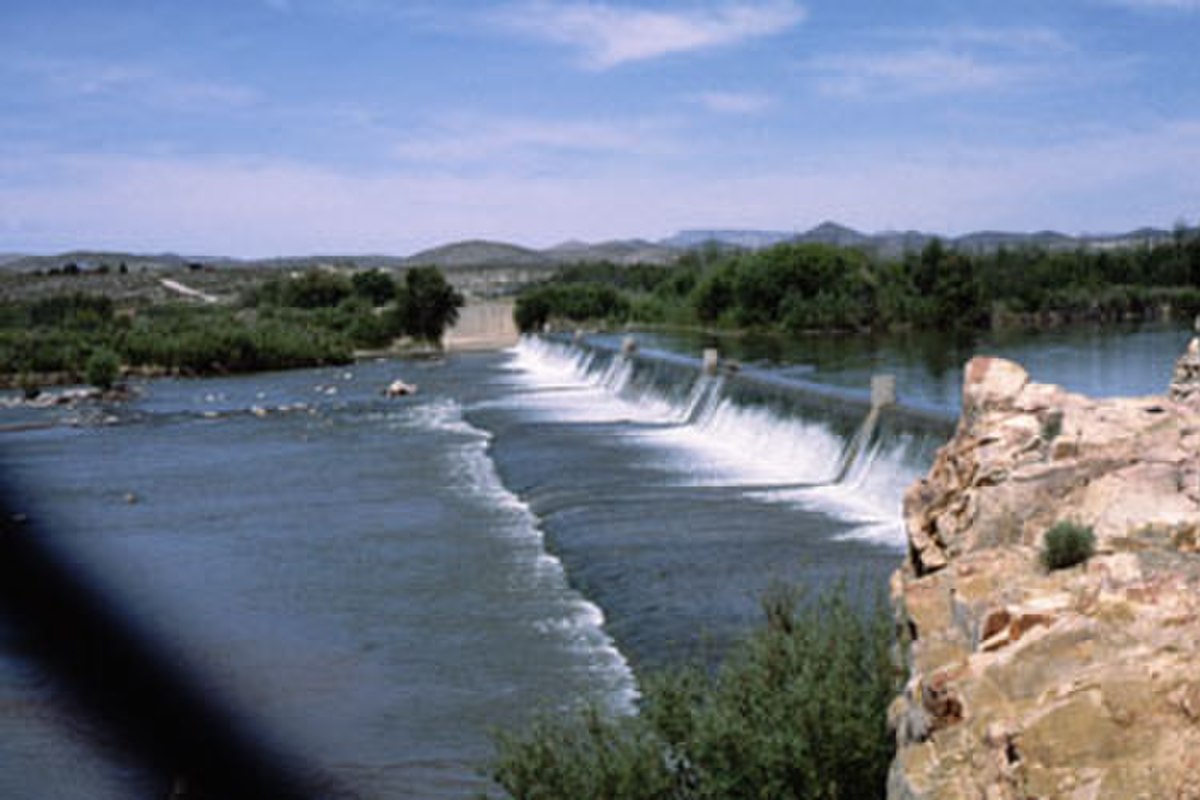
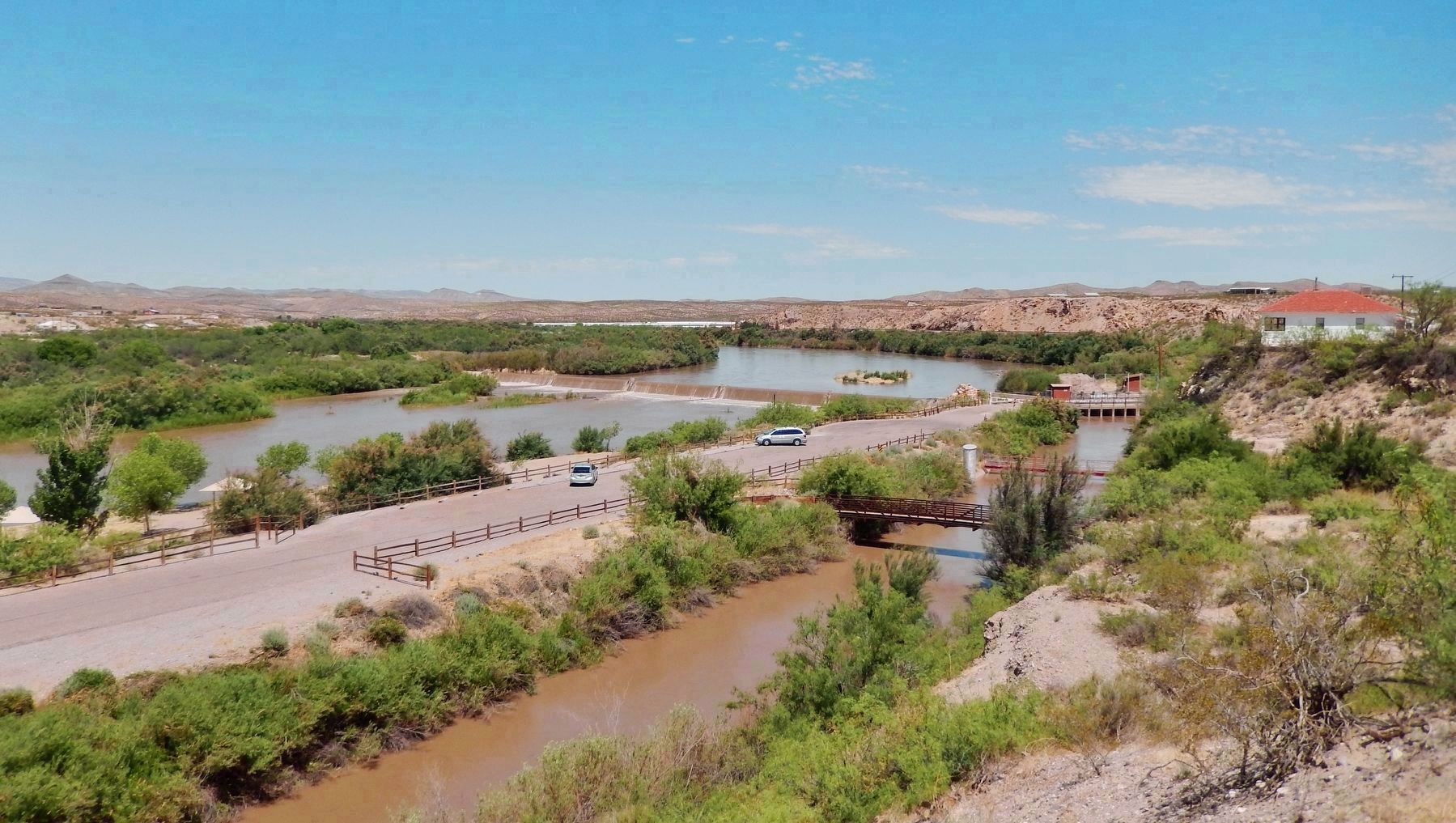
The Leasburg Dam was completed in 1908. Not to create a storage reservoir, but to divert water from the Rio Grande into a canal. From this canal, ditches delivered water to the communities of Dona Ana, Las Cruces and Mesilla. It’s barely running now but in the Spring from what we hear both the dam and the canal are flowing.

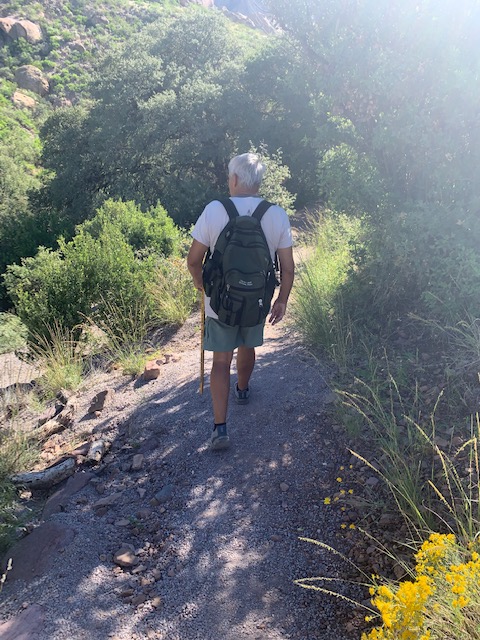
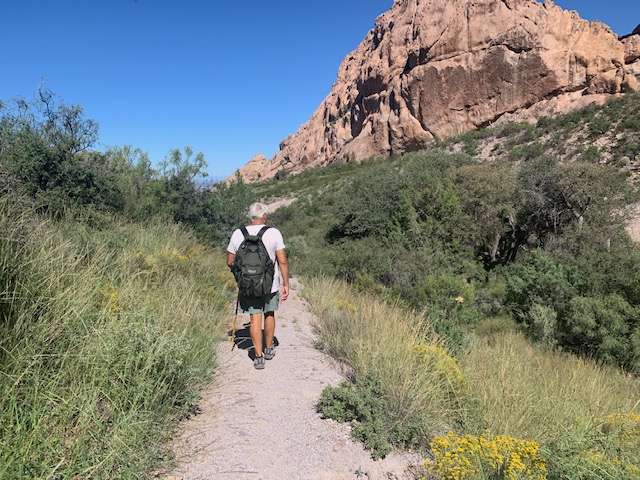
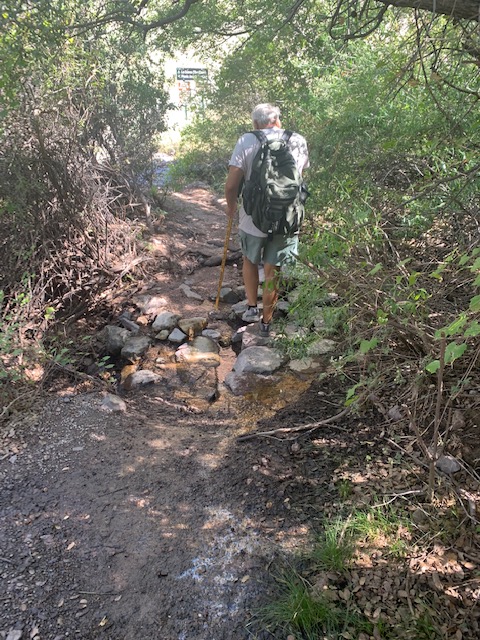
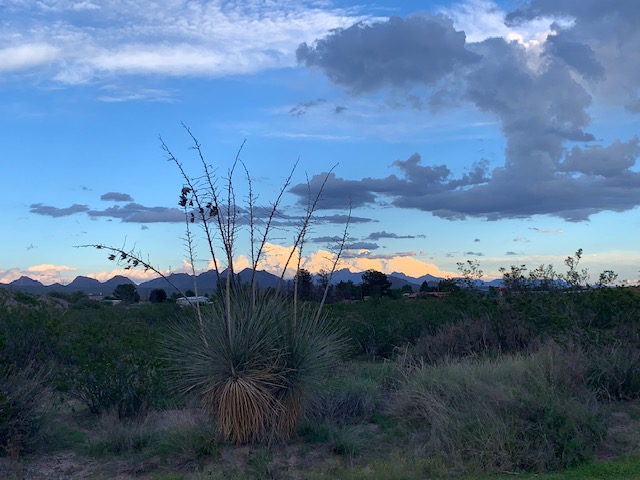
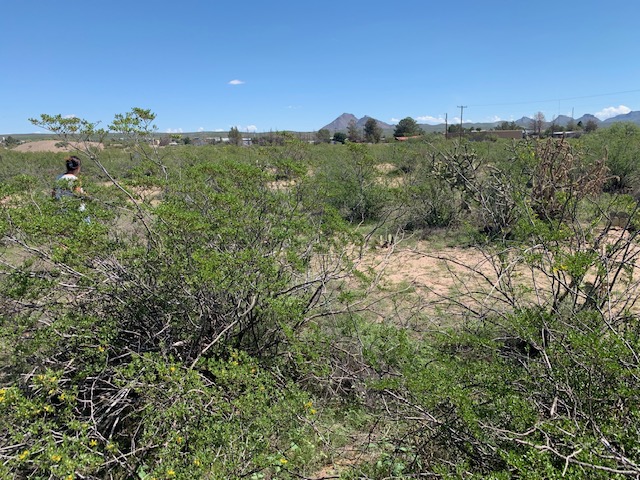
Our walkabouts in the park

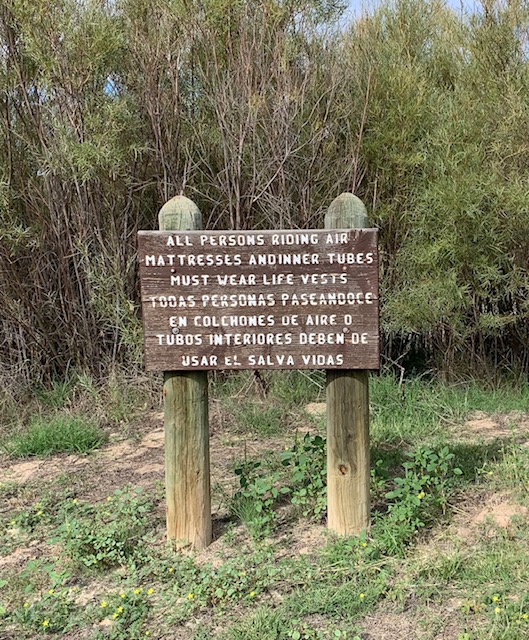
I wanted to add pictures of how the park looks when it’s Spring and the water is running. The first picture was taken in 1919. This is when you get your inner tube or mattress and take off!

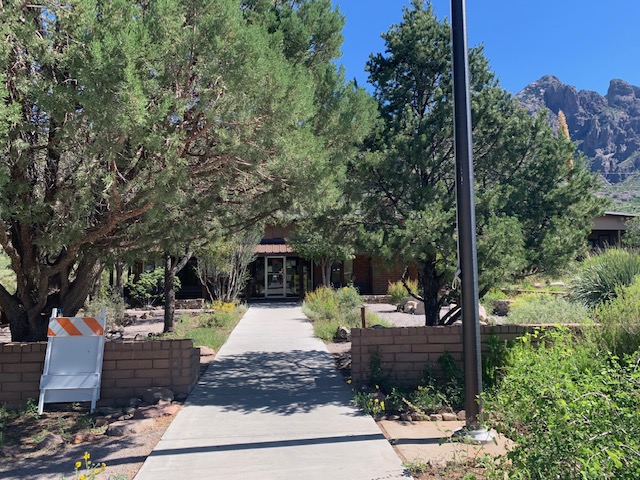
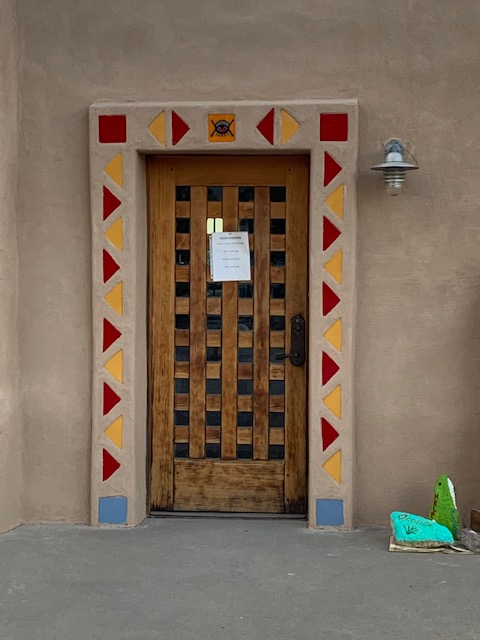
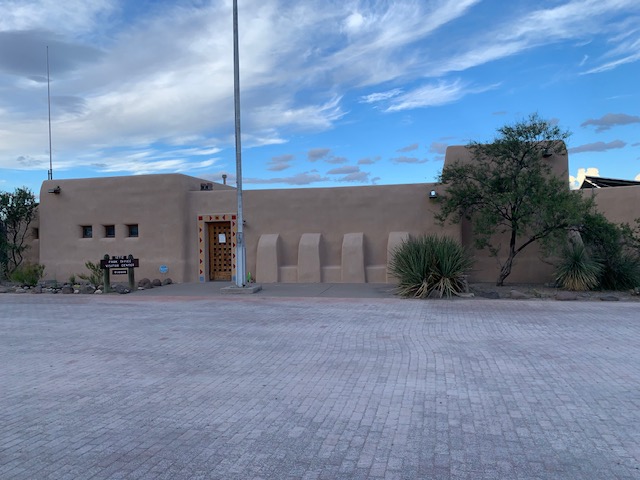
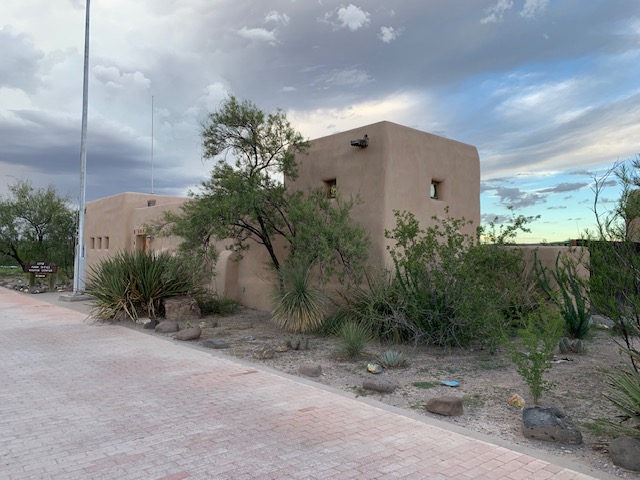
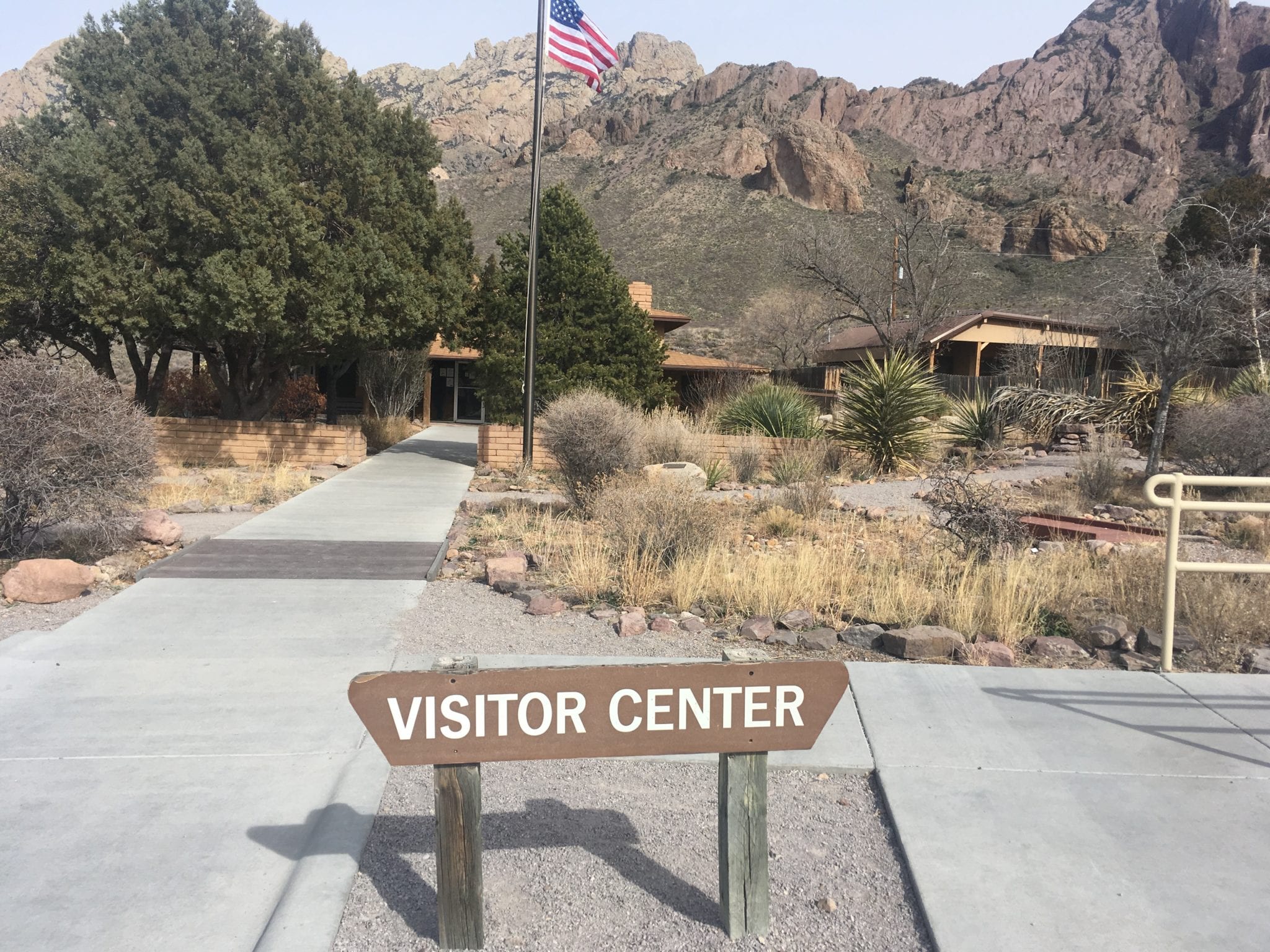
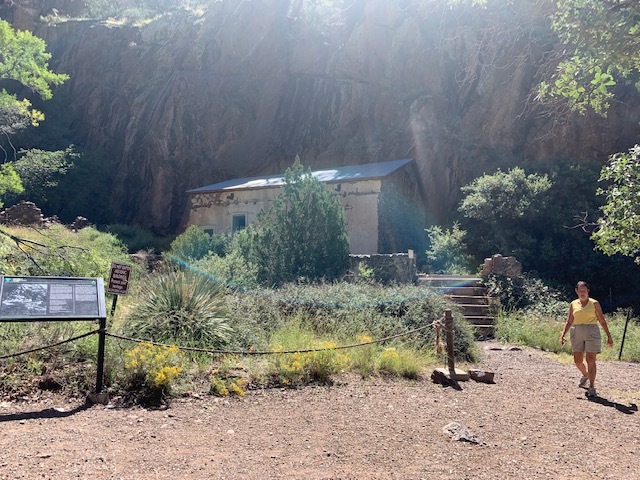
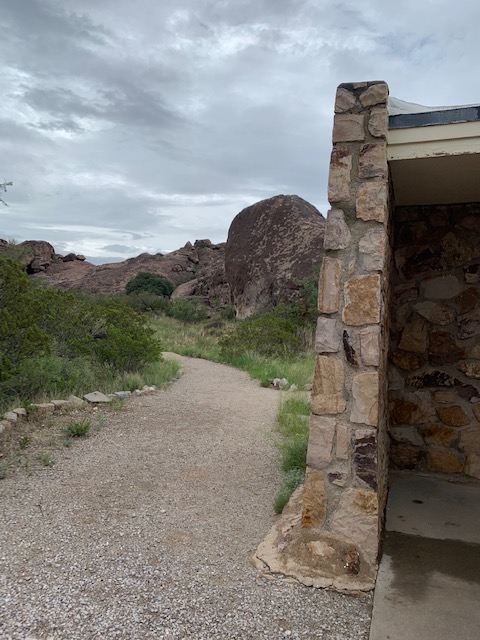
The Visitor Center

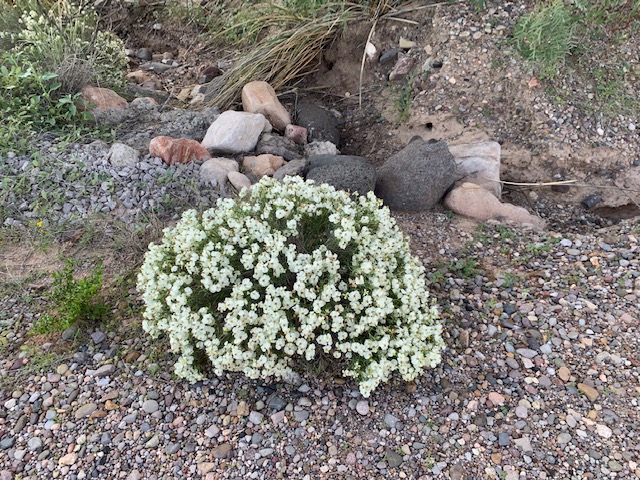
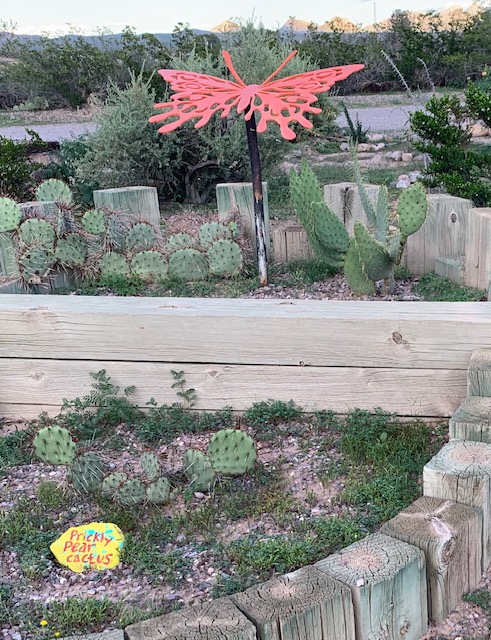
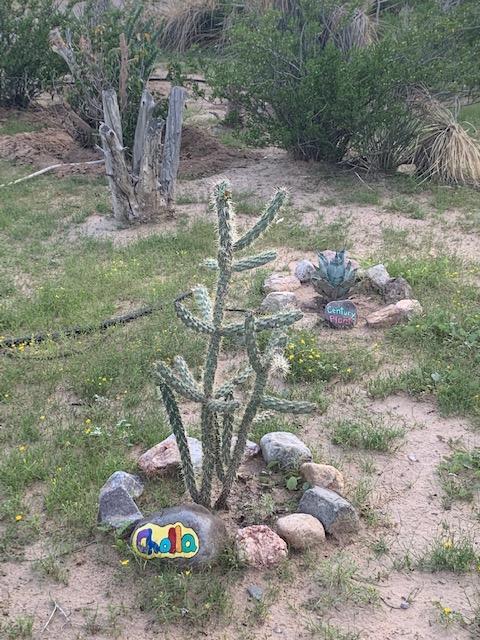
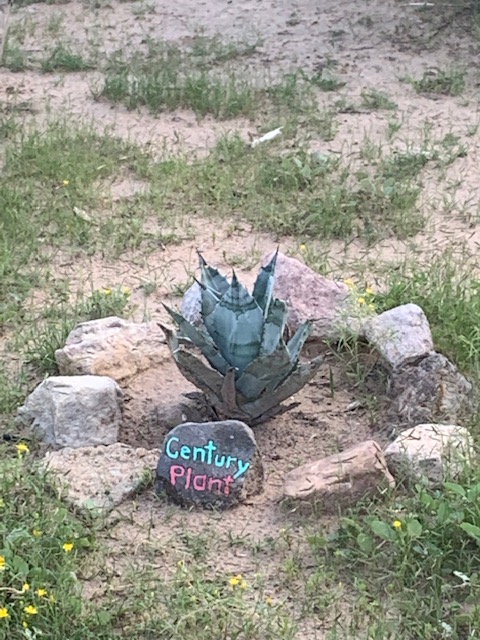
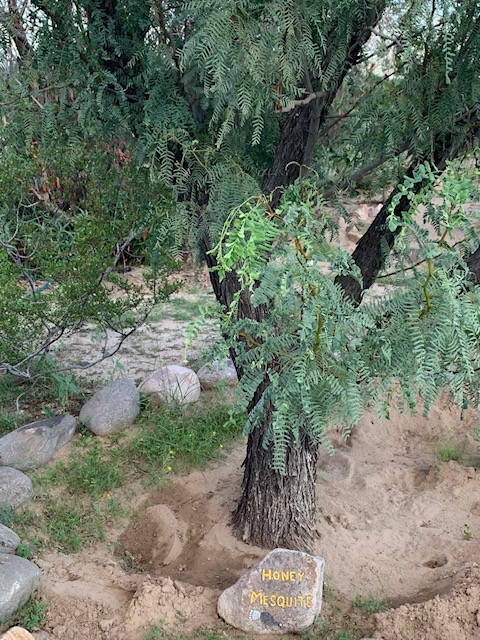
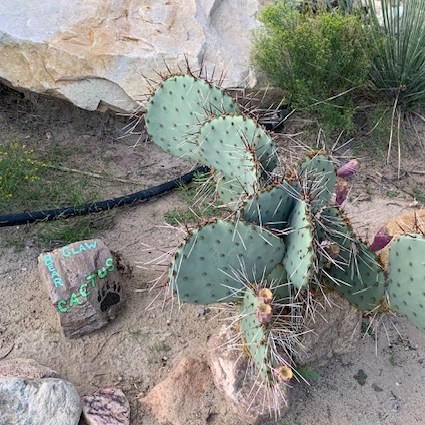
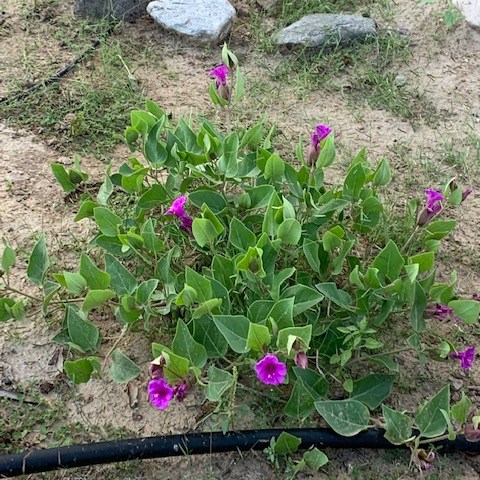
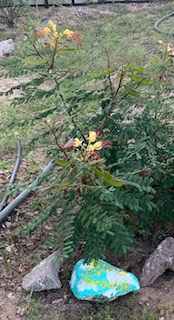
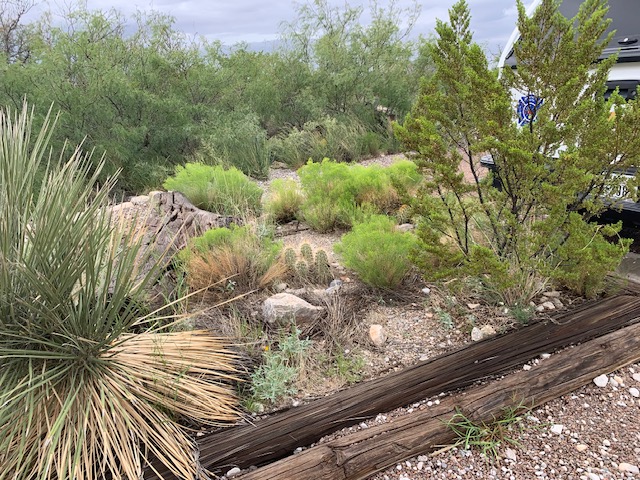
How about a cactus garden

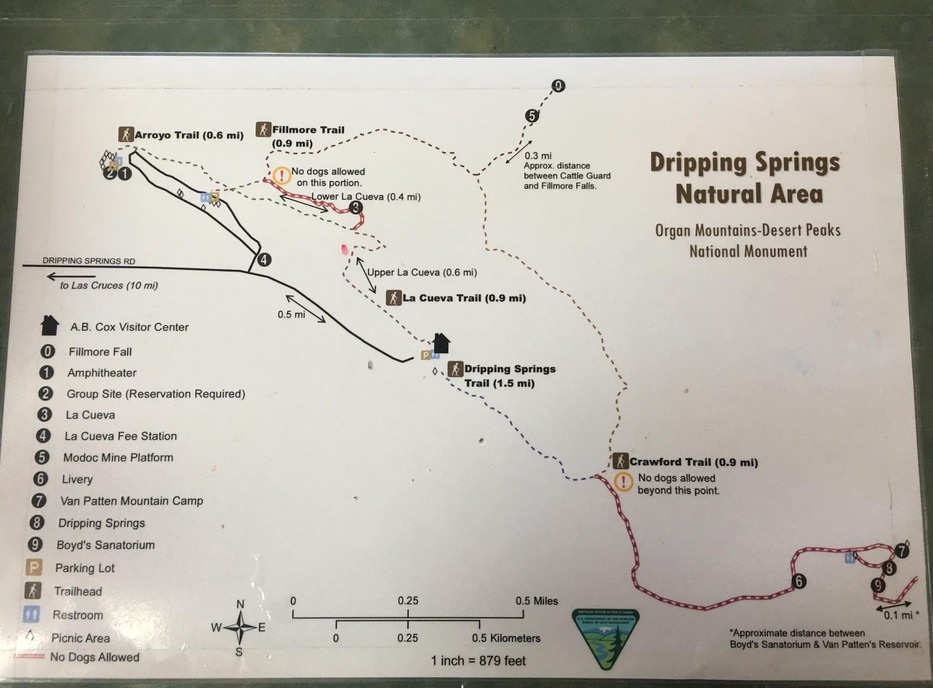
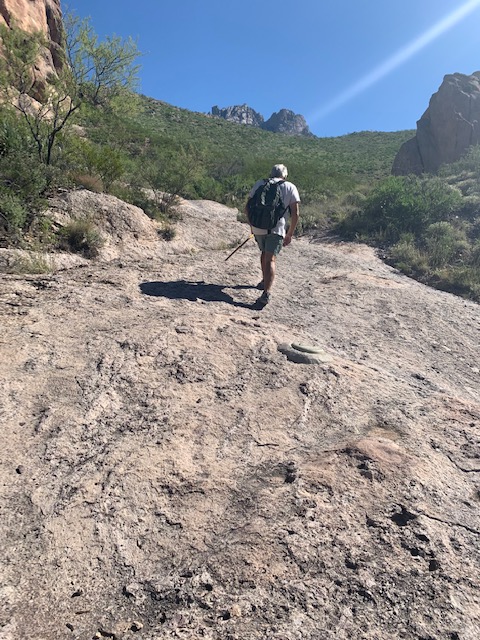
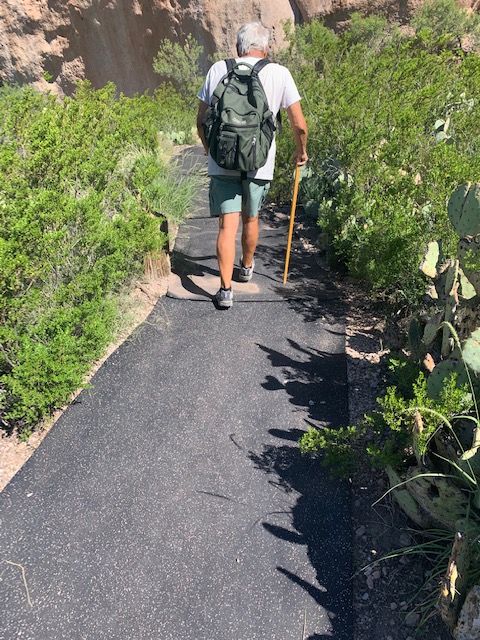
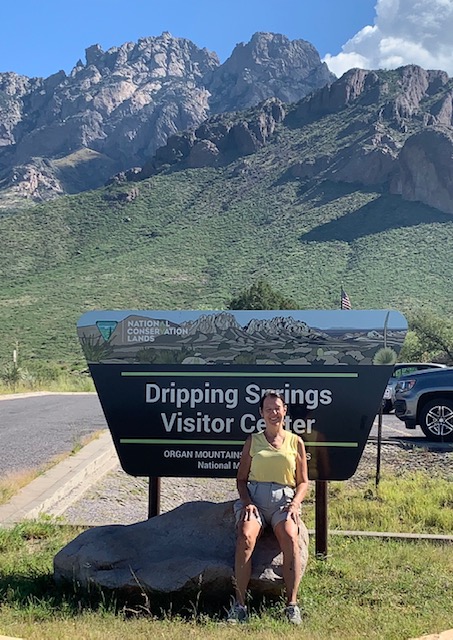
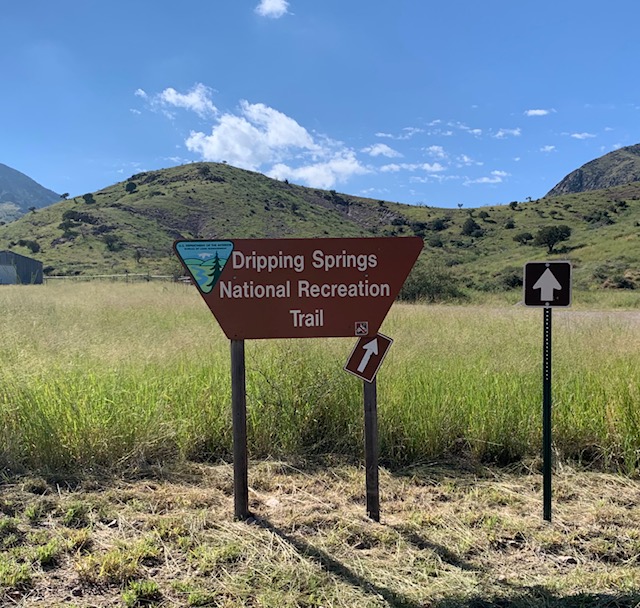
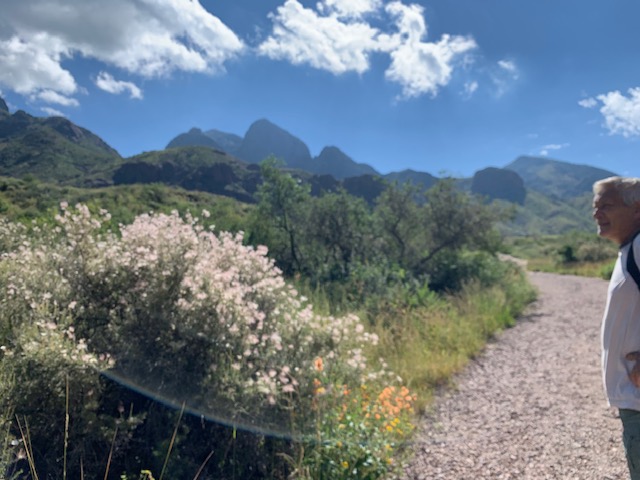
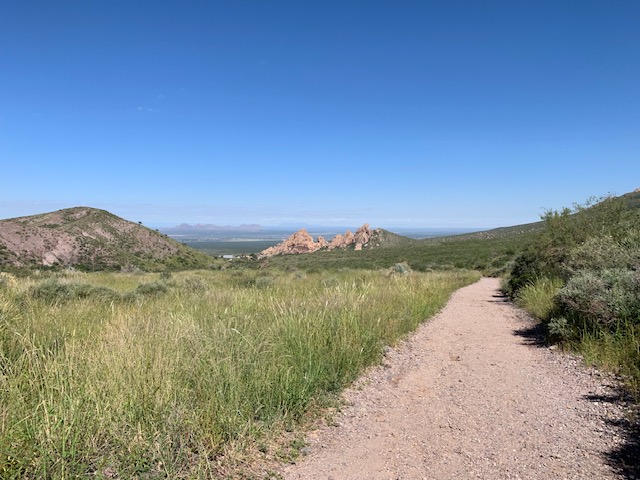
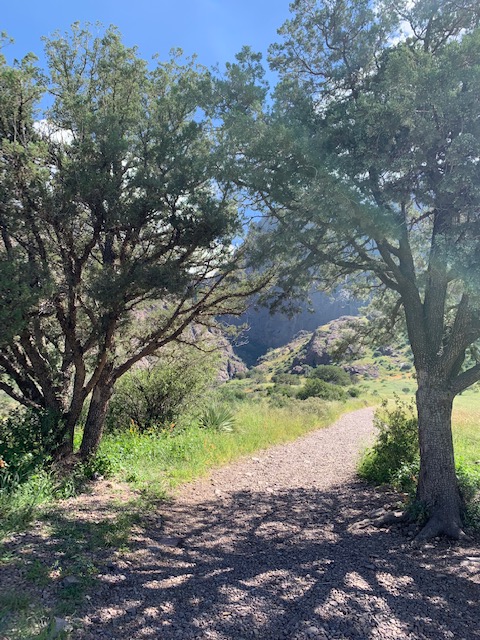
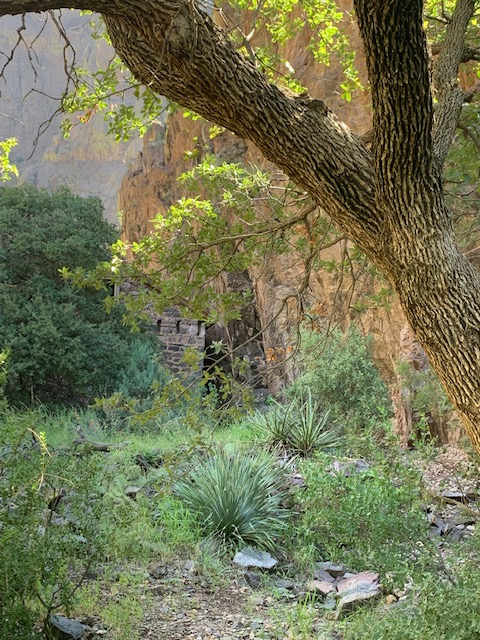
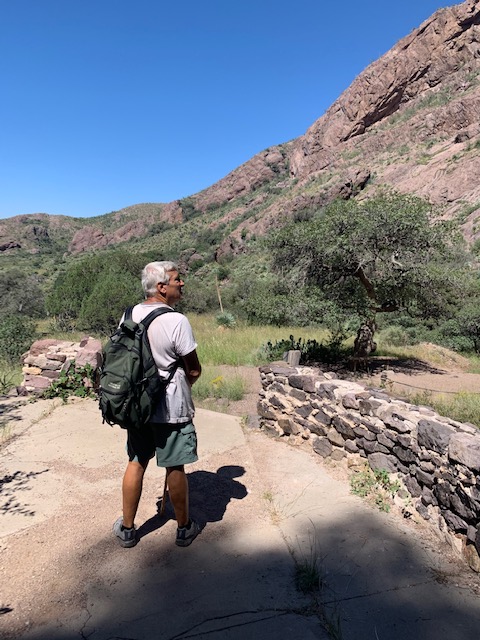
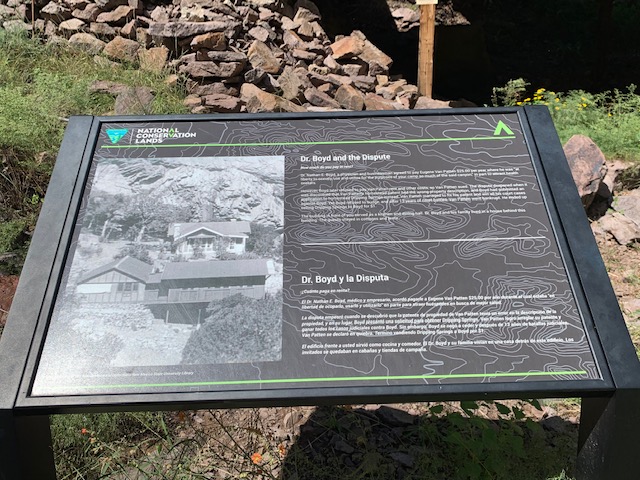
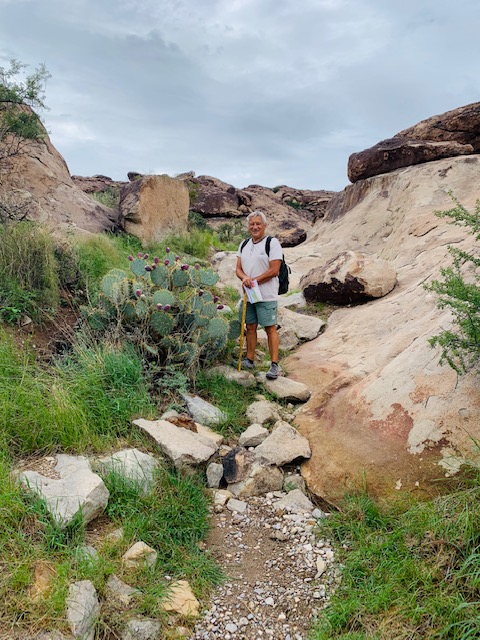
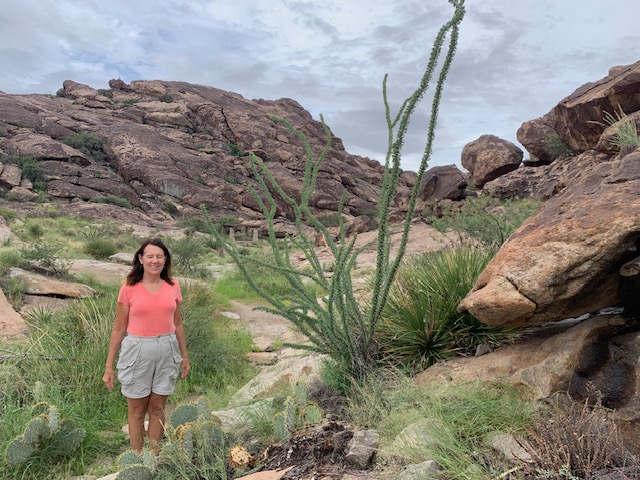
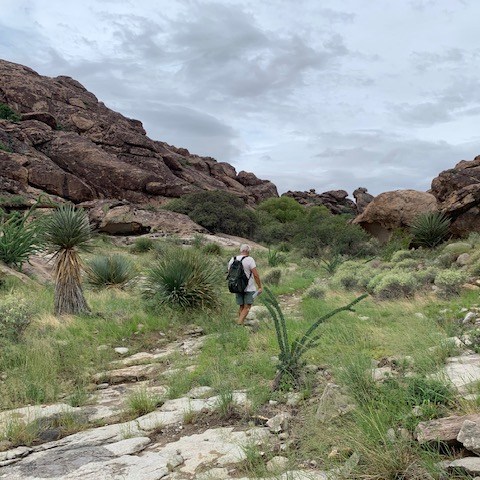
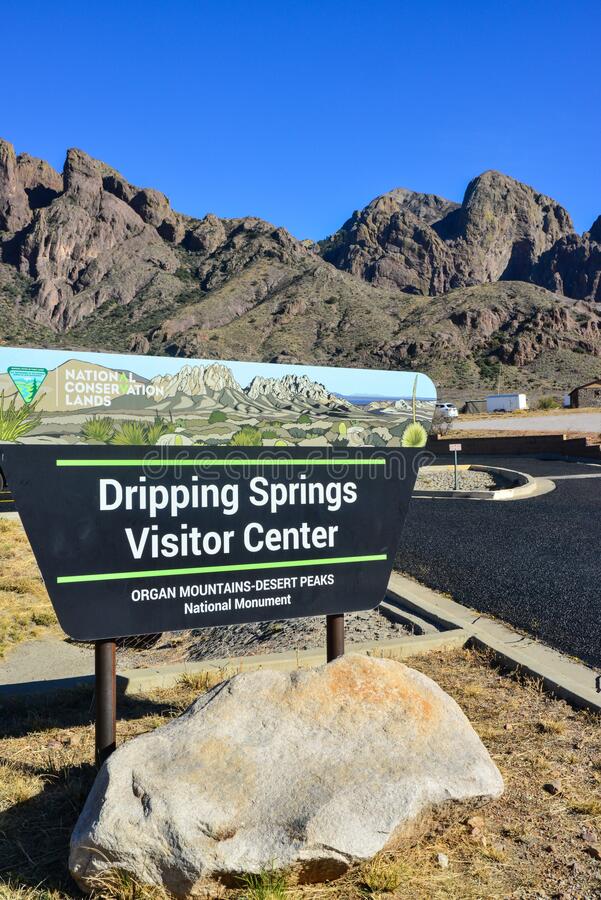
A great day hiking The Dripping Springs Natural Area

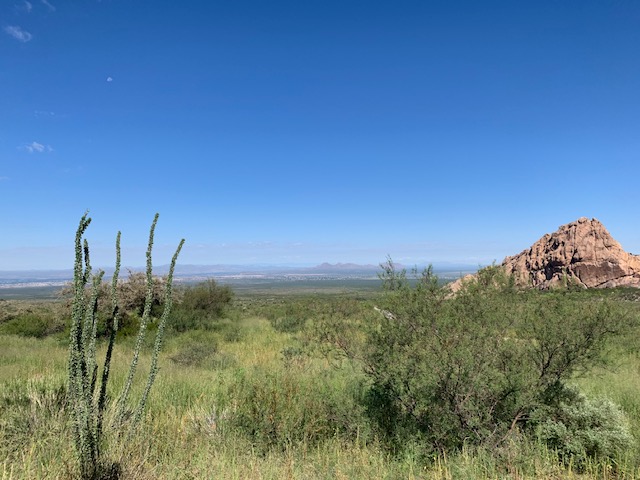
The recreational area was recently established in the Organ Mountains-Desert Peaks National Monument. It’s located east of Las Cruces, New Mexico in the western foothills of the Organ Mountains. It was a beautiful hiking area plus there are historical structures which made it an even greater experience.

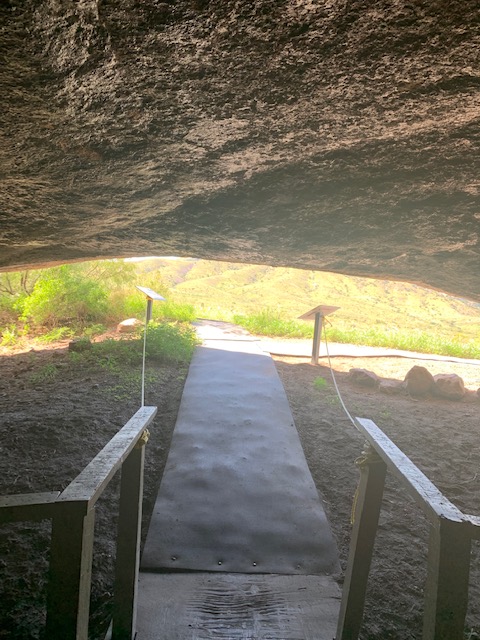
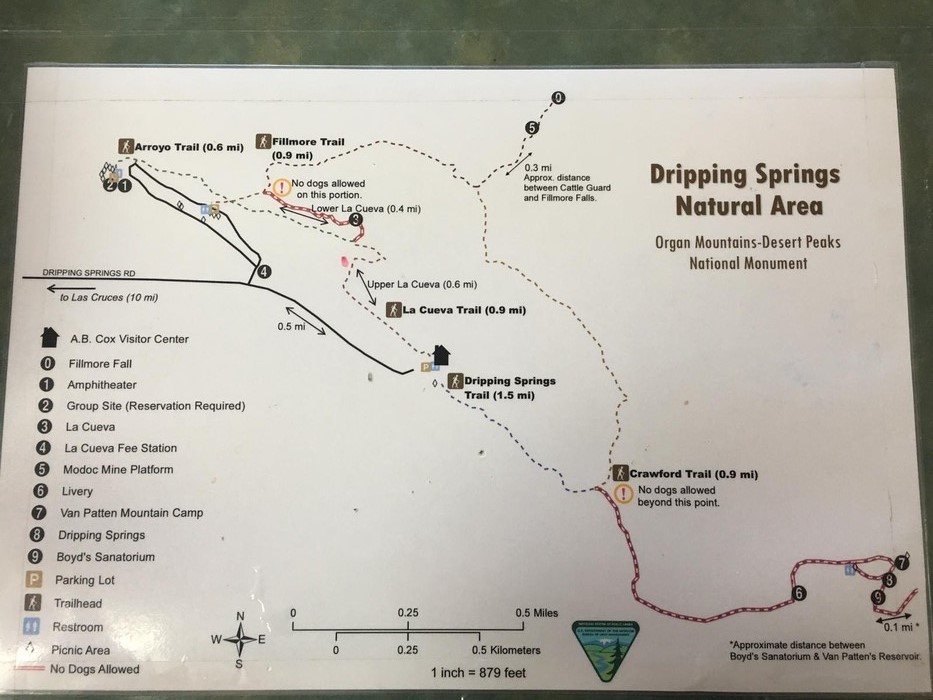
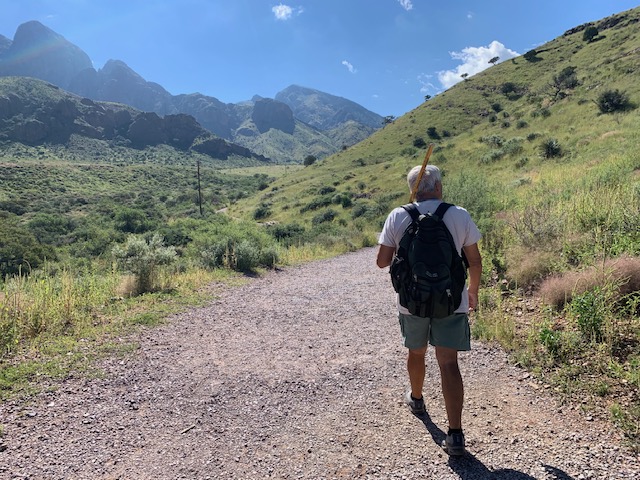
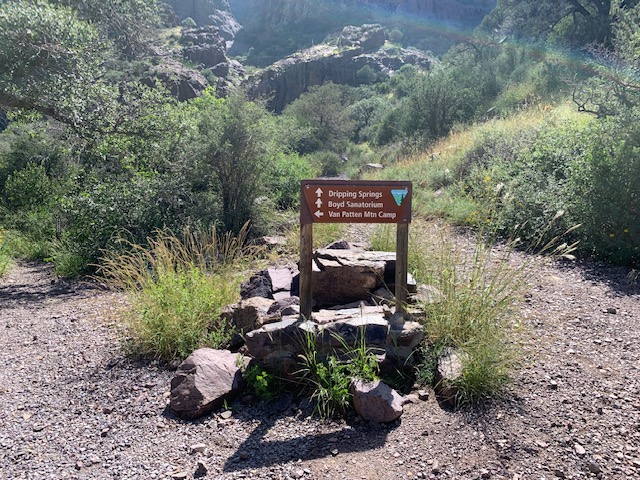
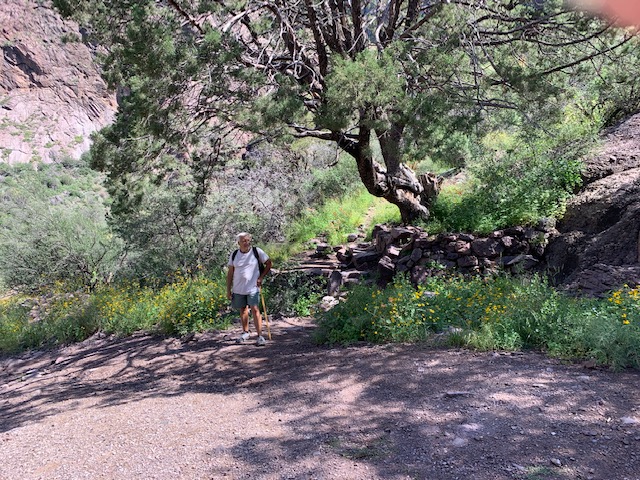
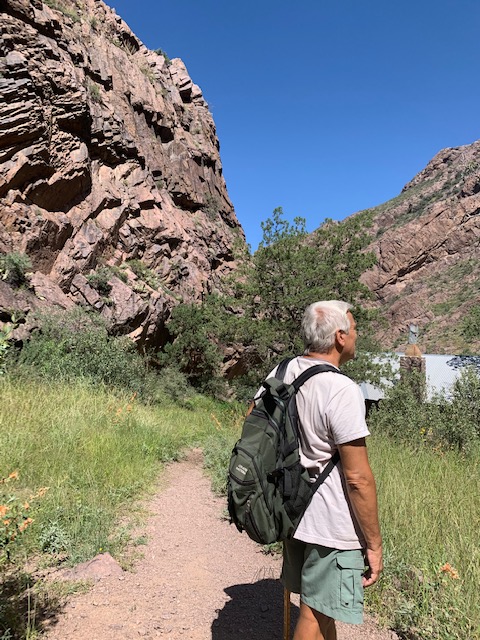
We hiked from the Visitor Center to #9 Boyd’s Sanatorium and back.

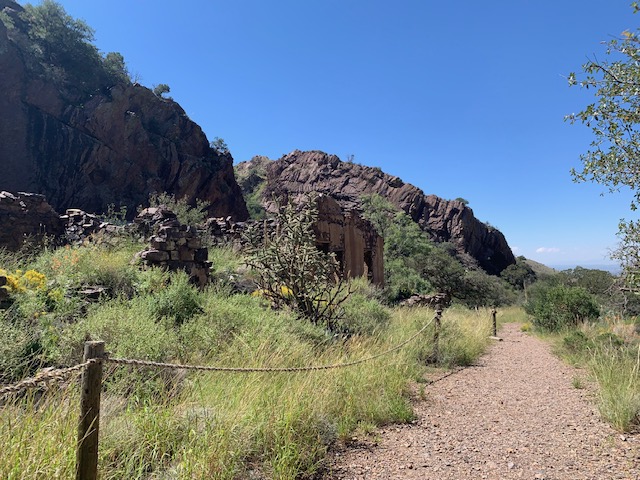
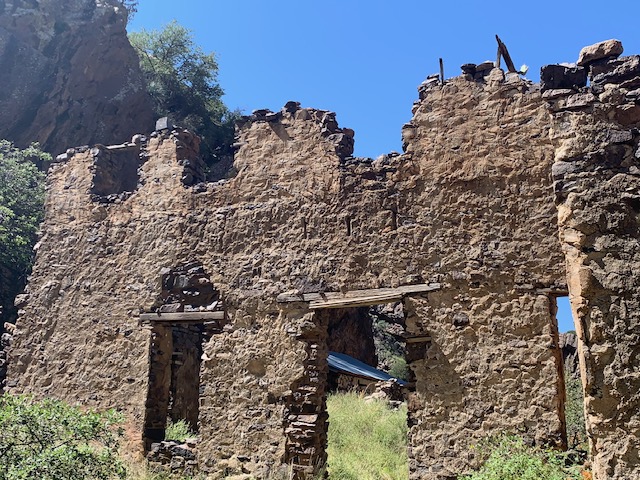
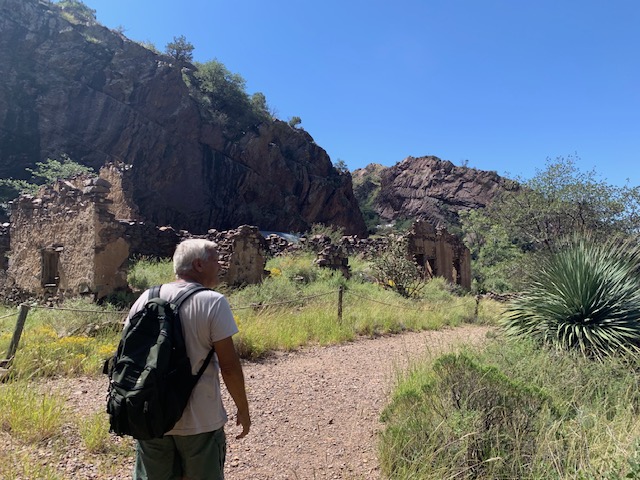
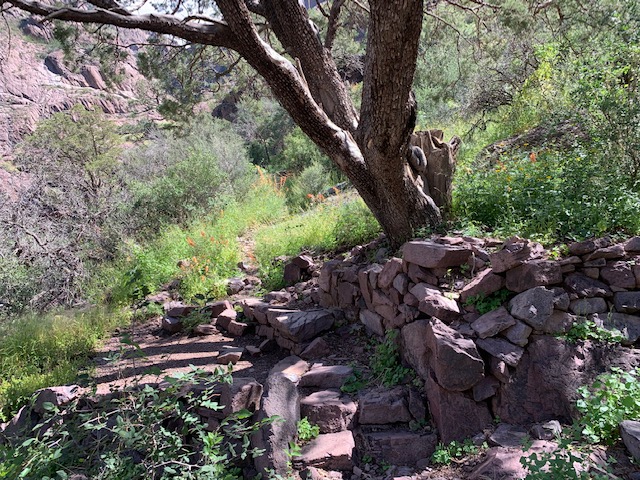
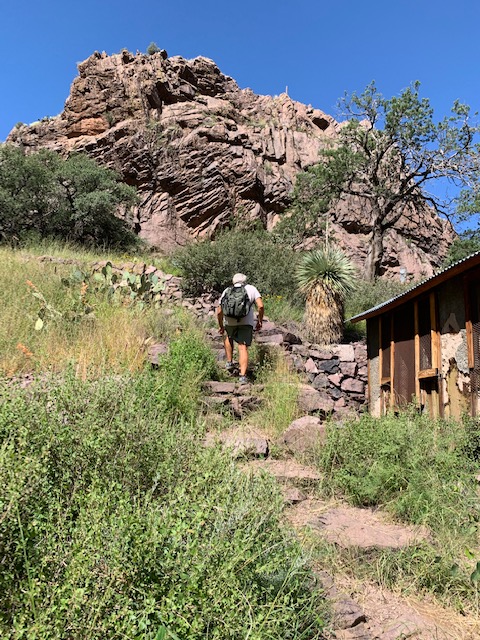
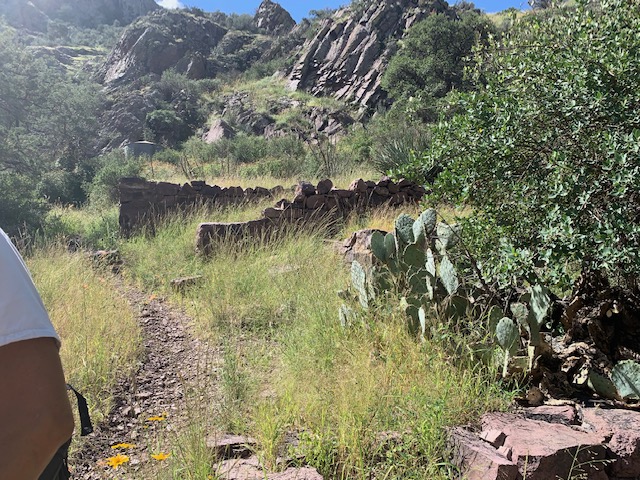
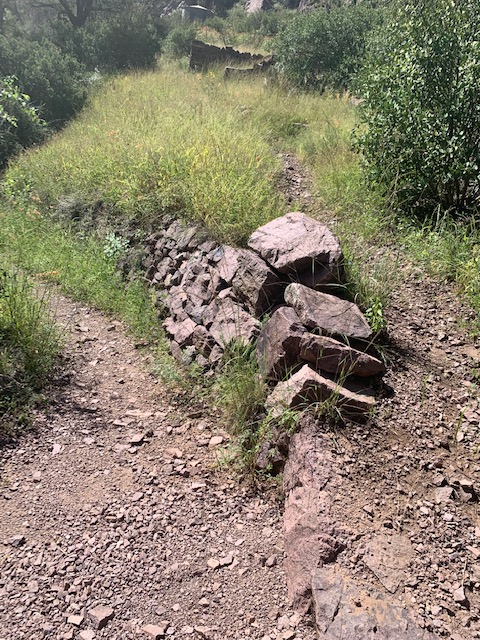
The Dripping Springs Trail that we took was a 3.5 -mile, moderately-rated hiking trail that took us to a waterfall and ruins of an abandoned mountain camp.

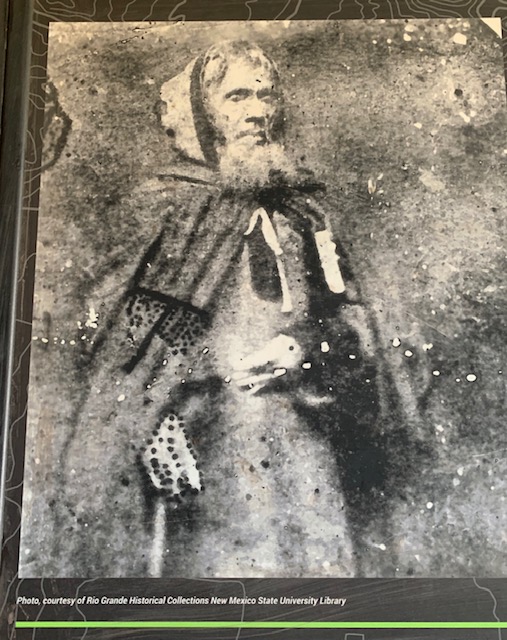
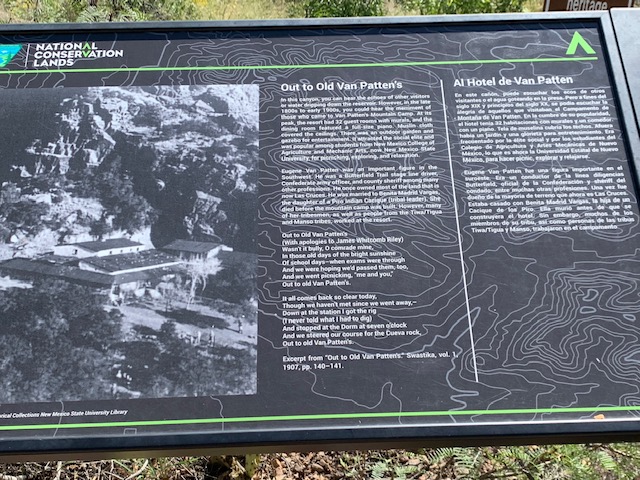
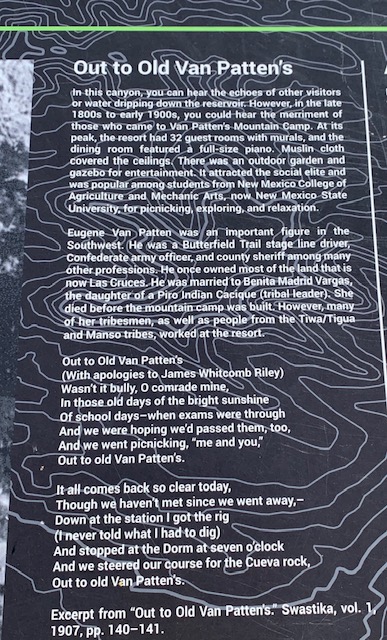
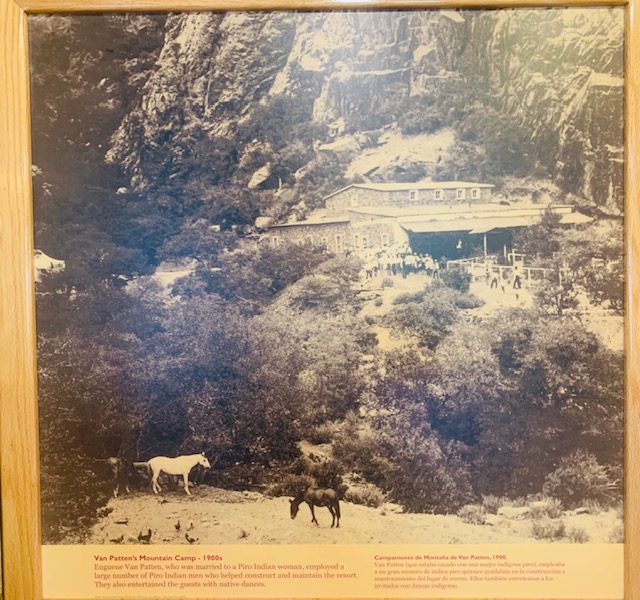
Van Patten, who was from upstate New York, led an exciting life. By the time he opened his mountain resort here, he had been a stagecoach driver, a stationmaster, a county sheriff, a US Marshall, founded several businesses and fought in the Civil War. He was married to a high-ranking Piro Indian woman named Benita Madrid Vargas. He built Van Patten’s Mountain Camp/Resort up here in 1895 and it was finished in 1897.

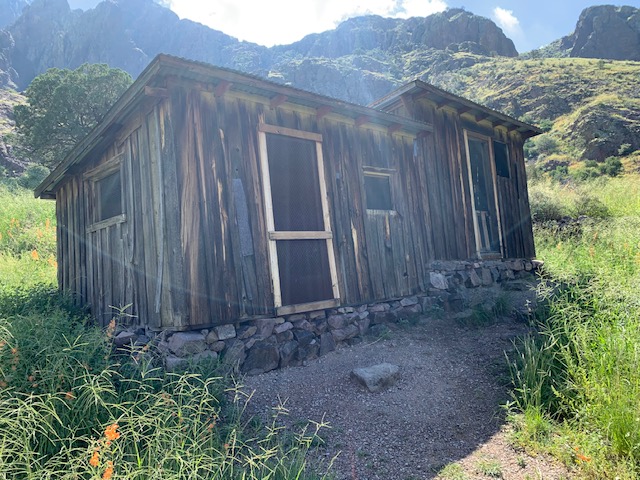
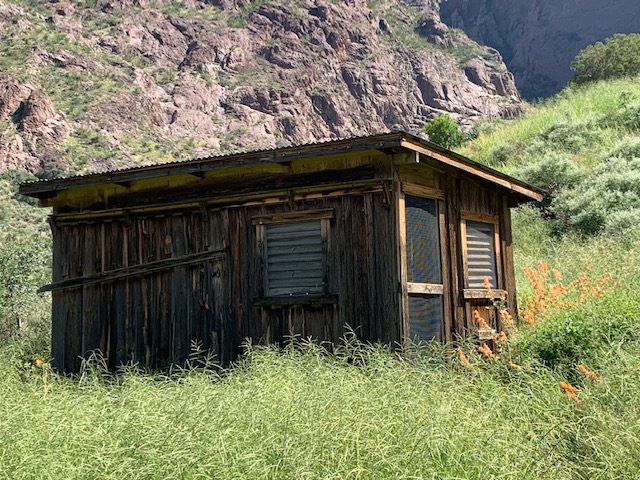
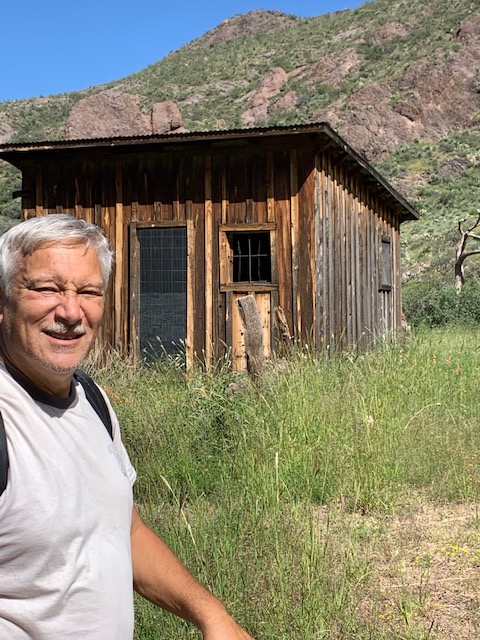
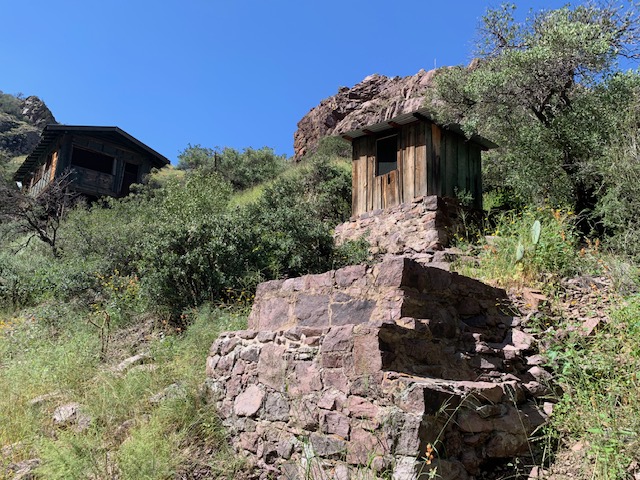
The first buildings you come to are from The Livery.

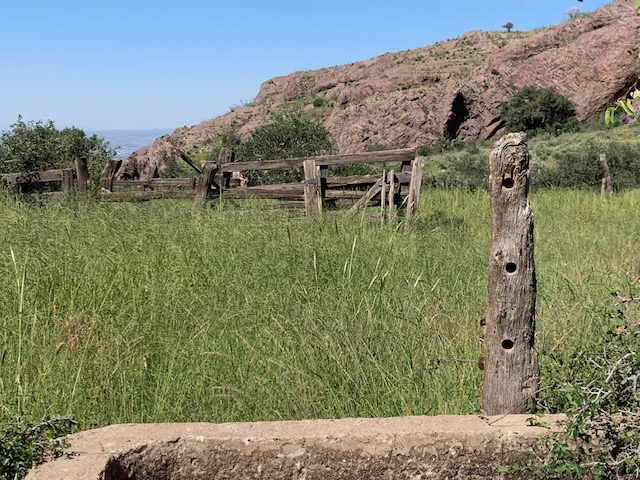
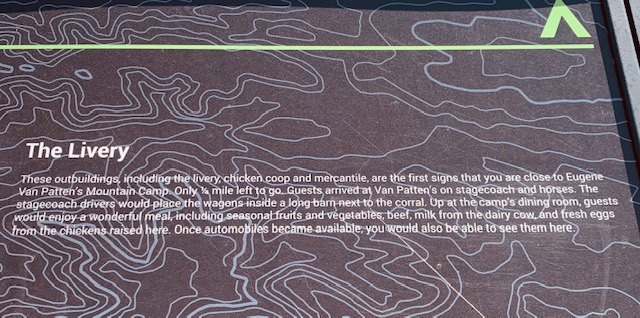
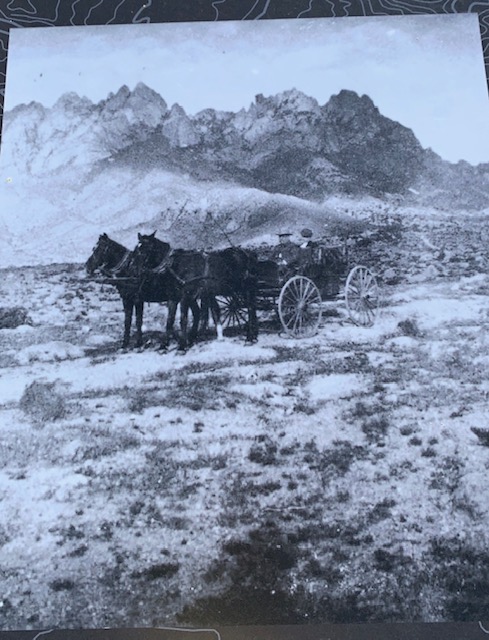
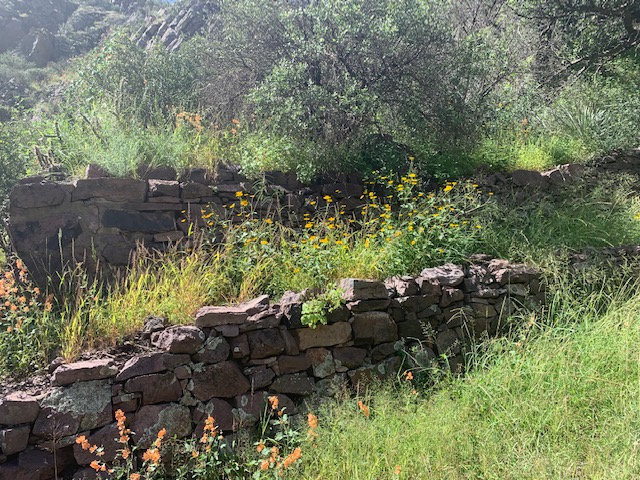
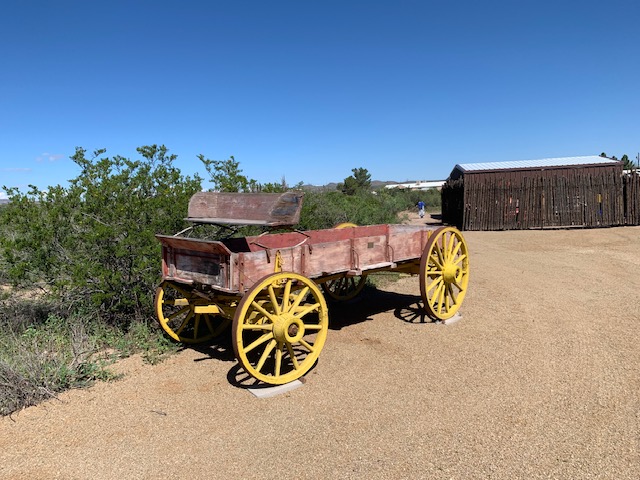
Built in the late 1800’s, these buildings acted as the hub for the servicing of the hotel a little further up. This is where the wagons unloaded supplies, horses were watered, the chicken coop was kept, and even a vegetable garden grew food for the guests. The stagecoach delivering guests would drop them at the resort’s front door and then head back down to this location. At the height of the resort’s popularity the station included a barn for coaches, wagons, horses and a general store.

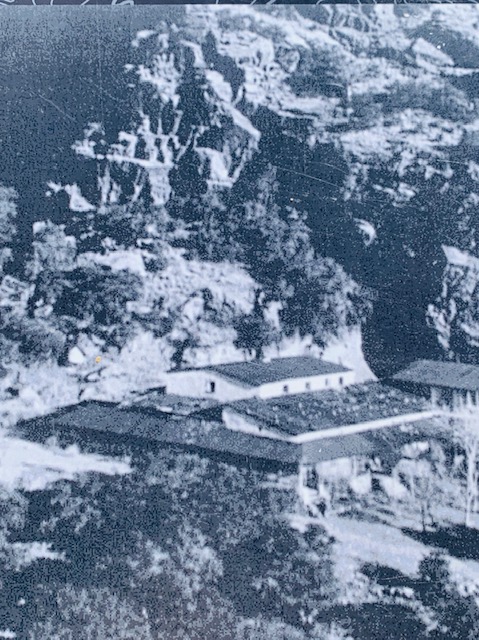
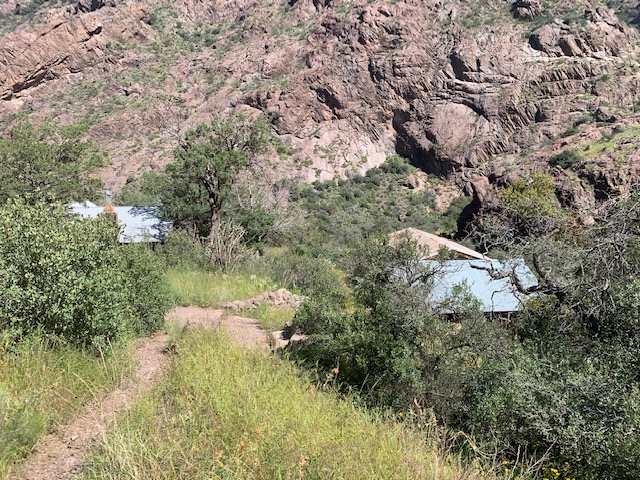
Next stop Van Patten Camp.

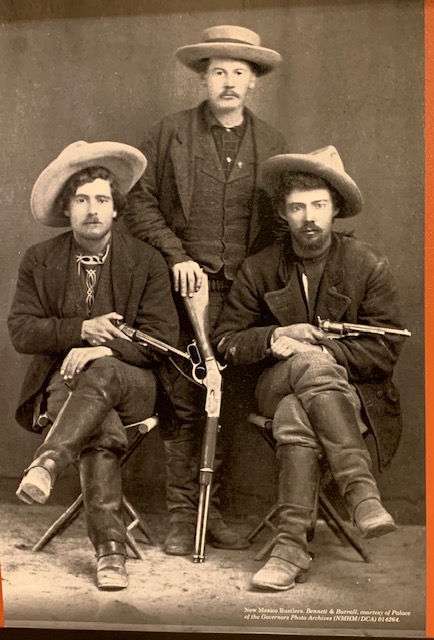
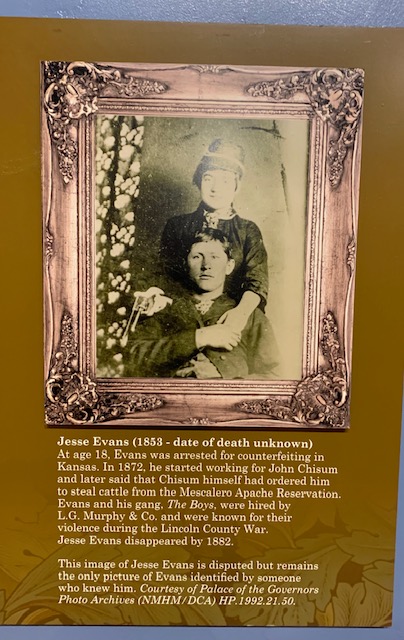
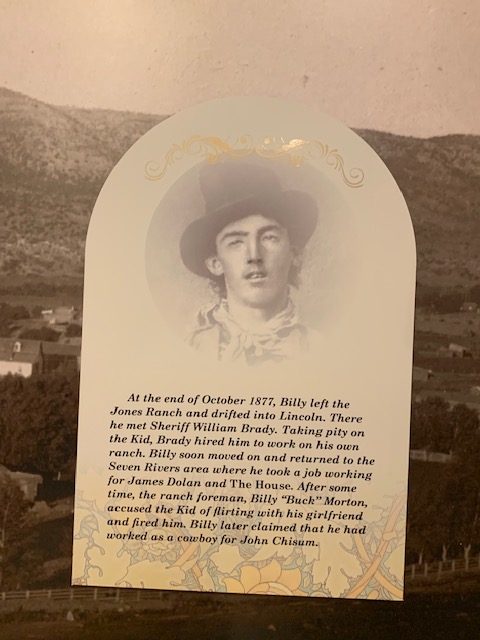
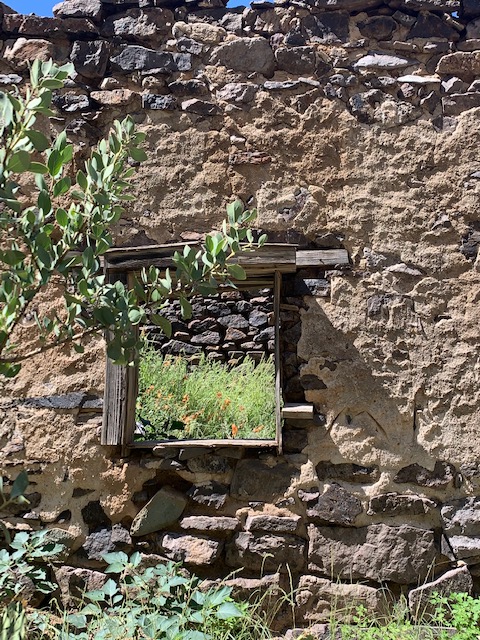
It had 15 guest rooms, a dining hall, a concert hall, a gazebo and a roller-skating rink. The resort, named after its founder and owner Eugene Van Patten, offered guests a refreshing break from the stifling heat of Las Cruces in the desert below. It was all very glamorous and incredibly beautiful and by 1900 Van Patten’s Mountain Camp was the talk of the Southwest. It attracted notables such as Pancho Villa and Sherriff Pat Garrett, known for killing Billy the Kid. Rumor has it that Billy the Kid, who was indeed active in and around Las Cruces, was also a guest. Obviously not at the same time.

Because of Benita’s family (his wife) and community connections, the resort was staffed by young Piro men and boys. They worked at the hotel and the livery area and helped maintain the roads. The younger boys carried cool water from the rock springs to the guest rooms. Sometimes Piro men captivated resort guests by putting on dance performances in the roller-skating rink.

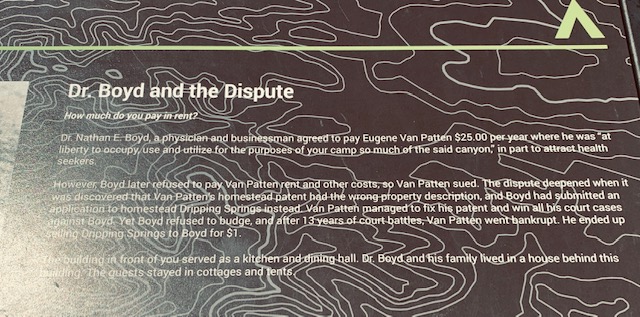
The resort lost its charm and fell on hard times during the First World War. By 1917 it was all over. Van Patten went bankrupt and sold the property to Dr. Nathan Boyd, a San Francisco physician who renamed it the Dripping Springs Resort.

The resort lost its charm and fell on hard times during the First World War. By 1917 it was all over. Van Patten went bankrupt and sold the property to Dr. Nathan Boyd, a San Francisco physician who renamed it the Dripping Springs Resort.

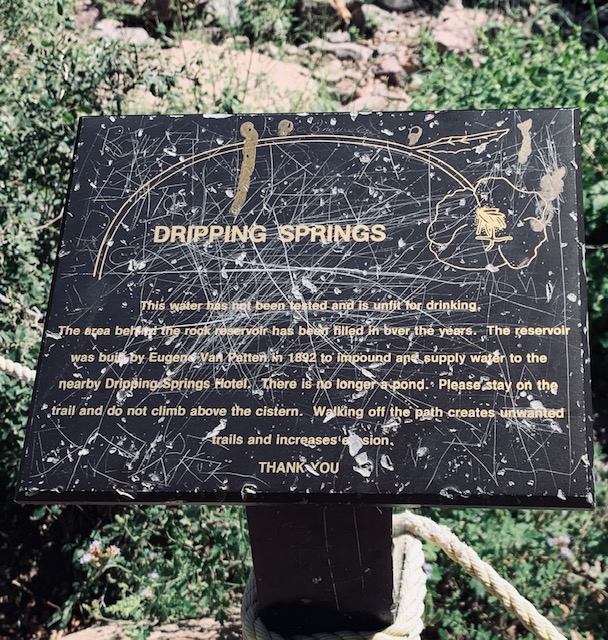
The next stop was Dripping Springs

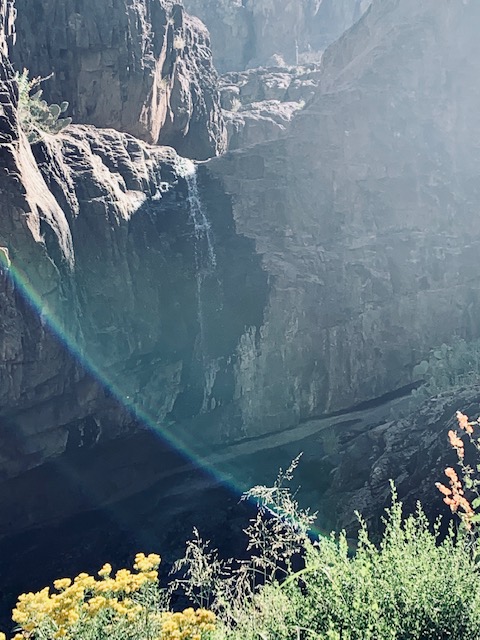
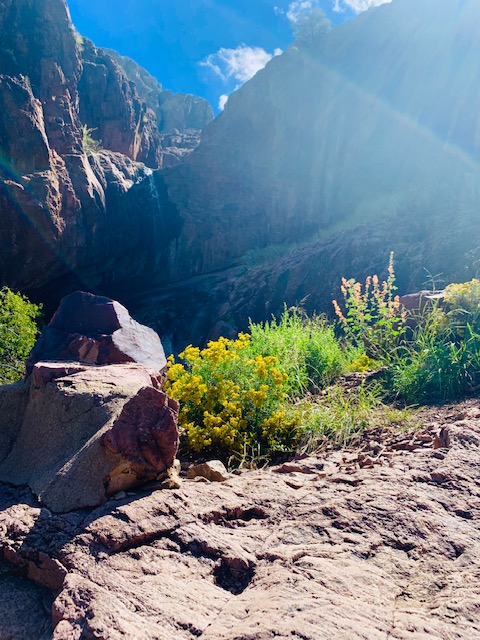
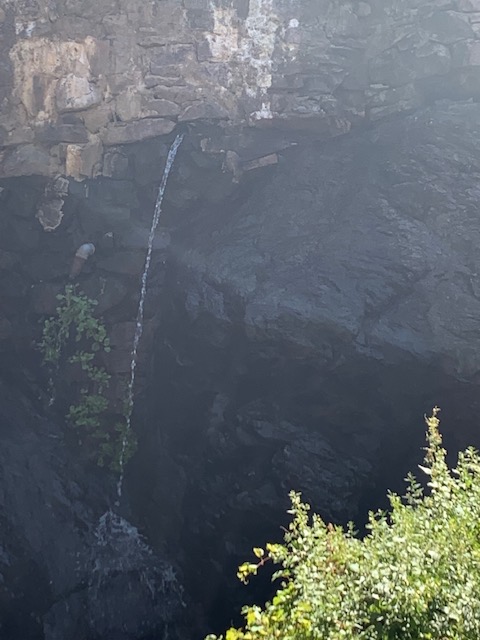
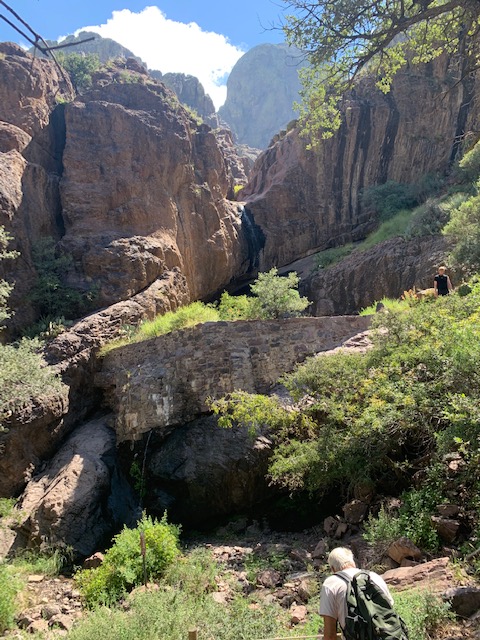
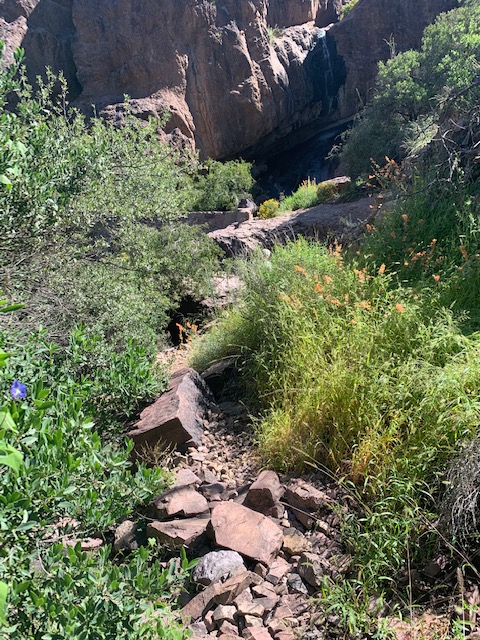
The next stop along the trail is where the the rock springs lies just beyond the resort. Water emerges several places in the cliff face, in some spots as small waterfalls. The amount of water coming out of the mountainside depends on the season. As you can see not a lot of water is coming out at all, but it was still a nice place to take pictures and walk around.

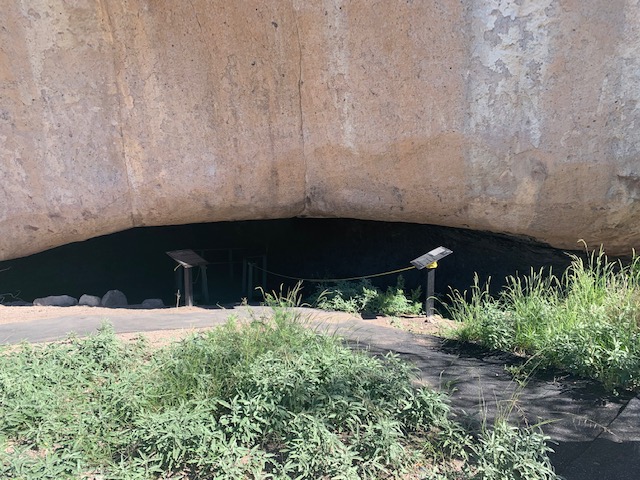
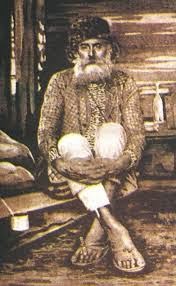
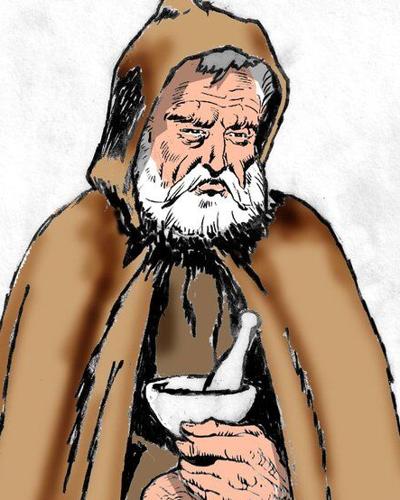
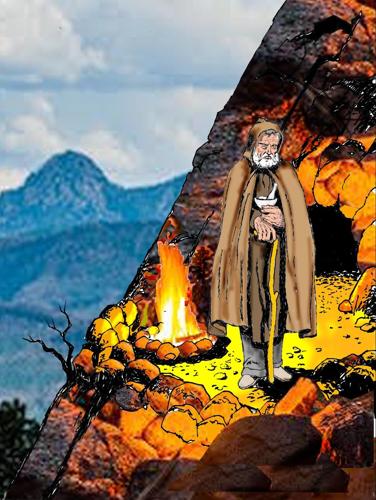
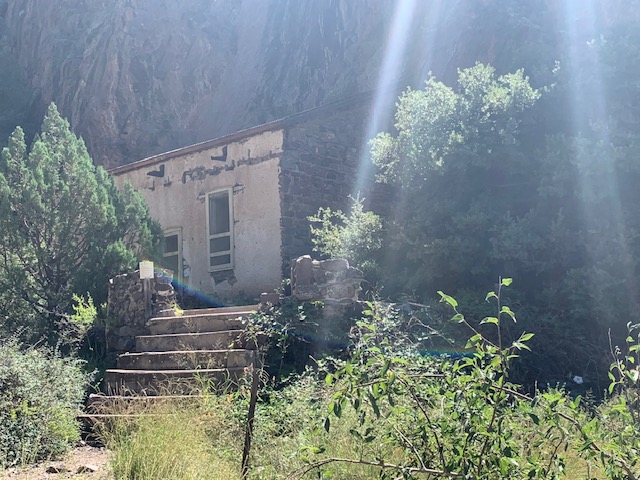
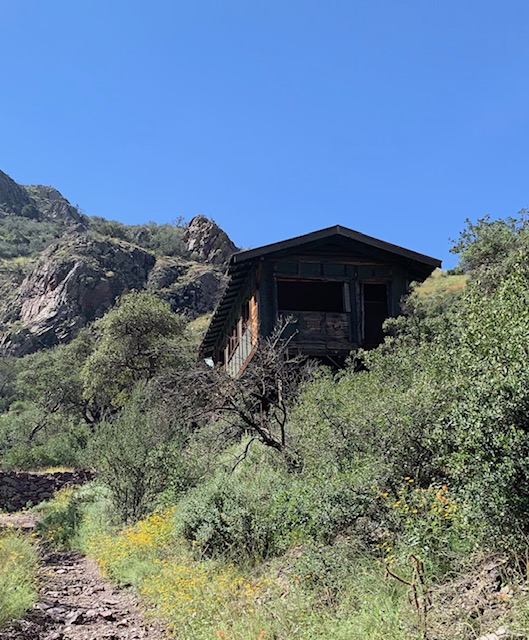
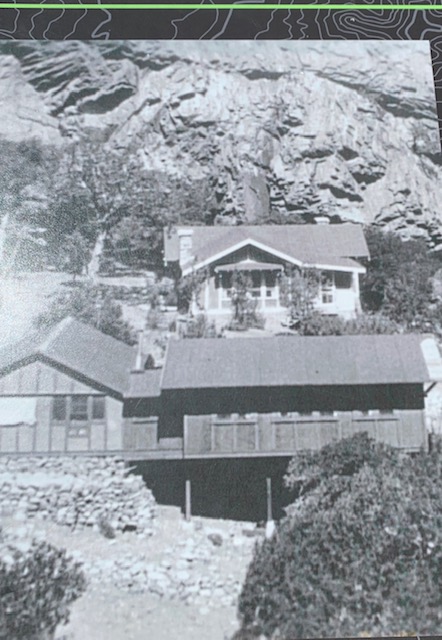
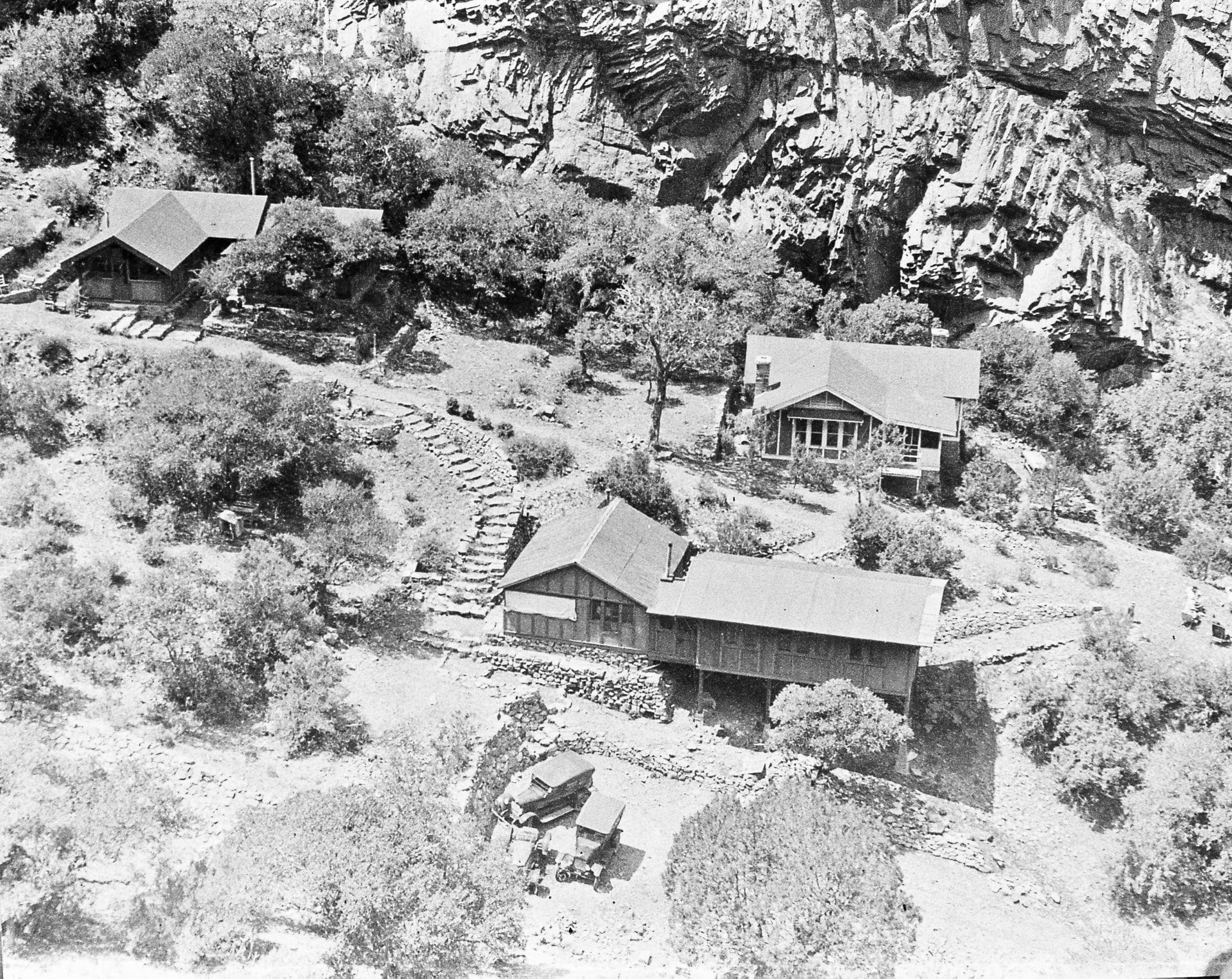
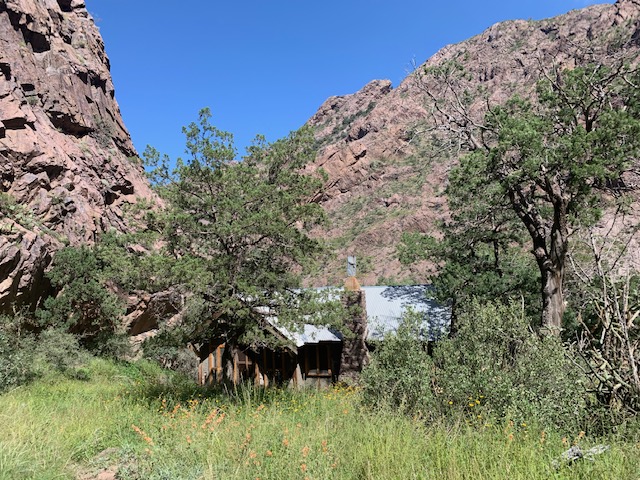
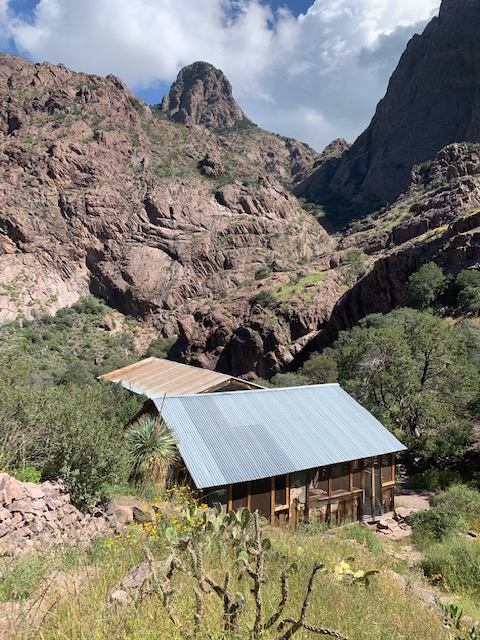
Next stop Boyd’s Sanitarium, he is the one who bought the property from Van Patten

During the 1800s, for reasons that are still unclear, people began to link tuberculosis to the climate. It was felt that the humid atmosphere in big cities along the coasts was making people who already had consumption sicker as well as causing the disease to spread more rapidly. Doctors recommended that patients move to the high mountain deserts of the Southwest for the thin, dry air. Thousands upon thousands of them, along with their doctors and nurses, migrated to New Mexico.

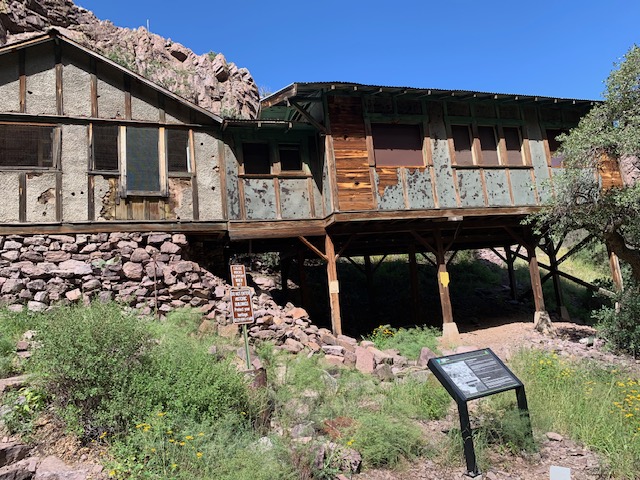
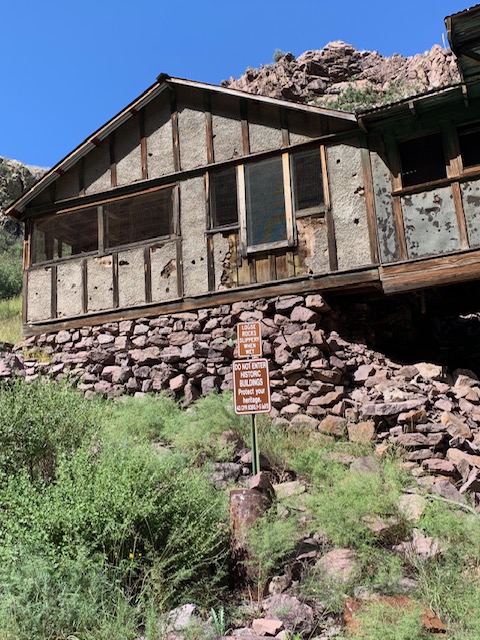
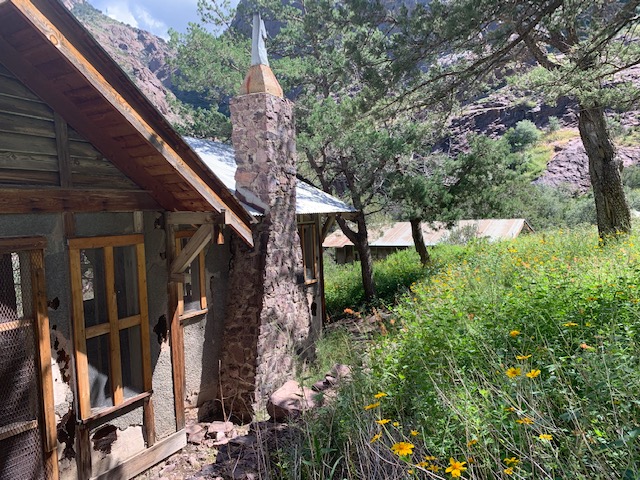
Dr. Boyd constructed the sanatorium in 1910. He built if for his wife who tuberculosis and for a brief time, it housed other tuberculosis patients until Dr. Boyd, too, experienced financial difficulties.

The hospital would begin to fail during the 1920s, when high dry air and tranquility began to give way to new vaccines and treatments as a more effective means for dealing with the disease. Boyd, with other failing business ventures and mounting legal expenses, sold his Dripping Springs property to a Las Cruces physician, Dr. Troy C. Sexton in 1922.

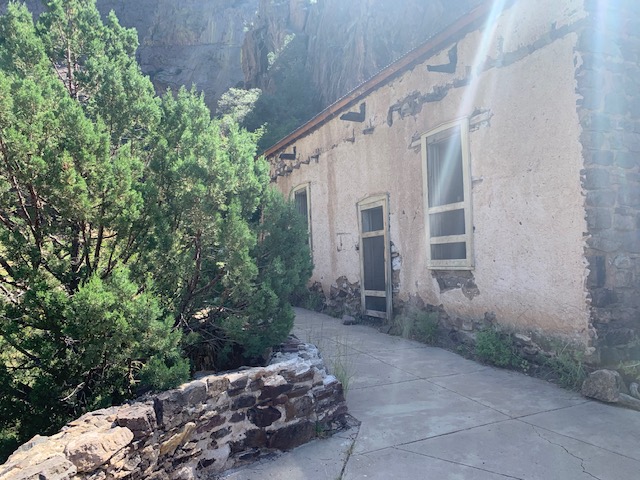
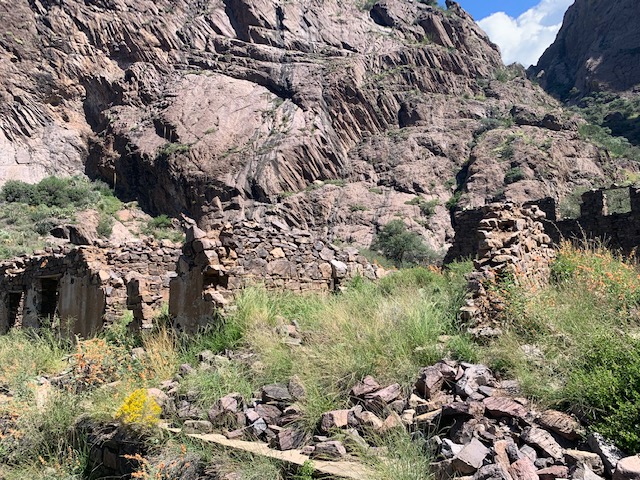
The sanatorium would shut down within a few years. Eventually, rancher A. B. Cox would acquire the Dripping Springs land, using the water for his livestock. Scavengers, weather and time have taken a toll on the structures. Today, the Cox ranch house serves as the visitor center.

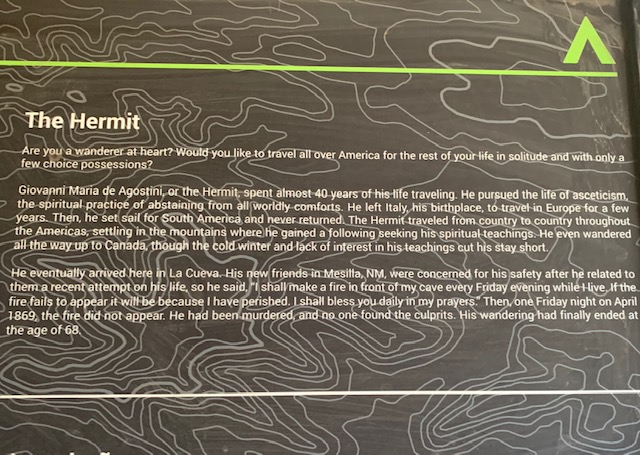
It was a great hike seeing all the plants, animals and ruins and thinking back to what it was like when The Van Camp was up and running. And thinking about having to roller skate with a dress on.

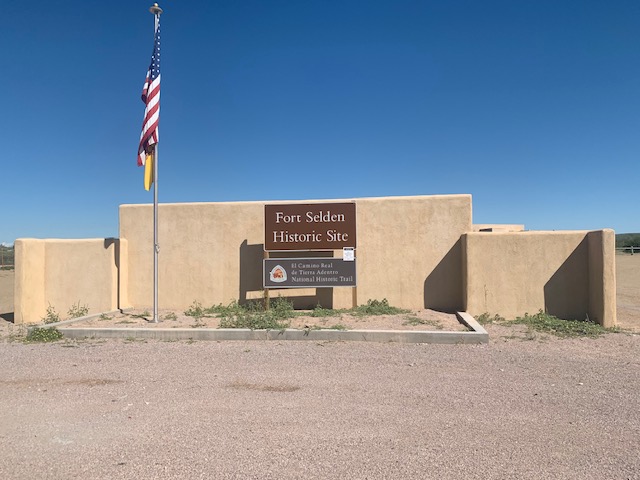
FORT SELDEN STATE HISTORICAL SITE

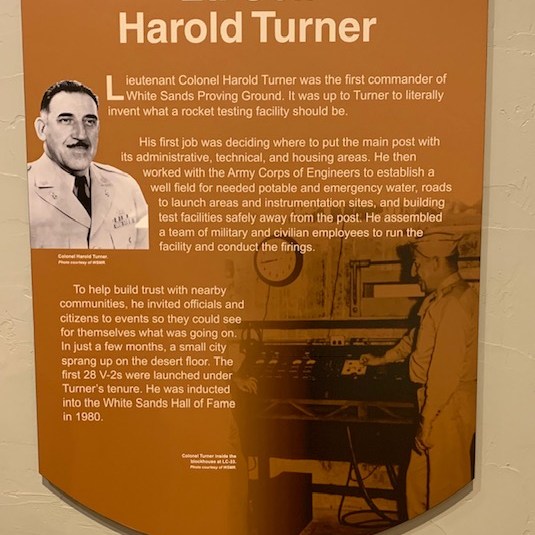
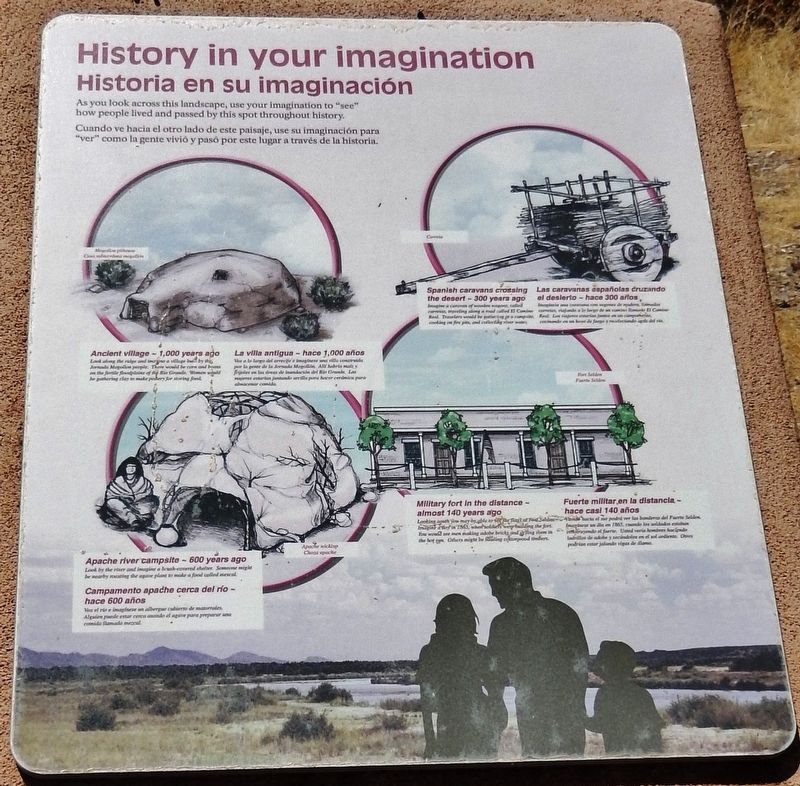
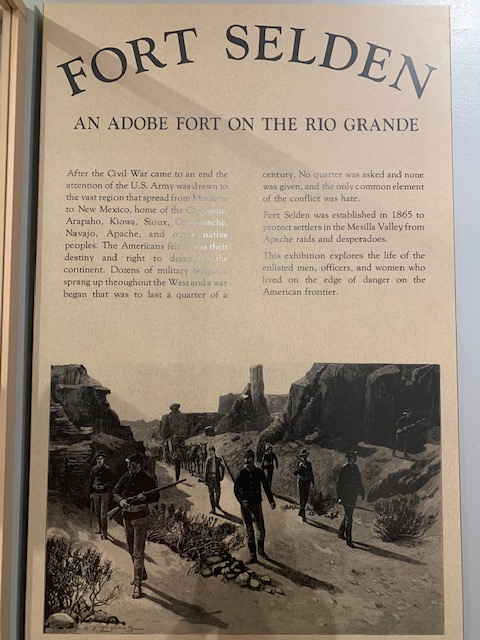
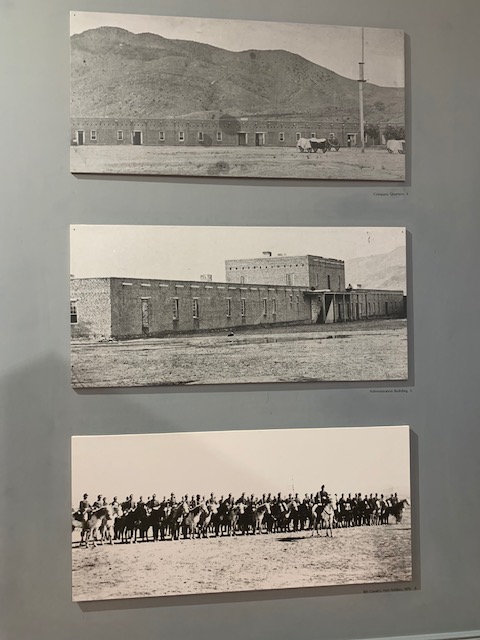
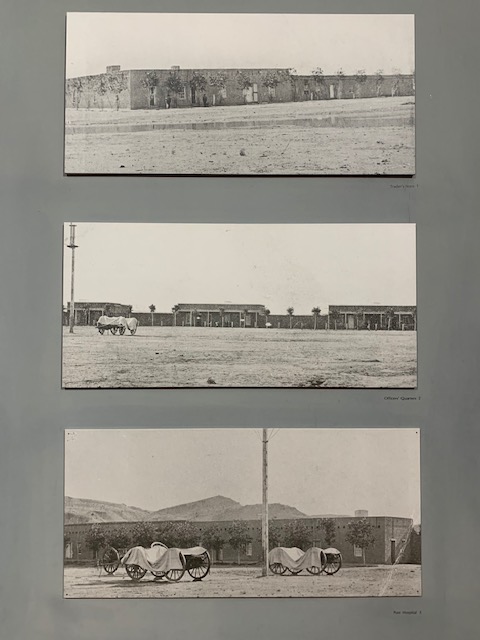
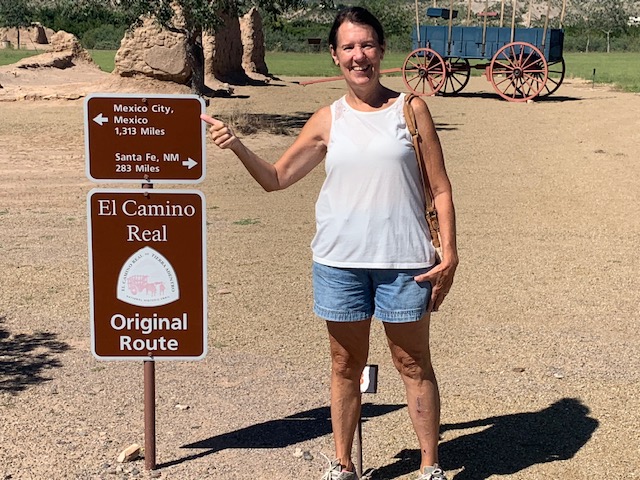
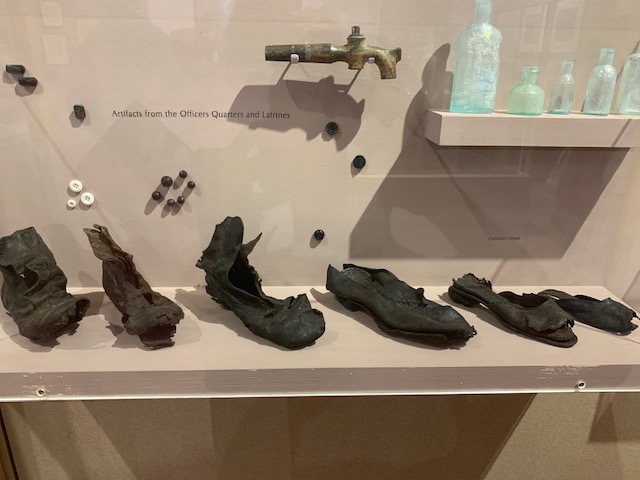
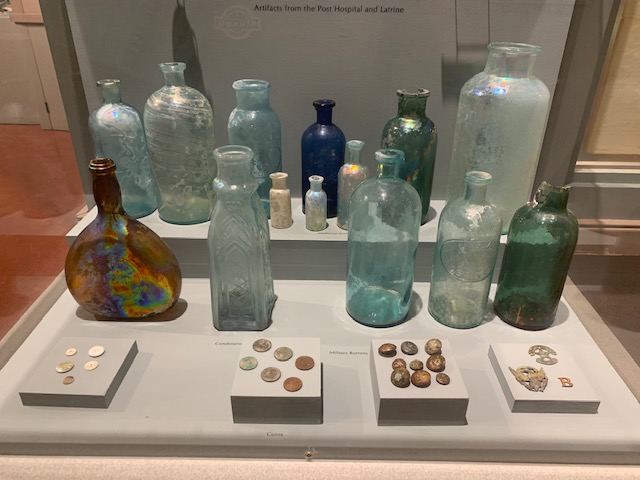
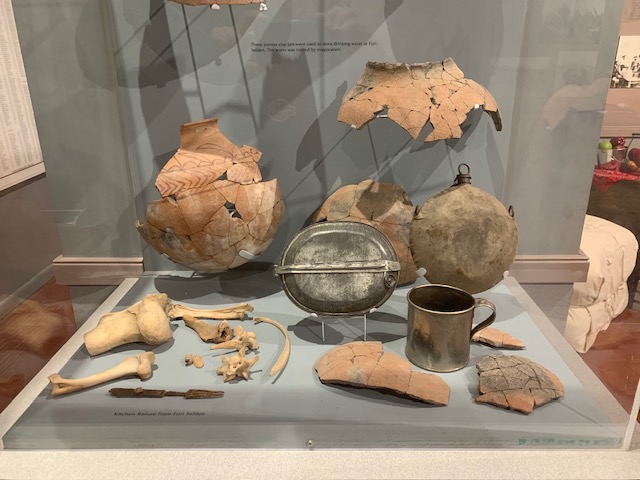
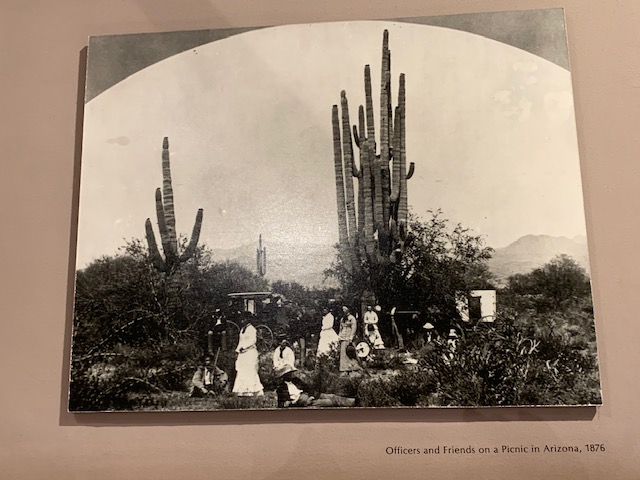
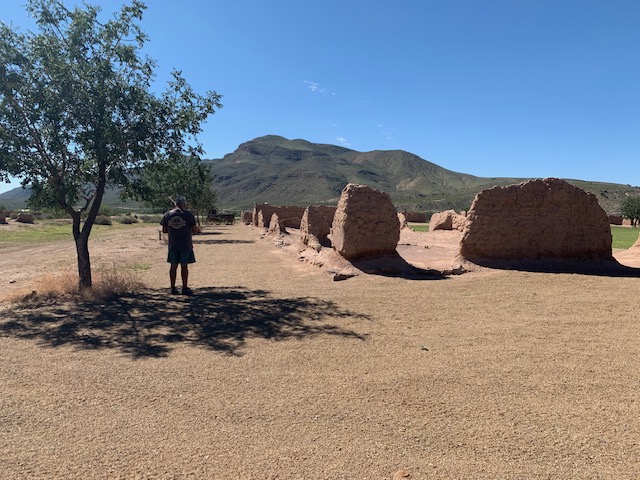
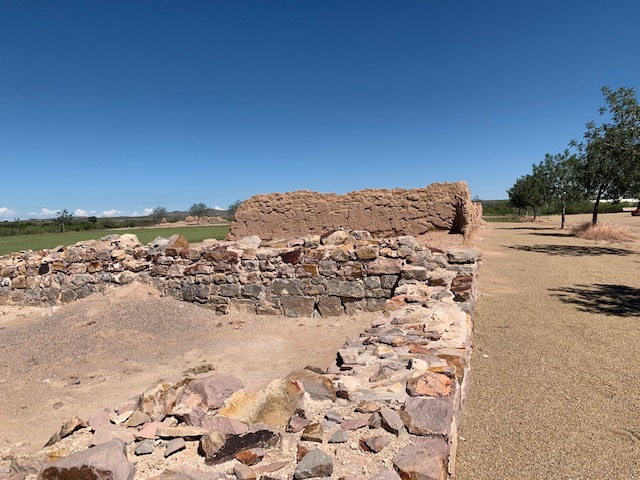
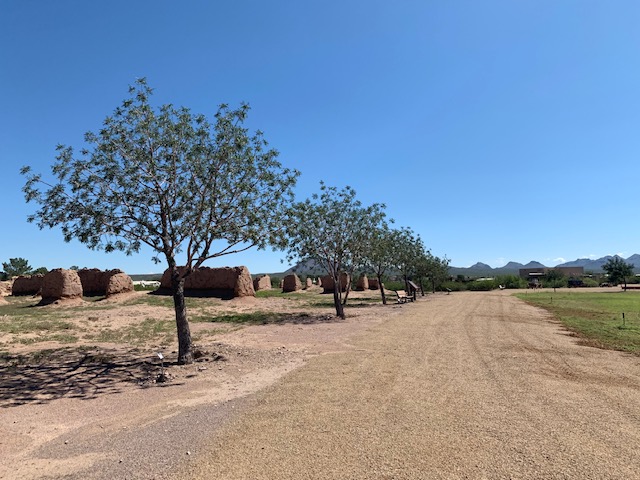
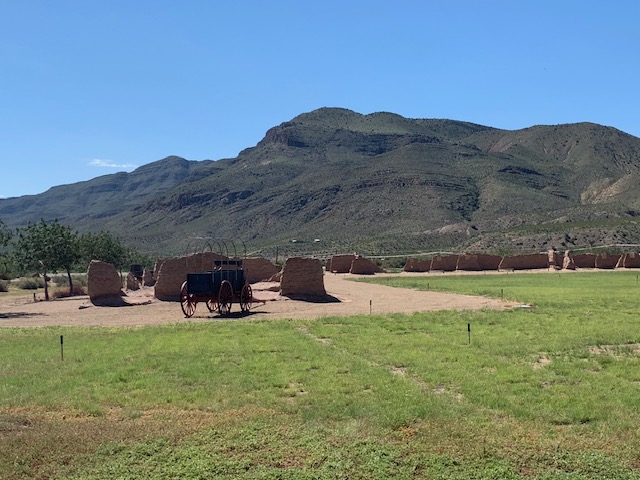
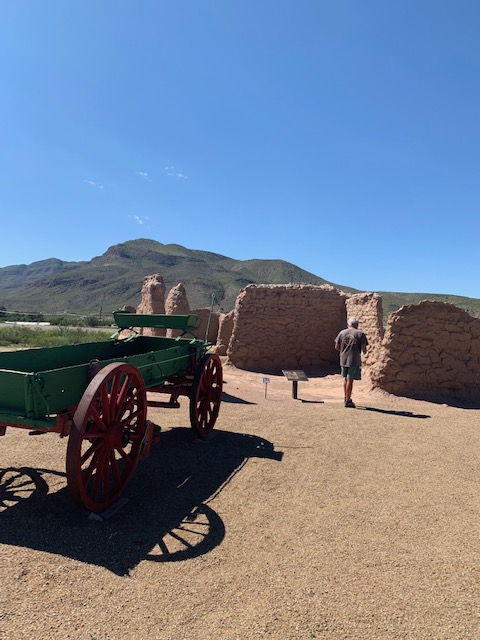
Today we went to Fort Selden, which is right next to the park here. Before the dam and before the state park, there was Fort Selden, built in 1865, right along the Rio Grande river. The fort also was right along the El Camino Real De trail or (The Royal Road of the Interior) which ran north from Mexico city to Sante Fe. Melissa mentioned this in her post on the missions. The fort was built to protect traveler’s along the route from Indians and renegade cutthroats. The Fort was small in size to many of the other forts built during that time. It was made of Adobe, which was common in these parts. However it contained a high sand content and was prone to deterioration. It now is just a ruins. As a fort it had everything it needed to function, but in smaller degrees compared to the very large Fort Union. It had infantry, Calvary and a contingent of Buffalo soldier’s ( Black Soldiers.). The fort ran from 1865 to 1887. In 1881 a railroad came through just about a mile away, thus sealing the fate of the Fort. After it closed, all the wood, from the roofs, windows, doors was taken away, thus hastening the erosion of the fort. The visitor center had a great display of artifacts from the fort and old pictures of it during it’s operation.

The fort as it looked in the day.

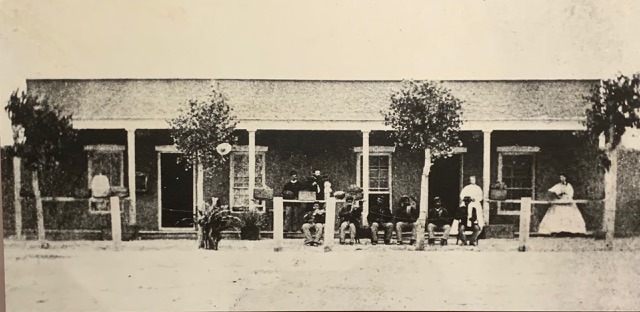
Officer’s Quarters

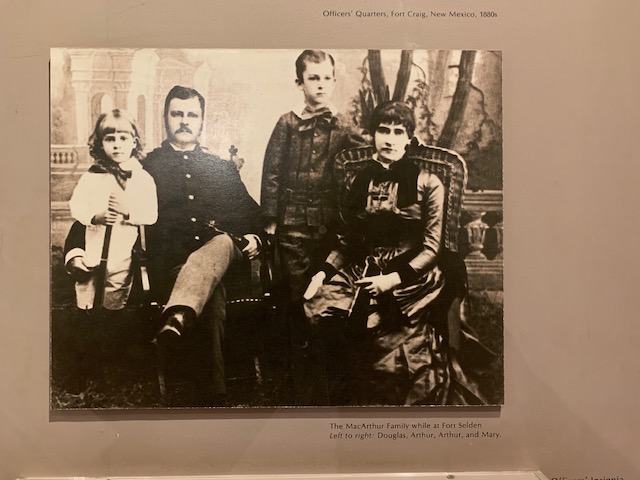
One commander of the fort for a few years was Captain Arthur MacArthur and his wife Mary, there two kids left to right Douglas, and Arthur. Yes that is the Same General Douglas MacArthur of World War II fame.

Soldiers drawing of his daily work routine

LAS CRUCES NEW MEXICO

We are now back in New Mexico, just above Las Cruces, staying for a week at Leasburg Dam State Park. The park is right along the Rio Grande river, which is dry right now. We have a nice pull thru spot and nice scenery unlike El Paso. Drove 72 miles today, north from El Paso.

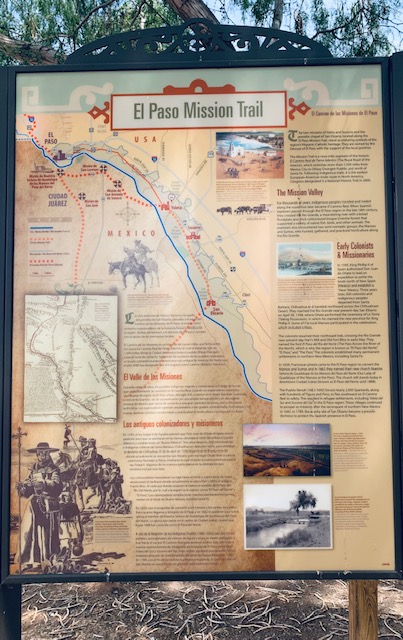
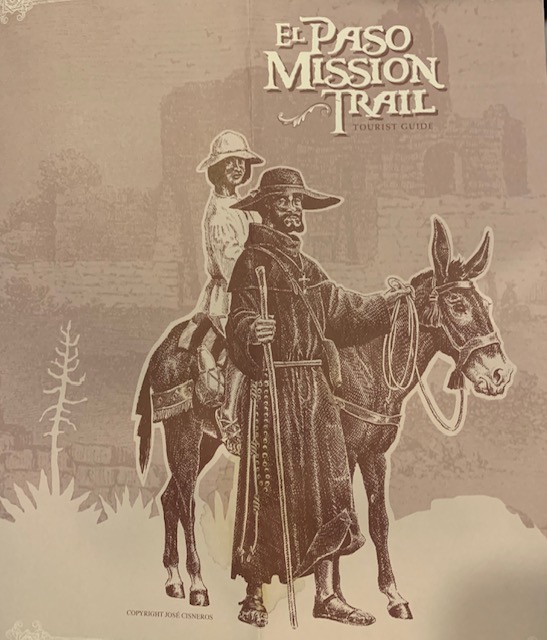
We went to explore the El Paso Mission Trail and Billy the Kid.

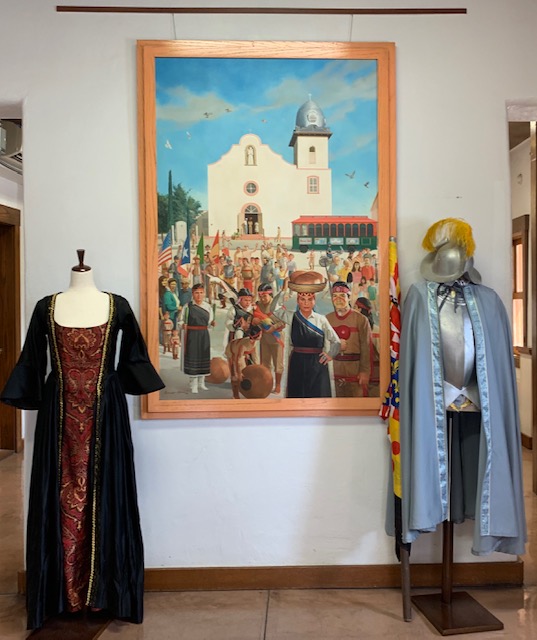
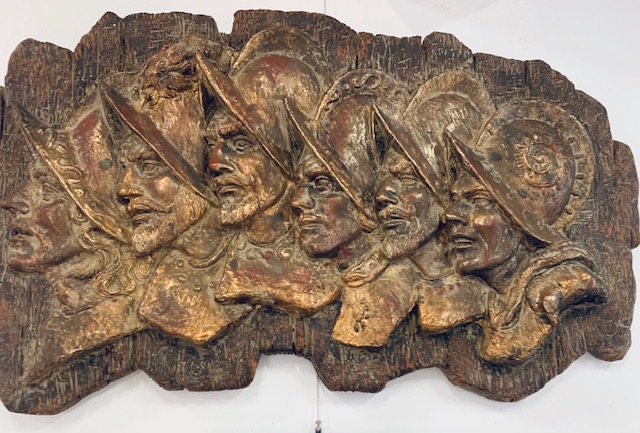
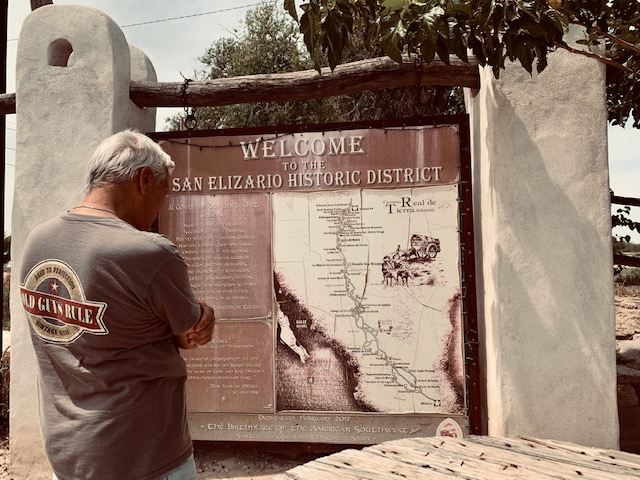
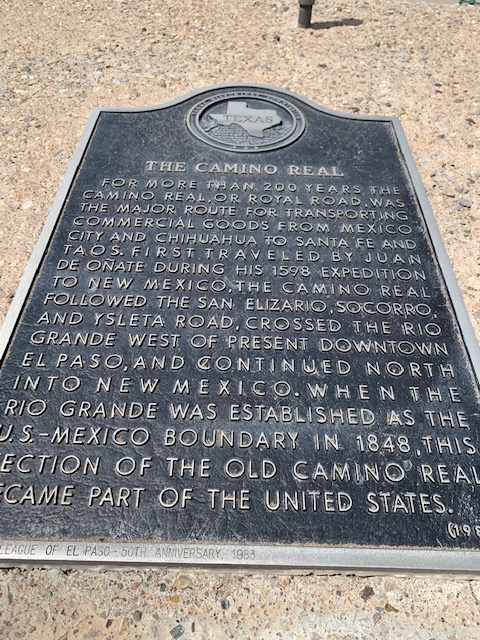
The mission trail was founded way back in 1598 by Governor Don Juan de Oñate of Spain, and was the first mission trail in America. Oñate led a caravan of 500 colonists along with 12 Franciscan missionaries on an expedition to settle a new province. The colonists traveled for weeks over miles of Chihuahuan desert before finally reaching the south banks of the Rio Grande.

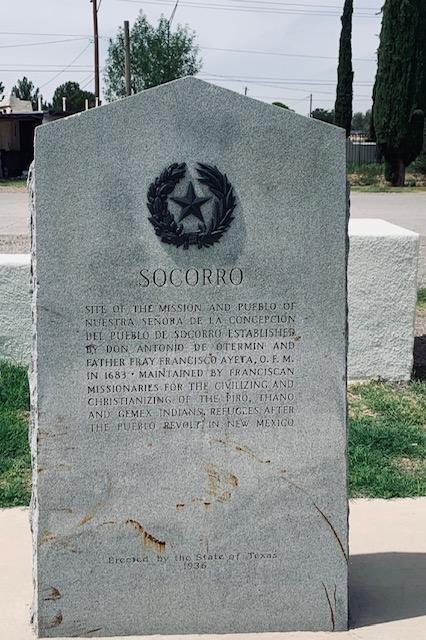
It was along this route that Franciscan missionaries built the missions at Ysleta, Socorro, Presidio Chapel of San Elizario, and Mision de Guadalupe, which is in Mexico. Many of the displaced natives fled to start new communities along the Rio Grande after the 1680 Pueblo Revolt, which was the largest Indian revolt in the history of the Americas.    Spanish conquistadors, Franciscan clerics and native Indians took refuge along the southern bank of the Rio Grande in these Missions.

Two of the missions are the oldest continuously operated missions in the United States and a chapel. An interesting fact about them is that they used to be south of the Rio Grande in Mexico, but  since the river has changed its course over the years, they are now in the U.S.

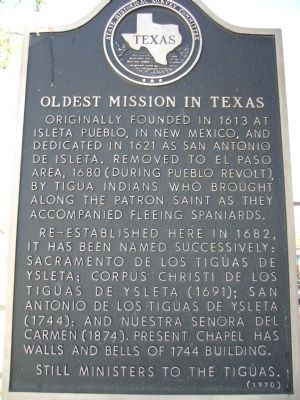
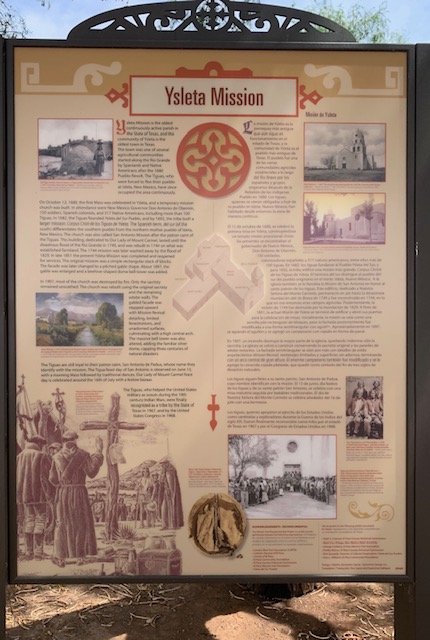
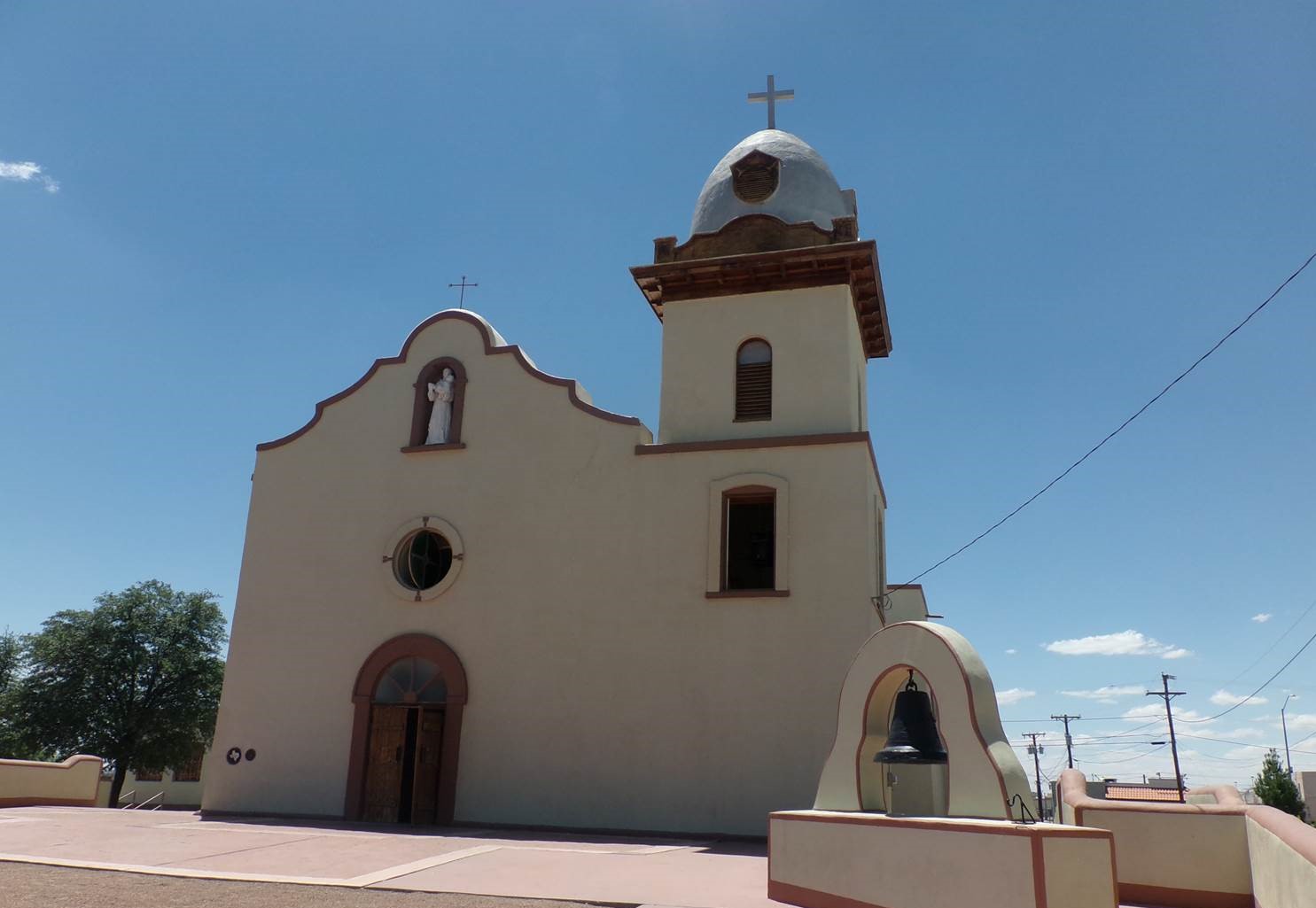
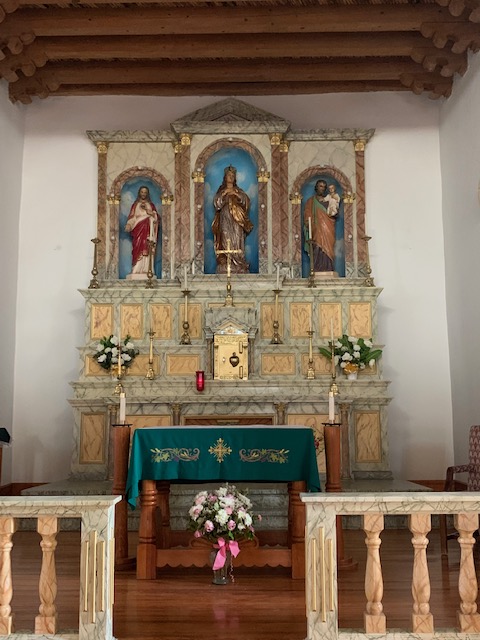
We went to the Mission Trail Association to pick up some brochures and maps. Across the street was our first stop The Ysleta Mission.

 The Ysleta Mission is recognized as the oldest continuously operated parish in the State of Texas.

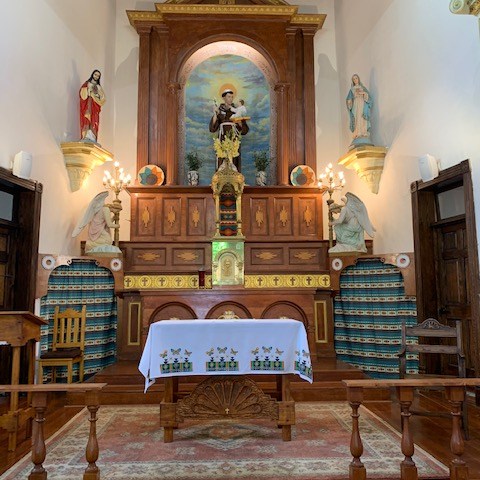
You can still see the old parts of the mission

The Mission has dance demonstrations in the courtyard and on Saturdays, visitors can watch bread baking and taste fresh samples. Boy that sounds mighty good about now.

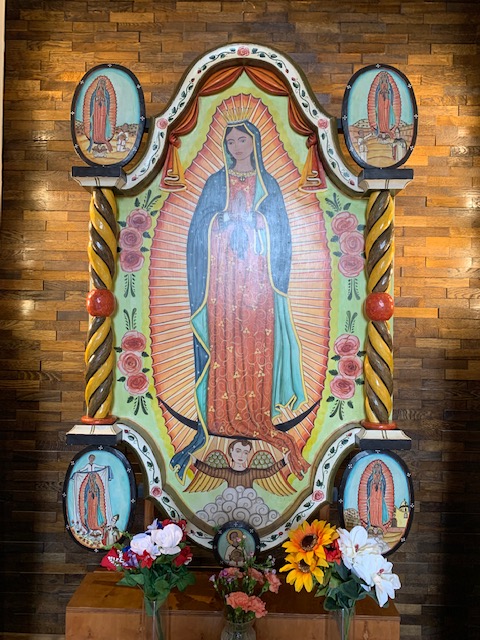
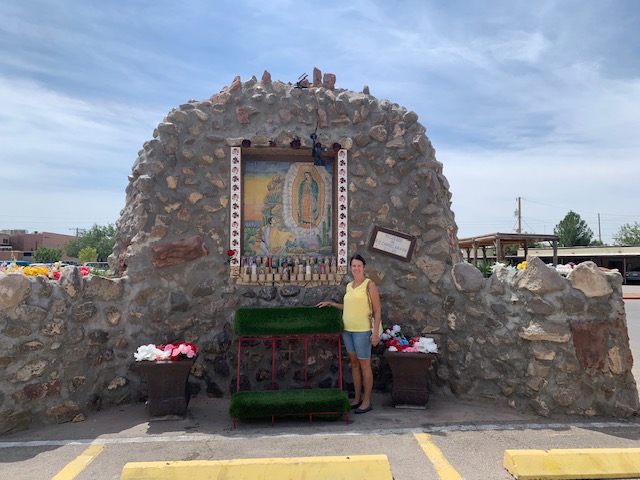
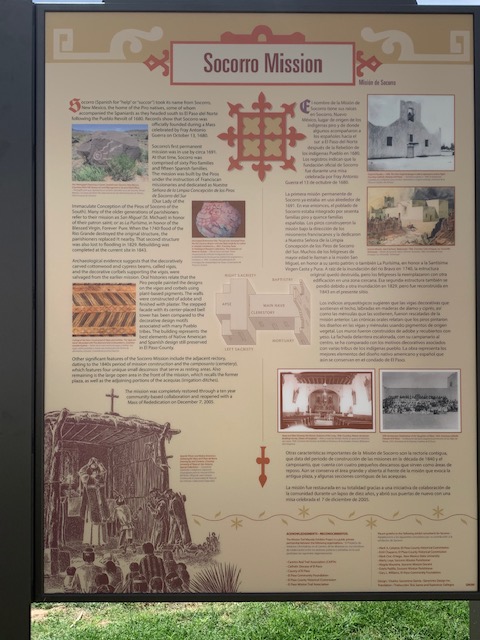
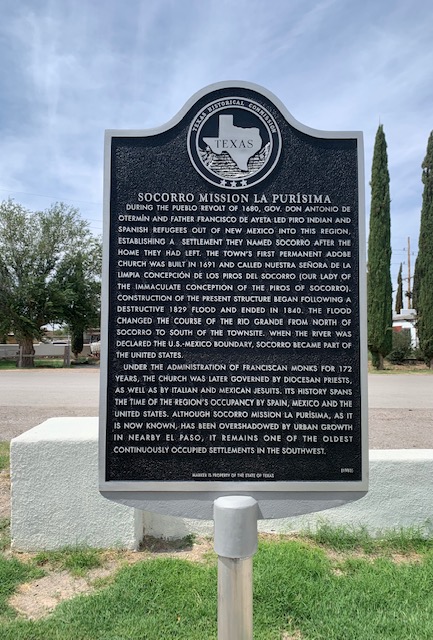
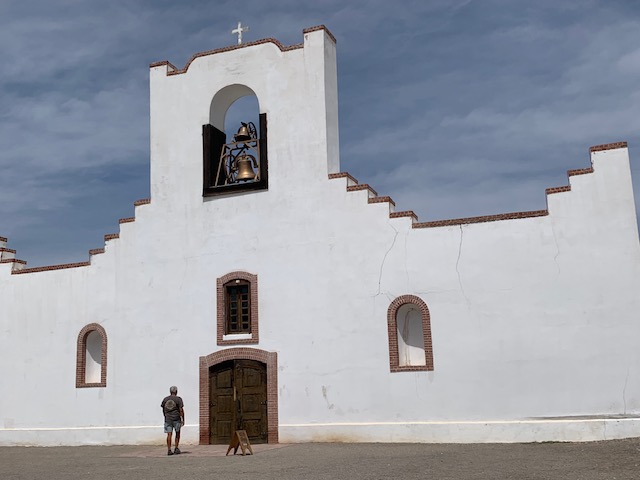
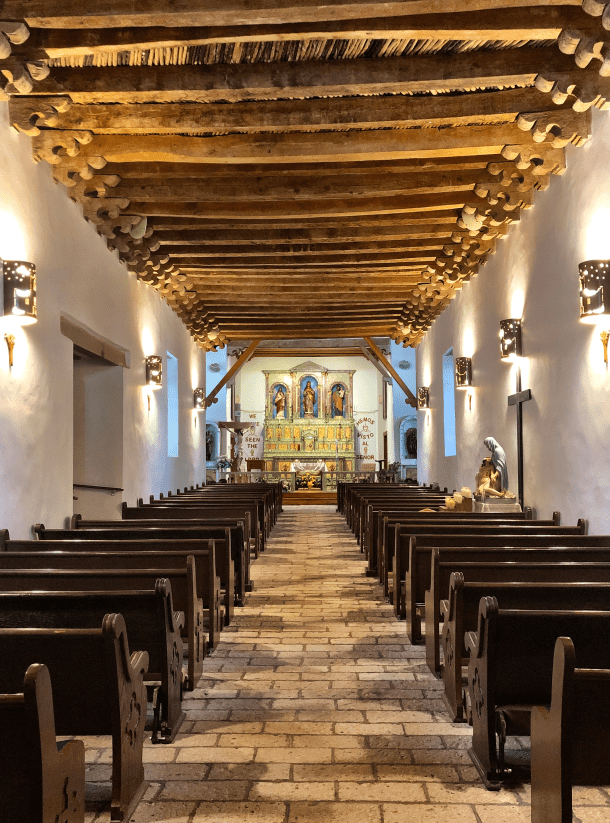
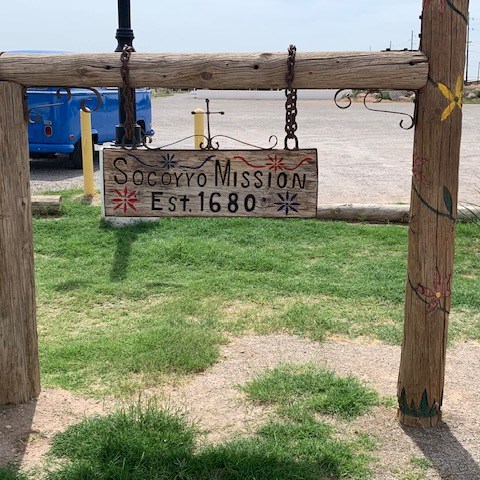
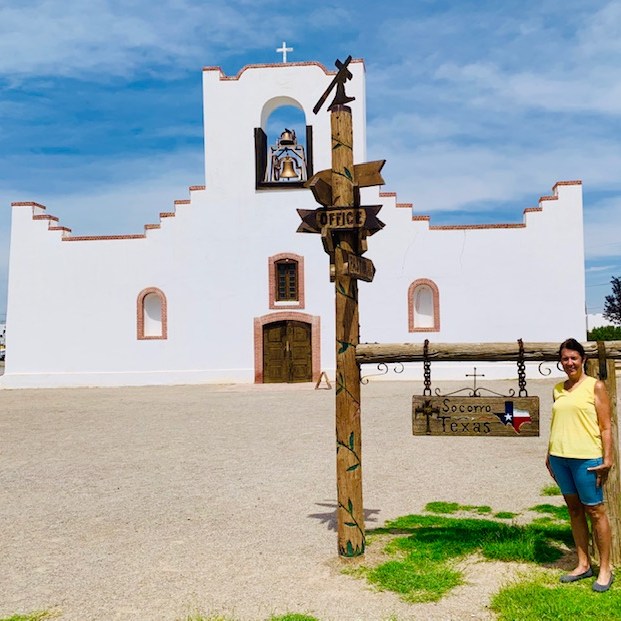
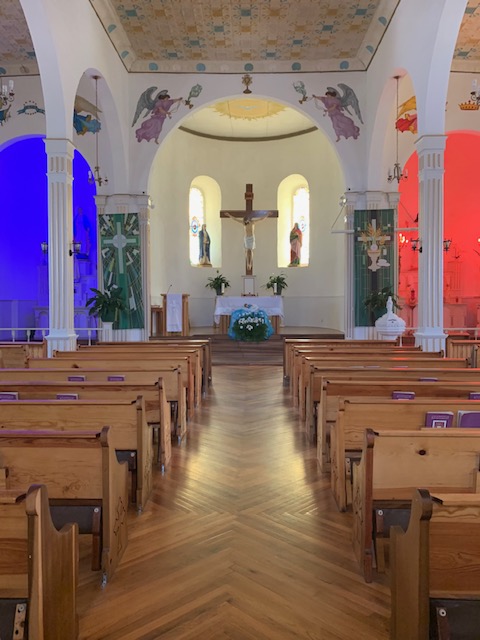
Piro Indians built Socorro’s first permanent adobe church in 1691 in what was then Socorro, Mexico. The exterior of Socorro Mission represents a thunderbird, while the interior is in the shape of a cross.

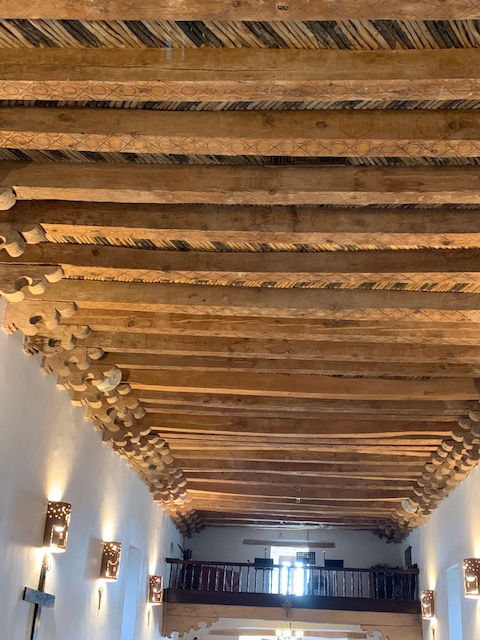
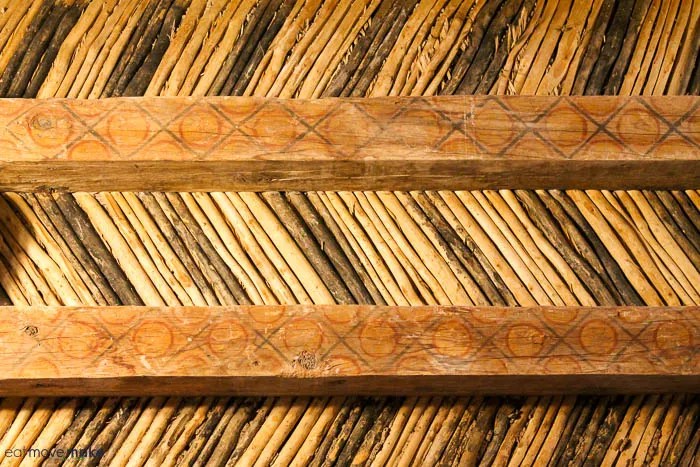
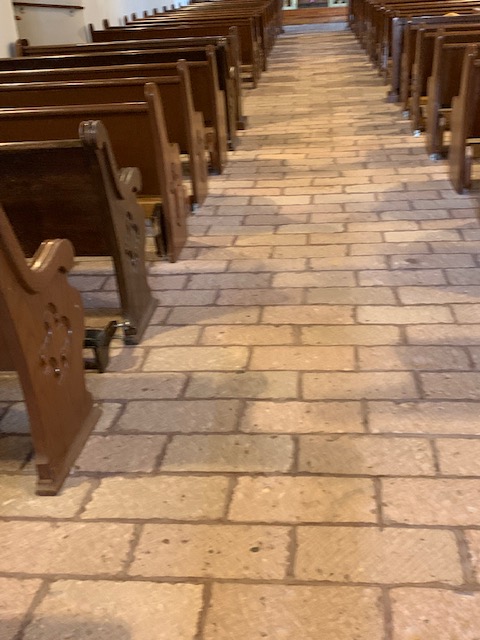
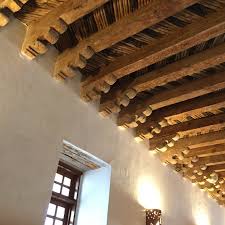
The interior of the church’s ceiling has decorated vigas (wooden beams). The mission was rebuilt in 1843 after the Old Socorro Mission was destroyed by a devastating flood in 1829. The new structure reused the roof support beams and furnishings of the old church. The cross-beams in the ceiling are recognized as the oldest original relics in Texas.

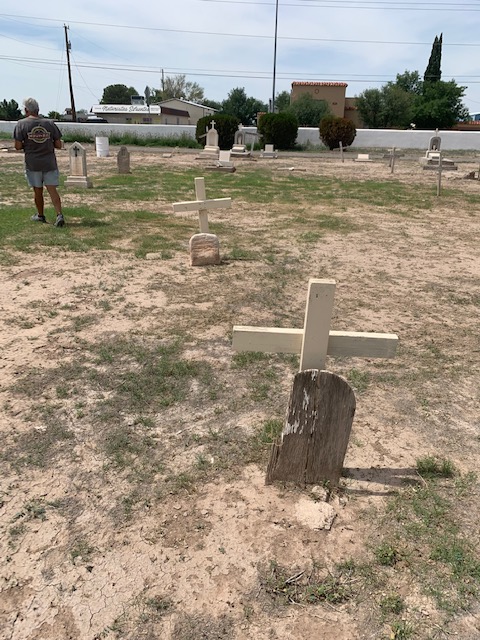
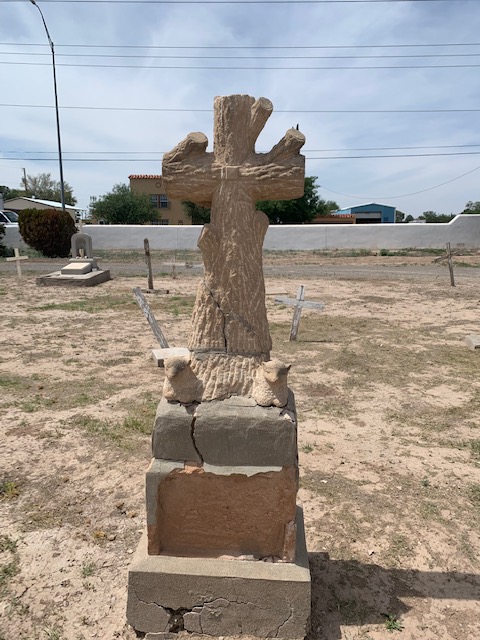
The mission had a cemetery which was so old you couldn’t read anything on the graves. They were probably from the 1600s.

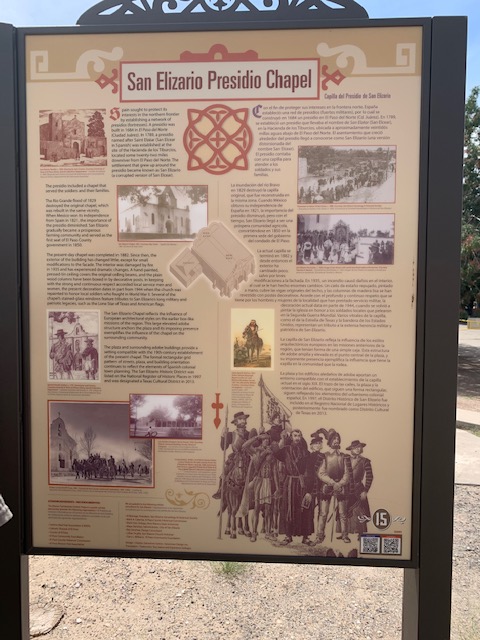
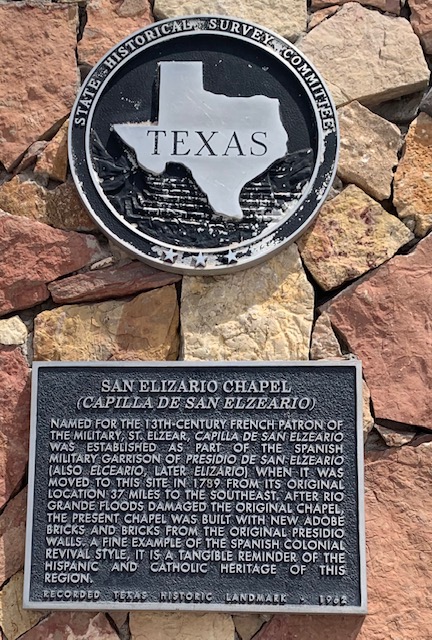
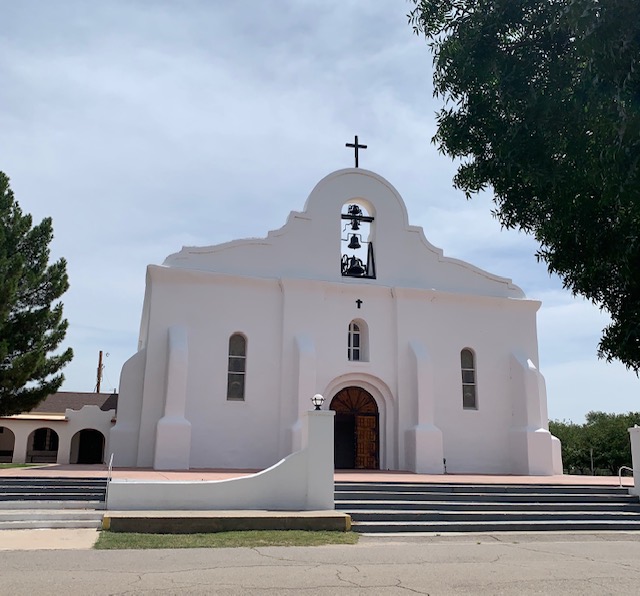
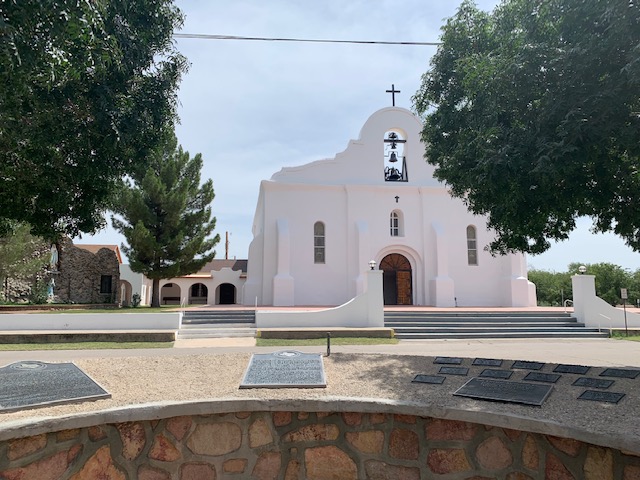
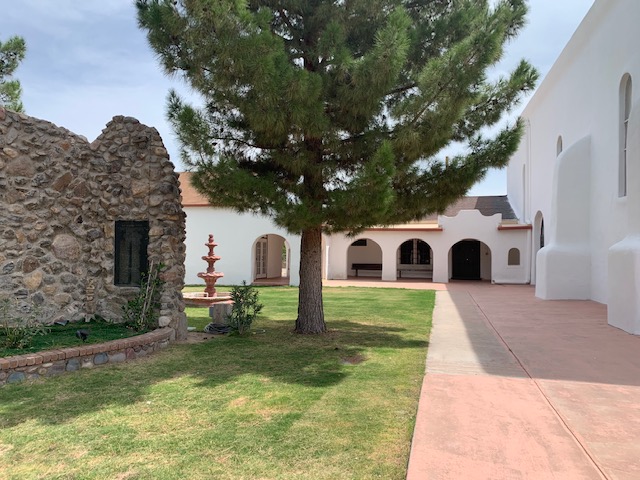
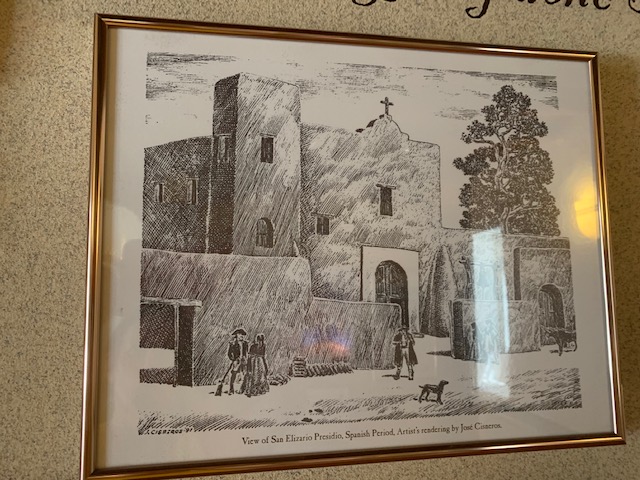
San Elizario Chapel and Presidio (fort) was established in 1789 as Spanish protection against foreign control and Indian raids. In 1829 there was a flood and the chapel was rebuilt by using the original bricks from the original Presidio walls in the 1840’s. It continues to be used as an active church to this day.

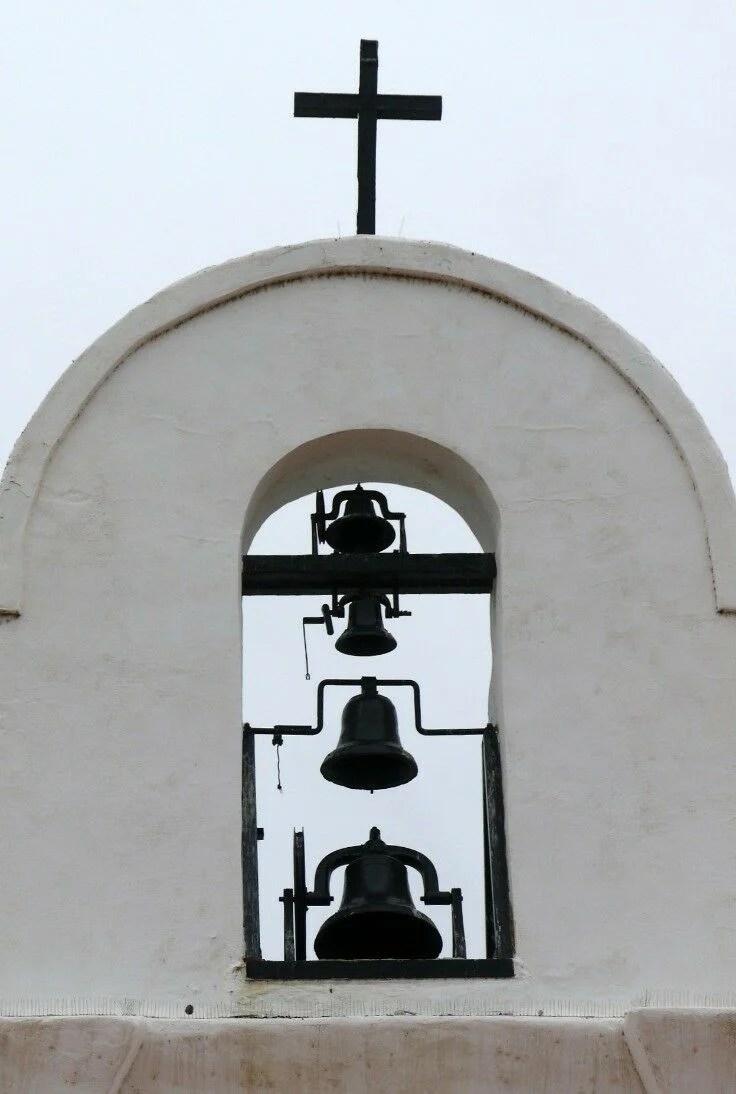
We didn’t hear the 4 bells but I heard that they sound great when their ringing in all their different tones.

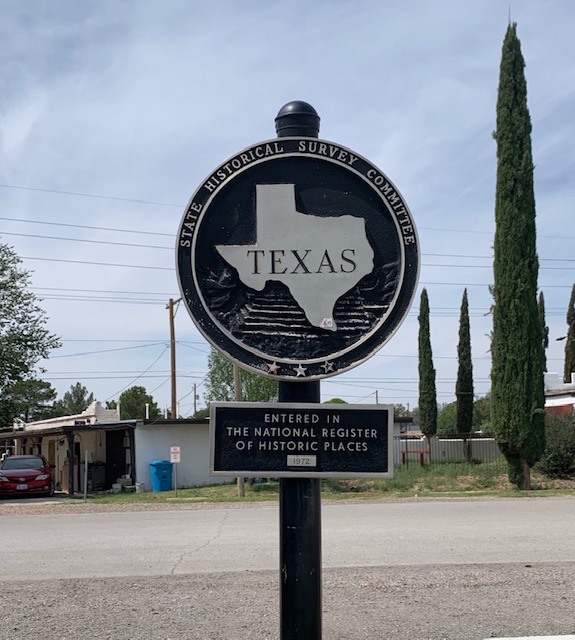
All three missions are Texas Historic Sites, included in the National Register of Historic Places, and certified by the National Parks Service as part of El Camino Real de Tierra Adentro. The missions are owned and operated by the Diocese of El Paso and managed by a parish administrator.

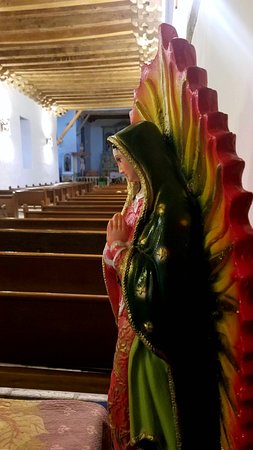
The missions were all beautiful and kept very clean for visitors and for the services that they each have.

All 3 missions were built from mud bricks, they were made with a combination of dirt, water, and manure.

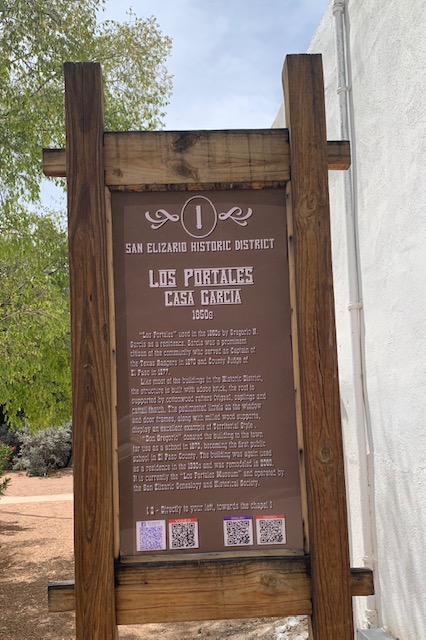
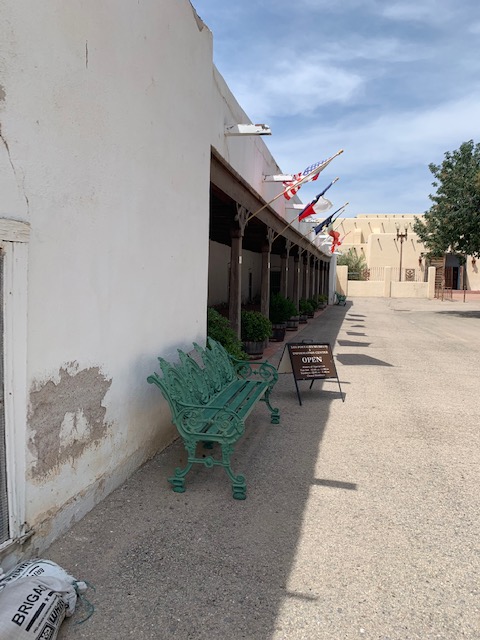
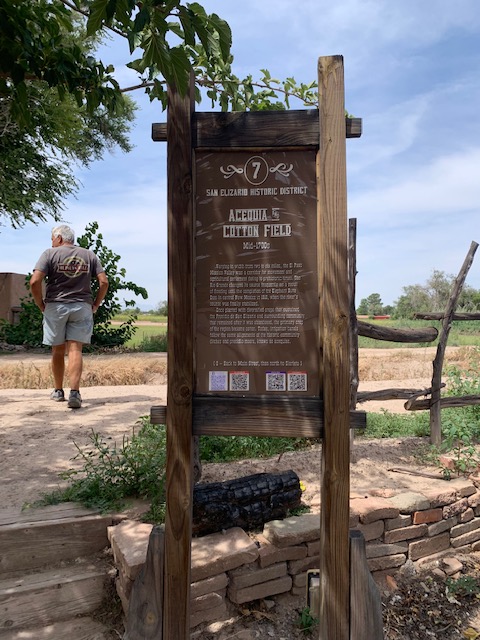
We didn’t know it at the time but where our last stop was at the San Elizario Chapel, the city of San Elizario has a history of it’s own. It’s listed in the National Register of Historic Places and was designated a Texas State Cultural District in 2013 (whatever a cultural district in Texas means who knows?) You can take walking tour of the city where it shows some of historic structures in San Elizario, they are a representative sample of the buildings and sites that formed one of the oldest villages in the United States.

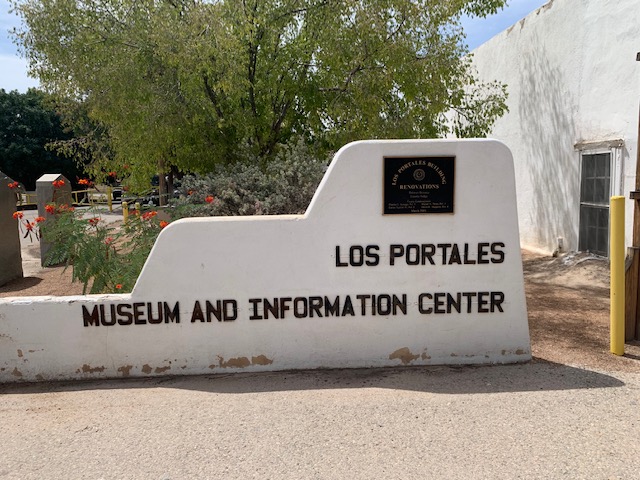
Los Portales is the name of the road that the Museum & Information center is on in San Elizario.

We didn’t take a tour but we walked around the old town a bit.

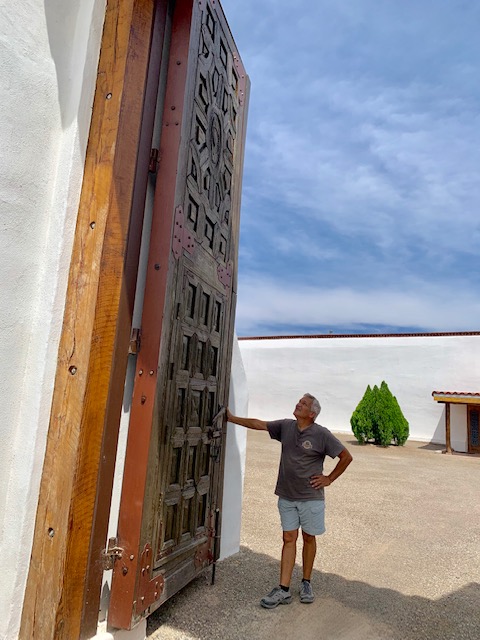
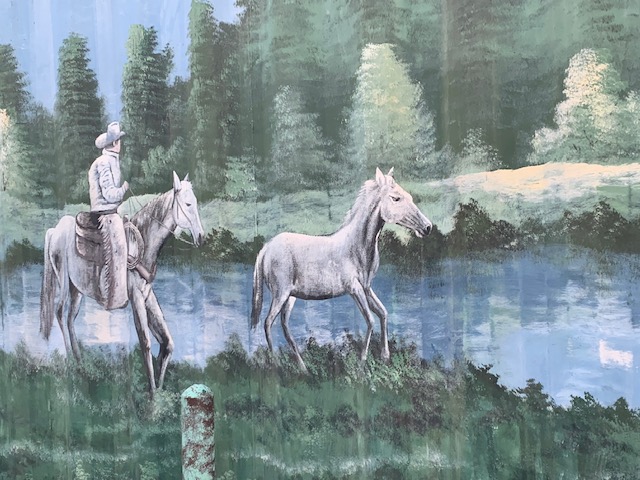
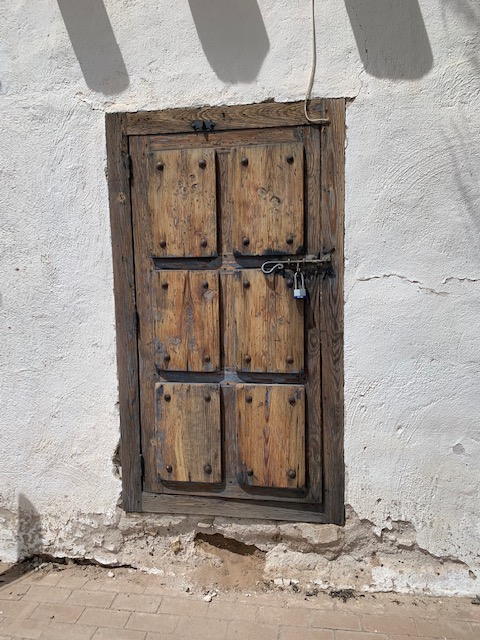
I couldn’t find any information on these huge wooden doors? They were just hanging around.

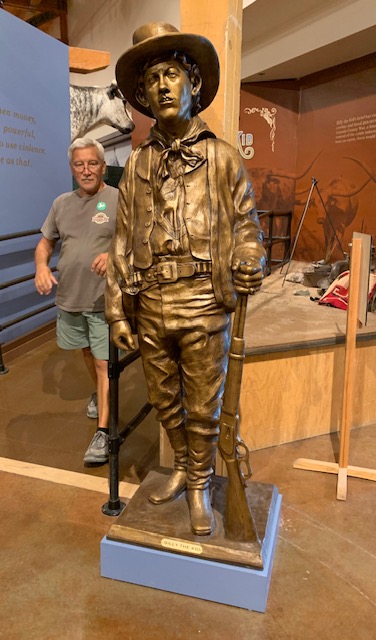
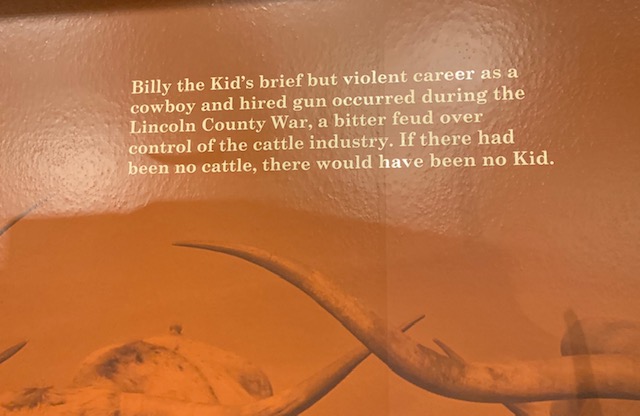
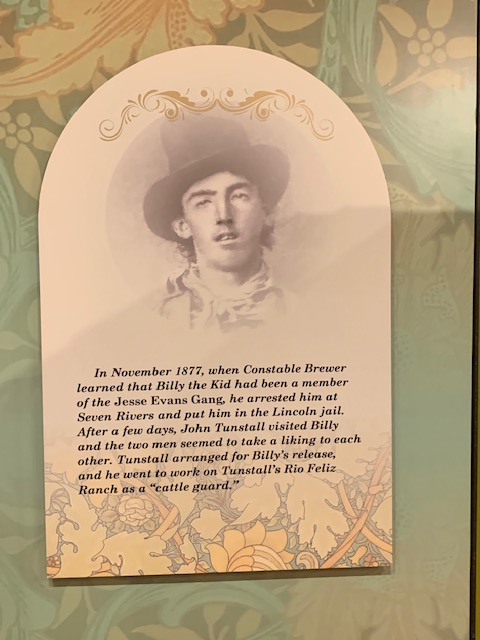
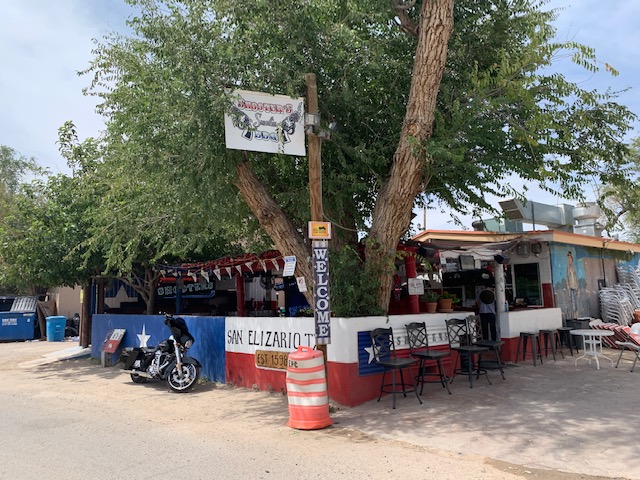
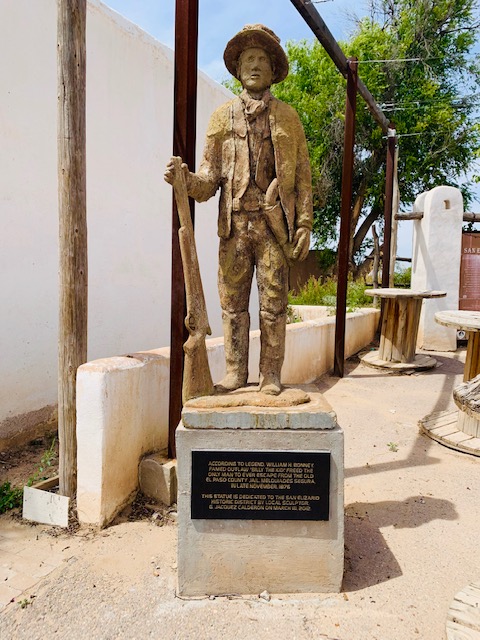
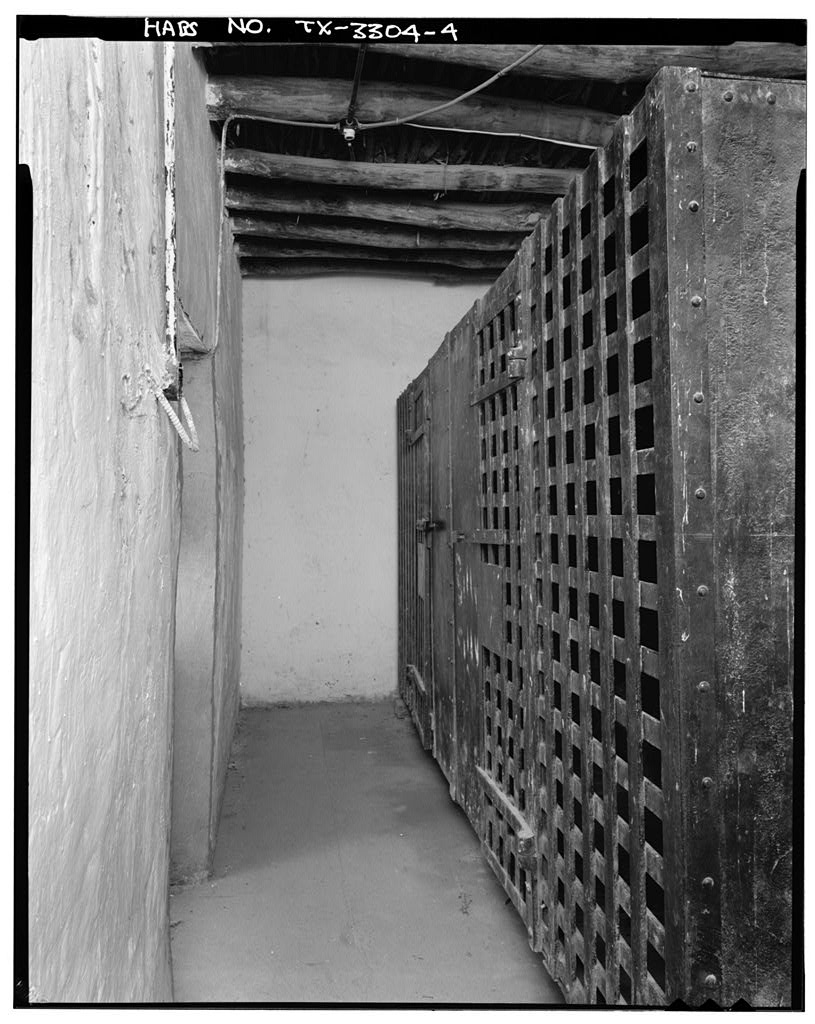
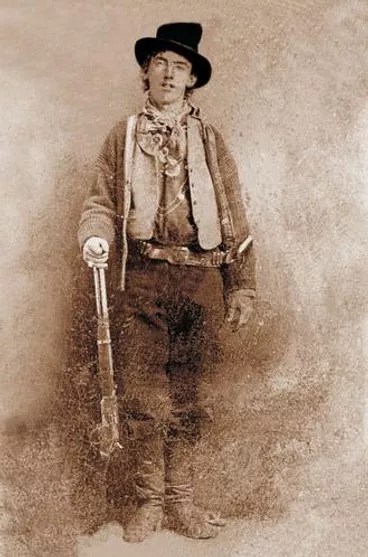
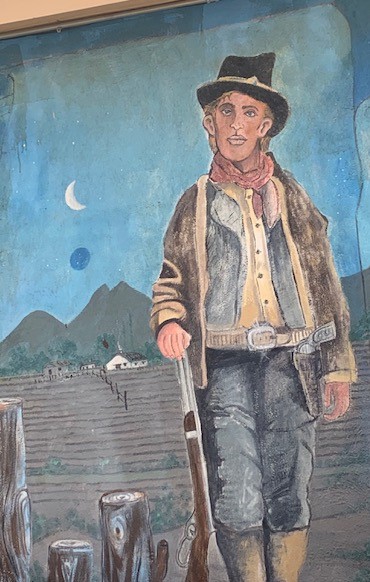
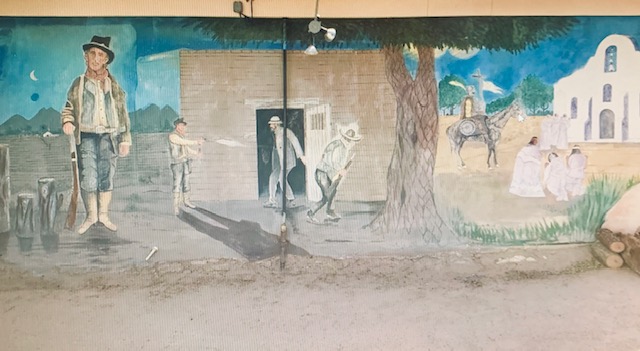
Came to Shooters Smokin BBQ, which is named that because it’s right next to a famous jail. El Paso County’s first prison and . . . last but not least, The jail was made famous by the infamous outlaw Billy the Kid.

According to Sheriff Pat Garrett and legend, this is the only jail Billy The Kid ever broke into. Billy was said to have broken his good friend Melquiades Segura out of the Jail in December of 1876. Billy The Kid convinced Sheriff Charles Kerber that he was a Texas Ranger with a prisoner and he opened the door in the darkness. Billy overtook the Sheriff, no shots were fired and they escaped with a quick ride into Mexico.

They have a Billy the Kid festival here a couple of times a year. It must be a lot of fun.

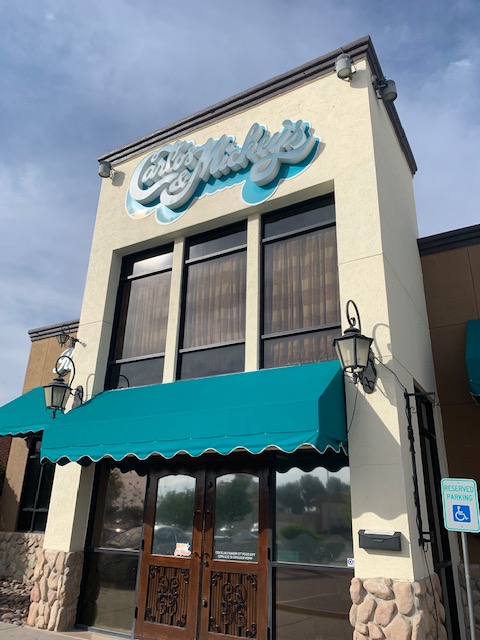
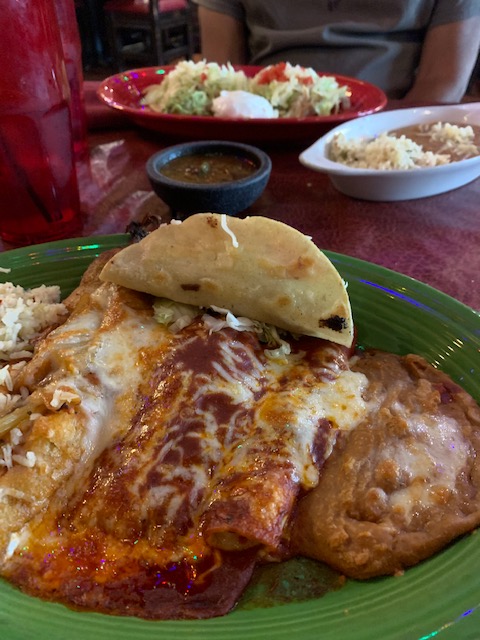
We ended a great day by going to Carlos & Mickey’s for dinner, a highly recommended Mexican restaurant, it was as good as everyone said!

We took a driver over to the . . .

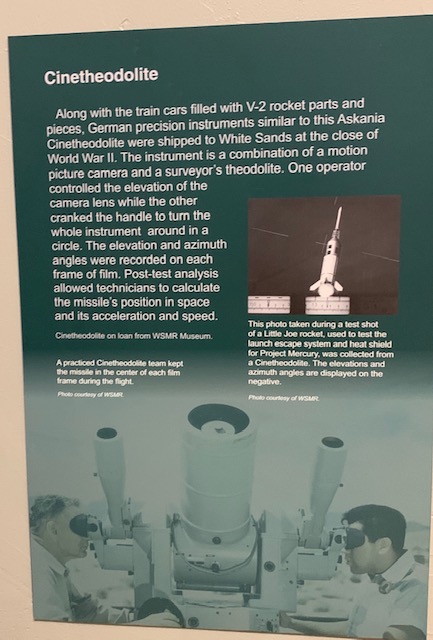
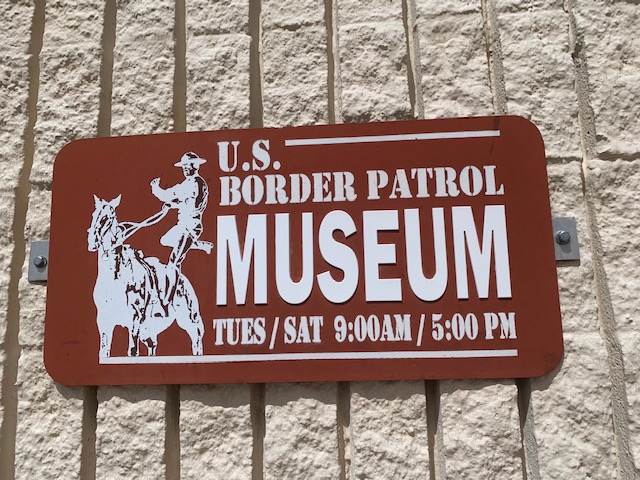
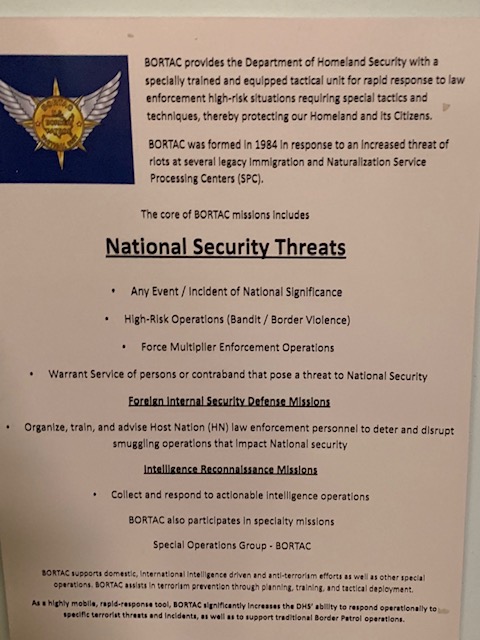
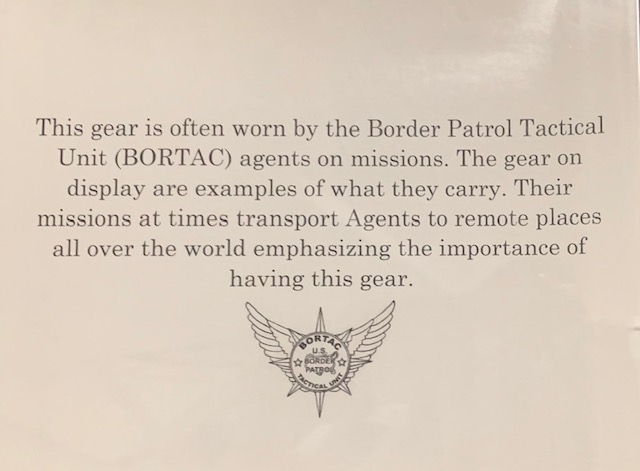
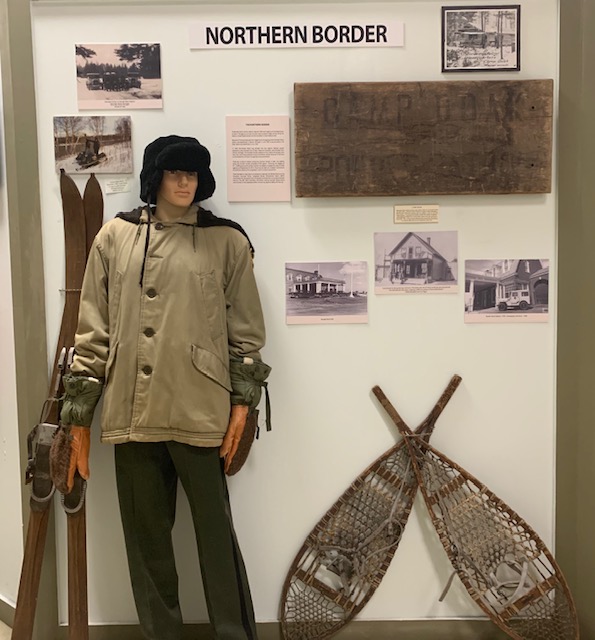
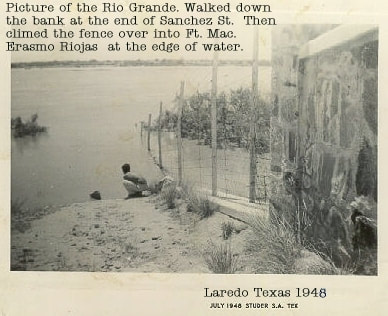
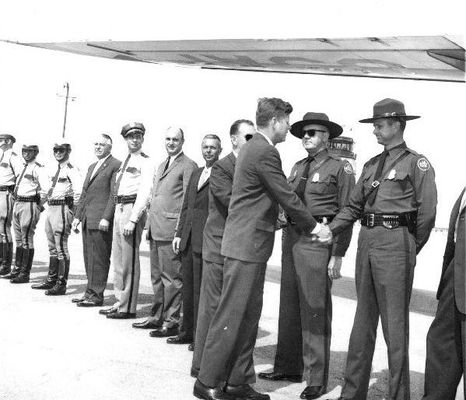
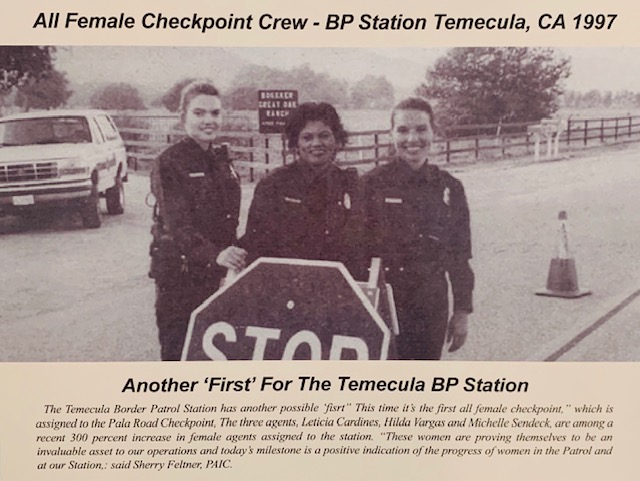
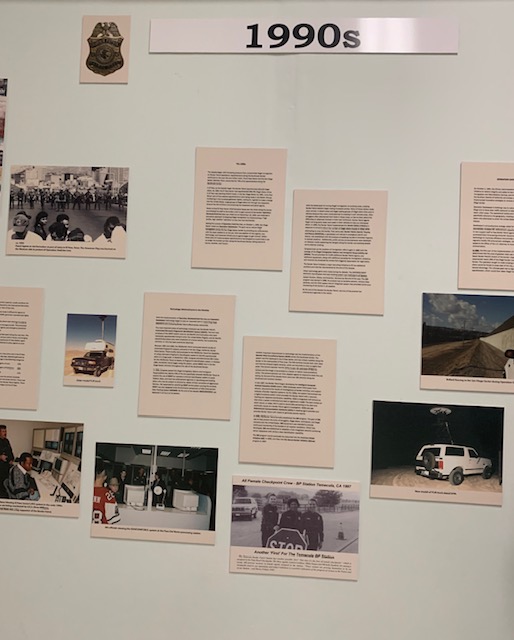
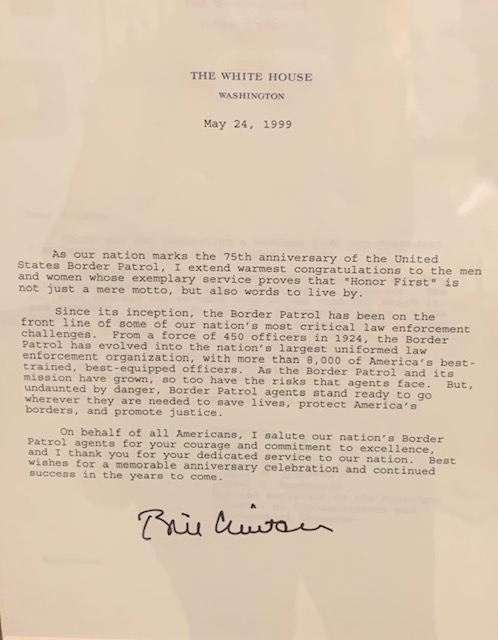
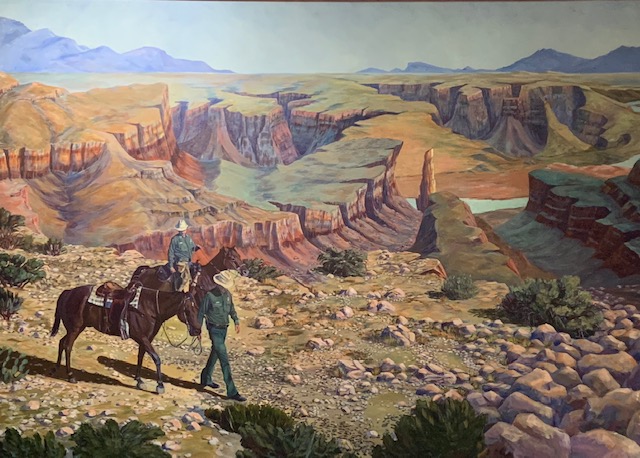
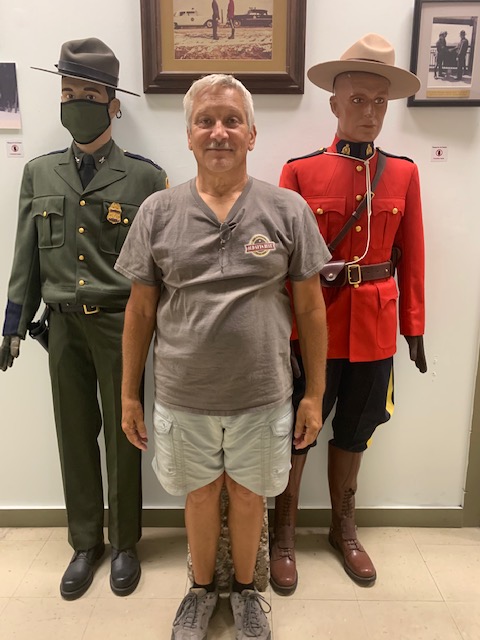
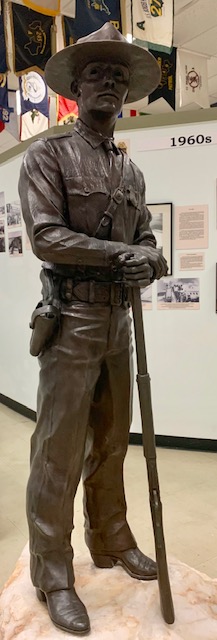
The National Border Patrol Museum is located in the county of El Paso, Texas.  It’s the only museum of its kind in the entire US. and it is manned by volunteers. The museum was founded by Border Patrol retirees and runs without government help.

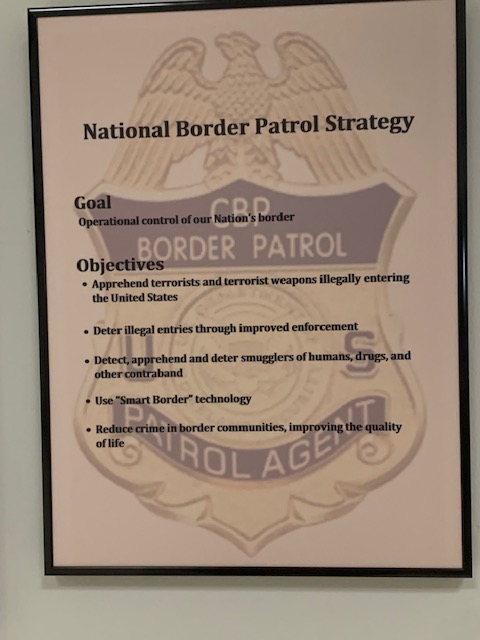
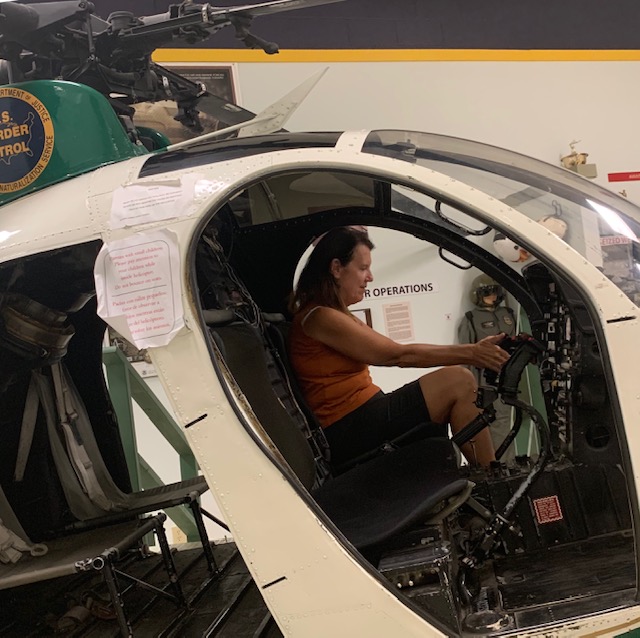
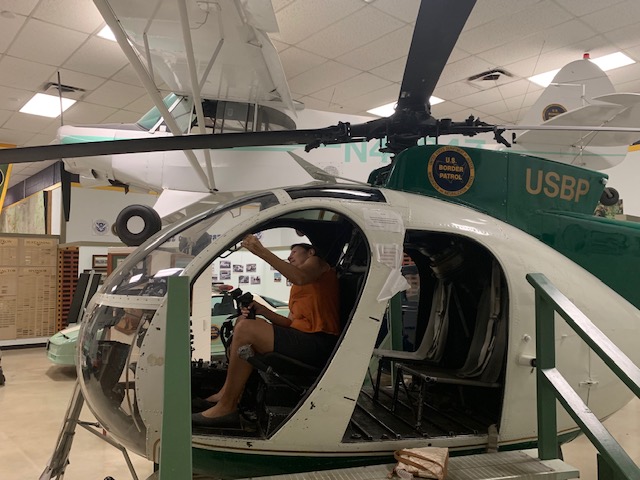
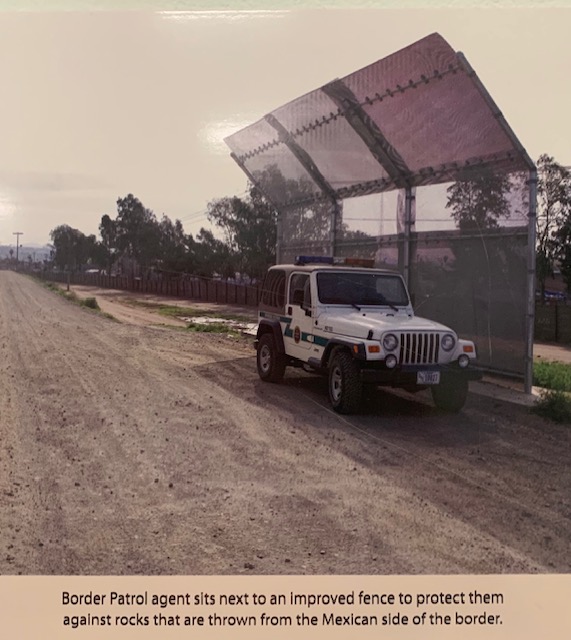
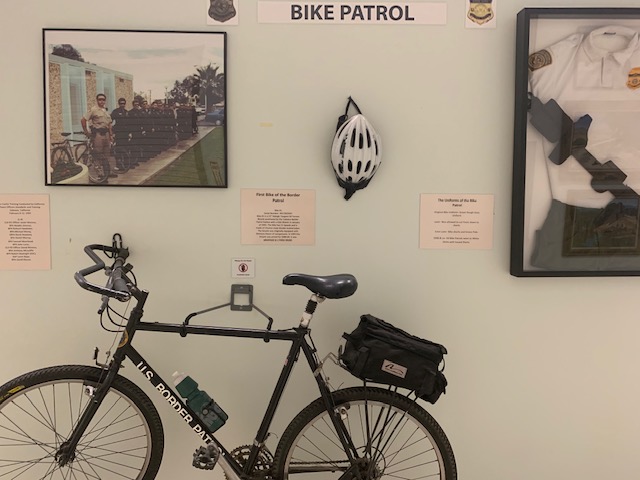
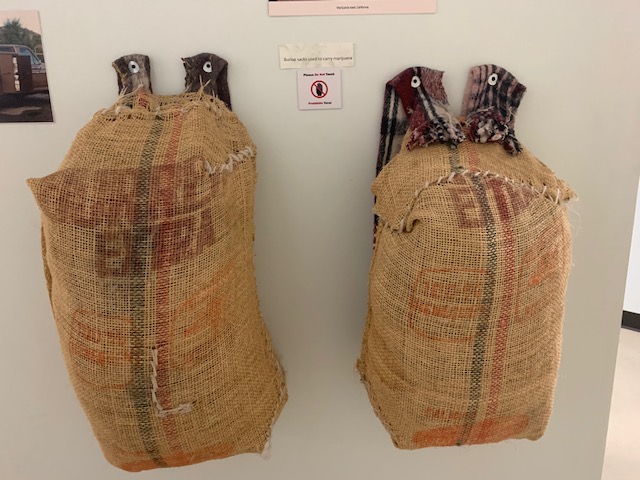
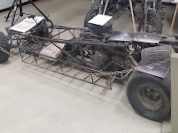
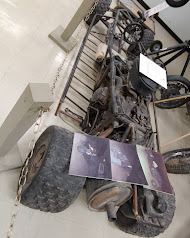
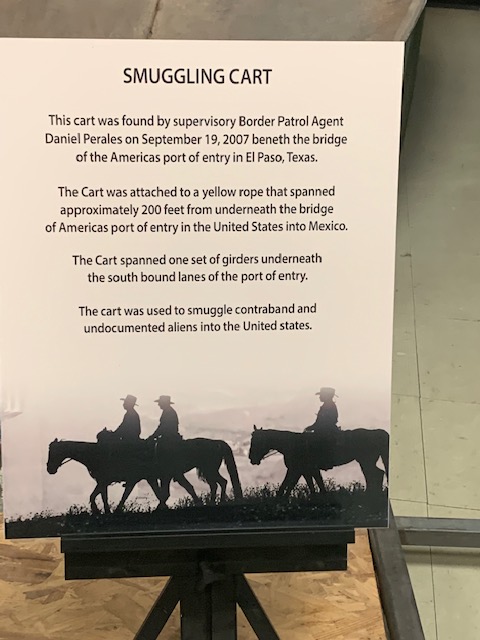
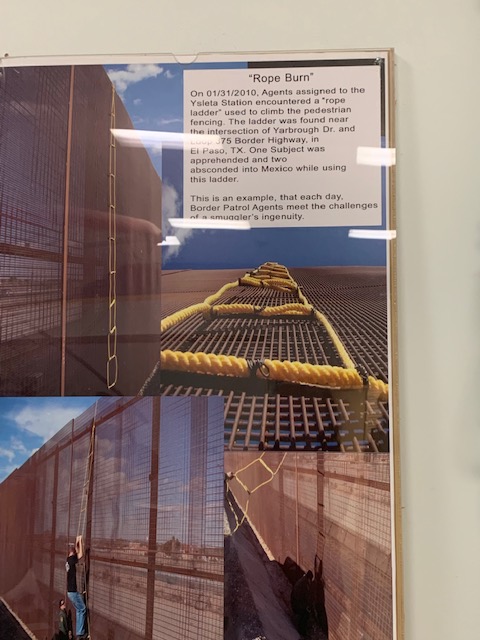
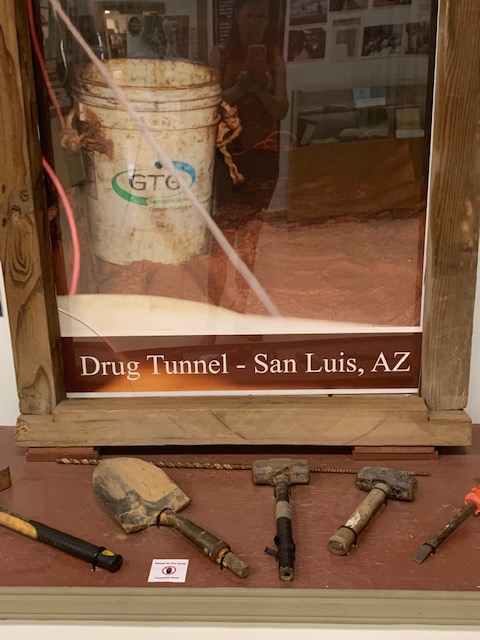
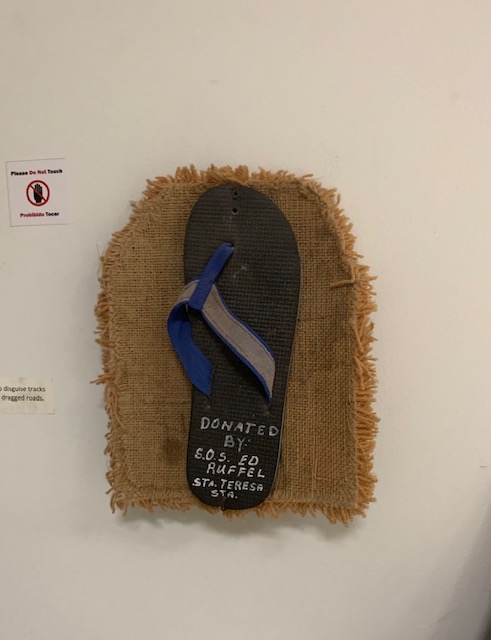
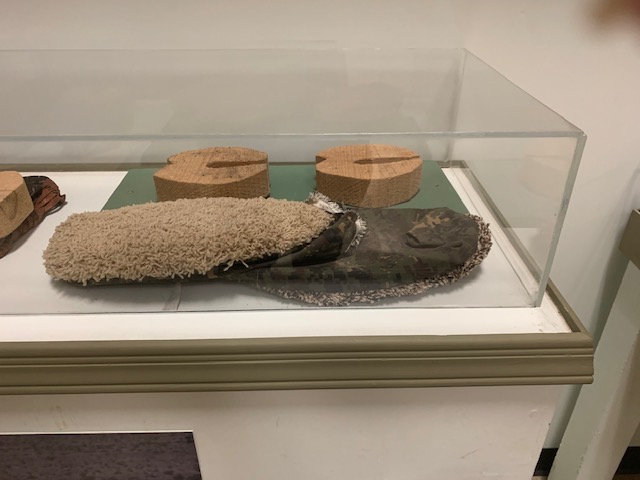
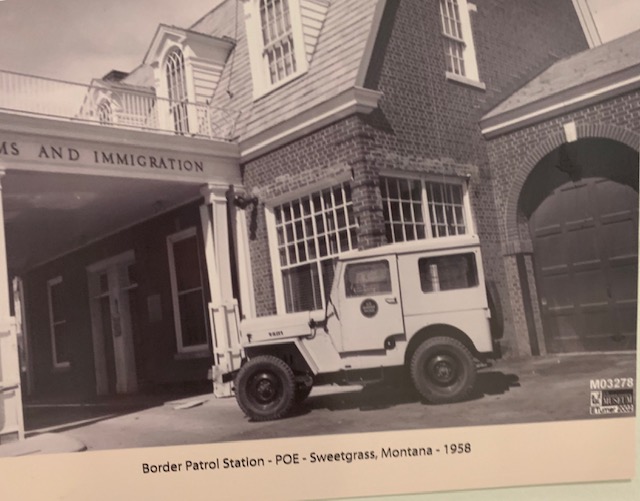
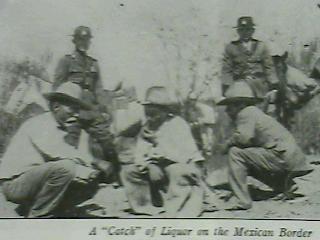
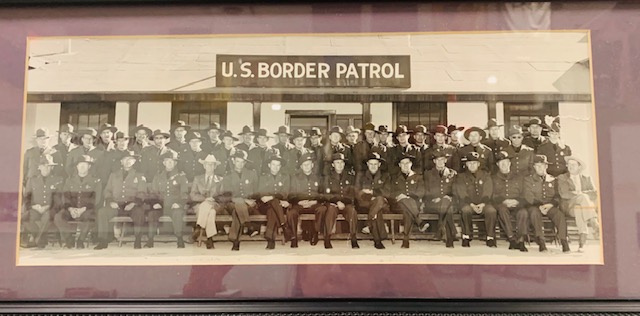
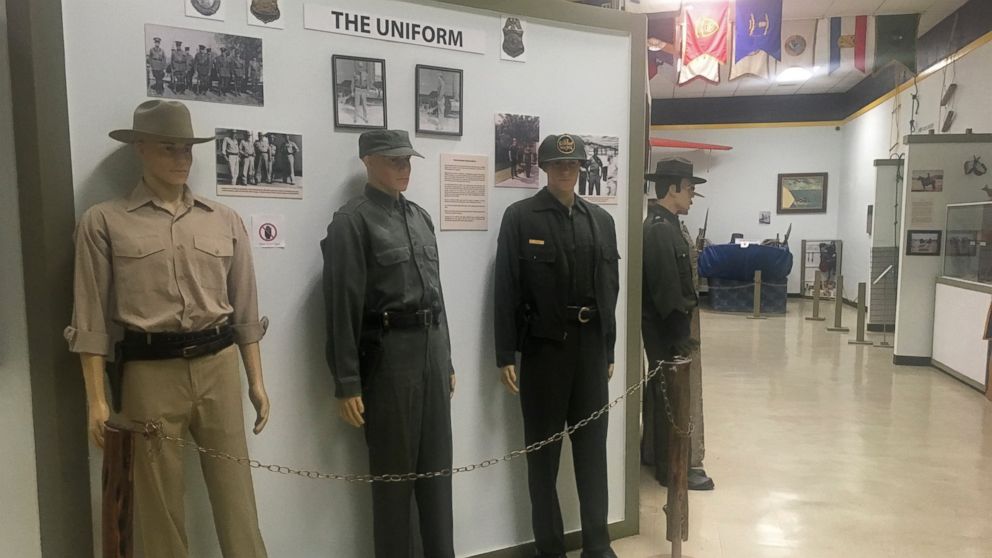
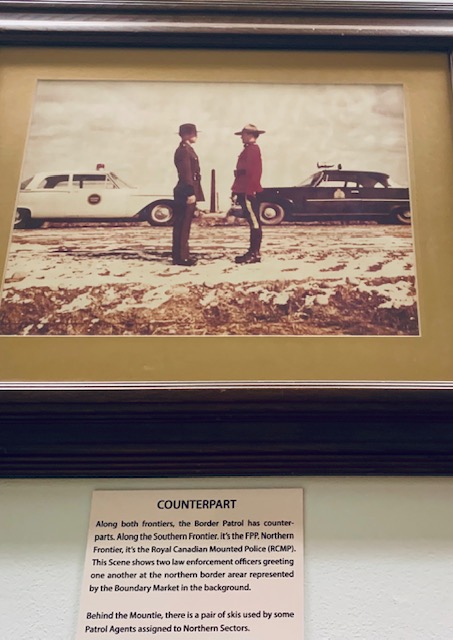
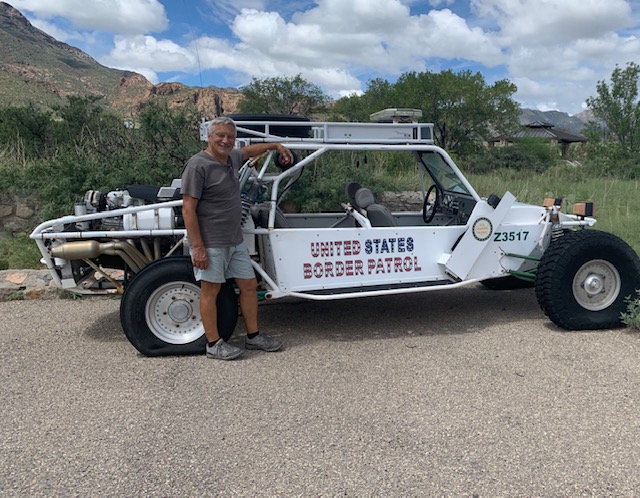
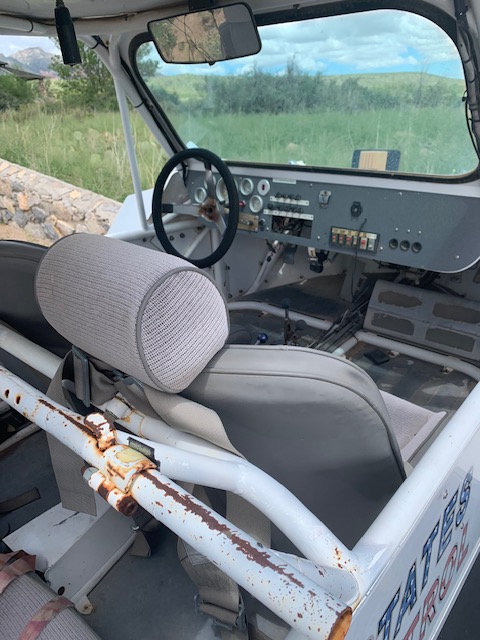
We learned a lot about The Border Patrol’s history including that it began in 1904. They didn’t have a lot of direction back then, but it was a start. Inside is their history, the adjustments and the encounters. The museum has a number of exhibits with the uniforms, equipment, photographs, and documents vehicles & weapons. You get to see the equipment the Border Patrol has used over the years and also see some of the cars and boats and other homemade vehicles used by smugglers to get drugs, people and contraband into the country.

As this map shows the Border Patrol is broken down into various districts with the border with Mexico obviously being where most of the Border Patrol’s districts are located.

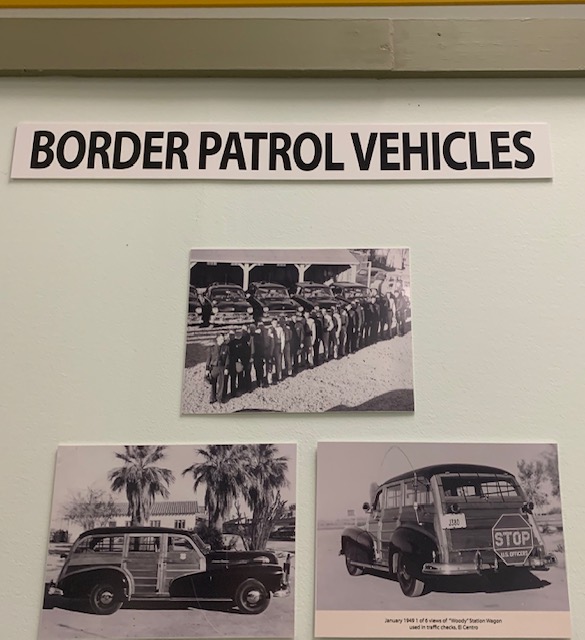
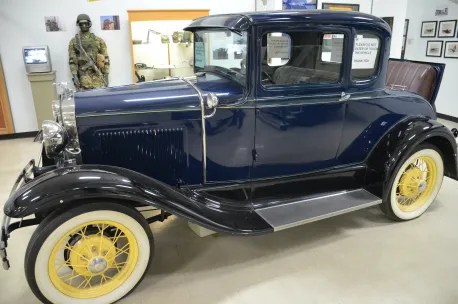
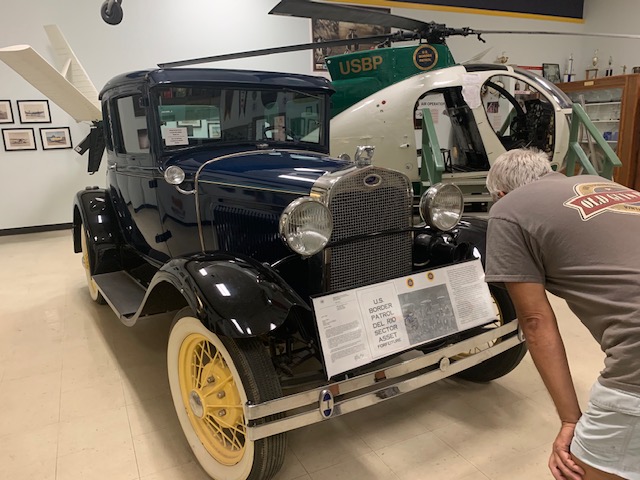
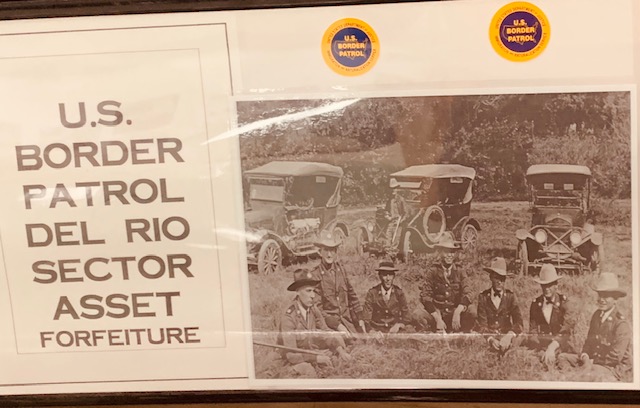
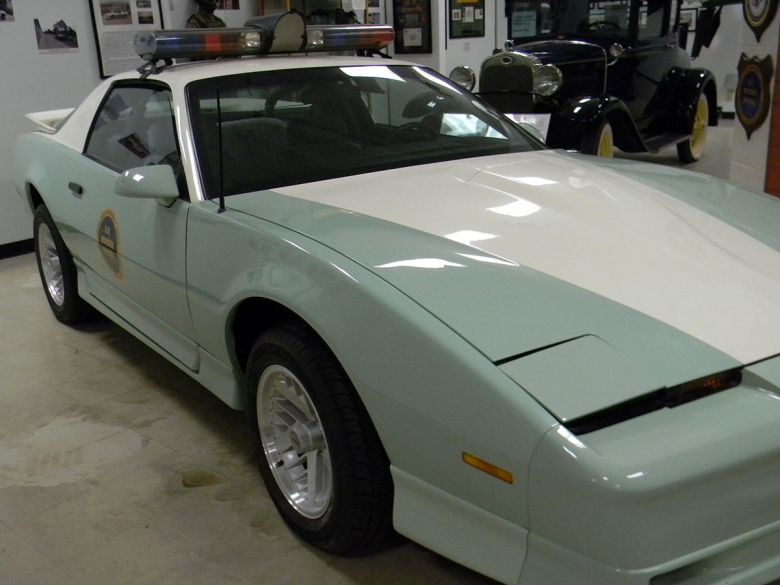
The above vehicles were decommissioned and on display. The iconic sea foam green color was established in the 1950s, and remained the primary vehicle color until a new color scheme in 1995. It was harder to see than a white vehicle in the desert.

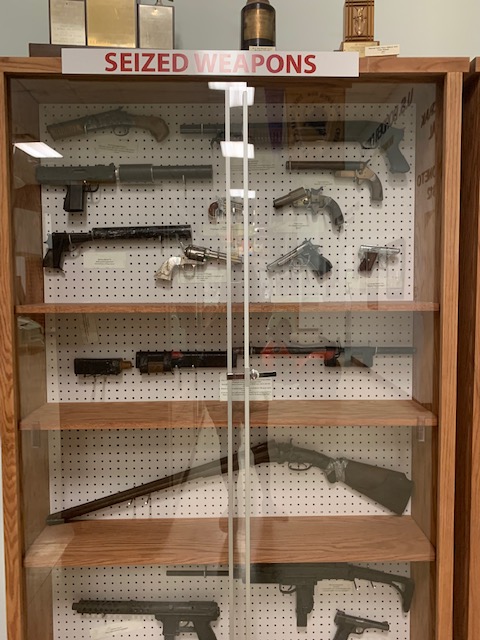
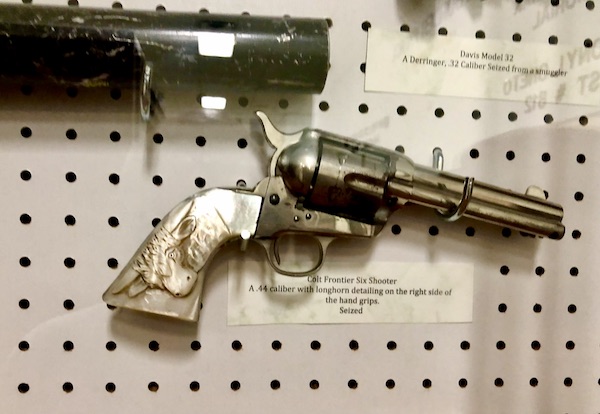
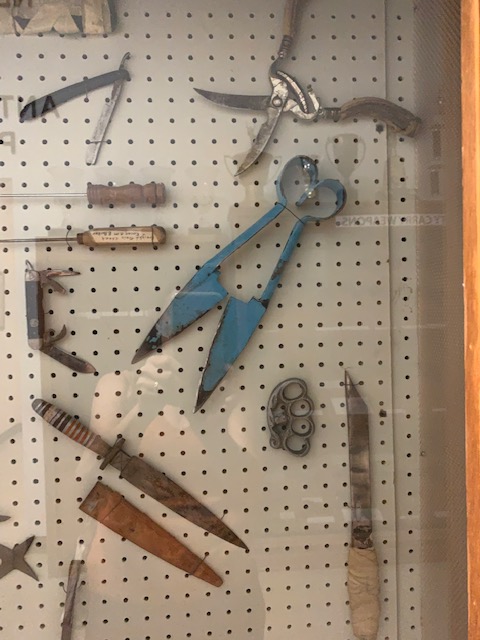
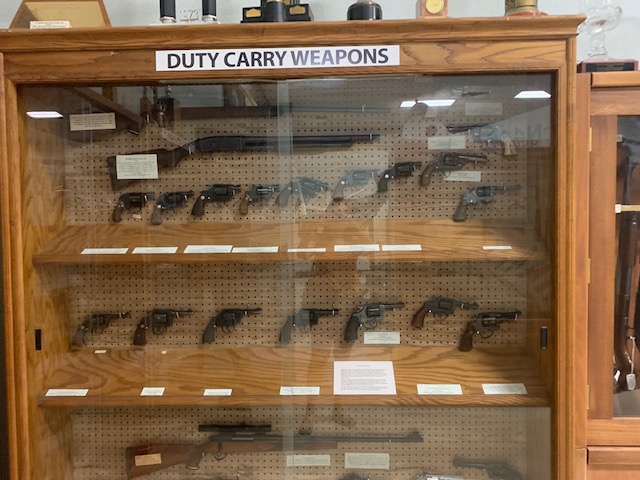
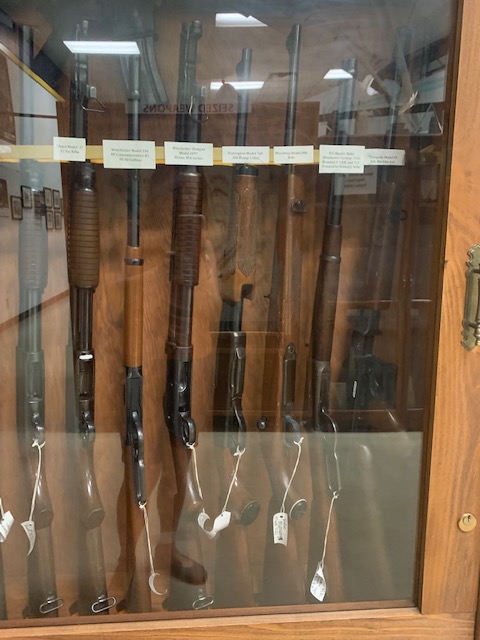
Lots of confiscated weapons are displayed, including improvised spears, a giant knife in a sheath inscribed “Guatemala,” and a 12 gauge shotgun seized from a Jamaican during “Operation Rumpunch.”

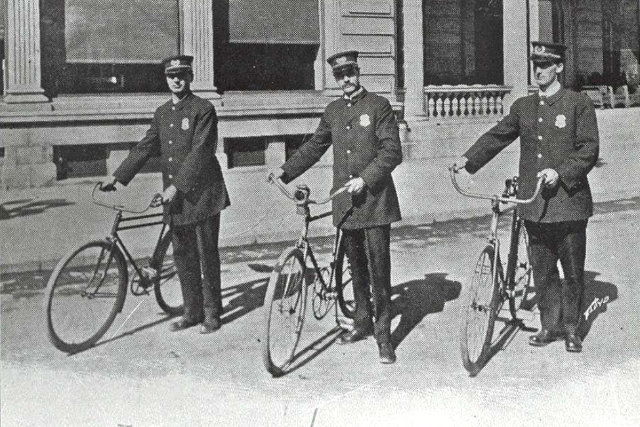
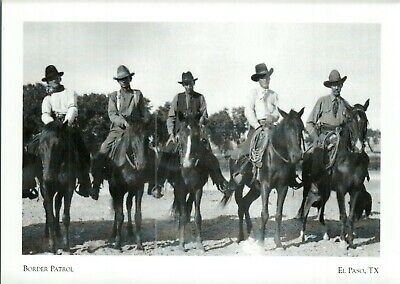
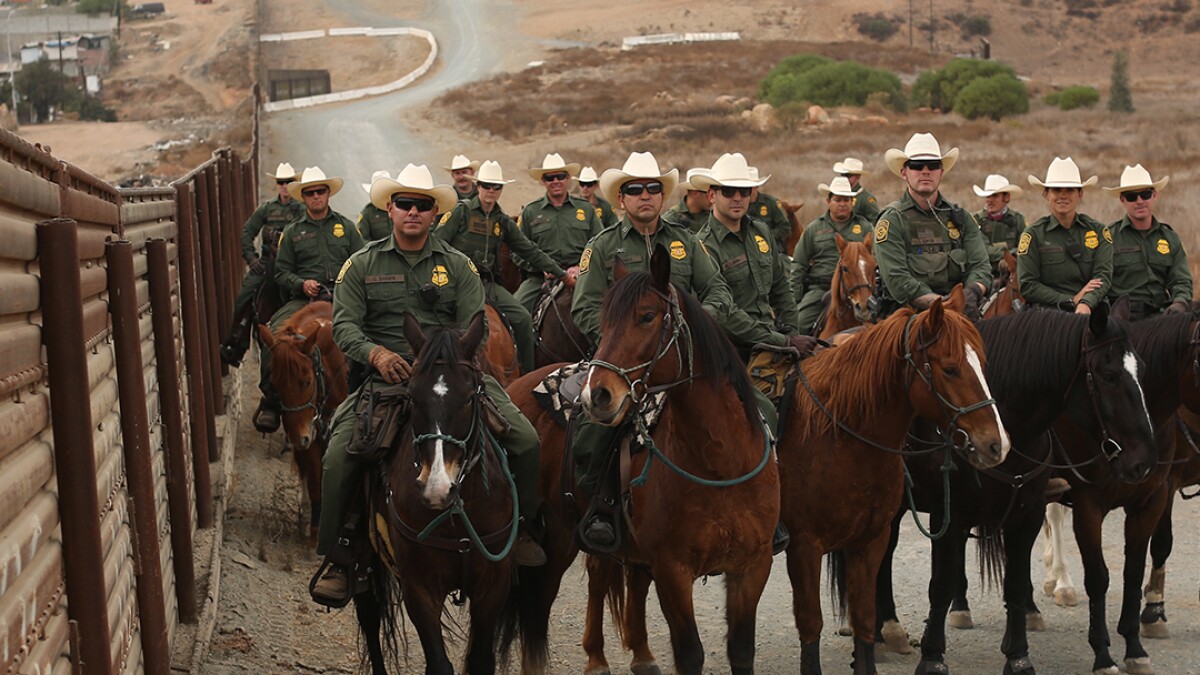
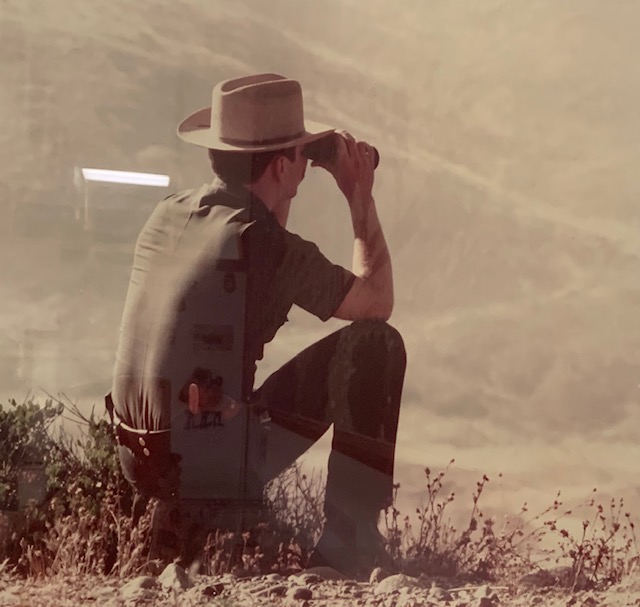
On horse patrol in 1924 and today, looks about the same.

The government initially provided the inspectors with a badge and a revolver. Recruits furnished their own horse and saddle, and the government provided the oats and hay for the horses. The Patrol Inspectors were paid $1,680 per year, and in December 1924 Congress approved additional funding for uniforms.

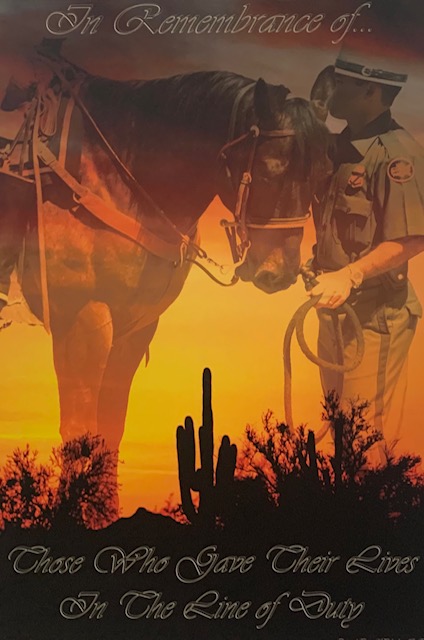
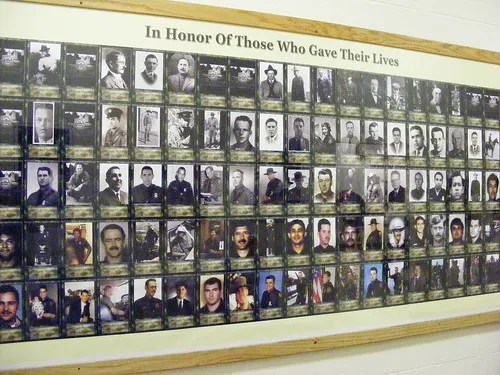
They have a wall that honors agents killed in the line of duty. 

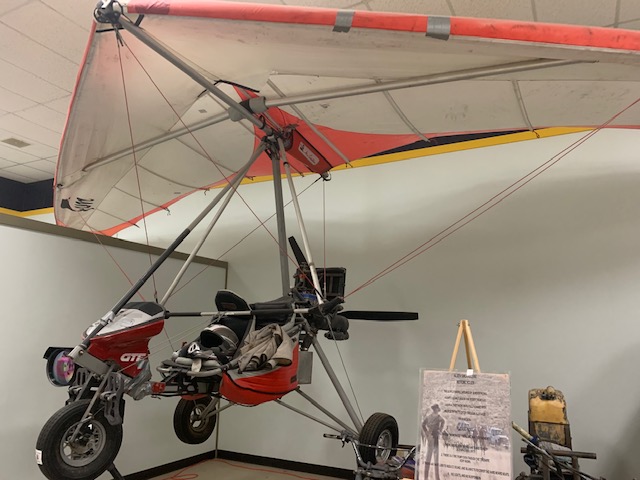
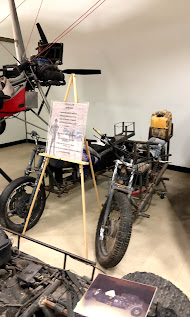
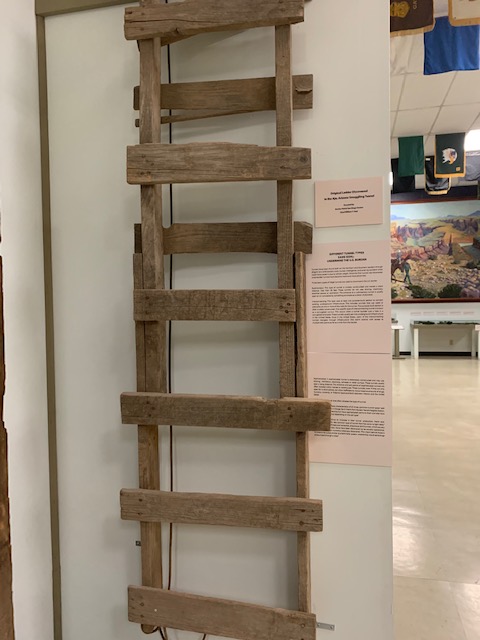
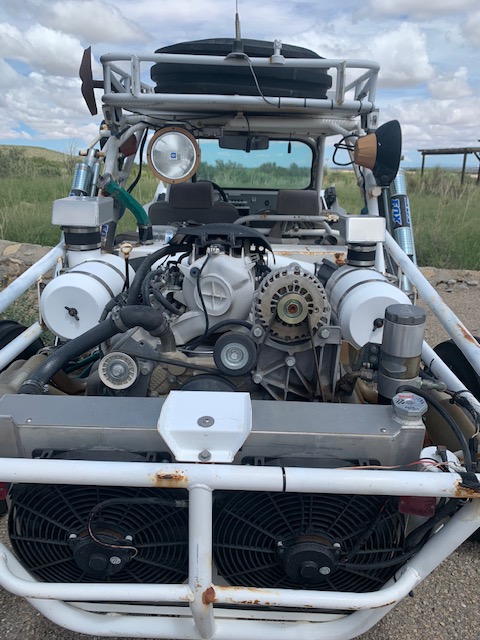
The sign on these two motorcycle looking things said ” hand-built from lawnmower parts and scrap metal, were “fully loaded with aliens when seized, Nine people were piled on them, zipping across the desert at night.”

Another plaque describing this smuggling boat said the boat was made with automobile hoods and was used to move people across the Rio Grande River for $500 a person:

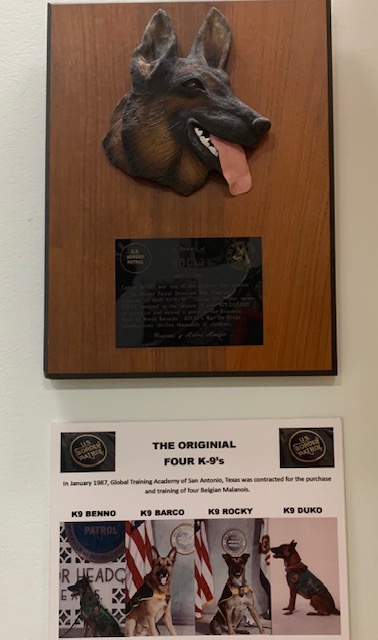
You can’t forget about dogs who assist the agents by smelling for the drugs being smuggled into the country:

The Over

The Under

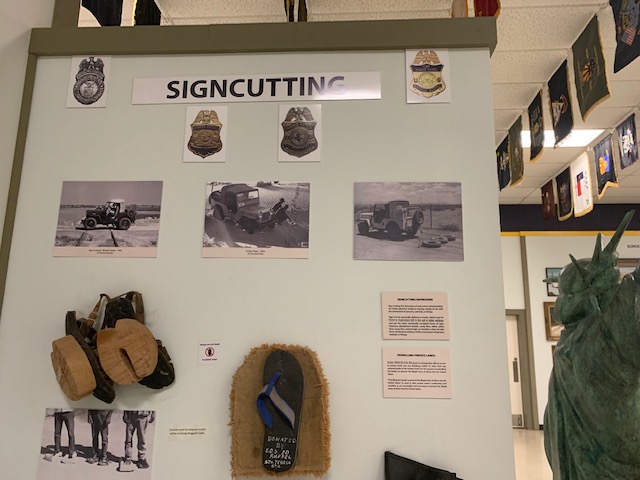
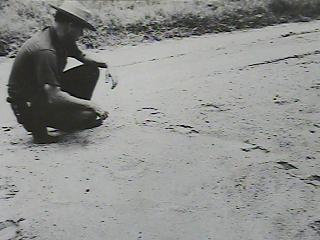
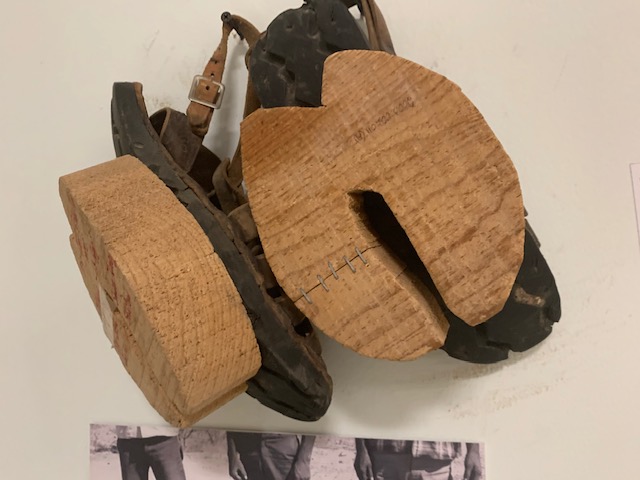
Sign is the physical evidence of any disturbance of the environment left behind by animals, humans or objects. The detection of this sign is called sign cutting.

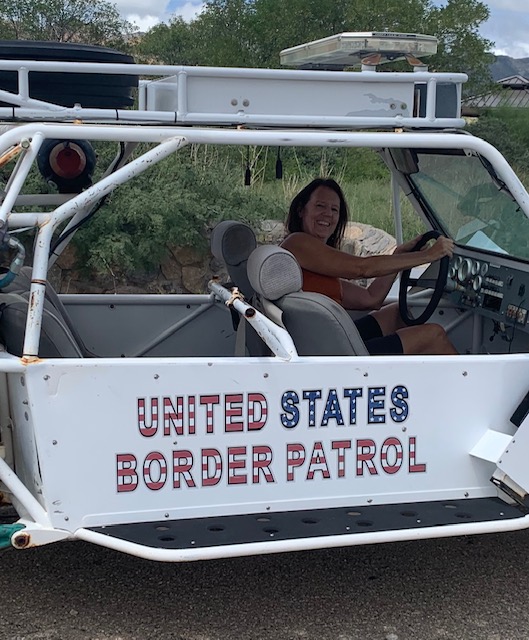
I think this one should get the prize!

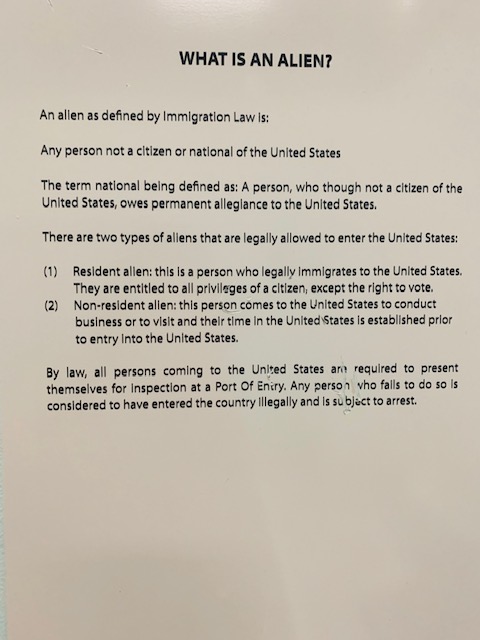
We learned a lot about the Border Patrol and what they are all about. We didn’t see any aliens but we saw where they live!

This place was like a huge time capsule!

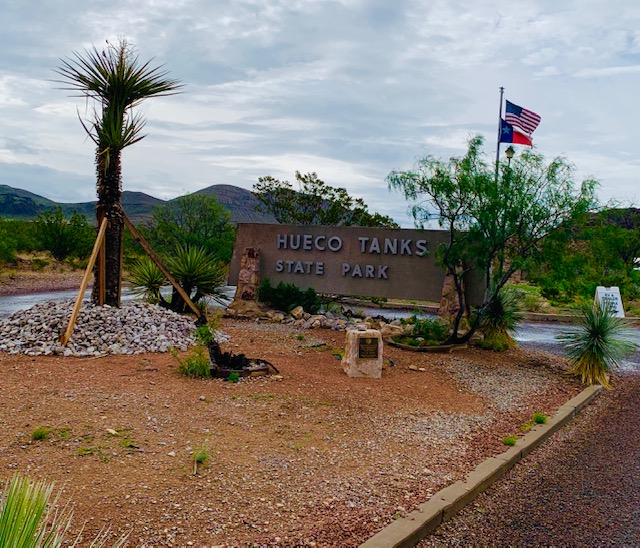
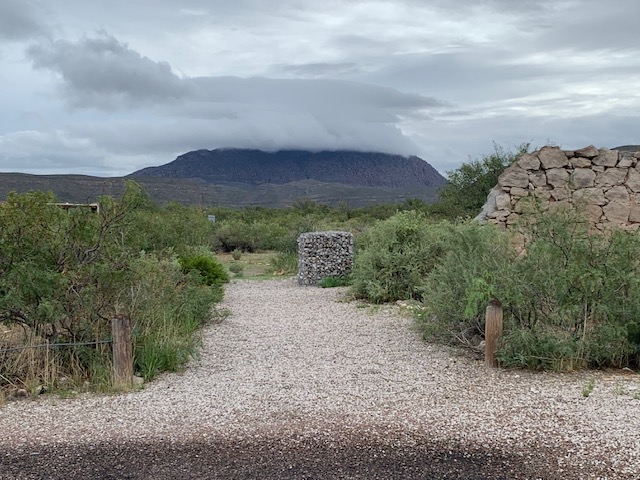
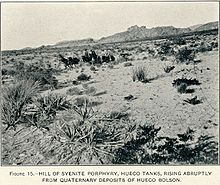
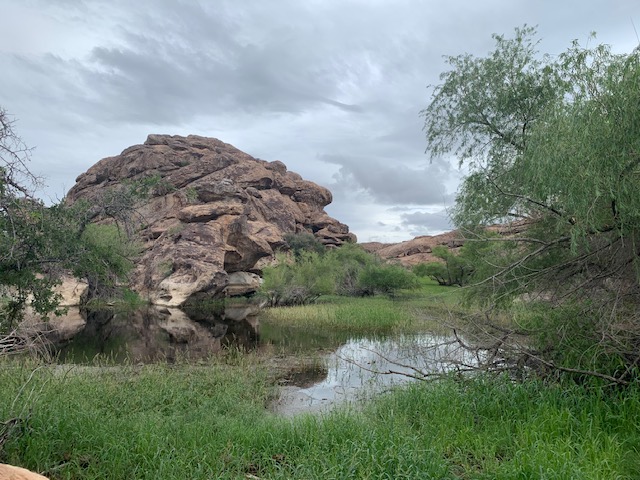
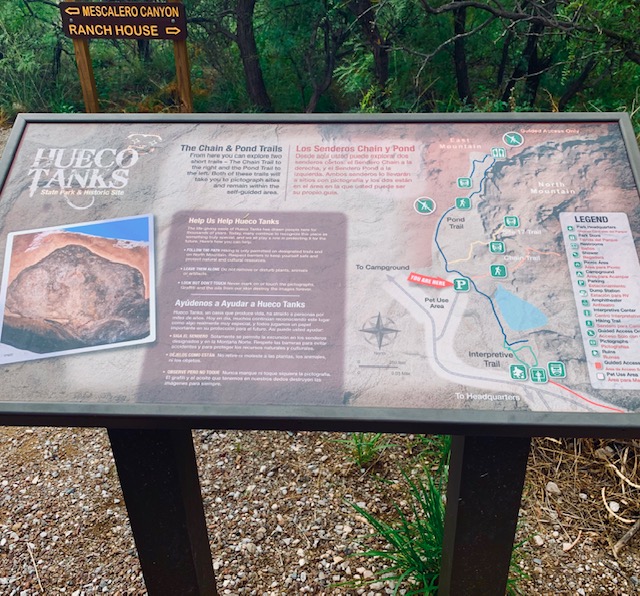
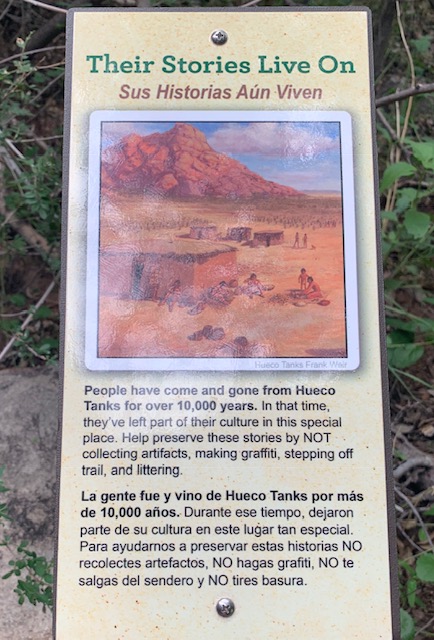
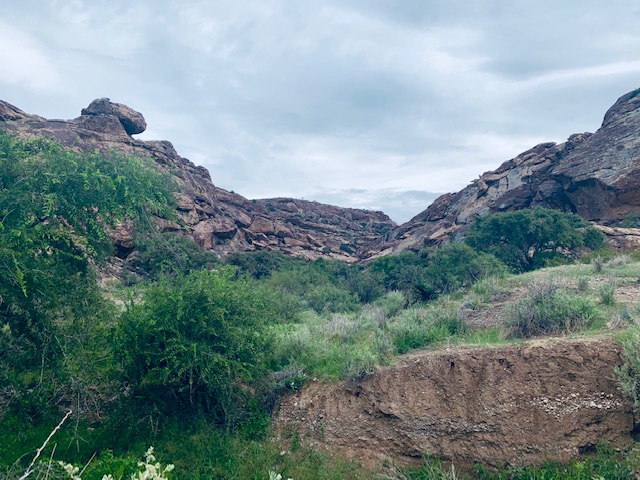
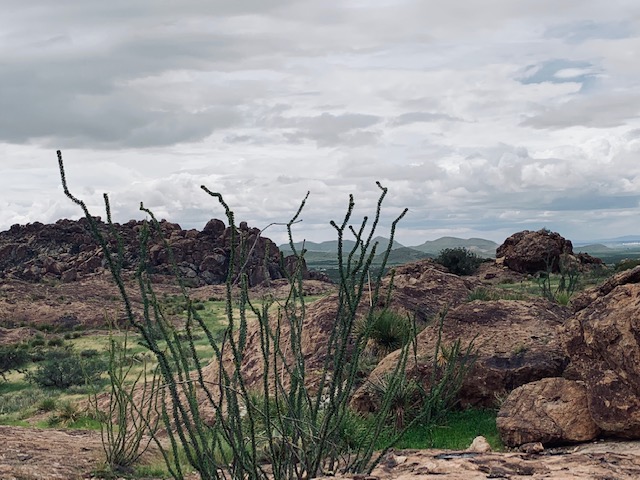
Absolutely a unique place. Hueco Tanks is an area of low mountains in El Paso, TX. Unlike the surrounding desert, Hueco Tanks still has remnants of trees  and other plants  that have descended from those that grew widely in the area at the end of the Ice Ages, 8,000 to 10,000 years ago.  You can even find unusual and even unique desert plants.                          

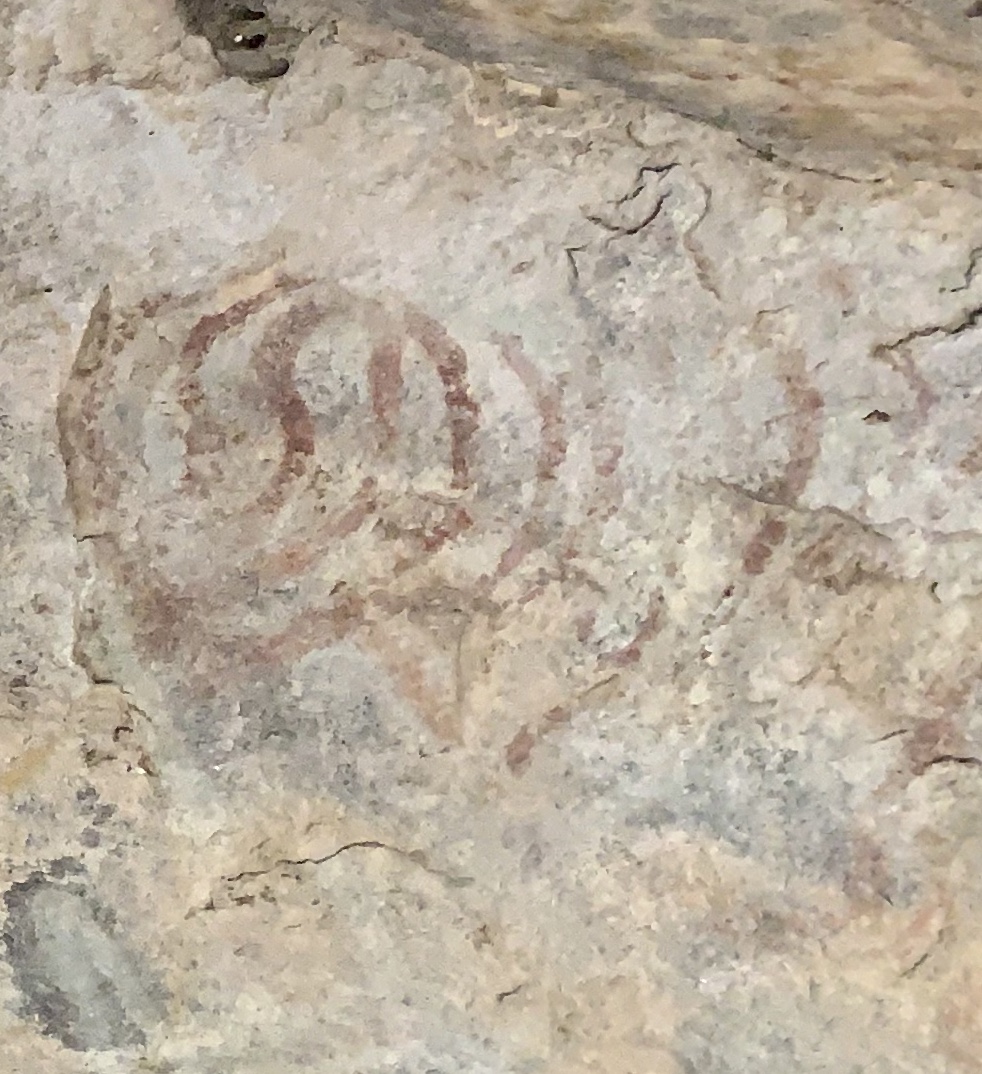
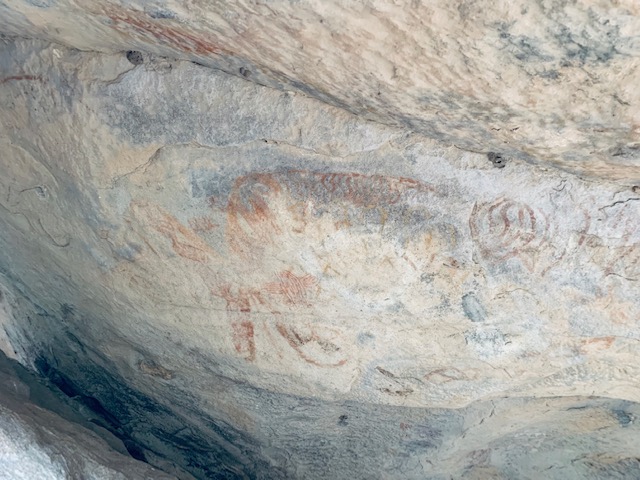
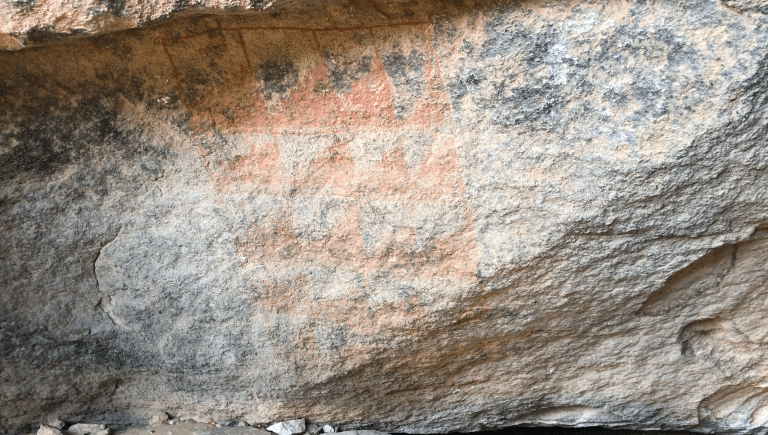
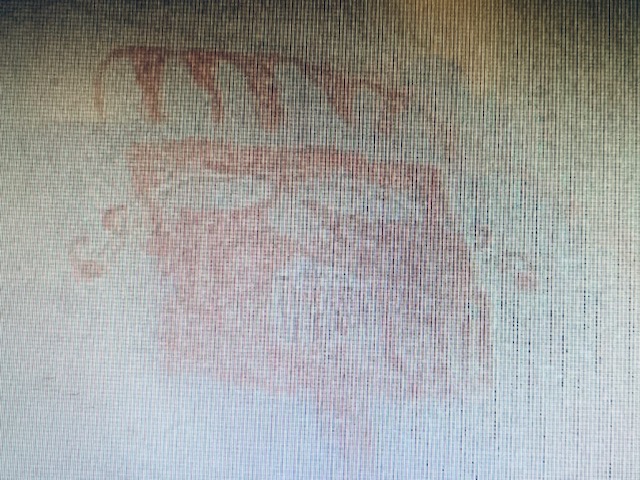
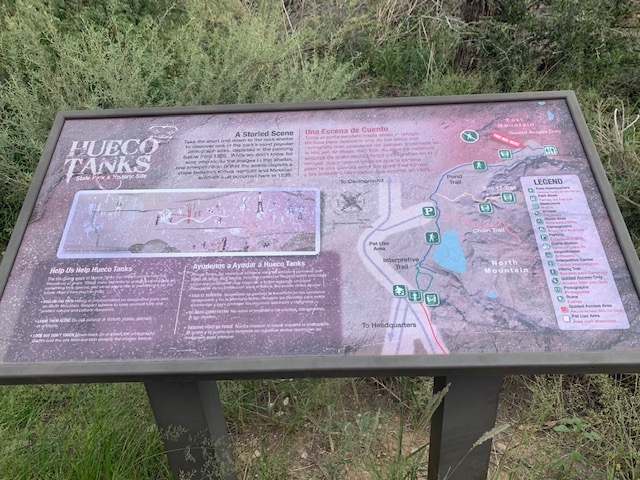
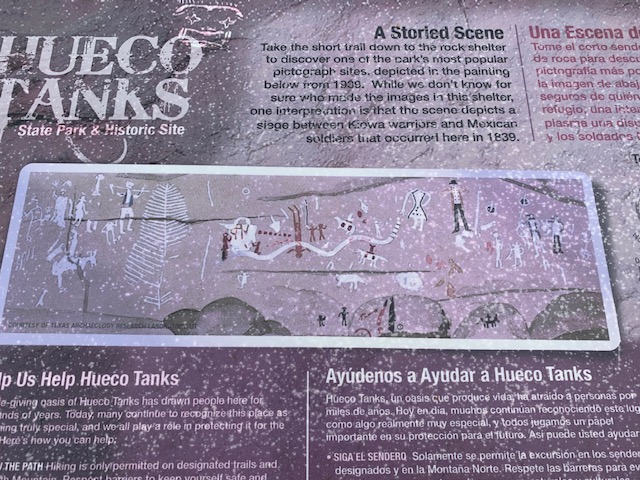
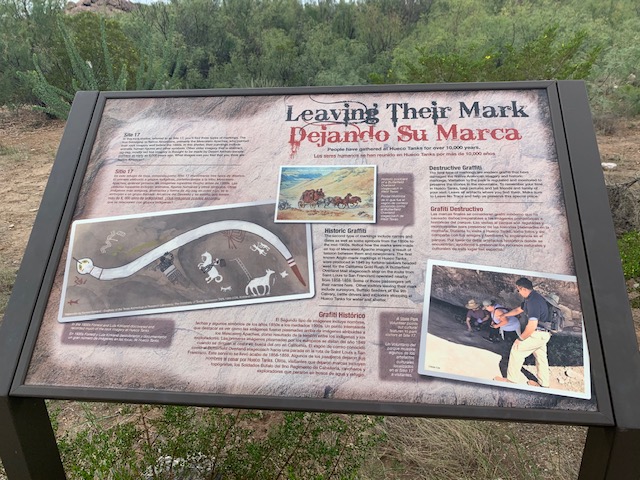
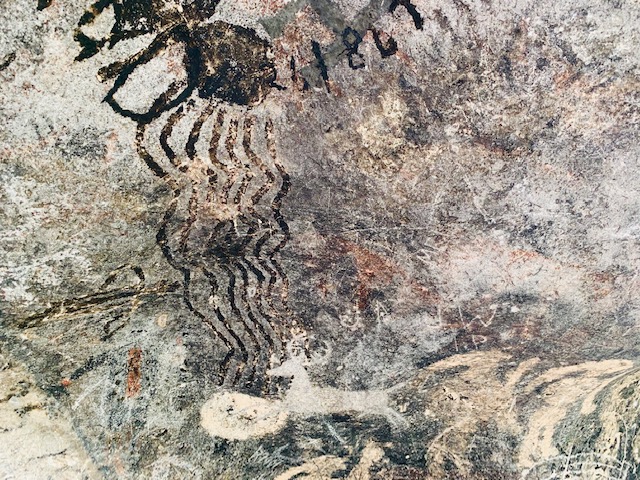
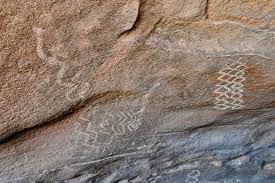
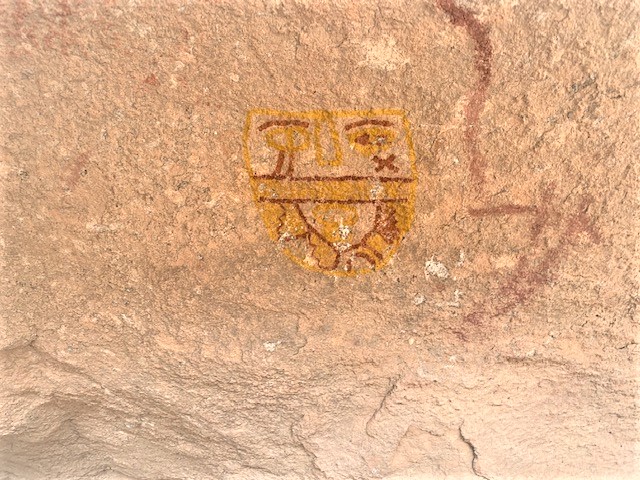
But what really makes it incredible is that Hueco Tanks State Park and Historic Site is the keeper of geography where ancient peoples left their marks in stone — a record of more than three-thousand pictographs. The meanings behind these ancient pictographs largely remain a mystery and the subject of archeological research. Among these cryptic images are more than two-hundred painted masks or face designs attributed to an ancient people.

Roughly 10 millennia ago, near the end of the Ice Ages, Hueco Tanks received its first human visitors, small nomadic bands of big-game hunters, who hunted mammoths, mastodons, giant ground sloths, horses and camels of that time. They are called “Paleo hunters, as they left spear points as evidence of their passing. Although it is far from certain, they could have painted the first images – rock art – on the stone surfaces at Hueco Tanks.

Between ten and two millennia ago, with the Ice Ages ended, the big game extinct and the climate hotter and dryer, Hueco Tanks became a site for the comings and goings of hunters and gatherers – “Desert Archaic peoples” – who took the smaller game and harvested ripening wild plants. More culturally diverse than their Paleo ancestors, they lived in nooks and crannies or in the open desert, leaving behind grinding stones, plant fiber weavings, and bone and lithic artifacts. They painted human figures, hunting scenes and geometric designs on the stone surfaces, leaving the earliest sure evidence of rock art at the site.
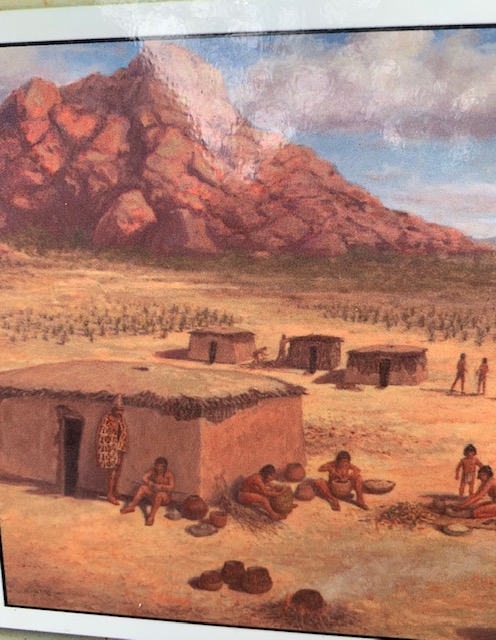
From early in the first millennium A. D. to late prehistoric times, Hueco Tanks was home for a more less active people, called the Jornada Mogollon, who still hunted wild game and gathered wild plants but who also lived in small settlements, they planted corn, beans and squash and made pottery. They produced one of America’s great galleries of paintings on stone. In the 15th century the Jornada Mogollon people abandoned this area.

What the Ranch House/Interpretive Center and surroundings look like today . . .

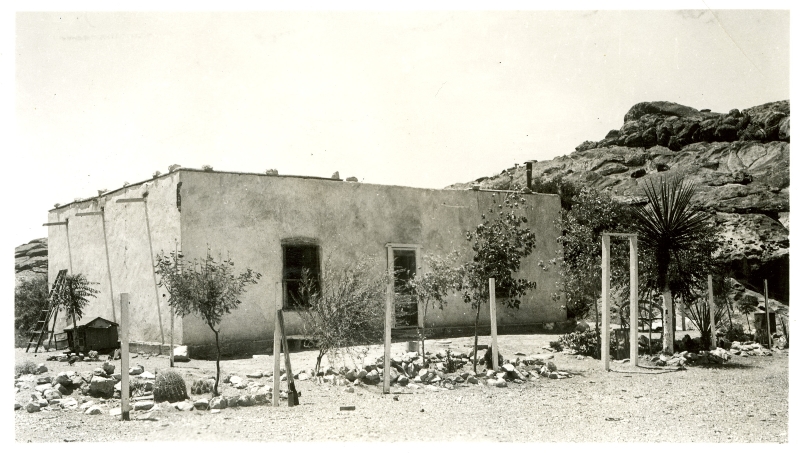
What The Ranch House looked like 1900.

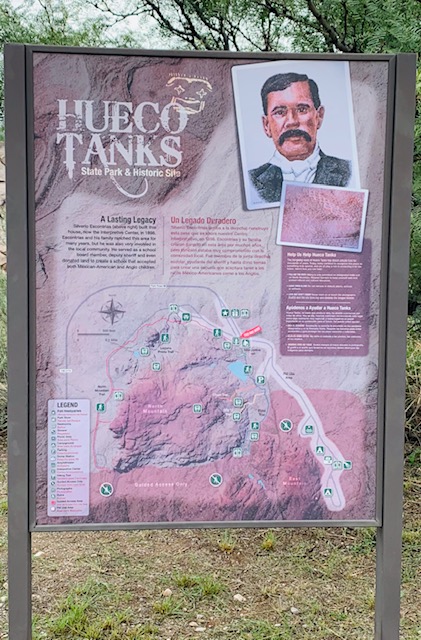
The State Park and Historic Site was originally part of a large ranch owned by Silverio Escontrias. Escontrias filed ownership papers for the ranch in 1898. He built a four-room adobe house at Hueco Tanks, and he and his wife Pilar raised 11 children here. Their ranch, which began as a cattle and horse operation, became a tourist attraction by the 1940s. Today, the park’s interpretive center is located in the family’s adobe house.             

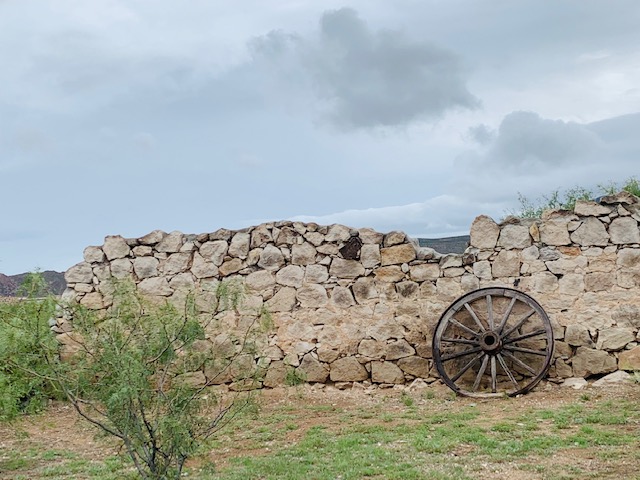
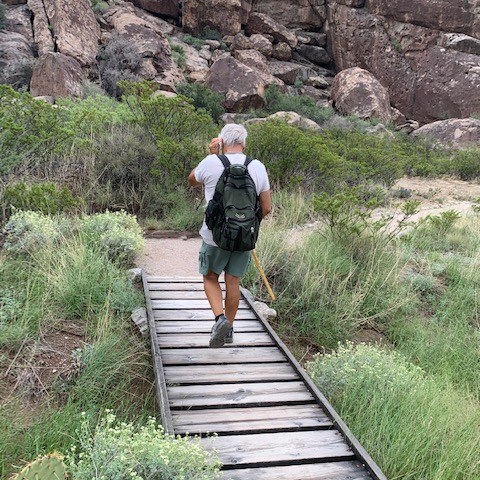
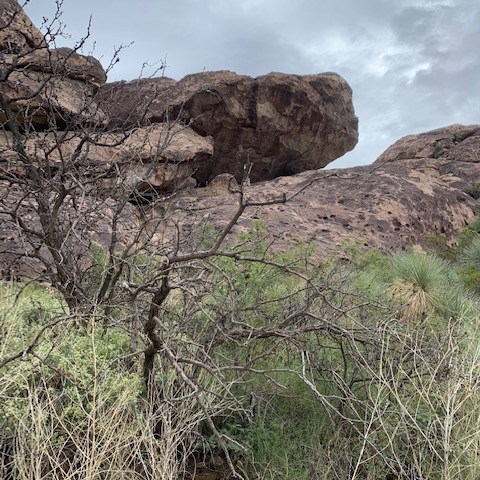
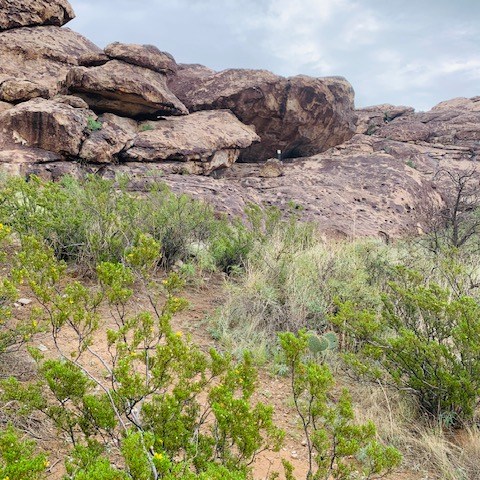
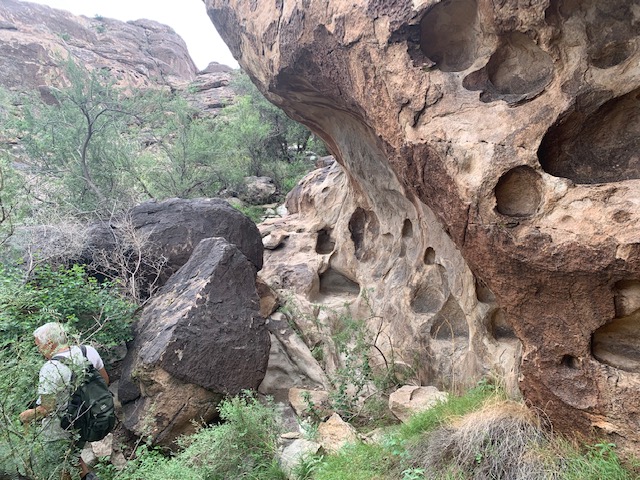
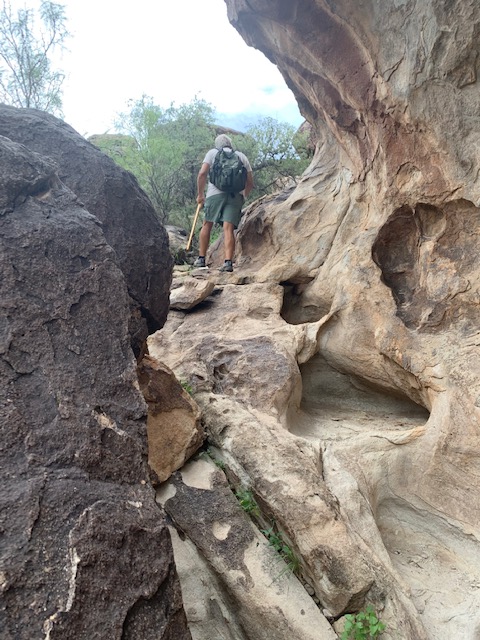
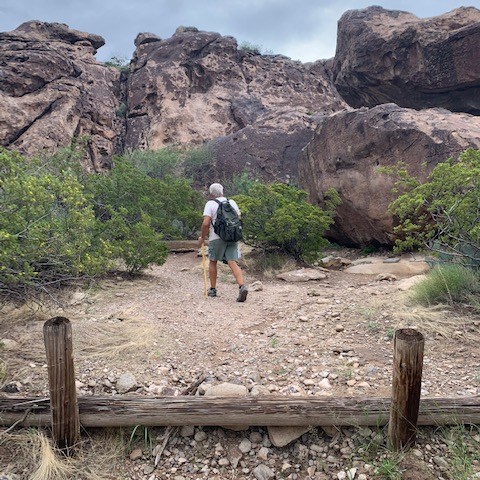
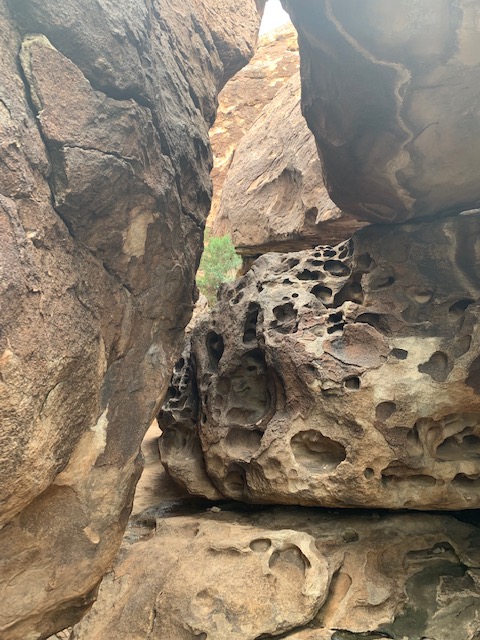
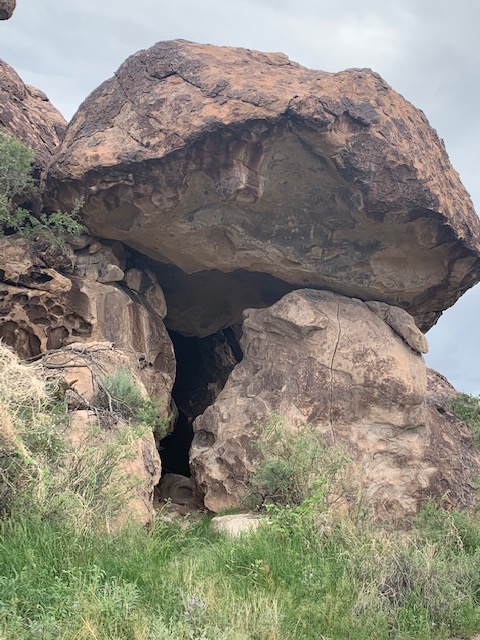
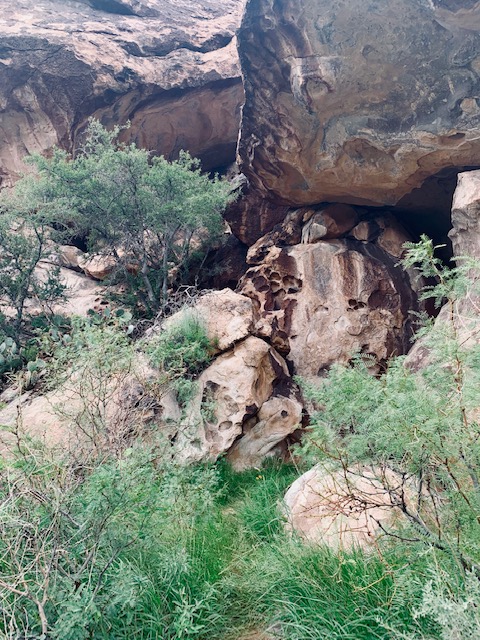
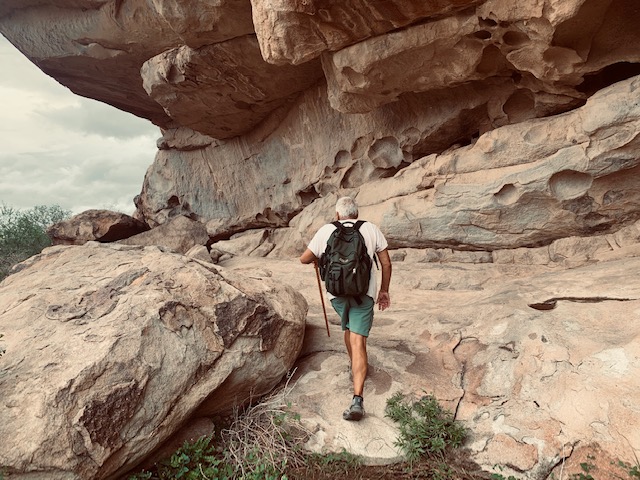
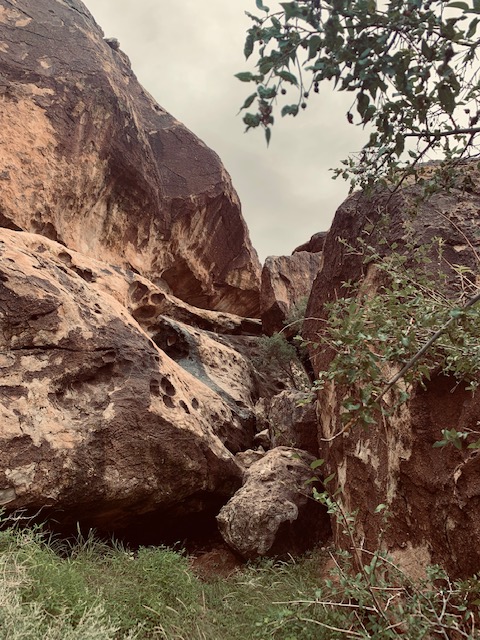
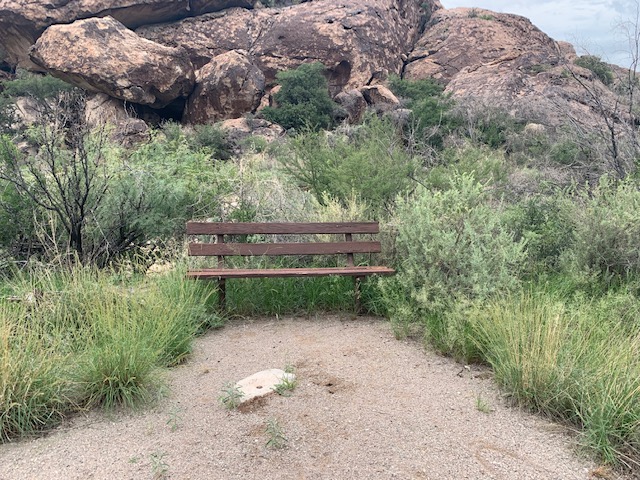
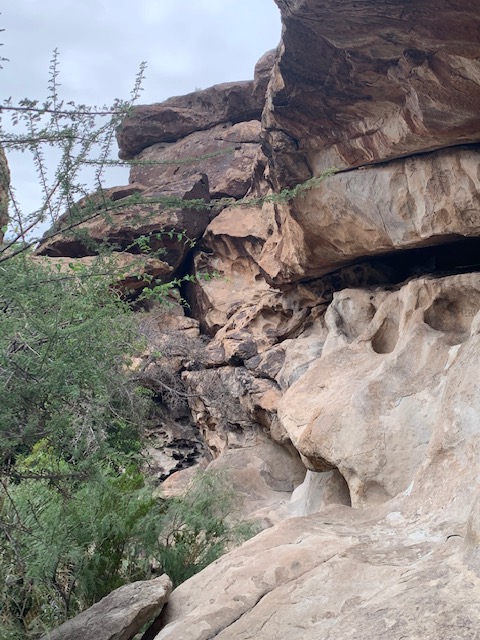
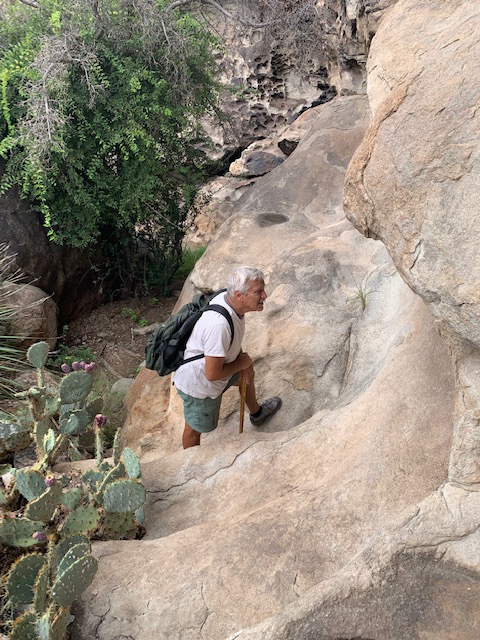
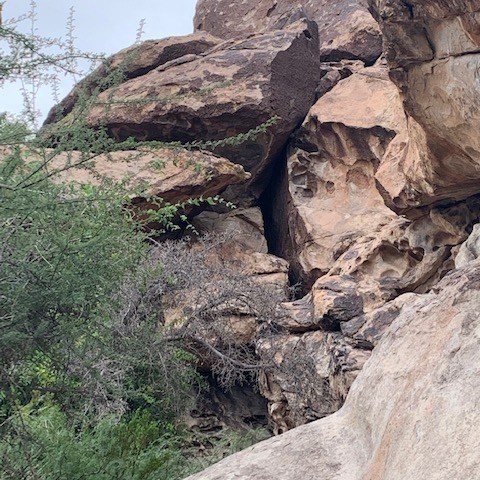
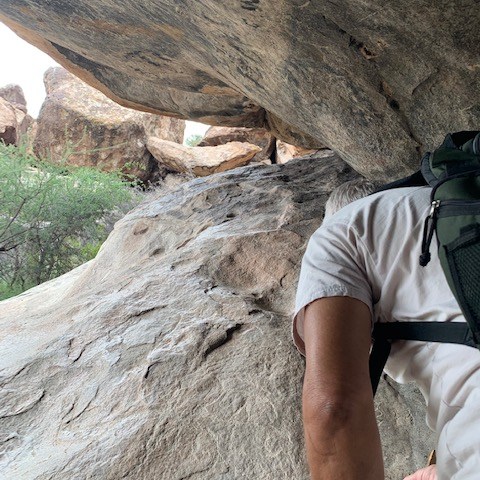
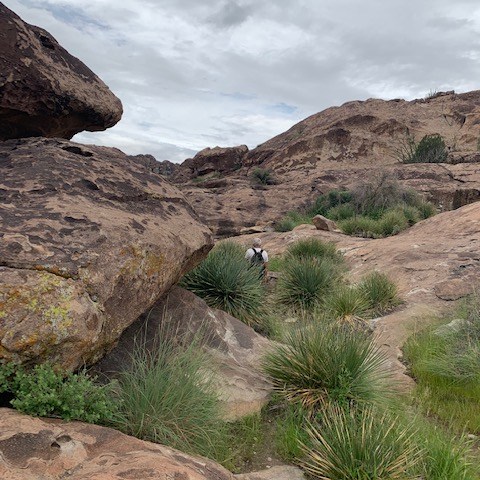
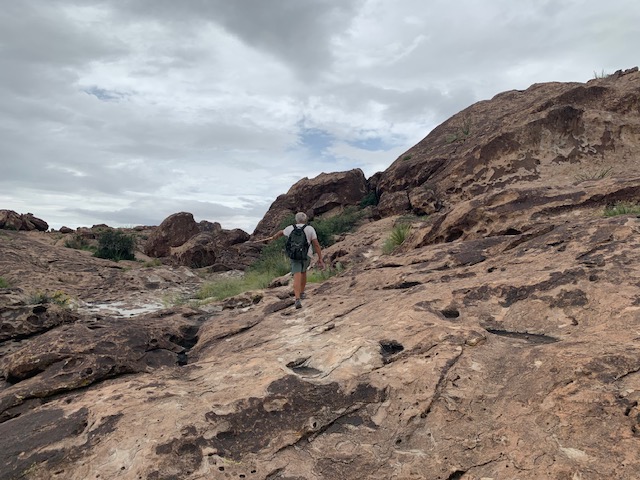
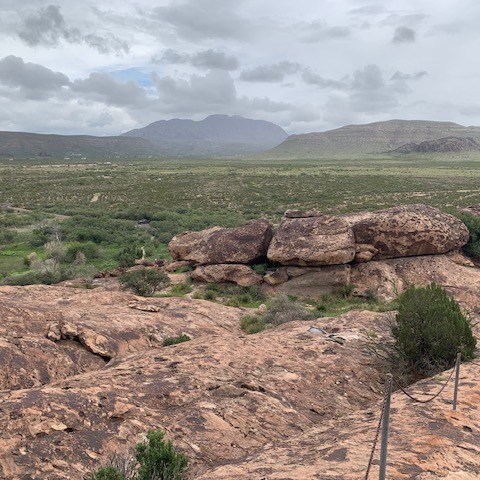
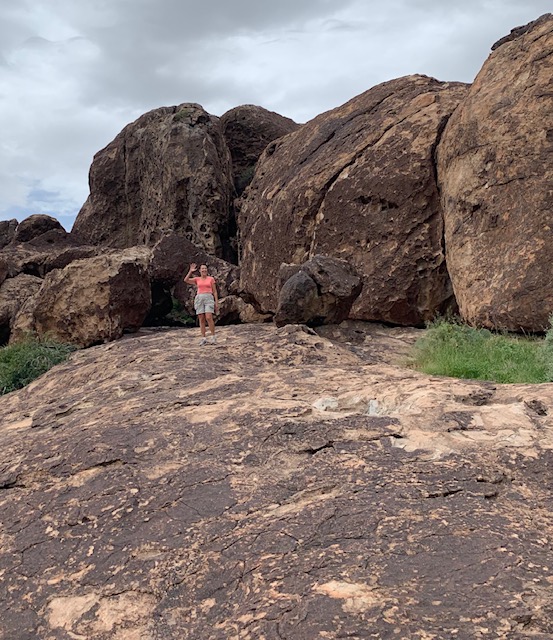
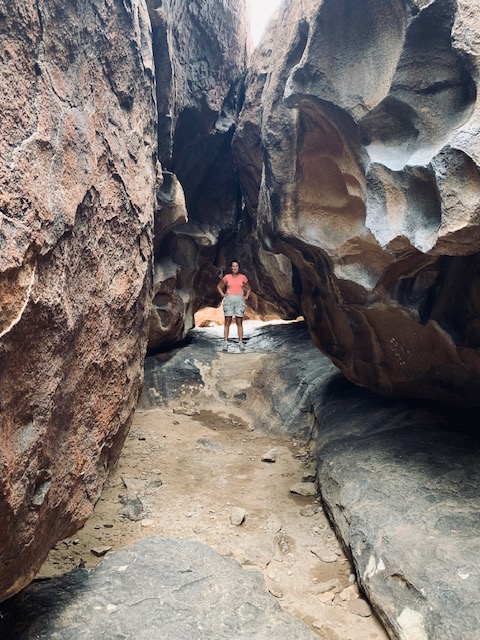
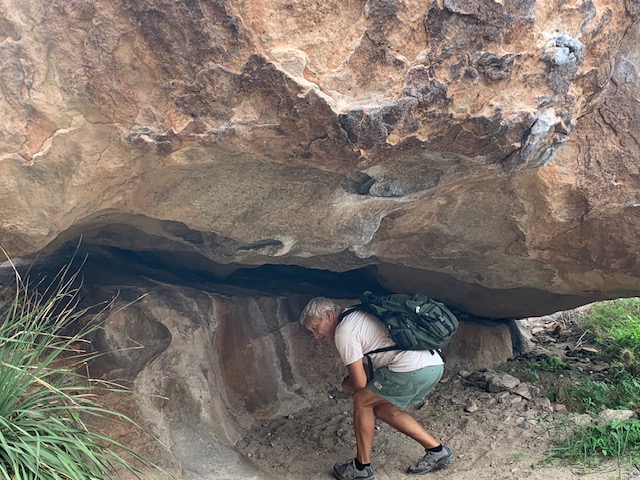
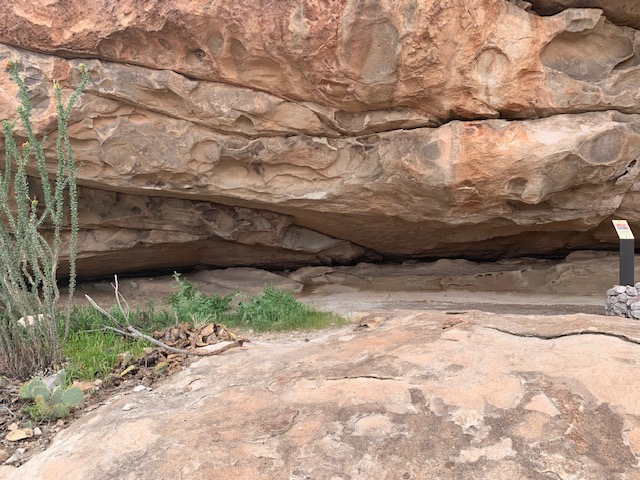
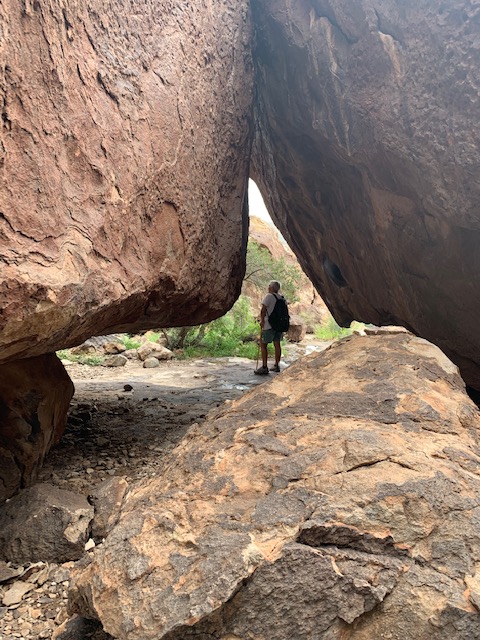
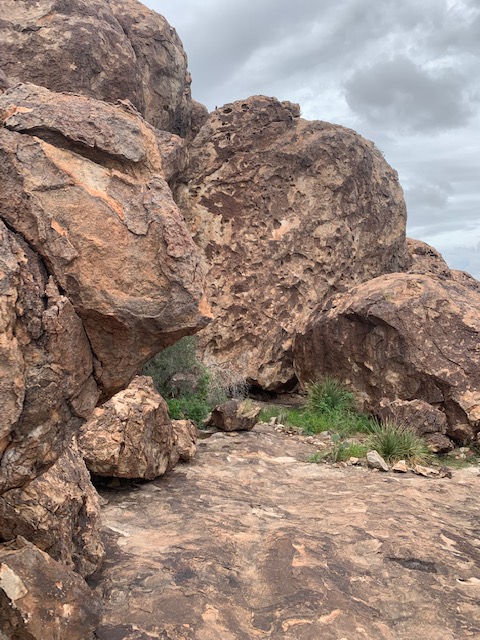
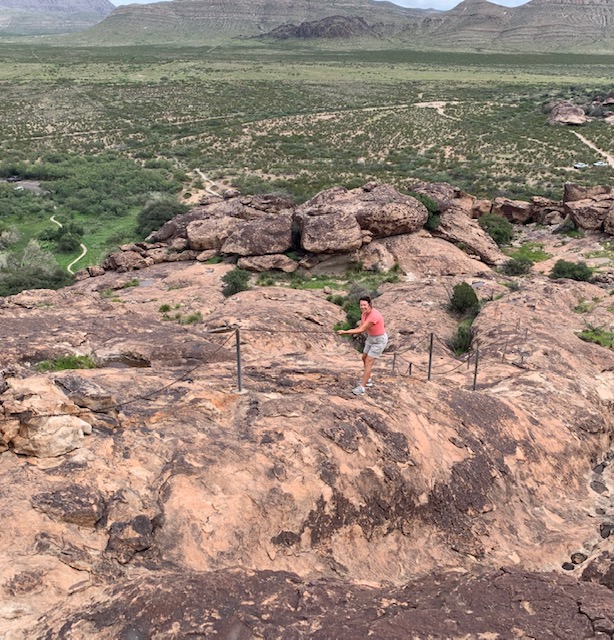
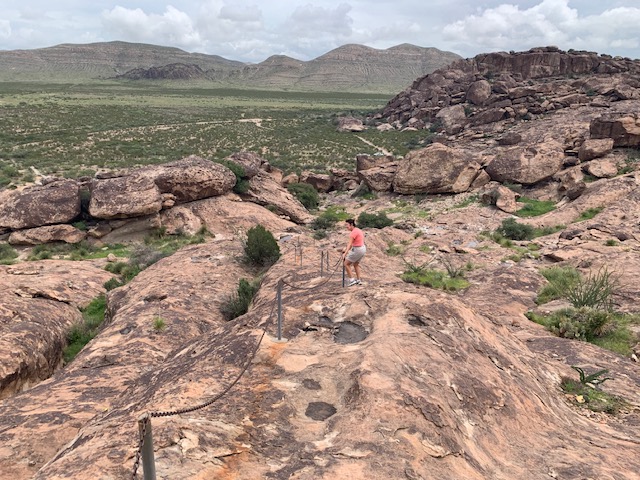
Walking around and exploring you had to go thru some tight squeezes, negotiate loose rock, try not to squash some plant life and even step carefully going up and coming down some moderate slopes and lots of  crevices. It was a fun place to do all of that.

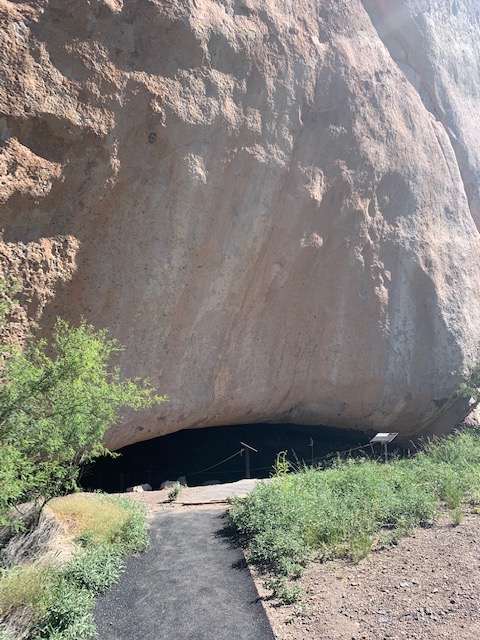
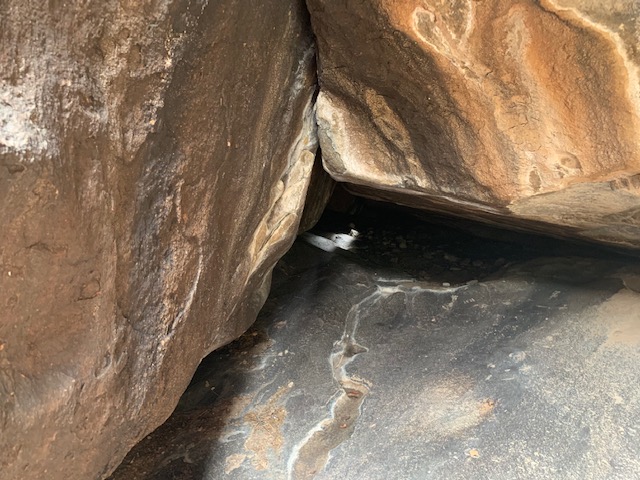
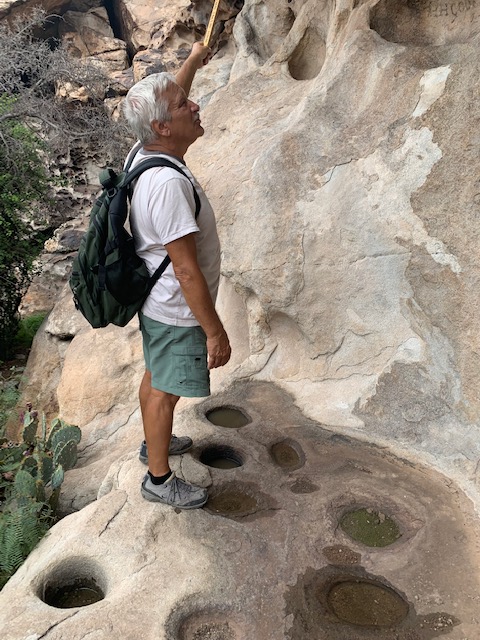
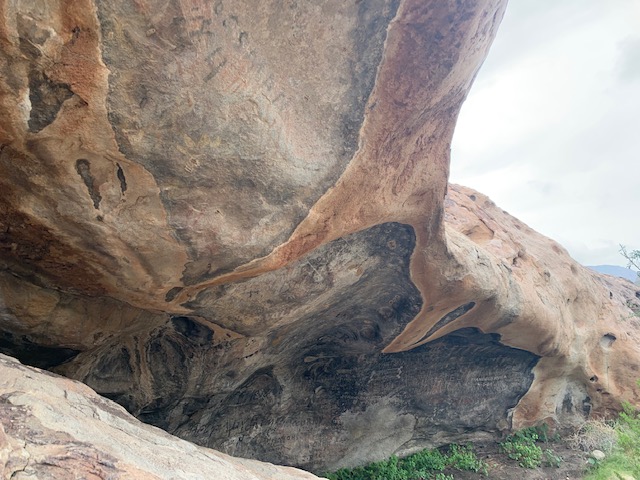
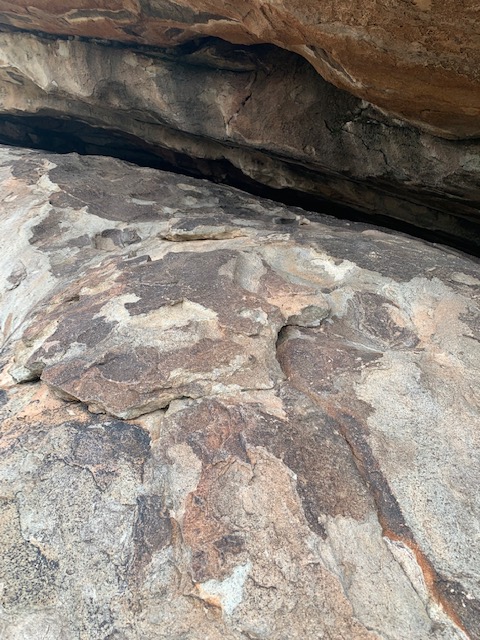
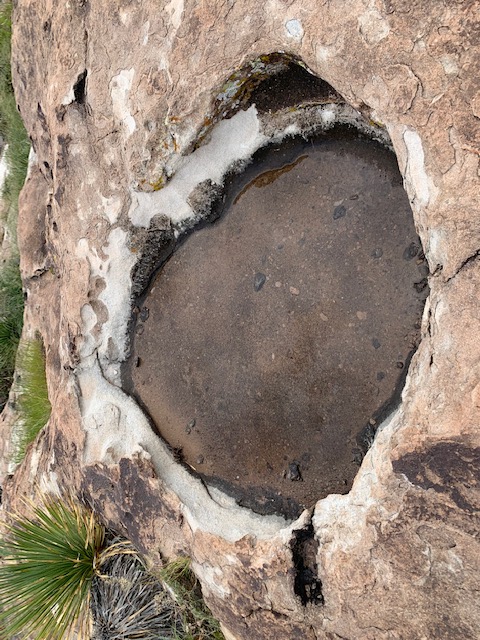
For centuries, ancient peoples were attracted to this area because it provided them with the one essential thing they needed in order to survive in the desert — water! The huge boulders and rocks in the area are pock-marked with fissures and holes, called huecos (whey-coes), that can hold rainwater for months at a time. Hueco is a Spanish word that means hollows, referring to the natural depressions in the boulders. These natural water tanks attracted people and animals and created microhabitats that supported a variety of living things.

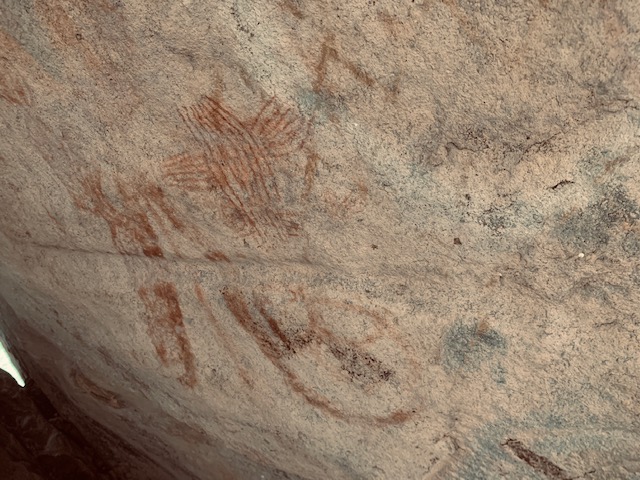
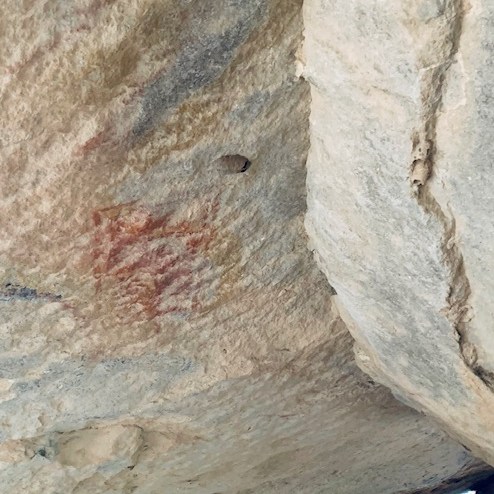
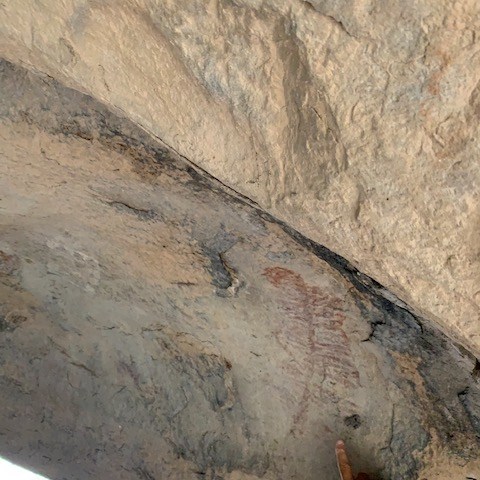
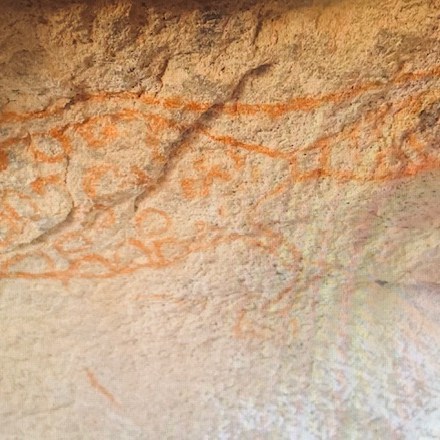
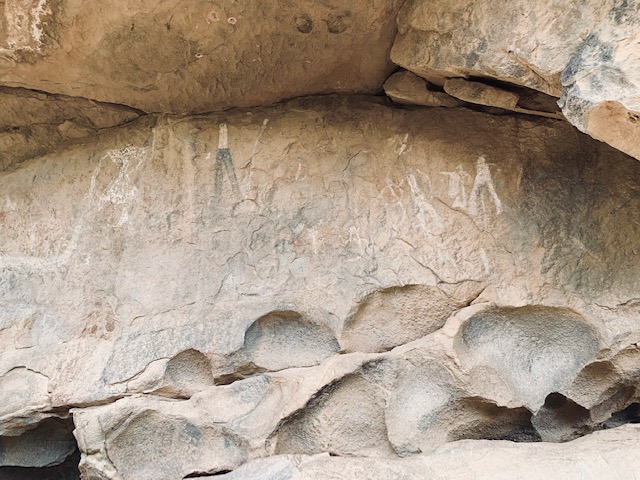
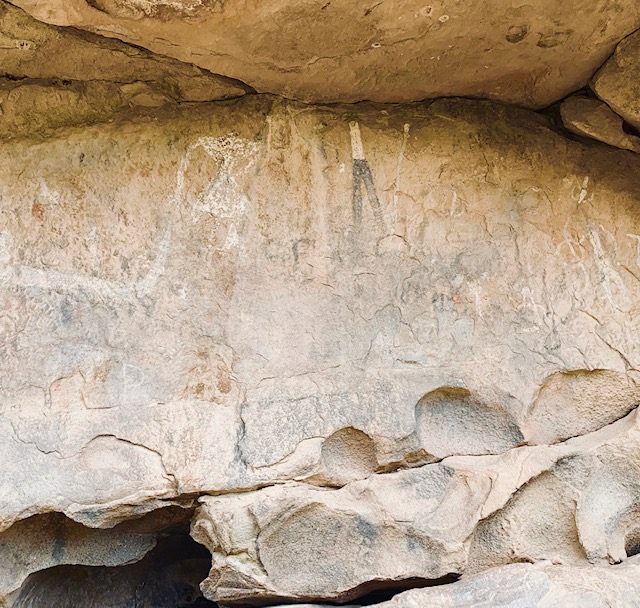
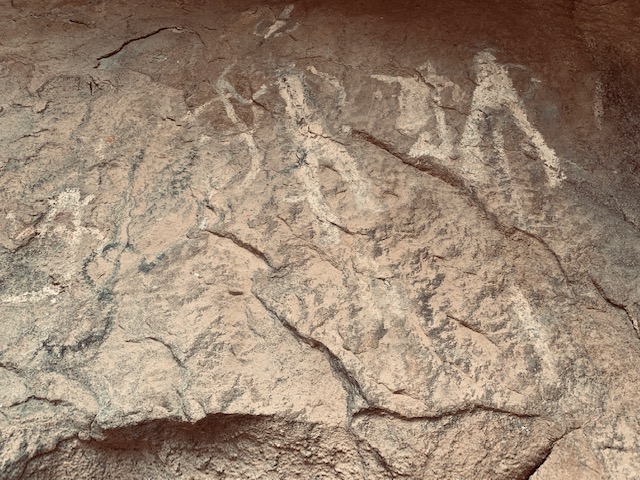
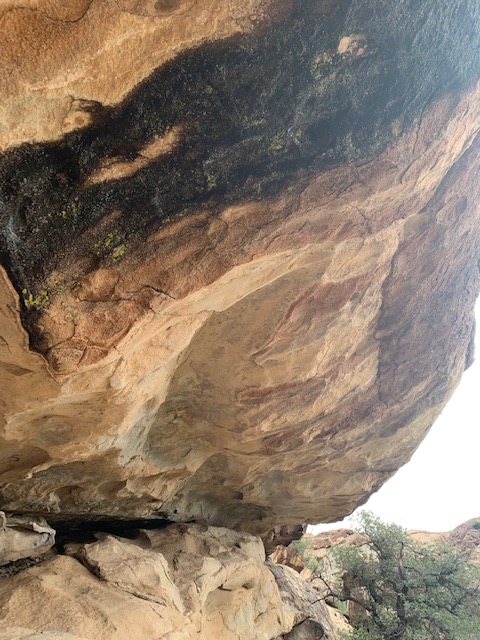
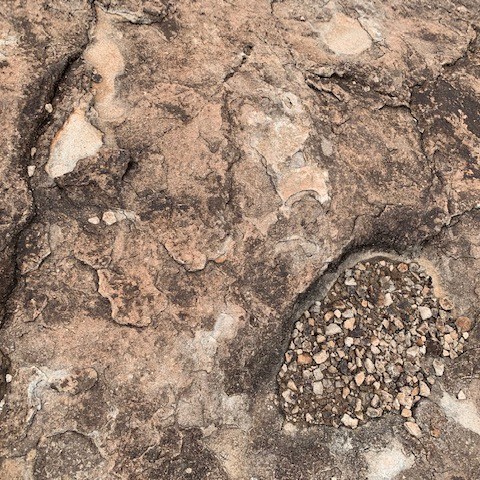
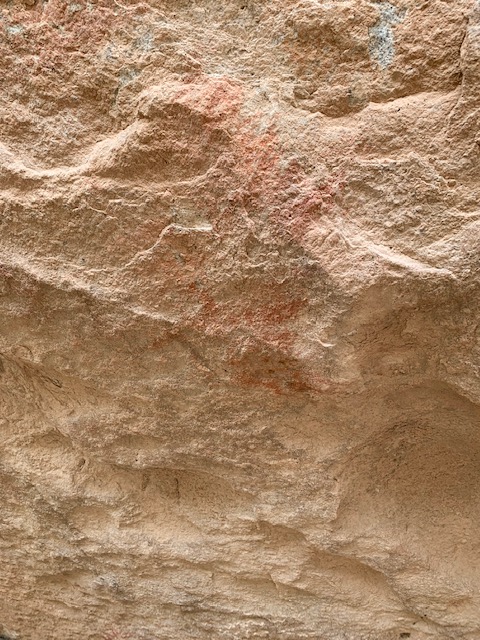
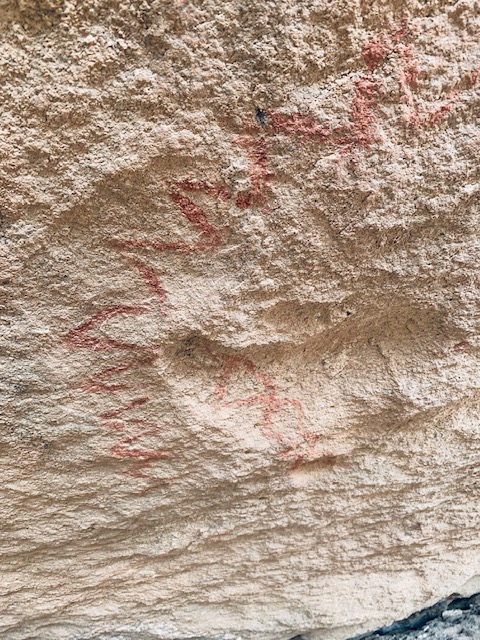
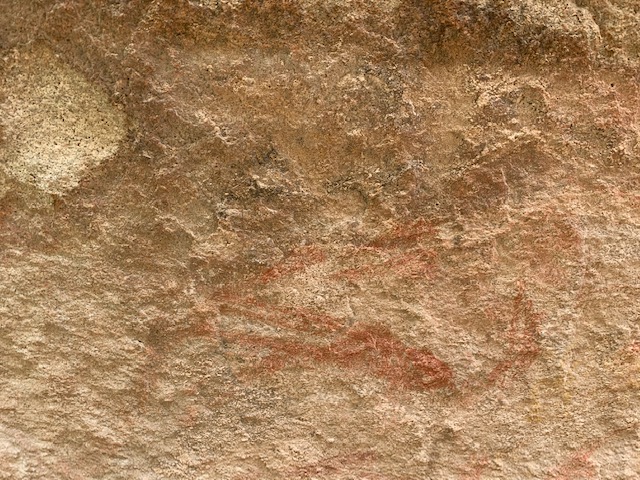
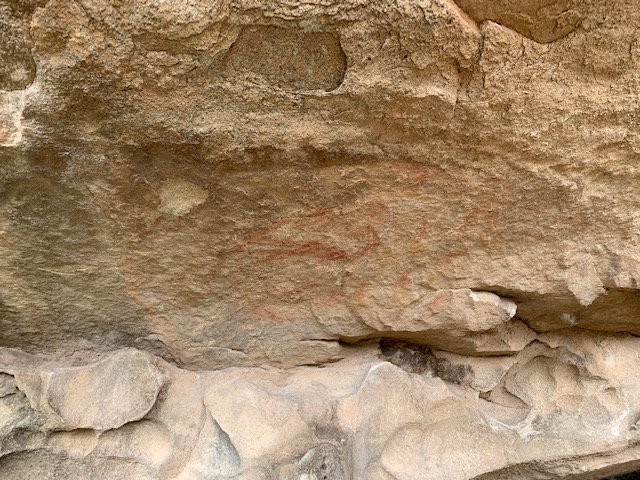
Our first “Rock Art!” We haven’t seen anything this ancient made by humans, exciting!

A Mask, a Feather and ?

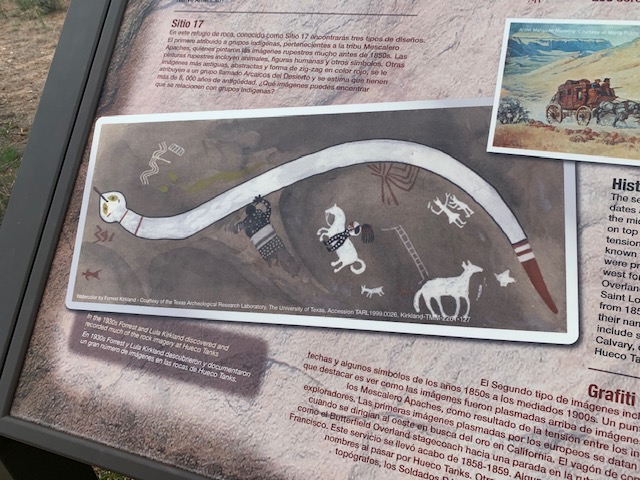
The materials that were available on the rocks for painting the colors were carbon and manganese for black.  Hematite and limonite made the red hues.  Limonite and ochre made yellow.  White clay and gypsum made white.  I guess it was whatever minerals, plants, oxides or vegetables you had? Paint brushes were made from stiff leaves and human hair.

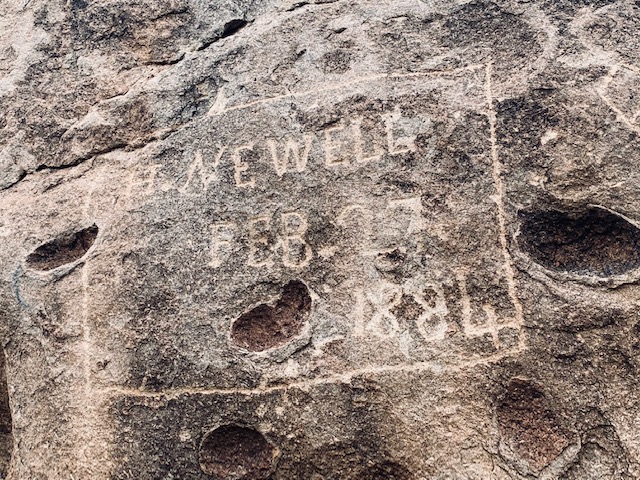
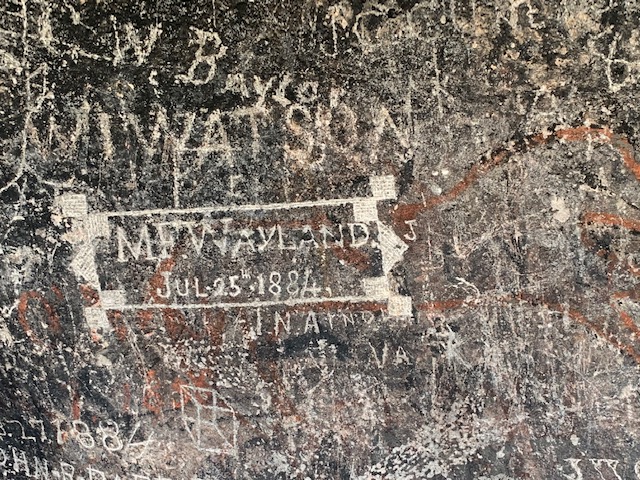
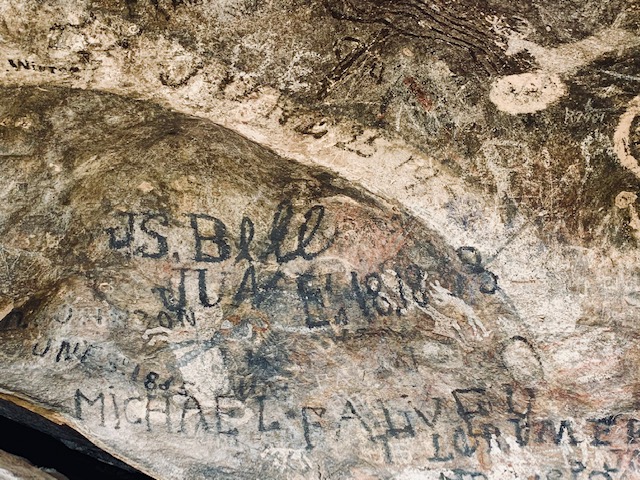
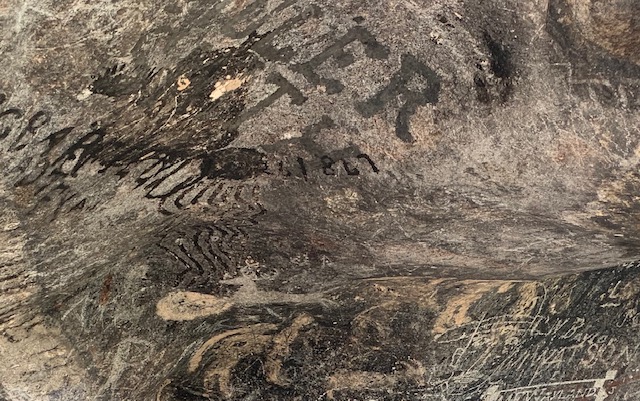
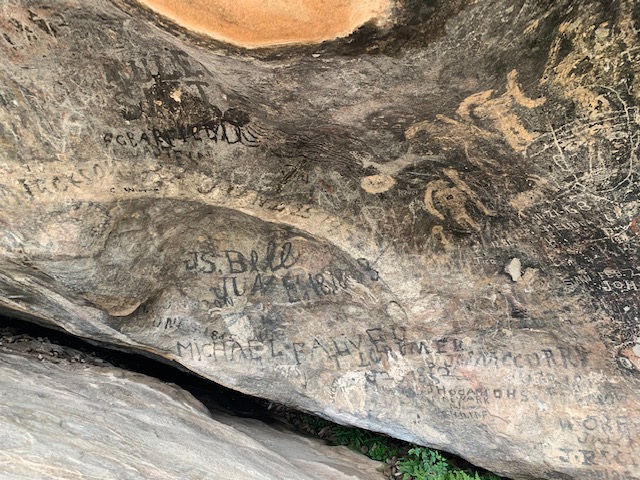
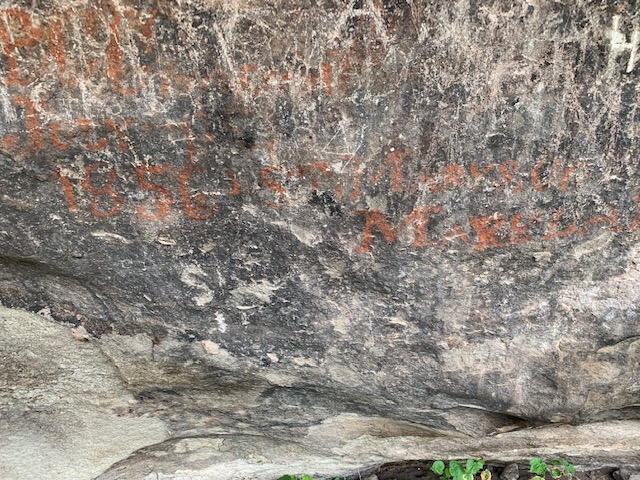
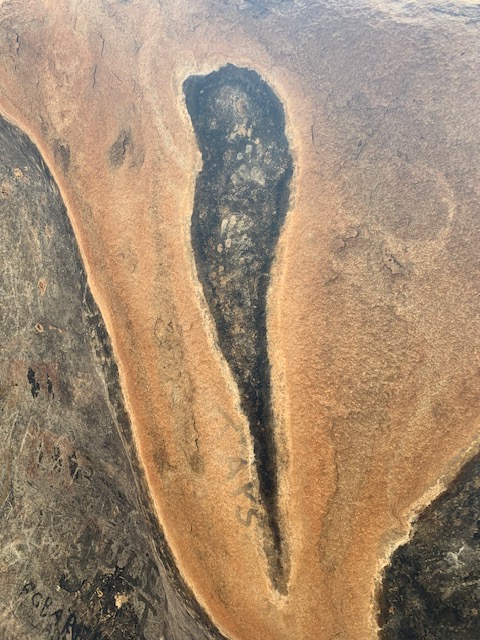
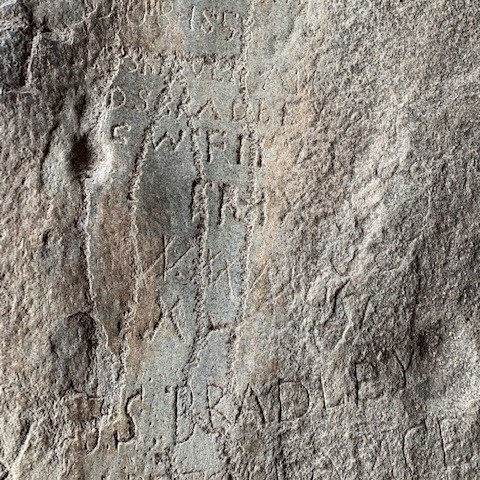
The rocks at Hueco Tanks also record the presence of latter-day visitors — cowboys and travelers through the region who also etched their names in stone. With the coming of Spanish-speaking people from the south and English-speaking people from the east, Hueco Tanks became a stopover for emigrants, adventurers and John Butterfield’s Overland Mail coaches. In 1898, it became the center of a major ranch. Sadly, vandals have also left their marks at the site.

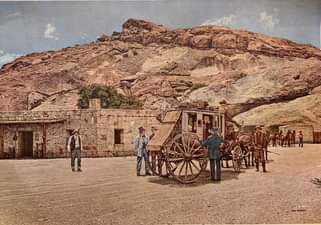
In this painting called “The Humble Way” artist Bob Wygant imagines the Butterfield Overland stagecoach stop at Hueco Tanks. The stop operated from 1858 to 1859 until the stop was moved for more reliable water and protection.

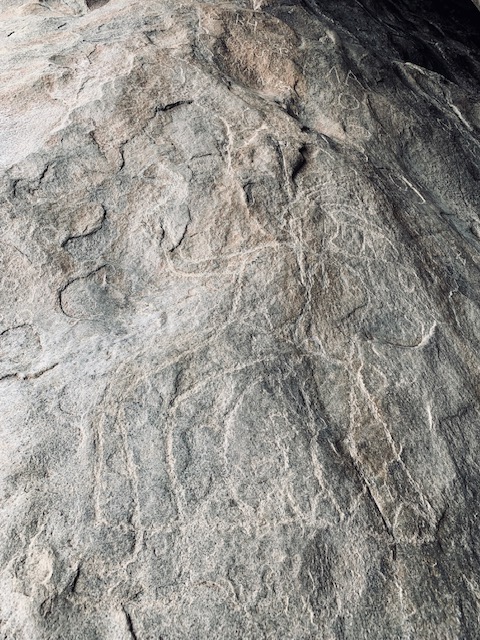
A lot of wear and tear but you can still make out the snake and other images.

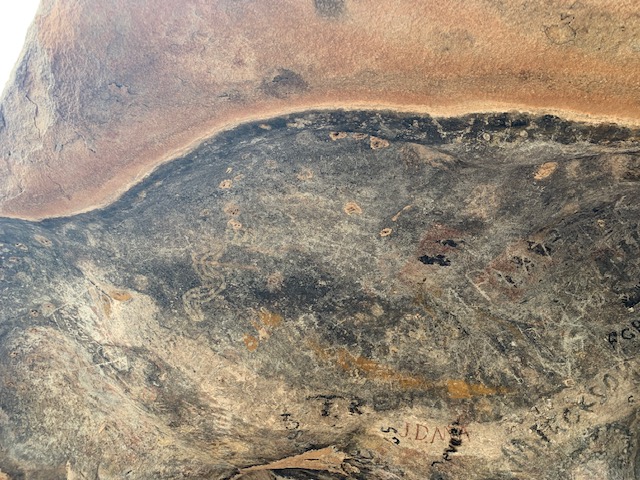
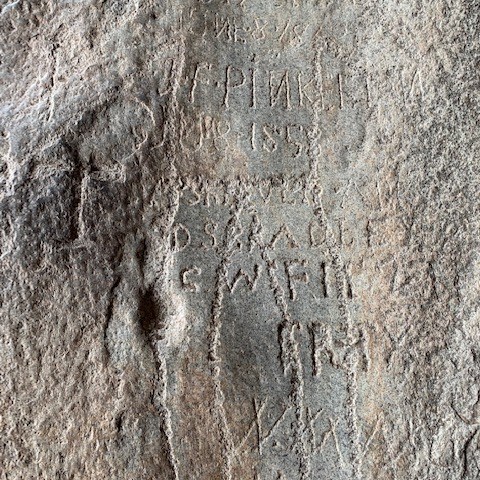
Dave sees a kind of “Family Tree” as members of this families names were carved in the rock in 1853.

Did I mention that Hueco Tanks is also one of the top rock climbing places in the world ?!

I can see why after seeing it’s some of it’s terrain. The Hue Rock Rodeo is a rock climbing competition held annually in February at the park. It is highly competitive and attracts professional rock climbers from all over the world.

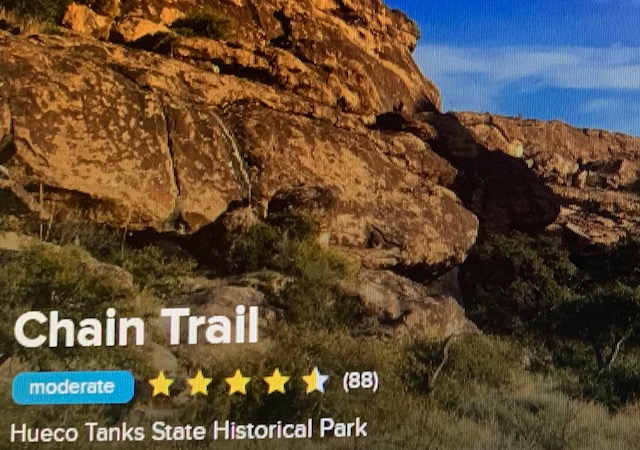
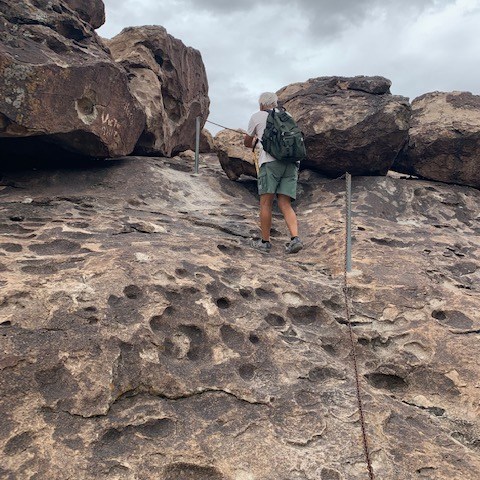
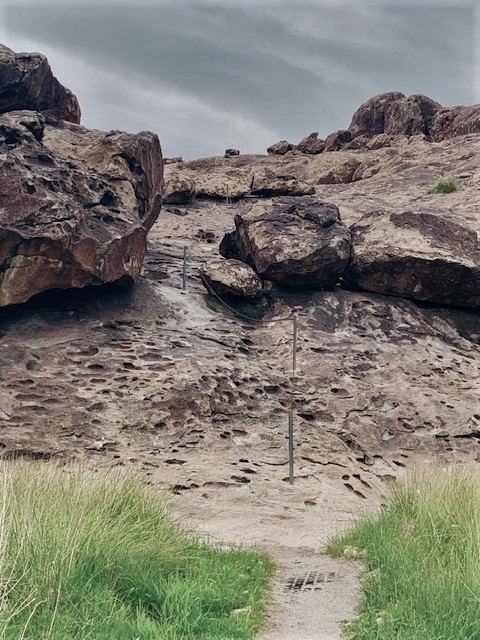
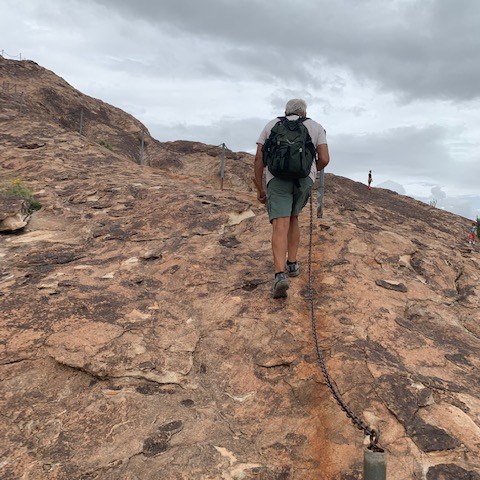
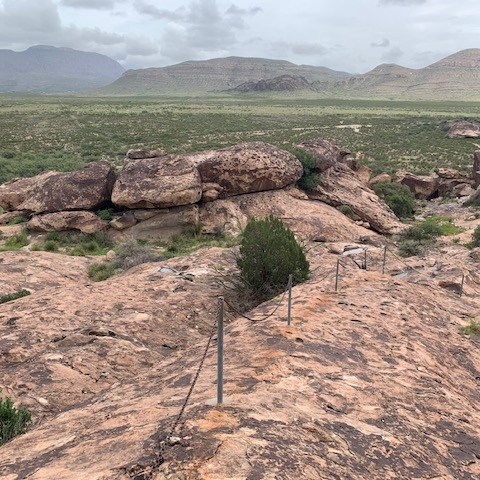
This was the first time Dave & I climbed a chain trail, it was a lot of fun!

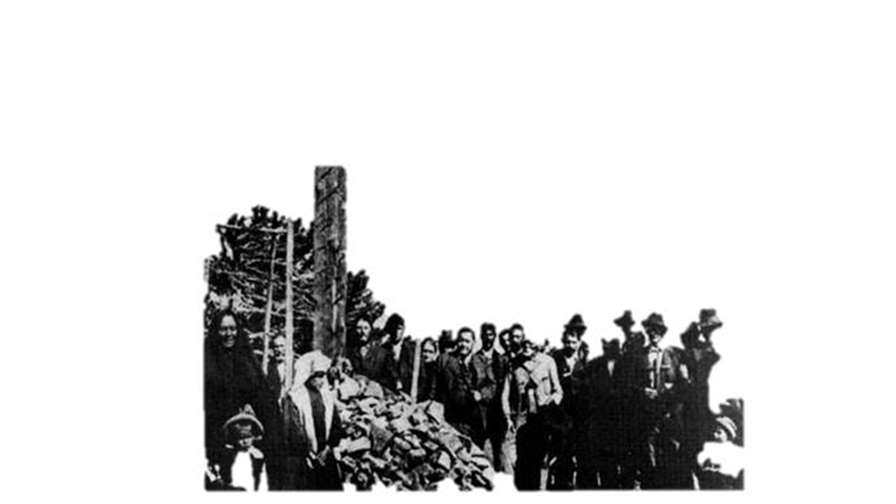
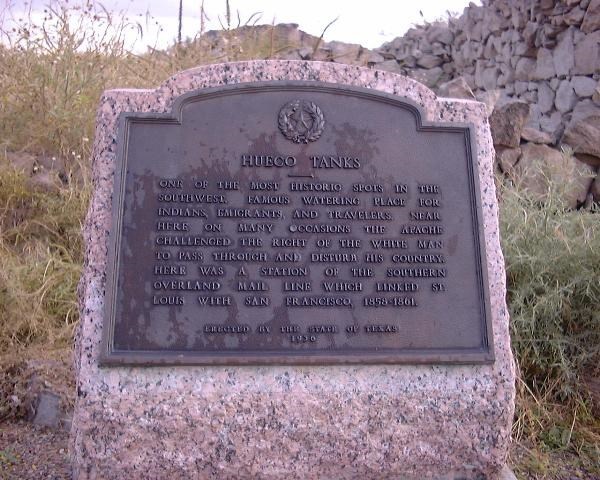
One of the most historic spots in the Southwest. Famous watering place for Indians, emigrants, and travelers. Near here on many occasions the Apache challenged the right of the white man to pass through and disturb his country. Here was a station of the Southern Overland Mail Line which linked St. Louis with San Francisco, 1858-1861. 1936

The park is a National Register of Historic Places, National Historic Landmark and a Texas State Historic Site.

It’s said this is also one of the most historic spots in the Southwest, we would have to agree. Dave and I enjoyed our visit to Hueco Tanks. We enjoyed our hikes and the incredible sights. As we walked we kept imagining what it must have been like for the peoples who found refuge here many, many, many years go. Hueco Tanks was a great place to spend the day and one of the best places we’ve been to.
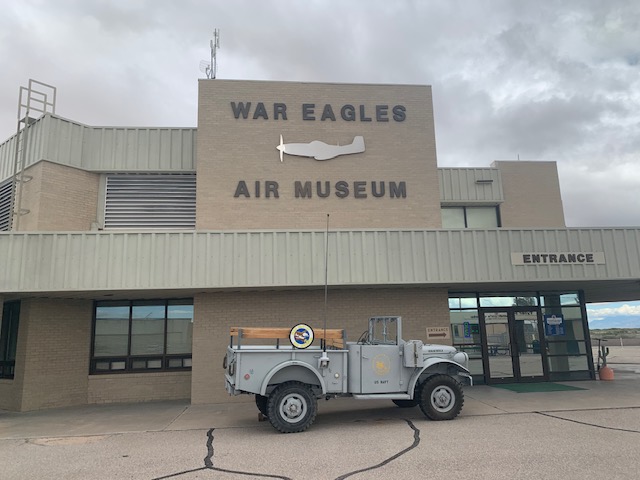
WAR EAGLES AIR MUSEUM

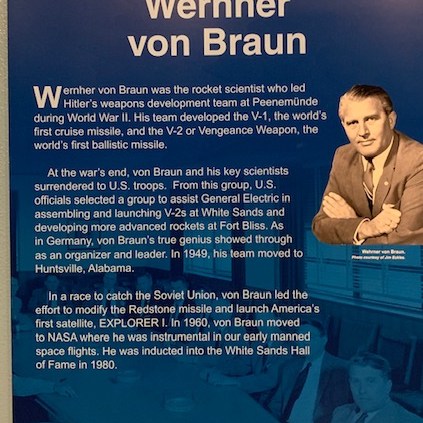
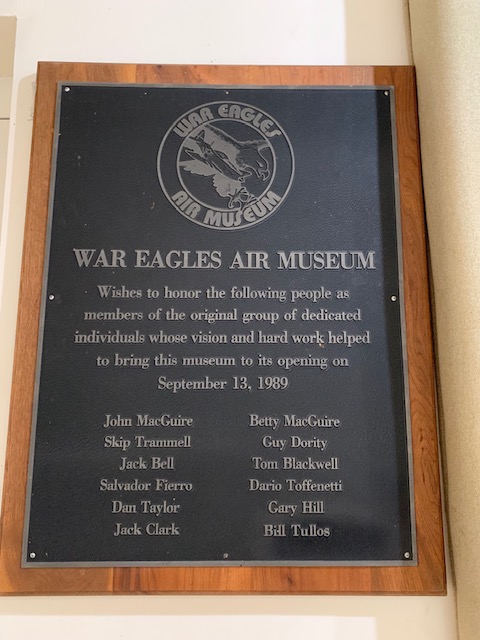
Today we took a drive to New Mexico to visit this museum. It houses over 40 vintage aircraft, some very rare ,and all still fly today. Mr. John MacGuire and his wife put it all together, and opened in 1989. all the aircraft here John flew here himself, he has since passed away. There was no one there when we got there, so we were taken on a private tour, by volunteer Elliot. His insight to some of the planes there was very welcome. We have been to other museums before, but here there were planes I have never seen before. So it was really cool to have Elliot talk about them and even get us up close and personal to them, when normally you are not allowed. Elliot served in Vietnam as a door gunner on the Huey helicopter, transporting troops to and from the combat zone. He said I was young then and didn’t know any better.
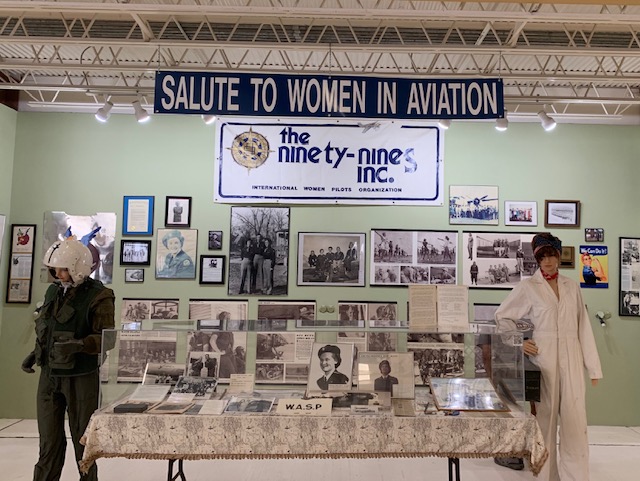
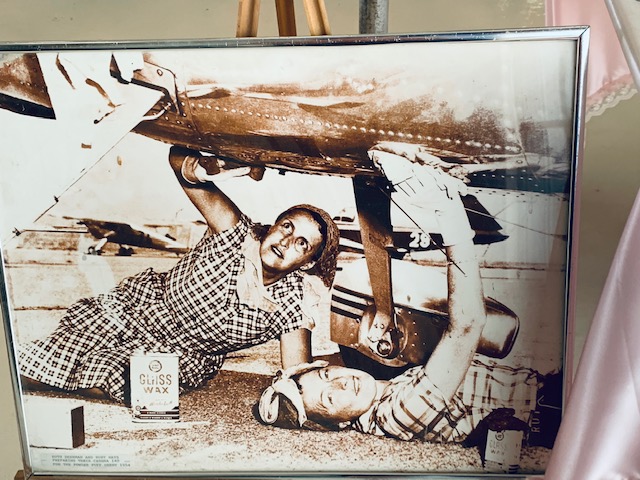
During World War II, almost all combat planes were flown from the United States to war zones by Women, or WASP’s.
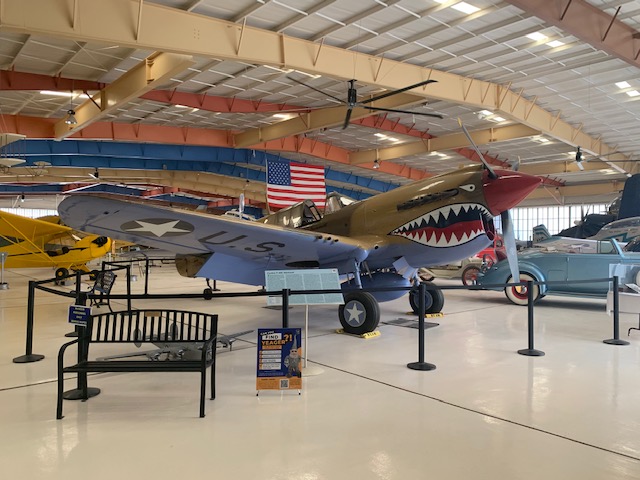
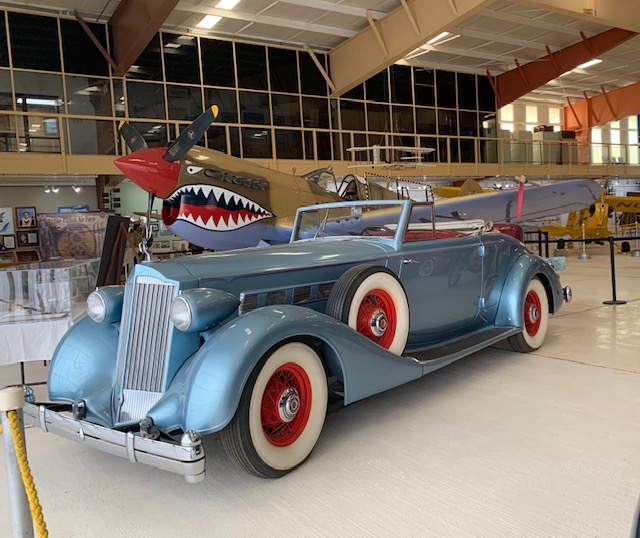
This is a P-40 Warhawk, when Japan invaded China in 1939 a few hundred of these were sent over with volunteer pilots, who were paid very well. While pretty fast and nimble, they were no match for the Jap Zero, but soon the pilots devised ways to overcome this by flying in pairs and threes to move in behind the Zero and shoot it down. The emblem on the tail, is not of a Texan peeing on the Jap flag, it is of a Chinaman peeing on the Jap flag.
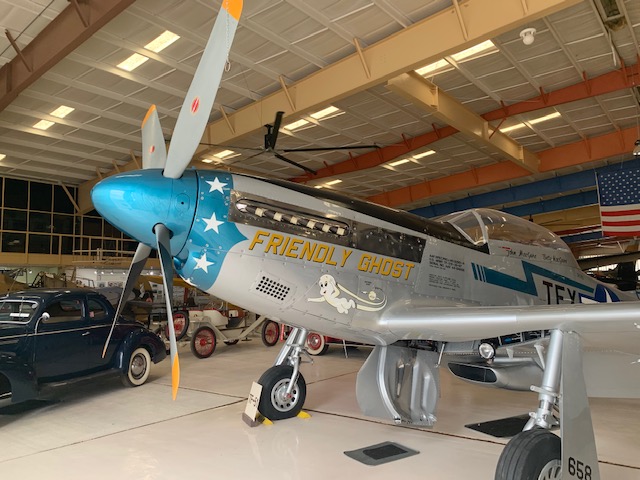
The famed P-51 Mustang, this plane did see combat missions in the war.
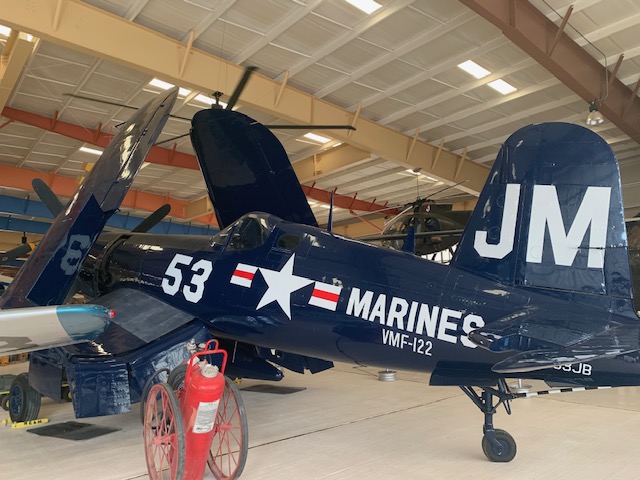
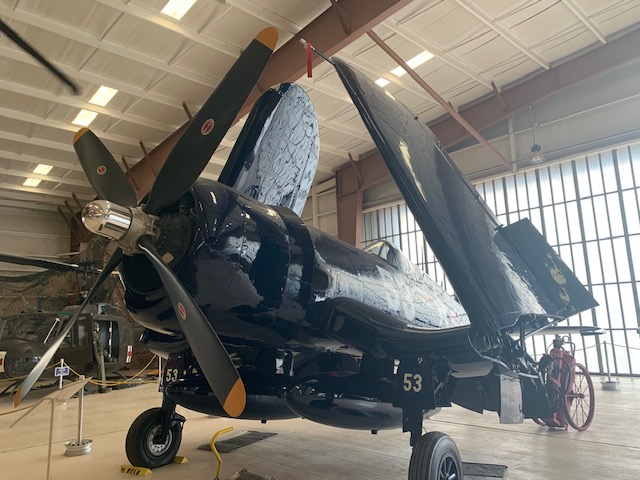
Here is a F4U Corsair, fighter ,bomber of the marines, this was an aircraft carrier plane. Classic up folded wings, this allowed more aircraft to be put on the carrier. I have not seen one of these before, big and burly, propeller blades are over six feet long. Could go up and meet the enemy or make a bombing run.
Viet Nam era F4U Corsair fighter, bomber, what a difference, also carrier based with fold up wings.

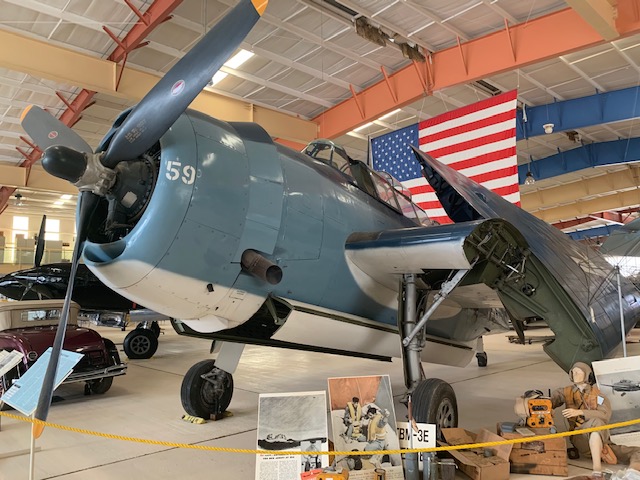
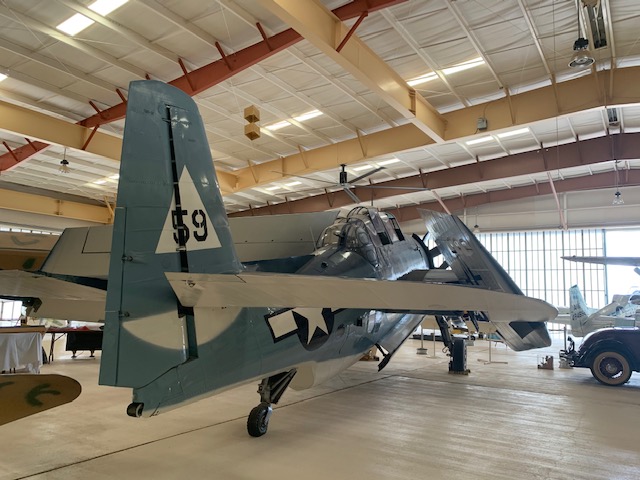
The Grumman TBF-1 Avenger torpedo bomber. A carrier based plane this one has the back swept folding wings. Three man crew, pilot, navigator, and rear gunner. First saw service in the battle of Midway, all but one was lost, very slow, and had to line up with a ship to launch it’s torpedo. Without fighter escort, the Japanese picked them off easily. This is the plane the first President Bush was a pilot in and was shot down. Another plane I have not seen ,big, bulky and a death trap.

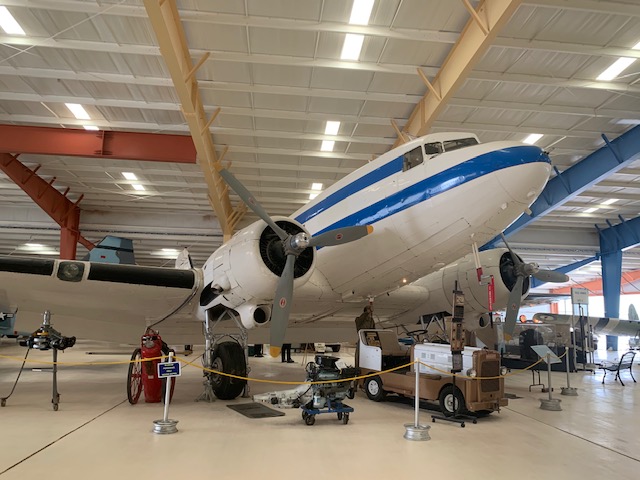
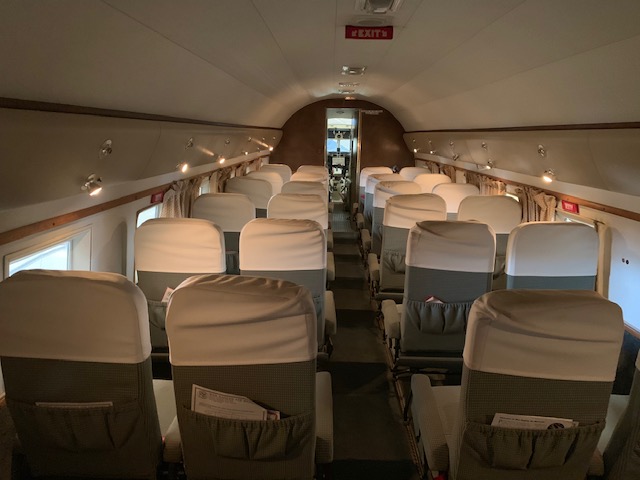
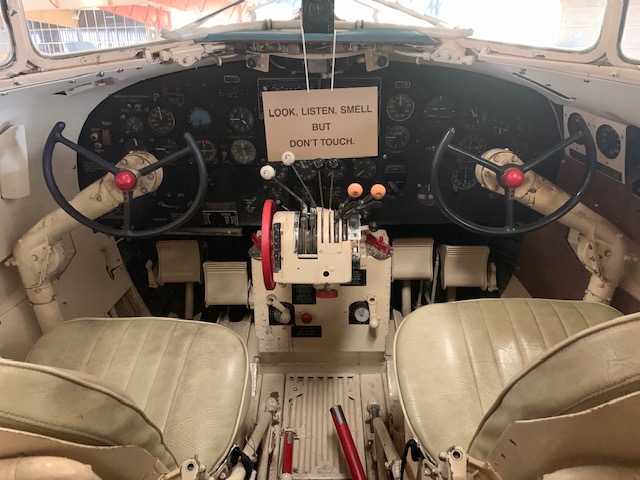
C-47 troop transport to a DC-3 commercial aircraft. This plane has a lot of history, the C-47 was built in the thousands to transport goods, and troops. This aircraft took off on the early morning of June 6 1944 with about 30 young paratroopers in it. It flew over France and when the green light went on all of the guys jumped out. It made it back and a few months later took more troops and towed a glider of troops over to Belgium, where they also jumped out. The plane then went on to be converted into a DC-3 passenger airliner in the early 1960’s. It flew passengers all over the Caribbean for decades.

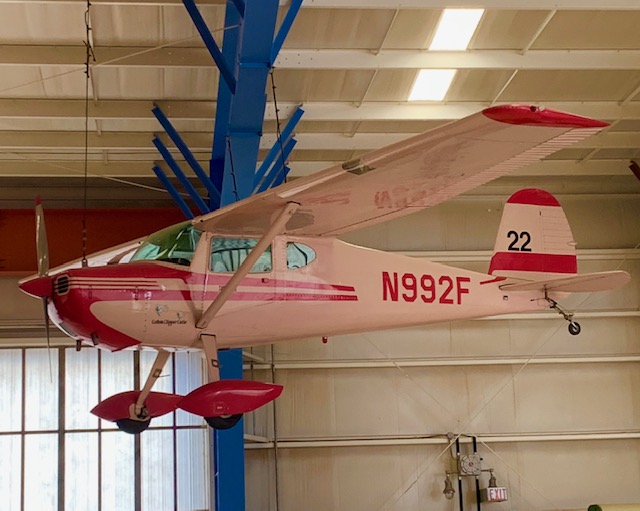
This plane is pink???. Two women flew this plane in the 1954 air race, and they won, using only a watch, a compass, and a map in the 8 stop race.
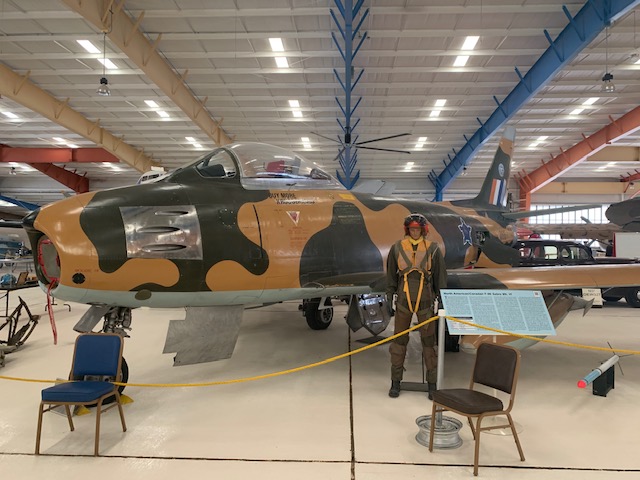
F-86 Sabre jet, our first really combat fighter, used during the Korean war. This one painted up in Canadian colors.
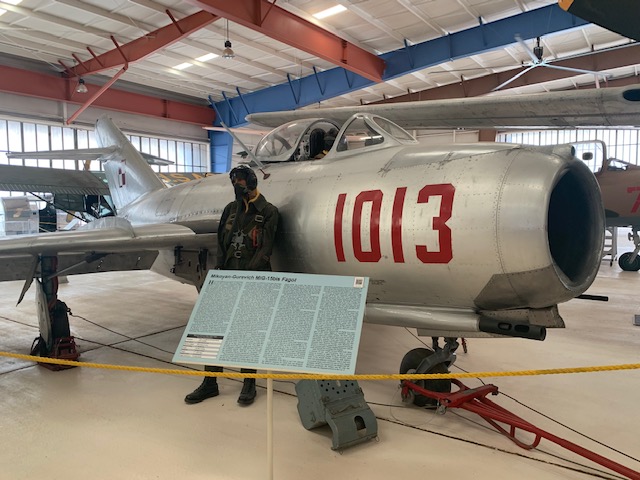
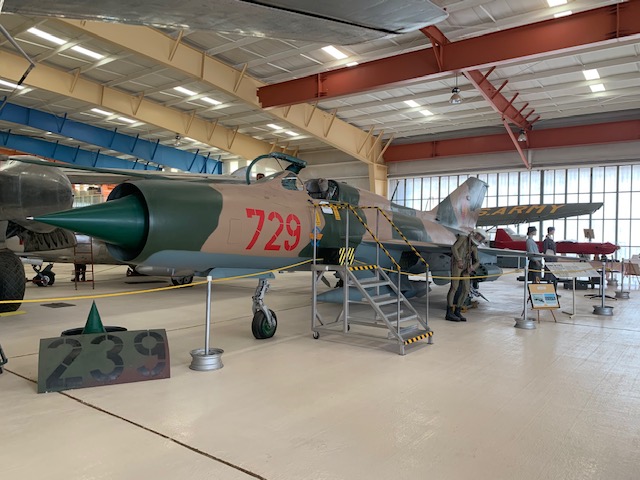
The MIG, A Russian fighter used during the Korean War.
70’s era MIG fighter.

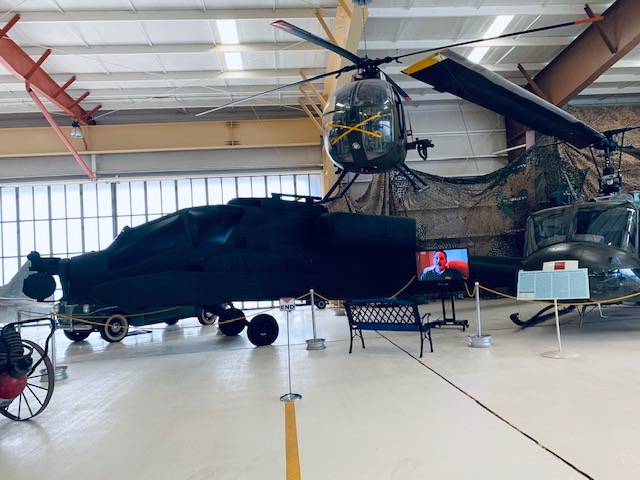
Viet Nam era Huey Helicopter, used as a transport or evac ship, as this one is set up for.
The fast and nimble small gun ship, used by the air cavalry during Viet Nam, this reminds me of the movie Apocalypses Now, when they attack the village
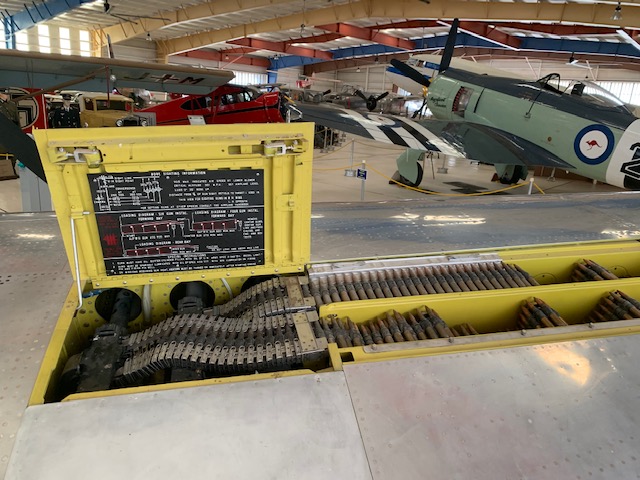
So, here is some trivia. I did not even know this. Have you ever heard the term “The Whole Nine Yards”. Where did it come from, I have the answer. The above picture shows the wing guns on the P-51 Mustang, each wing has a set of three 50-cal machine guns mounted on it. The machine guns were belt fed when the trigger was pulled. Each belt of ammo was nine yards long so when pilots came back empty they would say to the maintenance guys, ” shot the whole nine yards” meaning all used up, later it was shortened a bit.

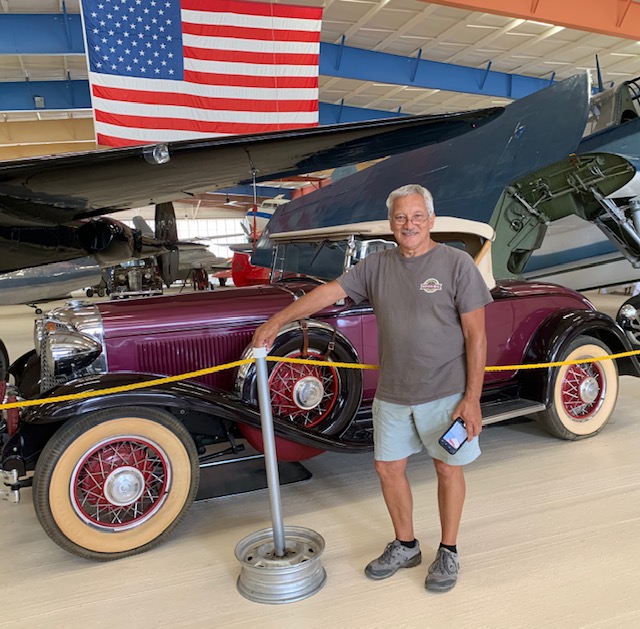
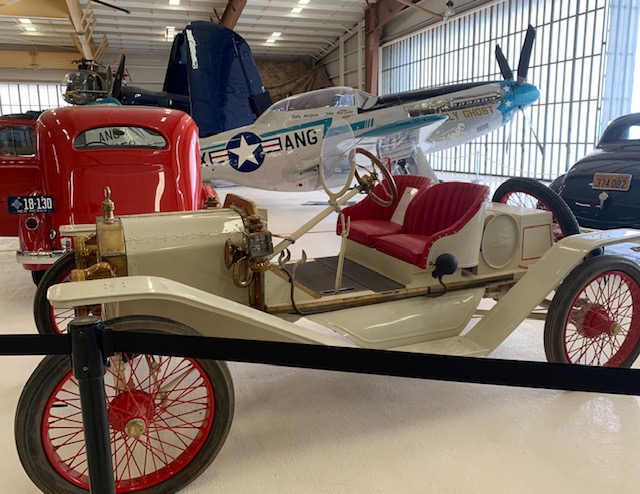
The museum also has a collection of old cars that are on loan, they were pretty neat. It was a fun time and thanks to Elliot, we learned a lot.

EL PASO TEXAS

We are now in El Paso Texas at the Mission Rv park. El Paso is in the northwestern part of Texas, right next to Las Cruces New Mexico. Be here Two weeks, it’s not as nice as, or open as Elephant Butte, as we are right in the edge of the city, but it will be fine. Drove only 150 miles today so it was a nice jaunt. As we have traveled down Ne Mexico it has gotten hotter, today it was 94. Be seeing a number of things in the area.

We’re at Elephant Butte State Park Campground in N.M.

We’ve been here since Friday and it’s been a good place to be.

Our site and surroundings

Taking our walk to the beach . . .

We pass these flowering bushes that smell very nice . . .

We ventured out to check out a near by town Truth or Consequences, New Mexico. I wouldn’t want to have to write that as my address, it’s kind of long.

Check out this stone, rock fence. Nice isn’t it?

It’s not raining on my side of the street !?!

We then went to check out The Elephant Butte Dam Overlook.

Construction of Elephant Butte Dam began in 1911 and was completed on 1916.  The dam was built to provide flood control and irrigation down-river.  Upon completion, Elephant Butte Dam was reported to be the largest irrigation enterprise in the United States. The largest body of water in New Mexico was also created by the construction of this Dam and also the state’s biggest park.

The Dam & Park got it’s name from the elephant shaped rock formation.

Checking out the dam and where our campsite is by the Rio Grande. We had a great weekend at Elephant Butte State Park.