We are now in El Paso Texas at the Mission Rv park. El Paso is in the northwestern part of Texas, right next to Las Cruces New Mexico. Be here Two weeks, it’s not as nice as, or open as Elephant Butte, as we are right in the edge of the city, but it will be fine. Drove only 150 miles today so it was a nice jaunt. As we have traveled down Ne Mexico it has gotten hotter, today it was 94. Be seeing a number of things in the area.
We’ve been here since Friday and it’s been a good place to be.
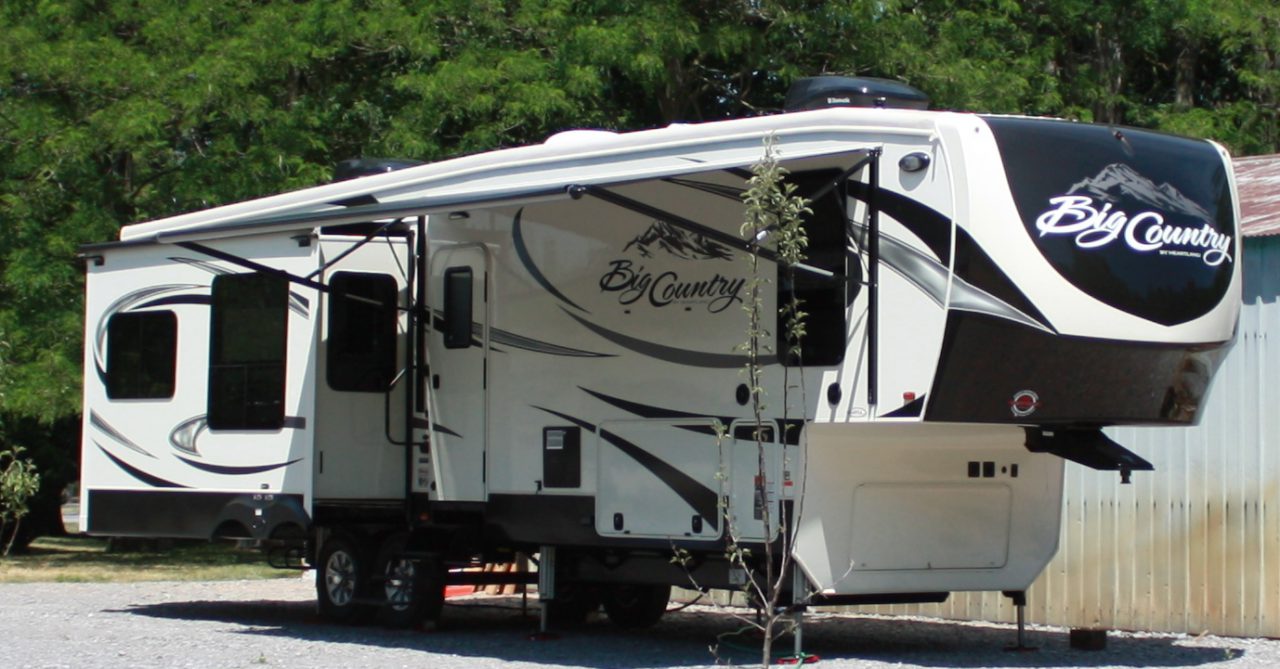
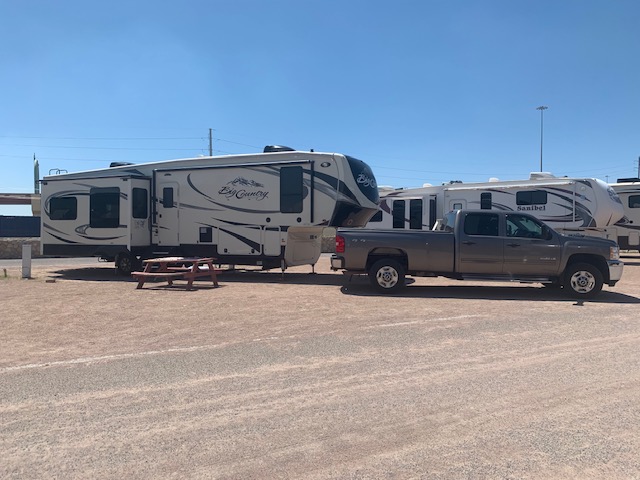
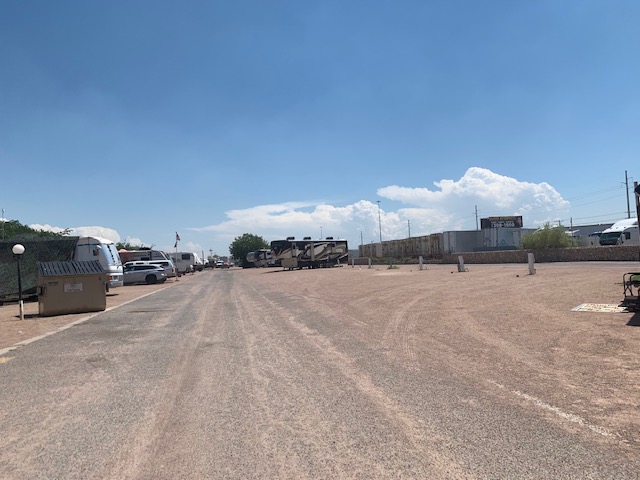
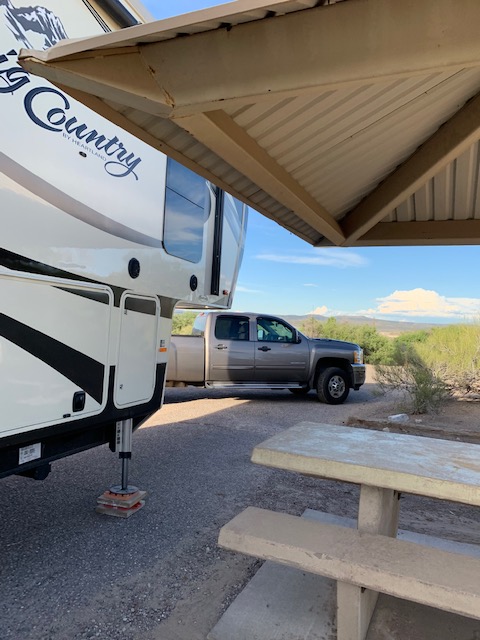
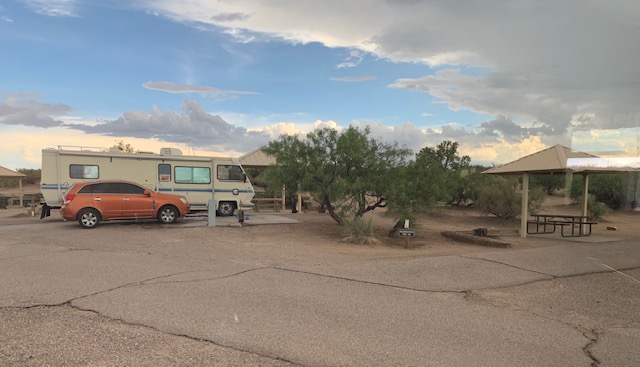
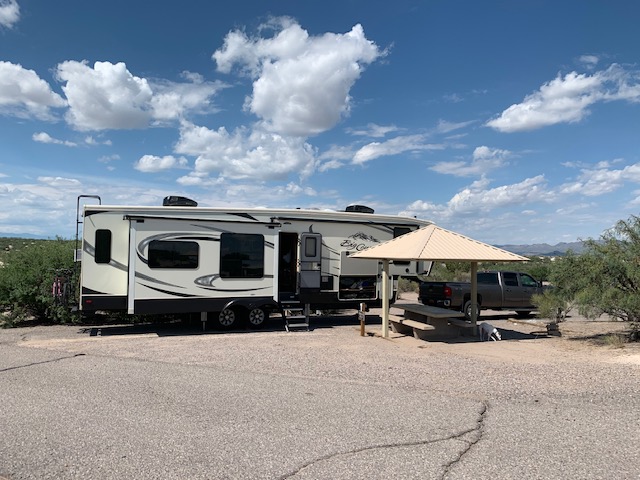
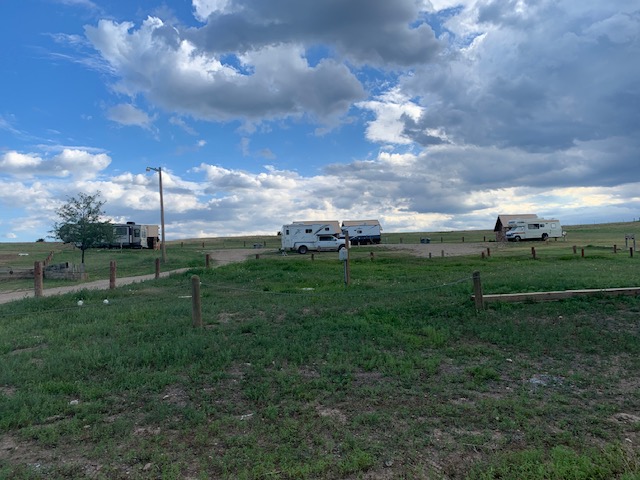
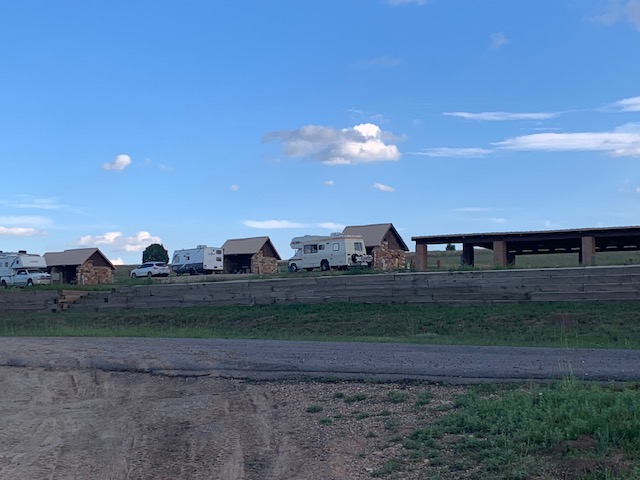
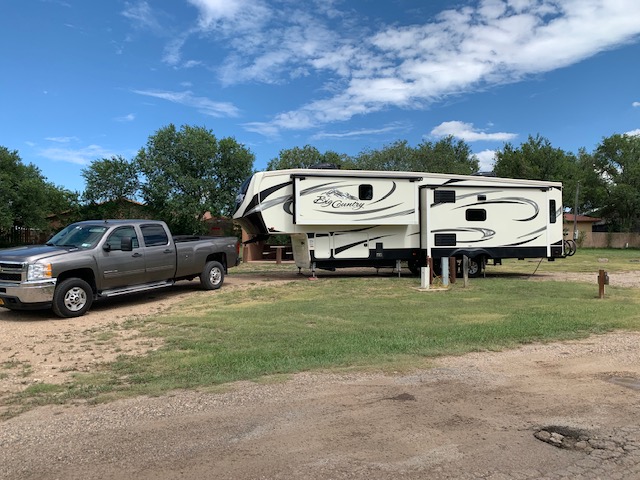
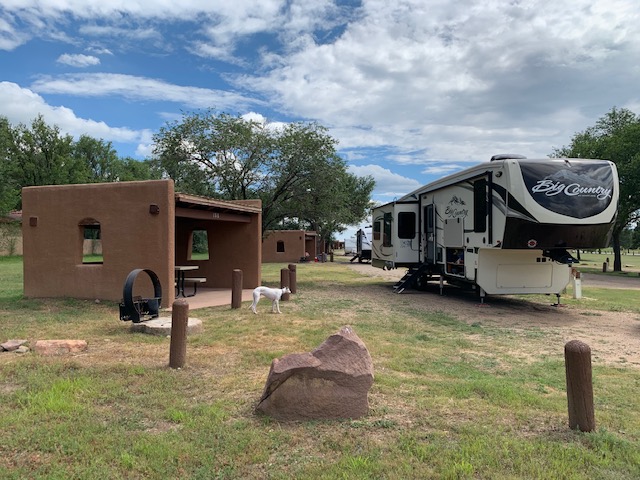
Our site and surroundings
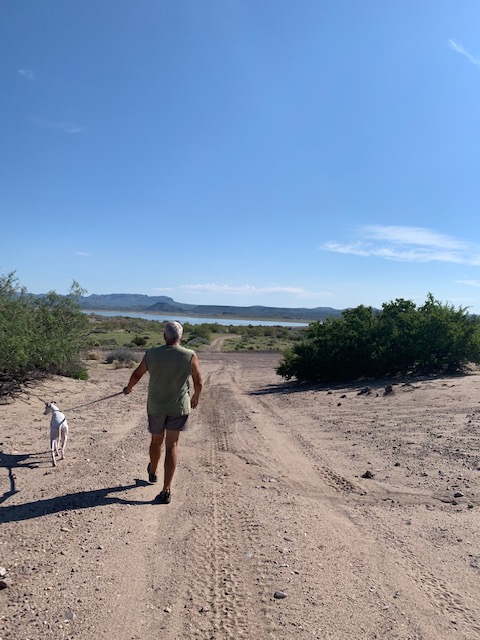
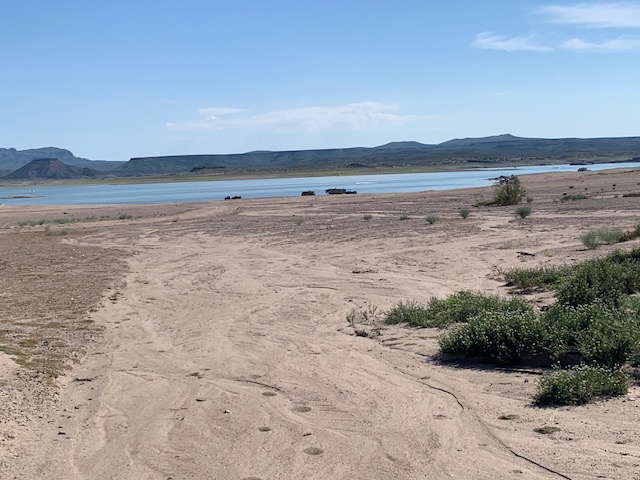
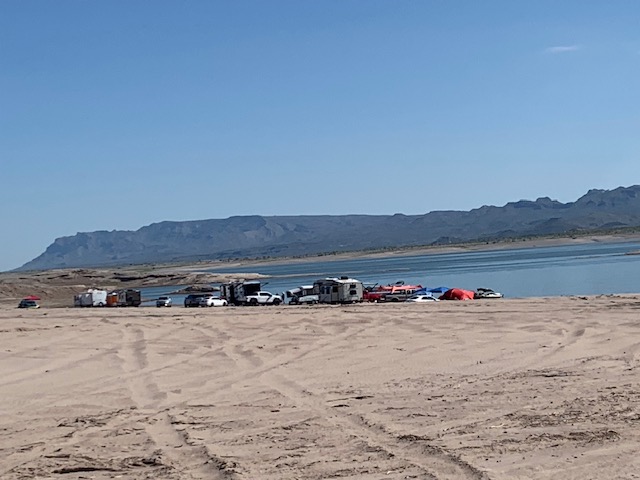
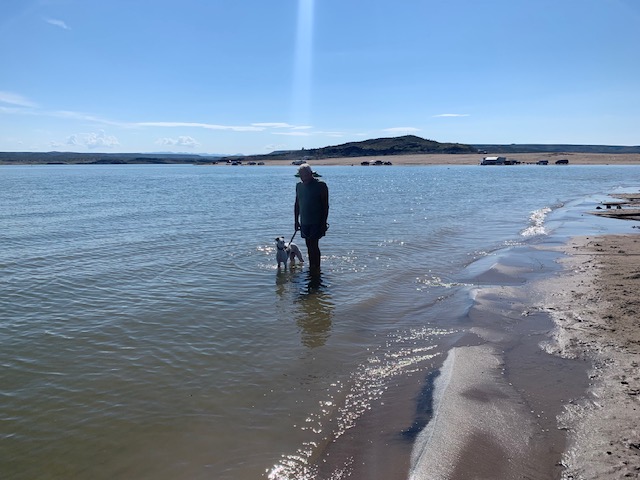
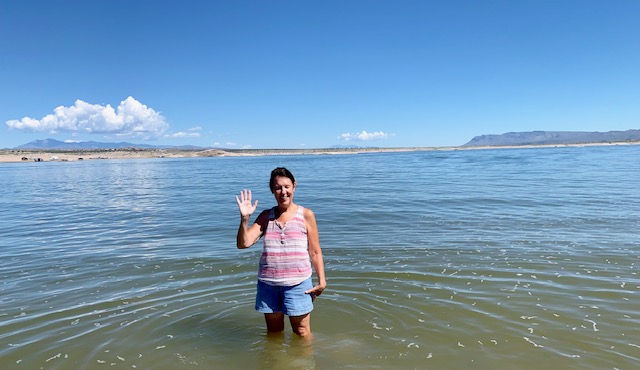
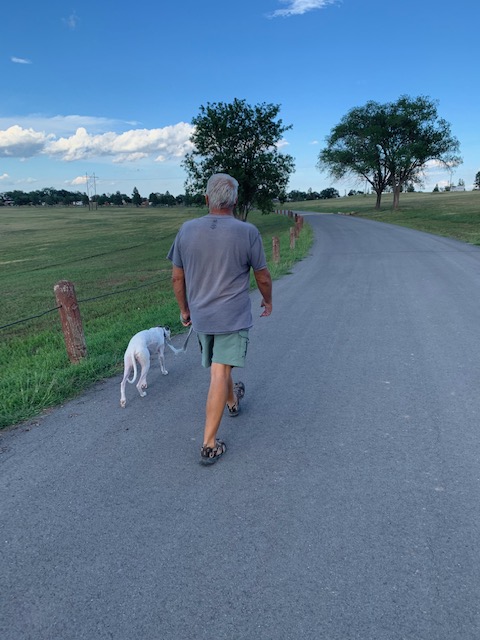
Taking our walk to the beach . . .
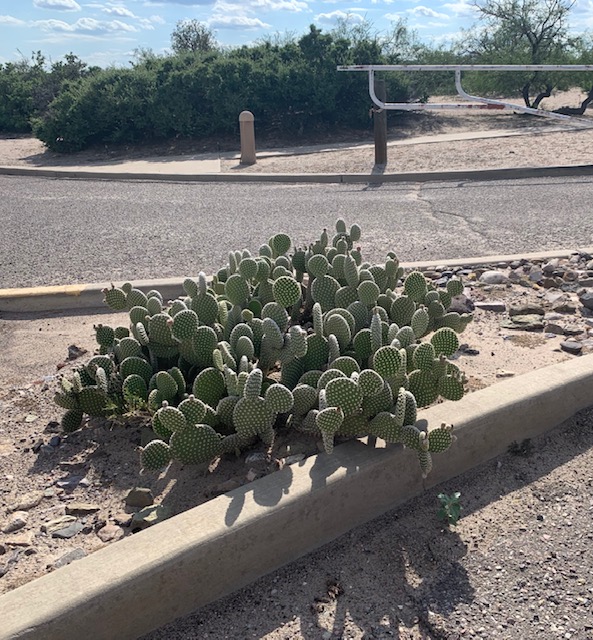
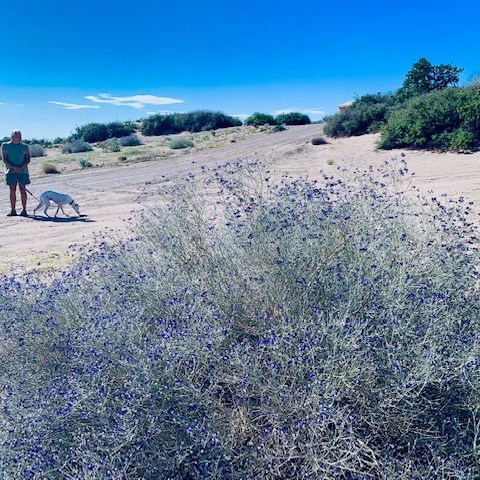
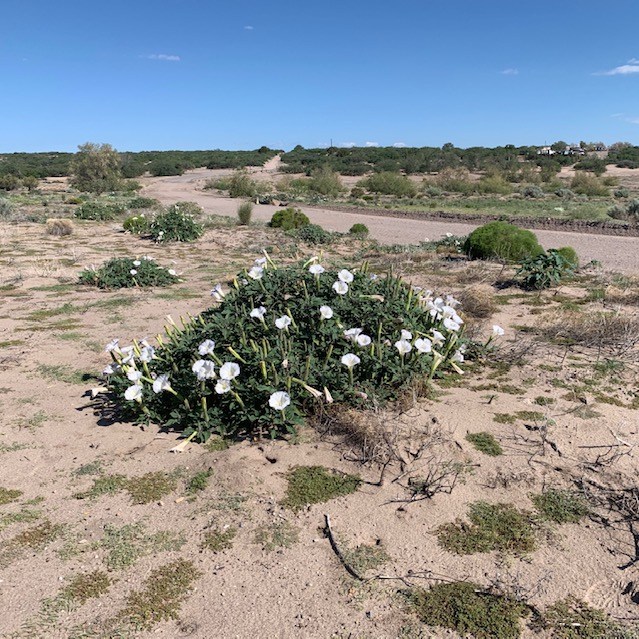
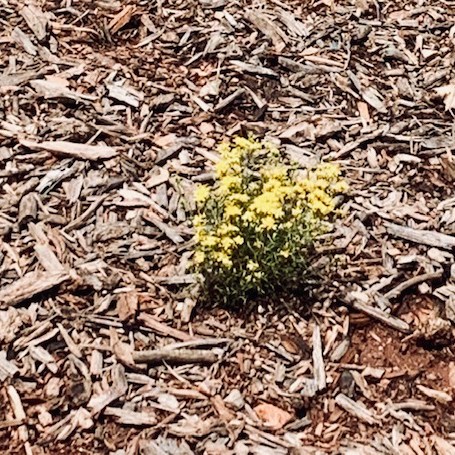
We pass these flowering bushes that smell very nice . . .
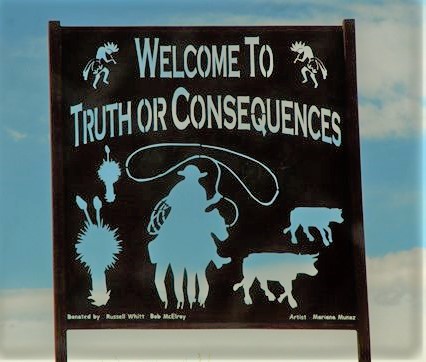
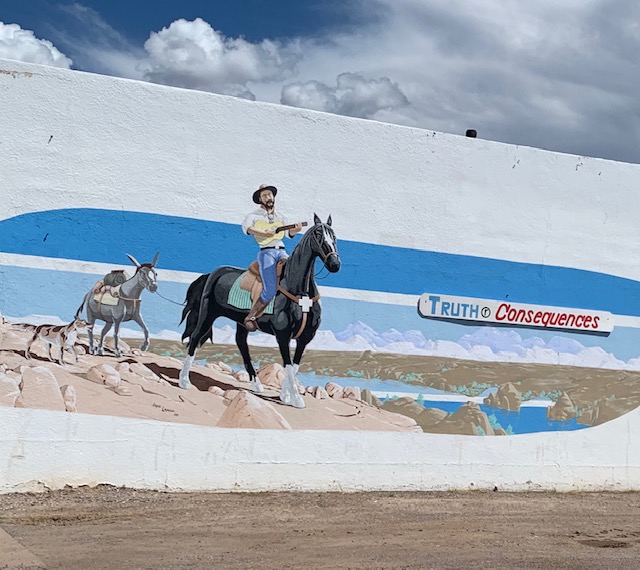
We ventured out to check out a near by town Truth or Consequences, New Mexico. I wouldn’t want to have to write that as my address, it’s kind of long.
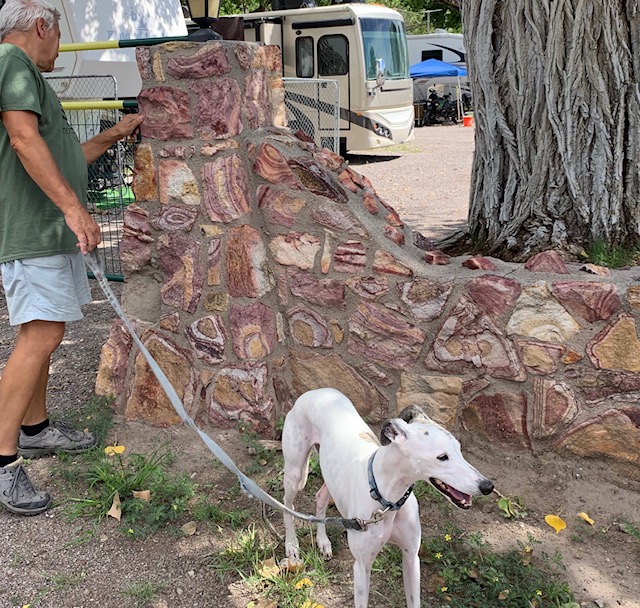
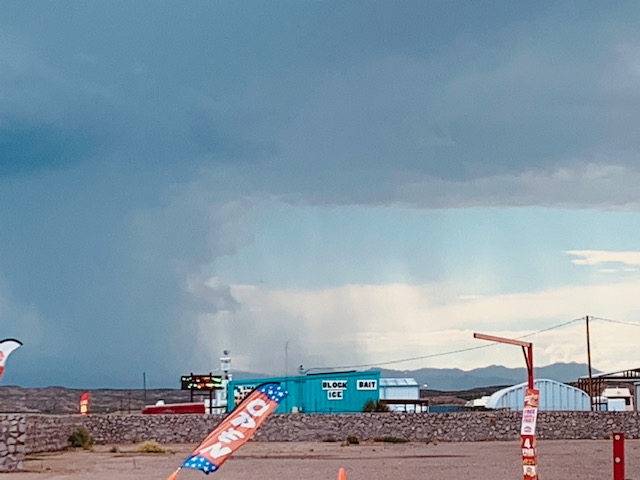
Check out this stone, rock fence. Nice isn’t it? It’s not raining on my side of the street !?!
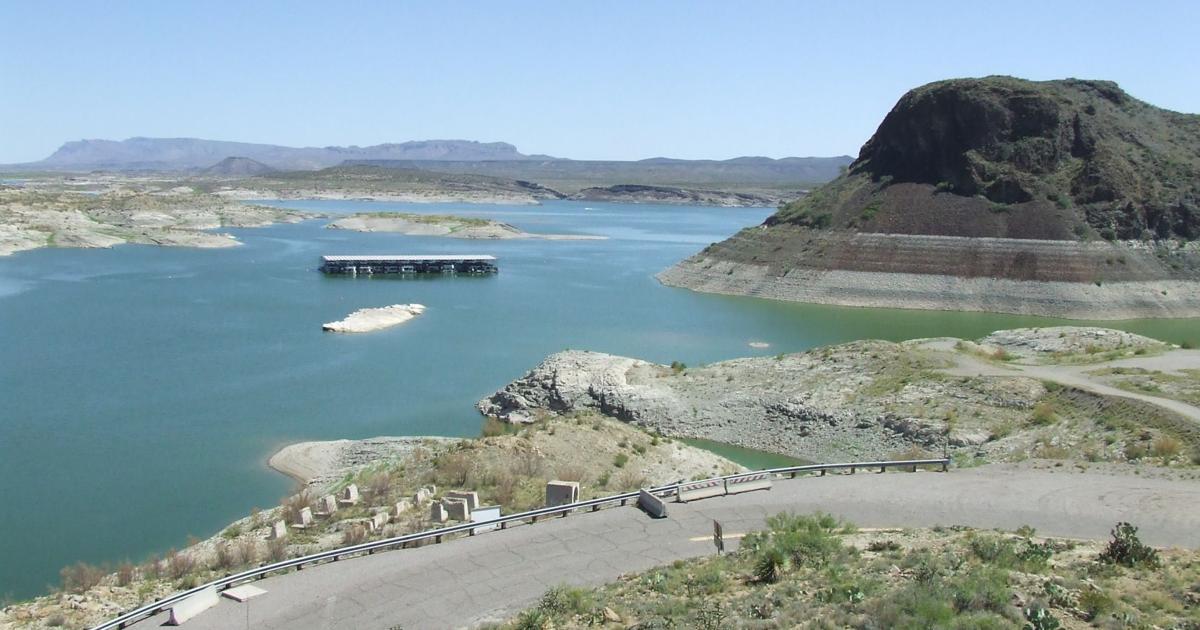
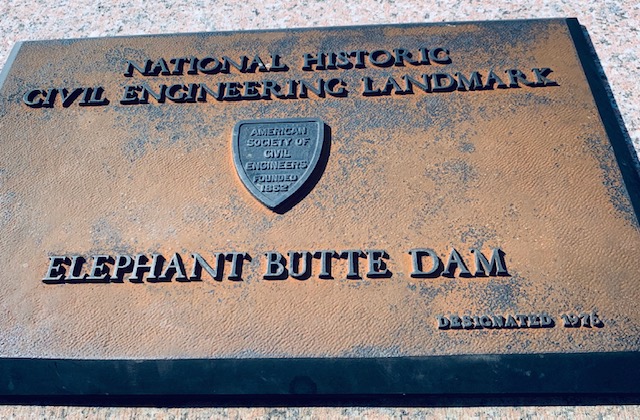
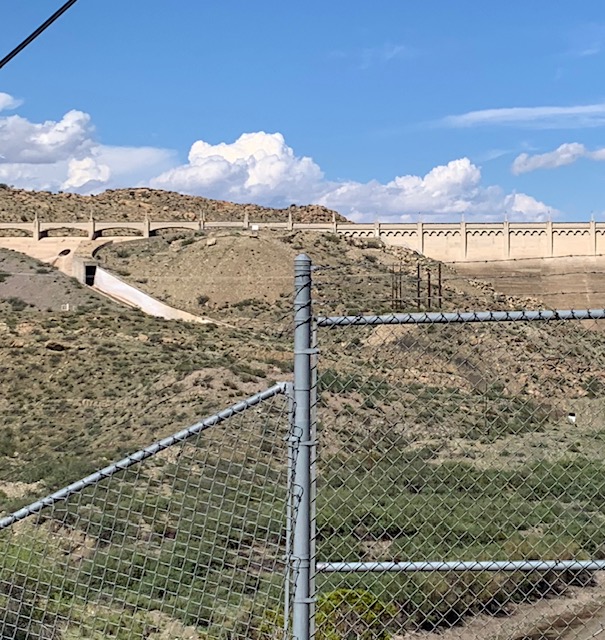
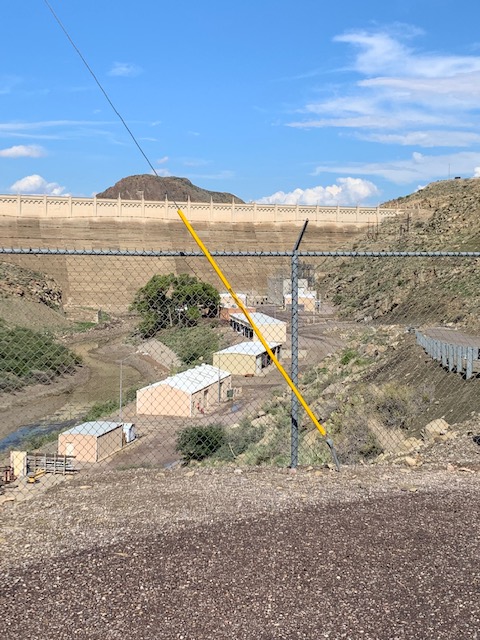
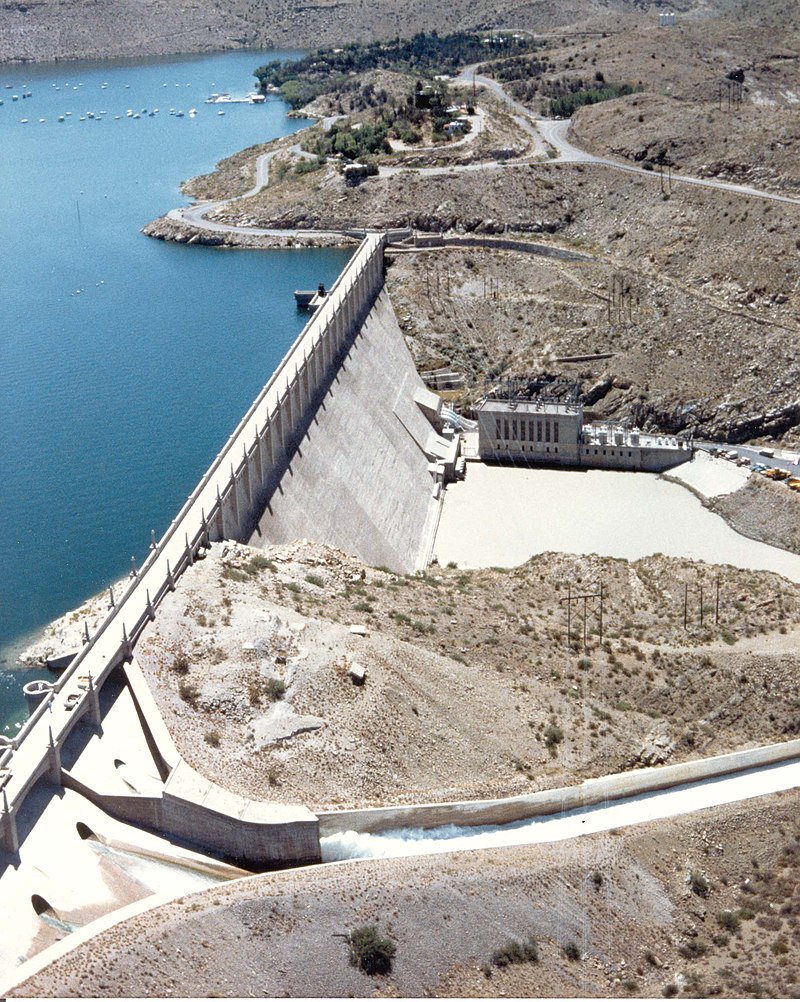
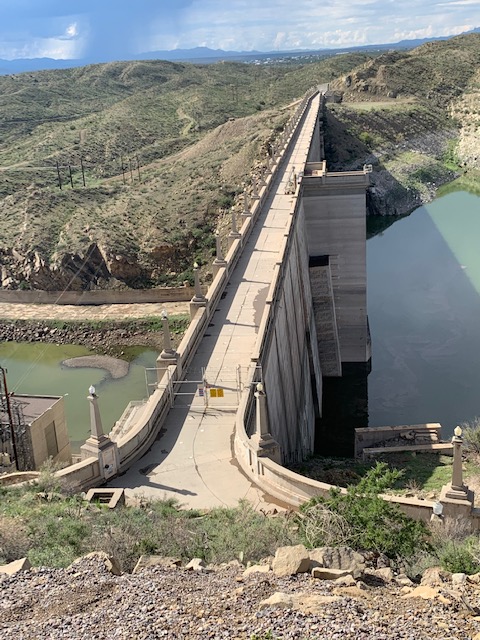
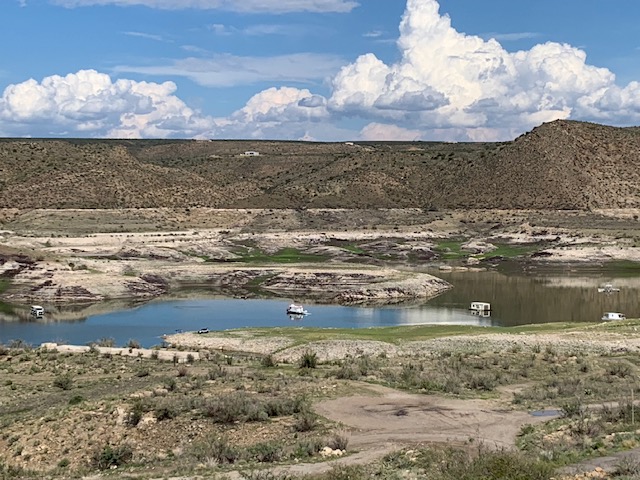
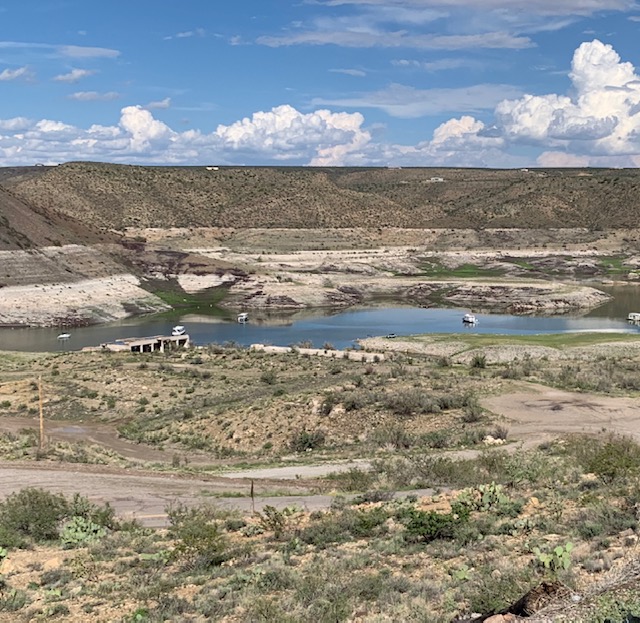
We then went to check out The Elephant Butte Dam Overlook.
Construction of Elephant Butte Dam began in 1911 and was completed on 1916. The dam was built to provide flood control and irrigation down-river. Upon completion, Elephant Butte Dam was reported to be the largest irrigation enterprise in the United States. The largest body of water in New Mexico was also created by the construction of this Dam and also the state’s biggest park.
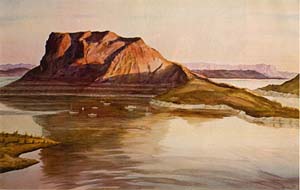
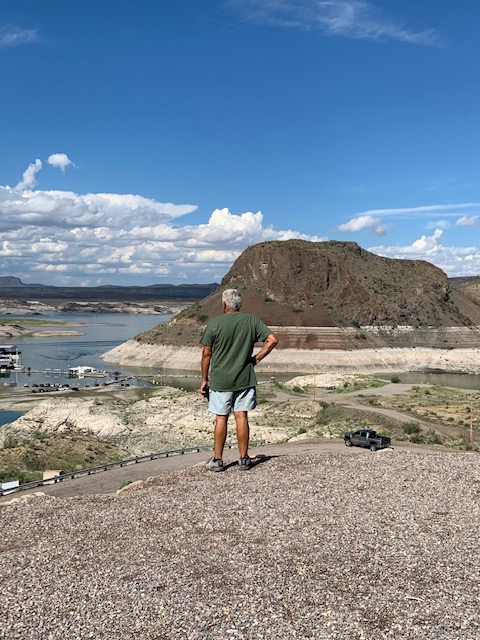
The Dam & Park got it’s name from the elephant shaped rock formation.
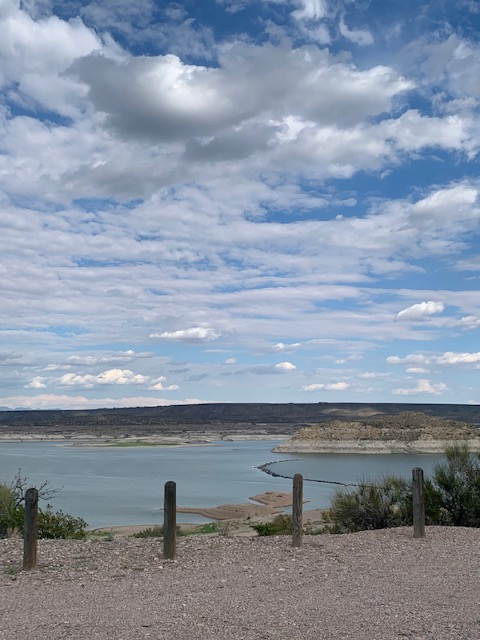
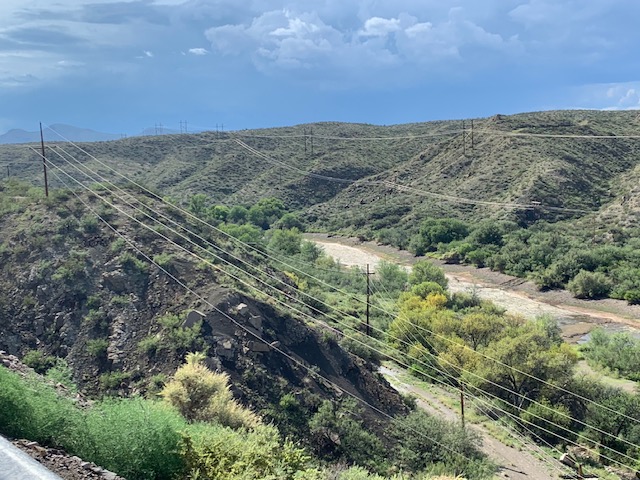
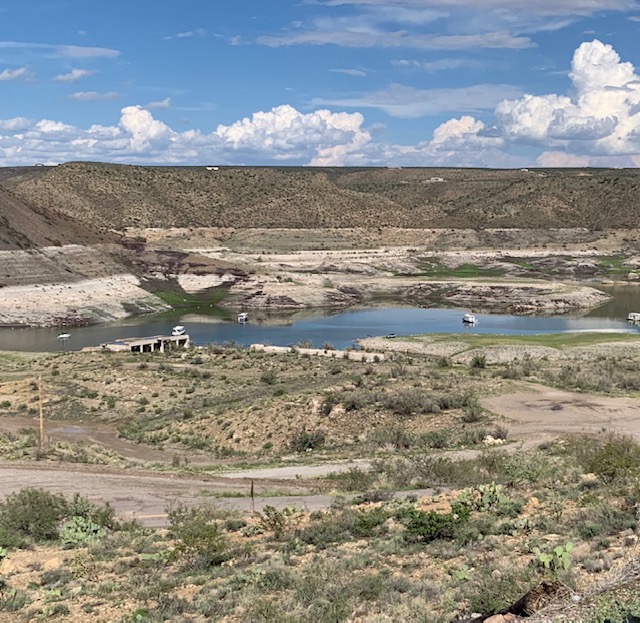
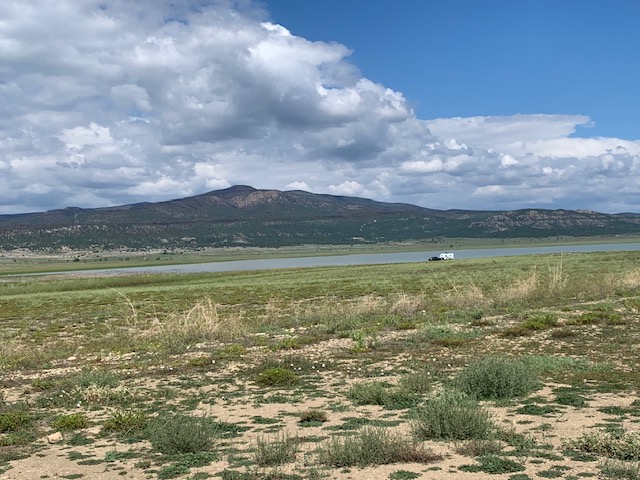
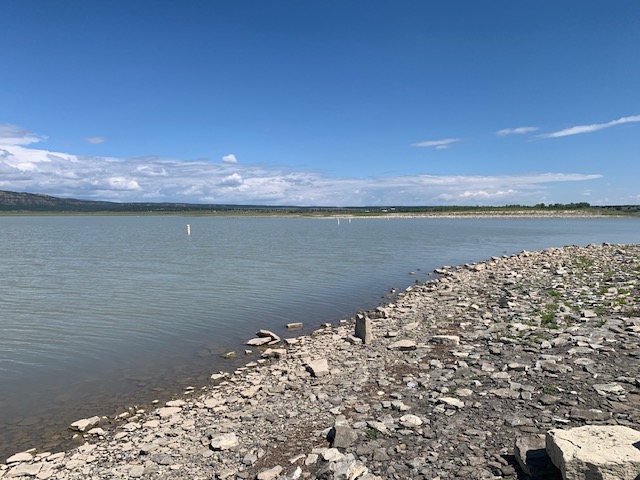
Checking out the dam and where our campsite is by the Rio Grande. We had a great weekend at Elephant Butte State Park.
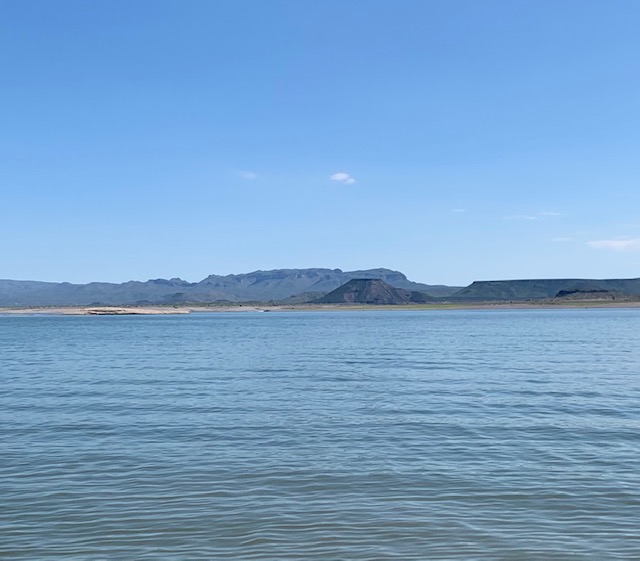
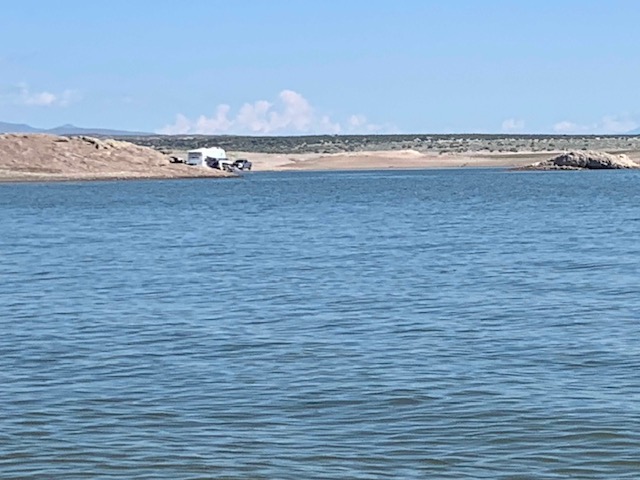
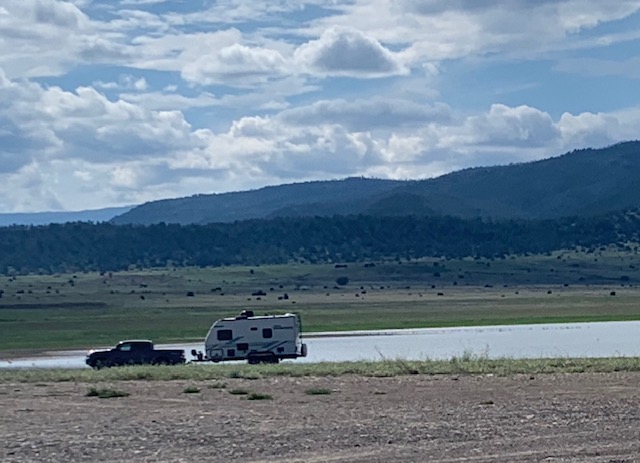
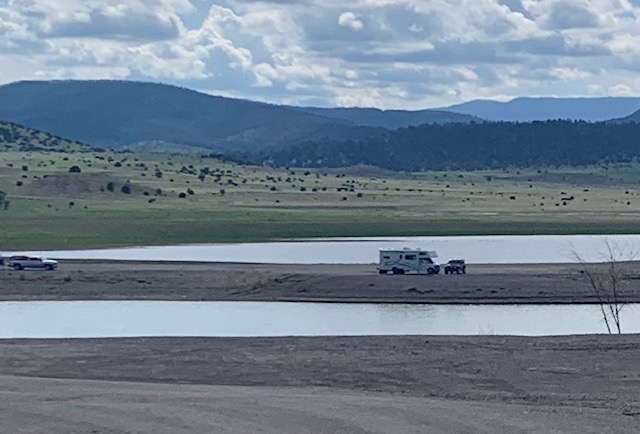
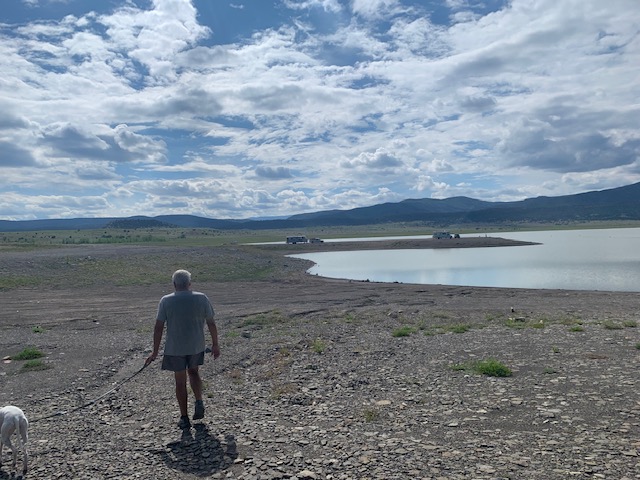
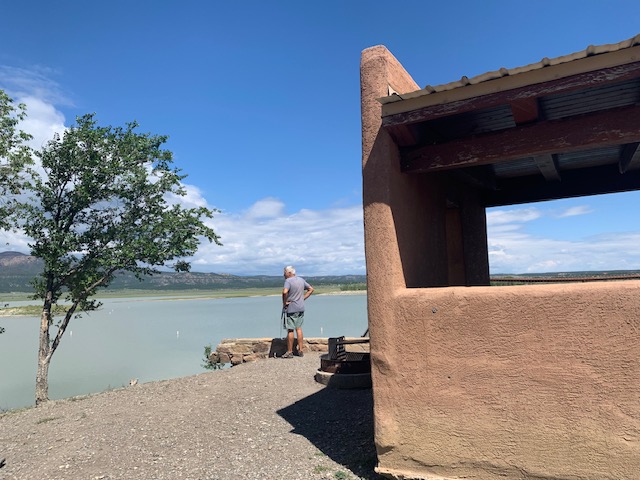
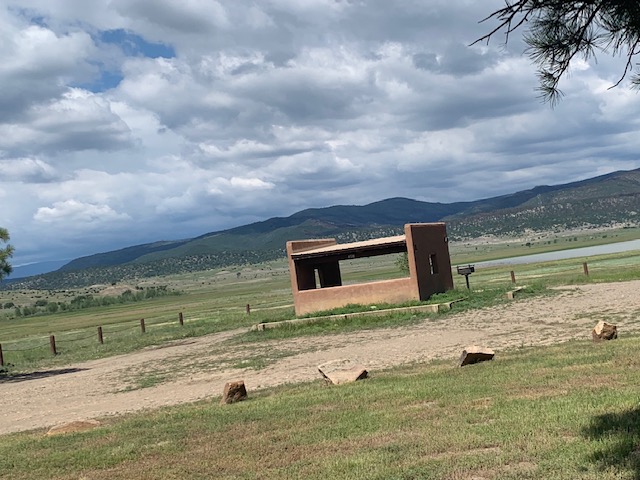
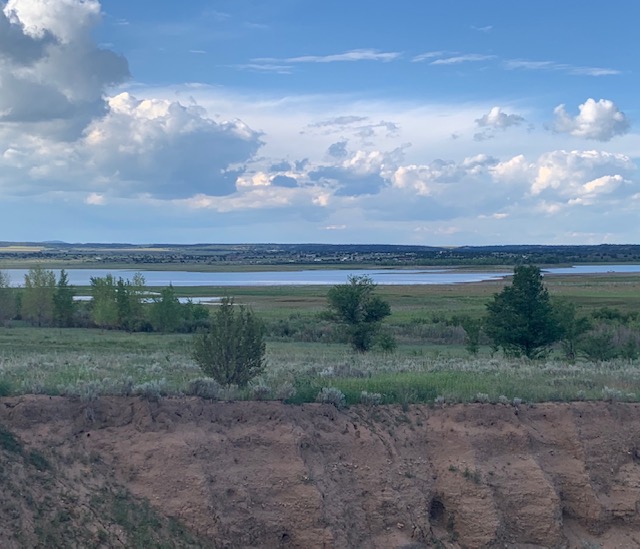
We are now at Elephant Butte Lake State Park in Elephant Butte New Mexico, right next to Truth Or Consequences. I-25 runs along here and the lake is right on the Rio Grande river, so it has a dam here. Where is that you ask about 95 miles north of El Paso Texas. We are definitely now in the high desert area. Drove 276 miles today, was a nice drive, but seemed long. Here till Monday and will just hang out for the week end.
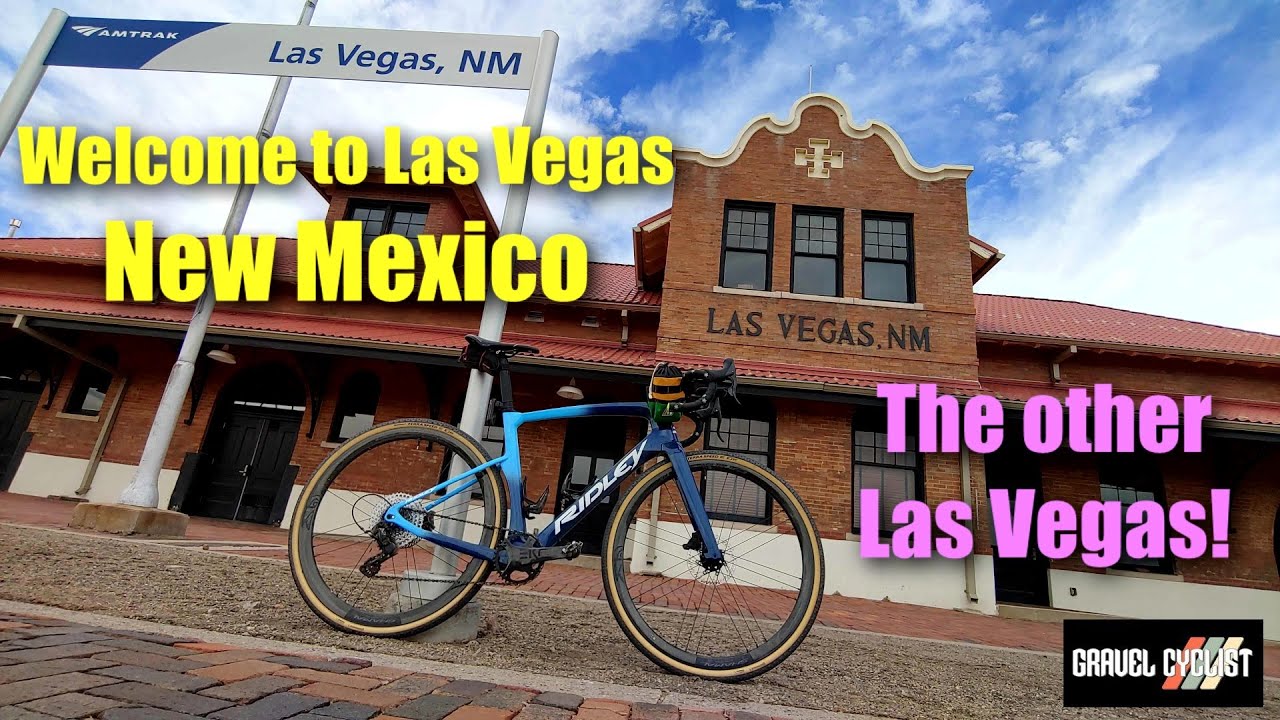
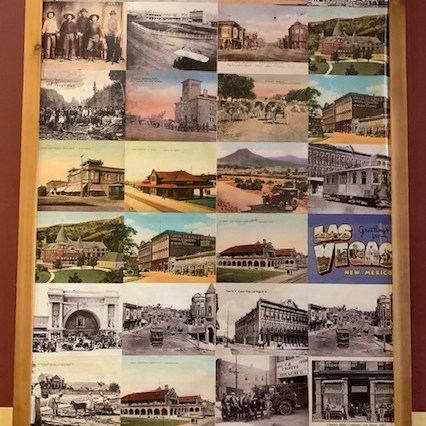
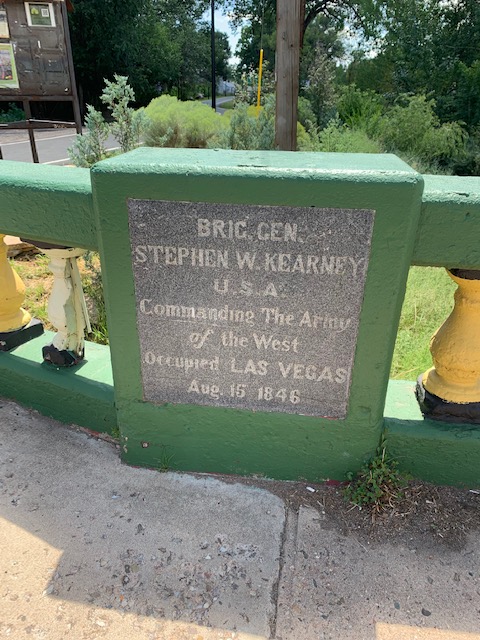
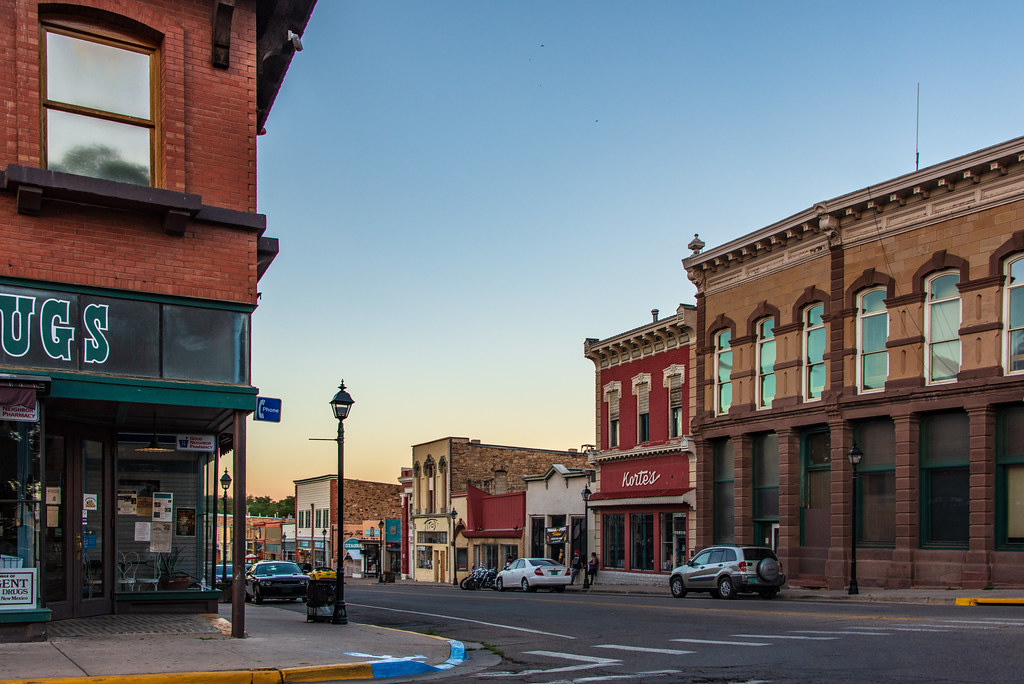
The city in New Mexico was established by a Mexican land grant in 1835. New Mexico’s city has a valid claim to being the first Las Vegas in the country, predating Nevada’s by 70 years. The Nevada city was briefly called “Los Vegas” in an attempt to avoid confusion. This Las Vegas in New Mexico is packed with tourists in the summer, is the filming location for iconic movies and gets about 80 inches of snow each year.
Yesterday we went to see the first Las Vegas.
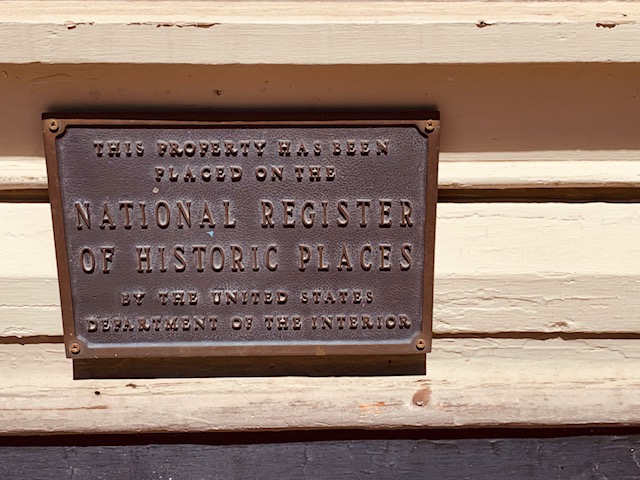
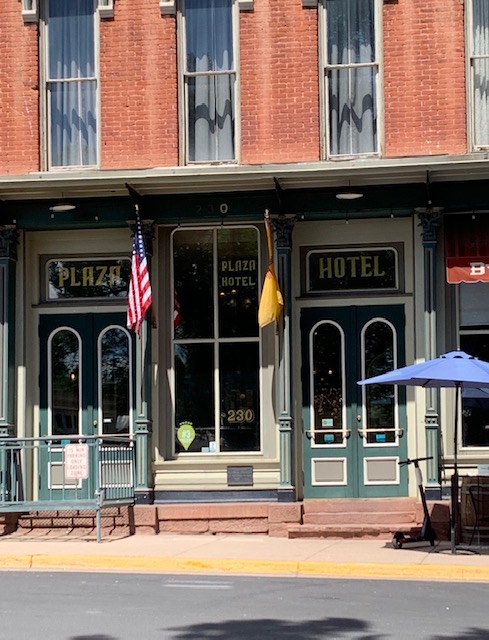
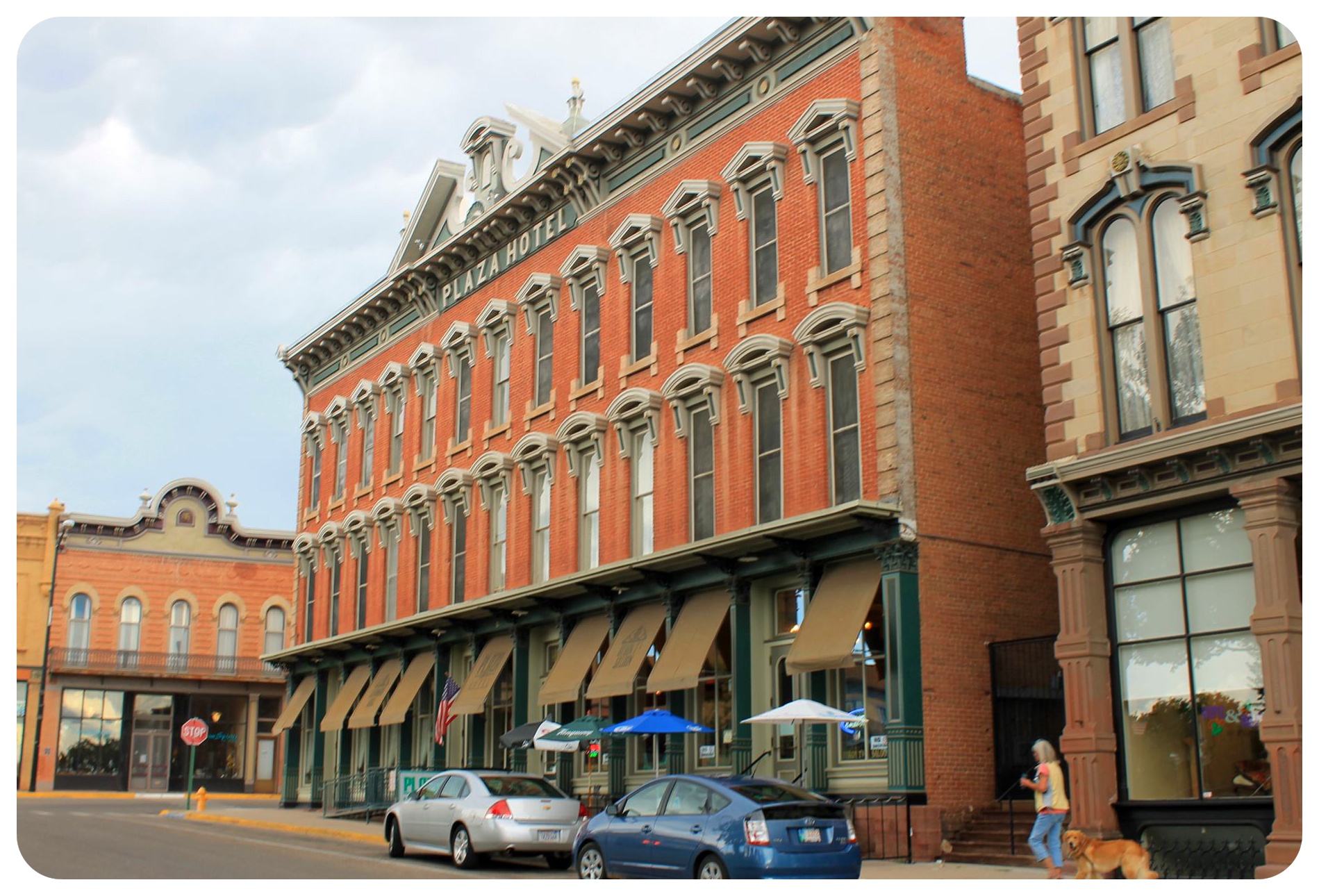
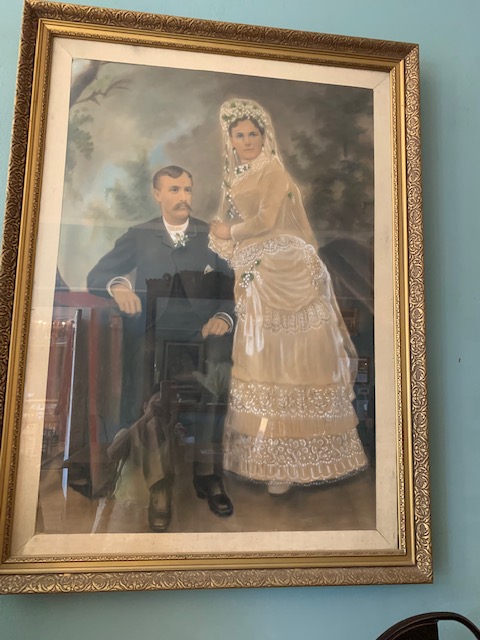
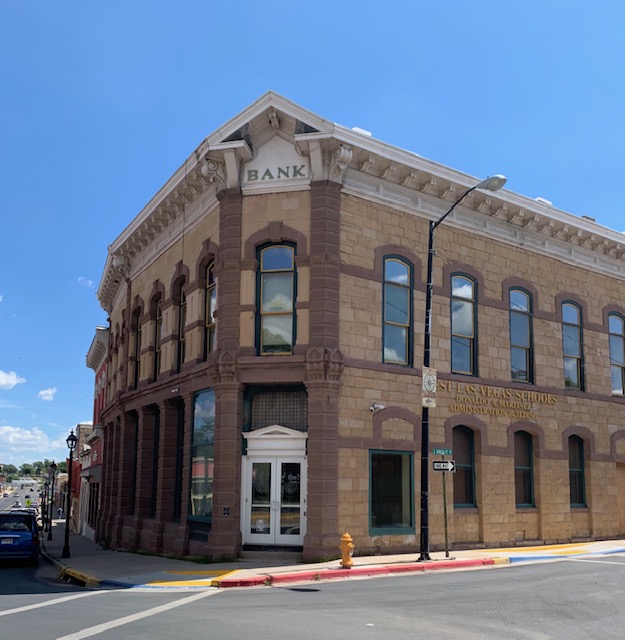
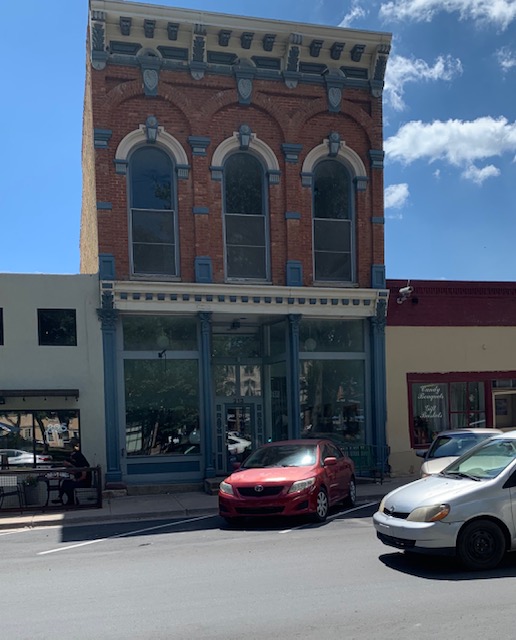
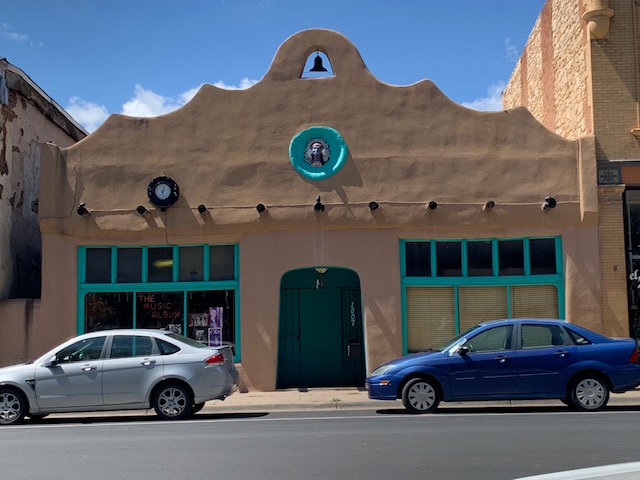
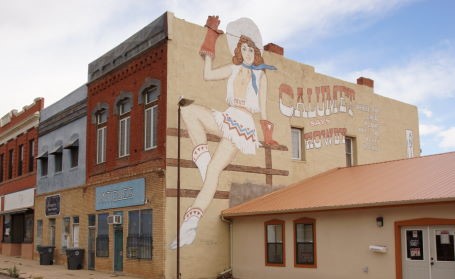
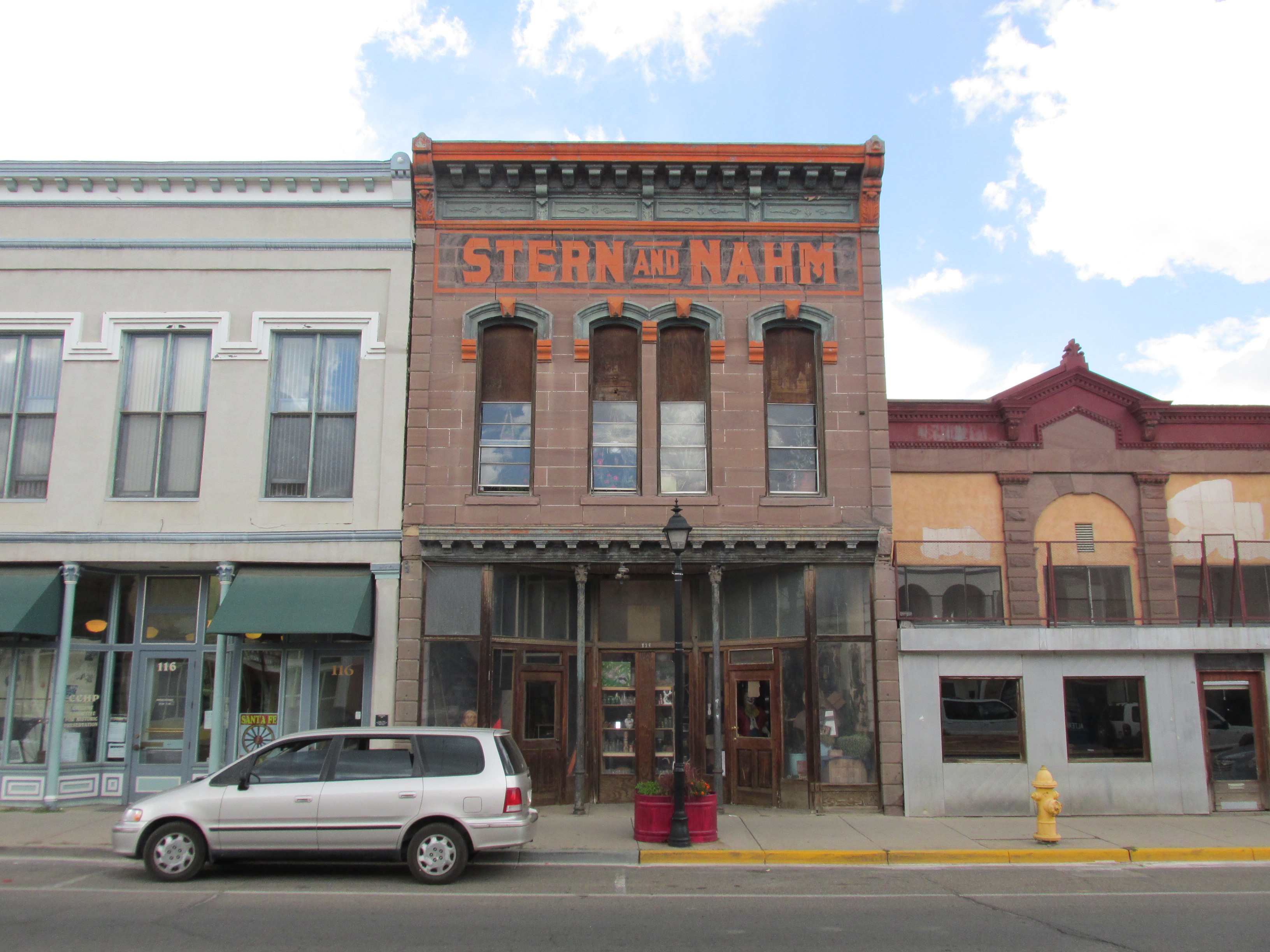
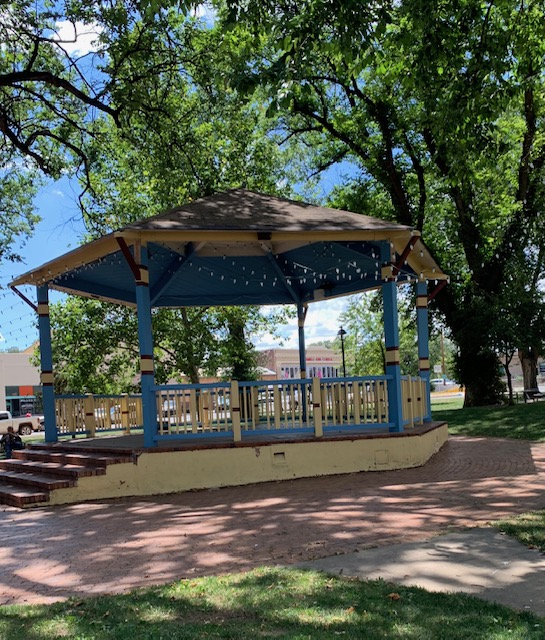
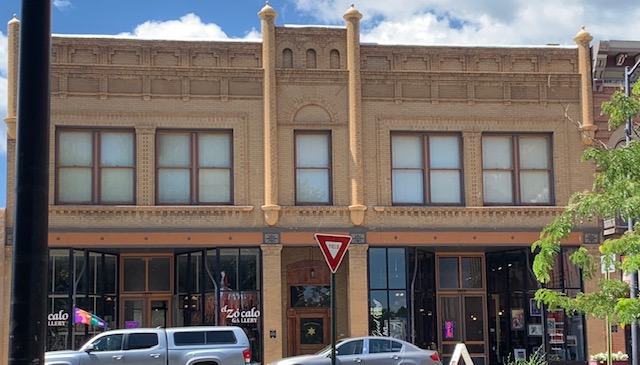
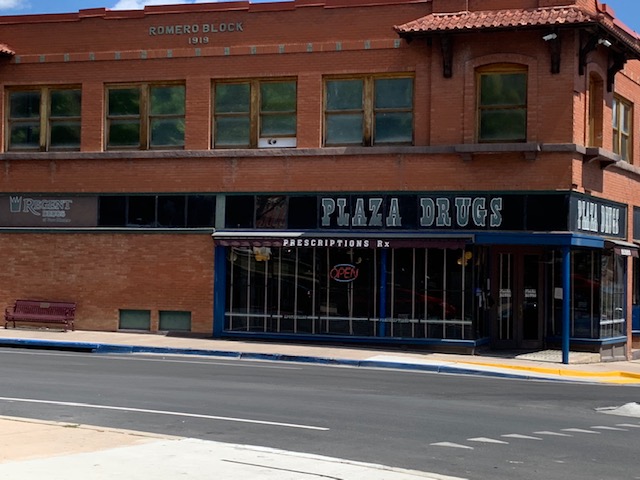
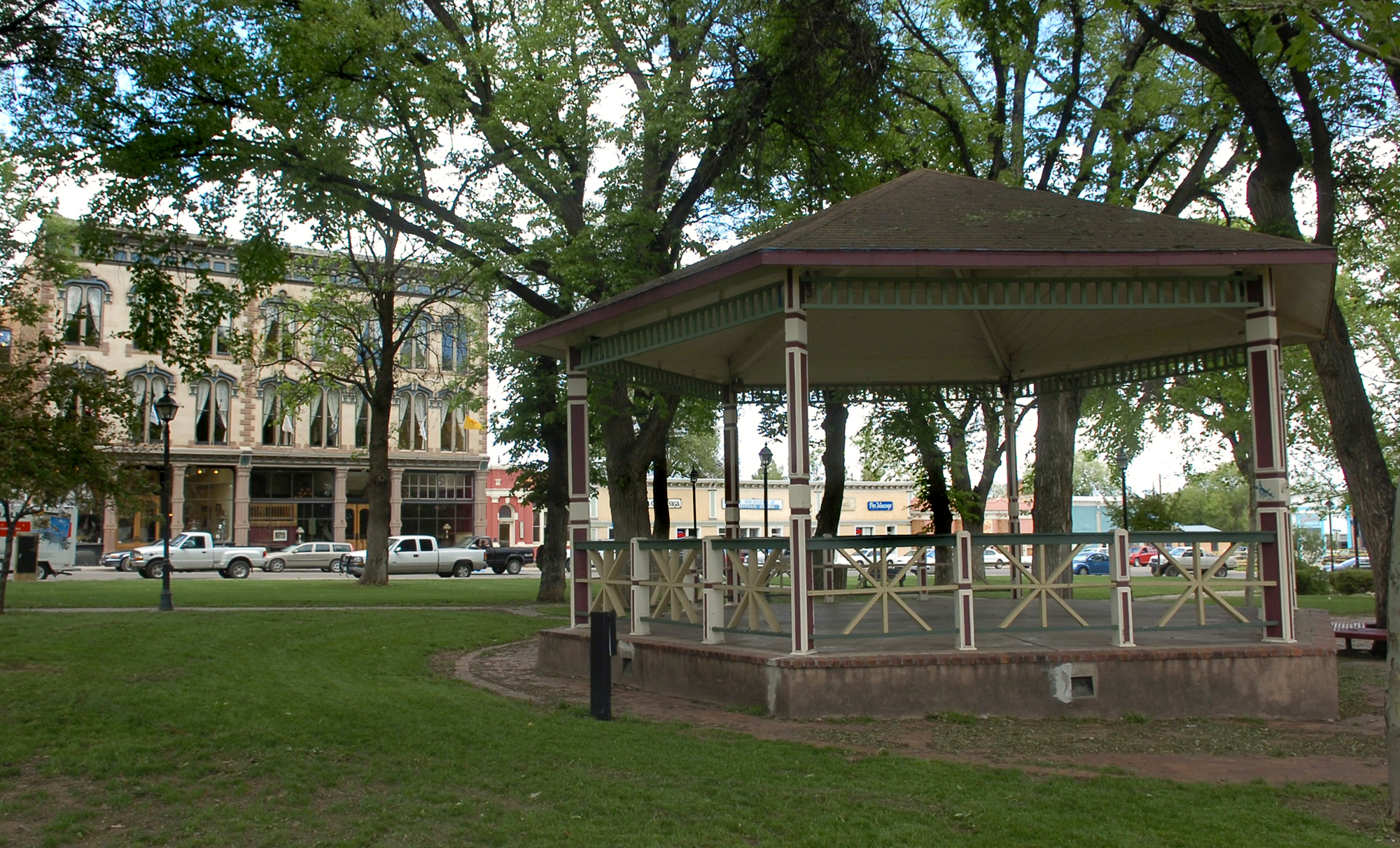
We weren’t disappointed on our stroll through “Old Town Las Vegas,” I wanted to see if they had any old original buildings that looked like an old Mexican town. They did still have some and we got to go inside The Plaza hotel and check it out, so that was exciting too. It was a fun time in the old town yesterday.
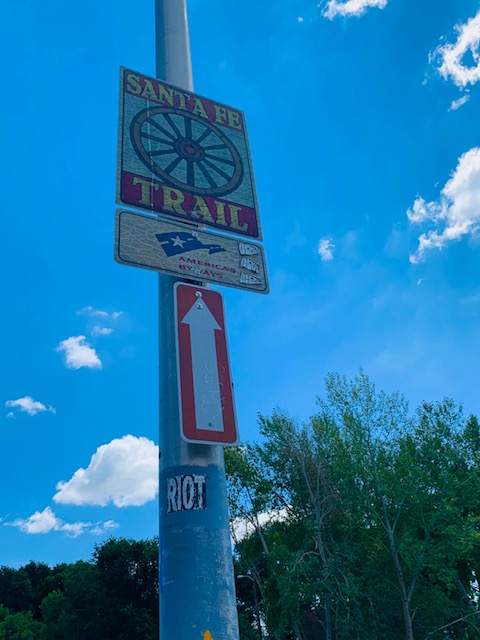
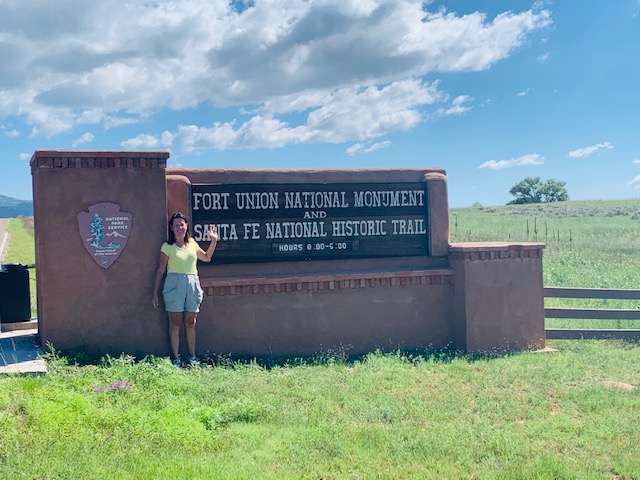
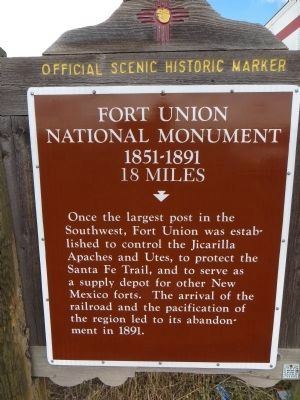
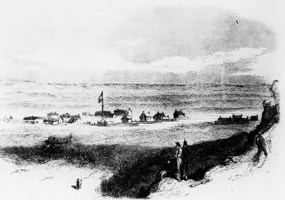
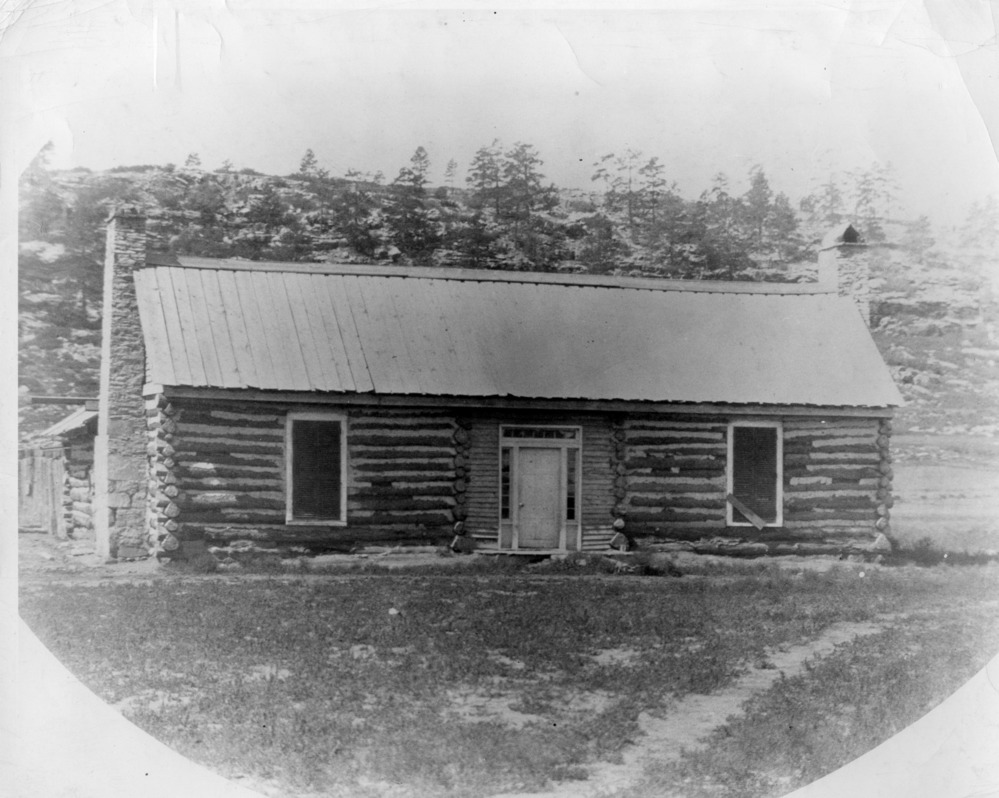
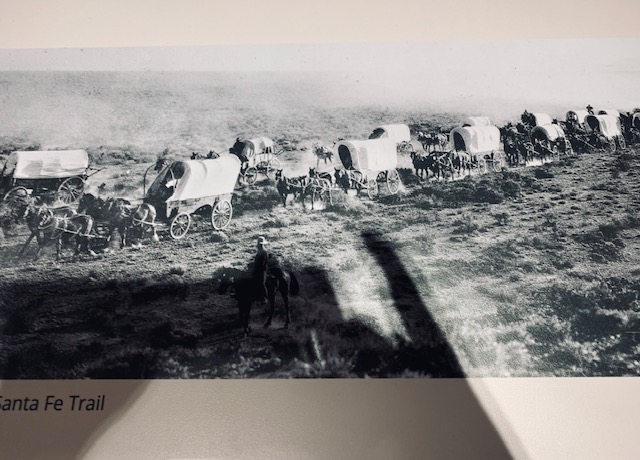
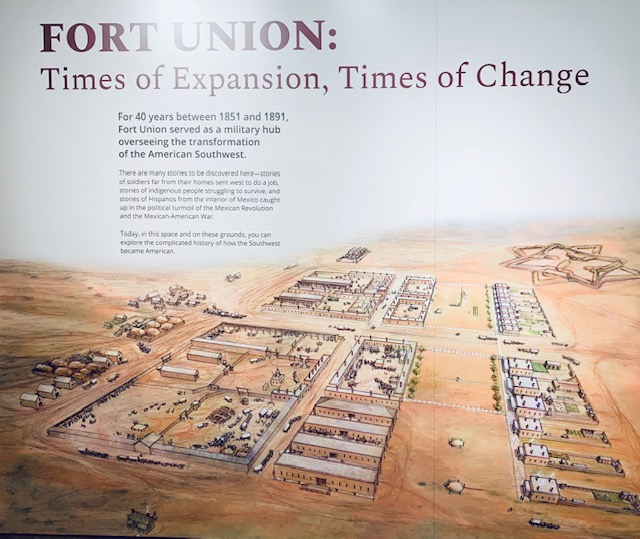
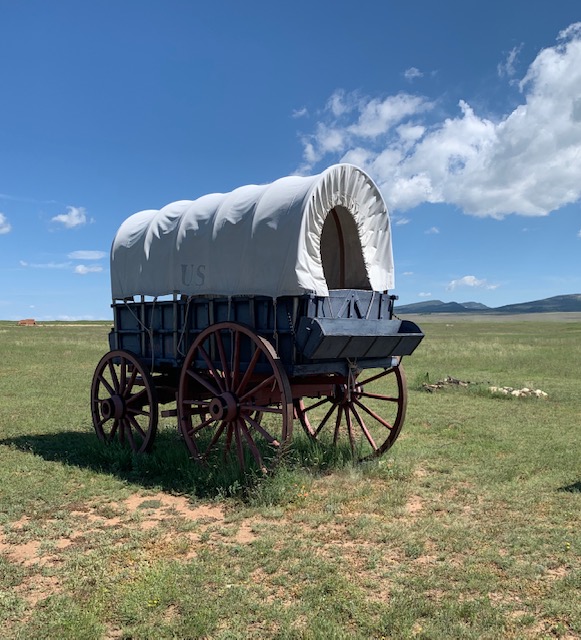
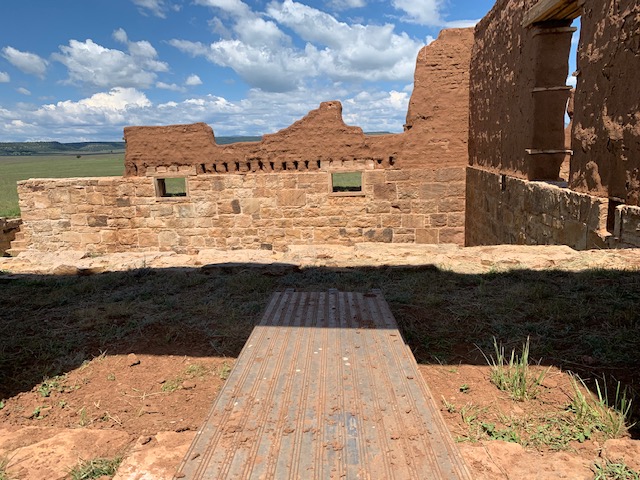
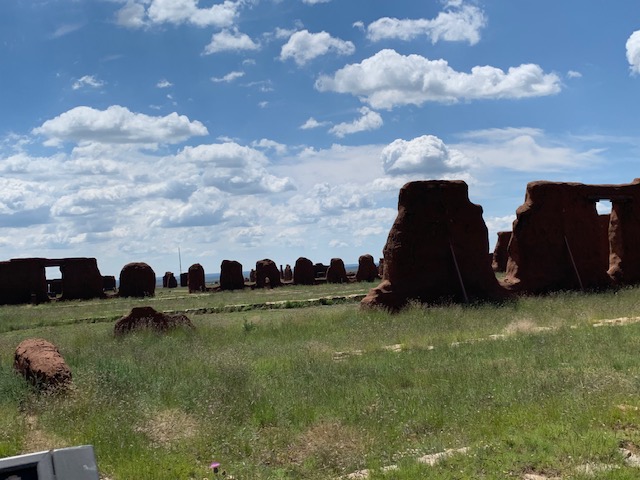
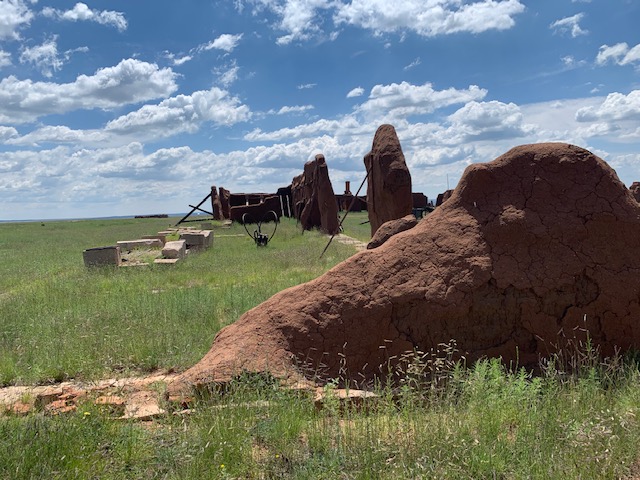
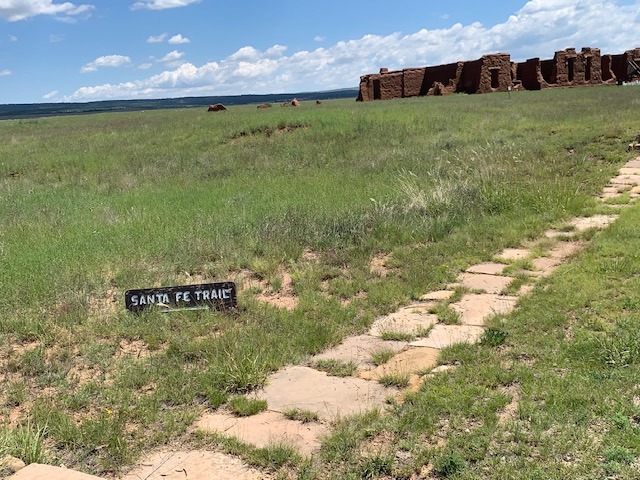
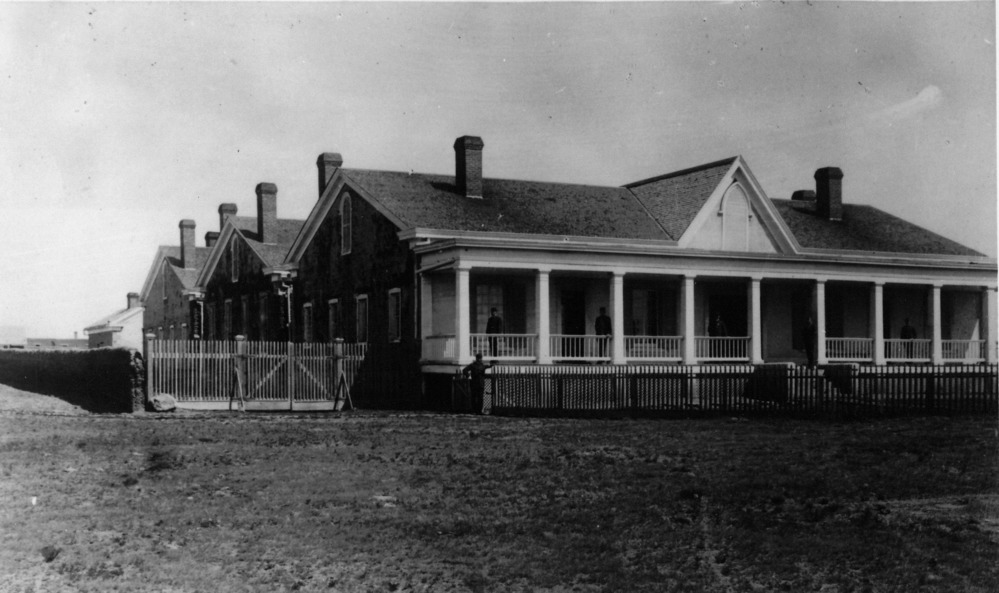
Yesterday we went to Fort Union National Monument, it is about 25 miles north east of Las Vegas. In order to talk about the fort you have to talk about the Santa Fe trail. It ran for about 1200 miles from Franklin Missouri to Santa Fe New Mexico, where other trails were. Just like the Oregon trail, it was fraught with danger from Indians, bandits, the heat, lack of water, you name it. A journey of three months or so, by wagon train, pulled by oxen. There were many stops, and Las Vegas at the bottom of the Rockies, became one that grew into a thriving town in the 1820’s. After the Mexican war was over, the U. S. decided it needed a military presence in the area, and Fort Union was born. Built in 1851, mostly of wood, and only about twelve acres in size, it was built at a split in the Santa Fe trail, as it came down to Las Vegas. The first fort helped protect immigrants, wagon trains and the like from attack. Nothing of this fort is left.
What the 1st old fort looked like and also the post commanders quarters
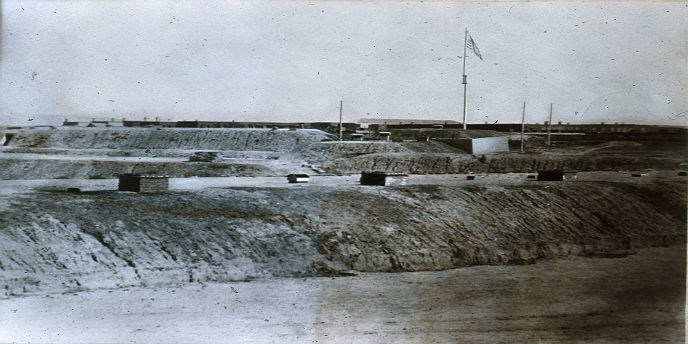
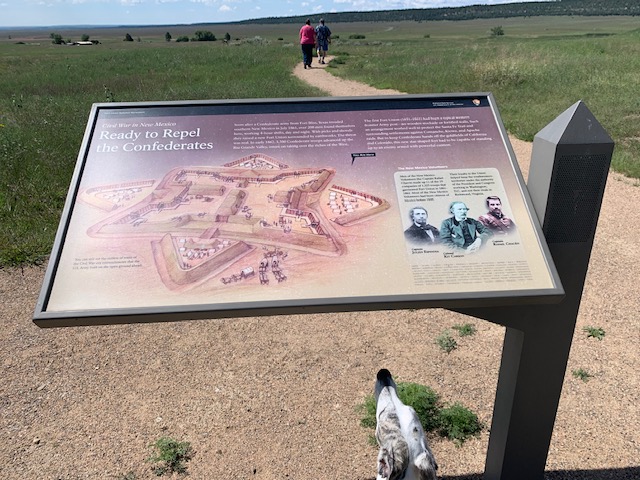
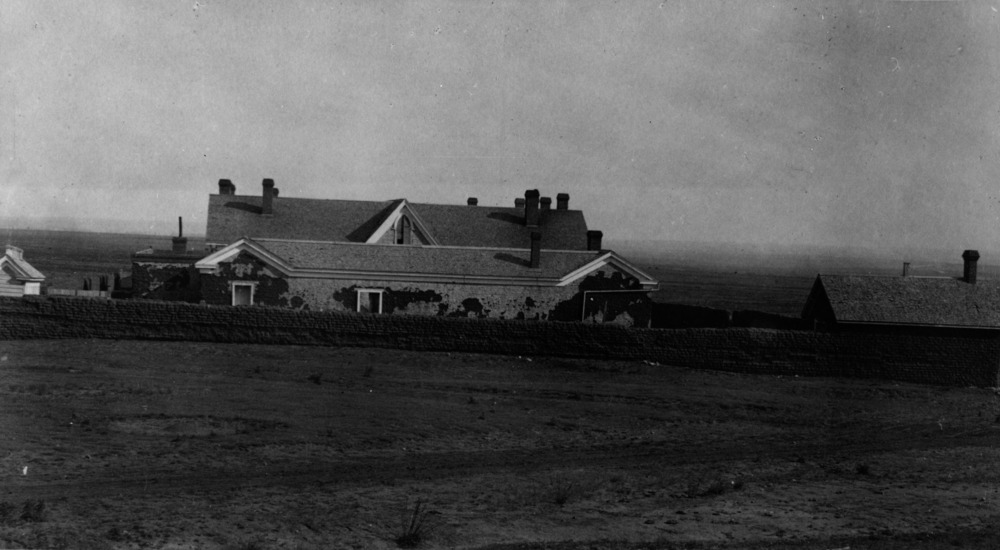
In 1860 with the civil war looming it was decided to build a bigger fort. In August of 1861, A star shaped earthen fort is built on about twenty three acres, over a thousand men worked 24 hours a day in four hour shifts. In February 1862, the fort was completed. It has 28 cannon on it’s parapets, officer’s quarters, enlisted barracks, storerooms, powder magazine dotting it’s interior. Even a tunnel leading out to the creek, so fresh water could be brought in. Even as the fort was being built those in charge thought it was being built in the wrong area. A high bluff was only about a mile and a half away, thoughts were that cannon atop the bluffs could hit the fort. The new commander decided to test it out. Cannon were placed atop the bluff and fired down to the fort area, sure enough the cannon shot could reach the interior of the fort and beyond. Cannon fired from the fort however could not reach the heights on the bluff. The fort was a sitting duck if attached. The confederates at this time took Santa Fe ,and were on the march toward the fort, however troops from the fort intercepted them at Glorieta pass, near Santa Fe and attached and burned all the wagon trains loaded with supplies. The fort never fired a shot or was attacked.
What the 2nd fort looked like
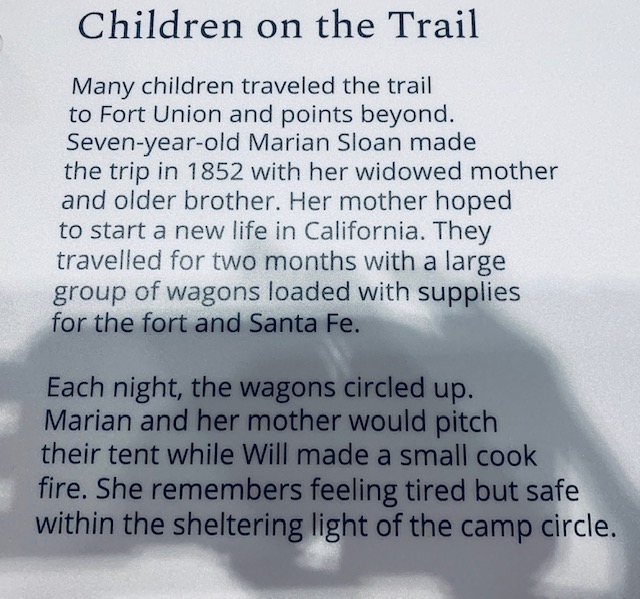
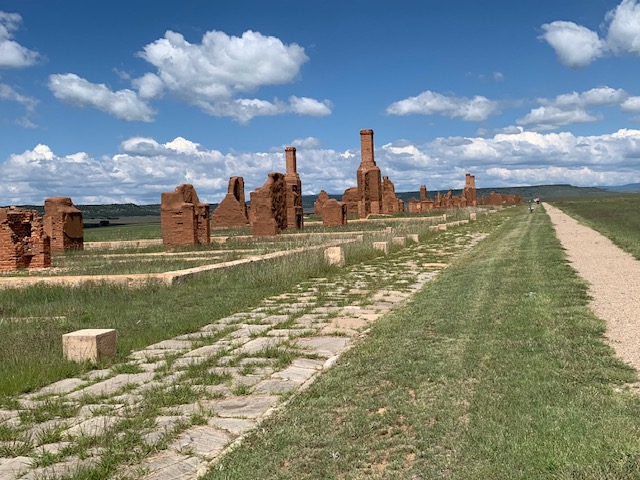
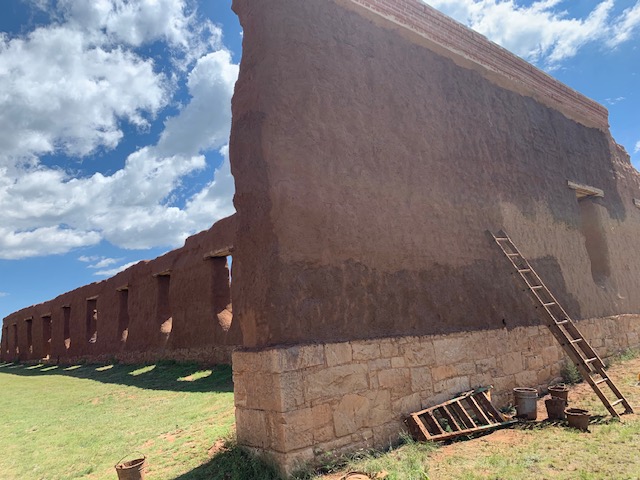
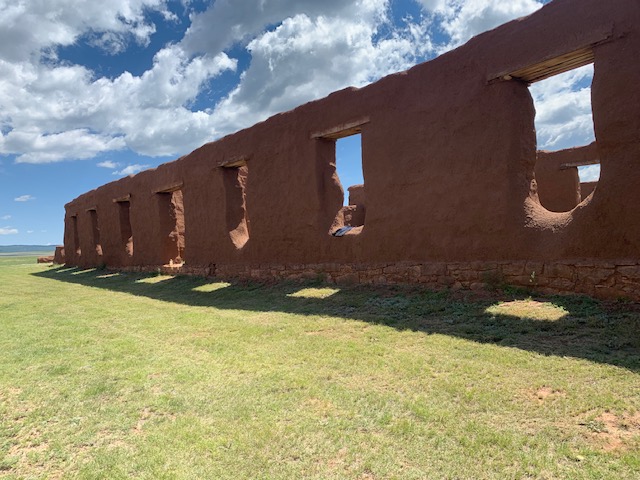
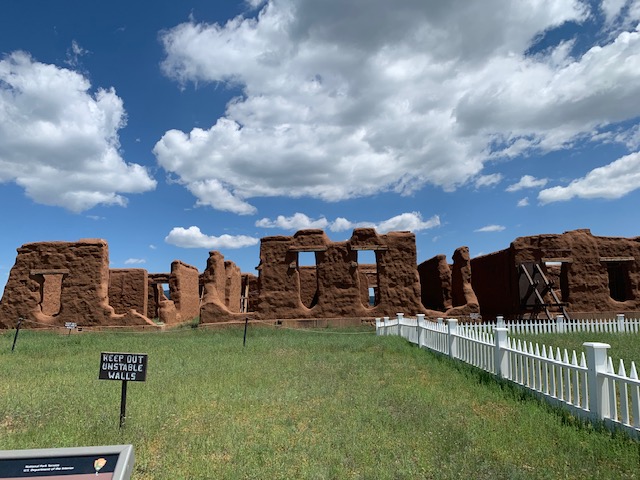
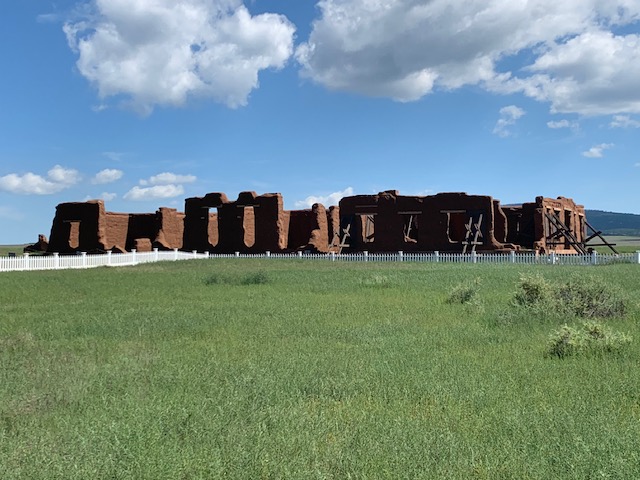
In 1863, not even two years old it was decided to build a larger stronger fort. The third Fort Union, was massive at least a half mile, by half mile and bigger. Built better with adobe, fire brick, lumber, tin, this fort would replace the earthen fort and become the largest military outpost west of the Mississippi. It was a little city and grew and grew. It was the hub of the west. Wagon trains, military goods, people all had to pass through Fort Union before heading west. For almost 27 years until 1891 the fort was the guardian of the trail and territory. then the railroad came and it was all over. Ordered closed in February of 1891, it is then abandoned. Soon after the fort falls prey to relic hunters , salvagers, and even the army helps demolish parts of the fort. In 1938 Marian Sloan Russel, visit’s the fort, she is dismayed at the decay and destruction. Now in her early sixties, she was born in Fort Union, at the peak of it’s time. She starts a movement to save the fort. Even though she only lives for two more years, the movement gains strength and in 1954 the Fort is declared a national monument. Even though much of it is gone this was an impressive sight to see, and learn about.
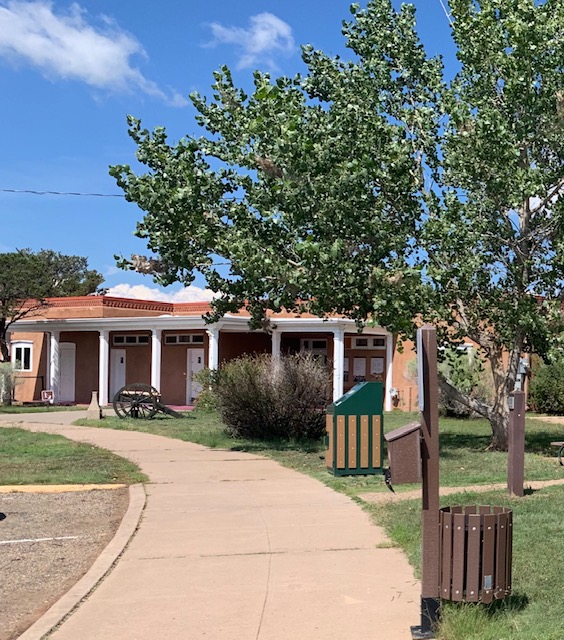
Visitor Center
We began our walk outside on Fort Union’s Grounds
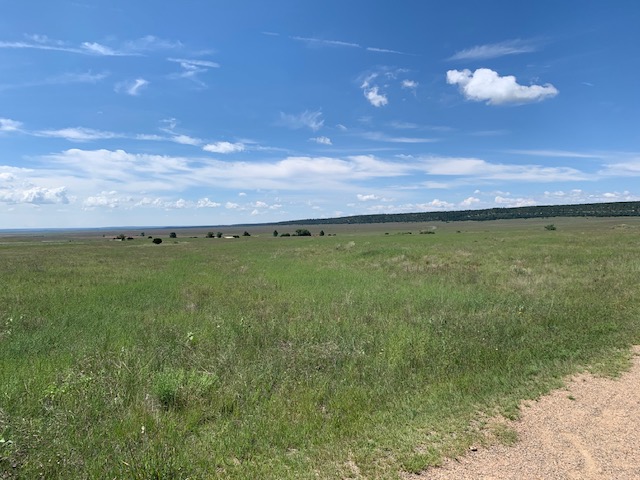
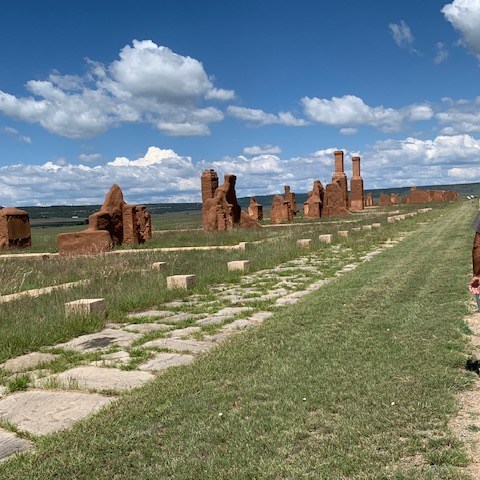
We headed out where the first & second forts were.
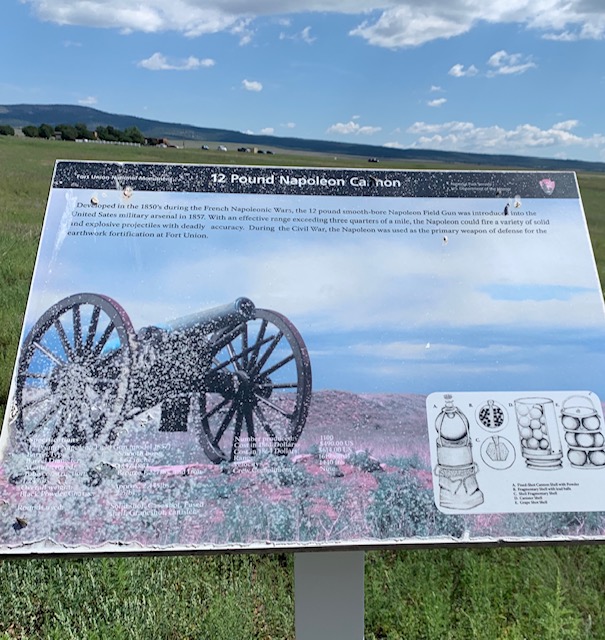
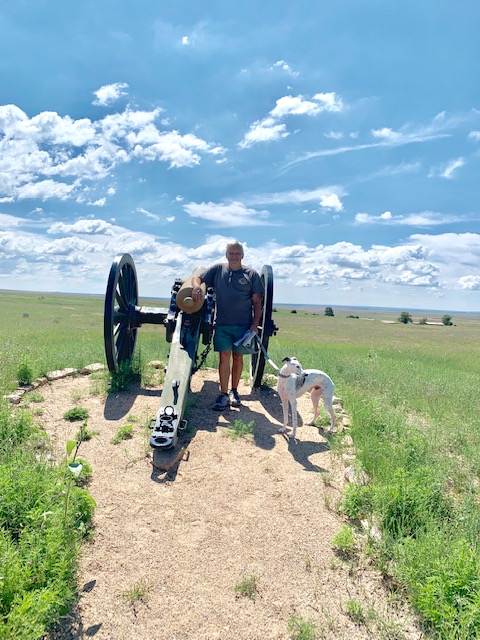
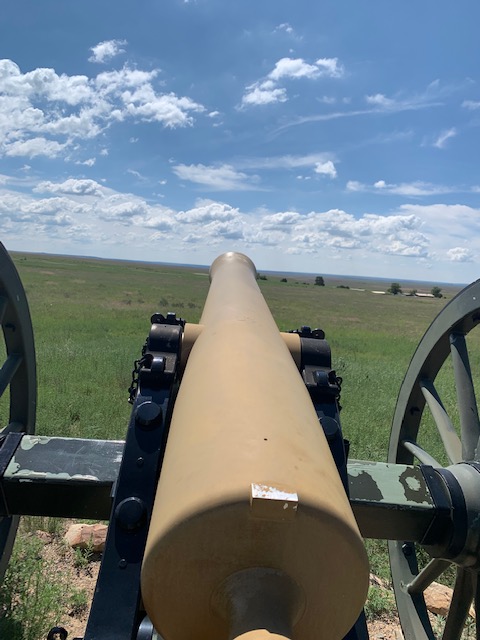
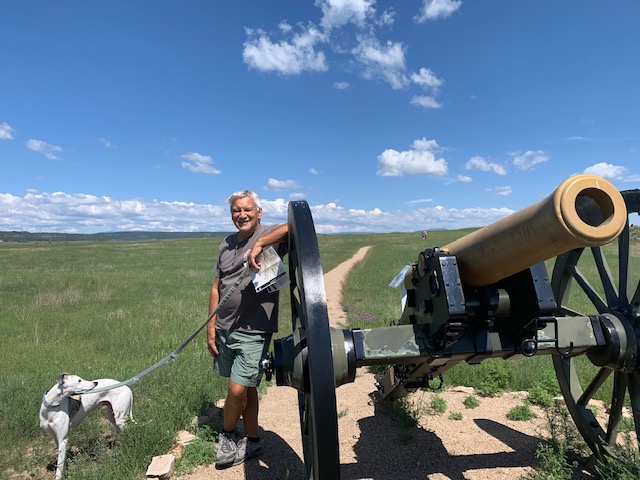
A cannon was placed right where the 2nd fort would have been.
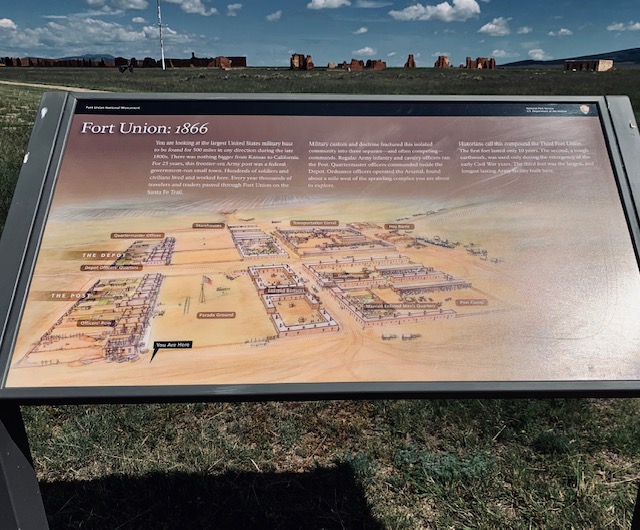
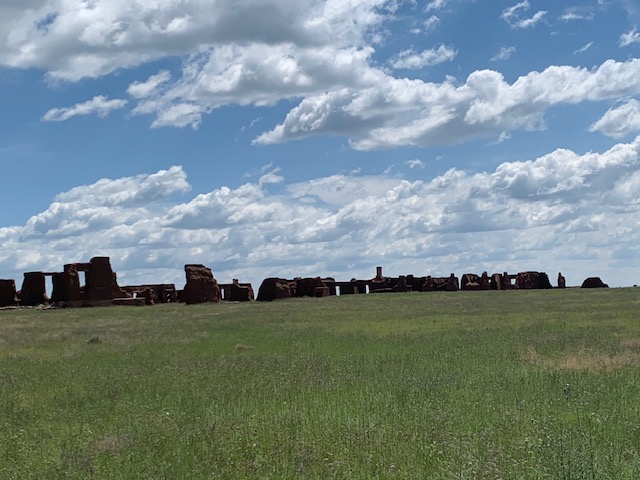
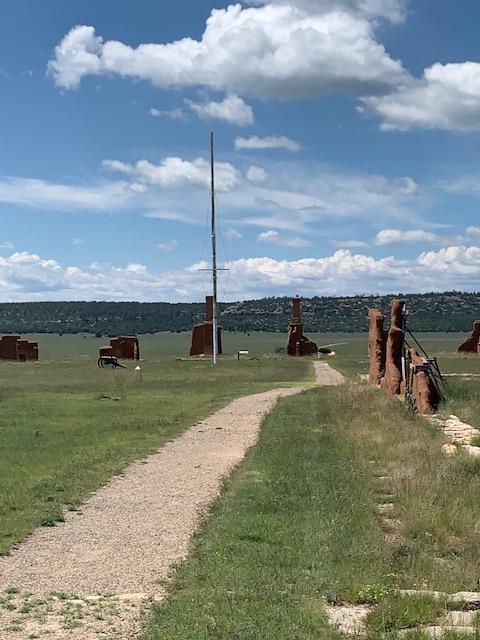
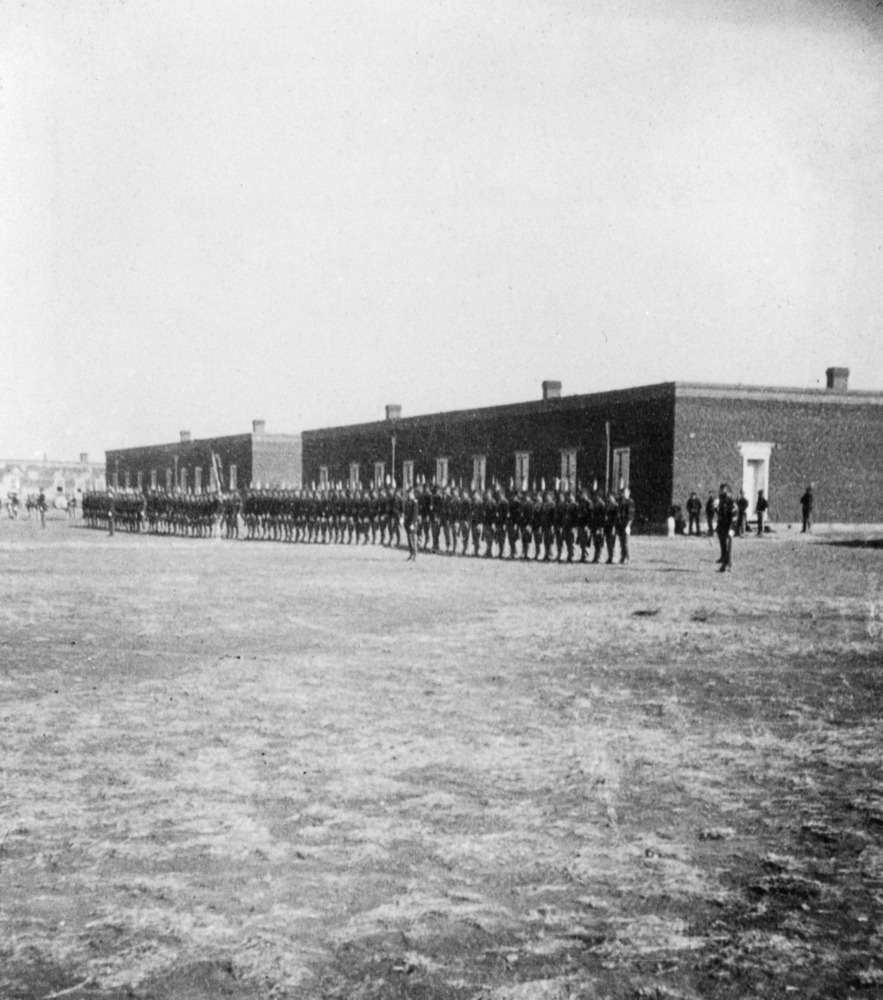
You are looking at the largest United States military base to be found for 500 miles in any direction during the late 1800s. There was nothing bigger from Kansas to California. For 25 years, this frontier-era Army post was a federal government-run small town. Hundreds of soldiers and civilians lived and worked here. Every year thousands of travelers and traders passed through Fort Union on the Santa Fe Trail.
Military custom and doctrine fractured this isolated community into three separate — and often competing — commands. Regular Army infantry and cavalry officers ran the Post. Quartermaster officers commanded inside the Depot. Ordnance officers operated the Arsenal, found about a mile west of the sprawling complex you are about to explore.
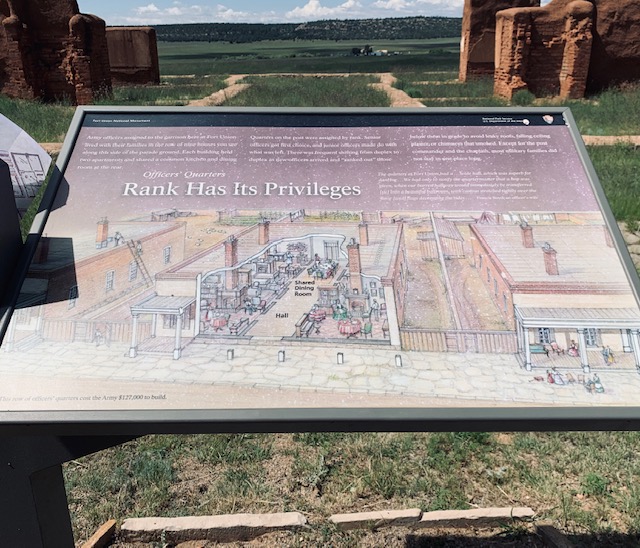
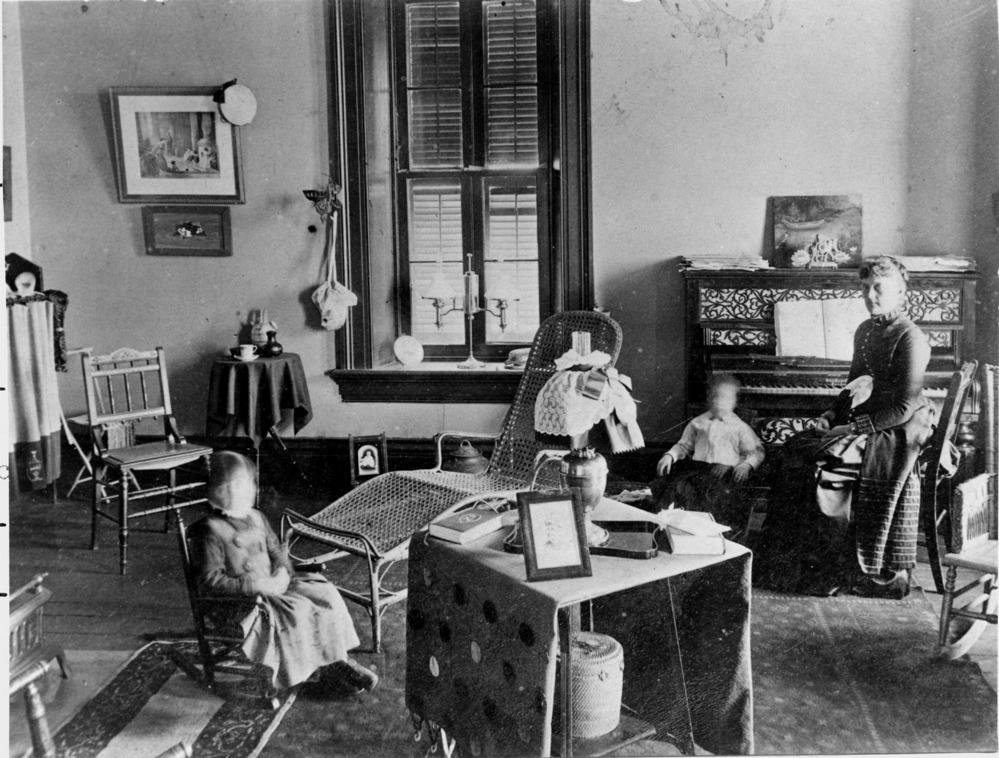
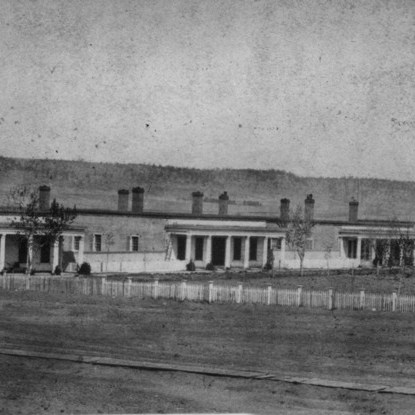
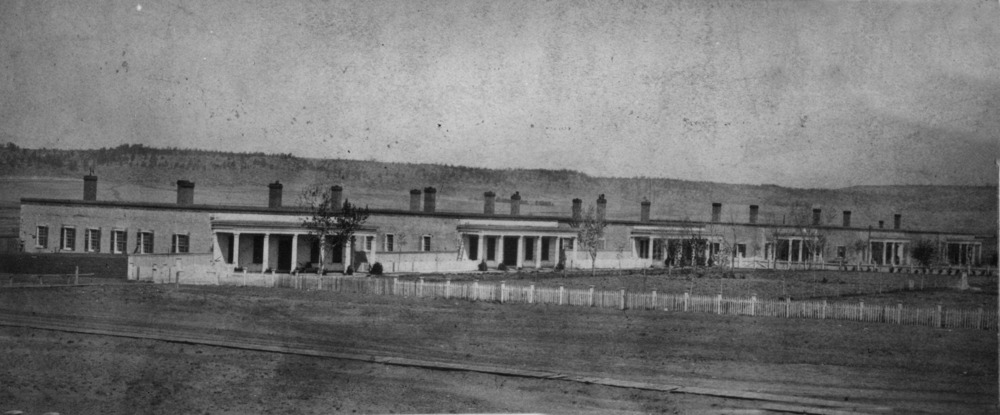
Army officers assigned to the garrison here at Fort Union lived with their families in the row of nine houses you see along this side of the parade ground. Each building held two apartments and shared a common kitchen and dining room at the rear.
Quarters on the post were assigned by rank. Senior officers got first choice, and junior officers made do with what was left. There was frequent shifting from duplex to duplex as new officers arrived and “ranked out” those below them in grade to avoid leaky roofs, falling ceiling plaster, or chimneys that smoked. Except for the post commander and the chaplain, most military families did not stay in one place long.
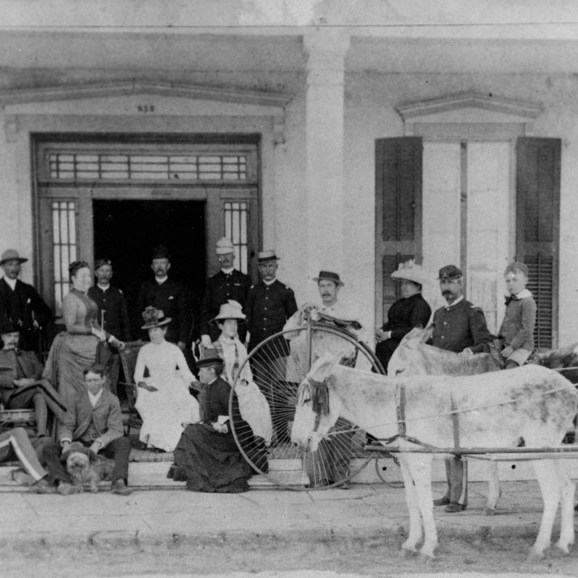
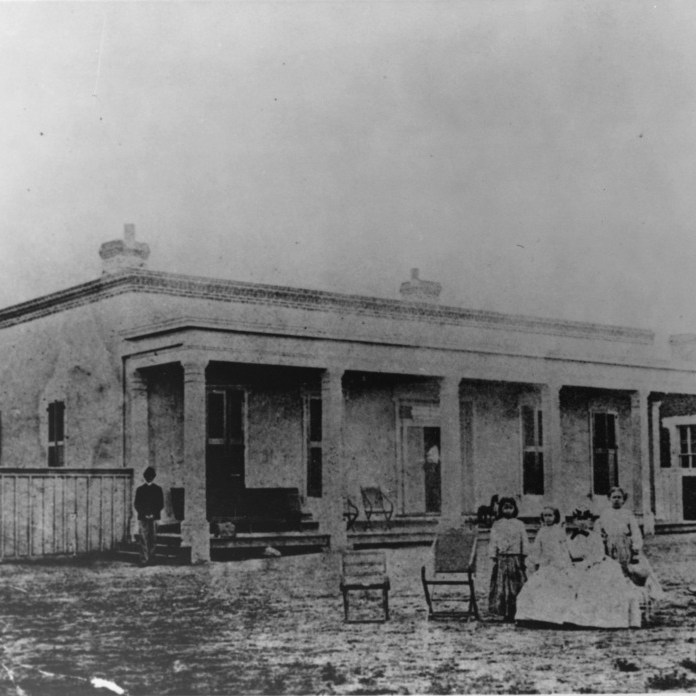
What it looked like once upon a time . . . sitting on their porches
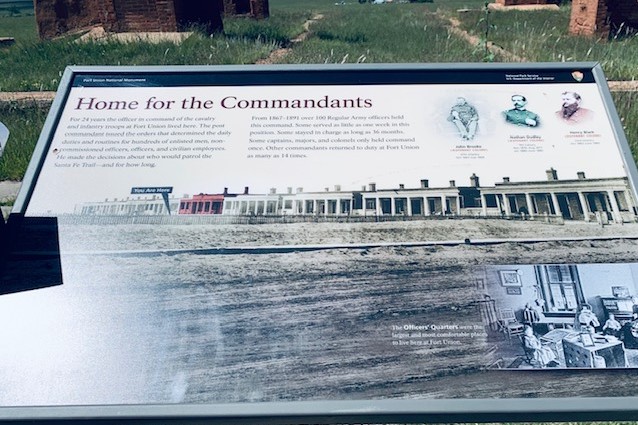
For 24 years the officer in command of the cavalry and infantry troops at Fort Union lived here. The post commandant issued the orders that determined the daily duties and routines for hundreds of enlisted men, non-commissioned officers, officers, and civilian employees. He made the decisions about who would patrol the Santa Fe Trail — and for how long.
From 1867-1891 over 100 Regular Army officers held this command. Some served as little as one week in this position. Some stayed in charge as long as 36 months. Some captains, majors, and colonels only held command once. Other commandants returned to duty at Fort Union as many as 14 times.
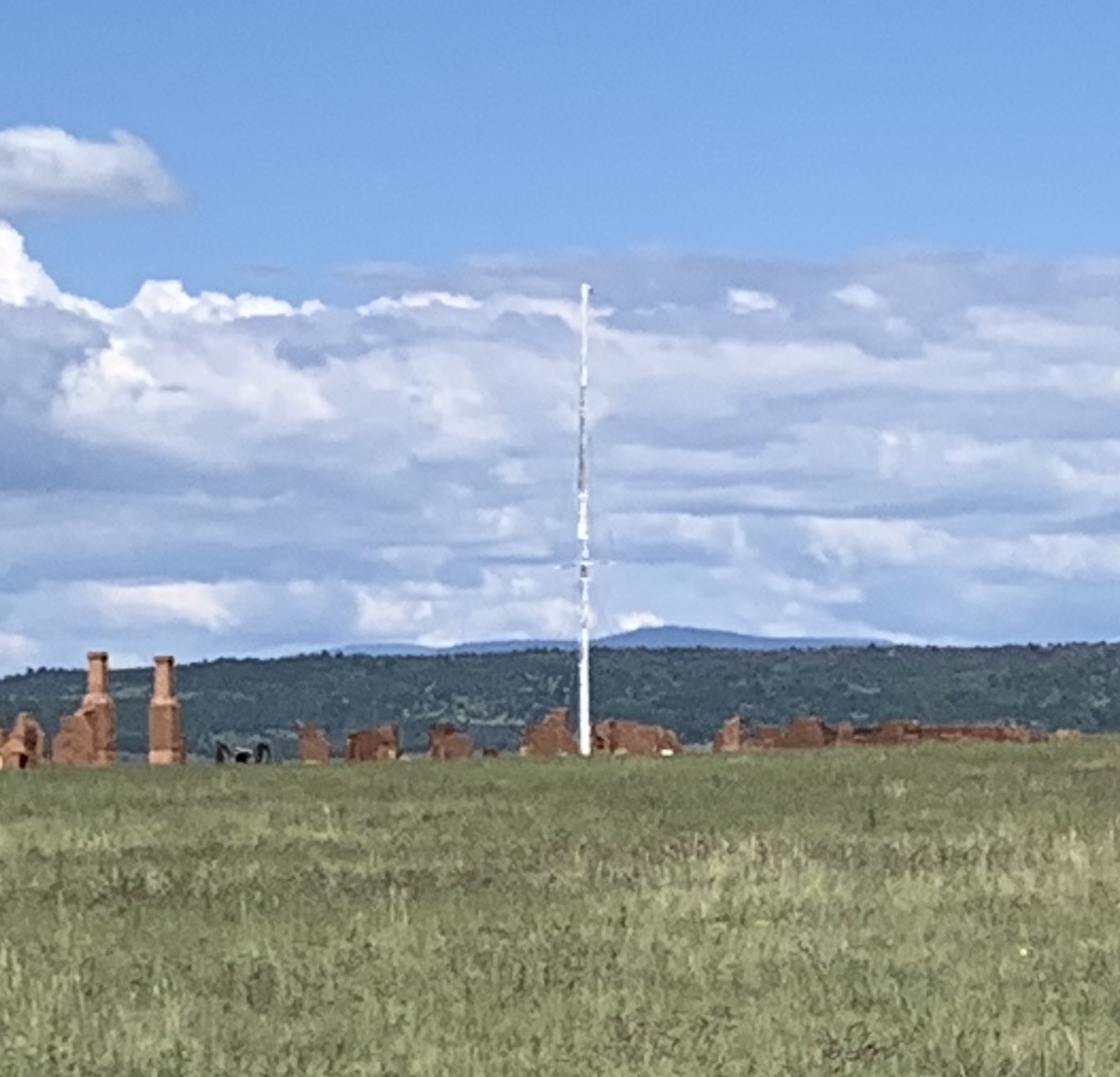
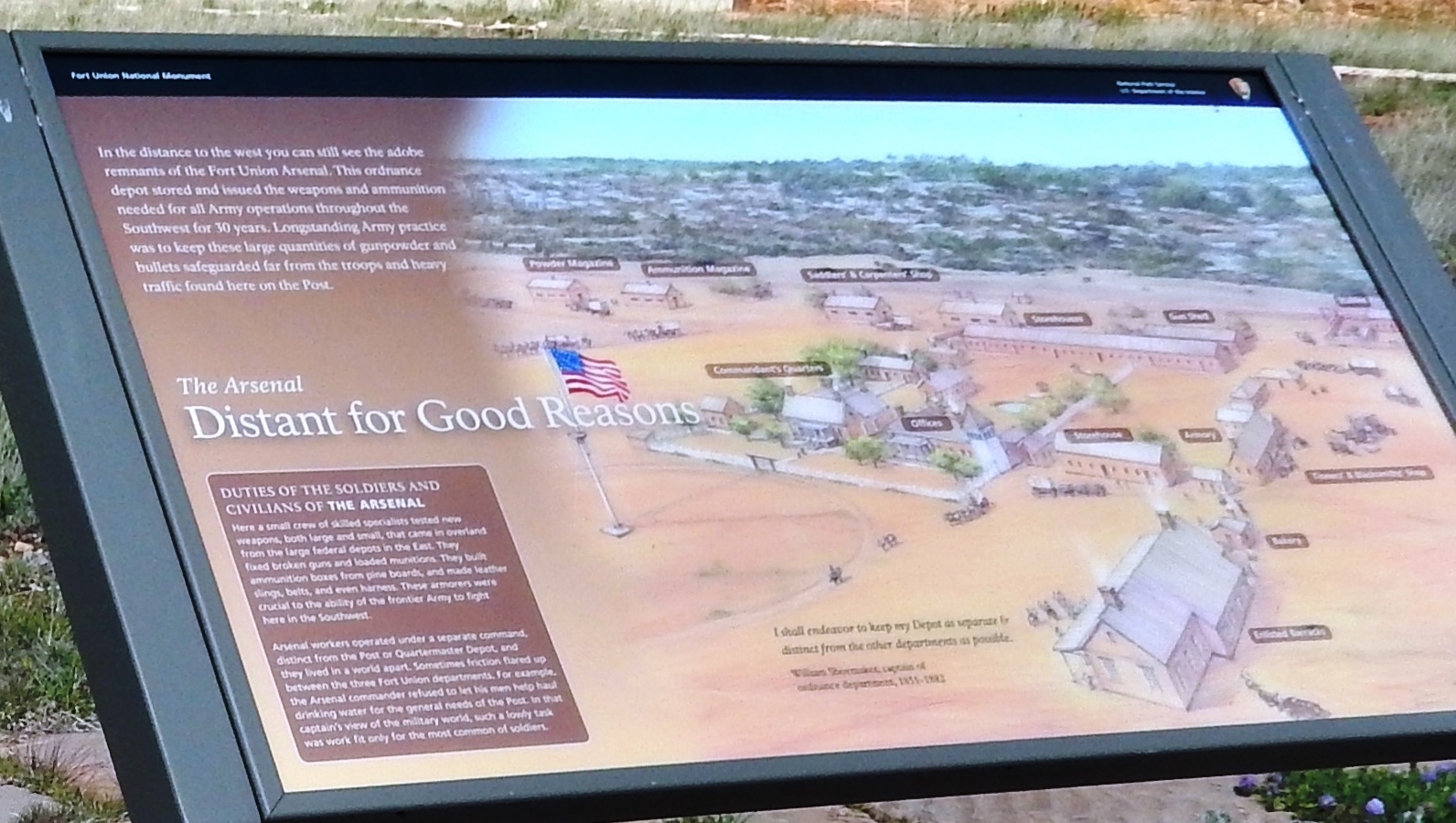
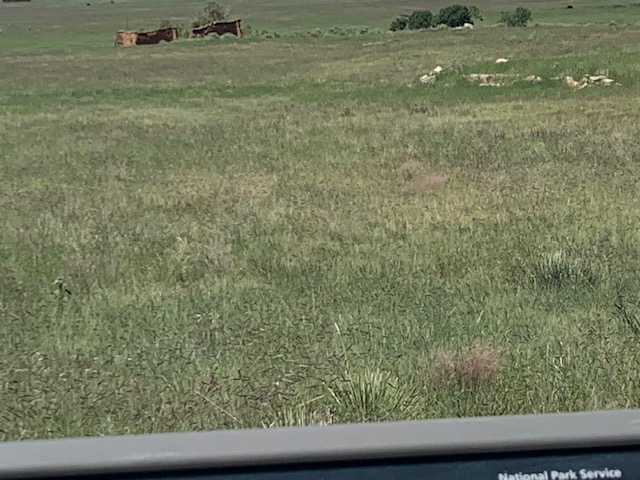
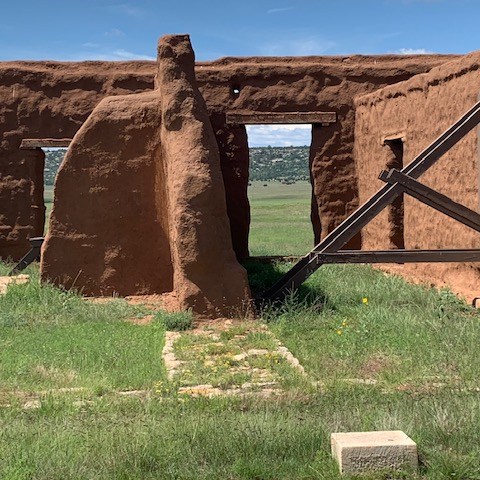
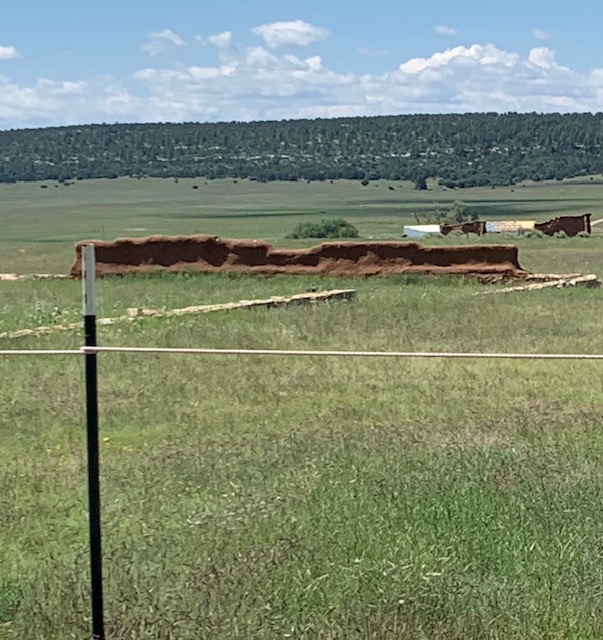
Out of sight, this is where and how the Arsenal looked. In the distance you can still see the adobe remnants of the Fort Union Arsenal. This ordnance depot stored and issued the weapons and ammunition needed for all Army operations throughout the Southwest for 30 years. Longstanding Army practice was to keep these large quantities of gunpowder and bullets safeguarded far from the troops and heavy traffic found here on the Post was overwhelming.Buttons, Bowling, Billiards and Beer! They had everything. Another building that has vanished in time. You would have seen a military general store. This was one place at Fort Union where people were always coming and going, every day. Soldiers from the Post, the Depot, and the Arsenal — as well as civilian travelers, Army wives, and Indians — all bought goods here. Think of this as the frontier-era equivalent of stores found on military bases today. A licensed civilian merchant, called a sutler, stocked wares for sale — items, plain and fancy, that the Army did not issue to the troops.
Men also came here in their off-duty hours to hear the news, to pass time with friends and to be entertained. Officers and enlisted men could eat a meal in the sutler’s restaurant, bowl a game in his bowling alley, or try their hand at billiards in his parlor. Army sutlers also sold beer, whiskey, and at times even champagne for those customers who came in these doors with a thirst.
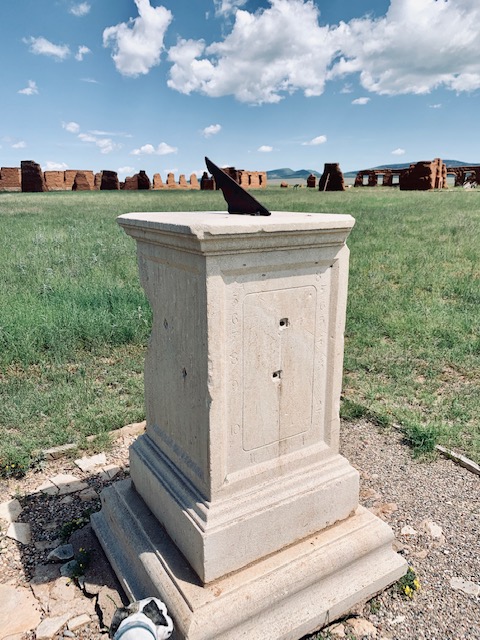
They have an accurate sun dial that was built here in 1871
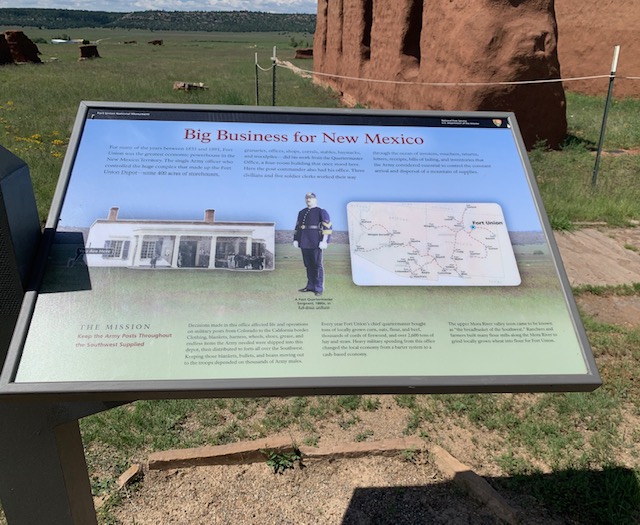
For many of the years between 1851 and 1891, Fort Union was the greatest economic powerhouse in the New Mexico Territory. The single Army officer who controlled the huge complex that made up the Fort Union Depot — some 400 acres of storehouses, granaries, offices, shops, corrals, stables, haystacks, and woodpiles — did his work from the Quartermaster Office, a four-room building that once stood here. Here the post commander also had his office. Three civilians and five soldier clerks worked their way through the ocean of invoices, vouchers, returns, letters, receipts, bills of lading, and inventories that the Army considered essential to control the constant arrival and dispersal of a mountain of supplies.
Looked a little different back when.
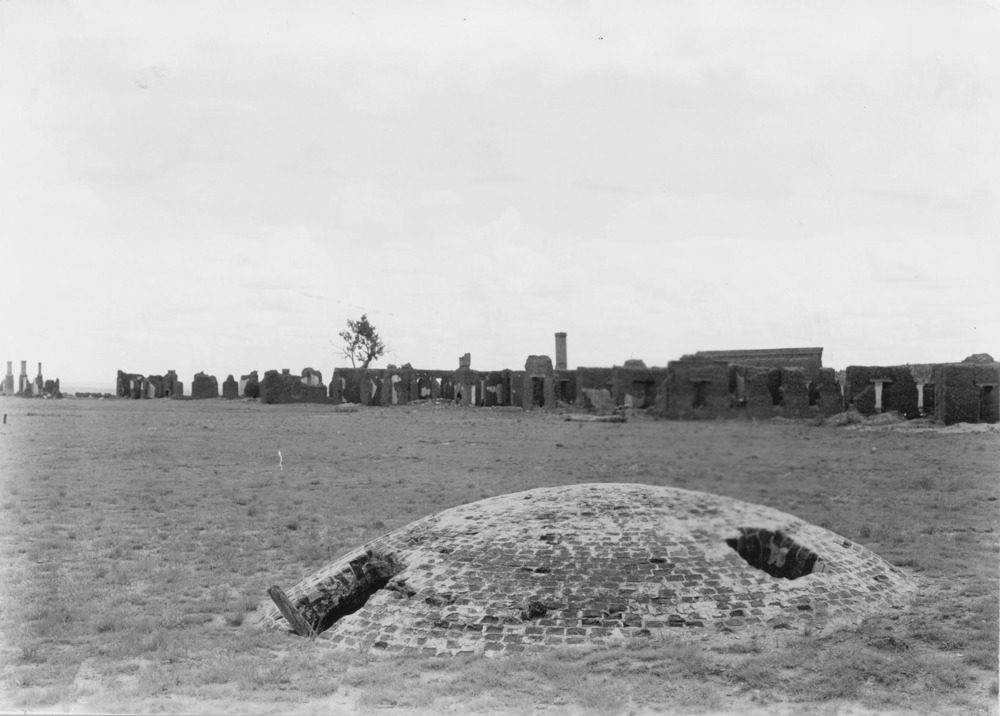
The cistern now and before
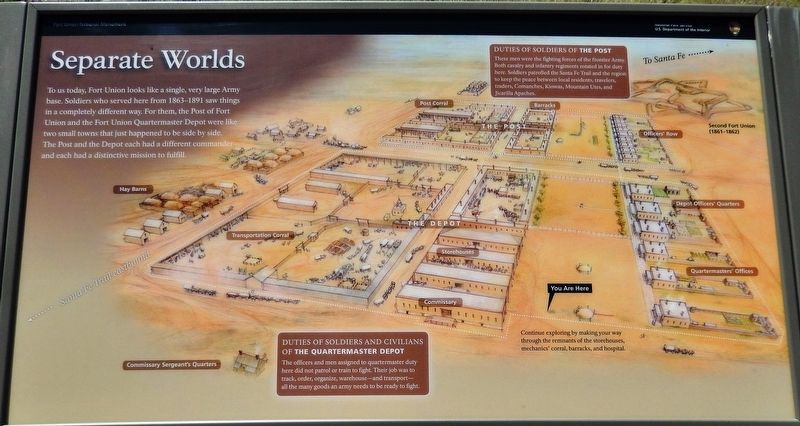
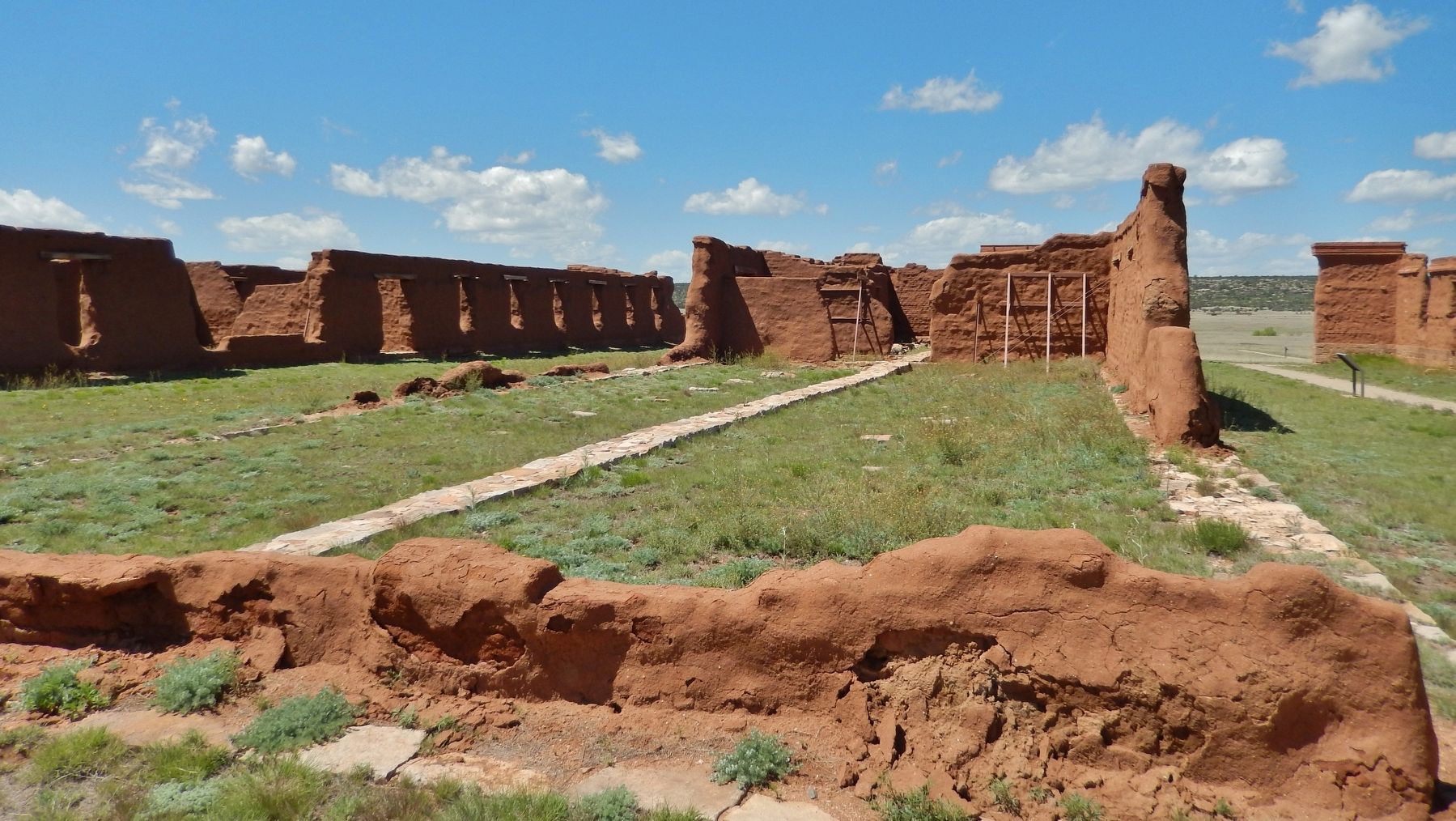
To us today, Fort Union looks like a single, very large Army base. Soldiers who served here from 1863-1891 saw things in a completely different way. For them, the Post of Fort Union and the Fort Union Quartermaster Depot were like two small towns that just happened to be side by side. The Post and the Depot each had a different commander and each had a distinctive mission to fulfill.
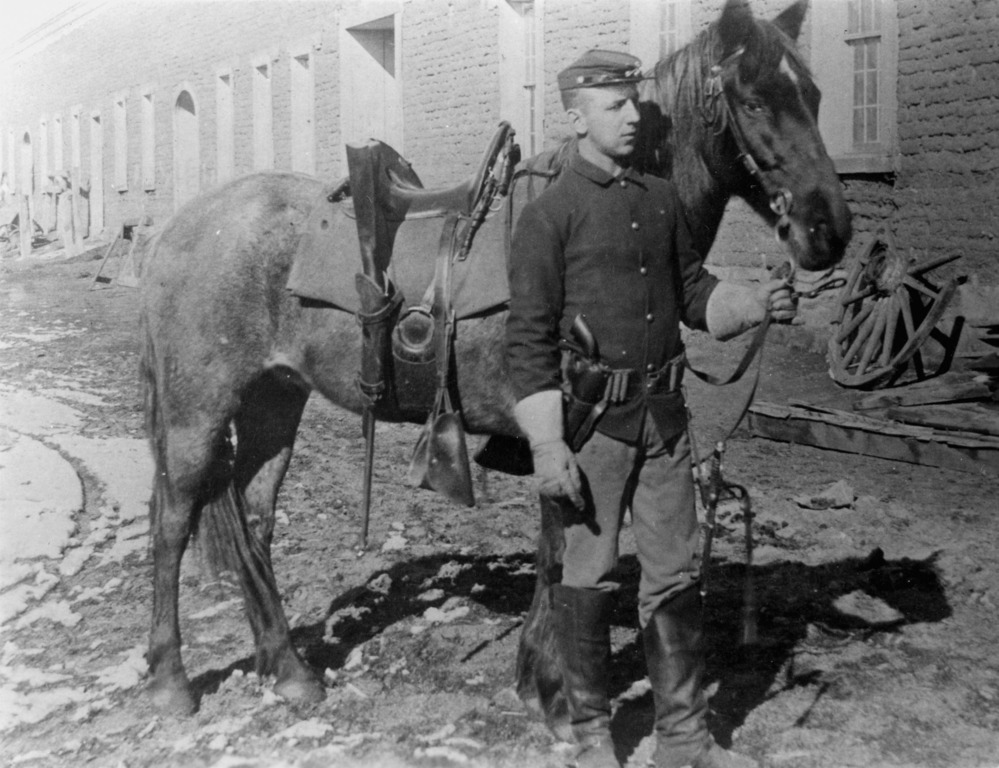
Calvary solider & his horse in Mechanics Corral and depot office and quarters
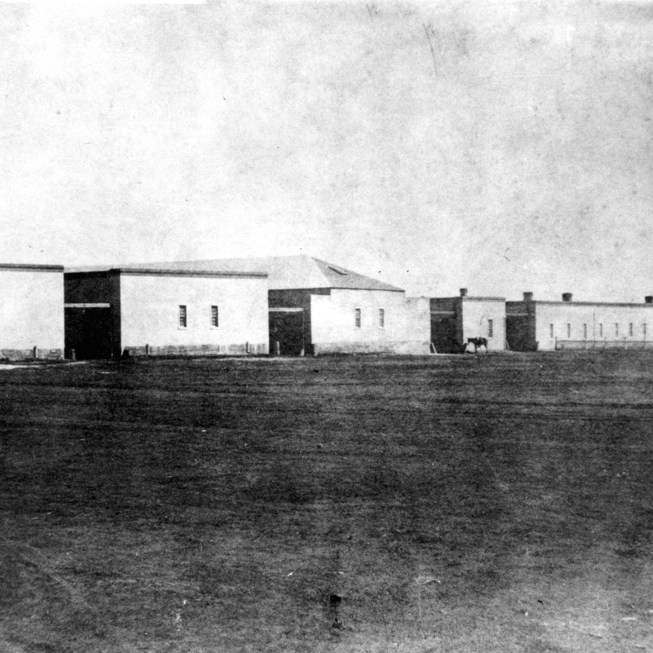
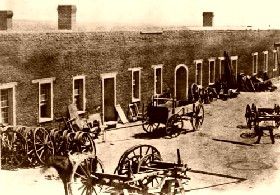
Store houses and mechanics corral, rear view
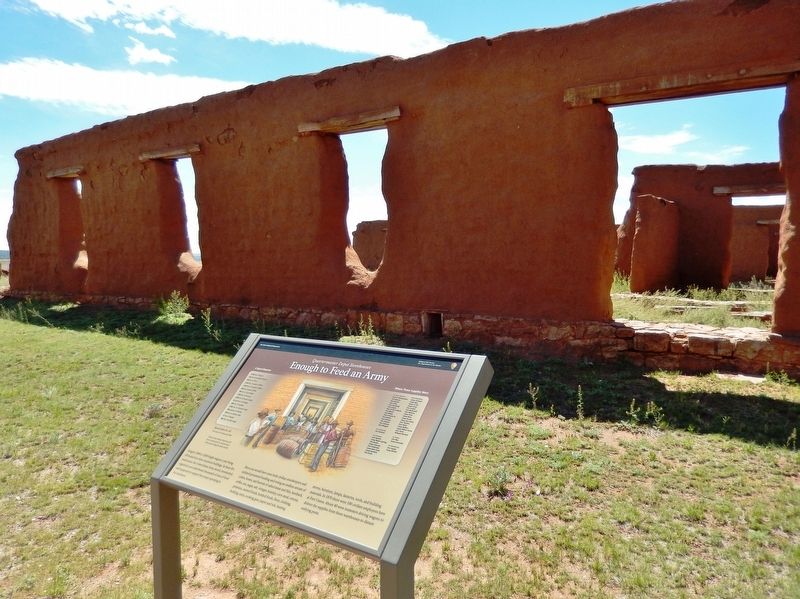
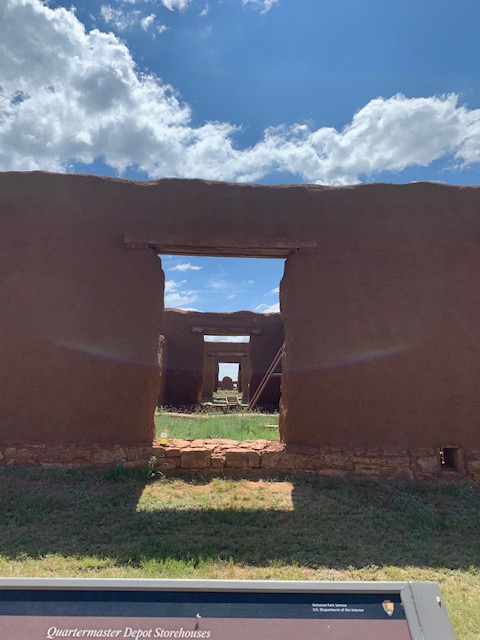
Imagine 2,000 to 3,000 freight wagons a year being off-loaded into these enormous buildings. In these five warehouses, the United States Army stored, inventoried, organized, and redistributed thousands of tons of food and equipment to support the troops operating in the Southwest.
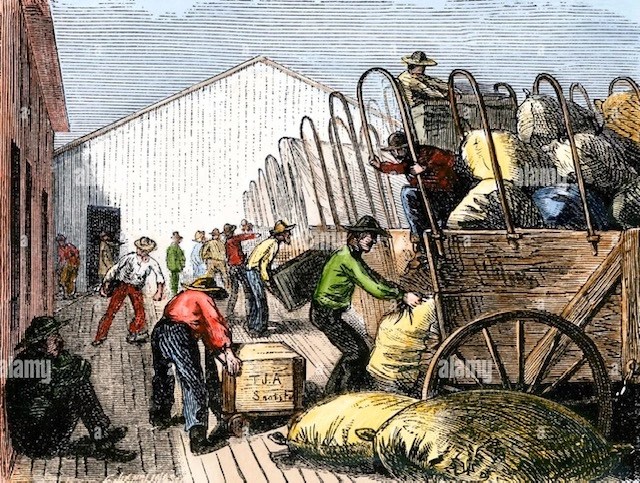
Here you would have seen both civilian storekeepers and enlisted personnel bustling and toting an endless stream of crates, boxes, and barrels of salted meat and fish, hardtack, coffee, tea, sugar, salt, vinegar, hominy, corn meal, onions, potatoes, canned foods, bottled foods, flour, clothing, bedding, tents, cooking gear, paper and ink, heating stoves, furniture, lamps, lanterns, tools, and building materials. In 1870 there were 100 civilian employees here at Fort Union. About 40 were teamsters driving wagons to deliver the supplies from these warehouses to distant outlying posts.
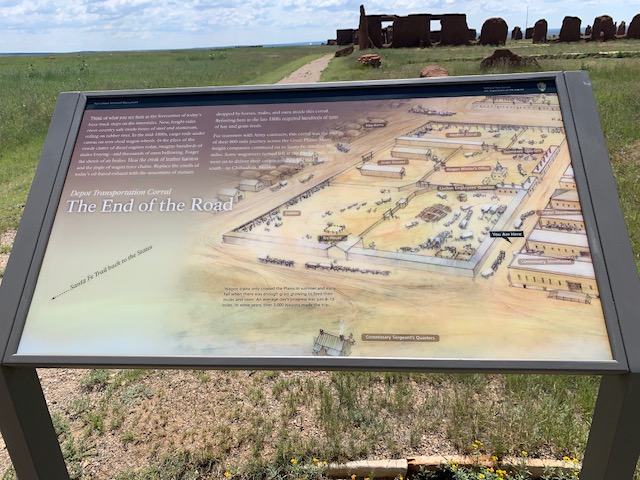
What you see here as the forerunner of today’s busy truck stops on the interstates. Now, freight rides cross-country safe inside boxes of steel and aluminum, rolling on rubber tires. In the mid-1800s, cargo rode under canvas on iron-shod wagon wheels. In the place of the rowdy clatter of diesel engines today, imagine hundreds of mules braying — and thousands of oxen bellowing. Forget the shriek of air brakes. Hear the creak of leather harness and the jingle of wagon trace chains. Replace the smells of today’s oil-based exhaust with the mountains of manure dropped by horses, mules, and oxen inside this corral. Refueling here in the late 1800s required hundreds of tons of hay and grain feeds.
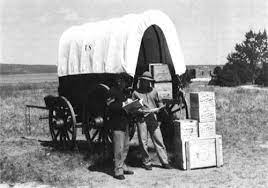
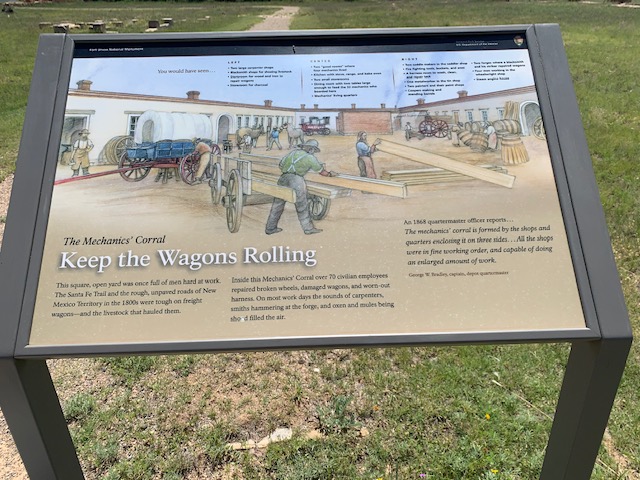
This yard was once full of men hard at work. The Santa Fe Trail and the rough, unpaved roads of New Mexico Territory in the 1800s were tough on freight wagons — and the livestock that hauled them.
Inside this Mechanics’ Corral over 70 civilian employees repaired broken wheels, damaged wagons, and worn-out harness. On most work days the sounds of carpenters, smiths hammering at the forge, and oxen and mules being shoed filled the air.Mechanics’ Corral Illustration
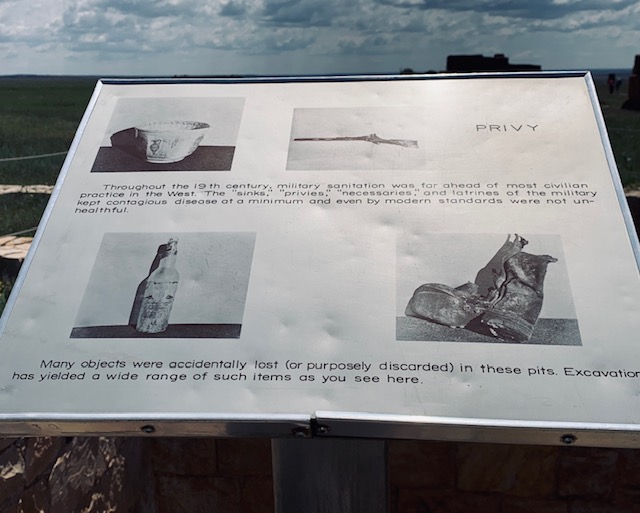
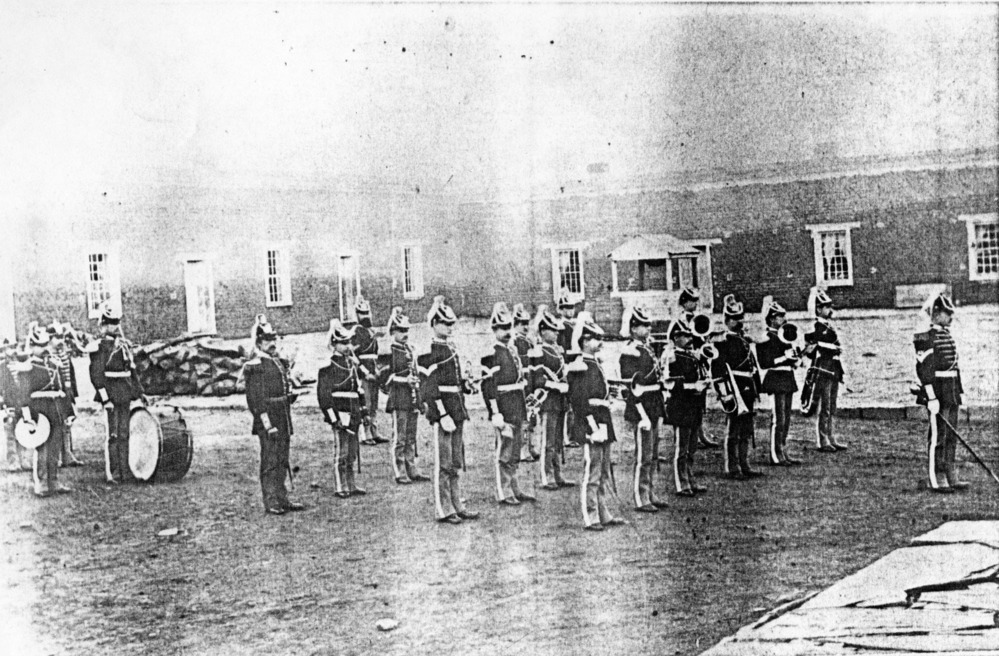
This section had a “privy” to put their unwanted items, and the military band had their quarters here
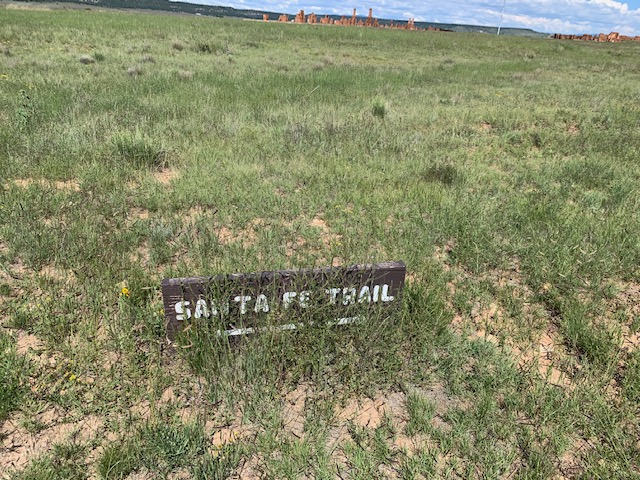
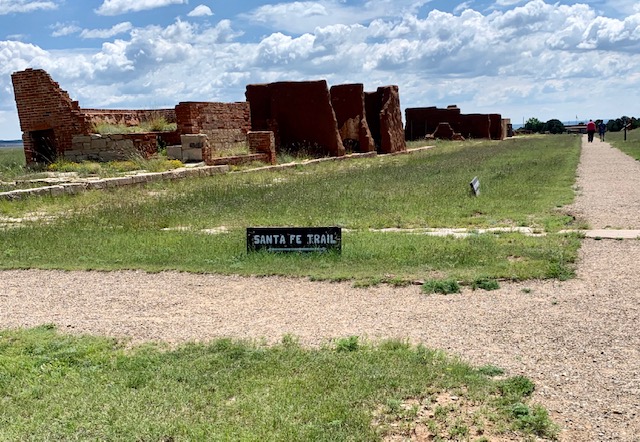
We couldn’t go further on the Santa Fe Trail so Dave hitched hiked to look at the low wagon wheel ruts of the Santa Fe Trail — just ahead of you and grasp how many tens of thousands of lives this road turned upside down. Comanche, Kiowa, Jicarilla Apache, Mountain Ute, and other American Indian groups lived in this part of the West in the 1850s-1890s. For them, the changes in their world happened unbelievably fast… over a single lifetime. The United States Army was sent here in 1851 — to keep a lid on a pot that everyone back East expected to boil over. With Fort Union’s firepower, food, and materiel firmly fixed in this part of New Mexico, American Indians suddenly faced hard choices: make war, make peace, or make great changes in their cultures.
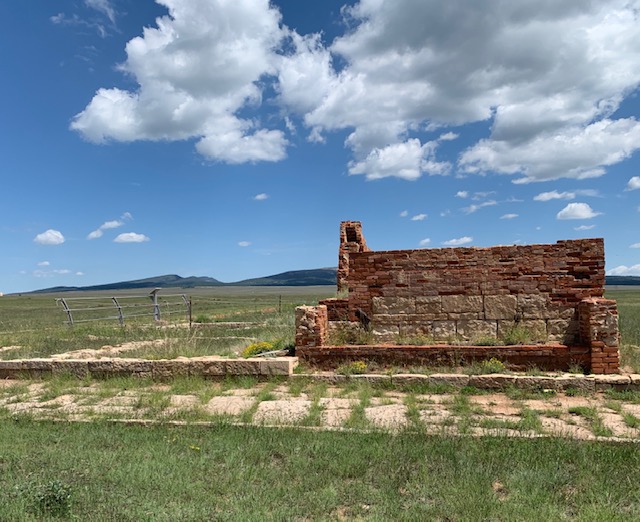
The Bakery – I know this building always had a great smell coming form it!
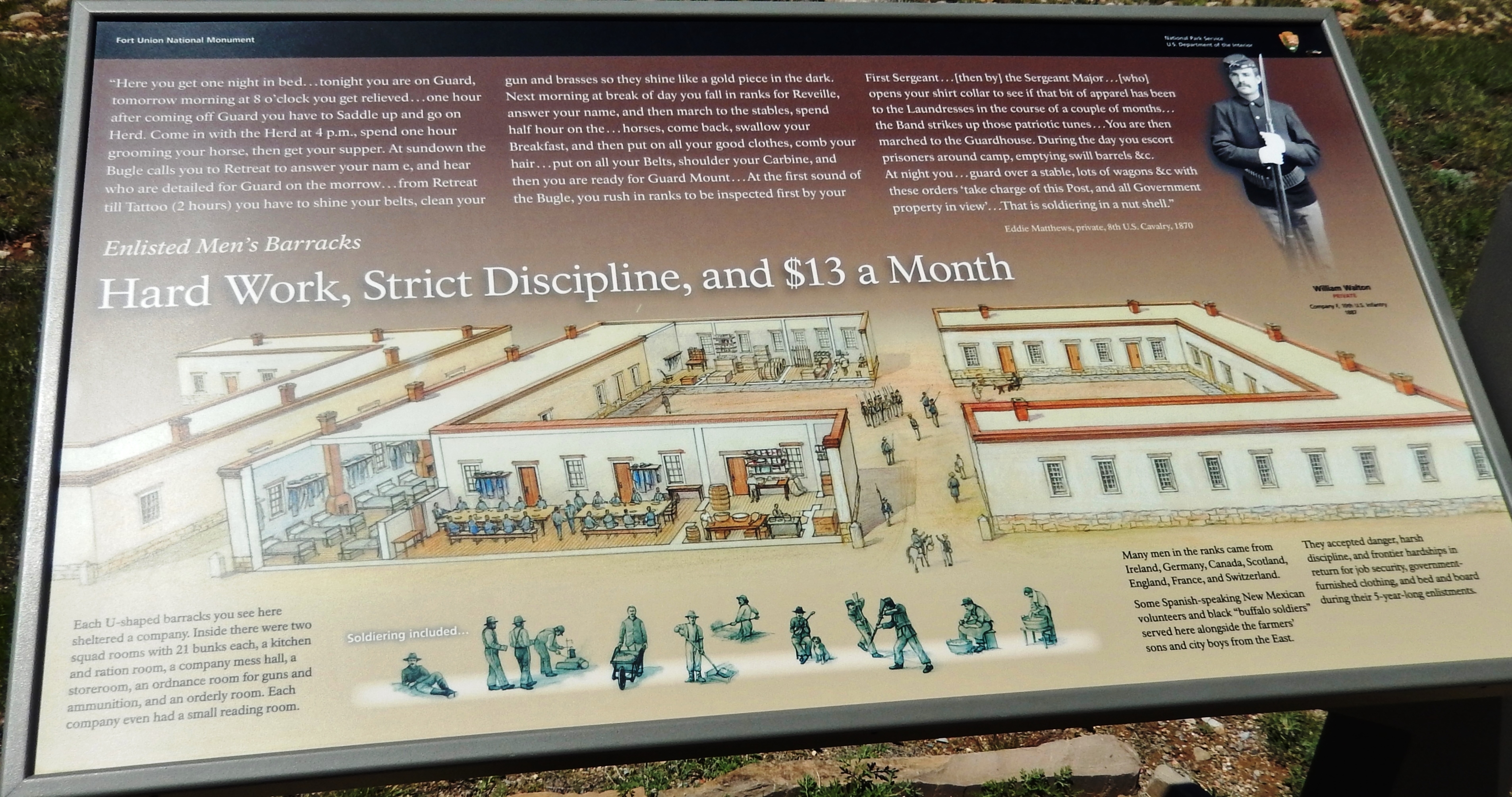
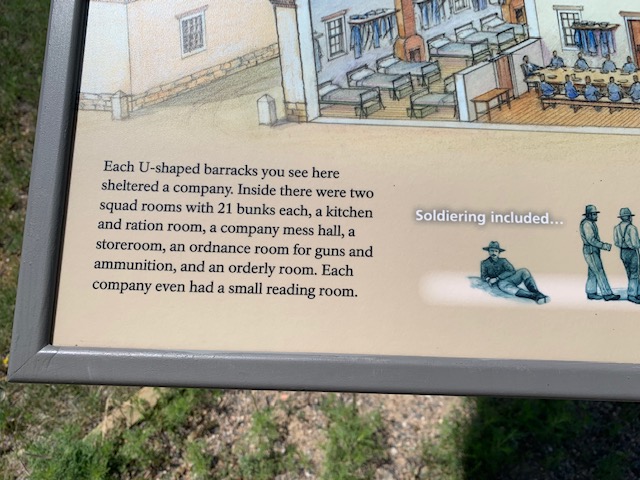
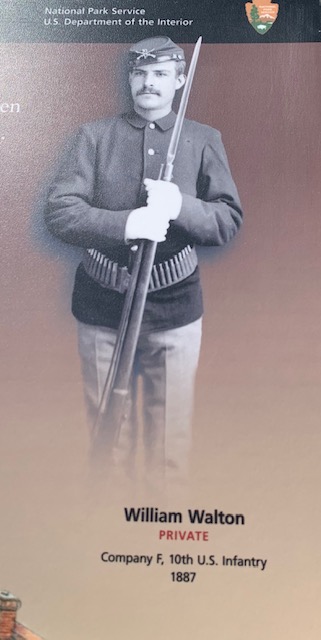
Here you get one night in bed… tonight you are on Guard, tomorrow morning at 8 o’clock you get relieved… one hour after coming off Guard You have to Saddle up and go on Herd. Come in with the Herd at 4 p.m., spend one hour grooming your horse, then get your supper. At sundown the Bugle calls you to Retreat to answer your name, and hear who are detailed for Guard on the morrow… from Retreat till Tattoo (2 hours) you have to shine your belts, clean your gun and brasses so they shine like a gold piece in the dark. Next morning at break of day you fall in ranks for Reveille, answer your name, and then march to the stables, spend half hour on the… horses, come back, swallow your Breakfast, and then put on all your good clothes, comb your hair… put on all your Belts, shoulder your Carbine, and then you are ready for Guard Mount… At the first sound of the Bugle, you rush in ranks to be inspected first by your First Sergeant … [then by] the Sergeant Major… [who] opens your shirt collar to see if that bit of apparel has been to the Laundresses in the course of a couple of months… the Band strikes up those patriotic tunes… You are then marched to. William Walton Private Company F, 10th U.S. Infantry
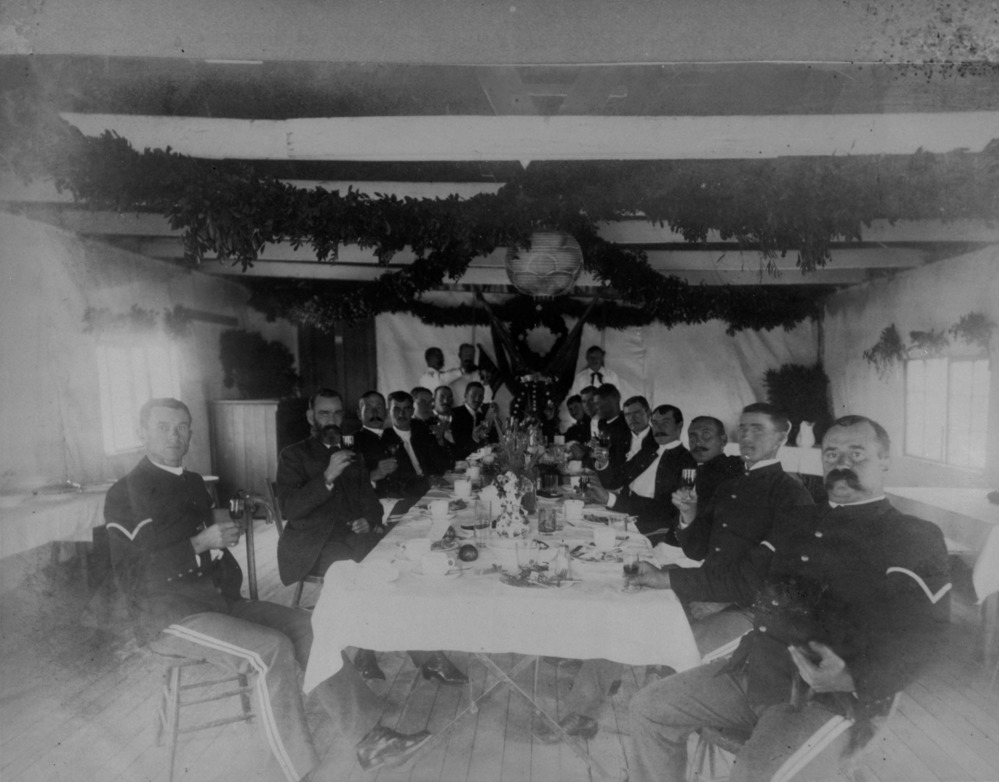
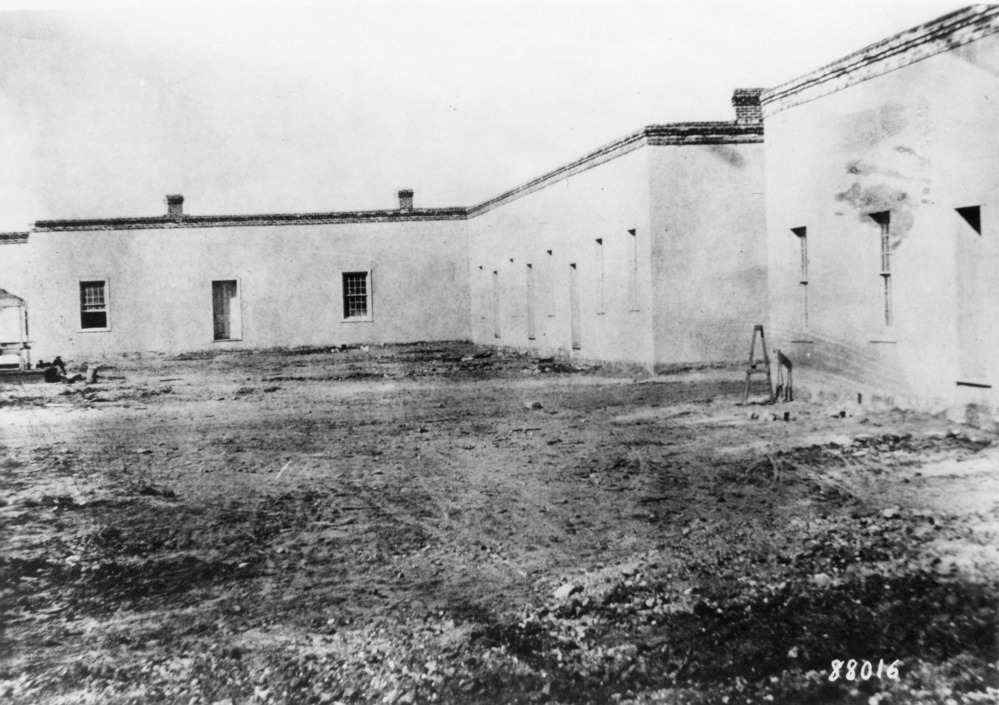
23rd US Infantry in their barracks. One of the many Inspections taking place
1887the Guardhouse. During the day you escort prisoners around camp, emptying swill barrels &c. At night you… guard over a stable, lots of wagons &c with these orders ‘take charge of this Post, and all Government property in view’… That is soldiering, in a nut shell.” —Eddie Matthews, private, 8th U.S. Cavalry, 1870
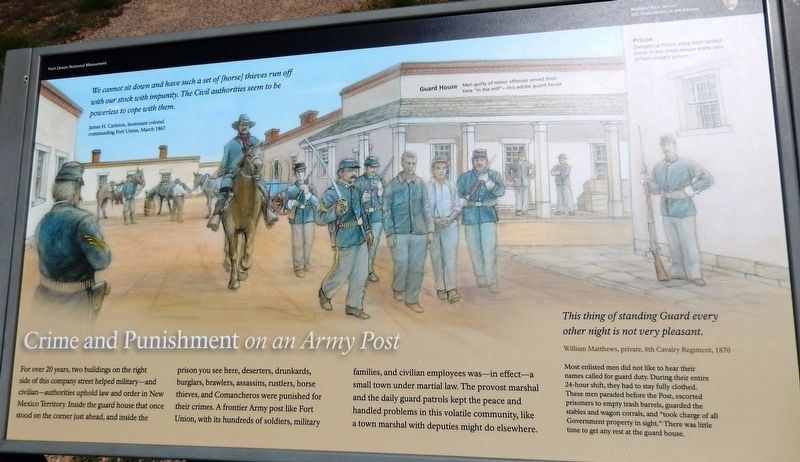
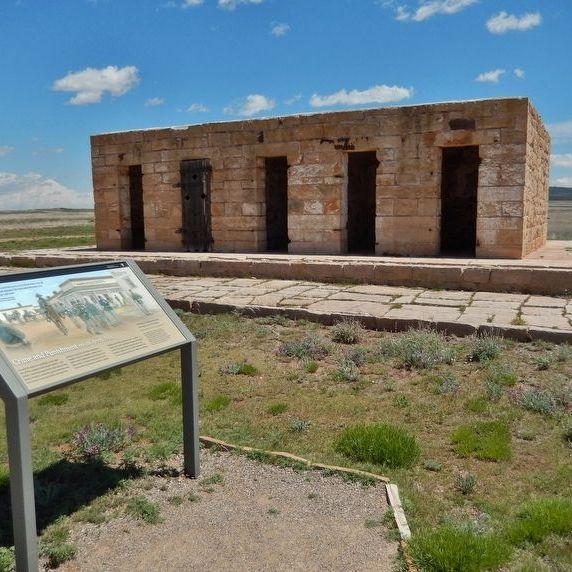
For over 20 years, two buildings on the right side of this company street helped military — and civilian — authorities uphold law and order in New Mexico Territory. Inside the guard house that once stood on the corner just ahead, and inside the prison you see here, deserters, drunkards, burglars, brawlers, assassins, rustlers, horse thieves, and Comancheros were punished for their crimes. A frontier Army post like Fort Union, with its hundreds of soldiers, military families, and civilian employees was — in effect — a small town under martial law. The provost marshal and the daily guard patrols kept the peace and handled problems in this volatile community, like a town marshal with deputies might do elsewhere.
We cannot sit down and have such a set of [horse] thieves run off with our stock with impunity. The Civil authorities seem to be powerless to cope with them. —James H. Carleton, lieutenant colonel commanding Fort Union, March 1867
Oh no! Look who’s in jail!
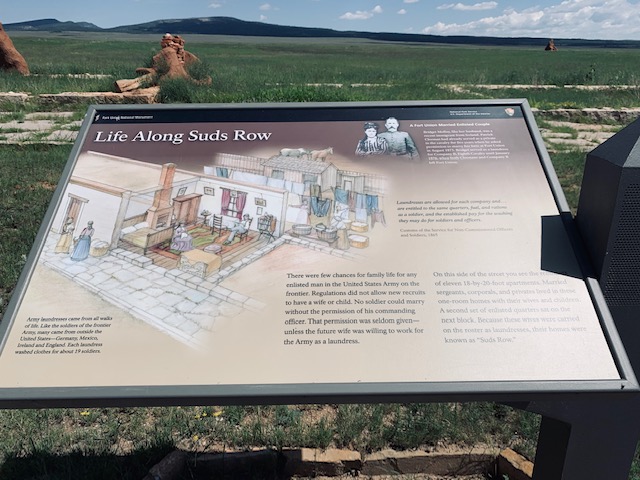
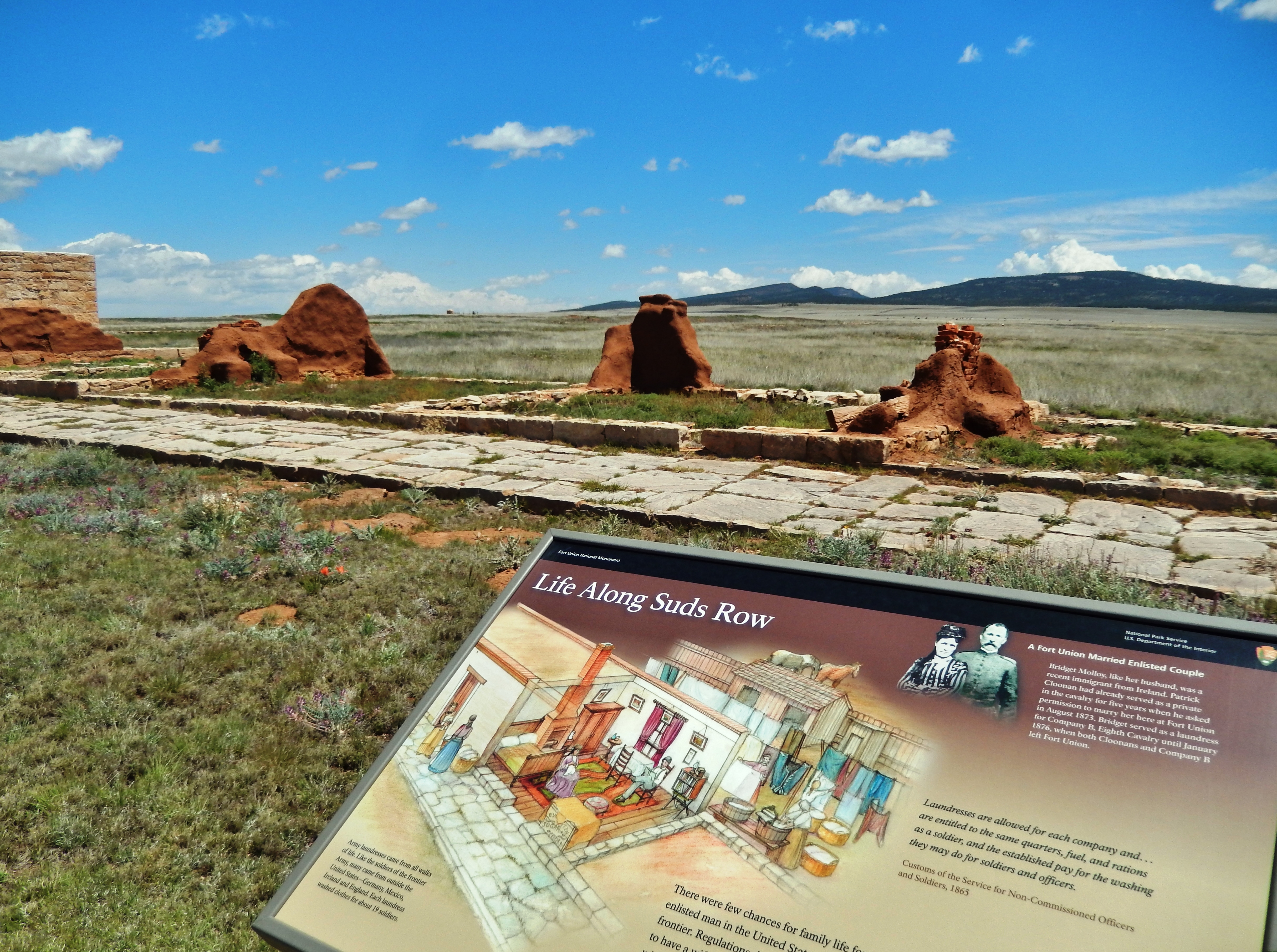
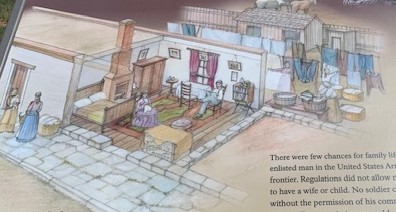
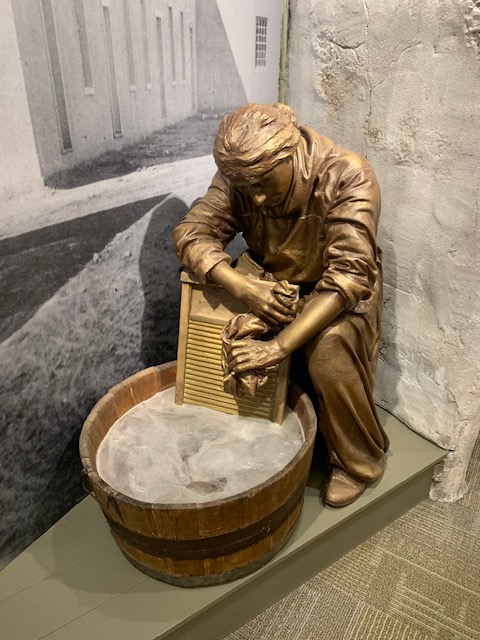
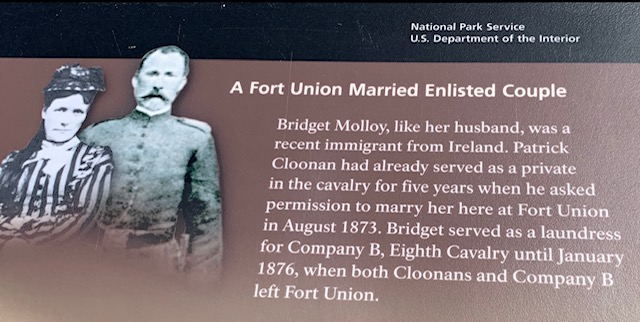
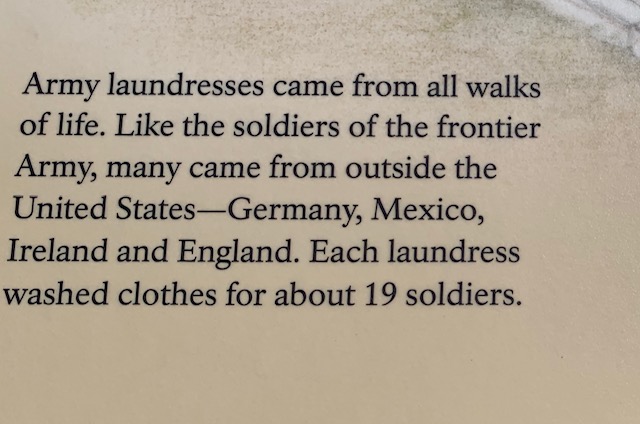
There were few chances for family life for any enlisted man in the United States Army on the frontier. Regulations did not allow new recruits to have a wife or child. No soldier could marry without the permission of his commanding officer. That permission was seldom given — unless the future wife was willing to work for the Army as a laundress.
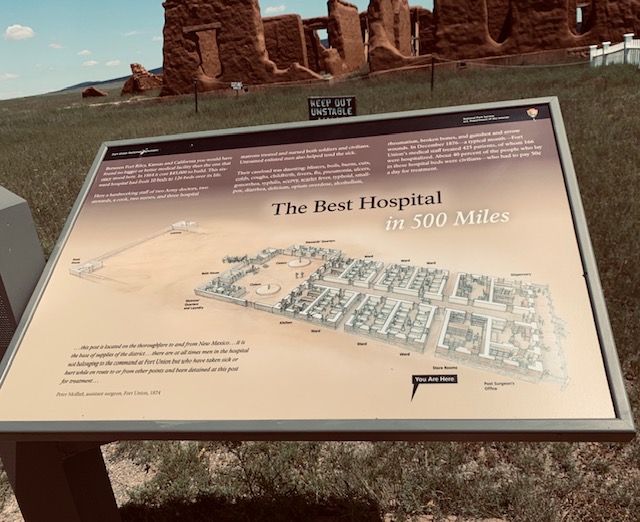
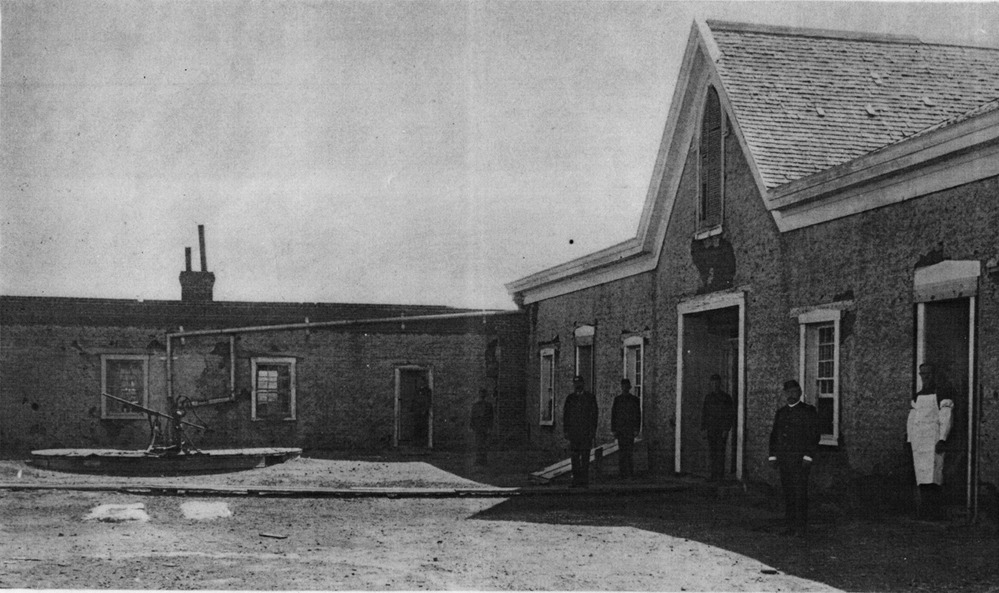
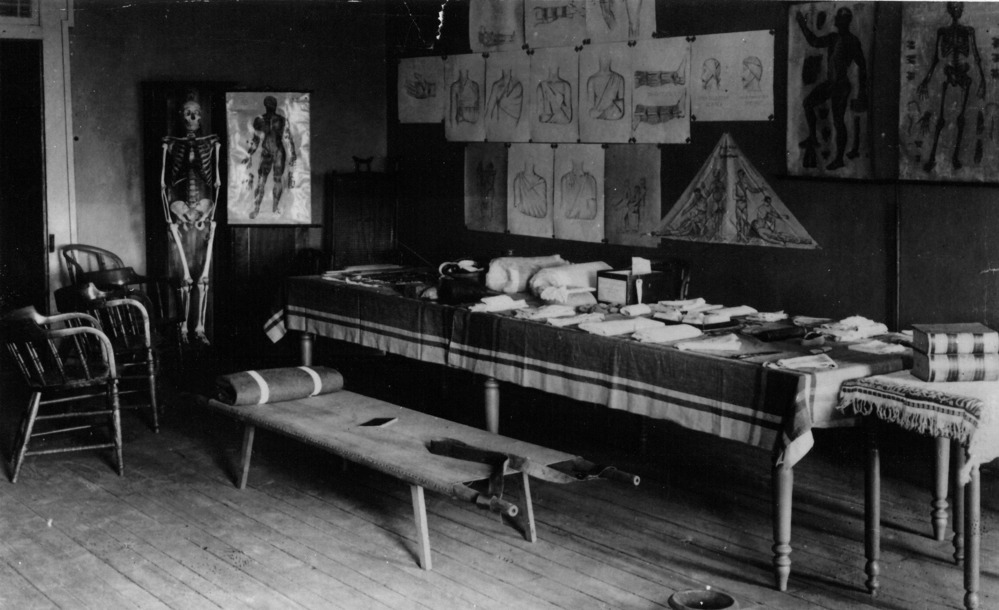
Between Fort Riley, Kansas and California you would have found no bigger or better medical facility than the one that once stood here. In 1864 it cost $45,000 to build. This six-ward hospital had from 10 beds to 126 beds over its life. Here a hardworking staff of two Army doctors, two stewards, a cook, two nurses, and three hospital matrons treated and nursed both soldiers and civilians. Untrained enlisted men also helped tend the sick.
front and back of hospital
hospital courtyard and lecture room.
Their caseload was overwhelming: blisters, boils, burns, cuts, colds, coughs, childbirth, fevers, flu, pneumonia, ulcers, gonorrhea, syphilis, scurvy, scarlet fever, typhoid, small-pox, diarrhea, delirium, opium overdose, alcoholism, rheumatism, broken bones, and gunshot and arrow wounds. In December 1876 — a typical month — Fort Union’s medical staff treated 425 patients, of whom 166 were hospitalized. About 40 percent of the people who lay in these hospital beds were civilians — who had to pay 50¢ a day for treatment.
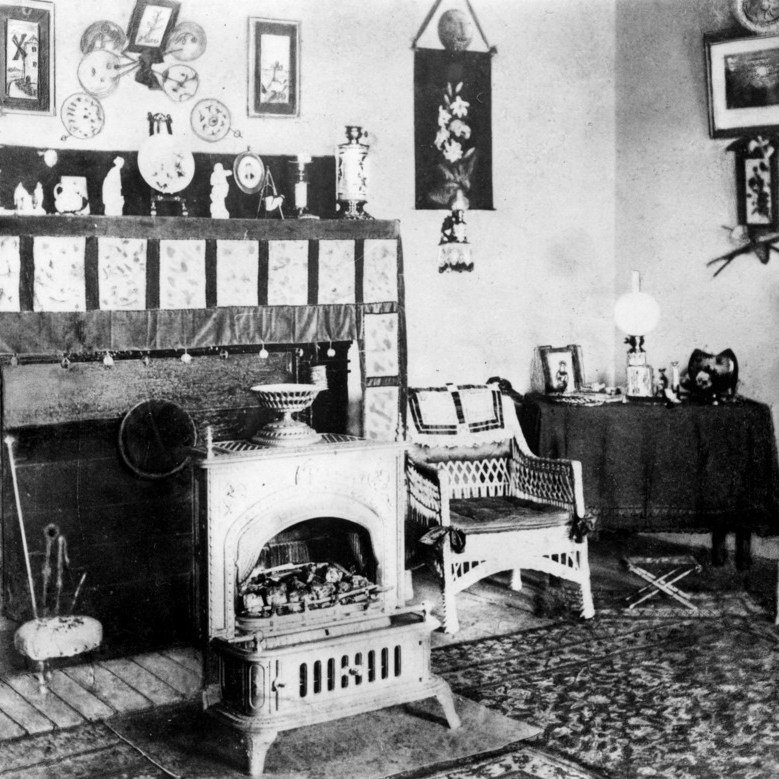
The Chaplin’s quarters, he had a nice place.
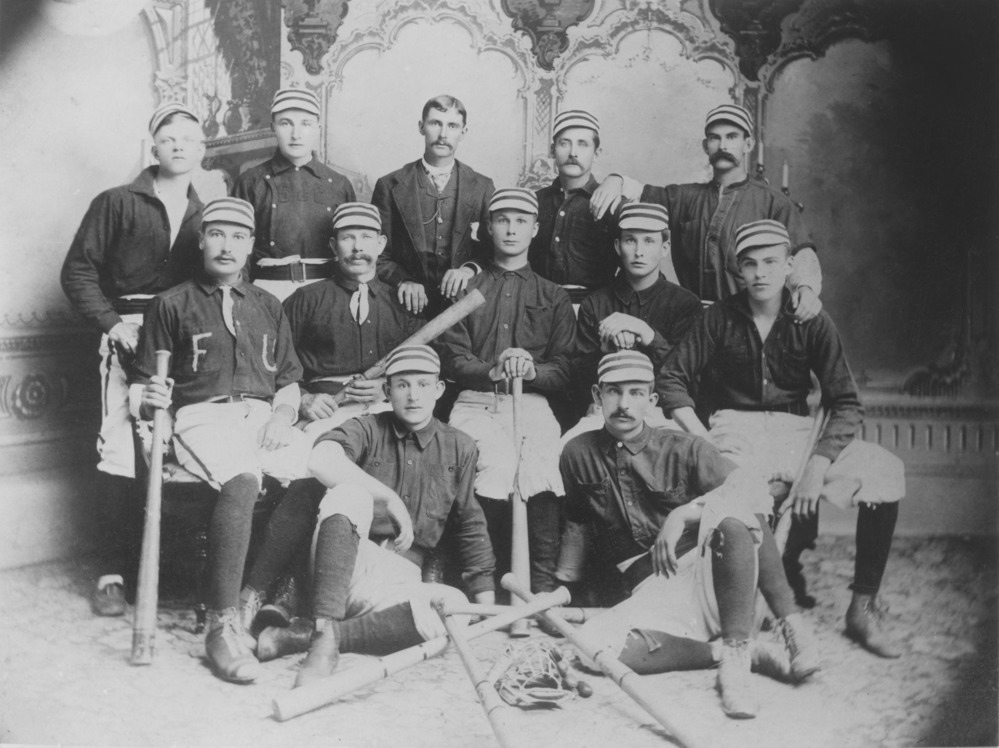
They even had a baseball team
As Dave mentioned, this was definitely an impressive place to visit. I know we learned a lot about being here, as well as were in awe of just how much went on in the fort, even on one particular day, and how much everyone needed the fort for their survival. It was their whole lives, most of them worked there, ate there as well as slept and even played here, they even had a baseball team. Heck, It served the whole South West area for a long while.
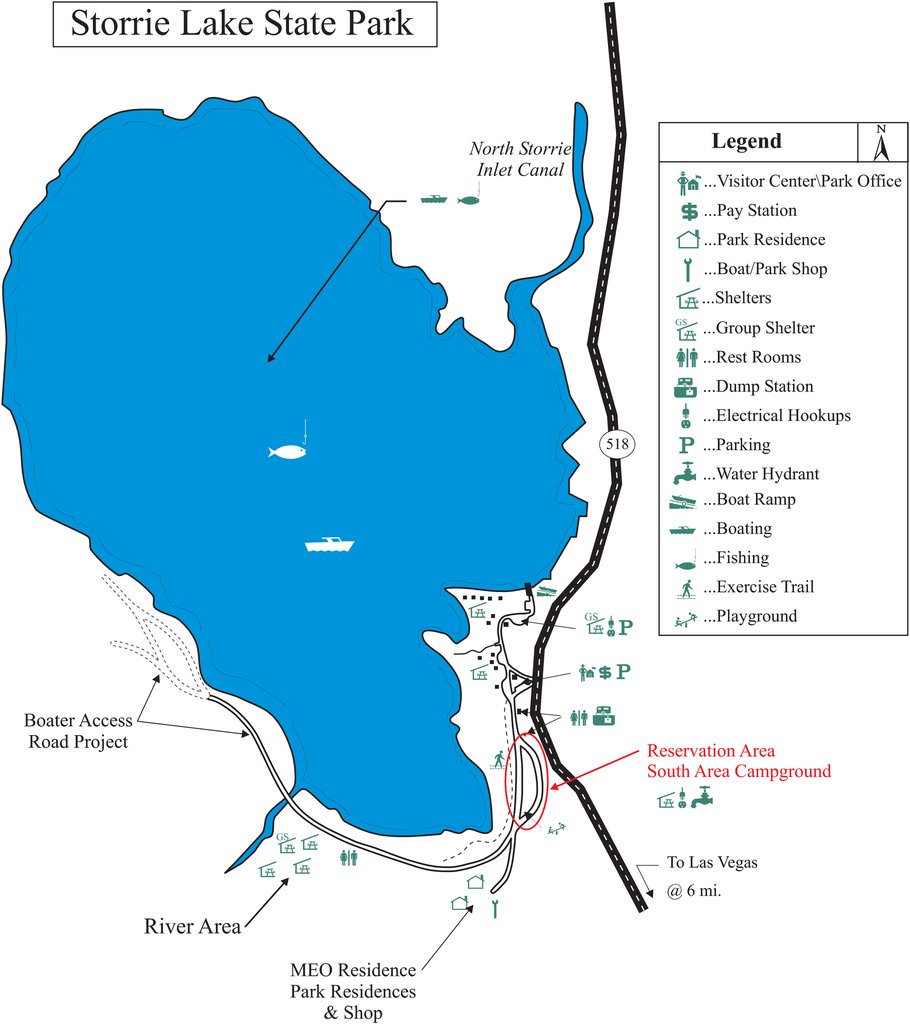
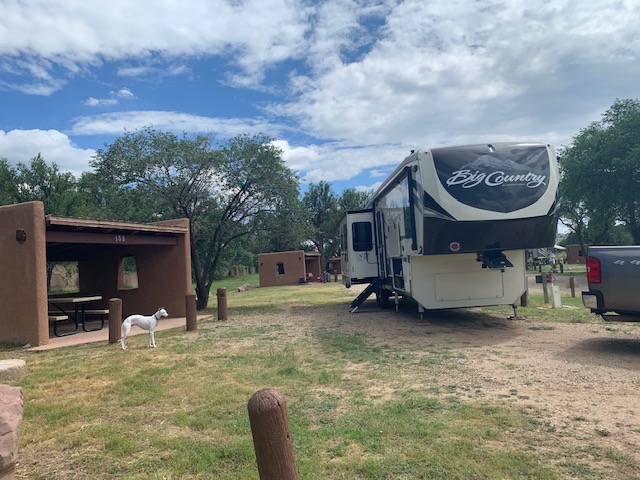
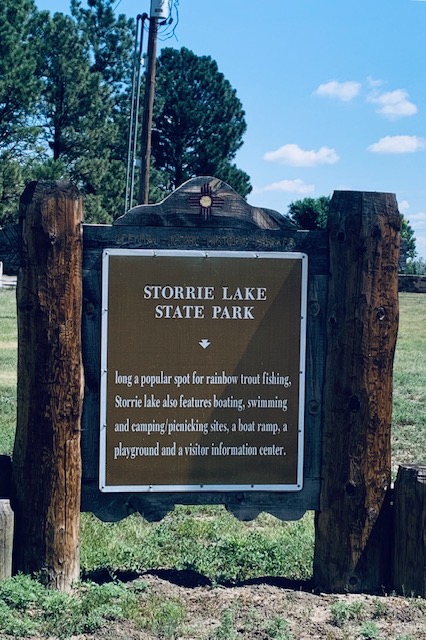
We are now at Storrie Lake State park in Las Vegas New Mexico. The city is on the east, bottom side of the Santa Fe mountain range, with the city of Sante Fe being on the west side about 30 miles away. Las Vegas is very historic and a lot older than the tinsletown of Las Vegas in Nevada. Drove 274 miles today and it felt like 1000, mostly uphill driving today, at Raton pass at the border of Colorado and New Mexico, which is at 7600 feet in elevation, I could only get the rig up to 30mph on an uphill stretch of 5 miles or so. We have a nice pull through site, will be here till Friday. Some rain in the forecast so hope it does not dampen the places we want to go.
Saw this guy with his dog at the gas station, not sure if the dog is strapped in or not, pretty cool.
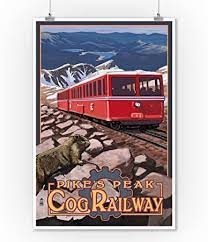
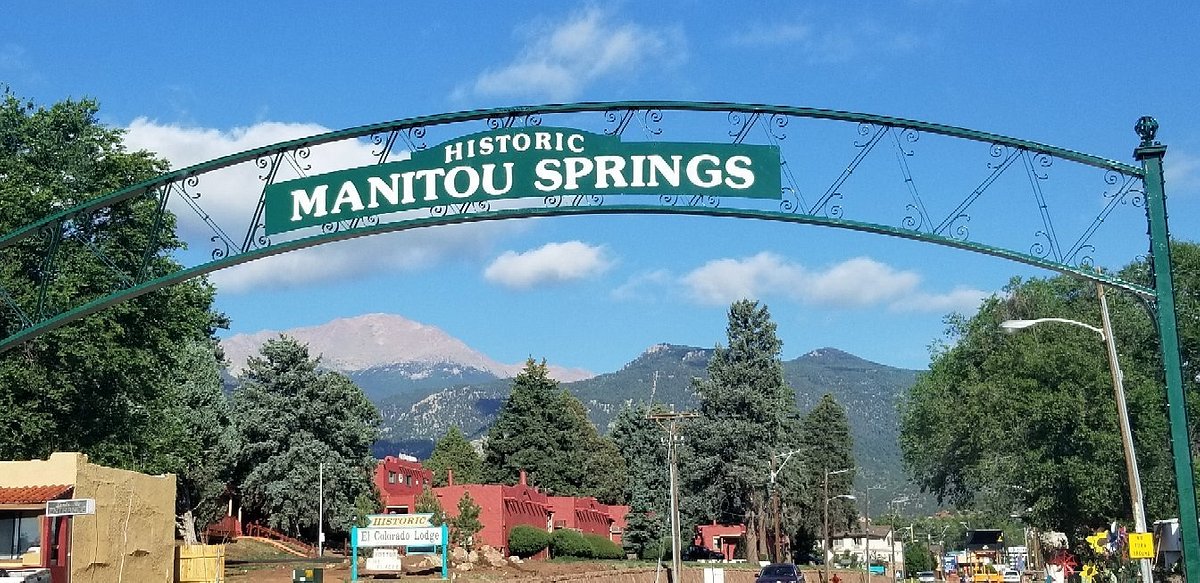
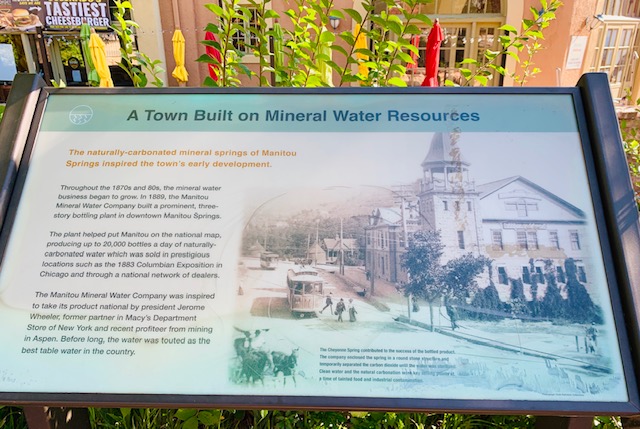
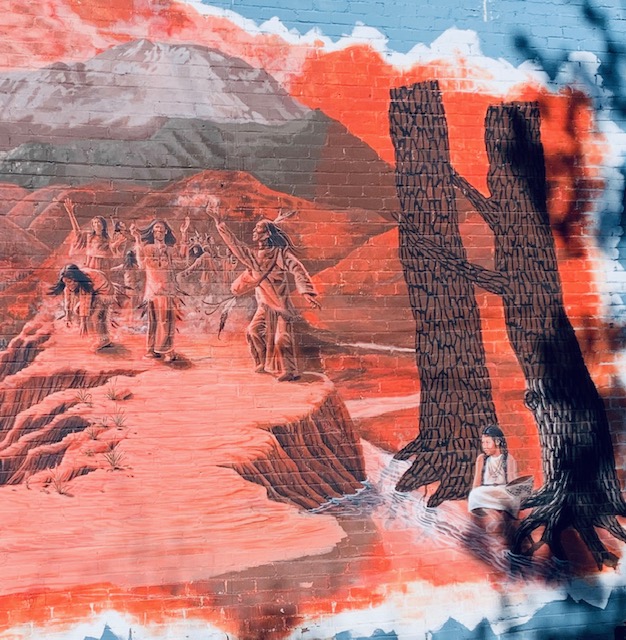
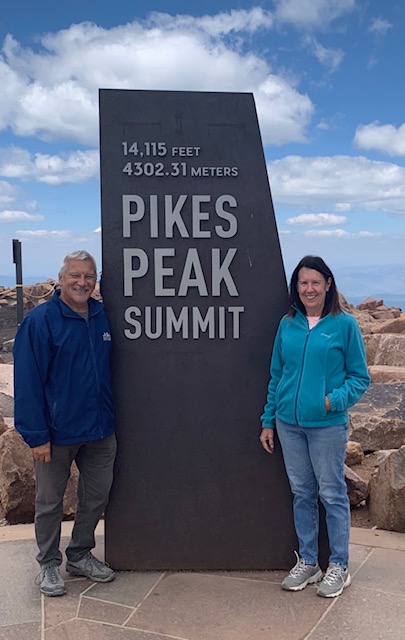
You get on the Cog Railroad in a historic town called Manitou Springs. When Native Cheyenne were at the base of Pikes Peak in Manitou Springs in the 1700s, they thought the eruption of bubbles in the mineral water was the breath of the Great Spirit “Manitou.” Then Dr. Edwin James, a westerner, discovered these healing waters and hiked Pikes Peak. Inspired by stories of the healing waters and Pikes Peak, General William J. Palmer and Dr. William A. Bell visited the area in 1868. They began carrying out a vision to make the Pikes Peak region into an amazing tourist location. In the early 1890s, Manitou Springs was established as a health resort because of its mineral springs and clean mountain air. Then in the 1980s the National Historic District was formed in the town and it’s once again a tourist destination.
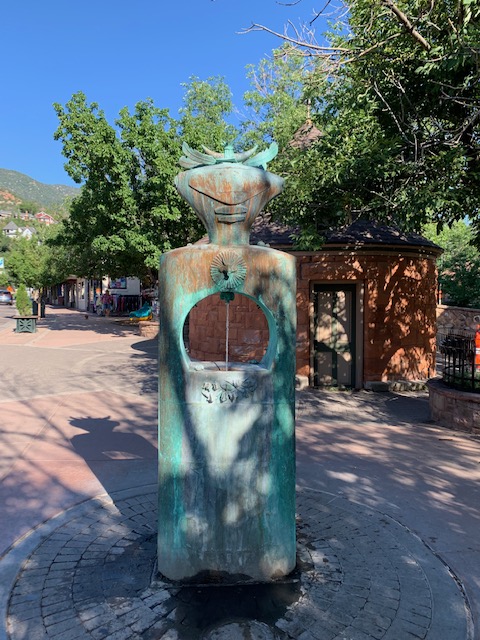
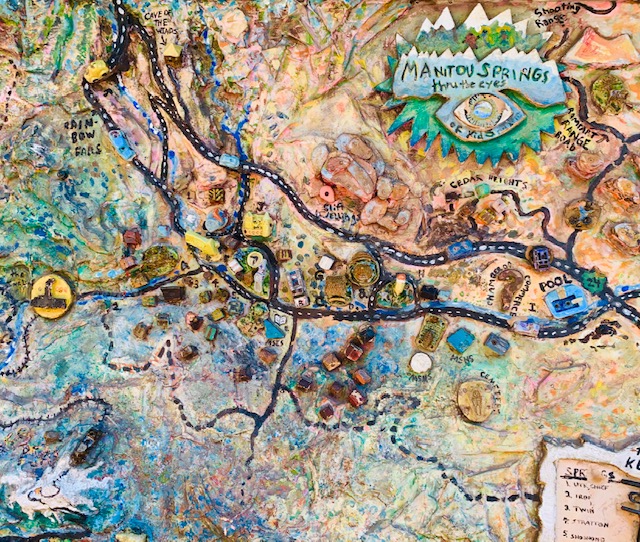
We parked in the town and walked to the Cog Railroad to see a bit of the town. We passed restaurants, shops, galleries and two of the eight natural springs in town.
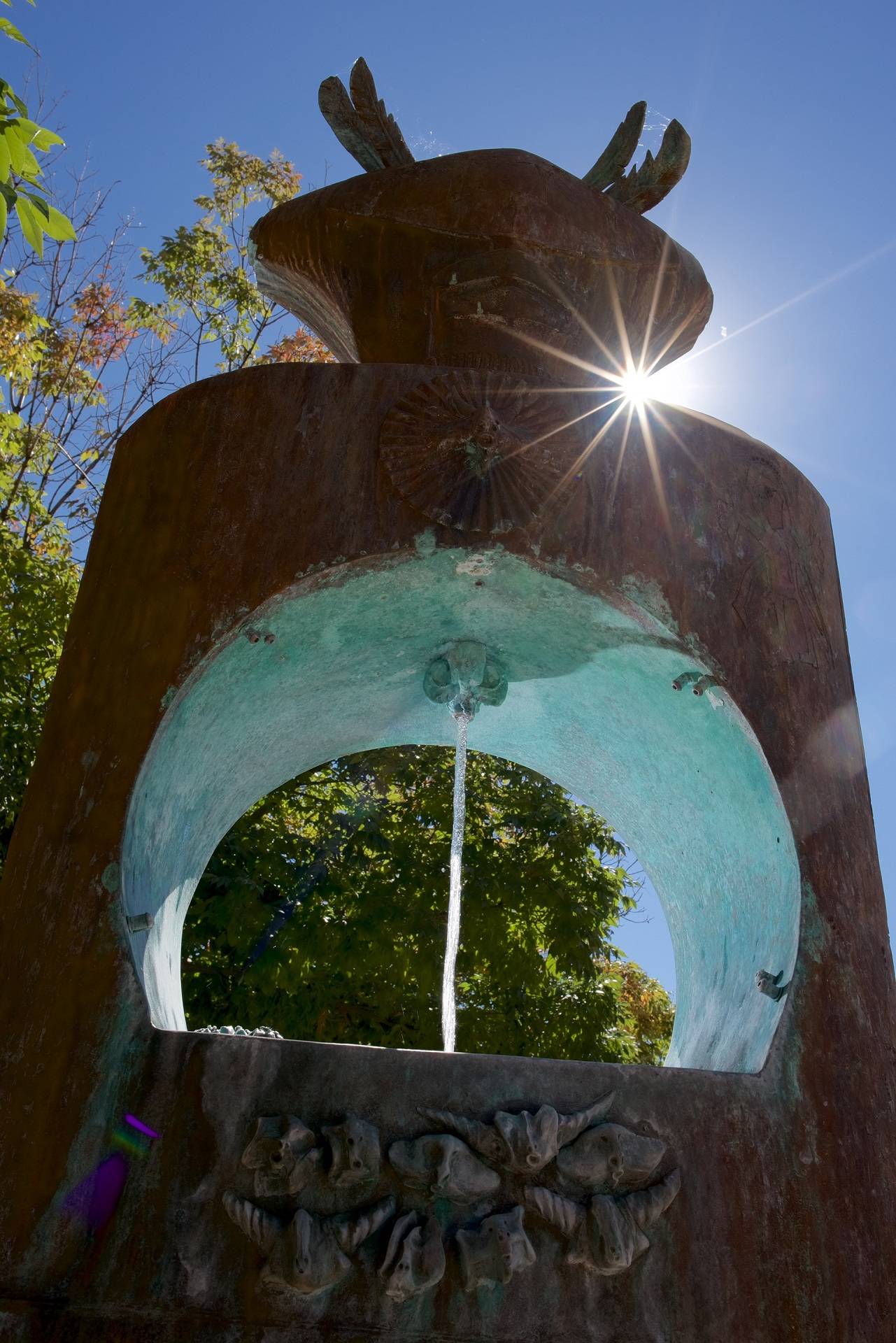
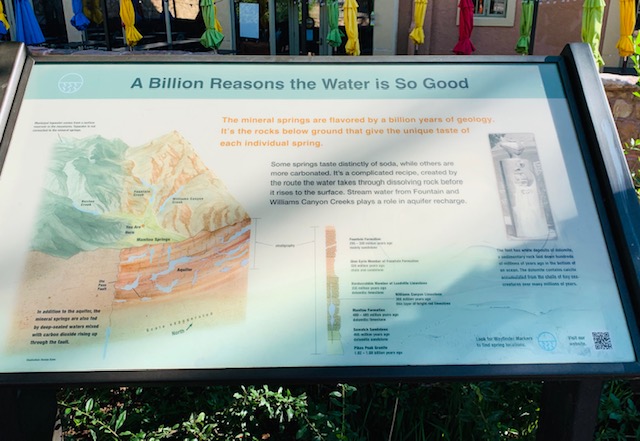
Cheyenne spring is suppose to be a sweet soda spring, and tastes the best of the mineral springs in Manitou Springs. This spring is among the highest in both magnesium and potassium content, both essential minerals for a healthy body and brain. To bad we didn’t even think of bringing any empty containers.
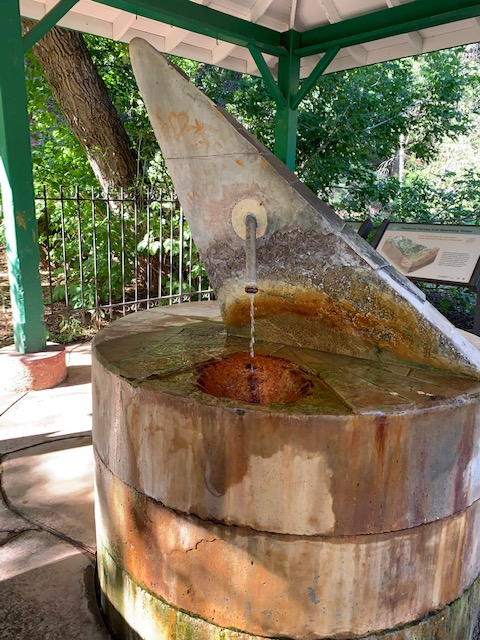
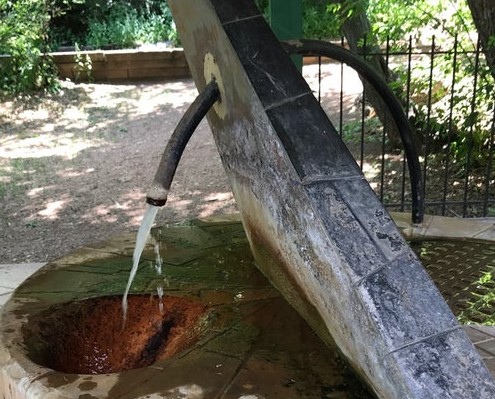
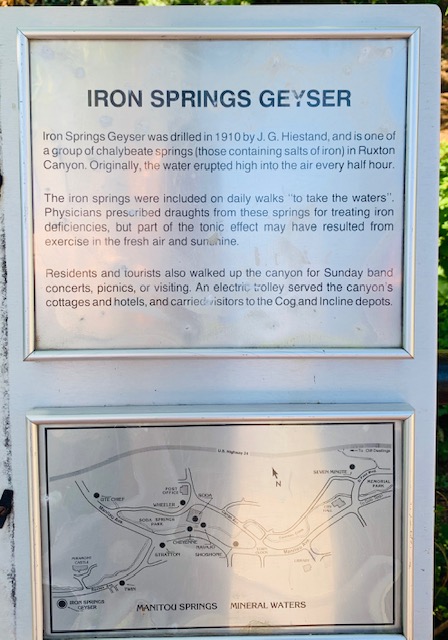
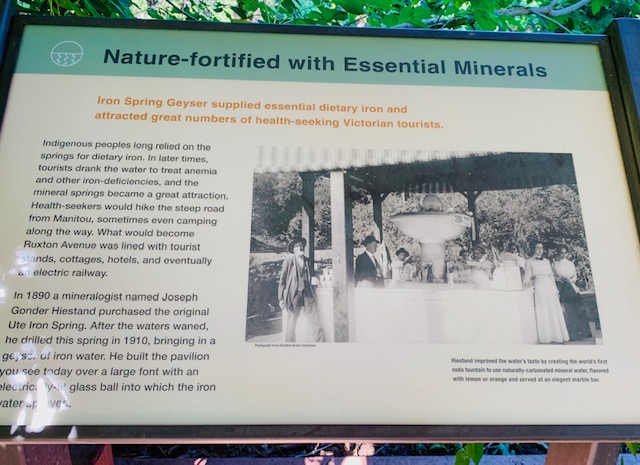
the other spring we saw is Iron Springs Geyser
You can take a guided or self-guided walking and tasting tour of the 8 famous cold-water mineral drinking springs, as they are all suppose to have unique and different tastes. I believe they will even throw in a container.
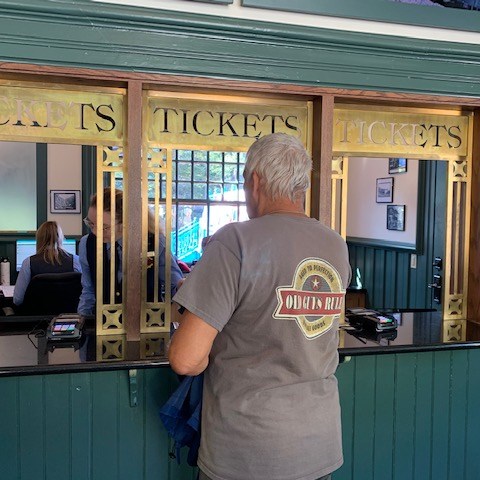
We got our tickets and then waited to board . .
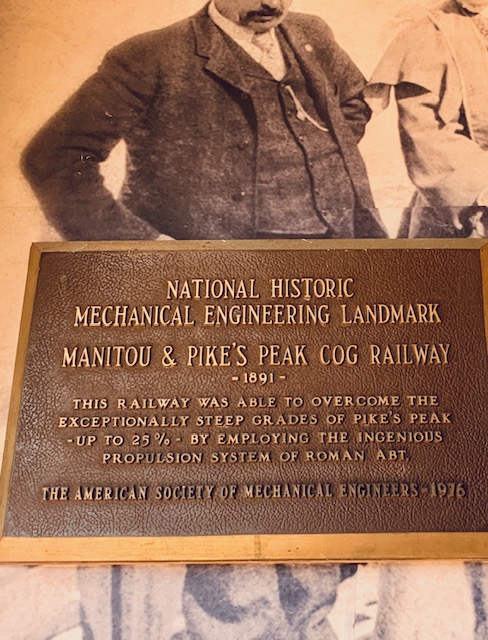
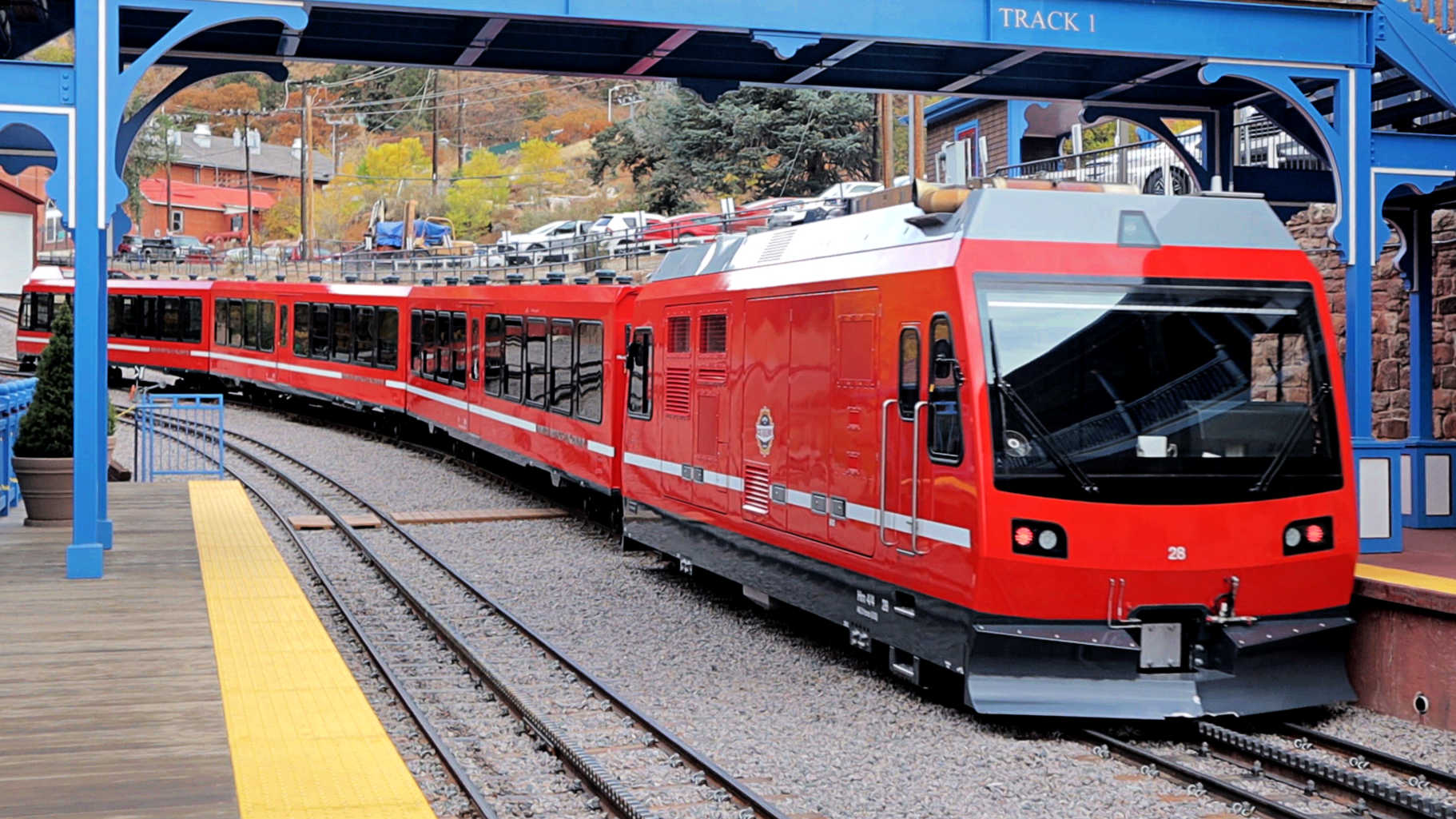
The Manitou and Pikes Peak Cog Railway climbs the 9 miles to the 14,110-foot summit of Pikes Peak. The railway is the highest in North America and was built as a tourist attraction in the late nineteenth century. Other cog railways can be found on Mt. Washington in New Hampshire and throughout the Alps in Switzerland.
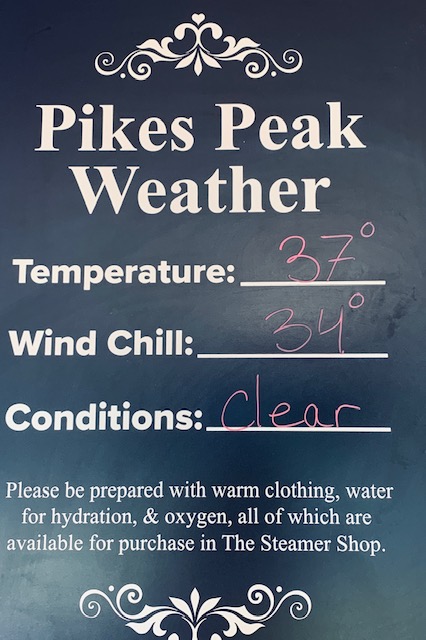
I read that it snowed 2.4 inches yesterday at Pikes Peak.
Time to board . . .. You go thru Pike National Forest, travel along Ruxton Creek, by Diamond Rock, within the steep, rocky walls of Englemann Canyon, past stacked boulder formations, a waterfall, and through Deer Park before getting to the top.
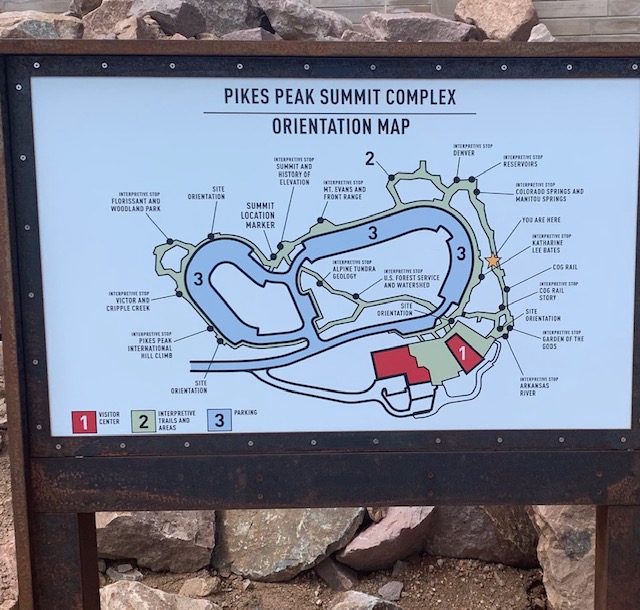
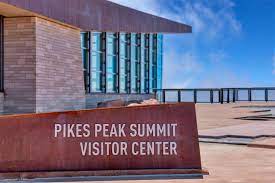
The whole Cog Railroad was shut down between October 29, 2017 and May 20, 2021, for a complete refurbishment that saw the replacement of the track infrastructure, the rebuild of older railcars and the purchase of three new trainsets. Plus a whole new visitor center complex on top.
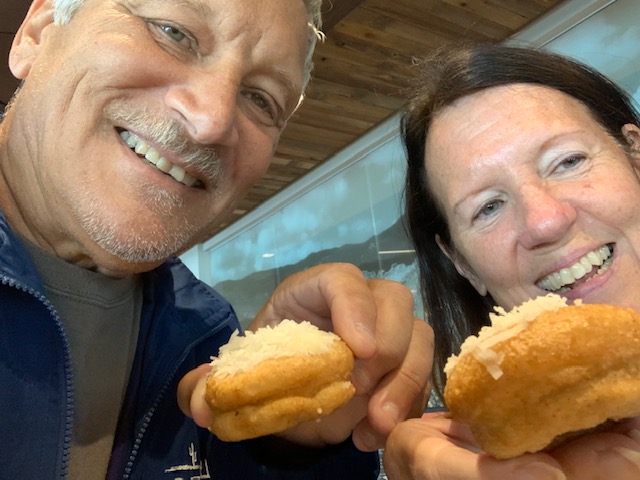
You Can Only Get These Incredible Donuts at the Top of a Mountain in Colorado. Get ’em while they’re hot at 14,000 feet. Thanks for the tip Bill & Sandy, it was a great treat!
The Pikes Peak Summit House is known for its high elevation donuts. They are the only donuts produced at an altitude above 14,000 feet anywhere in the world. With the highest deep fryer in the United States, the donuts here are made differently than if they were made at sea level. At nearly three miles above sea level, the air is thinner and water boils at a lower temperature. Therefore food is cooked differently here. The Pikes Peak Summit House has used the same recipe since 1916 to make their delicious fried donuts. Some claim that the donuts must be devoured while at the top of Pikes Peak, because if you bring them down to a lower elevation they just don’t taste the same. “The recipe is top-secret and wasn’t even shared when filming on location for a Food Network special featuring high-altitude sweets.” Employees who work anywhere near the doughnuts must sign a confidentiality agreement to ensure the recipe doesn’t leave the property.
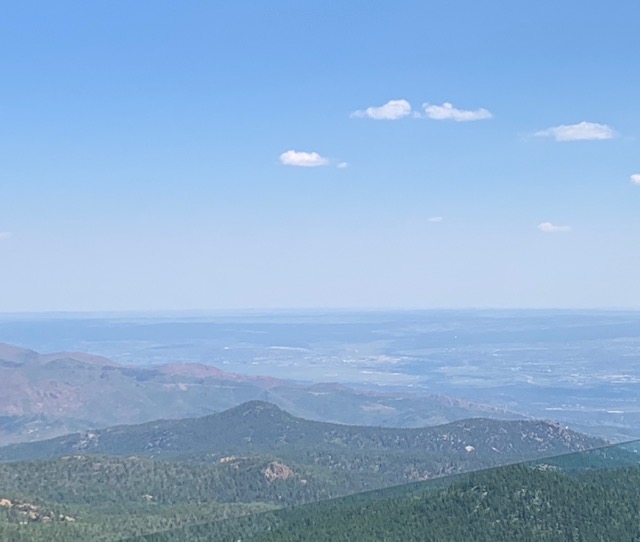
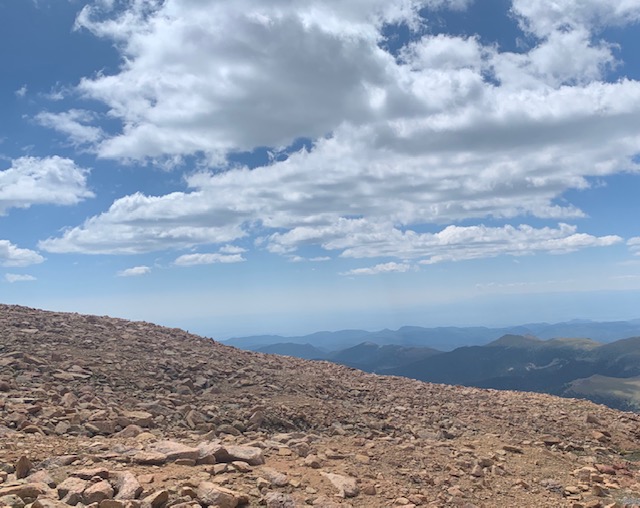
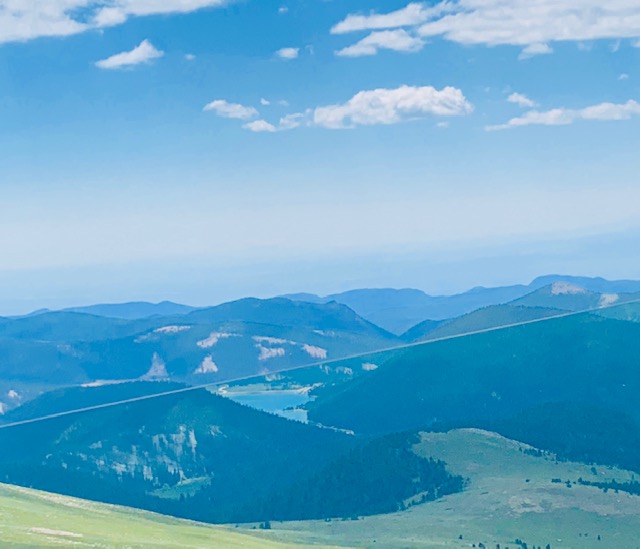
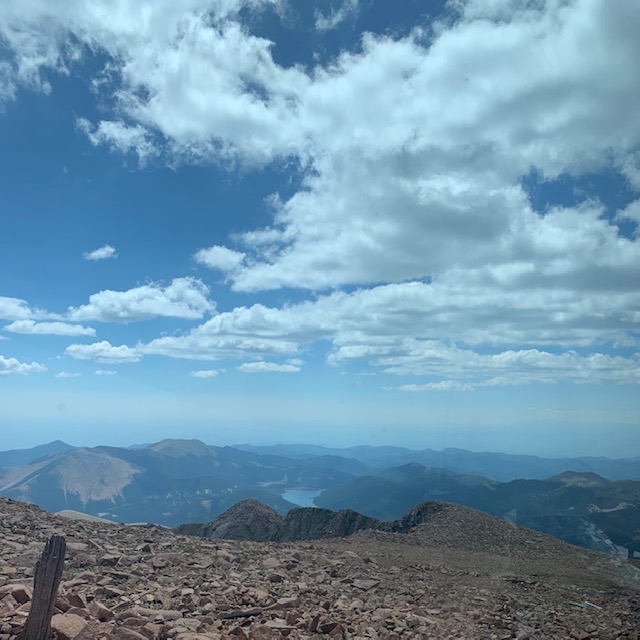
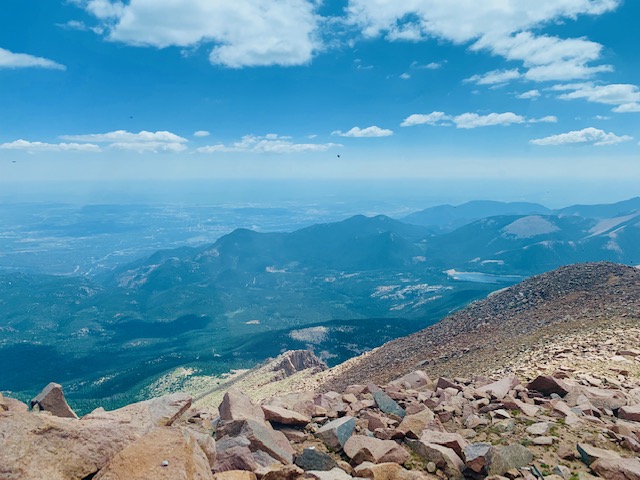
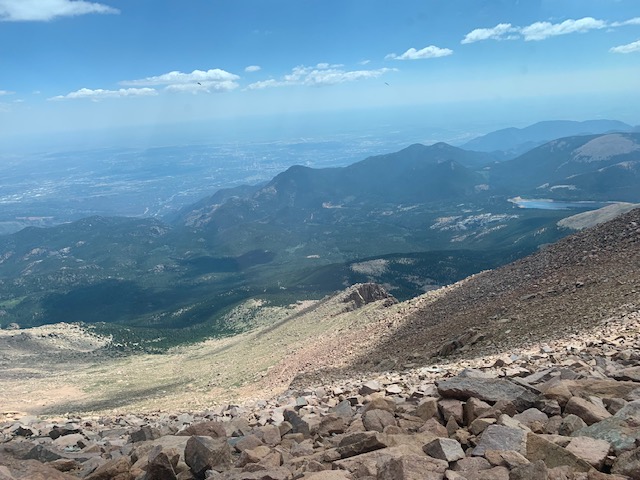
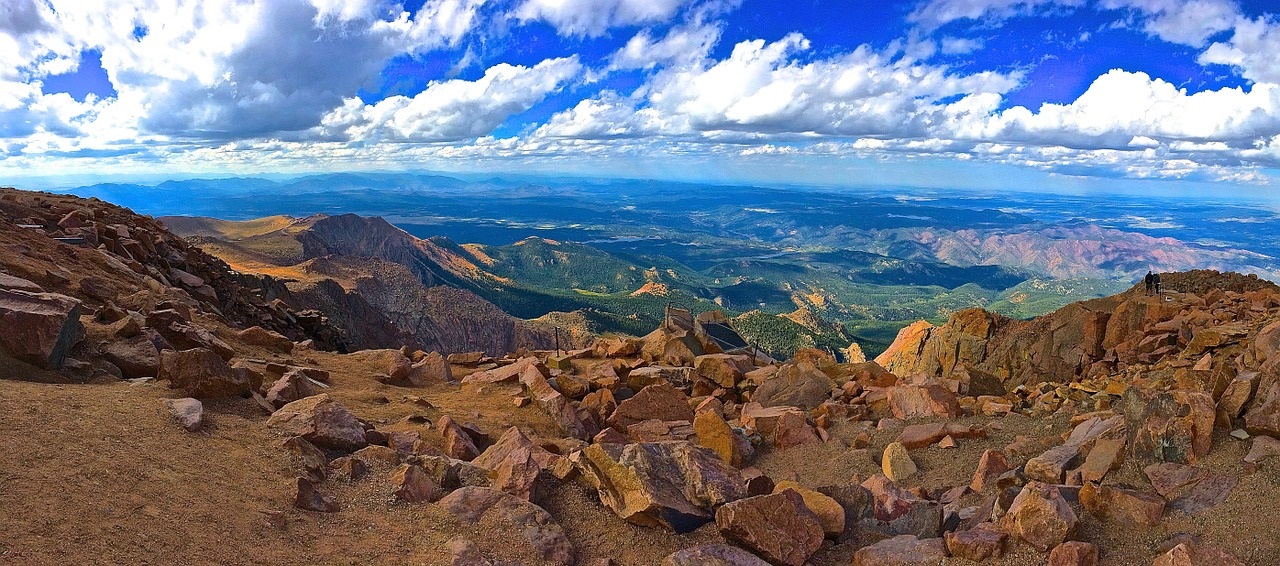
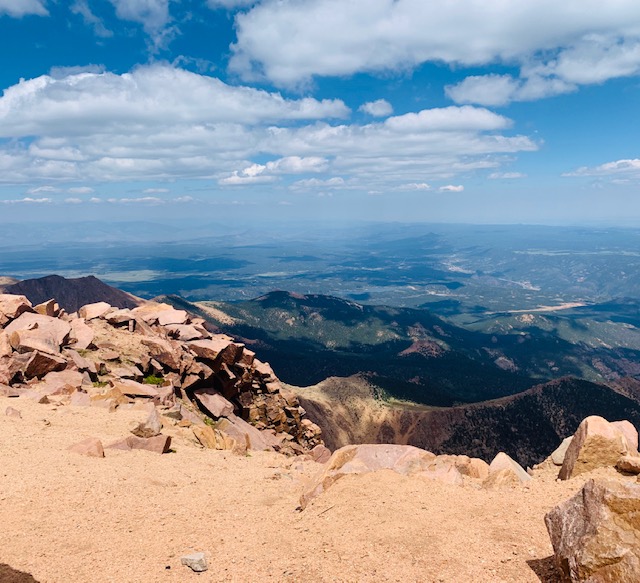
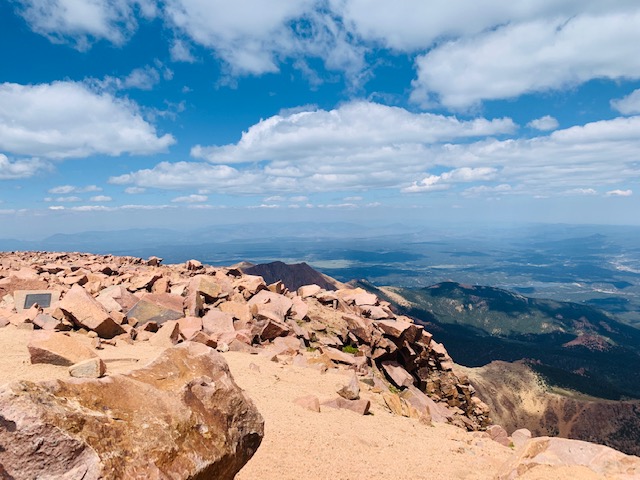
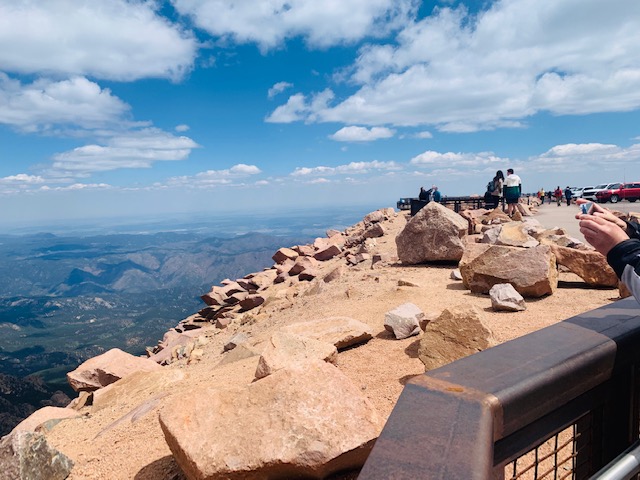
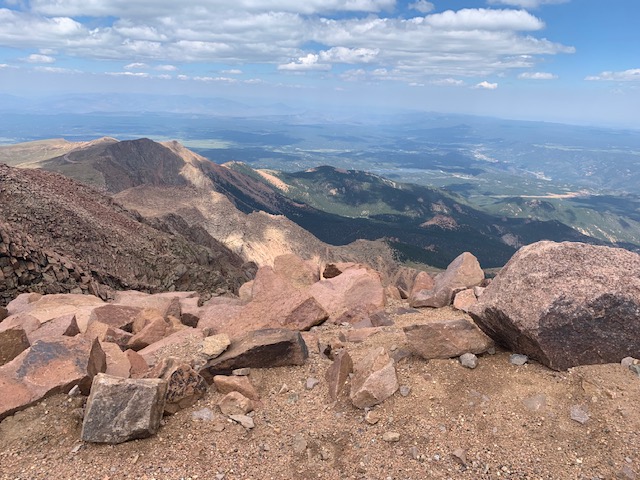
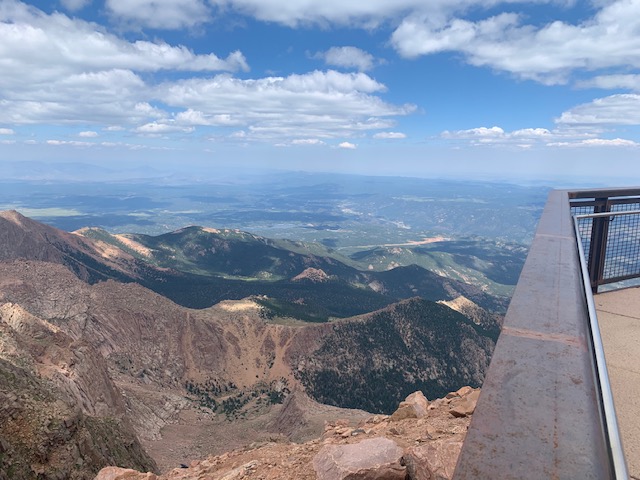
The view from here is absolutely incredible!
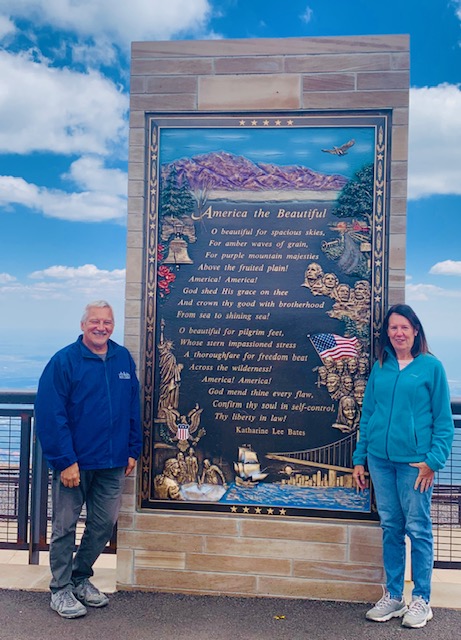
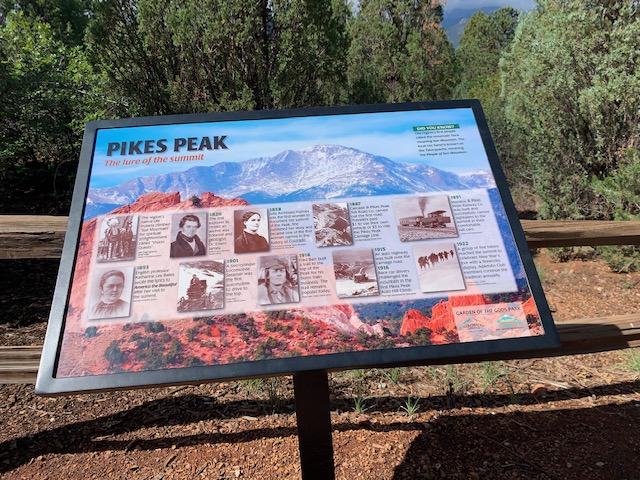
Katharine Lee Bates actually wrote the poem, which became an iconic song, “America the Beautiful” when she visited Pikes Peak in 1893.
Bates finished writing “America the Beautiful” before leaving Colorado Springs but didn’t think of publishing it until two years later. The poem was first printed in a weekly newspaper, The Congregationalist, on July 4, 1895. Bates’s patriotic words were soon set to music, most popularly to composer S. A. Ward’s “Materna,” the tune to which we sing it today.
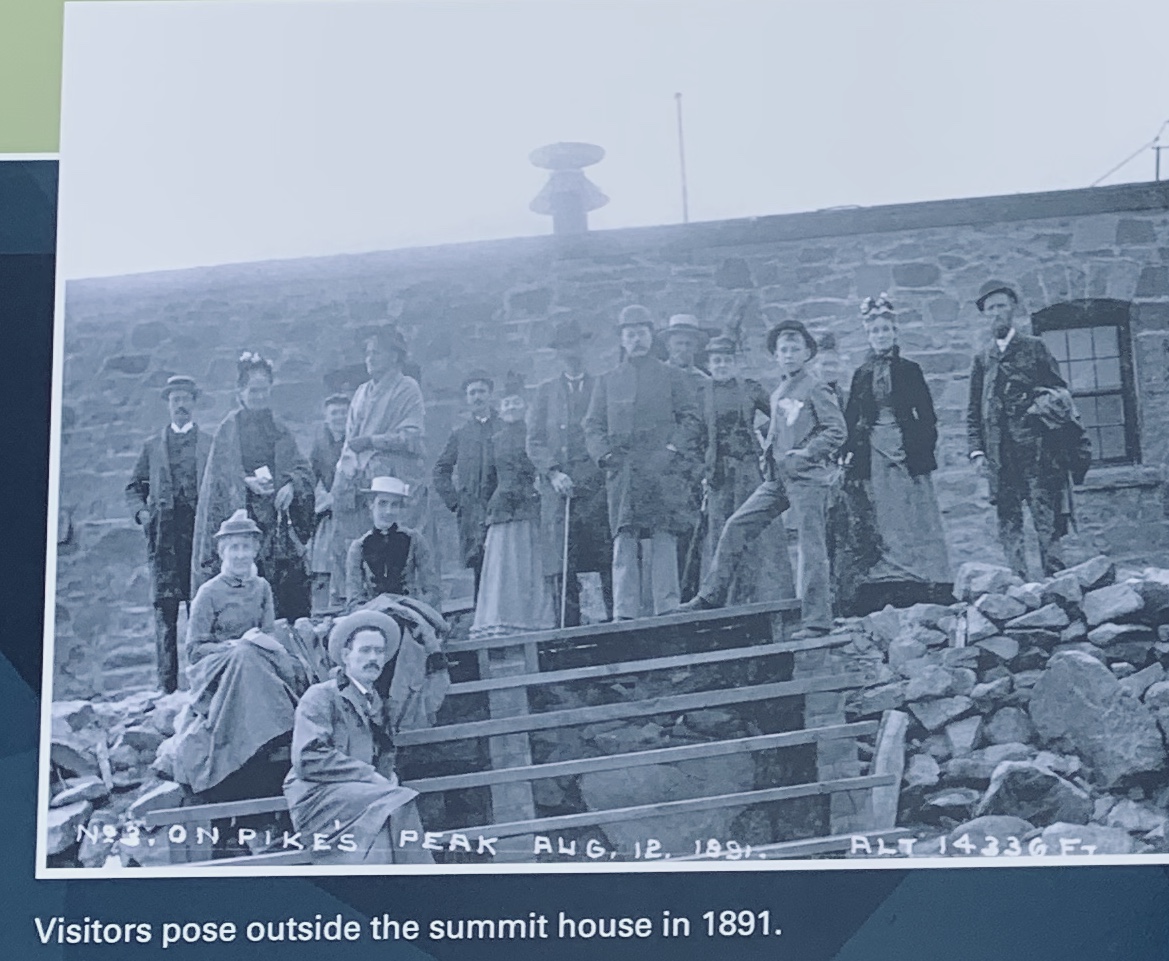
The original Summit House, atop Pikes Peak, was constructed in 1873. It originally served as a “signal station” to research atmospheric phenomenon and its relationship to weather and forecasting. The house was constructed in just four weeks, and stood 18 by 30 feet long, and ten feet high, with walls 18 inches thick. There were two rooms. One was the office and bedroom for the officer in charge (typically a sergeant). The other served as the kitchen, storeroom and sleep quarters for the assistants.
Before we knew it, it was time to get back on the Cog and head back.
It was an amazing experience taking the cog railway that climbs one of the most iconic mountains in the United States.
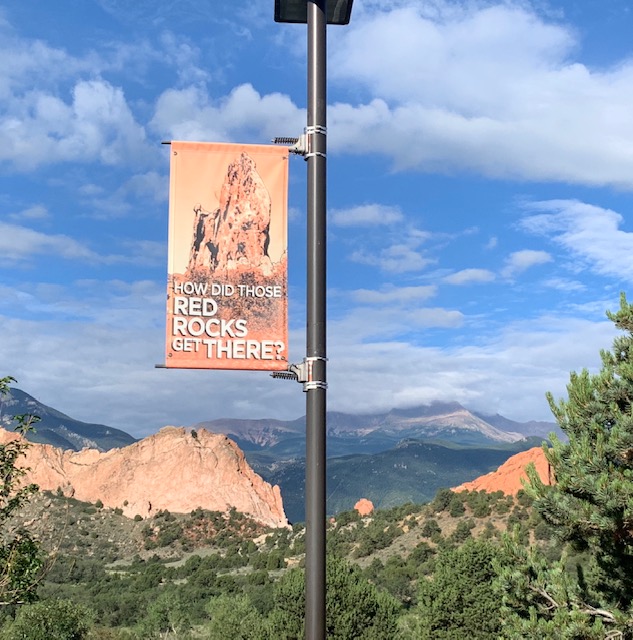
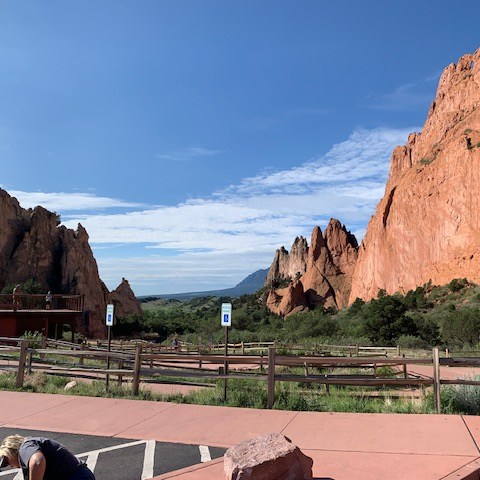
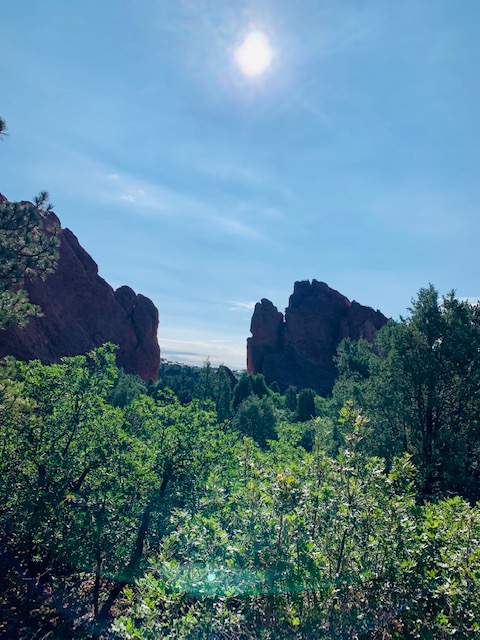
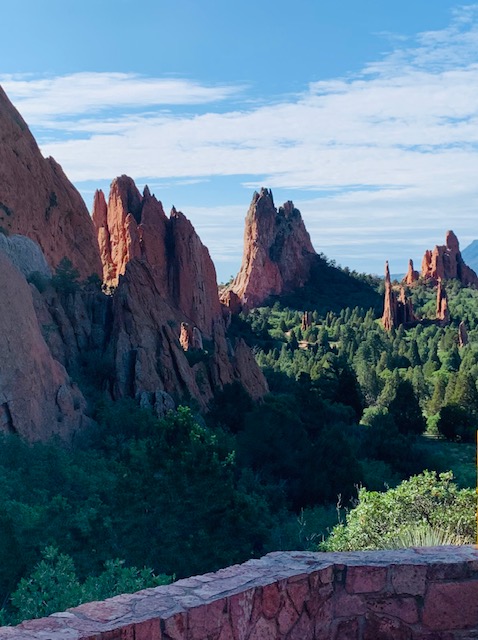
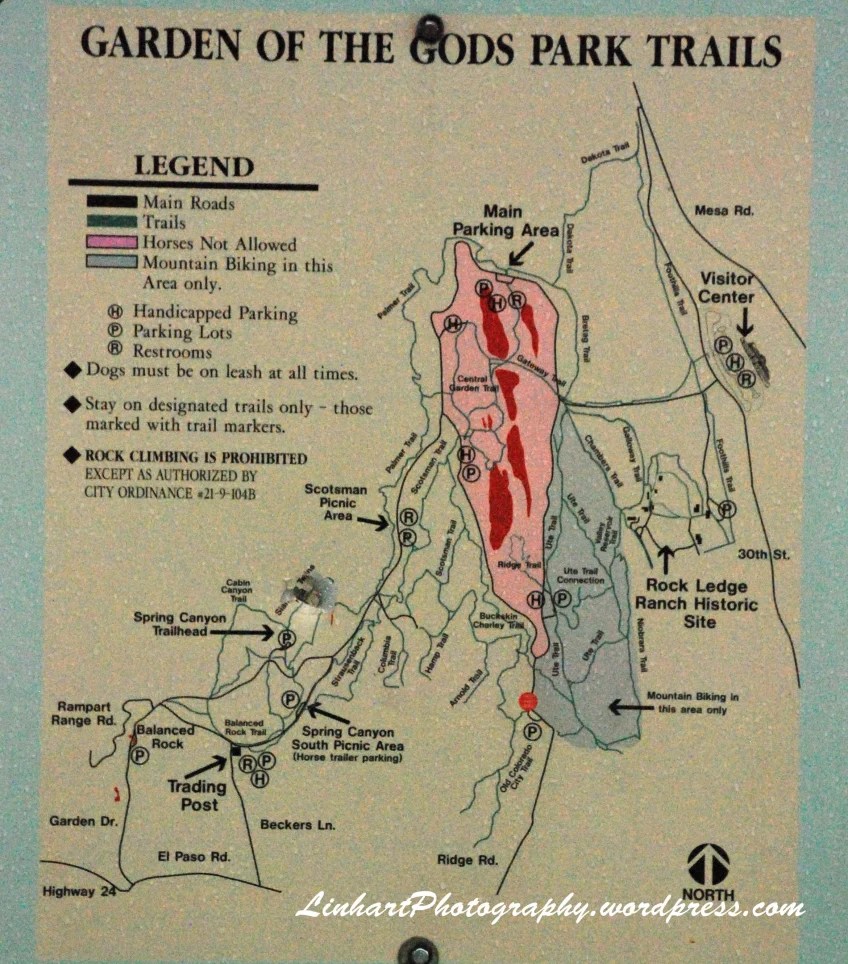
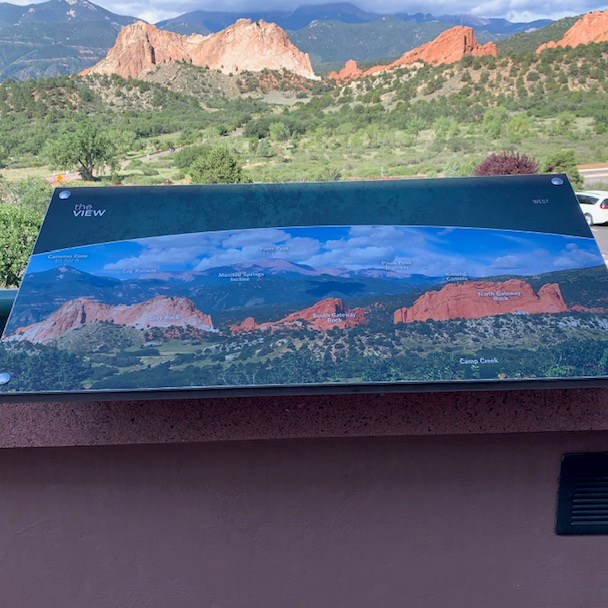
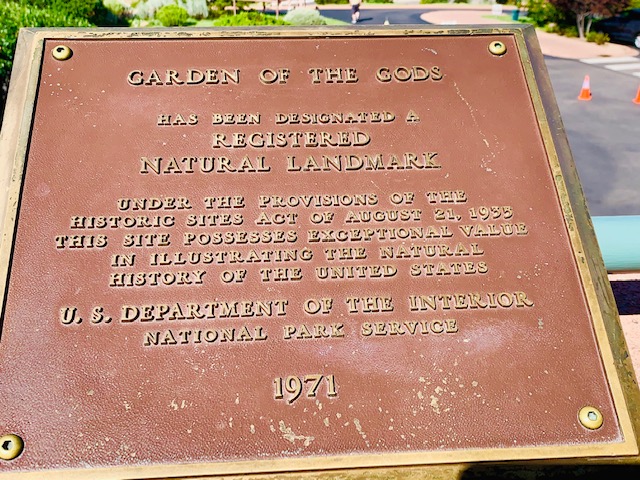
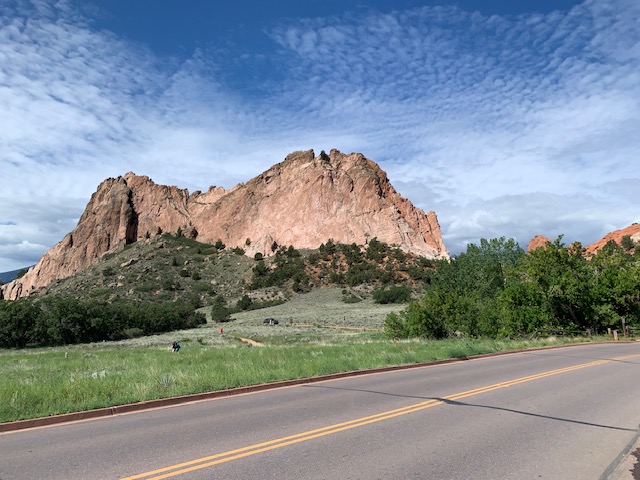
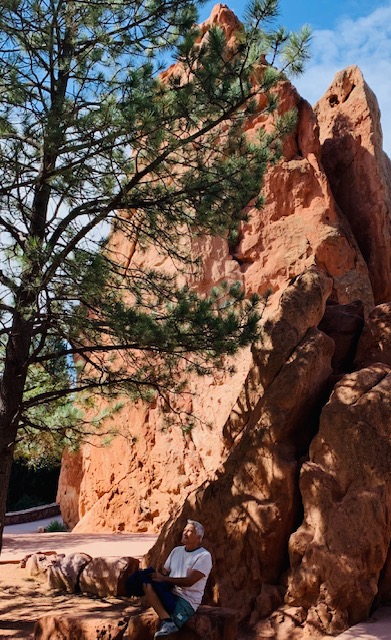
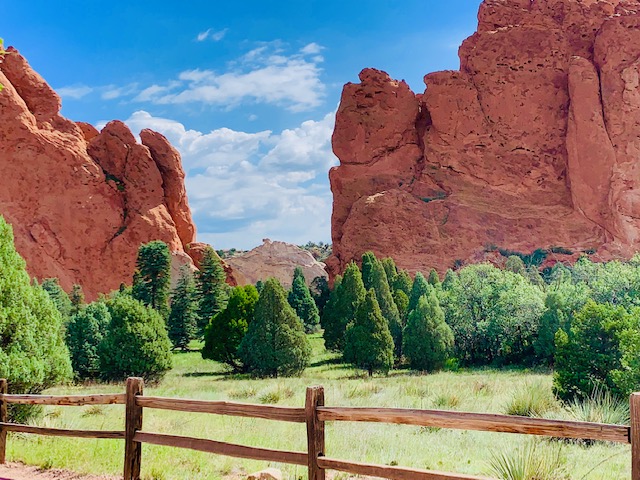
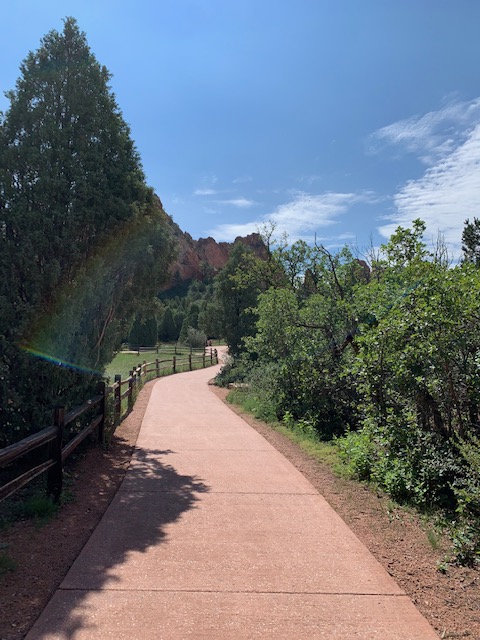
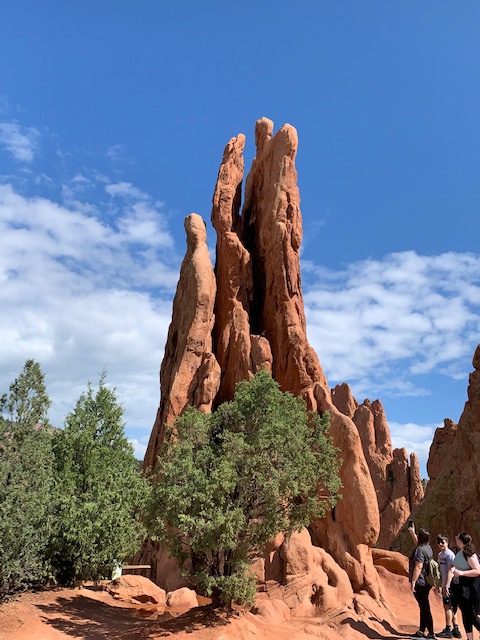
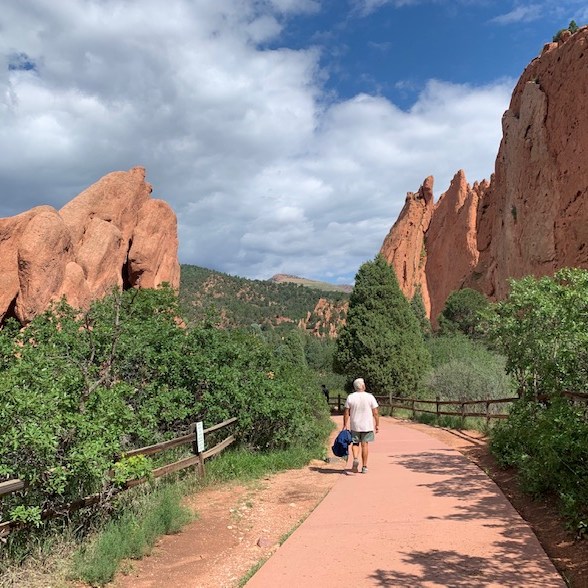
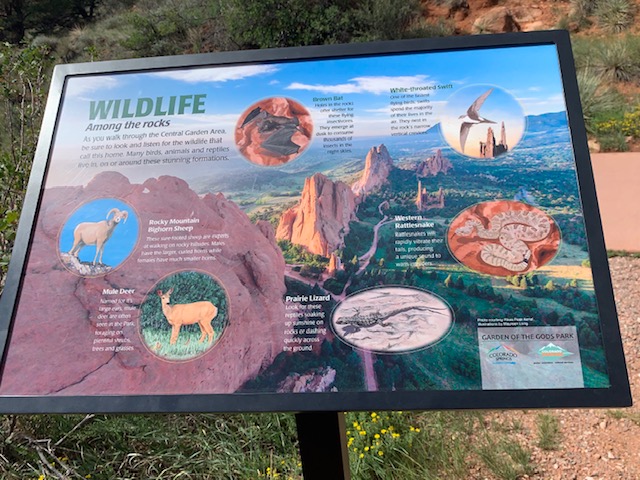
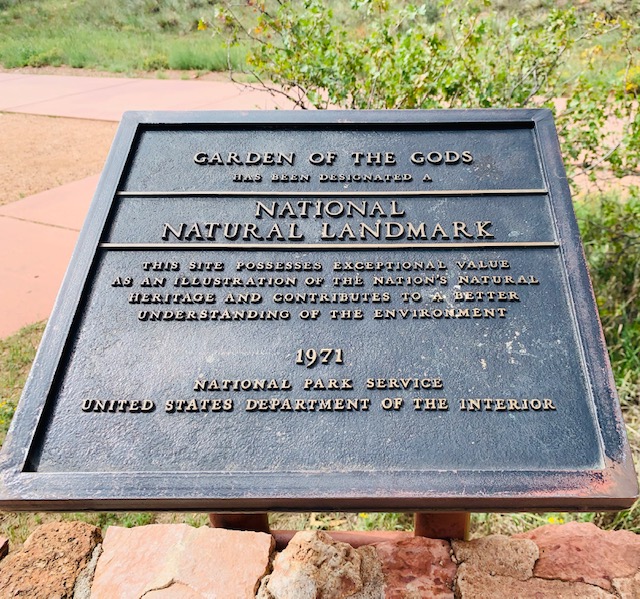
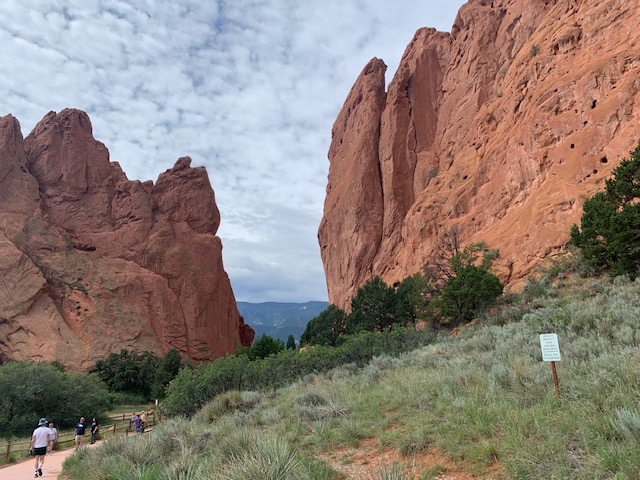
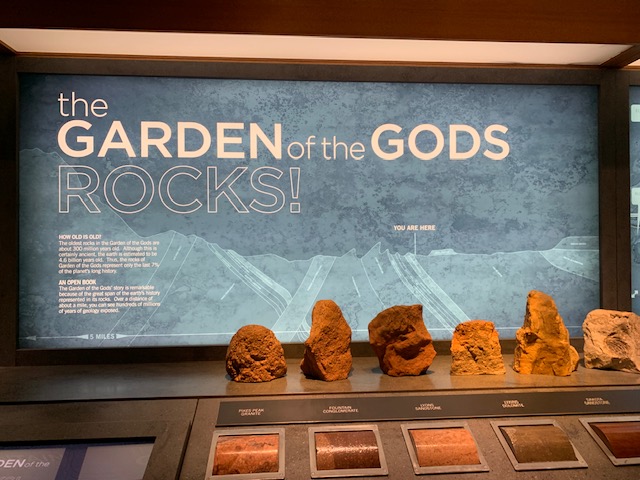
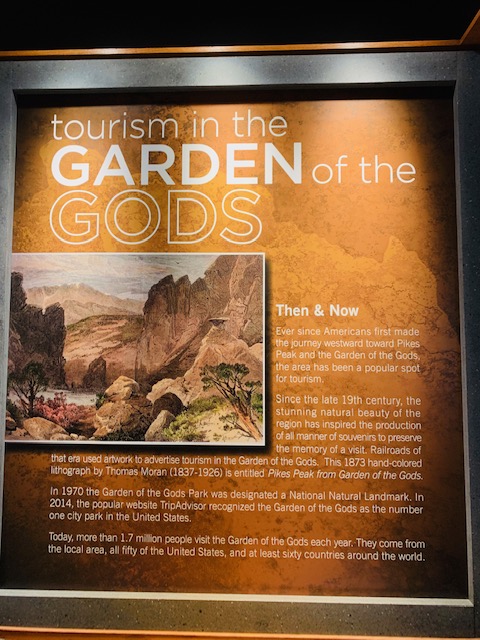
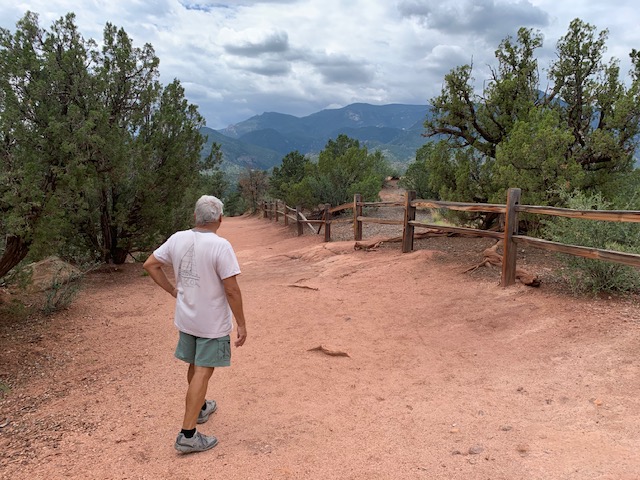
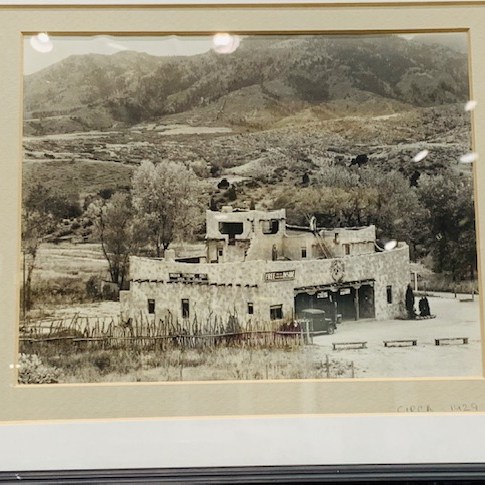
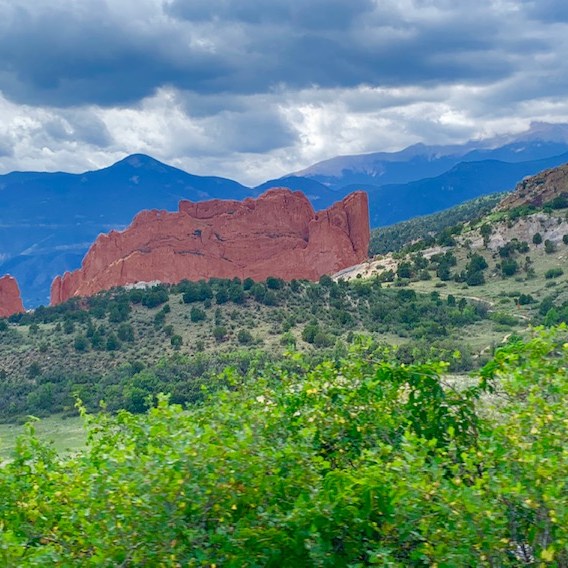
Is located in Colorado Springs. The site is a National Natural Landmark, having been recognized by the Department of the Interior as “a nationally-significant natural area.” It’s also city-owned and free to the public, truly one of a kind. The Park has towering sandstone formations, a wonderful view of Pikes Peak, both paved and unpaved hiking paths, horseback trails, a mountain bike area, and several picnic areas.
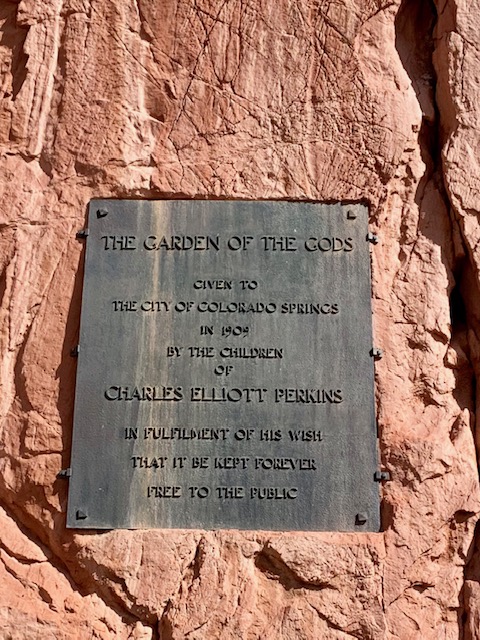
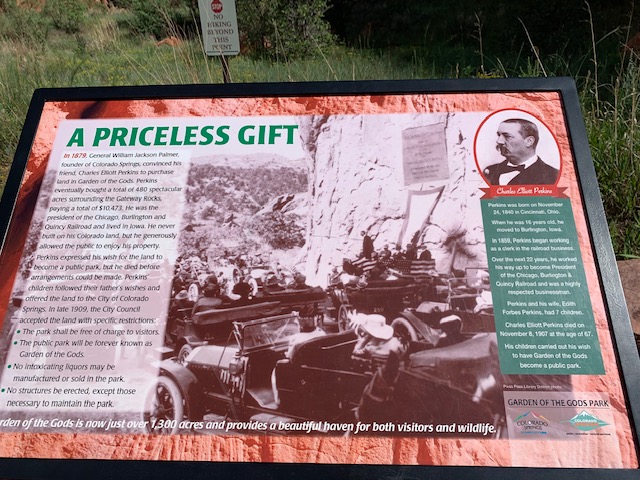
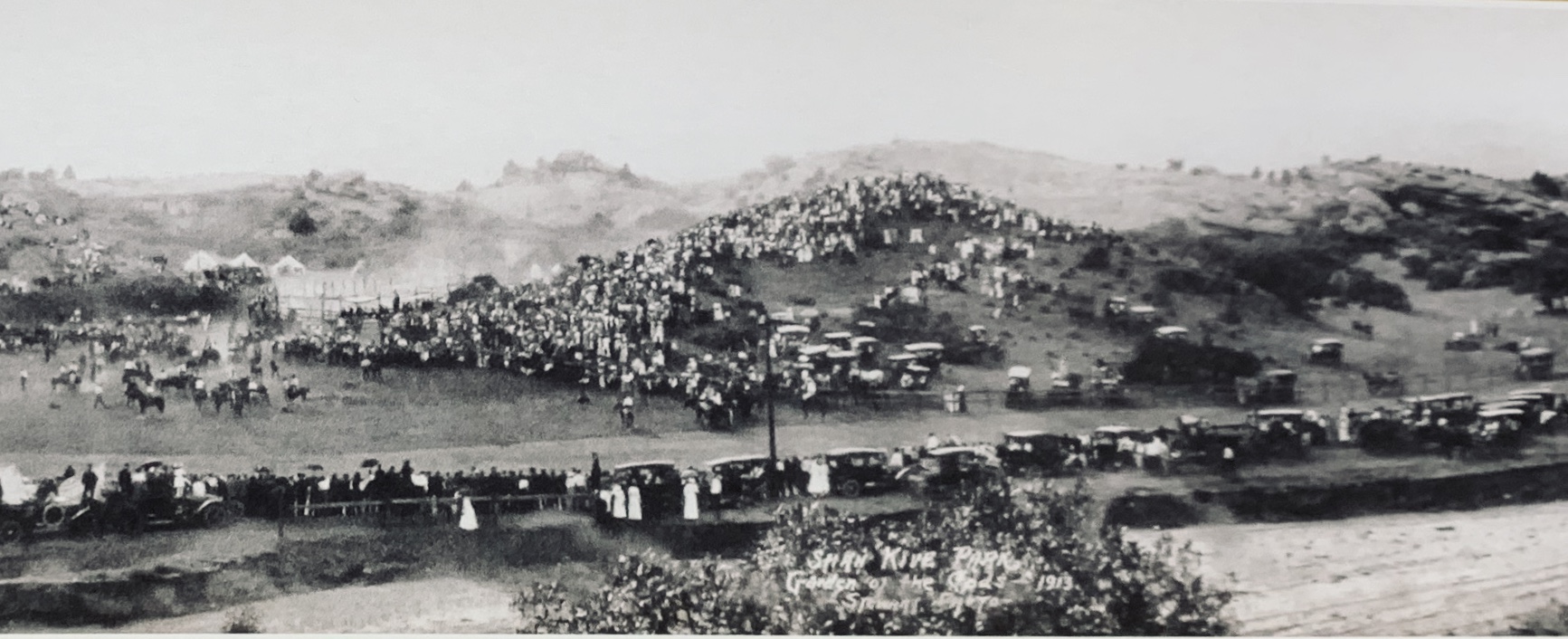
The park was privately-owned until 1909, at which time 480 acres of land that includes the large rock formations was gifted to the city by the children of railroad magnate Charles Elliot Perkins. It was Perkins’ wish that the park be kept forever open and free to the public. Since 1909, other lands around the original 480 acres have been acquired by the city. Currently, the Garden Of The Gods Park is 1320 acres in size.
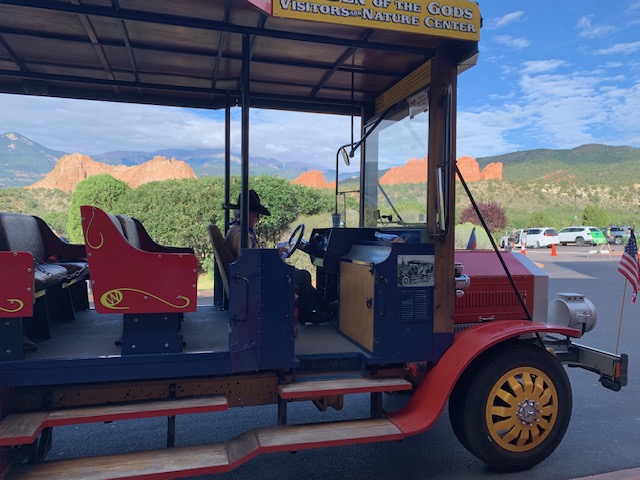
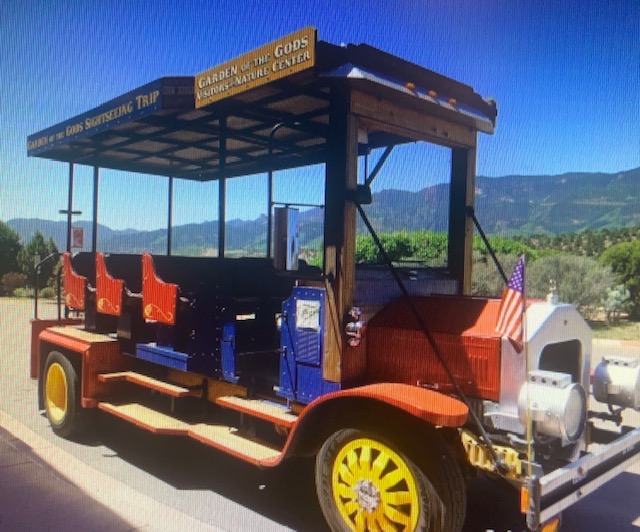
We booked a trolley tour from “Adventures Out West” to get us familiar with the park.
Adventure Out West’s open-air trolley tours seat 14 guests at a time and last 45 minutes. The trolley we rode in was a replica of the original one used at the park in 1909.
We came across a rock formation called “Pregnant Squaw”
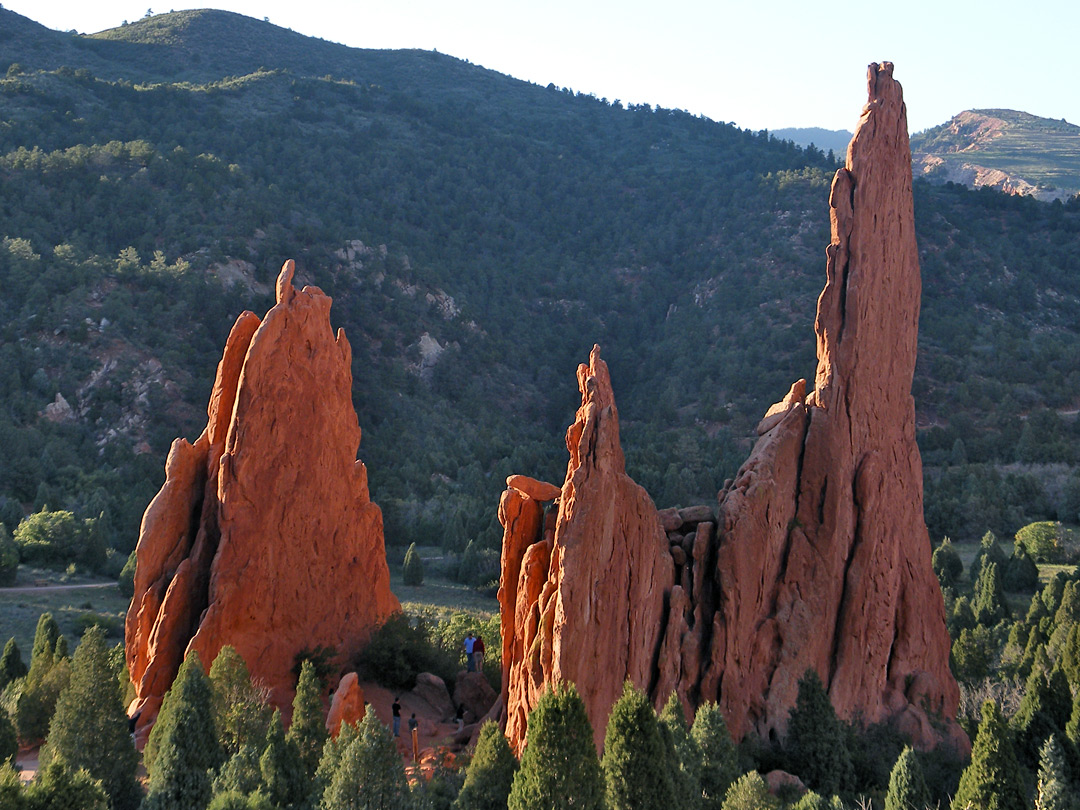
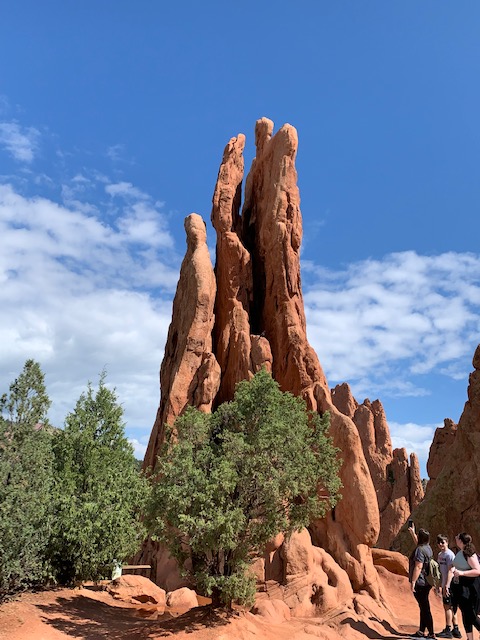
This rock formation is called “Cathedral Spires”
Here is a rock formation called “Sleeping Giant”
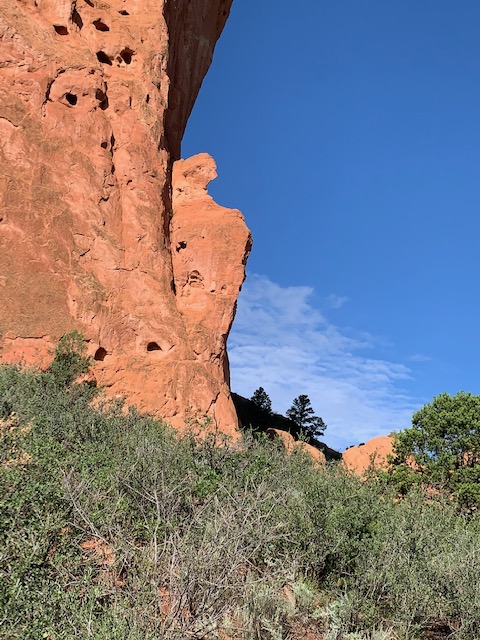
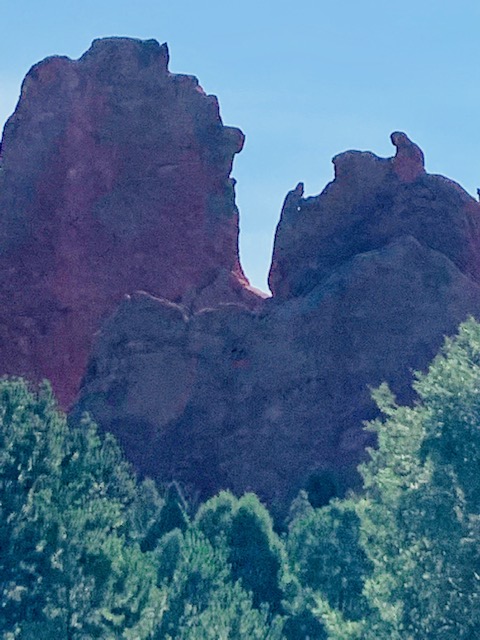
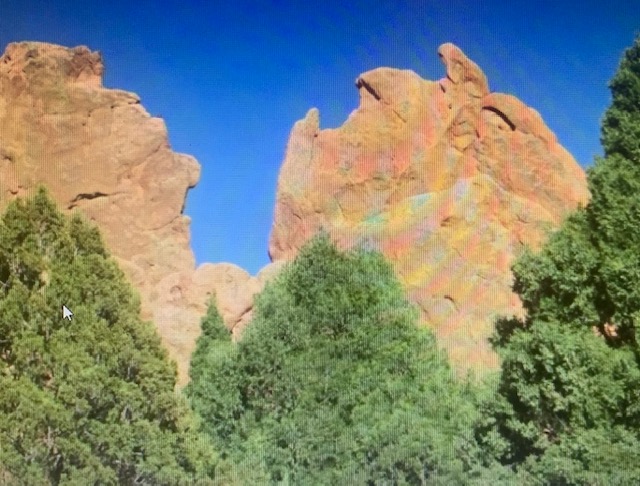
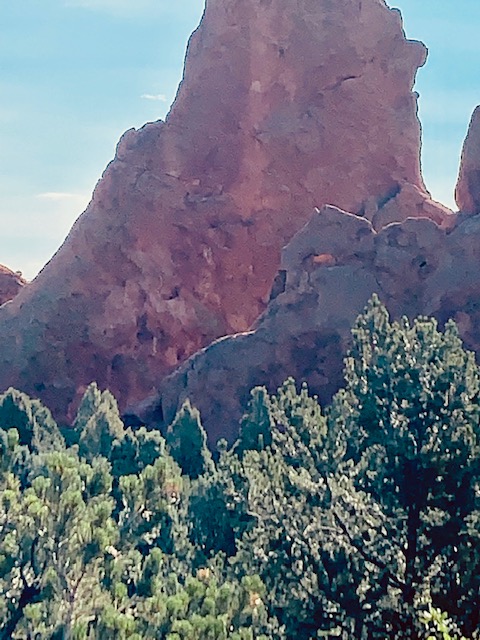
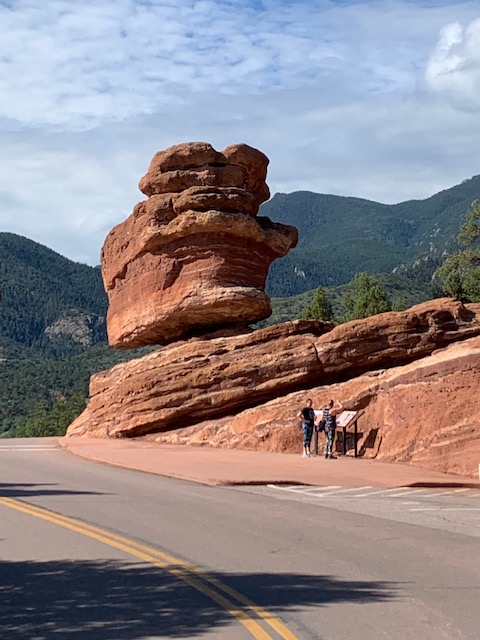
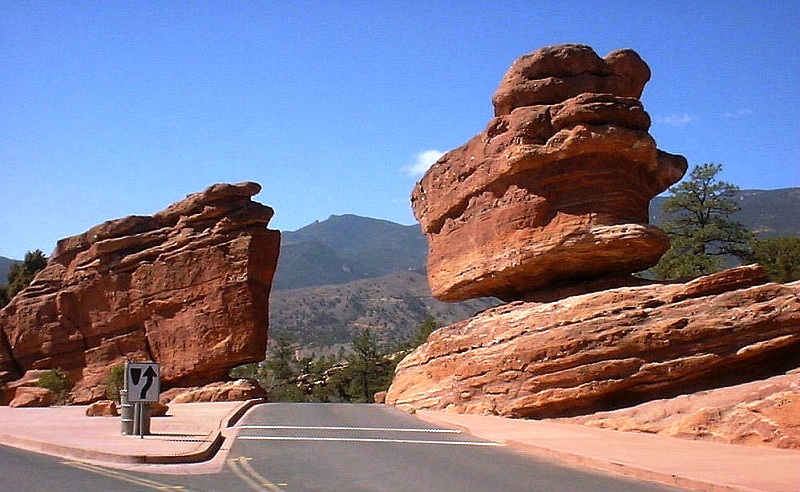
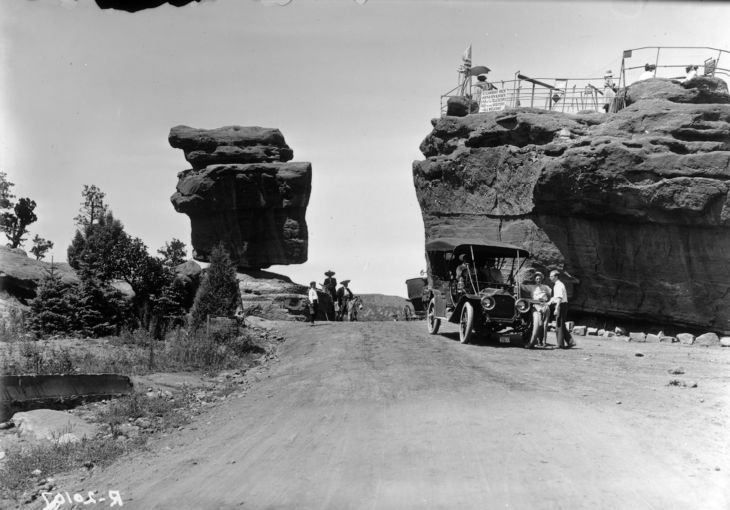
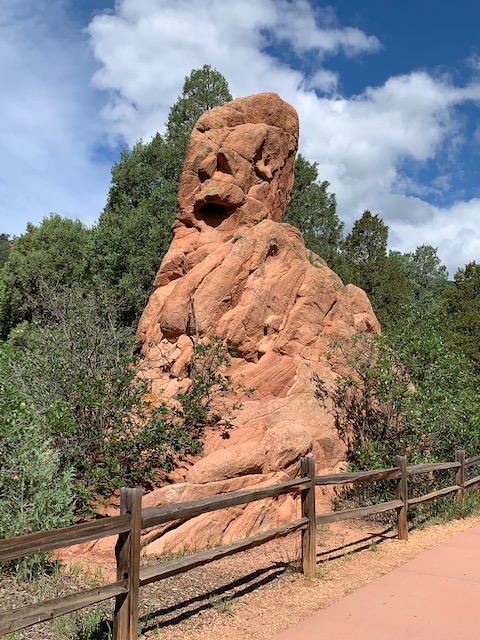
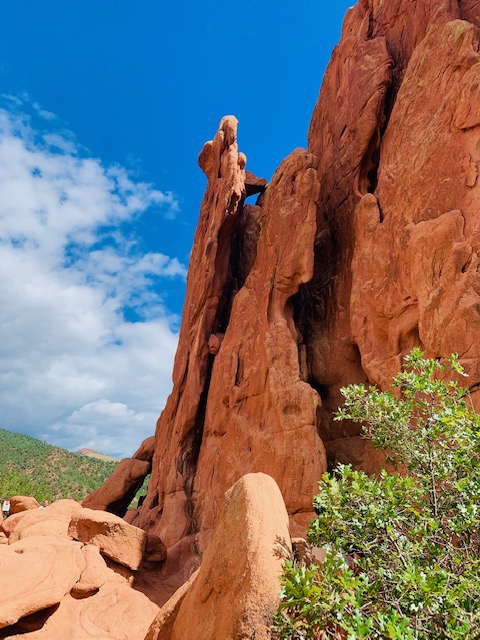
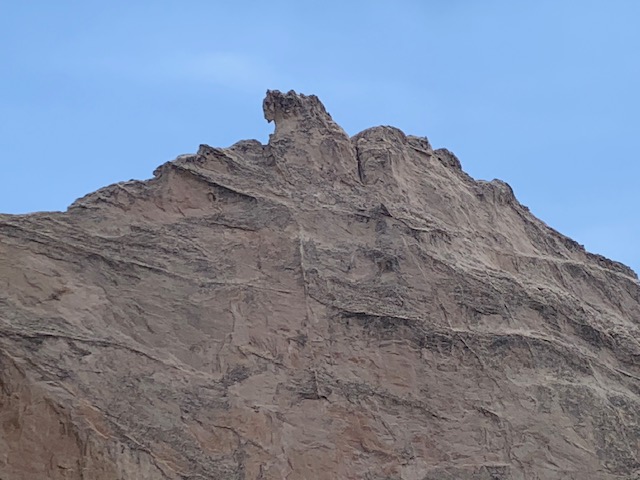
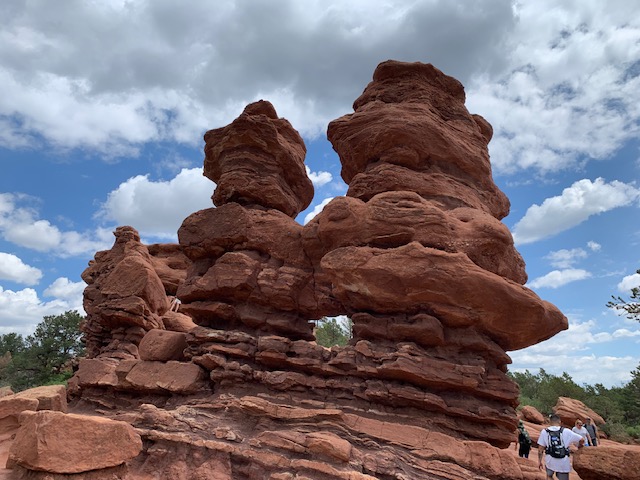
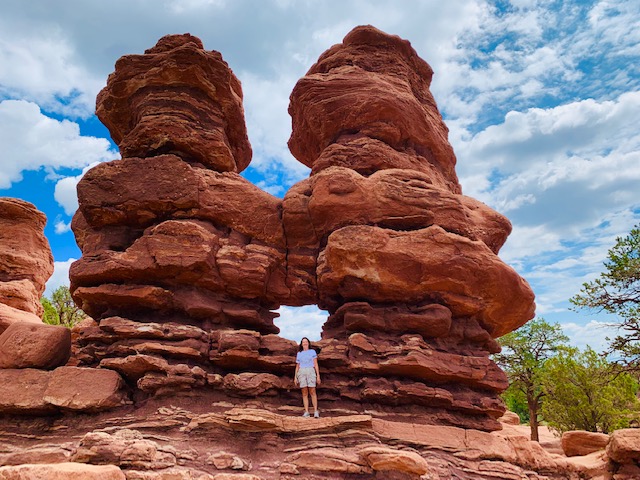
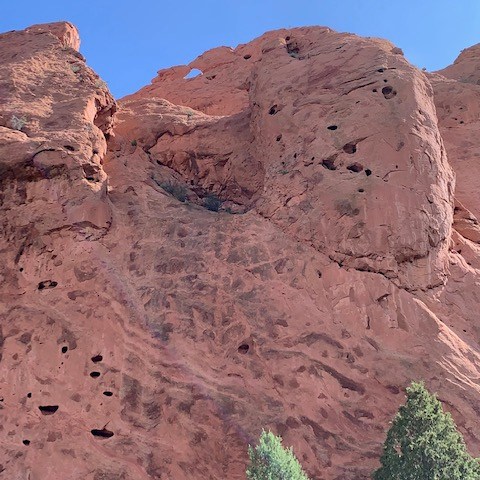
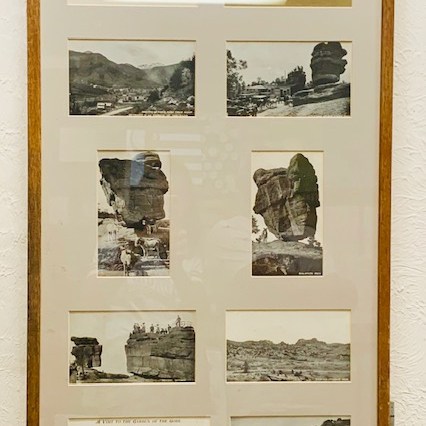
I don’t remember if that rock formation had a name but it sure looks like a face way up on the top right with an eyebrow, big nose and a lip. What should I call it?One called ” Balanced Rock”“Balanced Rock” and “Steamboat” rock formations
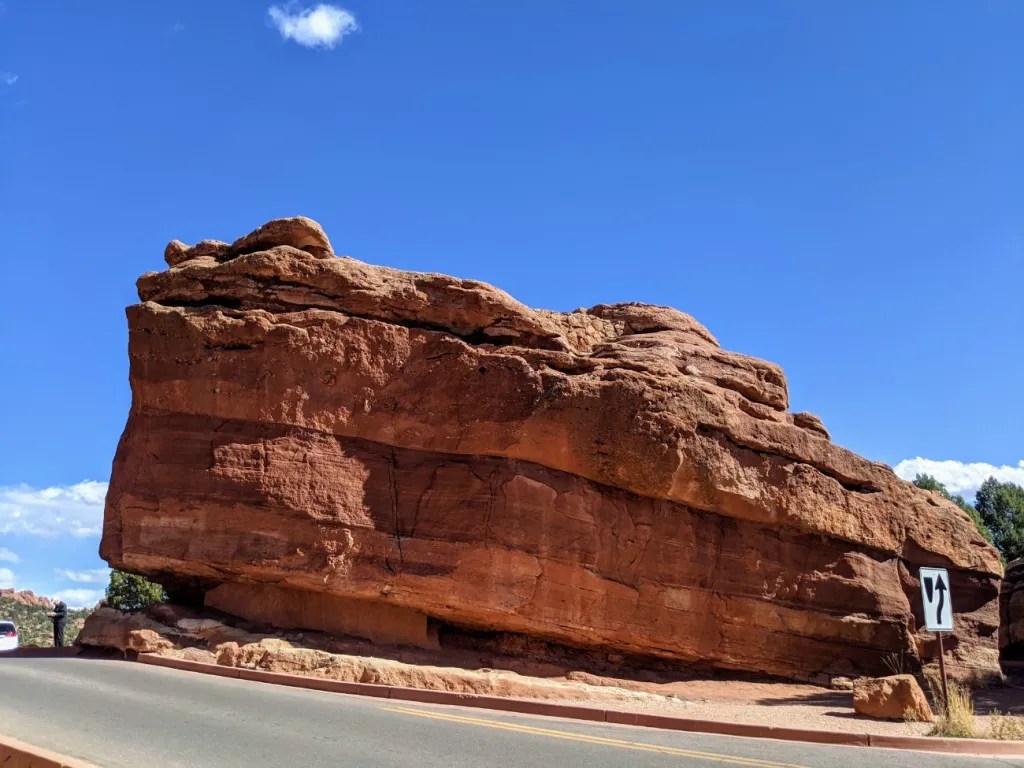
“Steamboat” rock was once privately owned and tourists climbed upon the rock for photographs.
Our trolley ride ended and we walked to see other sights and sounds.
The rock formation on the left looks like a left hand with the thumb in the air.
Dave is checking our progress. . . We are here . . .
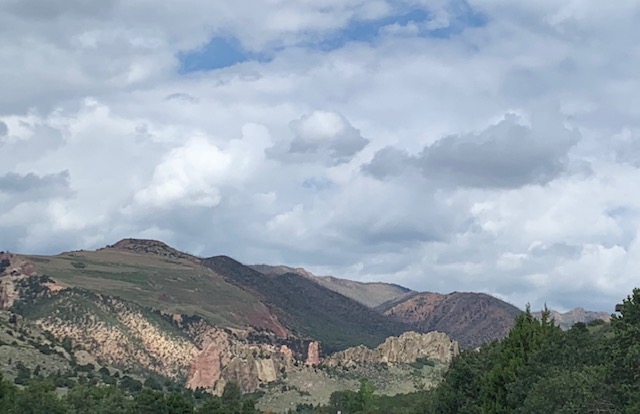
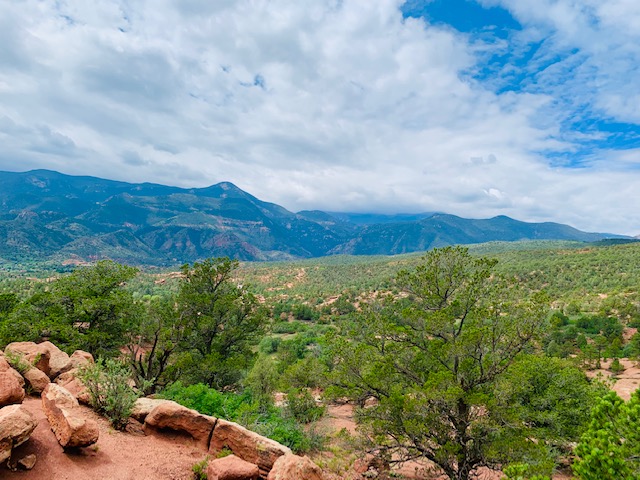
You can see Pikes Peak very clear from here.
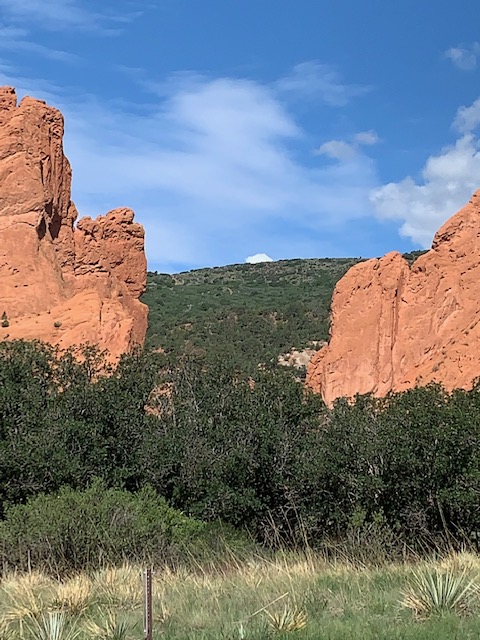
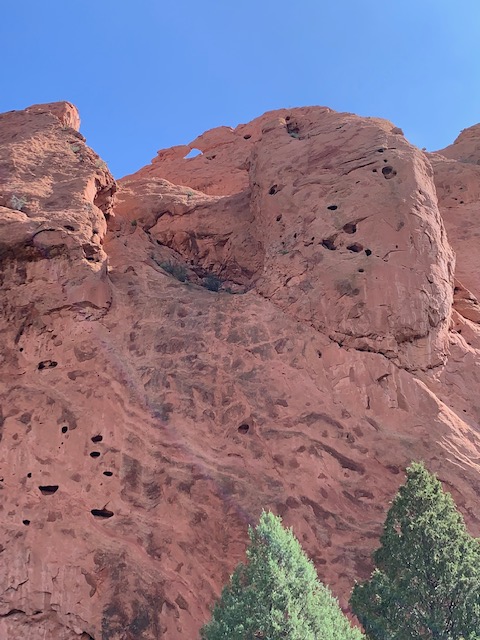
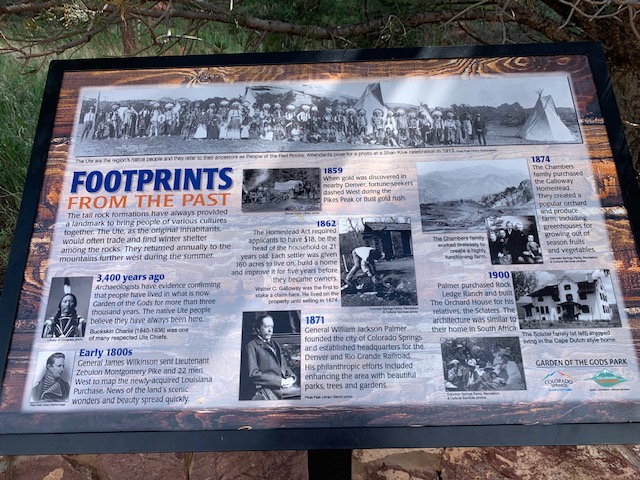
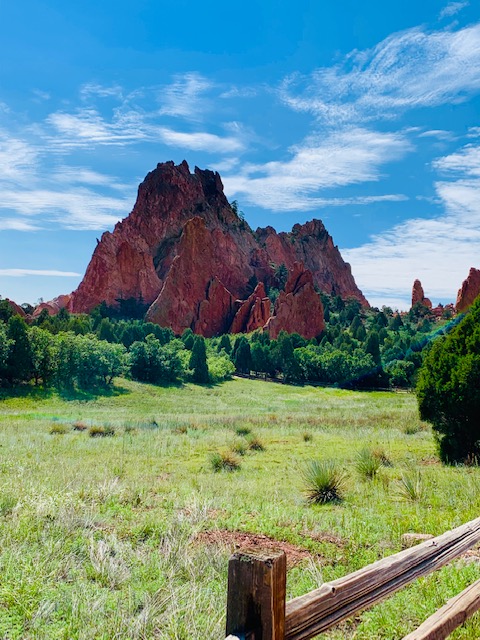
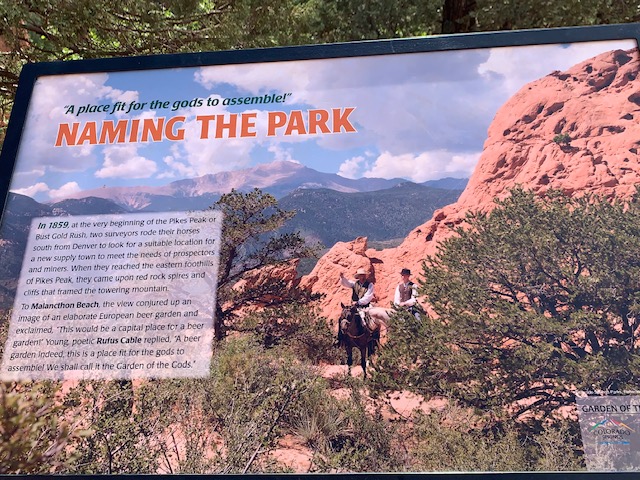
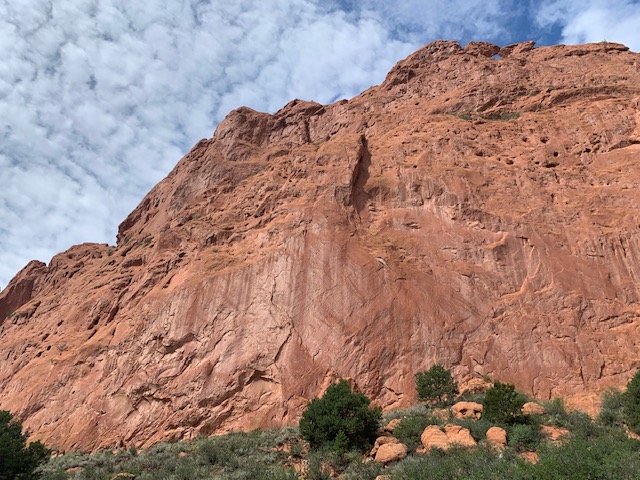
Back in 1859, when a surveyor named Rufus Cable first saw the towering fins of rock jutting over 300 feet into the air near Pikes Peak, he enthusiastically declared that it was “a fit place for the gods to assemble!” From this excited outburst came the name “Garden of the Gods”
“After a day’s walk, everything has twice it’s value” G.M. Trevelyan
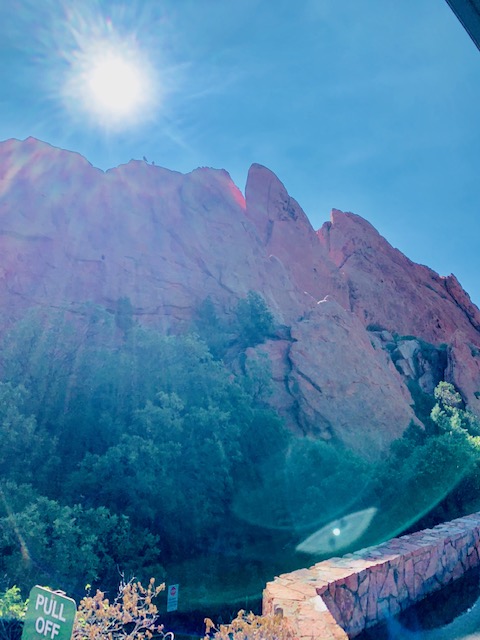
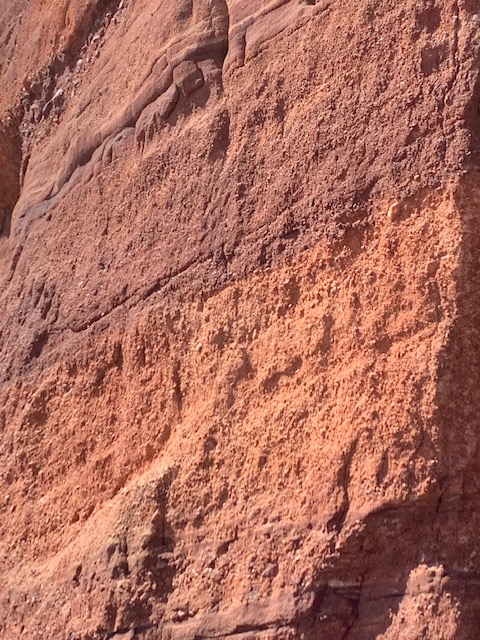
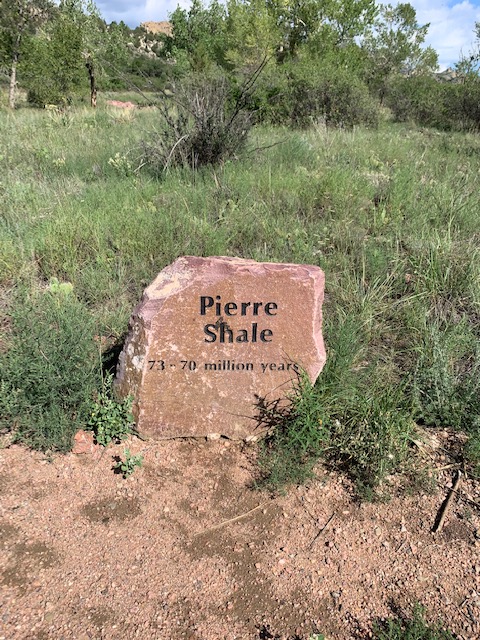
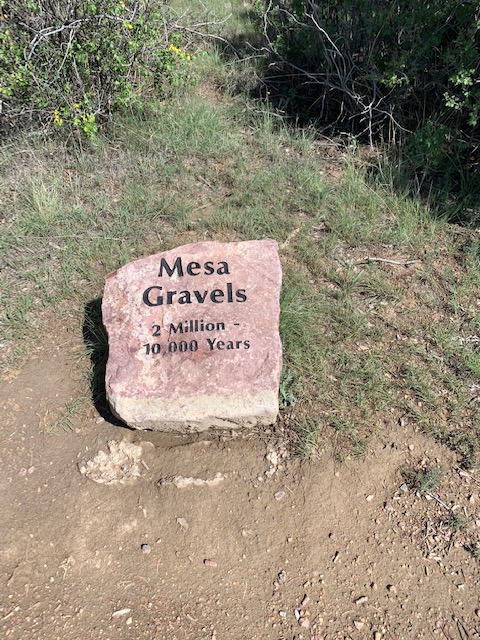
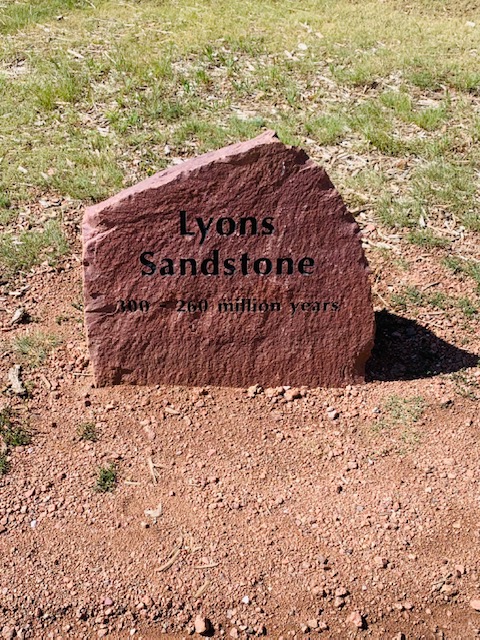
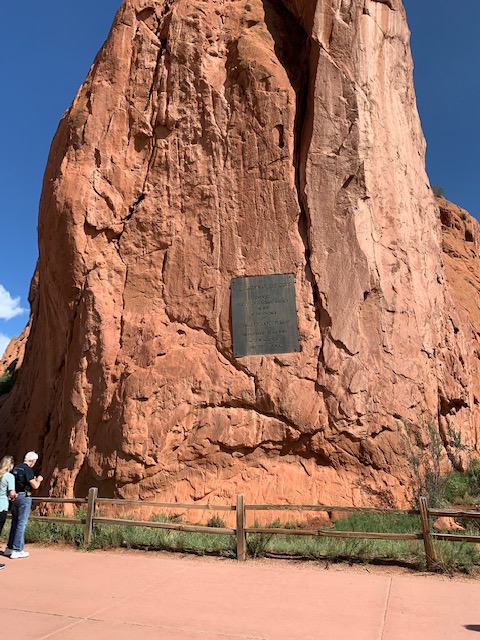
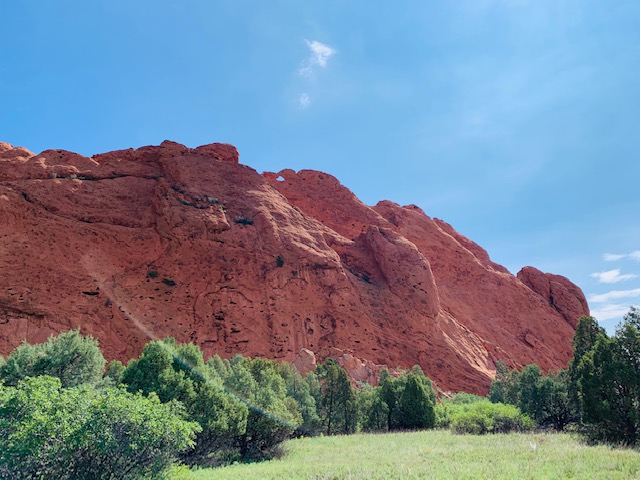
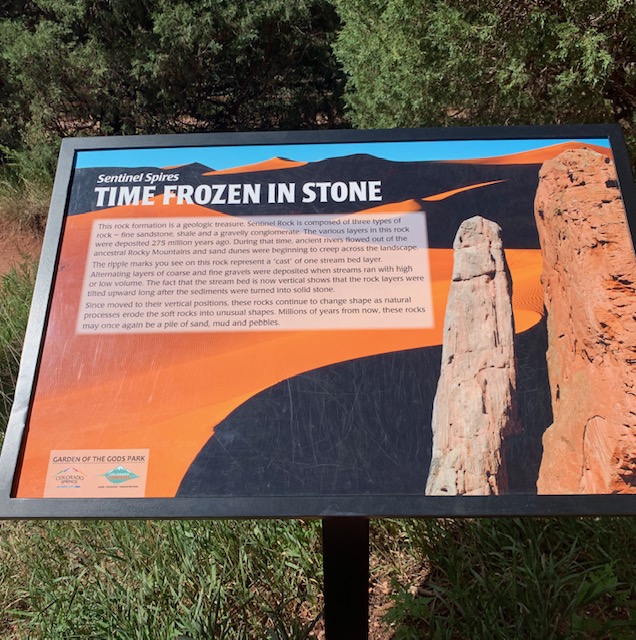
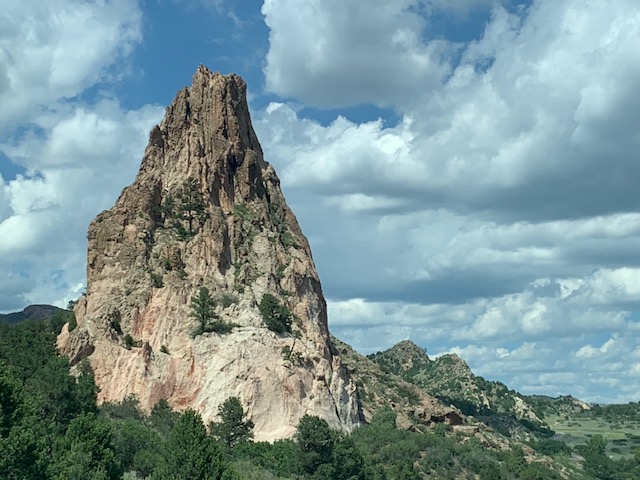
This rock formation, called Sentinel Rock, is a geologic treasure. It is composed of two types of rock – a fine sandstone and a gravelly conglomerate. The various layers in this rock were deposited 275 million years ago. During that time, ancient rivers flowed out of the ancestral Rocky Mountains and sand dunes were beginning to creep across the landscape.
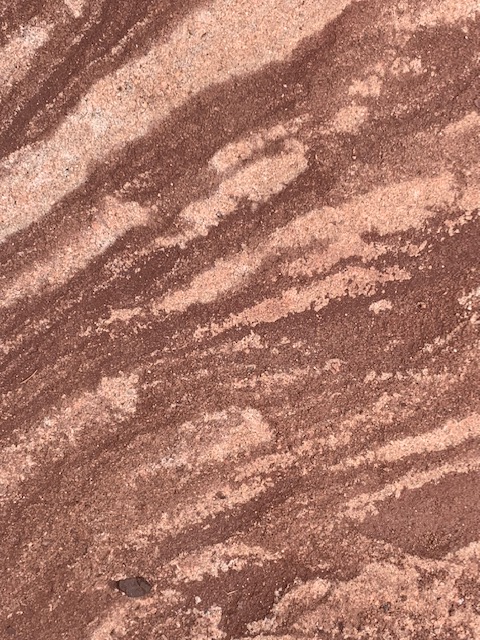
The ripple marks you see on this rock represent a sandstone “cast” of one stream bed layer. Alternating layers of coarse and fine gravels were deposited when streams ran with high or low energy. The fact that the streambed is now vertical shows that the rock layers were tilted upward long after the sediments were turned into solid stone.
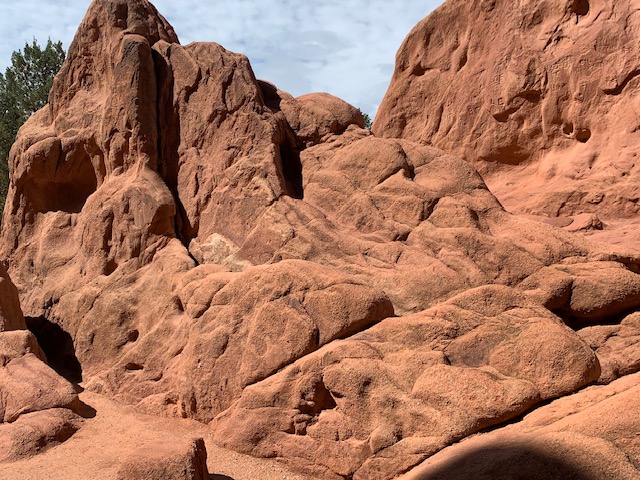
Since assuming their vertical positions, these rocks have continued to change shapes as water freezes in cracks and wind erodes the soft sandstone into unusual, bizarre shapes. Millions of years from now, the rocks may once again be a pile of sand and pebbles.
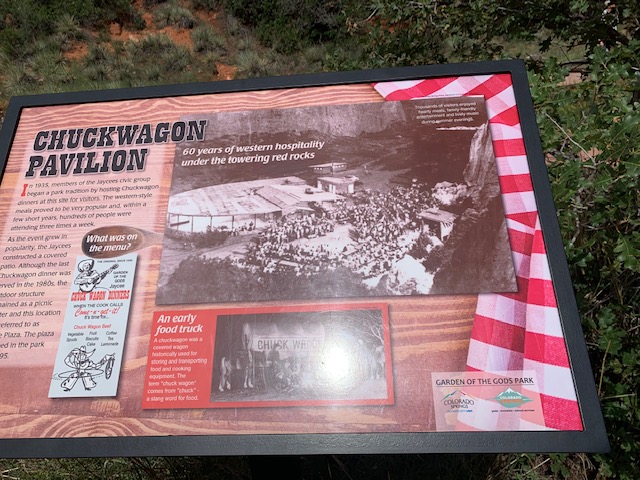
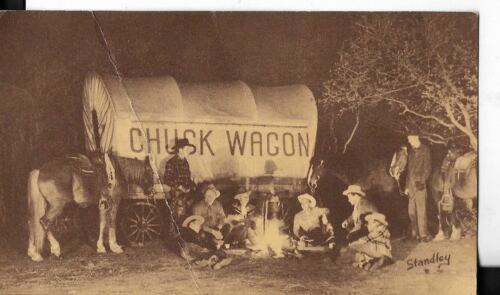
In 1935 a Jaycees civic group began a Garden of the Gods Park tradition by hosting Chuckwagon dinners at this site. The western style suppers proved to be very popular and within a few short years, hundreds of people were attending three times a week. As the event grew in popularity, the Jaycees constructed a covered patio that was soon named the Pavilion. Although the last Chuck Wagon supper was served in the 1980s, the outdoor structure remained as a picnic shelter in the Park until 1995.
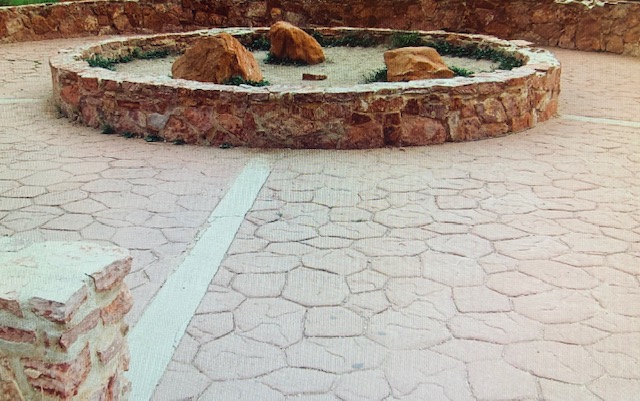
That’s all that is left of the shelter, I can only imagine it was a great place to be!
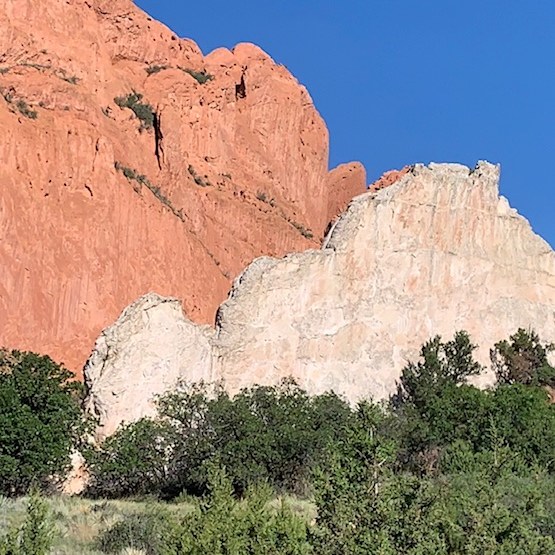
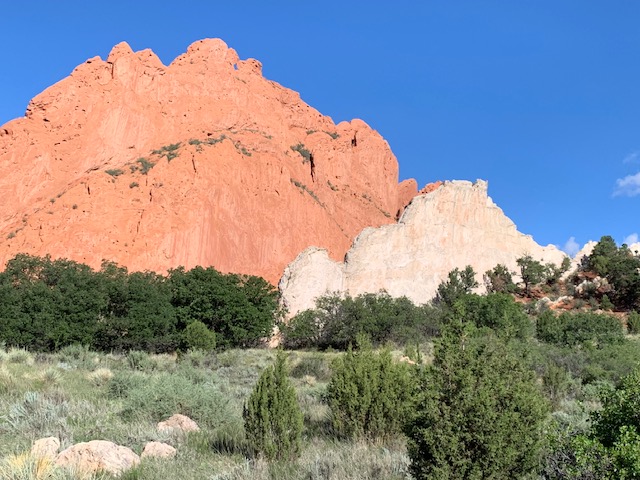
This rock formation is called “White Rock”
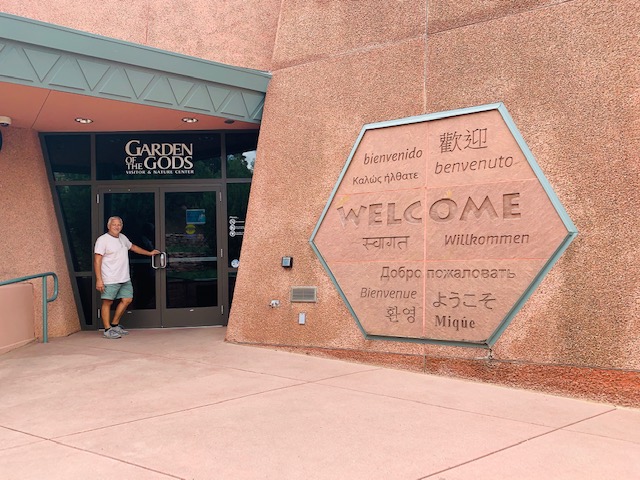
Stopped back at the Visitor Center and off again.
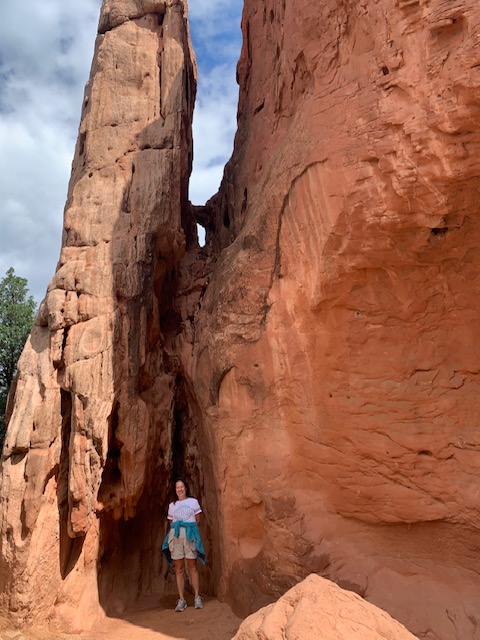
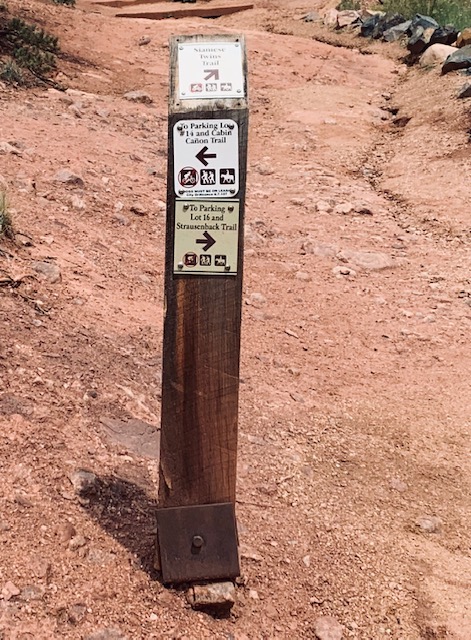
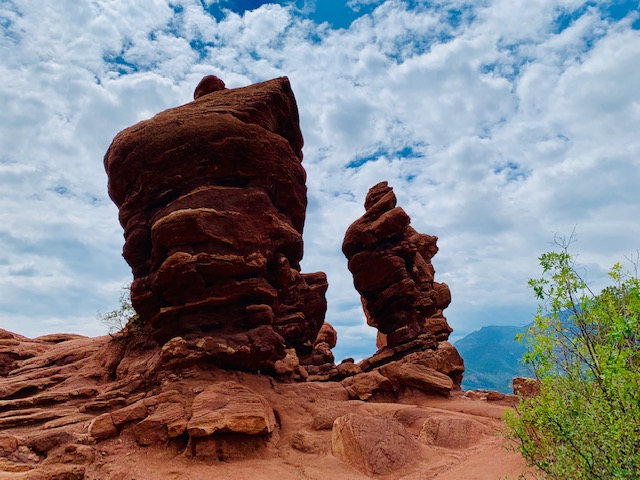
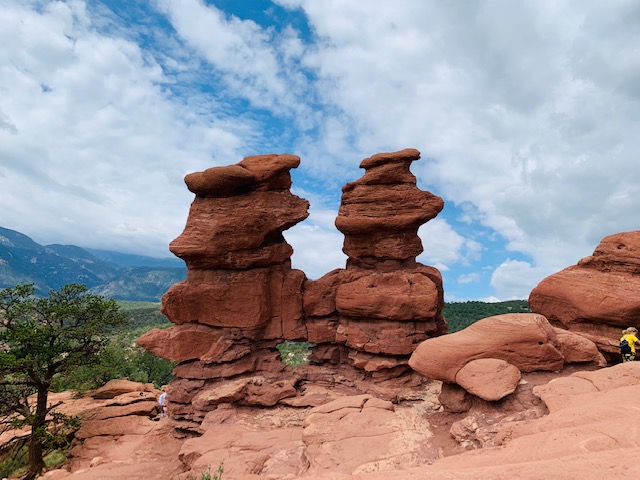
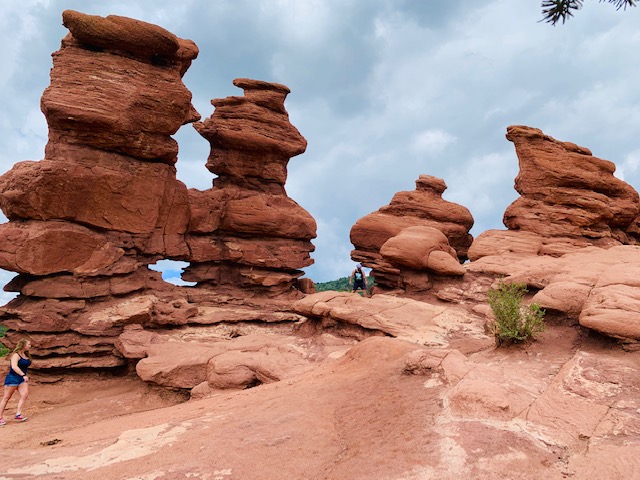
Another formation known as “Keyhole Imagine” and “Sesame Twins”
Other rock formations we saw were “Kindergarten Rock” or “Gray Rock”
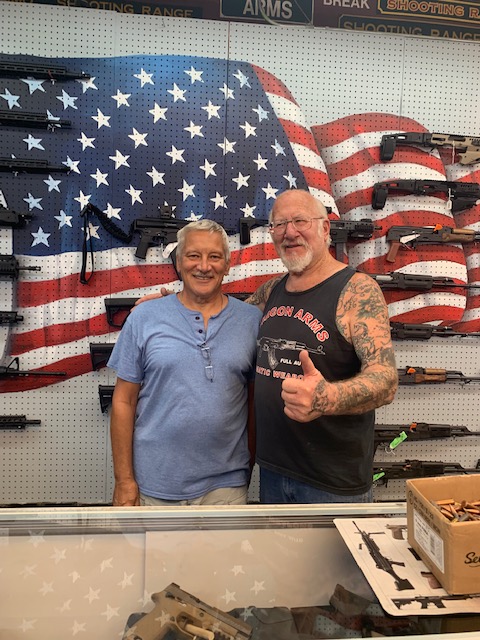
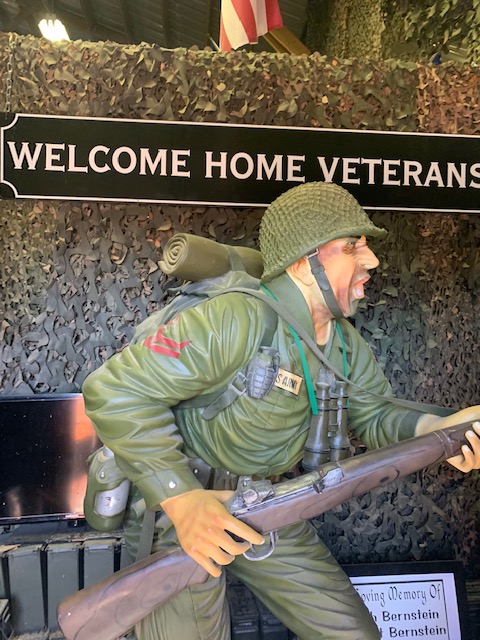
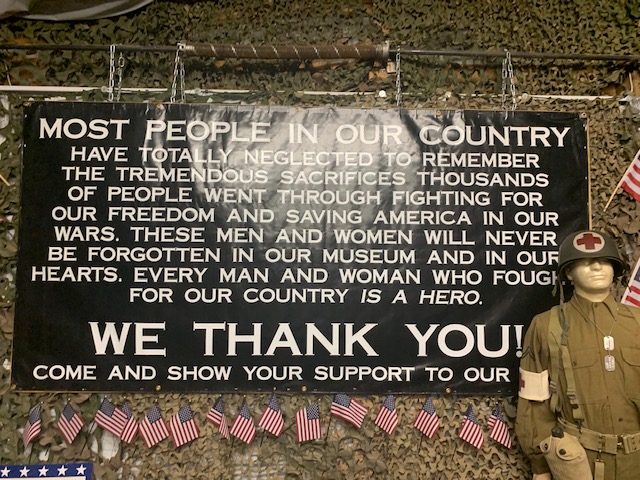
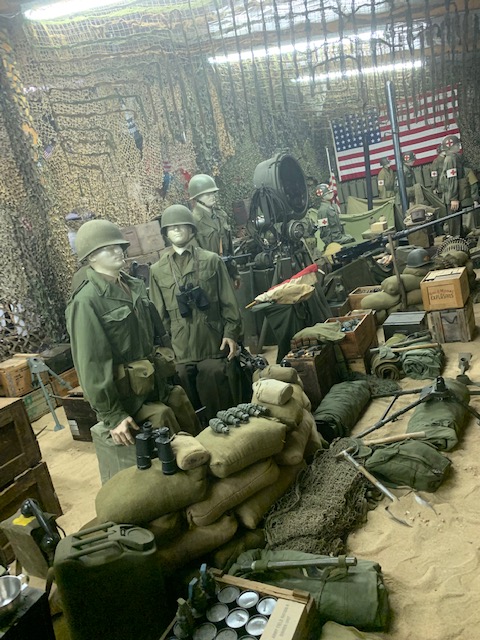
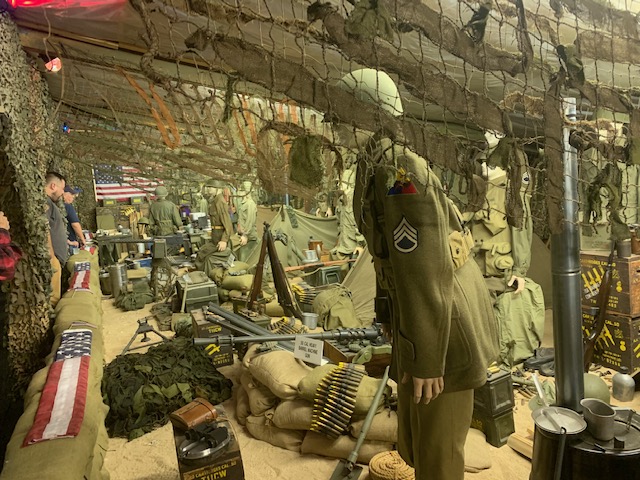
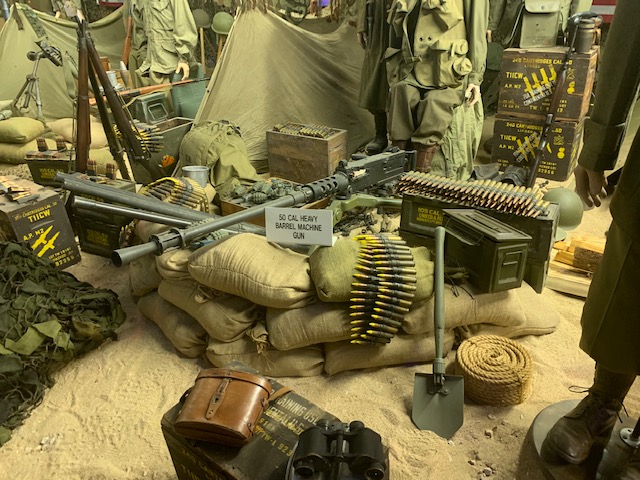
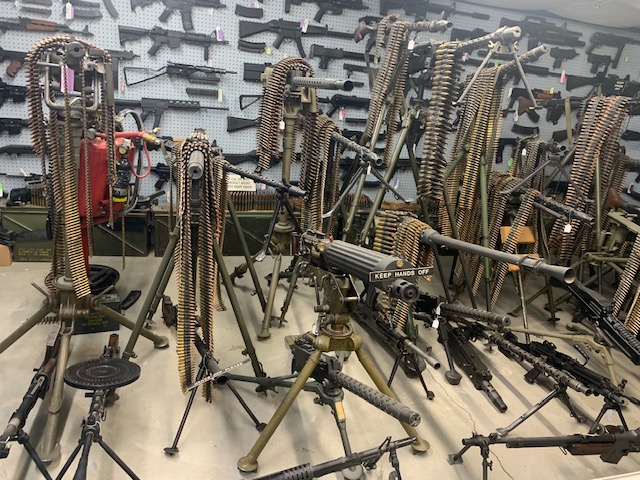
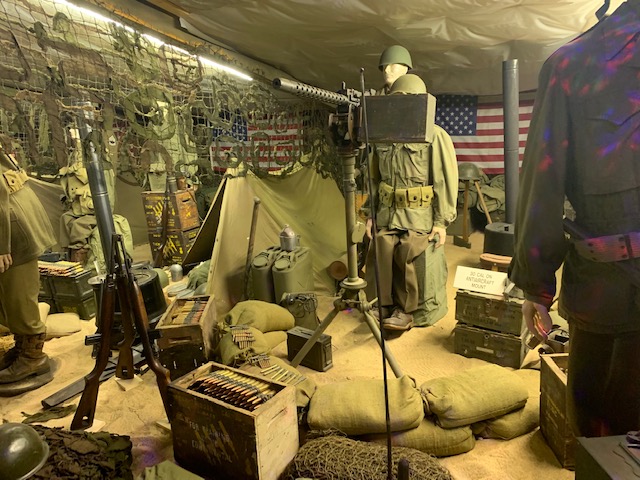
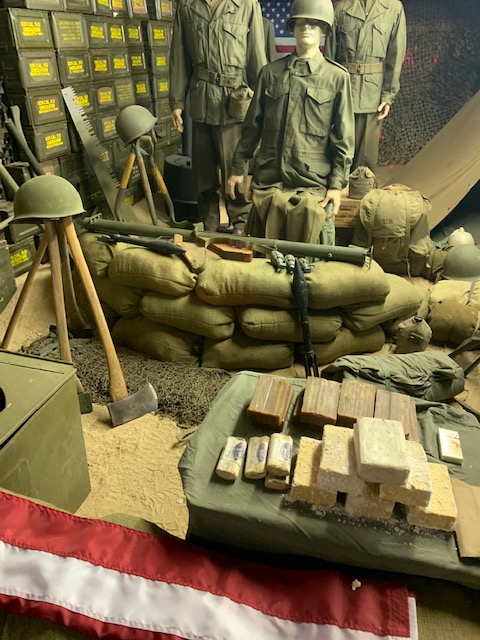
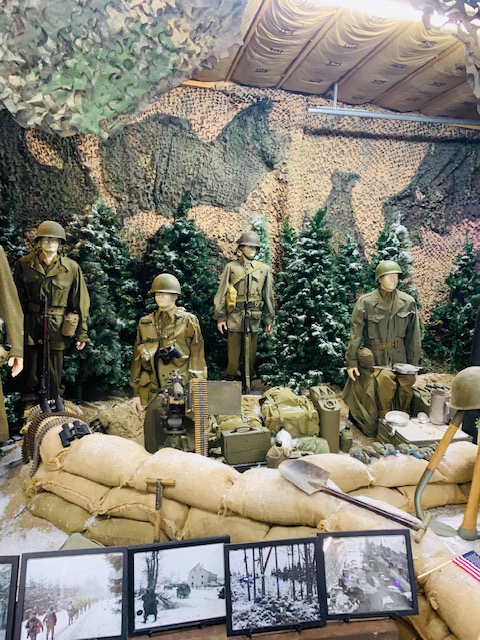
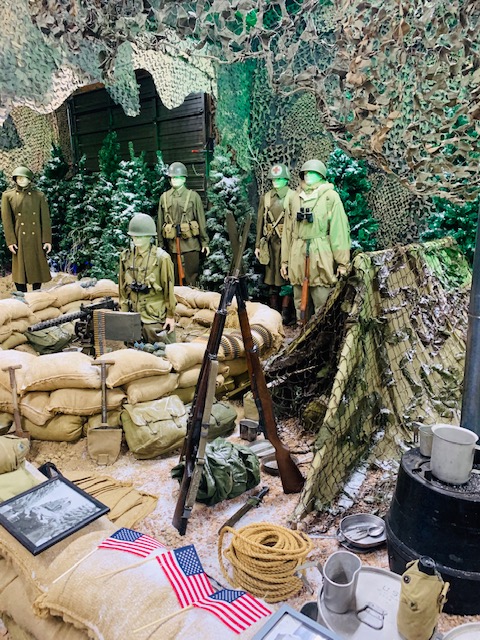
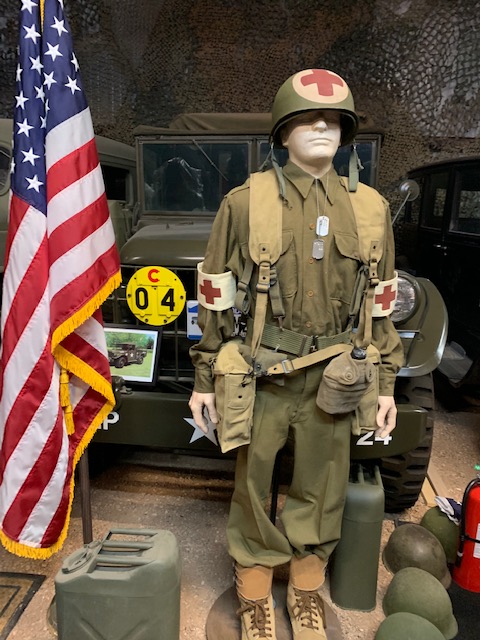
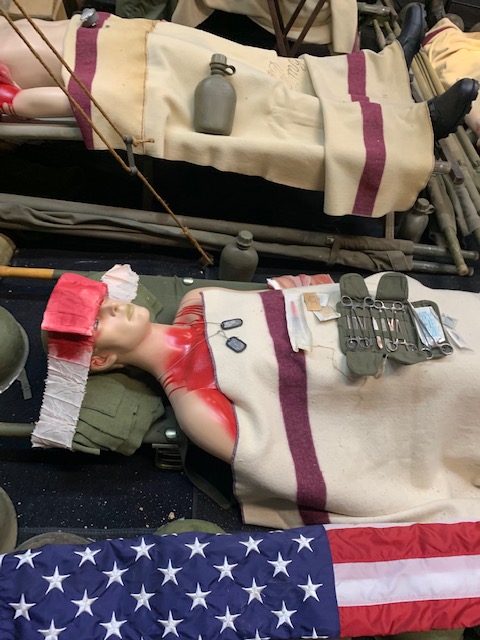
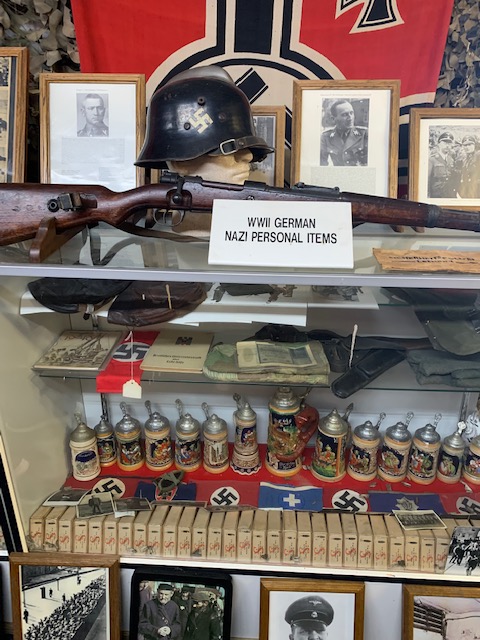
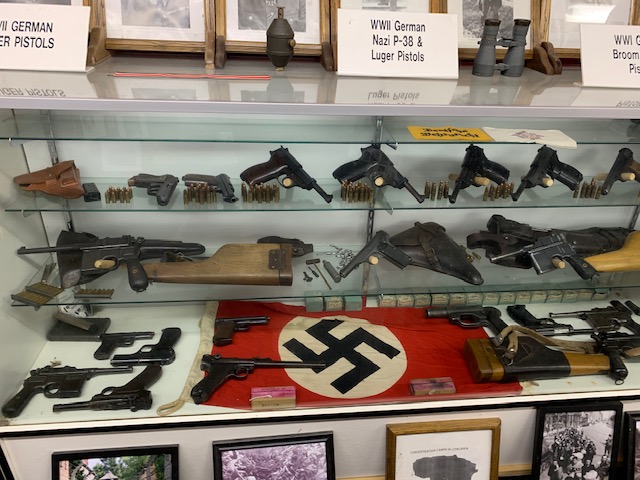
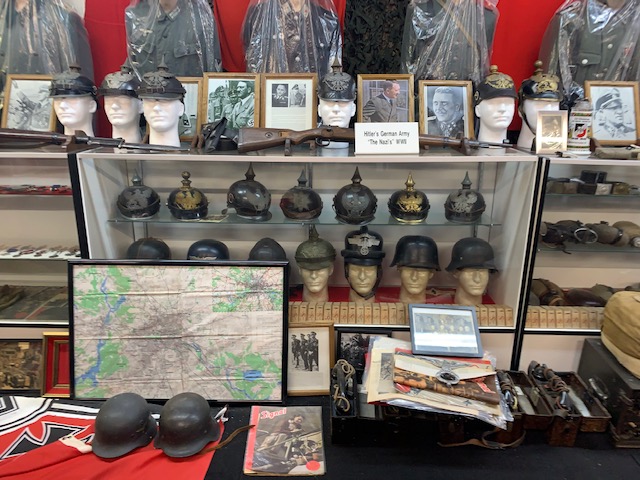
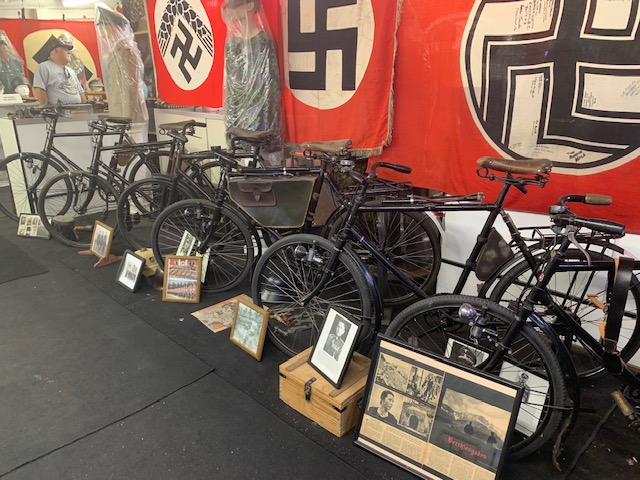
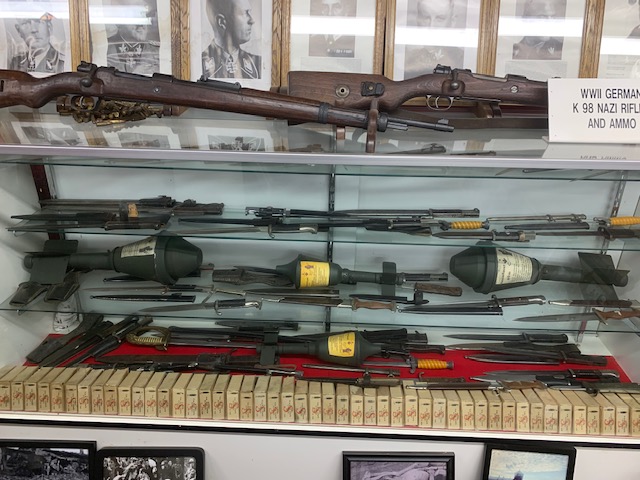
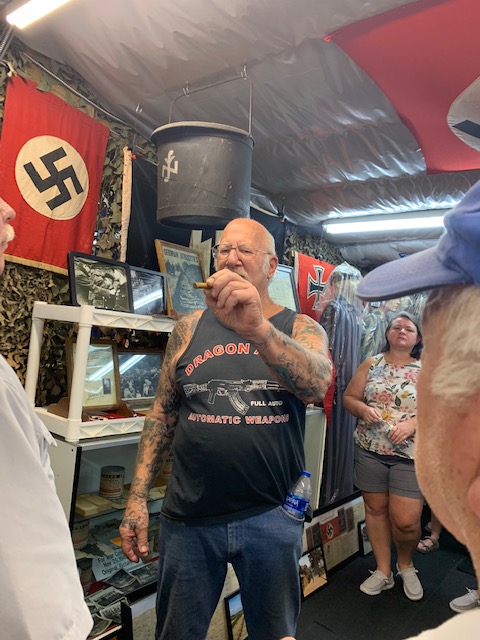
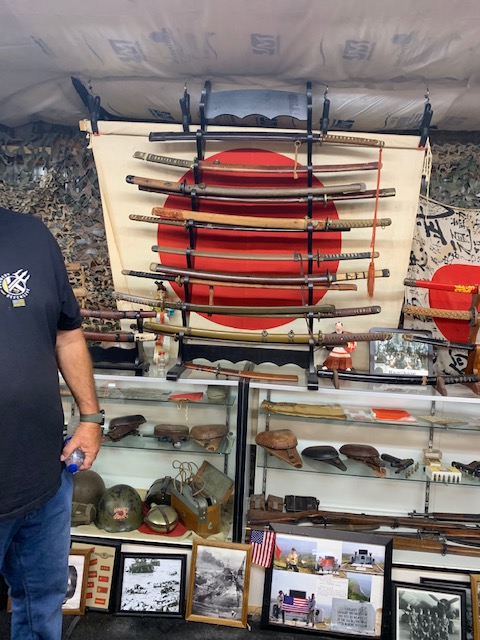
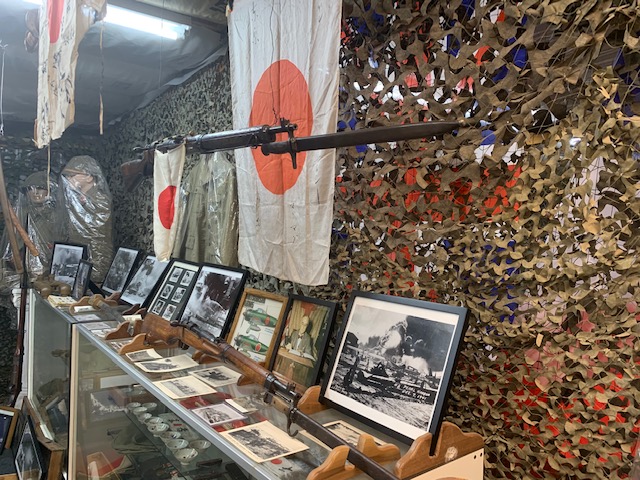
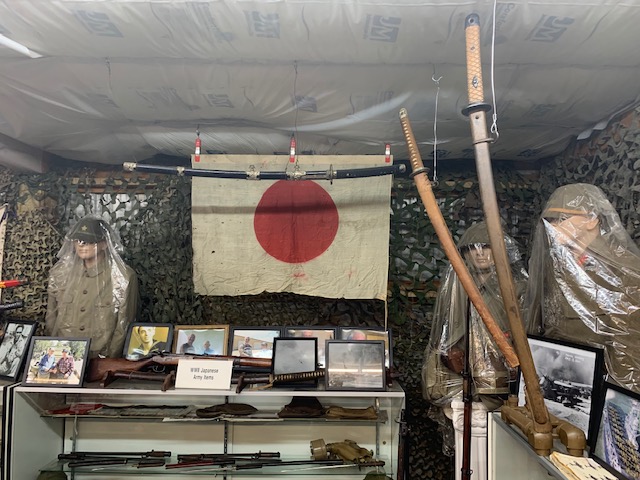
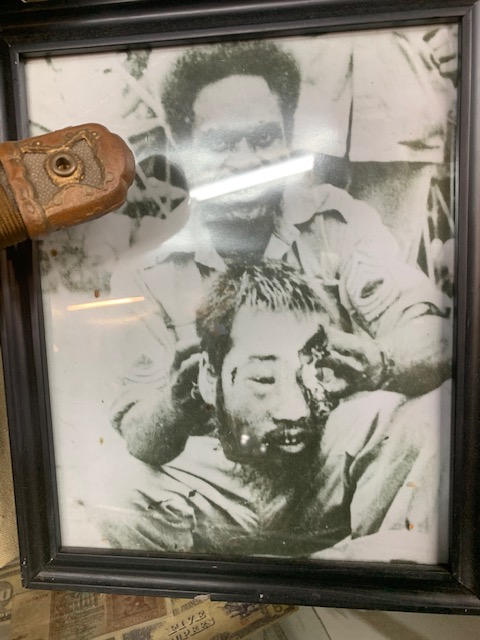
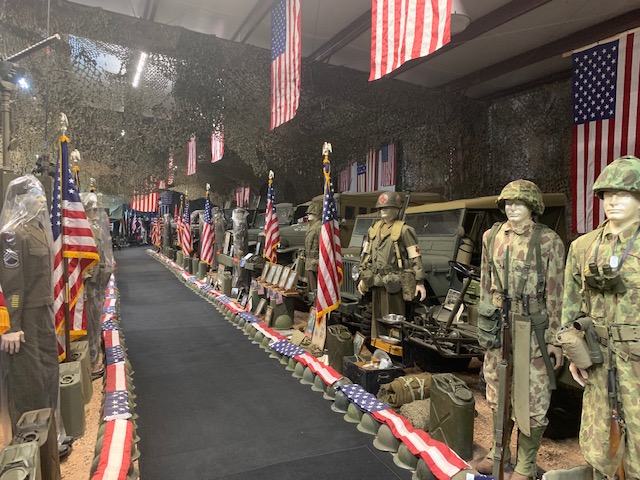
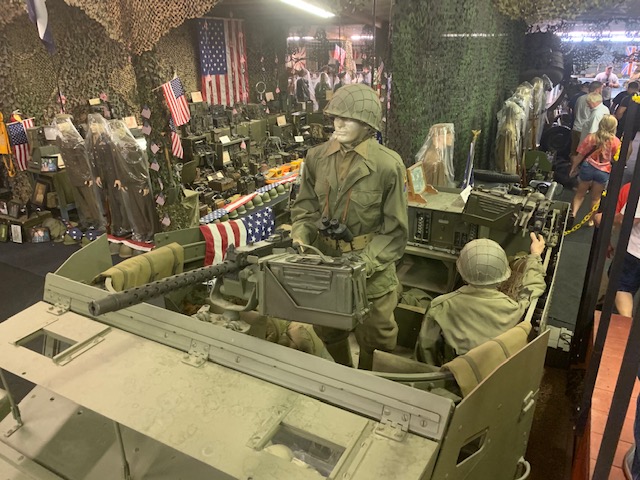
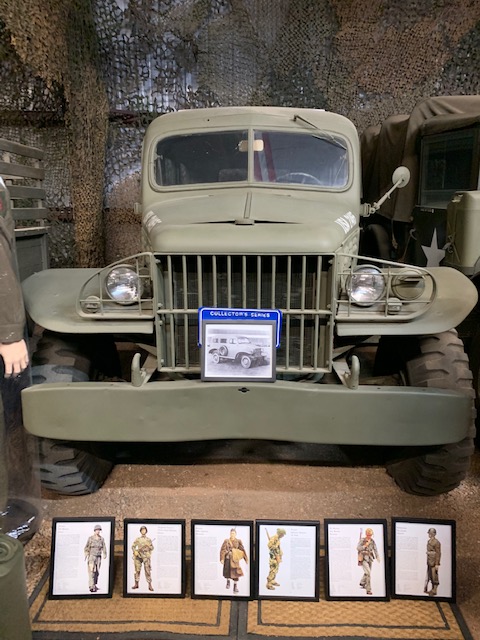
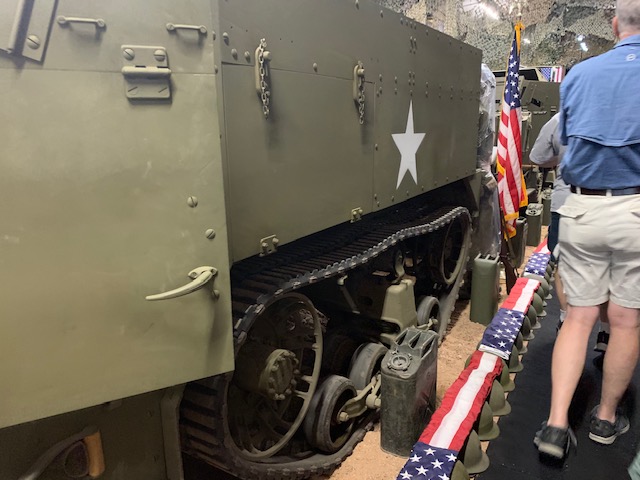
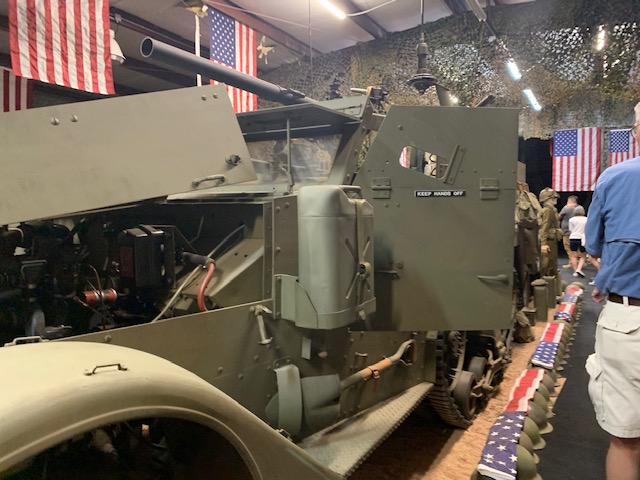
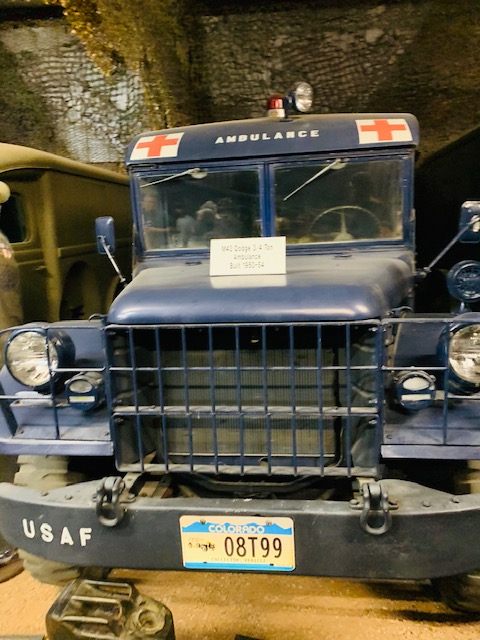
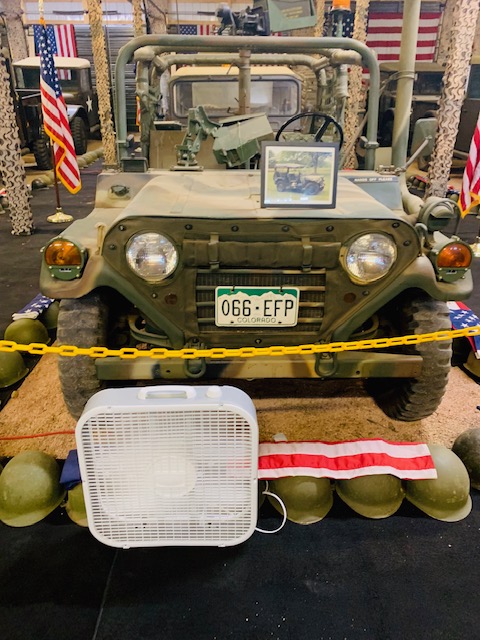
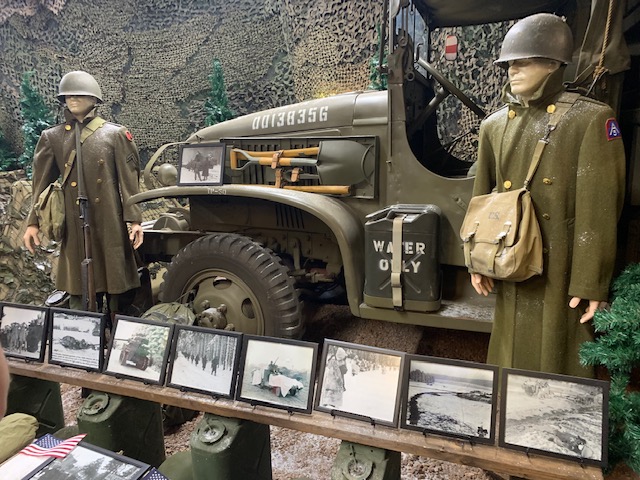
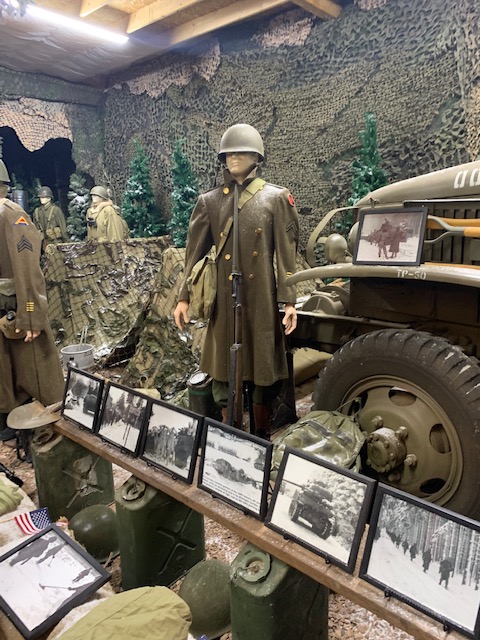
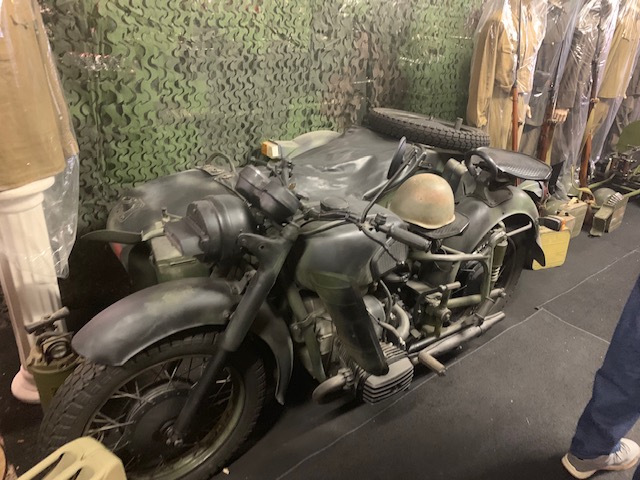
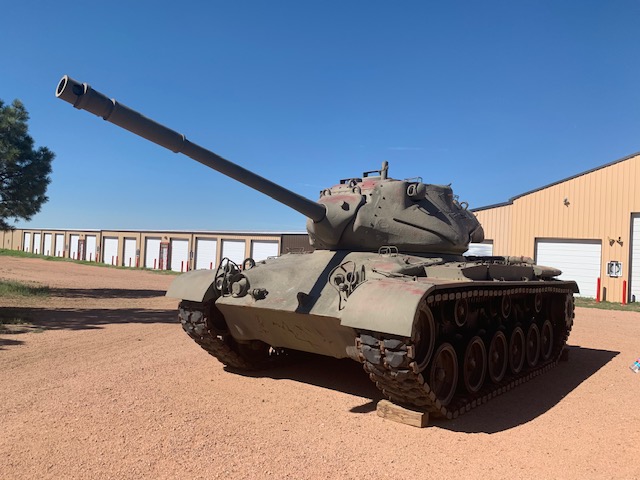
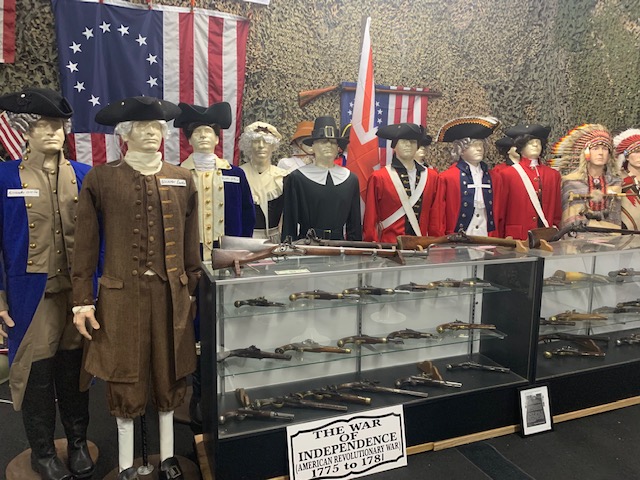
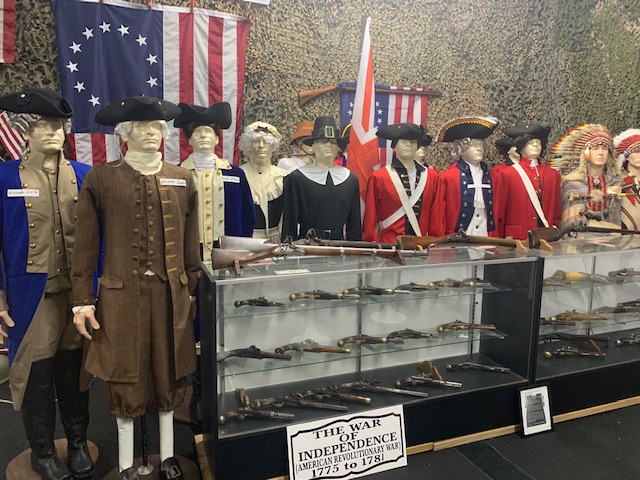
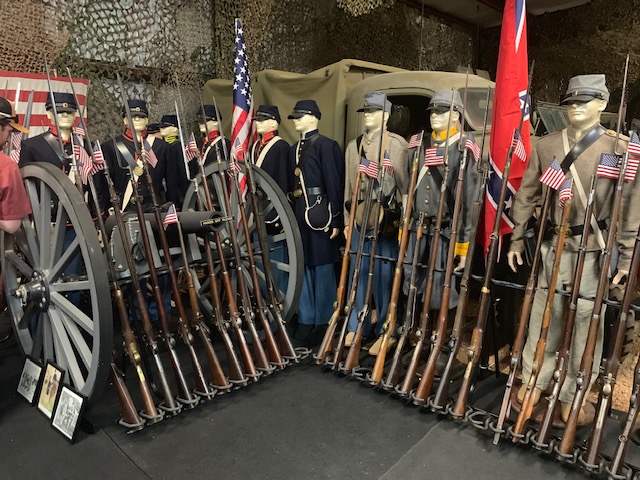
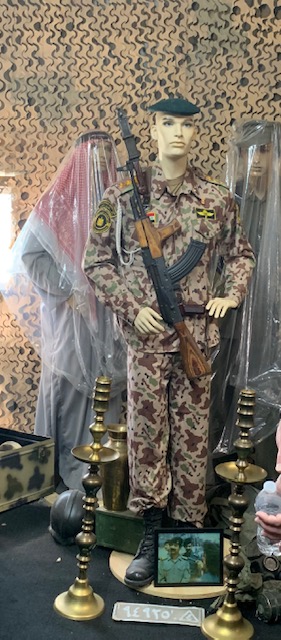
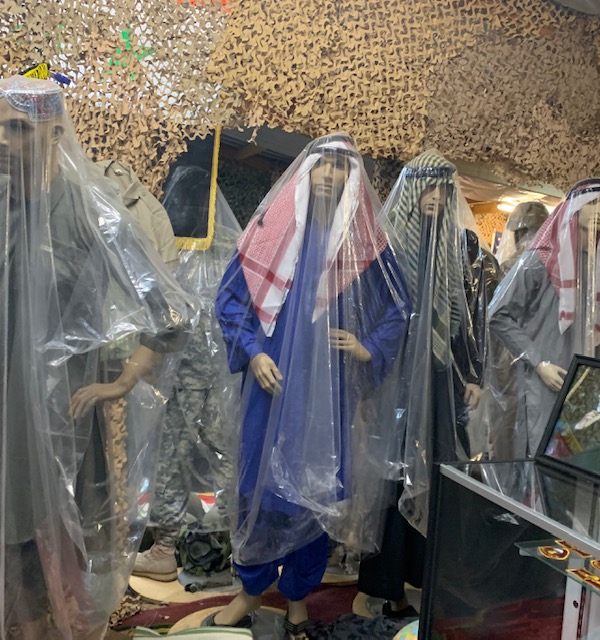
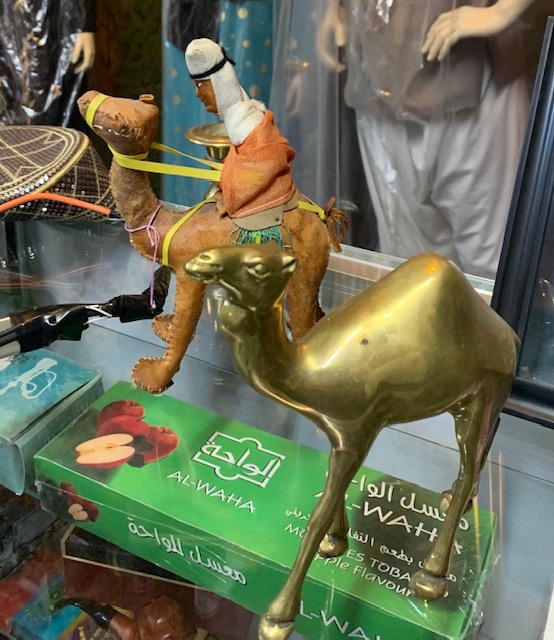
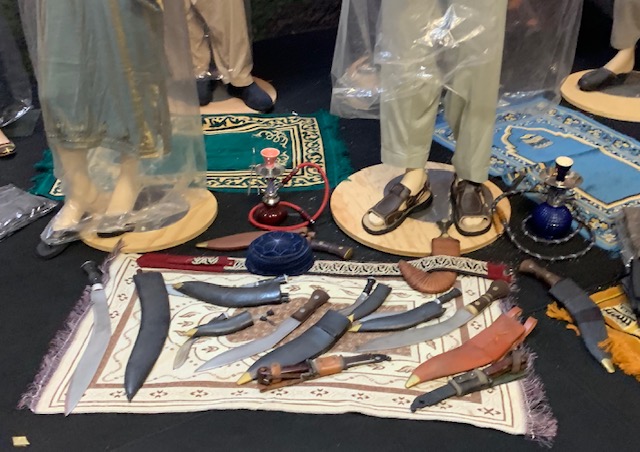
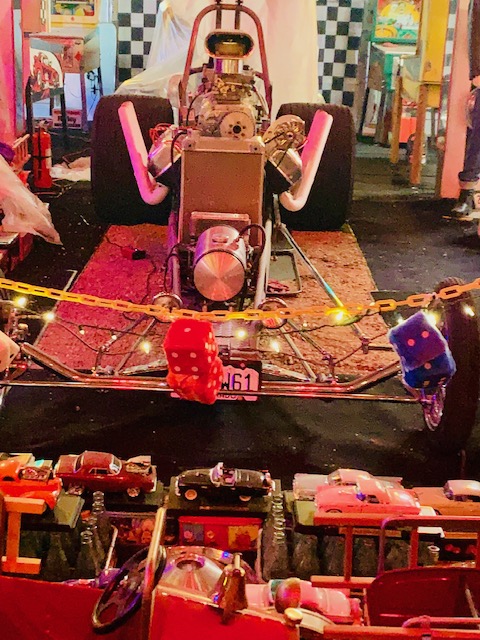
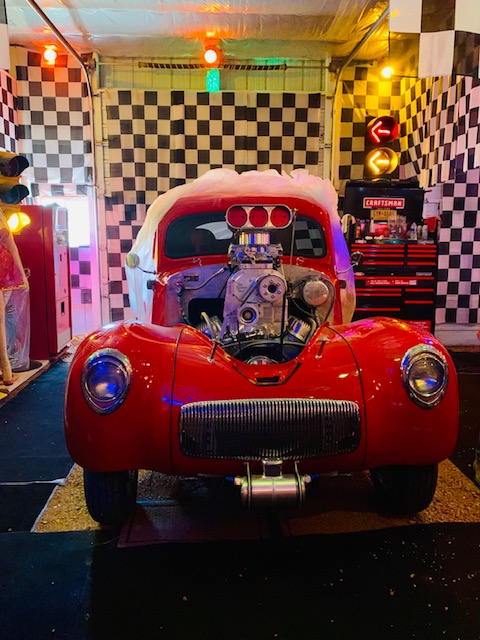
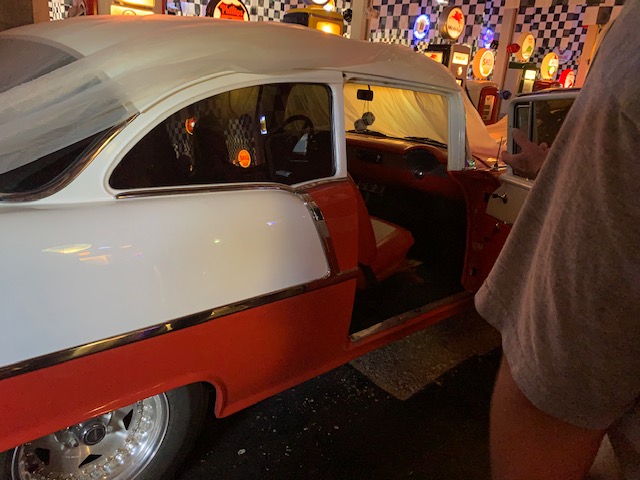
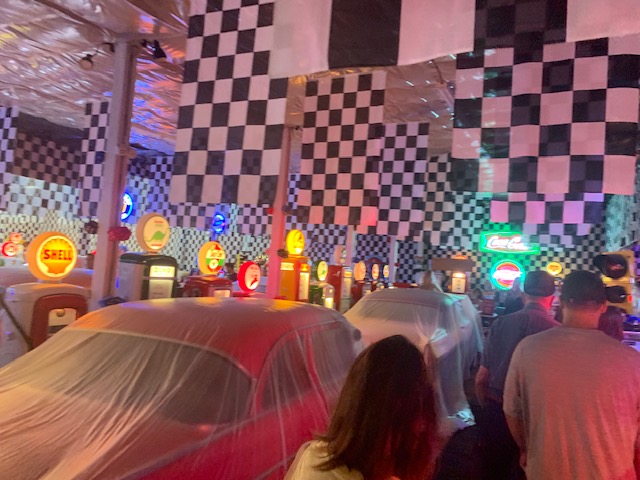
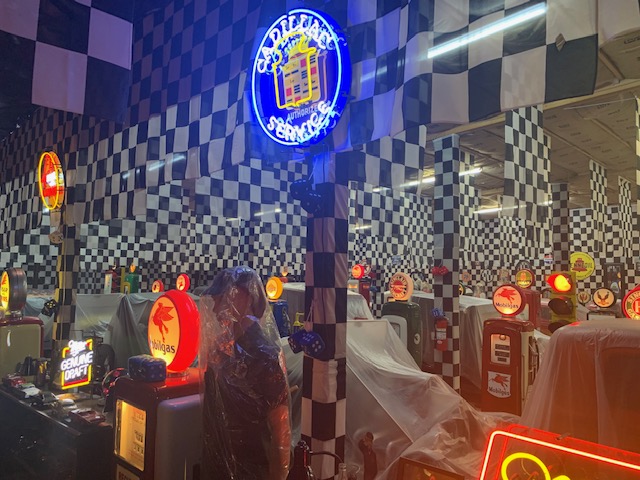
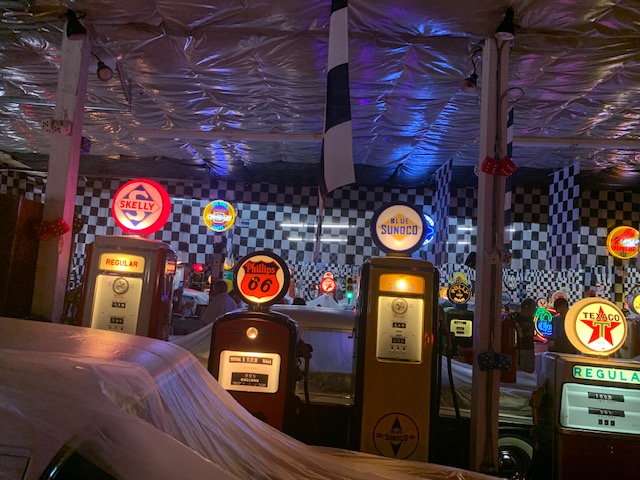
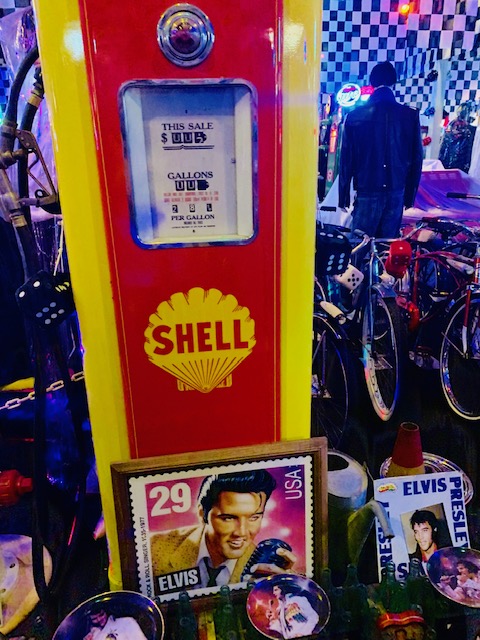
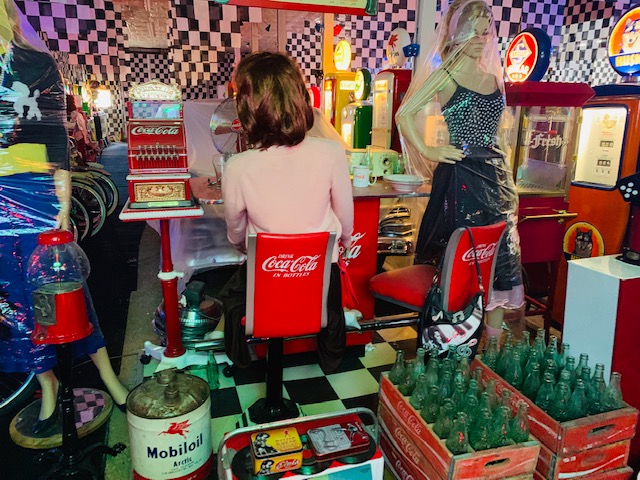
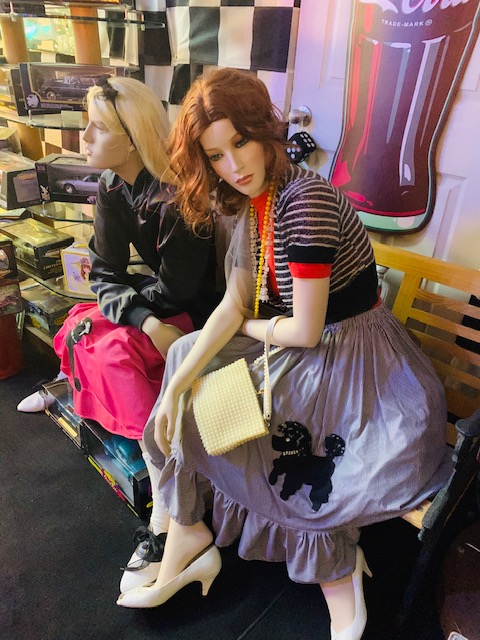
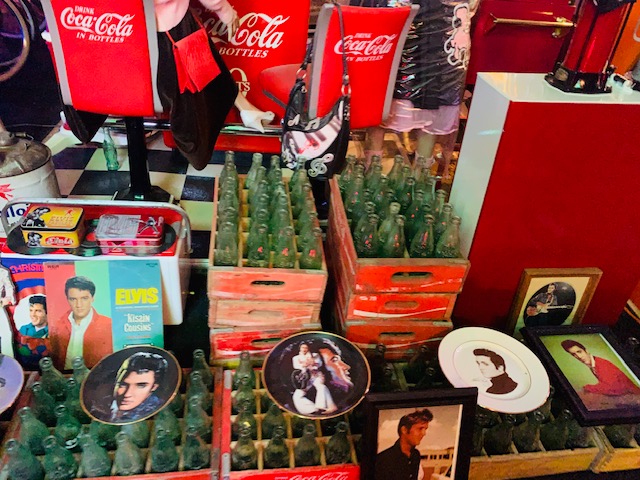
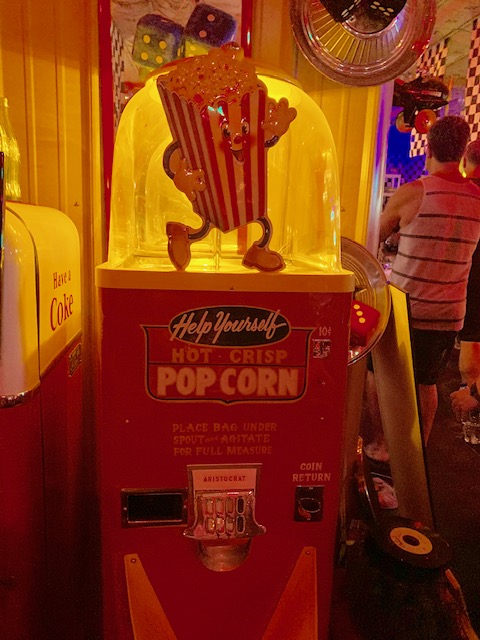
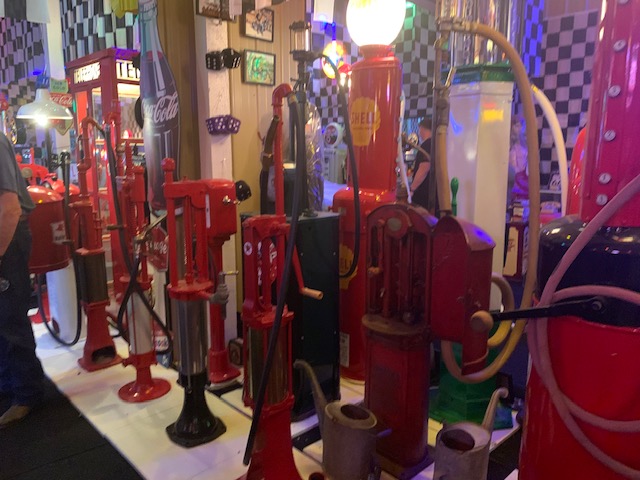
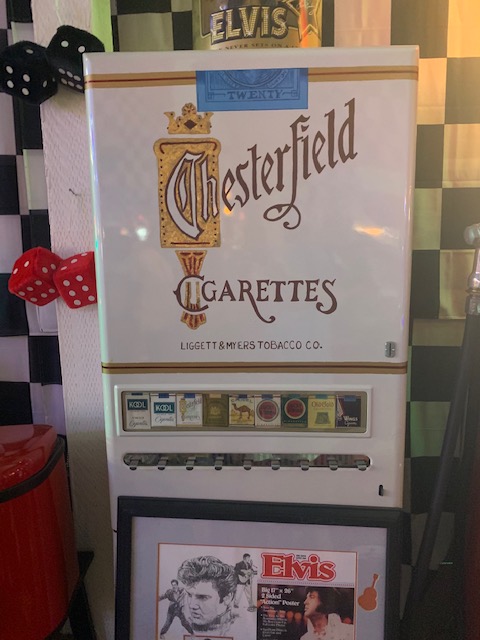
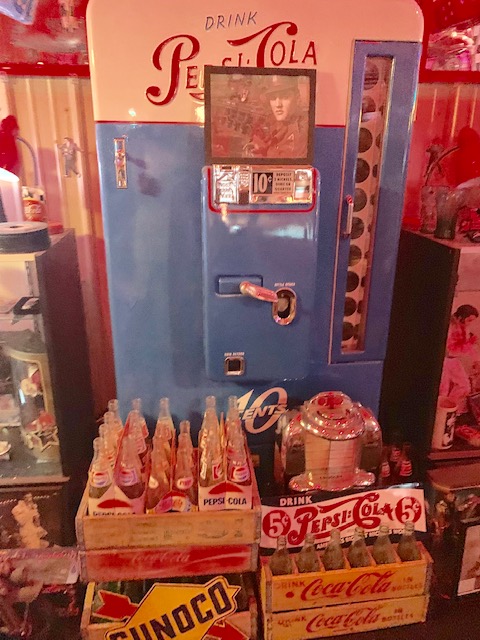
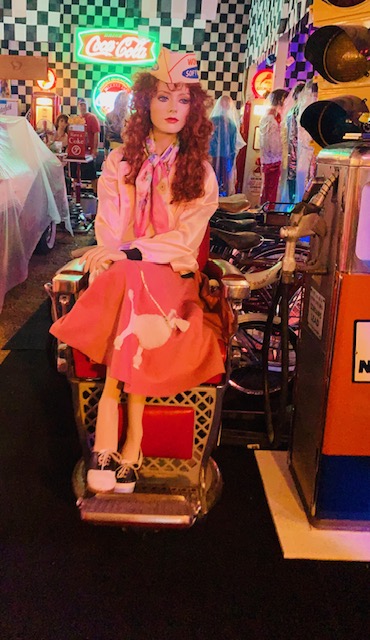
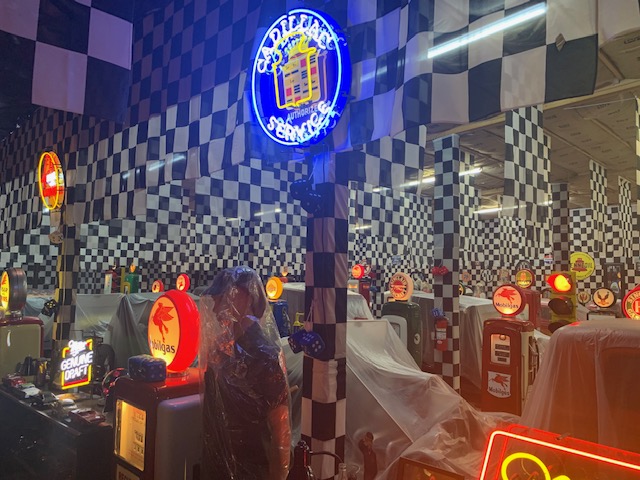
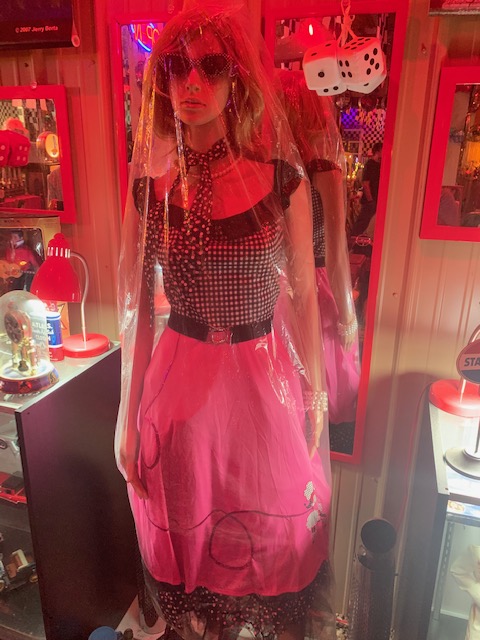
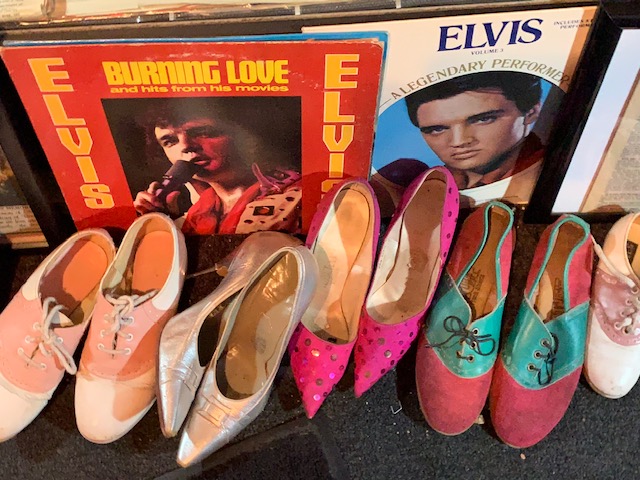
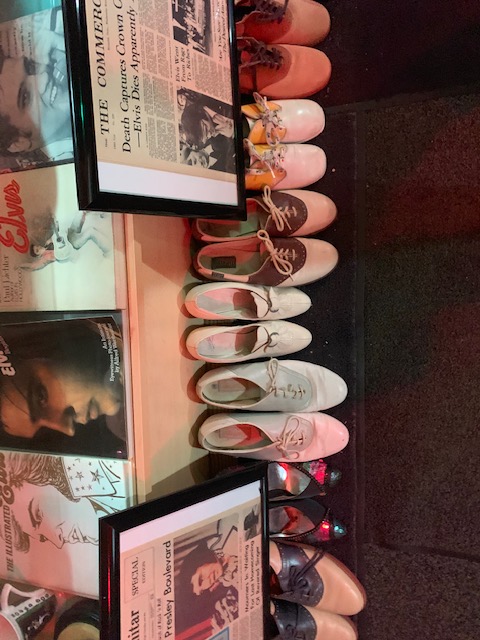
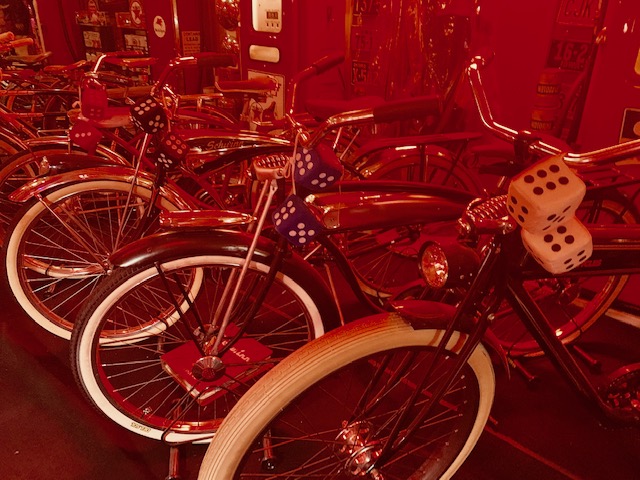
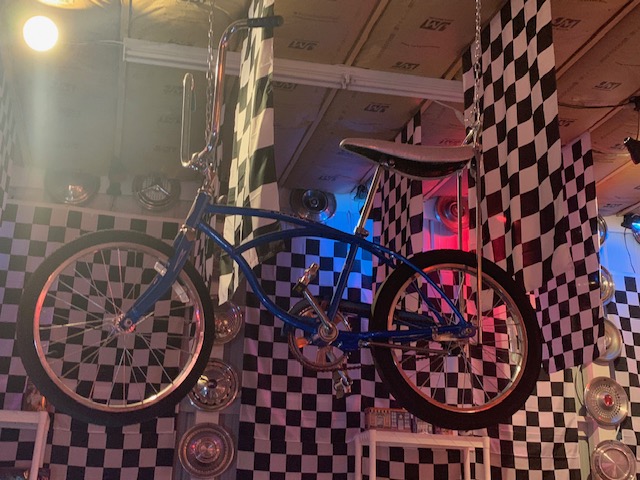
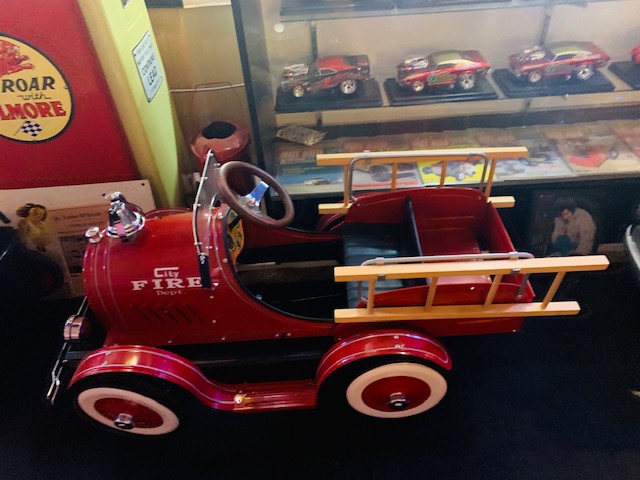
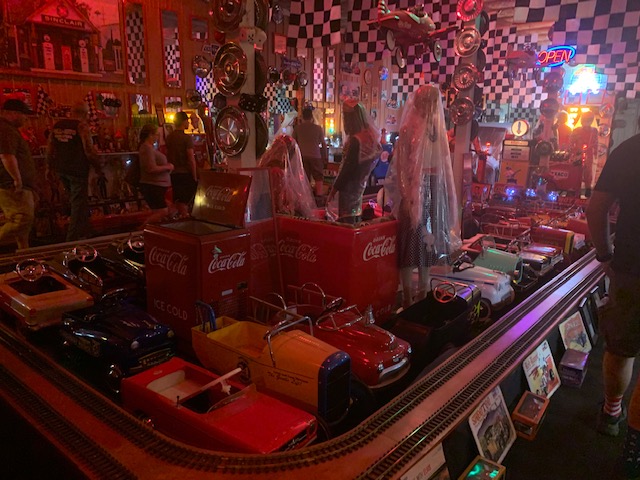
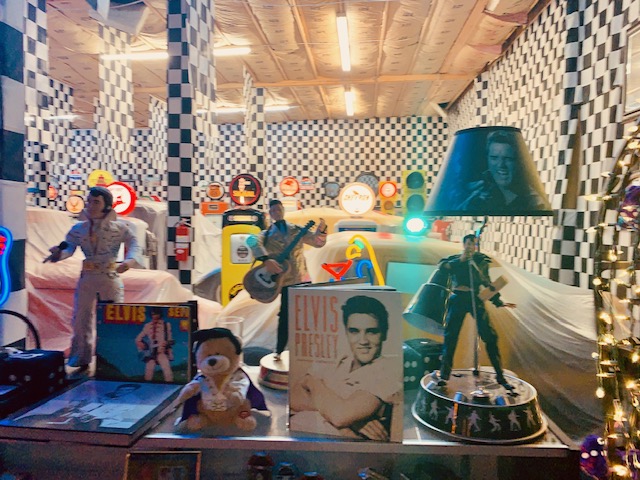
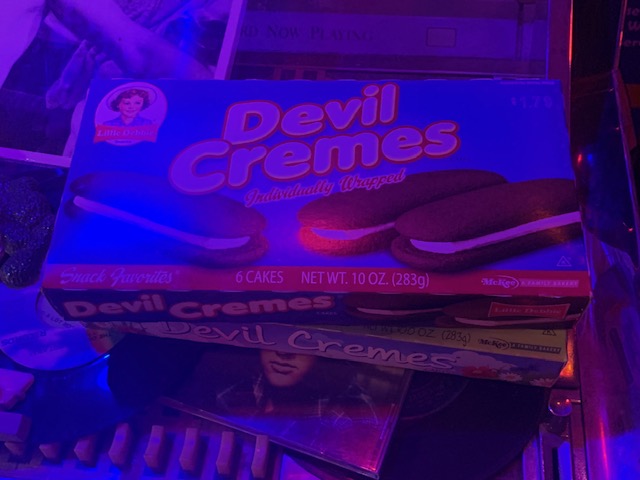
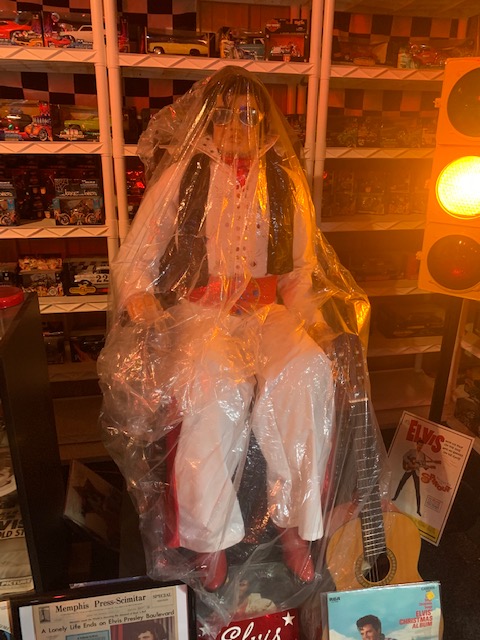
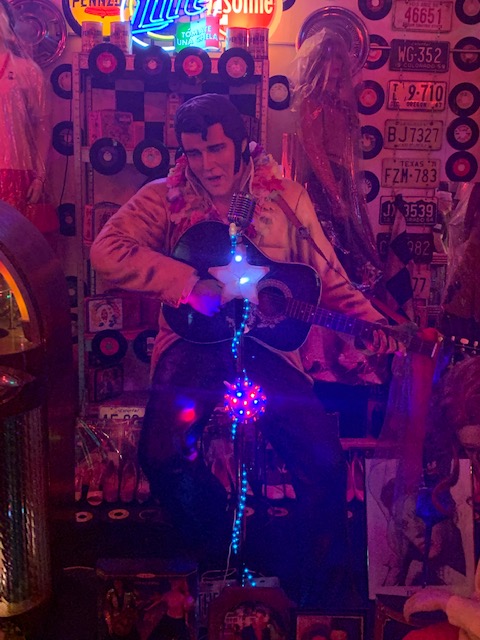
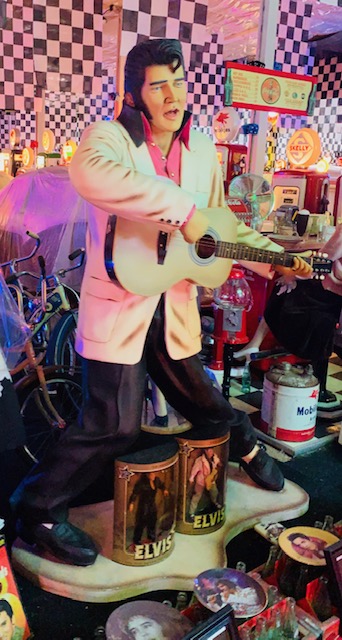
Dragonsmans has been a place I have wanted to go for two years. It is right here just outside Colorado Springs. A massive compound and history museum, where you have six shooting ranges, dirt track , paintball area, moto cross track, but most important, most likely the largest privately owned military museum in the country, just under 100,000 square feet in size. The Museum is divided into rooms, large rooms, he has rev war room, civil war room, WWI, WWII, divided into ,Russian, Nazi, Jap, British, American rooms, Korea, Vietnam, Irag, Afganistan room. Then there’s the Normandy beach head room, Battle of the Bulge room, radio room, nurses room. Vehicle room which has 152 operating vehicles from staff cars to jeeps to armored half tracks, bomb trucks to tanks. Every one of which is road worthy and plated. Medal of honor room has fifty two men with their picture, uniform and medal presented. The museum also has 1500 manikins dressed in uniforms, and period attire. 3000 American flags some of which are over 150 years old, 5000 helmets of all kinds, millions of rounds of live ammunition all over. Grenades, rockets, mortars, all live laying everywhere. Over 2000, firearms from pistols, rifle’s, light, and heavy machine guns all displayed as if ready to fight. Remember everything in the museum is authentic ,no fake stuff. Then after all that you go to the hot rod room, forty five hotrods are all over, all run and are street legal. There’s more, you then proceed to the 50’s and 60’s room, loaded with about 152 old gas pumps, juke boxes, coke machines, pedal cars, bikes, my banana seat bike was there. 500 lunch box’s, vintage shoes, it’s endless. And to top it off an Elvis room, loaded with everything and anything to do with Elvis, who is still alive. WOW I think that’s it. Tours are given three times a week, each tour is two hours long, and is $20.00 a person. We went Friday Morning and then decided to go back Sunday Morning, there were over 100 people in each tour. We hung back on Sunday to see things we did not see the first time, you could spend a week in here and not see everything.
WHO IS DRAGONMAN!!!!
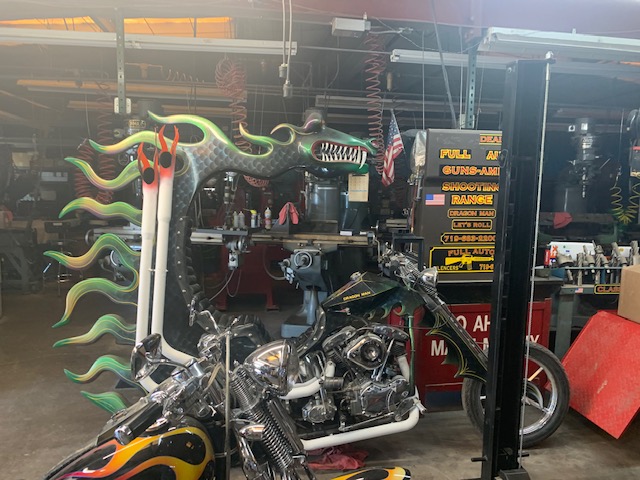
He is 76 years old, born in Brooklyn area, served in Vietnam in 1965 and 66 guarding troop transports through the area. Opened a machine shop, and has spent millions, upon millions of dollars, over the last forty years building the museum. WHY is he called dragonman, because of the chopper he built in the early 1970’s, picture below.
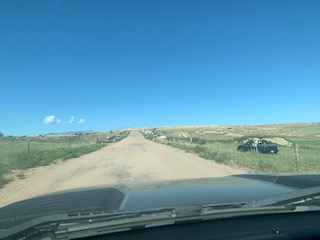
As you drive up the driveway you really have no idea how big it is.
Enetering the Museum
Light and heavy duty machine guns
Sand from the D-Day beach’s
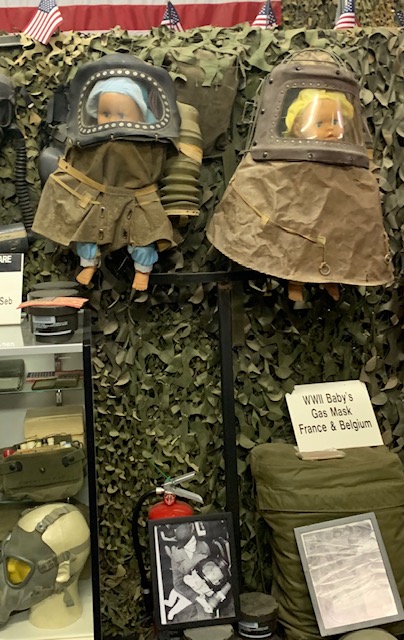
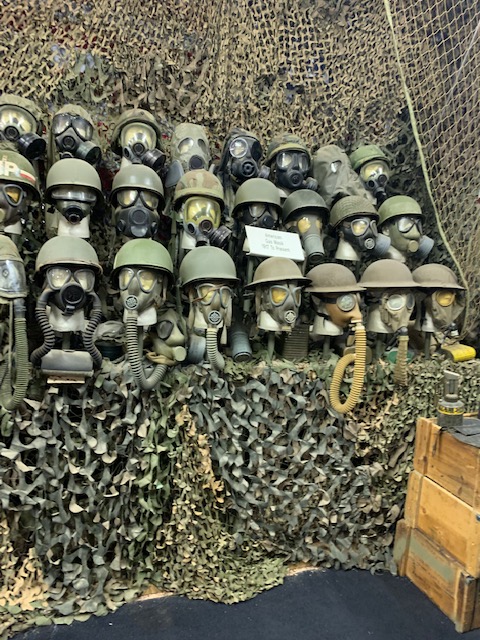
Baby gas masks from Belgium and France during WWII, the whole baby was put inside, these are the only two in any museum in the world. On the right is every gas mask the U. S. has made.
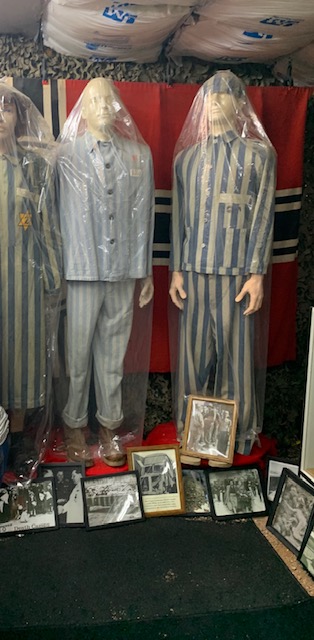
The canisters above are Zyklon B gas used in the death camps. Dragonman has 52 unopened and full canisters. After about 300 people took there showers, they went to the next room, where on top of the roofs, Germans would pour the crystals down the chute. Once exposed to air, they vaporize and within two minutes everyone was dead. in one day they could kill up to 16,000 people using this method. He had these shipped over regular mail in 1990 from another museum in Germany. Try that today. On the right are actual death camp uniforms brought home after the war by survivors. Then donated to the museum.
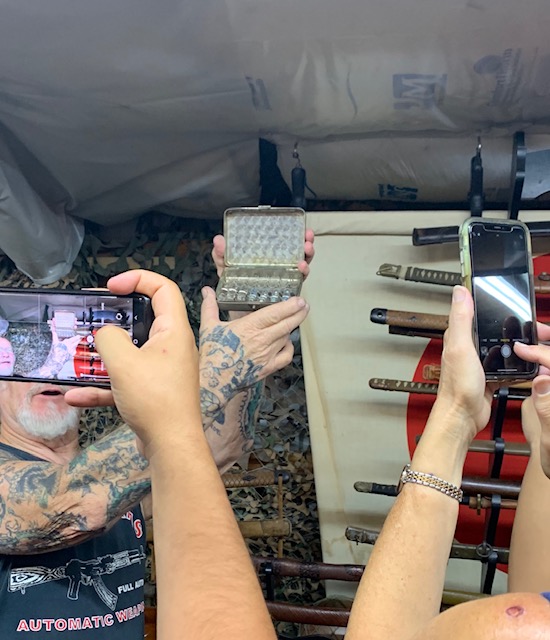
On the left Dragonman is holding a cyanide capsule for German officers. Housed in a small brass tube, a smaller glass tube slid out, was put in your mouth and bit into, two minutes later your dead. He has two of these. On the right is the Japanese family pack version, just small glass tubes, there always was enough for every soldier, as they would rather die than surrender.
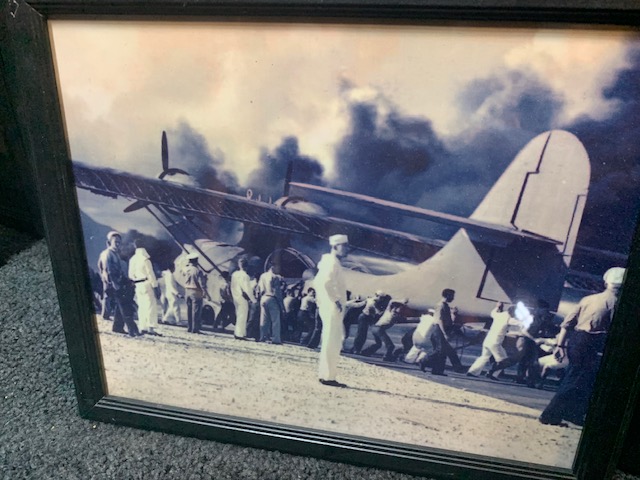
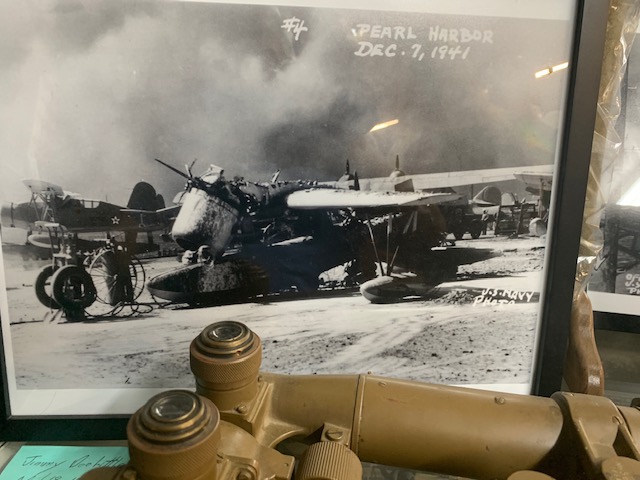
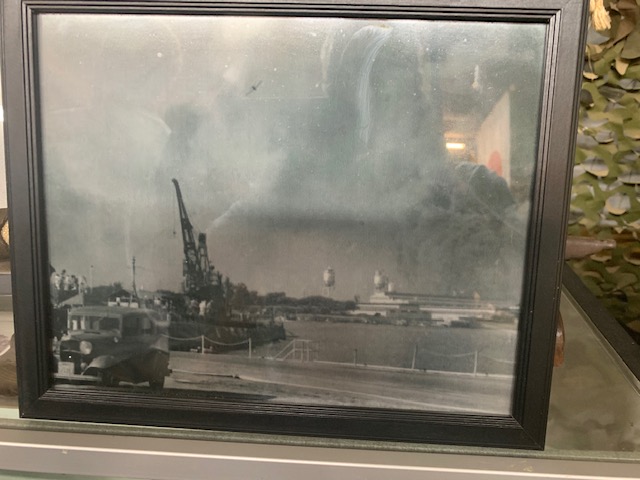
The photos above are from the bombing of Pearl Harbor. Dragmans father’s best friend served aboard the USS Maryland as a photographer, and took 35 pictures that day. They were never published or are in any history books. Upon his death in 2012 Dragman received all 35 rare photos of the bombing.
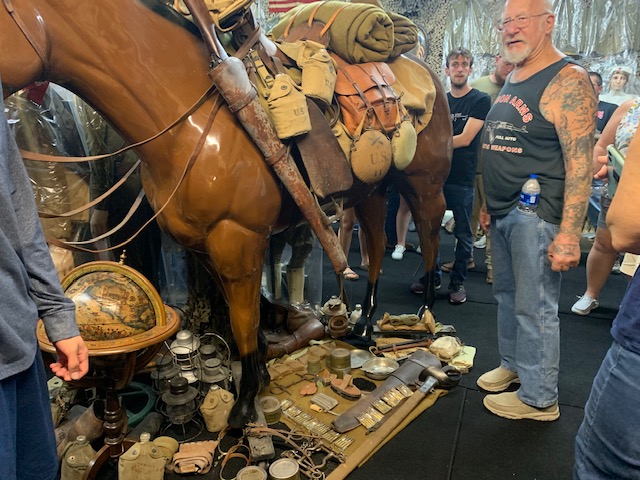
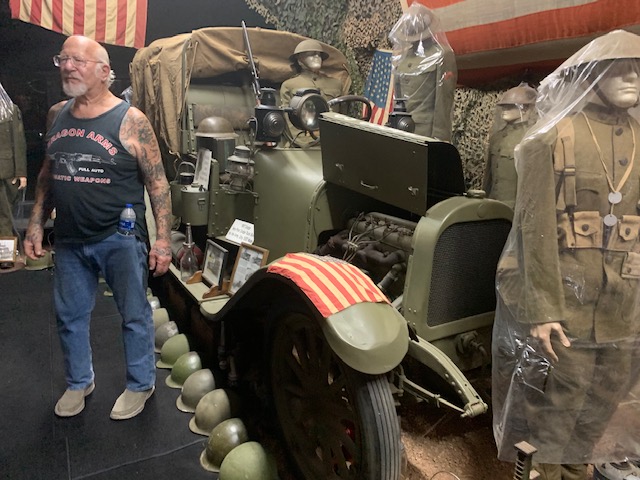
WWI pack horse for the Calvary, tons of equipment. On the right is a WWI troop, munitions truck, notice the wood wheels and solid rubber tires. This is the only one in existence and runs great. Used extensively it had one drawback, every time it went up hill it had to be towed by a team of horses. WHY, no fuel pump, not invented yet, . It was gravity fed.
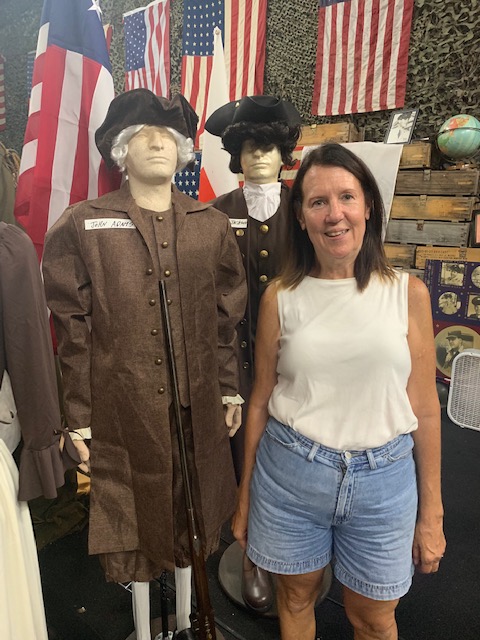
Melissa with her 8th great uncle, John Adams
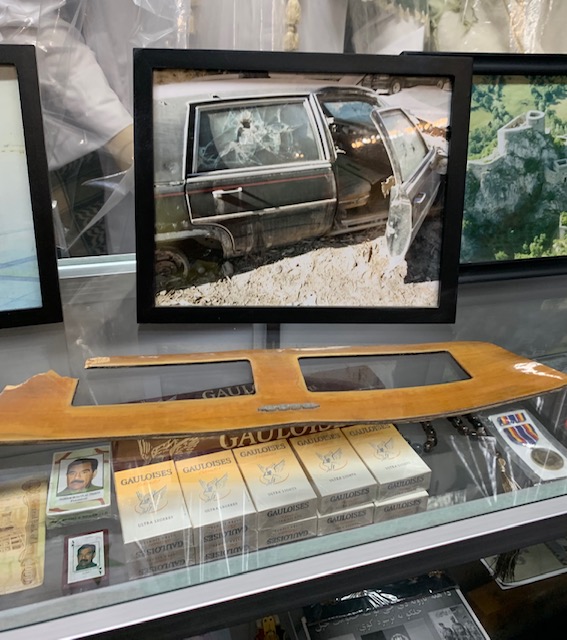
Part of Saddoms car after it was blown up. Right is a typical suicide bomber.
IT GOES ON AND ON
Coffin car and dragster
I had a banana seat bike just like the one on the right, rode it till the wheels fell off.






























































































 ROADS OF DISCOVERY