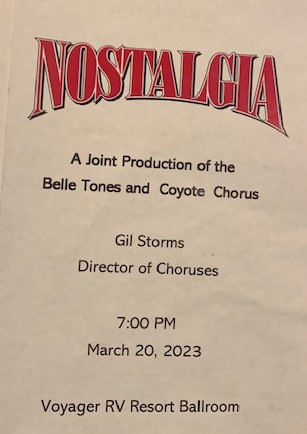
We went to see a show that featured Barbershop Quartets from the area. And nostalgic it was. My dad was a good singer so he sang a lot of old songs, I’m talkin old songs, from the 1920s to 1950s so my sister Jennifer and I know all the old songs too. So I wanted to see the show so I could reminisce and sing along.
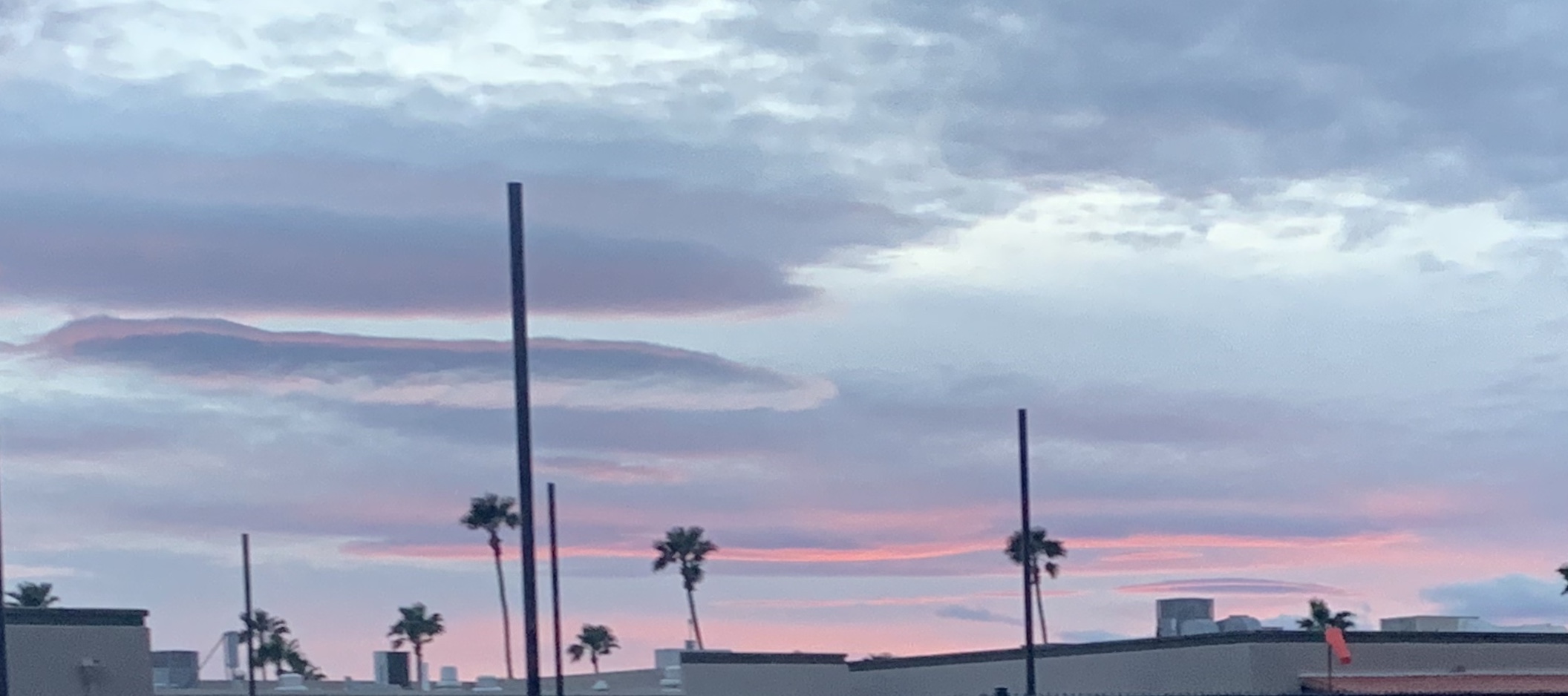
This picture was takin on our walk to the ballroom in the RV park.
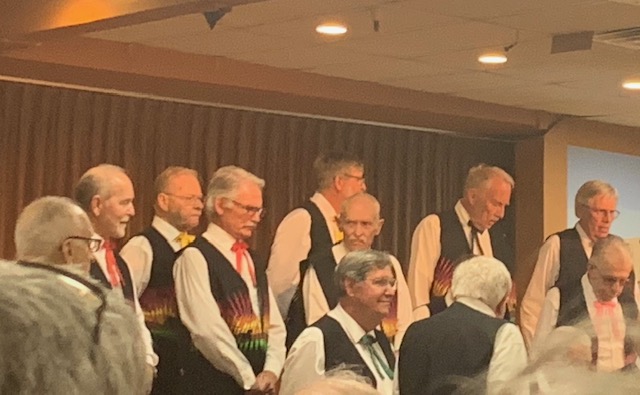
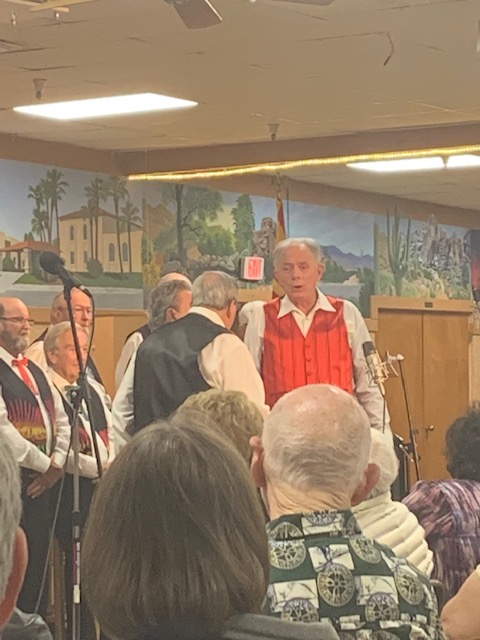
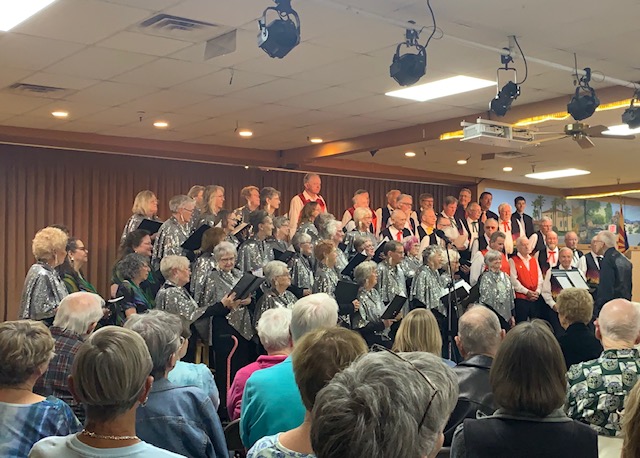
This chorus called themselves “The Coyote Chorus” The first act.
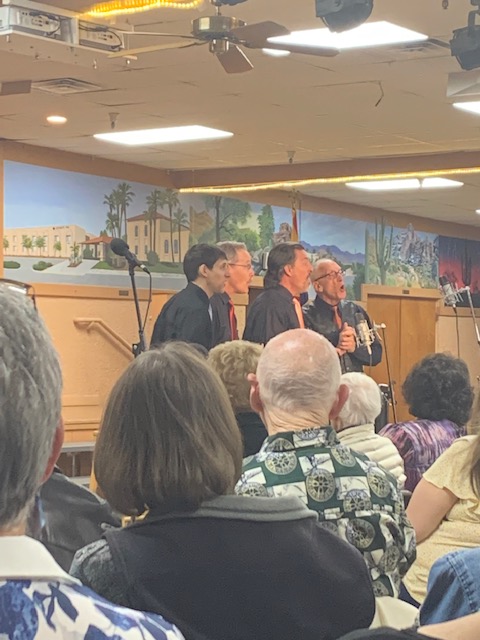
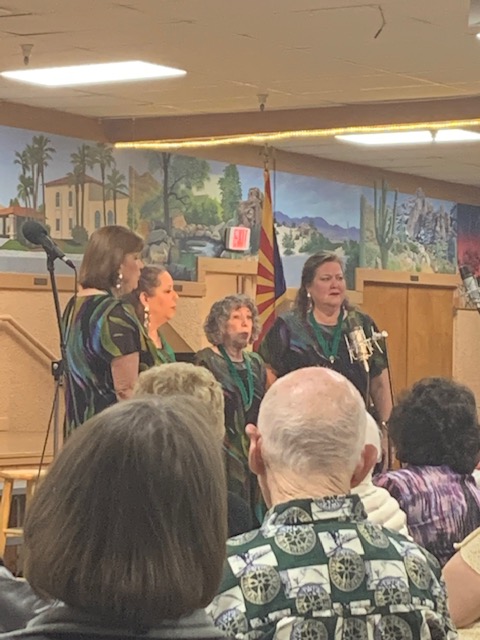
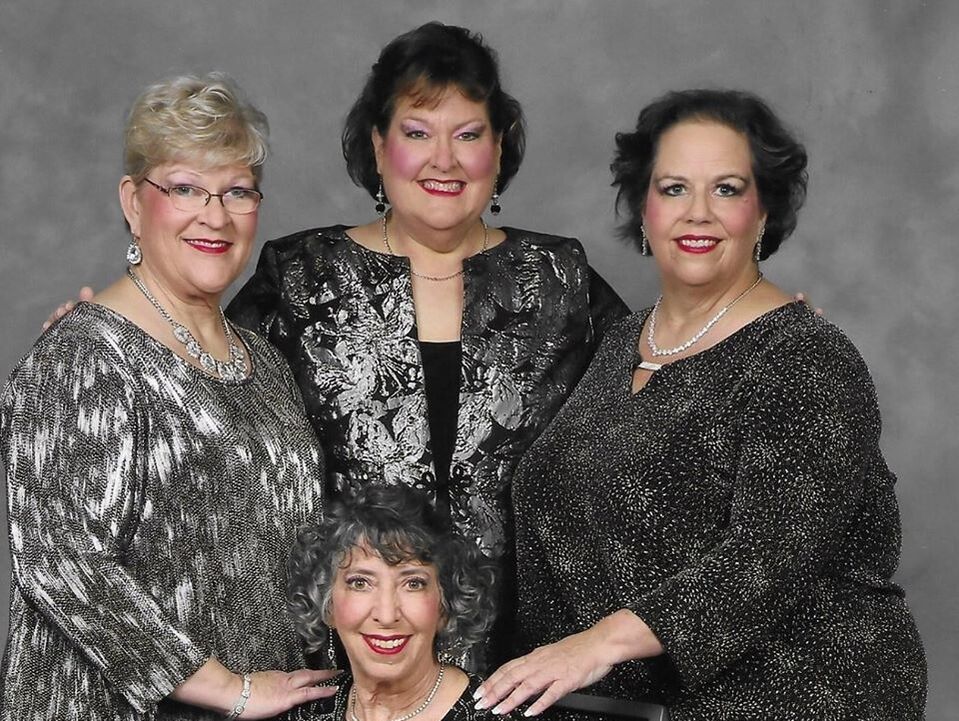
This quartet was called “A Touch of Grey”
These are “The Desert Transplants”
Here are a few of the songs they sang, I bet you know at least one song? How about “In My Life” By the Beatles?
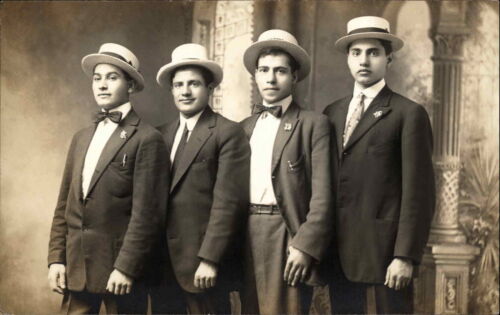
Barbershop Quartets got started in Barber shops where they all hung out.
Barbershop harmony can trace its beginnings all the way back to the birth of traditional Western music. These chants were originally sung in unison, but over the years they slowly began adding harmony. There was no sheet music at this time, so the singers sung solely based on listening.
During this era, the local barber was more than just a hair dresser. Barber’s also pulled teeth, and performed minor surgeries. Barbershops slowly became a place for the town to gather and play instruments and sing while waiting for their turn.
At the turn of the century, amateur male singers would gather in quartets to perform at parties and picnics. Often time’s barbershop quartets would perform at Minstrel shows as a way to pass time, since no equipment was necessary.
These guys “All in A Chord” sang “Yesterday” by the Beatles, it was really nice to hear the song sung in harmony with no music.
A girl quartet “Havin a Blast”
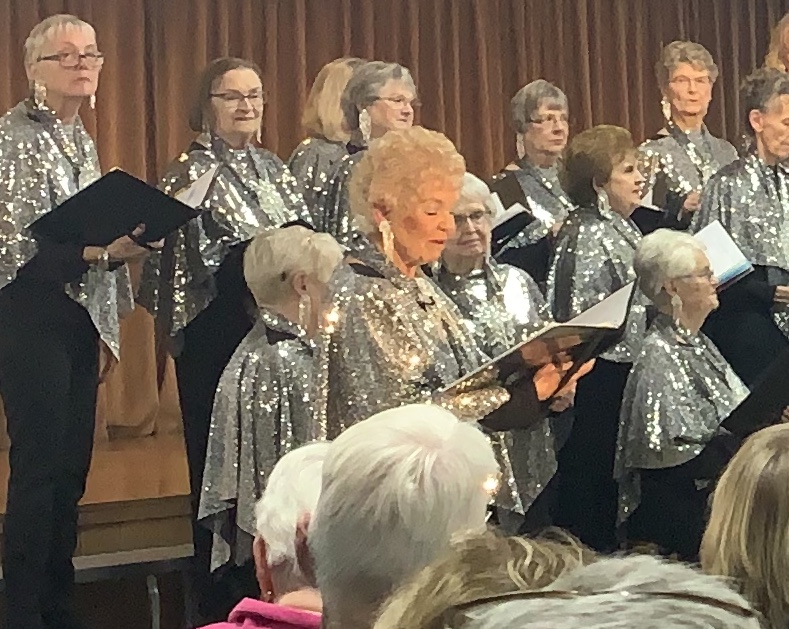
How about an all girl chorus called “The Silver Tones”
Everyone got together to sing at the end “Let There be Peace on Earth”
I enjoyed the show very much, it put me back in time, like old songs do, a bit teary at times, but a lot of good memories. Sometimes with a song you can remember where you were when you heard it for the first time.
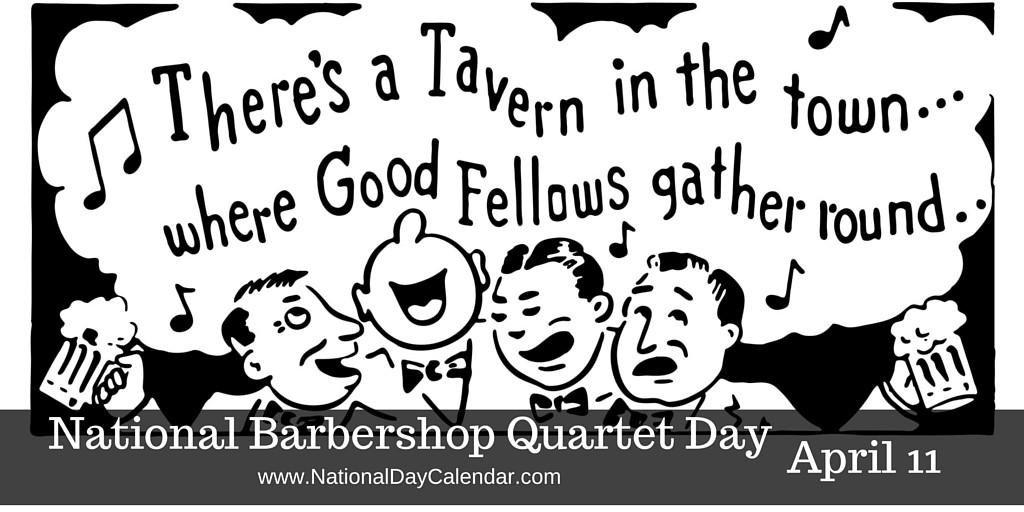
Tuesday April 11th is National Barbershop Quartet day, so maybe if you want, you can look-up Barbershop Quartet songs and listen to music with harmony and no music.
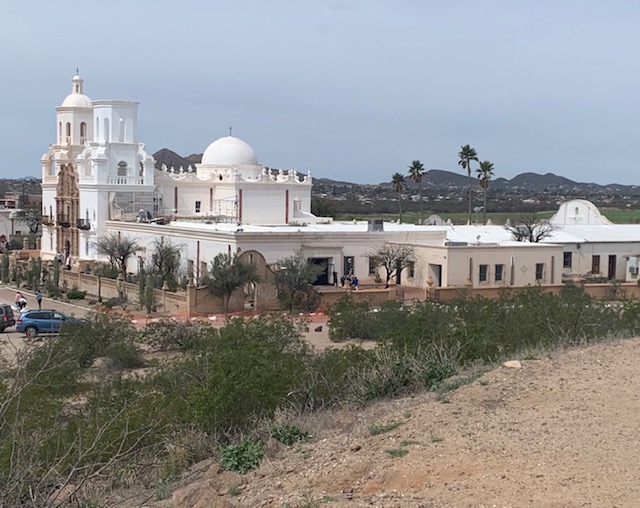
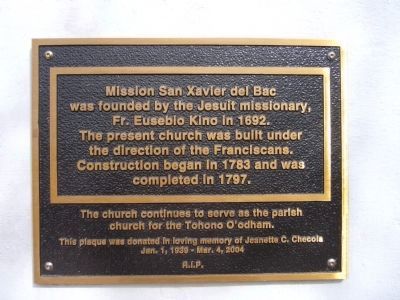
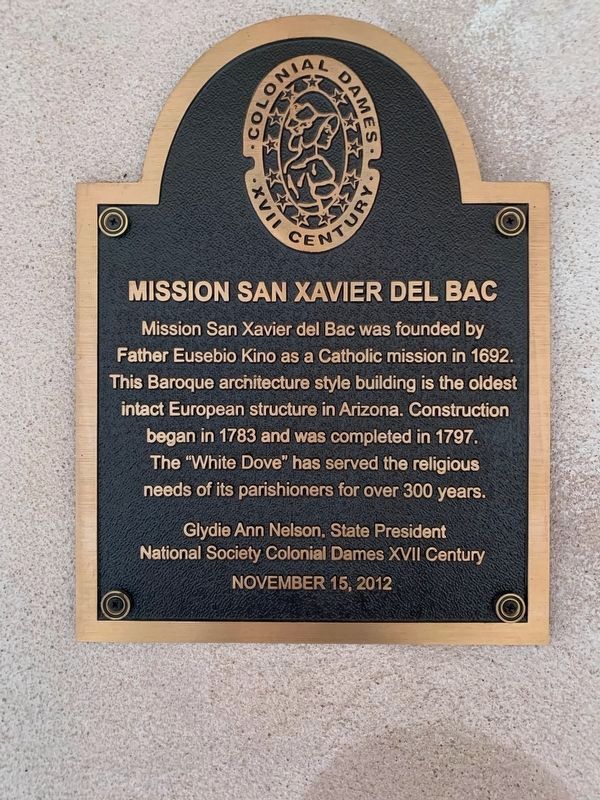
First I’ll tell you about the Mission San Xavier del Bac.
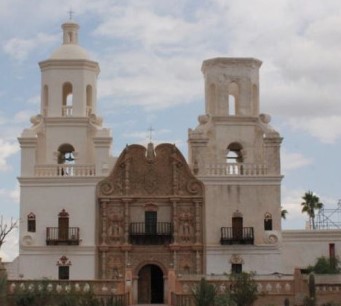
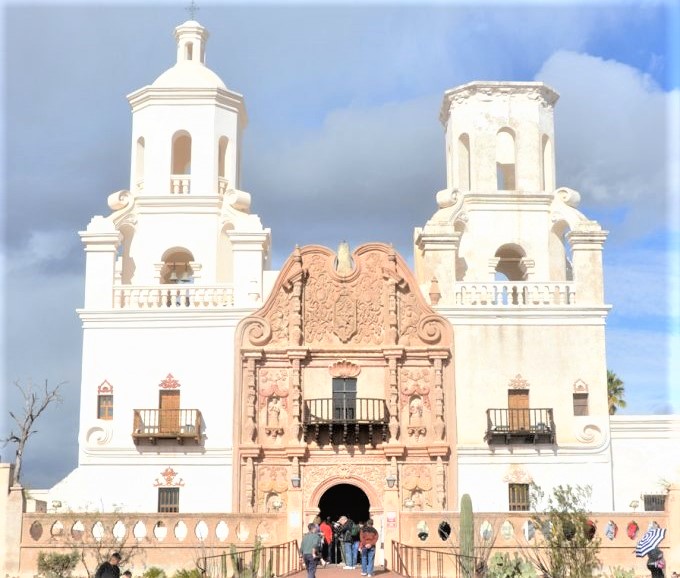
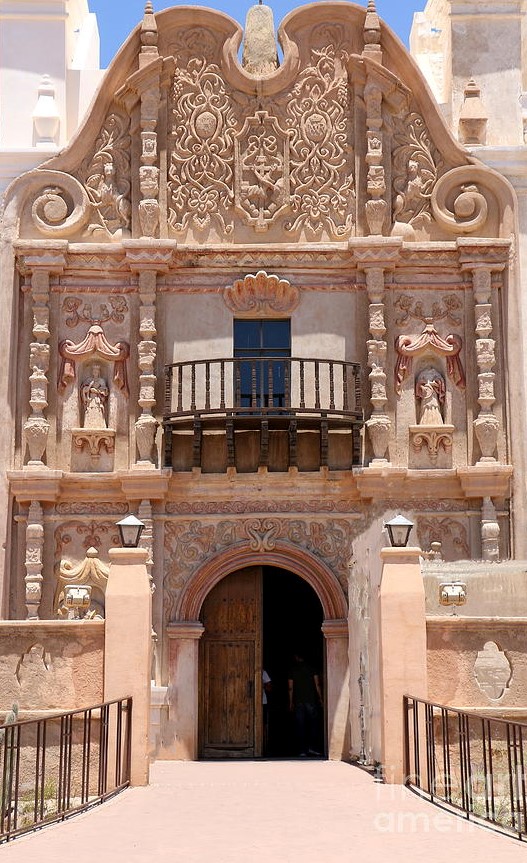
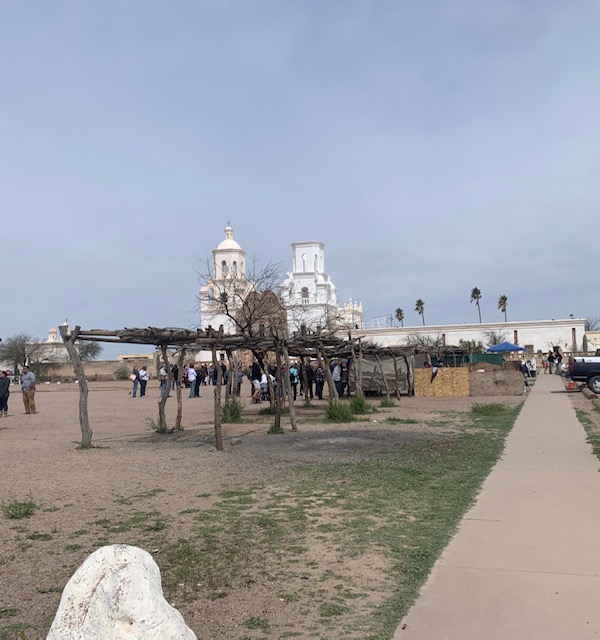
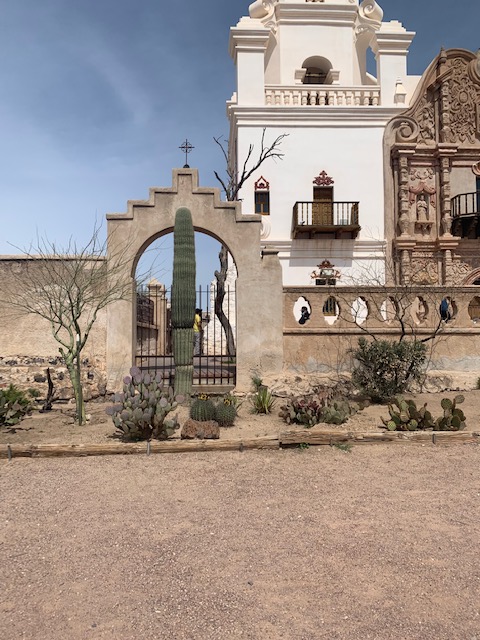
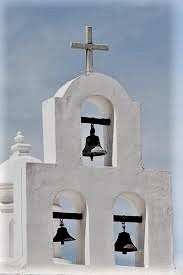
The Mission San Xavier del Bac is also known as the “The White Dove of the Desert”, the building is a white adobe building that rises from a desert landscape. Considered the finest example of mission architecture in the Southwest, the beautiful church was built between 1783 and 1797, incorporating Spanish, and Mexican Renaissance architectural styles. It’s the oldest European structure in Arizona. The mission was named after Frances Xavier, a pioneering Christian missionary.
When the mission that is here today, Mission San Xavier del Bac was built the first foundation stone was named after St. Francis Xavier a modern missionary. Kino’s vision was to spread Christianity to the local Tohono Oʼodham people. Missions were an important part of Spanish colonization efforts. The Spanish sought to convert the Native Americans into a permanent European-style settlement. The site is a historic Spanish Catholic mission on an Indian Reservation. Like many times before, what they did was take the Indians land away from them and teach them how to survive their way.
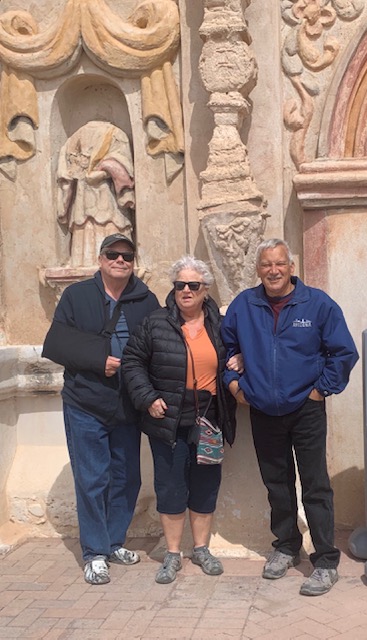
We went there with our friends Scott & Dawna.
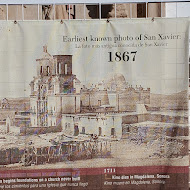
The first missionary was built about 2 miles from the present mission, Father Eusebio Francisco Kino, a Jesuit missionary of Italian descent, founded the Mission San Xavier del Bac back in 1692. This original church was attacked by Apaches often and was destroyed in fire about 1770.
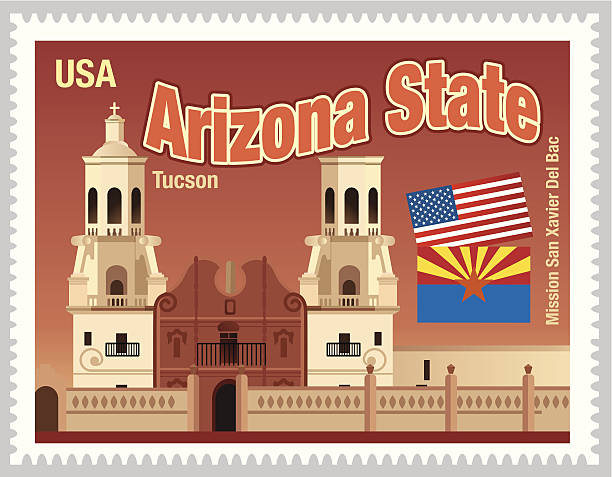
Arizona Stamps (Mission San Xavier del Bac)
The church sat for a long while because of differences in the Spanish church. The Franciscans returned in 1913 and the mission later saw extensive restorations that helped restore its historic splendor. Local Indians preserved what they could, and the church was re-opened again and repaired after it became part of the U.S.
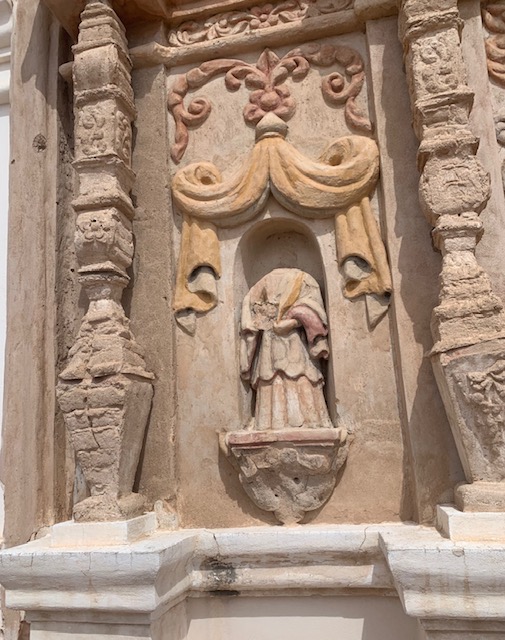
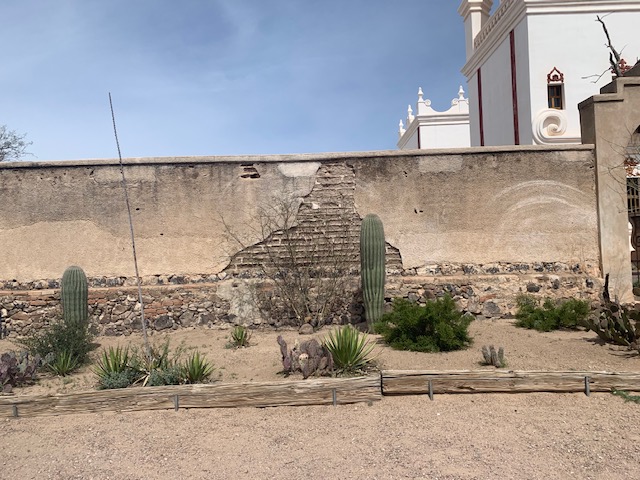
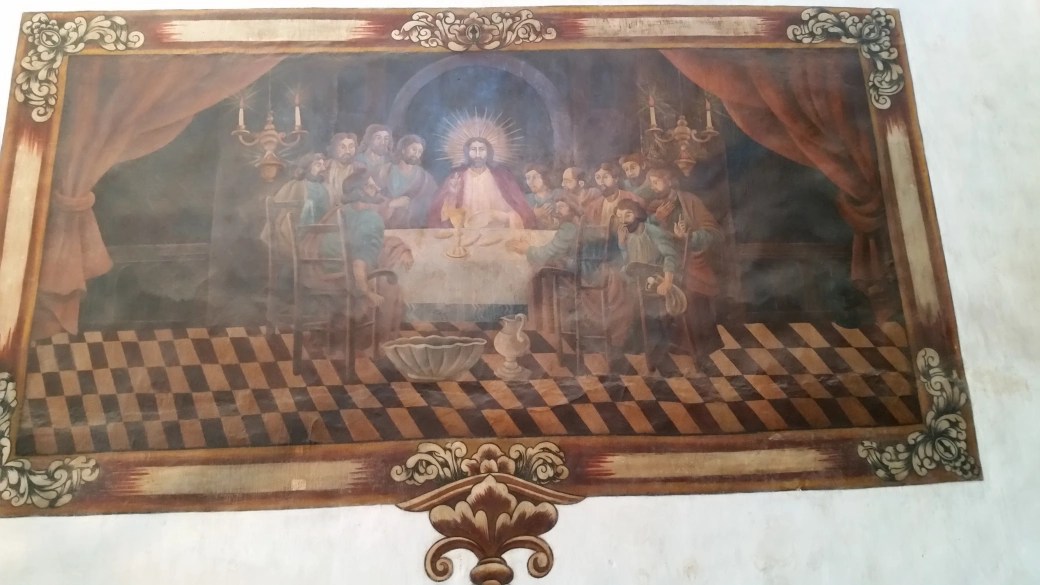
Efforts are now underway to raise funds for a complete restoration for both the church and it’s surrounding buildings and property. The pictures above are just a few of the items that need to be fixed, painted or cleaned.
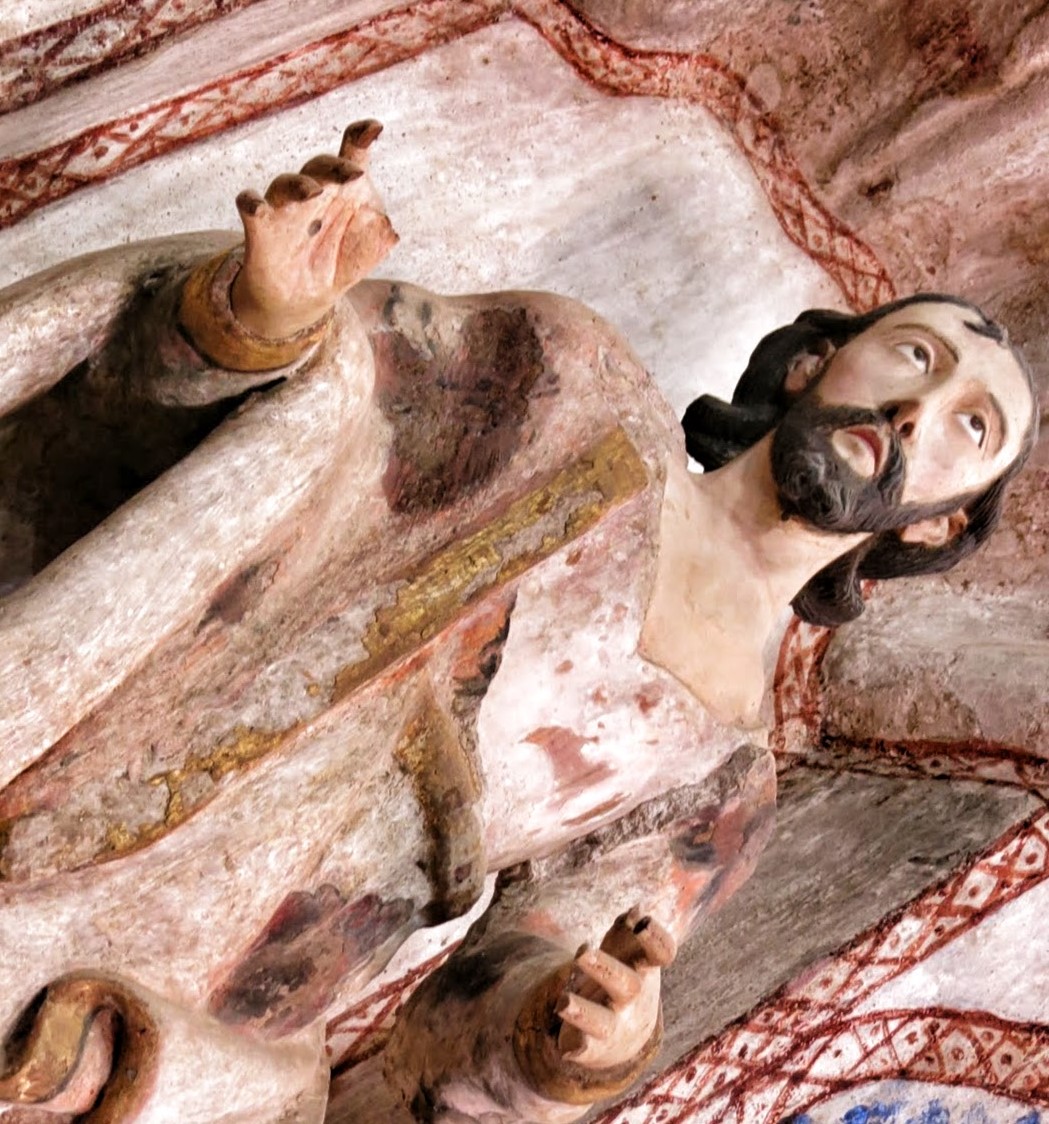
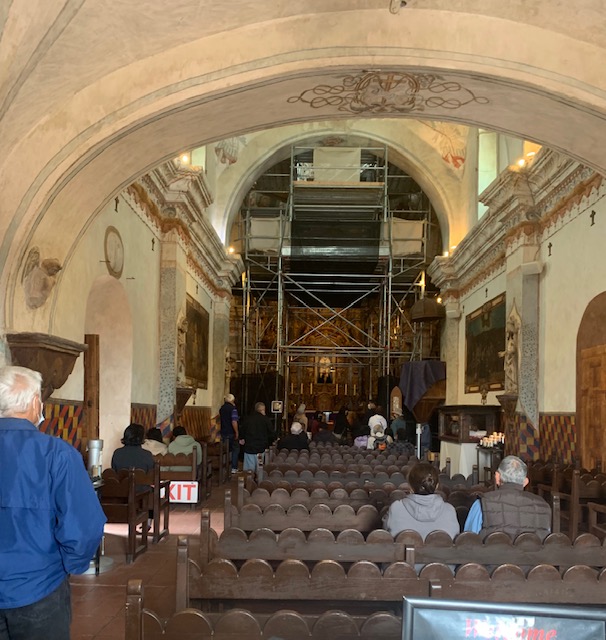
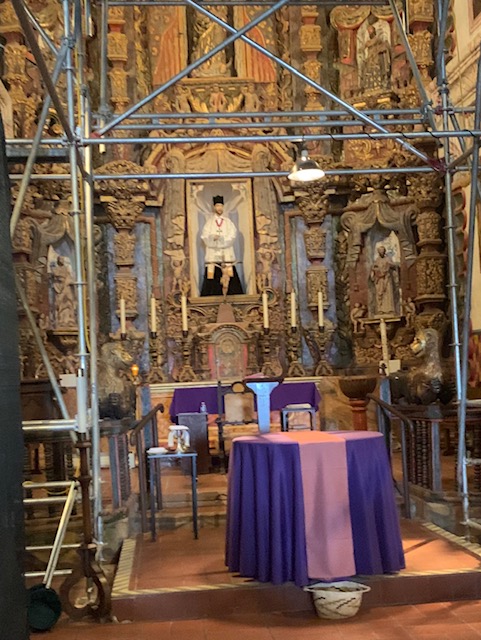
We went Inside the church but we couldn’t get to the sanctuary, what we did see was beautiful.
The church, however, was never actually completed, when the two bell towers are compared—one is topped with a dome, while the other has none. There are several legends explaining why builders left the church unfinished. One legend says that someone fell off the tower and work was halted. Others say a cyclone blew the dome off, or that it was left unfinished to dodge taxes. Another reason is the builders ran out of money.
The doorway has outsize scrolls, shells, and divided pillars. Parts of include nature, like the pomegranates. There are also scroll shaped forms near the top.
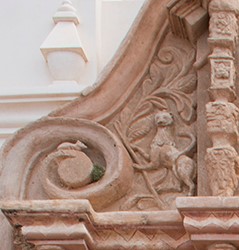
One unique part of the building is the sculpture above the doors which represent a cat threatening a mouse. The exact cat & mouse are on the other side. They see each other from their own sides and a Papago legend holds that the world will end when the cat catches the mouse. We don’t have to worry right now because they haven’t moved.
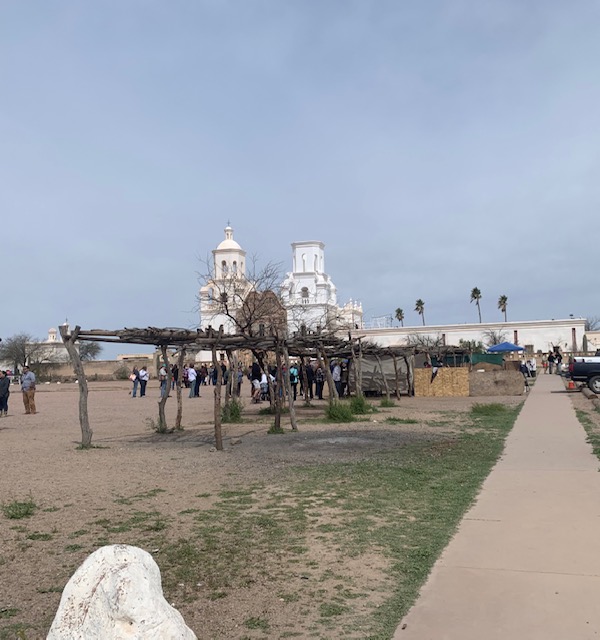
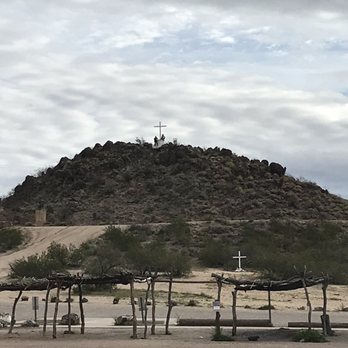
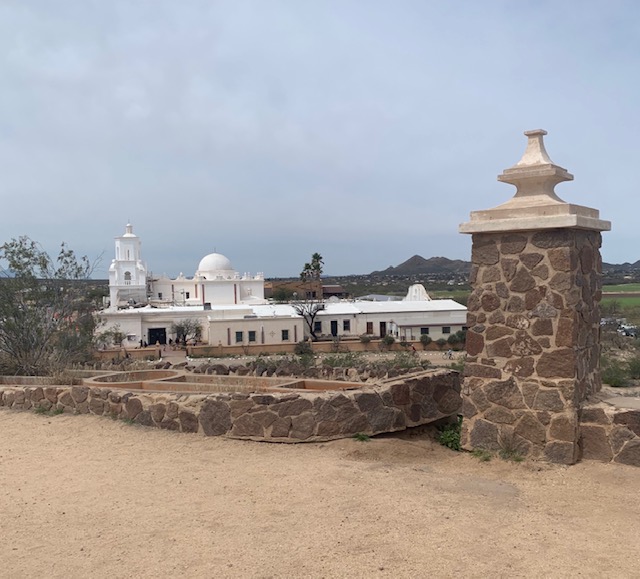
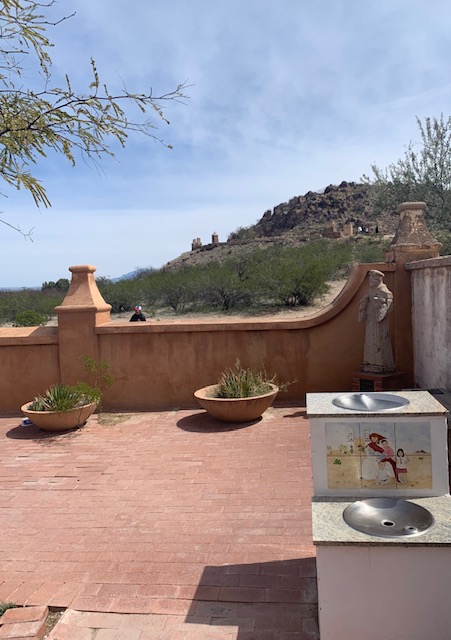
There’s another area to see that is right by the mission. We went up a small hill to what is called the Grotto Hill. You can overlook the whole church here. You can also go to the top of the hill where there is a cross and where you can see along way.
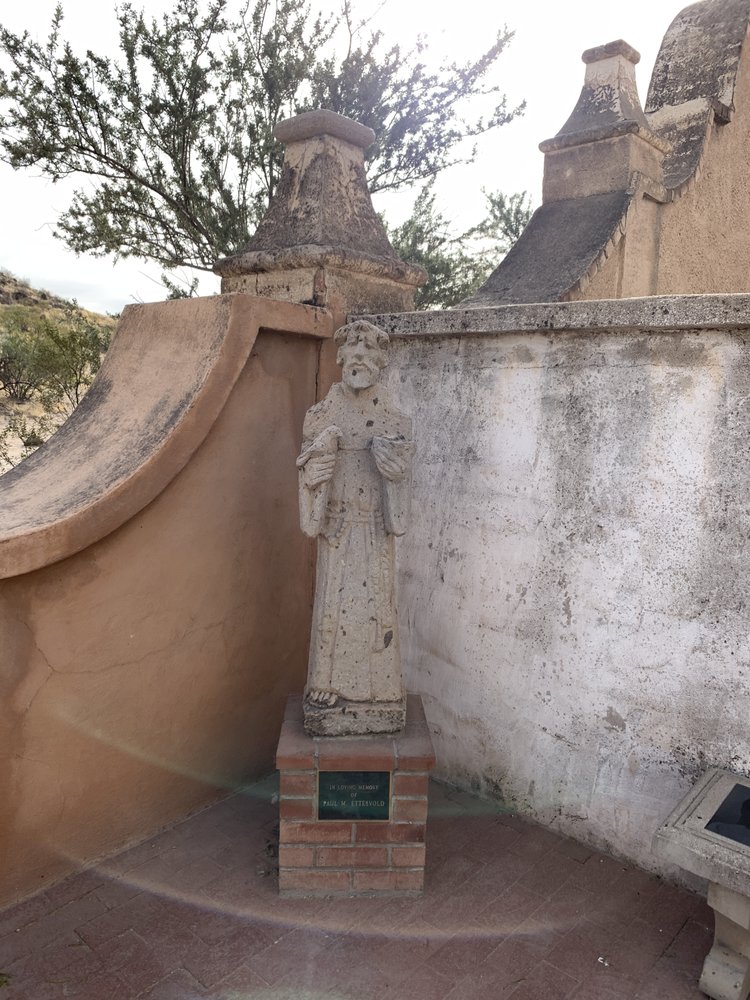
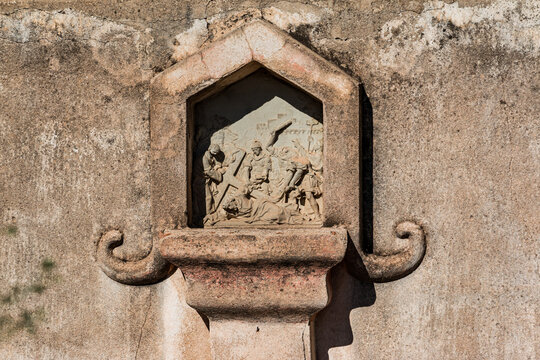
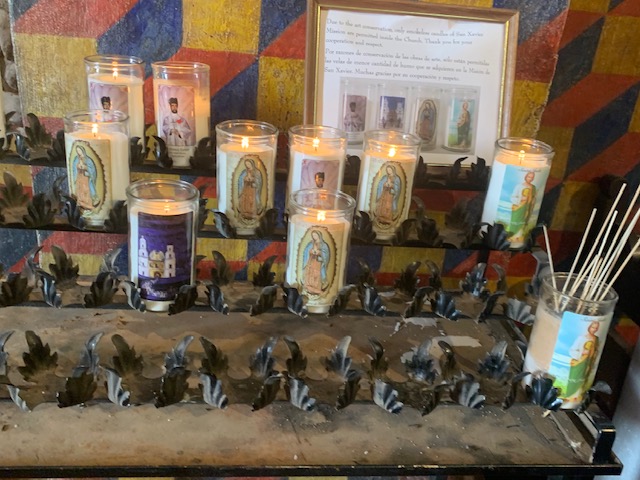
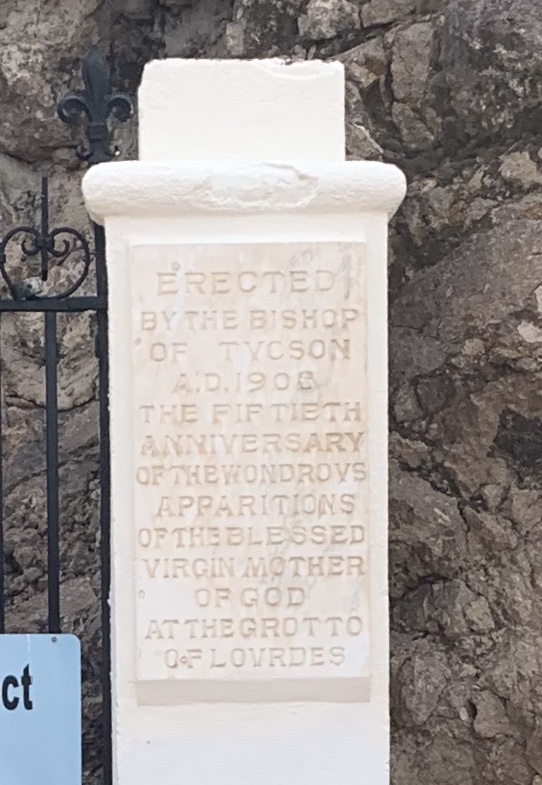
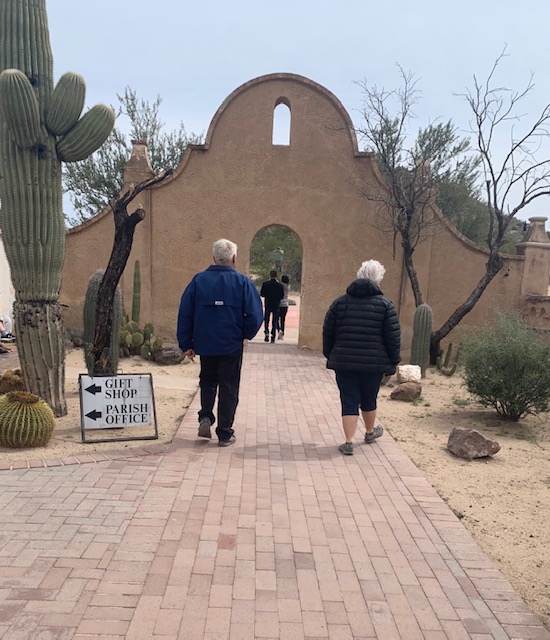
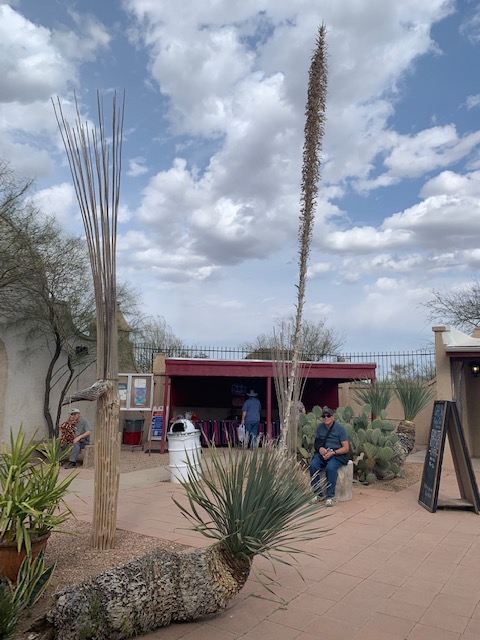
The first two pictures are of a small cave on the property that is a shrine which was dedicated in 1900. The mission has courtyards that have cacti and other desert plants, small praying rooms and a gift store. The last two pictures are of the Mortuary chapel on the missions property it’s a small building the size of a storage shed, it contains statues of saints as well as candles used for special prayers.
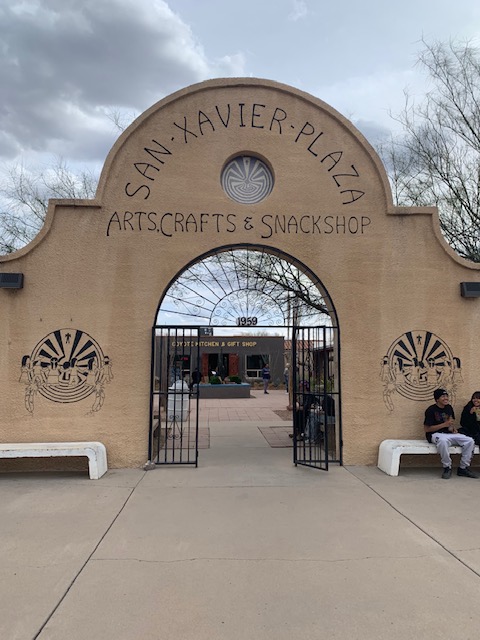
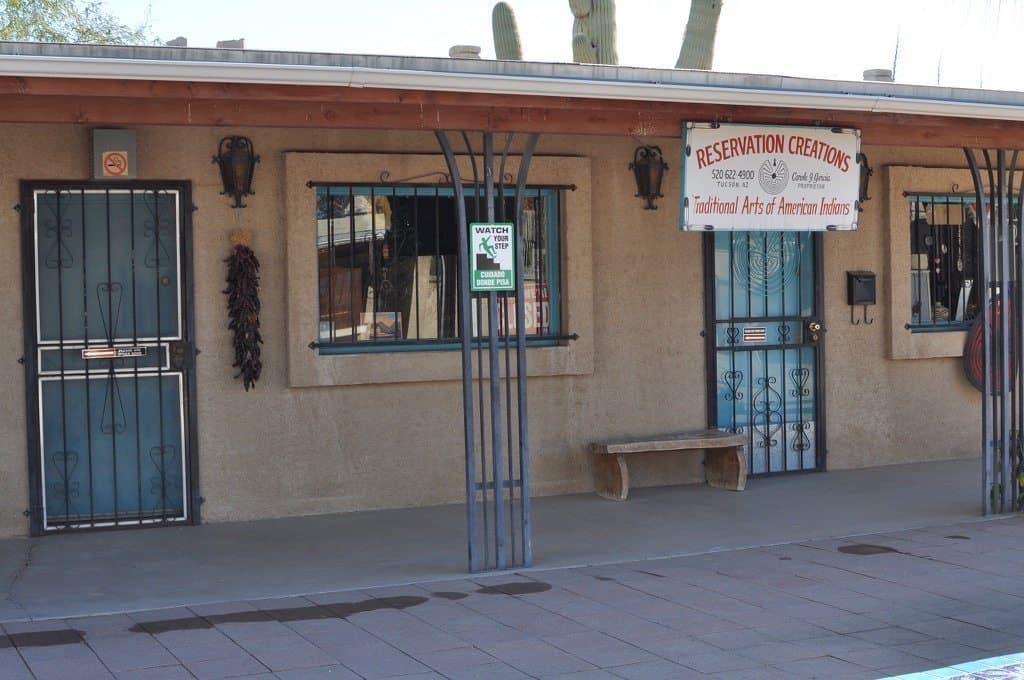
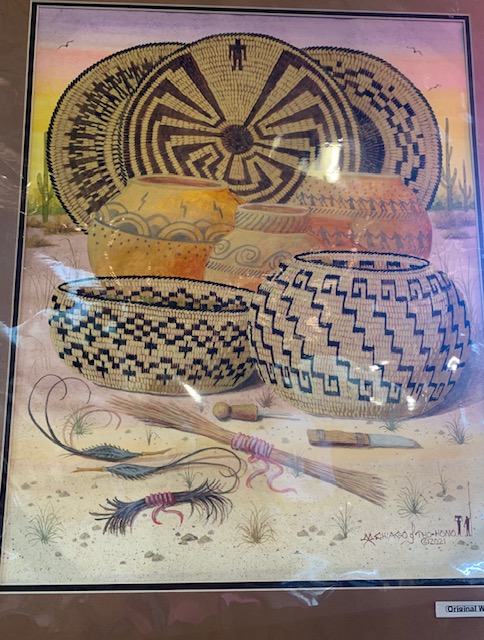
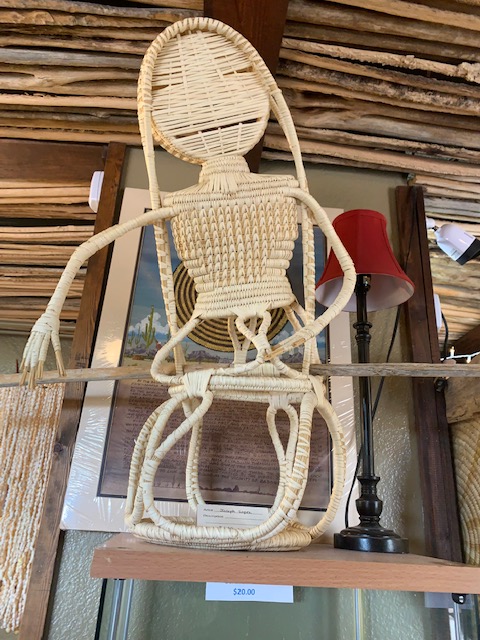
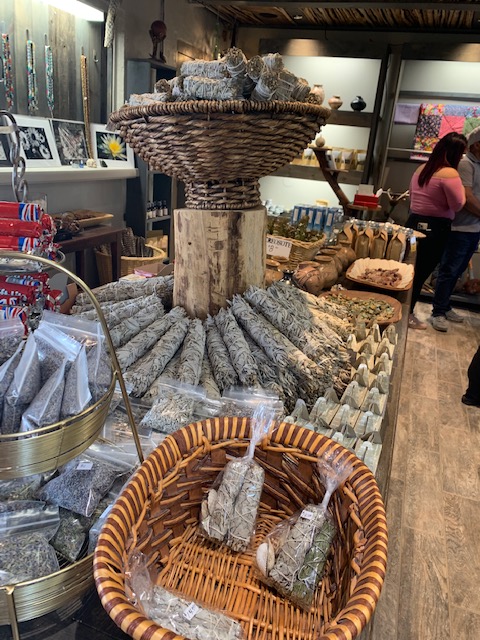
There is an Indian market with shops and booths offering such handicrafts as fine miniature woven horsehair baskets, dyed horsehair rings, spirit catchers. And the Tohono O’odham have baskets made out of bear grass, yucca and devil’s claw, that they have made forever. The last picture is inside a Herb store they have here, as Dawna said “it was there yoga class because they used all the herbs like sage for medicinal purposes.”
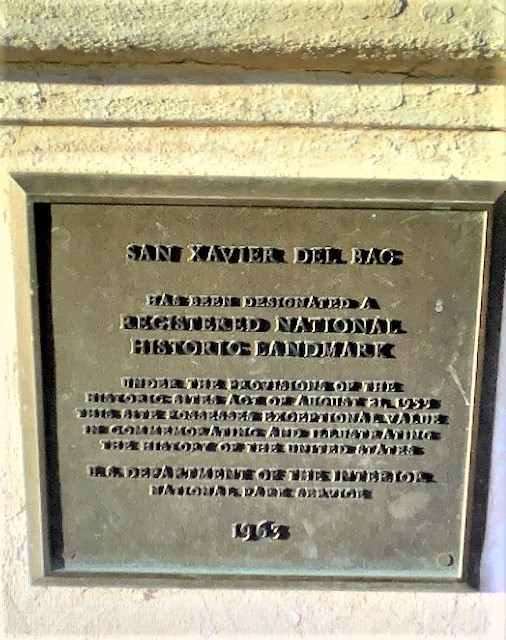
O’odham (called Papago Indians by settlers) Mission San Xavier del Bac was declared a National Historic Landmark in 1960 and was listed on the National Register of Historic Places in 1966
Visitors come to see the decorative and detailed artwork, to learn about the history, and to admire the careful preservation. Dave & I will have to come back to check on it and to climb the hill to the top.
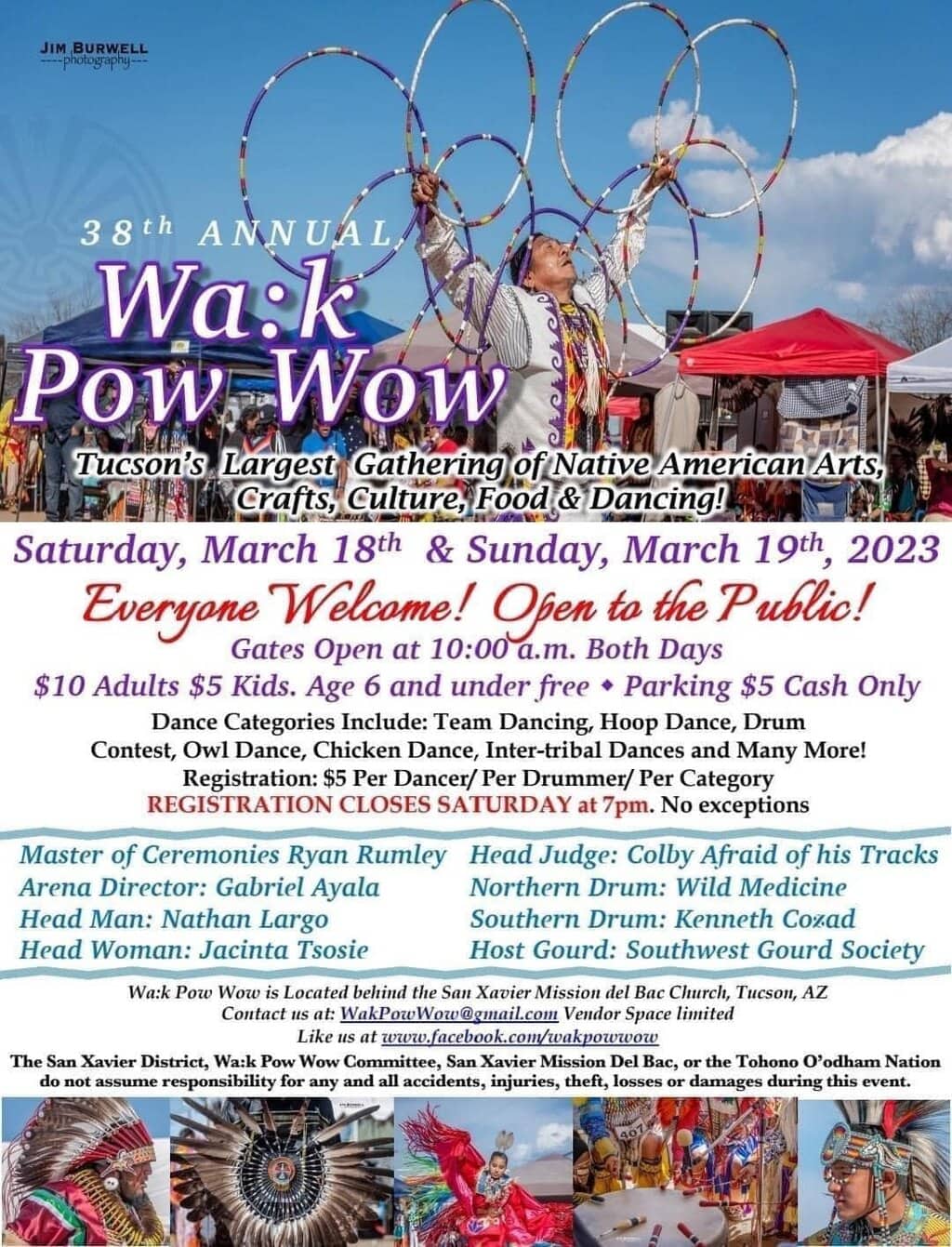
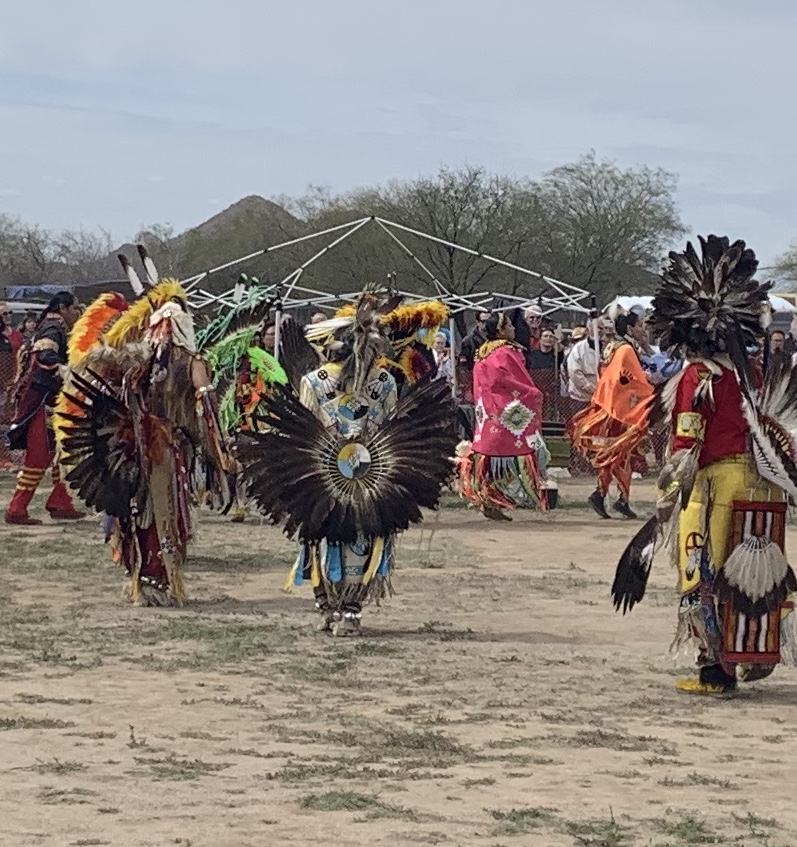
And now to the Pow-Wow
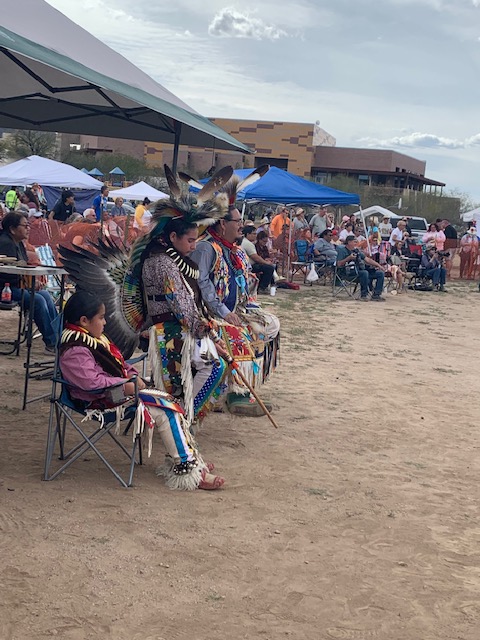
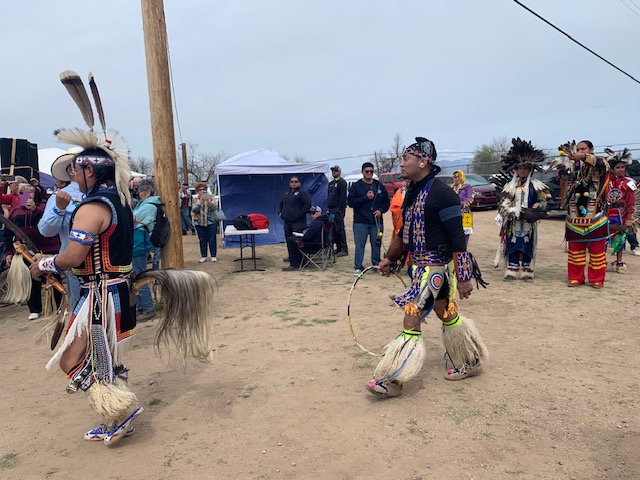
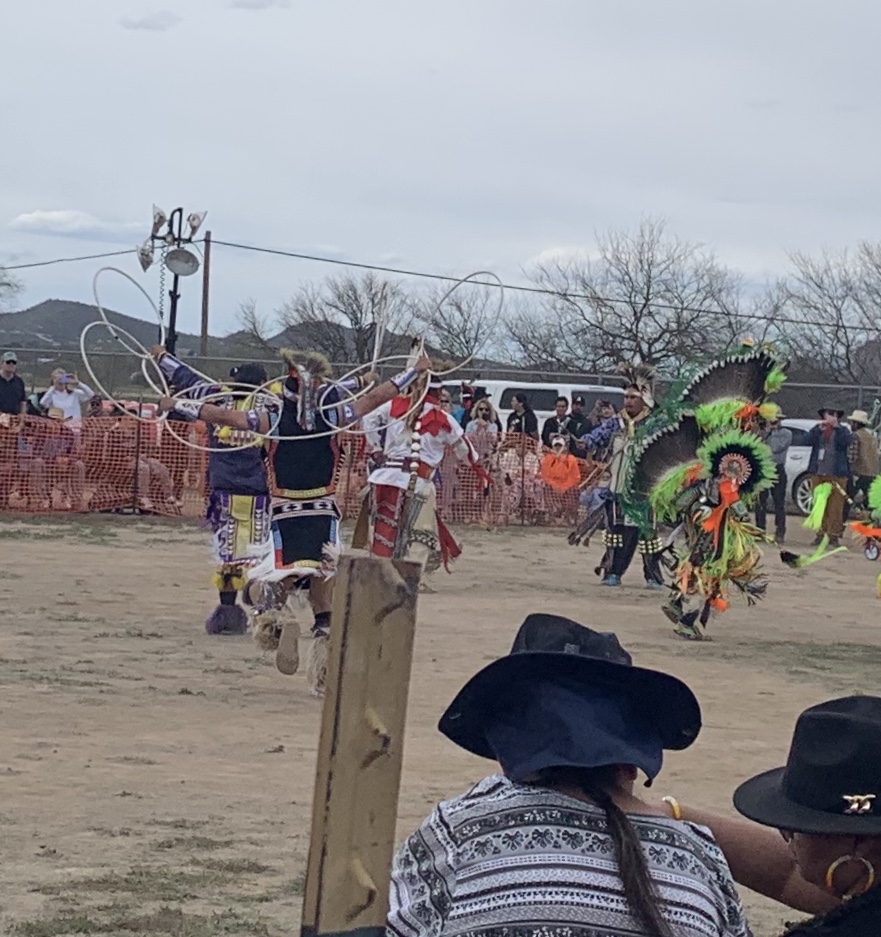
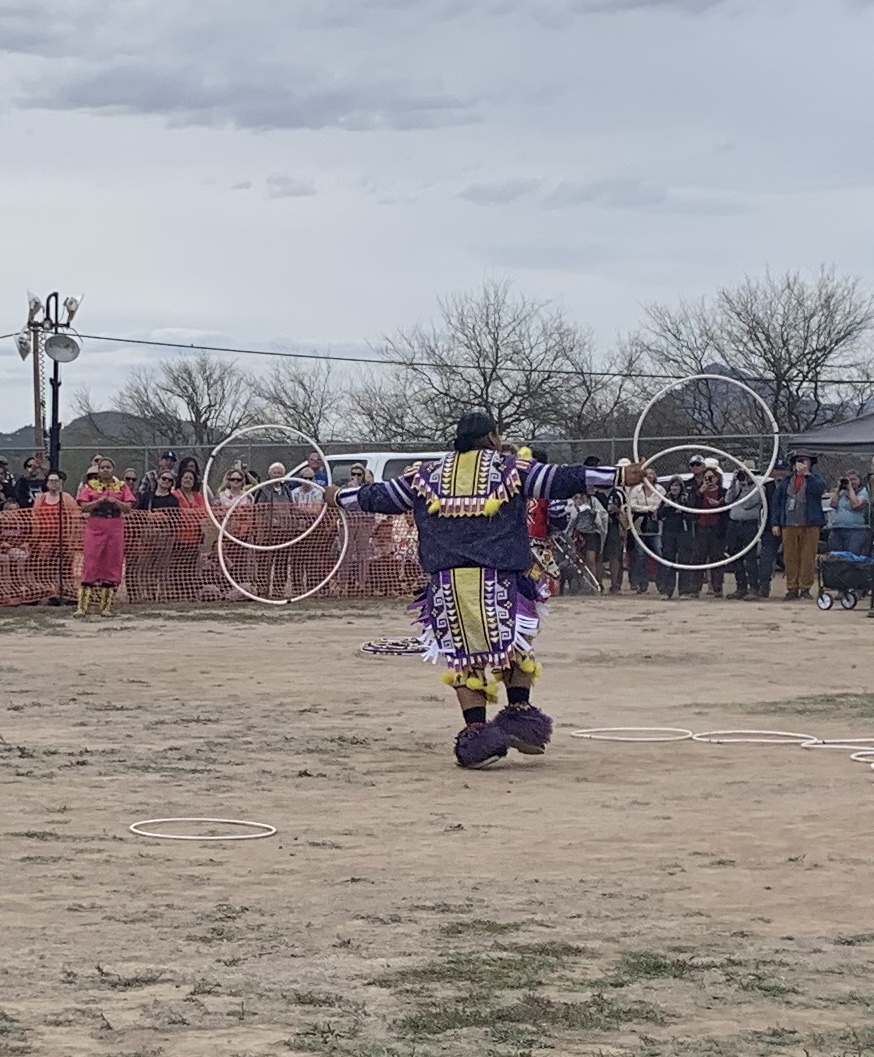
Pow wows are Native American gatherings in which American Indians sing, dance, reconnect with old friends and celebrate their rich ancestral histories. Often accompanied by a conference or meeting. Some believe that the pow wow originated with the War dance Societies of the Ponca and other Southern Plains Tribes.
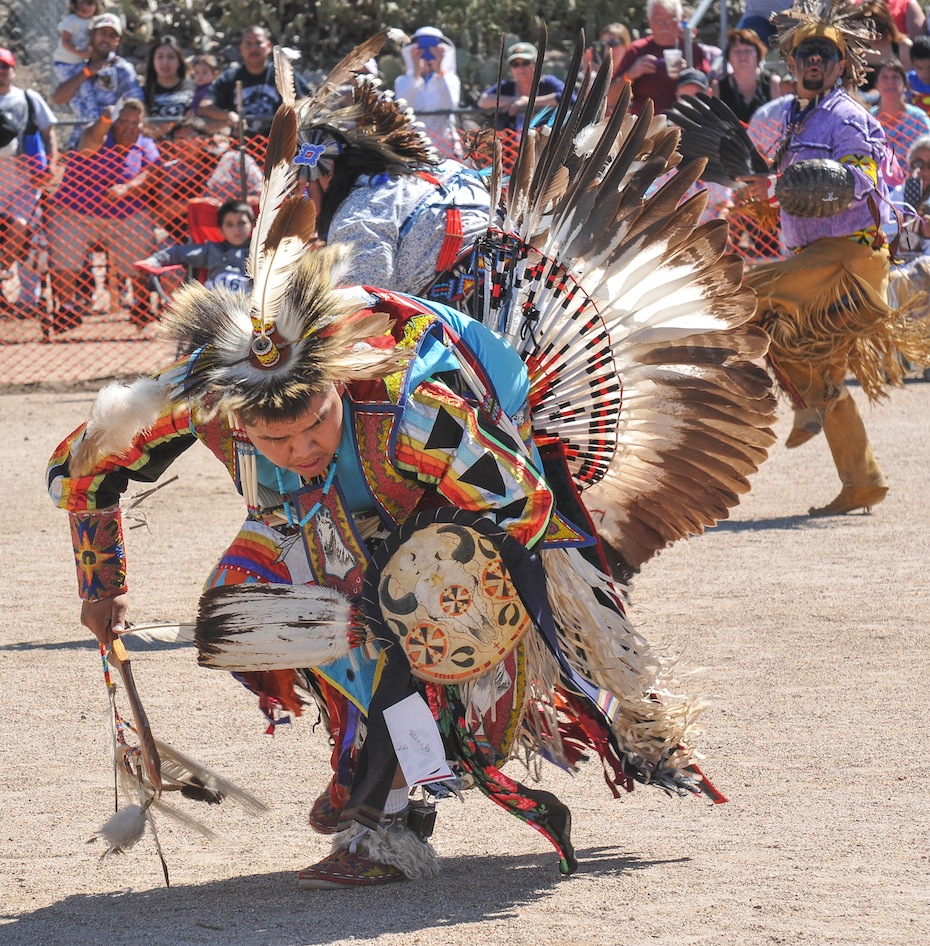
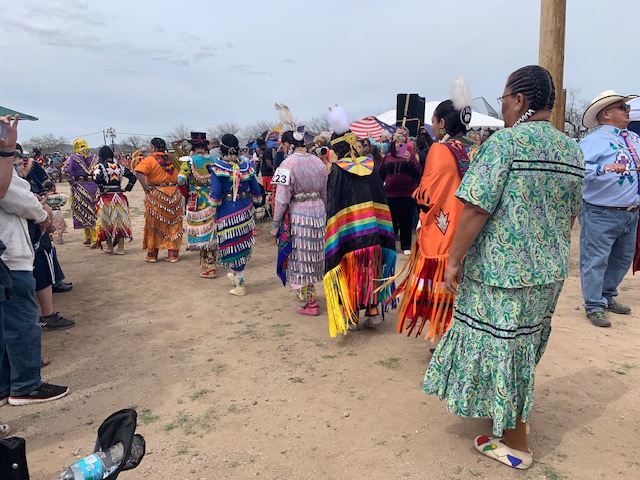
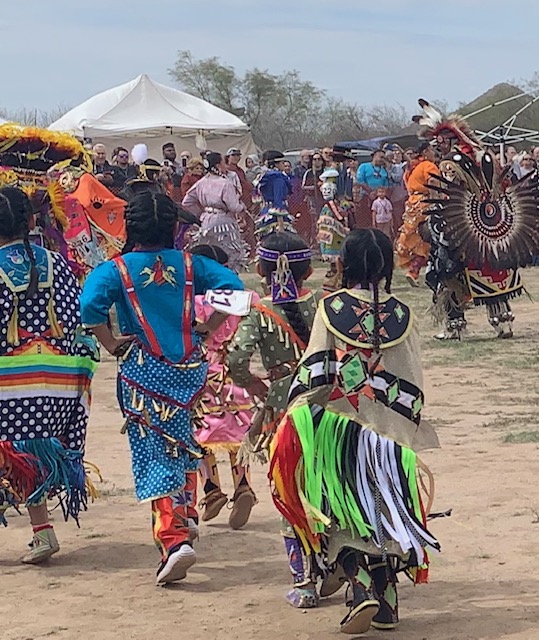
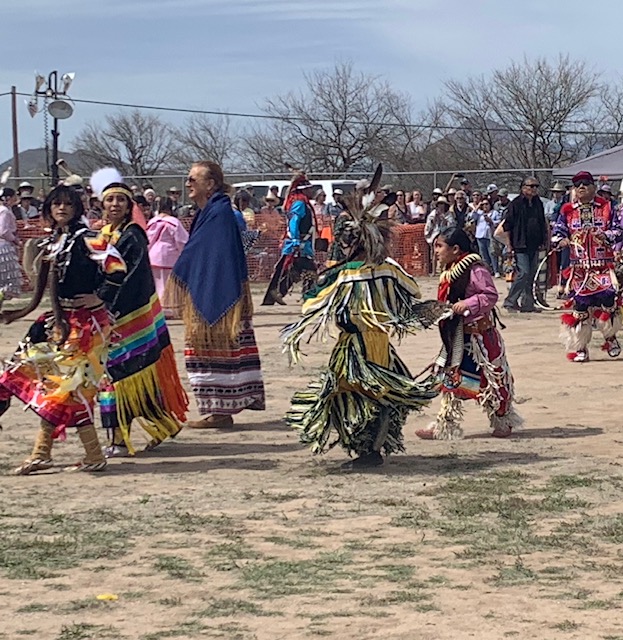
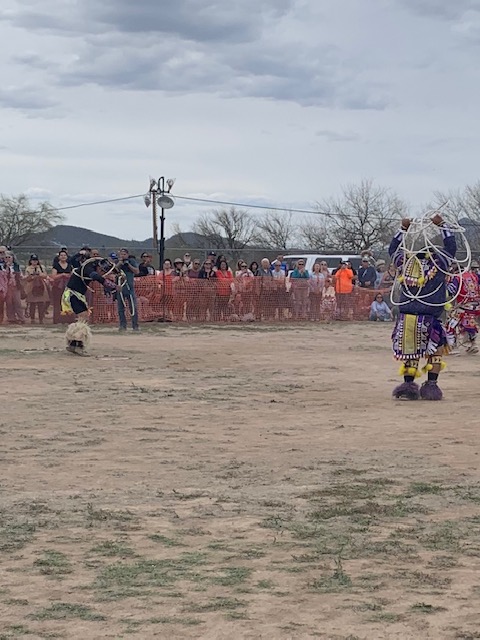
The outfits worn by the dancers, like the styles of clothing today, evolve over time. It is not a stagnant culture, but a vibrant and changing way of life.
Dances have always been a very important part of traditional American Indian life. Most dances seen at pow wows today are social dances, which might have had different meanings in earlier days. Although dance styles and content have changed, their meaning and importance have not.
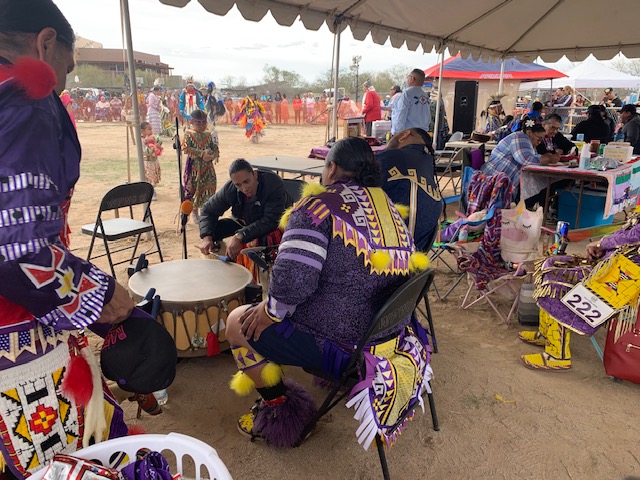
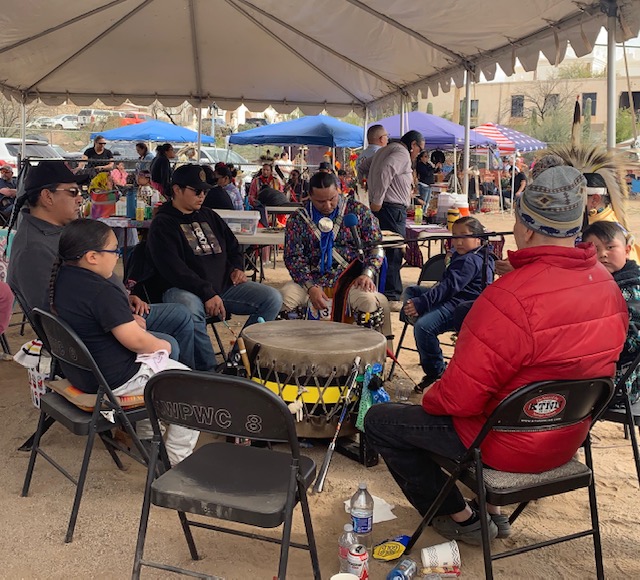
The singers and the drummers were also very important part of the pow-wow. As various Indian tribes gathered together, they would share their songs, often changing the songs so singers of different tribes could join.
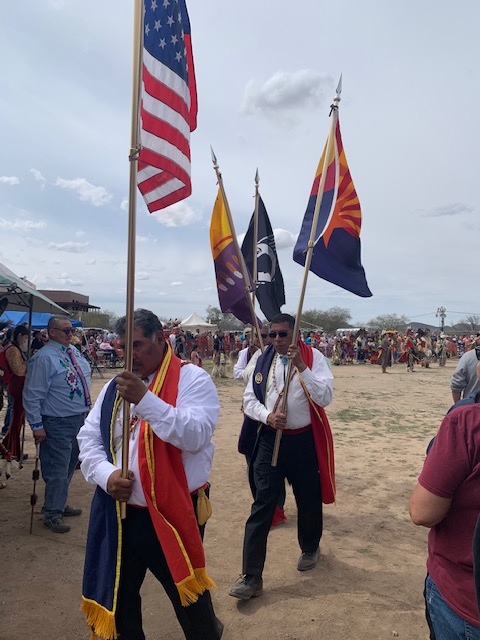
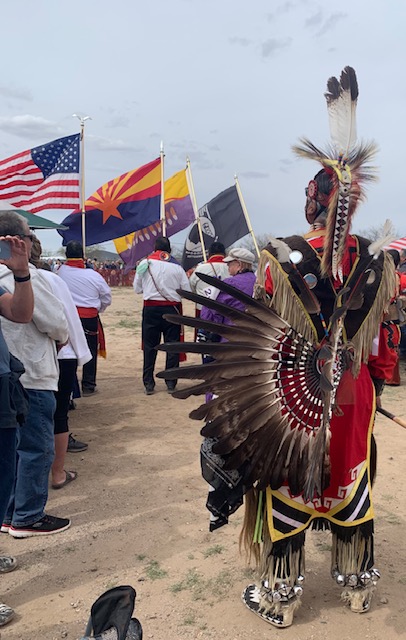
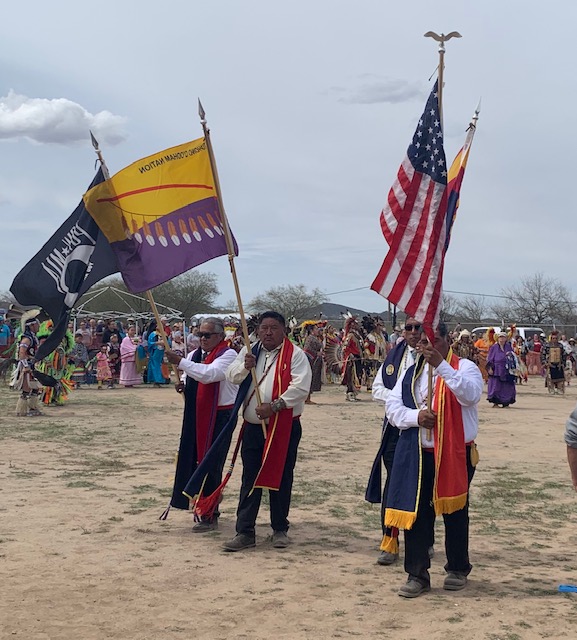
The pow wow begins with the Grand Entry. This is when everybody enters the arena. This originally was a parade through the host pow wow town. During the Grand Entry, everyone stands as the flags are brought into the arena. The flags carried generally include the U.S. Flag, Tribal Flags, the POW Flag, and Eagle Staffs of various tribes present. These are usually carried by veterans. American Indians hold the United States Flag in an honored position despite the horrible treatment received from this country.
The flag has a dual meaning. First, it is a way to remember all of the Native Americans’ ancestors that fought against this country. These flags t is also the symbol of the United States which includes millions of Indians. The flag here also reminds people of those people who have fought for this country.
Following the veterans are other important guests of the pow wow including Tribal Chiefs, Princesses, Elders, and pow wow organizers. Next in line are the male dancers. The men are followed by the women dancers.
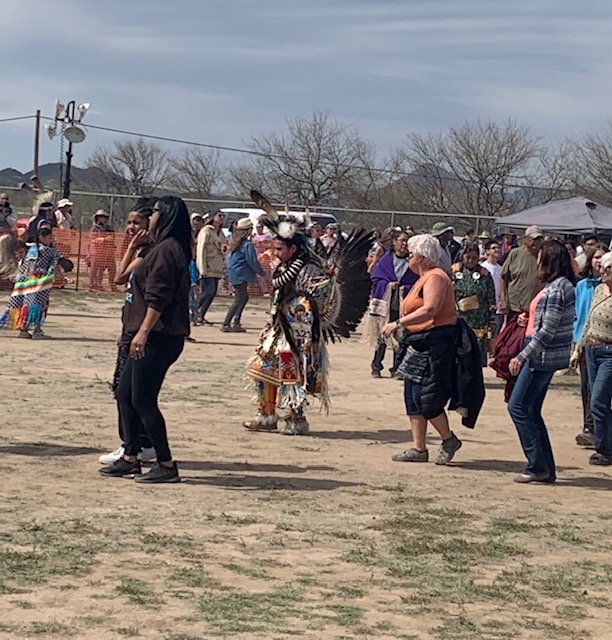
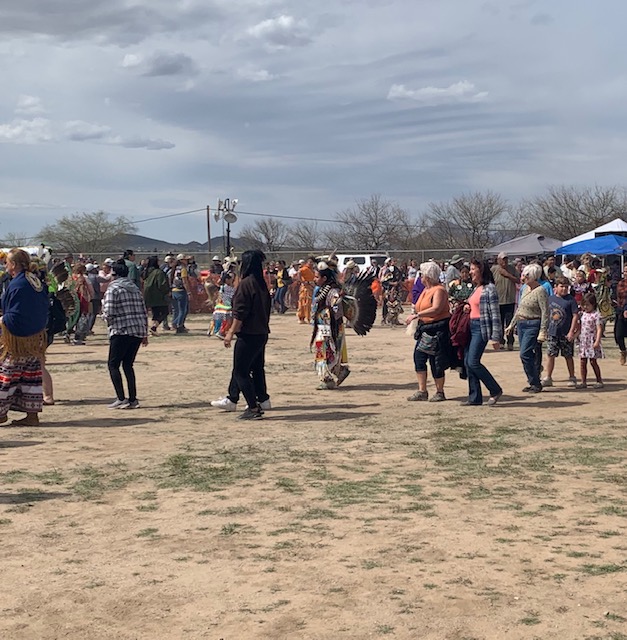
And now the fun starts! When everyone is in the arena, the song ends and a song is sung to honor the flags and the veterans. After a prayer, the dancing resumes, usually with a few round dances. (a round dance consists of a group of hand drummers standing in the center singing songs while groups of people dance in a circular movement around the drummers). .After the round dances, intertribal dancing songs are performed and everyone at the ceremonial dances to the beat of the drum.
They even let me and Dawna dance to the beat of the drum.
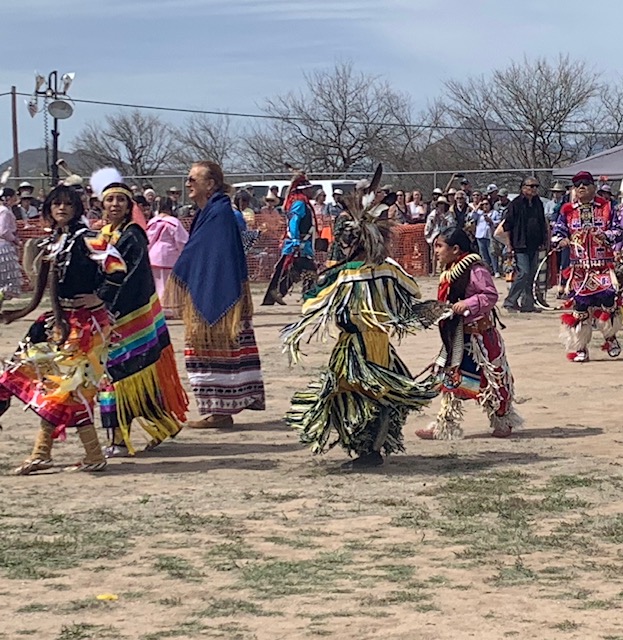
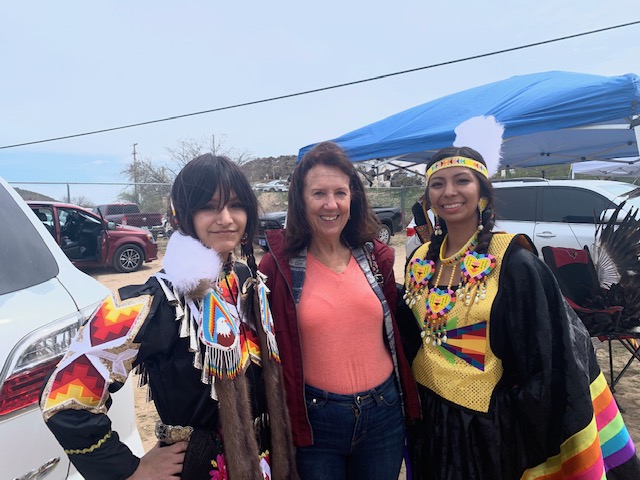
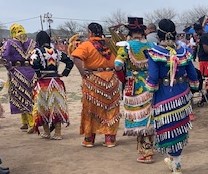
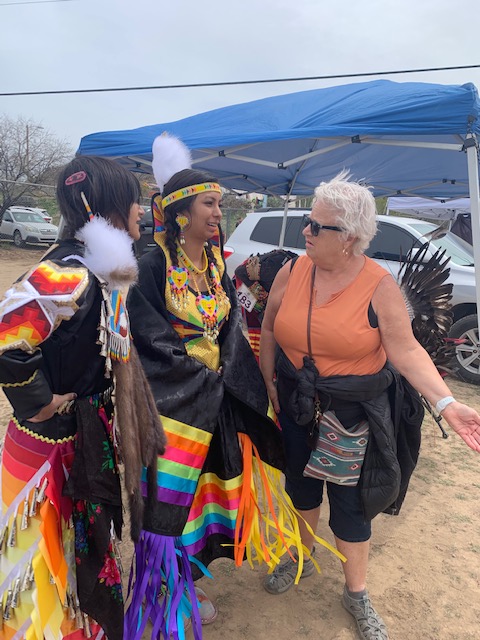
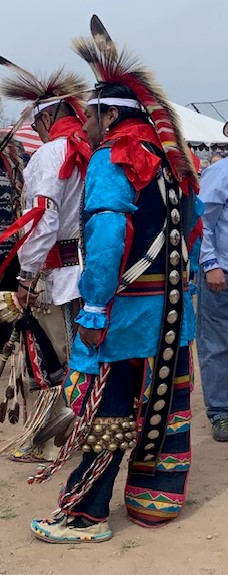
Dawna & I talked with to Indian Squaws, The one on the left has a string of small triangle bells around her neck, she was a medicine woman the bells representing rain which is soothing to the spirit. The other picture has Indians wearing, bell or jingle dresses that also represent the soothing rain which heals. The squaw on the right represents a rainbow. Rainbows play a variety of roles in Native American mythology, ranging from the spiritual to the whimsical.
Dawna getting all the information.
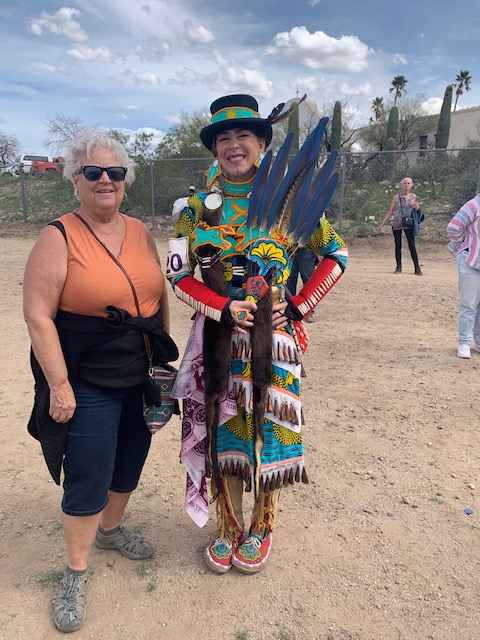
This squaw is from the horse tribe, you can see a horse on her top. Their horses were a primary symbol of wealth and strength. They were sacred to the natives. Whereas in other cultures horses were just seen as a means of transportation or an accessory in battle, the Native Americans viewed the horse as a holy blessing that should be protected at all times.
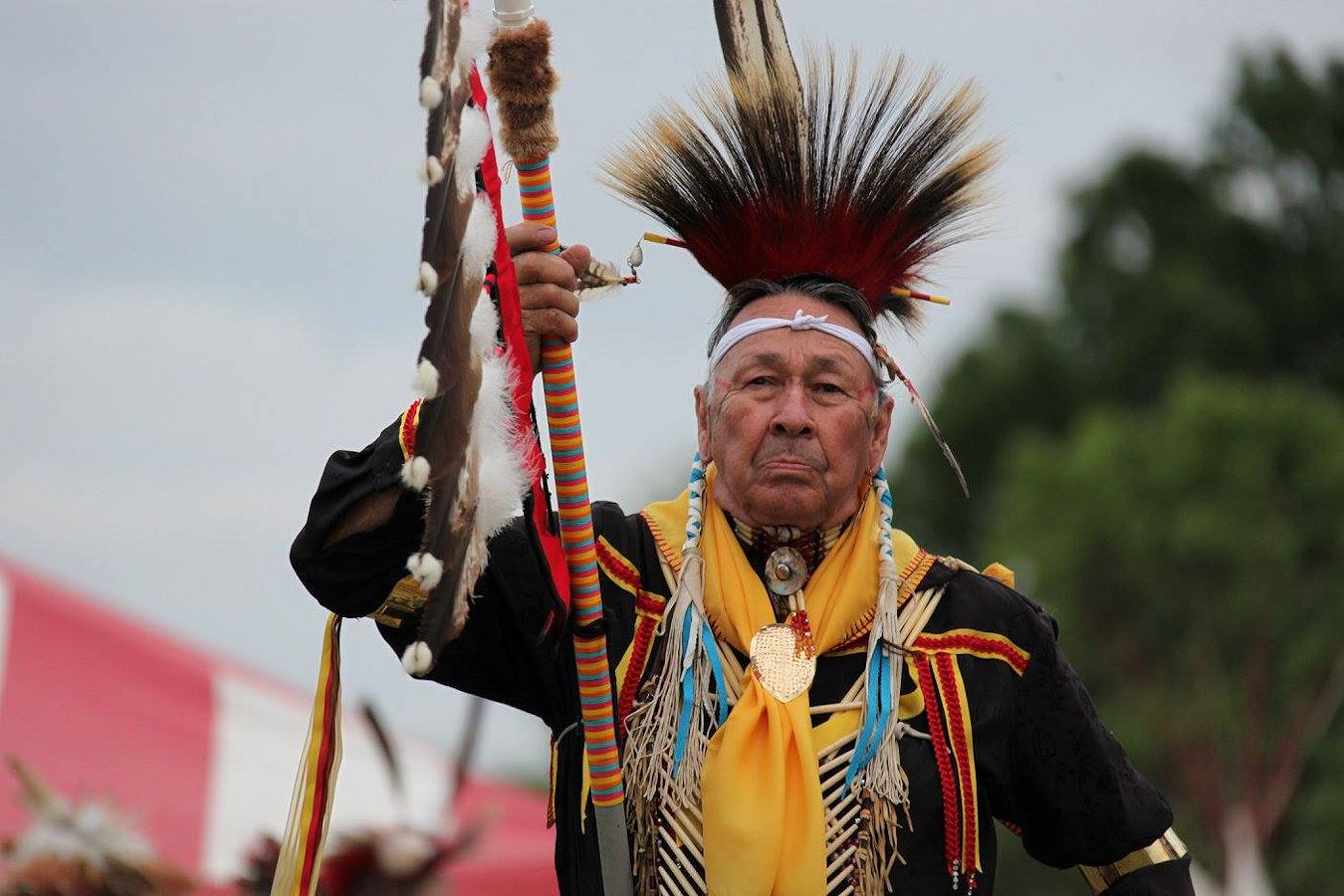
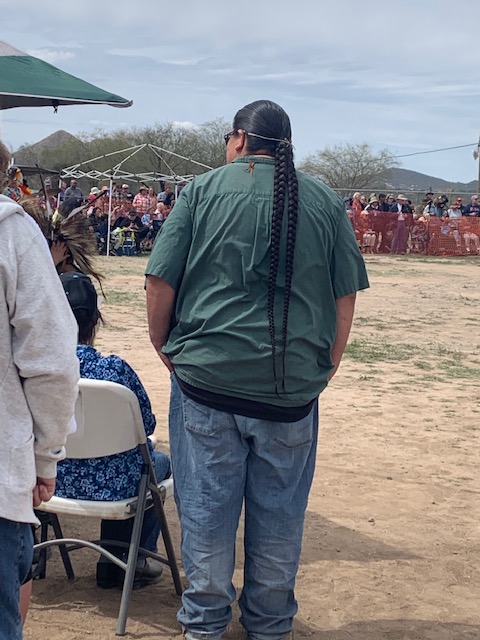
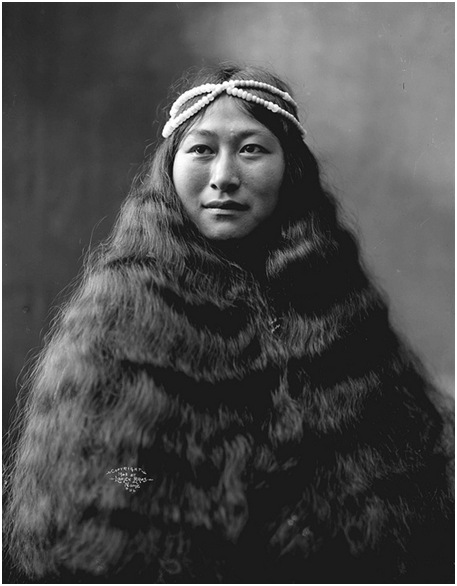
For some Indian tribes, they don’t cut their hair. This is because long hair means strength, power and virility. Beliefs and customs do differ widely between tribes, however, as a general rule, both men and women are encouraged to wear their hair long. Long hair ties the people to Mother Earth, reflecting Her long grasses and it is also an insult or sin towards The Great Spirit.
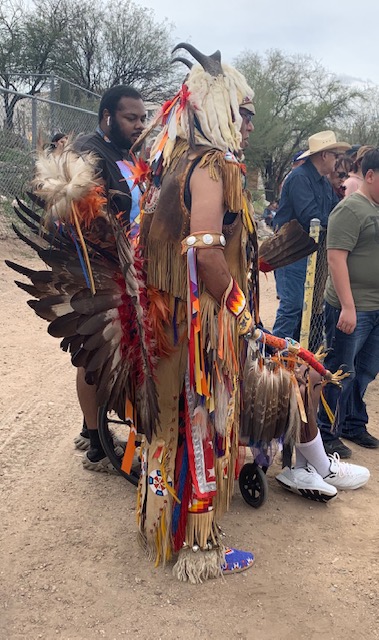
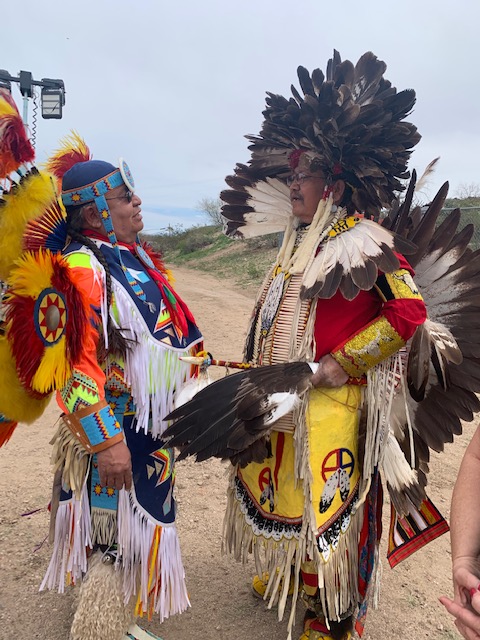
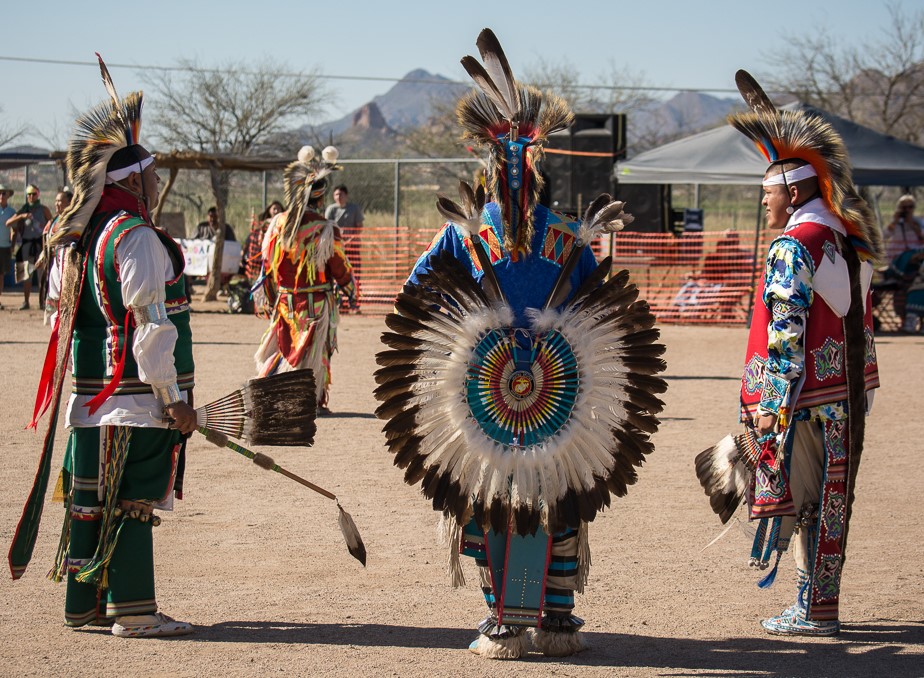
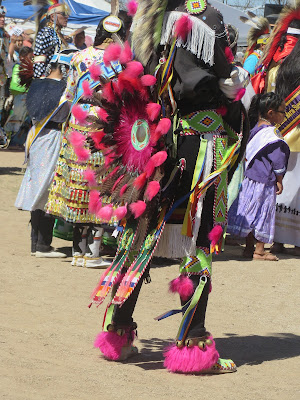
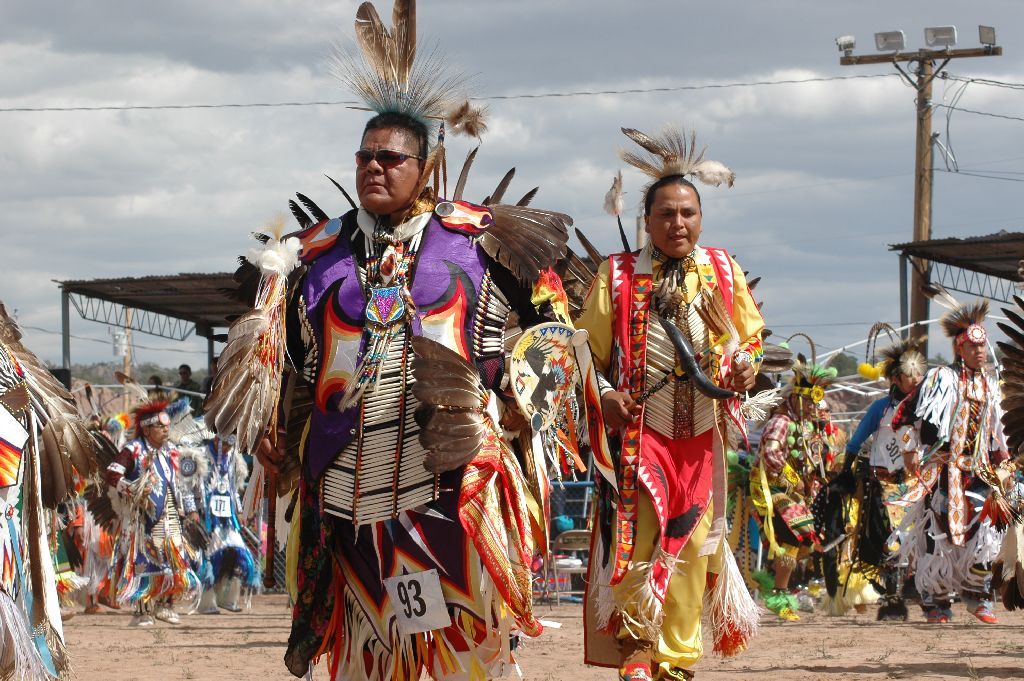
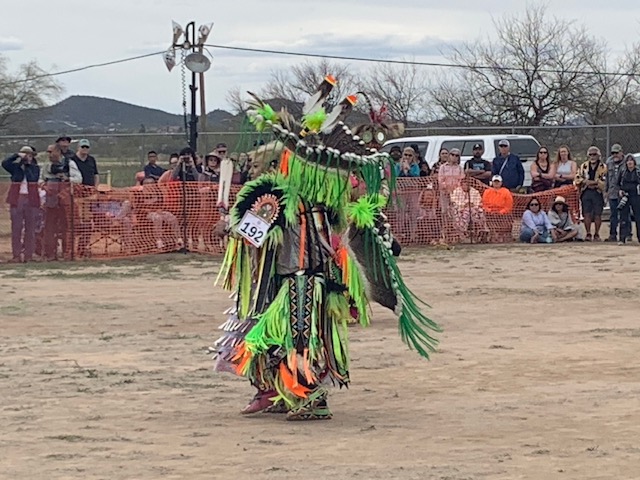
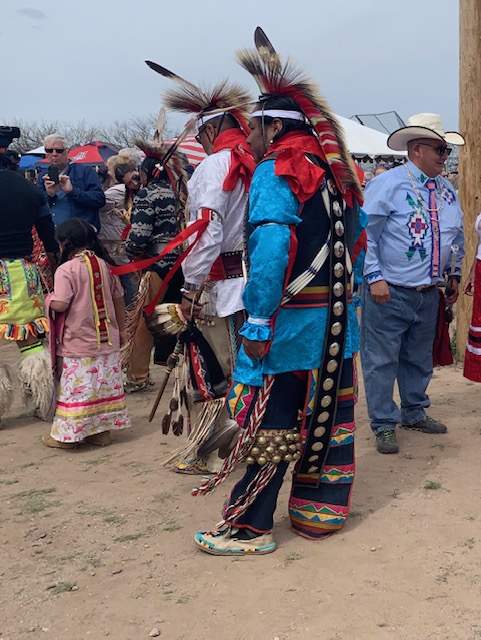
They also wear reflecting items on their headdress, or any part of their clothing, like the boy in the first picture it’s in the middle of his headdress, the one in the middle with a strip of reflecting circles down his back or the last picture with the objects on his feathers. They wear reflections to ward off evil spirits, if they come near you the reflection object will reflect the evil back to where it came from. I like that idea.
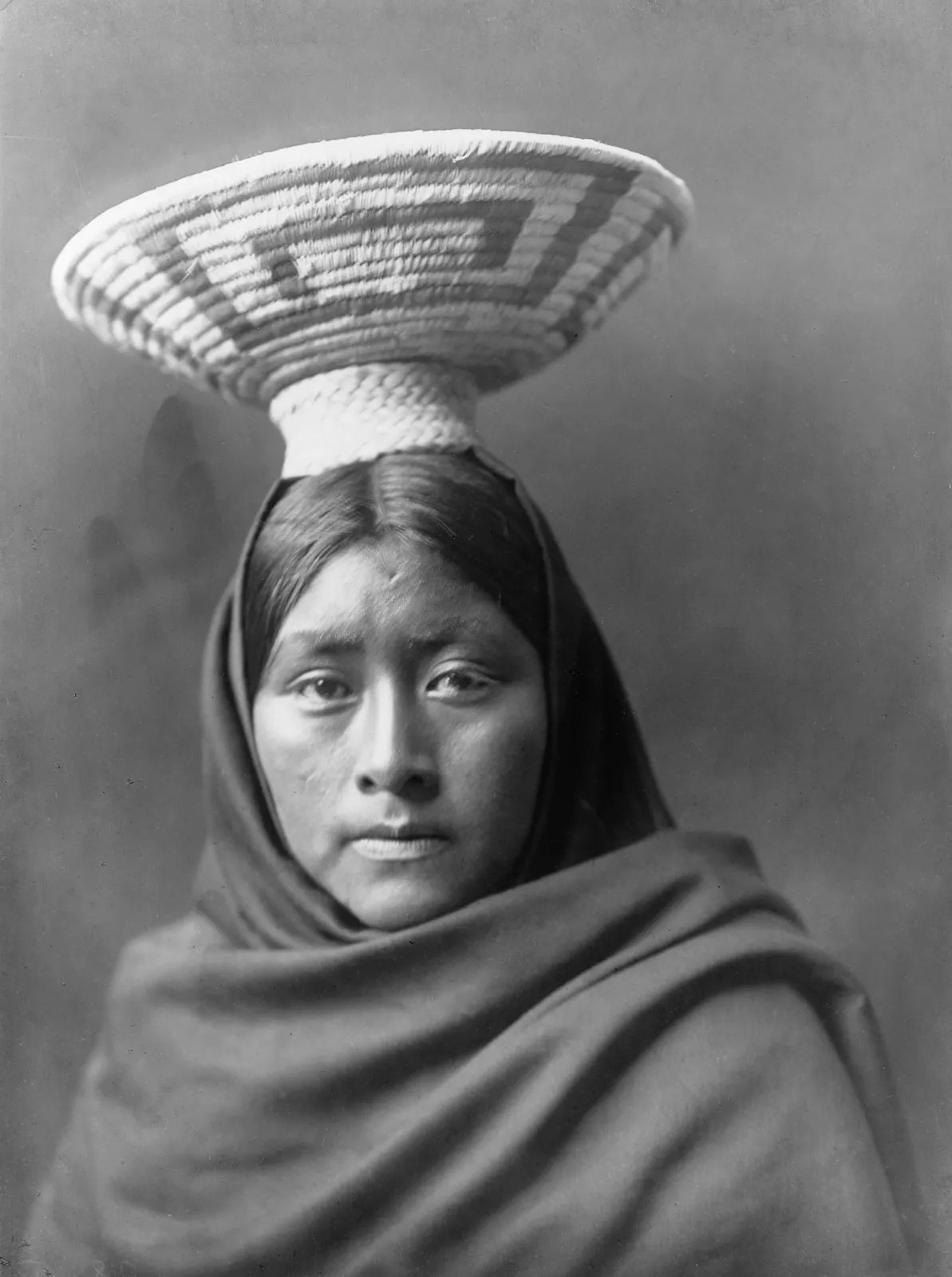
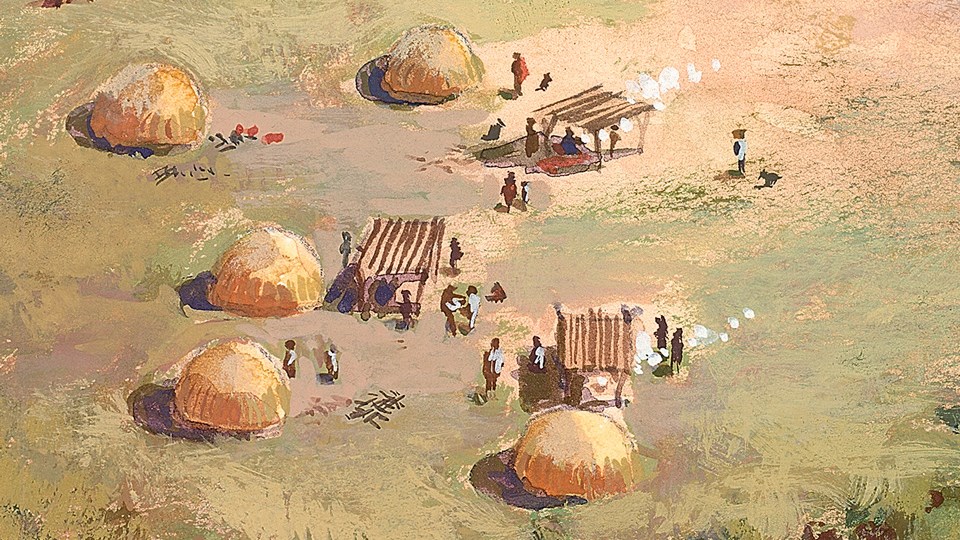
The O’odham people, also known as the “Desert People, have lived in the Sonoran Desert for thousands of years. Their predecessors, the Hohokam, settled along the Salt, Gila, and Santa Cruz Rivers. The Hohokam were master dwellers of the desert, creating sophisticated canal systems to irrigate their crops of cotton, tobacco, corn, beans, and squash. They built vast ball courts and huge ceremonial mounds and made fine red-on-buff pottery and exquisite jewelry of stone, shell, clay, and most importantly, weaving basketry.
The O’odham have become experts at living not only on, but with the desert and all of its plants and animal life. You have to admire all Indians as they were very respectful of the earth. Their religions view the earth as the mother to all things. Since all creatures and plants depend on the earth for food, clothing, shelter and water, we are bound together as kin. If the earth is our mother, then all things upon her are our brothers and sisters.
Our Friends Skip & Nancy came to visit us here in Tucson on Saturday. It was great to see them, the last time we saw them was when we all were volunteering at John Pemmekamp in Key Largo.
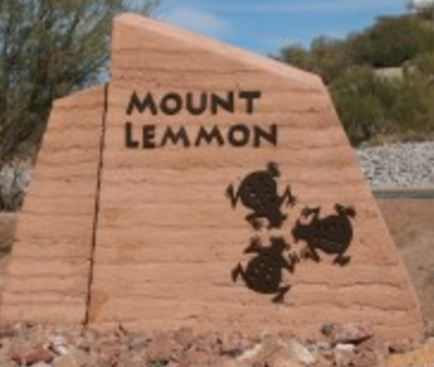
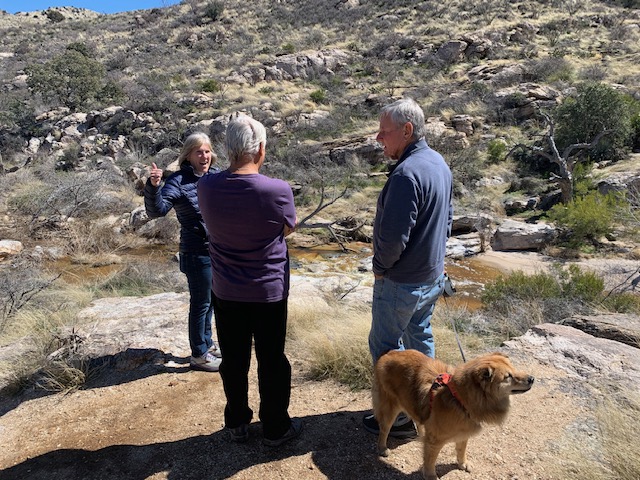
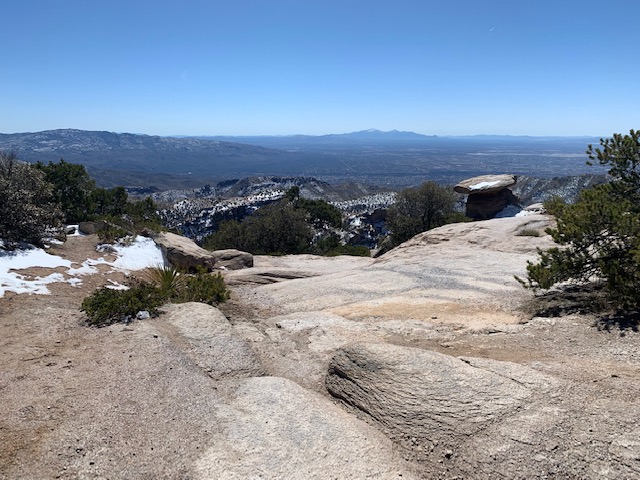
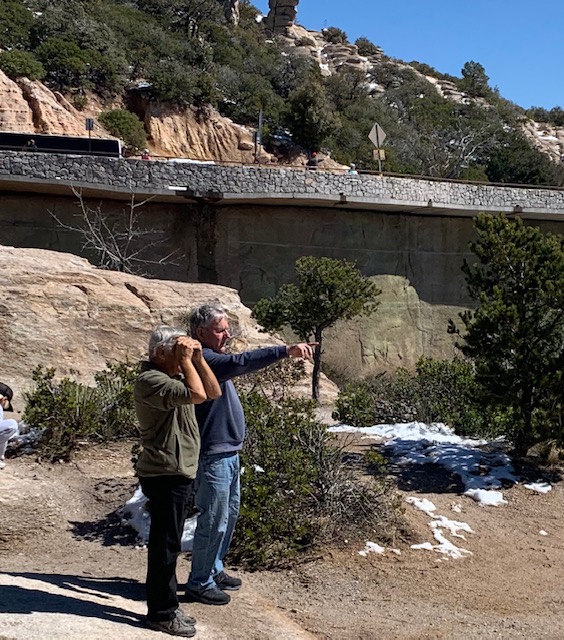
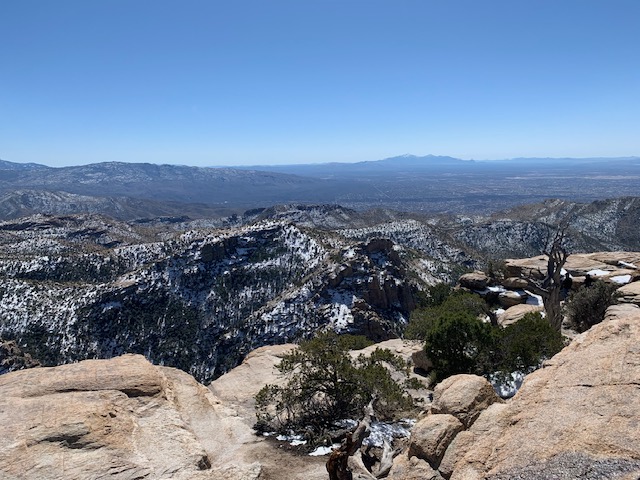
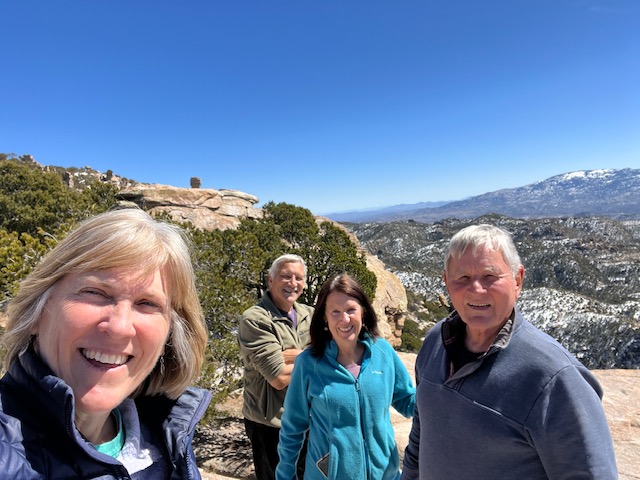
They haven’t taken the scenic Catalina Highway the drive to Mt. Lemon, so we were happy to show them the 25-mile paved National Forest Scenic Byway. As it is always listed as one of Arizona’s most beautiful drives and you always see something different.
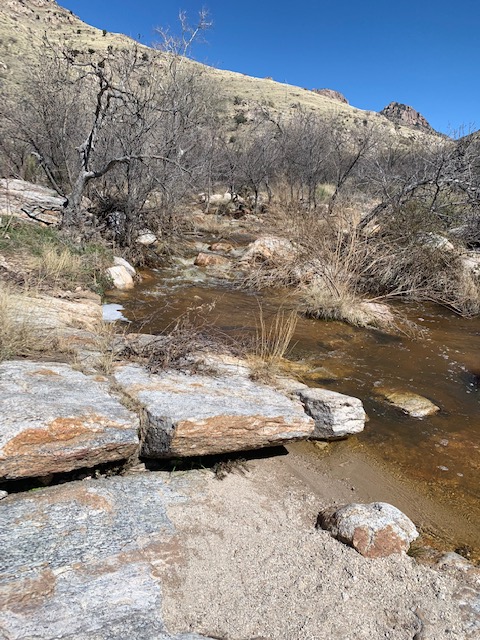
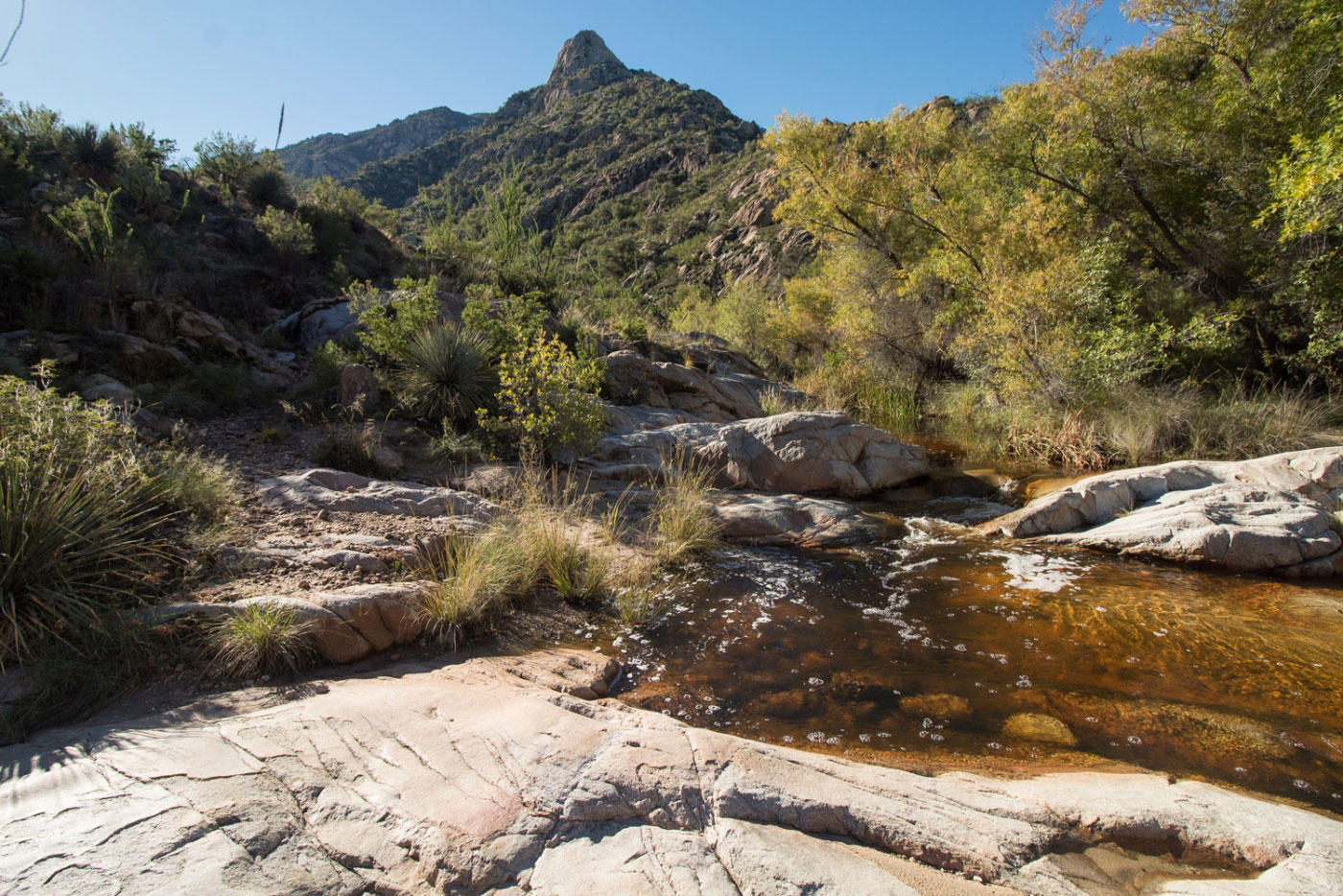
Our 1st stop by the creek
2nd stop The Prison Camp, now the Gordon Hirabayashi Recreation Area.
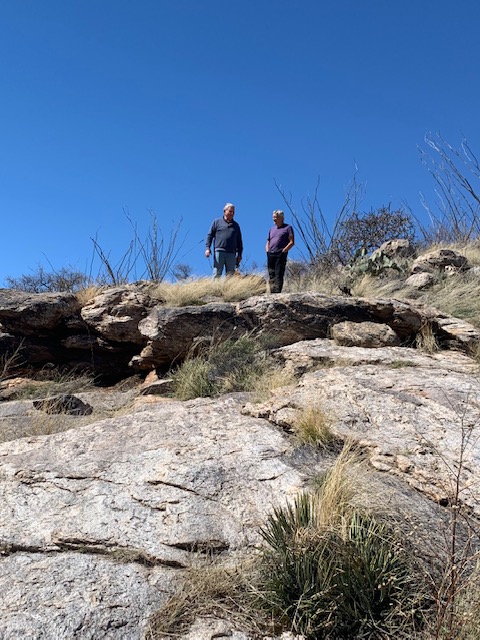
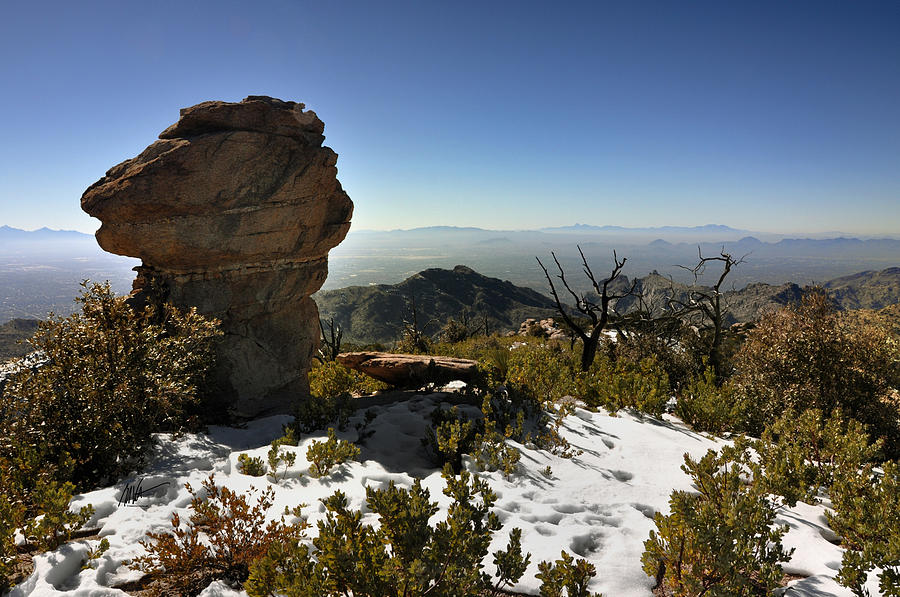
The 3rd stop where all the huge boulders are.
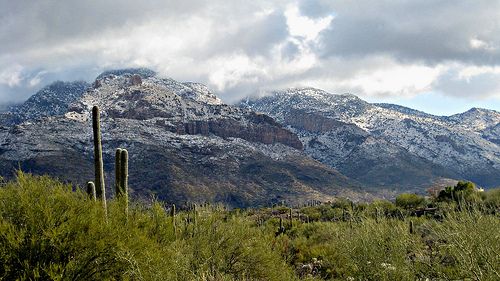
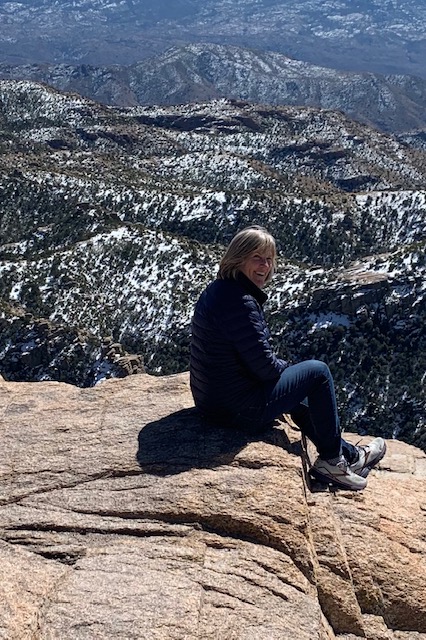
It snowed a few days ago in Tucson so even though it was in the upper 60s, Summerhaven on top of Mt. Lemon still had snow.
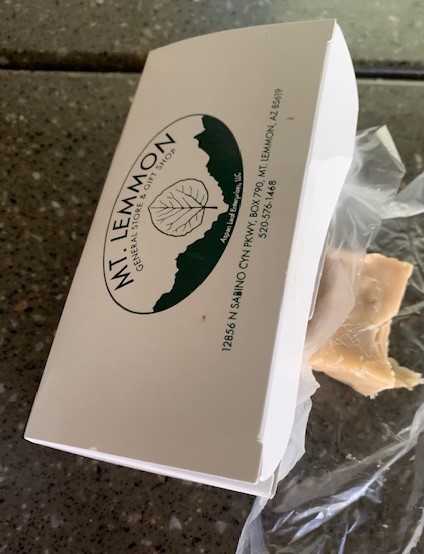
Another reason to go see Mt. Lemon besides it being so scenic, is the fudge they have at the Mt. Lemon general store, it’s so good!
Soon Nancy & Skip will be on their way to Alaska in their RV, we enjoyed seeing them and wish them the best of luck and safe travels, until we meet again!
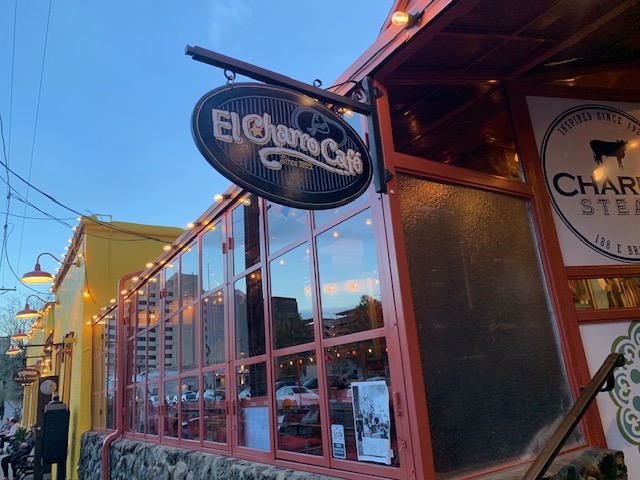
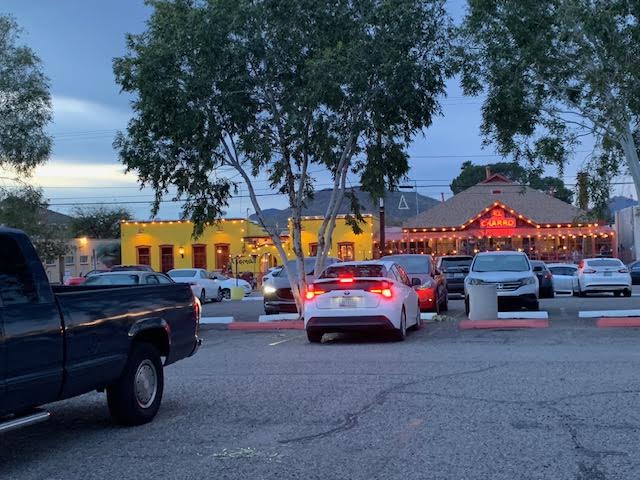
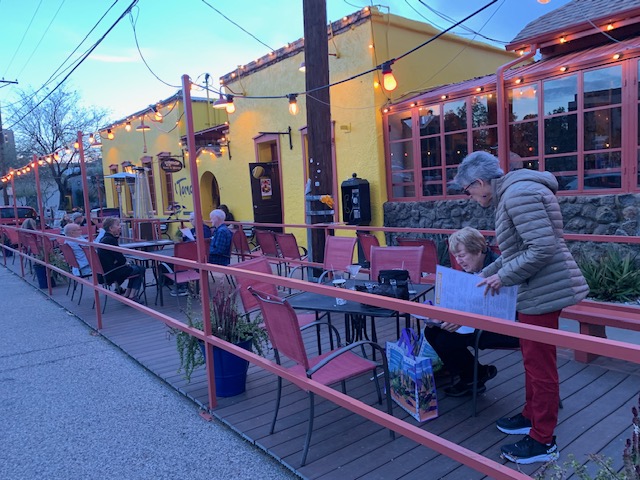
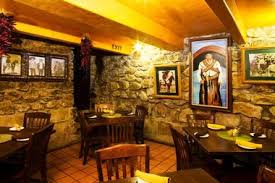
On Sunday we went to El Charro’s authentic Mexican Restaurant with Sharon & Garth who live at Voyager.
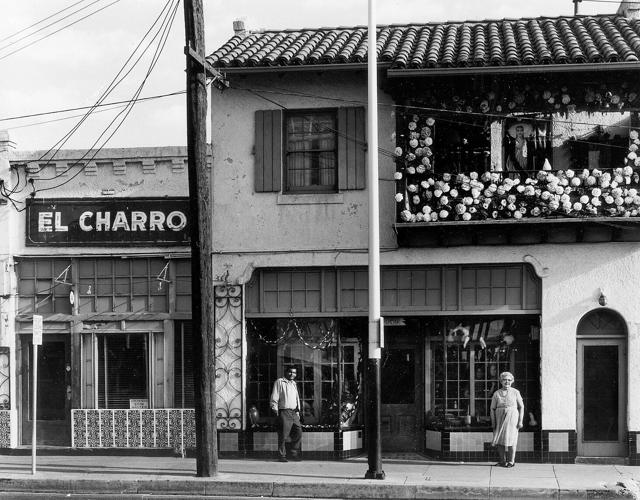
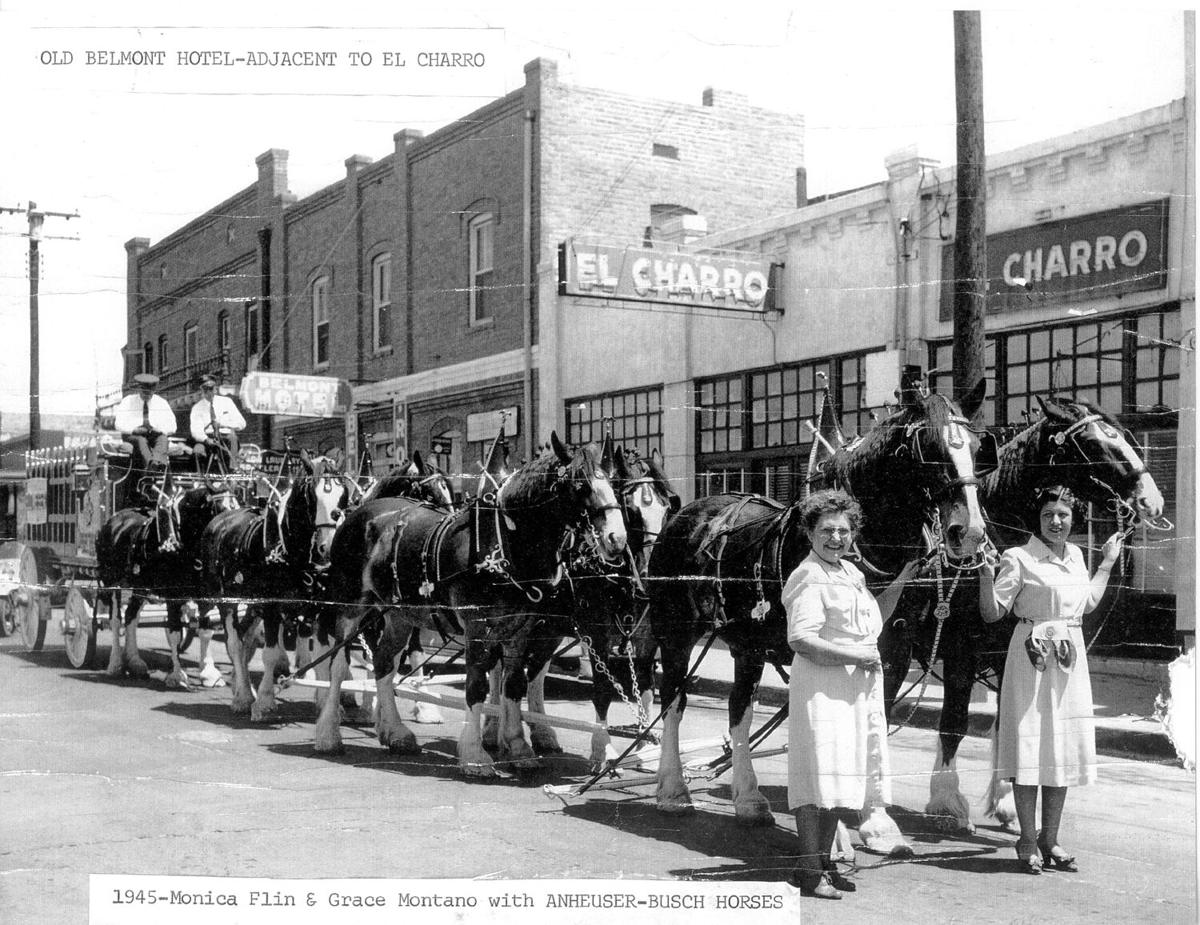
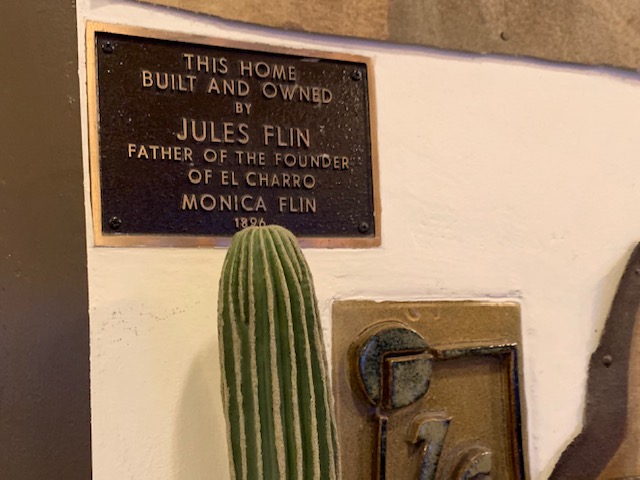
Established in 1922 by Tia Monica Flin, El Charro Café of Tucson, Arizona is The Nation’s Oldest Mexican Restaurant in continuous operation by the same family. Tia Monica, a true entrepreneur chef, came to Tucson via France in the 1800’s when her father Jules, a famous stone-mason, was commissioned to build the city’s pristine St. Augustine Cathedral. Jules, whose signature work can be seen throughout Tucson’s Historic District, also built the families residence in 1896. This same building is now home to the Original Downtown El Charro Café location on Court Avenue.
They celebrated their 100 year anniversary in 2022.
Tia Monica Flin, is well-known as “The Inventor of The Chimichanga.
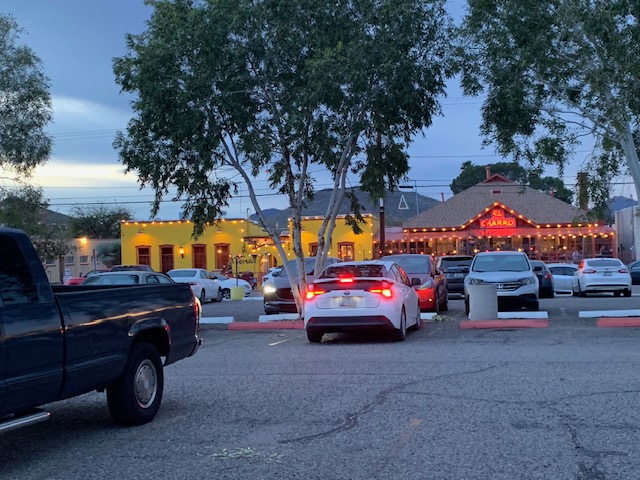
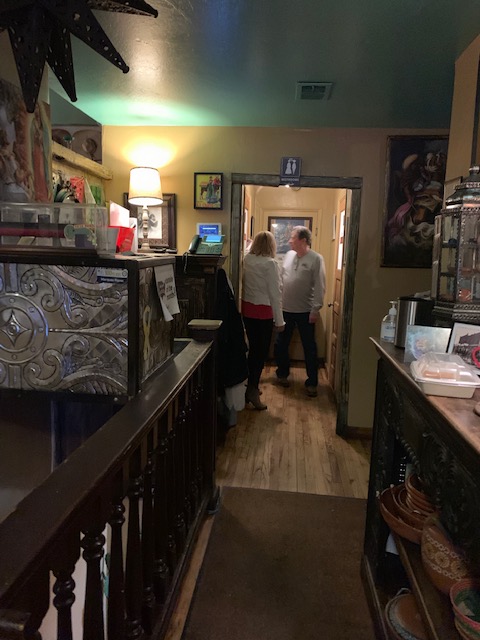
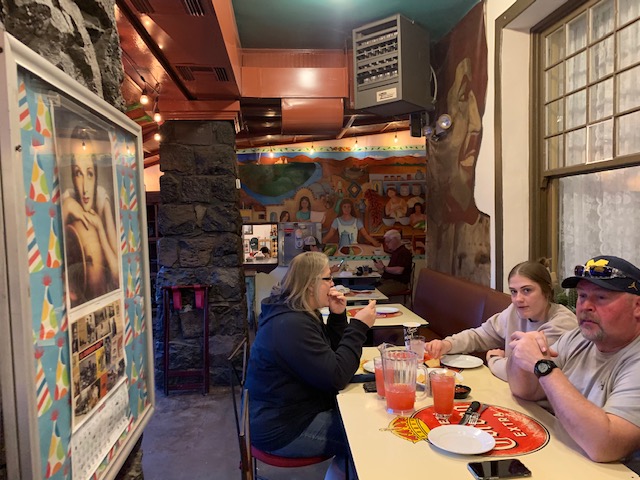
image of the restaurant & cocktail area
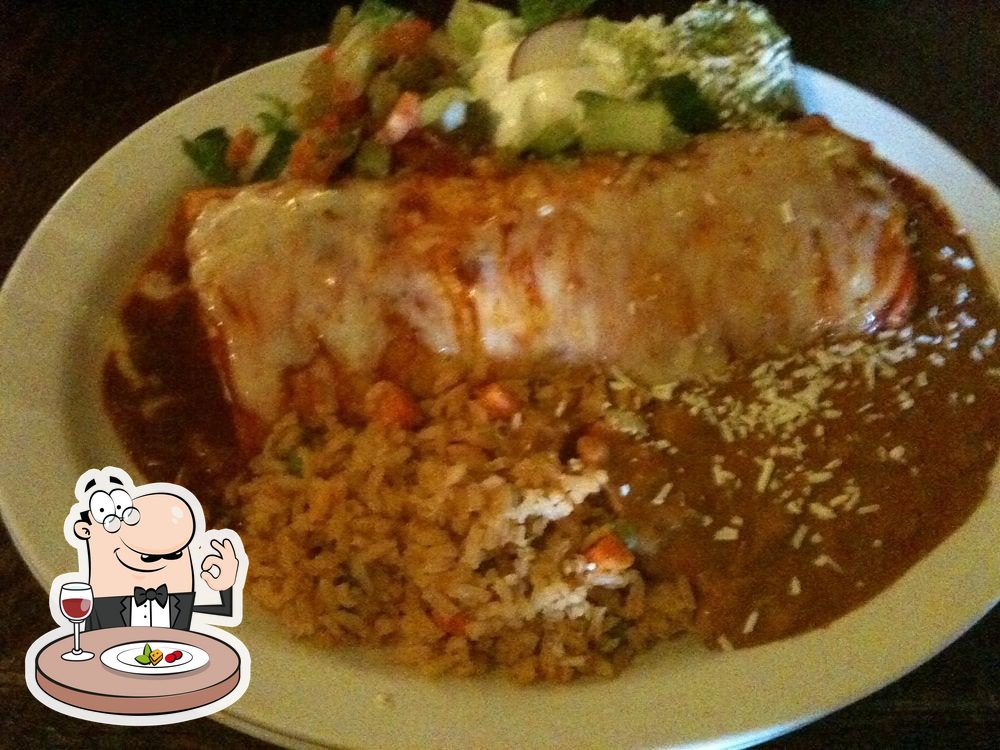
I know what the restaurant looks like doesn’t matter, it’s how the food tasted and it was very good.
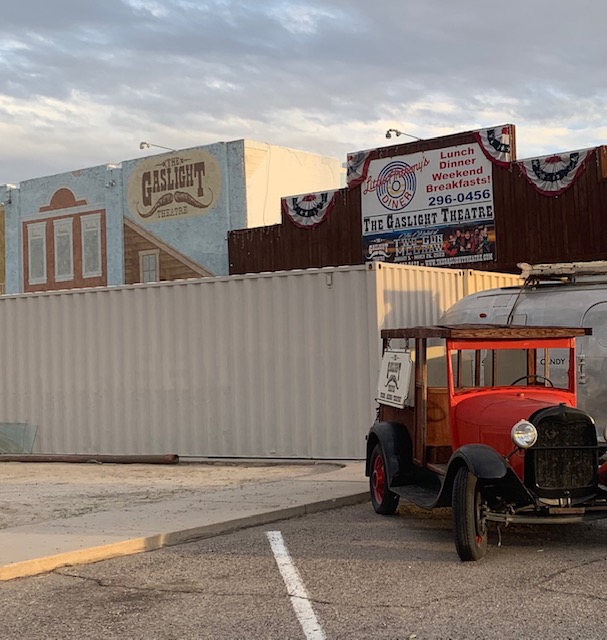
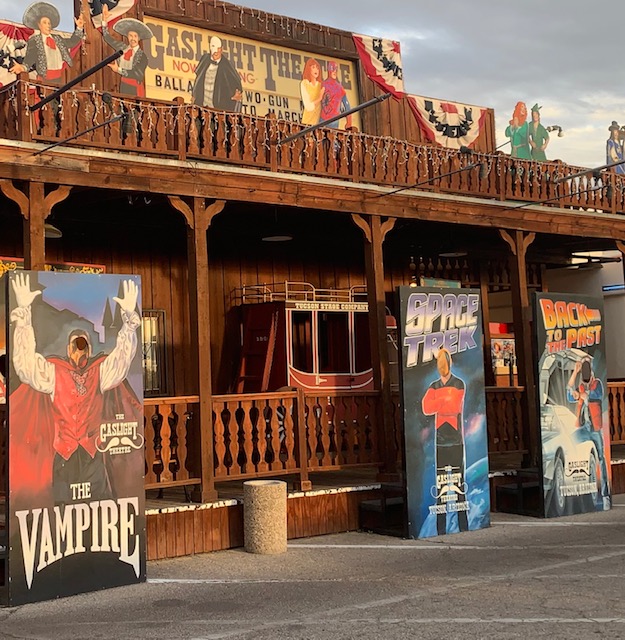
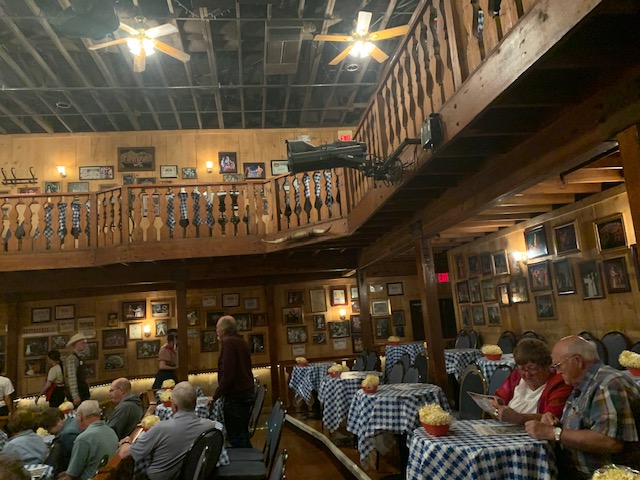
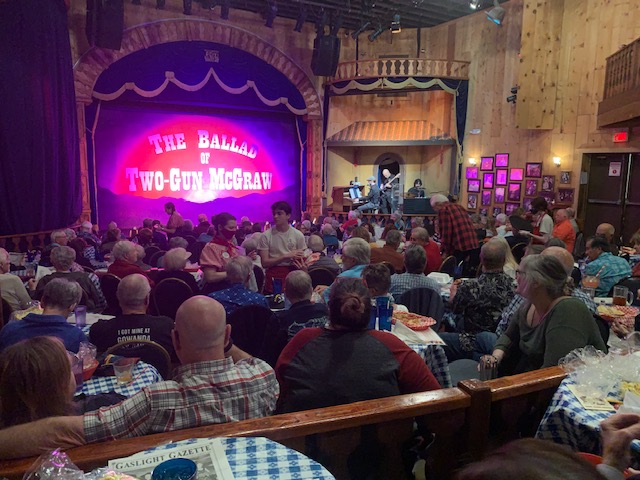
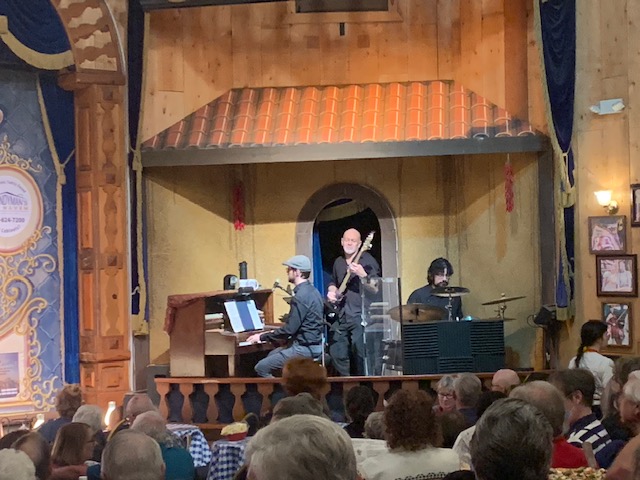
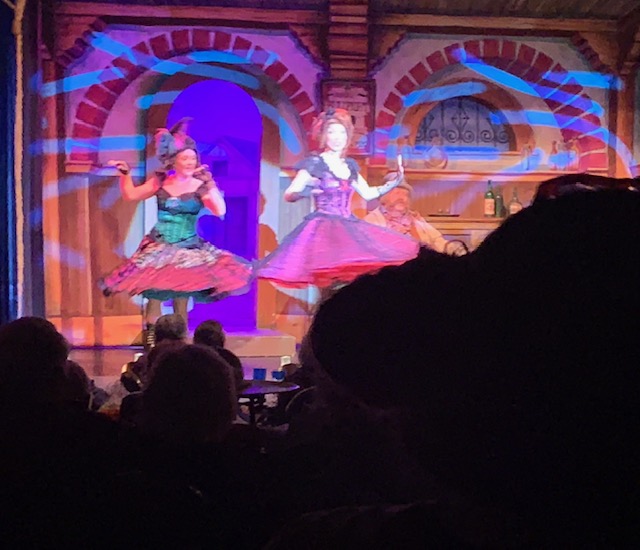
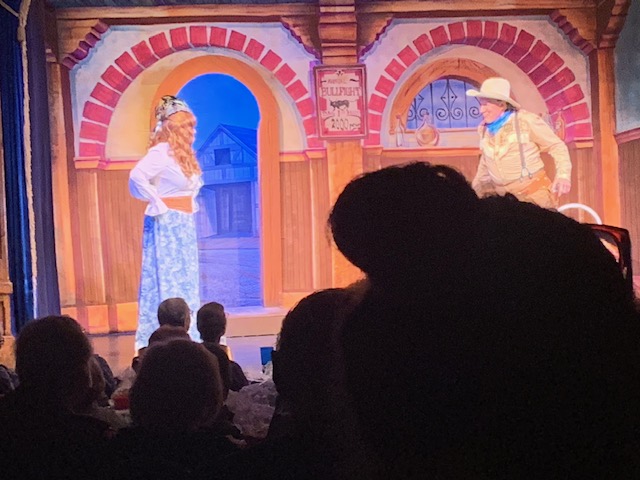
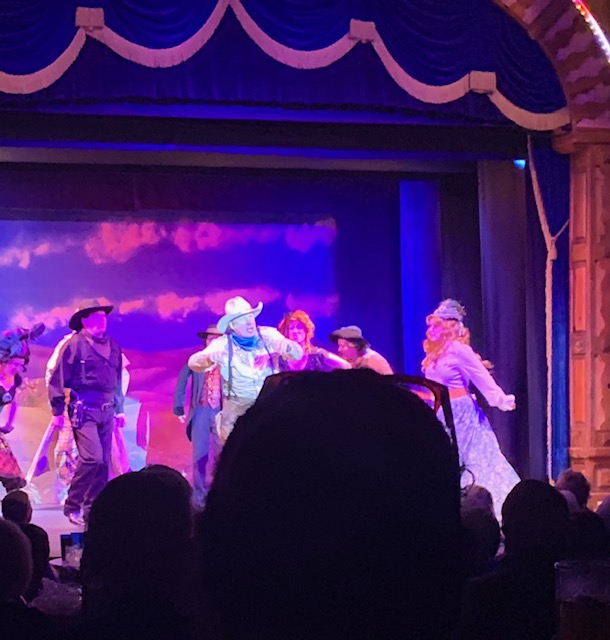
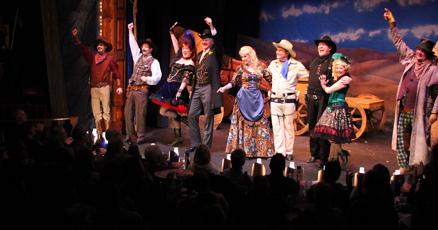
On Tuesday we went to The Gaslight Theatre to see Two Gun McGraw a musical western.
The theatre originally started out as a drama production in Alaska started by Tony Terry Junior, a former U of A student. Terry and his friends soon got tired of the cold and headed back to the southwest. They then moved into an old barn on Tanque Verde Rd. Their next move ended up in the old Jerry Lewis Theatre doing most of the work themselves. They renovated the theatre and also built “Little Anthony’s Diner” from the ground up to become a very popular local entertainment area.
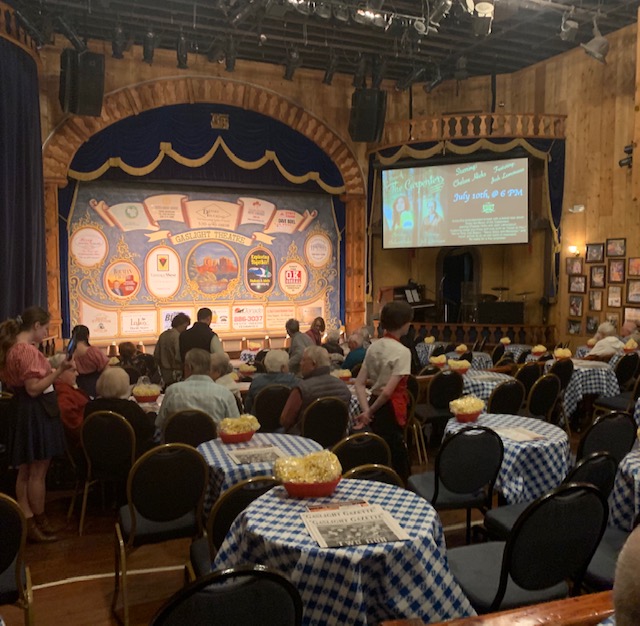
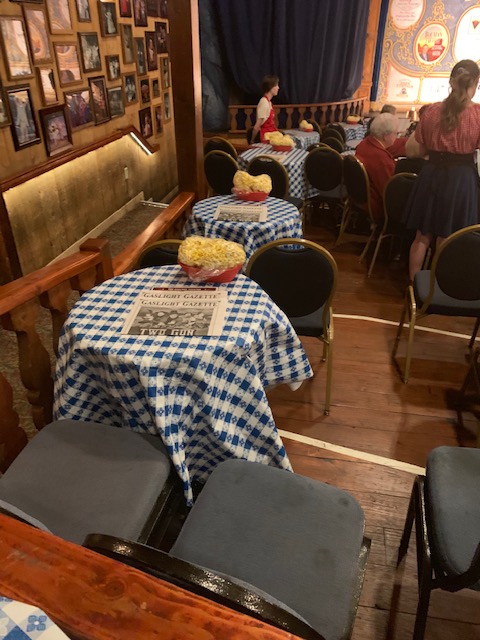
Dave was happy that they had popcorn on the tables and kept on refilling the baskets. He enjoyed the show too.
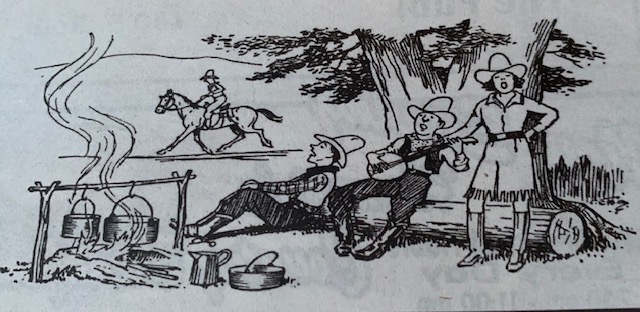
It starts in the frontier town of San Pecos, Texas. It seems no one can stop the local cattle rustlers and crooked officials. Until one man, with his six shooters at his hip and guitar on his back, rides into town on his trusty horse, Ranger, and vows to clean up the town. That man is none other than Two-Gun McGraw, a cowboy who faces down desperados when he is not persuading the ladies with song.
It was a lot of fun with singing, jokes and audience participation.
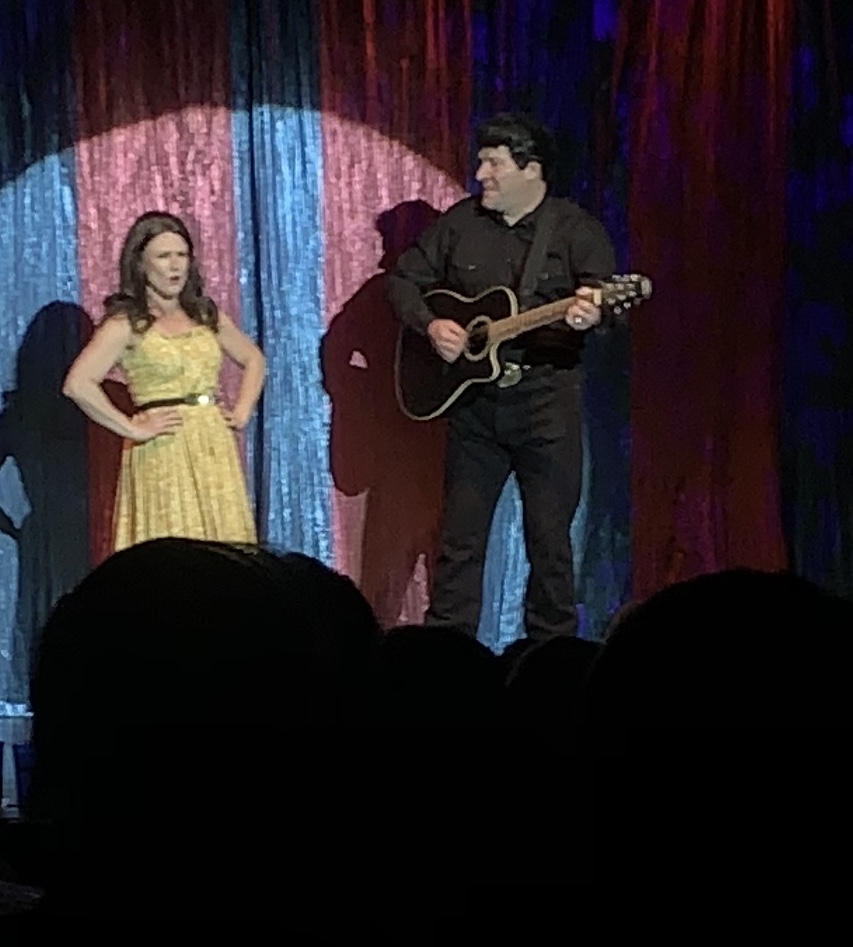
After the play ended they had the cast imitate different country stars. The one above was Johnny and June Carter, they did different stars like Hank Williams, Billy Cyrus, Patsy Cline and others. They all sounded really good. It was definitely a fun time.
When you think of Arizona you think of the beautiful scenery and the hot temperatures
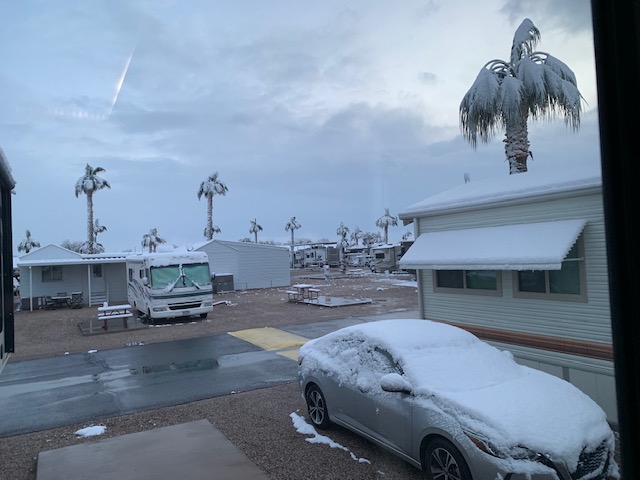
We woke up to see . . .
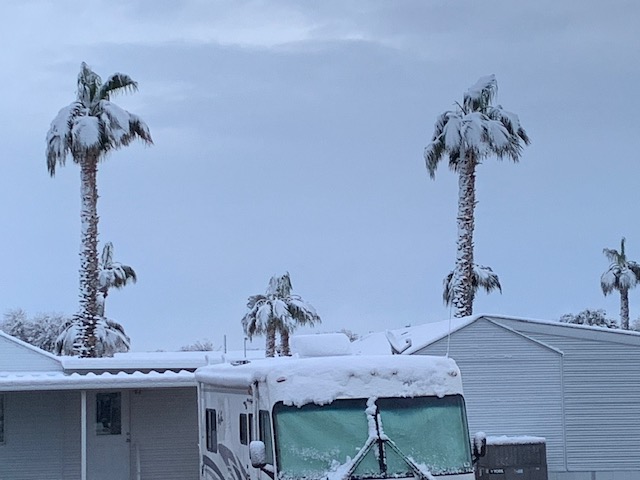
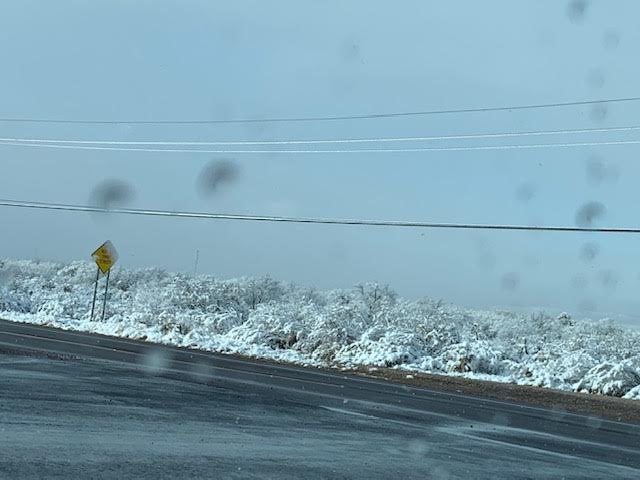
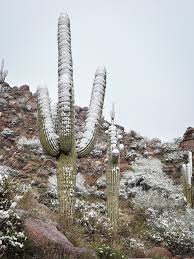
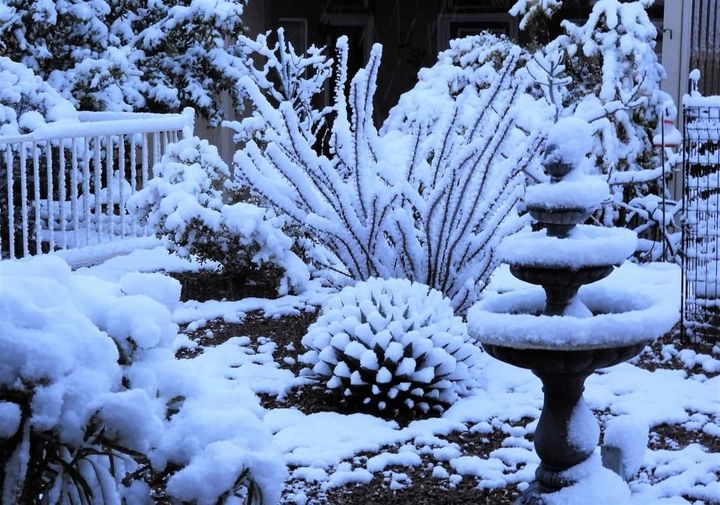
Not just a dusting but about 3 inches.
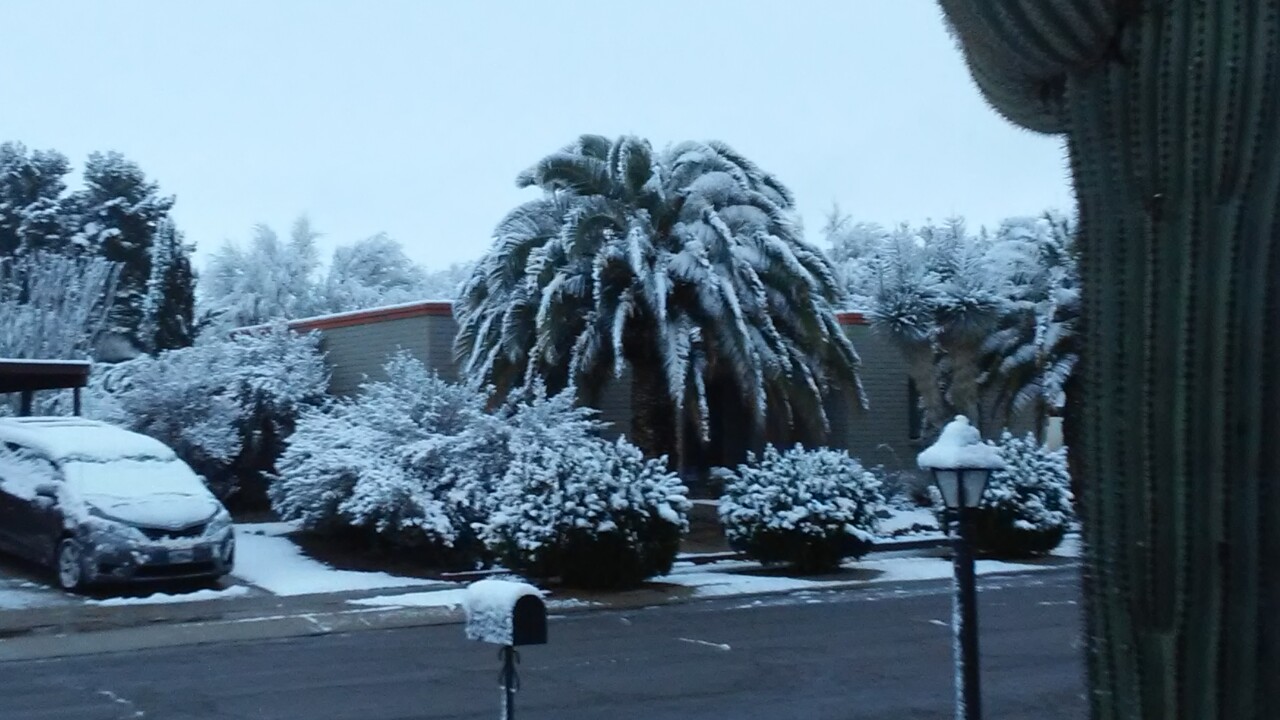
These three pictures were taken out our RV’s window. We didn’t think to bring a snow brush or scrapper.
Across the street where we walked last weekend when the weather was in the 70’s.
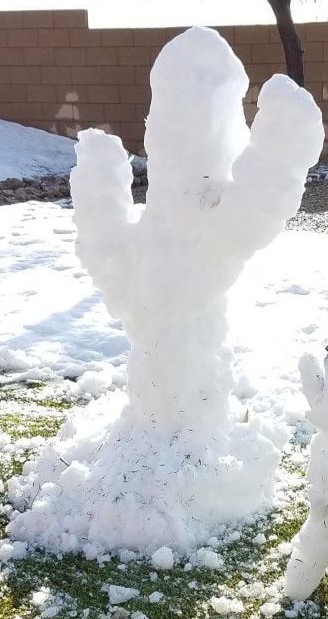
Have you ever seen a picture of a Saguaro or palm trees with snow on them.
Snow on Mt. Lemon, I know their happy to get the snow for the skiers and the people who try to go sledding.
The snow around the RV park.
Everyone is telling us it’s very rare in Arizona to get snow, it’s already melted, and this weekend it will be in the 70s!!
They did close the schools and some government offices. There wasn’t any snow on the ground because it’s to hot, so everyone was driving ok. Glad it wasn’t icy.
While driving around we saw some people actually throwing snow at each other. Nobody told them your suppose to make the snow into a snowball first… it was funny





































































 ROADS OF DISCOVERY