
We left from Cortez and drove the San Juan Skyway, part of the Million Dollar Highway, acclaimed as one of “America’s Best Road Trips” by Travel and Leisure Magazine. And one of the most beautiful drives in America, and has been described in an Alamo Car Rental advertisement as a place “where the road touches the sky.”
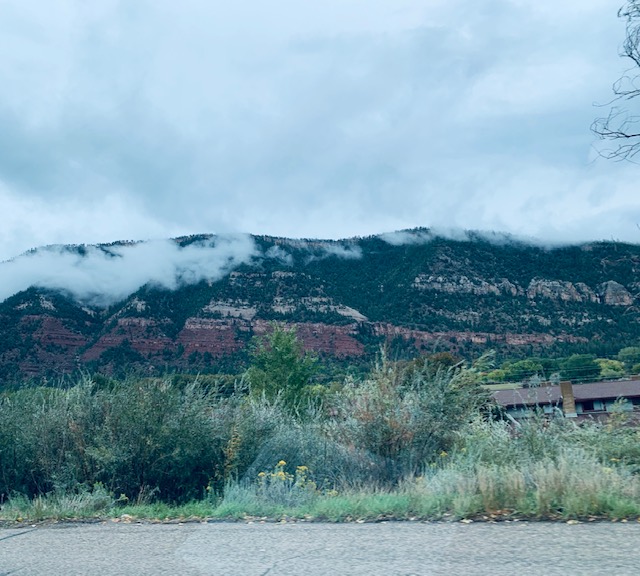
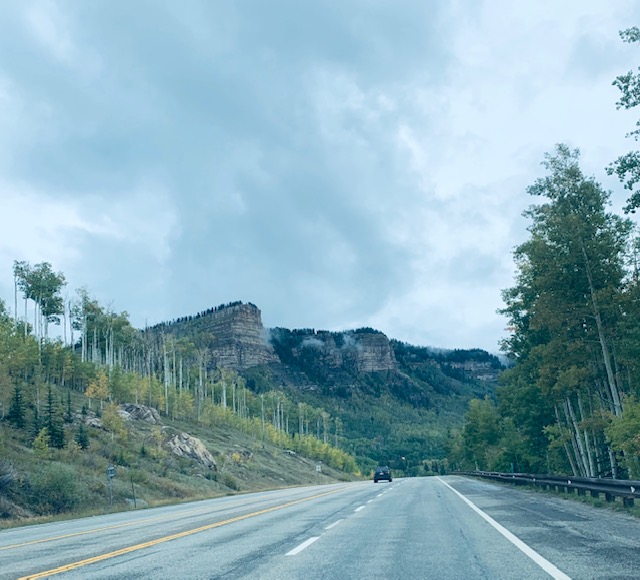
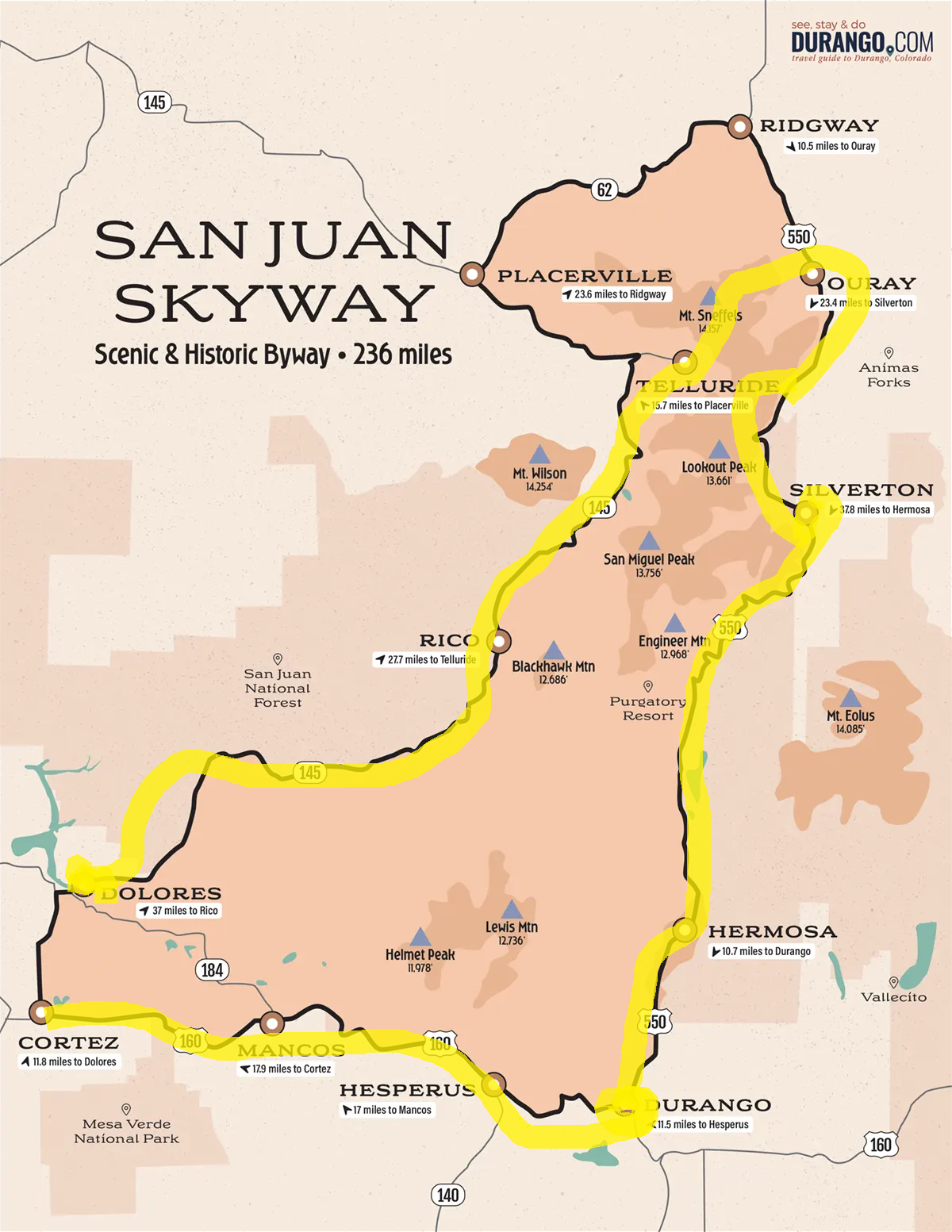
The 236-mile journey took us through Durango, Silverton, Ouray, Telluride, Rico and Dolores we saw awesome scenery including, peaks and valleys, historical towns, and dense forests that made the drive definitely worthwhile.
Our fist stop was in Durango, CO.
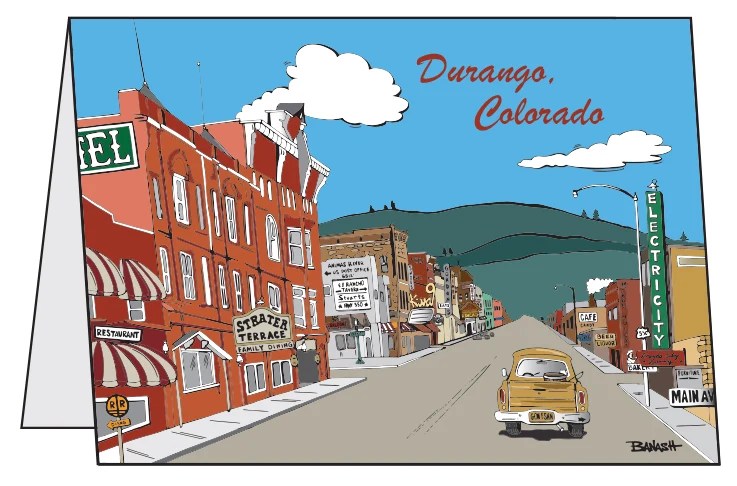
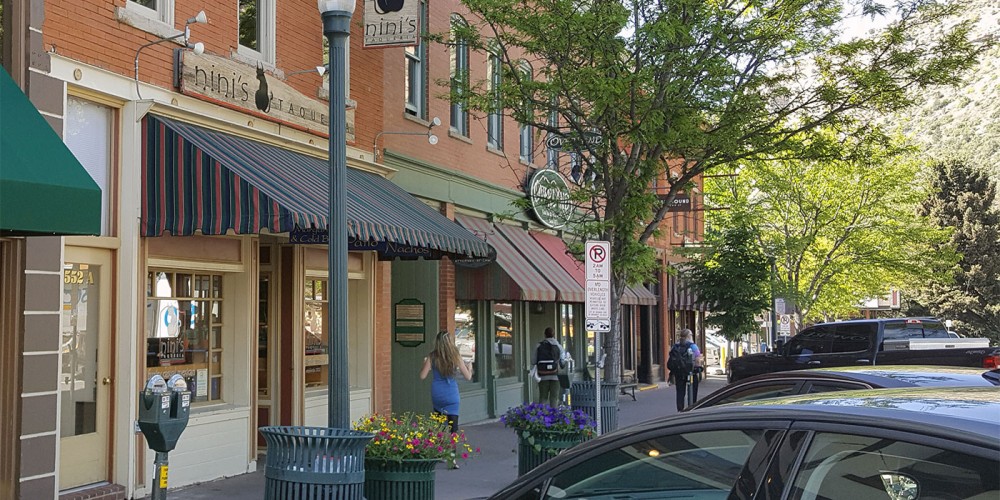
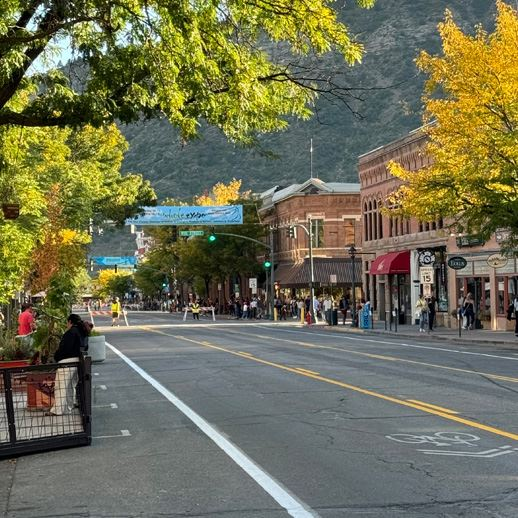
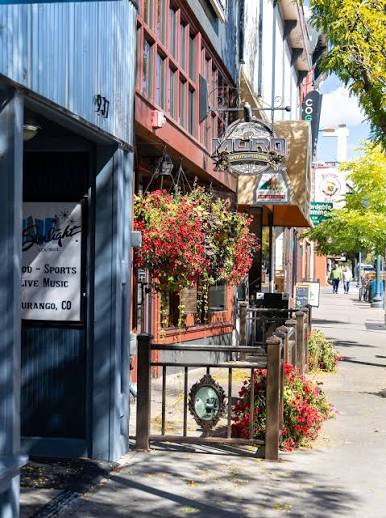
It was founded in September 1880 by the Denver & Rio Grande Railroad.
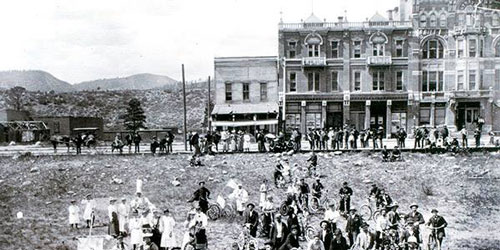
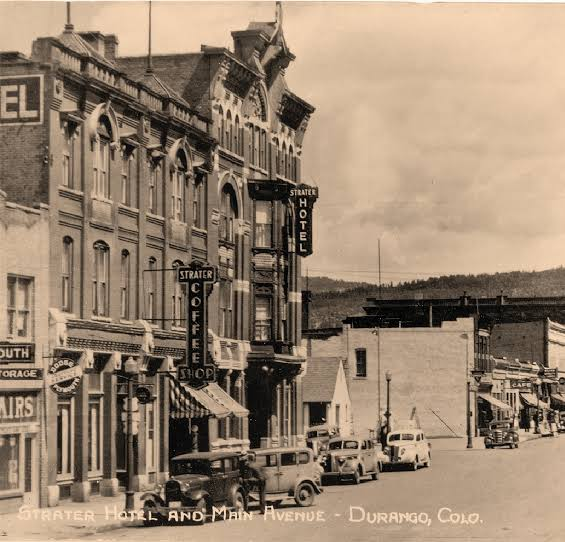
A very historic town that the late 1880s brought rapid growth, electric lights, and iconic landmarks like the historic Strater Hotel.

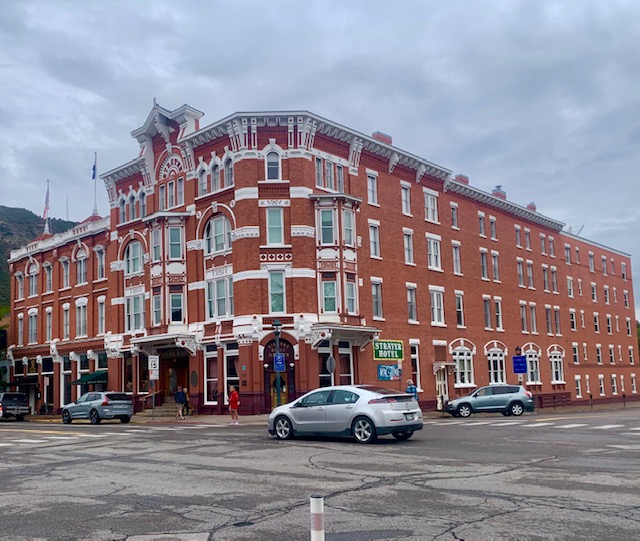
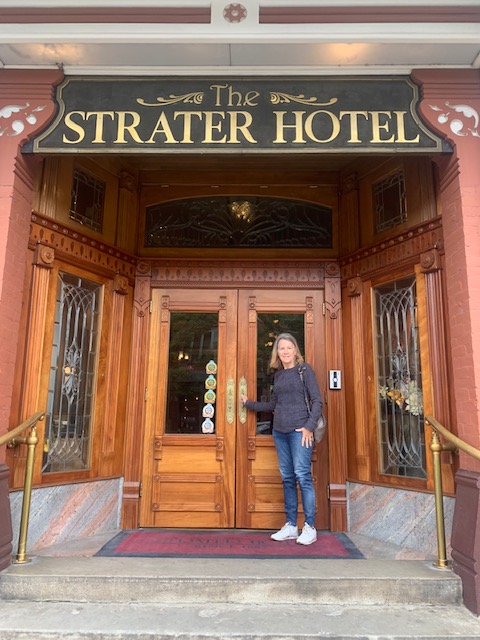
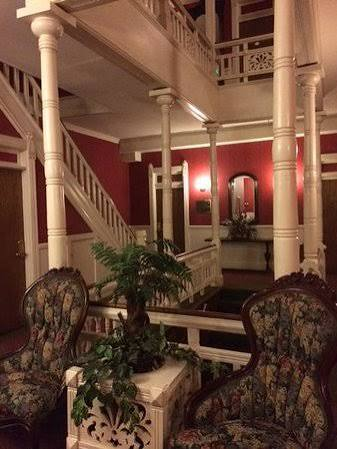
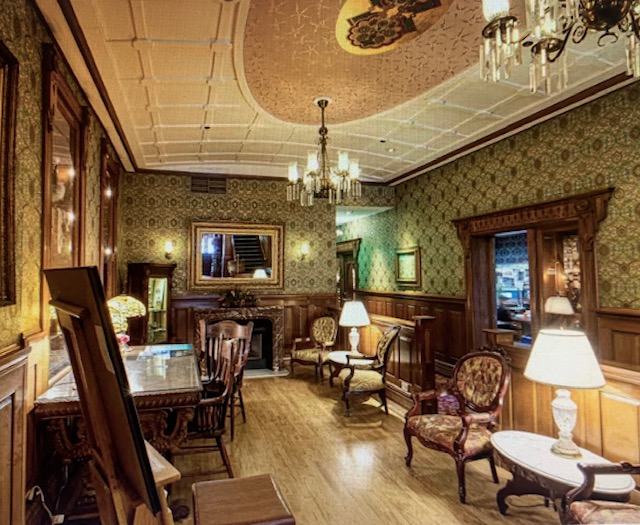
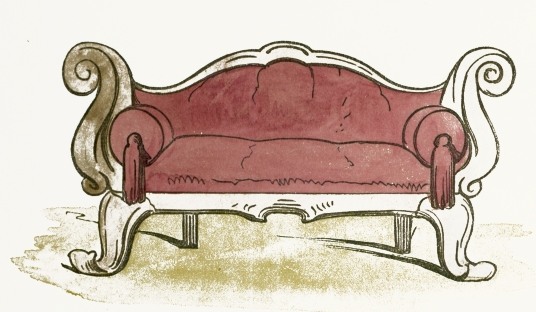
The historic Strater Hotel (Historic Hotel of America Founding Member) is one of the West’s iconic hotels and a prominent downtown Durango, Colorado landmark. The hotel is in the heart of the San Juan Mountains and the San Juan Scenic Skyway. The Strater Hotel has beautiful handcrafted woodwork, period wallpaper, and the largest collection of American Victorian walnut antiques which are used to decorate the hotel and guestrooms.
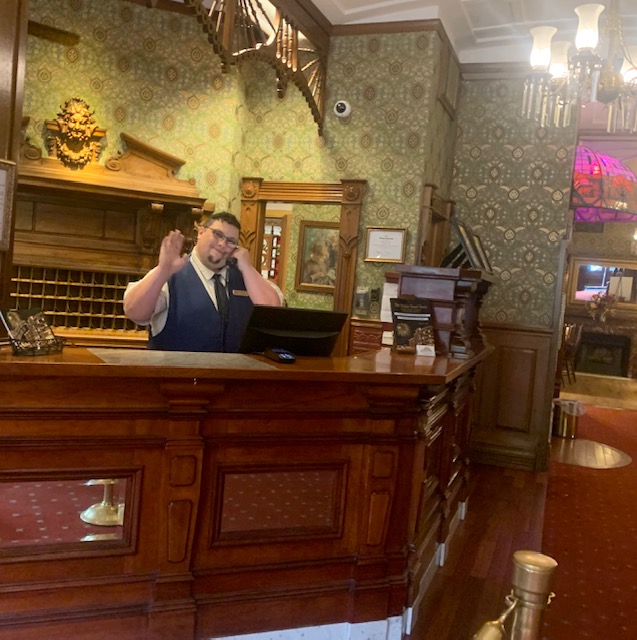
The hotel was originally built by the Strater family, who moved to Durango from Cleveland between 1880 and 1881. The hotel was the project of Henry Strater, a pharmacist who rallied his brothers and father to help construct the hotel in 1887 at the cost of $70,000. Strater kept his pharmacy in the corner of the hotel, while delegating the management to H. L. Rice, who elevated the social scene at the hotel. Strater eventually opened up a rival Columbian Hotel after he became furious at the high rents that Rice was charging him for the pharmacy located in the corner of the Strater hotel.
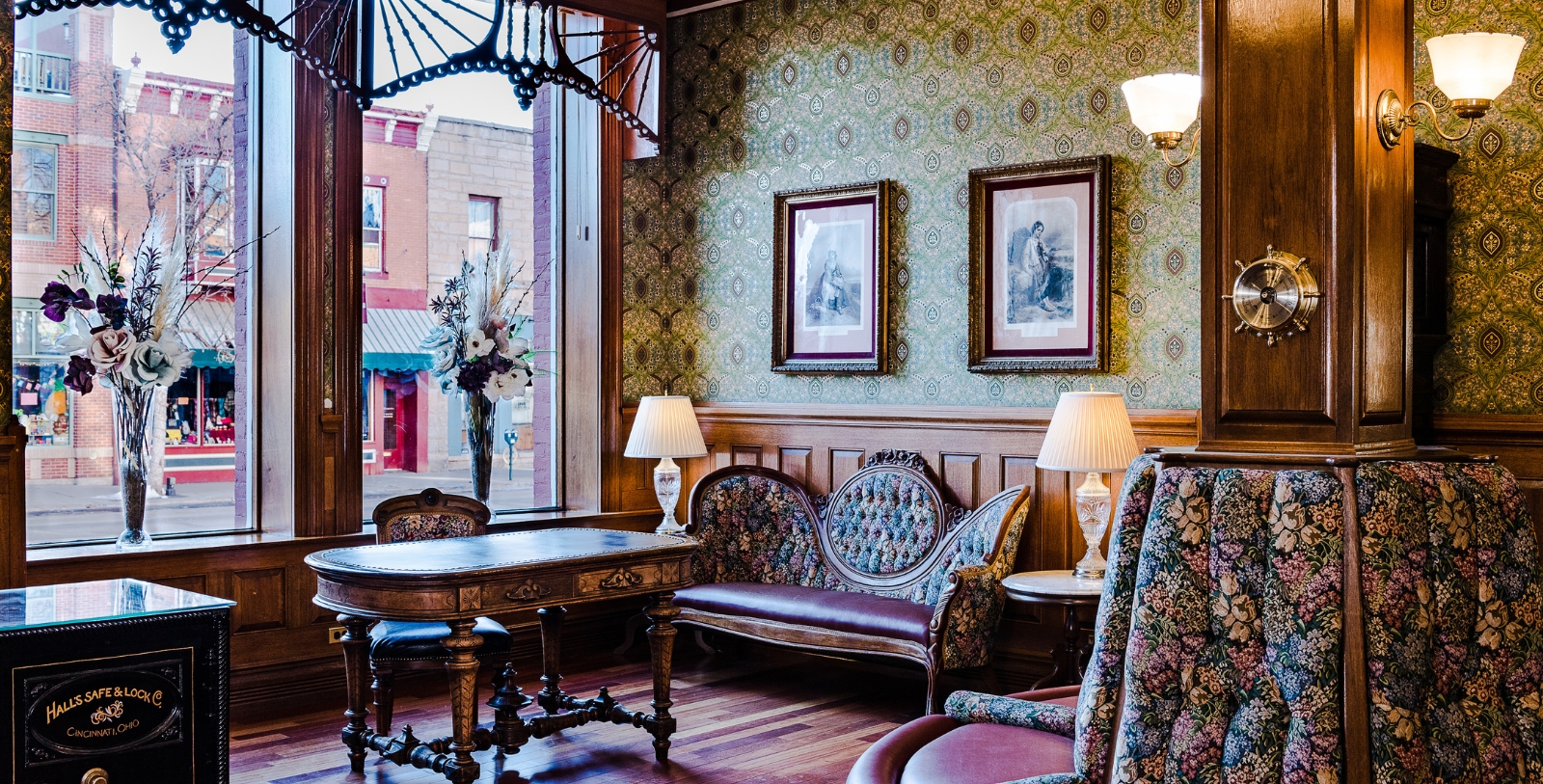
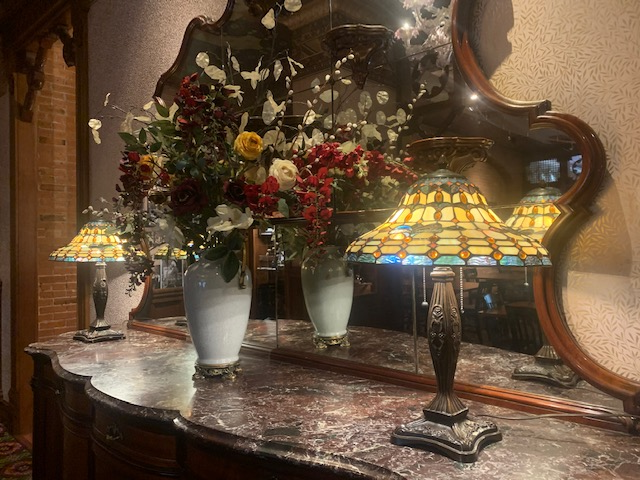
The hotel went bankrupt in 1895 and During the roaring twenties a group of Durango businessmen, led by Earl A. Barker Sr., purchased the aging hotel in 1926. In 1981, Roderick Earl Barker returned to his home town to renovate and operate the hotel under the ownership of his family. Under his direction and later his ownership, the Strater Hotel was developed into one of the finest small hotels in the United States. It is now owned by Ross Garrett and family.
The hotel lobby has some hidden passageways and secret hiding places.
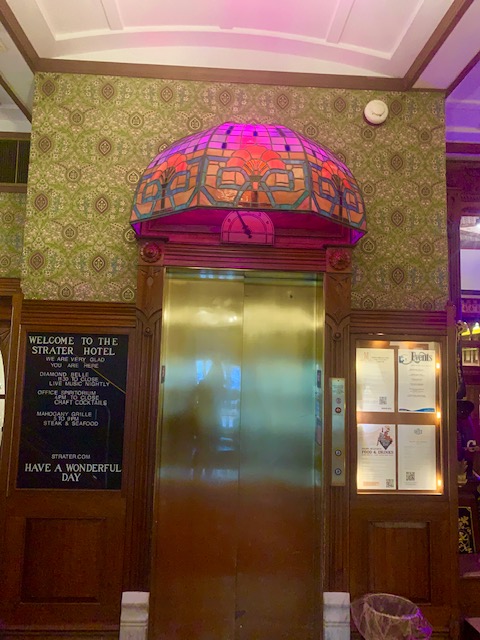
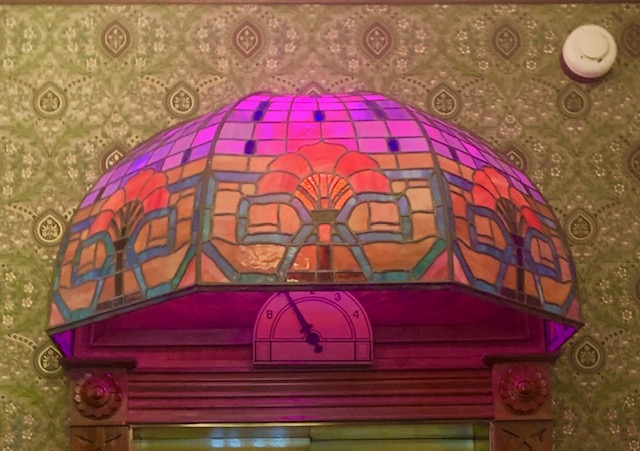
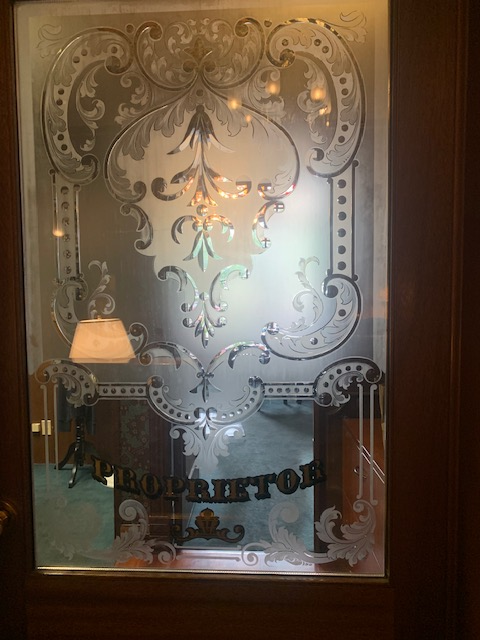
I love all this stain glass!
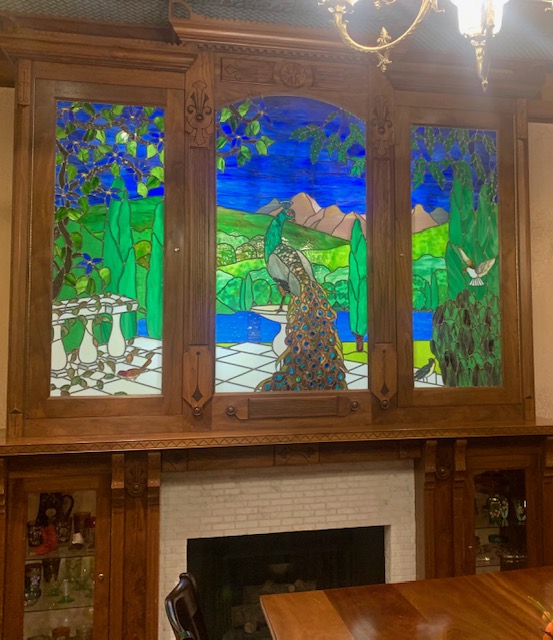
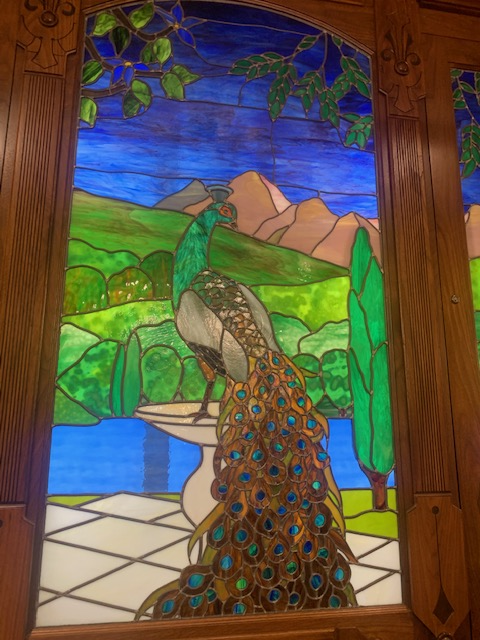
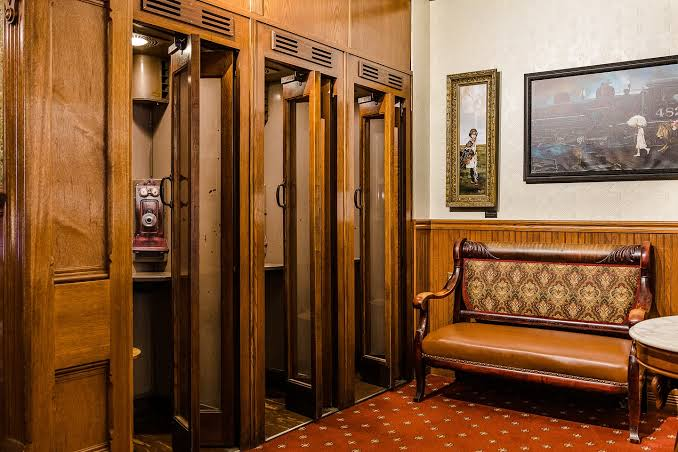
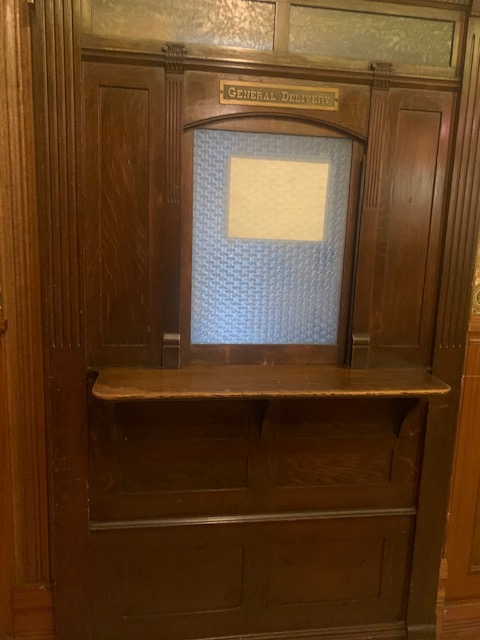
Of course they would have public telephones and mail service.
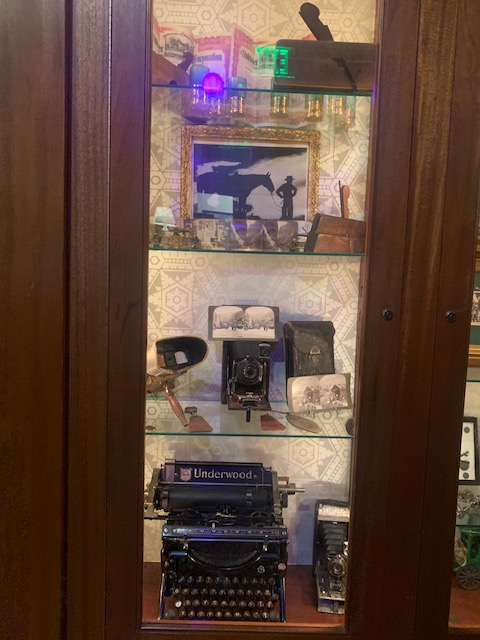
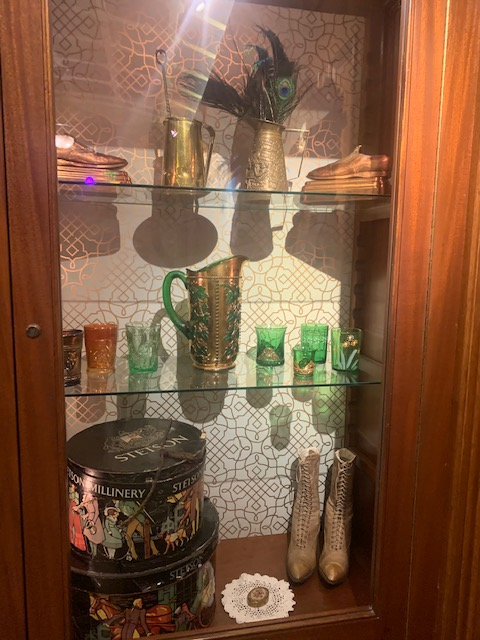
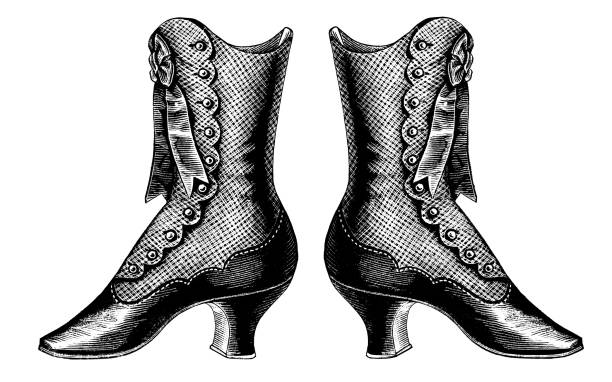
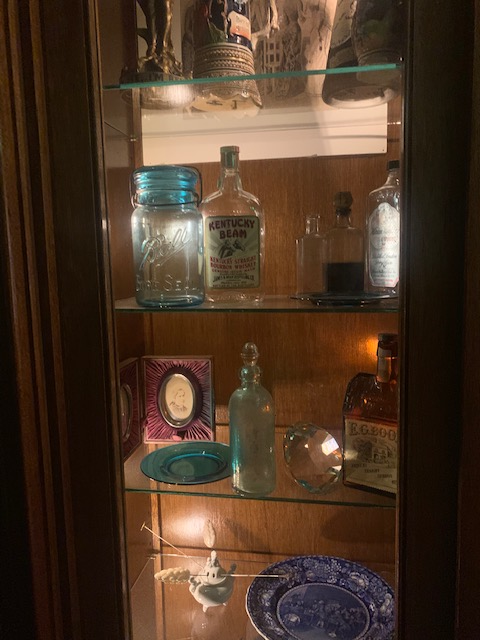
I love their cabinets with all the iconic items in them. Can you imagine typing on that typewriter or wearing those shoes?!
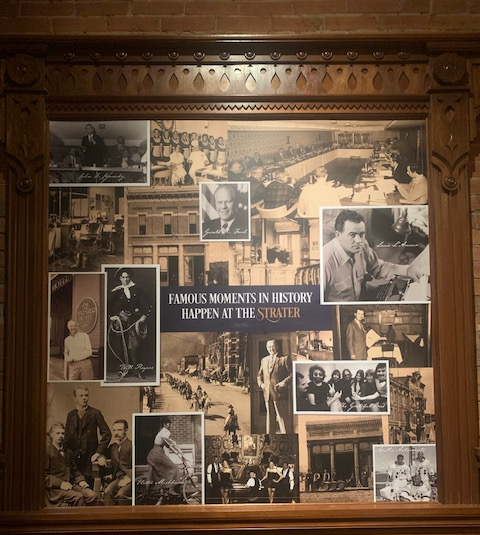
Among its notable guests throughout its history are President JF Kennedy, Gerald Ford, Will Rogers, the Grateful Dead and the astronauts from the Apollo Mission.
The following movies were filmed in Durango: Butch Cassidy and the Sundance Kid, City Slickers, Cliffhanger, National Lampoon’s Vacation, Night Passage, Around the World in Eighty Days, Ticket to Tomahawk, How the West Was Won, and Tracker. Plenty of older movies were also shot here.

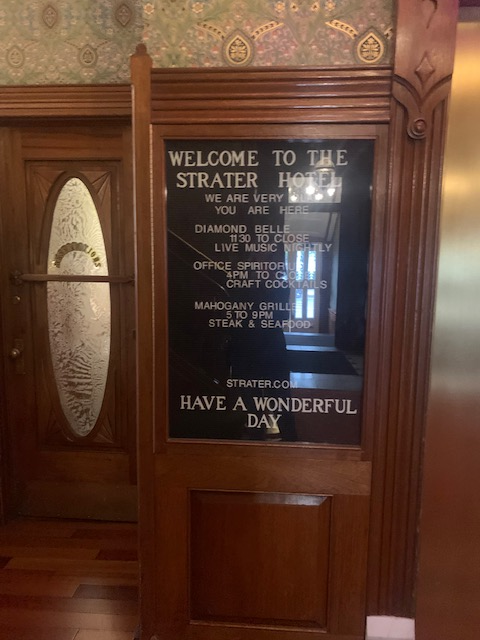
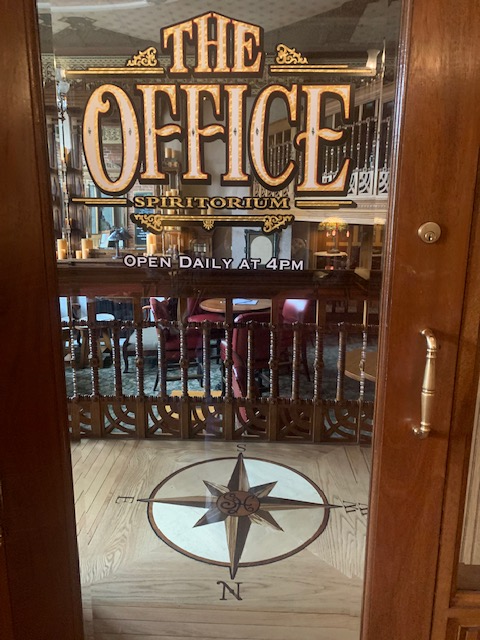
There are three restaurants in the hotel, The Diamond Belle, Office Spiritorium and Mahogany Grille.
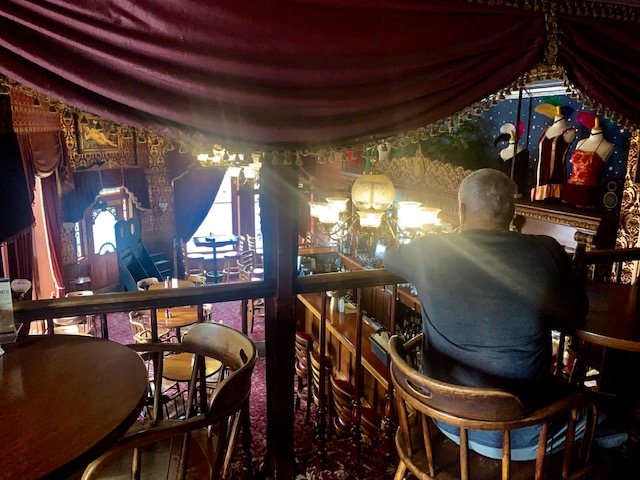
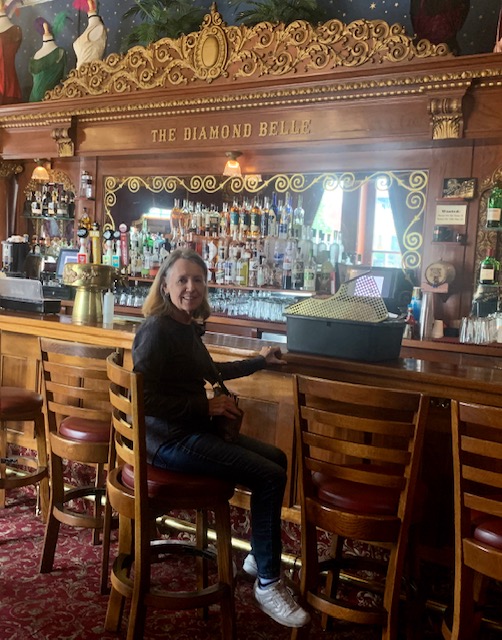
One is the Diamond Belle Saloon above. The hotel’s saloon girls and staff dress strictly in authenic, period-correct Victorian costumes (such as corseted lace-up dresses, bustles, and feathered headpieces) to maintain the authentic Old West atmosphere.
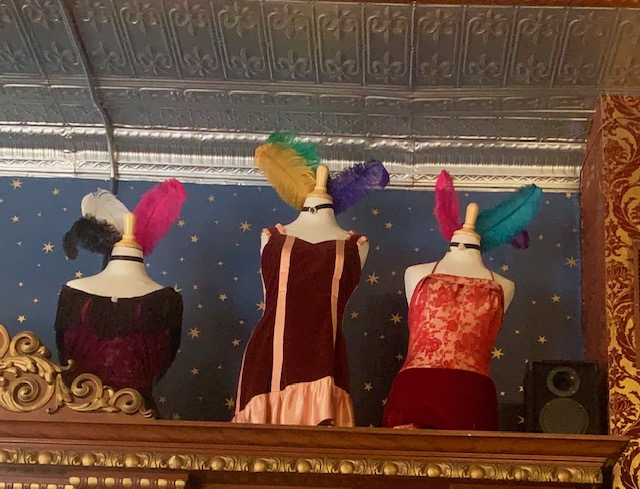
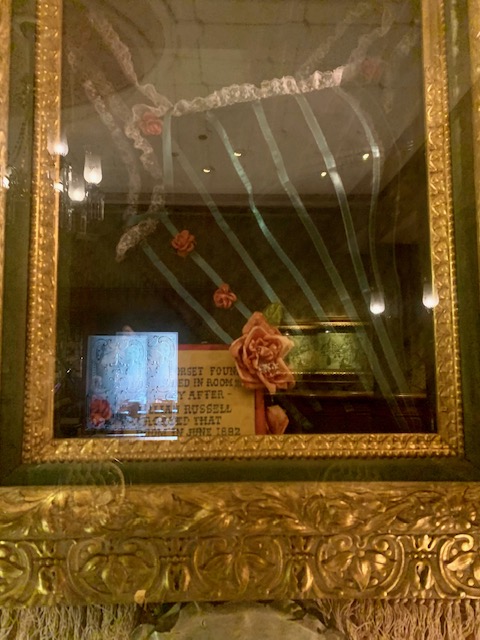
The ones below are from that period. The second picture is one that was worn by Jane Russell when she was here filming a western movie.
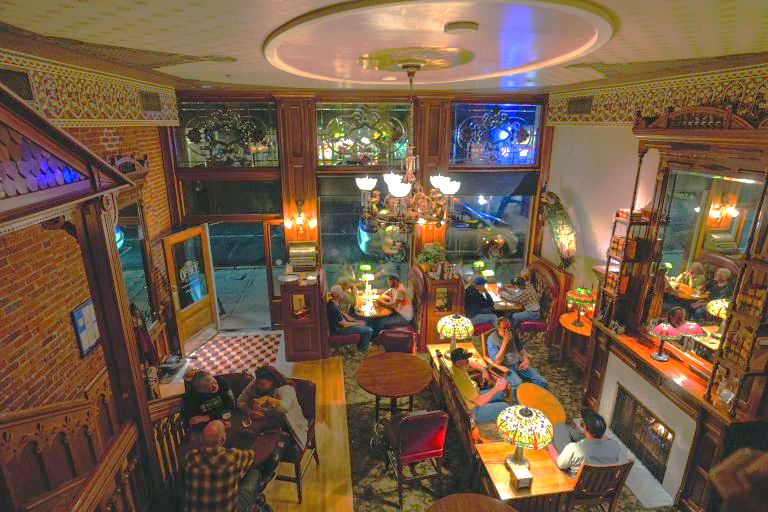
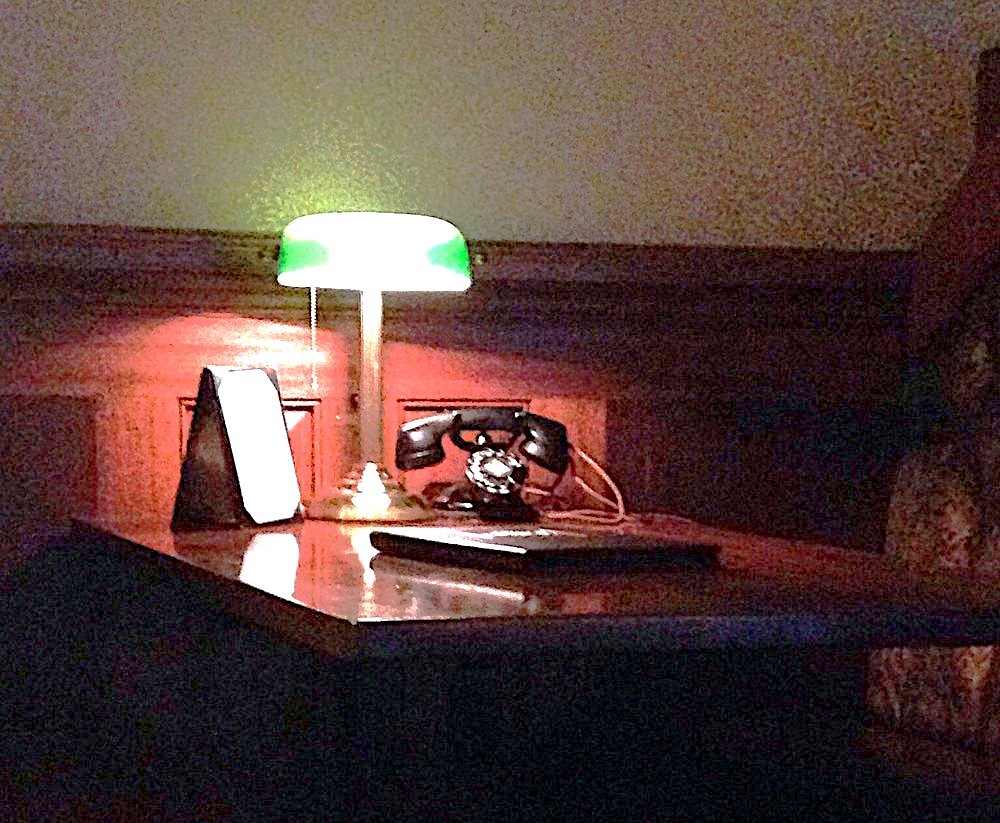
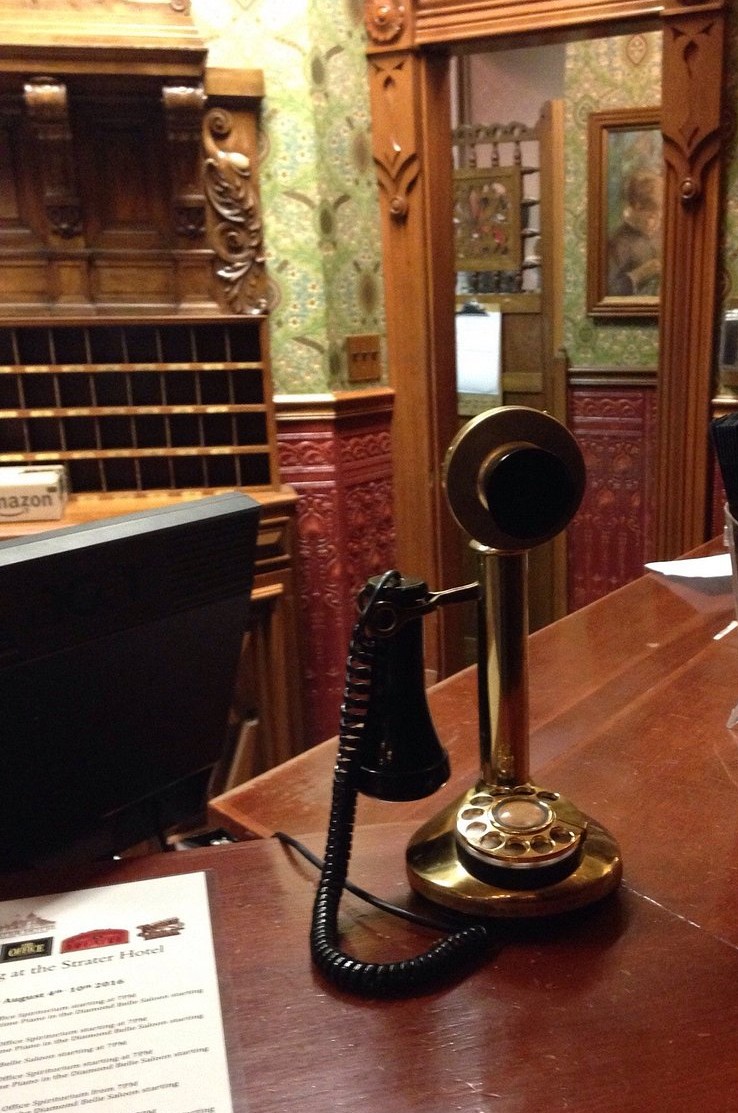
The Office Spiritorium Restaurant. Neat feature is they had phones at the tables, which are necessary to run an office.

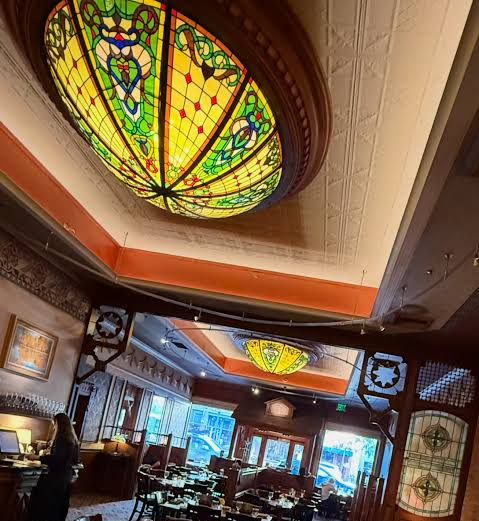
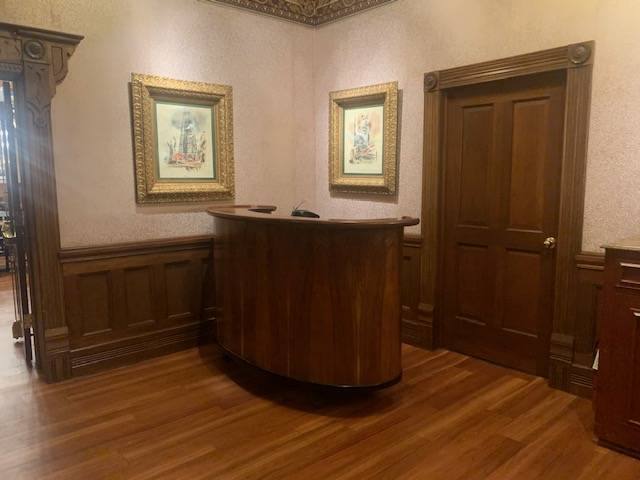
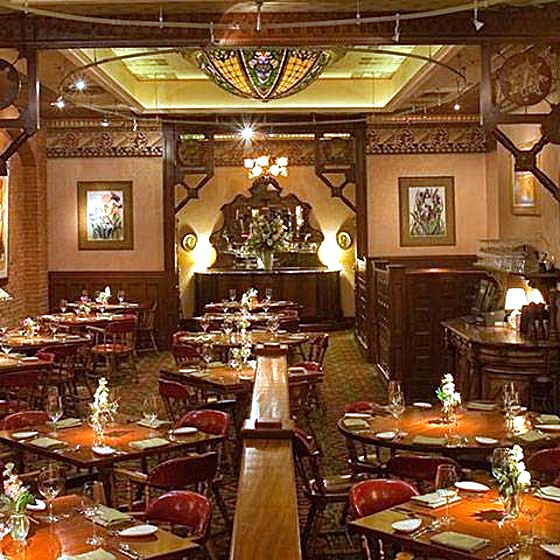
The last restaurants is the Mahogany Grille.
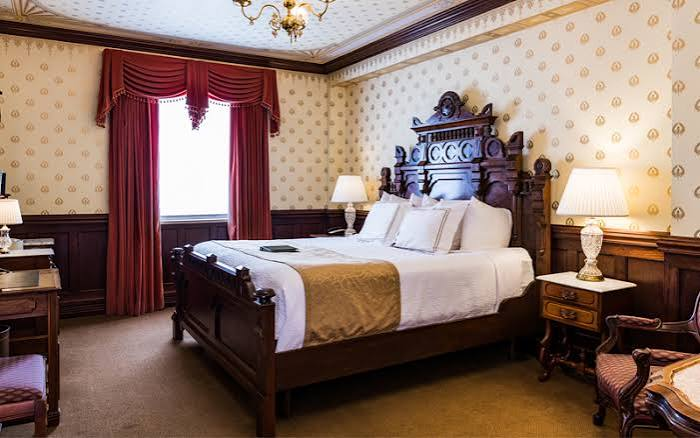
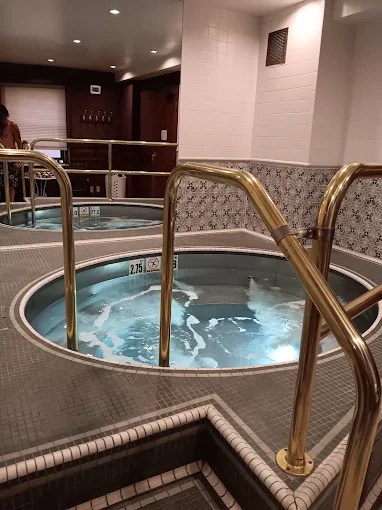
The bedrooms are very nice and they have hot tubs. In the era before indoor plumbing, the rooms’ washstands also housed the chamber pots, which were emptied each morning by the maids. The hotel also boasted a strategically designed three-story privy. I wouldn’t have wanted that job!
Durango and the Strater were just amazing, next time I’m in Durango, Colorado I’m going to stay at the Strater Hotel and eat at all three restaurants, we weren’t hungry this time around. And maybe go skiing.
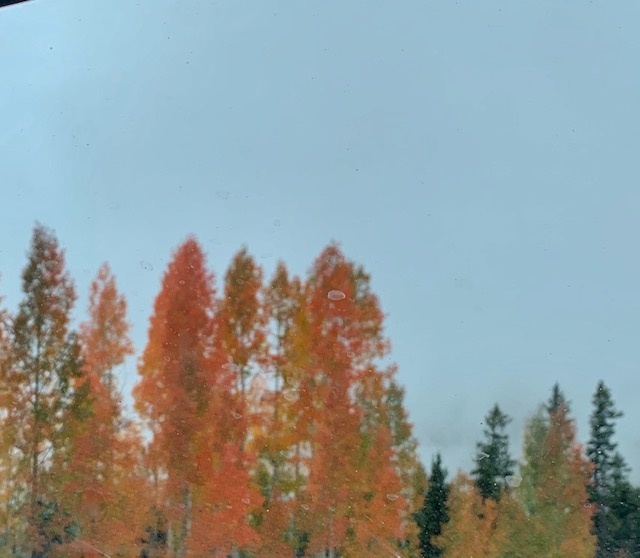
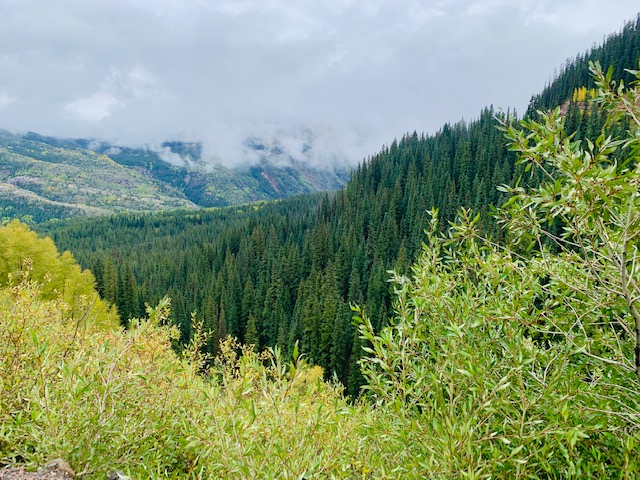
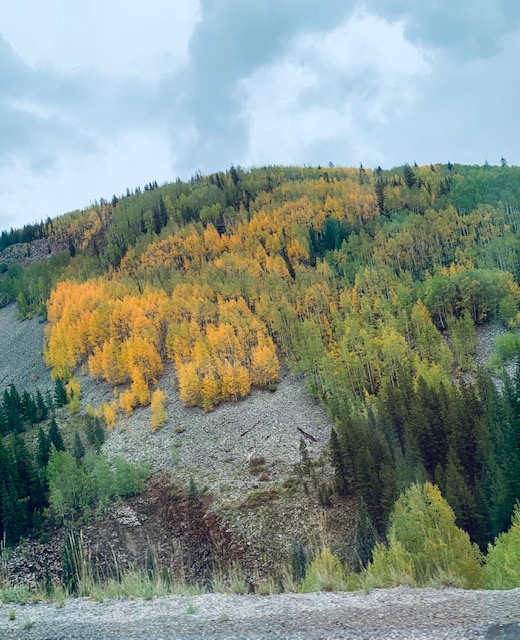
Once again we’re on the San Juan Skyway.
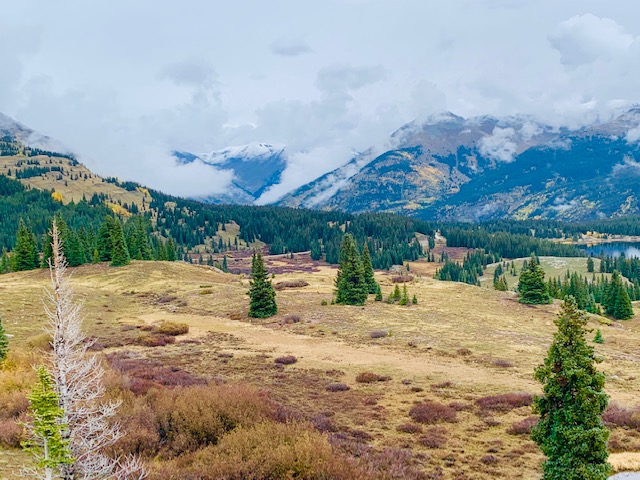
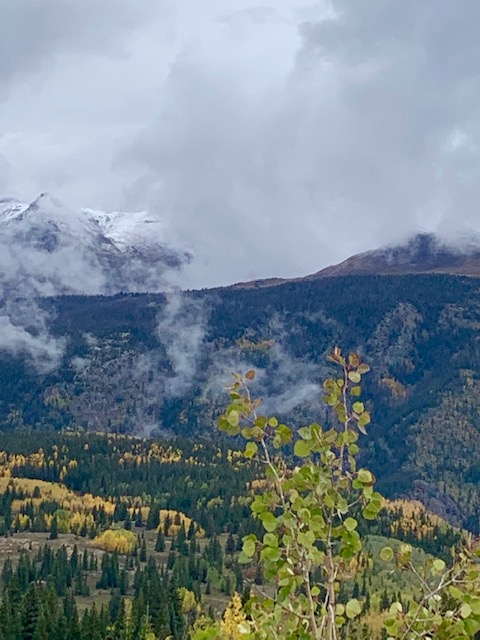
The San Juans are the largest and most rugged collection of mountain peaks in Colorado with thirteen of the peaks above 14,000 feet. The San Juan Skyway travels over four mountain passes and through two National Forests, San Juan, provides a view of many different climate zones. During the trip, the temperature will vary up to fifteen degrees between valleys and mountain tops will have changes in plants and animals at different elevations too.
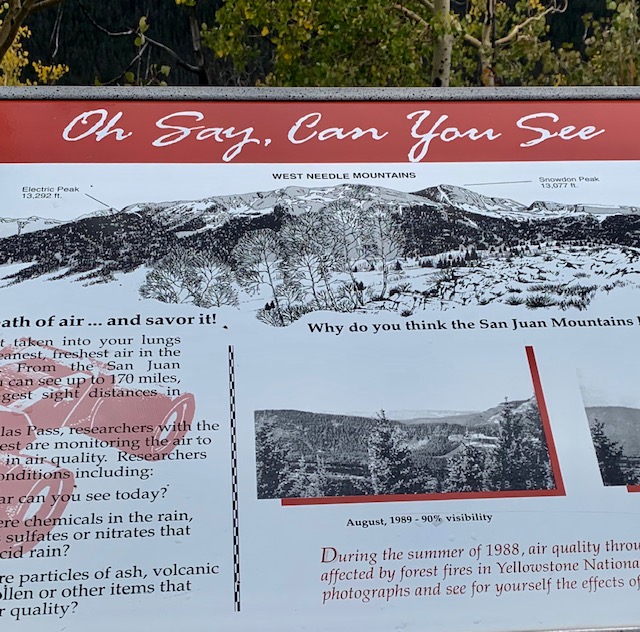
The West Needle Mountains are in southwestern Colorado, south of Silverton and about 40 miles north of Durango, within the San Juan Mountains and National Forest.
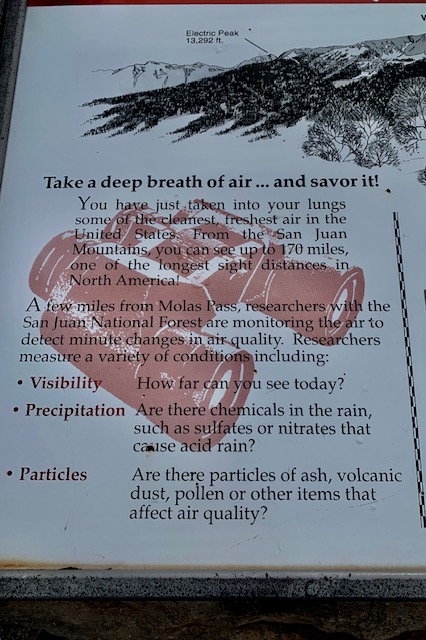
You can bet we took a few deep breaths.

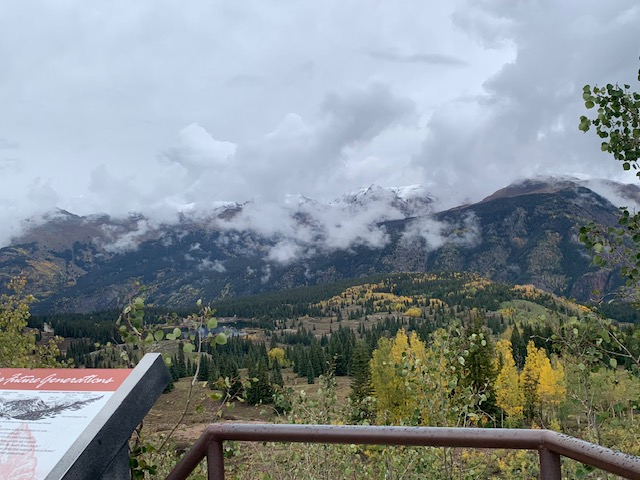
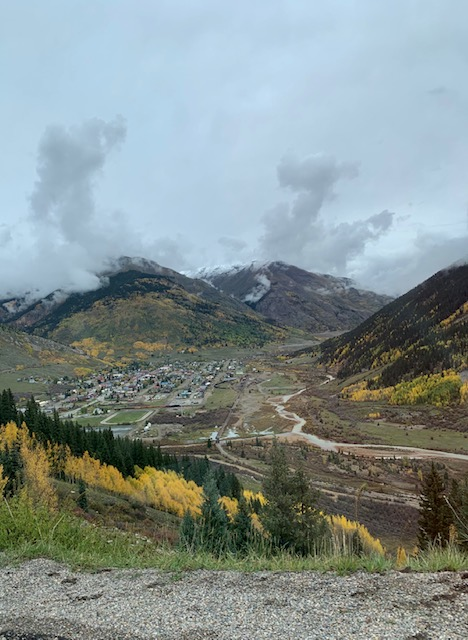
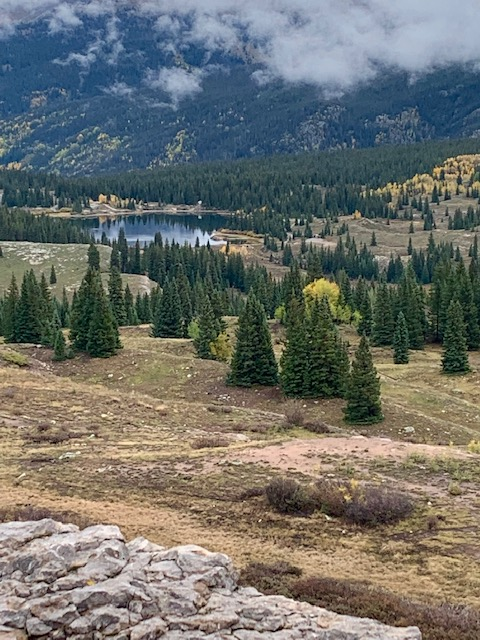
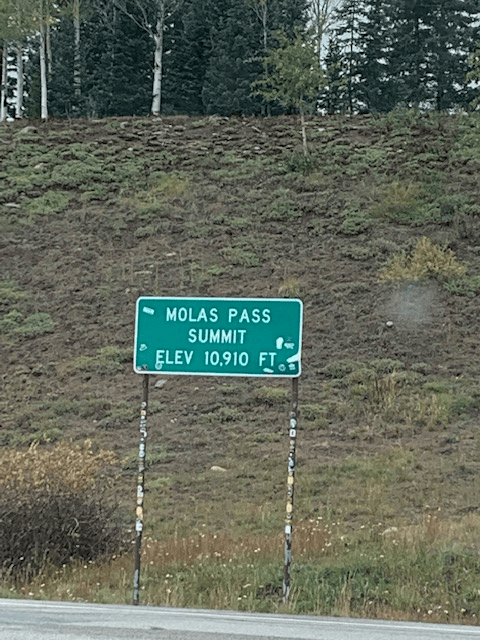
The Molas Pass is just before Silverton.
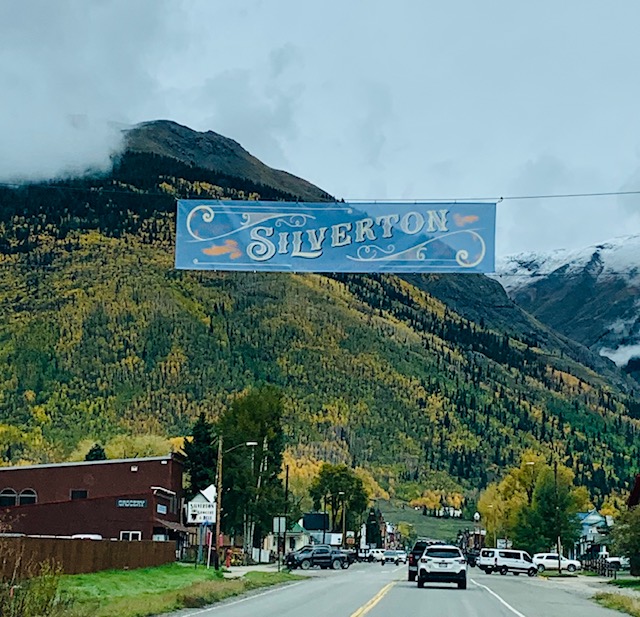
Silverton Mountain is the highest ski area in North America, with an elevation of 13,487 feet. Some of the runs include a 3,000 foot vertical drop, yikes!
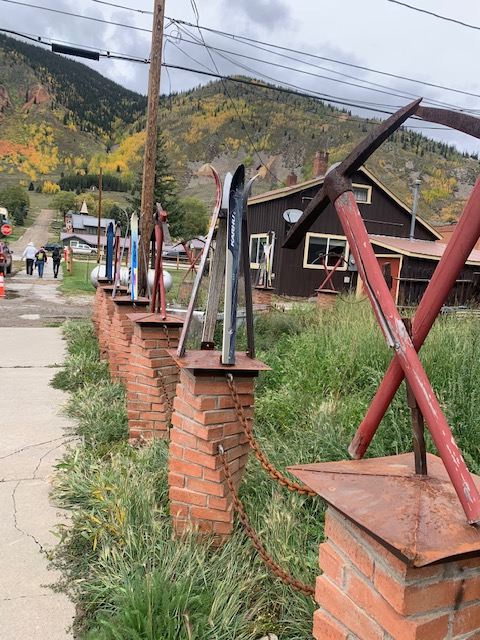
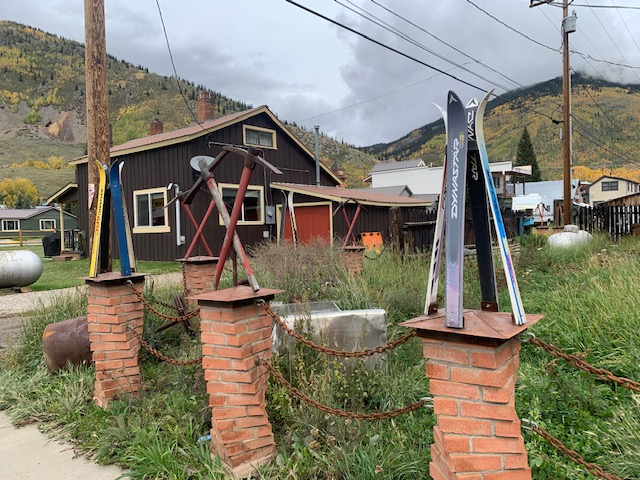
Great idea a fence with skis and tools!
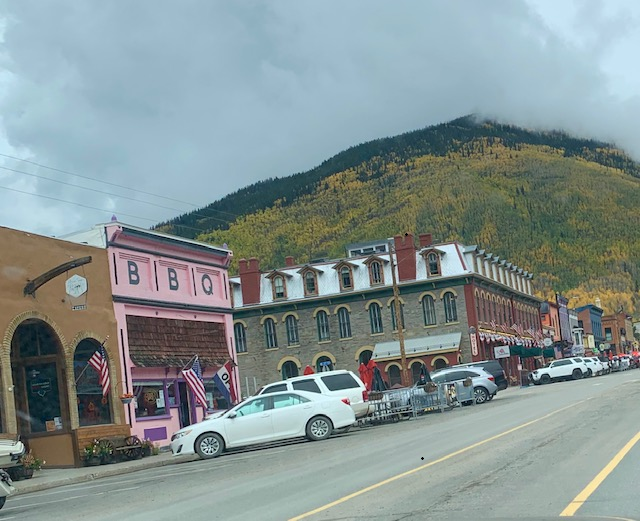
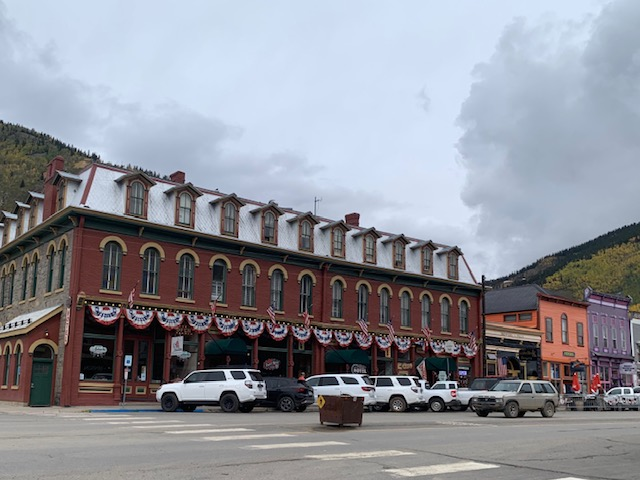
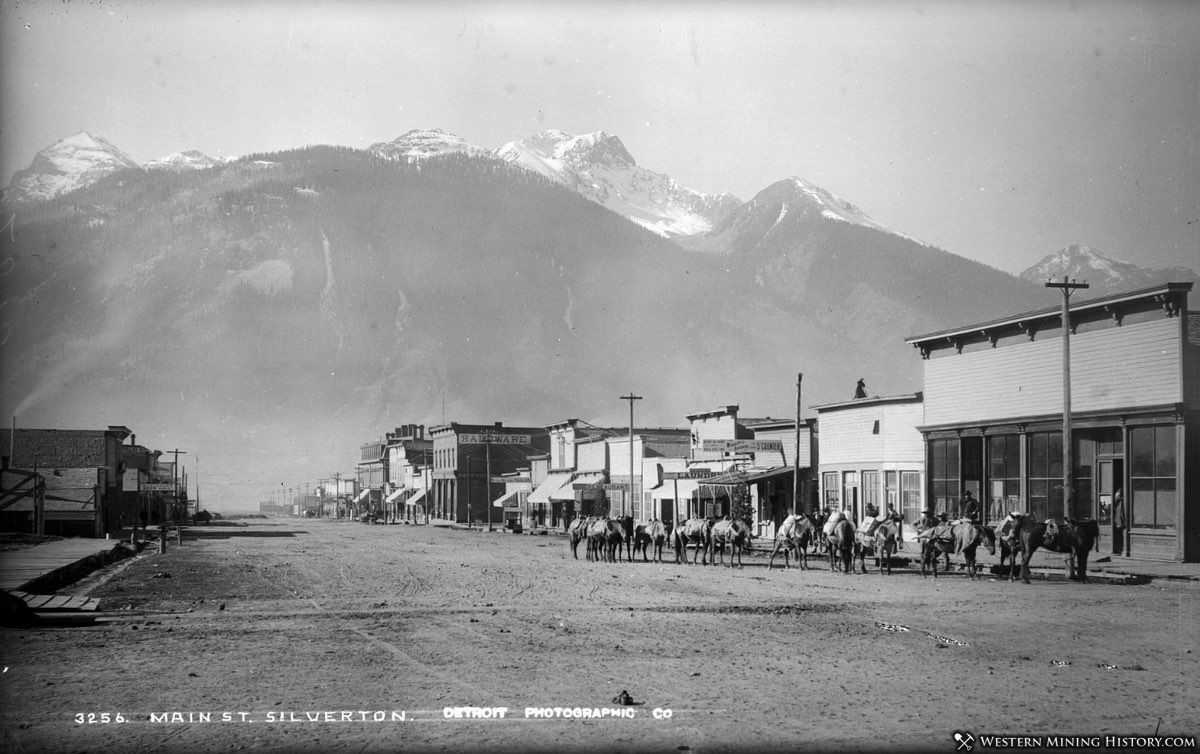
Silverton was founded by mining entrepreneurs William Kearnes, Dempsey Reese, and Thomas Blair in 1874.
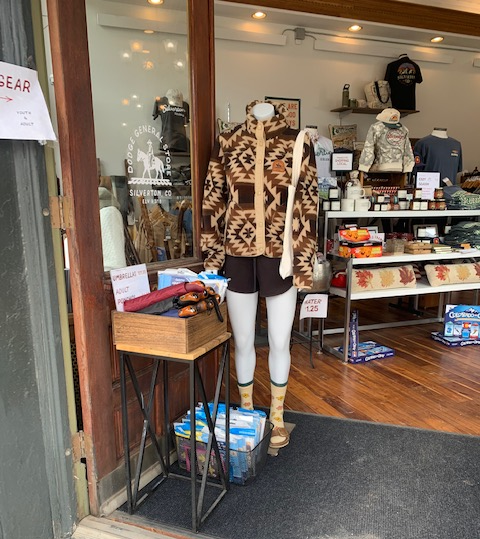
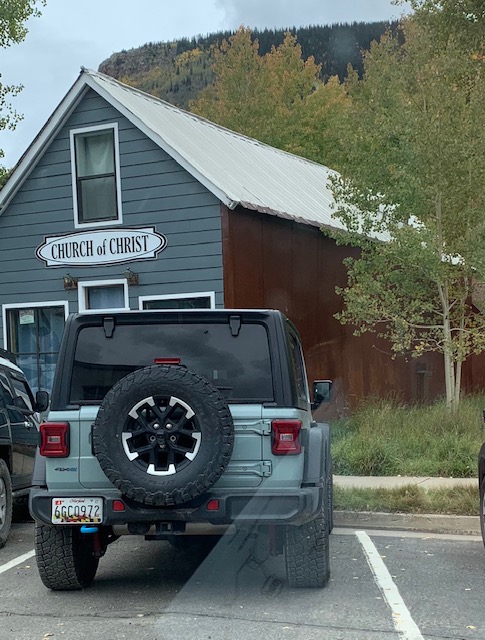
A neat winter outfit. And a very small church that looked charming.
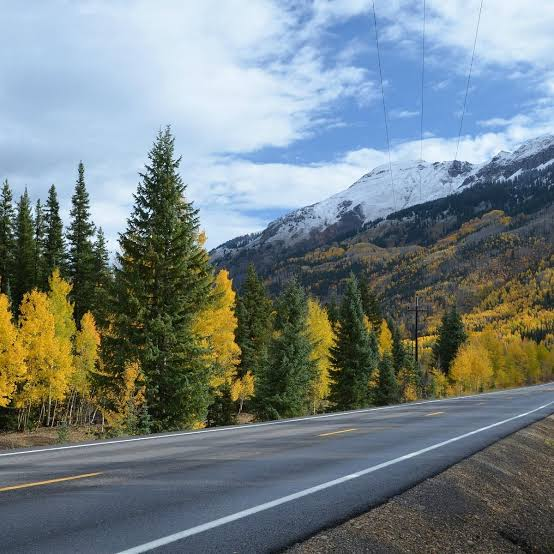
We’re back on The Million Dollar Highway is a 25-mile section of U.S. Route 550 in southwestern Colorado that links the towns of Ouray and Silverton.
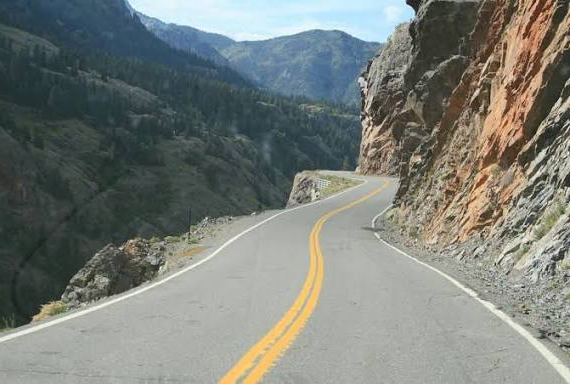
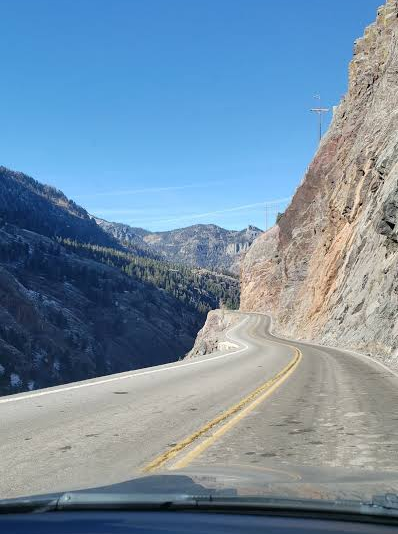
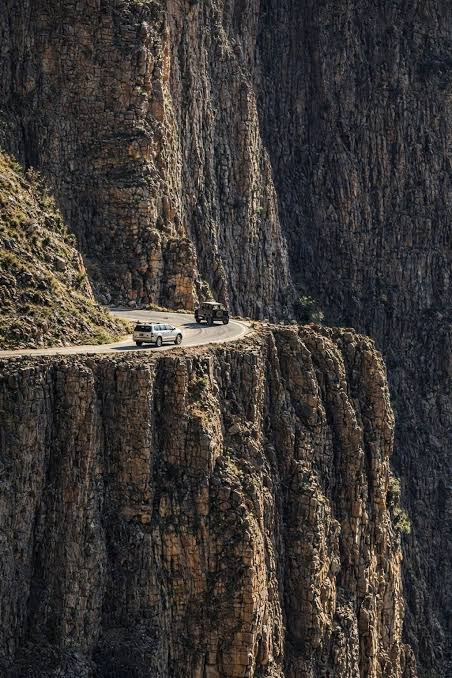
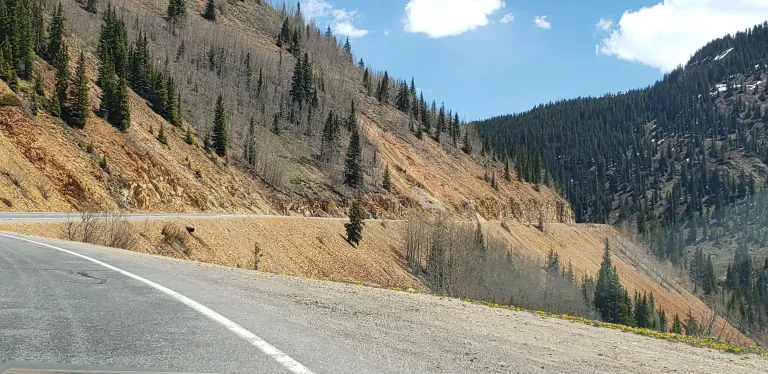
Highway 550, the “The Million Dollar Highway” they say is one treacherous road. Start with no guard rails and go from there. The highway was nicknamed due to the cost overruns in getting it built. Or another reason for the name they say is “that there is gold in them there hills.”
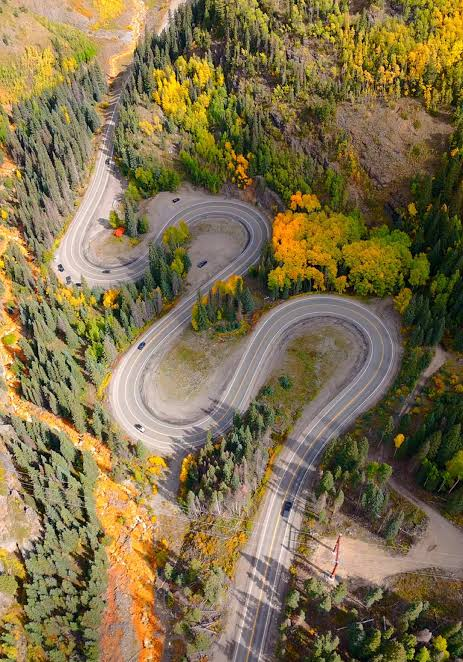
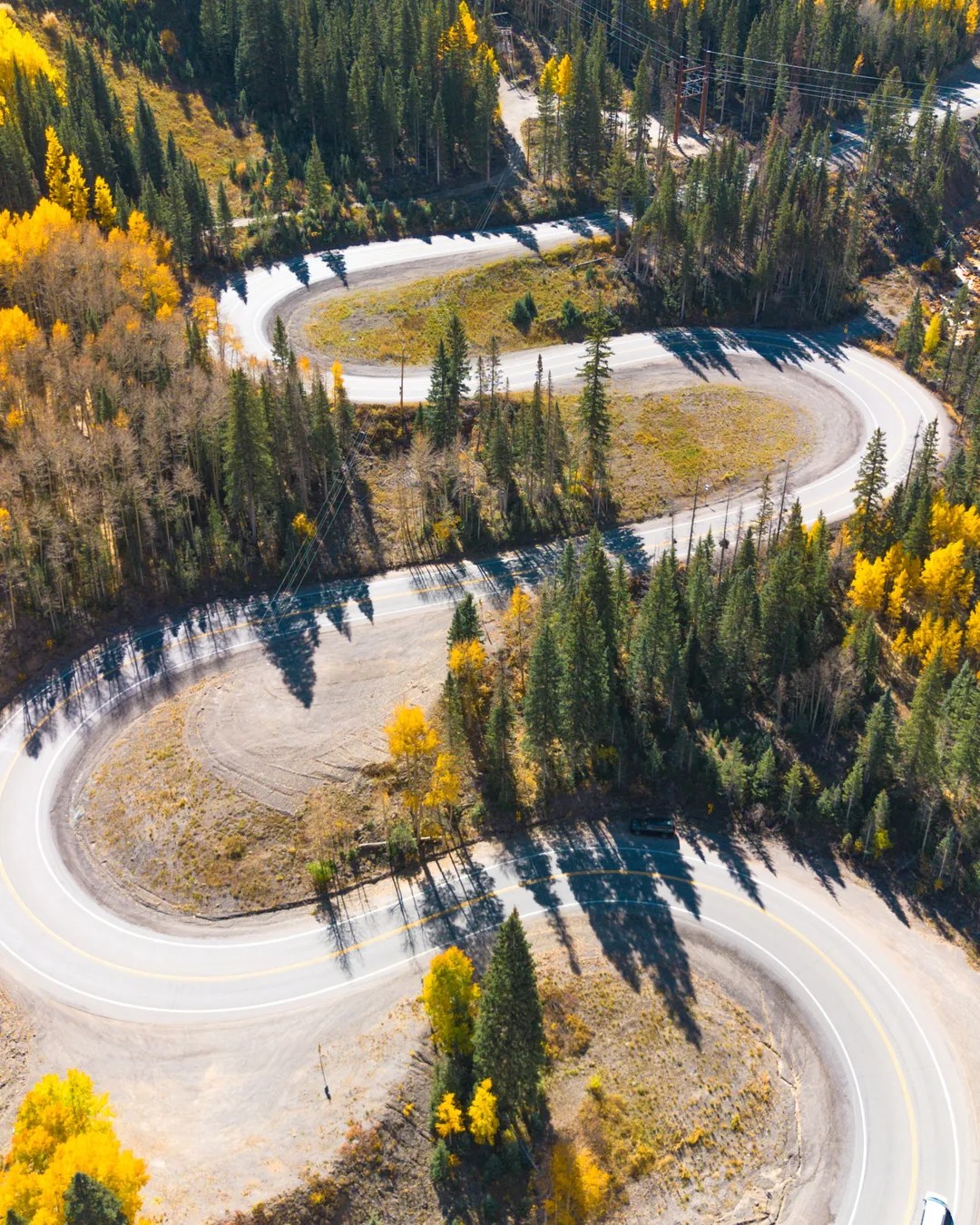
It features narrow 23-foot widths, sheer drop-offs exceeding 300 to 400 feet, tight hairpin curves, an absence of guardrails in key areas, and over 70 avalanche chutes. There are a lot of fatalities and accidents on the highway. Besides all that, you gotta see it!
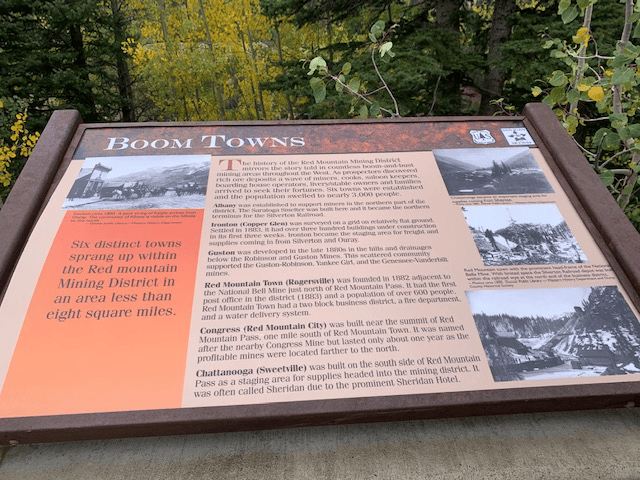
The history of the Red Mountain Mining District mirrors the story told in countless boom-and-bust mining areas throughout the West. As prospectors, miners, cooks, freighters, prostitutes, gamblers, saloon keepers, boarding house operators, and families flooded into the area six towns sprang up on the San Juan Skyway and the population increased to more than 3,000 people.
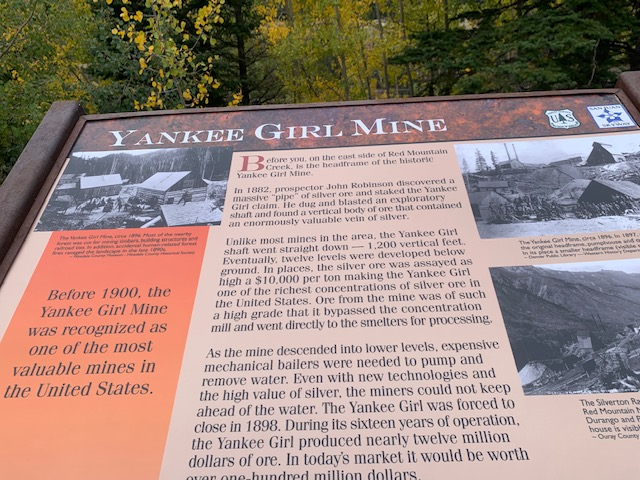
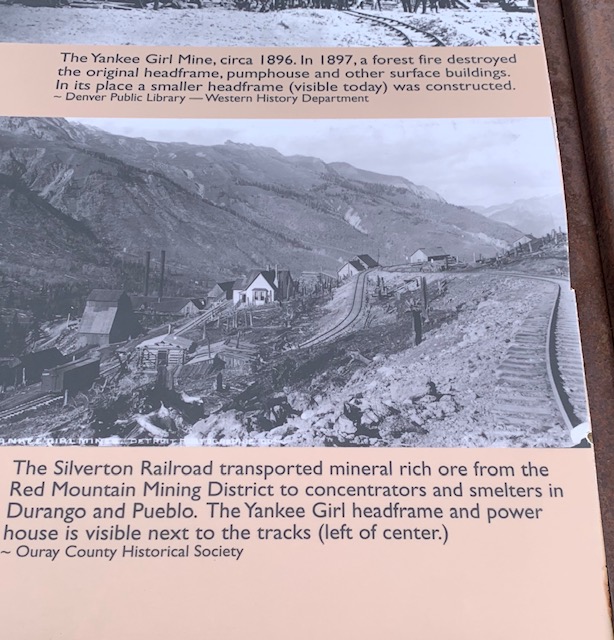
In 1882, prospector John Robinson discovered a massive “pipe” of silver ore and staked the Yankee Girl claim. He developed an exploratory shaft and found that the nearly vertical ore body contained an enormously valuable vein of silver.
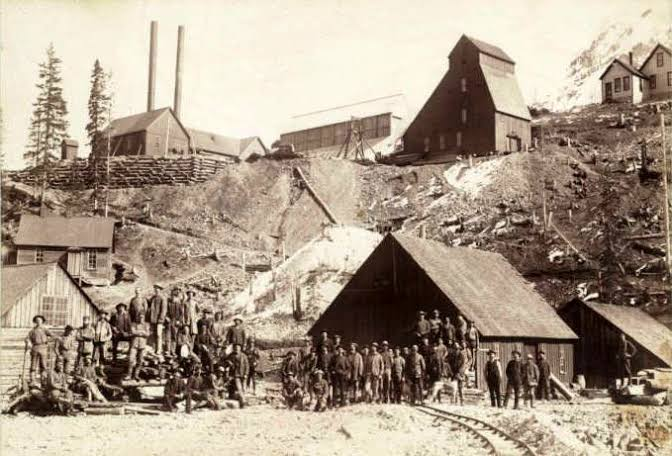
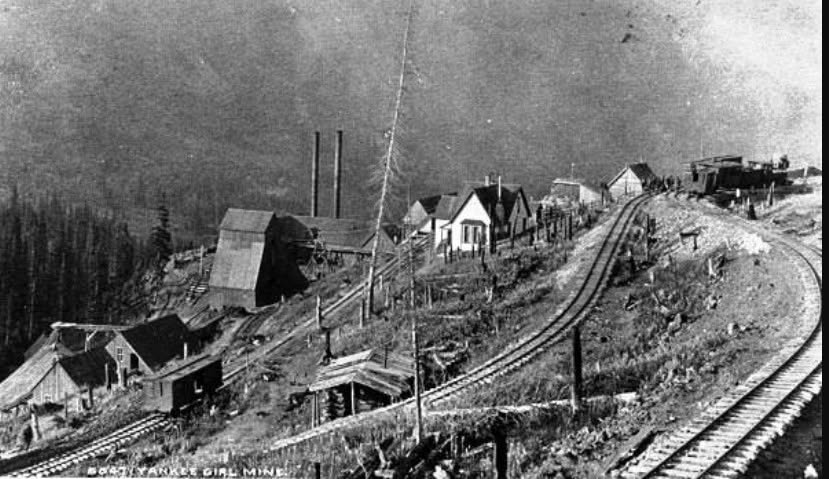
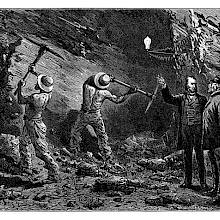
1890 pictures of the mine.
Unlike most local mines, the Yankee Girl shaft went nearly straight down – 1200 vertical feet. Eventually, twelve levels were developed below ground. In places, silver ore assayed as high as $10,000 per ton making the Yankee Girl one of the richest concentrations of silver ore in the United States. Ore from the mine was of such a high grade that it bypassed the concentration mill and went directly to the smelter for processing.
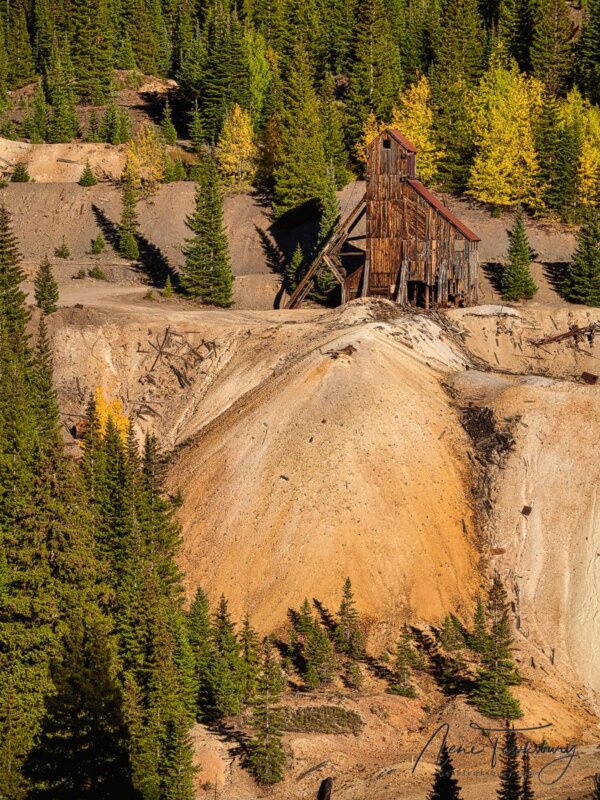
What’s left of Yankee Girl.
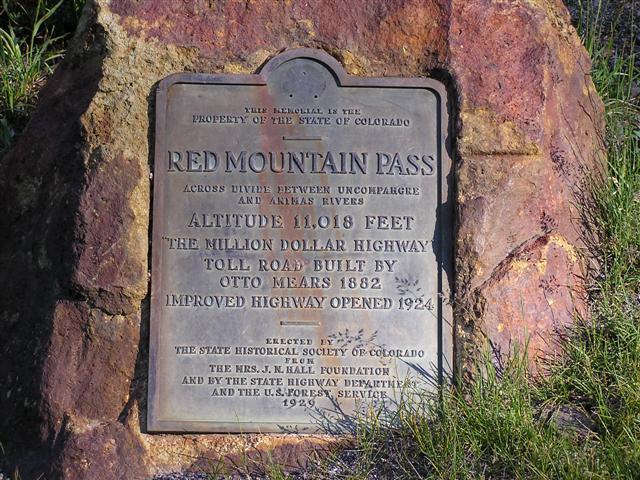
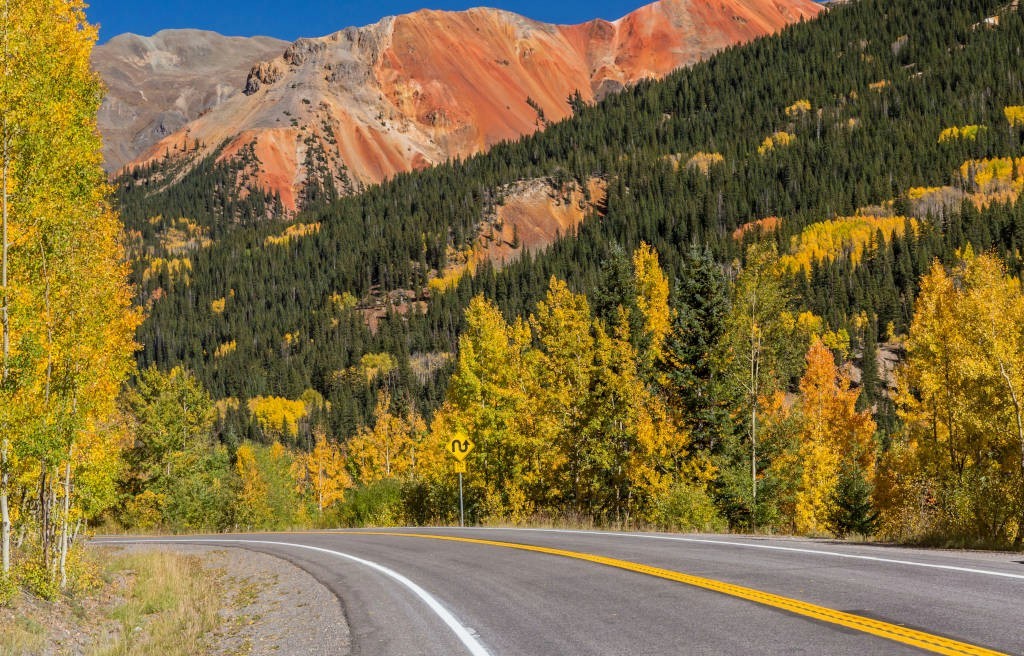
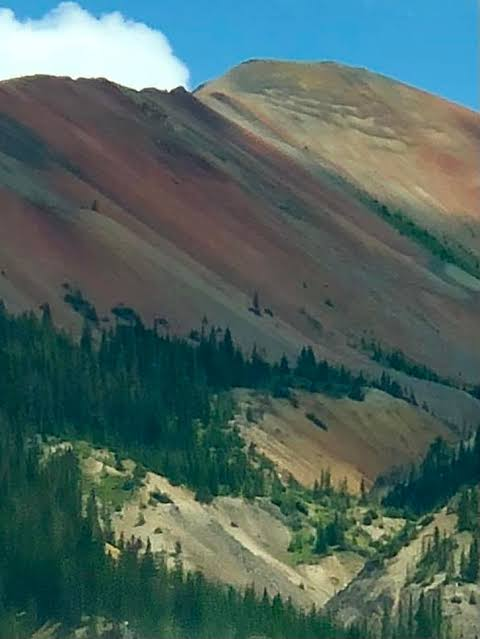
Red Mountain Pass is an 11,018-foot mountain pass on U.S. Highway 550 between Ouray and Silverton, forming the high point of the Million Dollar Highway through the San Juan Mountains. Named for the iron-oxide stained Red Mountain.
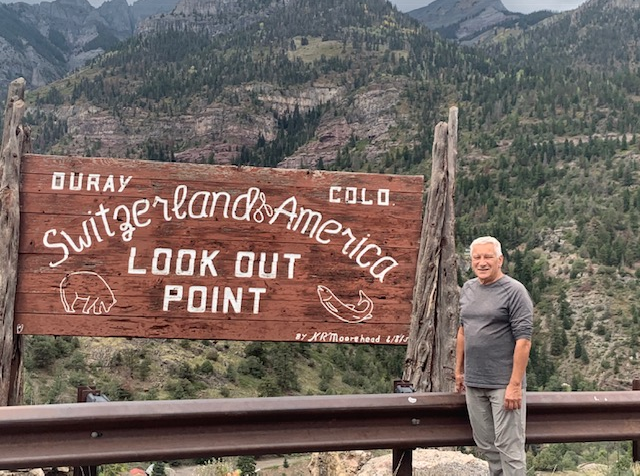
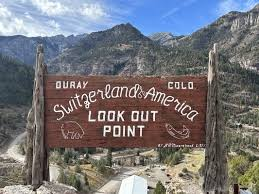
Switzerland of America Lookout Point is a popular stop with great views of the San Juan mountains, valleys, and the historic town of Ouray below.
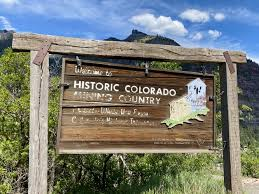
Old mining Company sign.
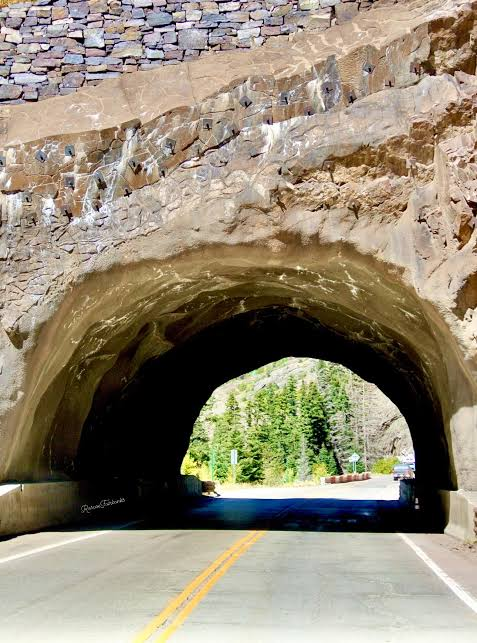
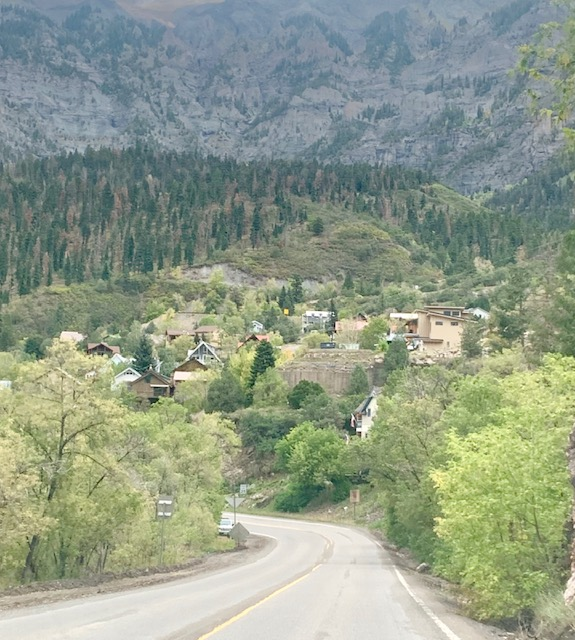
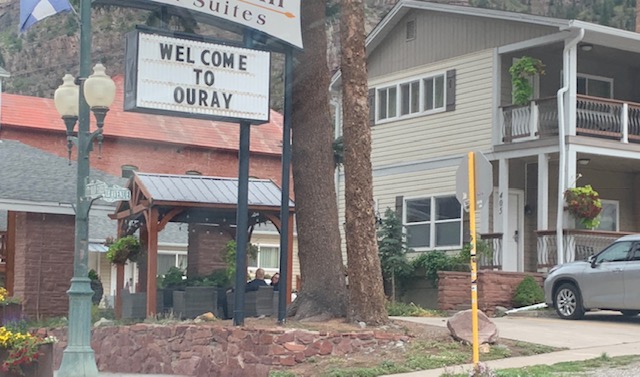
Quary has the name of a Tabeguache Ute Indian chief who wanted peace and friendship with the white settlers in the mid-1800s. It’s promoted as the Switzerland of America.
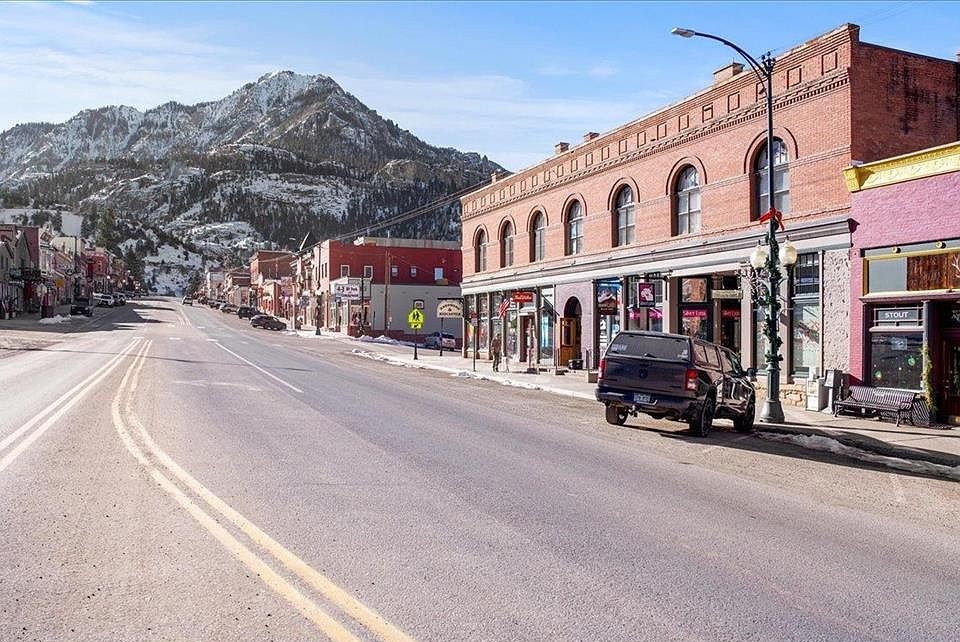
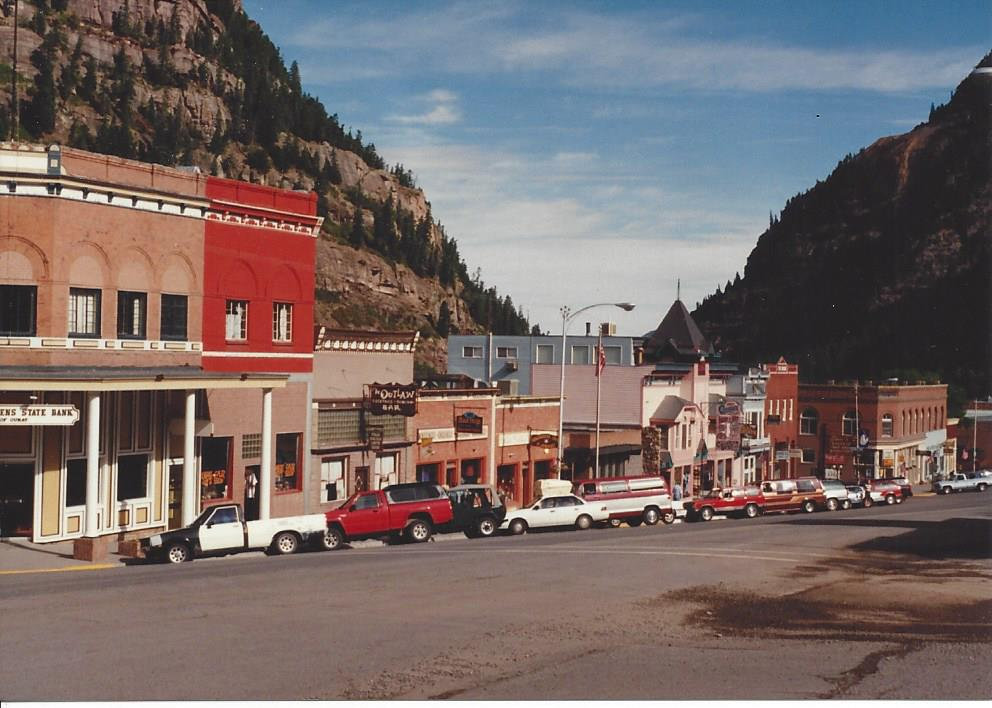
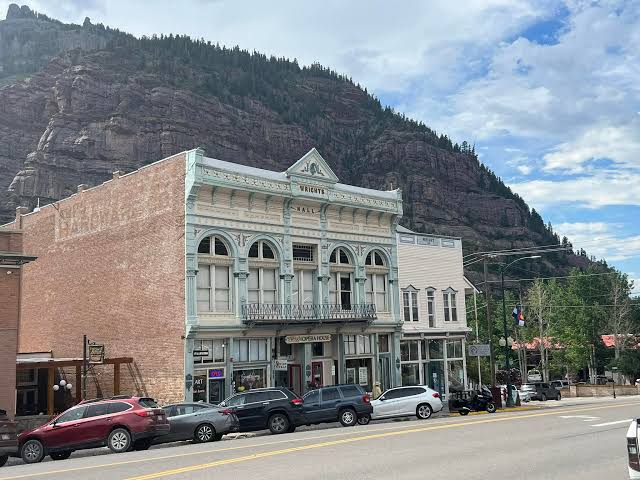
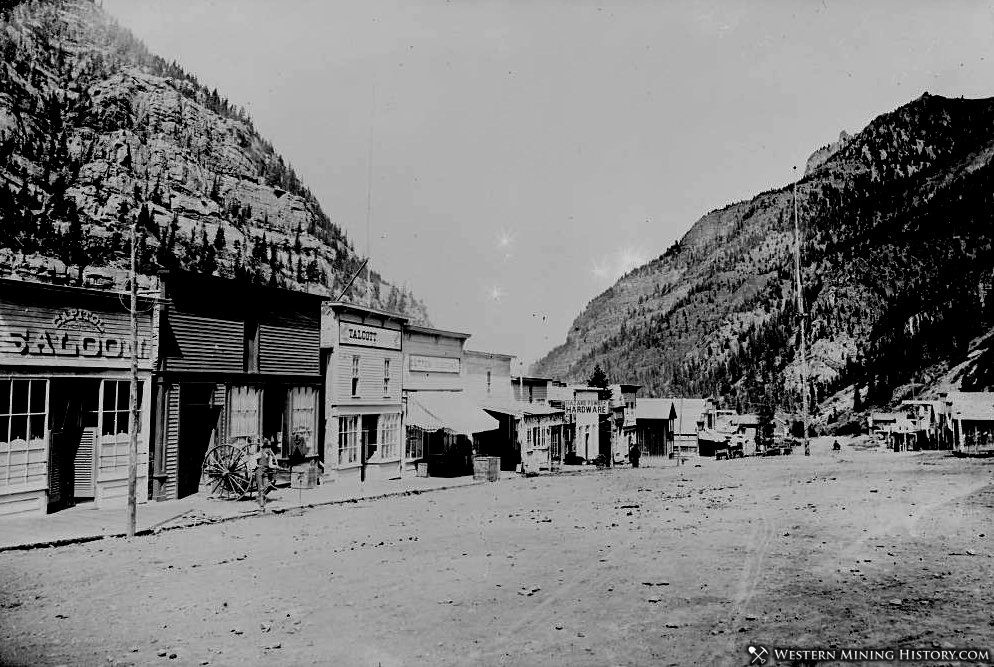
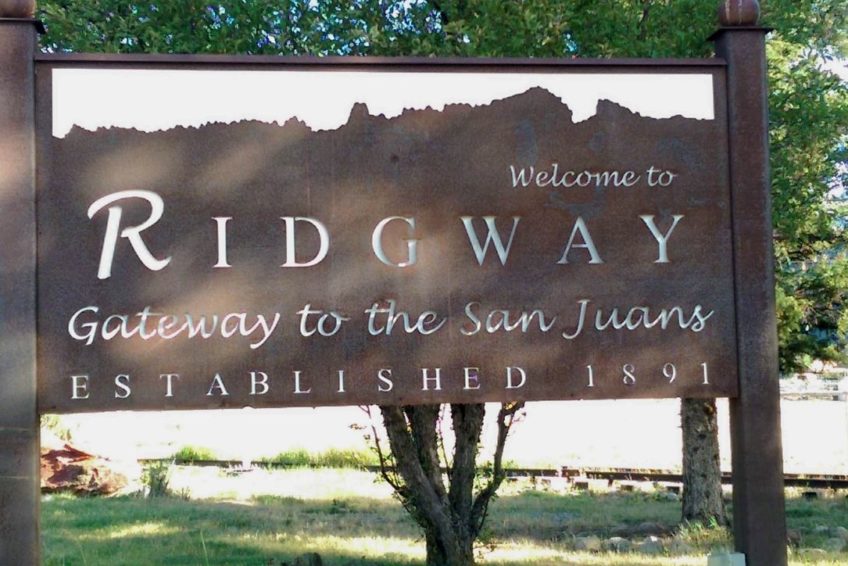
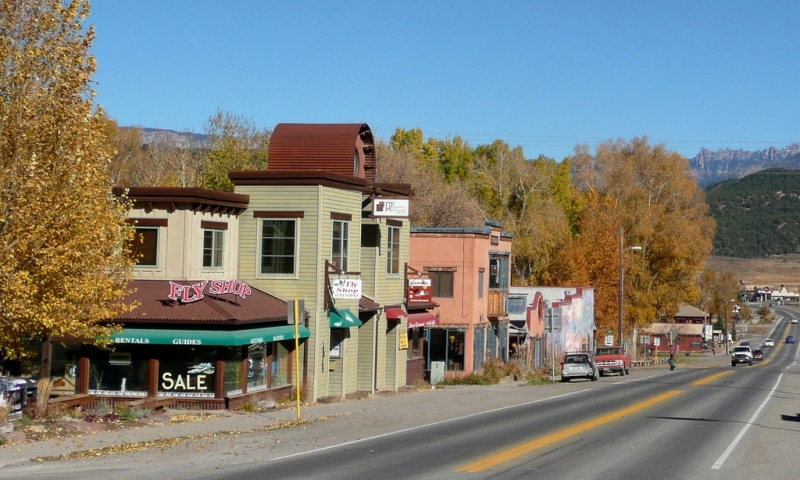
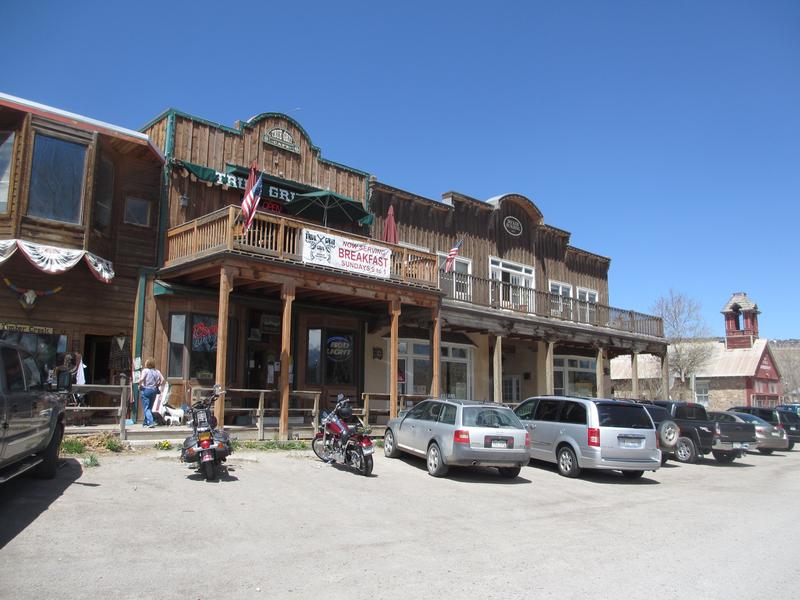
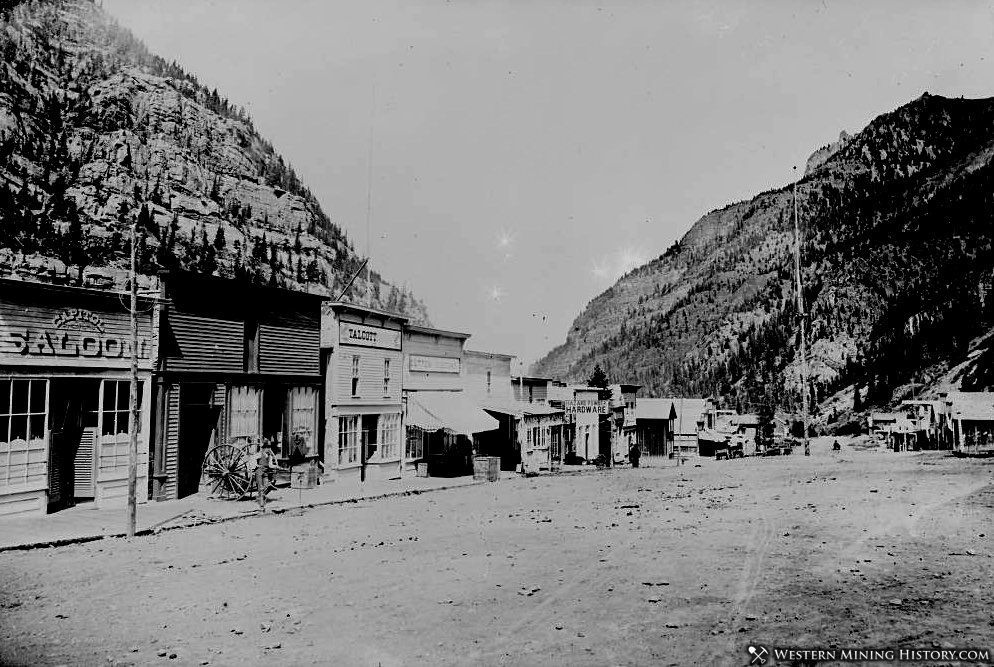
Founded in 1890, it was a key center for the Rio Grande Southern Railroad and named after railroad superintendent Robert M. Ridgway. It has about 2,000 residents. Known as the “Gateway to the San Juans,” it is located at the base of the San Juan Mountains.
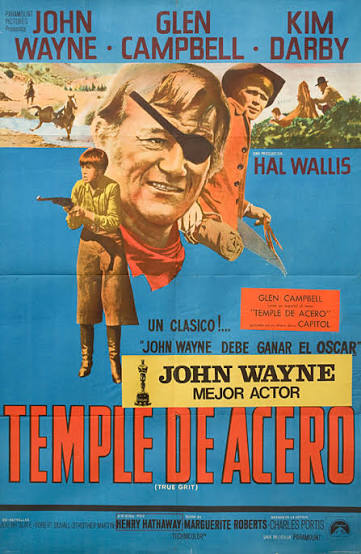
Ridgway and its surrounding area have been featured in films like True Grit, How the West Was Won, and Tribute to a Bad Man.
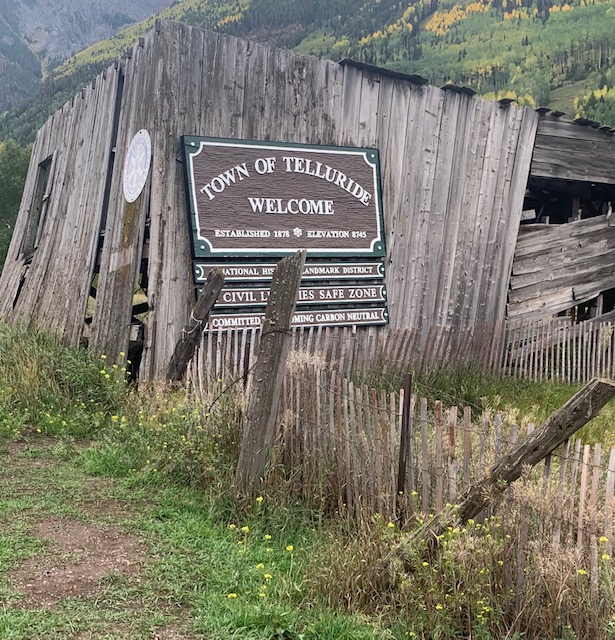
Telluride was our next stop.
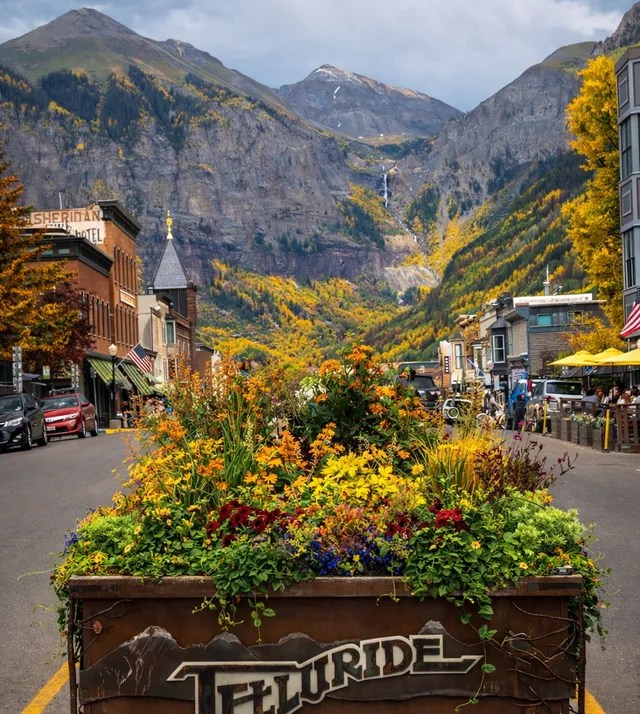
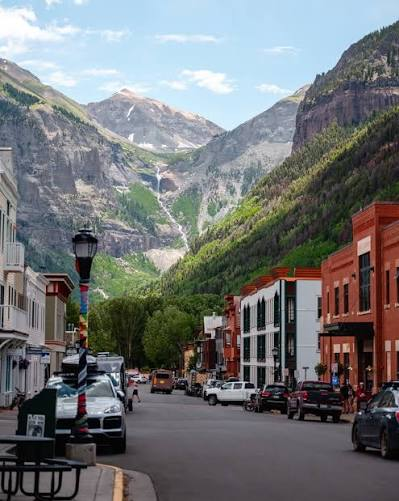
The town of Telluride is just eight blocks wide and twelve blocks long. Because of its significant role in the history of the American West, Telluride was designated a National Historic Landmark in 1964. In has preserved Victorian architecture, boutiques, gourmet dining, and a strict absence of chain storefronts or traffic lights.
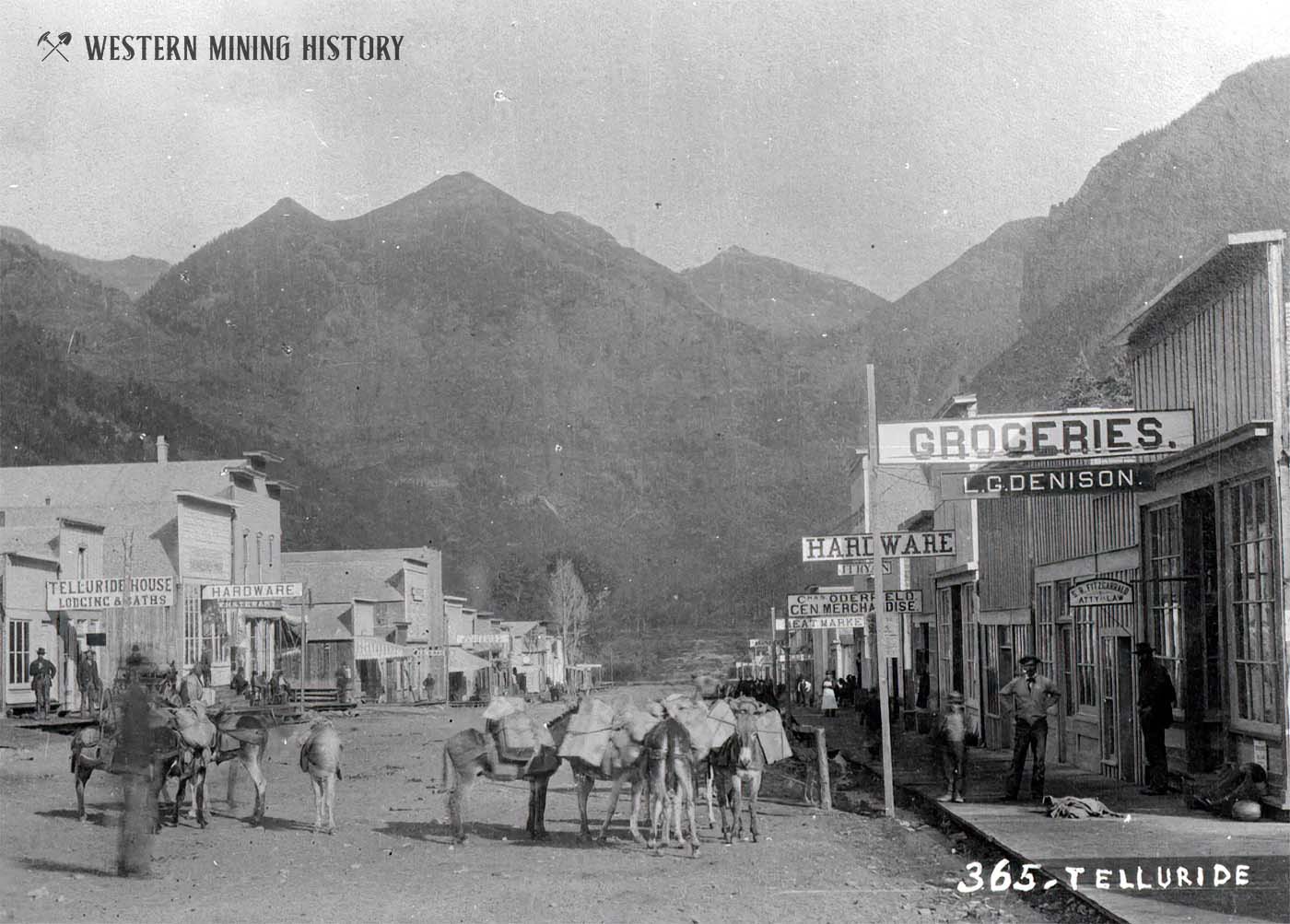
Telluride, Colorado, was established in 1878 as a mining camp for silver and gold.

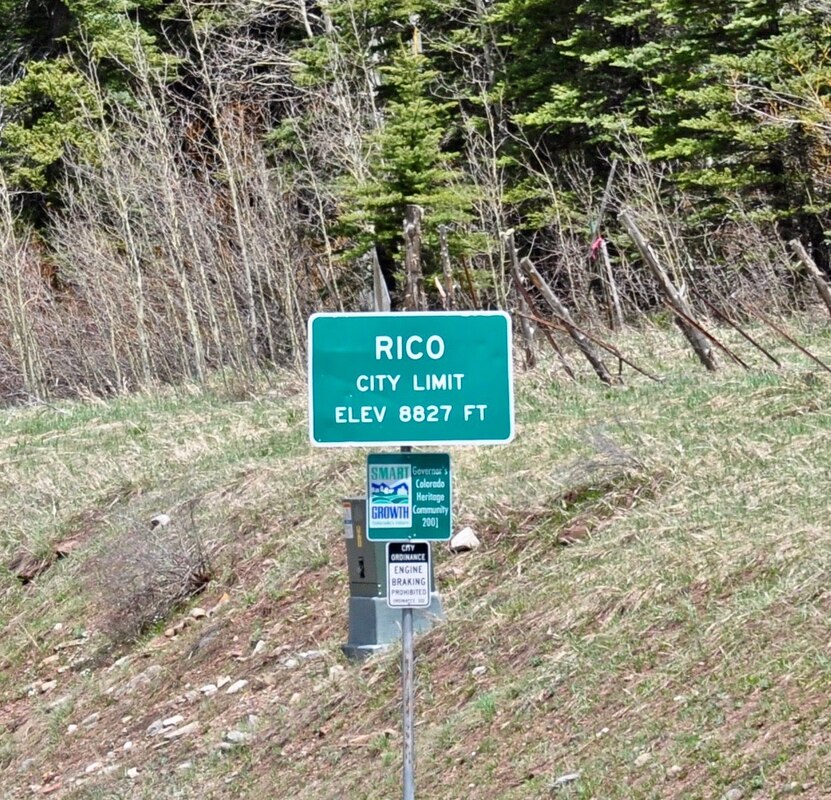
Rico is a historic town in eastern Dolores County, Colorado, located along the Dolores River and Highway 145. Population is around 200 to 350 residents
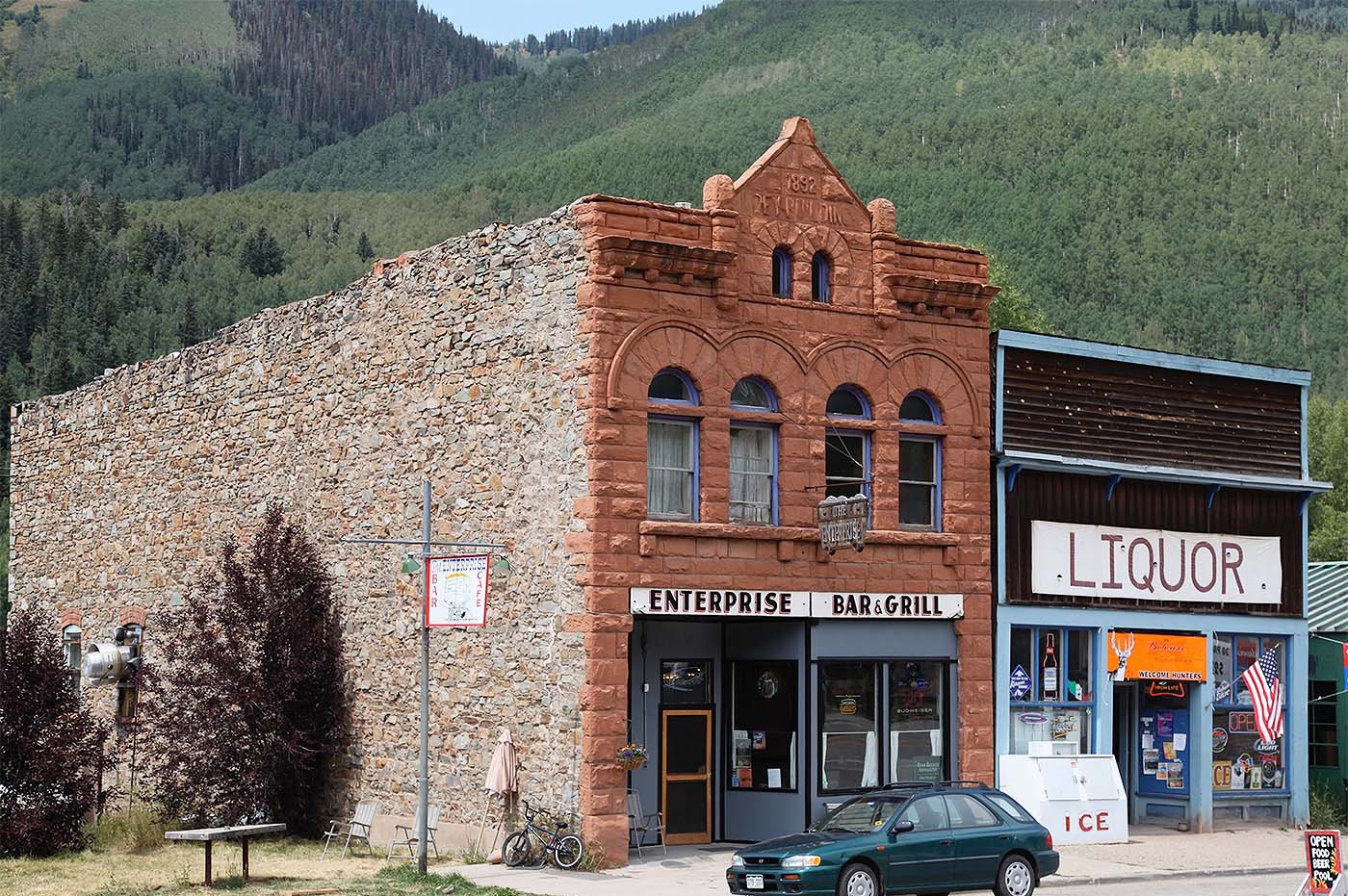
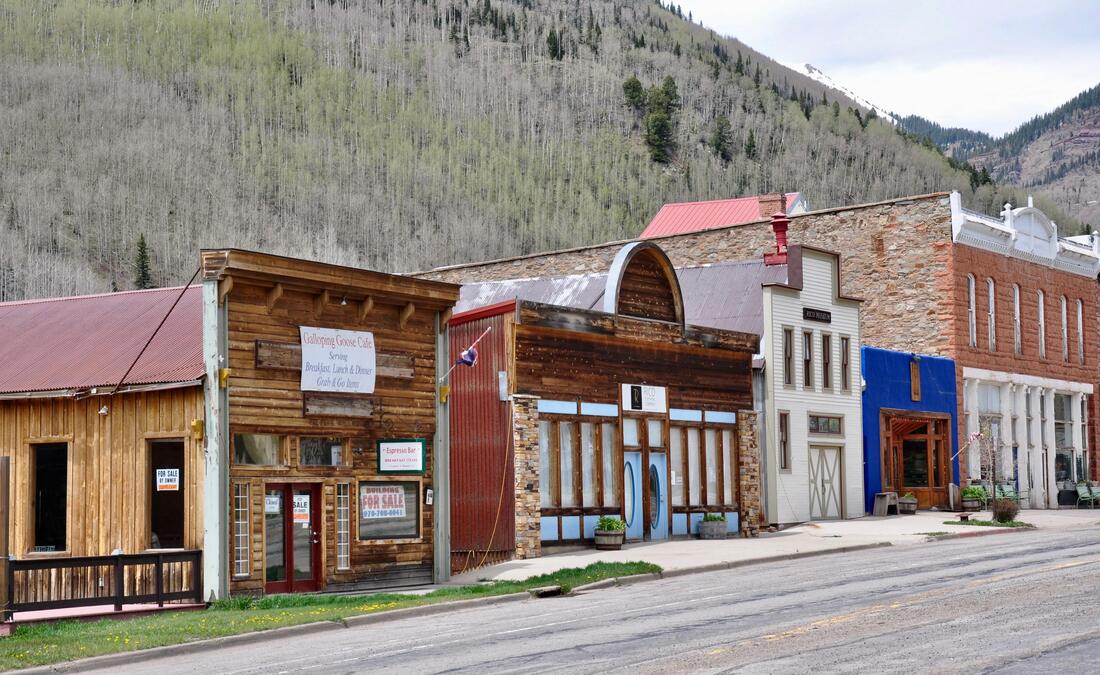
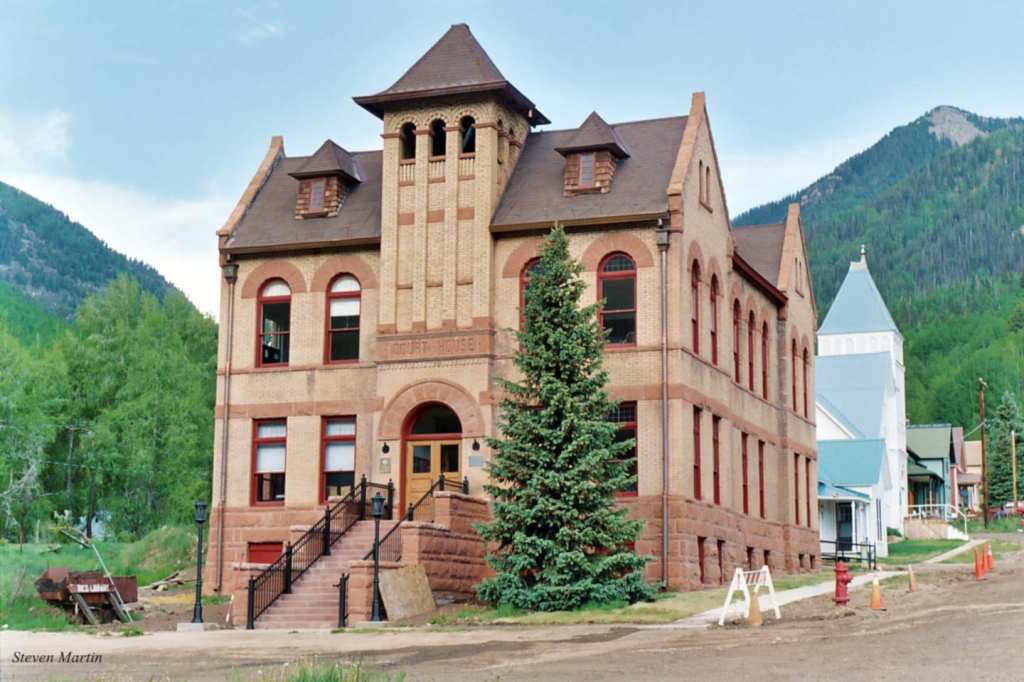
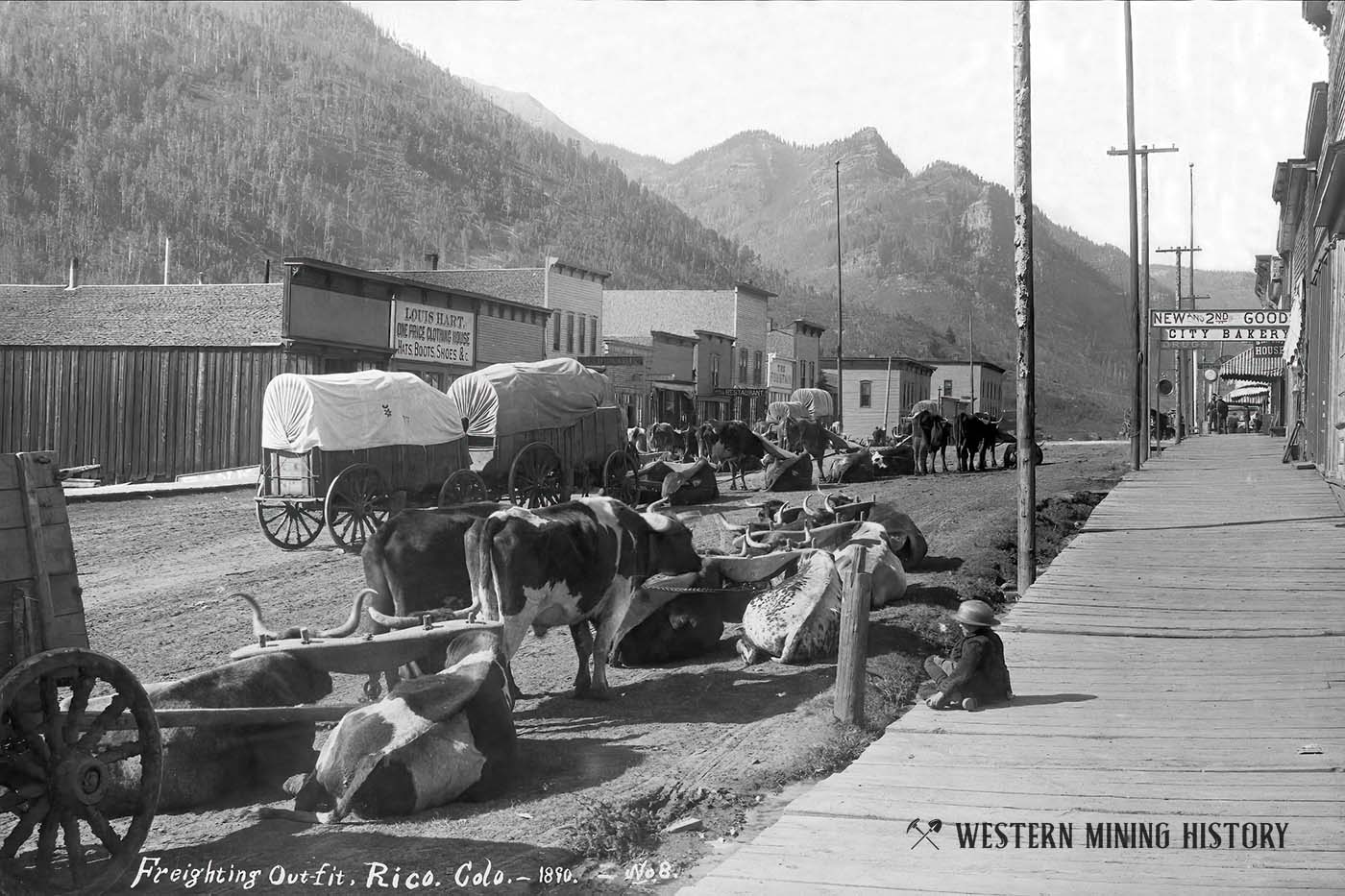
Founded in 1879 as a silver mining center in the Pioneer Mining District. Its name comes from the Spanish word for “rich,” commemorating early Spanish explorers and the area’s mineral wealth.
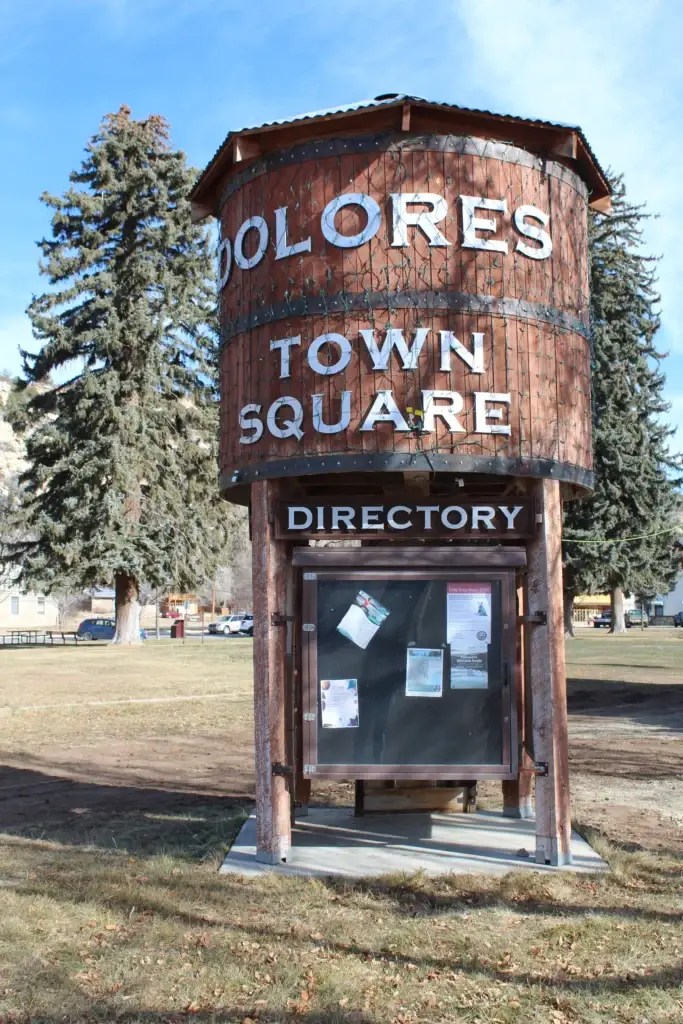
Dolores, Colorado, is a small town in a canyon bordered by rock cliffs. the Town of Dolores was incorporated on July 19, 1900.
The area was originally inhabited by ancestral Puebloans until around A.D. 1300; artifacts and remnants of their villages can still be found today as in all the surrounding areas.
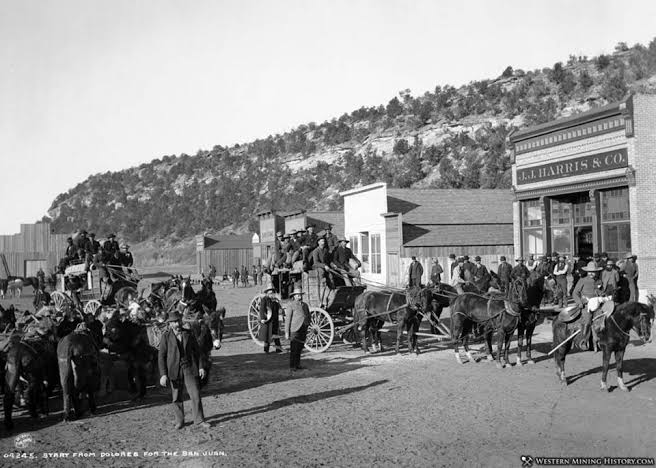
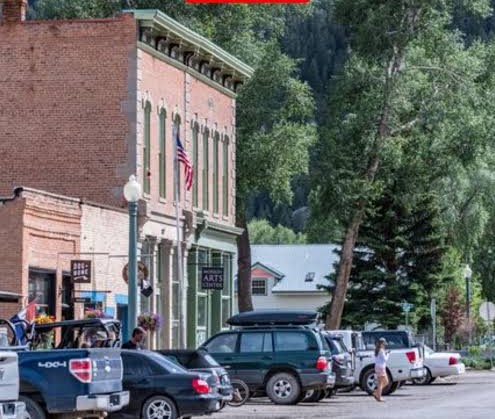
J. J. Harris & Son Building then and now.
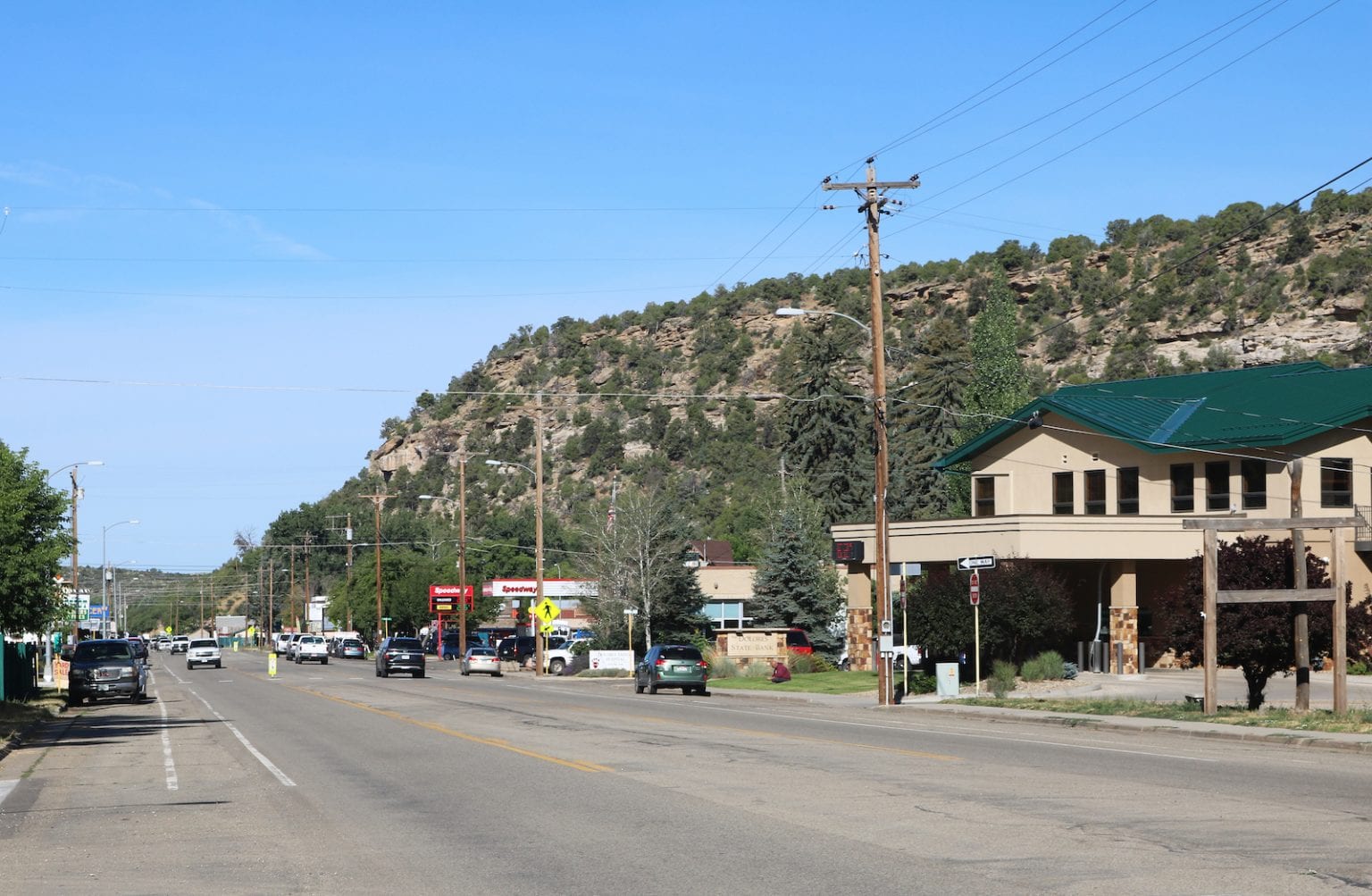
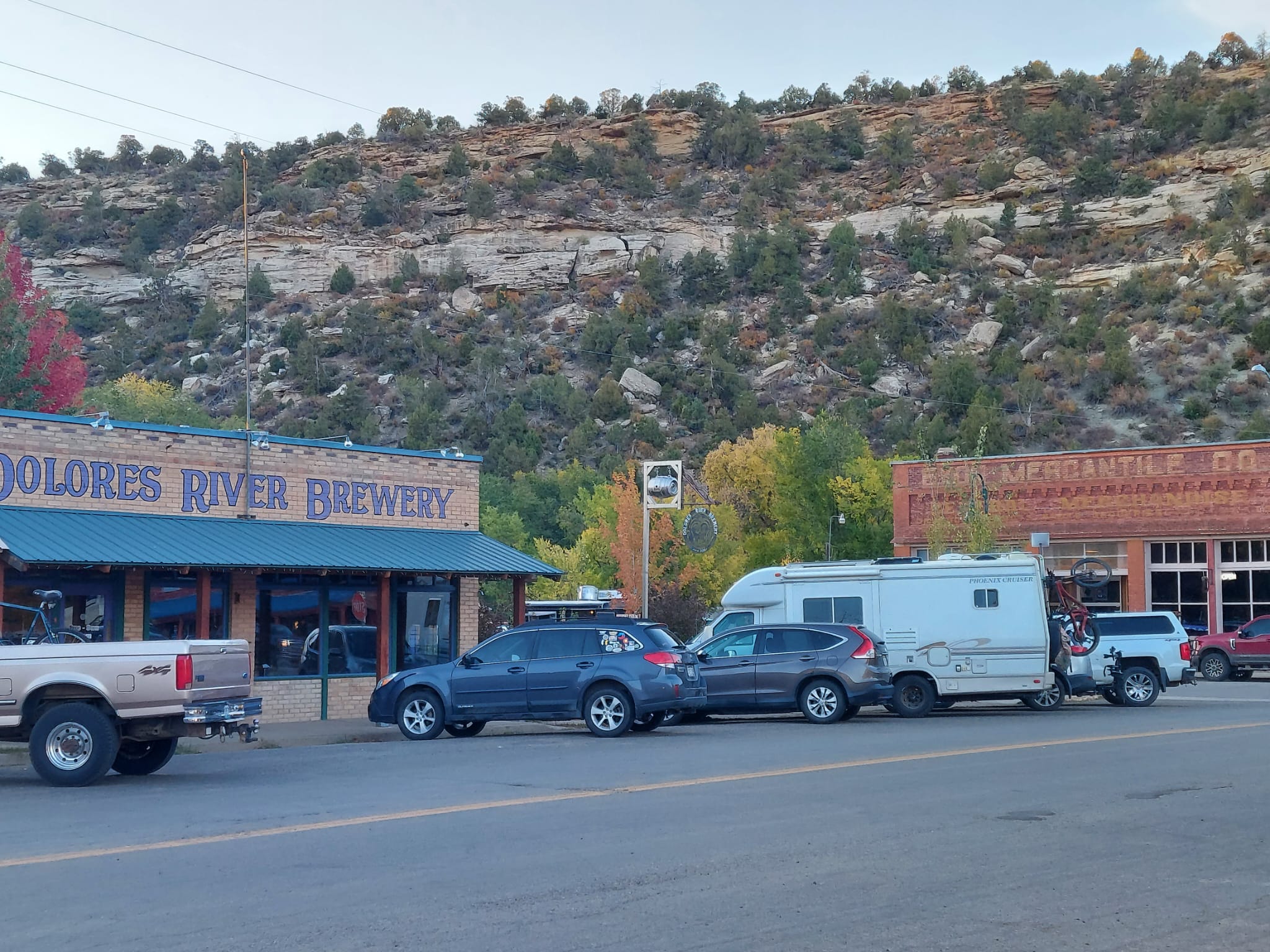
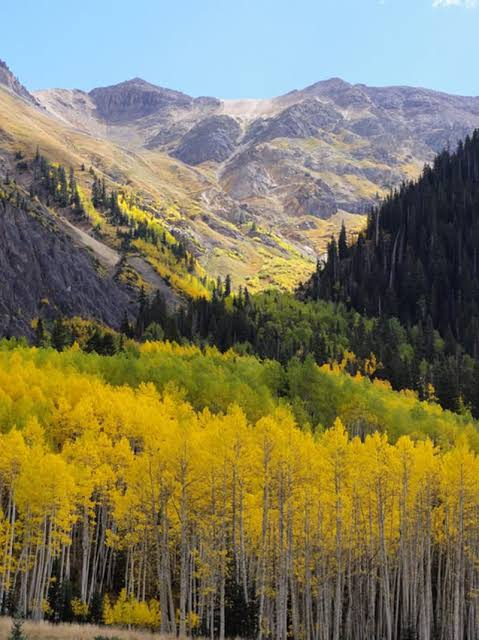
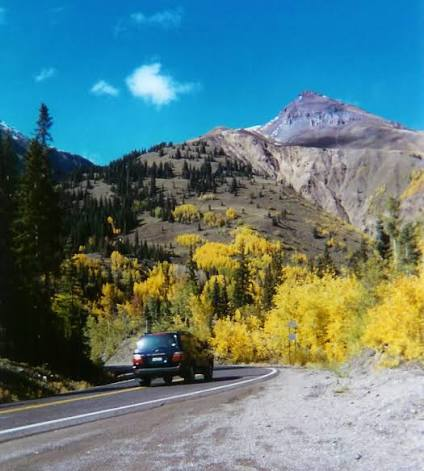
Our 236 mile on the San Juan Skyway was incredible, with the twisty roads and super high drop-offs. Because it takes about 6 hours to drive the whole skyway, we couldn’t get out at all the towns but we drove around in the truck so I could take pictures. We didn’t want to drive on the Skyway in the dark.
All the towns began as mining towns and now attract visitors all year. Skiing is a major tourist draw here. If you’re ever in Colorado and have seen the Rockies, take a trip here y’all we love it!