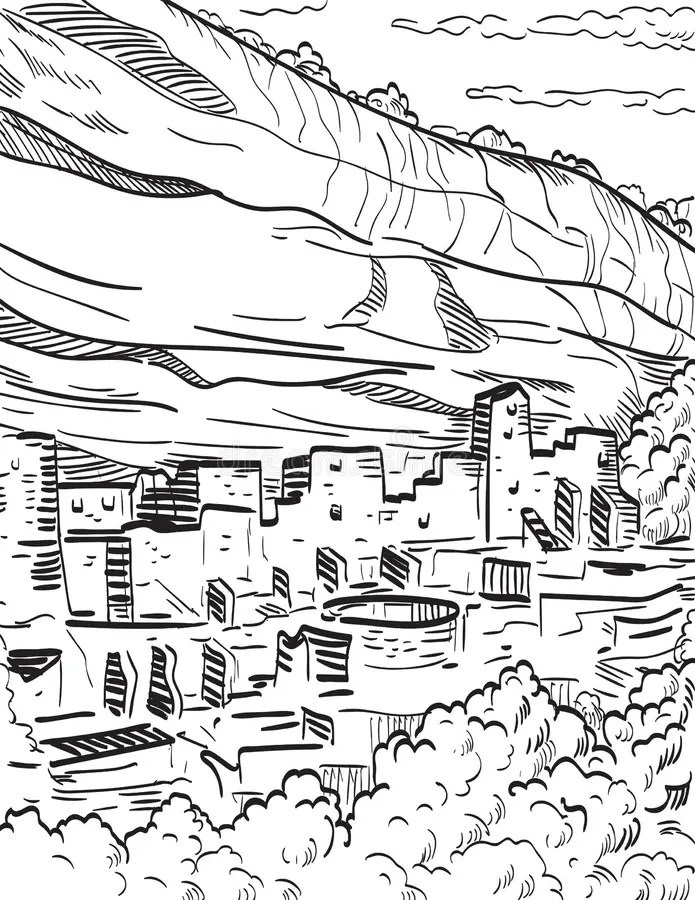
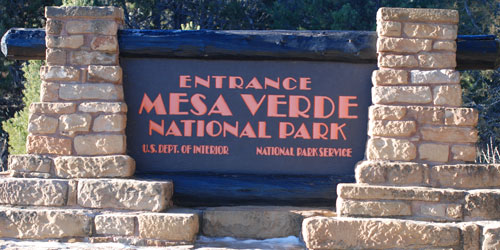
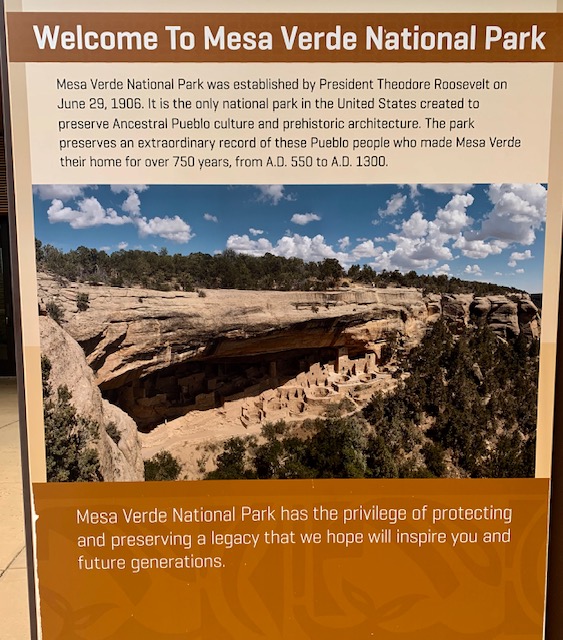
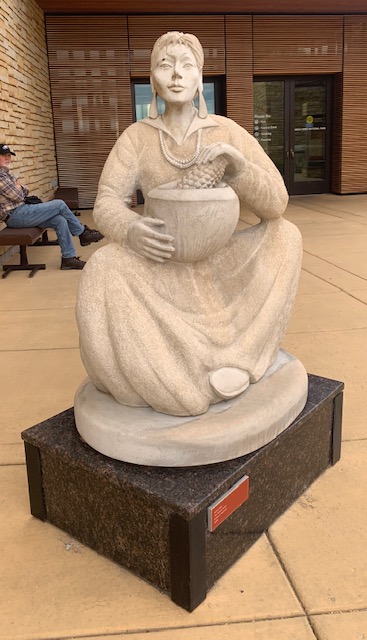
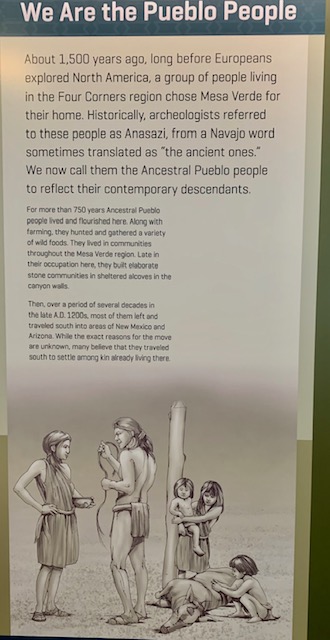
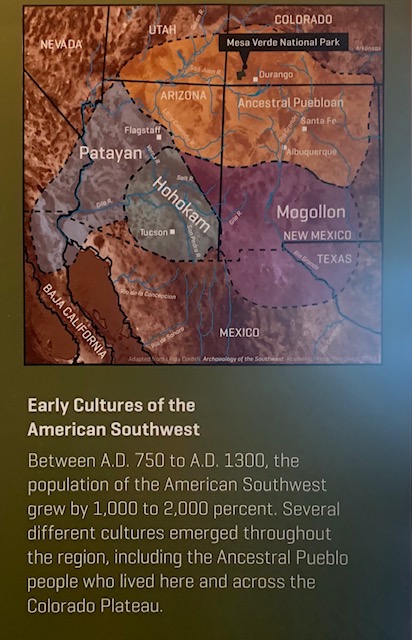
On September 24, we visited Mesa Verde National Park in Montezuma County, Colorado. The Ancestral Puebloans thrived on the mesas and in the sandstone alcoves of the park roughly between 600 and 1300 AD, transitioning from mesa-top pit houses to massive multi-room cliff dwellings. The Park was established as a national park in 1906, it remains the largest archaeological preserve in the United States and honors the continuing heritage of 27 affiliated Pueblos and Tribes.
Mesa Verde in Spanish means “green table”, with mesa meaning table and verde meaning green. It describes a flat-topped, tree-covered plateau.
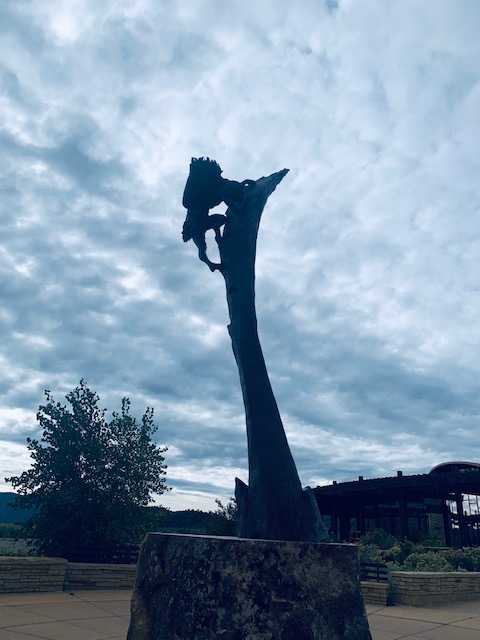
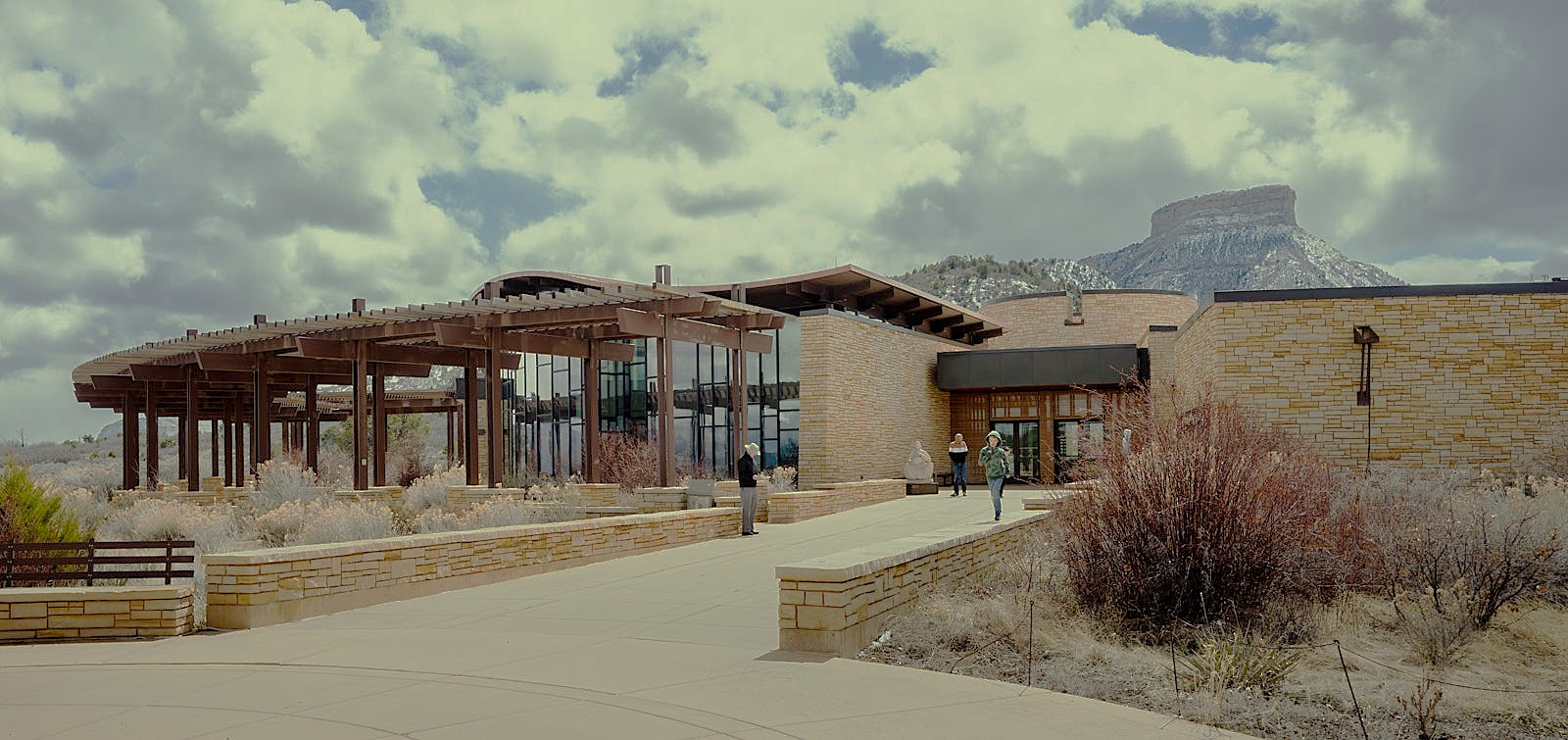
We went to check out the visitor center.
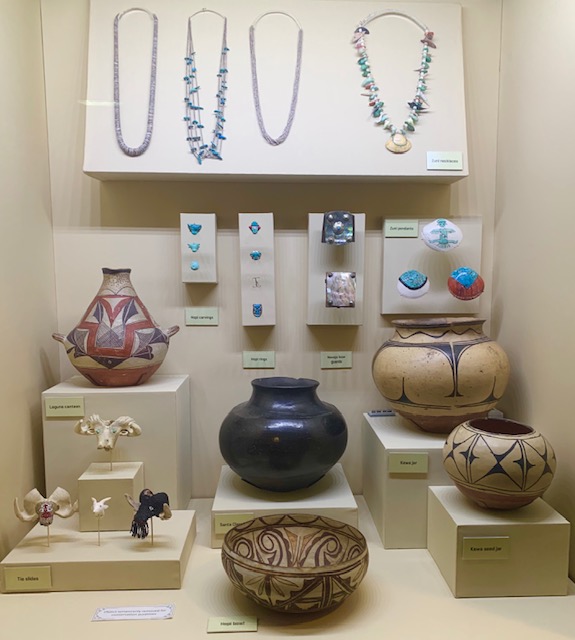
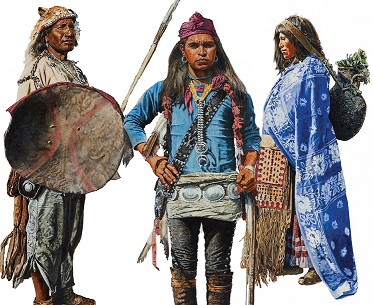
Jewelry has been created and worn in the Southwest since prehistoric times. For hundreds of years, Native Southwestern people have crafted mosaic inlay and beads from turquoise, shell, bone, and stone.
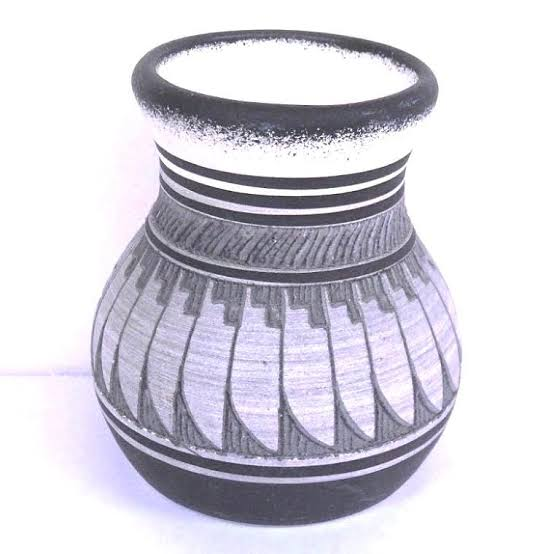
The prehistoric Indigenous people of the Southwest created hand-coiled pottery and passed their skills down through generations (around AD 500 to 1300). Everyday pots had rough textures, while finer pottery showcased detailed black-on-white, black-on-red, or multicolored designs.
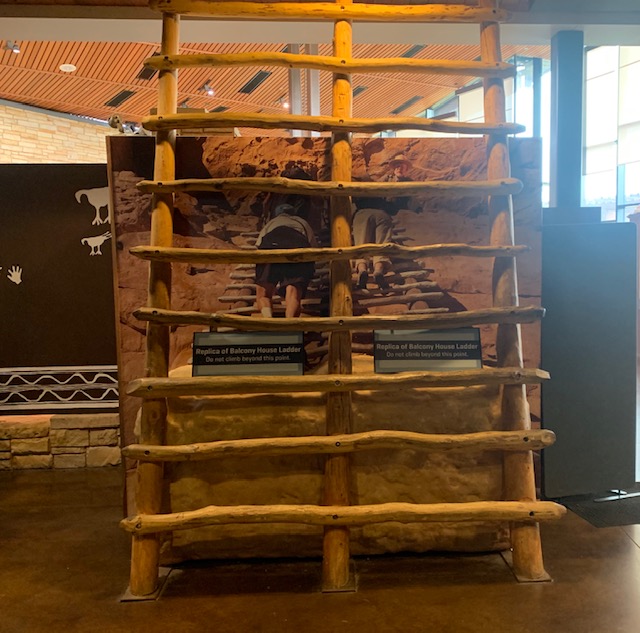
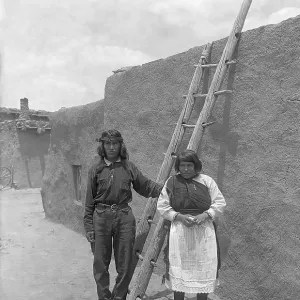
Ancient Pueblo villages used wooden ladders to reach their multi-story adobe homes, access underground ceremonial chambers called kivas, and to climb to cliff dwellings.
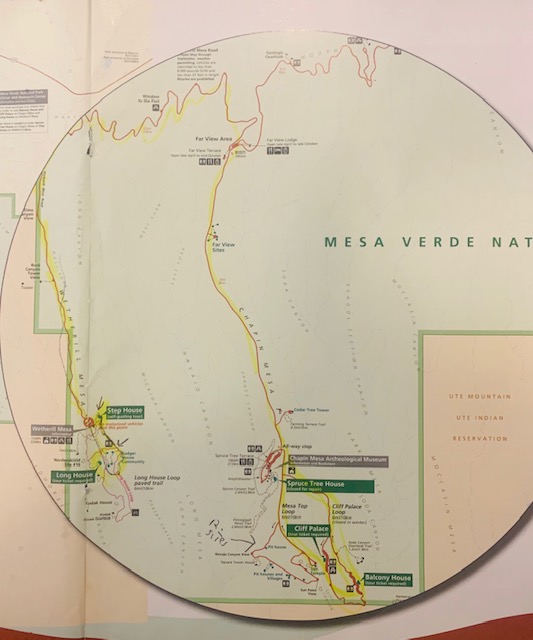
We left the visitor center and headed out in the park.
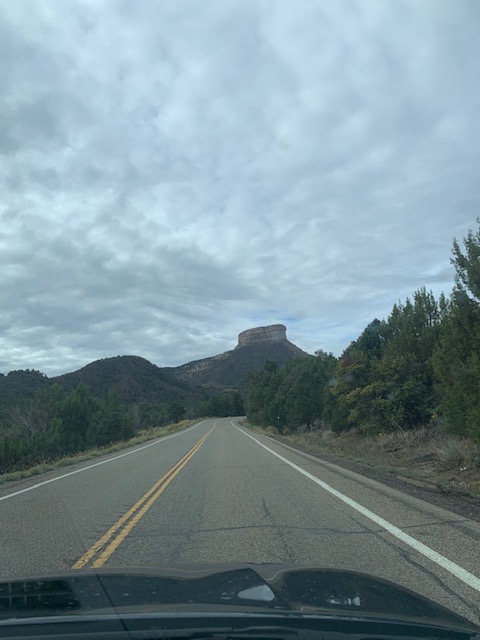
We drove to our first The Step House which was amazing.
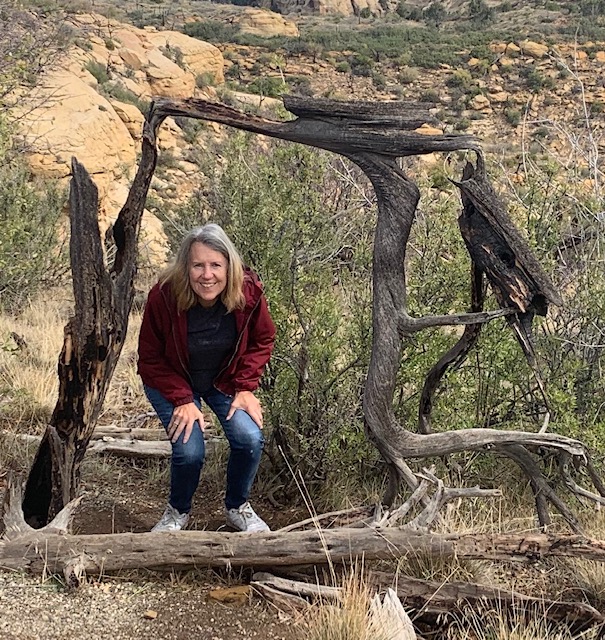
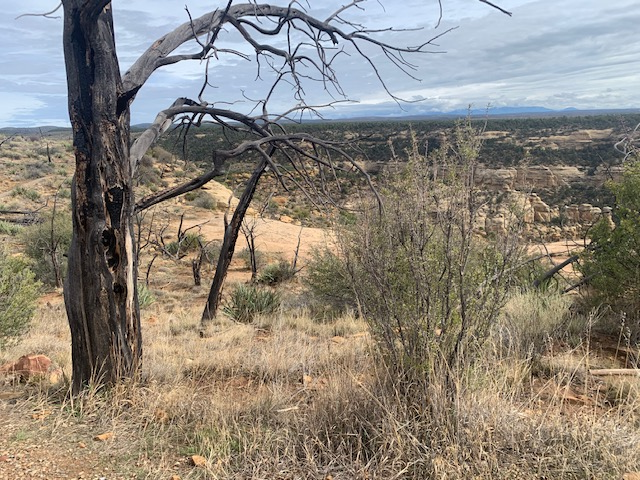
On route to the Step House.
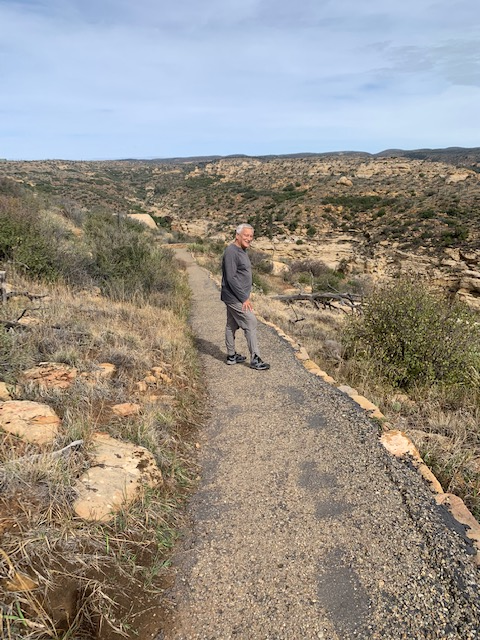
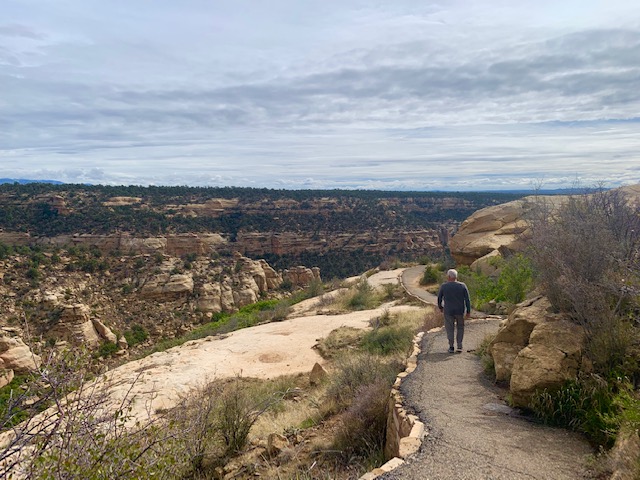
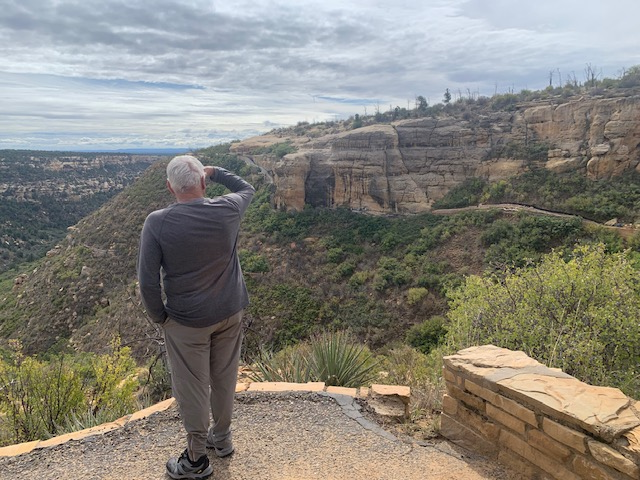
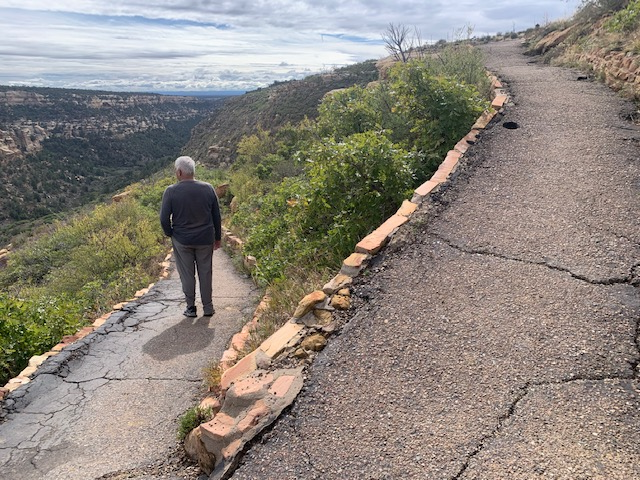
Dave looking at the Long House across the way, it was closed for remodeling.
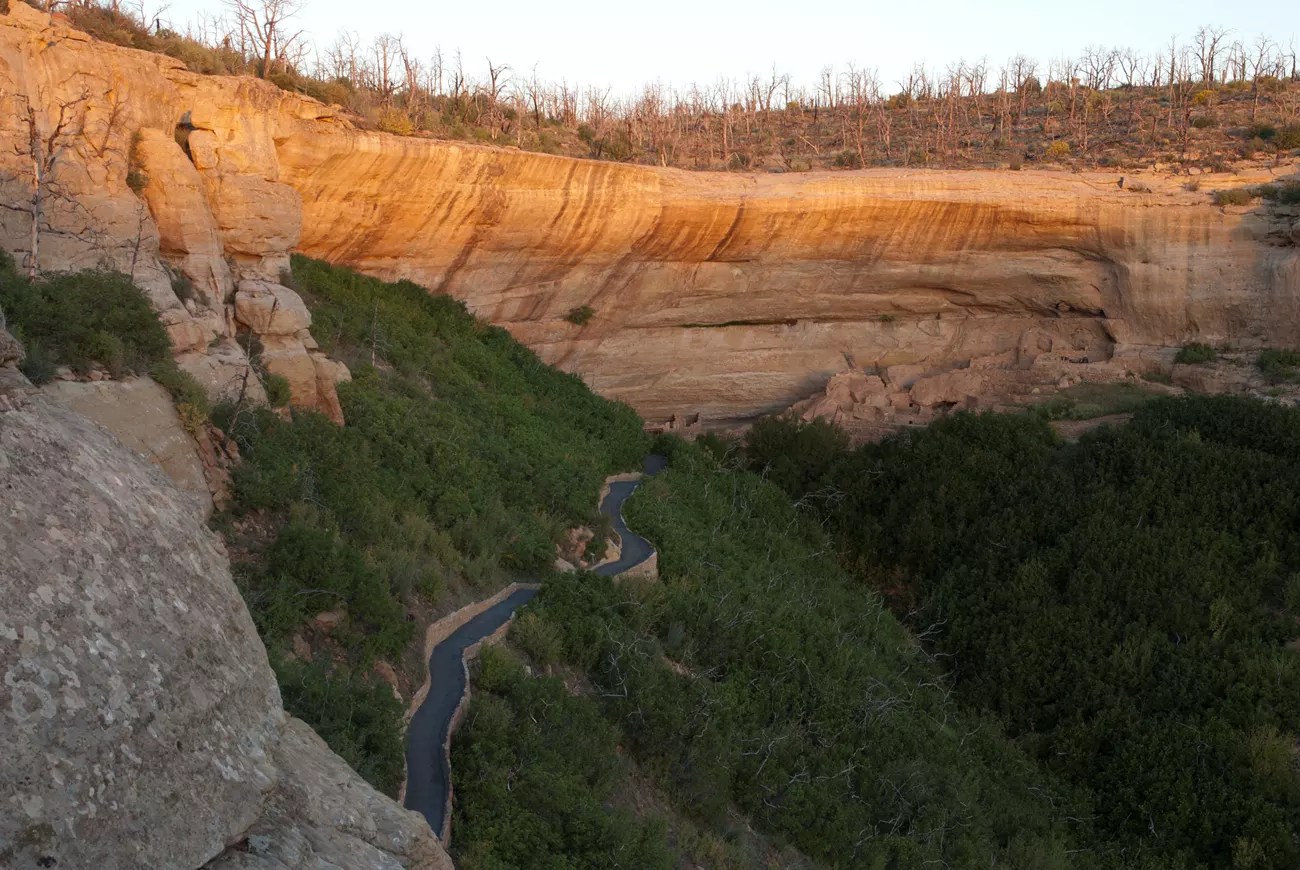
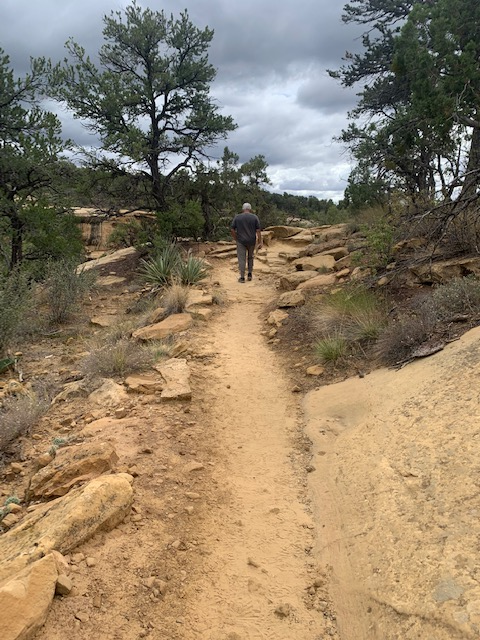
The path we took to the Step House.
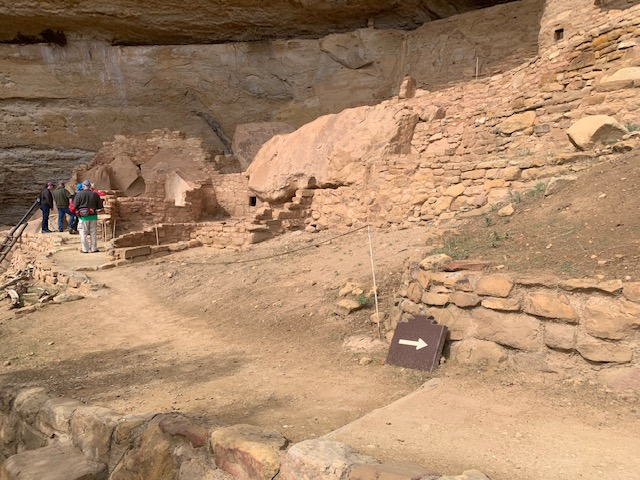
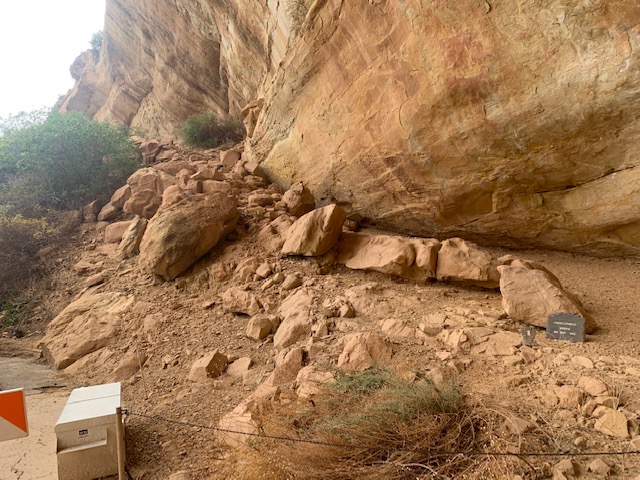
The picture on the right is an old access way of the alcove reveals the steps that gave this site its name.
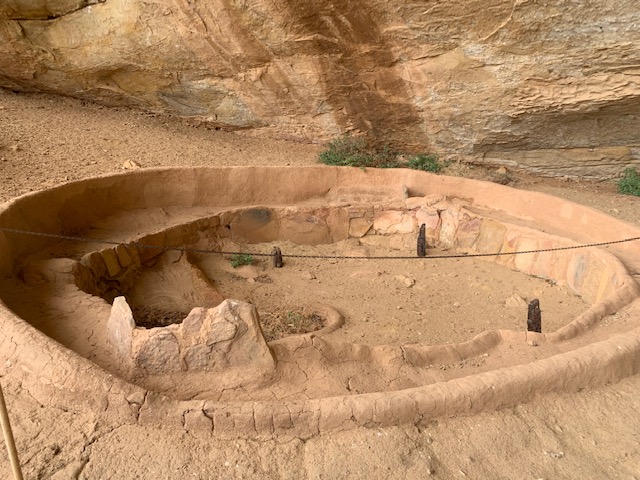
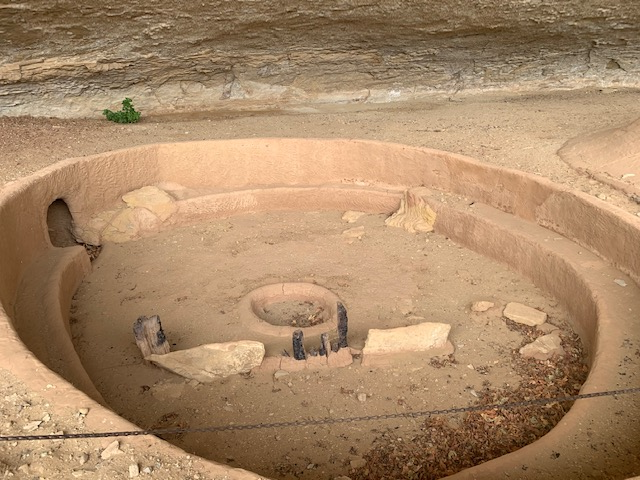
Two of the 3 kivas.
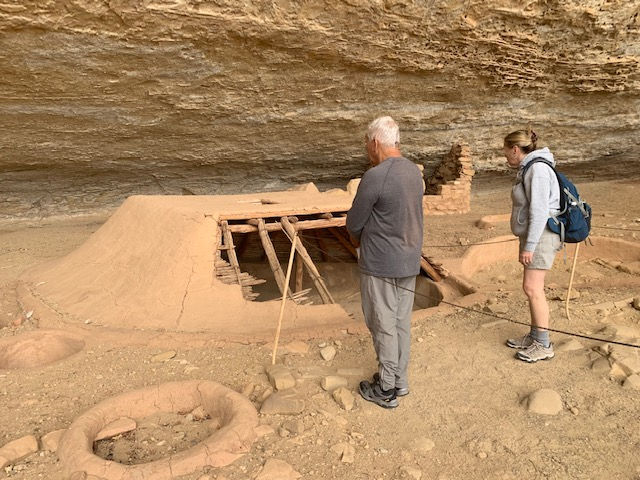
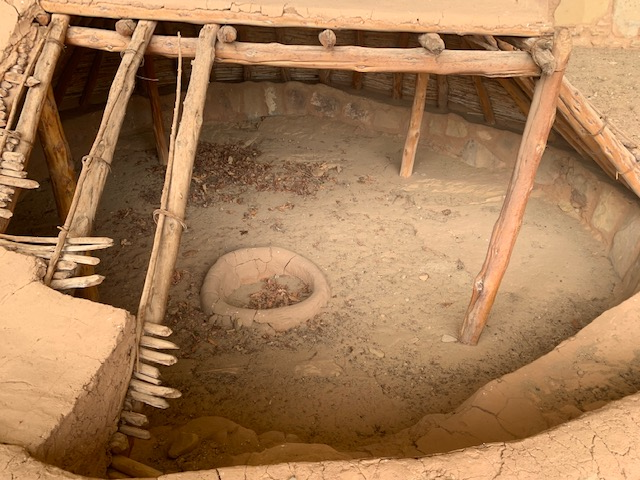
Covered Kiva Area
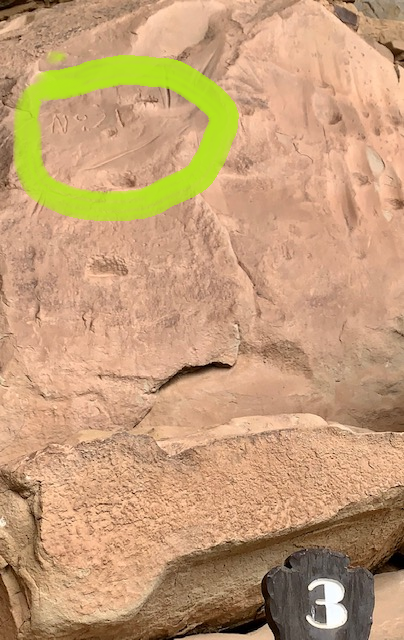
In 1891, Gustaf Nordenskiöld inscribed “No 21” into the rock here,
his site number for Step House. Also look for deep grooves worn
into the same rockface. The grooves were made by residents who repeatedly
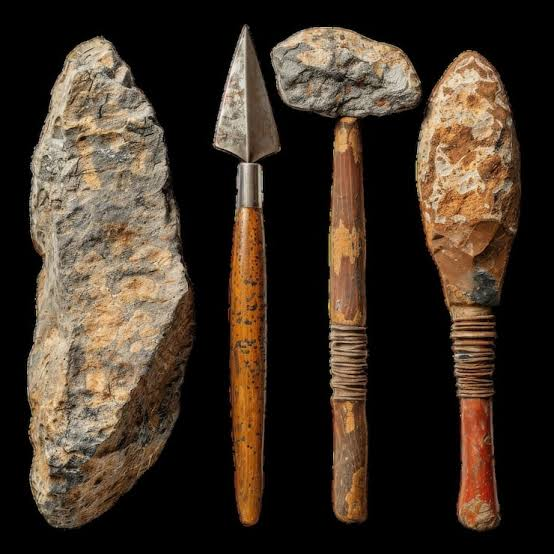
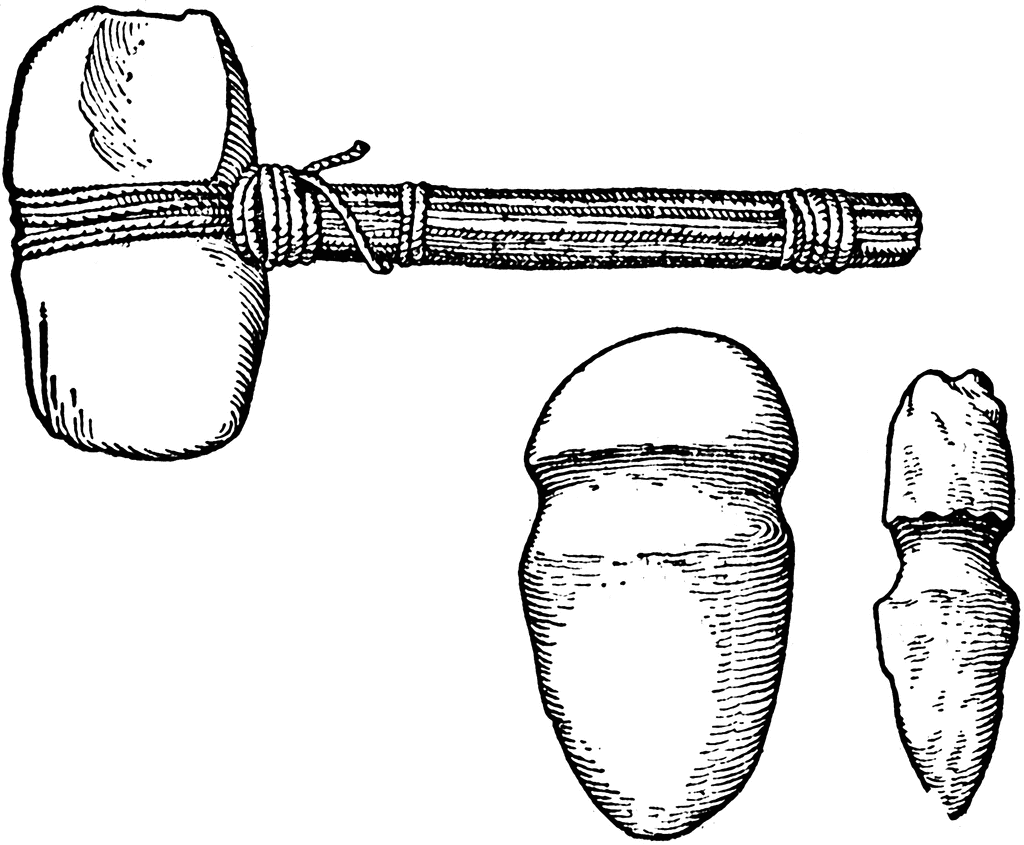
sharpened and shaped their stone tools. These people were experts at mak
ing tools of all kinds from local stone: axes, knives, spear points and arrow
points, choppers, hammers, scrapers, grinders, and more.
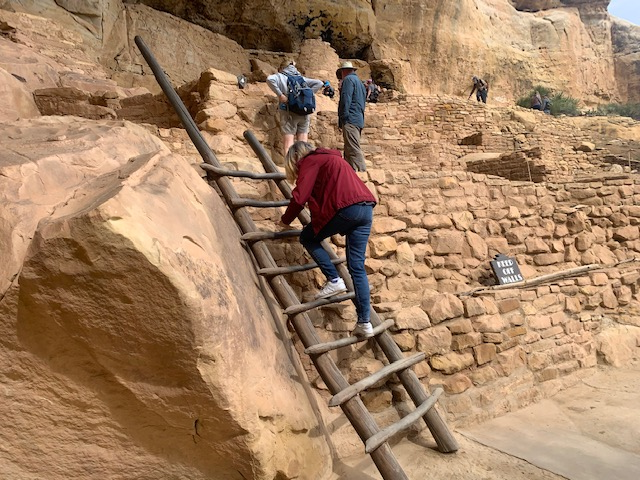
Fun climbing the ladder.
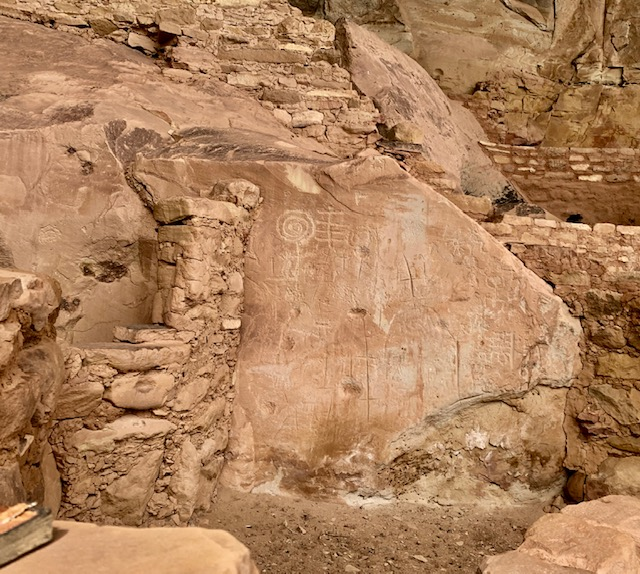
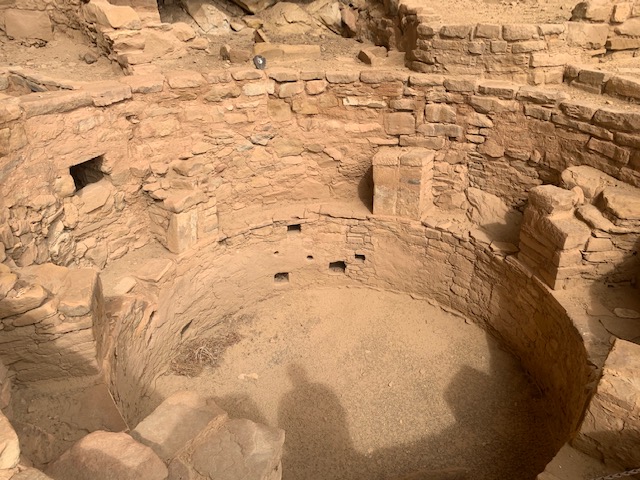
More Petroglyphs in the 1st picture.
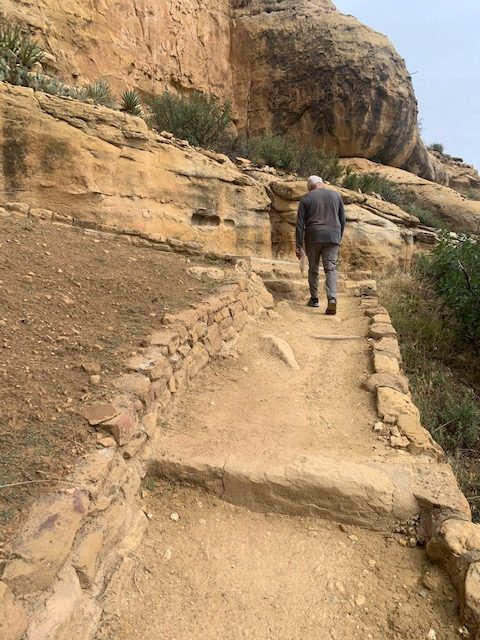
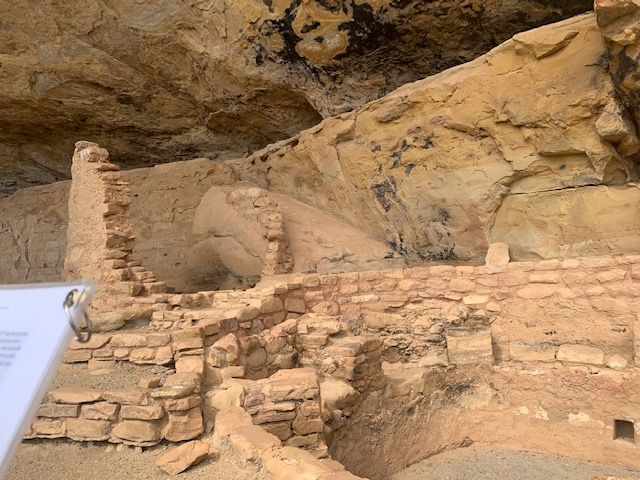
Dave walking up another level.
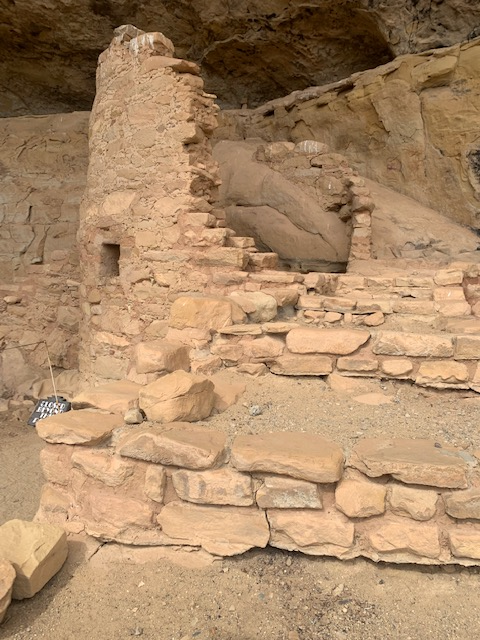
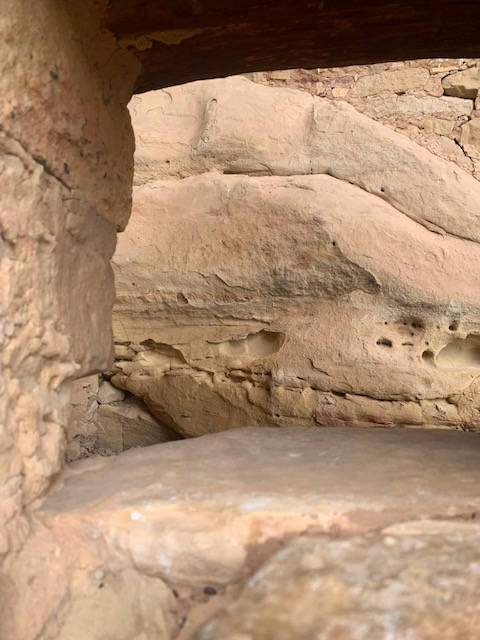
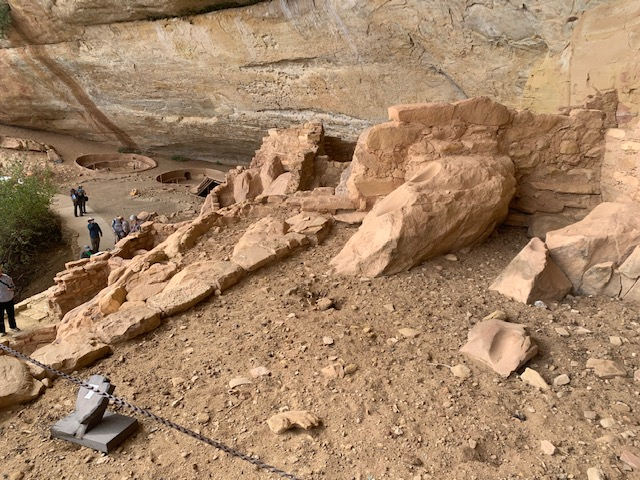
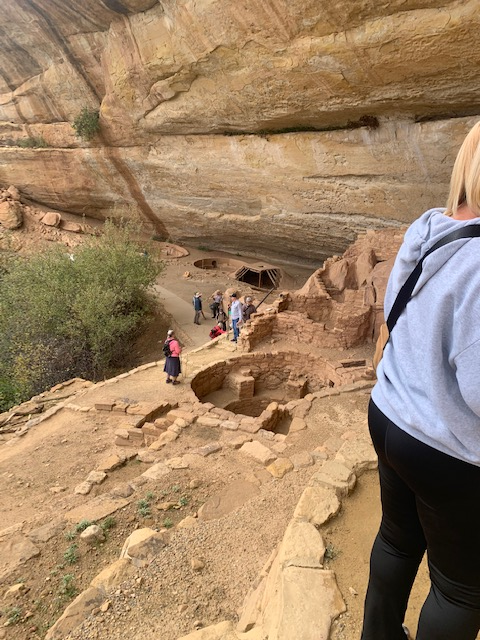
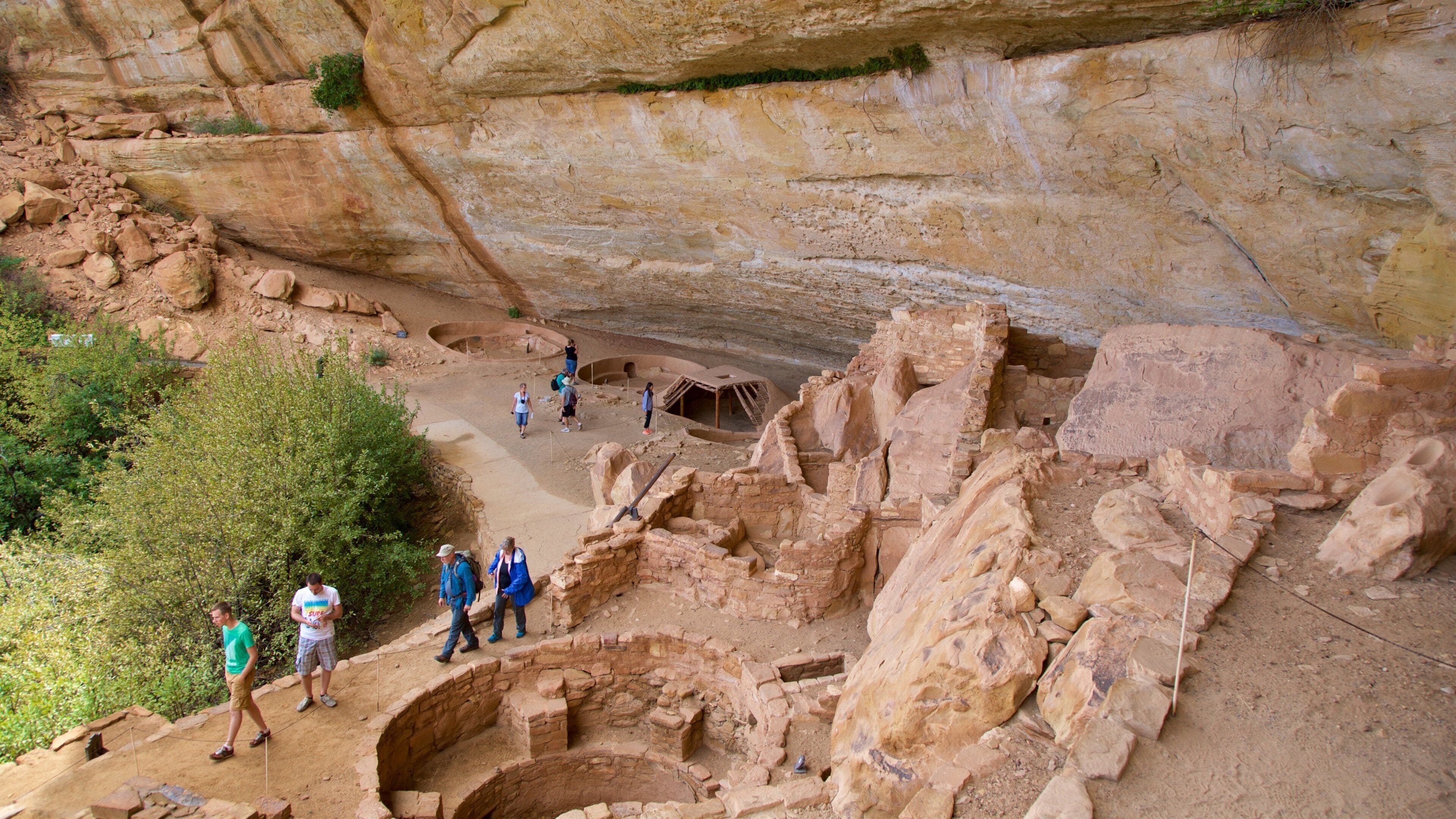
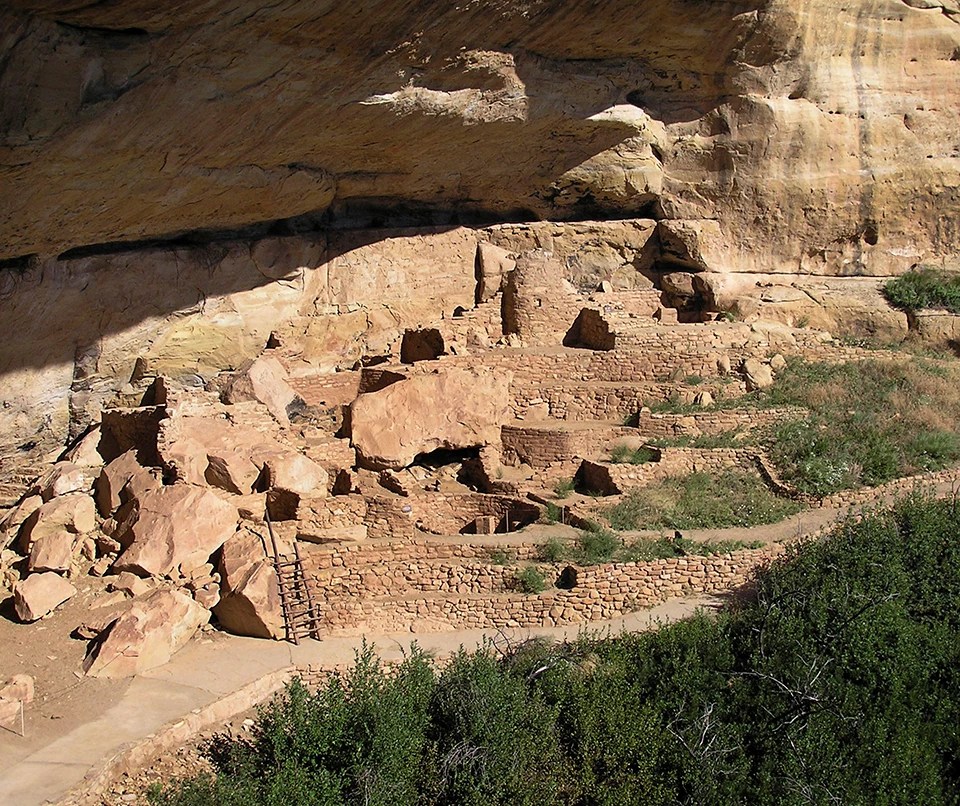
Step House is a unique archeological site because it shows evidence of two earlier times in their civilization’s history when the Ancestral Pubeloans constructed homes in the shelter of cliffs. The first development, built in the early 600s, consists of six pit houses built partially underground. In the same alcove is an above-ground masonry pueblo constructed in the 1200s. The pueblo has 27 rooms and three kivas, or ceremonial rooms.
It was an amazing place. It was neat to be in a Cliff Dwelling and see the different levels and all the rooms. You realize how high they were up and how they went down and all around the valley below.
We took the 2.5 mile around trip trail from the Step House to The Badger house Community.
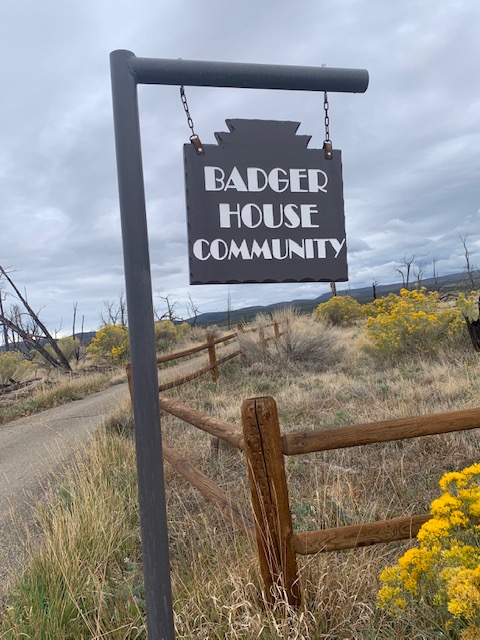
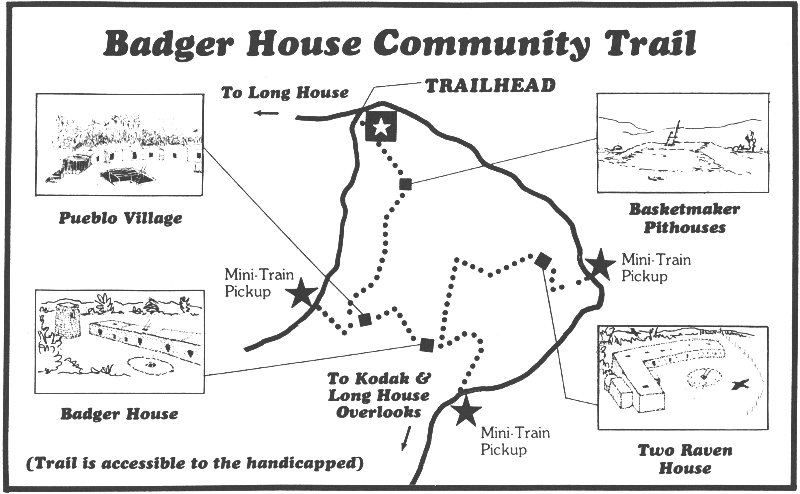
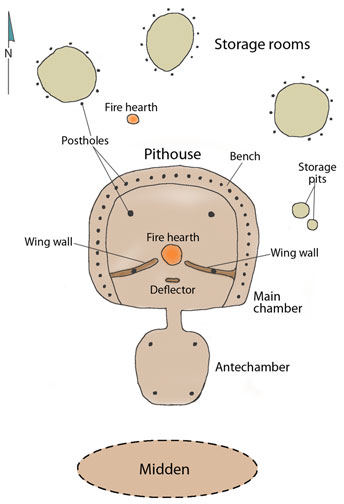
The Badger House Community has displays of 600 years of Ancestral Puebloan building styles from A.D. 650 to the late 1200s.The Community consists of four sites along a paved and graveled walking trail, a Modified Basketmaker Pithouse, A Developmental Pueblo village, Badger House, and Two Raven House.
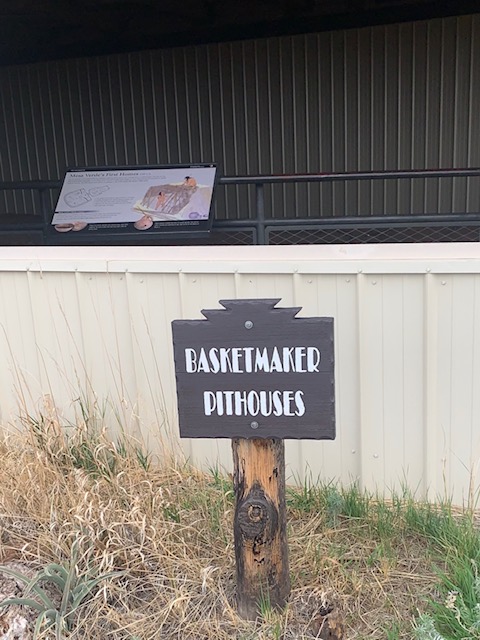
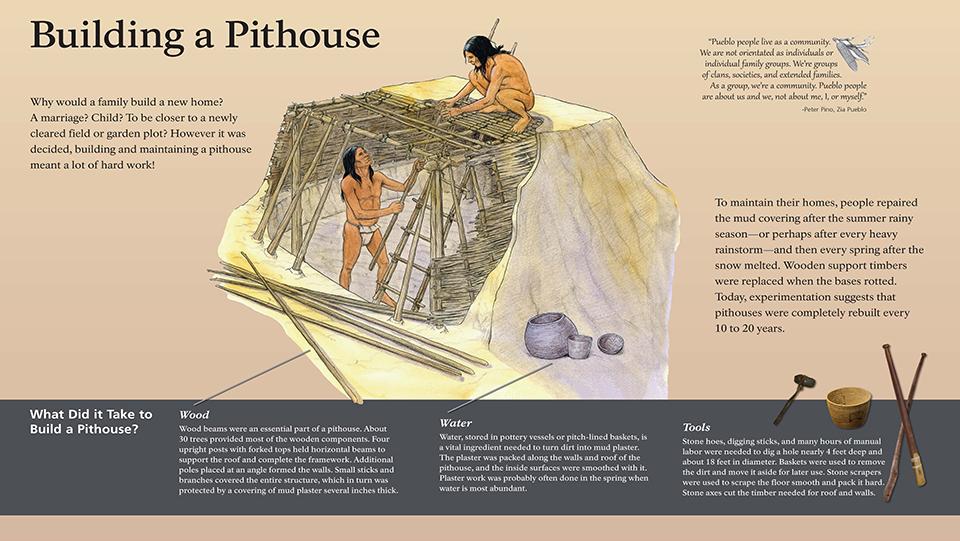
Mesa Verde’s First Homes. Pit houses are the first permanent buildings created by the Ancestral Puebloans during the Basketmaker III period (about 500–750) The Basketmaker people lived in these semi-buried homes to benefit from the earth’s natural insulation. The homes were dug roughly 3 feet deep into the ground. This design kept the interior warm during freezing winters and cool during hot summers
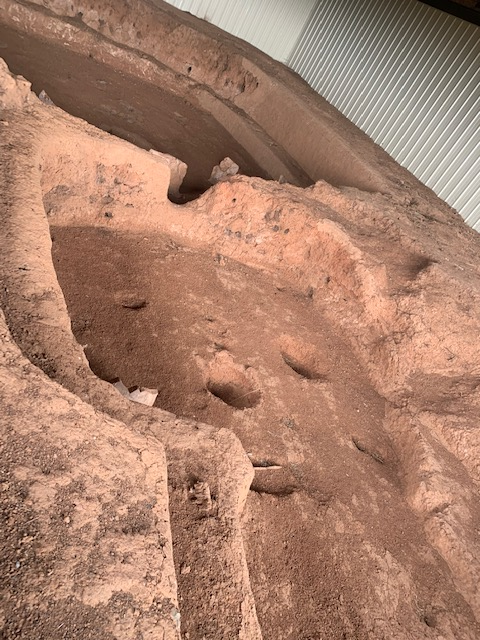
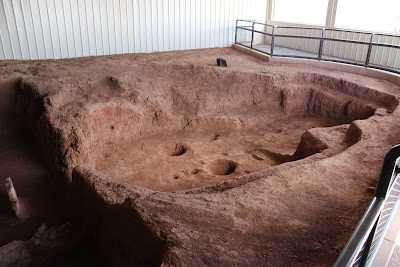
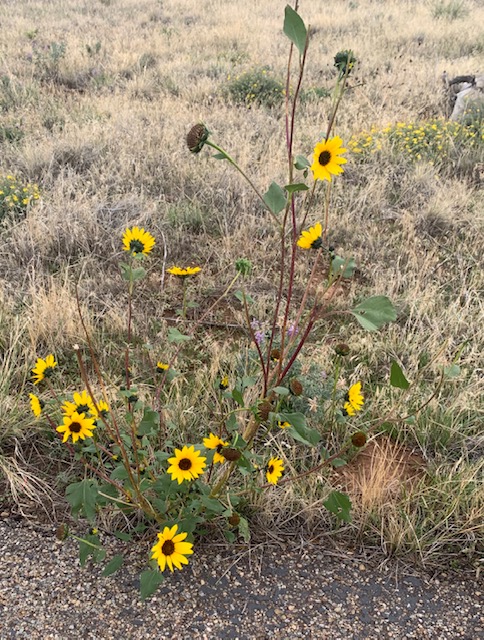
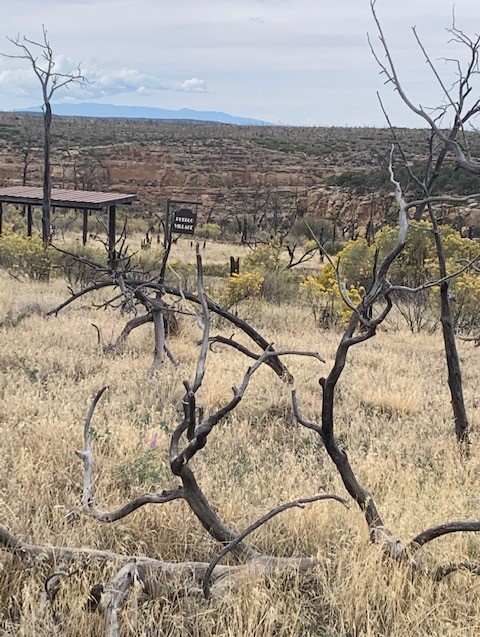
Heading to the Pueblo Village.
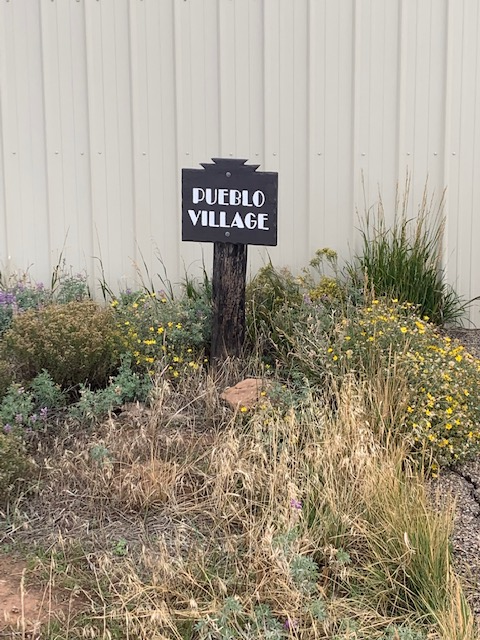
The Pueblo Village is a group showing the shift from underground pithouses to above-ground masonry rooms and early kivas.
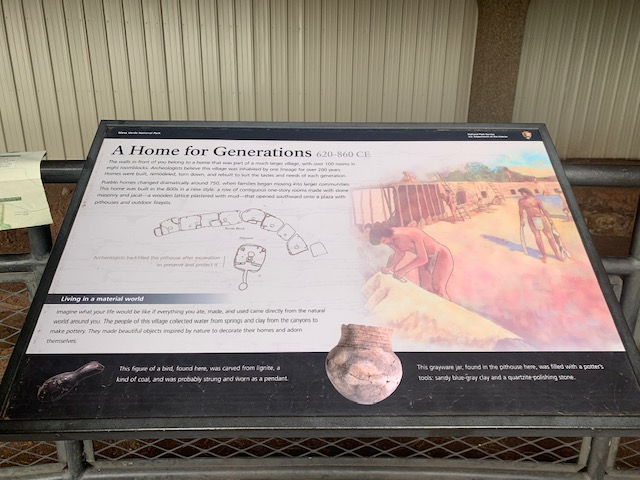
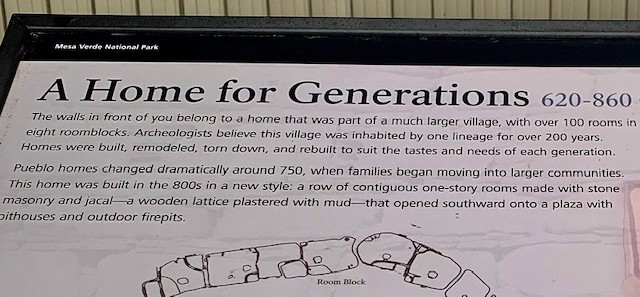
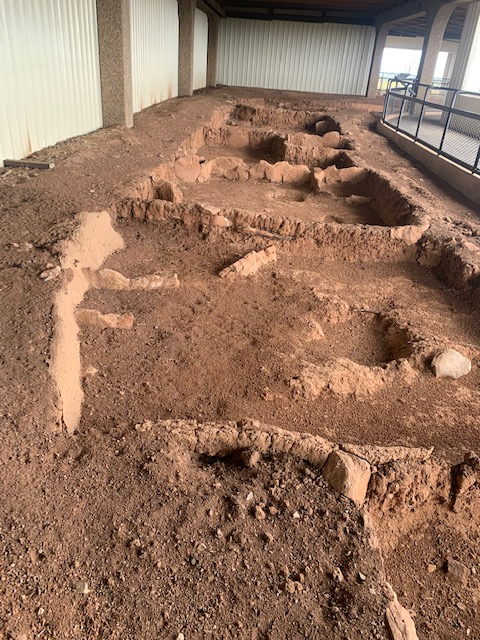
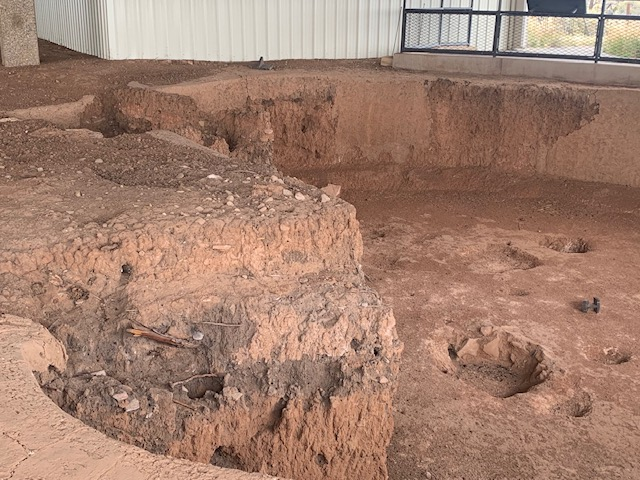
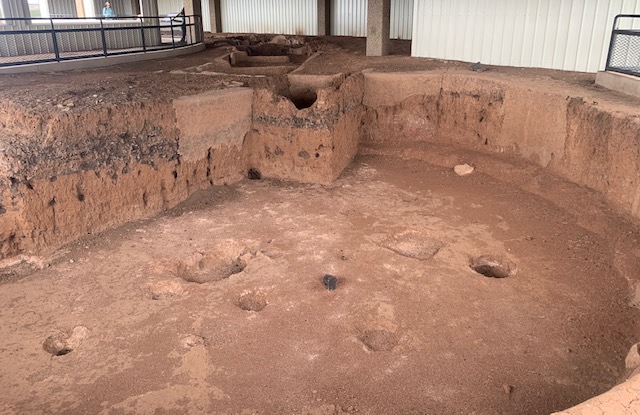
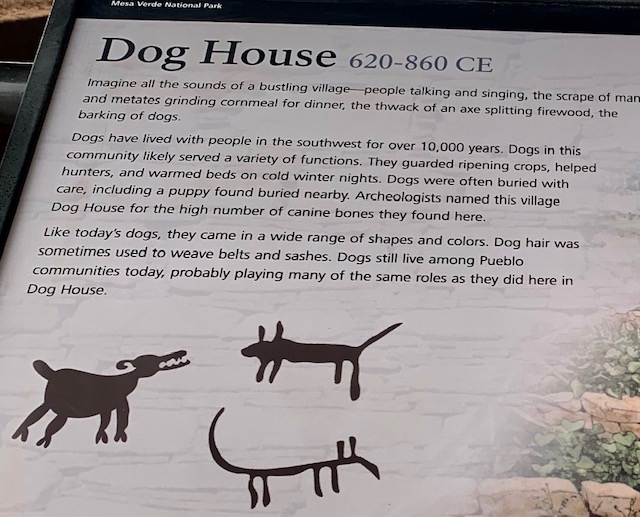
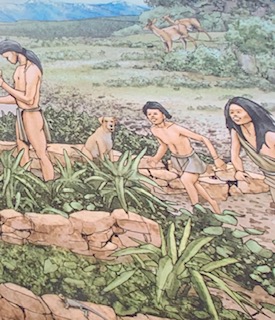
Yes, they even had ancient Pueblo Dog Houses. Archaeologists frequently uncover careful, intentional burials of dogs within or near ancient Pueblo sites (such as kivas and living areas), indicating they were kept as cherished companions and pets rather than just working animals. Dogs served as versatile trackers, hunters, guardians, and general camp helpers across the Southwest.
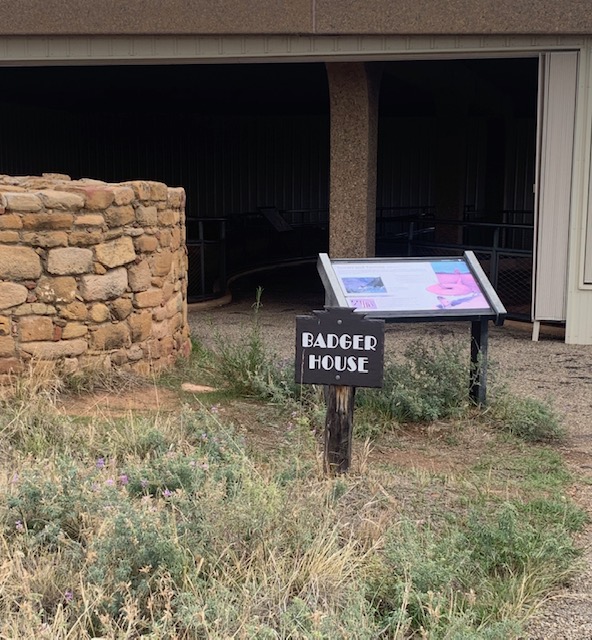
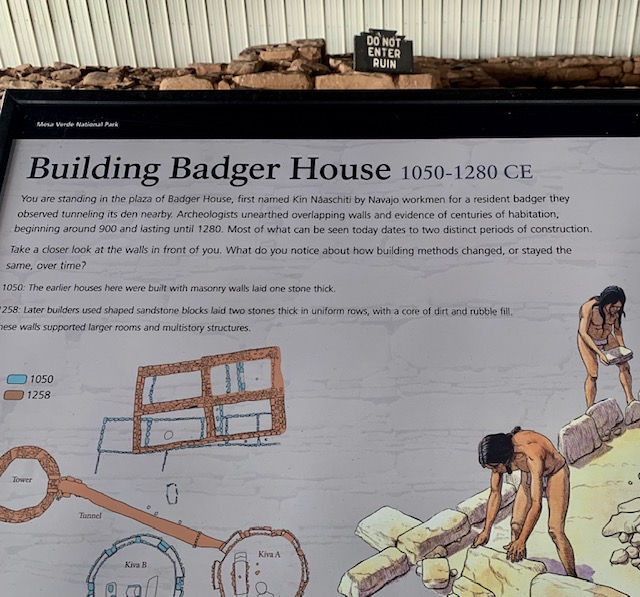
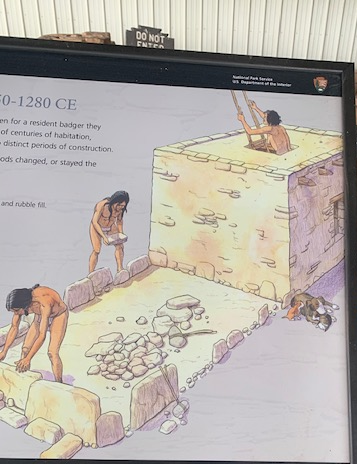
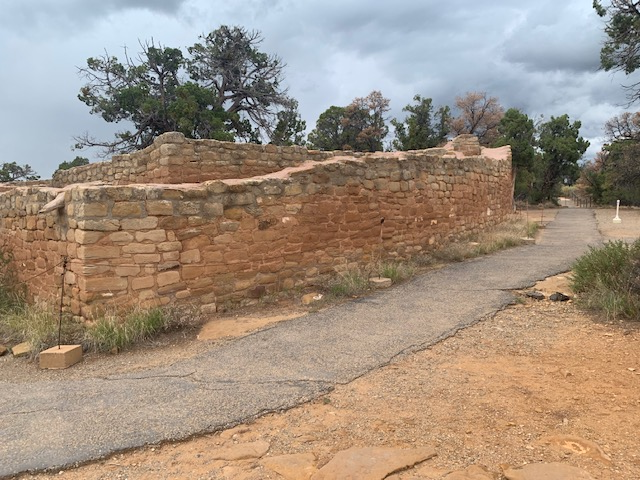
The Badger Room is a multi-room mesa-top pueblo inhabited during the later periods of the mesa’s ccupation.
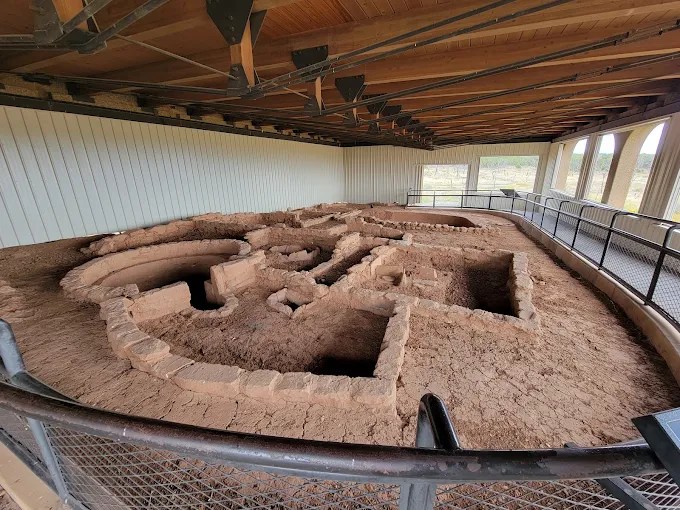
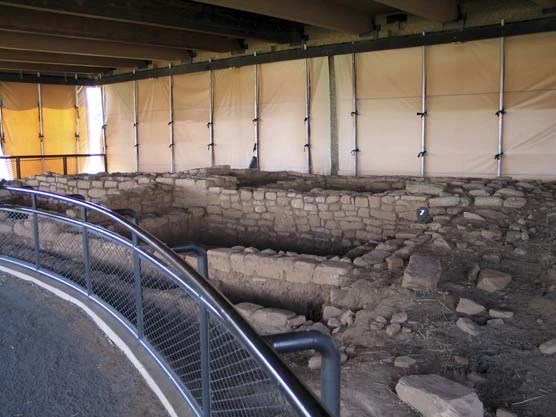
Towers and Tunnels:
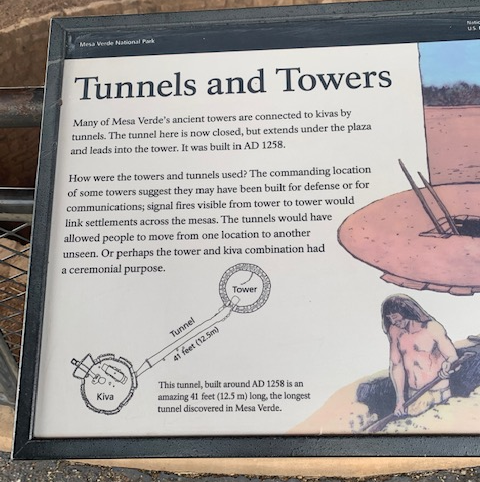
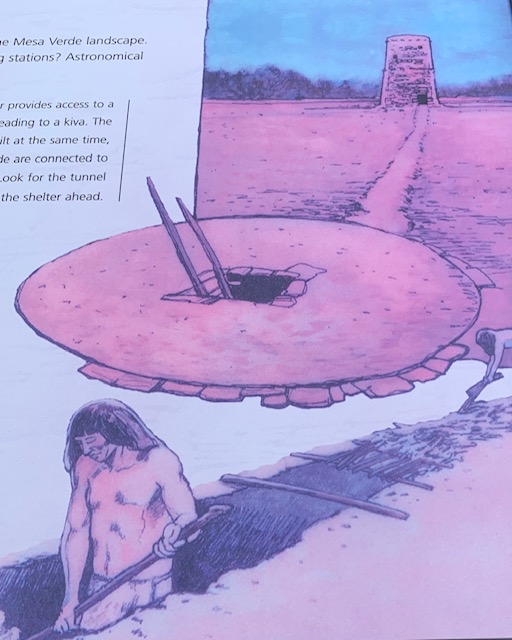
Badger House includes the foundations of an ancient stone tower. A 41-foot long tunnel connects a hatchway in the floor of the tower to an opening in the wall of a ceremonial kiva (pit structure). This underground passage is recognized as the longest tunnel discovered in the American Southwest.
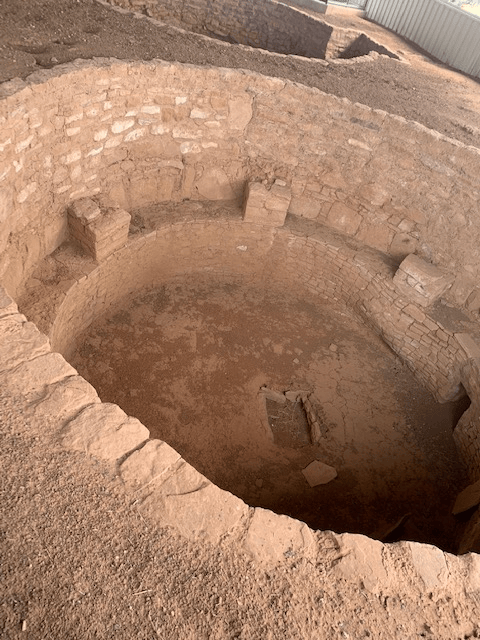
The hatch on the bottom to get into the tunnel,
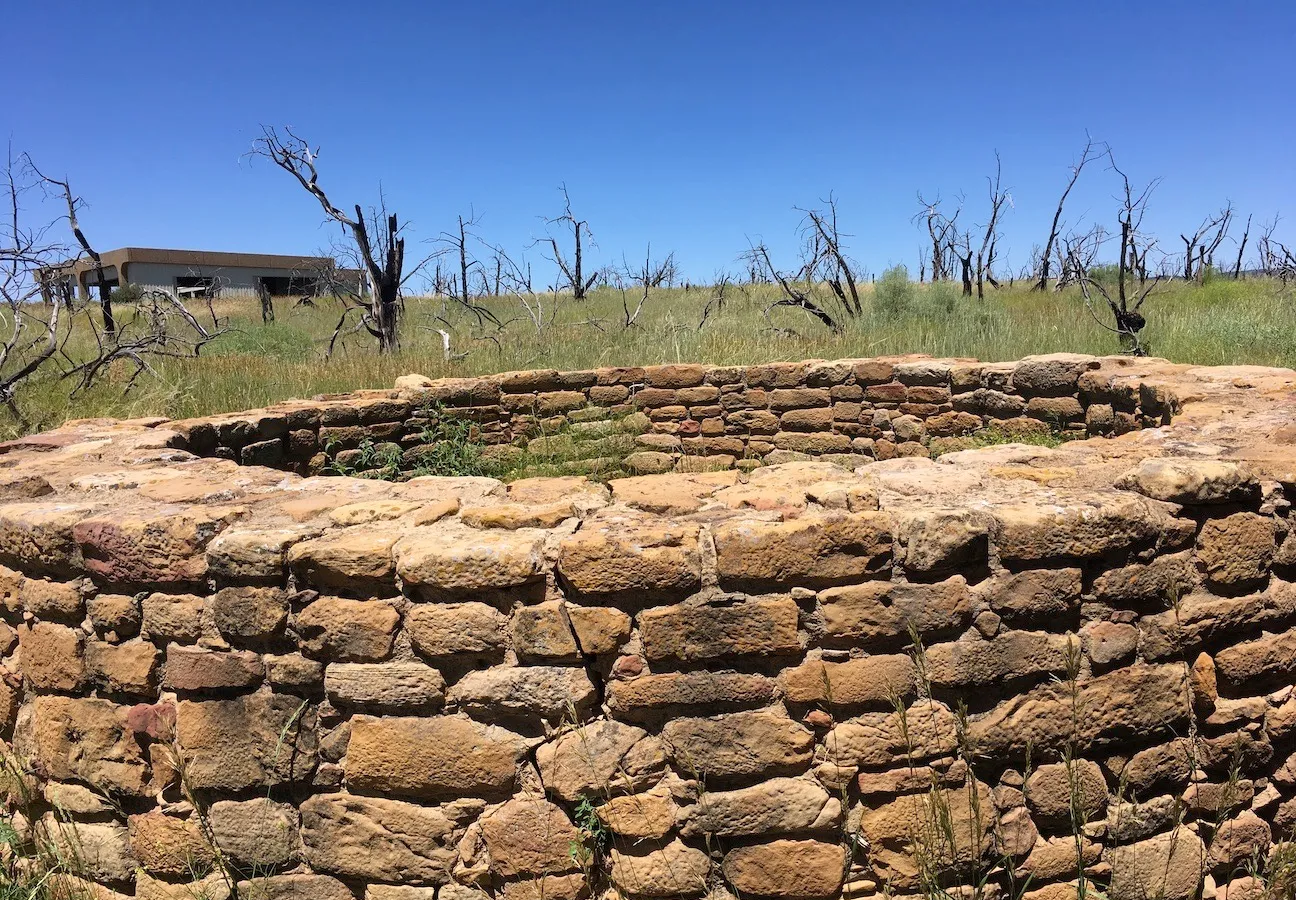
The tunnel leads to this tower.
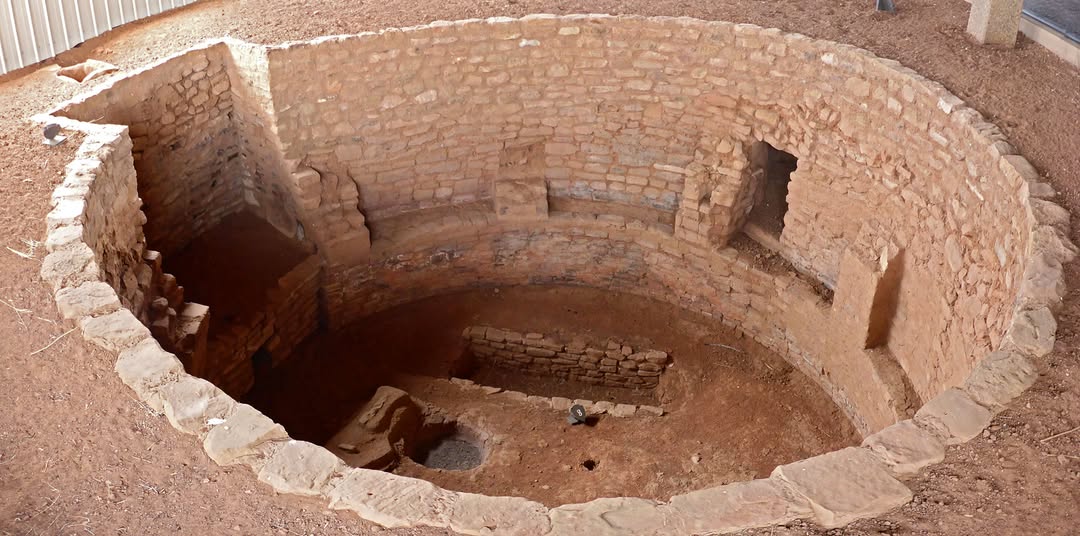
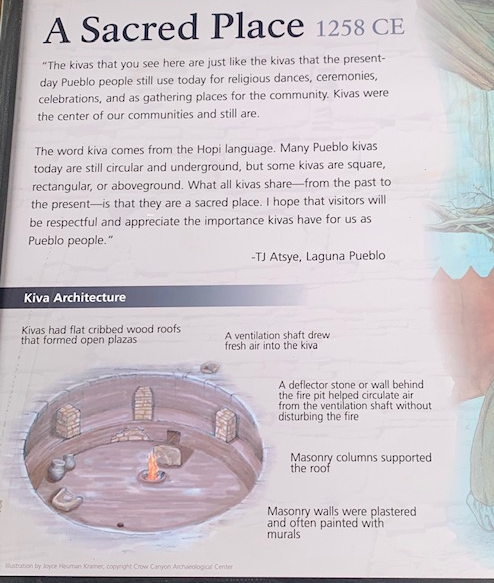
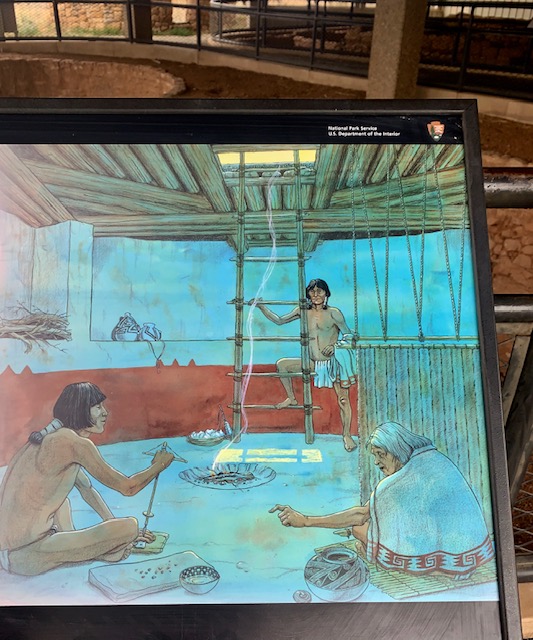
This Dwelling was also their Kiva.
Two Raven House
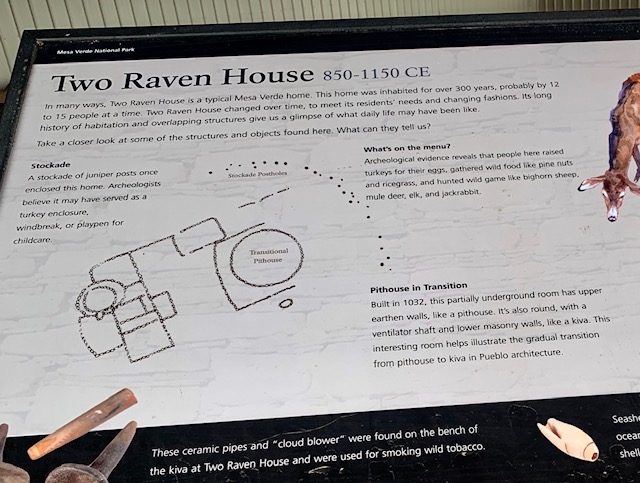
A single-story pueblo with lower-profile rooms and a noticeably small kiva.
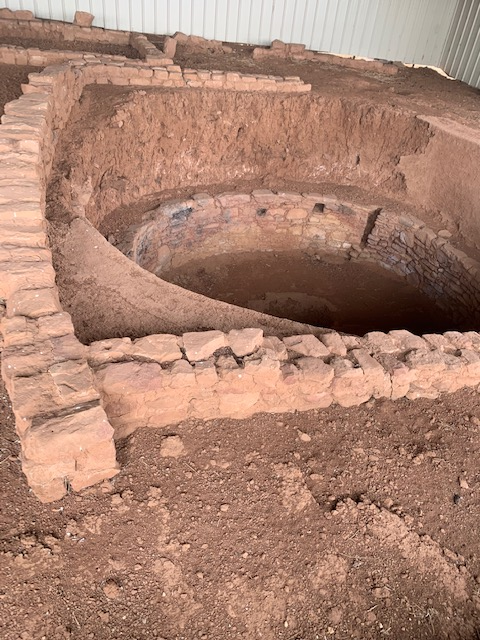
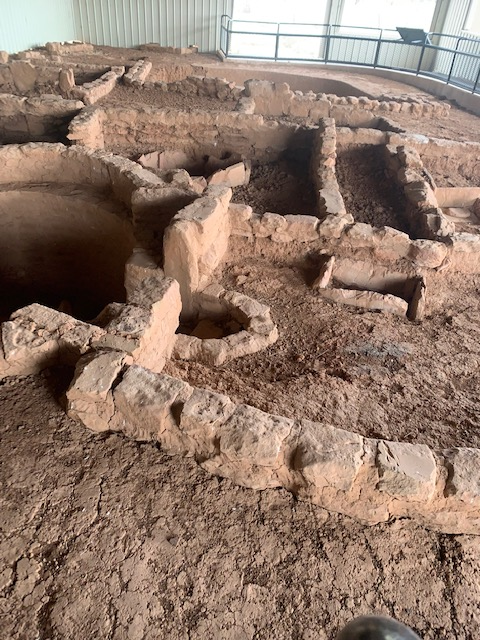
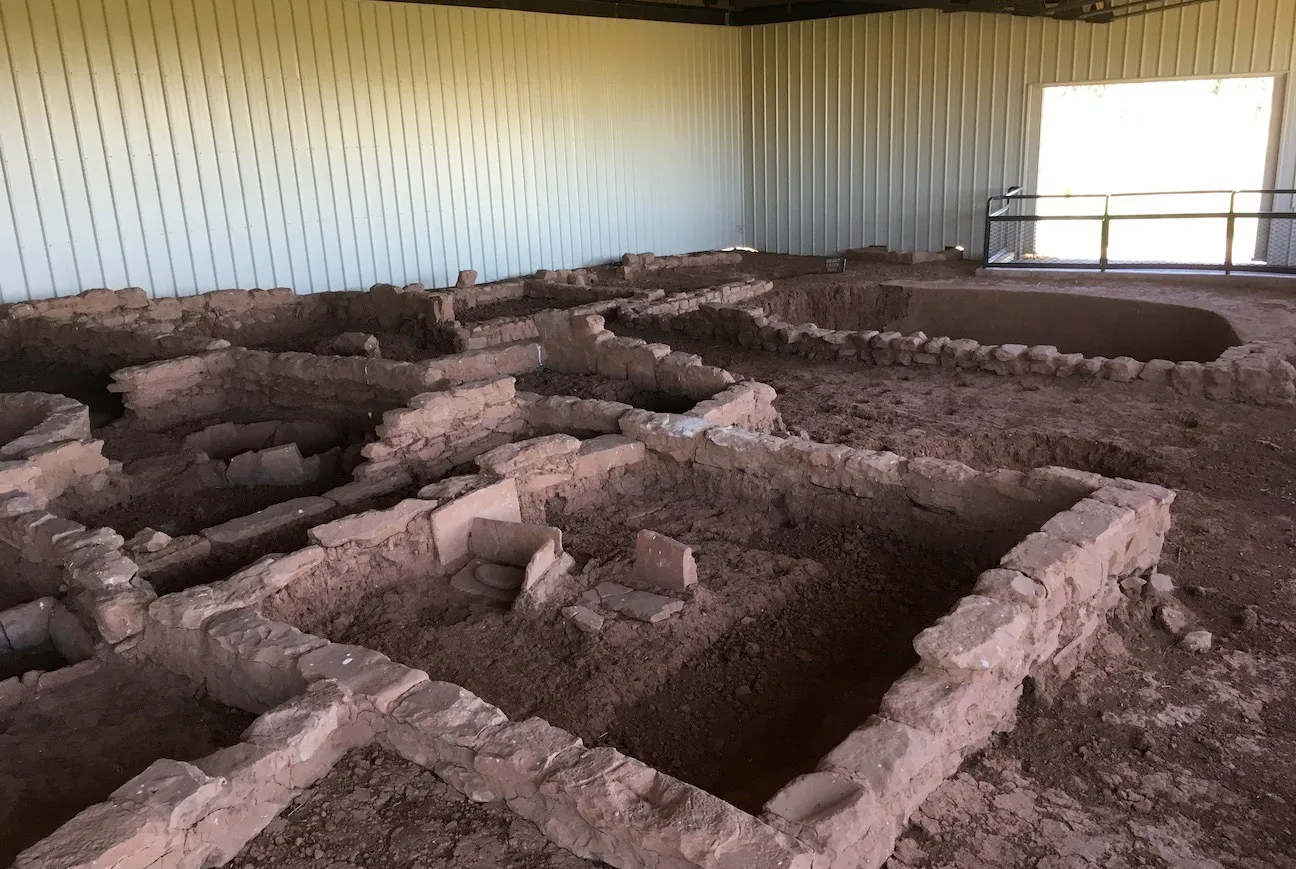
Small kiva and rectangular rooms are in the Two Raven House.
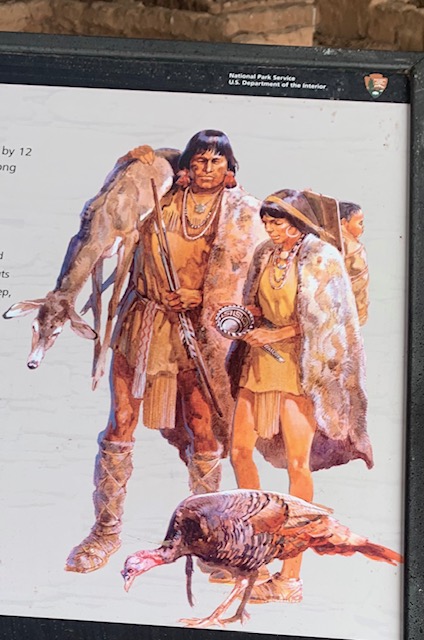
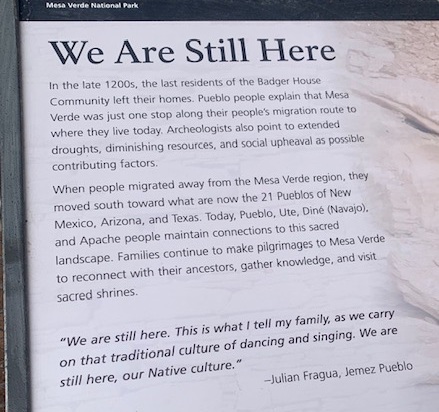
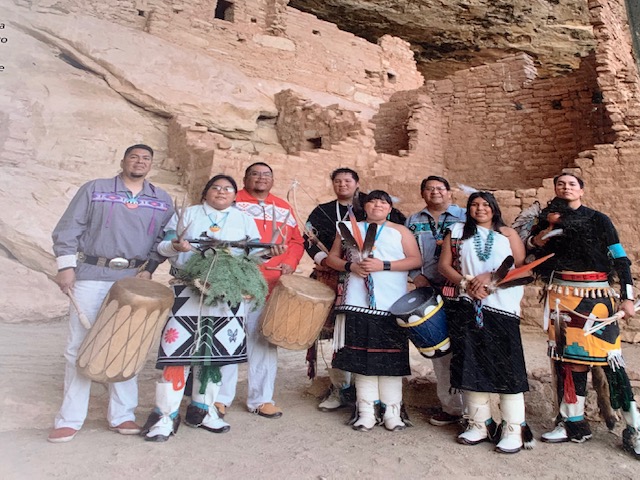
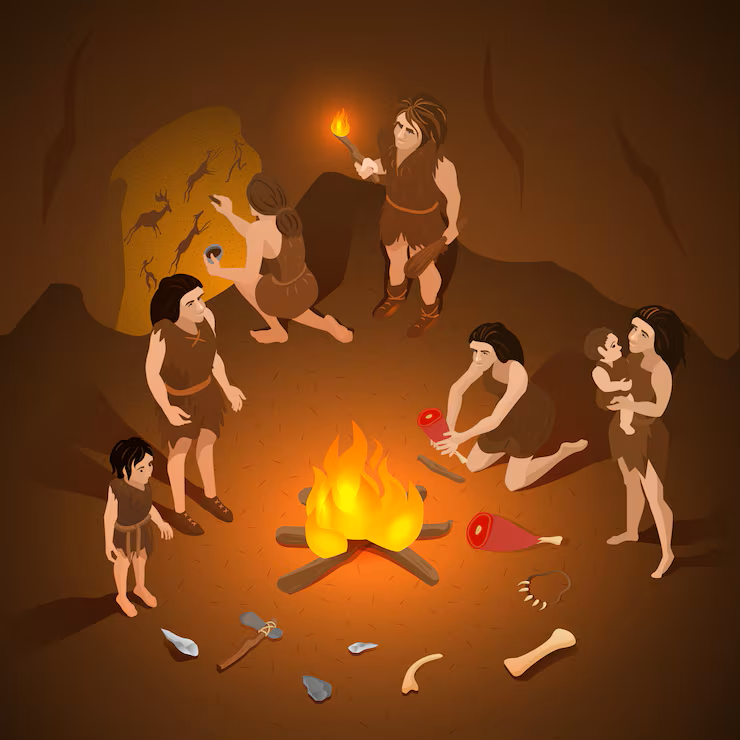
We believe that their Pubeloan Ancestors we’re incredible people. Especially since we learned about their history and lifestyle. It’s really something to see how they built their homes and see the intricate stone masonry used and the primitive tools that were used to build it. They even dug tunnels!
There was a sense of closeness, as the how tight and narrow the spaces feel, making it hard to imagine daily family life right next to the stone walls. But we learned that was because doorways and rooms were built small to keep out the cold winter winds and hold in body heat. It also made it cooler in the summer.
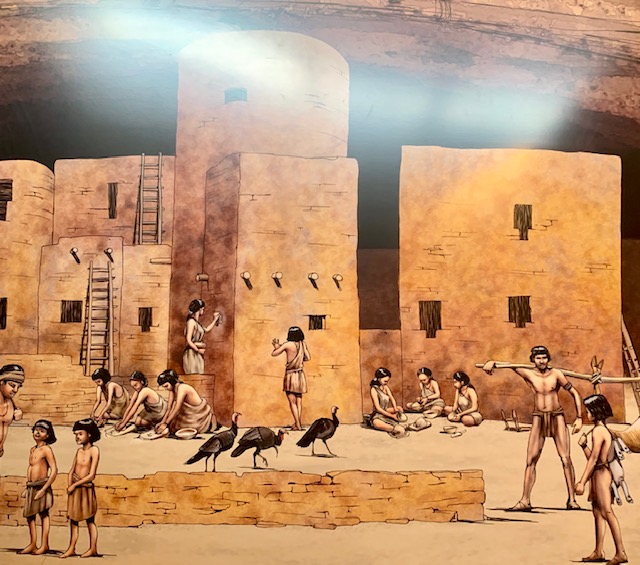
Their storage and sleeping rooms were mainly used for sleeping and storing corn and squash, while most daily cooking and socializing happened outside in the plazas.
We got our questions answered about how did they survive? What did they eat? For one, they engineered check dams, reservoirs, and terraced fields to capture and retain scarce seasonal rainfall and snowmelt. They successfully cultivated corn, beans, and squash (known as the “Three Sisters”) on mesas and near canyon floors.
Of course they hunted deer and elk but when large game like deer and elk became scarce due to hunting pressure and changing climate, they supplemented their diets by hunting rabbits, rodents, and birds.
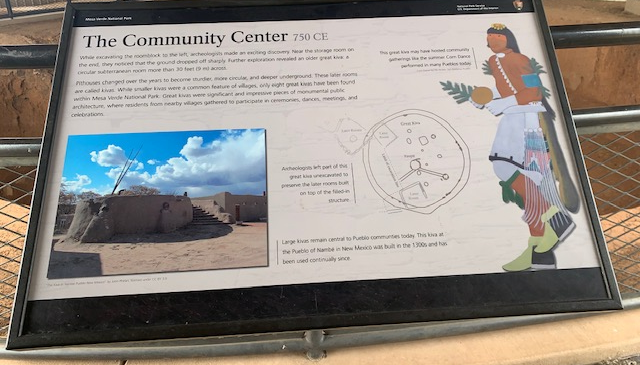
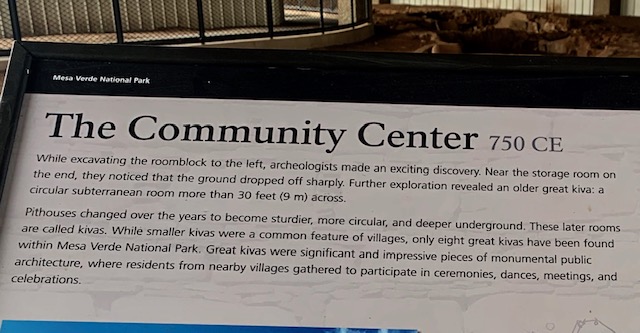
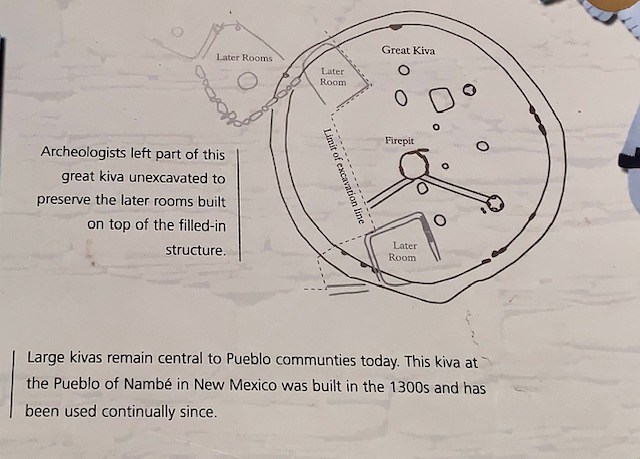
I liked learning about the Kiva’s, the circular underground rooms that were used for spiritual and ceremonial purposes by the Ancestral Pueblo people.
I always think if and how, I would have made it back then? But like people say, I wouldn’t have known any different.
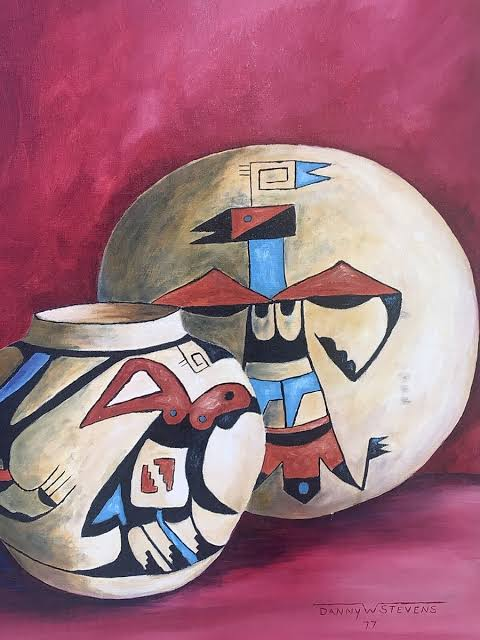
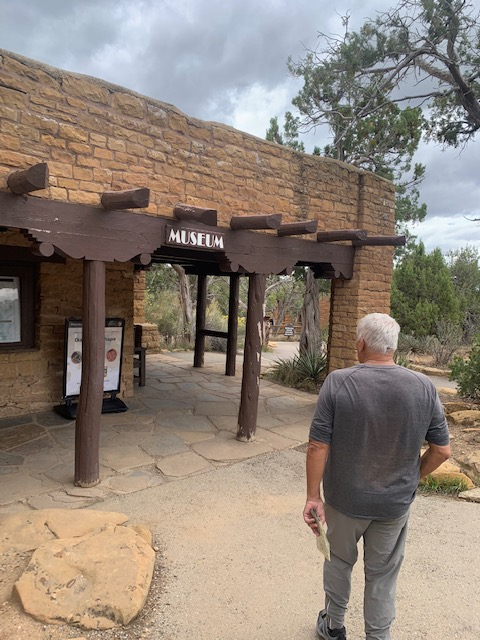
We then got into the truck and drove to the Chapin Mesa Archeological Museum
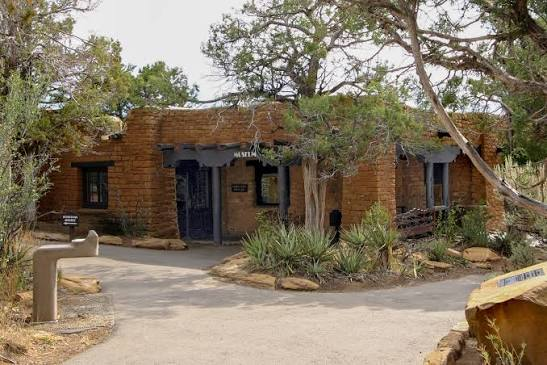
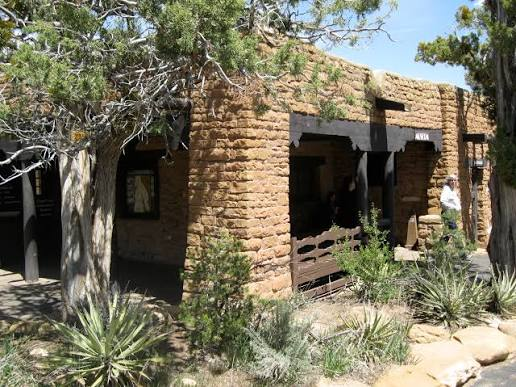
The Mesa Verde Museum is one of the oldest in the National Park Service. Constructed between 1922-25, it replaced a log cabin that had exhibited cultural items since 1917. Today, the Museum is part of the Mesa Verde Administrative District National Historic Landmark.
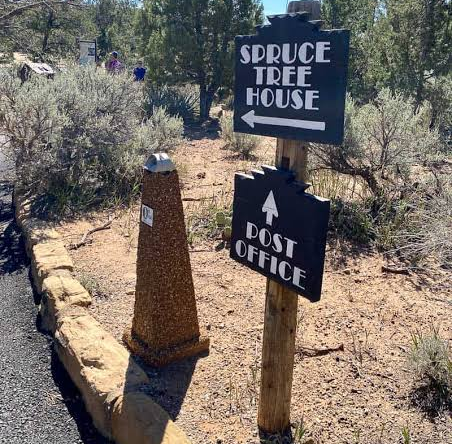
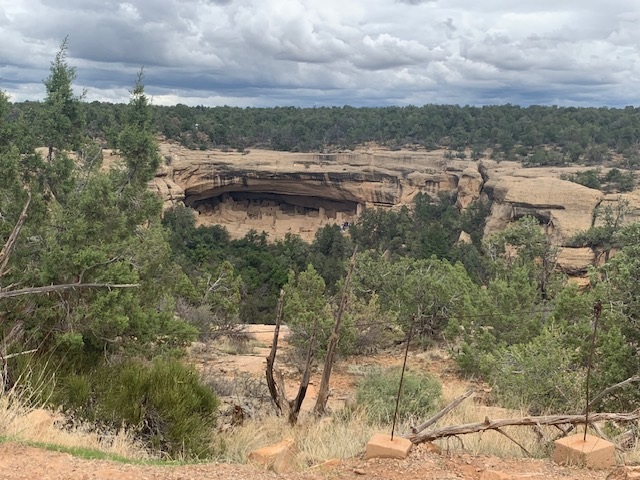
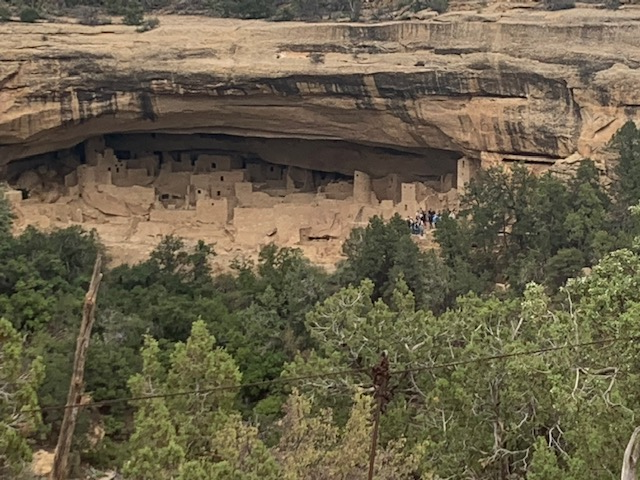
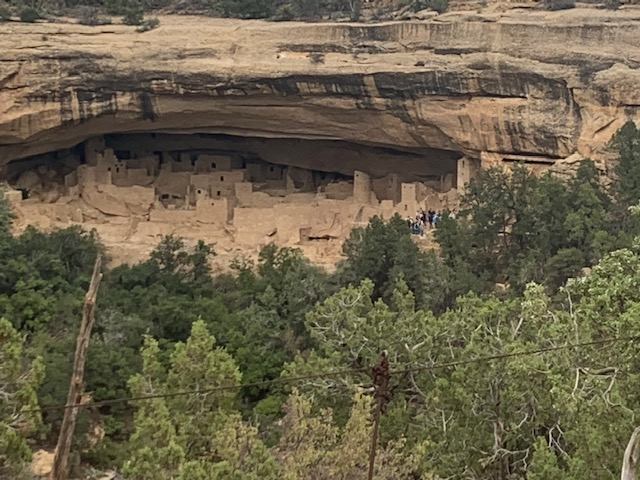
This is the third-largest cliff dwelling in the park was built by the Ancestral Pueblo people between 1211 and 1278.
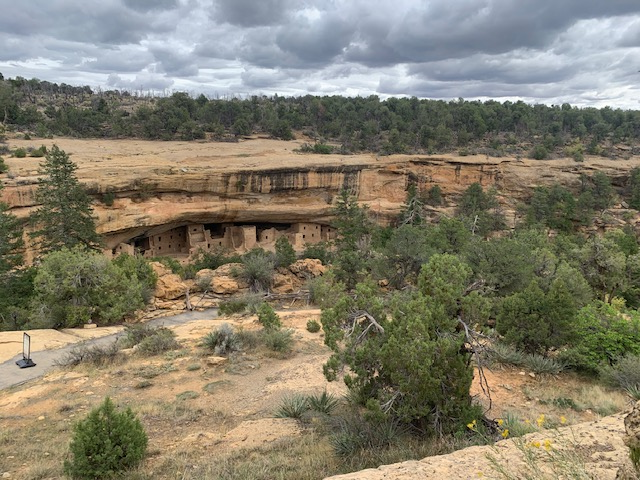
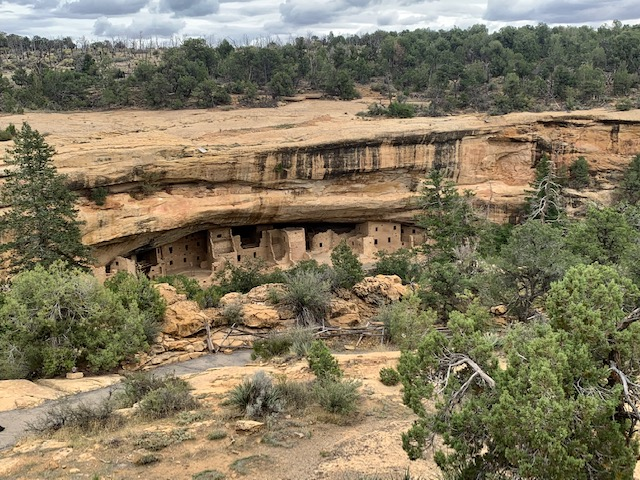
Ranchers Richard Wetherill and Charles Mason discovered the site in December 1888 while searching for cattle. Legend says they accessed it by climbing down a large Douglas spruce tree, which inspired its name
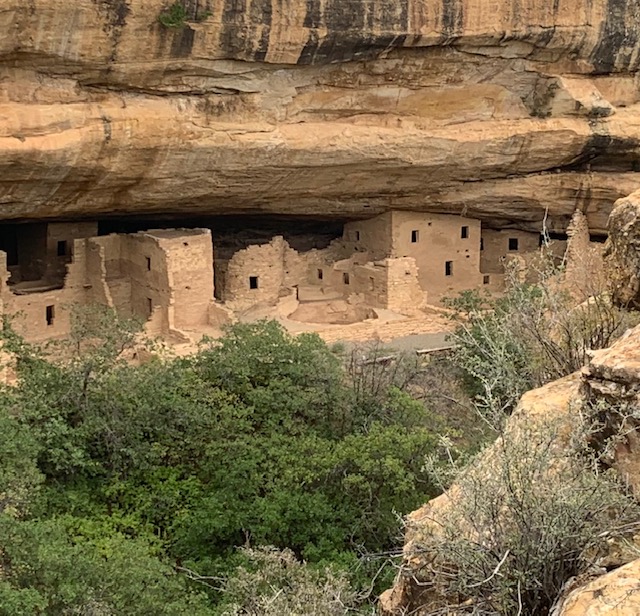
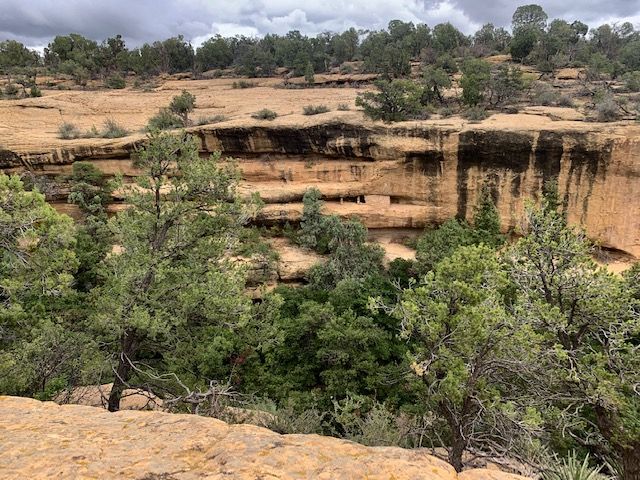
It is made by a massive natural sandstone alcove that protects the site, about 90% of the visible walls, wood, and plaster remain original, We’re they good or what? It is a crescent-shaped complex that features multi-story structures tucked tightly into the stone recess, including upper storage granaries accessible via hand-and-toe holds.
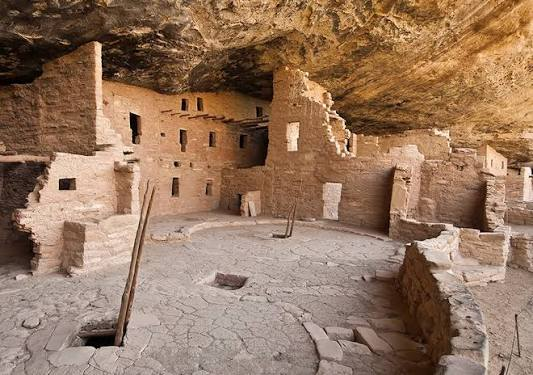
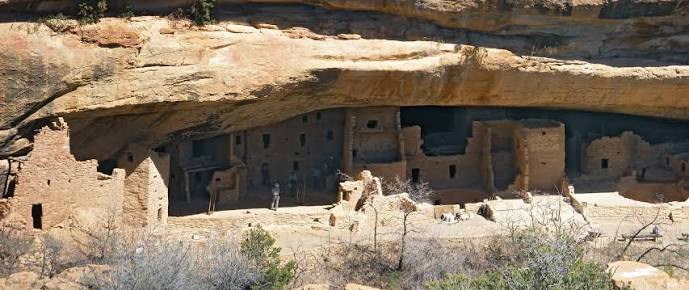
The site contains roughly 130 rooms and 8 ceremonial kivas, and it once housed 60 to 80 residents.
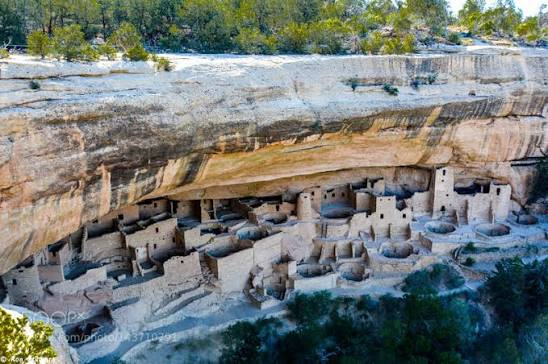
Truly an incredible ancient Cliff Dwelling.
It was to bad that the direct-access trail to it remains closed indefinitely due to ongoing rockfall safety concerns and geotechnical assessments. In other words, there is a big, big crack in it somewhere. But it was still great seeing it from a far.
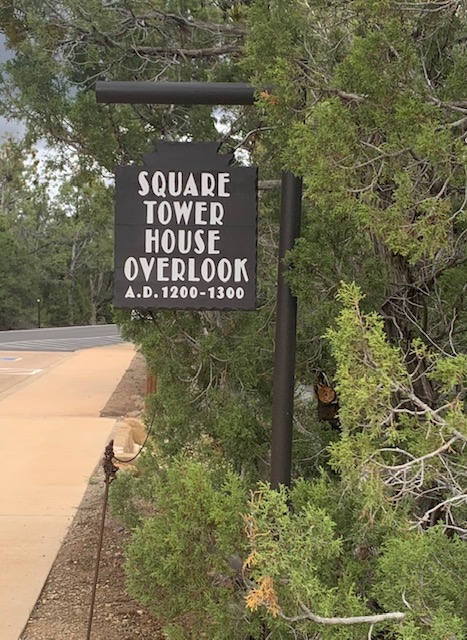
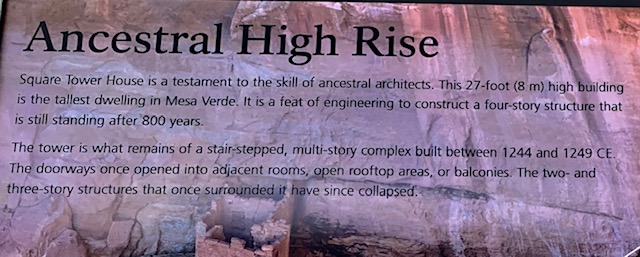
Square Tower House
With its four-story, 27-foot-tall tower, Square Tower House contains Mesa Verde National Park’s tallest standing structure. It’s one of the best-preserved cliff dwellings in the park, with an intact kiva roof and numerous examples of rock art. An impressive 90% of this village is original, including its roof beams and plaster walls.
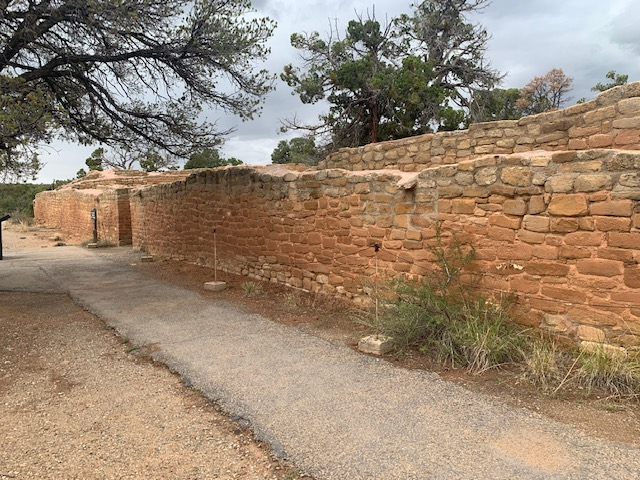

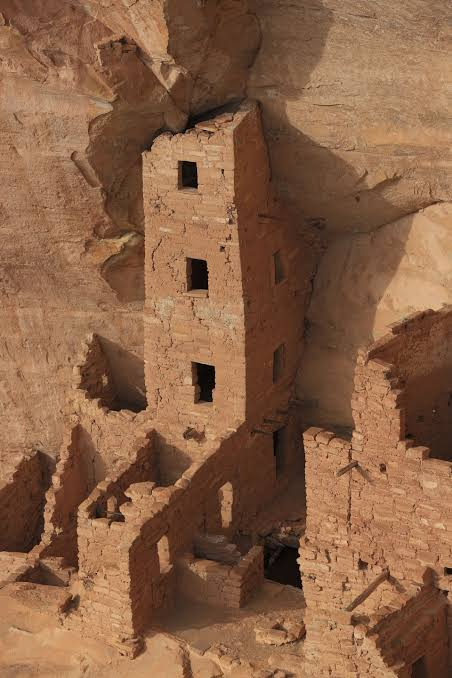
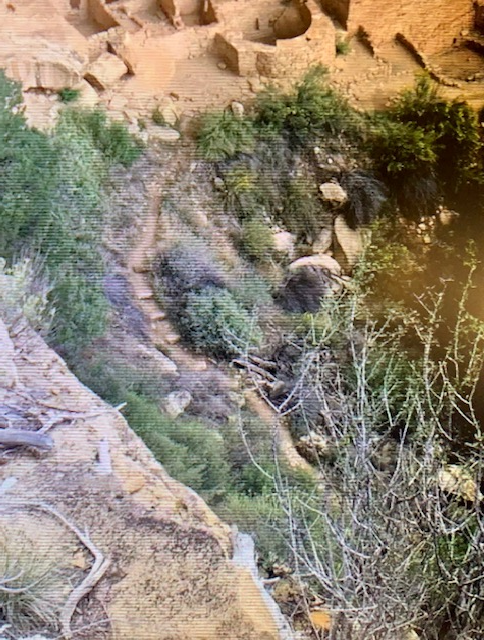
Check out the stairs they used.
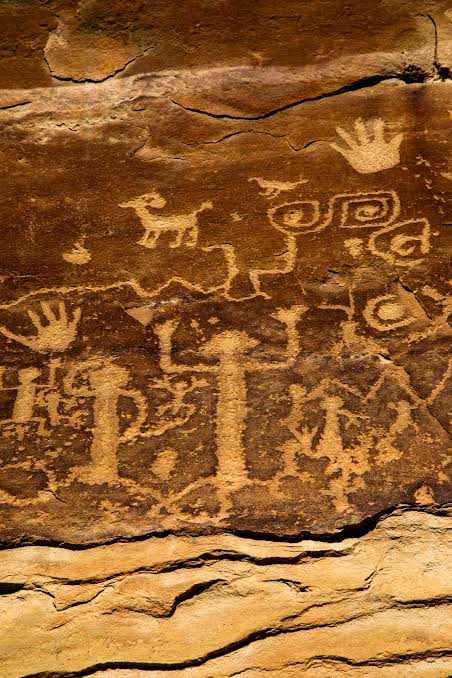
This dwelling has elaborate decorations which suggests that the builders were not only concerned with meeting their basic needs, but also recognized the importance of art and beauty as essential components of a thriving community.
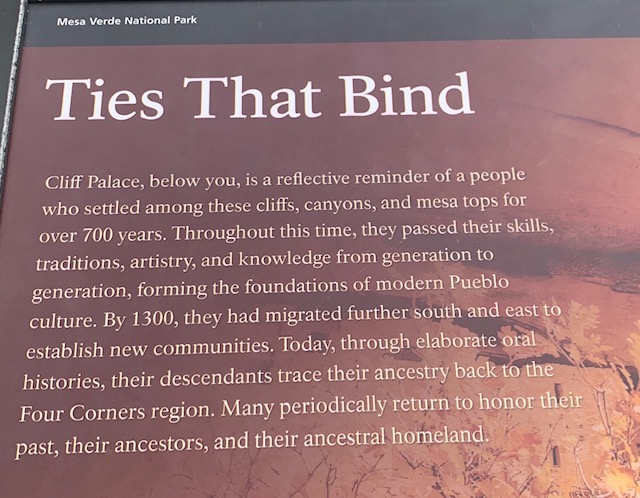
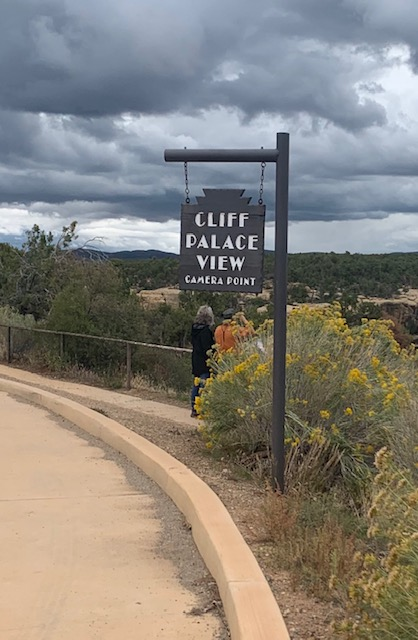
Cliff Palace is the largest cliff dwelling in North America. Built between 1190 and 1280 CE, Cliff Palace was home to about 100 people. Today, it stands as a testament to the engineering and artistic achievements of the Ancestral Pueblo people.
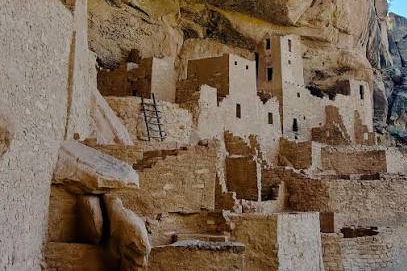
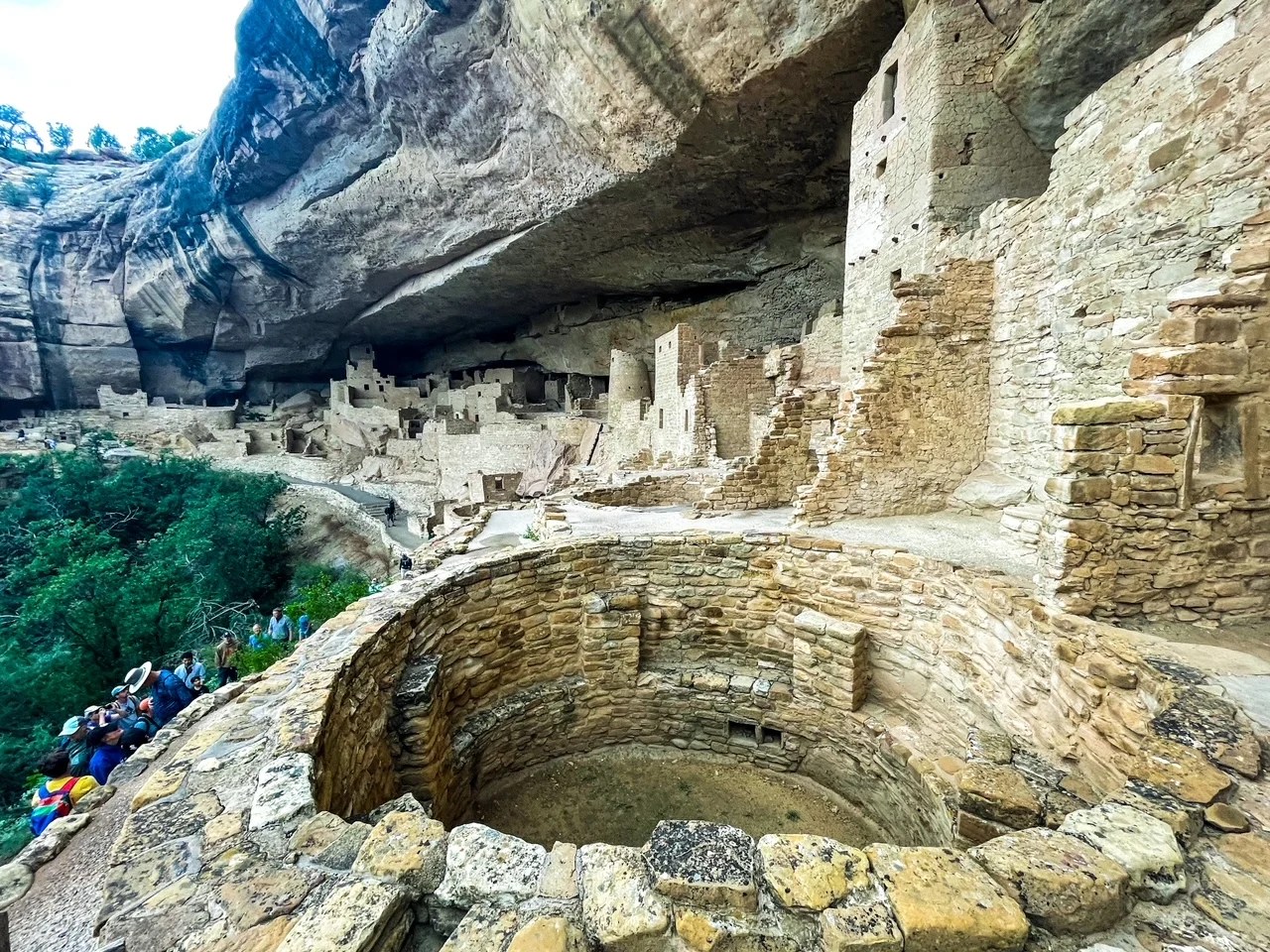
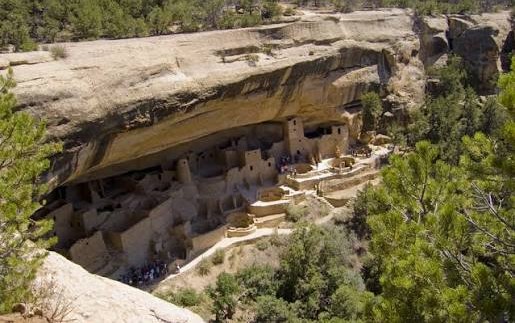
Sandstone, mortar and wooden beams were the three primary construction materials for the cliff dwellings. The Ancestral Pueblo people shaped each sandstone block using harder stones collected from nearby river beds. The mortar between the blocks is a mixture of local soil, water and ash. Fitted in the mortar are tiny pieces of stone called “chinking.” Chinking stones filled the gaps within the mortar and added structural stability to the walls. Over the surface of many walls, the people decorated with earthen plasters of pink, brown, red, yellow, or white — the first things to erode with time.
These multi-room sandstone complexes included living quarters with hearths and corn-grinding mealing bins, narrow granaries for food storage, and underground kivas reserved for ceremonies and communal gatherings.
They had elevated alcoves, sheer rock faces, and narrow access points that required removable ladders or specialized handholds that provided strategic protection against raids and allowed for easy surveillance.
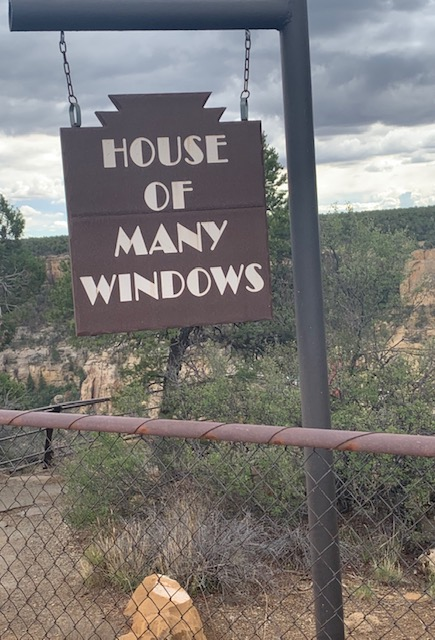
House of Many Windows is a small cliff dwelling perched on a ten-foot-wide ledge in Cliff Canyon. Its many windows are actually doorways into rooms made of hand-shaped sandstone rock. House of Many Windows is comprised of 15 rooms, and there is evidence of a kiva. This cliff dwelling might have been home to an Ancestral Pueblo family in the 1200s.
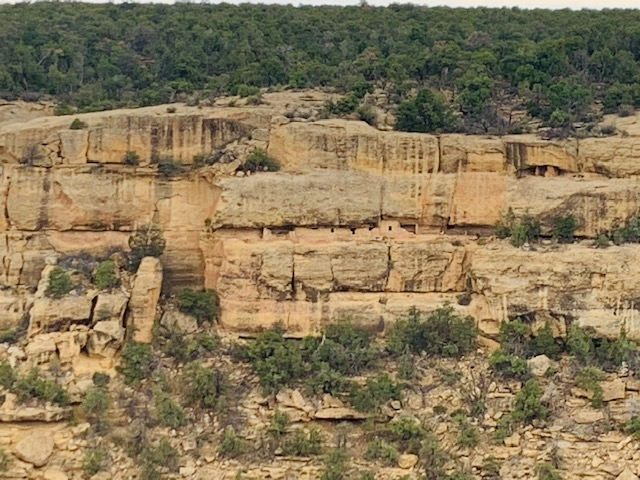
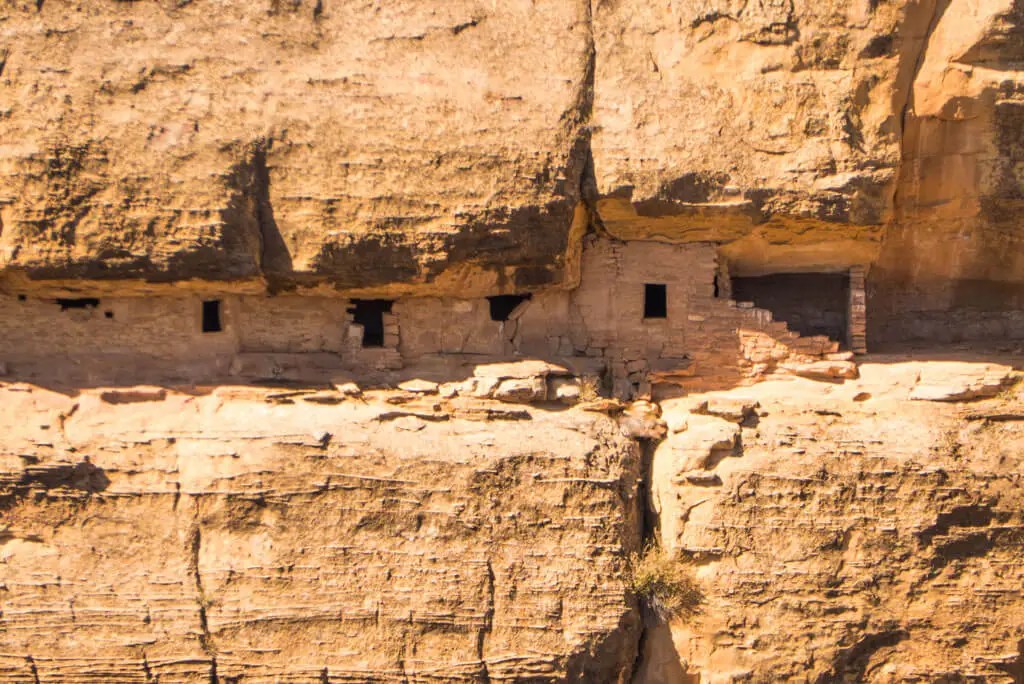
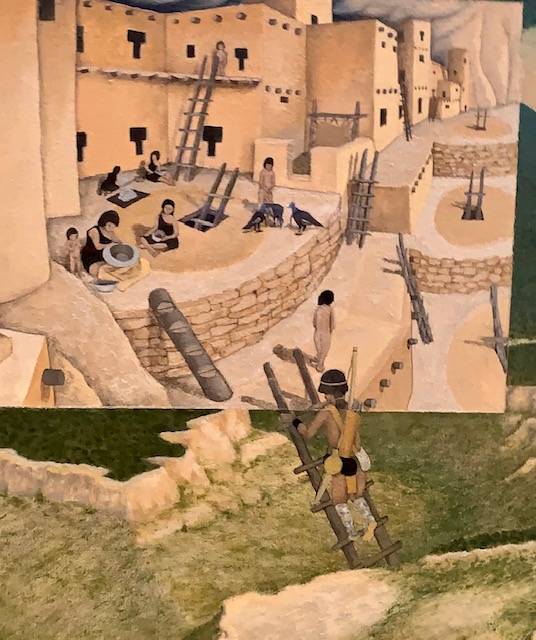
People compare their dwellings to forts or castles, I can see why with the many rooms, etc. that they have. Plus the physical challenge of navigating the steep ladders and rock trails they were all in good shape. We definitely learned a lot about these great people.
“I have learned that the point of life’s walk is not where or how far I move my feet but how I am moved in my heart.”
― Anasazi Foundation, The Seven Paths: Changing One’s Way of Walking in the World