From Cacti to Pine Trees

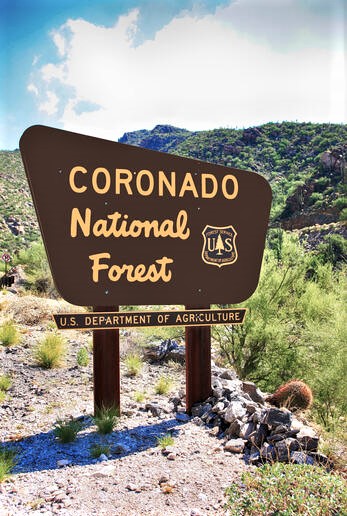
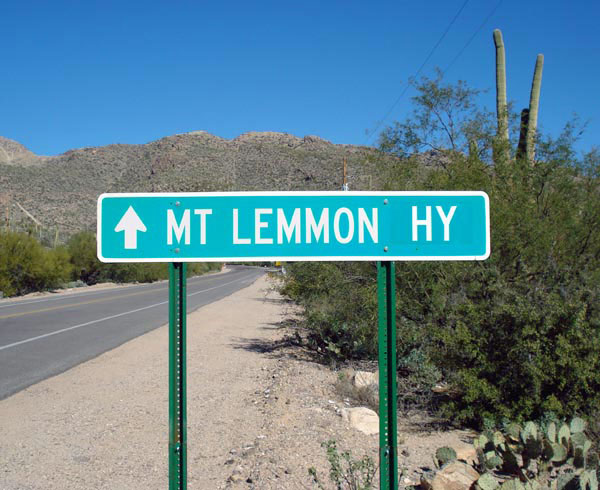
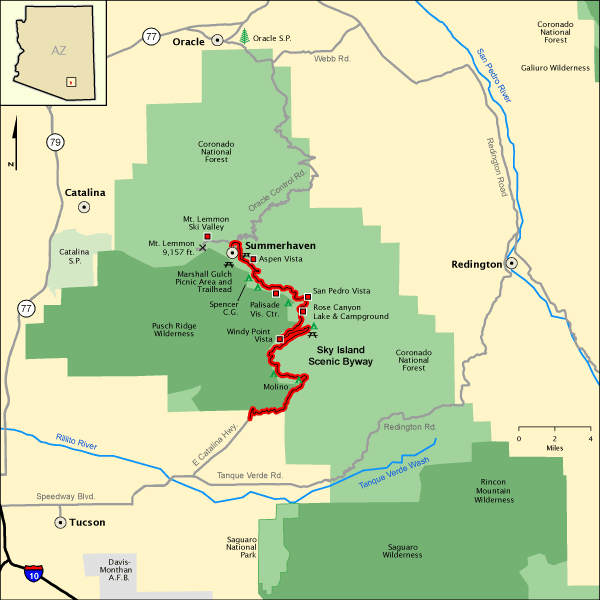
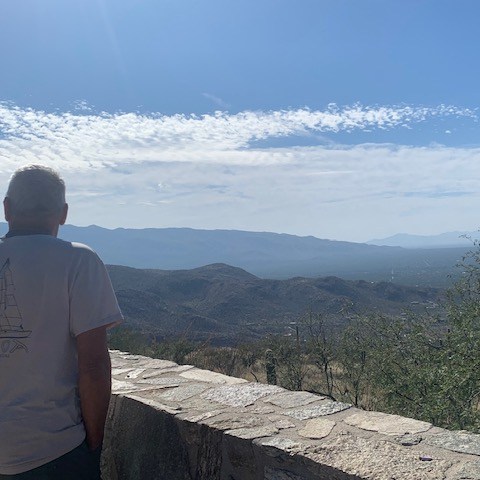
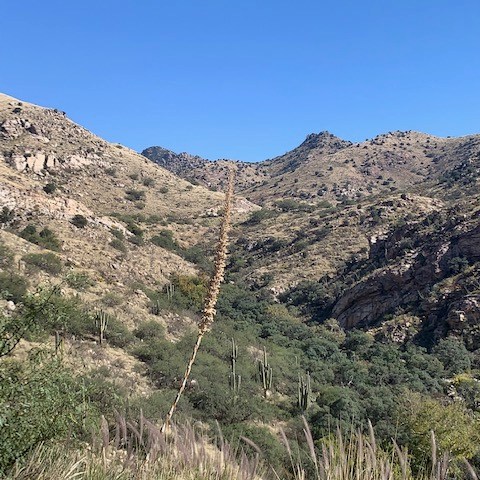
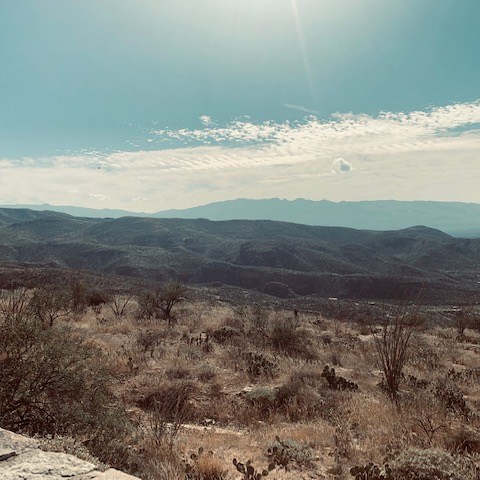
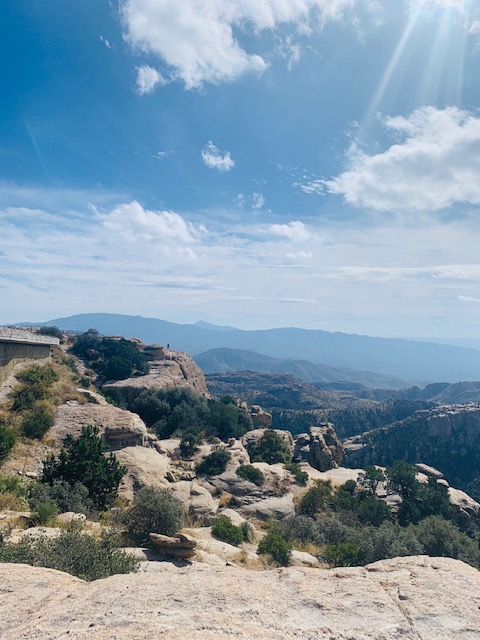
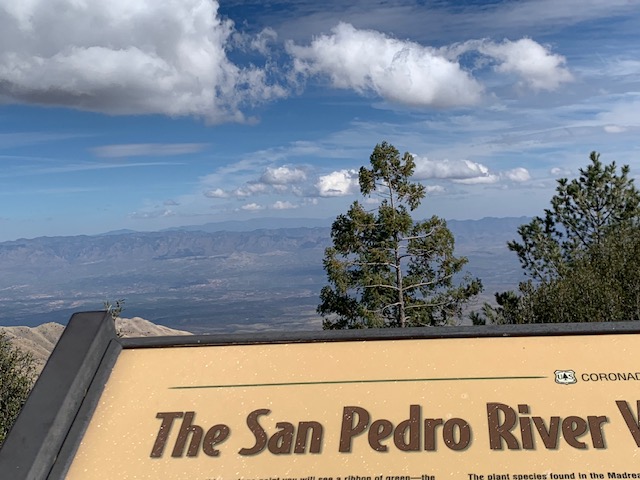
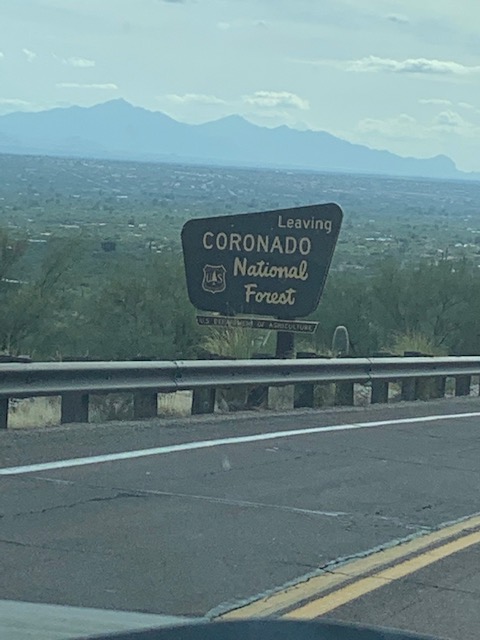
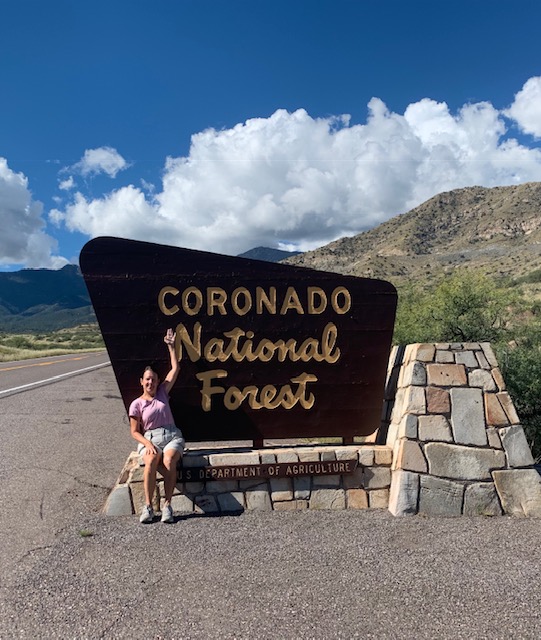
Just North of Tucson we drove through the Coronado National Forest up in the Santa Catalina Mountains to the Catalina Scenic Byway. The Catalina Scenic Byway also known as the “Mt. Lemmon Highway” is a 28-mile scenic drive that begins at the base of the mountain and peaks at 9,157 feet above sea level.

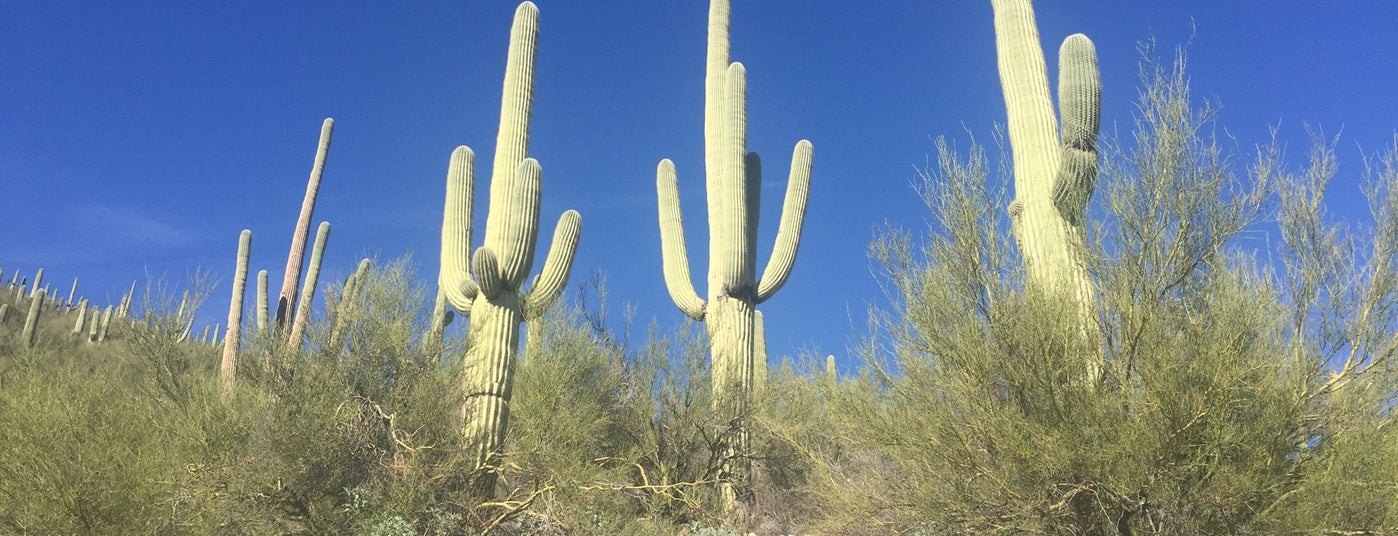
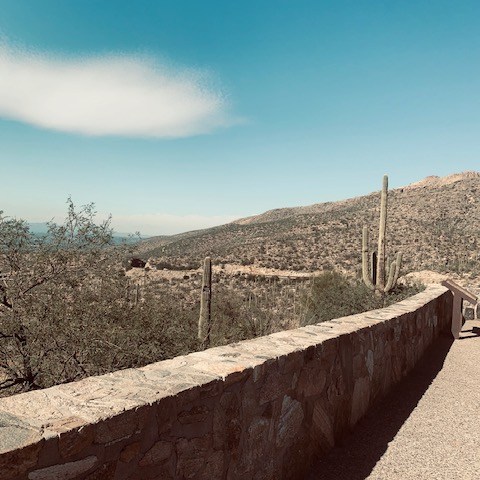
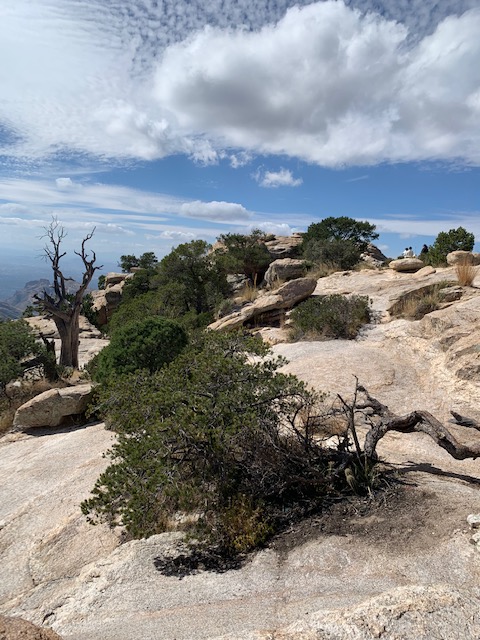
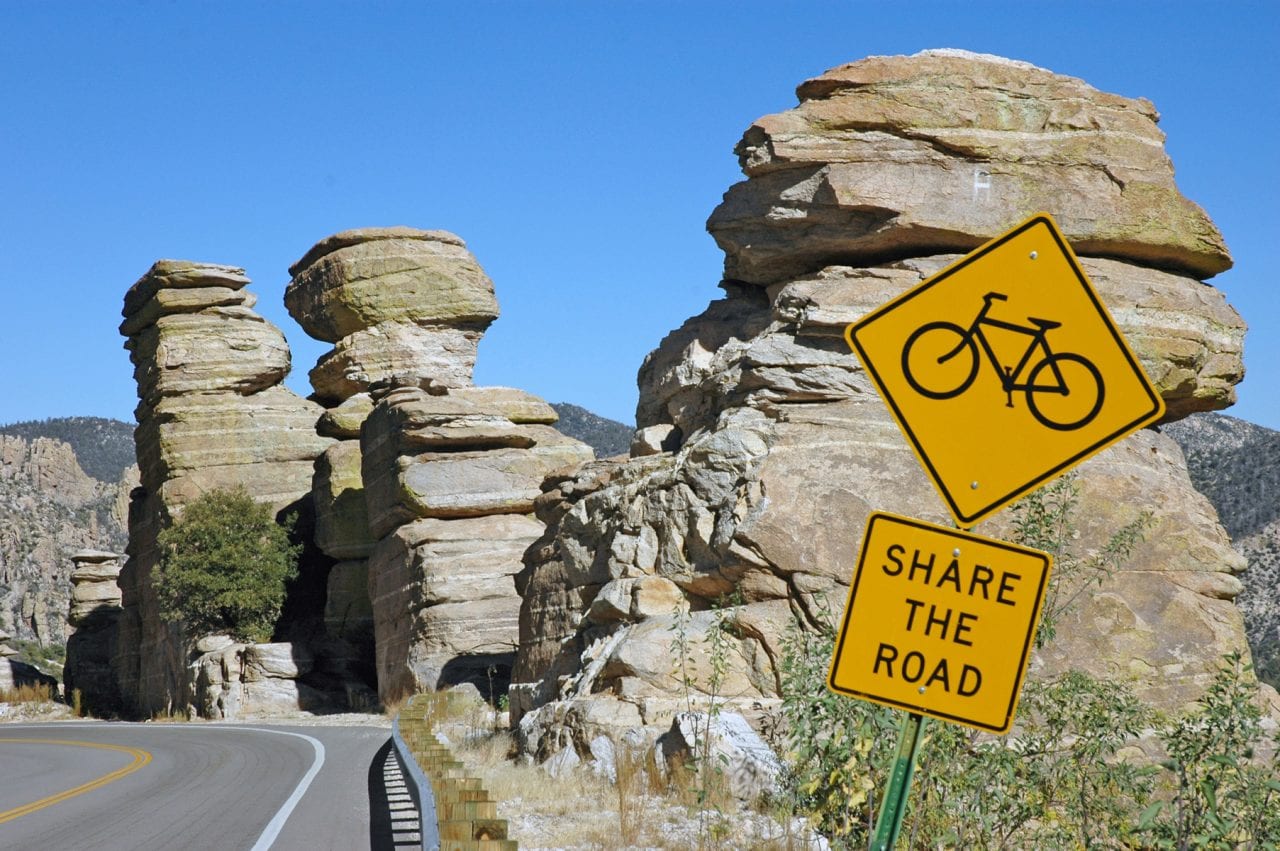
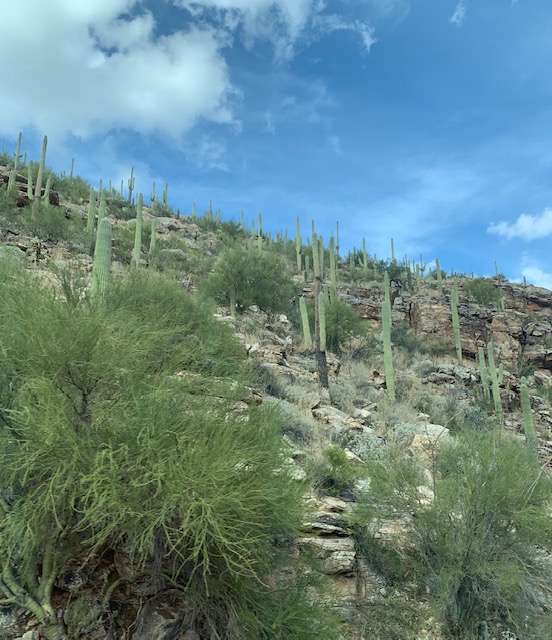
You start the highway in the desert amongst the saguaro cacti, and go through mountain passes with fields & meadows, rugged cliffs and hoodoos with spectacular outlooks then end up in an alpine and aspen forest.

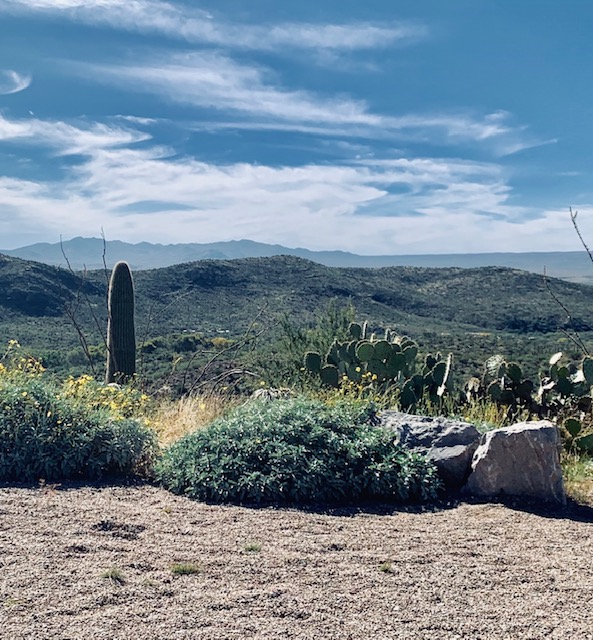
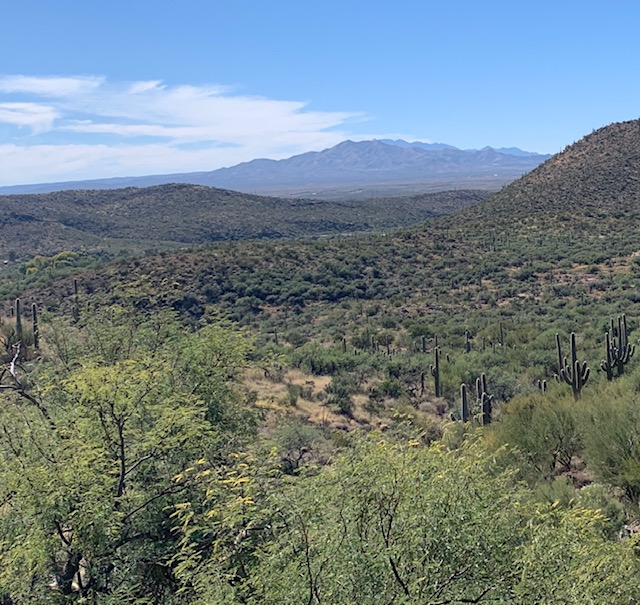
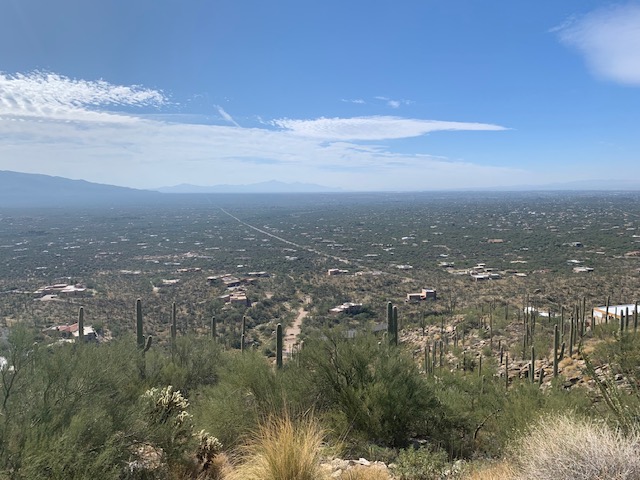
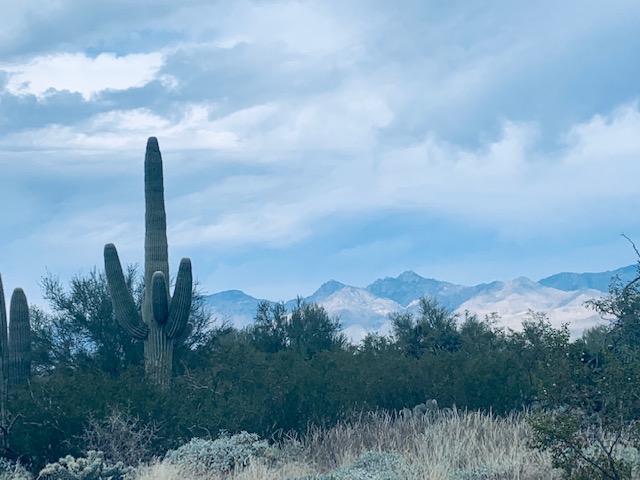
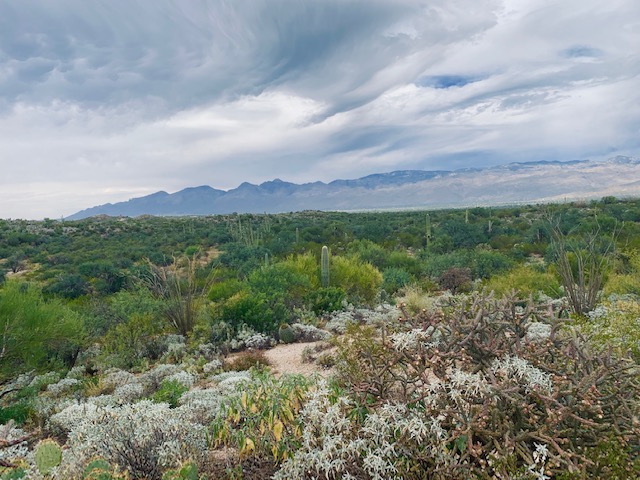
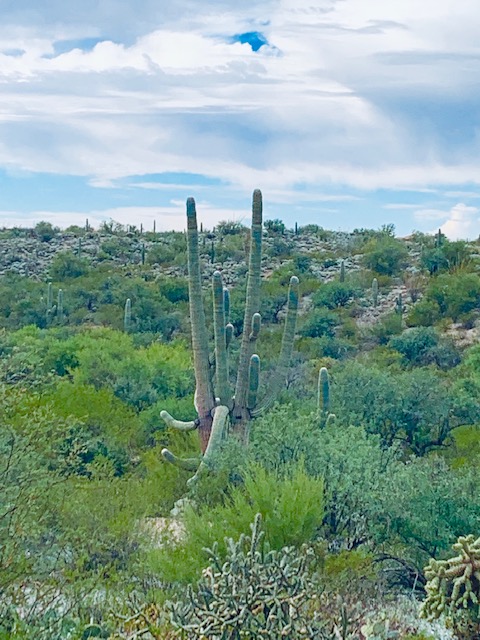
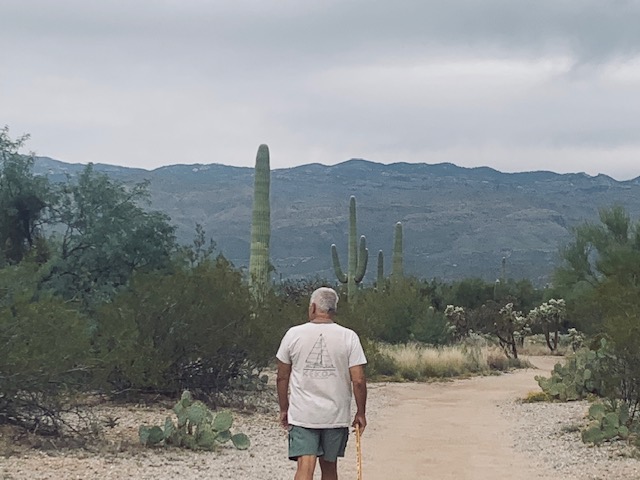
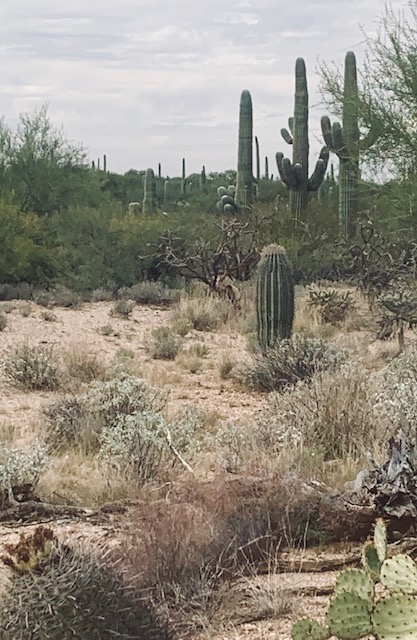
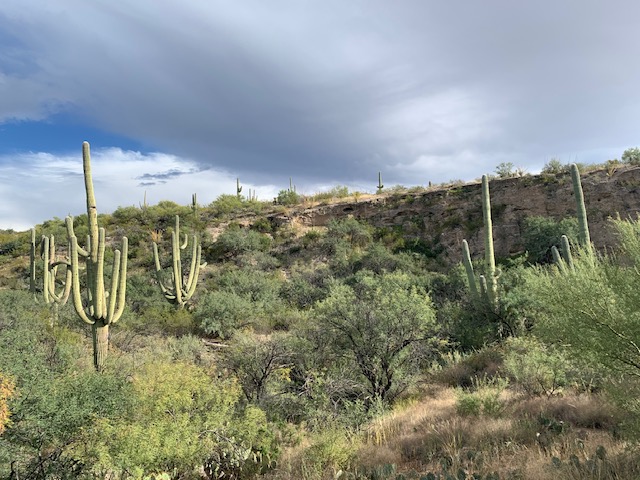
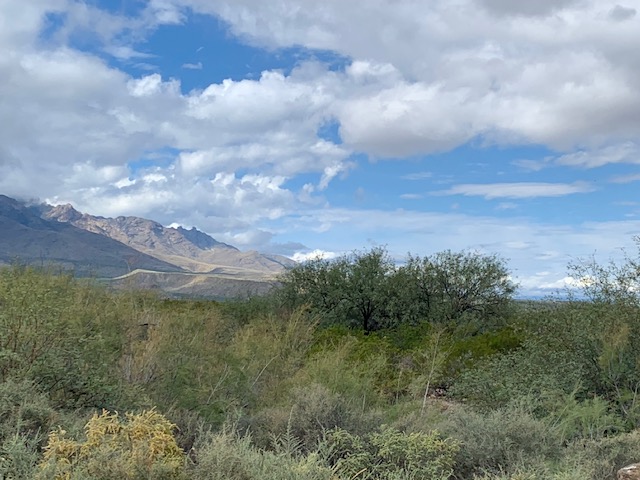
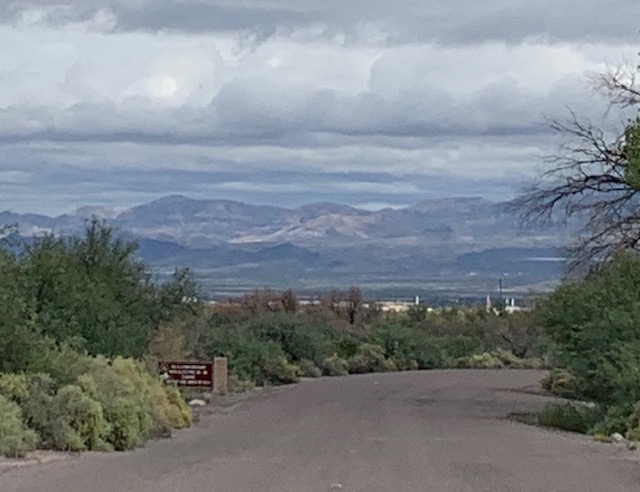
This part of the drive you get to see saguaro cacti, the nearby Rincón Mountains and the city of Tucson.

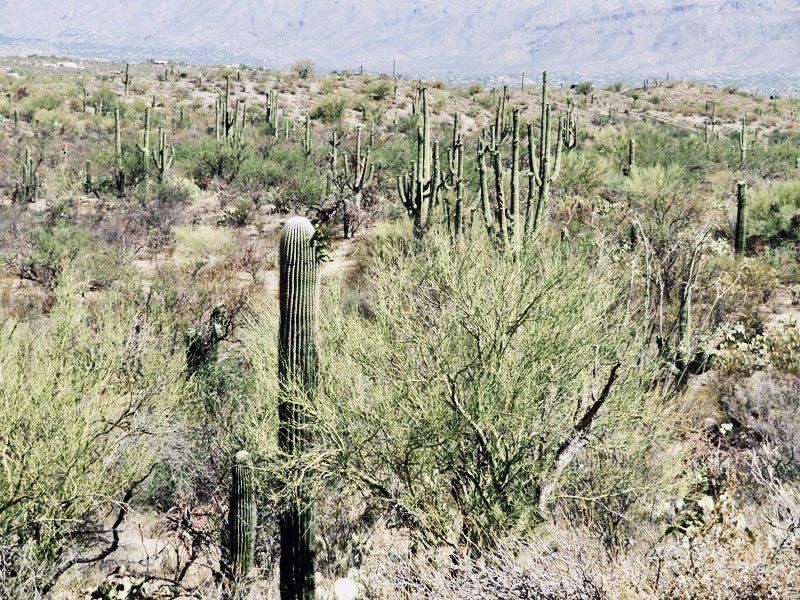
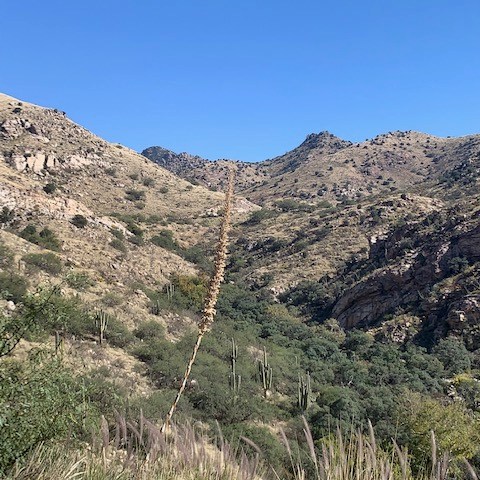
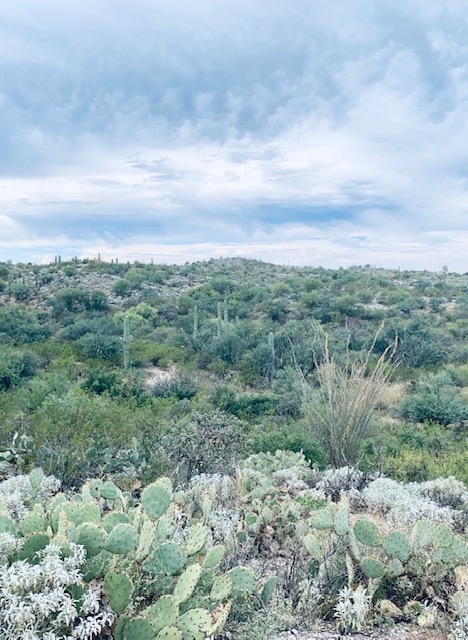
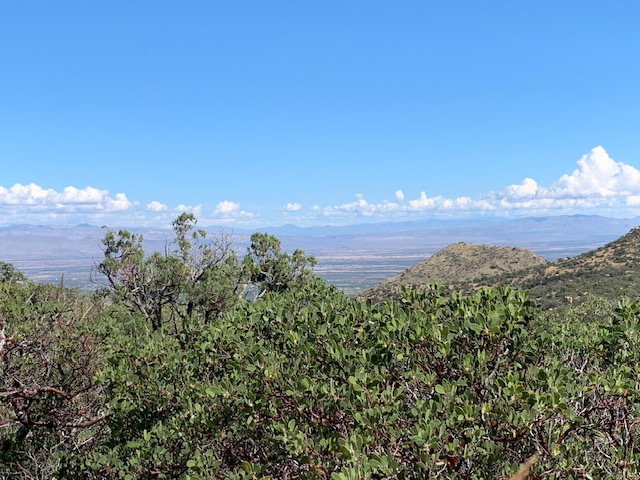
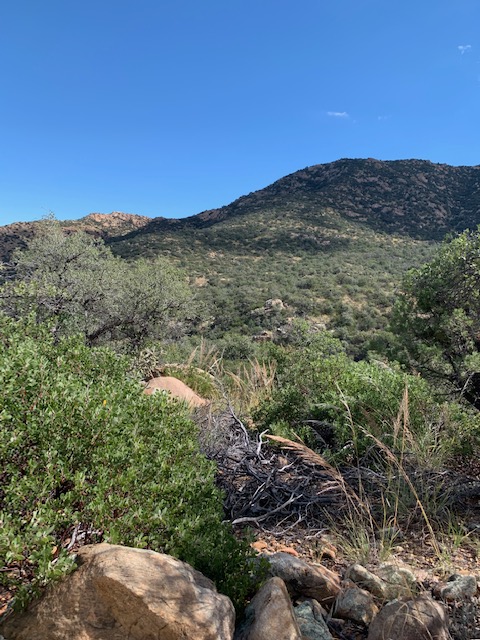
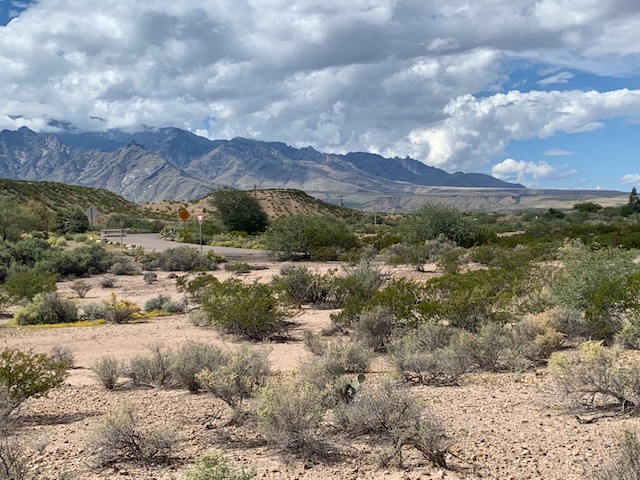
Driving up the scenic highway you start to notice that the cacti are no longer and your seeing fields and scrubs on the mountain.

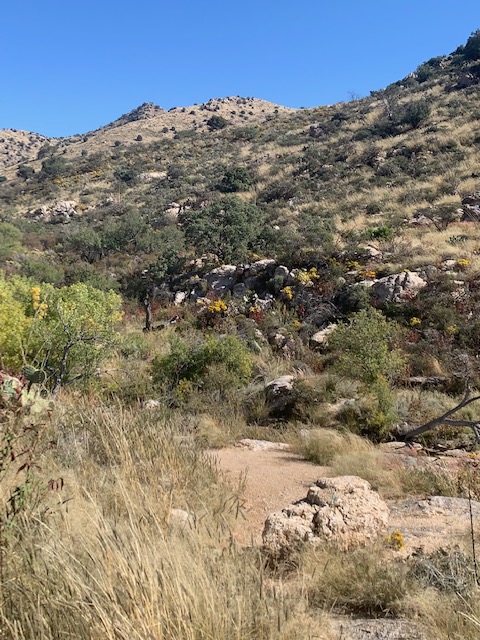
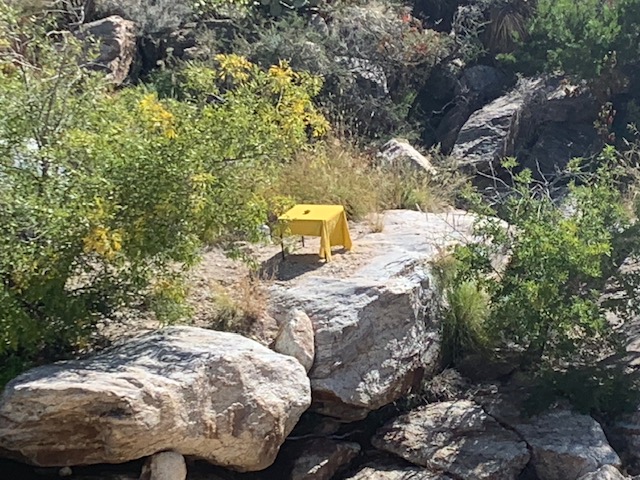
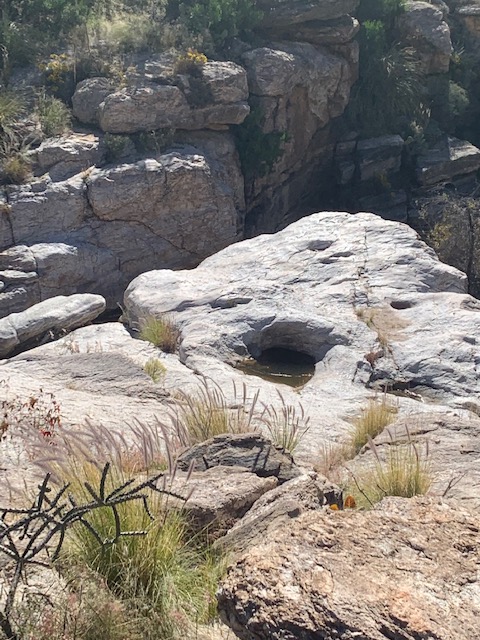
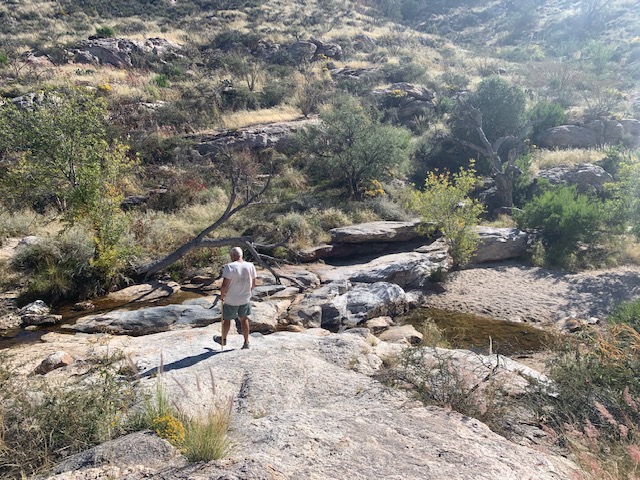
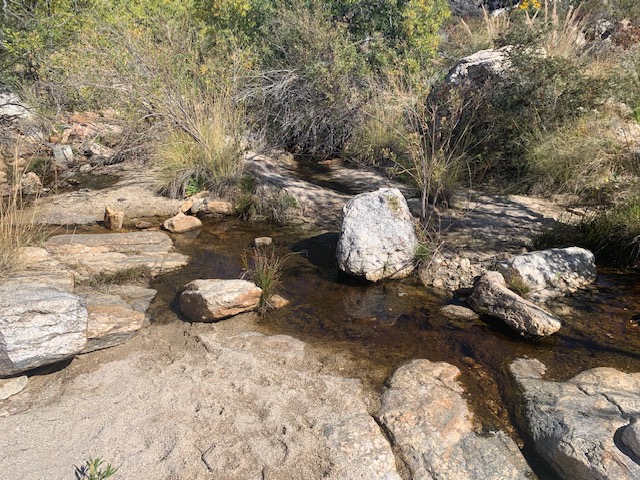
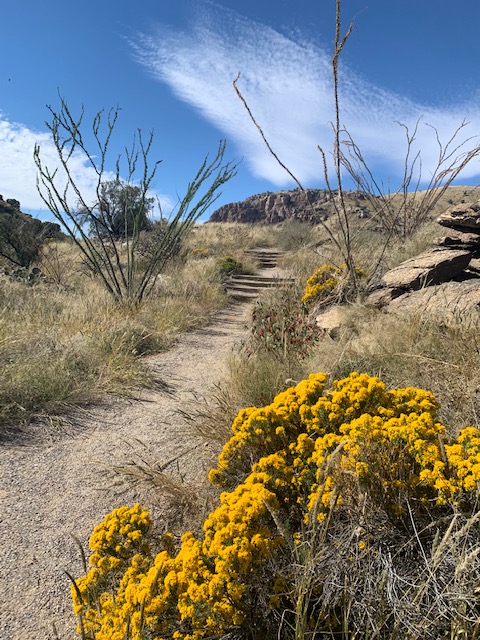
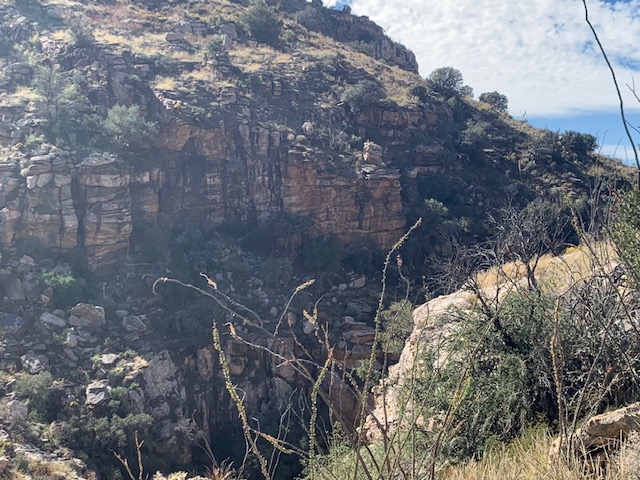
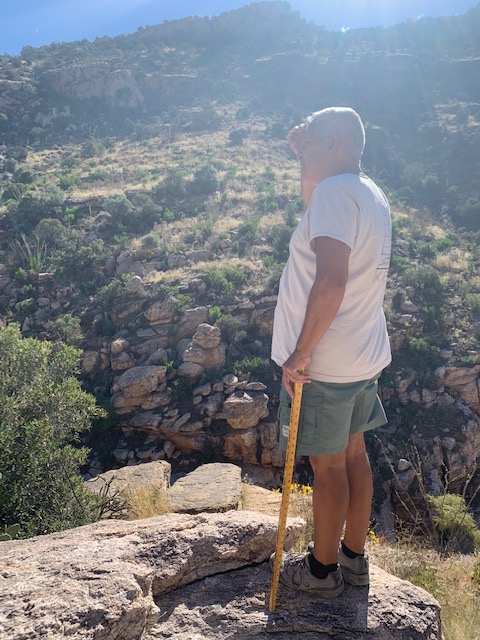
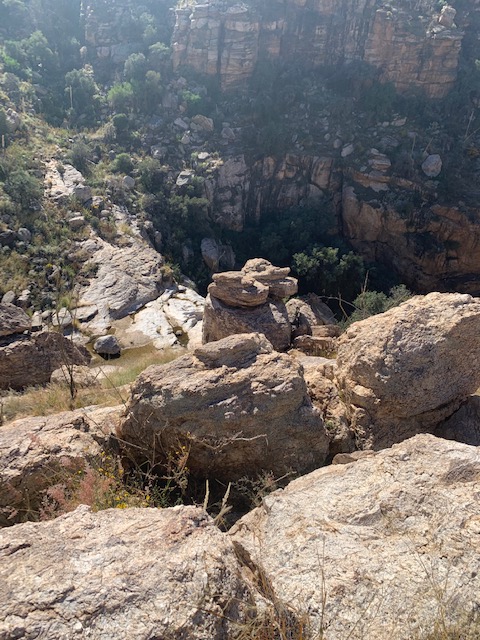
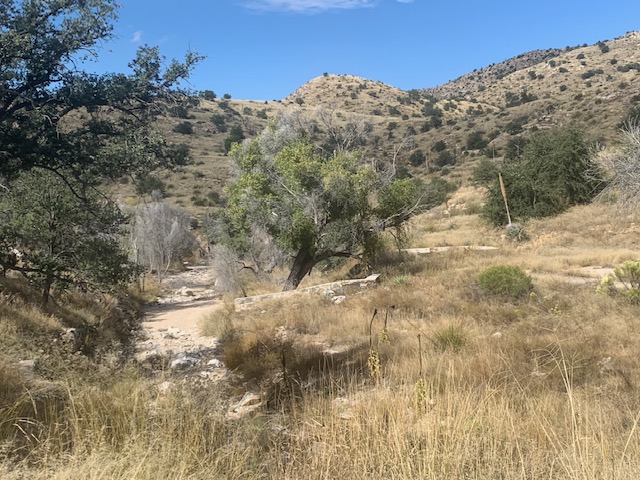
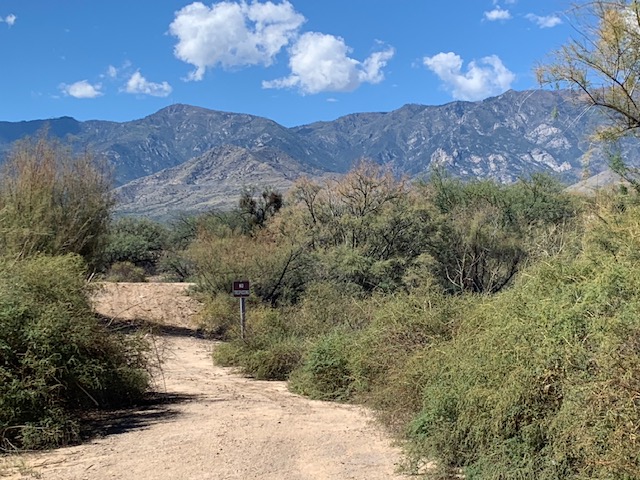
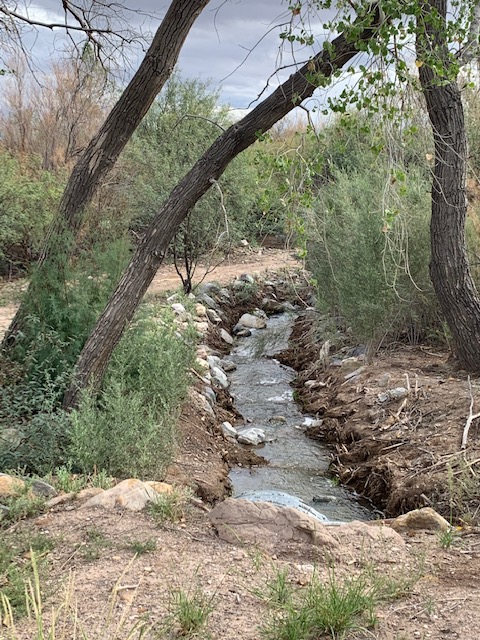
We stopped and hiked at the Molino Canyon Vista.   It was a deep canyon with a creek running through it. This area was a fabulous spot and a great place to boondock, as someone had setup a yellow table cloth and their tent was close by. A really neat place for sure.

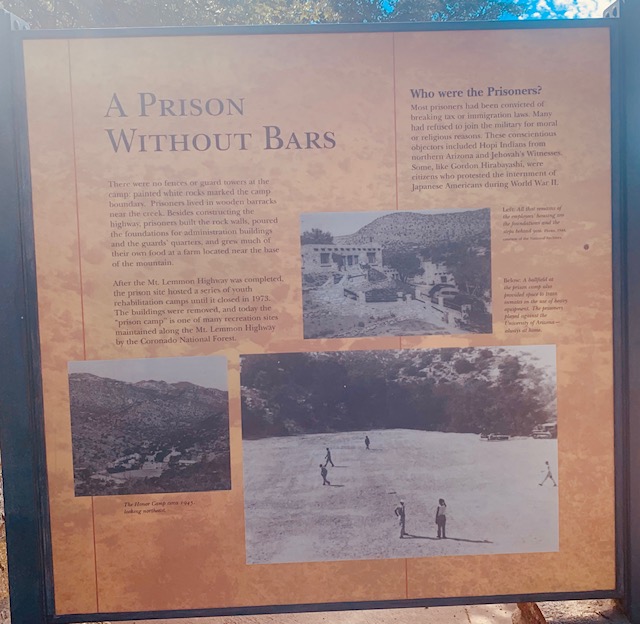
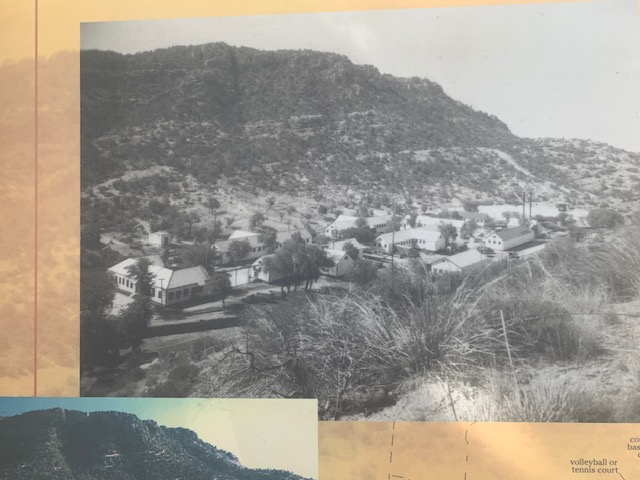
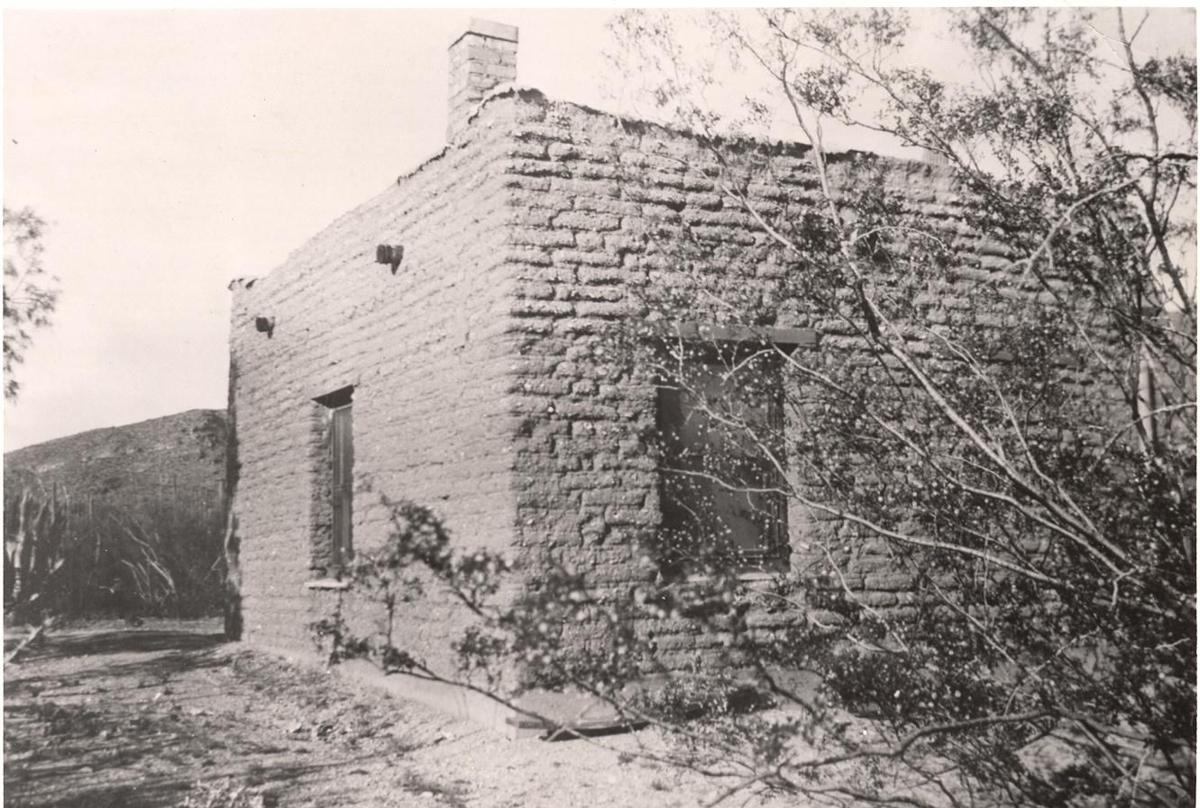
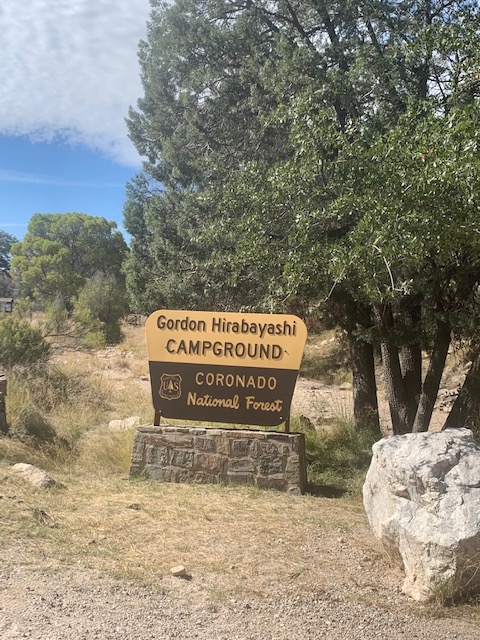
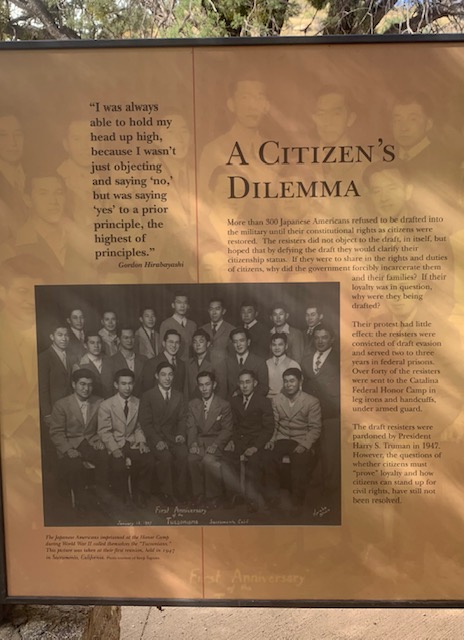
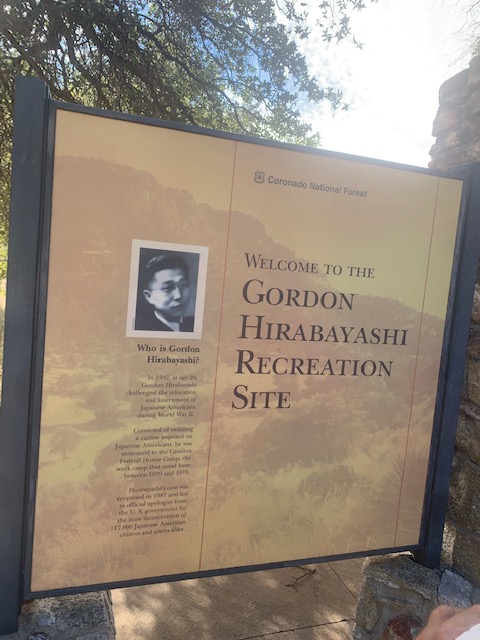
This site is also known as Prison Camp. The site was a Federal Honor Camp beginning in 1937 to house federal prisoners who worked to build a road for access into the Santa Catalina Mountains.  The Prisoners had been convicted of federal crimes ranging from immigration law violations to tax evasion to bank robbery.

During World War II, many of the prisoners of this camp were conscientious objectors whose religions prohibited them from serving in the military. Some were Japanese Americans, as Gordon Hirabayashi was.  After WWII  Japanese Americans and many American Citizens, were imprisoned in these camps for fear they would conduct espionage and sabotage along the west coast.  Gordon later fought that he was imprisoned wrongly, he won the case and after that the area is become known as The Gordon Hirabayashi Recreation Site.

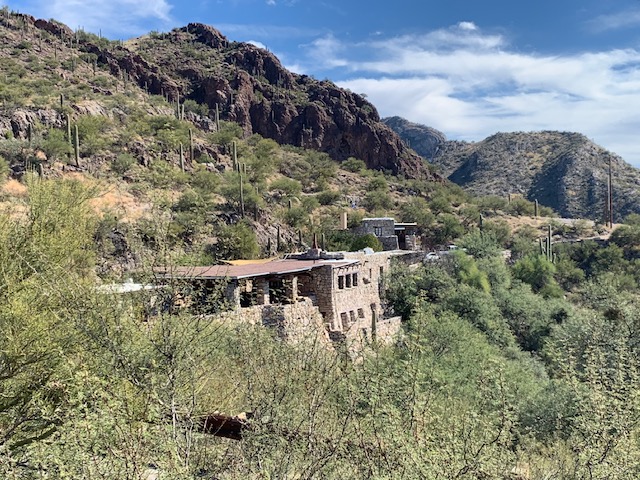
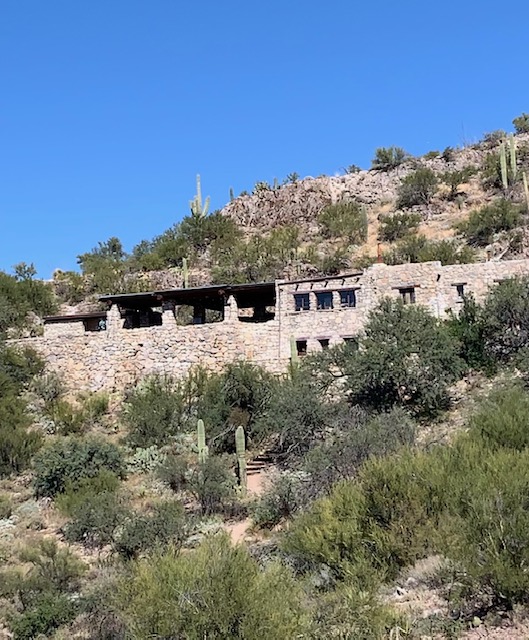
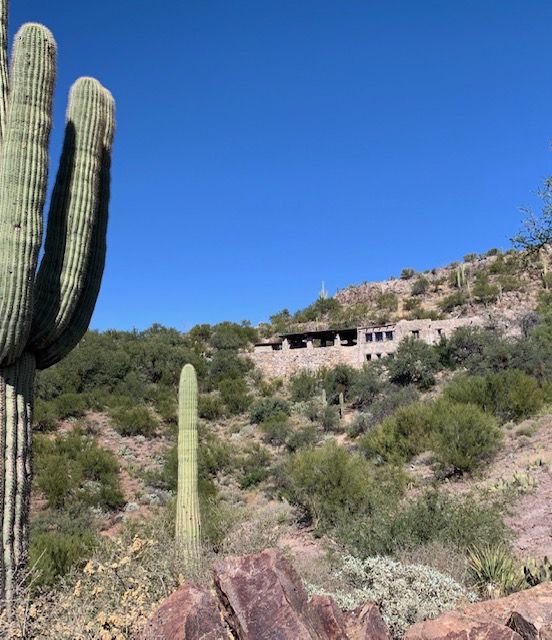
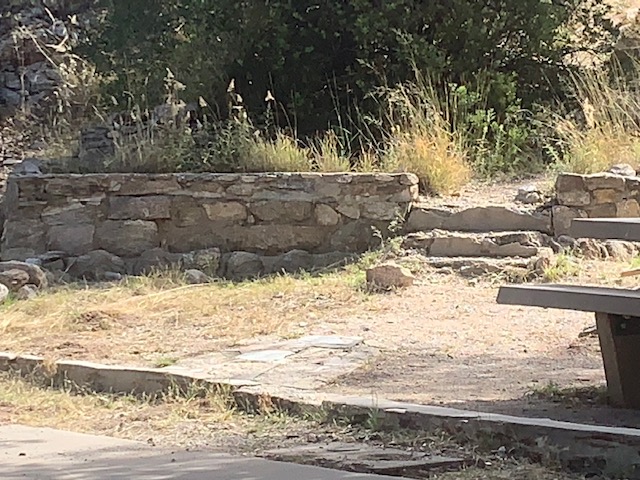
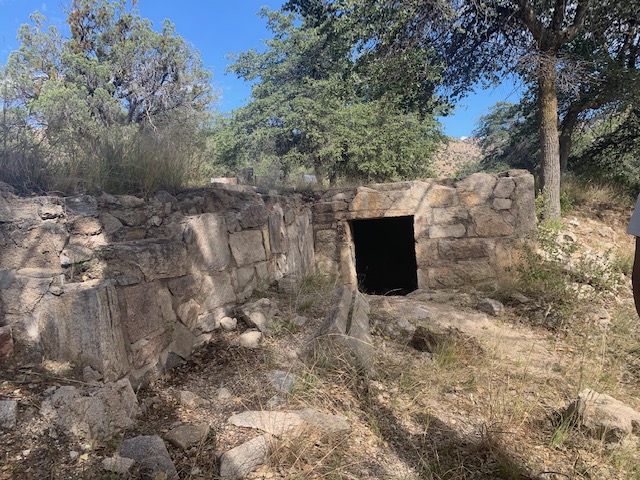
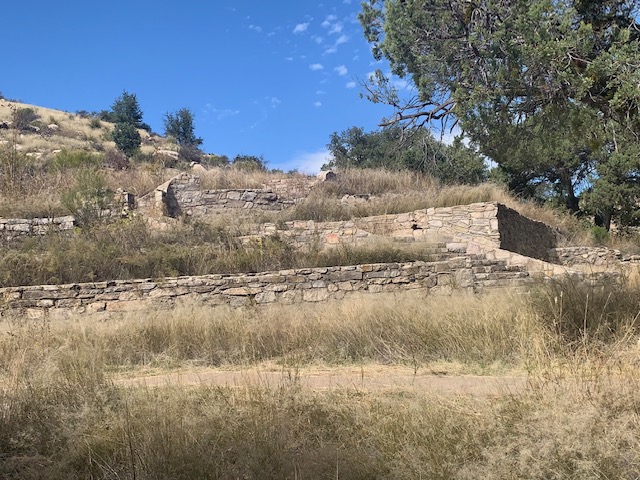
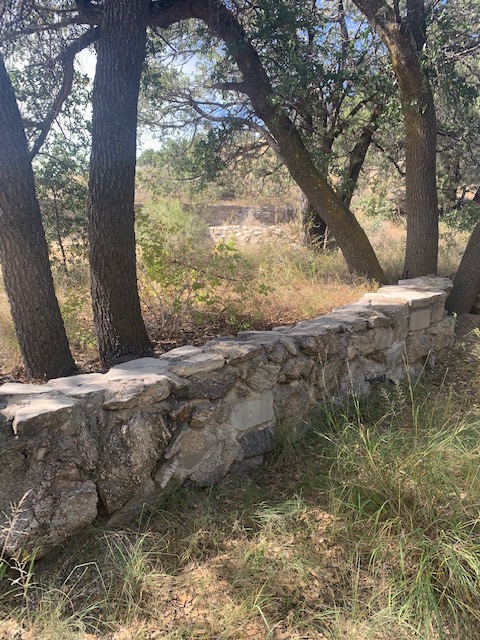
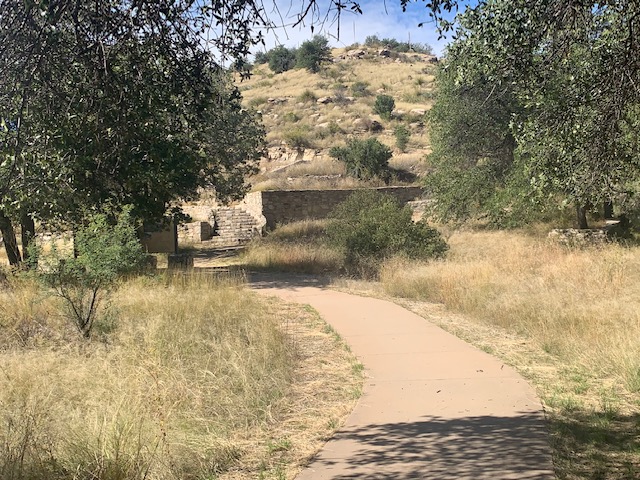
What’s left of the prison today.

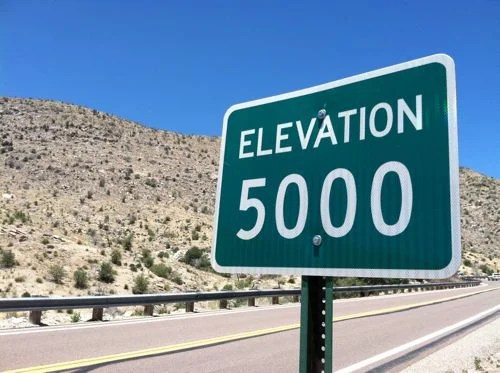
At this point the elevation being 5000ft. it was just a tad chilly.

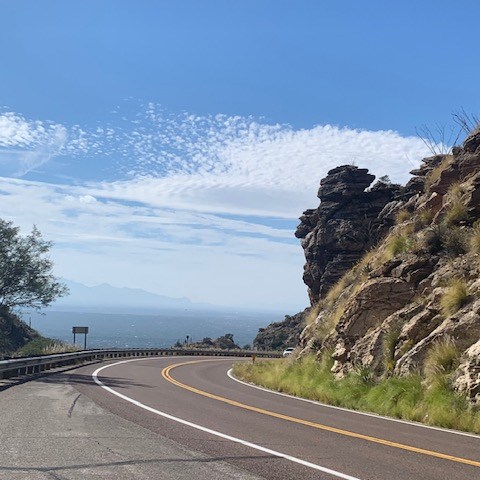
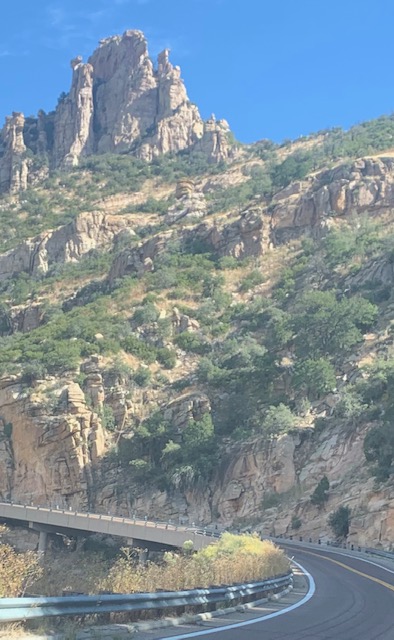
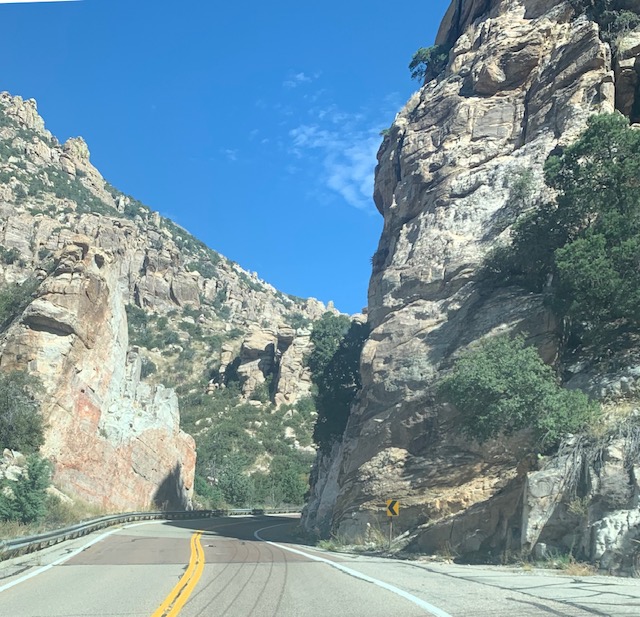
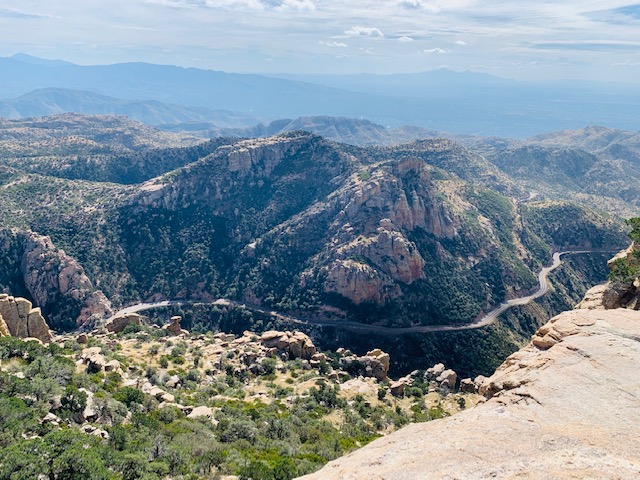
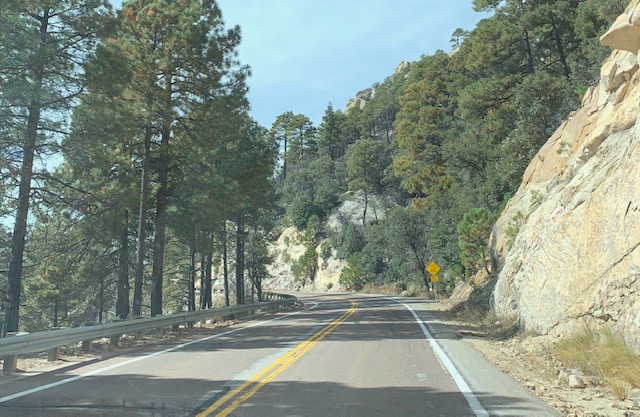
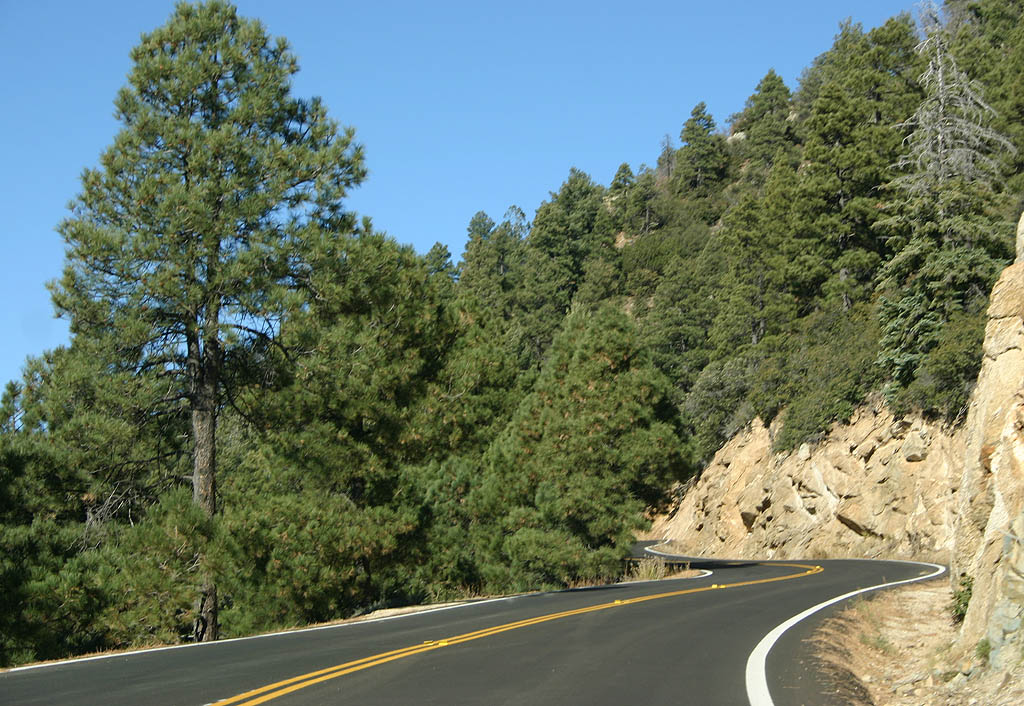
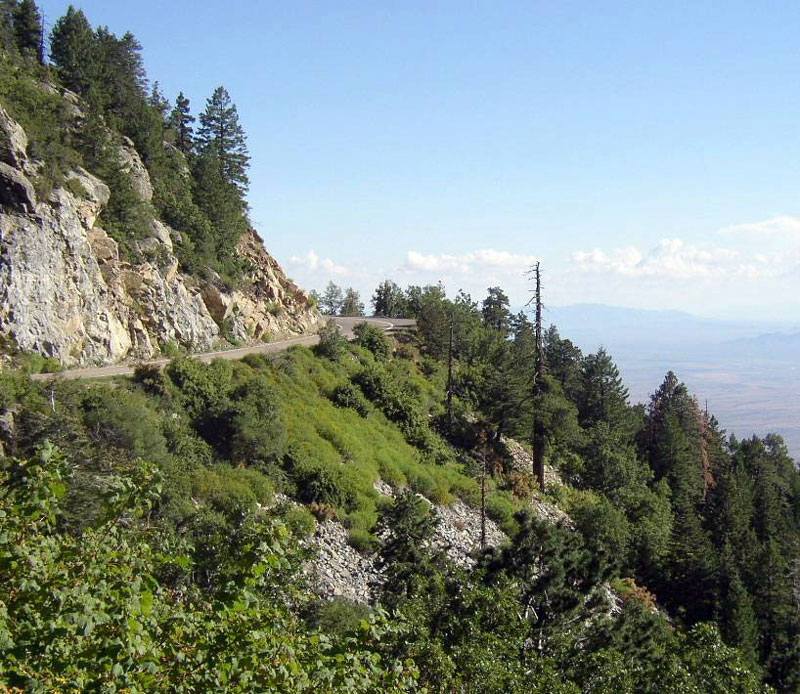
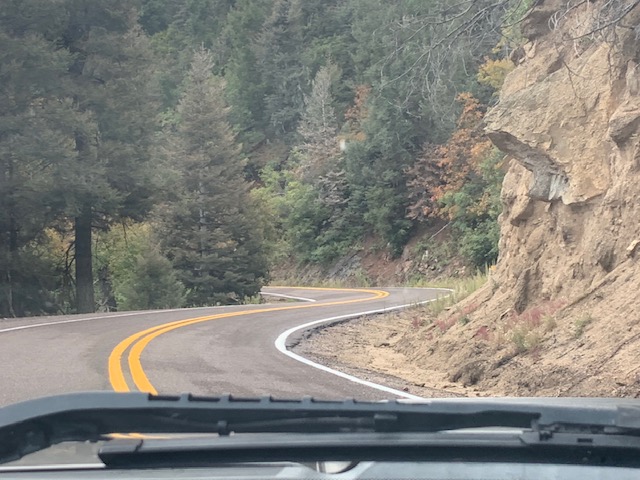
The Scenic Highway is windy & curvy as it goes up the mountain. Dave had fun, plus now he has experience in driving these roads.

This picture shows the windy road from Windy Point Vista.

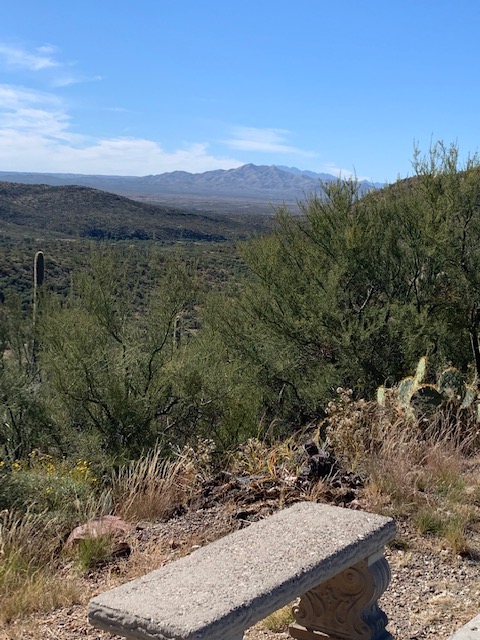
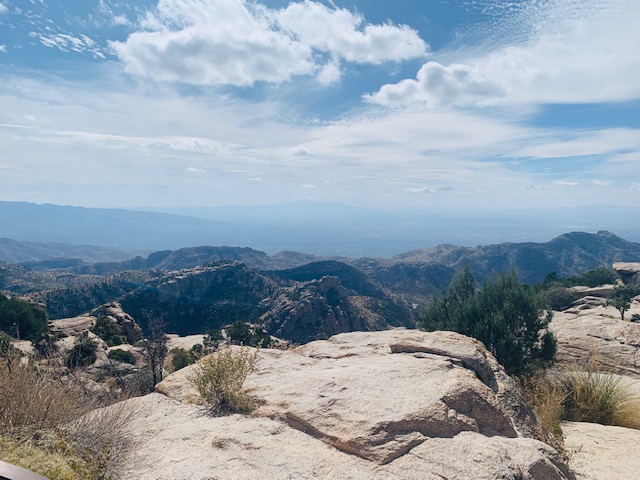
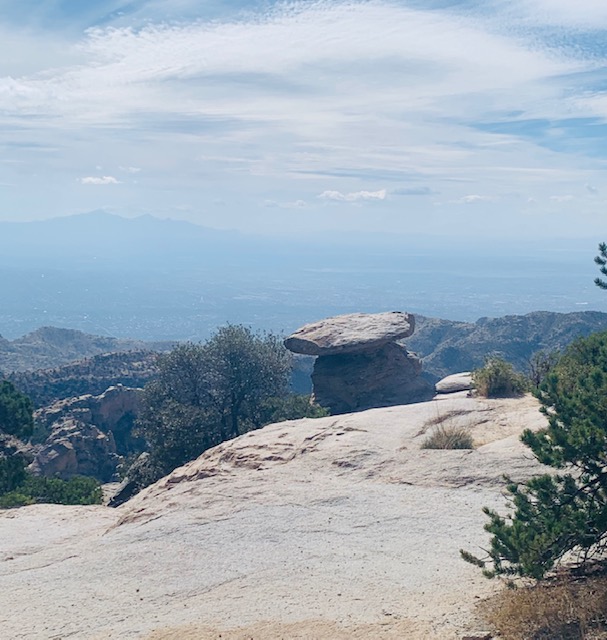
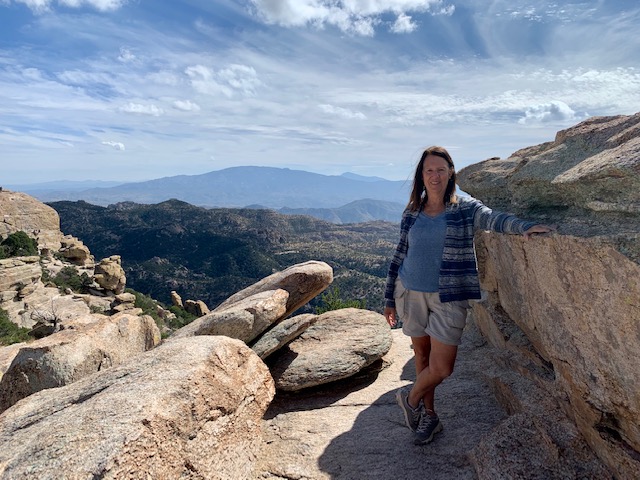
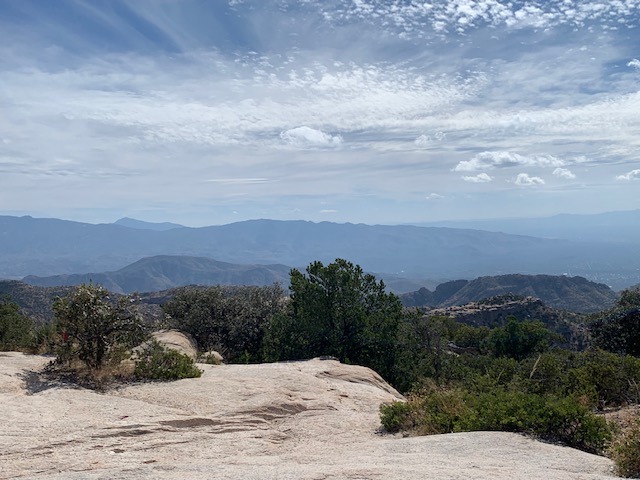
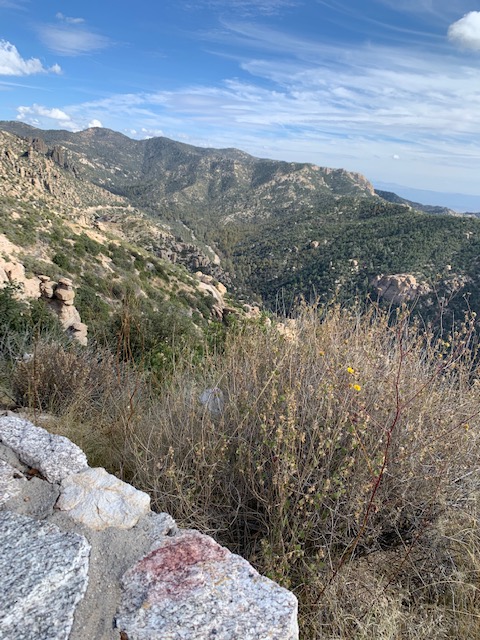
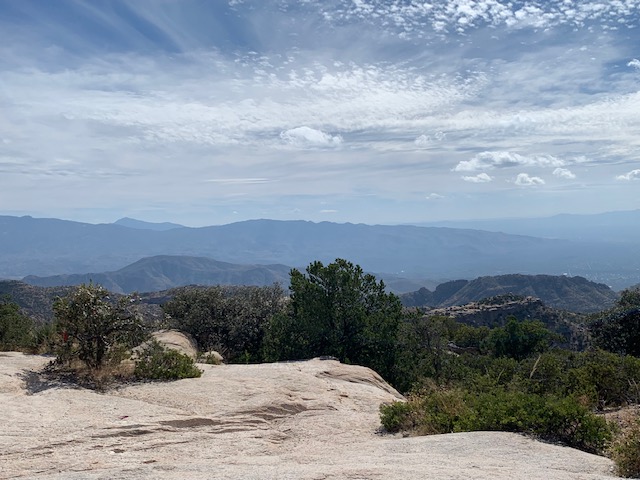
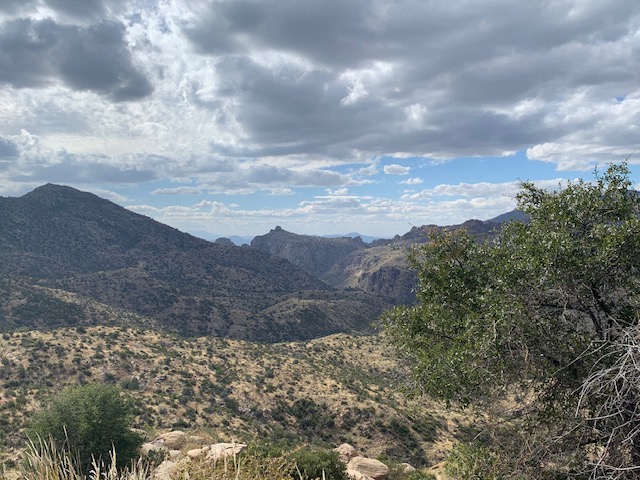
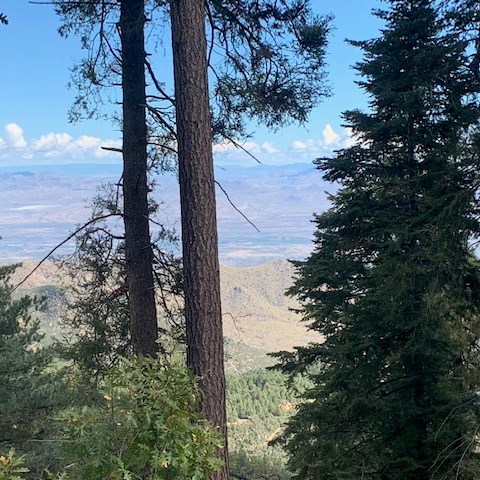
Windy Point is a scenic view point on Catalina Highway, on Mt. Lemmon. The overlook provides a a great view of the Catalinas and the Tucson valley below to the east and the Rincon Mountains to the west. 

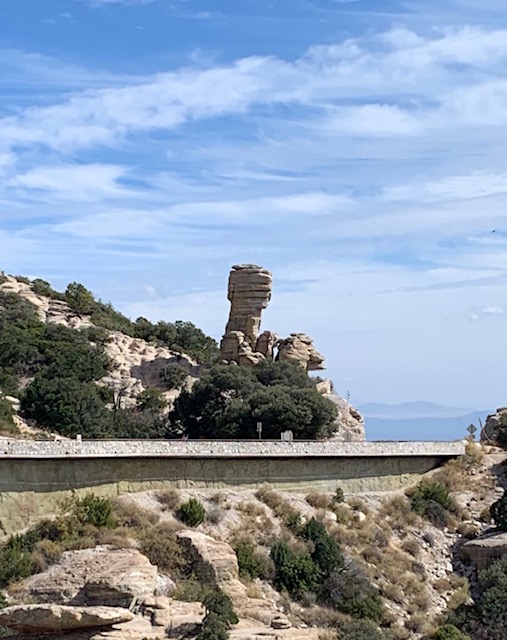
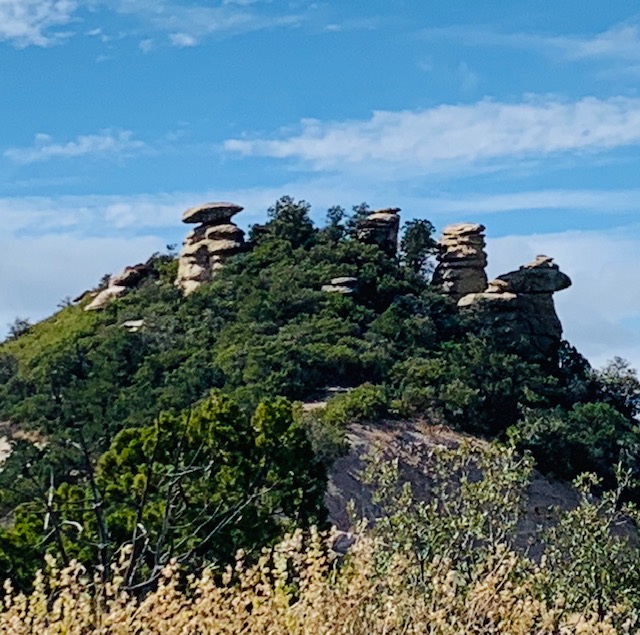
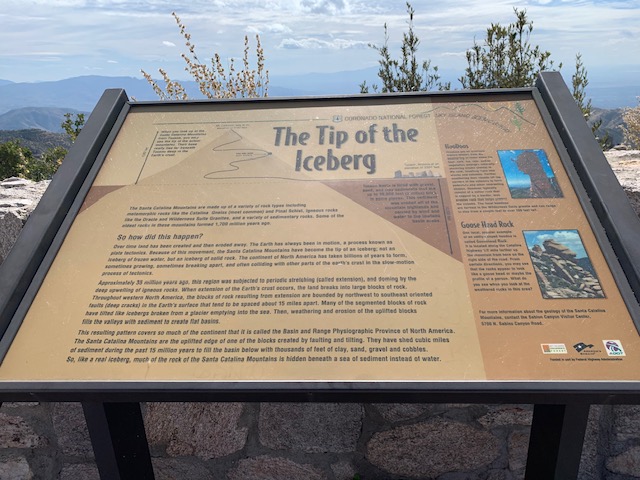
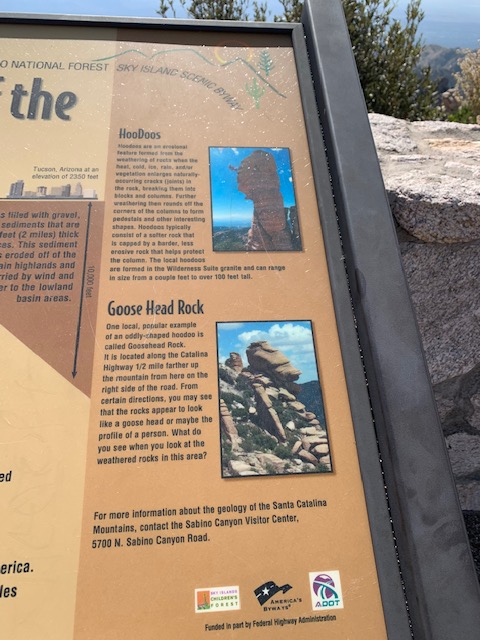
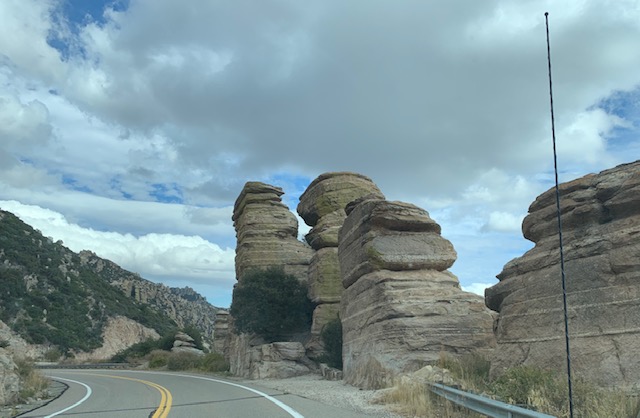
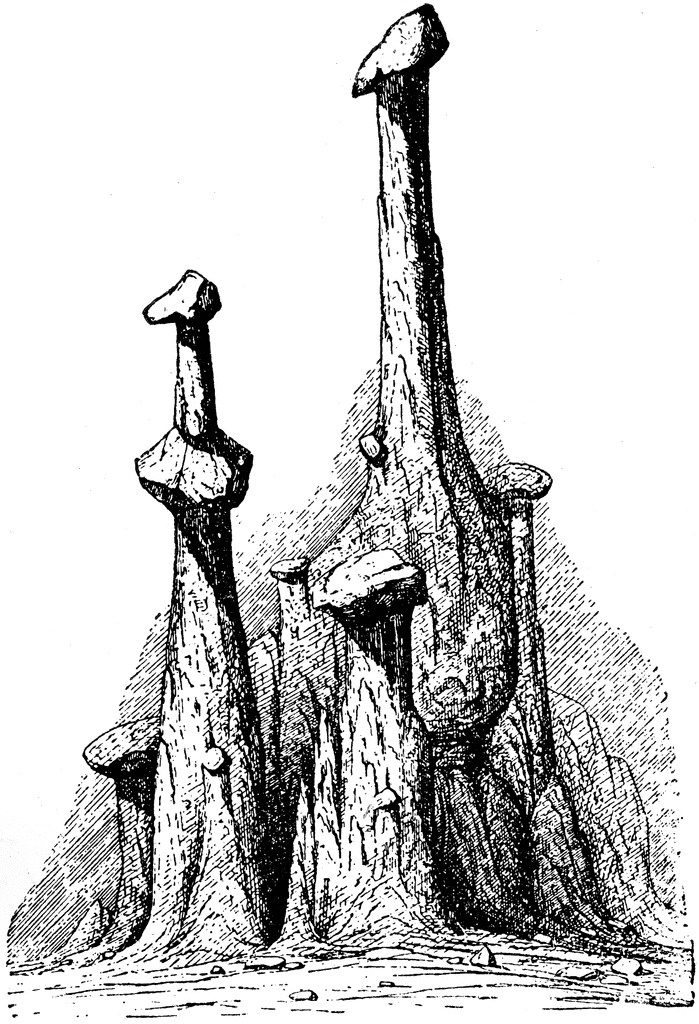
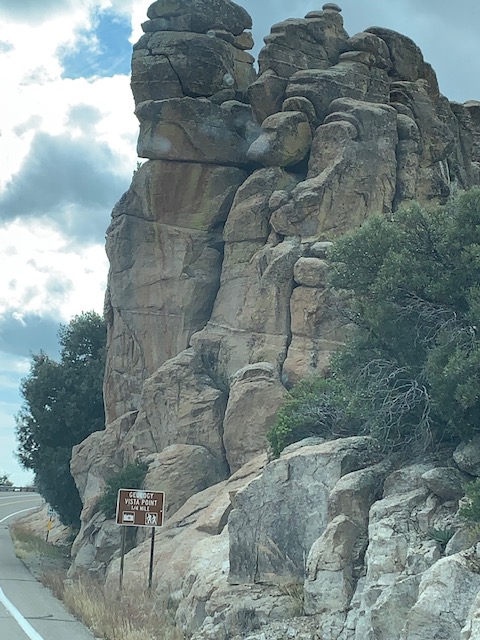
We never thought we would see hoodoos here, but it was great to see them, the huge tall rocks that look like statues.

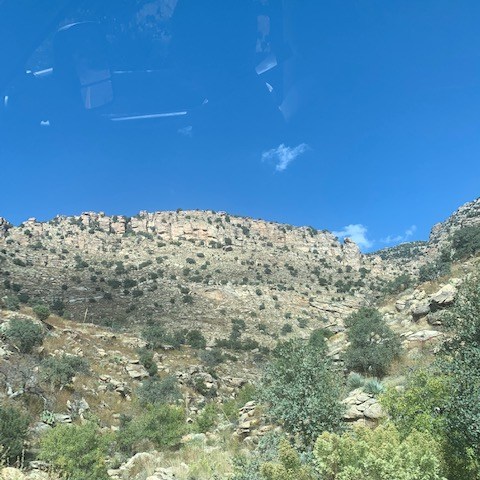
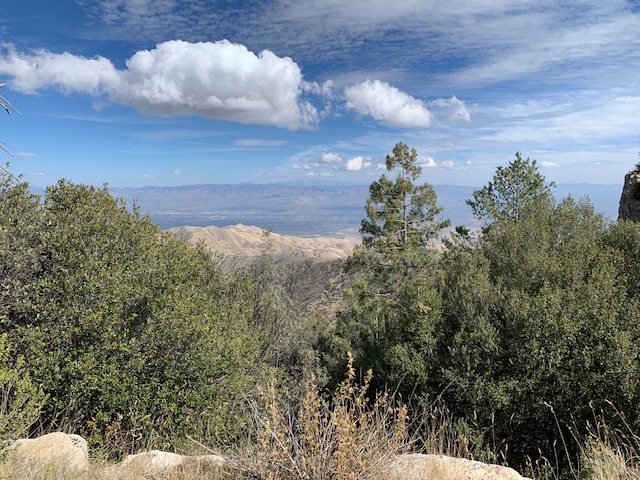
Windy Point’s elevation is 7000ft. it was windy and felt very chilly. We noticed we started to see taller trees.

There are a lot of people who also bike up the mountain because it’s one of the highest roads in the state. 28 miles going up hill, I gotta give them a lot of credit, plus some of them looked older than us.


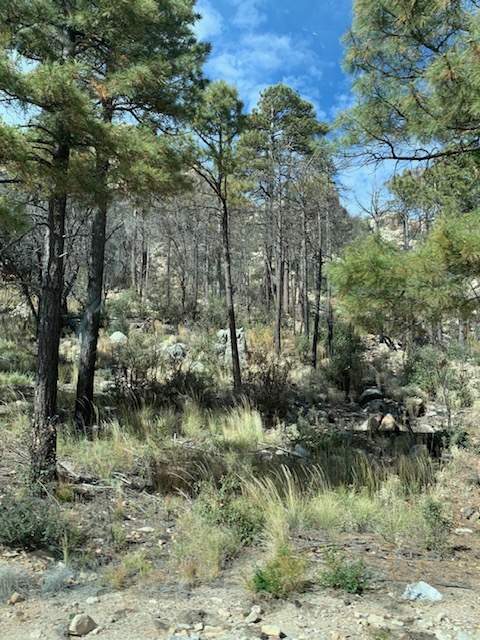
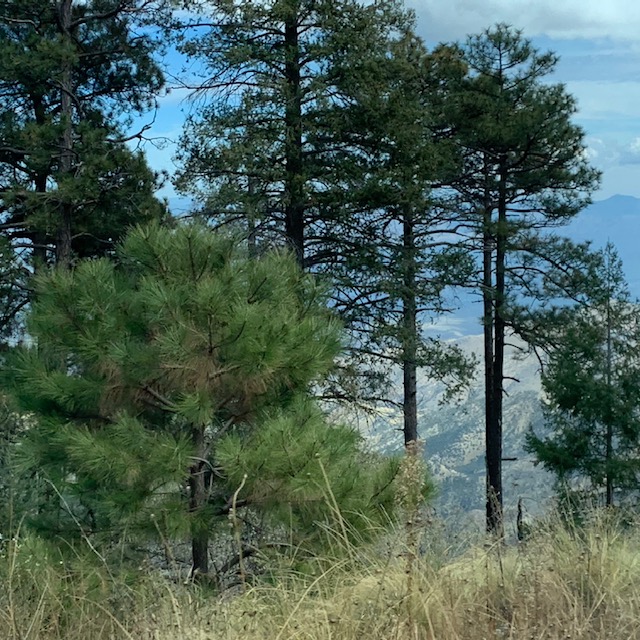
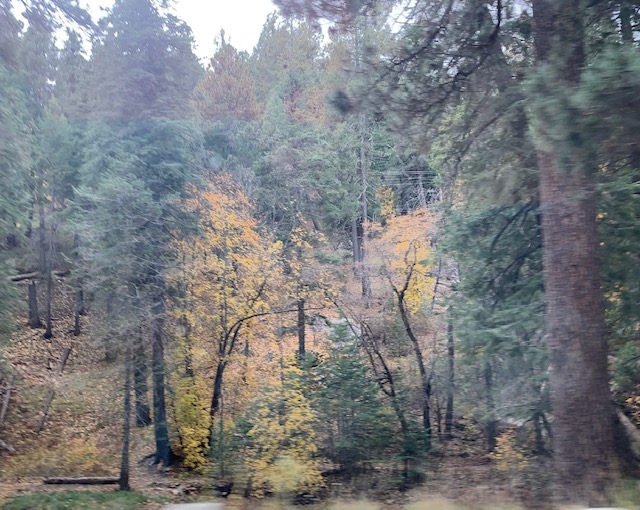
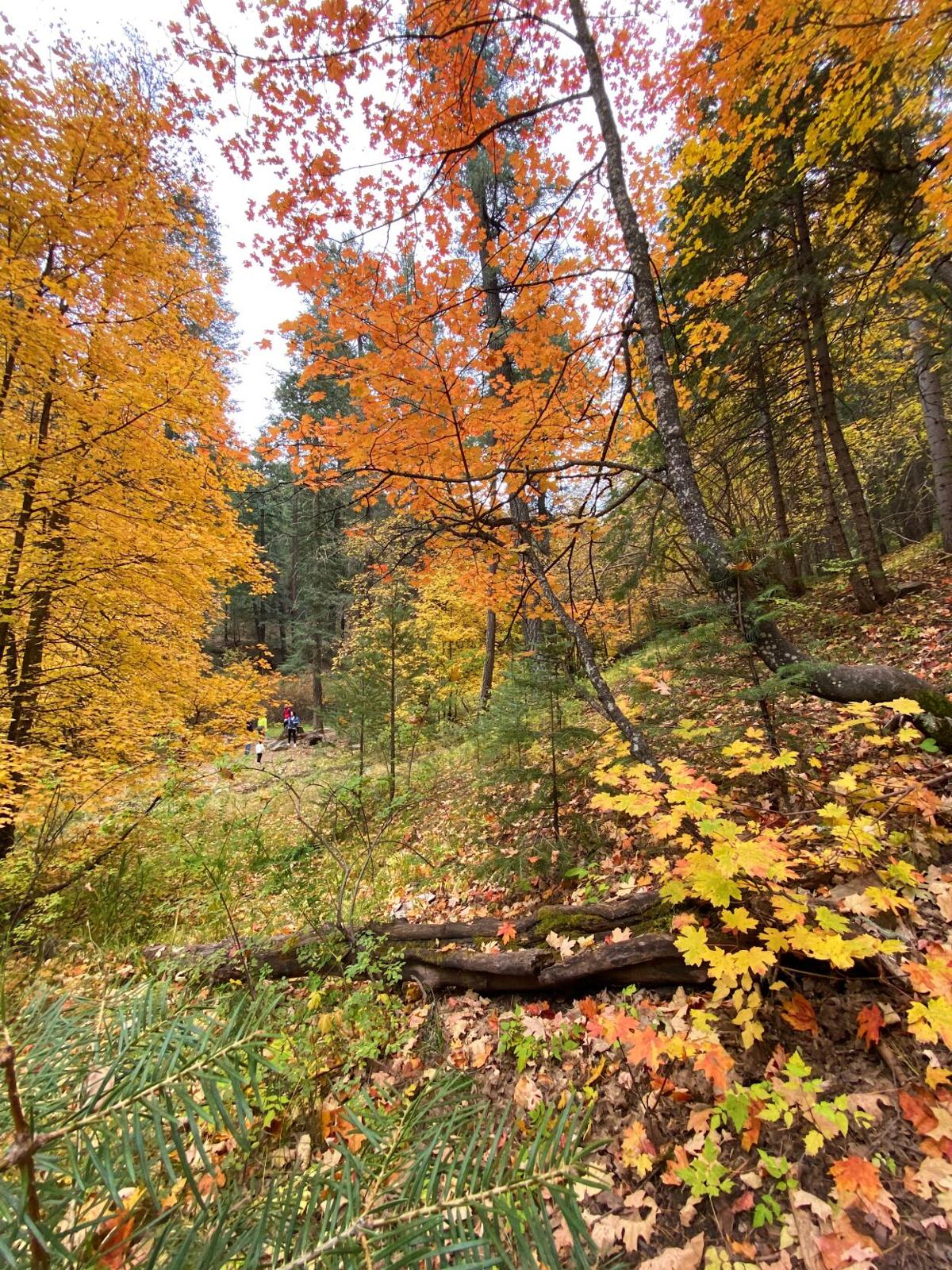
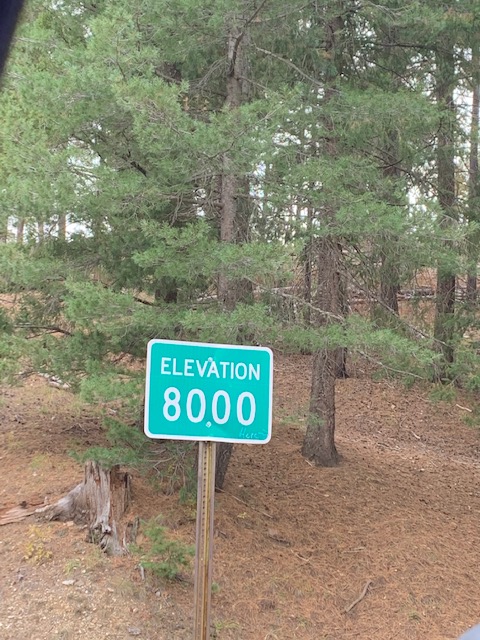
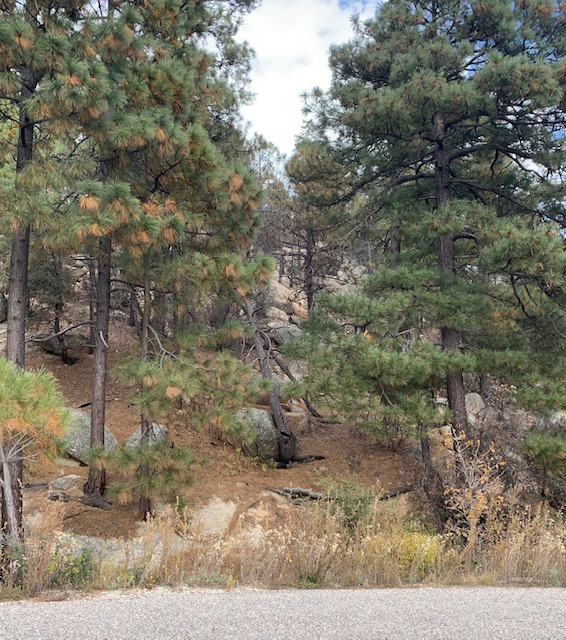
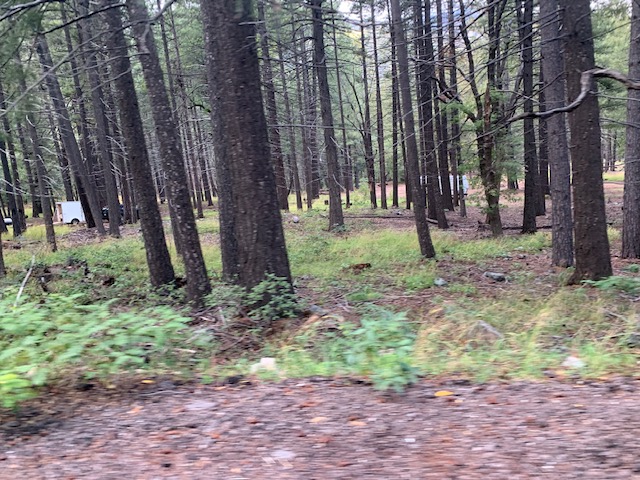
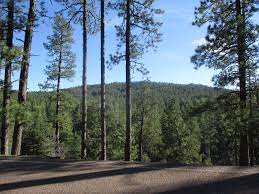
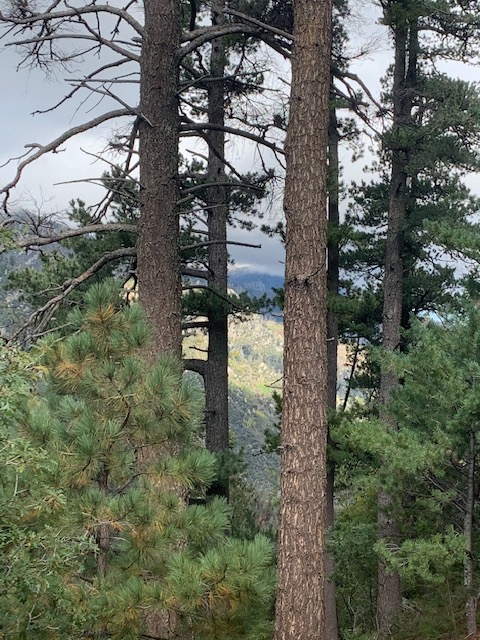
We kept driving higher and rolled up our windows because now we were 8000 ft. elevation, and it was about 45 degrees. All we were seeing is some leaves that changed color and pine trees.

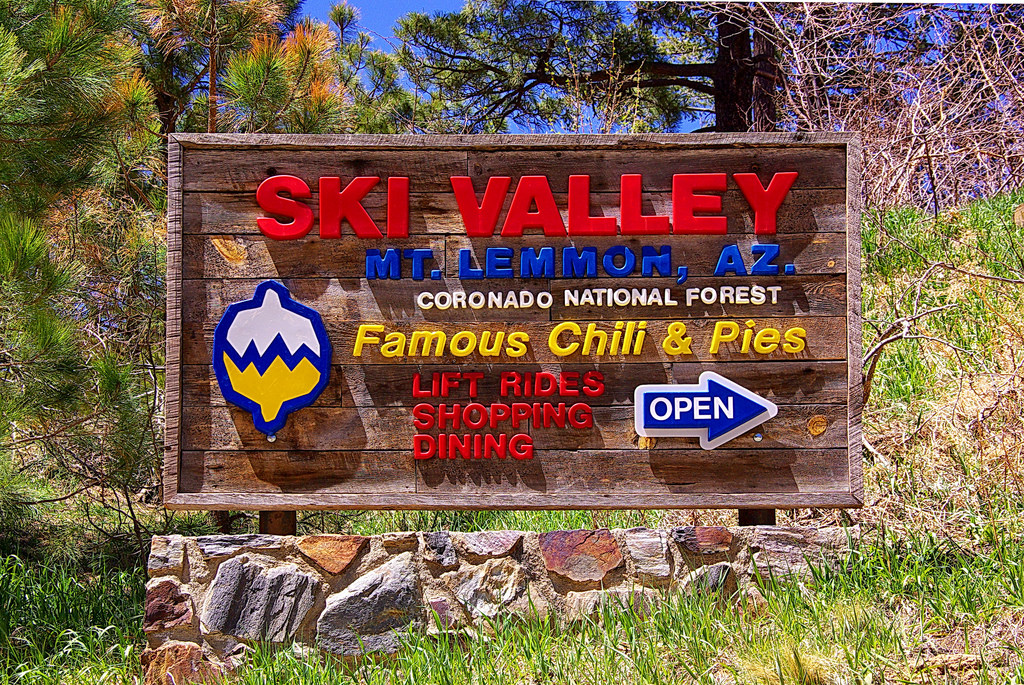
We knew there was skiing on top of the mountain and signs told us so.

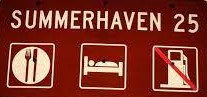
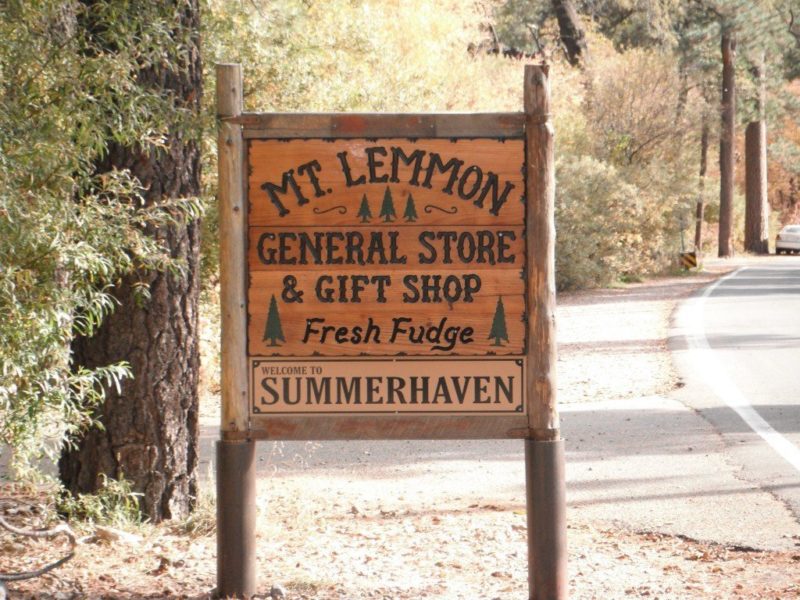
As we drove by the Ski Valley and kept going up higher we came to Summerhaven?

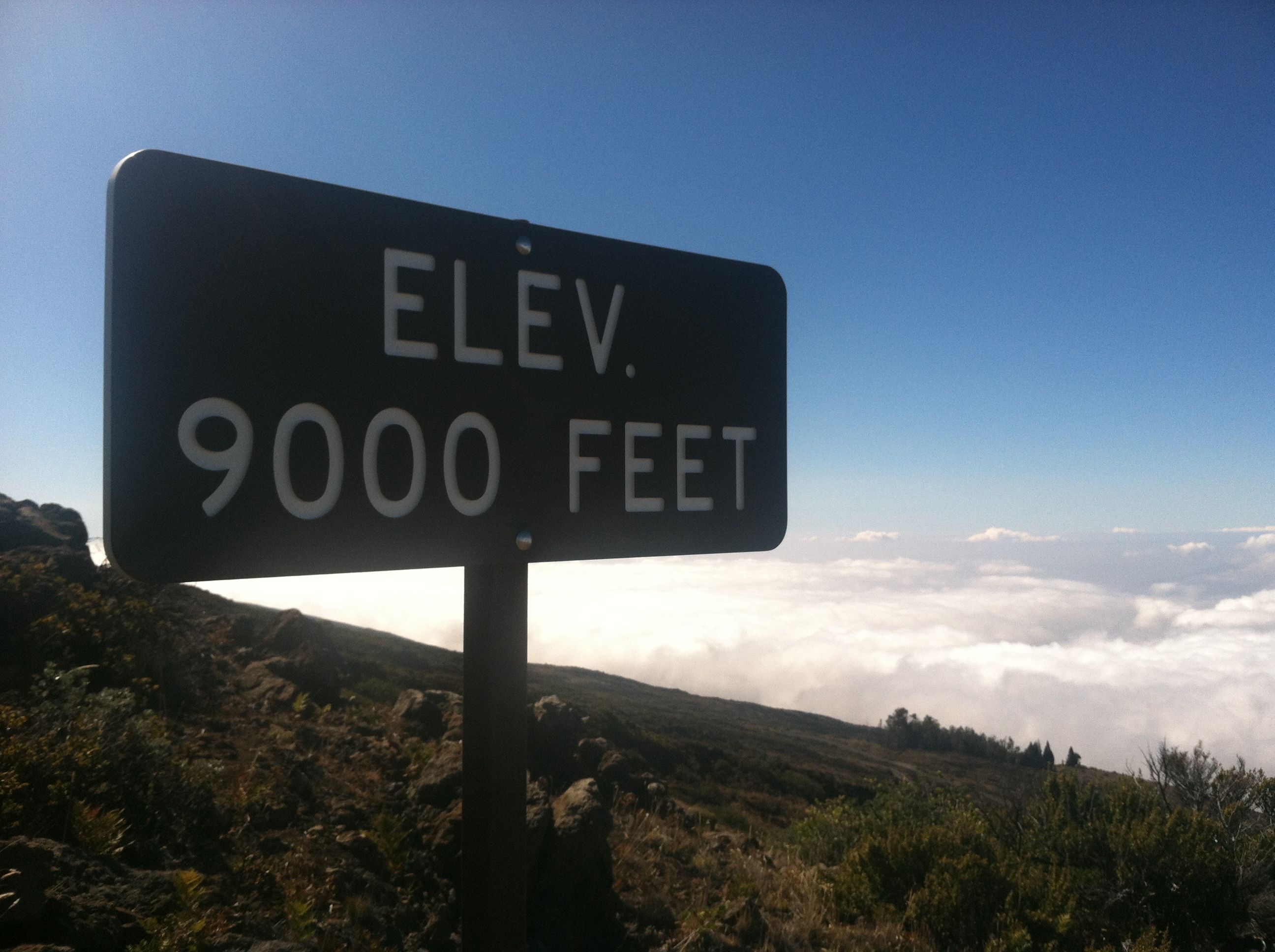
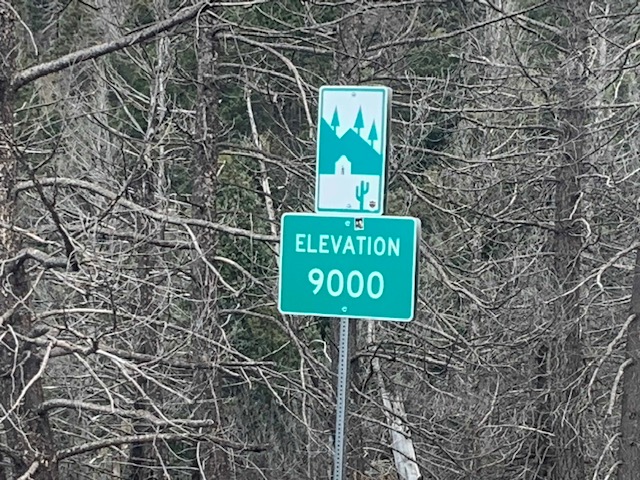
It was definitely chilly up here at 9000 ft elevation.

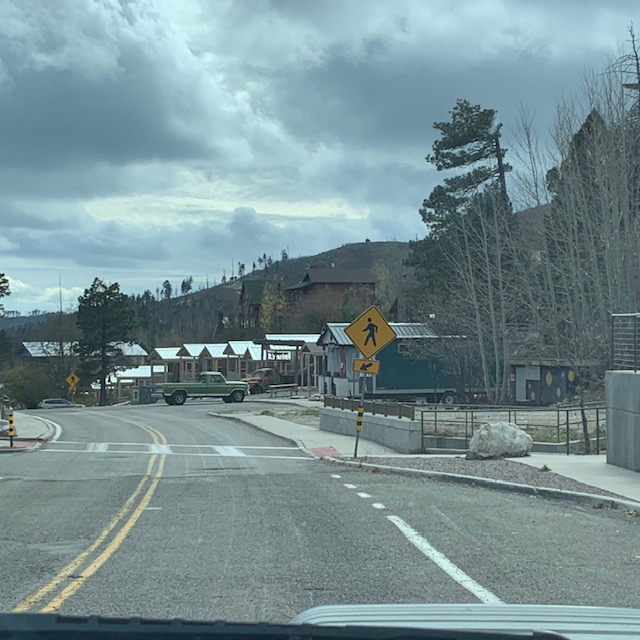
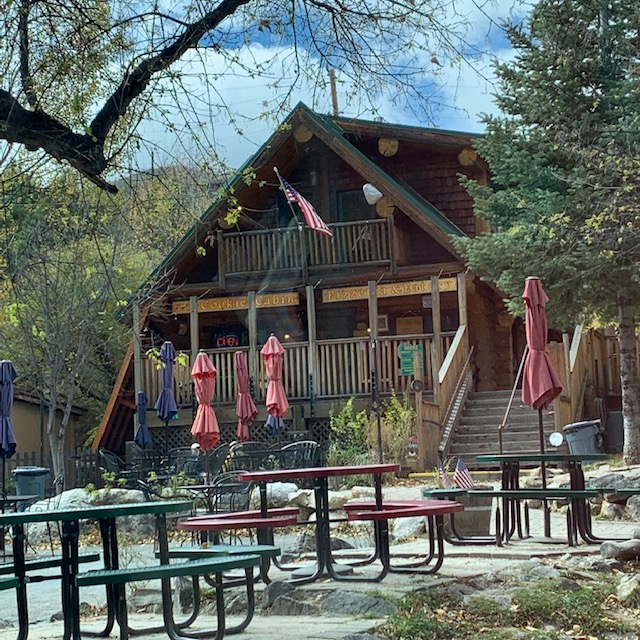
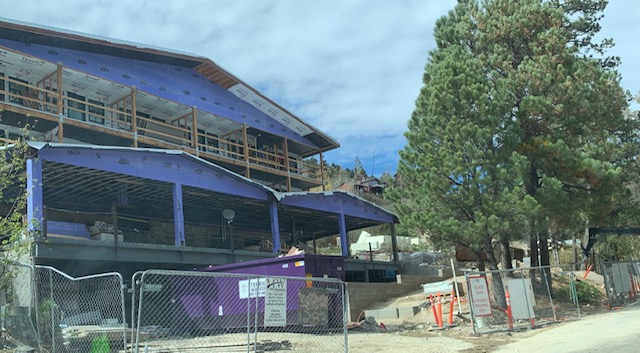
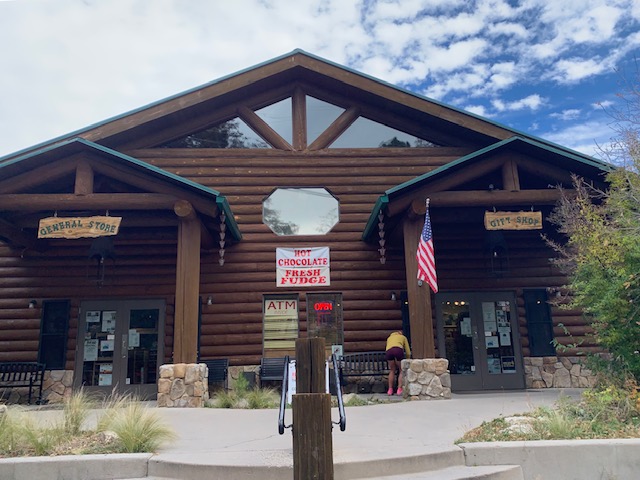
It was like we were on a mountain top in a small town somewhere in Vermont … Not Arizona. We drove thru the town and the road turned into a dirt road so we turned around and started back down. We did stop at Mt. Lemmon General Store to get some fudge, boy was it delicious! You can rent a room, get a bit to eat, there is a couple of restaurants, stores and a post office.

Little did we know that Summerhaven was even at the top but it’s popular both in the Winter & Summer. In Winter they say Mount Lemmon ski resort is the number #1 local ski hill for residents of Tucson, AZ and claims the title of the southernmost ski resort in the United States. In the hot summer months when it’s 100 degrees or more, people come to the top of the mountain where it’s 20 to 30 degrees cooler.

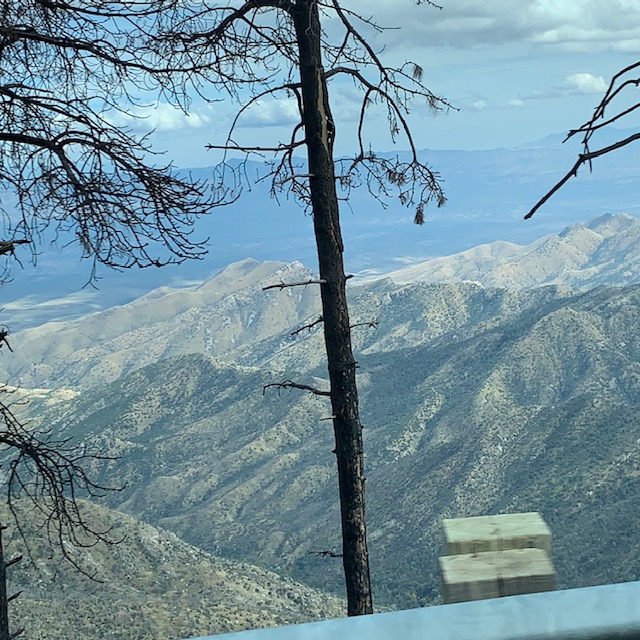
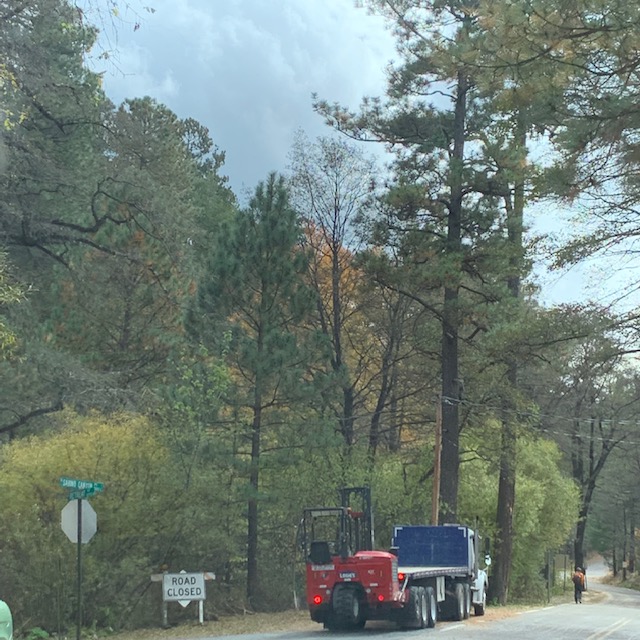
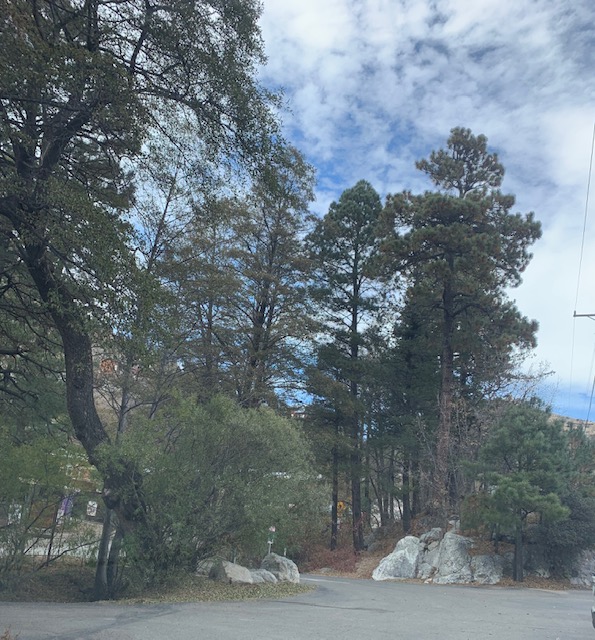
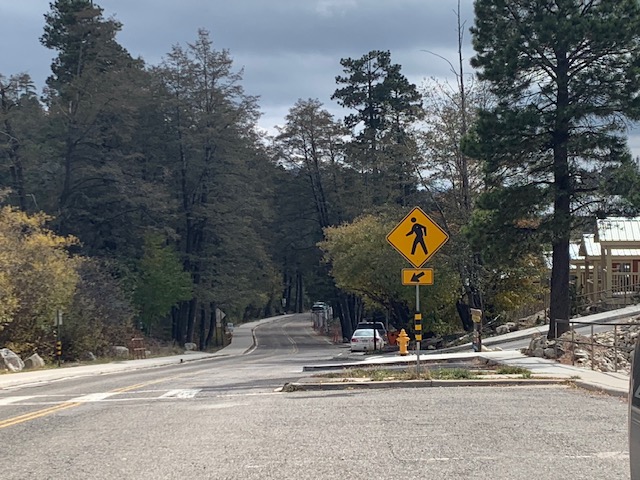
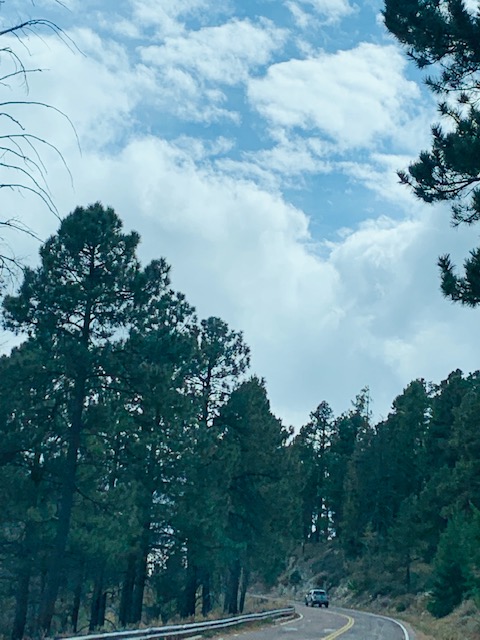
Some pictures of our trip back down Mt. Lemon.

All we can say is that we saw breathtaking views and a climate change that people say is similar to driving from Southern Arizona to Northern Montana. Each thousand feet up is like driving 600 miles north offering a unique opportunity to experience 4 seasons in one trip. It was a really spectacular drive and we feel it’s up there with one of the neatest things we’ve done.

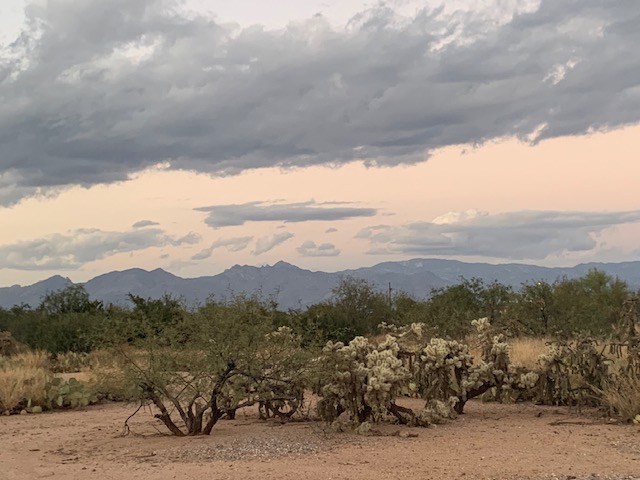
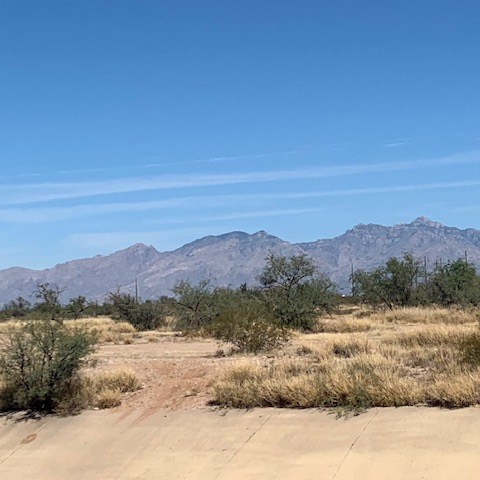
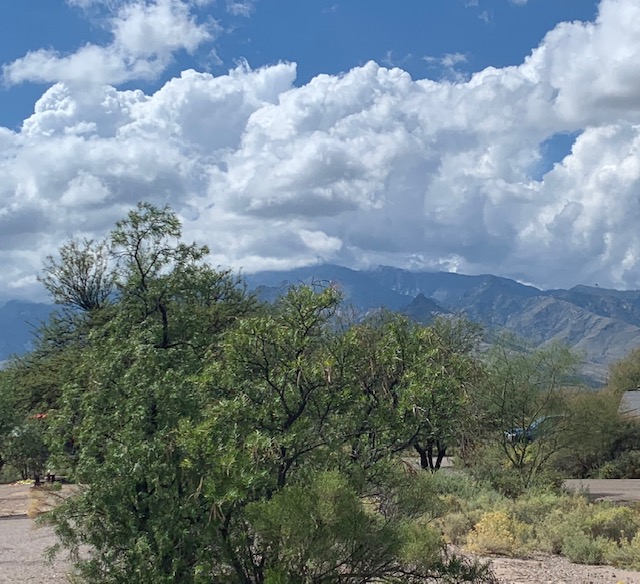
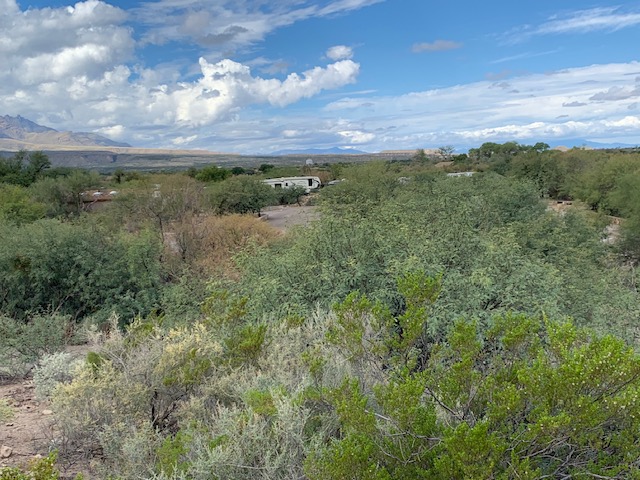
View of the Santa Catalina Mountains and Mt. Lemmon from the campsite we’re at.

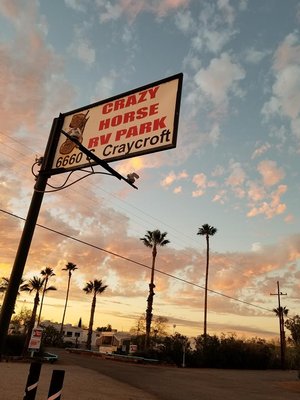
We’re chillin at Crazy Horse

Where we took some time to clean, re-organize and take a breather from our travels.
Our friends Scott & Dawna came for a visit from the Mesa area. It was great to see them!

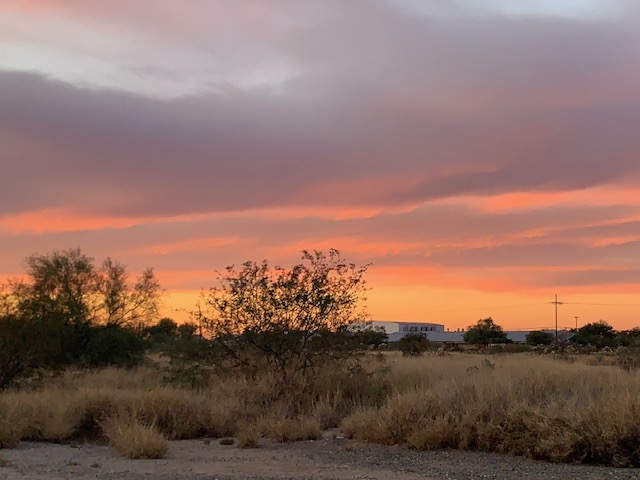
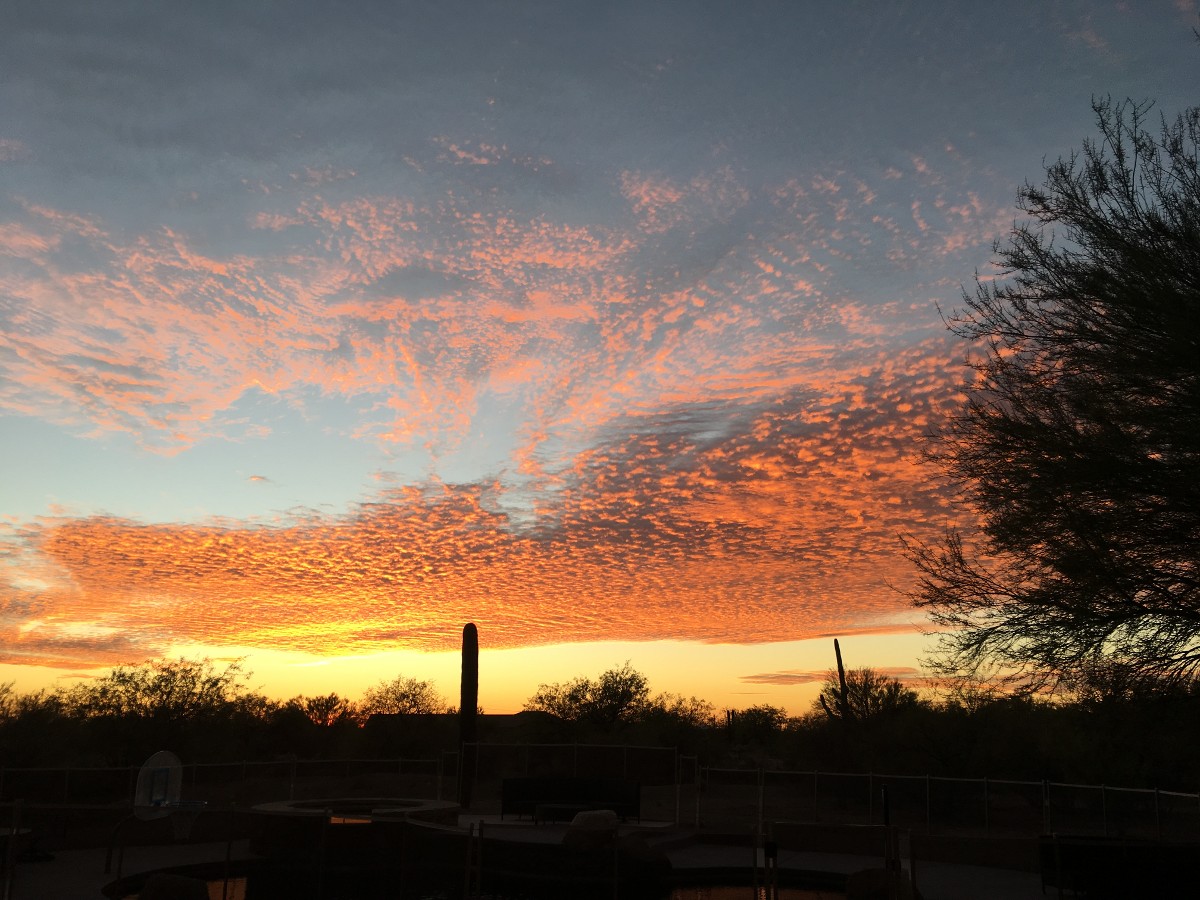
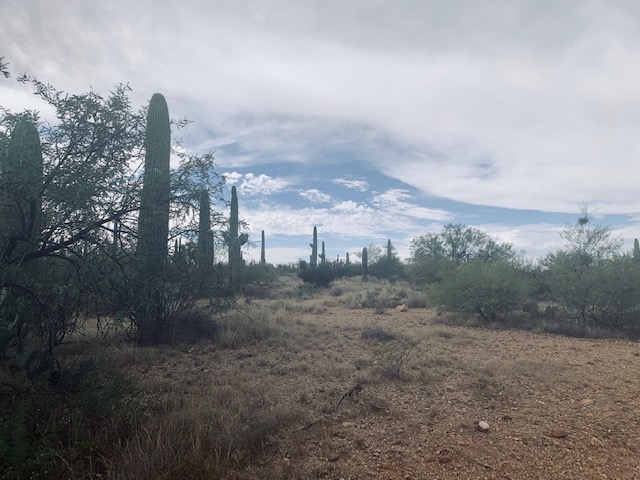
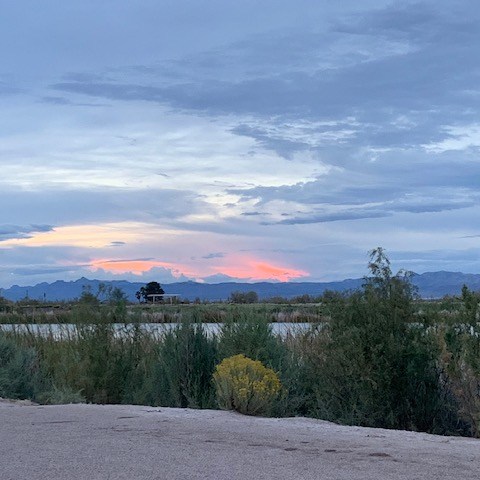
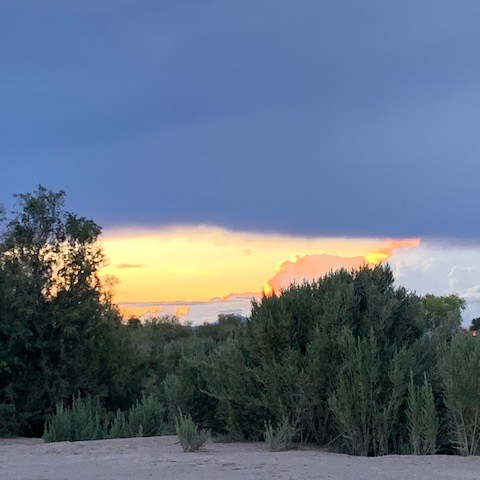
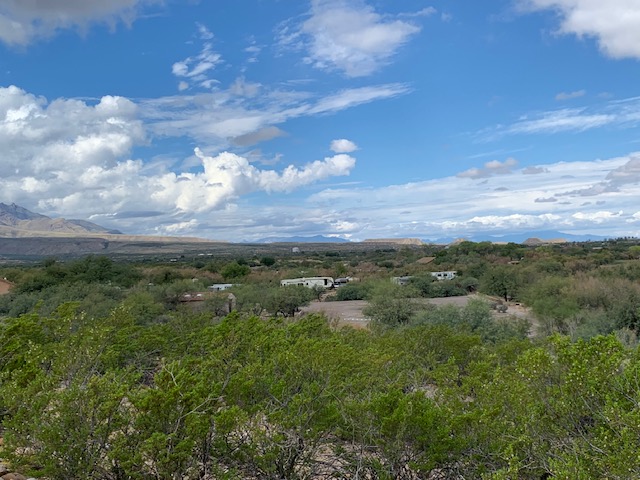
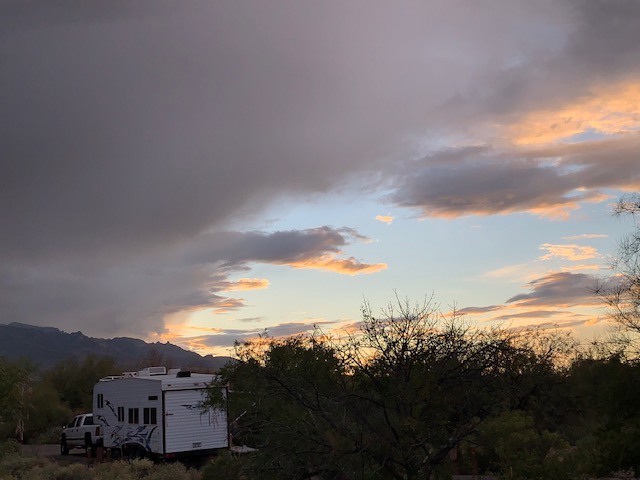
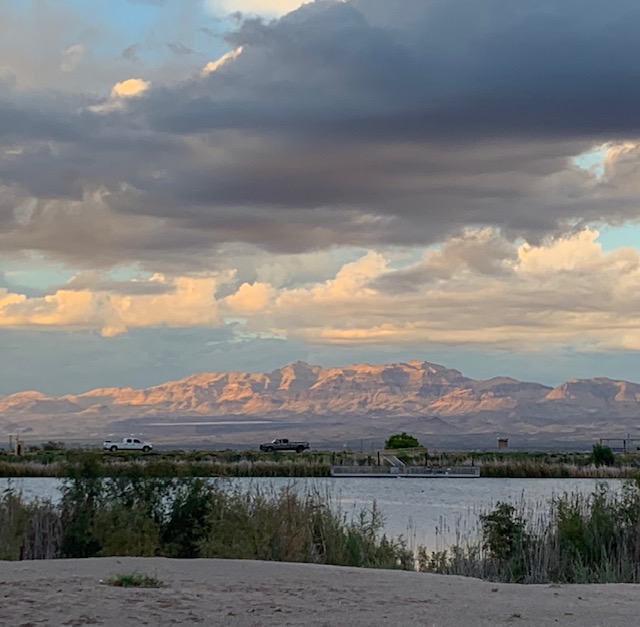
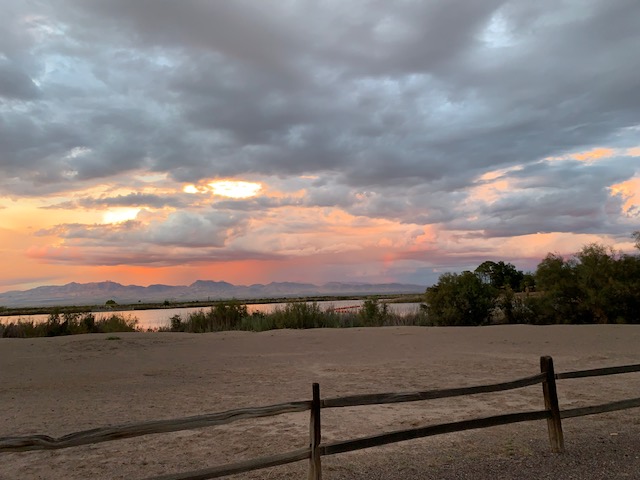
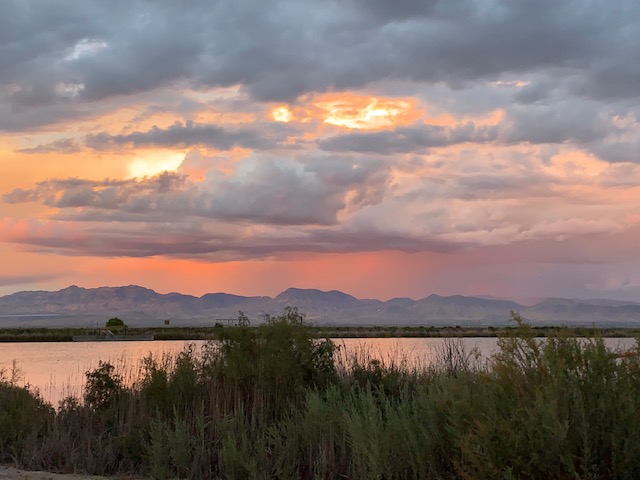
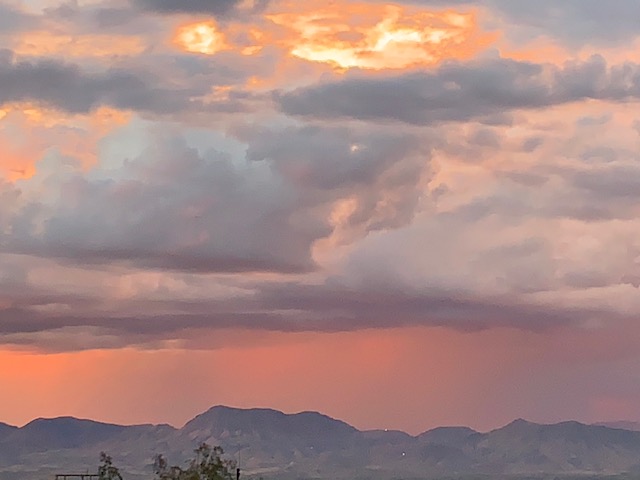
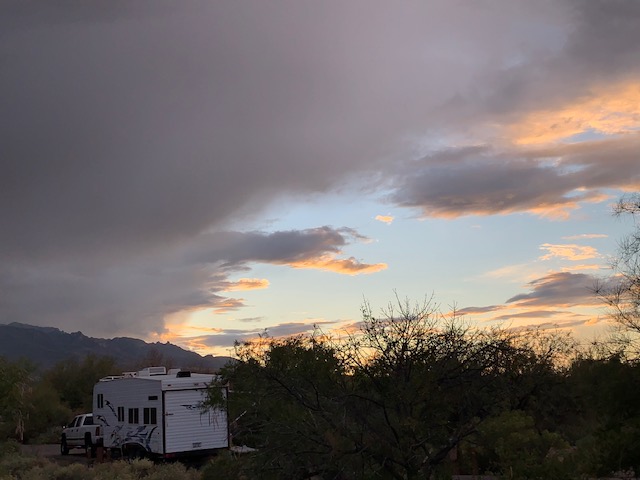
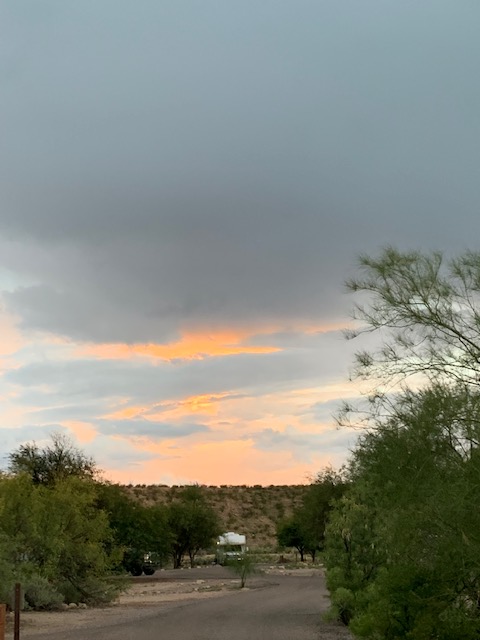
Pictures of the sky at the Campground

This past Wednesday we ventured out to . . .

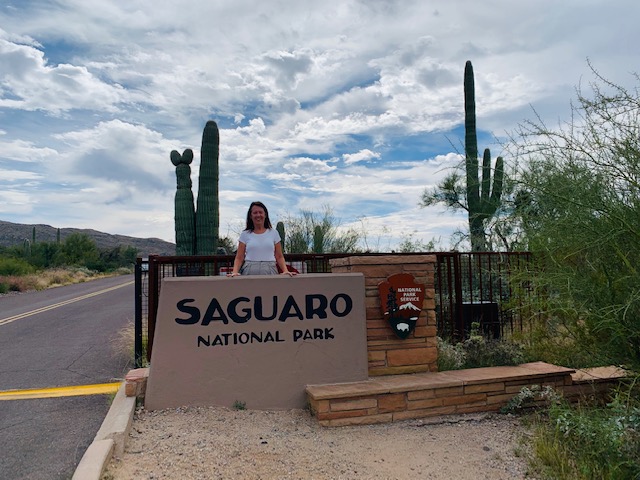
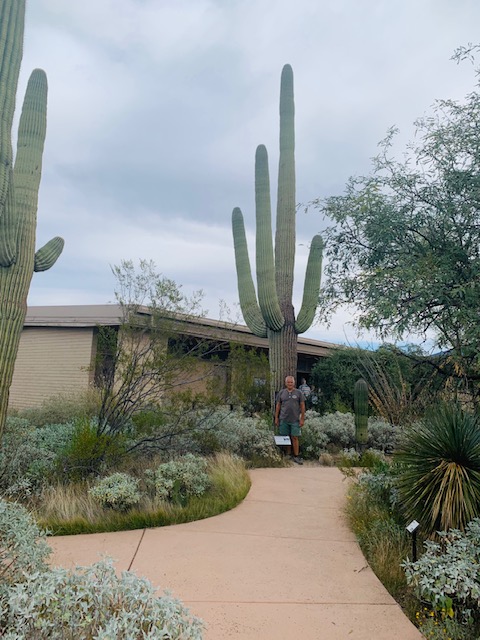
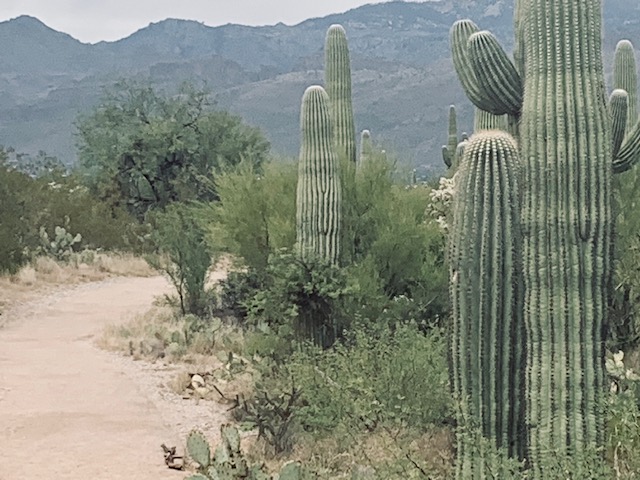
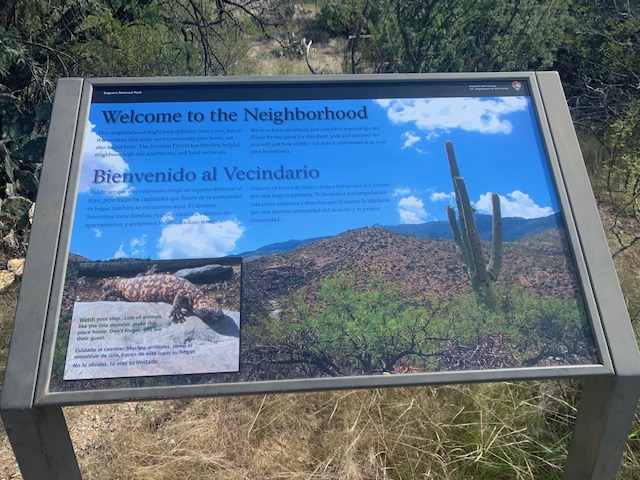
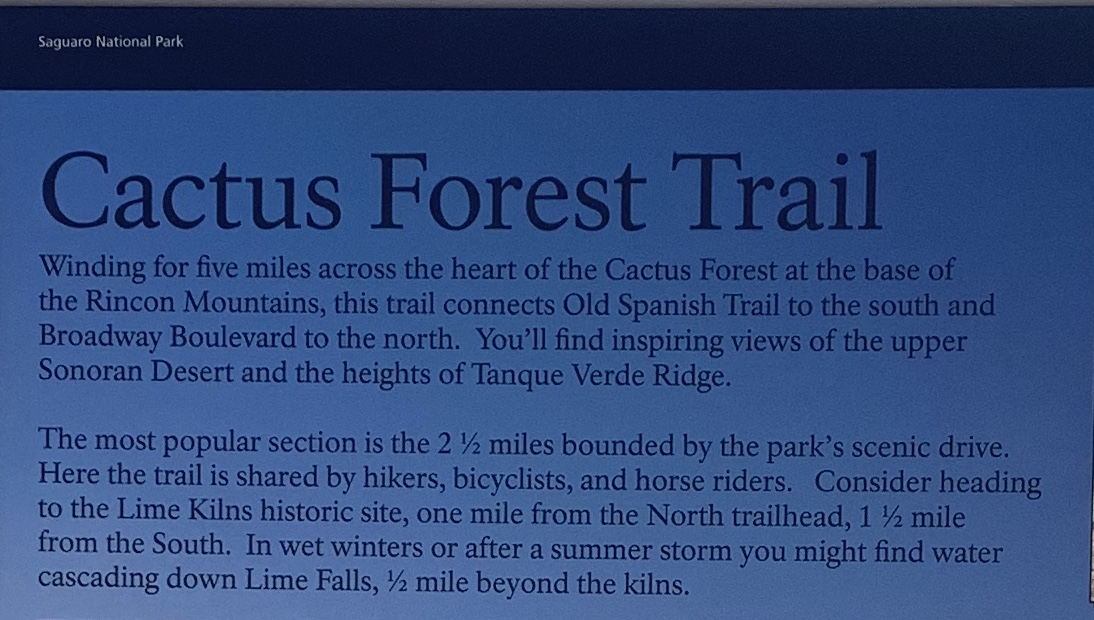
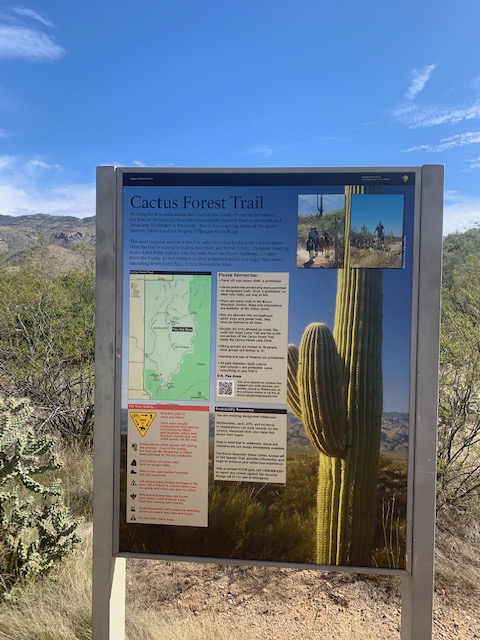
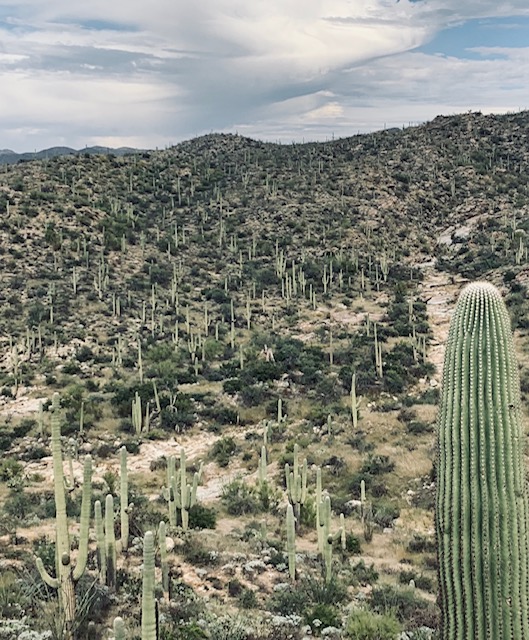
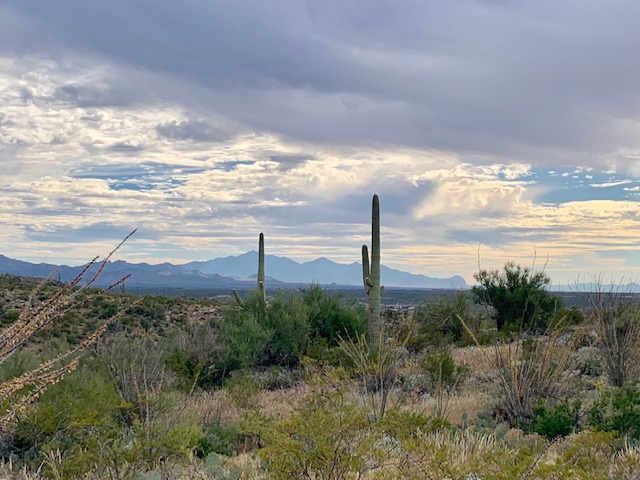
Saguaro National Monument in Tucson was created in 1933, expanded in 1961, and became Saguaro National Park in 1994. There are two units: East, which includes the Rincon Mountains; and West, which includes part of the Tucson Mountains. We went to the East part of the park.
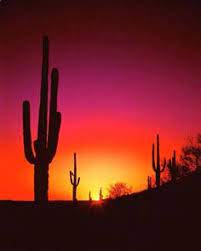
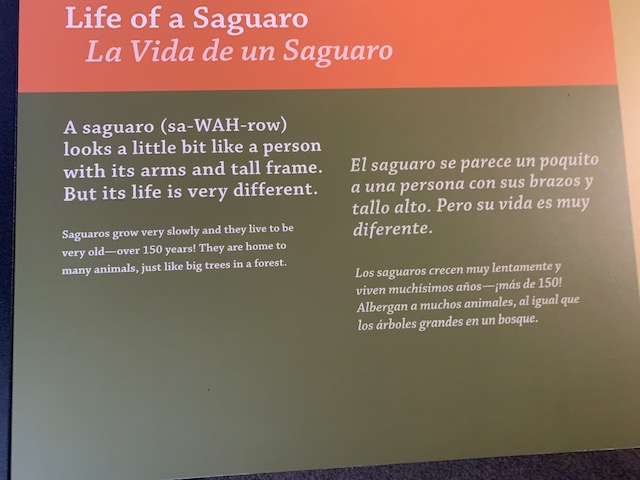
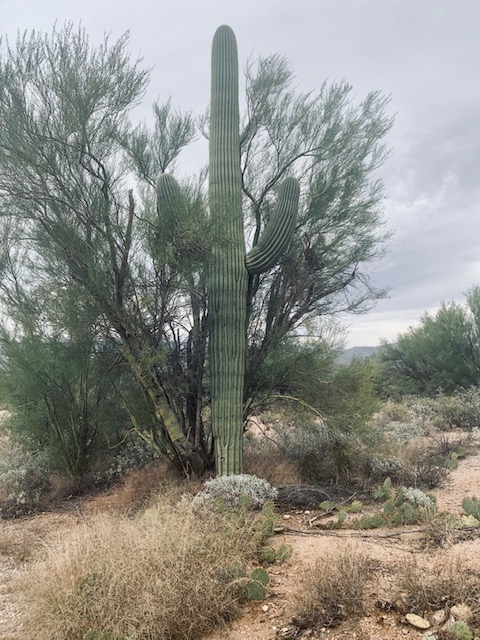
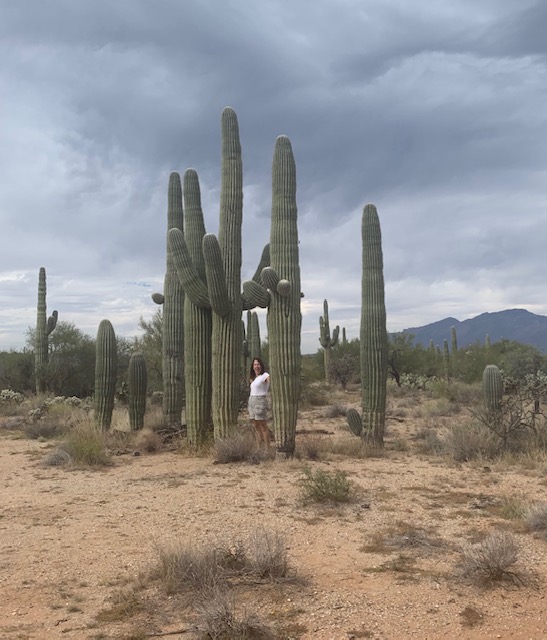
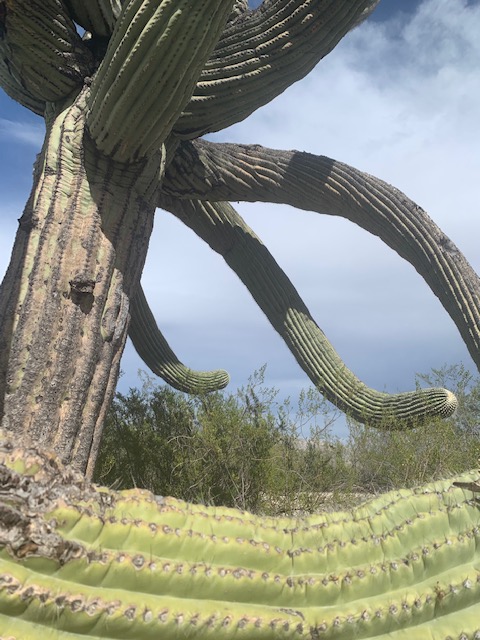
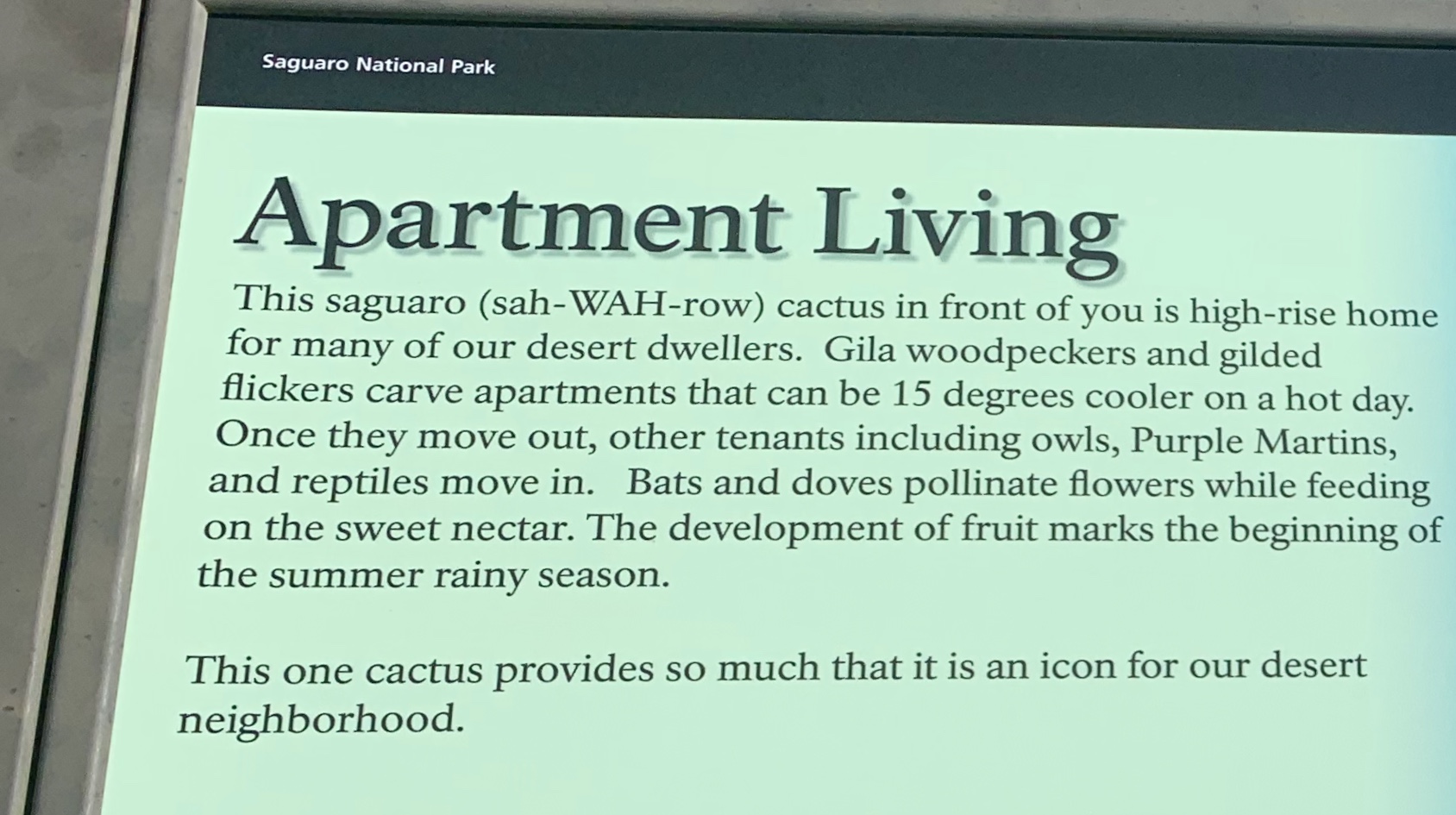
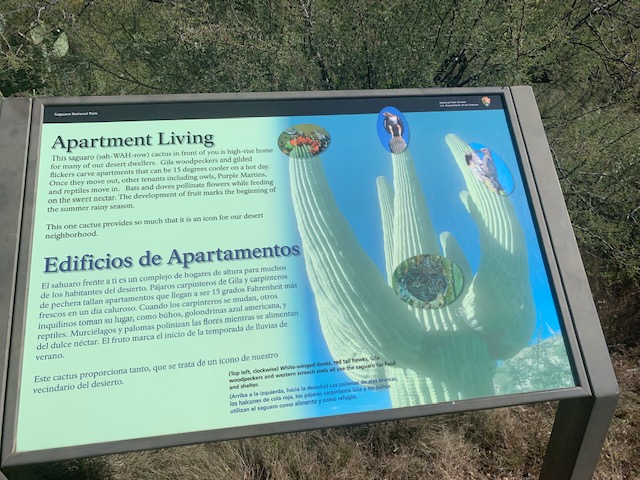
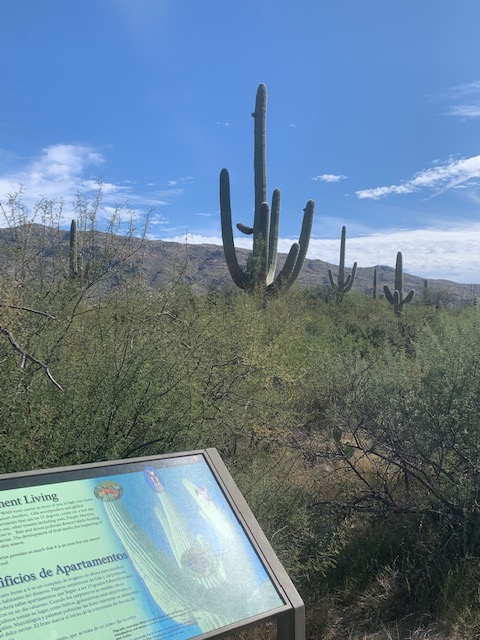
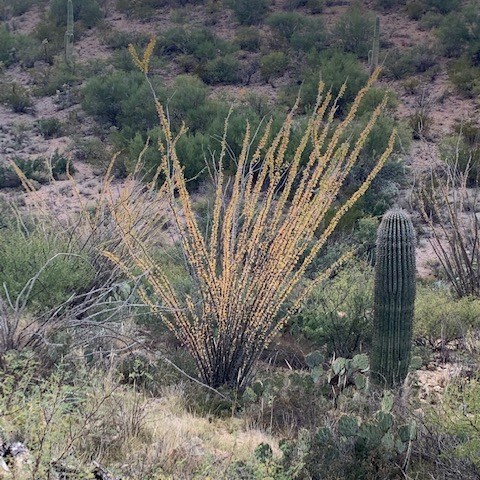
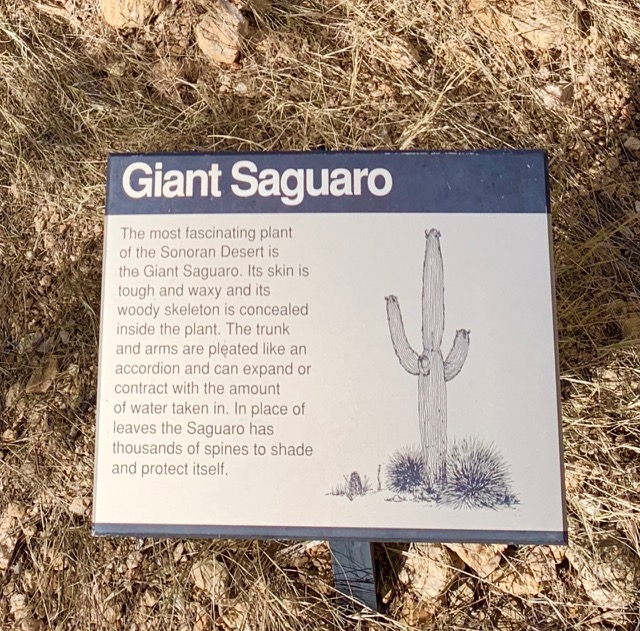
The National Park is about the saguaro cactus (pronounced “sah-wah-roh”), which only grows in Southern Arizona. The saguaro cactus is the largest cactus in the United States, and will normally reach heights of 40 feet tall. The tallest saguaro cactus ever measured towered over 78 feet into the air.

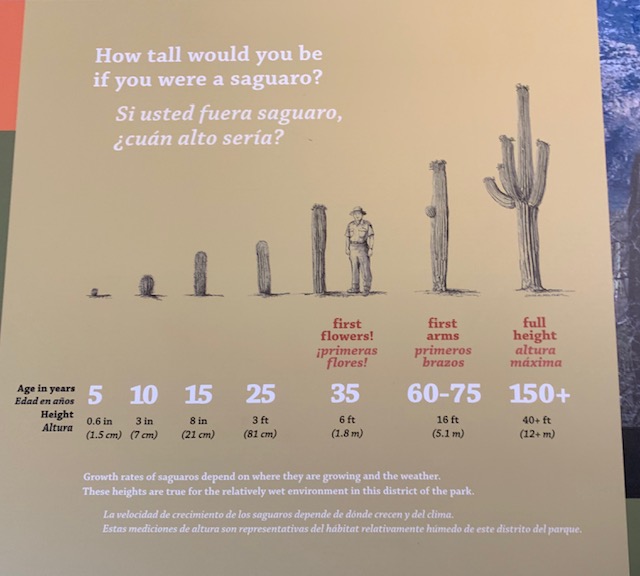
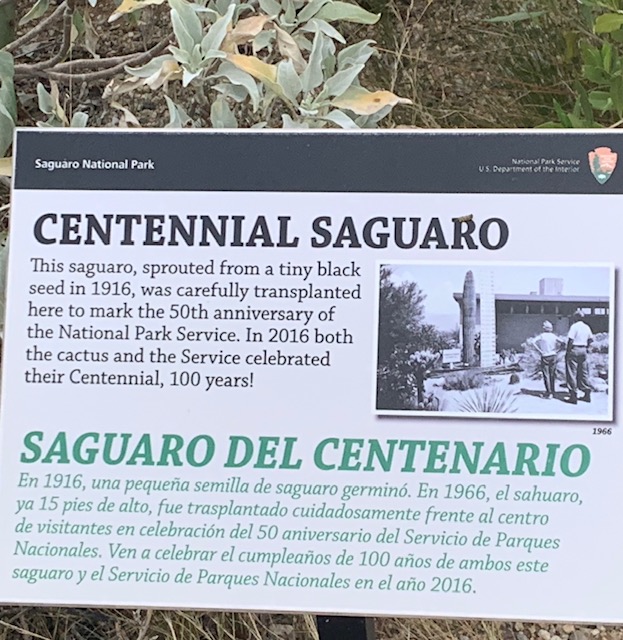
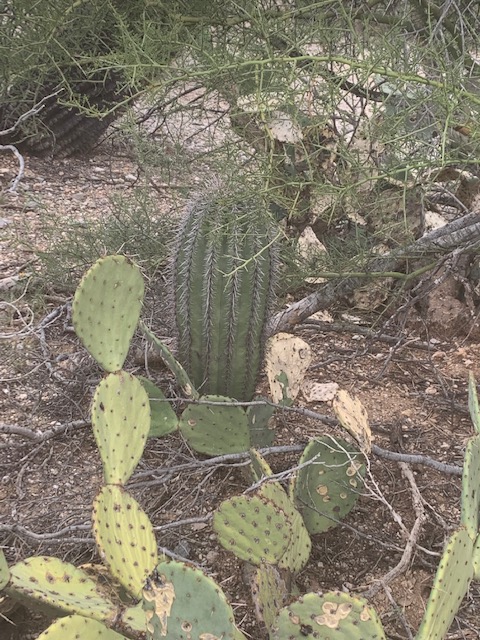
The cactus grows a column/pole at a very slow rate, with all growth occurring at the tip, or top of the cactus. It can take 10 years for a saguaro cactus to reach 1 inch in height. By 70 years of age, a saguaro cactus can reach 6 and a half feet tall, and will finally start to produce their first flowers. By 95-100 years in age, a saguaro cactus can reach a height of 15-16 feet, and could start to produce its first arm. By 200 years old, the saguaro cactus has reached its full height, reaching upwards of 45 feet tall.
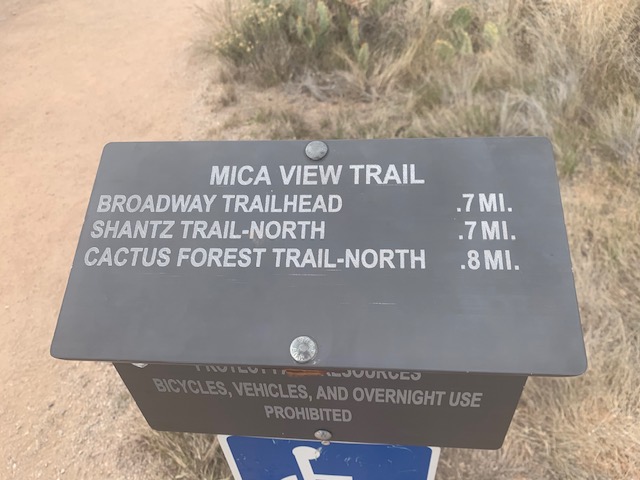
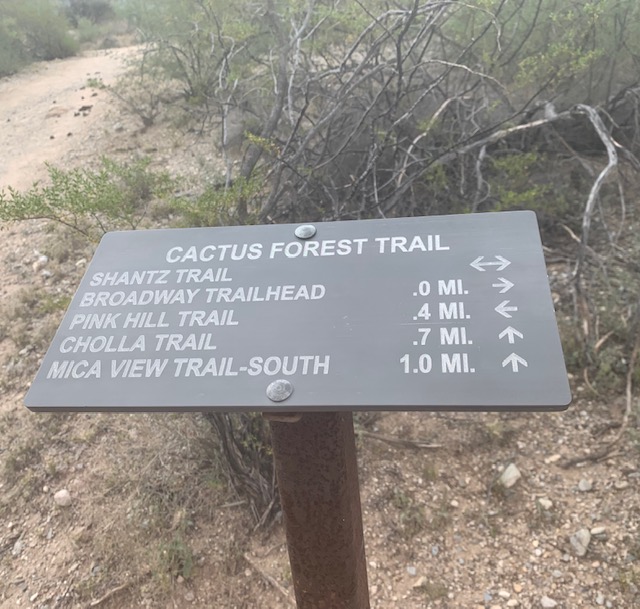
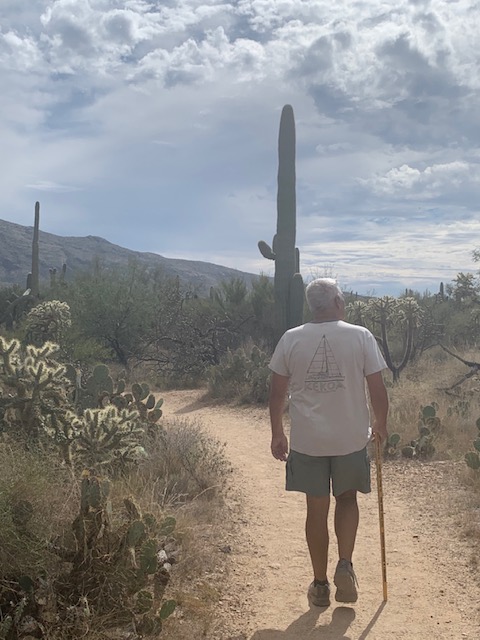
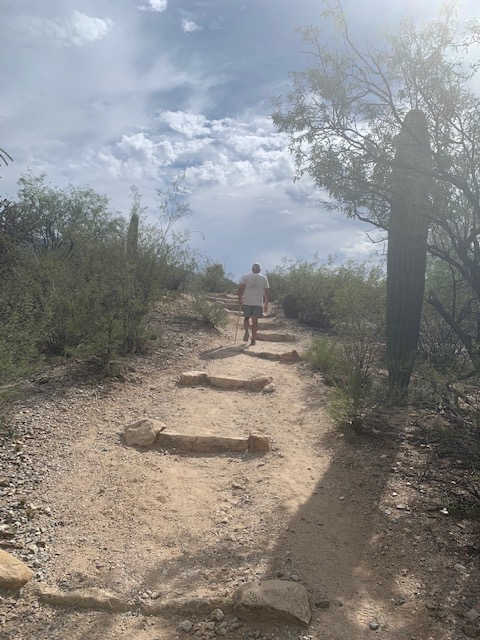
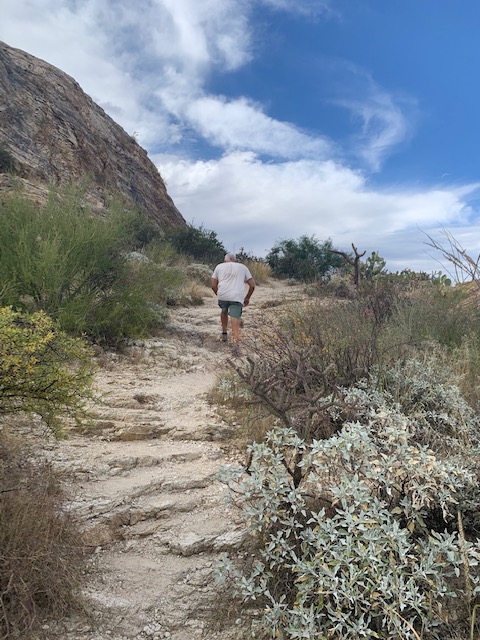
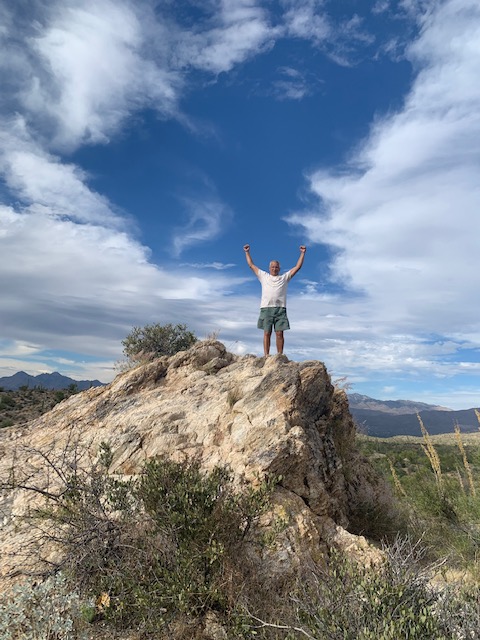
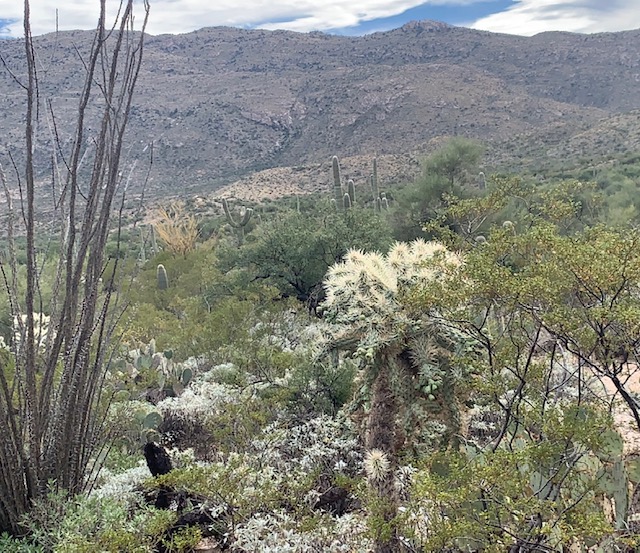
We took hikes thru the park and kept saying boy most these Saguaro are old.

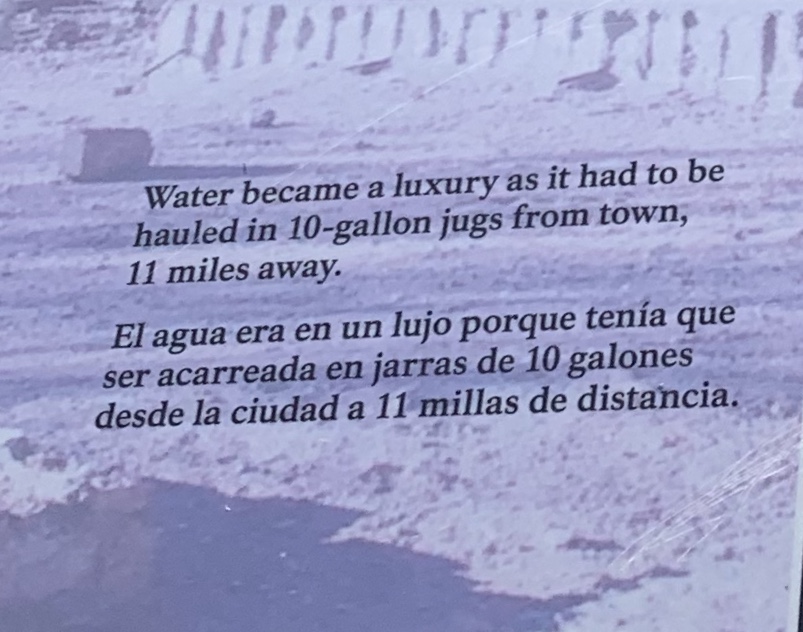
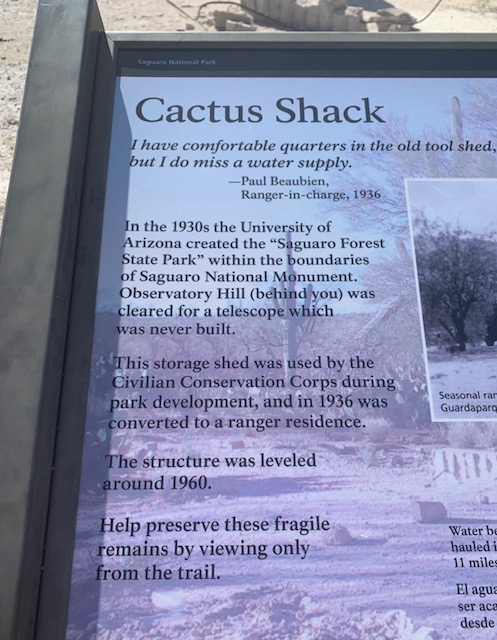
I have to give Paul a lot of credit.

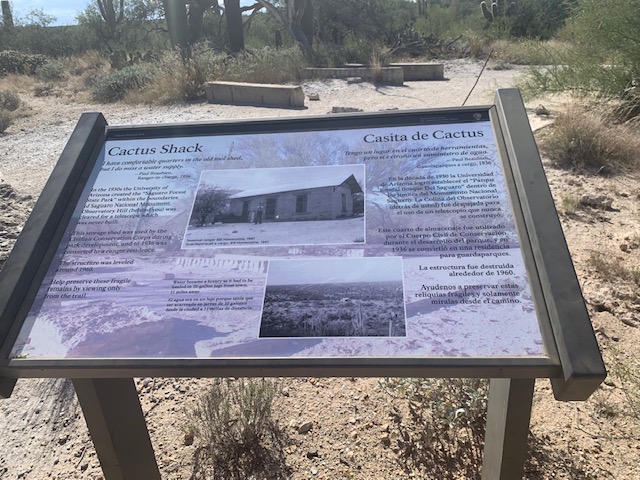
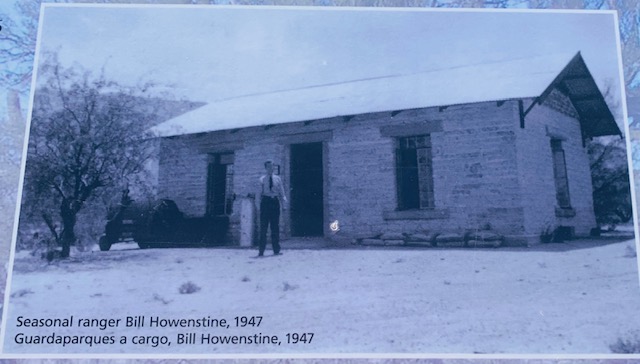
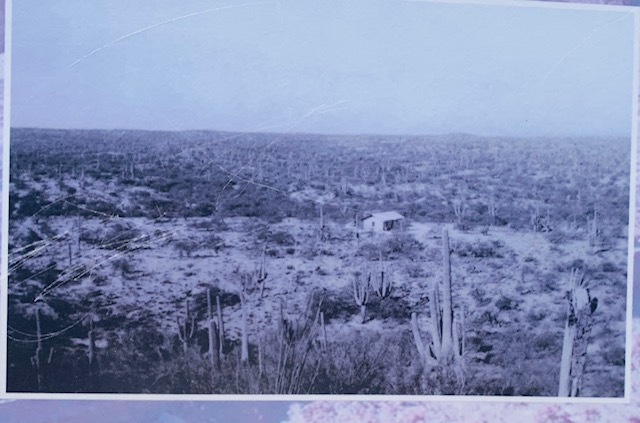
What remains of the Cactus Shack today.

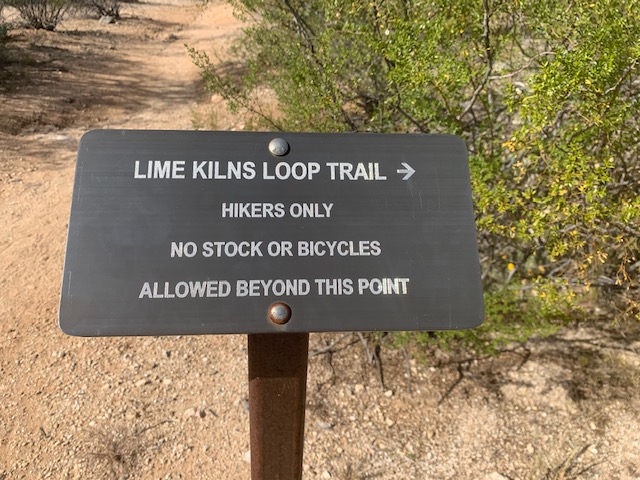
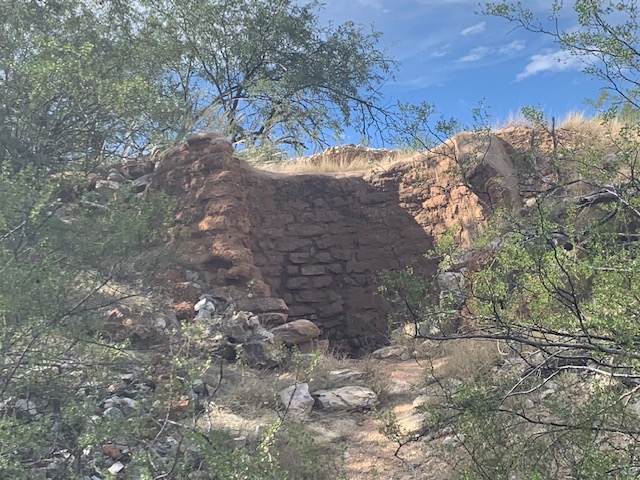
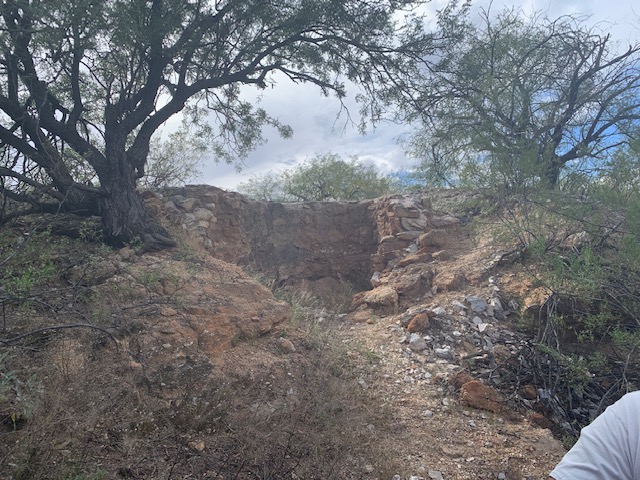
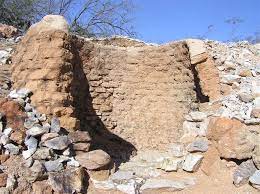
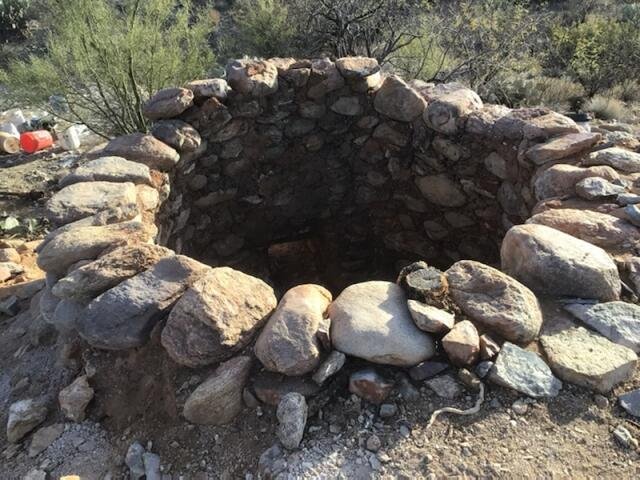
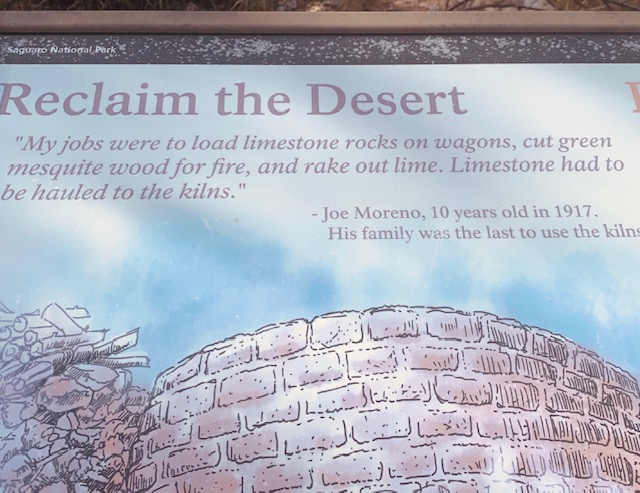
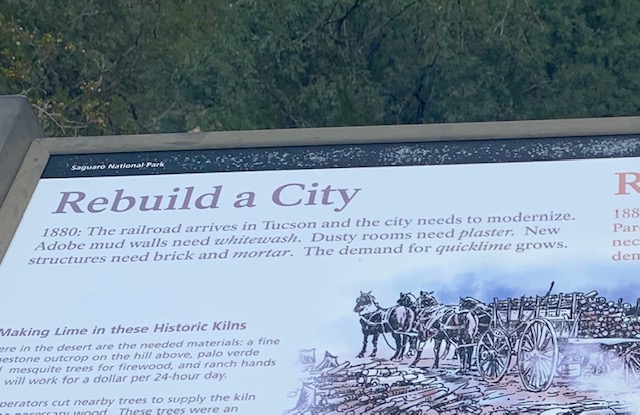
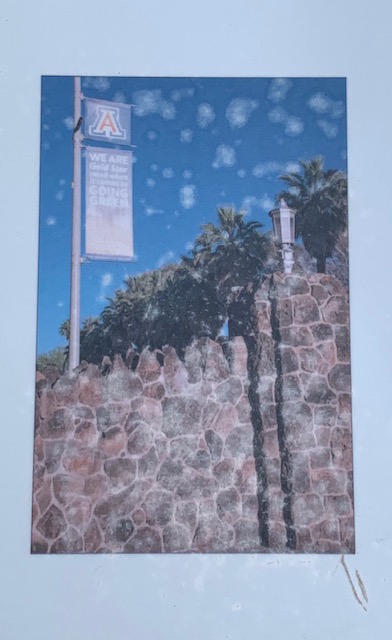
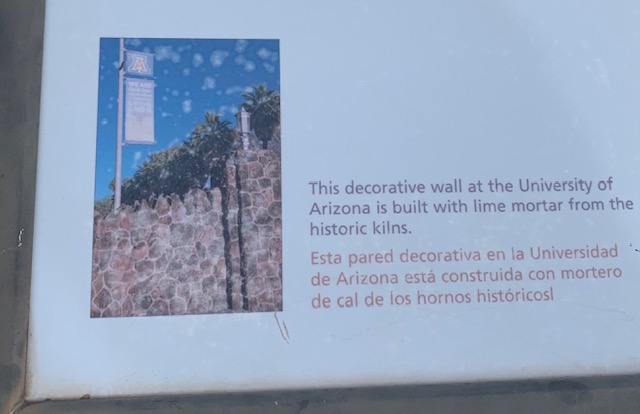
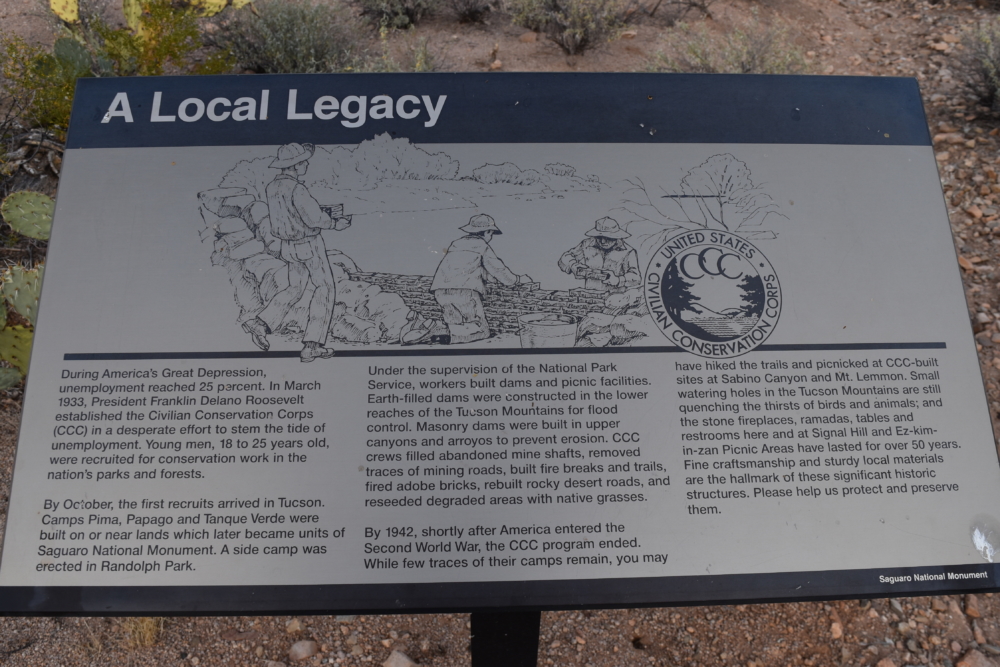
Lime kilns were used to make mortar and white wash from limestone. The kilns were built on the hills inside the park and the limestone was also dug from the hills in the park, it would be layered with wood until the kiln was full. The pile would be lit from the bottom where a vent would allow air to flow up through the stack. The lime would burn until it became a white powder and would then bag it and transport it to wherever it was needed.  Adobe mud walls needed whitewash and dirty rooms needed plaster, just a few things it was used for when mixed with water.

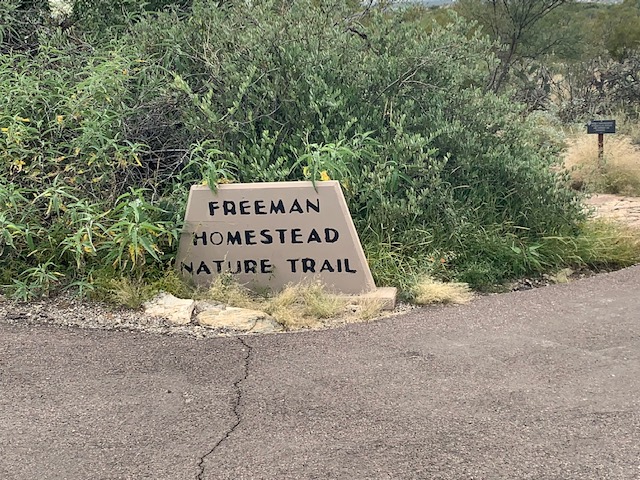
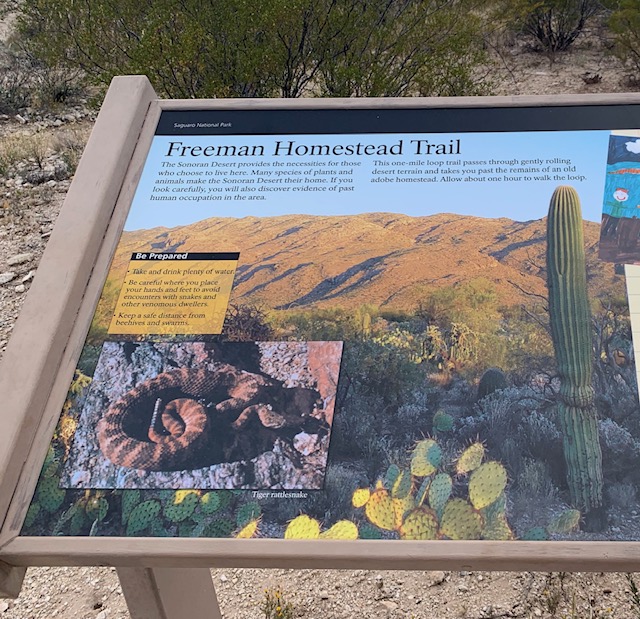
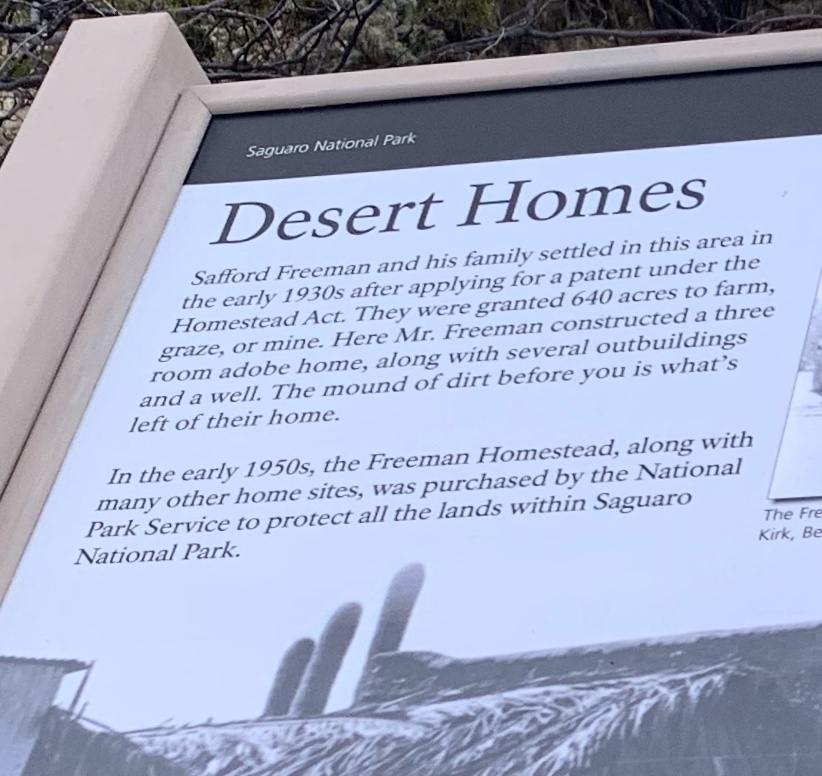
The family’s adobe house, open-air kitchen, ocotillo fence corral, and rope-and-bucket well were tucked into a scenic valley surrounded by towering saguaros. In the 1950’s the park re-acquired the homestead, and today visitors wander down to walk the home’s tile floor and site under the shade tree planted so many years ago.

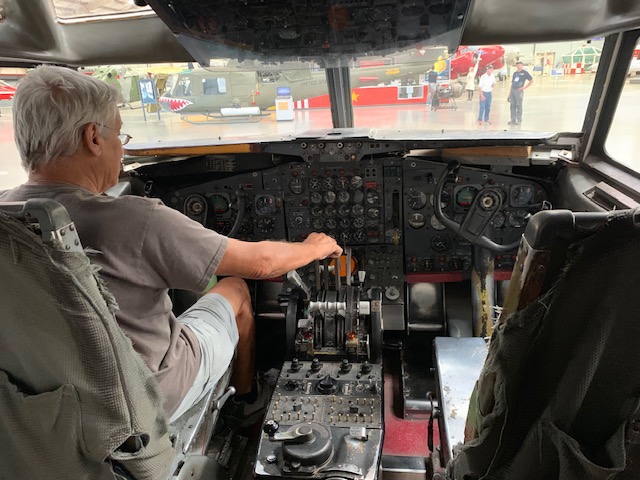
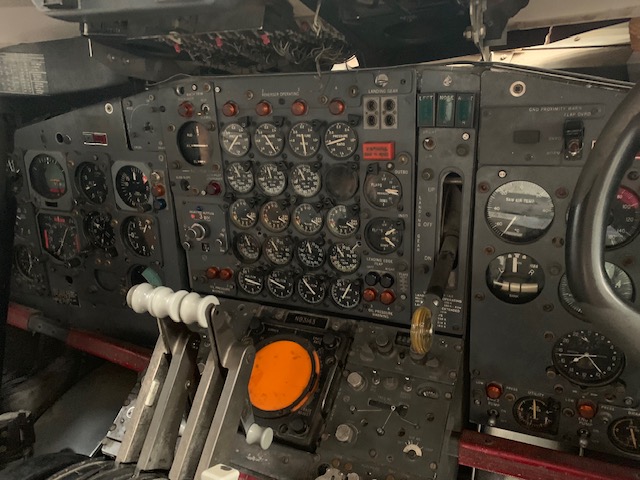
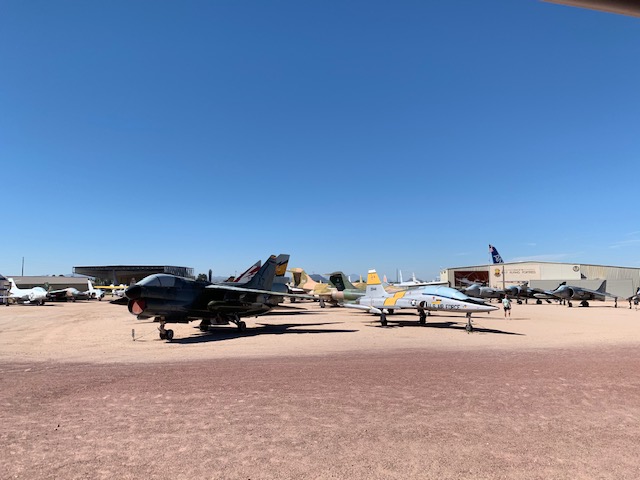
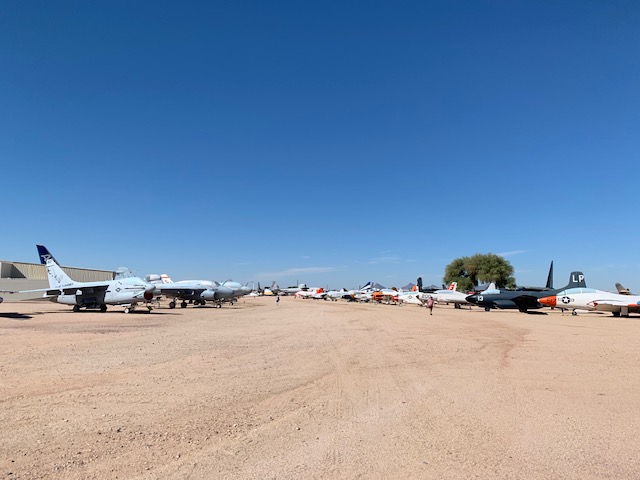
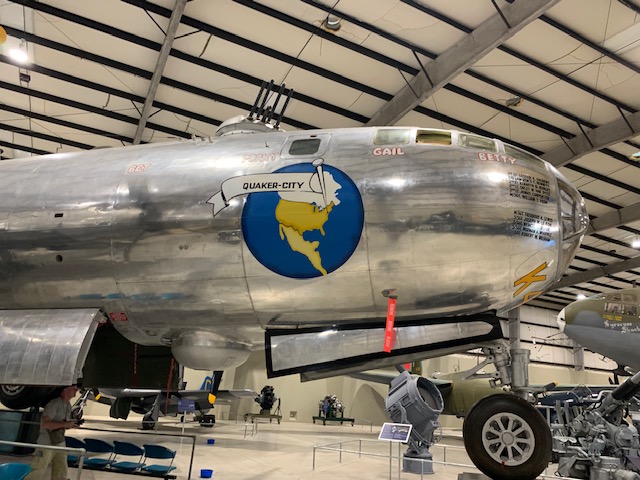
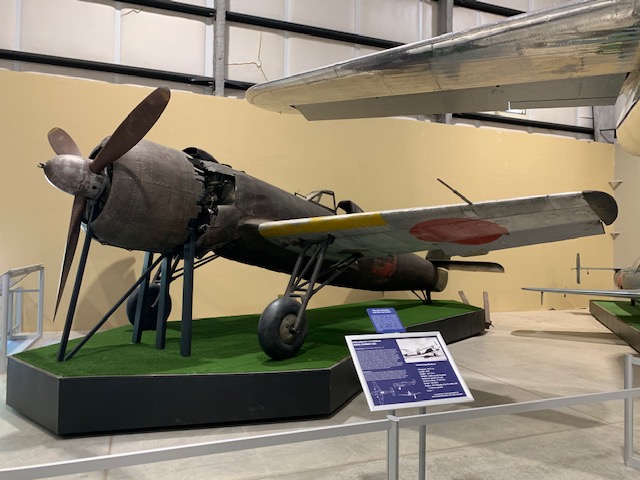
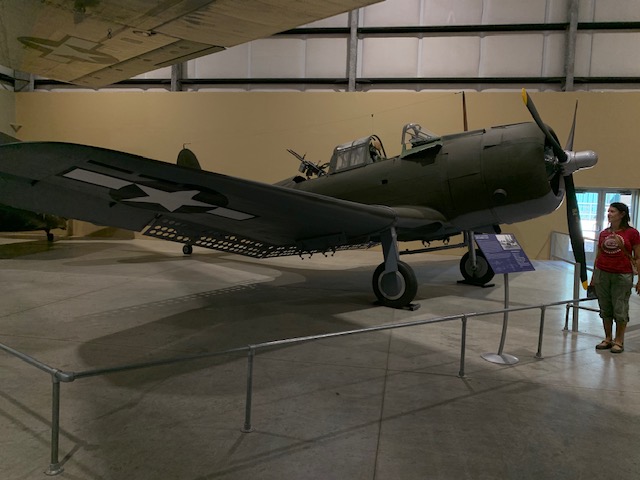
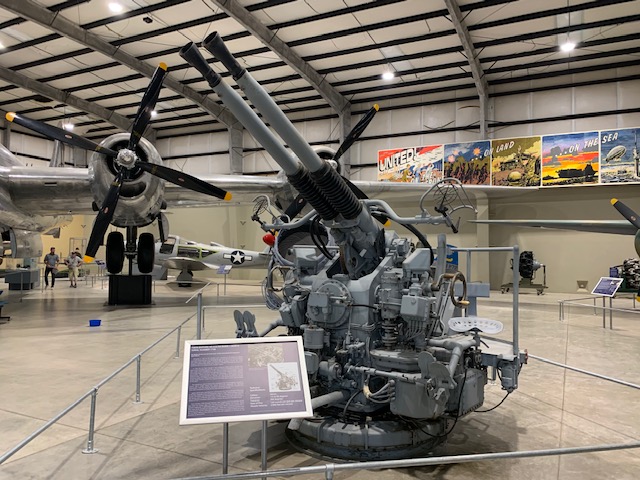
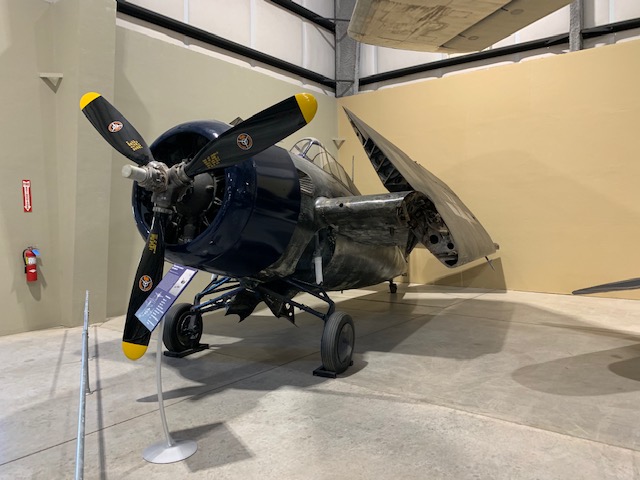
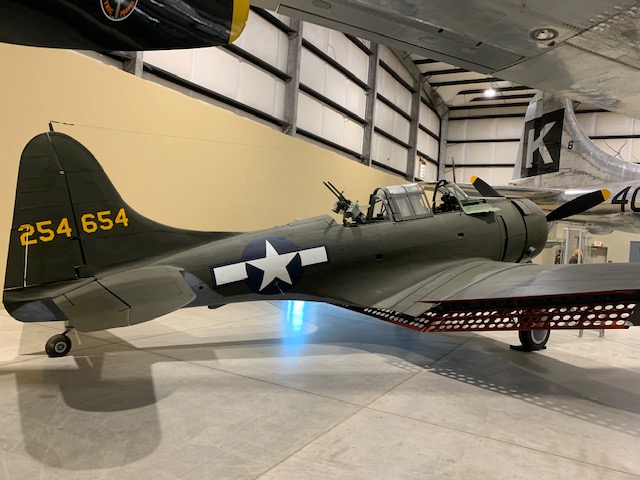
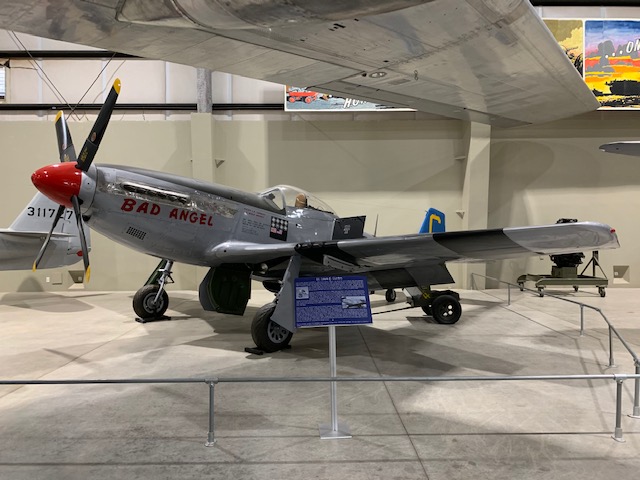
PIMA AIR & SPACE MUSEUM

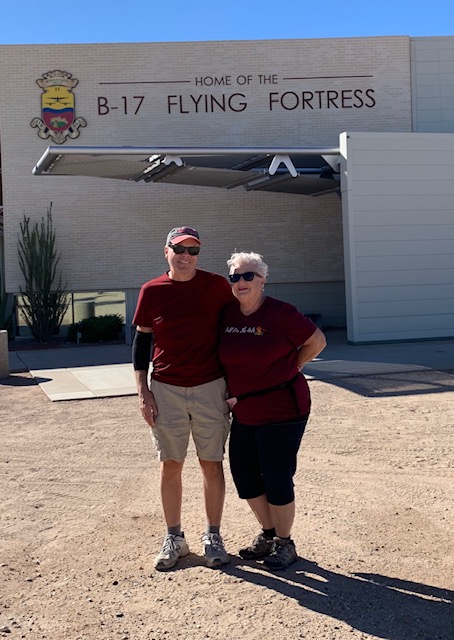
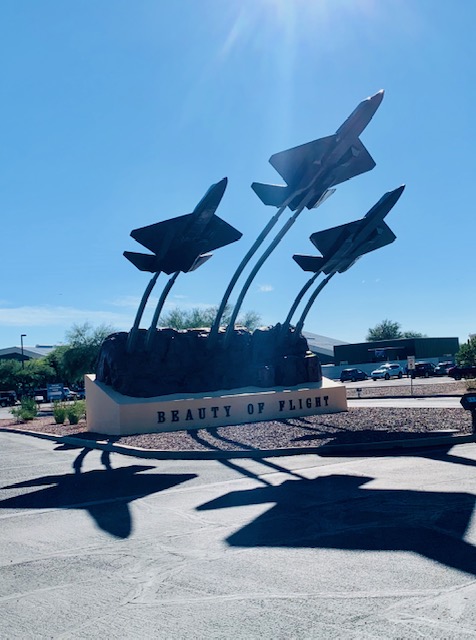
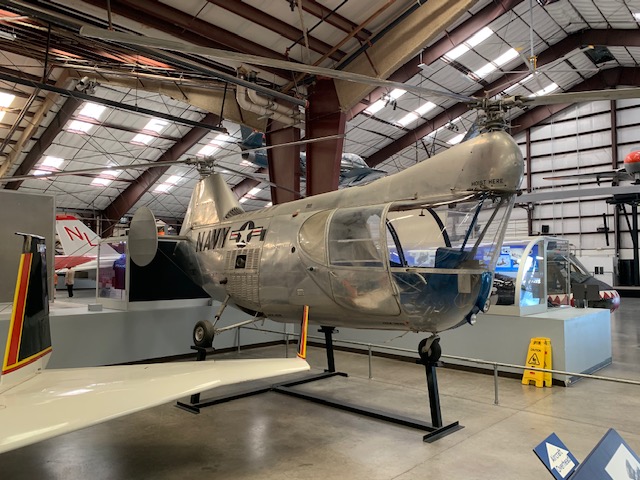
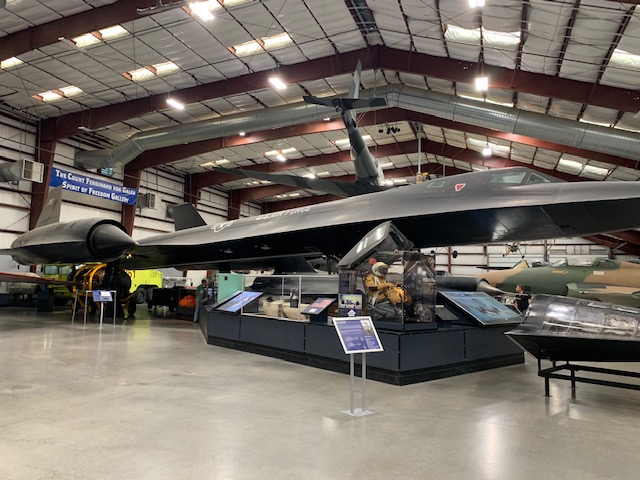
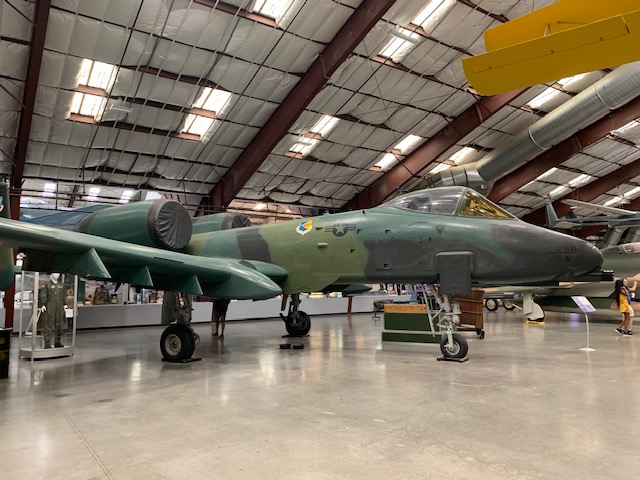
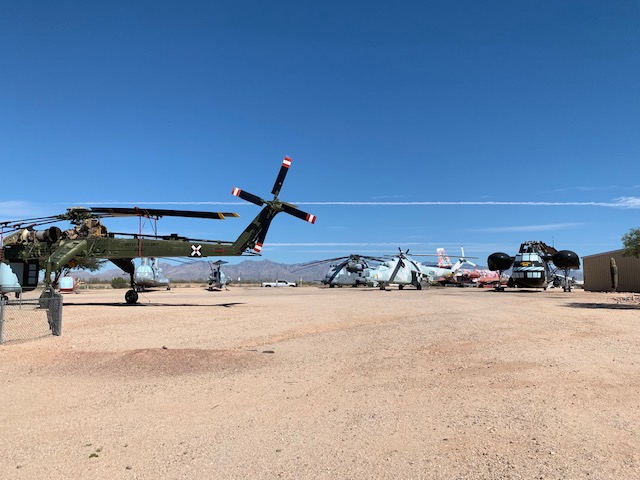
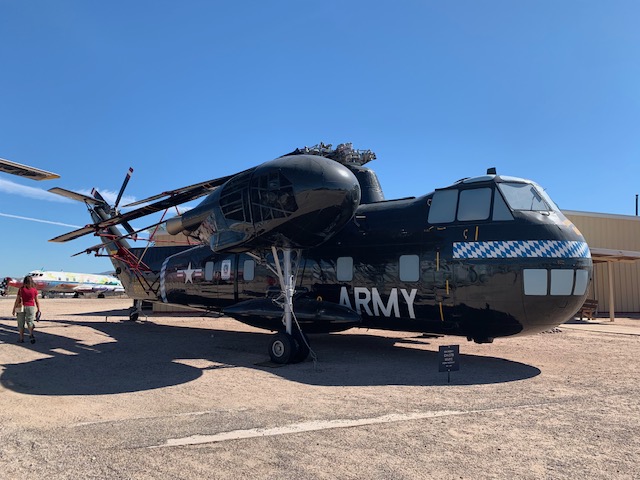
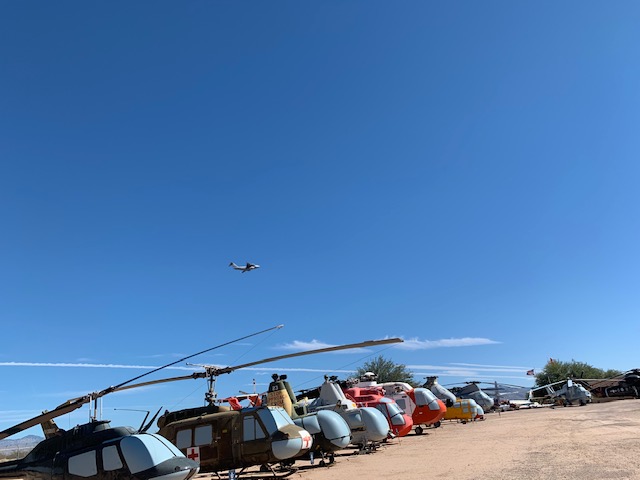
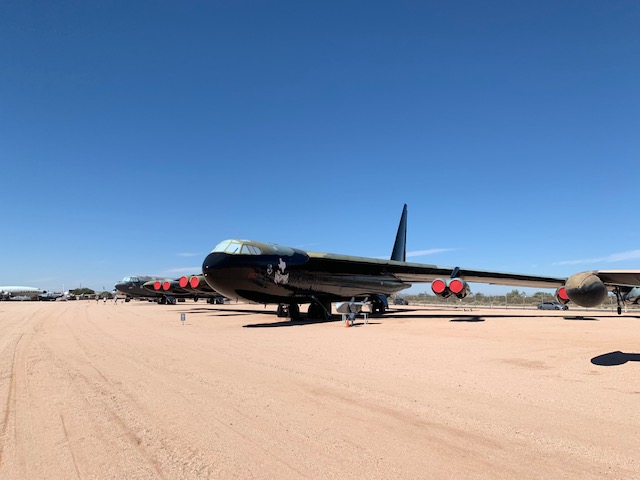
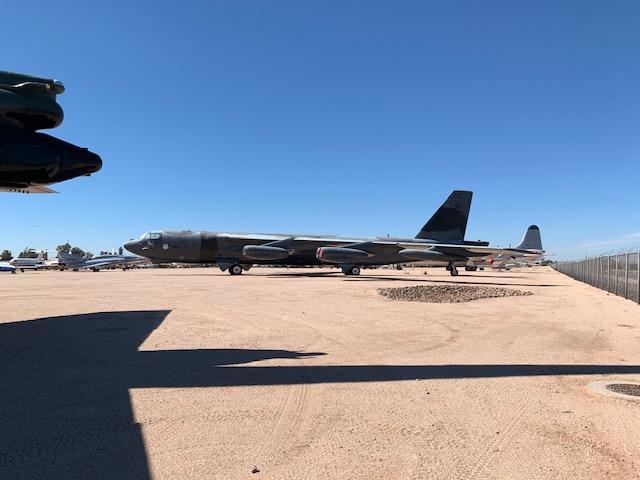
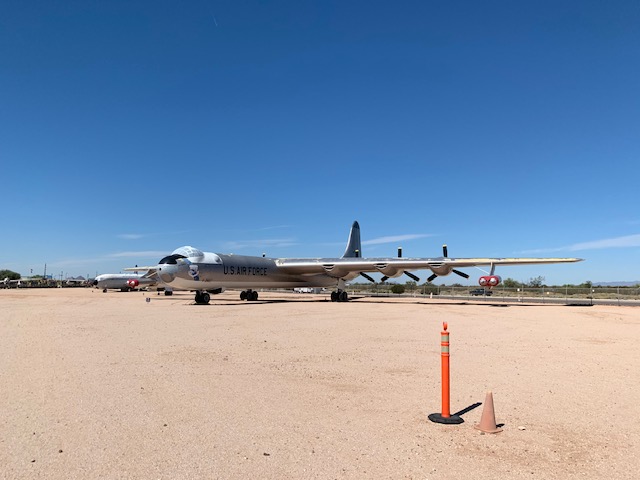
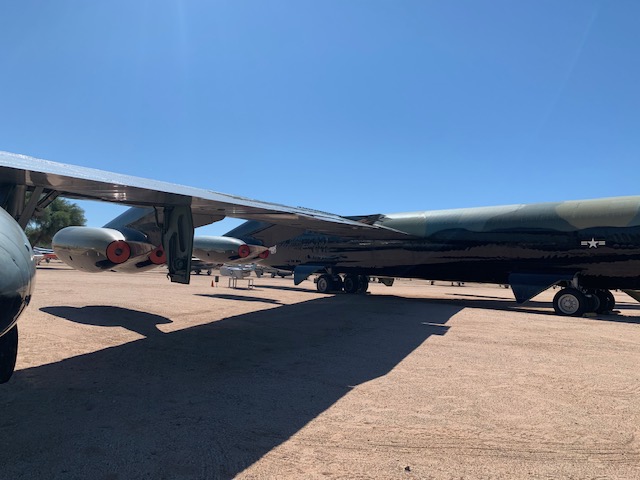
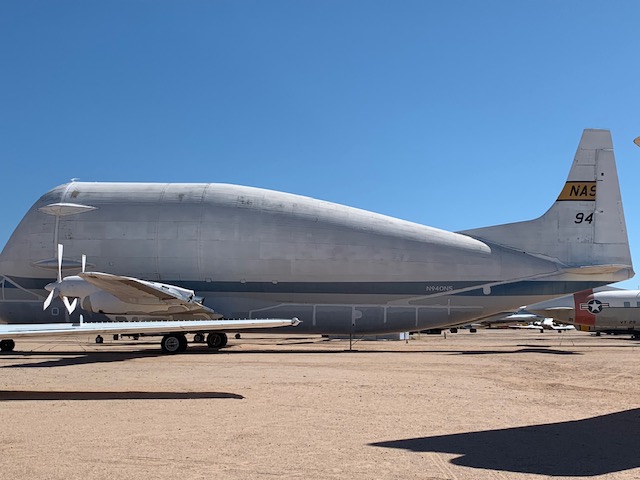
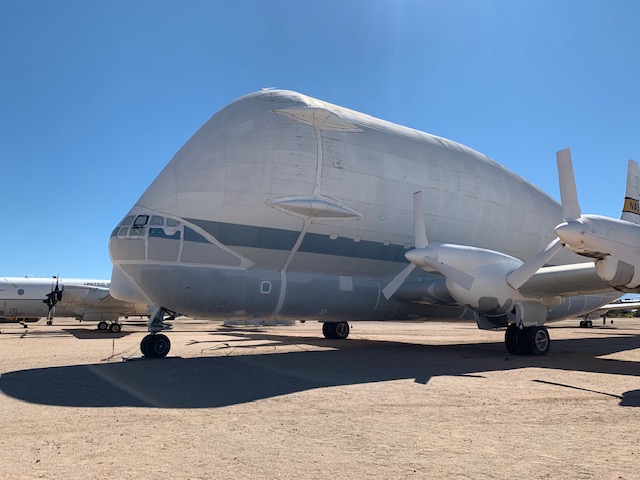
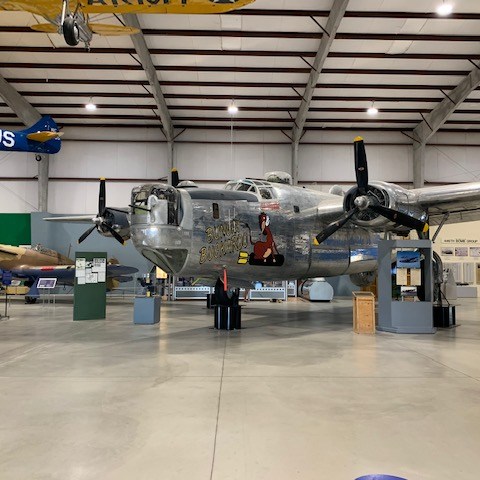
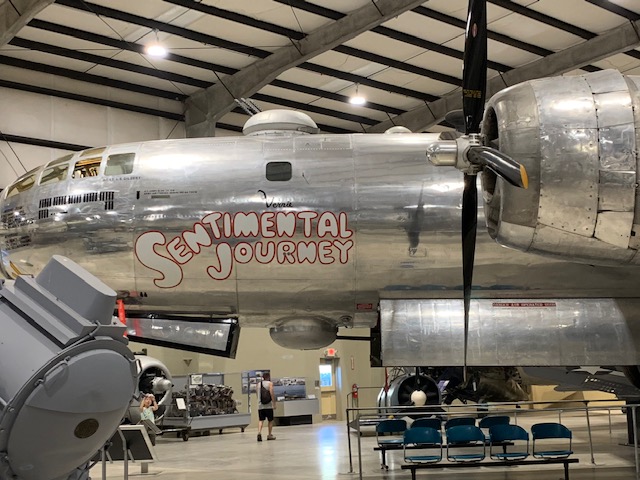
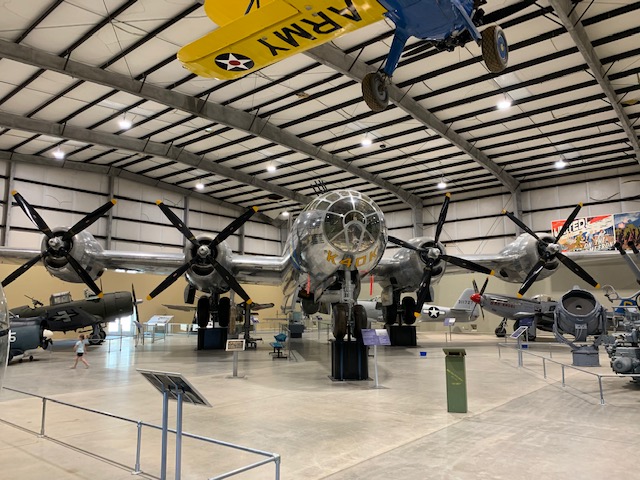
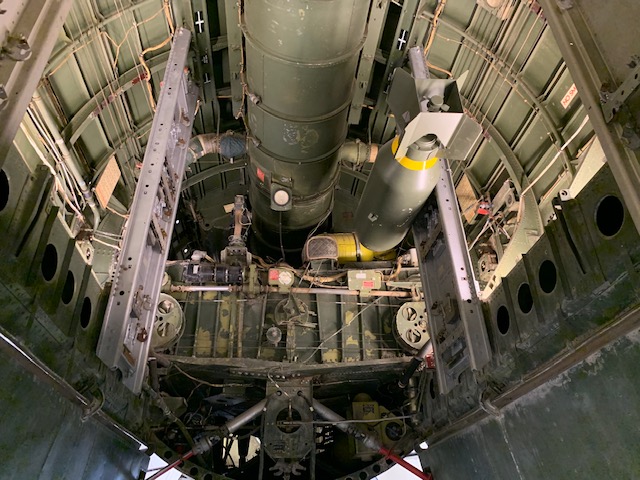
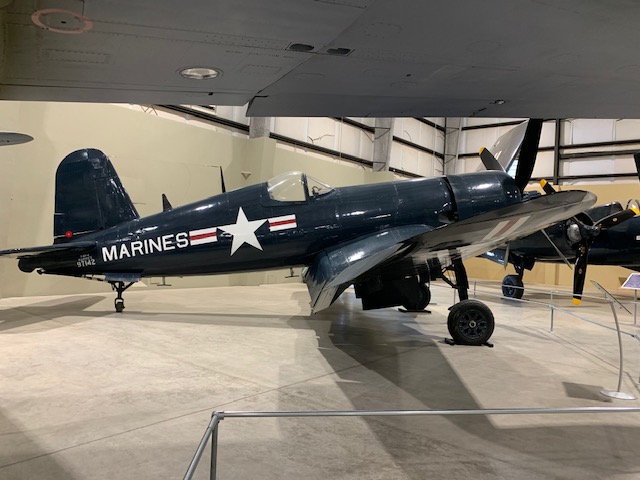
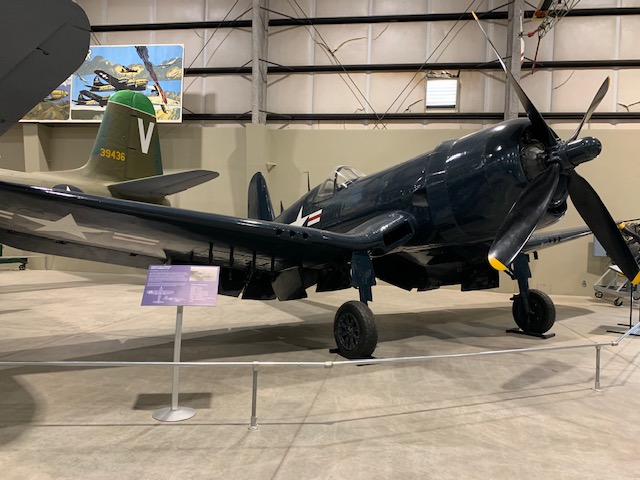
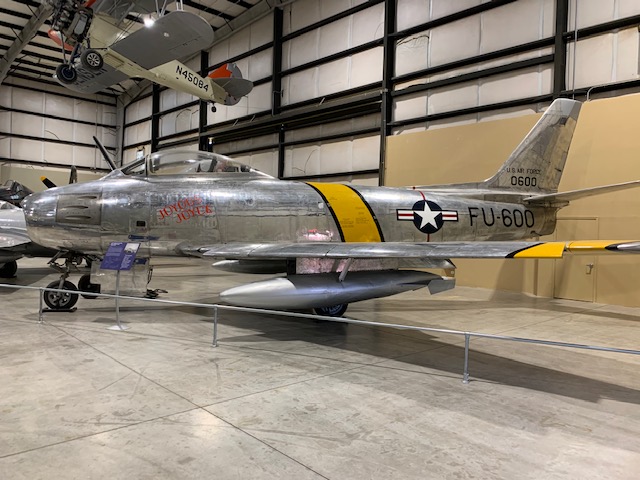
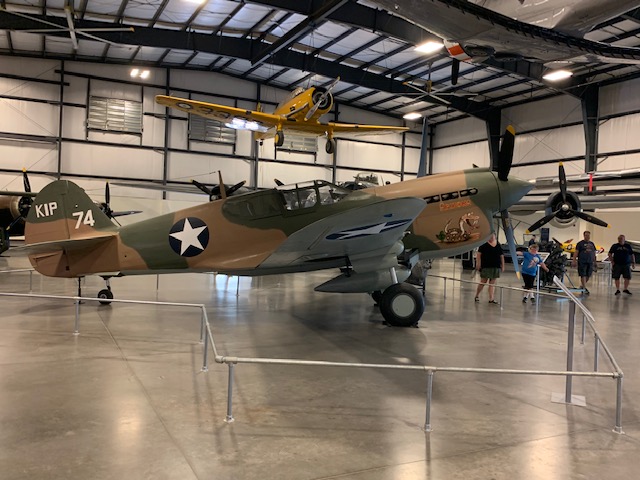
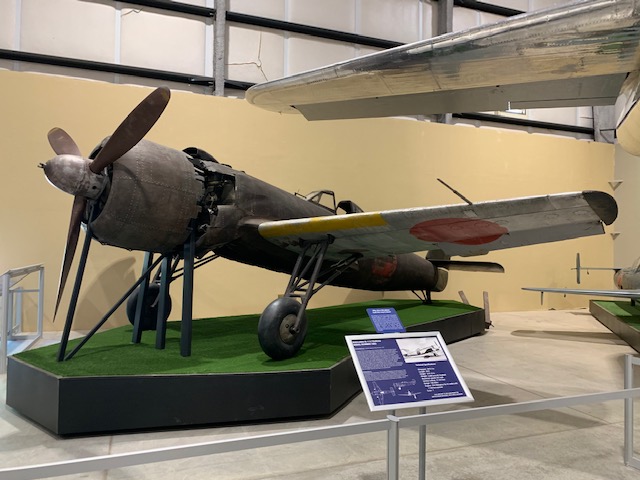
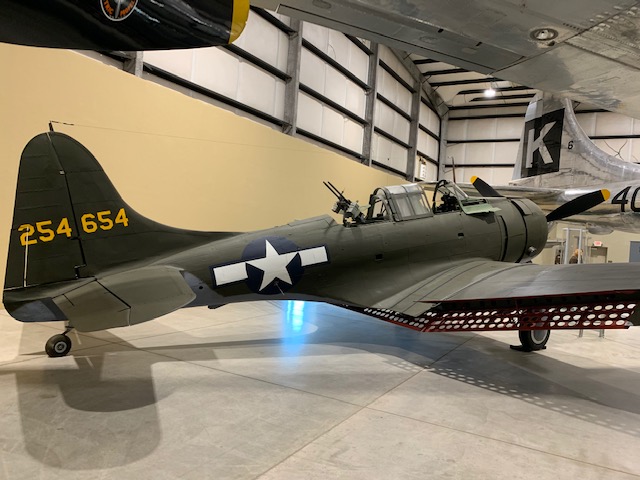
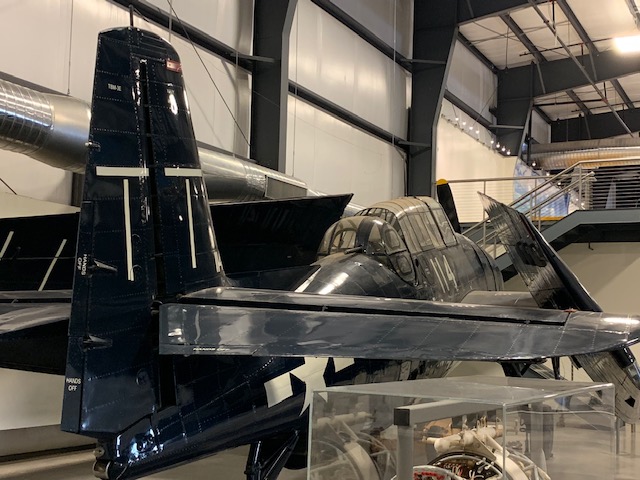
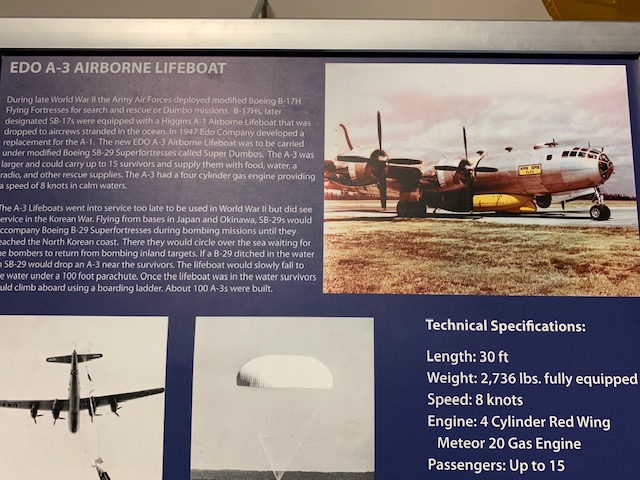
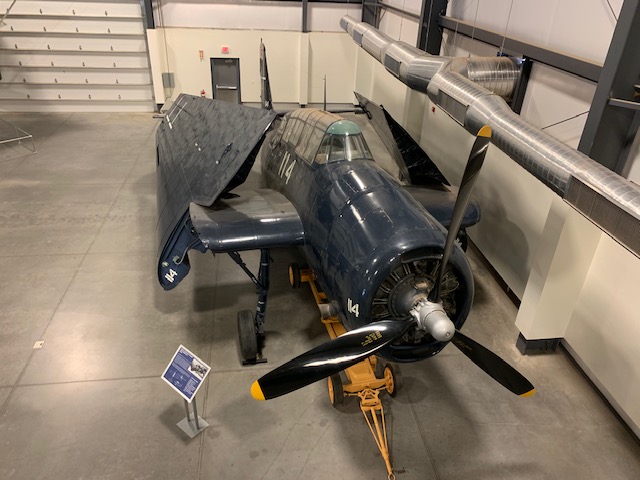
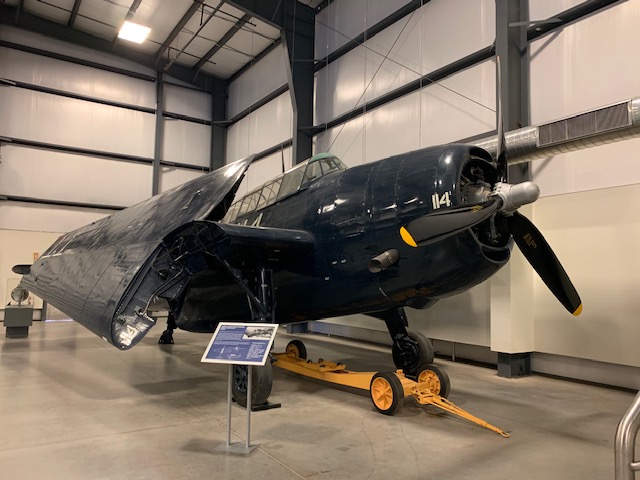
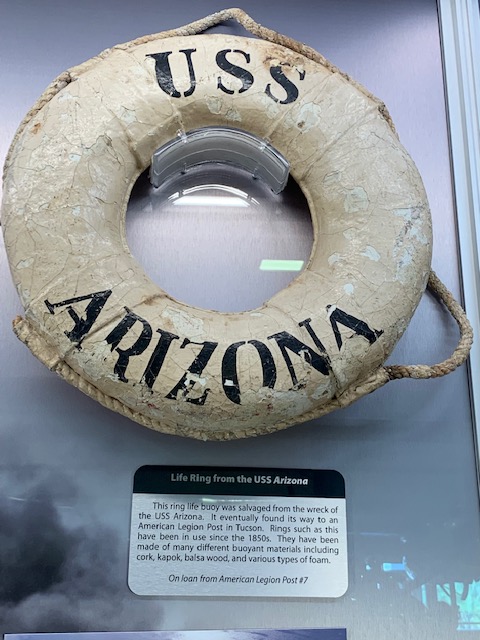
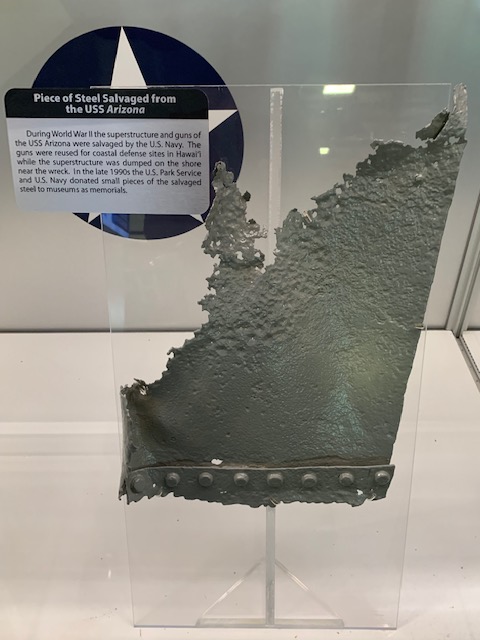
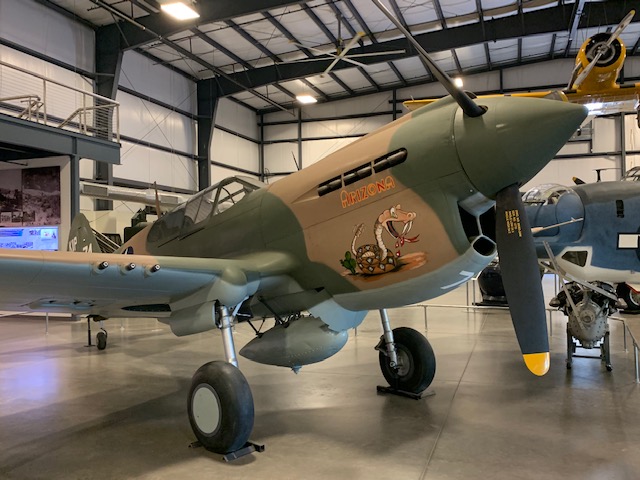
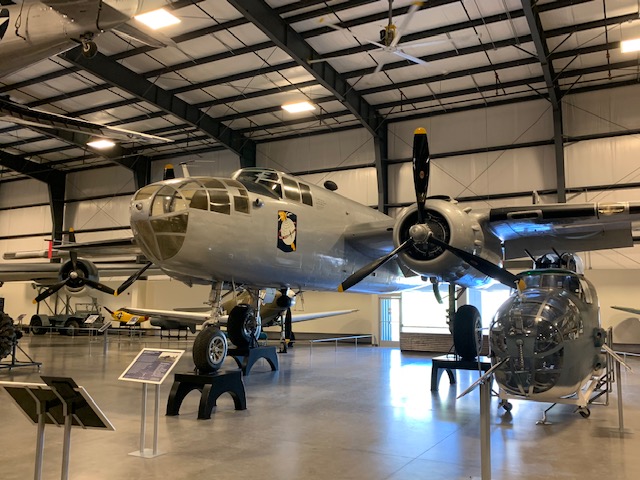
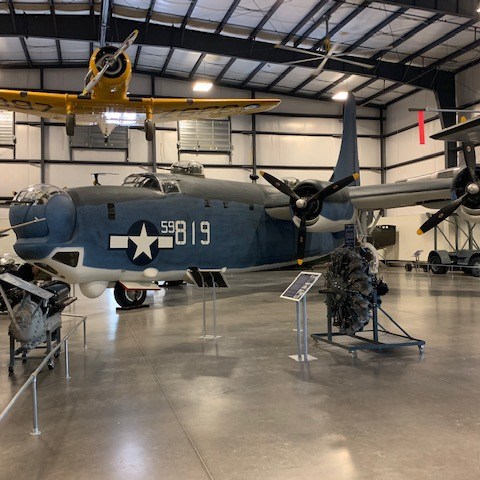
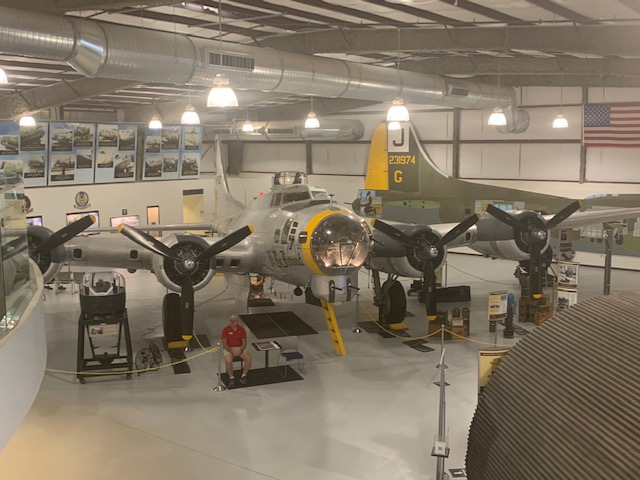
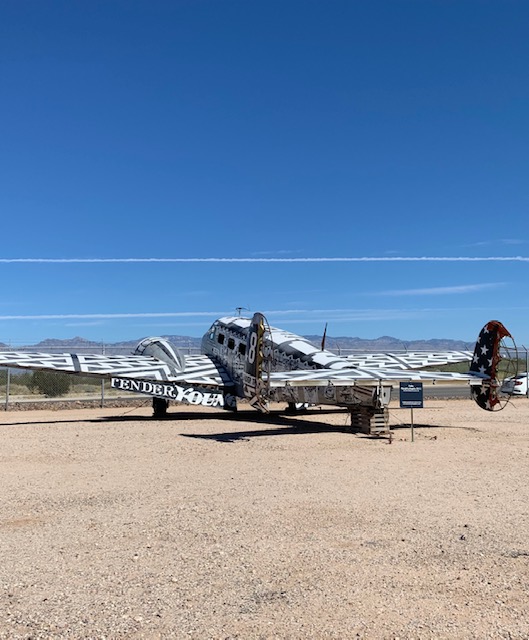
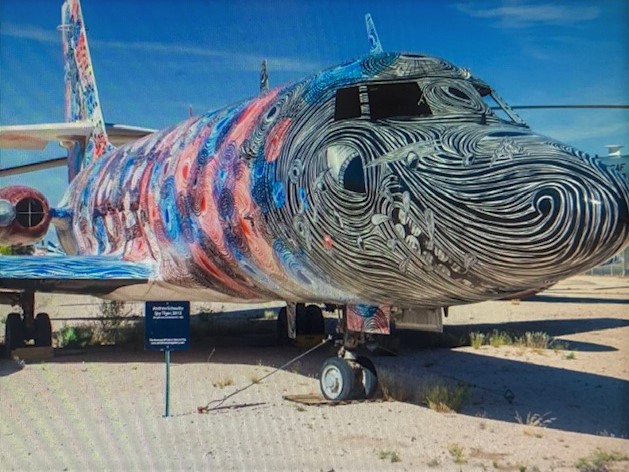
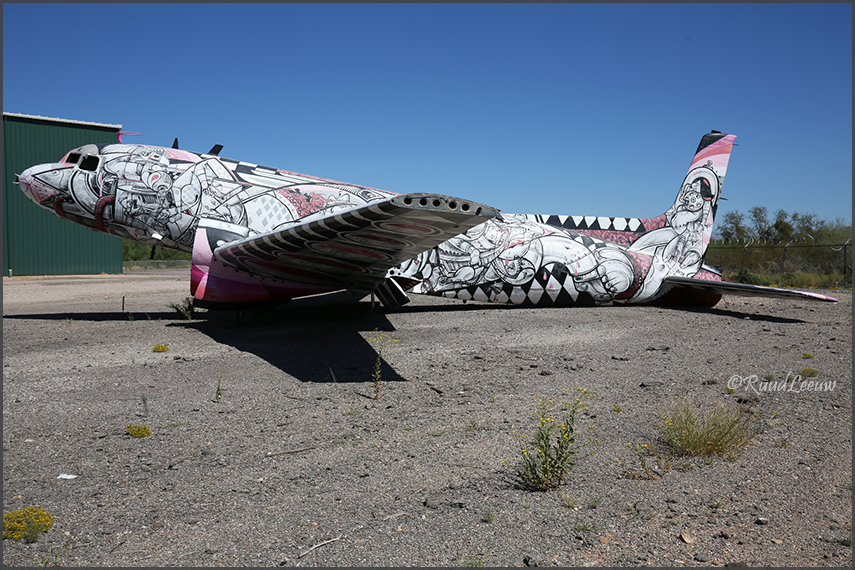
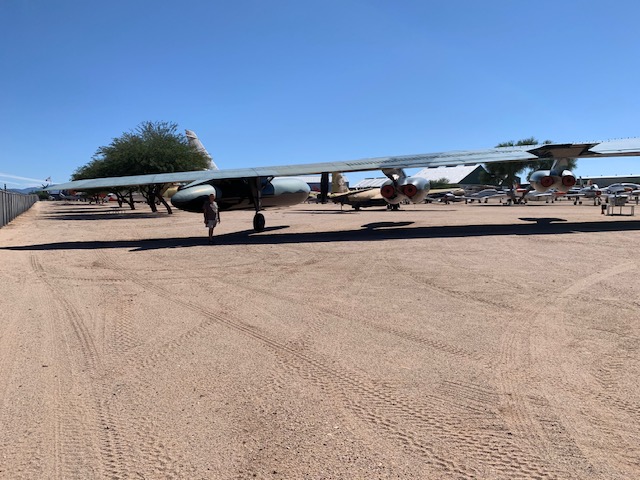
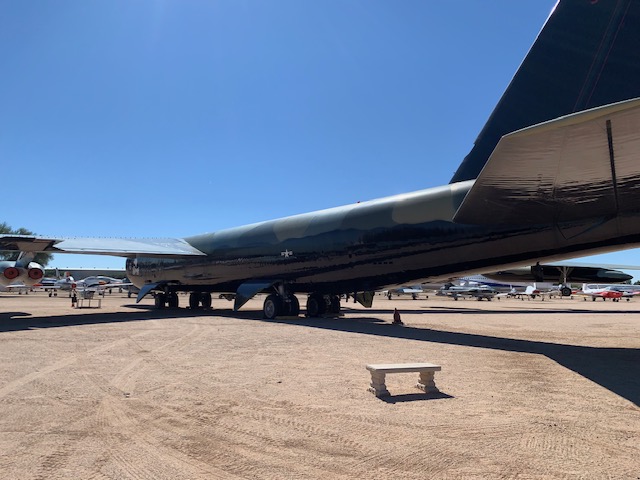
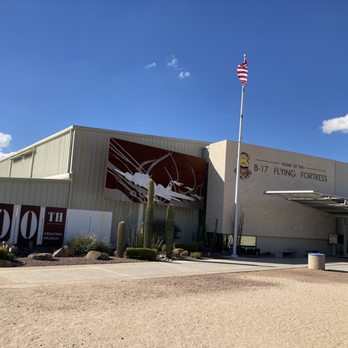
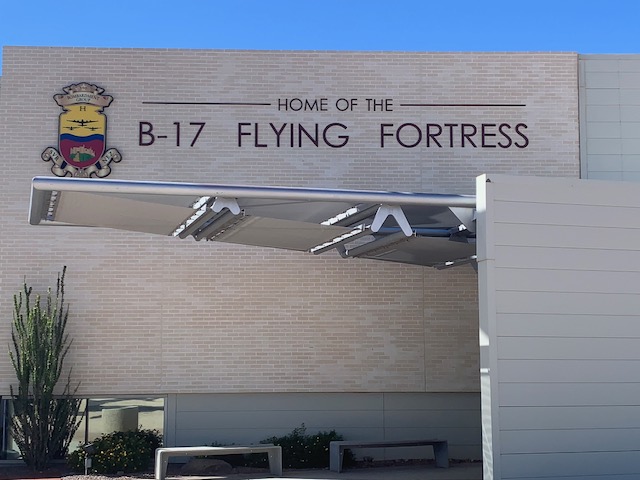
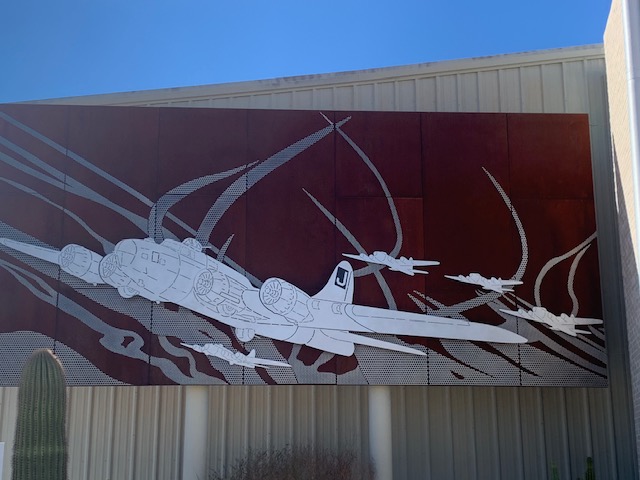
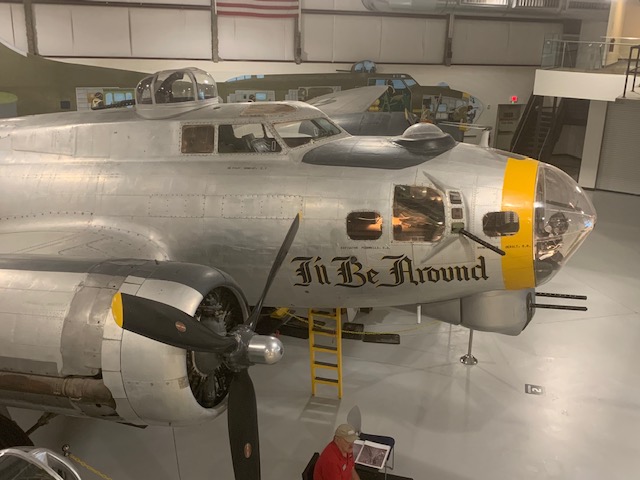
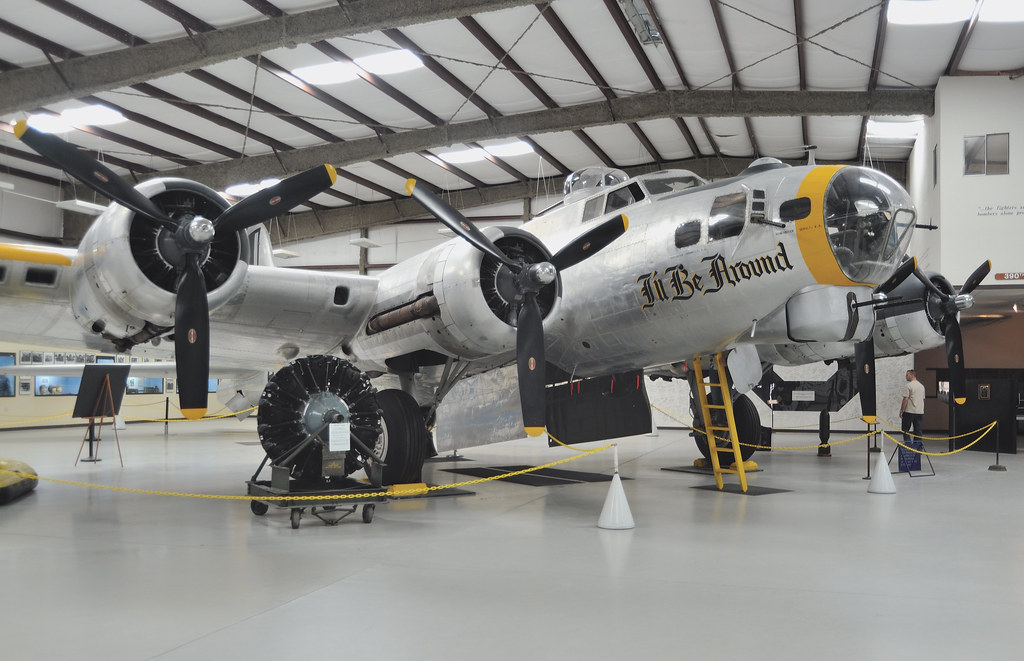
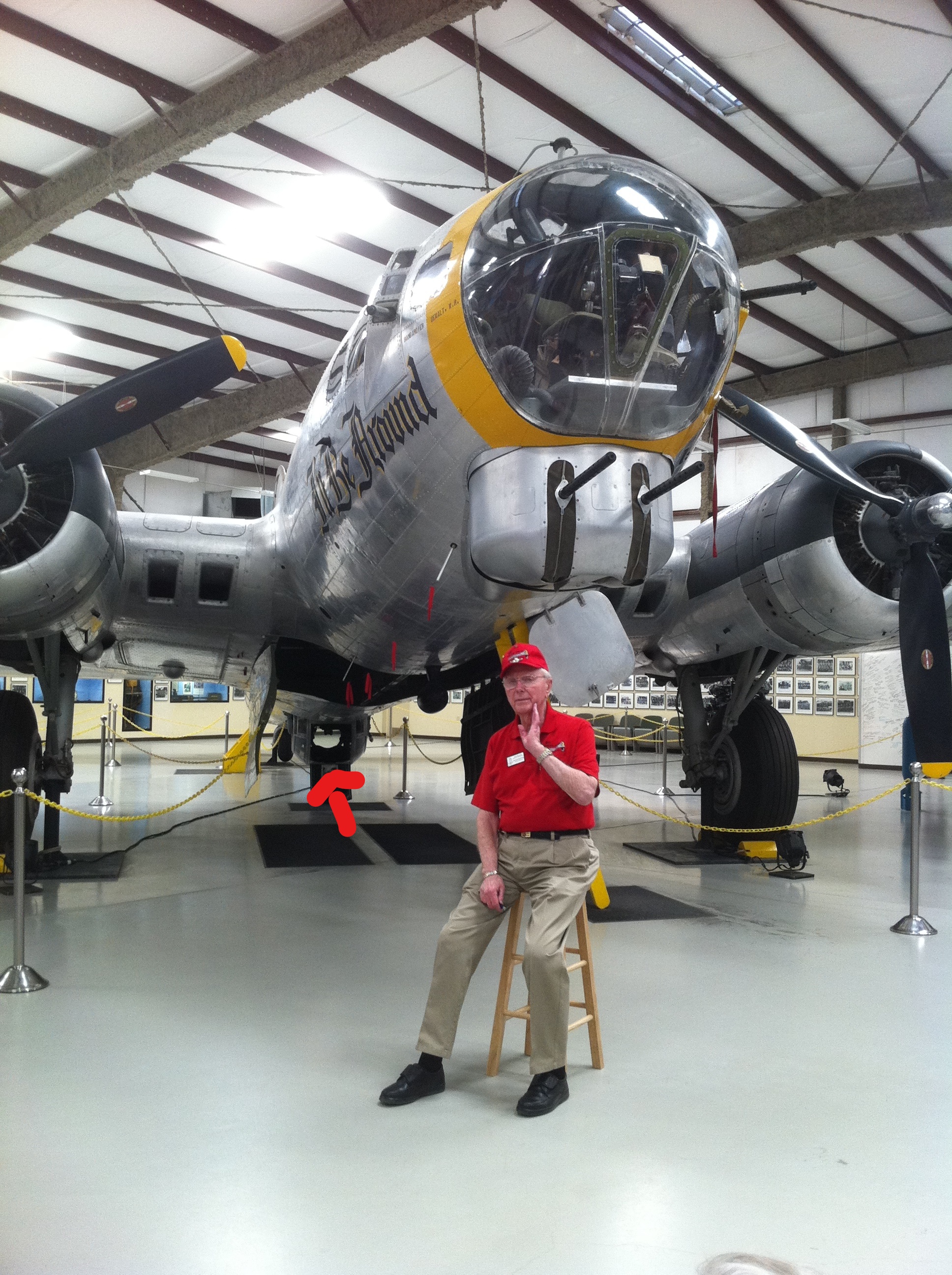
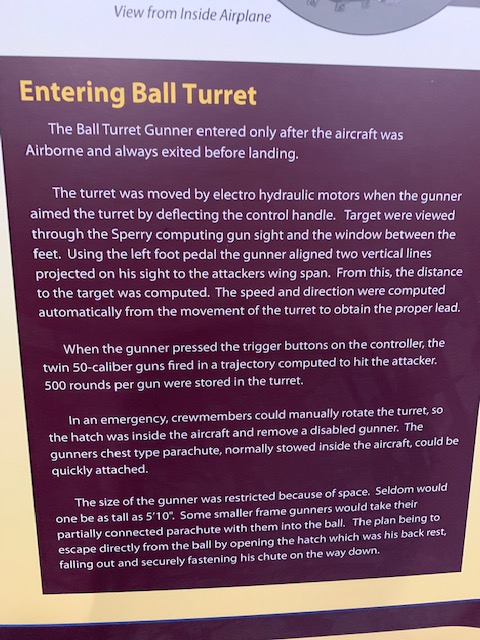
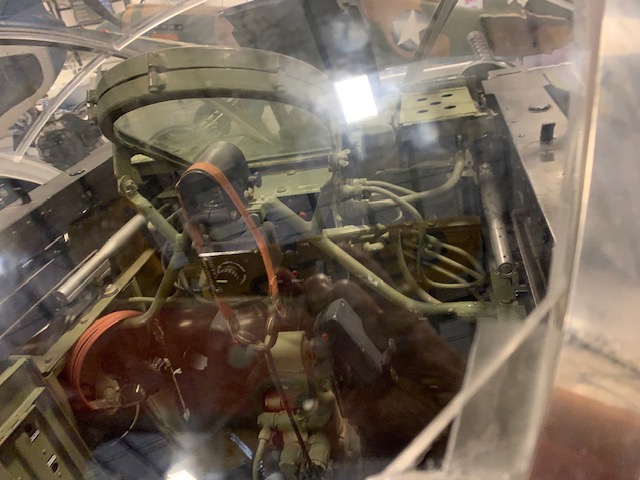
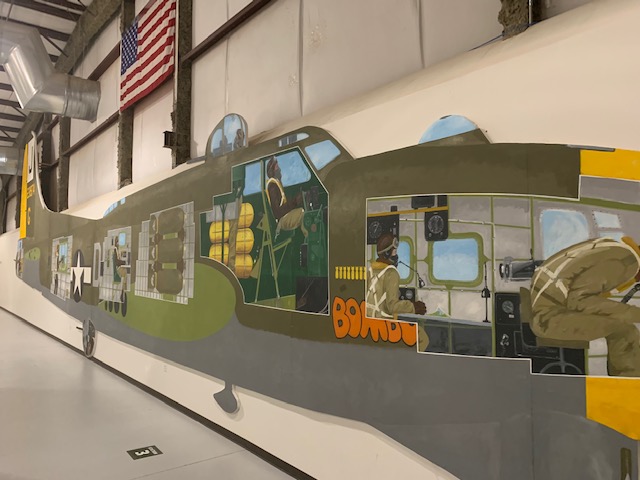
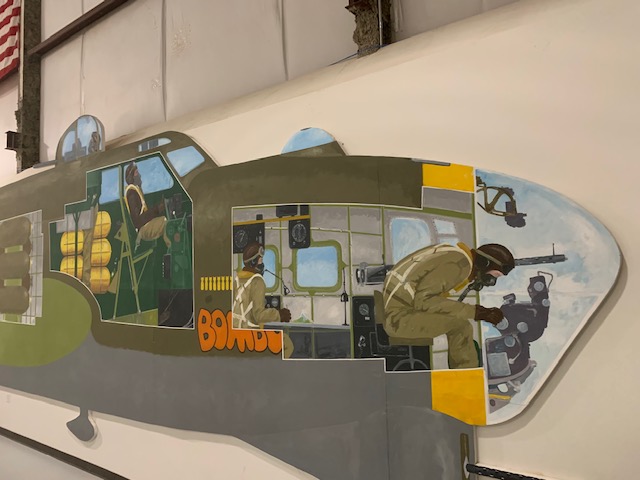
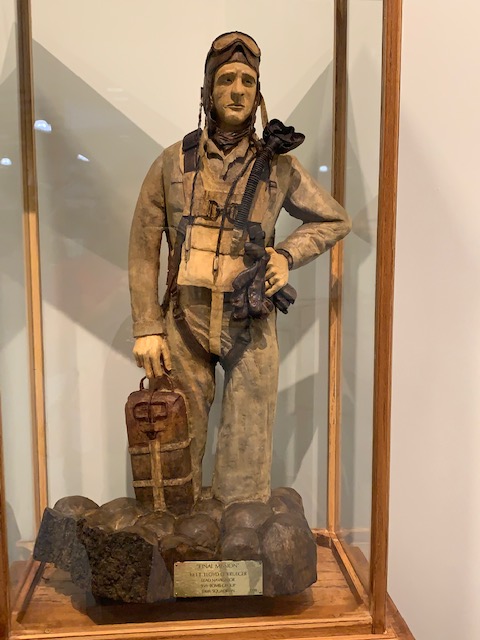
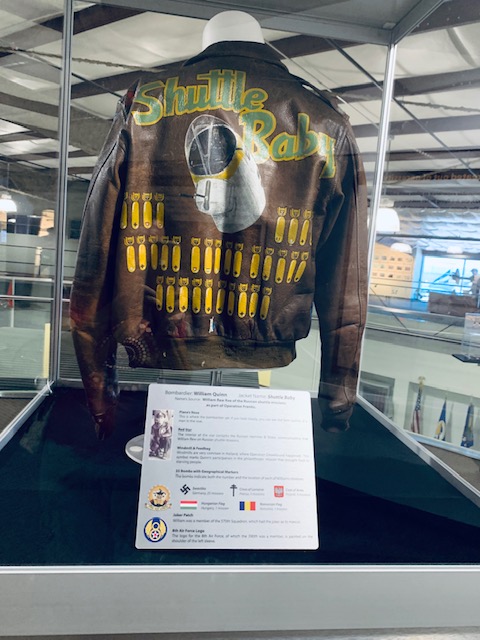
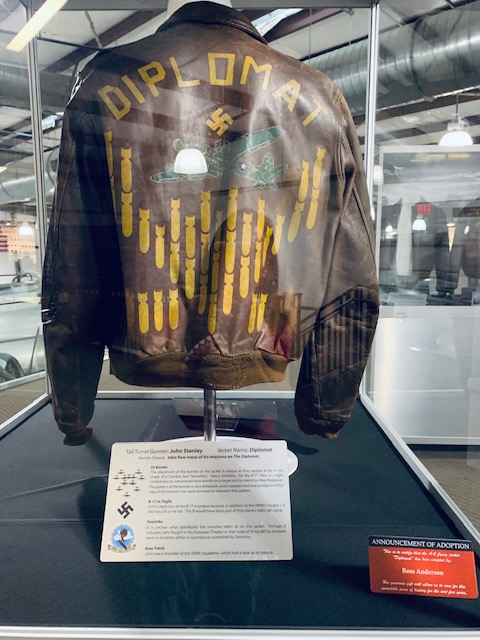
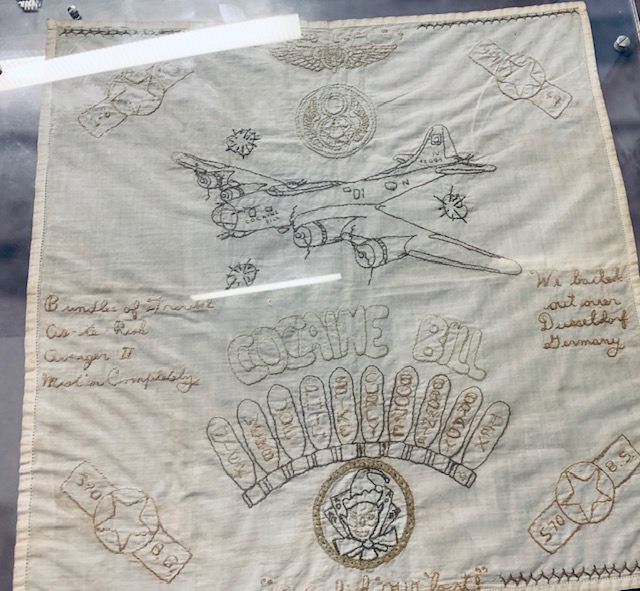
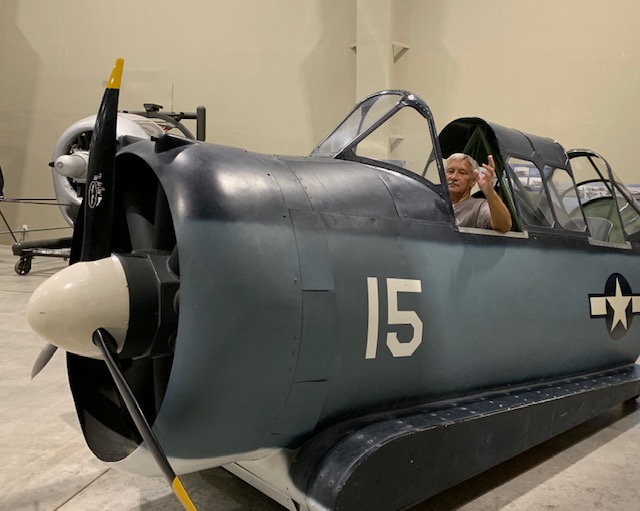
WOW, Is all I can say, we have been to a lot of air museum’s but this one takes the cake. Just huge, 5 massive building filled with planes and 80 acres of outdoor plane displays. Spent 5 hours there, and that wasn’t enough, will more than likely go back. saw planes I have never seen before, the B-52, B-24, B-29 ,saw a F-14 tomcat like in the movie Top Gun, that was cool. Many , many other’s but just an amazing sight. The B-17, and the large building it was in, was neat because it was in the 390th bomb group, of the famous 8th air force during the war. The place was a great tribute to all the men, and yes some women who served, and sacrificed during the war. Walking beneath the wings of these giant machines was a unique experience.

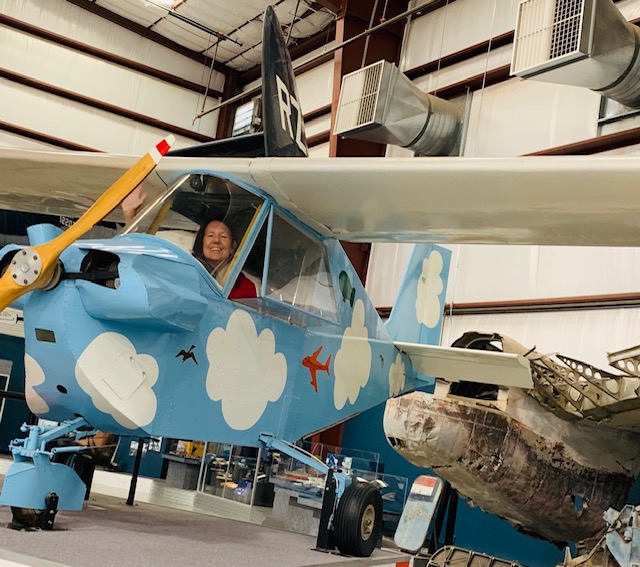
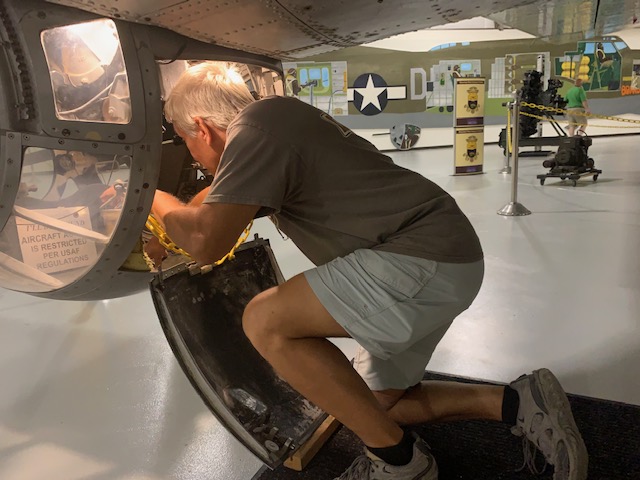
Are you serious! . . .I’m going in there?!

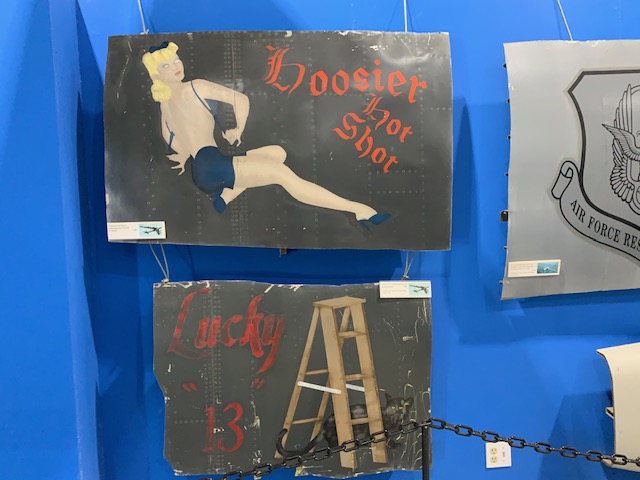
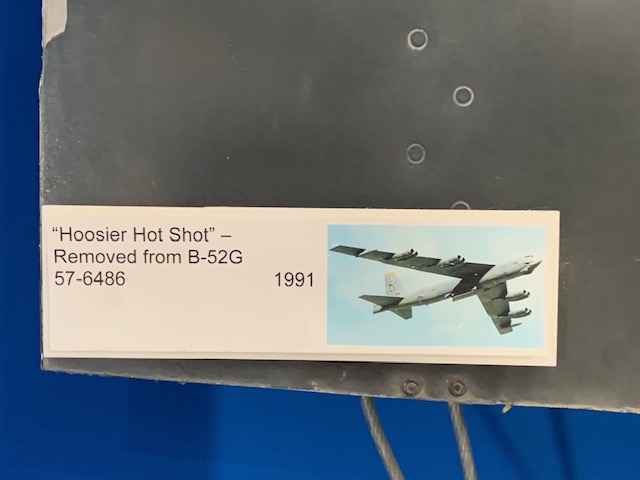
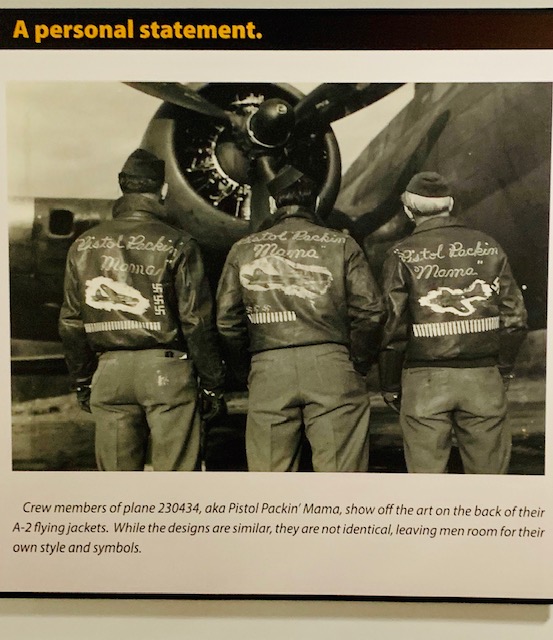
The men decorated their jackets with squadron patches, nose art, slogans and bombs, which represented the number of missions they flew.

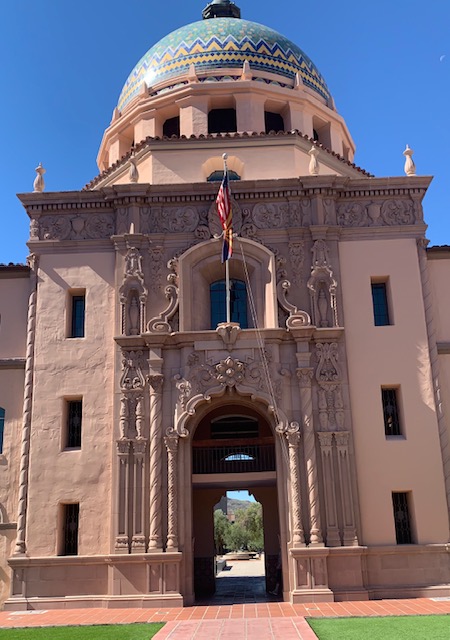
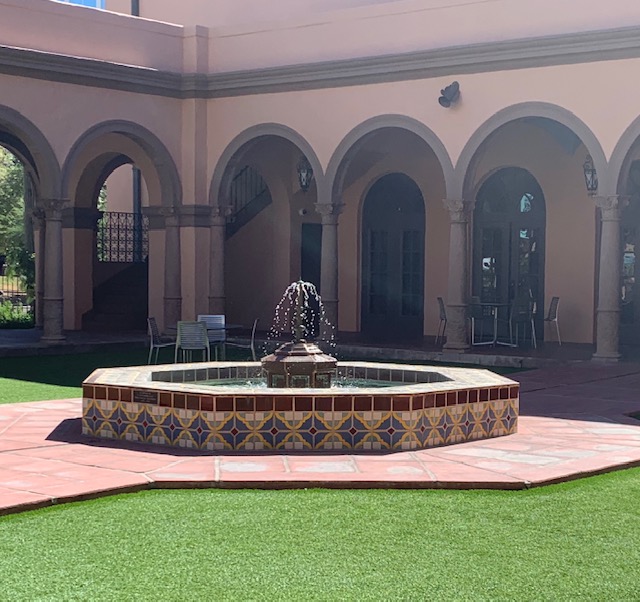
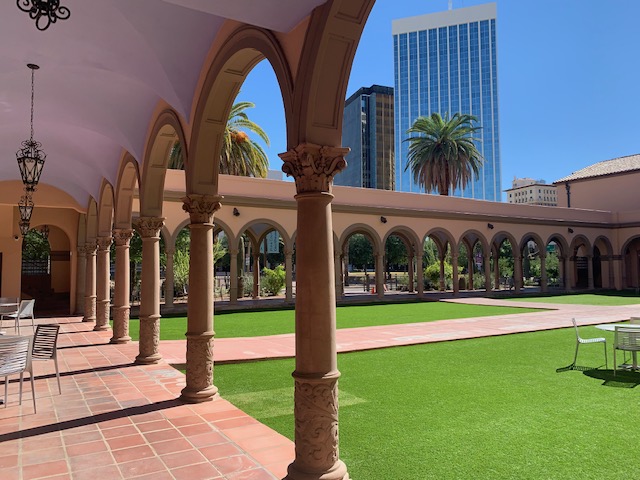
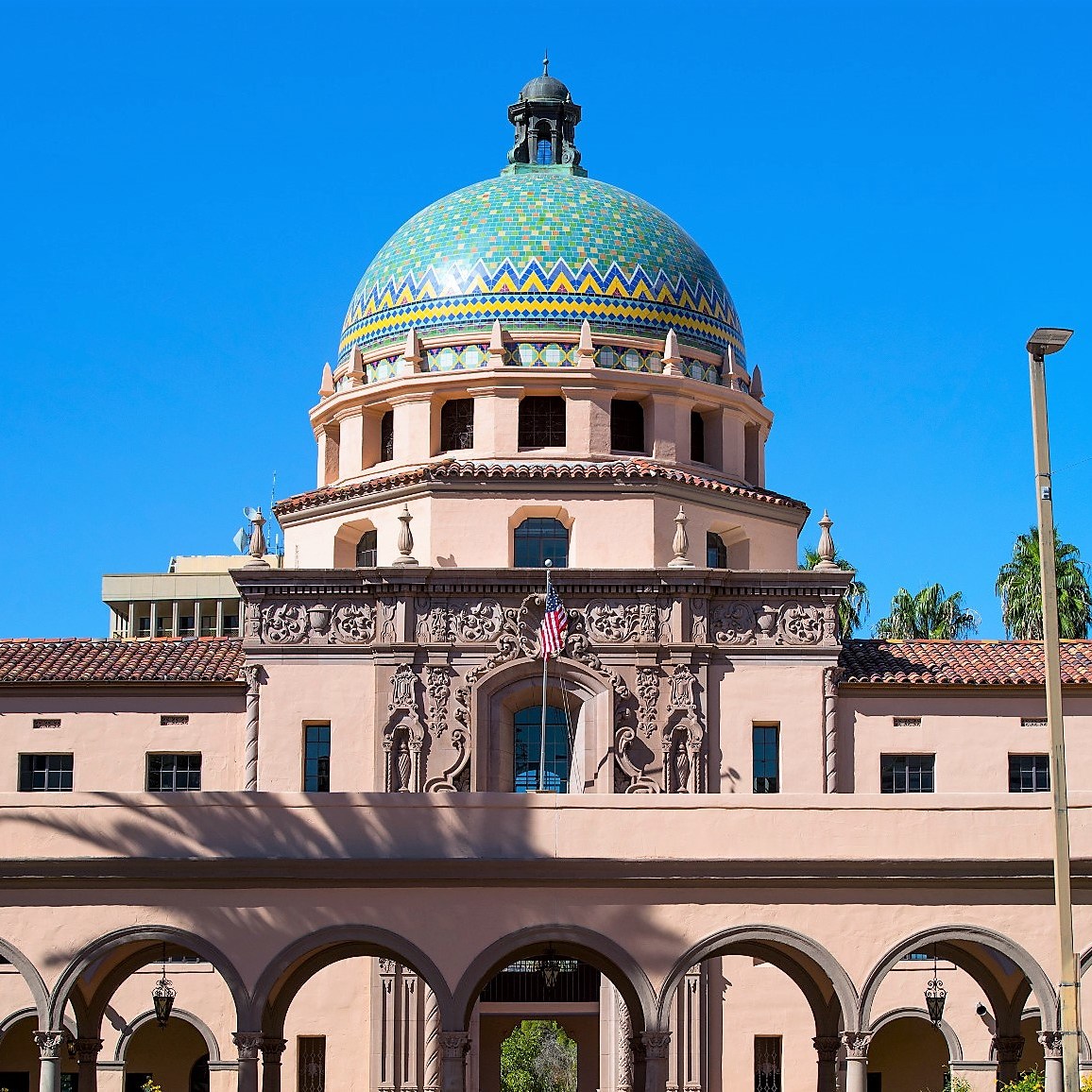
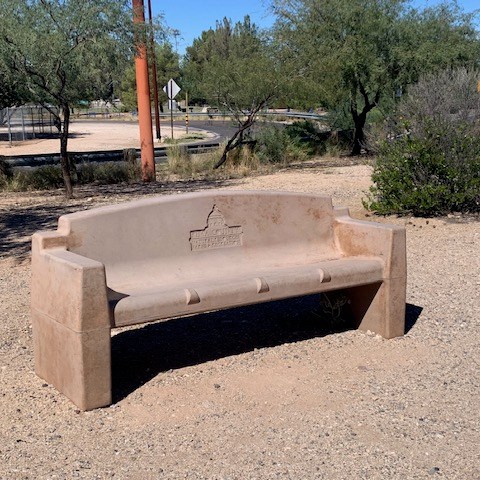
We visited a bit of the downtown area of Tucson. We checked out the Southern Arizona Heritage and Visitor Center. The visitor center was relocated to the Historic Pima County Courthouse in downtown Tucson in 2020.

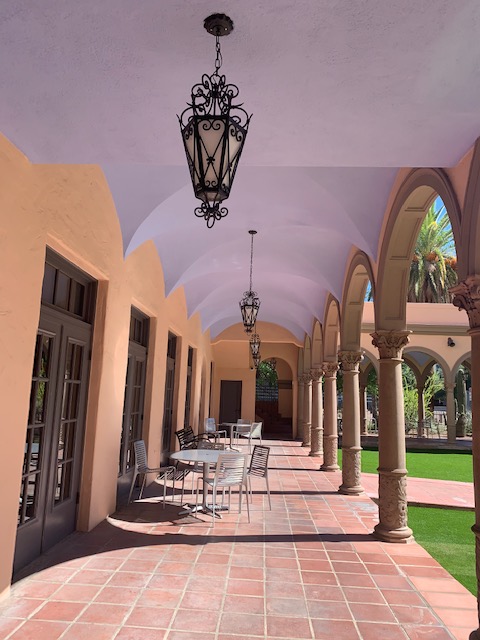
The Historic Courthouse is on the National Register of Historic Places and the “most outstanding Spanish Colonial Revival building in Arizona” with its “elegant blue-tiled dome.”  Currently, it’s home for Pima County Attractions & Tourism, Pima County Administration,  The Southern Arizona Heritage and Visitor Center and the University of Arizona Alfie Norville Gem and Mineral Museum. The  Courthouse is famous because of America’s Public Enemy No.1 John Dillinger. In 1934, the bank-robbing celebrity gangster was captured in Tucson and held in the facility along with three of his gang members. You now go inside the courtroom as it has been preserved and rehabilitated to the 1930’s Dillinger days. We’ll have to go back and see that for sure.

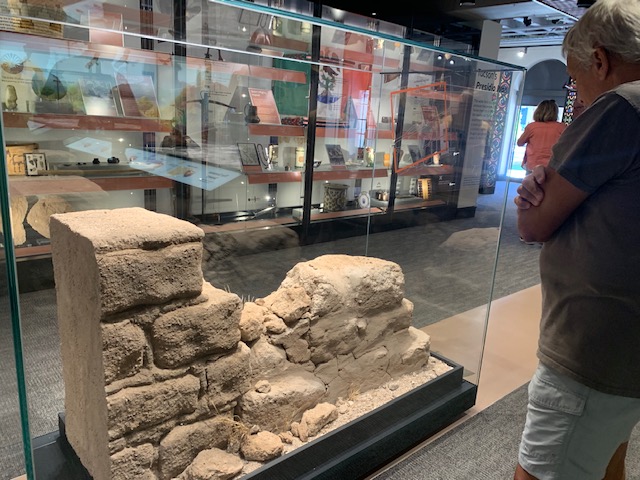
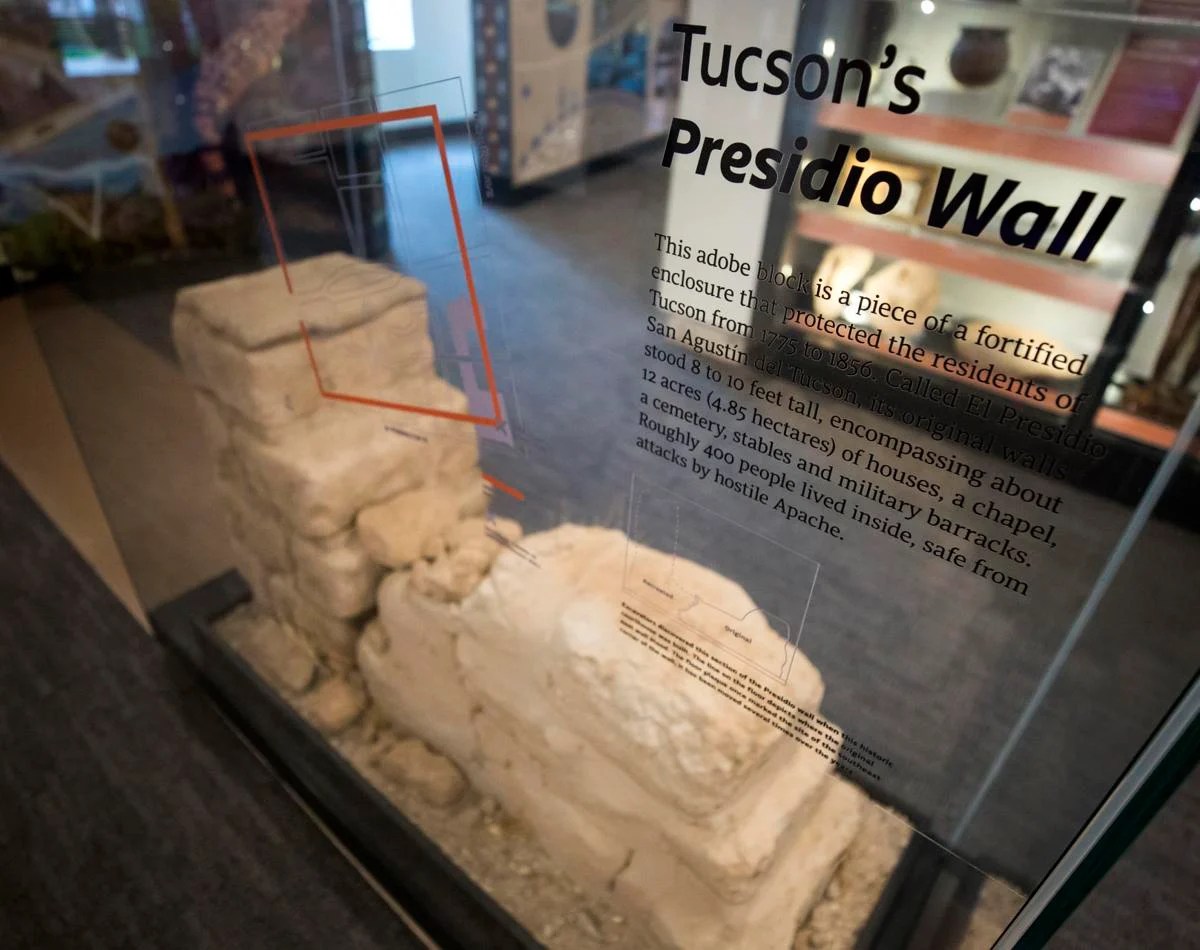
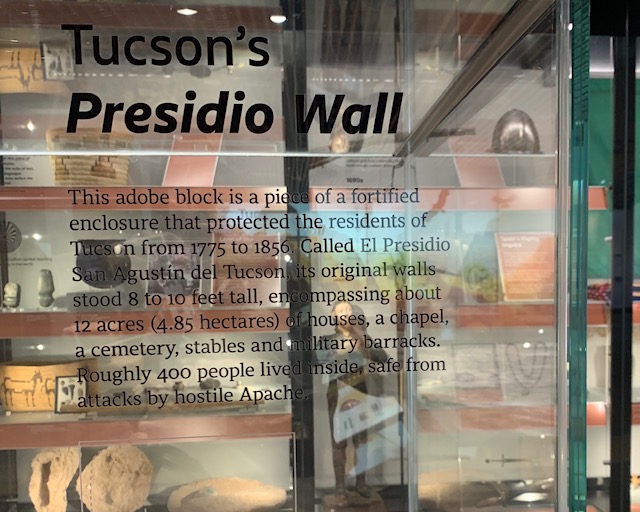
The Wall was originally at this spot and a very small section of it is once again.

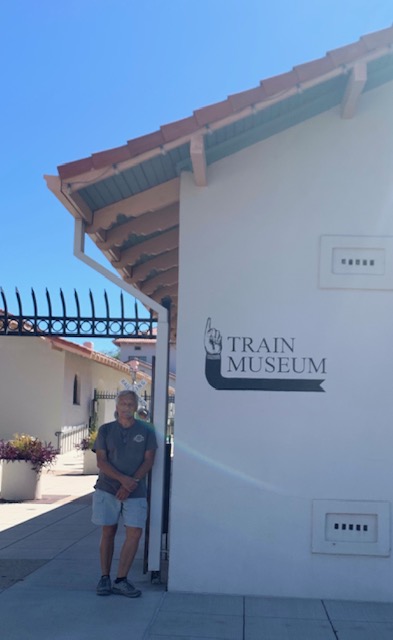
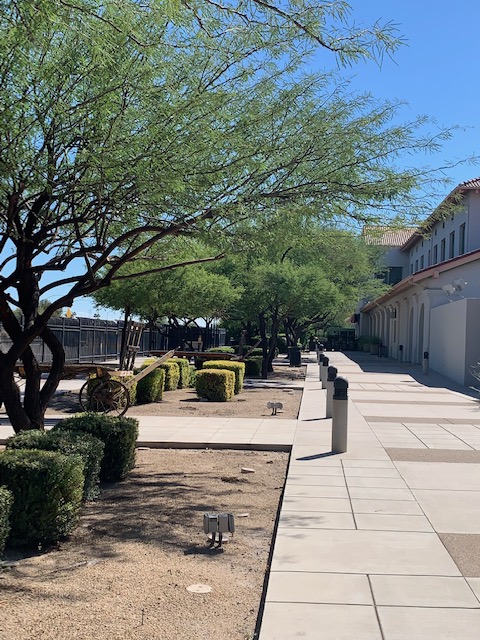
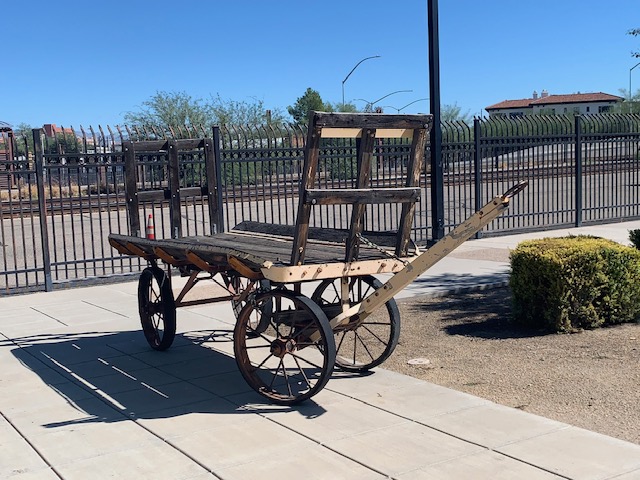
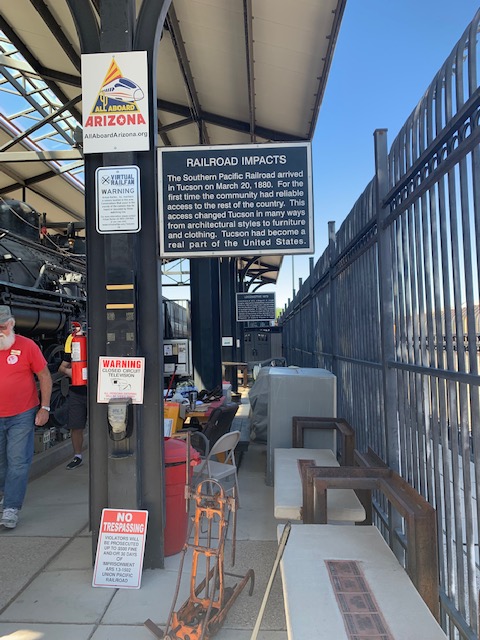
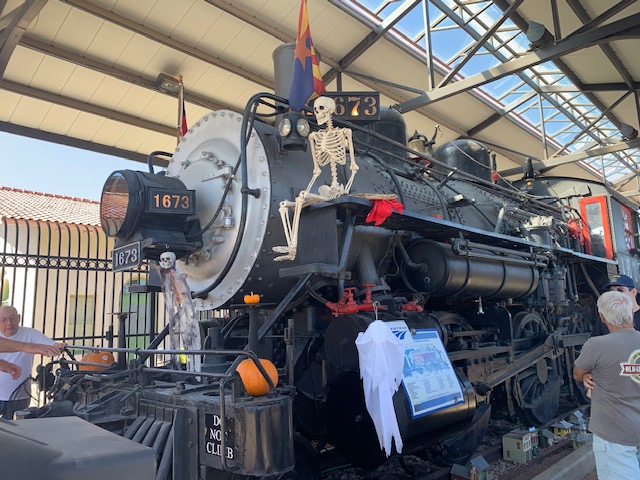
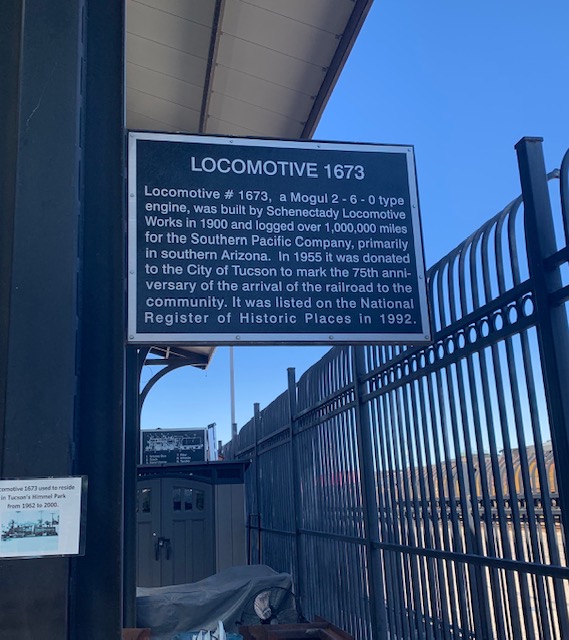
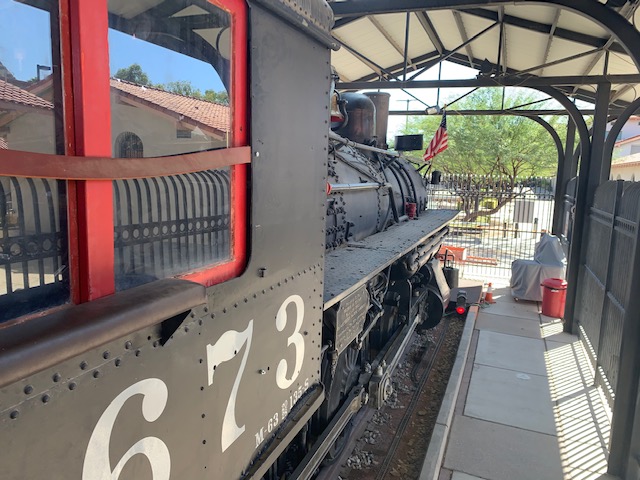
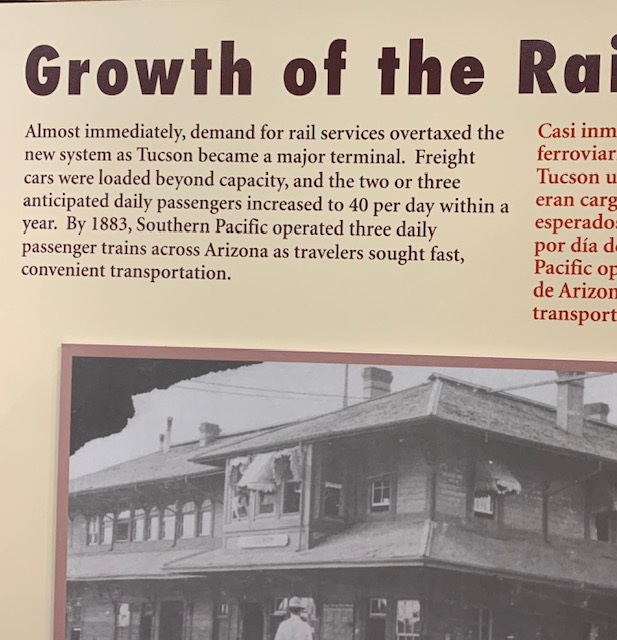
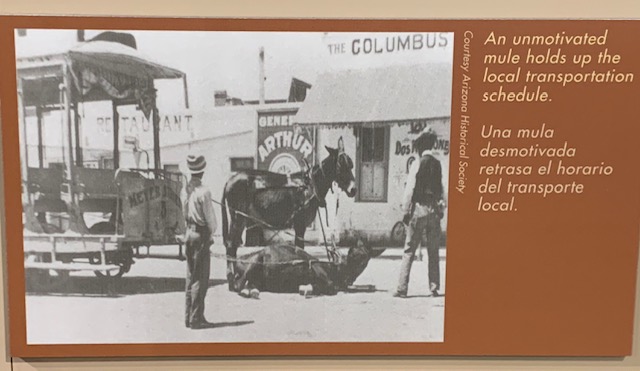
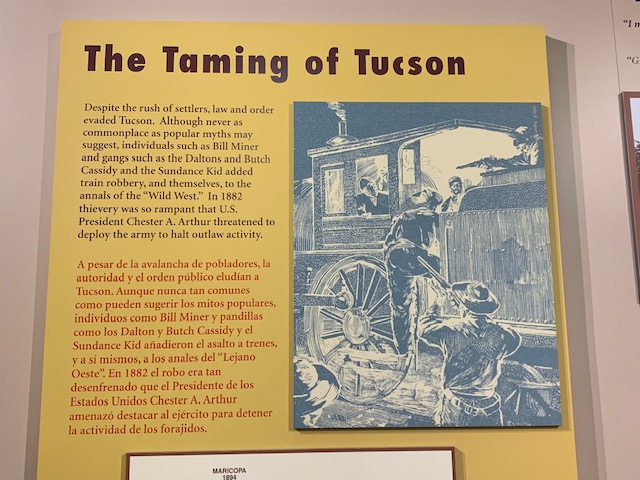
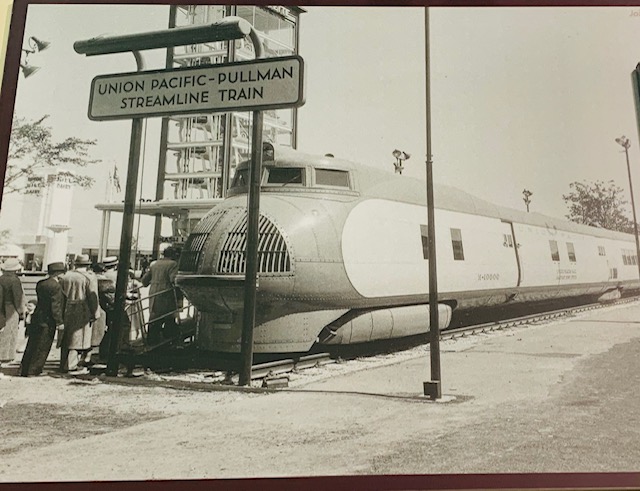
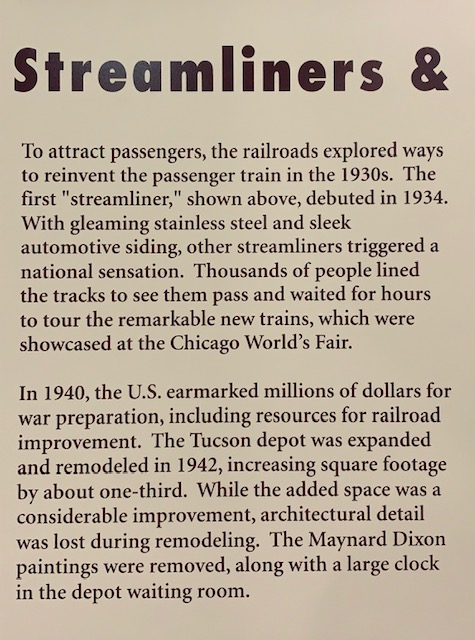
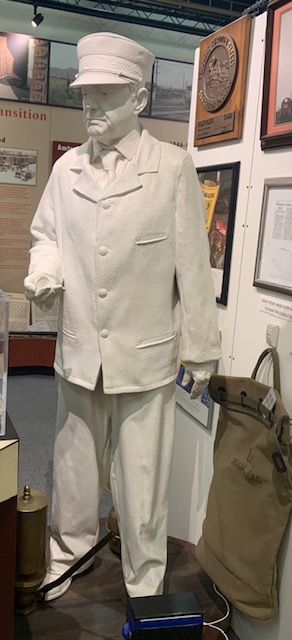
We walked over to The Southern Arizona Transportation/Railroad Museum

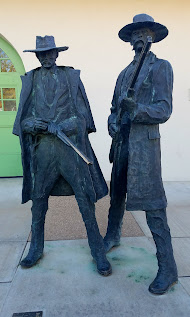
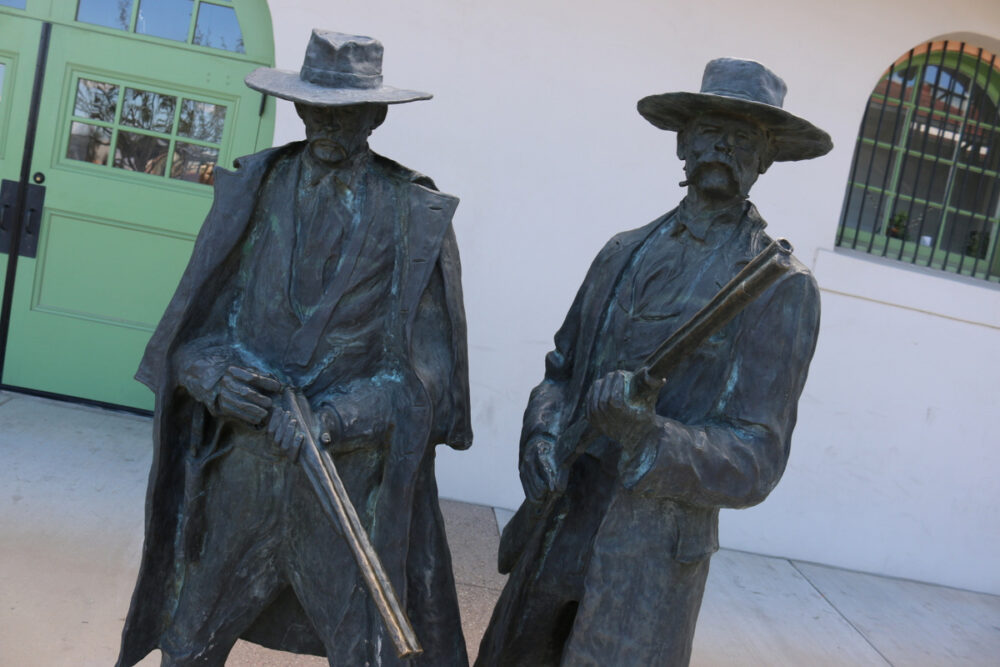
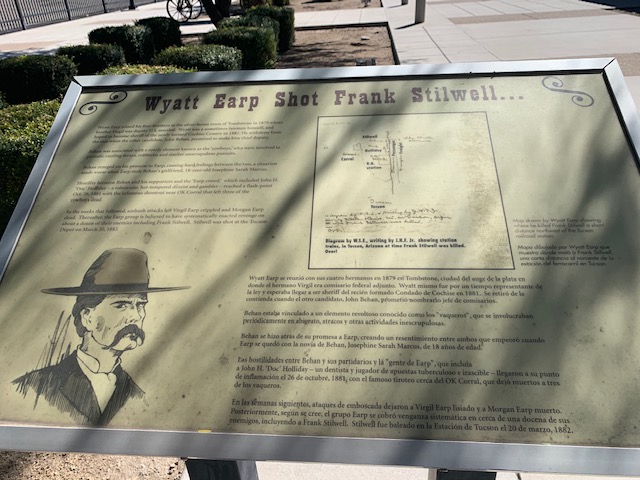
Wyatt Earp and Doc Holiday were there too! Actually, The Tucson Train Depot is where Frank Stilwell, suspected in the murder of Morgan Earp, was killed by Wyatt Earp with Doc Holliday by his side.

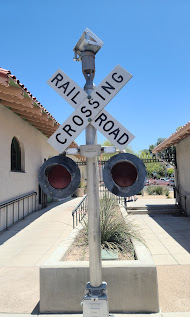
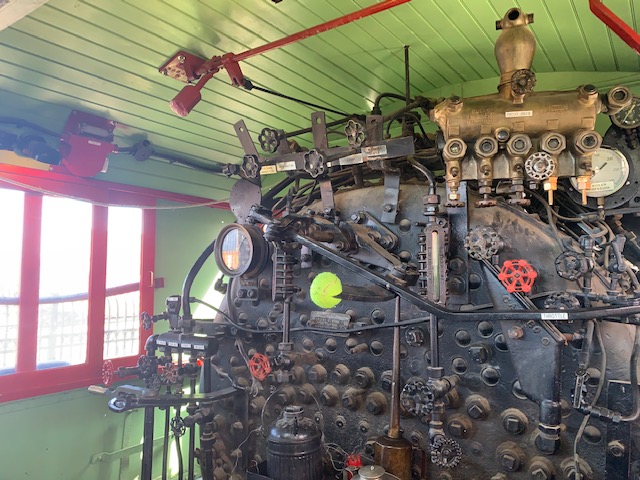
He was showing us how one of these operates.

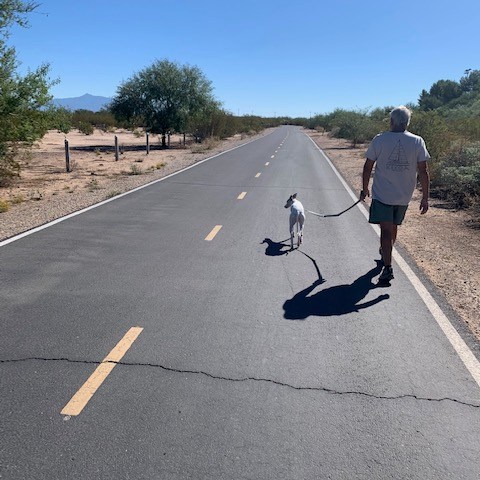
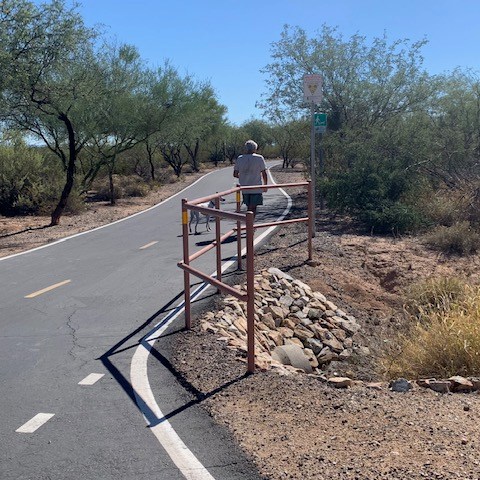
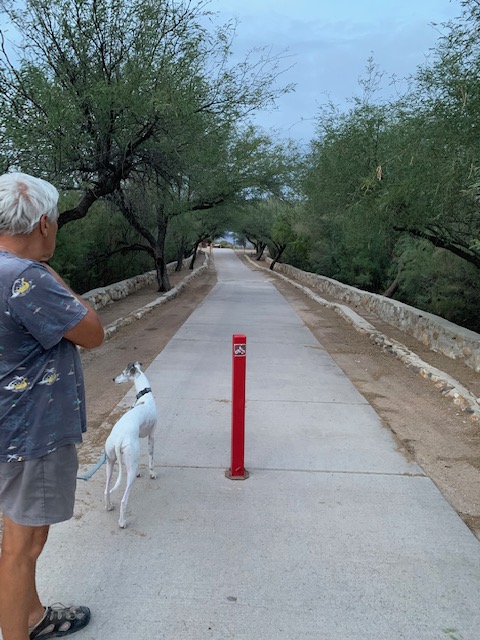
The campground we’re staying at is close to “THE LOOP”

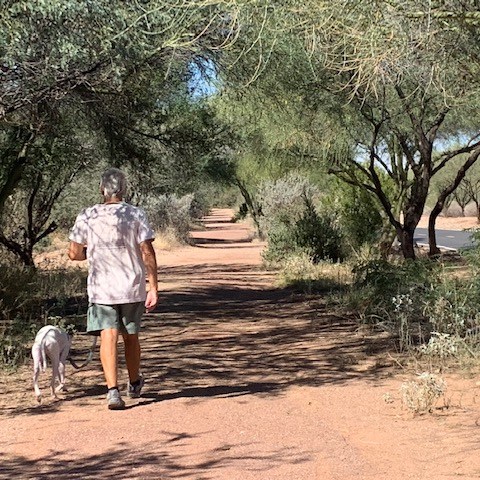
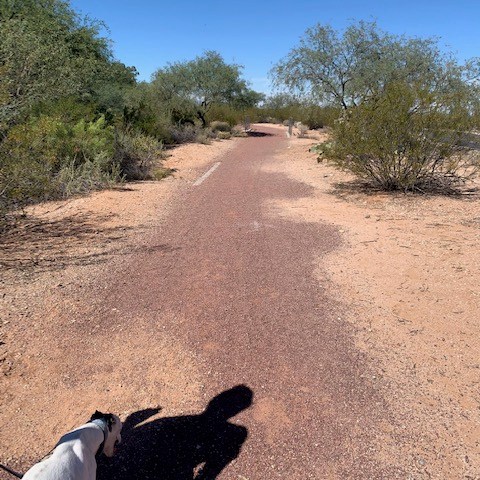
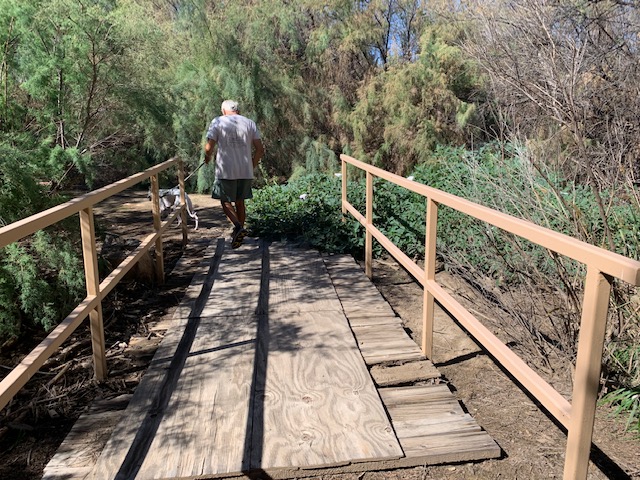
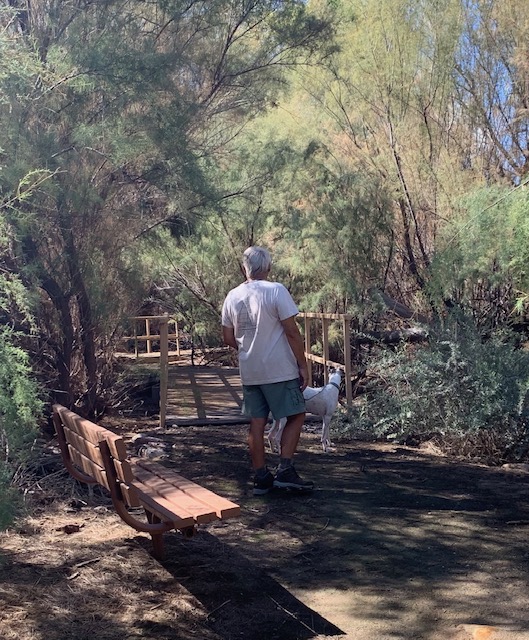
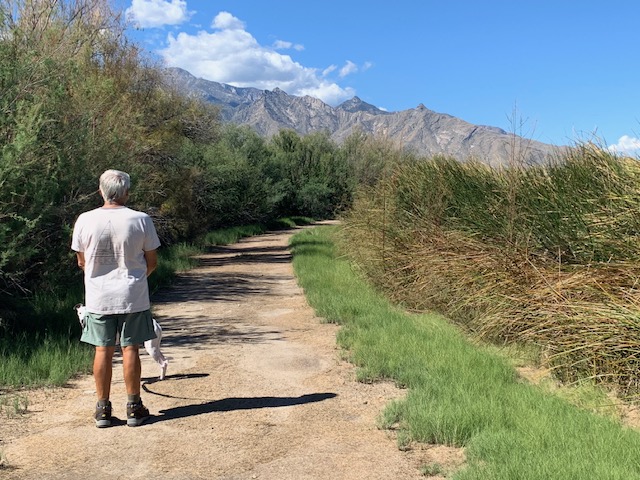
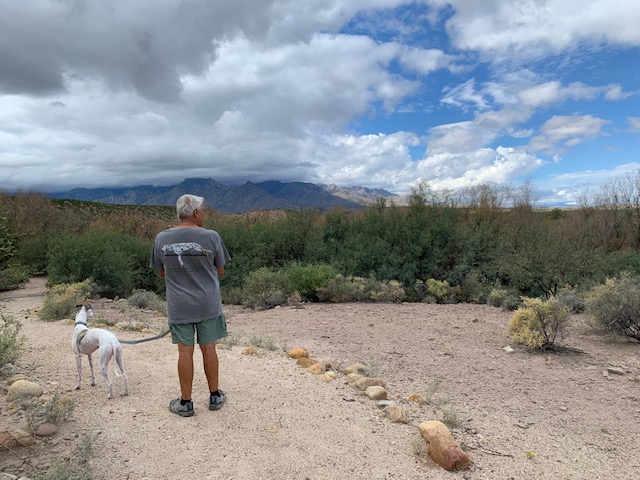
The Loop is a system of shared-use paths in metropolitan Tucson, Arizona.   Approximately 137 miles of paved pathways and bike lanes have already been completed with additional trails to come. It’s a nice place to walk with Cooper.

TUCSON ARIZONA

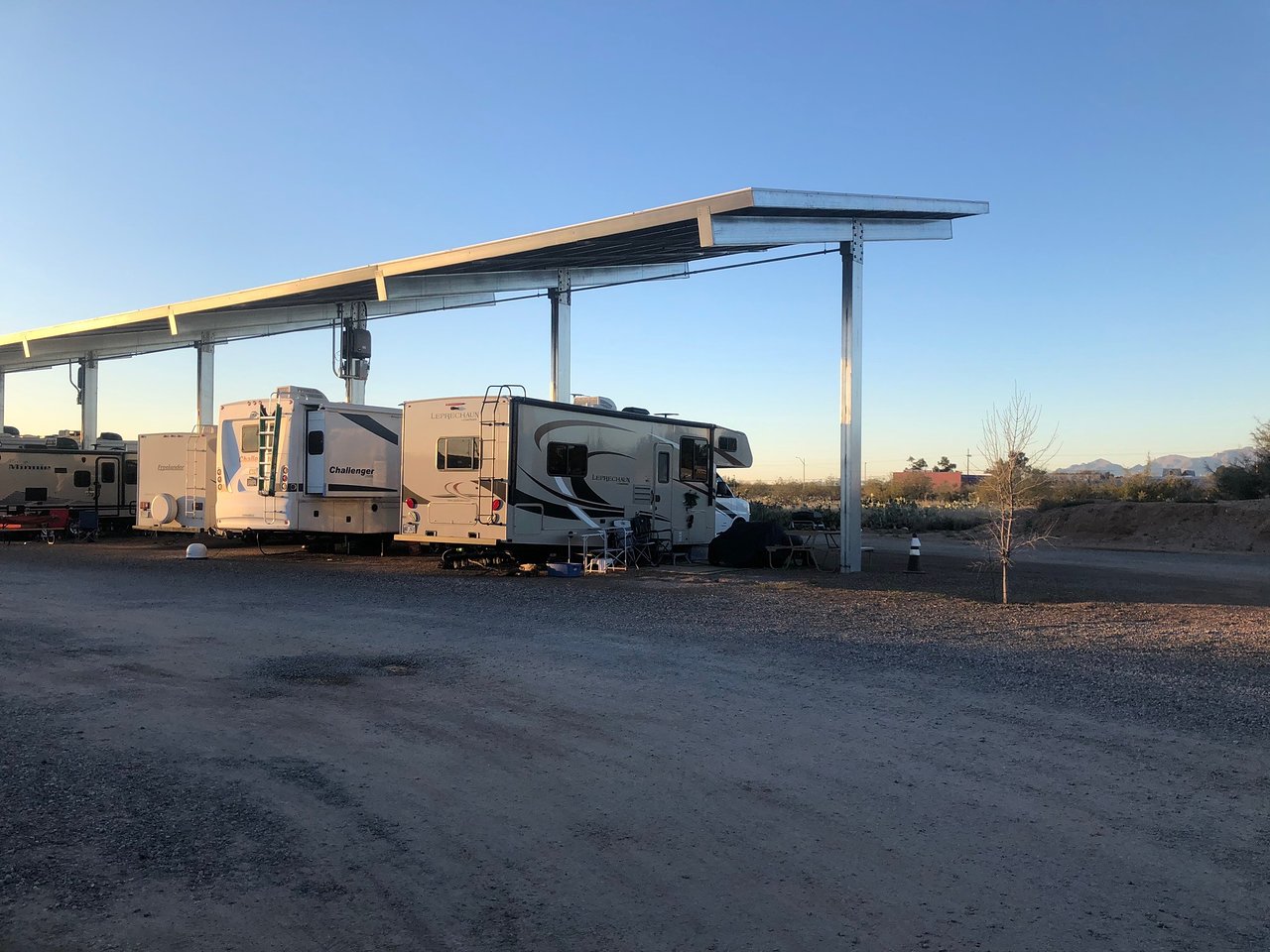
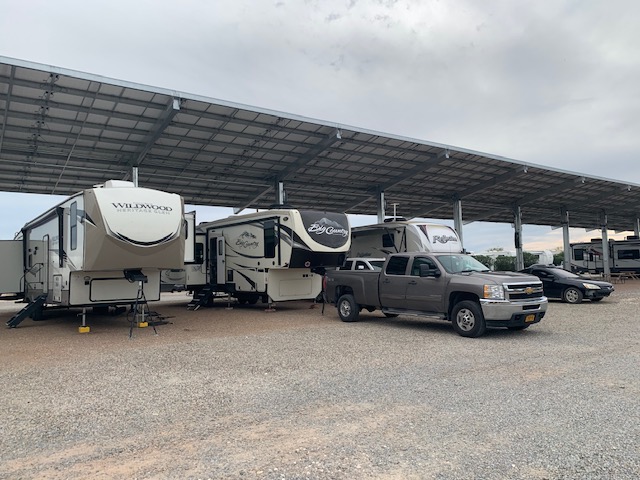
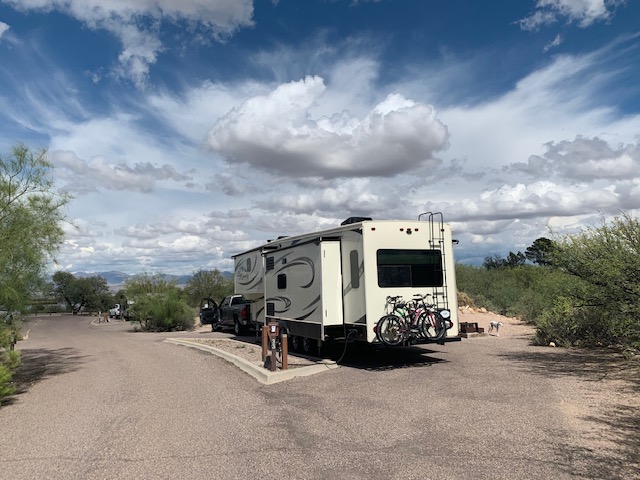
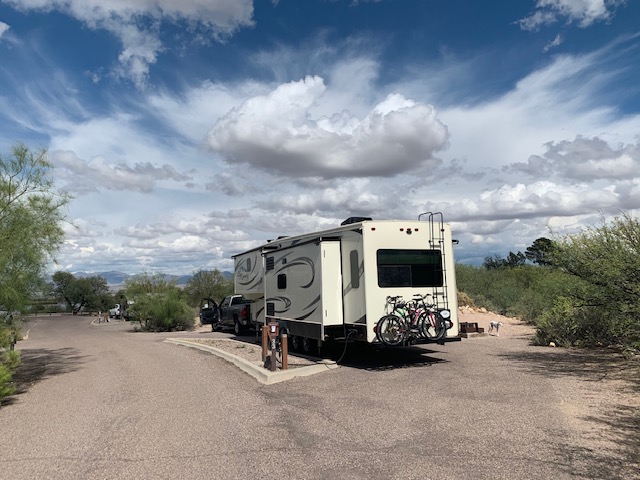
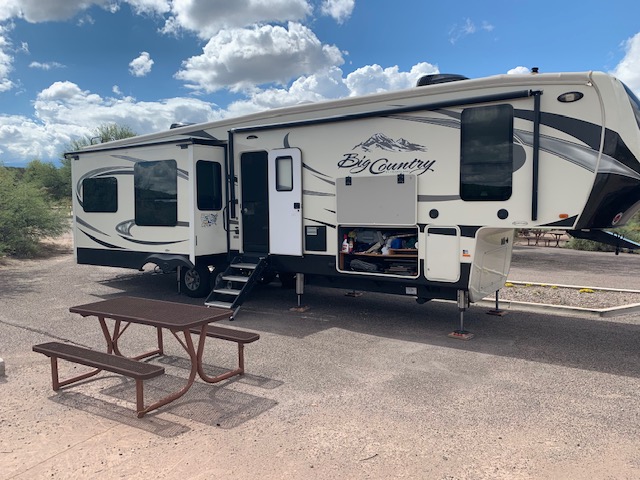
We are now at Crazy Horse Rv park here in Tucson Arizona, We drove 119 miles today. It was a pleasant drive. This park is a little older and has been in two generations of families, but it is a privately owned park, which is nice. Our spot is under a roof of solar panels, so we are protected somewhat from the sun and rain. Spots here a little tight, but OK. We will be here for a month, with a lot of exploring to do in the area.

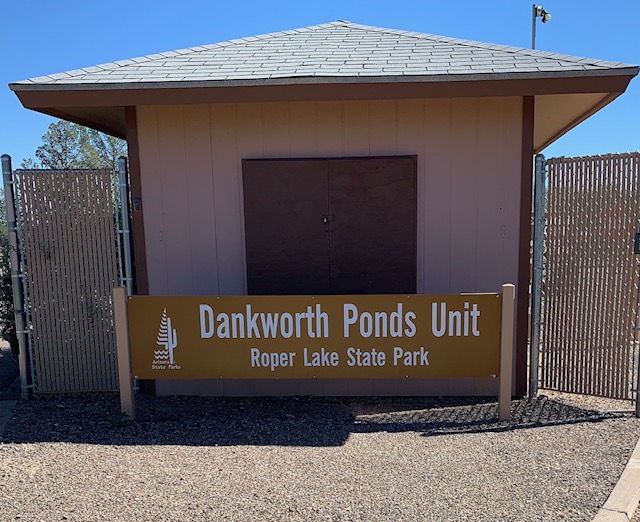
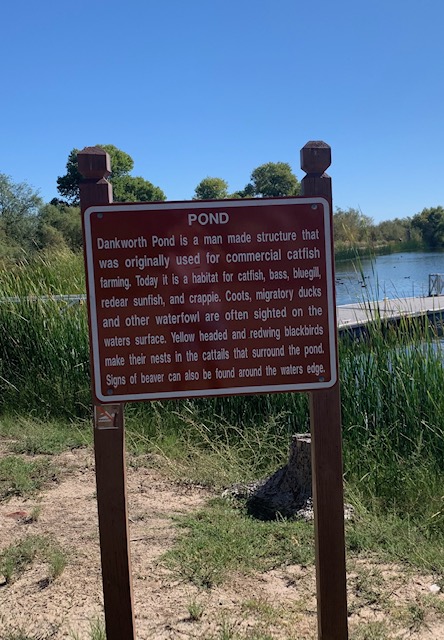
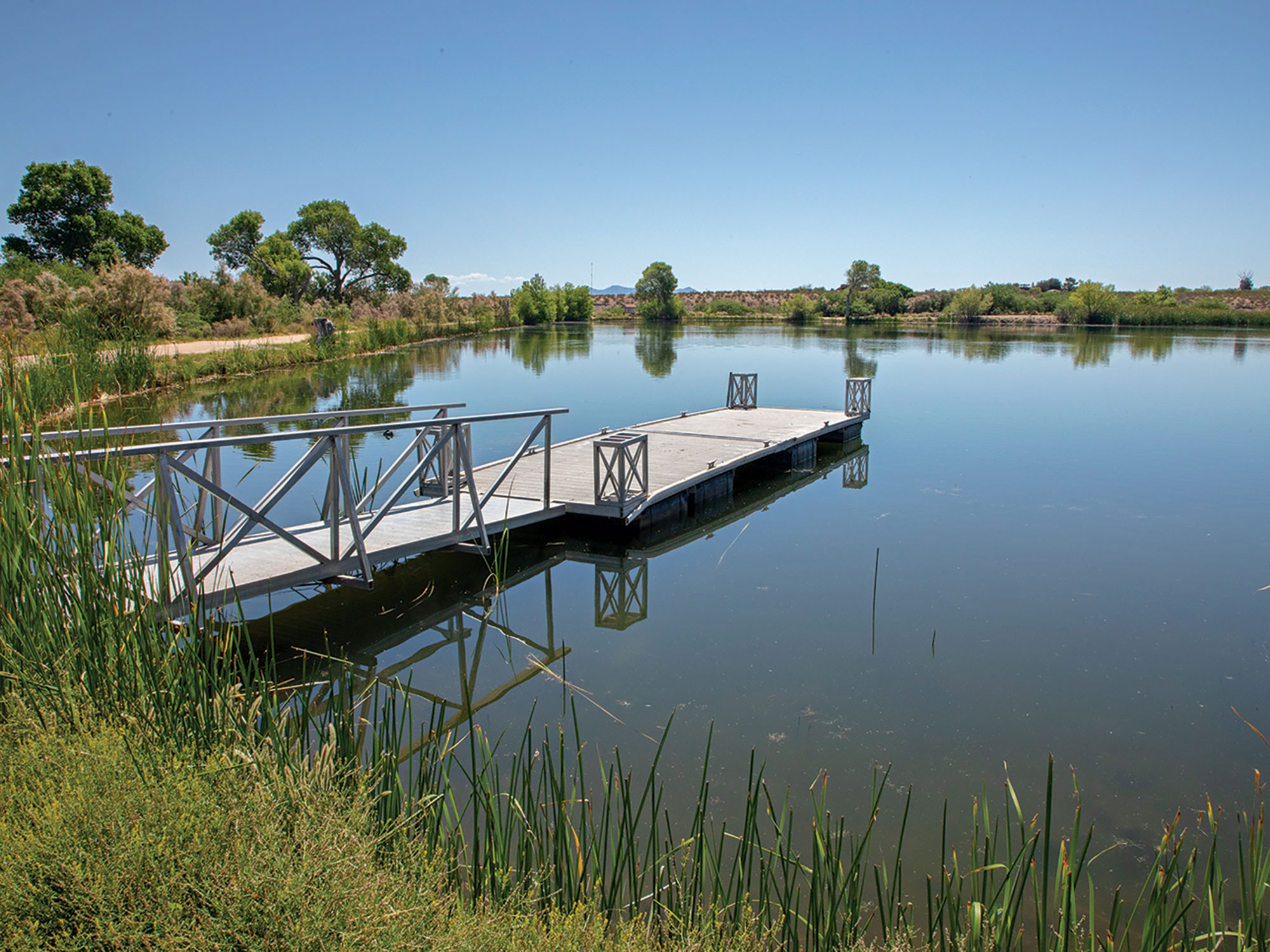
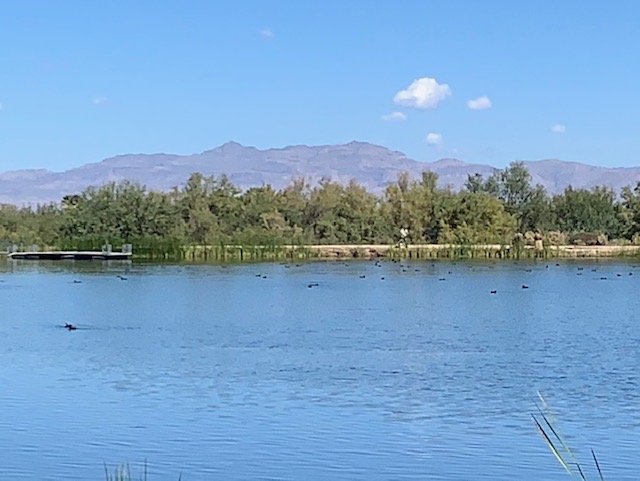
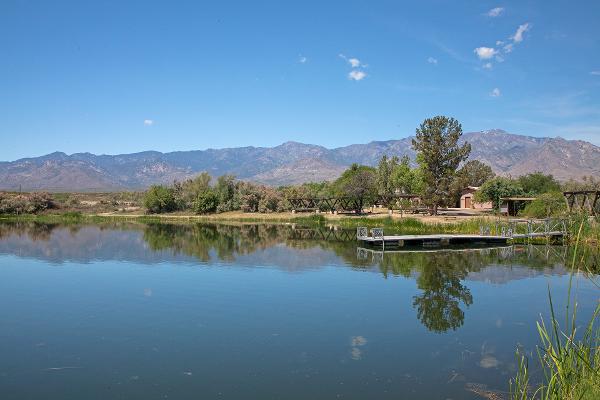
A few miles down the road is Dankworth Ponds State Park

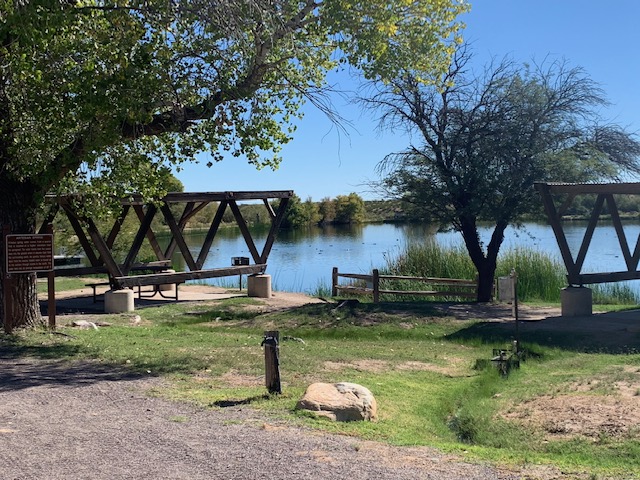
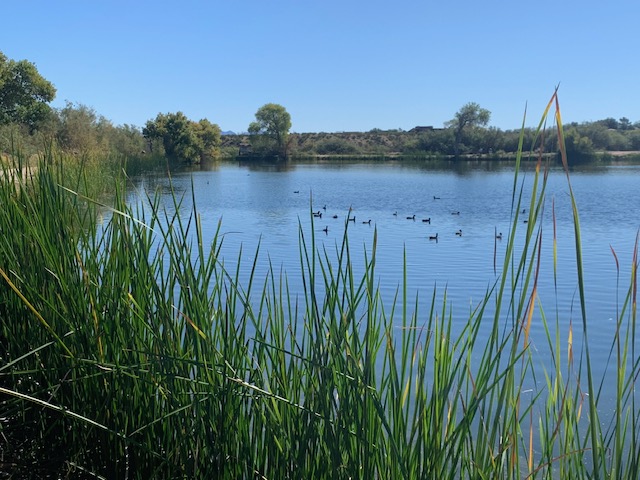
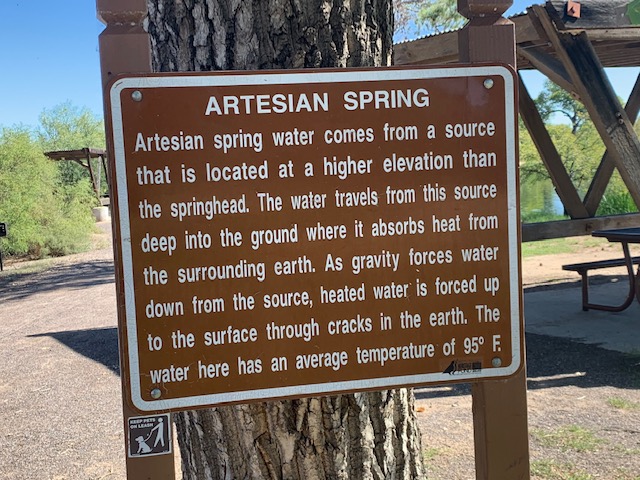
Dankworth Pond State Park is a day-use park that is a sub-unit of Roper Lake State Park.  The park opened in 1982 and 150 acres of land surrounding a 15-acre pond.  Definitely the place to go if you fish the pond is now home to bass, bluegill, trout and catfish, and trout.

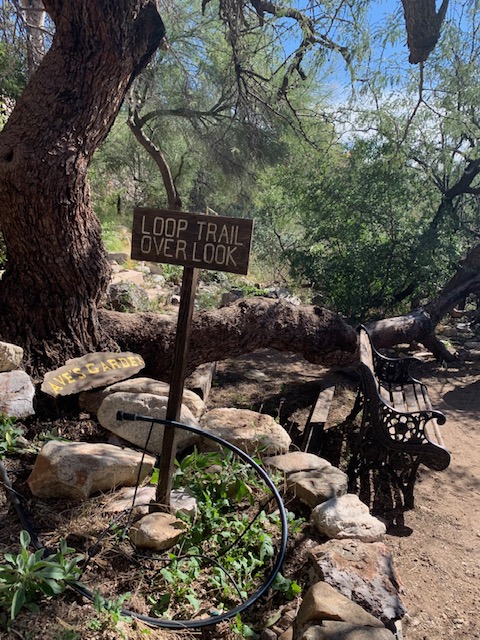
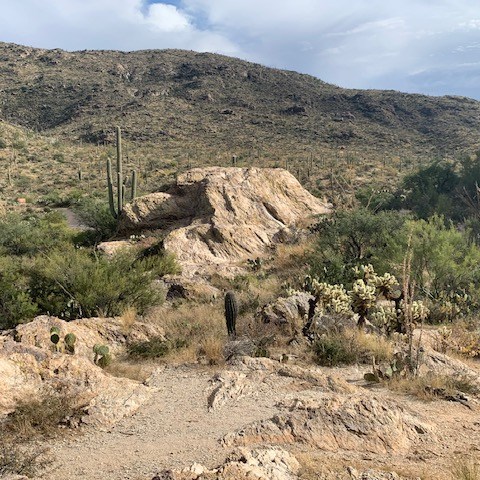
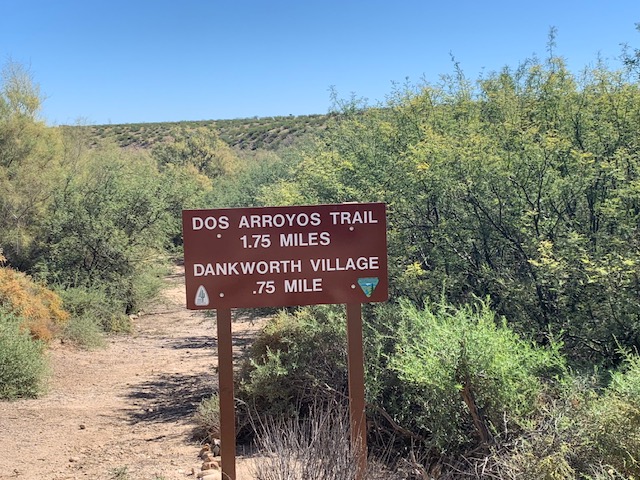
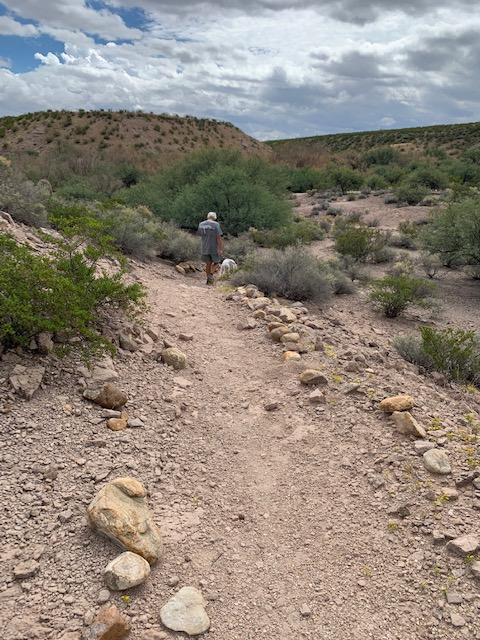
There is a 2-mile loop trail that winds through the park, known as the Dos Arroyos Trail.

Along its course of the trail is the Dankworth Pond.

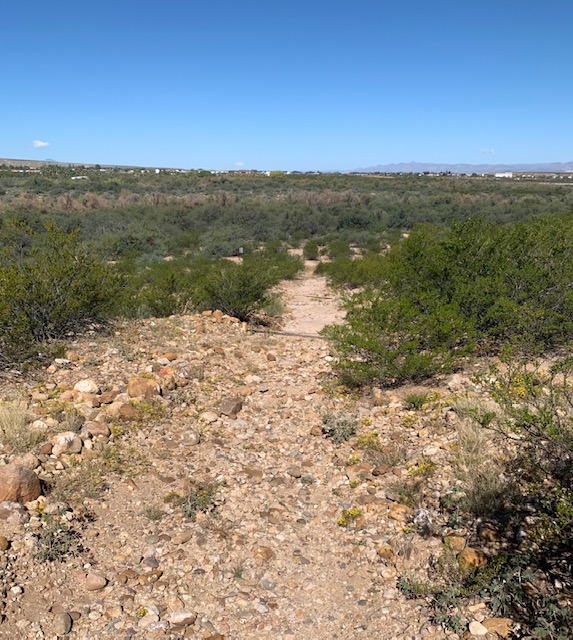
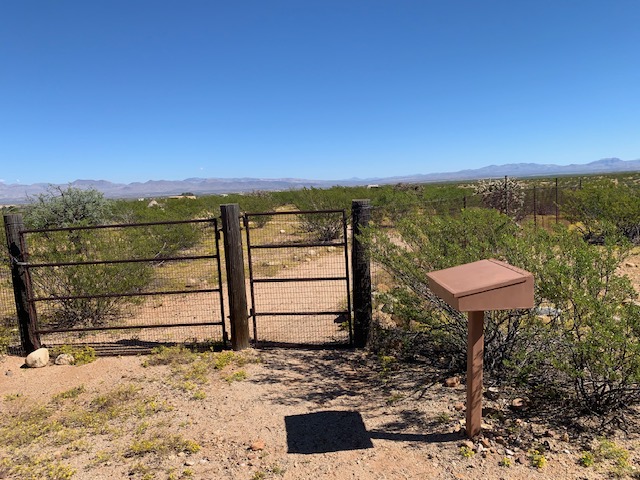
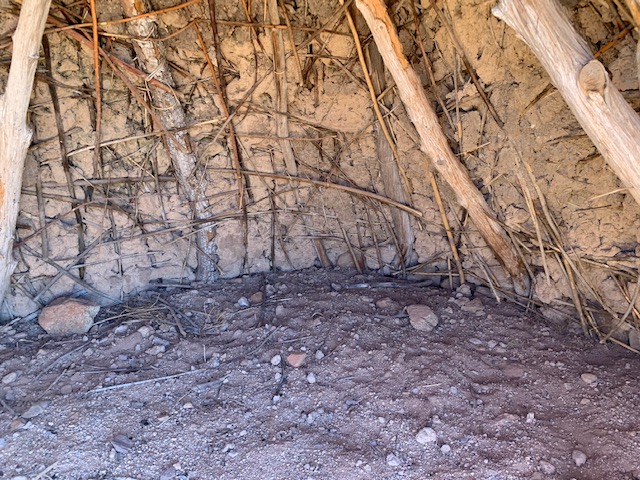
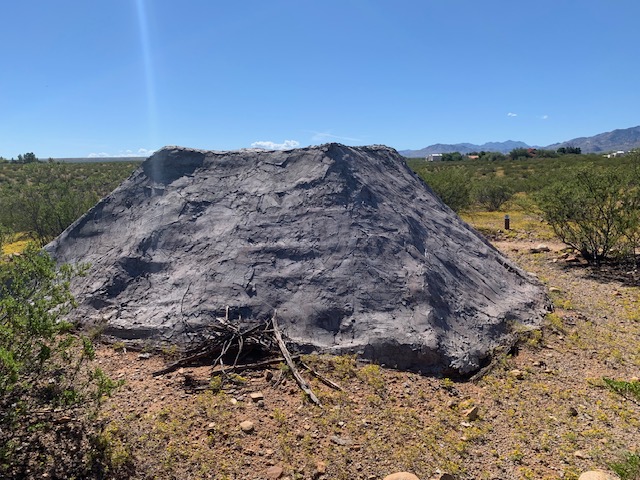
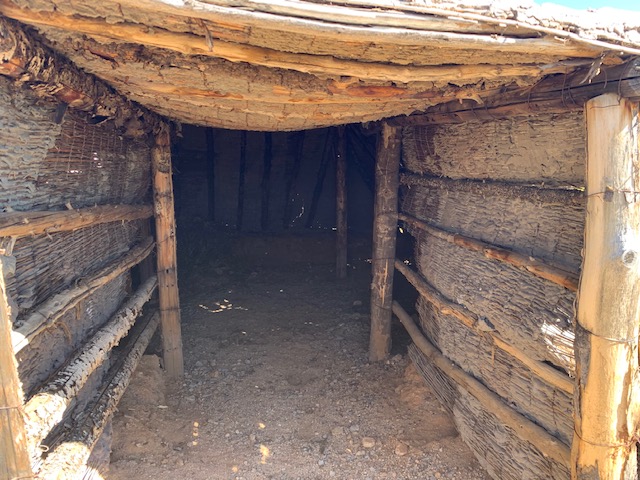
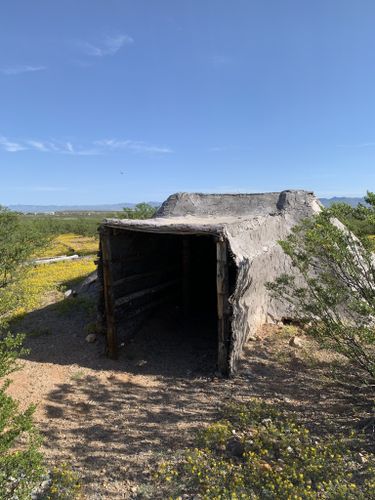
You can go off the trail a bit to where there is an area called Dankworth Village. The village is constructed of prehistoric Native American dwellings. These dwellings are typical of Safford area sites and showcase both Apache and Mogollon construction styles.

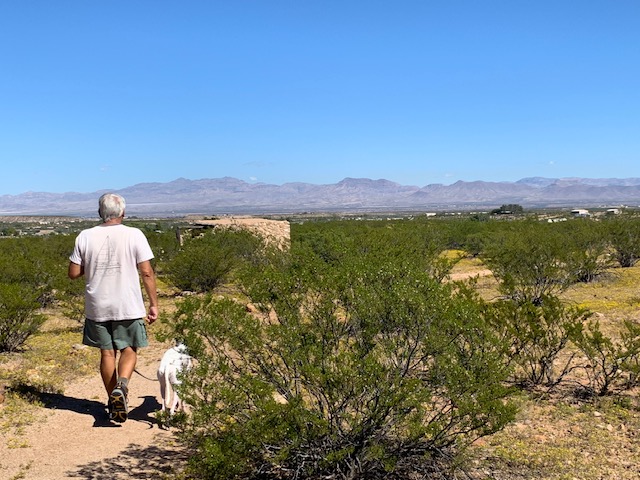
Very nice park to walk around to see the Indian village and all the scenery.

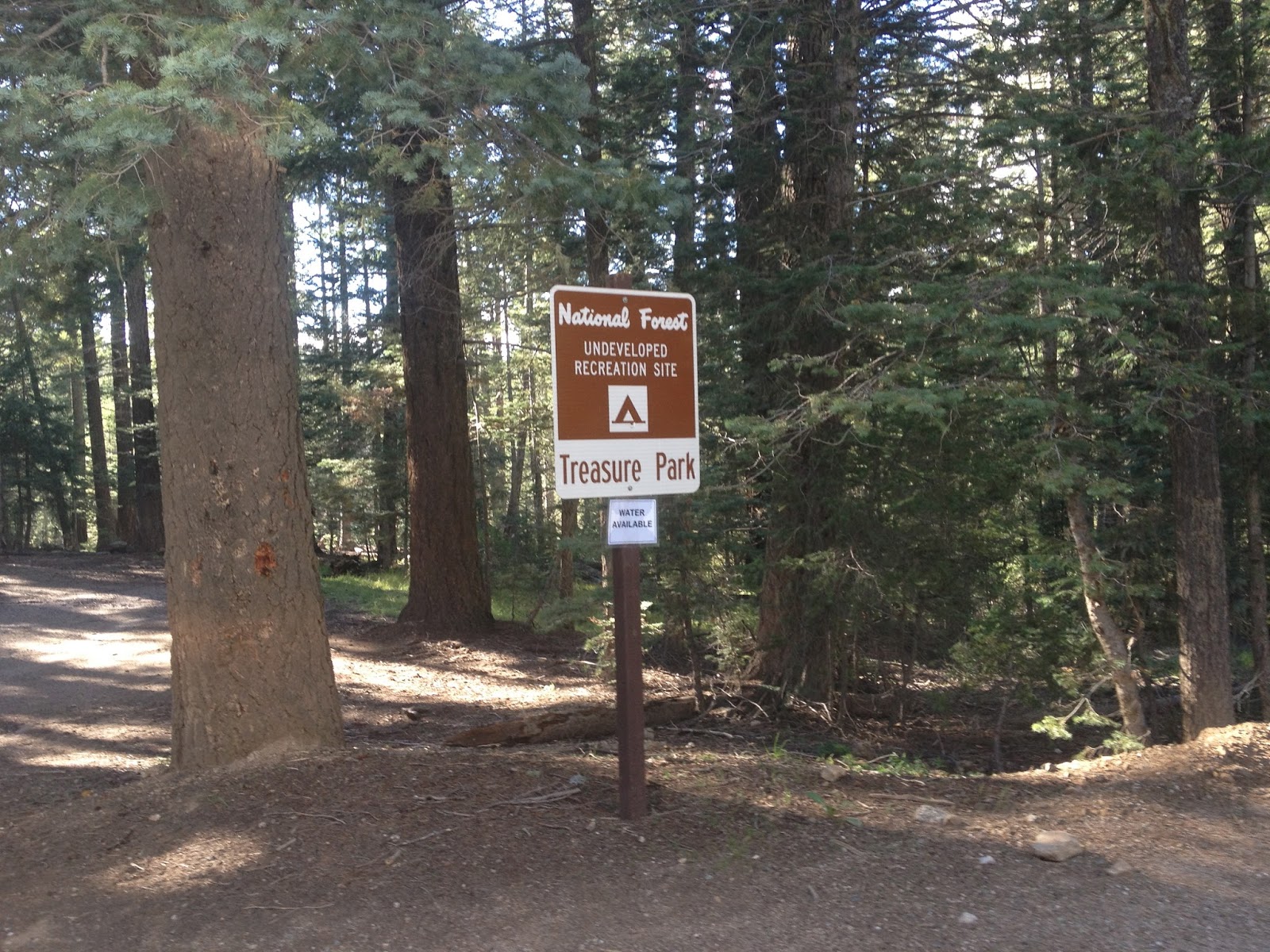
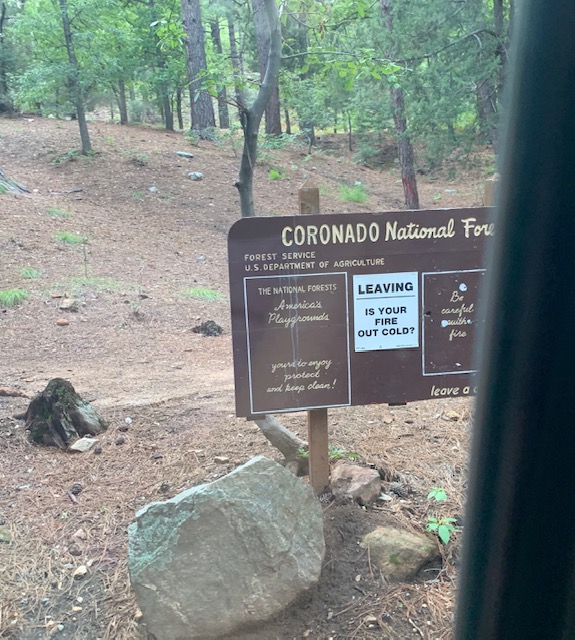
We visited Mount Graham in The Coronado National Forest

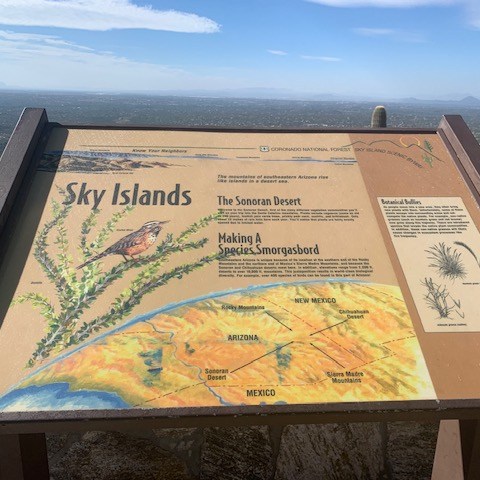
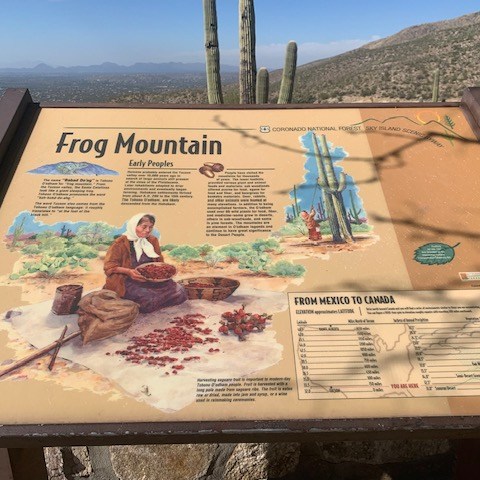
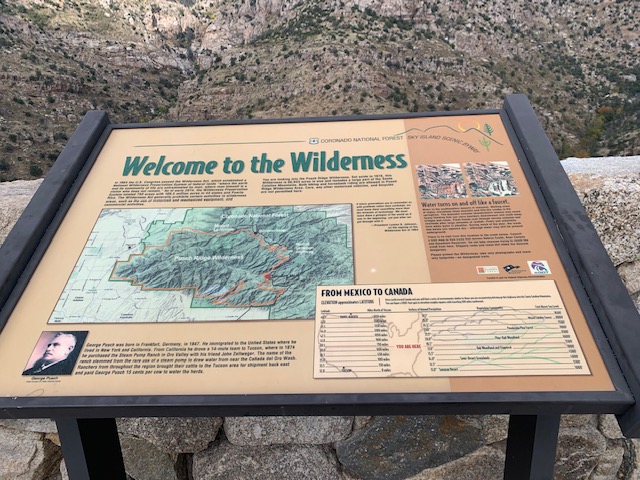
The Coronado National Forest crosses sixteen scattered mountain ranges or “sky islands” rising dramatically from the desert floor, supporting plant groups as biologically varied as those encountered on a trip from Mexico to Canada.

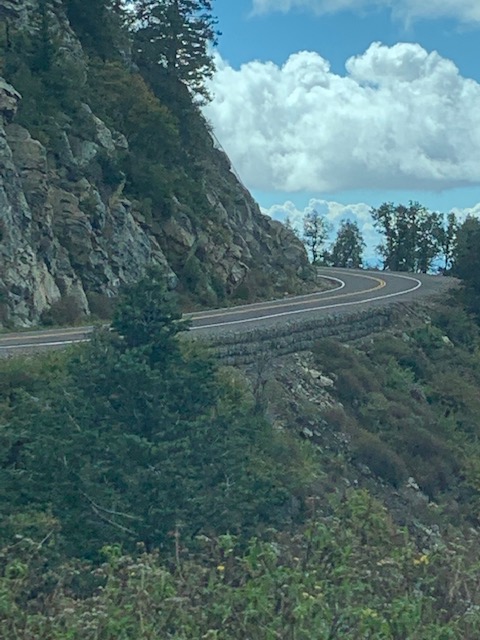
Mt. Graham is rugged  and heavily forested with its tallest peak reaching 10,720 ft.  The road/trail is mostly paved and features numerous twists and turns, including several sharp hairpin turns. Because of these extremely sharp turns vehicles longer than 40 feet are prohibited.  You definitely have to pay attention because there are no guardrails and you don’t want to go off the edge of a cliff.  

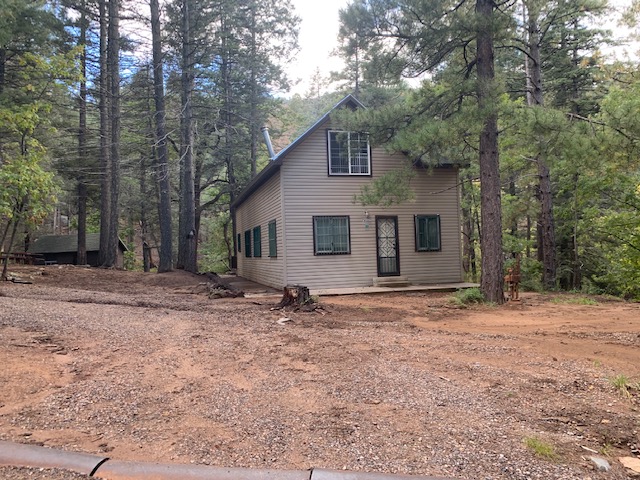
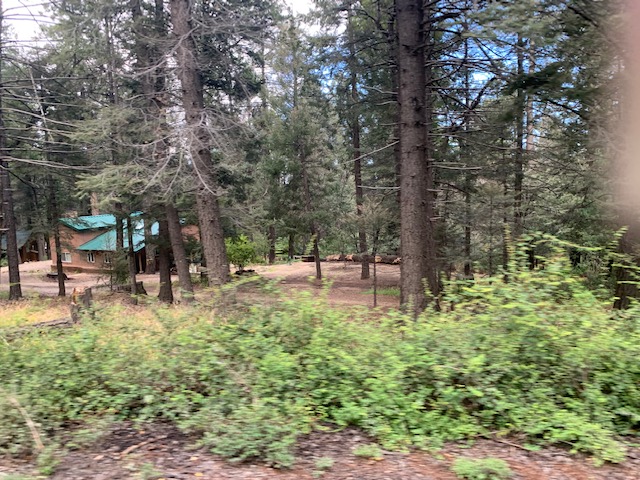
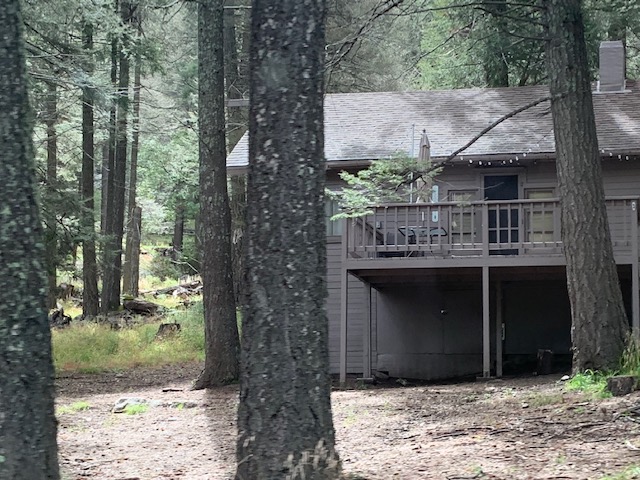
When we were driving up the mountain we noticed it was getting chiller.  When we left the campground it was about 78⁰ and now it was around 60⁰.   That was when we came to an elevation about 7000ft and noticed these really nice houses at that level.  The houses were definitely away from any services  but we got to thinking. . . what better place to be in the summer months when AZ has over 100⁰ weather than right here.

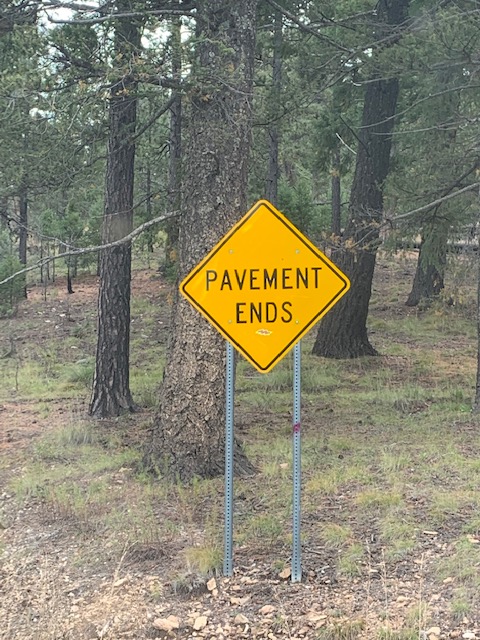
When we got to elevation 9000 and no pavement we decided to head back down the mountain. It was a a chilly 50⁰.

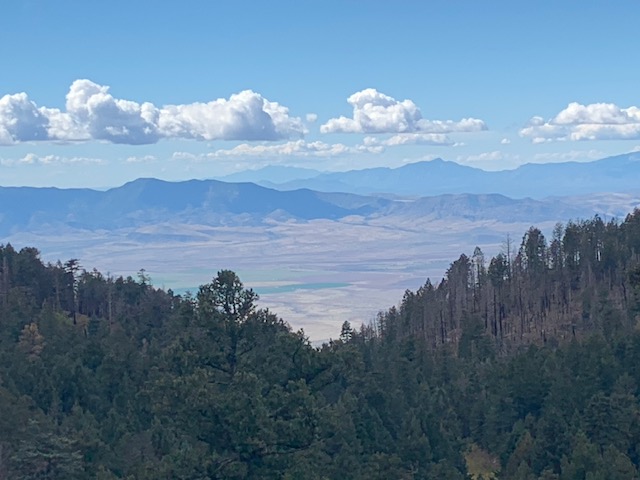
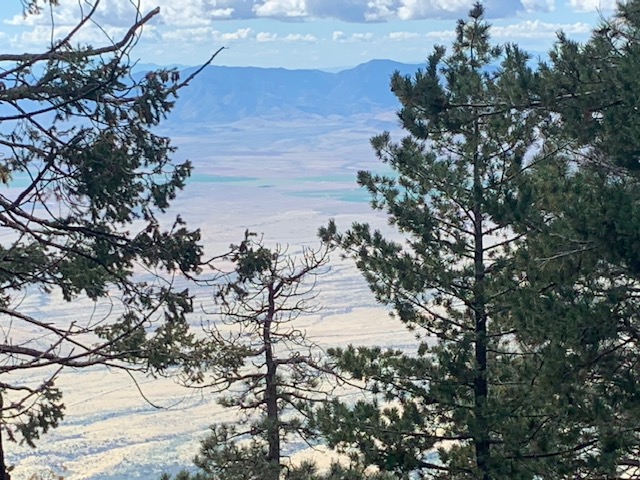
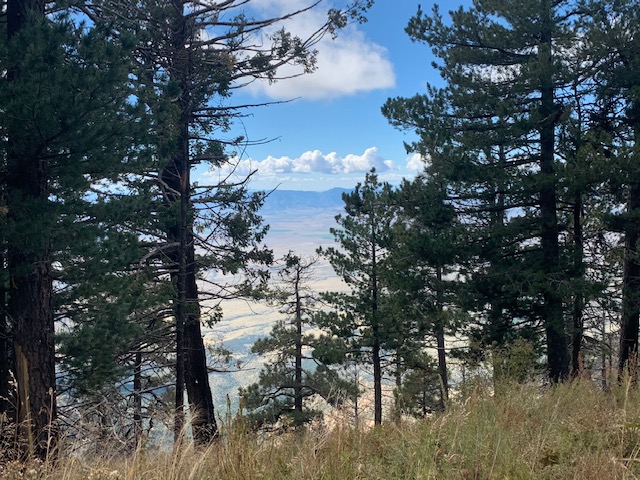
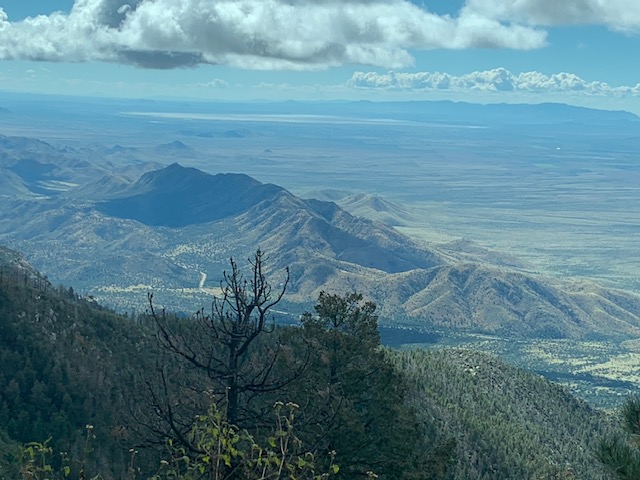
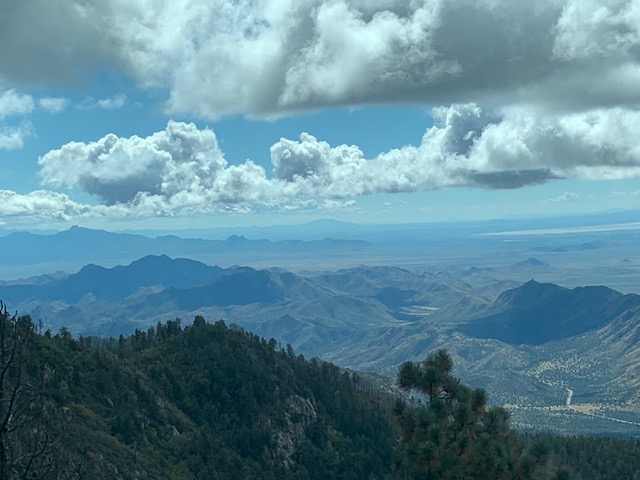
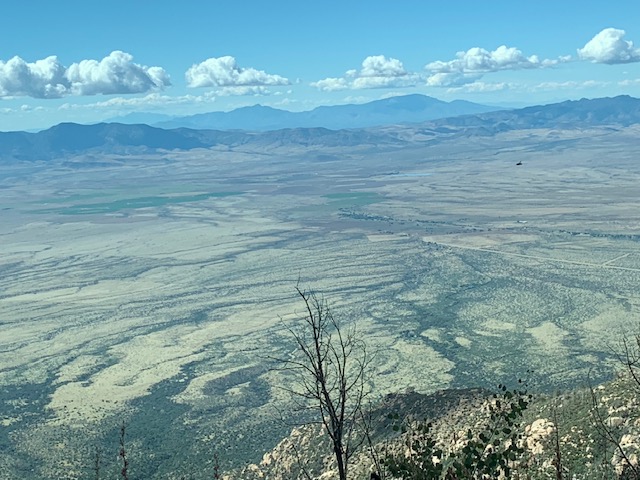
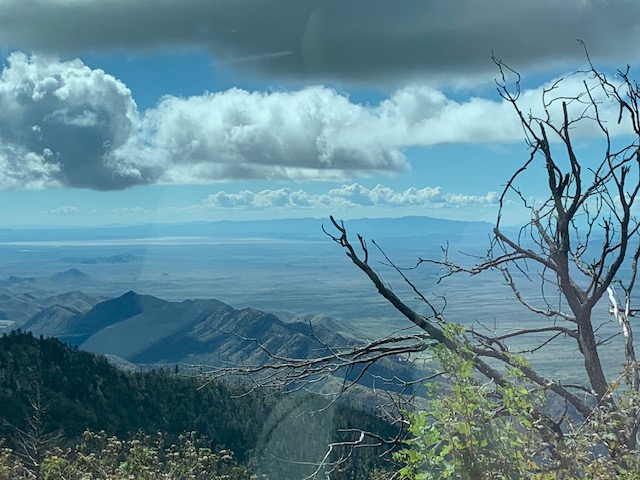
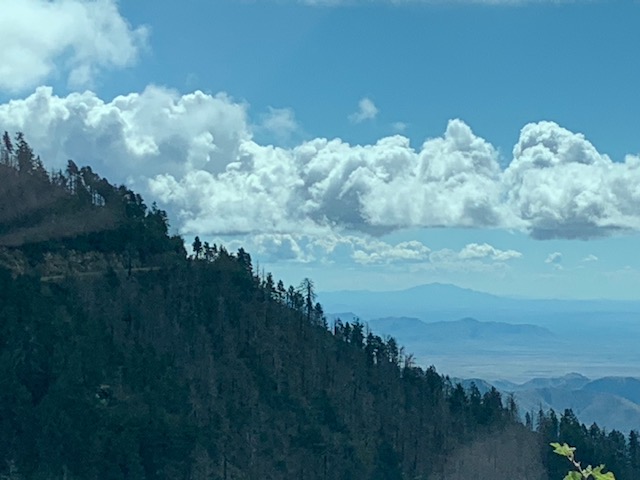
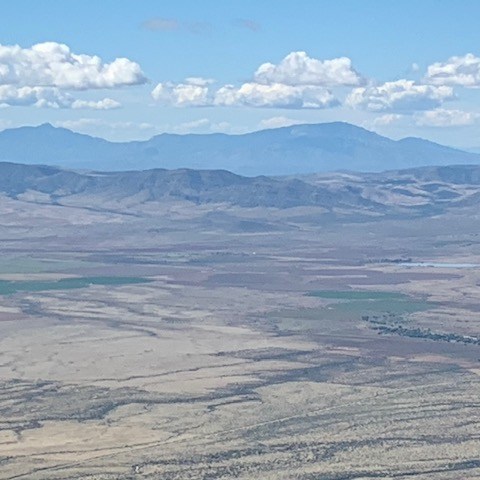
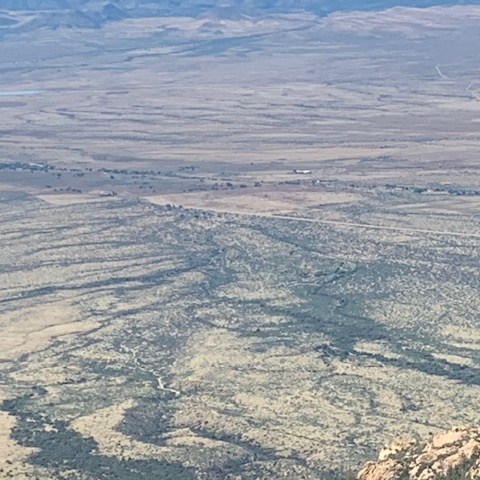
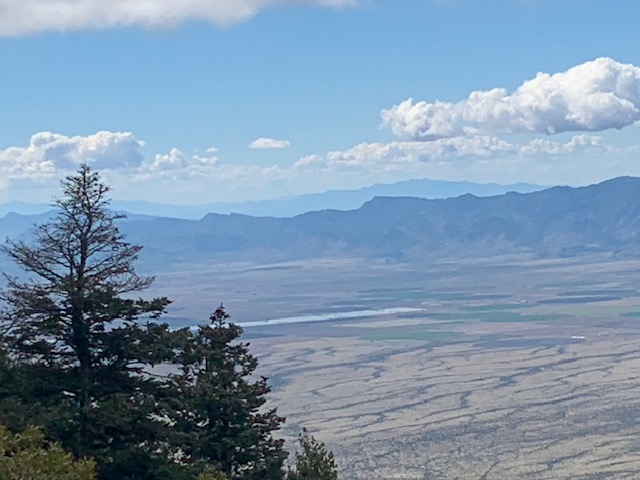
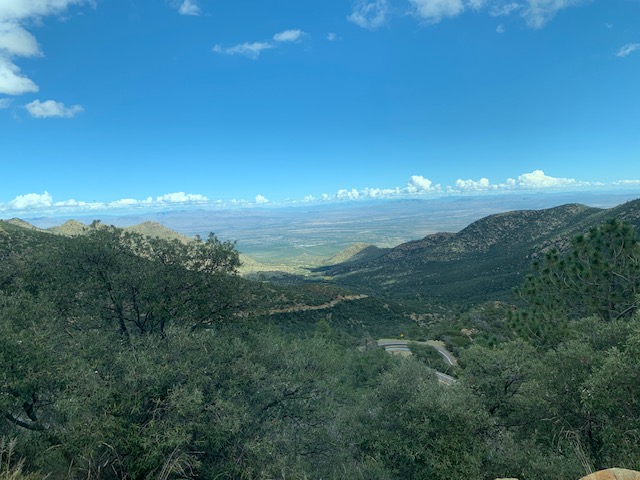
Spectacular views, we were as high as the clouds.

They have boondocking at the park with a fire pit, table and an outhouse at 6000ft. and 7000ft. After that at 9000ft they have undeveloped recreation areas for camping.

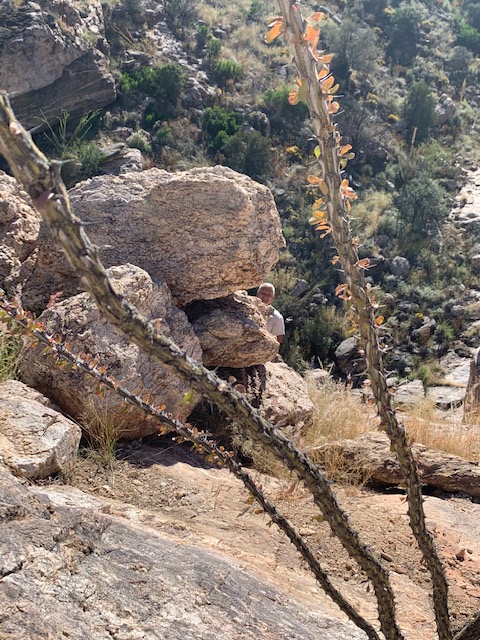
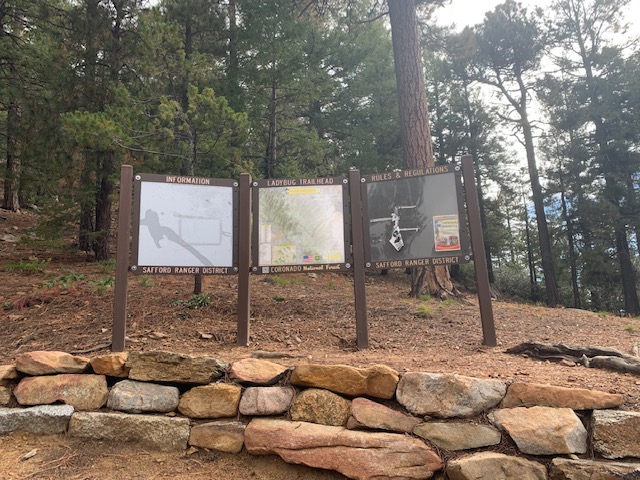
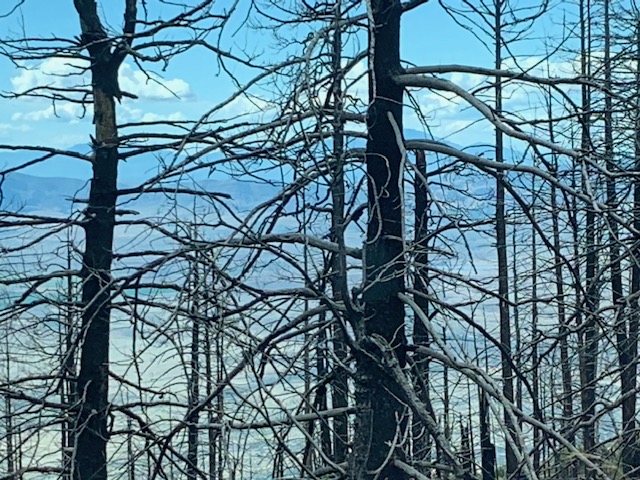
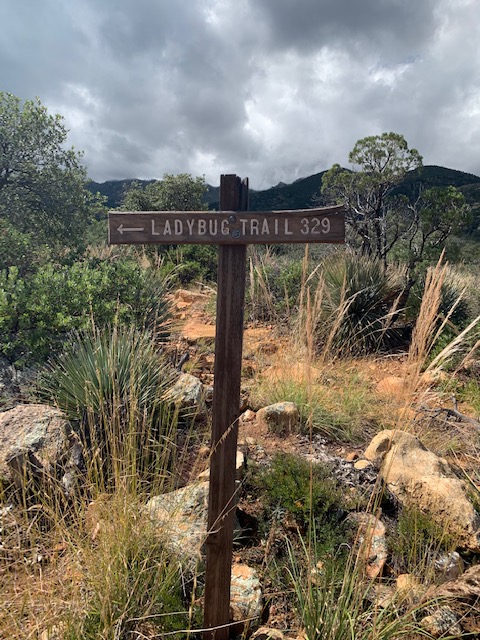
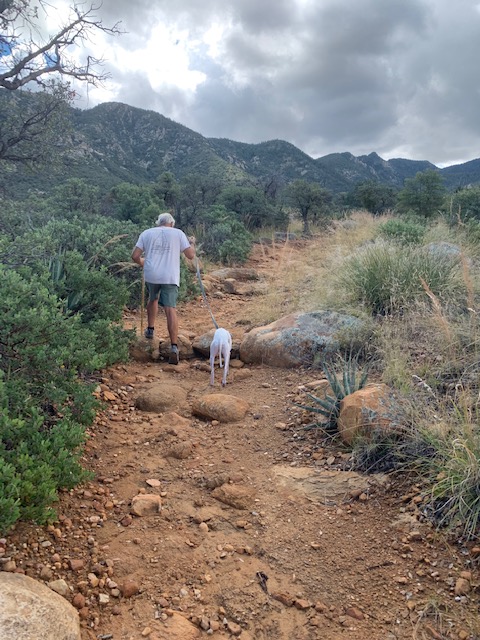
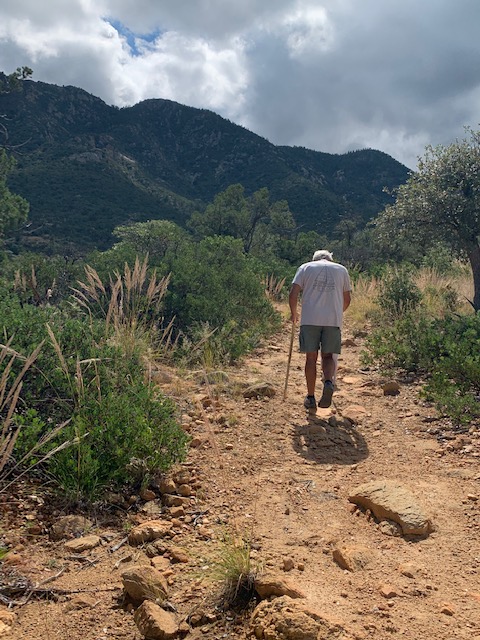
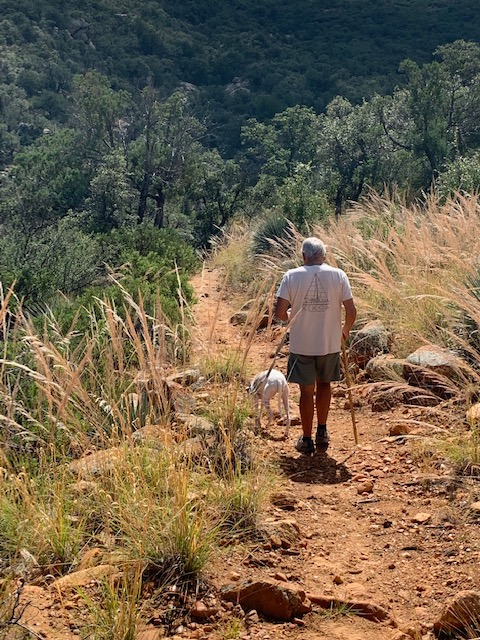
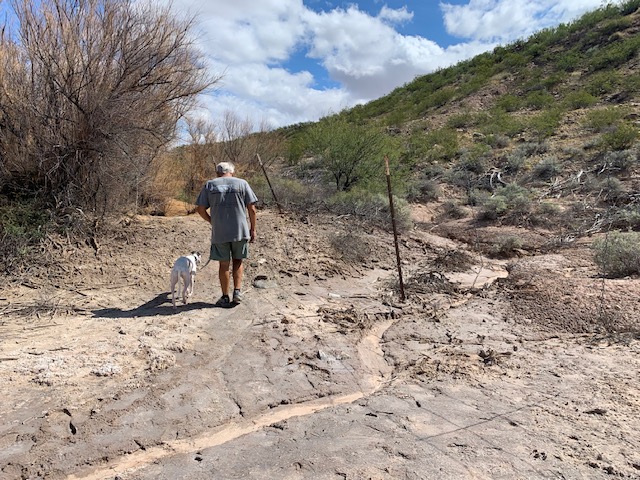
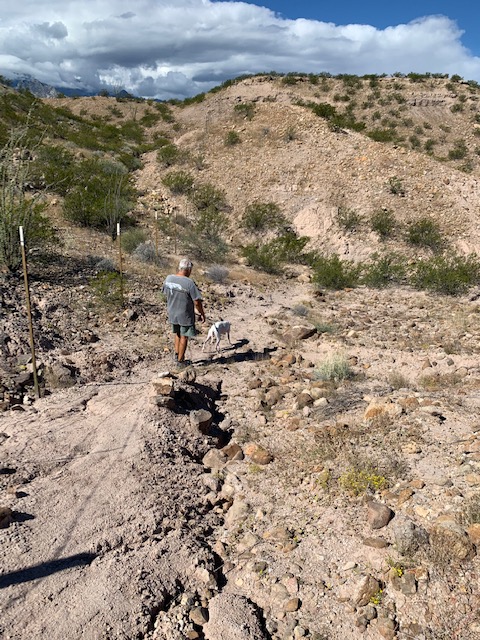
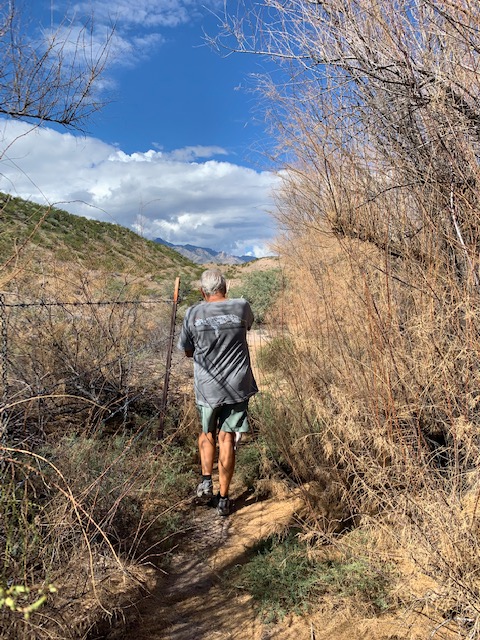
We walked a bit on the Ladybug trail in The Coronado National Forest until we couldn’t get thru any longer.

We had an grand adventure visiting Mt. Graham. We haven’t taken any hairpin turns or been that high up since we were in The Rocky Mountains. The scenery was fantastic!

We are being tranquil at . . .

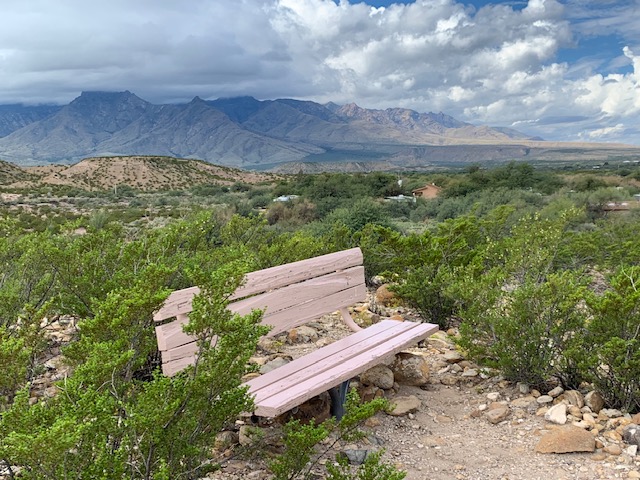
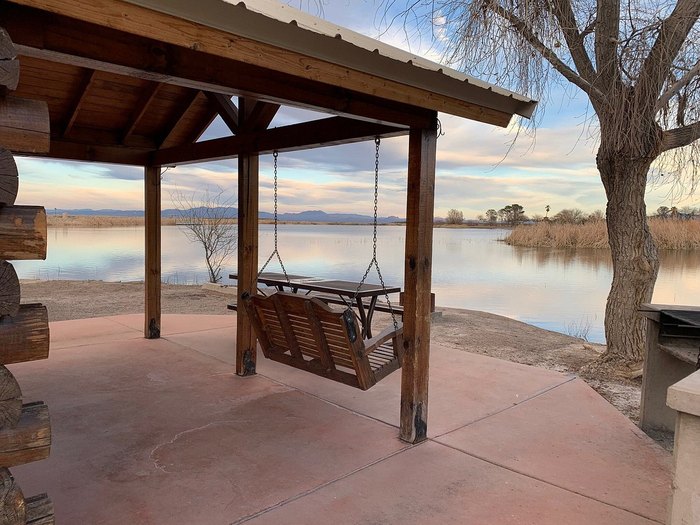
And enjoying the view

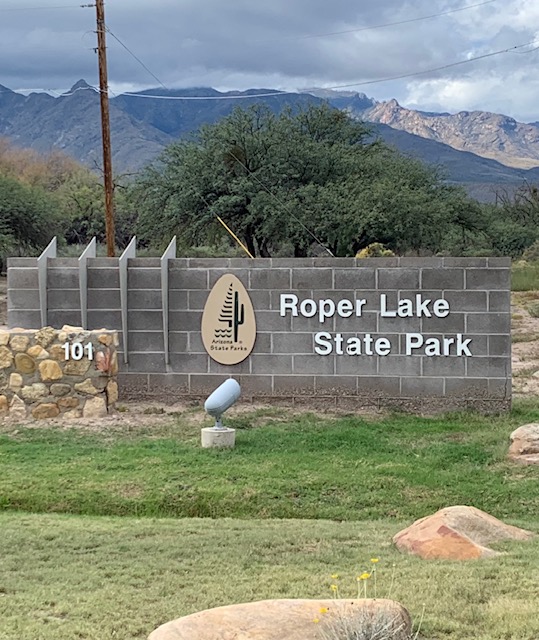
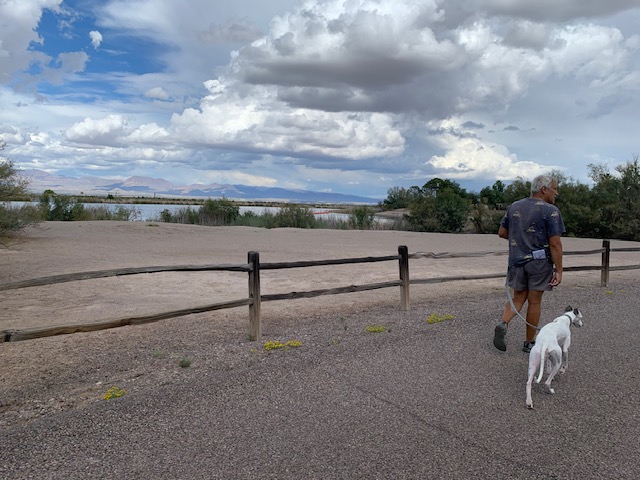
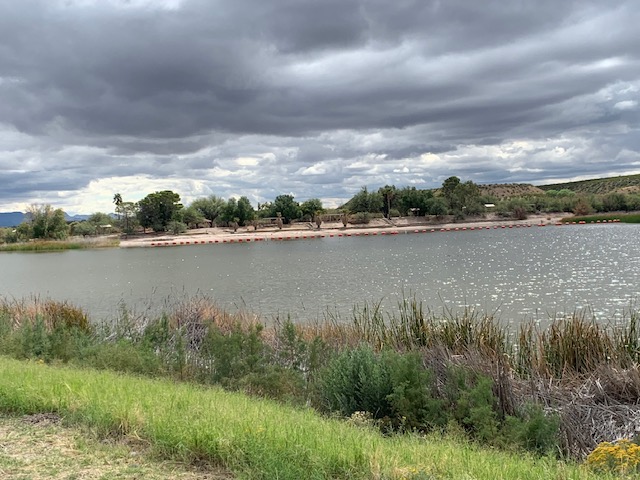
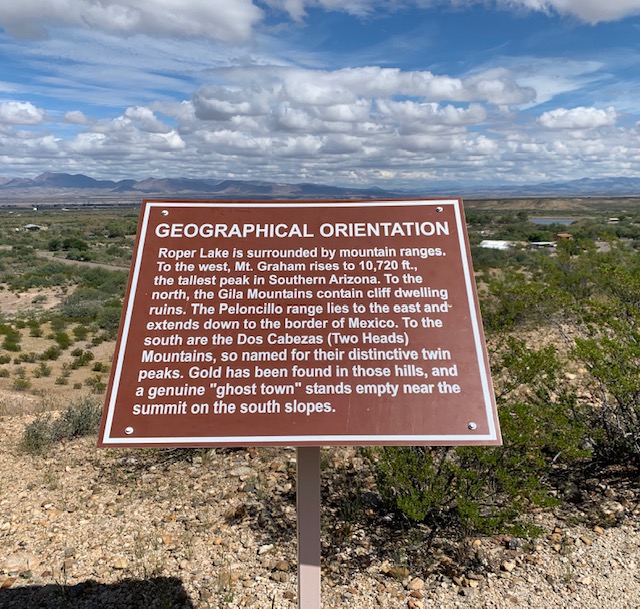
Roper Lake State Park is very scenic and has a 32-acre lake, man made of course.  The park is located off U.S. Route 191, 5 miles south of Safford, at the Gila River and Valley. The land for the park was once a ranch purchased by the state in 1972.  It has a boat ramp, a beach for swimming, fishing, picnic areas, a campground, and cabins. The lake is stocked with bass and trout. The park also has great hiking trails and lots of birds to watch. This park in southeast Arizona in a beautiful location surrounded by the sky island Pinaleño Mountains range, including Mount Graham.

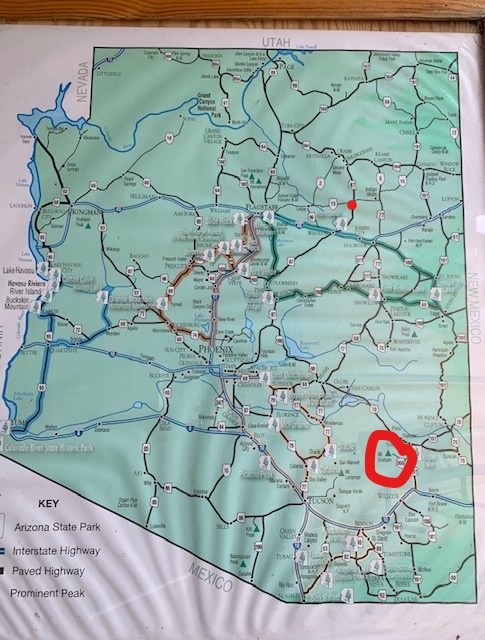
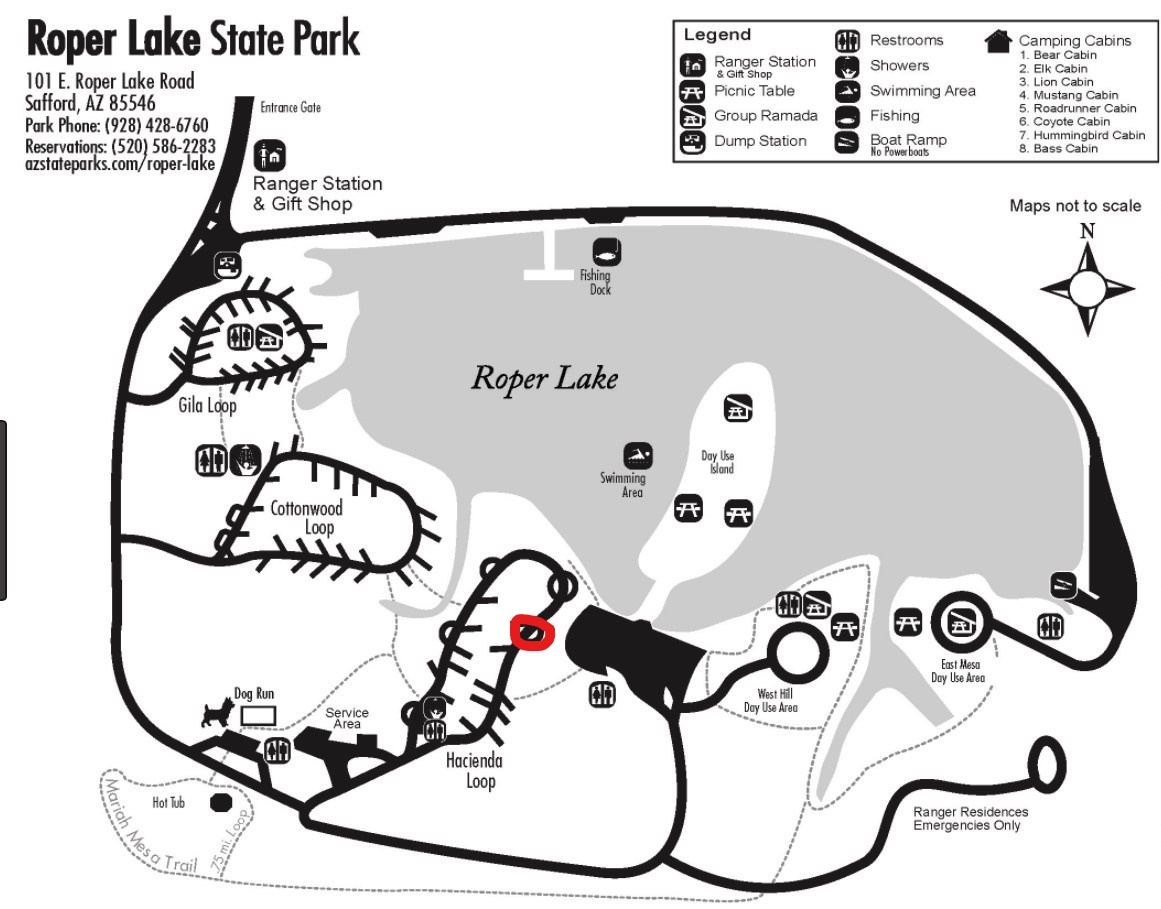
Where we are in Arizona and where we are in the campground

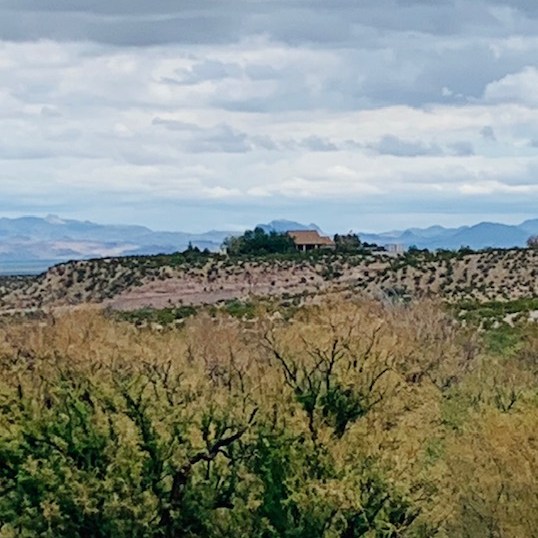
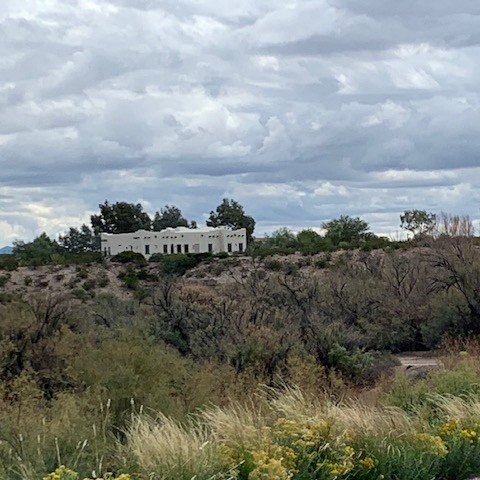
Two big mansions near the park, what a view they have!

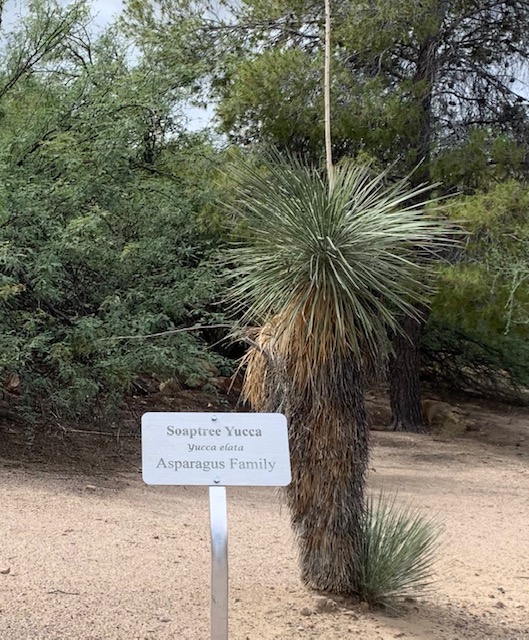
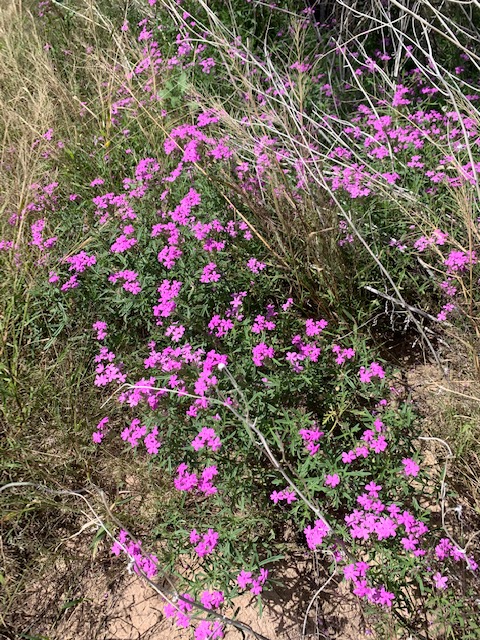
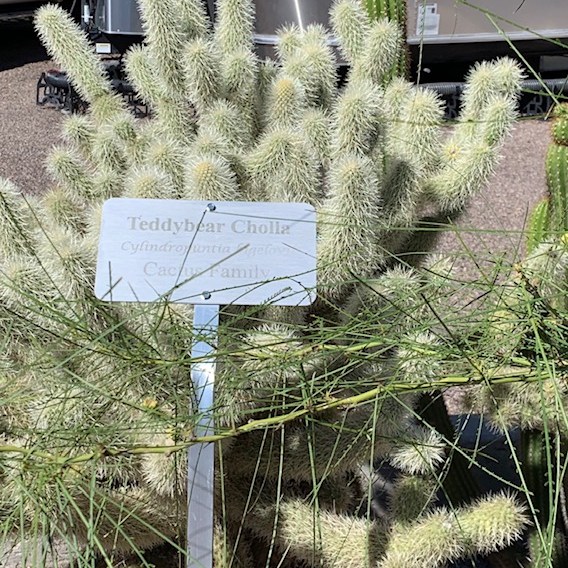
Asparagus Family, who would have guessed? And it’s edible.

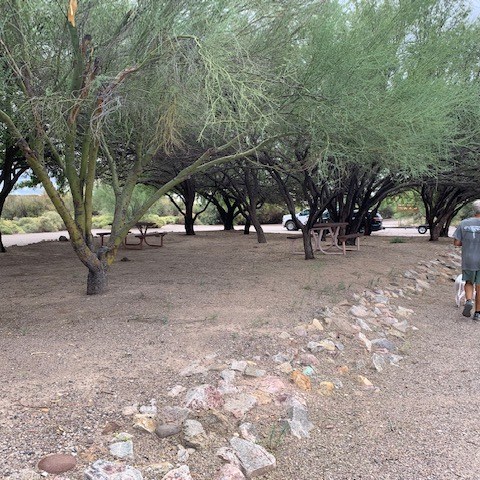
Our first days, getting acquainted with the campground.

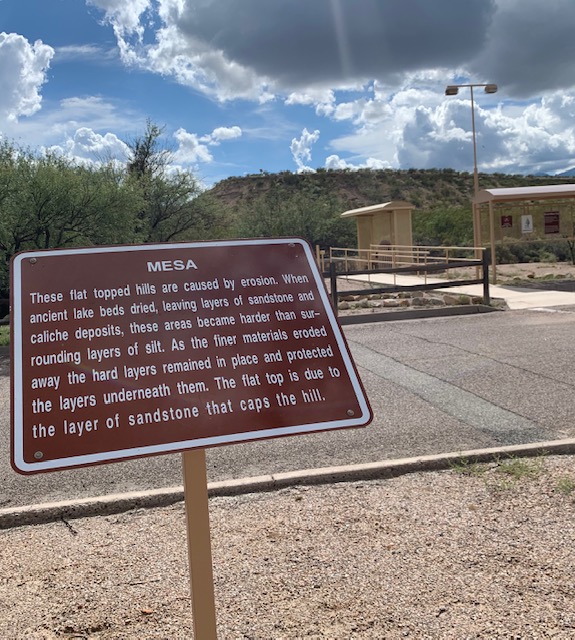
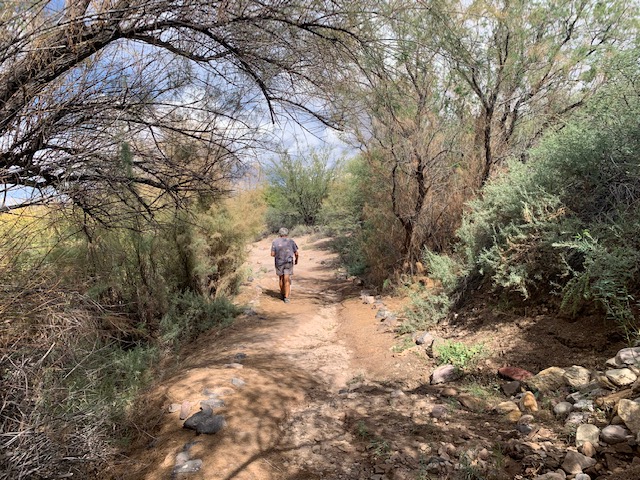
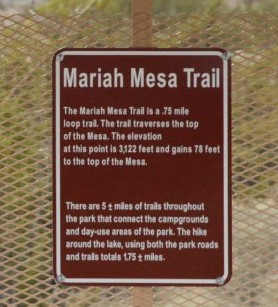
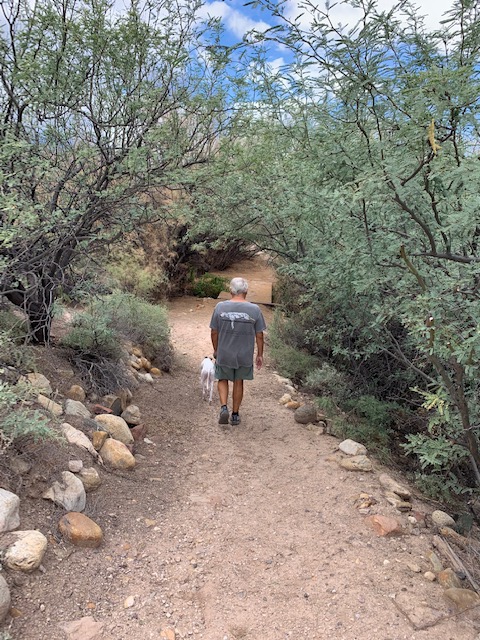
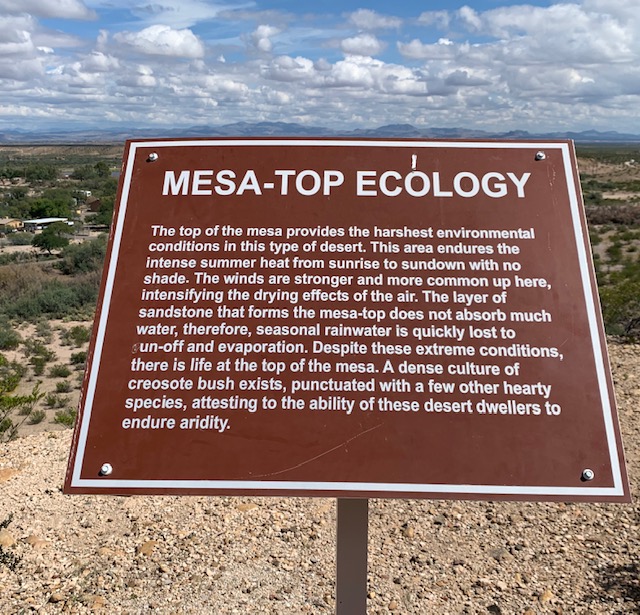
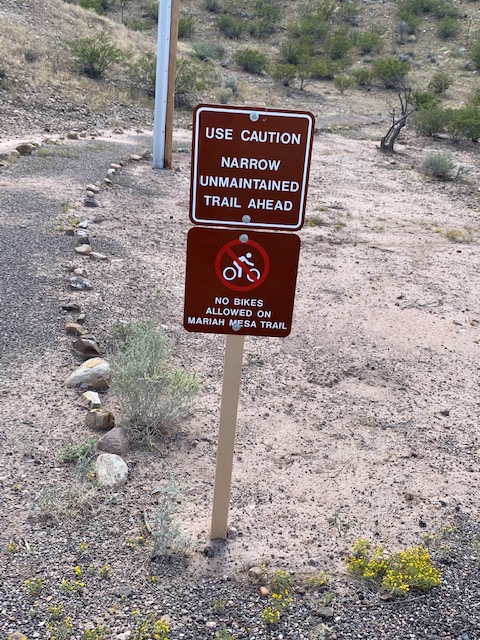
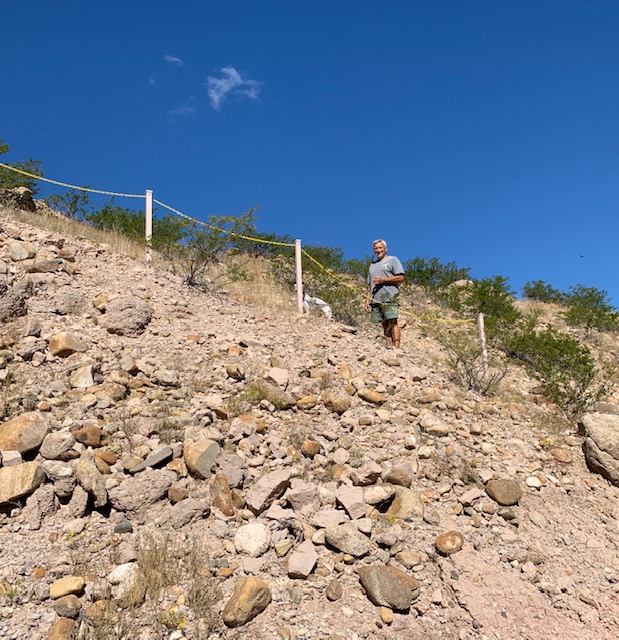
One of our favorite trails is the The Mariah Mesa Nature Trail. It’s about 3/4 of a mile halfway and a bit of an elevation gain 78ft getting to the top.

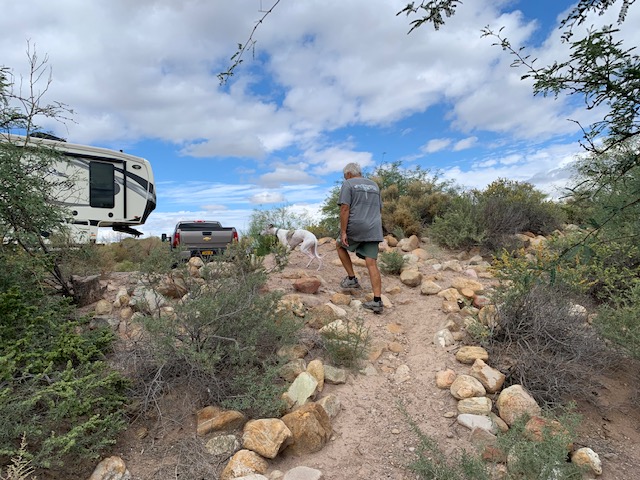
Heading back to our site

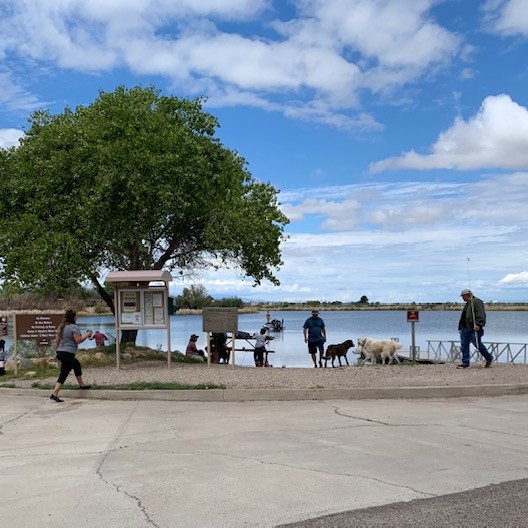
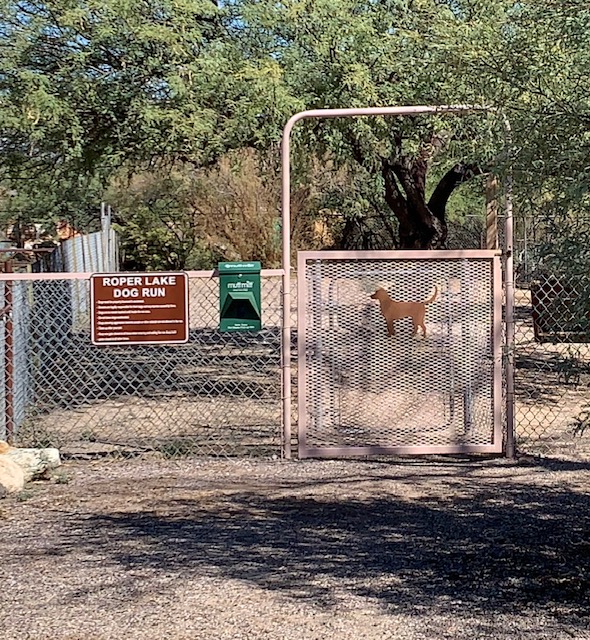
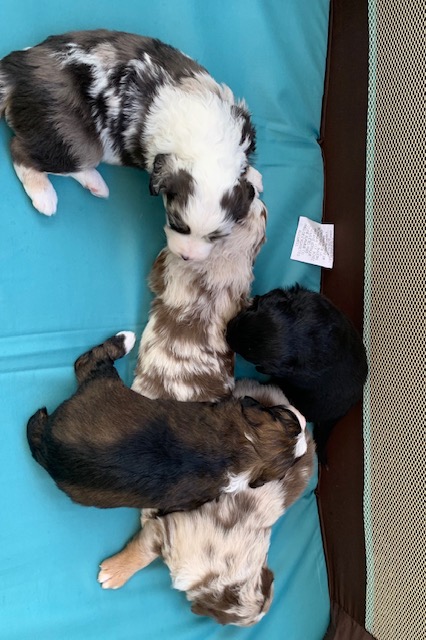
The campground has a dog run which is a first for us in a state campground. There we met Mike, who lives in Alaska and his two dogs Rooster & Monkey and their adorable puppies.

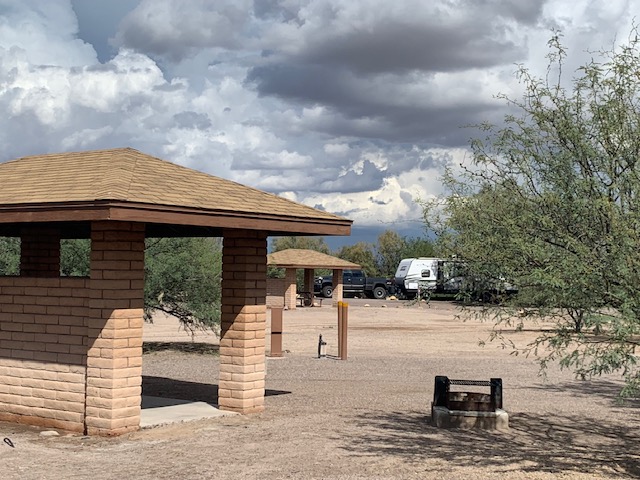
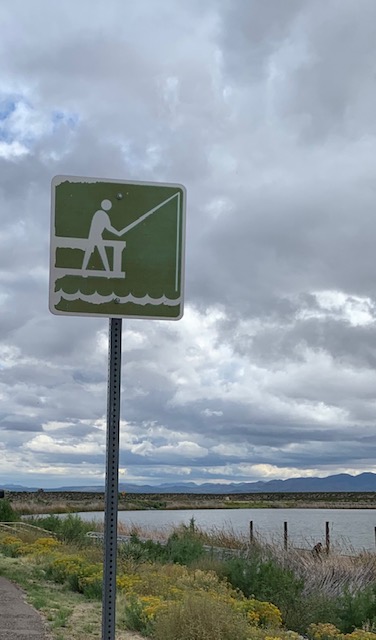
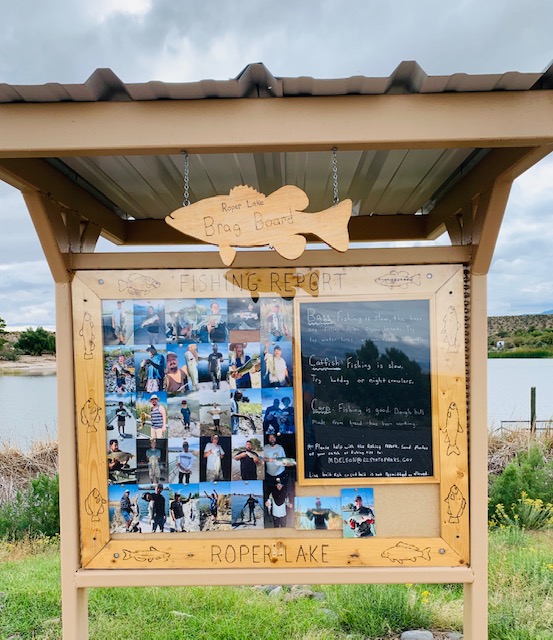
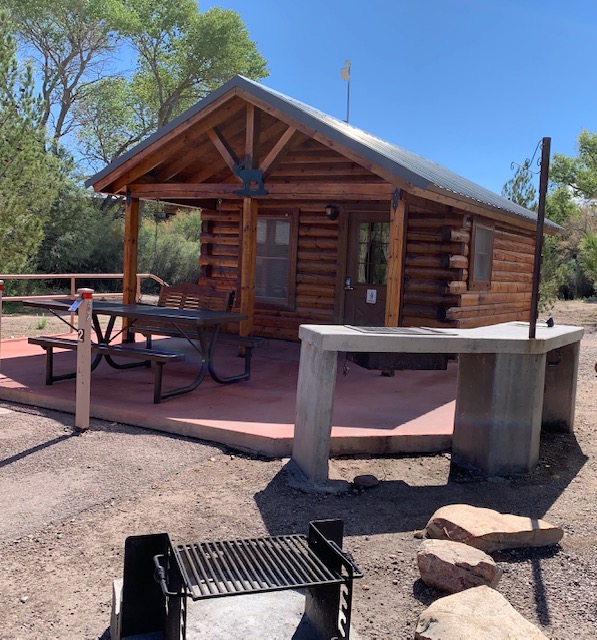
The campground has cabins that are great if you fish. They are complete with a fish station for cleaning the fish with a sink and of course a grill.

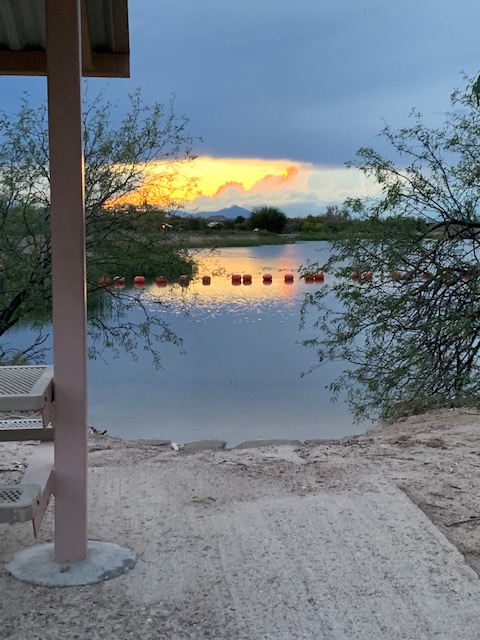
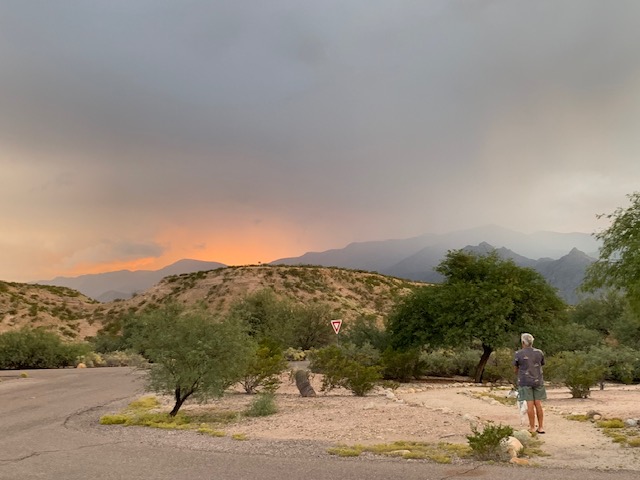
The sky here has incredible colors and clouds are always changing.

SAFFORD ARIZONA

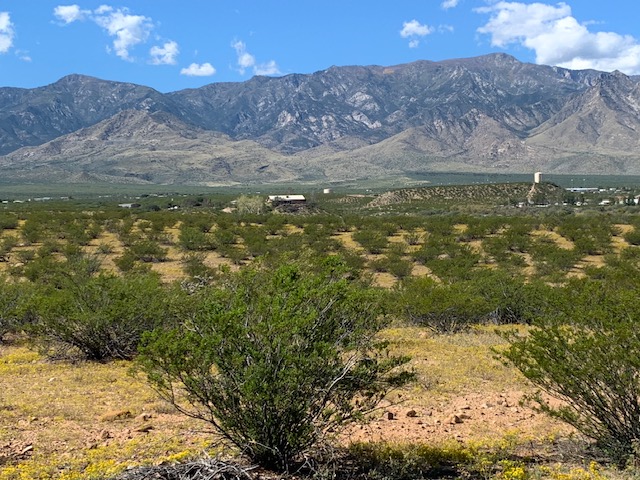
We are now at Roper Lake State Park in Stafford Arizona, which is nothwest of Benson. drove 79 miles today to the park, which is in the Gila valley right at the base of the Gila Mountains. We have a nice pull through site, the lake is not very big, but the area is very nice with nice scenery of the mountains. We will be here a week.

Fairbank, Arizona

I thought the only Fairbank was in Alaska. I was wrong. . .

Fairbank is located in the San Pedro Riparian Conservation area.

It sits by the San Pedro River, first called Junction City when it began as a simple stagecoach stop on the way to Tombstone.  Later it was called Kendall, and finally became known as Fairbank in May 1883.

When the railroad was completed in 1882, it quickly became an important railroad station. From Fairbank, trains brought supplies and cattle to Tombstone and took silver and other valuable ore from the Tombstone mines.

Plus, anyone needing long distance travel out of Tombstone usually went to Fairbank. Once built, it was the closest train depot. The route would be the stagecoach from Tombstone to Fairbank Arizona. Then catch the train there at Fairbank to Benson, where one could get to the train to Tucson. From there travelers could continue to many other cities. Fairbank was where it was at.

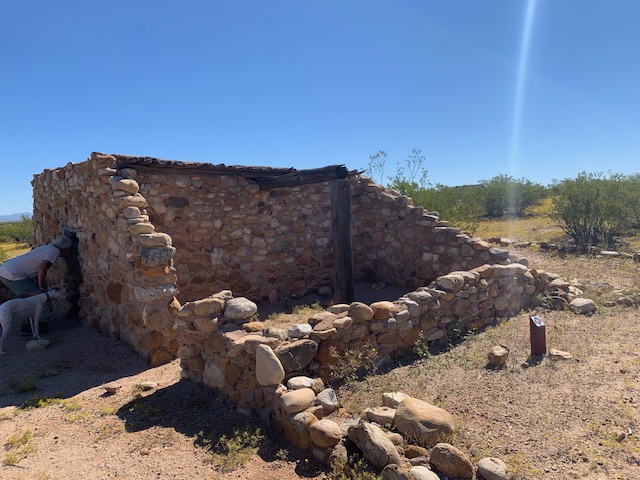
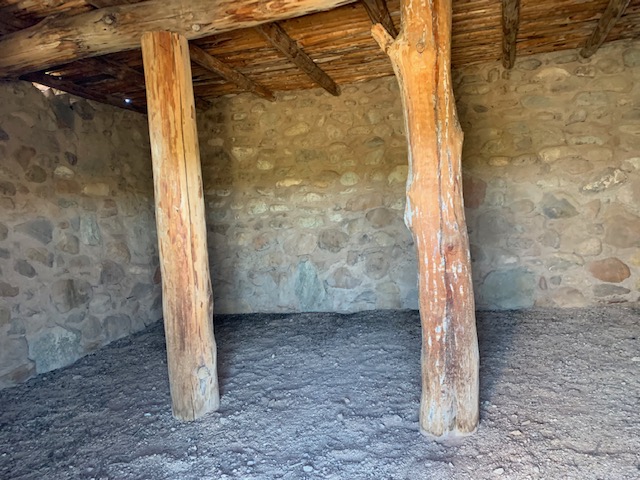
This is an adobe building which held a general store, post office, and a saloon.

In 1886 Fairbank had about 100 residents. Back then this little town had a steam quartz mill, a general store, a butcher shop, a restaurant, a saloon, a Wells Fargo office, the railroad depot, a stage coach station and a post office. By the 1900 Census Fairbank’s count neared 500 and as time went on a school was built.

The town has a cemetery, which we tried to get to but couldn’t. As you can see it was way to overgrown, which was to bad because after seeing pictures, it looks like a small Boothill Graveyard.

Old train tracks

Old railroad bridge.

Fairbank’s Train Depot.

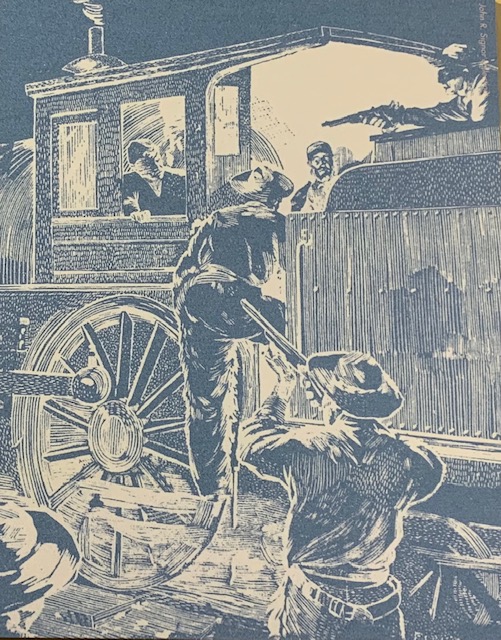
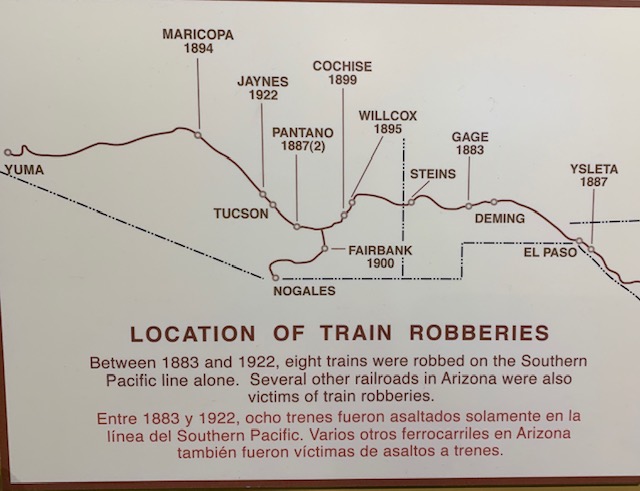
A train robbery on February 21, 1900, took place in Fairbank, Yes a train robbery!

An express car of a Benson to Nogales train was held up by six gunmen when it arrived at the Fairbank railroad station. Two of the robbers, named Billy Stiles and Burt Alvord, had been deputy sheriffs but joined four outlaws. They blended in with the crowd acting like drunk cowboys in the station. Suddenly they attacked the baggage car.  A brave lawman, named Jeff D. Milton, “who was given the highest praise for his defense of his trust”, was inside the express car guarding the Wells Fargo box and its payroll. As he was hit by gunfire, he threw the key to the box away into a corner, so the gang couldn’t open it.  He fought the men with a shotgun even though his left arm was shattered by shots from lever-action Winchesters. Milton slammed the door shut, and collapsed unconscious between two large boxes. This saved his life when the outlaws riddled the car with bullets. The robbers opened the door of the baggage car and were unable to find the keys, so they mounted their horses and rode away.

One who was left behind, Jeff Dunlap, alias Three-fingered Jack, was a well-known horse thief. He died a day later of buckshot wounds to the chest from Milton’s shotgun. Before he died on February 22, 1900, he confessed who the gang members were, with Alvord named as the leader. He was buried in Tombstone. The robbers were eventually hunted down and imprisoned. One had fled to Mexico. The penalty for train robbery was hanging. Leniency was exercised for the attempted robbery, and all the outlaws ended up with lesser sentences. I wonder if the Fairbank train robbery was it was ever made into a movie?

Fairbank train robbery – painted by Carl Oeters
Boothill Graveyard, Tombstone.

Jeff Milton

Milton was sent for treatment to San Francisco, as medical care in Fairbank was very limited. When told his arm would have to be amputated, he reportedly went into a rage, vowing he would kill any doctor who amputated his arm! His arm wasn’t amputated, but was permanently disabled. Jeff D. Milton’s DC shows he died May 7, 1947, at age 85 and 6 months.

Fairbank began its decline when drought ruined farmers who traded there. The Tombstone mines closed in 1900 from flooding and with no gold or silver left, this forced the mills to shut down. And in 1901 when the Boquillas Land and Cattle Co. purchased the land the town was built on and exiled most of the residents, keeping just a few business going until the early 1970s. In 1970s any remaining residents left the town, when the buildings were declared unsafe. The former land grant was acquired by the Bureau of Land Management in 1986, and the town site and cemetery were incorporated into the San Pedro Riparian National Conservation Area. Fairbank was occupied from 1881 to 1973.

Fairbanks 1890

The hotel in Fairbank and the adobe building that housed the post office in 1960.

It was fun looking at the old buildings and walking around. A  great little spot that will remind you to remember the past and look ahead to the future.